Universitas Indonesia
Depok, Indonesia · Suburban
INDONESIA'S FINEST UNIVERSITY
Universitas Indonesia Admissions Guide for International Students
Universitas Indonesia (UI) is the oldest and most prestigious university in Indonesia, tracing its roots to 1849 and consistently ranked number one in the country. Situated on a lush, lakeside campus in Depok — just south of Jakarta — UI is the gateway to Indonesia's professional, governmental, and academic elite. For international students drawn to Southeast Asia's largest economy, UI offers world-class faculty, unrivalled alumni networks, and a uniquely Indonesian campus experience at a fraction of the cost of Western universities.
With a QS World Ranking of 206, a 50,000-strong student body, and 14 faculties spanning medicine, law, engineering, social sciences, and the humanities, UI is the intellectual heartbeat of Indonesia. Its graduates include Nobel Prize winners, cabinet ministers, and CEOs. International students who choose UI gain access to a dynamic, emerging-market context that is impossible to replicate anywhere else.
Campus
Universitas Indonesia — campus in pictures
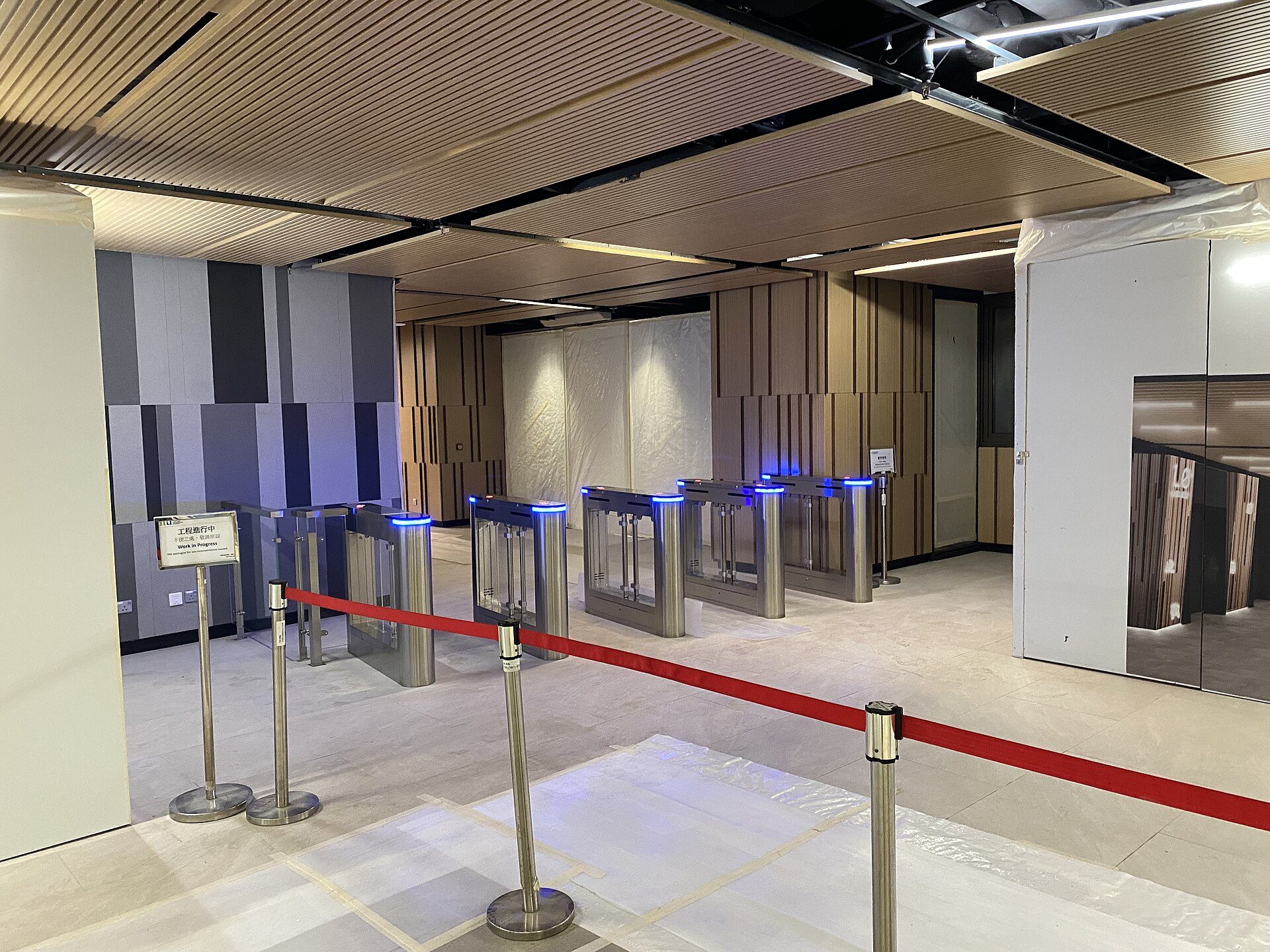
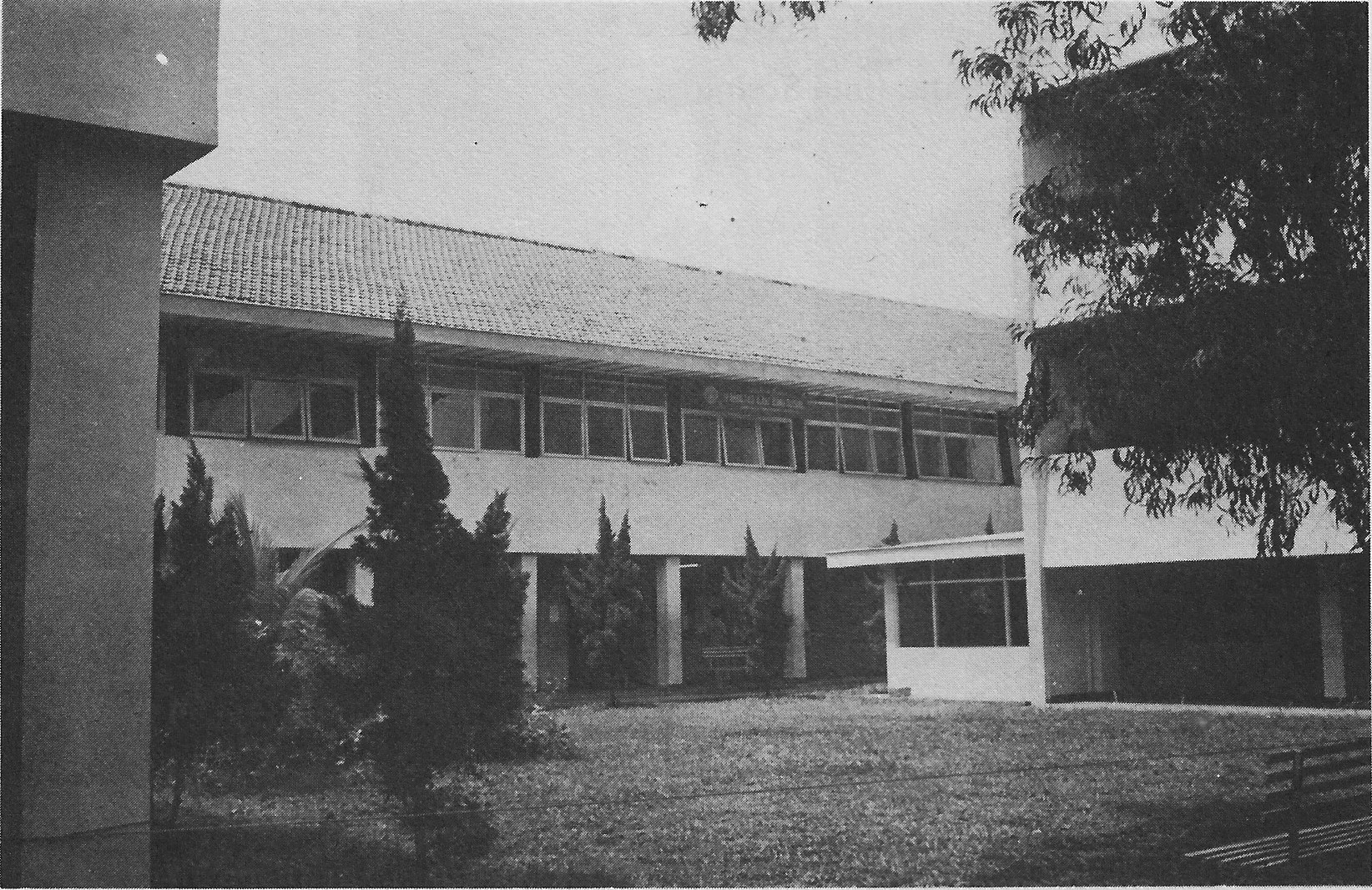
Real, freely-licensed photographs of the campus (via Wikimedia Commons).




WHY UI
Why Universitas Indonesia — Prestige, Location & Opportunity
For international students, UI combines Indonesia's top academic reputation with unmatched proximity to one of Asia's fastest-growing economies. Here is why ambitious students choose UI.
SELECTIVITY
How Selective Is UI?
Universitas Indonesia is Indonesia's most competitive university. Domestic students enter through a rigorous national selection process, and international applicants compete for a limited number of international seats. The overall acceptance rate reflects the intense competition at Indonesia's top public institution.
Acceptance rates at UI are highly programme-dependent. Medicine, Law, and Engineering attract the most applicants and are the most selective. Social sciences and humanities typically have somewhat more availability. International students are admitted through a separate office and pathway — confirm current availability and quotas via the Official International Admissions Office at ui.ac.id.
QUICK FACTS
Universitas Indonesia at a Glance
UI operates across two campuses: the main Depok campus (West Java, suburban) hosting most faculties, and the Salemba campus (Central Jakarta) housing medicine, dentistry, and public health. The university is a state-owned enterprise (PTN-BH) with financial and academic autonomy, enabling it to recruit internationally and set competitive fees.
WHAT YOU NEED TO APPLY
International Admissions Components
International students at UI apply through a direct online application portal. Unlike US universities, UI does not use the Common App. The application is submitted directly to UI's International Office. Core components typically include:
Application requirements are set by individual faculties and may change each cycle. Always confirm current requirements at the official UI admissions website (ui.ac.id/en) before submitting.
ADMISSION PROFILE
What UI Looks for in International Students
Universitas Indonesia admits international students primarily on the basis of academic merit. The profile of a competitive international applicant reflects the following qualities:
APPLICATIONS & DEADLINES
How and When to Apply
Universitas Indonesia uses a direct online application system. International students apply through the UI International Office, separate from the domestic national selection (SNMPTN/UTBK-SNBT) used by Indonesian applicants. Application windows typically open several months before each semester. UI generally admits for two intakes: Semester 1 (February/March) and Semester 2 (August/September). Specific deadlines vary by faculty and year.
Deadlines, application windows, and available international seats change annually. Always verify the current cycle's dates directly at the official admissions site. The information below is indicative only — do not rely on it without confirming.
| Intake | Approx Deadline | Decision | Notes |
|---|---|---|---|
| Semester 1 | October–November (preceding year) | December–January | February/March start — verify annually |
| Semester 2 | April–May | June–July | August/September start — verify annually |
CAMPUS LIFE
Student Life at UI
Life at UI is shaped by the energy of Southeast Asia's most dynamic country. The Depok campus is one of the most beautiful in the region — forested, lakeside, and designed to promote well-being alongside academic excellence.
UI maintains over 200 student organisations covering academic, cultural, religious, arts, and sports interests. The campus is famously bicycle-friendly, with more than 20 km of dedicated cycling paths weaving through a campus that has preserved 75% of its land for greenery. Students cycle between faculty buildings, the iconic yellow UI library (Southeast Asia's largest), the UI Mosque, and lakeside recreation areas. The Salemba campus in Jakarta gives health-science students direct access to RSCM (Rumah Sakit Cipto Mangunkusumo), one of Indonesia's leading public hospitals, providing early clinical exposure. Depok itself is a rapidly developing city of 2 million people, well-connected to Central Jakarta by the Commuter Line train (about 45–60 minutes). Jakarta offers world-class urban culture — from street food and night markets to international restaurants, galleries, co-working spaces, and one of Asia's most vibrant startup ecosystems. International students at UI gain an immersive experience in the real Indonesia, not a sanitised study-abroad bubble.
CAREERS
Graduate Outcomes
UI's graduates are among the most sought-after in Indonesia. The institution has a career employment rate of approximately 85%, with graduates entering careers across government, banking and finance, consulting, law, healthcare, technology, and international organisations.
UI's strongest career outcomes are in fields where it has the deepest national prestige: law, economics and public policy, medicine and public health, engineering, and computer science. The university maintains partnerships with Indonesia's major banks (BCA, Mandiri, BRI), the Ministry of Finance, BAPPENAS (National Development Planning Agency), consulting firms (McKinsey, BCG, Deloitte), and multinational tech companies operating in Jakarta. For international graduates, a UI degree carries significant weight across ASEAN. The alumni network — spanning government ministers, Supreme Court justices, central bank governors, and UN officials — is the most powerful in Indonesia and provides a tangible career advantage in the region.
Salary figures reflect the Indonesian market context. International graduates returning to higher-income countries will see different market rates. USD 8,000 per year is the stated average starting salary for all graduates and reflects Indonesian economic conditions.
FAQ
Frequently Asked Questions
Is Universitas Indonesia taught in English?+
Most undergraduate programmes are taught in Bahasa Indonesia. International students should be prepared to develop Indonesian language skills. Some graduate (S2/S3) programmes and short-term international programmes are available in English. Always verify the language of instruction for your specific programme before applying.
Can I apply as an international student directly to UI?+
Yes. International students apply through UI's International Office using a direct online application — separate from the domestic SNMPTN/UTBK national selection used by Indonesian students. Visit ui.ac.id/en for the current application portal.
What is the acceptance rate for international students at UI?+
The overall acceptance rate is approximately 7%, reflecting intense competition across all programmes. International seats are limited and vary by faculty. Medical and engineering programmes are the most competitive.
Do I need to learn Bahasa Indonesia?+
For undergraduate programmes, yes — most instruction is in Indonesian. UI offers preparatory Indonesian language programmes for incoming international students. For English-taught graduate programmes, proficiency in Indonesian is helpful but not always required.
How affordable is UI compared to Western universities?+
Very affordable. Annual tuition for international students is approximately USD 4,200, with a total estimated cost of attendance around USD 9,000 per year (including living costs in Depok/Jakarta). This is a fraction of the cost at comparable universities in the US, UK, or Australia.
Is there financial aid available for international students?+
UI does not typically offer large institutional need-based grants to international students. However, government scholarship programmes (such as the KNB/Kemitraan Negara Berkembang scholarship funded by the Indonesian Ministry of Education) are available to students from certain countries. Check the Ministry of Education and Culture (Kemendikbud) website and UI's International Office for current opportunities.
What is the campus like?+
UI's main Depok campus is widely regarded as one of Southeast Asia's most beautiful. It features a large artificial lake, 33,000 m² central library (the largest in Southeast Asia), extensive green space with reforestation zones, and 20+ km of bicycle paths. It has a relaxed, collegiate atmosphere distinct from the bustle of central Jakarta.
Can I get a student visa to study at UI?+
Yes. Accepted international students can apply for a Limited Stay Visa (VITAS) and then convert to a Limited Stay Permit (KITAS) once in Indonesia. UI's International Office typically assists admitted students with visa documentation. Start this process early as Indonesian visa procedures can be time-consuming.
ACADEMICS
Academic Life at Universitas Indonesia Rigorous, Research-Driven, and Nationally Unmatched
UI's academic environment is shaped by Indonesia's highest standards of tertiary education. With 14 faculties, 2 schools, and 1 vocational programme, UI covers a vast academic landscape. For international students, understanding the academic expectations — and the primarily Indonesian-language environment — is essential preparation.
ACADEMIC BENCHMARKS
Academic Profile
UI does not use SAT or ACT scores in international admissions. Academic qualifications are assessed through a direct equivalency review: IB Diploma, A-Levels, national baccalaureates, and other internationally recognised secondary credentials are considered. The minimum IB score of 32 is a baseline — competitive programmes expect significantly higher scores or equivalent achievement.
TEST POLICY
Standardised Testing Policy
Universitas Indonesia has an optional standardised testing policy for international applicants. SAT and ACT scores are not required and are not the primary evaluation tool.
UI evaluates international students primarily on school-leaving qualifications (IB, A-Levels, national exams, GPA equivalent) rather than standardised tests like the SAT or ACT. The emphasis is on your academic record in accredited programmes. The one mandatory testing component is an English language proficiency test (IELTS, TOEFL iBT, or Duolingo) for non-native speakers applying to English-taught programmes.
Domestic Indonesian students enter through the national entrance exam system (UTBK-SNBT). International students are assessed on a different track. Confirm test requirements for your specific faculty via the International Office.
ENGLISH PROFICIENCY
English Language Requirements
For programmes taught in English or where English proficiency is required for international admission, UI sets minimum scores as follows.
These are minimum thresholds. Competitive programmes may require higher scores. Students applying to Indonesian-language programmes should focus instead on Indonesian (Bahasa Indonesia) proficiency. UI offers pre-entry Bahasa Indonesia courses — confirm availability through the International Office.
| Test | Minimum Score | Notes |
|---|---|---|
| IELTS Academic | 6.0 | Academic band required; not General Training |
| TOEFL iBT | 80 | Internet-based test; institutional TOEFL not accepted |
| Duolingo English Test | 100 | Increasingly accepted; confirm with faculty |
IB / A-LEVELS / INTERNATIONAL QUALIFICATIONS
How UI Reads International Qualifications
UI accepts a wide range of international secondary qualifications for international student admissions. The IB Diploma benchmark of 32+ is the most frequently cited benchmark for IB students.
SUBJECT PREPARATION
Academic Preparation by Faculty
Different faculties at UI have different subject prerequisites. Below is a guide to the academic preparation most relevant by programme area.
LANGUAGE REQUIREMENTS
Language of Instruction — A Critical Note
For international students, this is one of the most important practical factors to clarify before applying.
The majority of undergraduate programmes at Universitas Indonesia are taught entirely in Bahasa Indonesia. This is not a barrier to admission — but it is a barrier to success if you arrive unprepared. UI does offer Bahasa Indonesia preparation programmes for incoming international students, and many exchange/short-programme students attend these first. For graduate (Masters/Doctoral) programmes, a growing number are available in English, particularly in partnership programmes or international class tracks. When researching programmes, always confirm the language of instruction directly with the relevant faculty. English proficiency tests (IELTS, TOEFL iBT, Duolingo) are required for programmes with English instruction or for international admission at the graduate level. See the table in the Academic Benchmarks section for minimums.
YOUR ROADMAP
Building Your Profile — Year by Year
COMMON MISTAKES
Academic Application Pitfalls to Avoid
- Applying for an Indonesian-language programme without Bahasa Indonesia proficiency — this sets you up for failure regardless of your academic credentials.
- Assuming UI evaluates applications the same way US universities do — it does not use holistic review in the US sense; academic merit and documentation are primary.
- Submitting a generic motivation letter with no specific connection to UI, Indonesia, or your chosen faculty.
- Failing to verify language of instruction before accepting an offer — confirm this in writing with the relevant faculty.
- Missing deadlines due to confusion between domestic (SNMPTN/UTBK) and international admission calendars — these are entirely separate processes.
- Not beginning visa (KITAS) arrangements immediately after receiving an offer letter — delays in Indonesian visa processing can push back your start date.
- Underestimating the IB score benchmark — a score of 32 is the minimum equivalent; for Medicine or Engineering, competitive candidates typically score higher.
- Overlooking scholarship application deadlines — the KNB scholarship (government-funded for students from developing countries) has its own separate application cycle.
COST & AFFORDABILITY
Cost of Attending Universitas Indonesia World-Class Education at a Fraction of Western Prices
Universitas Indonesia is one of the most affordable top-ranked universities in Asia for international students. Annual tuition is approximately USD 4,200, with a total estimated cost of attendance — including accommodation and living expenses in Depok/Jakarta — of around USD 9,000 per year. This positions UI as exceptional value for money by any global comparison.
All figures below are sourced from the UI facts file and represent estimates. Costs may vary by programme and are subject to change. Always confirm current fee schedules directly with UI's Finance or International Office before making financial decisions.
COST BREAKDOWN
Annual Cost Estimates
UI's public university status keeps tuition significantly lower than private universities in Indonesia or equivalents in Western countries. Depok itself offers a lower cost of living than central Jakarta — accommodation near campus can be found in the form of affordable student rooming houses (kos-kosan) for well under USD 200/month.
| Component | Estimated Usd | Notes |
|---|---|---|
| Tuition (International) | ~USD 4,200 | Per academic year; varies by faculty |
| Living Costs (Depok/Jakarta) | ~USD 5,500 | Accommodation, food, transport, personal |
| Total Cost of Attendance | ~USD 9,000 | Indicative annual estimate |
| Application Fee | USD 50 | Non-refundable processing fee |
FINANCIAL AID
Financial Aid for International Students
As a public Indonesian university, UI does not typically offer large institutional need-based scholarships to international students in the same way US or UK universities might. However, several external and government-funded channels exist.
International students seeking financial support should prioritise: 1. The KNB (Kemitraan Negara Berkembang) Scholarship — a bilateral scholarship programme funded by the Indonesian Ministry of Education and Culture (Kemendikbud) for students from developing countries. KNB covers tuition, monthly living allowance, and other costs. Eligibility and participating countries change each year. 2. DARMASISWA — a one-year cultural scholarship funded by the Indonesian government, designed for students who want to study Bahasa Indonesia, arts, music, and culture at Indonesian universities including UI. Not a full degree scholarship. 3. Home-country scholarships and bilateral agreements — many governments have agreements with Indonesia for student exchange and funding. Check your home government's education ministry or national scholarship agency. UI's own institutional aid for international undergraduates is limited and not comprehensively documented publicly. Contact the International Office for the most current information.
SCHOLARSHIPS
Scholarship Opportunities
Scholarship amounts, eligibility criteria, and availability change each cycle. All scholarship information above should be verified on official government and university websites before applying. Do not assume any scholarship is available in a given year without confirming.
NET COST REALITY
Affordability in Context
For international students, UI represents genuinely excellent value — particularly for those from countries where a Rupiah-denominated cost structure is advantageous.
At approximately USD 9,000 per year all-in, UI sits far below the cost of comparable-ranked institutions in the US (where total cost of attendance often exceeds USD 80,000/year), the UK (USD 35,000–55,000), or Australia (USD 30,000–50,000). The cost is also lower than many private institutions within Indonesia. The Indonesian Rupiah cost structure means students from high-income countries benefit from a favourable exchange rate. Students from lower-income economies will find the KNB and other scholarships particularly impactful in making a UI education essentially free. Note that salary expectations post-graduation within the Indonesian market (average starting salary approximately USD 8,000/year) reflect Indonesia's economic context. International graduates who return to higher-income countries should not benchmark against this figure.
ACTION PLAN
Steps to Fund Your UI Education
COST FAQ
Cost & Aid — Frequently Asked Questions
How much does it cost to study at UI as an international student?+
Annual tuition is approximately USD 4,200, with a total estimated cost of attendance (including living costs in Depok) of around USD 9,000 per year. Application fee is USD 50. These are estimates — confirm current figures with UI's Finance Office.
Is there any financial aid available to international students from UI directly?+
UI's direct institutional financial aid for international undergraduates is limited and not comprehensively documented publicly. The main avenues are government scholarship programmes (KNB, DARMASISWA, IISMA) rather than UI-funded grants. Contact the International Office for the latest information.
What is the KNB Scholarship and how do I apply?+
KNB (Kemitraan Negara Berkembang) is an Indonesian government scholarship for students from developing countries. It covers tuition and provides a monthly living allowance. It has a separate application process managed by the Indonesian Ministry of Education (Kemendikbud Ristek). Verify eligibility and the current application cycle on their official website.
How affordable is living in Depok near the UI campus?+
Depok is significantly more affordable than central Jakarta. Student accommodation (kos-kosan — furnished rooms) near campus can be found for approximately USD 100–200/month. Indonesian food is very affordable — a full meal from a campus canteen or local warung (food stall) costs under USD 2. Total monthly living costs of USD 400–600 are realistic for budget-conscious students.
Are there any tuition fee waivers for outstanding international students?+
We are not able to confirm specific fee waiver programmes without verified information. Contact UI's International Office directly and ask about merit-based support or sponsored international programme tracks.
APPLICATION & STATEMENT
Applying to Universitas Indonesia No Supplemental Essays — A Direct Application System
Universitas Indonesia does not use a US-style Common App or supplemental essay system. International students apply directly through UI's International Office portal. The core written component is a motivation letter — a professional academic statement explaining your purpose, not a personal narrative in the US admissions tradition. This tab guides you through the application and how to write a compelling motivation letter for UI.
The Indonesian higher education system is distinct from American and British systems. There is no Common App, no coalition of supplemental prompts, and no early decision / regular decision cycle in the US sense. Frame your expectations accordingly.
APPLICATION OVERVIEW
What Written Materials Does UI Require?
UI's international application typically requires the following written components. Requirements vary by faculty — always confirm with the relevant faculty's admissions officer.
Current-cycle requirements should always be confirmed via ui.ac.id/en. The above reflects commonly required components but individual faculties may have specific variations.
MOTIVATION LETTER
What to Address in Your Motivation Letter
UI does not publish fixed essay prompts like US universities. The motivation letter is a standard academic convention common across continental European and Asian universities. While there is no single required prompt, strong motivation letters for UI consistently address the following themes.
MOTIVATION LETTER STRATEGY
How to Write a Strong Motivation Letter for UI
The motivation letter for UI is a different genre from the US Common App personal statement. Understanding the difference is key.
The US personal statement is a personal narrative — it invites you to tell a story about yourself, your identity, your journey. The motivation letter for UI (and most Asian and European universities) is an academic and professional document — it asks you to justify an intellectual and career choice. This means: lead with purpose, not autobiography. Open with a clear statement of what you want to study and why. Move quickly to your academic preparation and specific interest in UI. Close with a concise statement of your goals. Tone should be formal but not cold — respectful of the institution, confident about your preparation, and clear about your intentions. Avoid humility to the point of vagueness ('I hope to perhaps learn something from UI's experts') and avoid arrogance. The ideal tone is that of a thoughtful young professional who has done their research and knows why this is the right place for them. Length: typically one to two A4 pages, single-spaced, in a readable professional format.
DOCUMENT STRATEGY
Making Your Application Package Strong
WHAT TO EMPHASISE
Choosing What to Highlight
In your motivation letter and application materials, prioritise content that directly supports your case for the specific programme.
Do emphasise: — Academic achievements and subject-specific preparation most relevant to your chosen faculty. — Any connection to Indonesia, Southeast Asia, or the themes of your chosen discipline in an Indonesian context. — Research experience, internships, or projects that demonstrate genuine engagement with the field. — Language readiness (Bahasa Indonesia if applying to Indonesian-language programmes; English proficiency evidence for English-taught ones). Do not inflate: — Generic international activities that have no connection to your chosen discipline. — Awards or activities that are not relevant to the programme. — Enthusiasm for Indonesia that sounds performative or uninformed ('I love Indonesian food and culture'). The strongest applications to UI are specific, intellectually serious, and demonstrate that the applicant has made a deliberate, informed choice to study in Indonesia at UI specifically.
PITFALLS
Common Application Mistakes to Avoid
- Writing a US-style personal narrative when a professional motivation letter is required — know your audience and genre.
- Submitting a motivation letter with no specific mention of UI's strengths, faculty, research centres, or programmes.
- Applying to an Indonesian-language undergraduate programme without addressing language readiness.
- Forgetting to tailor your documents to the specific faculty — generic applications are immediately identifiable.
- Submitting unofficial transcripts or untranslated documents — UI requires official, translated materials.
- Missing the distinction between domestic Indonesian application (SNMPTN/UTBK) and international application — they are entirely separate processes with different deadlines and portals.
- Applying without verifying the language of instruction for your programme — confirm this before applying.
- Treating the scholarship application (KNB, DARMASISWA) as the same process as the admission application — they are separate and have different deadlines.
APPLICATION FAQ
Application & Statement — Frequently Asked Questions
Does UI use the Common App?+
No. UI does not use Common App, Coalition, or any US-style centralised application platform. International students apply directly through UI's International Office portal at ui.ac.id/en.
How long should my motivation letter be?+
Typically one to two A4 pages, single-spaced, in a professional format. Follow any specific guidance provided by your target faculty. Be concise but substantive — avoid padding to fill space.
Can I write my motivation letter in English?+
For English-taught programmes and most international applications, English is acceptable. For Indonesian-language undergraduate programmes, demonstrating some Bahasa Indonesia in your cover documents signals preparedness. Confirm the preferred language with the faculty admissions office.
Are there specific essay prompts I need to answer?+
UI does not typically publish fixed supplemental essay prompts like US universities. The motivation letter follows standard academic convention — address why you chose this field, why UI, and your goals. Confirm if your specific faculty has any particular format or prompt requirements.
How important is the motivation letter compared to my grades?+
At a public Indonesian university like UI, academic grades and qualifications carry primary weight. The motivation letter matters — particularly for borderline cases and graduate admissions — but it does not compensate for weak academic credentials in the way US holistic review sometimes allows.
Do I need to write a separate application for the KNB scholarship?+
Yes. The KNB scholarship has its own application process managed by the Indonesian Ministry of Education (Kemendikbud Ristek), separate from the UI admission application. These have different deadlines and documentation requirements. Do not confuse the two.
What is the best way to show I am serious about studying in Indonesia?+
Demonstrate knowledge of Indonesia in your motivation letter — its economic context, the specific research or policy challenges in your field, or specific aspects of UI's academic environment. Any Bahasa Indonesia study, prior Indonesia experience, or connection to ASEAN demonstrates intentionality. Avoid generic 'I love Asia' statements.
Courses — schools, degrees & intake
65 degrees across 14 groupings.
Faculty of Medicine · 1 degrees
Medicine (S1 Kedokteran)
Faculty of Dentistry · 1 degrees
Dentistry (S1 Kedokteran Gigi)
Faculty of Public Health · 4 degrees
Public Health (S1 Kesehatan Masyarakat)
Nutrition Science (S1 Gizi)
Environmental Health (S1 Kesehatan Lingkungan)
Occupational Safety & Health (S1 Keselamatan dan Kesehatan Kerja)
Faculty of Nursing · 1 degrees
Nursing (S1 Ilmu Keperawatan)
Faculty of Pharmacy · 1 degrees
Pharmacy (S1 Farmasi)
Faculty of Mathematics and Natural Sciences · 9 degrees
Mathematics (S1 Matematika)
Chemistry (S1 Kimia)
Physics (S1 Fisika)
Biology (S1 Biologi)
Geography (S1 Geografi)
Geophysics (S1 Geofisika)
Geology (S1 Geologi)
Statistics (S1 Statistika)
Actuarial Science (S1 Ilmu Aktuaria)
Faculty of Computer Science · 3 degrees
Computer Science (S1 Ilmu Komputer)
Information Systems (S1 Sistem Informasi)
Artificial Intelligence (S1 Kecerdasan Artifisial)
Faculty of Engineering · 13 degrees
Civil Engineering (S1 Teknik Sipil)
Mechanical Engineering (S1 Teknik Mesin)
Electrical Engineering (S1 Teknik Elektro)
Metallurgy & Materials Engineering (S1 Teknik Metalurgi dan Material)
Architecture (S1 Arsitektur)
Chemical Engineering (S1 Teknik Kimia)
Industrial Engineering (S1 Teknik Industri)
Naval Architecture (S1 Teknik Perkapalan)
Environmental Engineering (S1 Teknik Lingkungan)
Computer Engineering (S1 Teknik Komputer)
Interior Architecture (S1 Arsitektur Interior)
Bioprocess Engineering (S1 Teknik Bioproses)
Biomedical Engineering (S1 Teknik Biomedis)
Faculty of Law · 1 degrees
Law (S1 Ilmu Hukum)
Faculty of Economics and Business · 5 degrees
Economics (S1 Ilmu Ekonomi)
Management (S1 Manajemen)
Accounting (S1 Akuntansi)
Islamic Economics (S1 Ilmu Ekonomi Islam)
Islamic Business (S1 Bisnis Islam)
Faculty of Administrative Science · 3 degrees
Commercial Administration (S1 Administrasi Niaga)
Government Administration (S1 Administrasi Negara)
Fiscal Administration (S1 Administrasi Fiskal)
Faculty of Social and Political Sciences · 7 degrees
Communication Studies (S1 Ilmu Komunikasi)
Political Science (S1 Ilmu Politik)
Sociology (S1 Sosiologi)
Social Anthropology (S1 Antropologi Sosial)
International Relations (S1 Hubungan Internasional)
Social Welfare (S1 Ilmu Kesejahteraan Sosial)
Criminology (S1 Kriminologi)
Faculty of Psychology · 1 degrees
Psychology (S1 Psikologi)
Faculty of Humanities · 15 degrees
Korean Language & Culture (S1 Bahasa dan Kebudayaan Korea)
Dutch Studies (S1 Belanda)
Archaeology (S1 Arkeologi)
Philosophy (S1 Filsafat)
Library Science (S1 Ilmu Perpustakaan)
History (S1 Ilmu Sejarah)
Arabic Studies (S1 Arab)
Chinese Studies (S1 Cina)
Javanese Studies (S1 Jawa)
Indonesian Studies (S1 Indonesia)
English Studies (S1 Inggris)
Japanese Studies (S1 Jepang)
German Studies (S1 Jerman)
French Studies (S1 Prancis)
Russian Studies (S1 Rusia)
Want your real chances at Universitas Indonesia?
Create a free TYCHR account for your personalised admit-chance, a shortlist you can track, exact entry requirements, and essay + counselling help.