Universitas Airlangga
Surabaya, Indonesia · Urban
SURABAYA, INDONESIA
Universitas Airlangga Admissions Guide for International Students
Indonesia's premier health sciences university, Universitas Airlangga (UNAIR) has shaped the nation's doctors, pharmacists, and public health leaders since 1954. Ranked #308 globally by QS and 4th in Indonesia, UNAIR offers internationally recognised degrees at among the lowest tuition costs in Southeast Asia — making it a compelling destination for students seeking quality, affordability, and a genuine Indonesian campus experience in the vibrant port city of Surabaya.
Campus
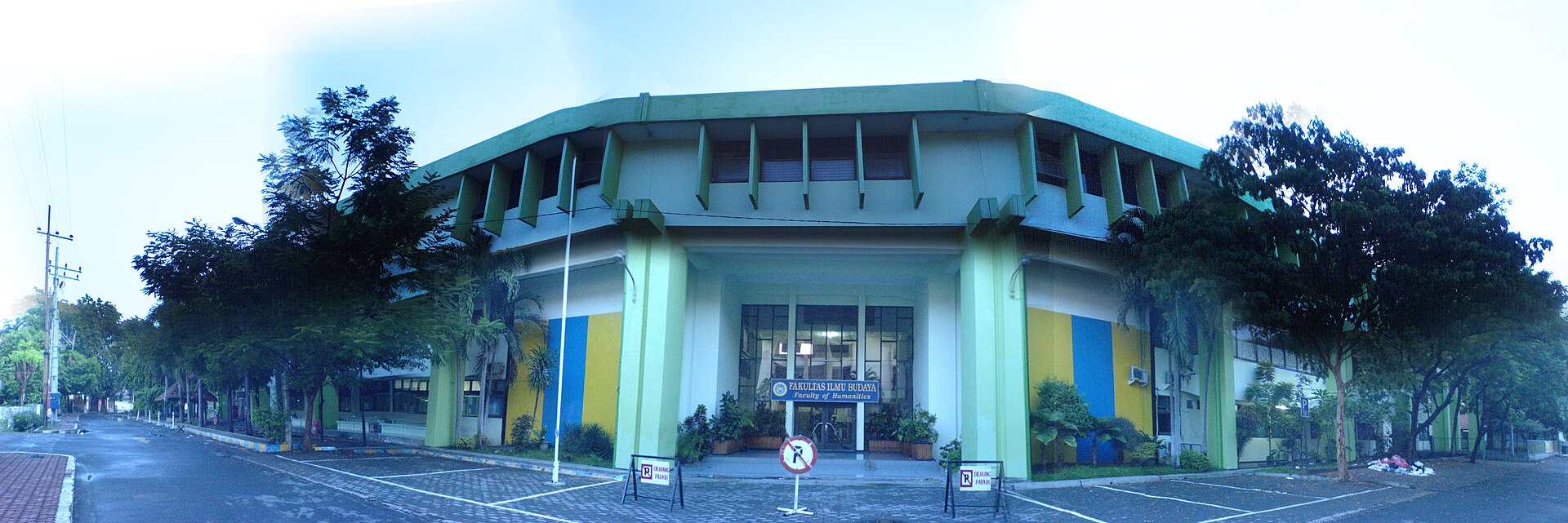
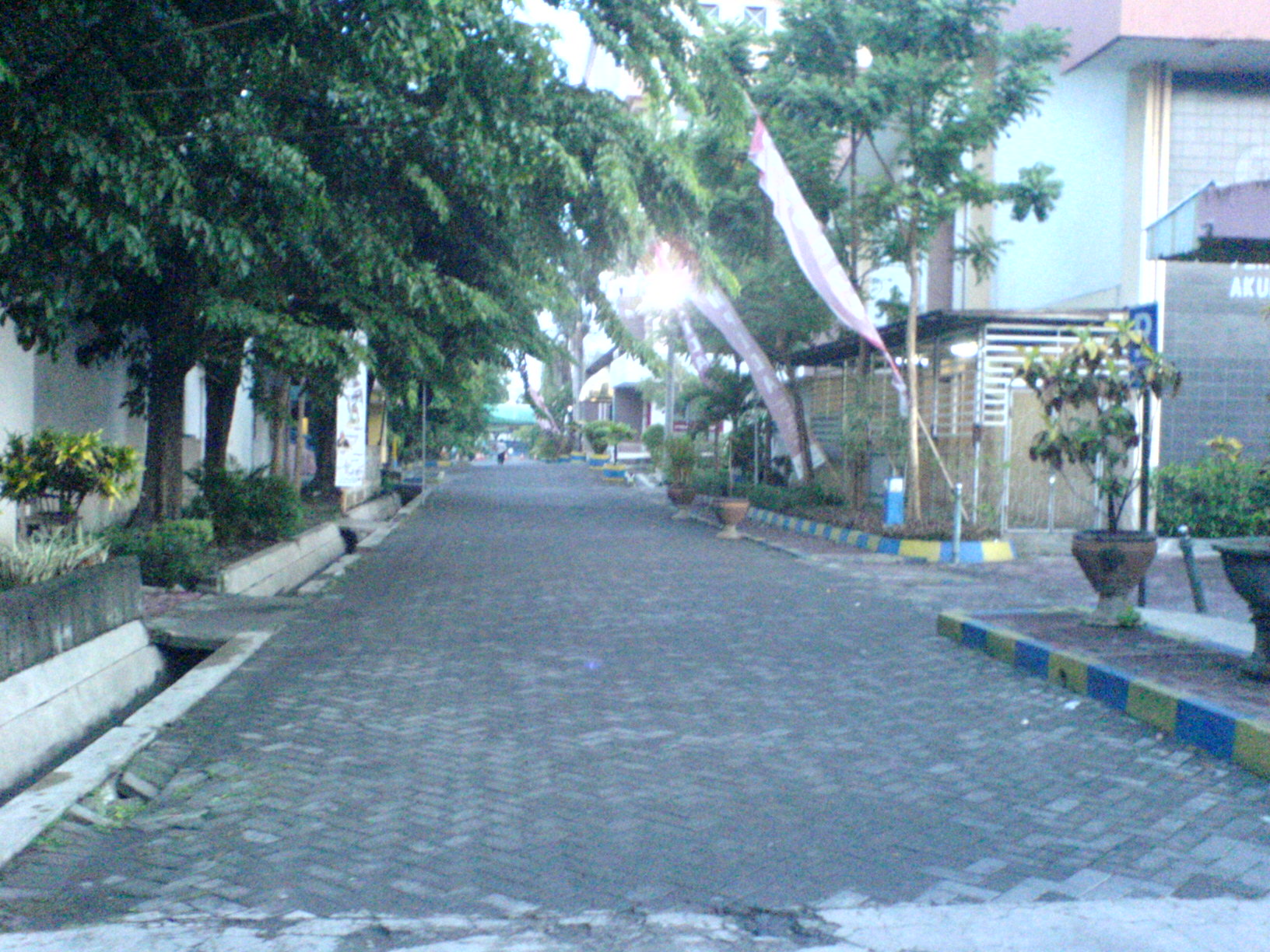
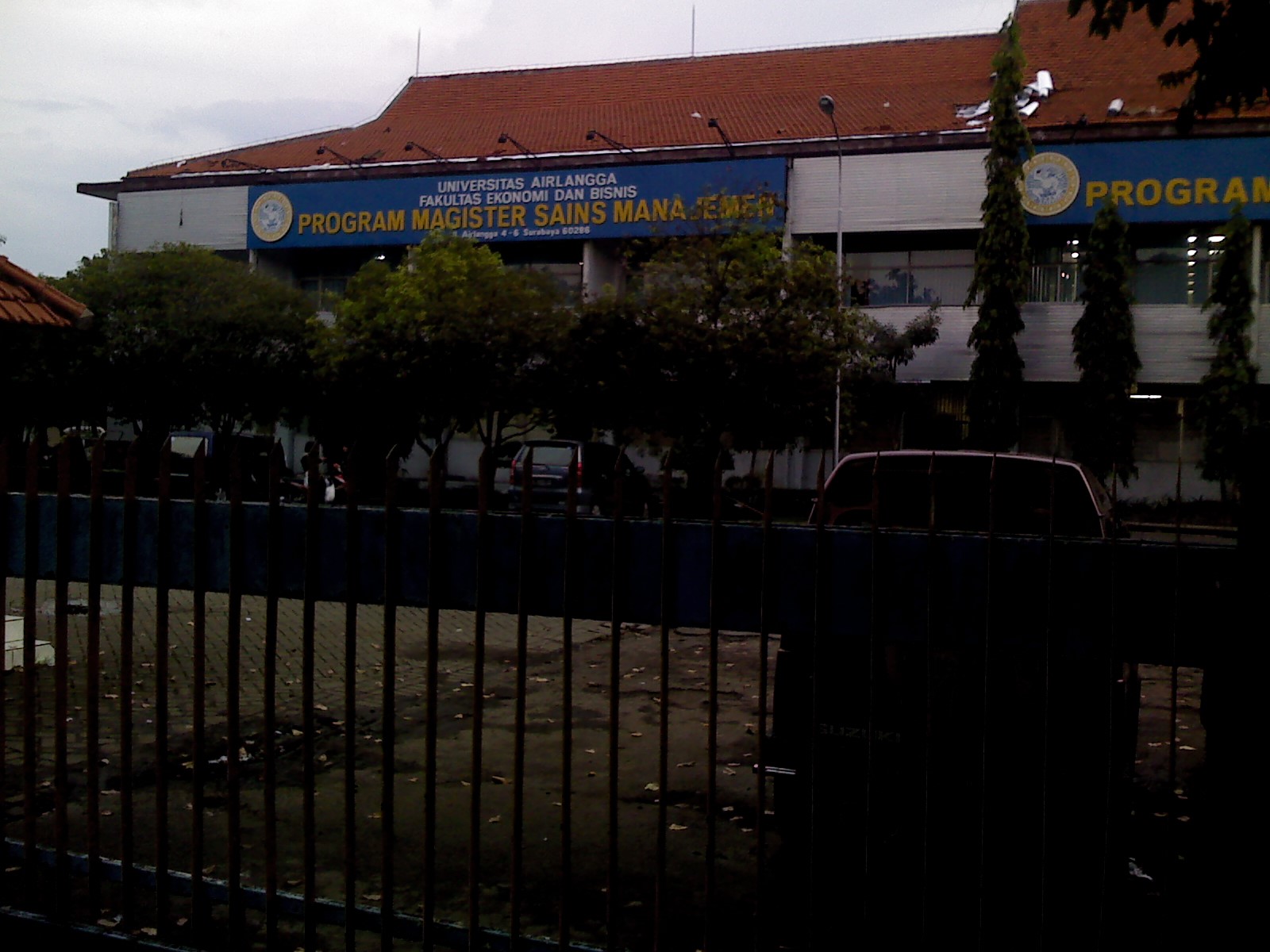
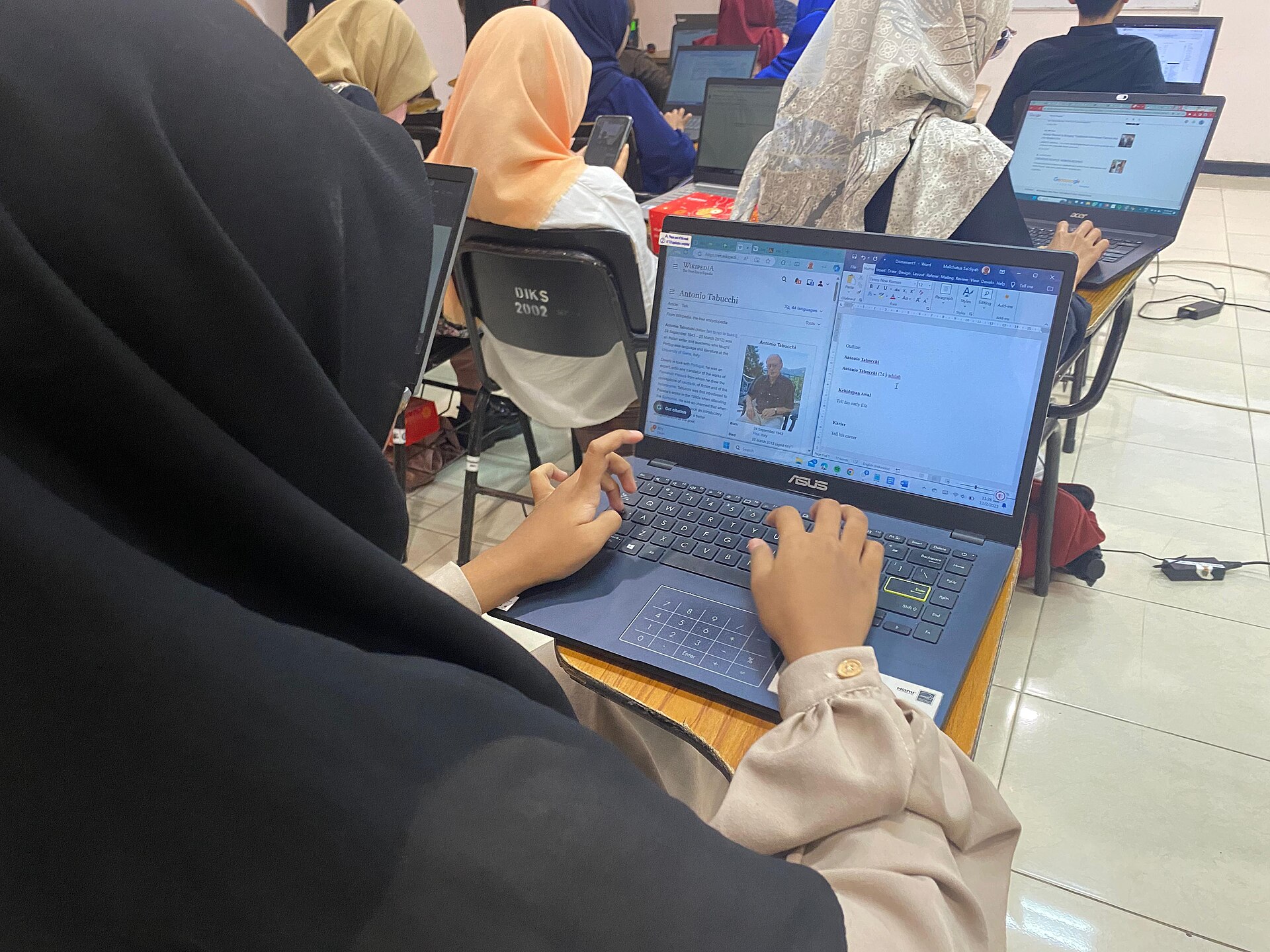
Universitas Airlangga — campus in pictures
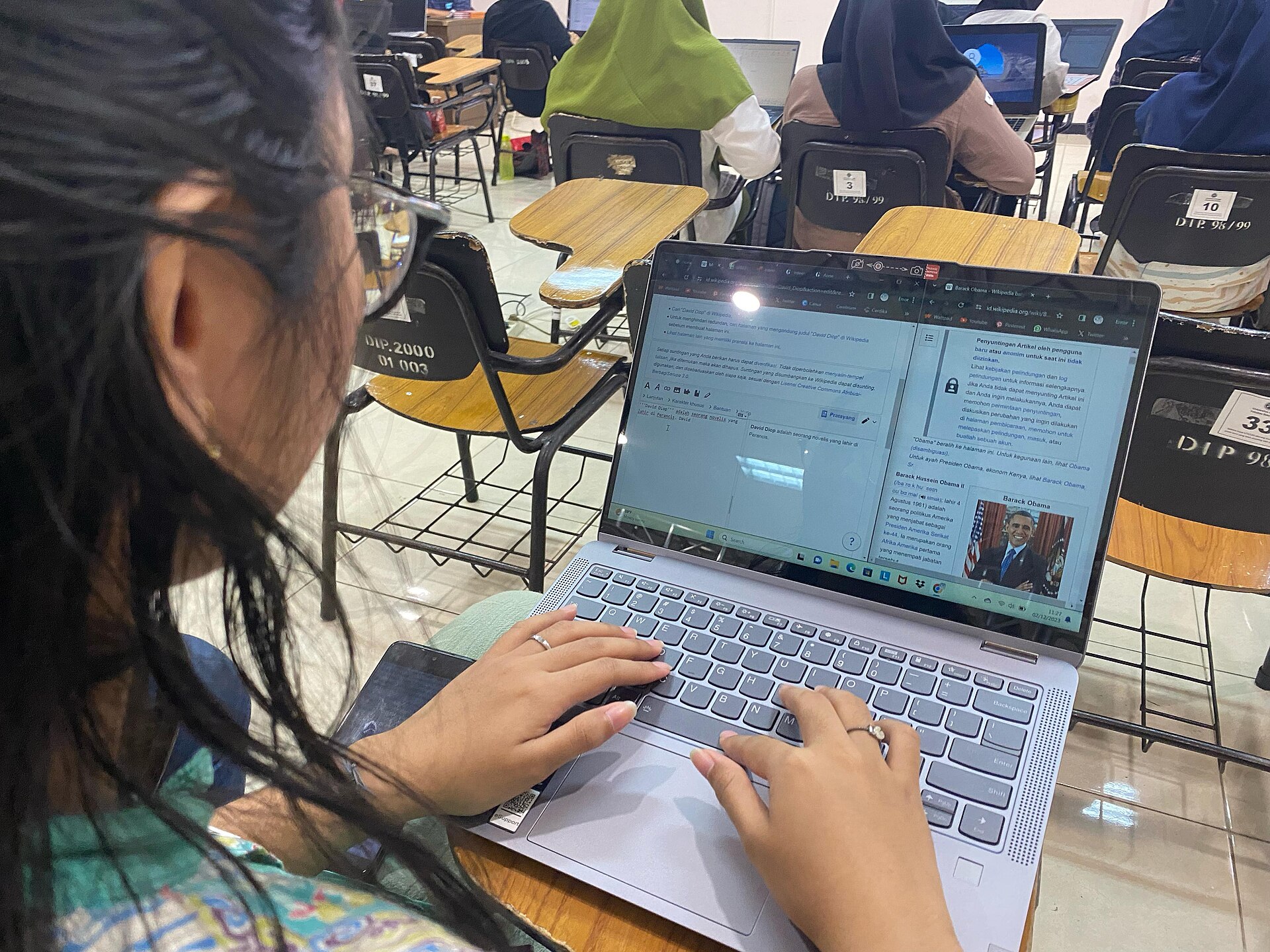
Real, freely-licensed photographs of the campus (via Wikimedia Commons).

Why Universitas Airlangga — Health Sciences, Affordability & ASEAN Network
UNAIR is the undisputed leader in Indonesia for health and life sciences. With 16 faculties, 72 departments, and 174 study programmes spanning medicine, dentistry, pharmacy, nursing, veterinary medicine, law, economics, and psychology, it offers breadth rarely found at comparable cost anywhere in the world.
SELECTIVITY
How Competitive Is Admission?
UNAIR admits approximately 25% of applicants, making it selective but not hyper-competitive by global standards. Competition is highest for Medicine, Dentistry, and Pharmacy, where demand from Indonesian and international students far exceeds available seats. International-class tracks — English-medium programmes designed for non-Indonesian speakers — have their own admission procedures and may have different competitive dynamics. Strong academic records, particularly in sciences for health programmes, significantly improve your prospects.
AT A GLANCE
Universitas Airlangga Quick Facts
APPLICATION CHECKLIST
What Your Application Consists Of
International students apply directly to UNAIR through the central admissions portal at ppmb.unair.ac.id. The application is qualification-based — your academic transcripts, predicted/final grades, and English proficiency are the primary factors. Submissions are processed by the International Office (int@ppmb.unair.ac.id).
ADMISSION PROFILE
The Profile UNAIR Admits
UNAIR is fundamentally an academically-driven institution where your grades and subject background carry the greatest weight. There is no holistic 'story-building' exercise of the kind US-style admissions demand. The strongest international applicants to health programmes demonstrate exceptional science performance — Biology and Chemistry above all — alongside genuine motivation for a health career in an Indonesian-language context. For social sciences, law, and economics, strong humanities and mathematics scores are valued. For international-class tracks specifically, evidence of English proficiency meeting or exceeding the minimum is non-negotiable. UNAIR values students who are genuinely curious about Indonesia and Southeast Asia — those who come not merely for a credential but to engage with a country undergoing rapid development in healthcare, infrastructure, and the digital economy.
DEADLINES & ROUNDS
Application Timeline
UNAIR operates on Indonesian academic calendar cycles. International students should apply through the central portal (ppmb.unair.ac.id/en) and contact the International Office directly to confirm current-cycle deadlines, as exact dates vary by programme and year. The university typically opens applications in the first quarter of the calendar year for intake commencing in August/September.
Always confirm exact deadlines with the UNAIR International Office at int@ppmb.unair.ac.id — dates shift annually. Allow additional time for Indonesian student-visa (KITAS) processing after receiving your admission letter.
| Phase | Timing | Notes |
|---|---|---|
| Application Opens | Typically January–February | Online portal ppmb.unair.ac.id/en — verify each cycle |
| Document Submission Deadline | Typically April–May | Full document set including English proficiency scores |
| Selection Decisions | Typically May–June | Announced via portal and email |
| Enrolment & Orientation | August–September | Academic year begins |
CAMPUS & CITY
Student Life in Surabaya
UNAIR's campuses are spread across Surabaya — Indonesia's second city and the commercial capital of eastern Indonesia. The main Kampus A, B, and C are in Surabaya proper, with newer campuses in Gresik and Lamongan for specific faculties. This multi-campus model means student life varies by faculty, but the university ties everything together with centralised student-support services. Surabaya is a working Indonesian city, not a tourist hub — which is precisely why studying here offers an authentic immersion into Indonesian culture, language, and professional life that more internationalised campuses cannot provide. Street food is extraordinary and inexpensive, public transport is improving, and the city's port-city heritage gives it a distinctive multicultural character. Living costs average around USD 250 per month, meaning your total annual cost of living (USD 3,000) covers comfortable student accommodation, meals, and transport. The AMERTA (Academic Mobility Exchange for Undergraduate at Airlangga) programme brings international exchange students to UNAIR, and the Airlangga Science Olympiad (OSA) connects students nationally. Student organisations span academic clubs, cultural groups, and community-service initiatives including the university's celebrated Floating Hospital programme, which deploys student volunteers to underserved coastal communities.
CAREER OUTCOMES
Where Graduates Go
UNAIR's graduate employment rate stands at 82%, with average starting salaries around USD 6,500 per year — competitive within the Indonesian market. Health-science graduates are in high demand across Indonesia and Southeast Asia, where physician and pharmacist shortages remain acute. Economics, law, and management graduates find strong opportunities in Surabaya's growing financial and logistics sectors.
For international students, an UNAIR degree carries weight across ASEAN — particularly in health-sector roles in Malaysia, Singapore, and other Southeast Asian markets that recruit Indonesian-trained health professionals. The ASEAN University Network membership bolsters mutual recognition of qualifications across member countries. Graduate-school pathways to leading universities in Japan, South Korea, Australia, and the Netherlands are well-established, with UNAIR alumni succeeding in top postgraduate programmes globally.
FAQs
Frequently Asked Questions
Is tuition at UNAIR really as affordable as stated?+
Yes — tuition is approximately USD 2,500 per year for most programmes, with a total cost of attendance (including living costs) of around USD 5,800. This is substantially lower than comparable programmes in Australia, the UK, or Singapore, and competitive even within Southeast Asia.
Is UNAIR taught in English or Indonesian?+
Most undergraduate programmes are taught primarily in Indonesian (Bahasa Indonesia). International-class tracks exist at both undergraduate and postgraduate level and are taught in English. Non-Indonesian speakers applying to regular programmes should be prepared for Indonesian-medium instruction and may be required to attend language classes.
Can I study Medicine or Dentistry at UNAIR as an international student?+
International students can apply to medicine and health programmes. These are highly competitive and admission is primarily based on strong science grades (Biology and Chemistry) and an Indonesian language readiness plan. Contact the International Office at int@ppmb.unair.ac.id to confirm current capacity and requirements.
What English test score do I need?+
The minimum is IELTS 5.5 overall or TOEFL iBT 61. For English-medium international-class tracks, higher scores are generally expected. Check with the specific faculty for programme-level requirements.
How do I get a student visa for Indonesia?+
After receiving your admission letter, you apply for a student visa (Visa Pelajar) at the nearest Indonesian embassy or consulate, then convert it to a Limited Stay Permit (KITAS) after arrival. UNAIR's International Office provides guidance on this process. Allow 4–8 weeks for processing.
Does UNAIR offer scholarships for international students?+
UNAIR offers limited scholarship support for international students. Indonesian government scholarships (such as LPDP) are primarily for Indonesian nationals. The Darmasiswa programme, funded by the Indonesian Ministry of Education, provides scholarships for international students to study Indonesian language and culture at UNAIR. Bilateral and faculty-specific scholarships may also be available — check with the International Office.
What is the AMERTA programme?+
AMERTA (Academic Mobility Exchange for Undergraduate at Airlangga) is UNAIR's student exchange programme. It allows students from partner universities worldwide to spend one or two semesters at UNAIR studying alongside regular students and attending Indonesian language/culture classes. It does not lead to an UNAIR degree but provides recognised credit.
Is Surabaya safe and liveable for international students?+
Surabaya is Indonesia's second-largest city and generally safe for international students. It has a relatively low cost of living, excellent local food, improving public transport, and a warm local community. International students should exercise standard urban safety awareness. Campus support services and the international student community provide a good network of assistance.
ACADEMIC EXPECTATIONS
What UNAIR Expects Academically from International Applicants
Universitas Airlangga is a research-intensive public university where academic achievement is the primary selection criterion. For international students, your secondary-school qualifications, predicted grades, and subject profile carry the most weight. The IB Diploma, A-Levels, and equivalent national curricula are all accepted. Health-programme applicants face the steepest academic bar — Biology and Chemistry are non-negotiable foundation subjects.
ACADEMIC BENCHMARKS
Minimum Academic Requirements
These are indicative minimum thresholds. Competitive programmes — particularly Medicine, Dentistry, and Pharmacy — typically require scores well above these floors. Verify current programme-specific requirements with the UNAIR Admissions Office.
TEST POLICY
Standardised Tests: Optional
UNAIR operates a test-optional policy with respect to SAT and ACT scores — these international standardised tests are not required and are not a significant factor in the Indonesian university admissions system. Admission decisions rest on your national secondary qualifications (IB Diploma, A-Levels, national diplomas) and your academic transcript rather than on SAT/ACT performance. If you have strong SAT or ACT results, you may submit them as supplementary evidence of academic ability, but they will not substitute for the required academic transcripts and will not confer preferential treatment in the UNAIR selection process.
SAT & ACT
SAT & ACT: Not Required
Unlike US universities, UNAIR does not require SAT or ACT scores. International students are assessed primarily on their secondary school results — IB Diploma, A-Levels, national baccalaureates, or equivalent qualifications. Focus your preparation on achieving strong grades in relevant subjects rather than preparing for SAT/ACT.
IB & A-LEVELS
How IB Diploma and A-Levels Are Read
UNAIR accepts both the IB Diploma Programme and A-Level qualifications for international admissions. The indicative minimum for IB is 27 points overall, though competitive health programmes (Medicine, Dentistry, Pharmacy) will expect scores considerably higher — typically 32+ with strong Higher Level science scores. For IB applicants targeting health programmes, Higher Level Biology and Chemistry are strongly recommended, with Mathematics Analysis & Approaches or Applications & Interpretation at Standard or Higher Level depending on the programme. For A-Level applicants, Biology and Chemistry at A-Level are essential for health sciences. Three A-Level subjects at grades B and above meet the general minimum, but again, health programmes are more demanding. The IB's emphasis on the Extended Essay, Theory of Knowledge, and CAS (Creativity, Activity, Service) provides good preparation for UNAIR's research-oriented environment and community engagement ethos — but these holistic components carry less weight in the Indonesian admissions process than they might at UK or US institutions. Your final IB score is what matters most.
Verify programme-specific subject requirements directly with individual faculties at admissions@unair.ac.id — requirements differ between, for example, Medicine and Economics.
SUBJECT PREPARATION
Subject Preparation by Programme
ENGLISH PROFICIENCY
English Language Requirements
All international students must demonstrate English proficiency. These are minimum thresholds — individual programmes, especially those taught in Indonesian, may have differing requirements. Always confirm with the specific faculty.
| Test | Minimum | Notes |
|---|---|---|
| IELTS Academic | 5.5 overall | No band below 5.0 recommended; English-medium programmes expect higher |
| TOEFL iBT | 61 | Internet-based test; PBT scores also accepted — confirm equivalent |
| Duolingo English Test | Not specified | Acceptance of DET not confirmed — contact International Office |
| Indonesian (BIPA) | Varies by programme | Indonesian-medium programmes require language study — BIPA classes available at UNAIR |
GRADE 9 → 12
Building Your Academic Profile for UNAIR
AVOID THESE PITFALLS
Common Academic Mistakes
- Applying to Medicine or Dentistry without Higher Level Biology and Chemistry — these are effectively non-negotiable subject requirements
- Underestimating language requirements: many programmes are taught in Indonesian, not English, at undergraduate level
- Assuming an IB score of 27 is competitive for health programmes — the minimum floor is much lower than actual competitive intake averages for Medicine/Dentistry/Pharmacy
- Not verifying whether your intended programme has an international-class (English-medium) track or requires Indonesian proficiency
- Leaving the English proficiency test until the last minute — IELTS/TOEFL registration and results take time, and many UNAIR intake deadlines fall in April–May
- Ignoring the Indonesian visa process — converting an admission letter into a KITAS study permit takes 4–8 weeks and requires planning
- Not contacting the International Office directly to confirm programme-specific requirements — published information can be general, and specifics vary by faculty
COST & AFFORDABILITY
The Real Cost of Studying at UNAIR for International Students
Universitas Airlangga is one of the most affordable research universities in Southeast Asia. Annual tuition of approximately USD 2,500, combined with Surabaya's low cost of living, makes the total annual cost of attendance around USD 5,800 — a fraction of what equivalent programmes cost in Australia, the UK, or Singapore. For families budgeting carefully, UNAIR represents exceptional academic value.
ANNUAL COST ESTIMATE
Cost Breakdown (Annual Estimates)
All figures are approximate annual estimates in USD. Exact tuition varies by programme and year of enrolment. Living costs depend on housing choice and lifestyle in Surabaya.
| Component | Estimated U S D | Notes |
|---|---|---|
| Tuition (International) | ~$2,500 | Varies by programme; health programmes may differ |
| Cost of Living (Accommodation, Food, Transport) | ~$3,000 | Surabaya is low-cost vs. Jakarta or Singapore |
| Total Cost of Attendance (Estimate) | ~$5,800 | Per year; includes tuition + living essentials |
| Application Fee | $30 | Non-refundable, paid online at ppmb.unair.ac.id |
| Student Visa / KITAS | Variable | Government visa fees apply; budget ~$100–200 for processing |
FINANCIAL AID
Financial Aid for International Students
As a public Indonesian university, UNAIR's primary financial-aid programmes are structured around supporting Indonesian citizens. International students are generally not eligible for the main Indonesian government scholarship funds (KIP-Kuliah, LPDP) which are reserved for Indonesian nationals. However, UNAIR does offer some scholarship support for international students, and the Indonesian government's Darmasiswa scholarship programme specifically funds international students to study Indonesian language and culture at Indonesian universities including UNAIR. Average aid coverage is approximately 10% of costs for those who qualify — meaning the primary affordability advantage at UNAIR is the inherently low base cost rather than large scholarship packages. For most international students, the financial case for UNAIR rests on its extremely low tuition and living costs compared to any Western alternative, rather than on institutional aid.
Always verify current aid availability with the UNAIR International Office at int@ppmb.unair.ac.id — aid landscape changes annually.
SCHOLARSHIPS
Scholarship Opportunities
AFFORDABILITY REALITY
Understanding UNAIR's Cost Advantage
The numbers are genuinely striking: studying Medicine or Pharmacy at UNAIR costs less per year than a single semester at many Western universities. The caveat is that the degree will carry greatest weight within the Indonesian and ASEAN job market — for students intending to return to Southeast Asia, this is an excellent return on investment. For international students who plan to practice medicine in their home country, they will typically need to pass their home country's medical licensing exams regardless of where they trained. Research whether an Indonesian medical degree is recognised for licensing in your specific country before committing — this is especially important for students from India, Pakistan, the Philippines, and African countries with specific foreign medical graduate regulations. Living costs in Surabaya are lower than in most Indonesian cities and dramatically lower than in Singapore, Kuala Lumpur, or Sydney. Student accommodation (boarding houses or kos) near campus typically costs USD 80–150/month, local meals USD 1–3 each, and city transport is inexpensive.
HOW TO FUND YOUR STUDY
Steps to Secure Funding
COST FAQs
Frequently Asked Questions about Cost
Is the USD 2,500 tuition accurate for health programmes like Medicine?+
The USD 2,500 figure is the indicative tuition rate from available data. Health programmes — particularly Medicine and Dentistry — may have different fee structures. Contact the UNAIR Admissions Office or the specific faculty to confirm current tuition for your programme.
Are there hidden costs I should budget for?+
Beyond tuition and living costs, budget for: student visa and KITAS processing (~USD 100–200), international health insurance, textbooks and supplies (~USD 200–400/year), and potential clinical placement fees for health programmes. A 10–15% contingency buffer is prudent.
Can I work part-time while studying in Indonesia?+
Indonesian student visa (KITAS) regulations generally do not permit international students to work. Confirm current regulations with the Indonesian Directorate General of Immigration or the UNAIR International Office before planning to work.
Is financial aid available without Indonesian citizenship?+
Institutional aid is limited for non-Indonesian international students. The Darmasiswa and KNB external scholarships are the most viable routes. Budget planning based on the actual (low) cost of attendance rather than expected aid is the prudent approach.
How does UNAIR's cost compare to medical schools elsewhere in Southeast Asia?+
UNAIR's medicine programme is substantially cheaper than comparable programmes in Malaysia, Singapore, or Australia. Philippine and Indonesian medical schools compete on cost for international students; compare specific programme costs, duration, and licensing recognition carefully.
APPLICATION & STATEMENT
Applying to Universitas Airlangga — What to Write and How to Apply
Unlike US universities, UNAIR does not use a formal essay application system with standardised prompts. International students apply through a direct admissions portal and typically submit a motivation letter alongside their qualifications. This tab guides you through what that statement should contain, how the application process works, and what the university looks for beyond grades.
THE APPLICATION SYSTEM
How International Admissions Works
Universitas Airlangga is a public Indonesian university. Domestic Indonesian students are admitted through the national entrance examination system (SNBT — Seleksi Nasional Berdasarkan Tes) and related tracks. International students follow a separate, direct-application pathway managed by UNAIR's International Office. The international application is submitted through the central admissions portal at ppmb.unair.ac.id/en. The process is primarily qualification-based: your secondary-school transcripts, predicted/actual IB Diploma or A-Level results, English proficiency scores, and supporting documents are the central selection inputs. There is no formal essay system equivalent to the Common App or UCAS personal statement. However, most programmes ask for a motivation letter (sometimes called a personal statement) as part of the documentation package. This is a free-form written document — typically 300–600 words — explaining why you want to study your chosen programme at UNAIR and what you intend to do with the degree.
WHAT TO WRITE
The Motivation Letter: What to Address
UNAIR does not publish standardised essay prompts — the motivation letter is a free-format document. Based on UNAIR's admissions priorities and the Indonesian higher-education context, your letter should address the following themes. Verify exact requirements with the International Office for your specific programme cycle.
WRITING STRATEGY
Writing a Strong Motivation Letter
The motivation letter for UNAIR should be clear, direct, and honest — not the literary personal narrative that US-style applications encourage. Indonesian academic culture values precision, respect, and clarity of purpose. Here is how to write a letter that works: Open with a clear statement of purpose: the programme you are applying for and why. Do not start with a philosophical quote or a vague opening — admissions officers read hundreds of letters and appreciate directness. Then move systematically through your motivation, academic preparation, and post-graduation plans. Write in formal English. Proofread carefully. A well-structured, error-free letter signals the language proficiency and attention to detail that UNAIR programmes require. If English is not your first language, have a native or near-native speaker review your letter before submission. Keep the tone respectful but not sycophantic. You do not need to write 'Your esteemed institution is the greatest in Asia' — factual acknowledgement of UNAIR's national and regional standing is more effective. Target 300–500 words unless the faculty specifies otherwise. Longer does not mean better. Every sentence should carry specific information, not padding.
SUPPORTING DOCUMENTS
Supporting Your Application Effectively
WHAT TO EMPHASISE
How to Frame Your Application Narrative
The most effective UNAIR applications from international students share a few characteristics. First, they demonstrate a clear, informed understanding of what studying in Indonesia actually means — not a romanticised view, but a realistic one that acknowledges language immersion, cultural adaptation, and a lower-resource environment compared to Western universities. Second, they show how the specific academic strengths of UNAIR — health sciences, veterinary medicine, Indonesia's growing pharmaceutical sector, ASEAN economic integration — connect to the applicant's specific goals. Generic admiration for 'a top Indonesian university' is less compelling than 'I chose UNAIR's School of Pharmacy because the institution's strong partnerships with Indonesian pharmaceutical companies align with my intention to work in drug development for tropical-disease contexts.' Third, they are pragmatic about language. If you do not yet speak Indonesian, acknowledge this honestly and describe your plan to learn. UNAIR values students who approach the language challenge proactively rather than ignoring it.
AVOID THESE MISTAKES
Common Application Mistakes
- Submitting a motivation letter clearly written for a US or UK application, with references to 'supplemental essays' or US admissions language
- Vague motivation: 'I want to become a doctor to help people' without specific experiences or goals that demonstrate genuine commitment
- Ignoring the Indonesian-language dimension: applying to Indonesian-medium programmes without any plan to acquire language skills
- Applying to Medicine or Dentistry without the required science subjects in your secondary curriculum
- Missing the application window: UNAIR's international admissions cycle is shorter than many Western universities — check and track deadlines proactively
- Submitting untranslated documents: all documents must be in Indonesian or English — other languages require certified translation
- Forgetting to budget and plan for the KITAS visa process after admission — it takes additional time and paperwork
- Assuming Indonesian medical degrees are automatically recognised for medical licensing in your home country without checking
APPLICATION FAQs
Frequently Asked Questions about the Application
Does UNAIR use the Common App or any centralised international application system?+
No. UNAIR uses its own direct admissions portal at ppmb.unair.ac.id/en. There is no Common App, UCAS, or similar centralised system for Indonesian public universities.
Is the motivation letter really necessary?+
Yes — while the primary selection criterion is your academic qualifications, most programmes ask for a motivation letter as part of the documentation. It is an opportunity to contextualise your grades and demonstrate genuine commitment to the programme.
What language should my motivation letter be in?+
English is appropriate for international student applications. Some applicants choose to include a version in Bahasa Indonesia as well, which signals language commitment and can be favourably received, but is not required.
Can I apply to multiple programmes simultaneously?+
Check current portal rules with the UNAIR Admissions Office. Some Indonesian universities allow preference rankings within a single application; others require separate applications. Confirm via int@ppmb.unair.ac.id.
Is there an interview as part of the international admissions process?+
Some health-programme applications may include an interview or selection test. This is not confirmed universally — ask the specific faculty whether an interview is required for your programme.
How long does it take to get an admissions decision?+
Typically 4–8 weeks after the document submission deadline. UNAIR's International Office can provide status updates — email int@ppmb.unair.ac.id if you have not received a decision within the expected timeline.
If I am accepted, what is the next step?+
After receiving your admission letter, you will enrol formally through the portal, pay your first-semester tuition, and then begin the Indonesian student visa (Visa Pelajar / KITAS) application at the nearest Indonesian consulate. UNAIR will provide a letter of acceptance and supporting documents required for the visa application.
Courses — schools, degrees & intake
41 degrees across 14 groupings.
Faculty of Medicine · 2 degrees
Bachelor of Medicine (S1 Kedokteran)
Bachelor of Midwifery (S1 Kebidanan)
Faculty of Dental Medicine · 1 degrees
Bachelor of Dental Medicine (S1 Kedokteran Gigi)
Faculty of Pharmacy · 1 degrees
Bachelor of Pharmacy (S1 Farmasi)
Faculty of Veterinary Medicine · 1 degrees
Bachelor of Veterinary Medicine (S1 Kedokteran Hewan)
Faculty of Nursing · 1 degrees
Bachelor of Nursing (S1 Keperawatan)
Faculty of Public Health · 2 degrees
Bachelor of Public Health (S1 Kesehatan Masyarakat)
Bachelor of Nutrition (S1 Gizi)
Faculty of Law · 2 degrees
Bachelor of Law (S1 Ilmu Hukum – Regular)
Bachelor of Law – International Class (S1 Ilmu Hukum Kelas Internasional)
Faculty of Economics and Business · 4 degrees
Bachelor of Economics (S1 Ilmu Ekonomi)
Bachelor of Management (S1 Manajemen)
Bachelor of Accounting (S1 Akuntansi)
Bachelor of Islamic Economics (S1 Ekonomi Islam)
Faculty of Social and Political Sciences · 7 degrees
Bachelor of Anthropology (S1 Antropologi)
Bachelor of Public Administration (S1 Administrasi Publik)
Bachelor of International Relations (S1 Ilmu Hubungan Internasional)
Bachelor of Information and Library Science (S1 Ilmu Informasi dan Perpustakaan)
Bachelor of Communication Studies (S1 Ilmu Komunikasi)
Bachelor of Political Science (S1 Ilmu Politik)
Bachelor of Sociology (S1 Sosiologi)
Faculty of Science and Technology · 8 degrees
Bachelor of Information Systems (S1 Sistem Informasi)
Bachelor of Mathematics (S1 Matematika)
Bachelor of Physics (S1 Fisika)
Bachelor of Chemistry (S1 Kimia)
Bachelor of Biology (S1 Biologi)
Bachelor of Environmental Engineering (S1 Teknik Lingkungan)
Bachelor of Biomedical Engineering (S1 Teknik Biomedis)
Bachelor of Statistics (S1 Statistika)
Faculty of Humanities · 4 degrees
Bachelor of English Language and Literature (S1 Sastra Inggris)
Bachelor of Indonesian Language and Literature (S1 Sastra Indonesia)
Bachelor of History (S1 Ilmu Sejarah)
Bachelor of Japanese Studies (S1 Sastra Jepang)
Faculty of Fisheries and Marine · 2 degrees
Bachelor of Aquaculture (S1 Akuakultur)
Bachelor of Fisheries Product Technology (S1 Teknologi Hasil Perikanan)
Faculty of Psychology · 1 degrees
Bachelor of Psychology (S1 Psikologi)
Faculty of Advanced Technology and Multidiscipline · 5 degrees
Bachelor of Nanoengineering (S1 Rekayasa Nanoteknologi)
Bachelor of Data Science Technology (S1 Teknologi Sains Data)
Bachelor of Robotics Engineering and Artificial Intelligence (S1 Teknik Robotika dan Kecerdasan Buatan)
Bachelor of Industrial Engineering (S1 Teknik Industri)
Bachelor of Electrical Engineering (S1 Teknik Elektro)
Want your real chances at Universitas Airlangga?
Create a free TYCHR account for your personalised admit-chance, a shortlist you can track, exact entry requirements, and essay + counselling help.