Universidade Estadual de Campinas (Unicamp)
Campinas, Brazil · Suburban
CAMPINAS, BRAZIL
Unicamp Admissions Guide for International Students
Ranked #2 in Brazil and #220 globally by QS, the Universidade Estadual de Campinas (Unicamp) is Latin America's most research-intensive university per capita — responsible for roughly 15% of all Brazilian scientific output and more patents than any institution in the country except Petrobras. Founded in 1966 on the outskirts of Campinas in São Paulo state, Unicamp sits at the heart of Brazil's technology corridor and offers tuition-free public education at a world-class level. For international students who can navigate the Portuguese-language vestibular and a highly competitive selection process, it is an unmatched gateway to Brazil's research, innovation, and professional ecosystem.
Campus
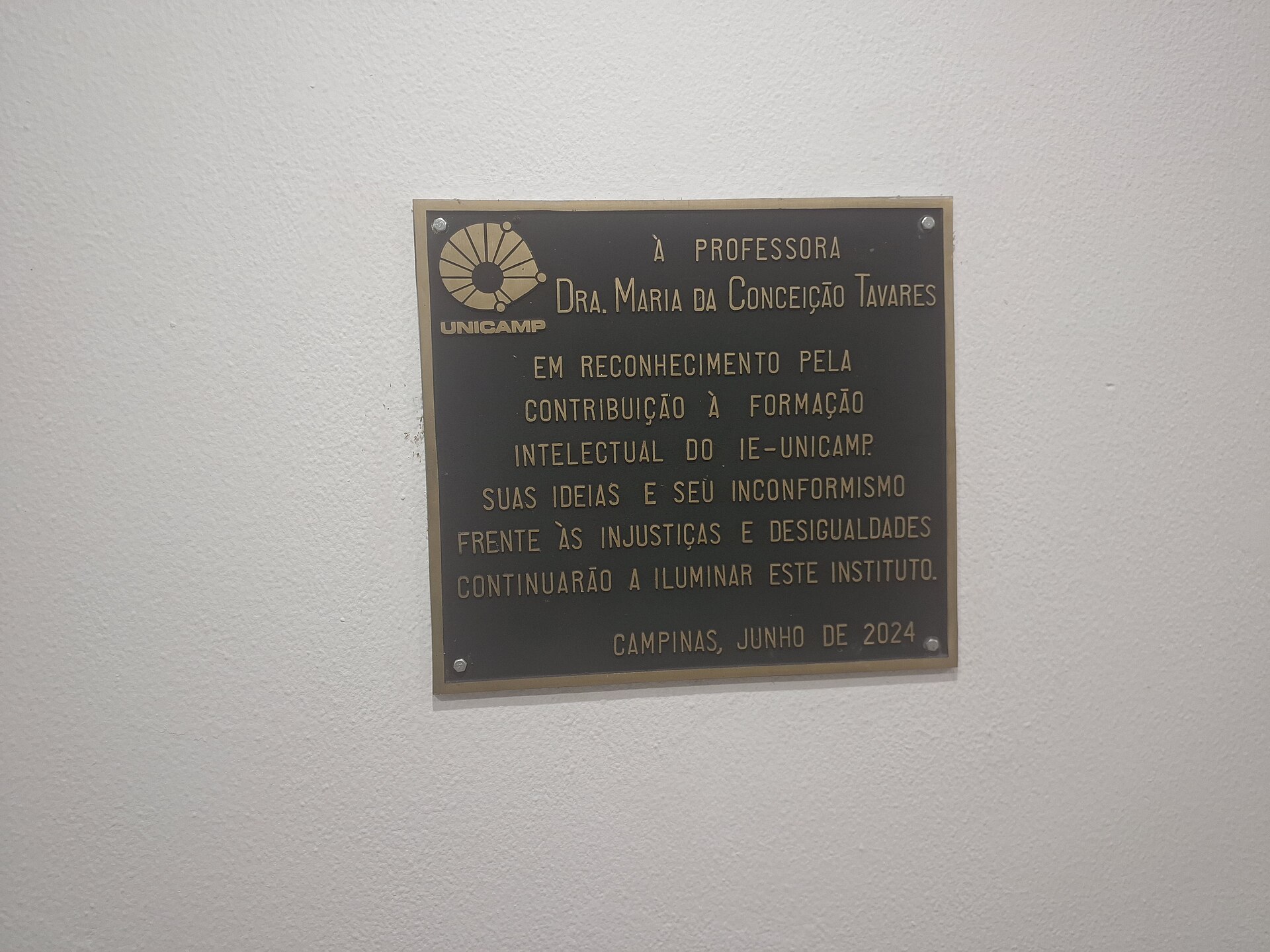
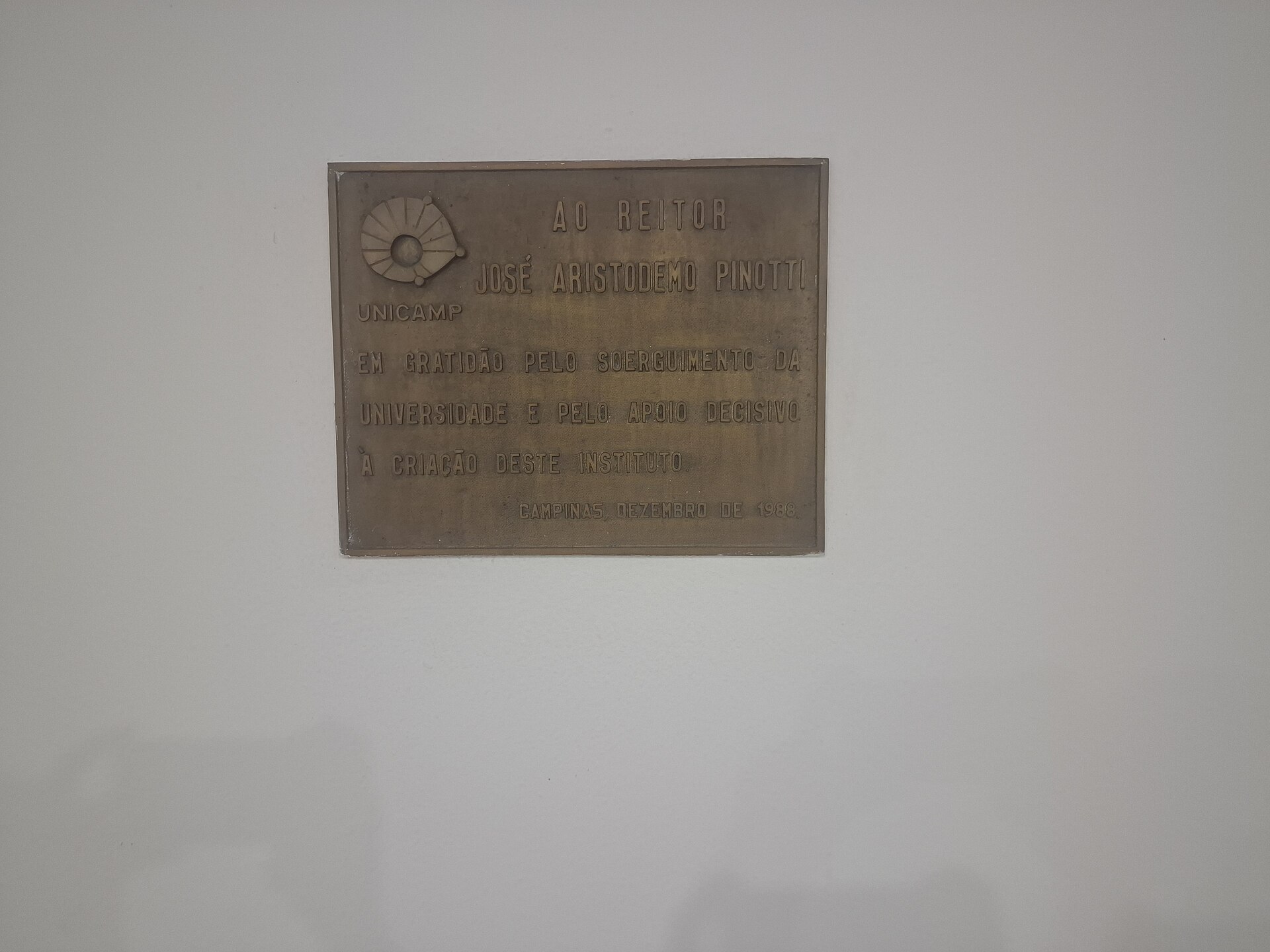
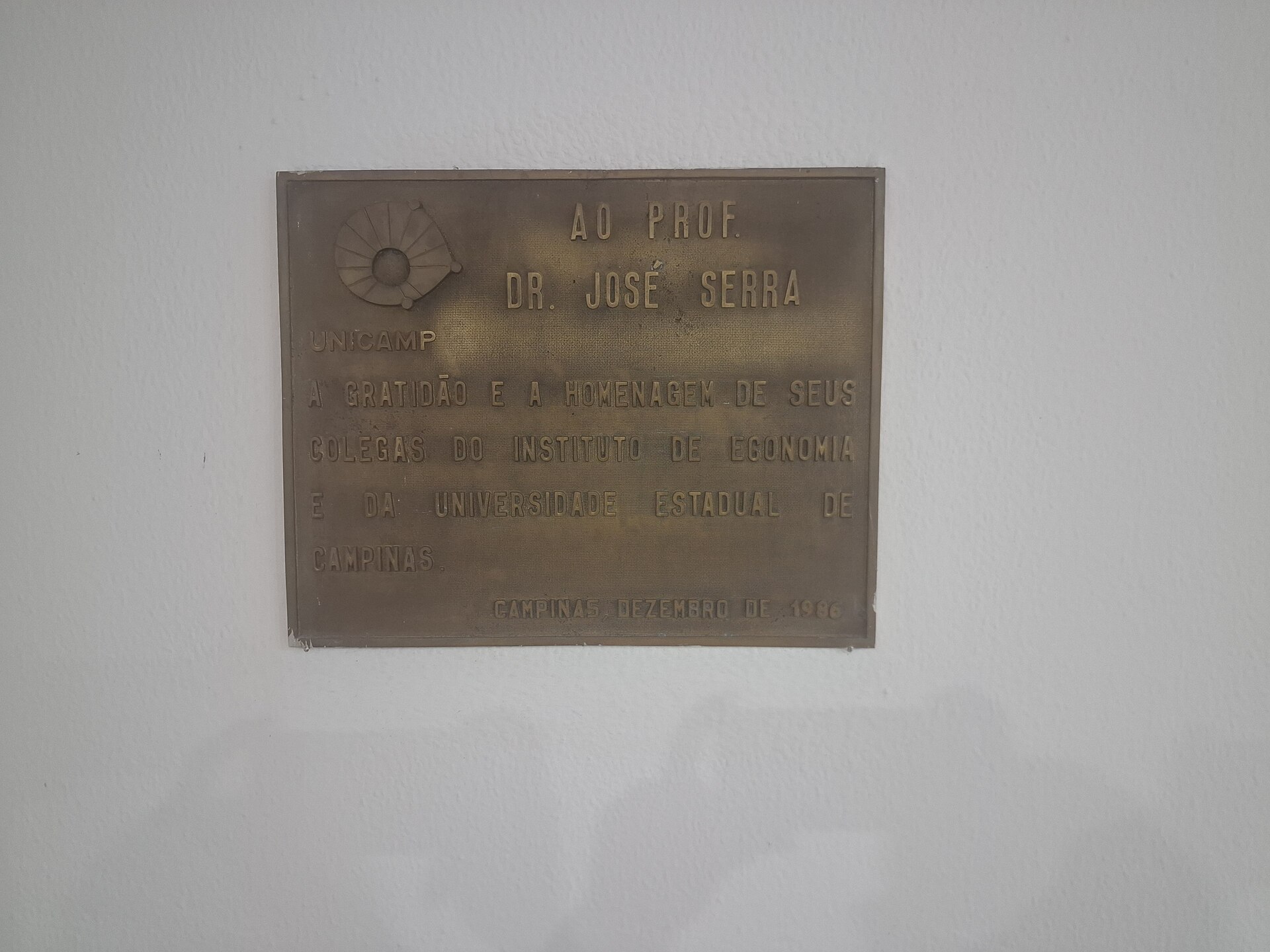
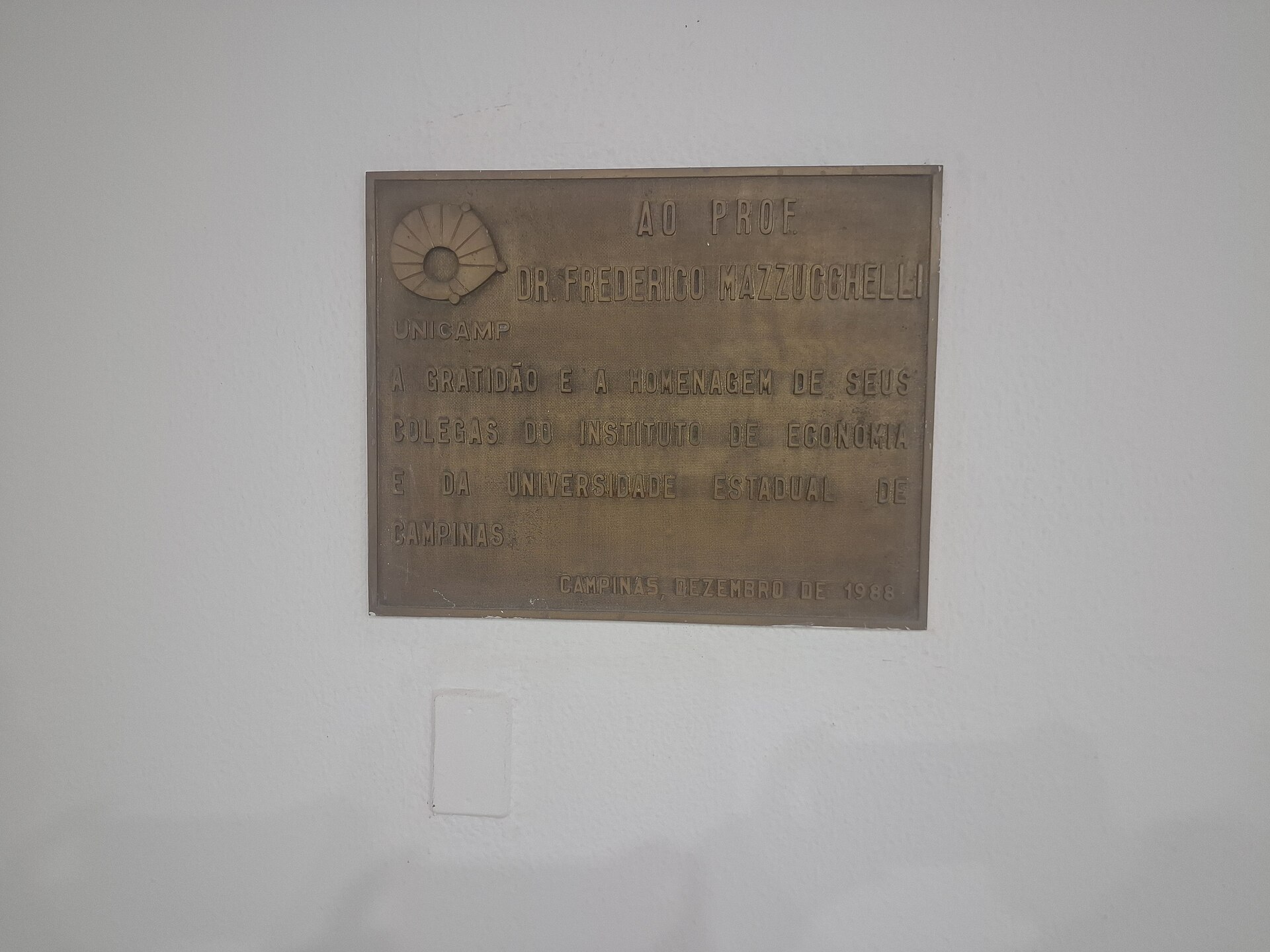
Universidade Estadual de Campinas (Unicamp) — campus in pictures
Real, freely-licensed photographs of the campus (via Wikimedia Commons).


Why Unicamp — Brazil's Research Powerhouse
Unicamp offers a rare combination: elite academic standards, tuition-free public education, and a Campinas address that places you in the beating heart of Brazil's innovation economy. Here are the strongest reasons ambitious international students choose Unicamp.
SELECTIVITY
Acceptance Rate & Admissions Profile
Unicamp is among the most selective universities in Latin America. Admission is decided entirely through the COMVEST vestibular — the university's own nationally administered entrance examination — not through any portfolio or recommendation-based system. Overall acceptance is around 8%, but the most competitive programmes are far stricter.
Competition for Unicamp places is fierce even by the standards of elite Brazilian public universities. The vestibular's two-phase structure means the top performers from a 90-question first round advance to a three-day written examination — a much higher academic hurdle than most international university applications. Medicine, Law, Architecture, and Computer Science are the most oversubscribed programmes. International students sit the same exam as domestic candidates and are evaluated on equal terms.
AT A GLANCE
Unicamp Quick Facts
APPLICATION COMPONENTS
What the Application Consists Of
Unicamp does not use the Common App, UCAS, or any personal-statement system. Admission is determined by performance on the COMVEST vestibular — a two-phase written examination conducted in Portuguese. Here is what the process involves.
ADMISSIONS PHILOSOPHY
What Unicamp Looks For
Unlike holistic US admissions, Unicamp's selection is driven almost entirely by examination scores. There are no recommendation letters, extracurricular portfolios, or personal statements in the standard vestibular process. Here is what determines a successful application.
The COMVEST vestibular rewards academic depth, analytical writing, and cross-disciplinary reasoning. Candidates who score in the top tier of Phase 2 achieve admission regardless of nationality, schooling background, or personal biography. This means international students have a genuinely merit-based path — but the bar is extraordinarily high and the exam is in Portuguese.
APPLICATION CALENDAR
Vestibular Timeline
Unicamp's COMVEST vestibular follows a fixed annual cycle. The exact dates vary slightly year to year and are published each year on comvest.unicamp.br. The broad schedule below is representative — always verify the current cycle on the official site.
International applicants planning to sit the vestibular should arrive in Brazil in advance to ensure address registration and document legalisation. Verify: https://www.unicamp.br/unicamp/ingresso
| Stage | Typical Window | Notes |
|---|---|---|
| COMVEST registration opens | June – August | Candidates register online and pay the registration fee (~BRL 170–200) |
| Registration closes | Late August | No late registrations; no exceptions |
| Phase 1 examination | Late November | 90 multiple-choice questions; all registered candidates |
| Phase 1 results / Phase 2 call-up | December | Top scorers per programme advance to Phase 2 |
| Phase 2 examinations | January (3 days) | Discursive questions + compulsory essay; programme-specific subjects |
| Final results | February | Provisional list published; enrolment for successful candidates |
CAMPUS & CITY
Student Life at Unicamp
Unicamp's main campus — the Barão Geraldo campus — is a self-contained university city in a green suburb of Campinas, 100 kilometres from São Paulo. It has its own hospital, arts centre, sports facilities, and several thousand faculty and student residences.
AFTER UNICAMP
Career Outcomes & Alumni Success
Unicamp's graduates are among the most sought-after in the Brazilian labour market. The university's deep ties to industry — particularly in technology, healthcare, energy, and finance — translate directly into strong early-career outcomes.
Unicamp's Campinas address is a decisive advantage. The Campinas tech corridor is home to Brazilian and multinational R&D centres — graduates of the Institute of Computing and the School of Electrical and Computer Engineering are recruited heavily by tech companies before graduation. Medical graduates benefit from residency placements at some of Brazil's best hospitals. Engineering alumni regularly found startups or join major infrastructure and energy firms. International alumni who return to their home countries benefit from Unicamp's growing QS reputation — increasingly recognised by graduate schools and employers in Europe, North America, and Asia.
Stats
Cards
FAQ
Frequently Asked Questions
Can I study at Unicamp as an international student if I don't speak Portuguese?+
No. All undergraduate programmes are taught in Portuguese, and the COMVEST vestibular is conducted entirely in Portuguese. International students must have advanced proficiency in Portuguese before applying. There are no English-medium undergraduate tracks at Unicamp.
Is Unicamp's tuition really free for international students?+
Yes. As a São Paulo state public university, Unicamp charges no tuition to any student — domestic or international — at the undergraduate level. You will pay a vestibular registration fee (payable in Brazilian reais) but no ongoing tuition. You are responsible for living costs and health insurance.
How does Unicamp admission work compared to US or UK universities?+
Admission is through the COMVEST vestibular — Unicamp's own competitive entrance examination. There are no personal statements, recommendation letters, or extracurricular portfolios. Your score in the two-phase written exam determines whether you are admitted. It is purely merit-exam based.
Can I use my IB, A-Level, or SAT scores to apply to Unicamp?+
No. The COMVEST vestibular is the only admission pathway for undergraduate programmes. International qualifications such as IB Diploma, A-Levels, or SAT scores are not accepted in lieu of the vestibular. You must sit and pass the COMVEST.
What is COMVEST?+
COMVEST (Comissão Permanente para os Vestibulares) is the body that administers Unicamp's vestibular entrance examinations. It is Unicamp's own admissions commission. Registration, exam schedules, past papers, and results are all handled through the COMVEST system.
Are there scholarships specifically for international students at Unicamp?+
Unicamp does not charge tuition, which is itself the primary financial advantage. Scholarship options for international students include the Brazilian government's PEC-G programme (for students from countries with bilateral agreements with Brazil) and FAPESP research fellowships for graduate and undergraduate research. Contact Unicamp's international relations office (SRINTER) for current options.
What is the most and least competitive programme at Unicamp?+
Medicine is by far the most competitive, with an acceptance rate around 0.5%. Other highly competitive programmes include Computer Science, Electrical Engineering, Architecture, and Law. Less competitive entry points include some Agriculture, Technology, and Education programmes at satellite campuses in Limeira and Piracicaba.
Is it safe to live in Campinas?+
Campinas is a large Brazilian city and, like most major Brazilian cities, has areas with higher crime rates. The Barão Geraldo neighbourhood — where Unicamp is located — is considered one of the city's safer and more comfortable areas, with a strong student community, cafes, restaurants, and reasonable public transport links to central Campinas.
ACADEMICS
Academic Expectations for International Students
Unicamp's academic environment is shaped by research intensity and rigorous examination standards. For international students, the key challenge is not just reaching campus — it is arriving academically and linguistically prepared to compete alongside Brazil's highest-achieving secondary school graduates in a fully Portuguese-medium environment.
The vestibular is the first and largest academic hurdle. Once enrolled, Unicamp's curriculum is demanding: semester examinations, laboratory work, and in many programmes an undergraduate research requirement (Iniciação Científica). Faculty are active researchers, and students are expected to engage seriously with subject matter from their first semester. This is not an environment where students coast on grades obtained abroad — the academic reset starts at the vestibular.
ACADEMIC PROFILE
What the Admitted Student Looks Like
Unicamp does not publish SAT, ACT, or IB score ranges — these tests are irrelevant to admission. The only academic data that matters is vestibular score. The following facts contextualise the academic calibre of admitted students.
Admitted students typically come from Brazil's best public and private secondary schools and have often spent one or two years specifically preparing for the vestibular. The exam tests both breadth (Phase 1 covers all major subject areas) and depth (Phase 2 goes beyond high school syllabus in analytical rigour). For international students, matching this standard requires intensive study of the COMVEST syllabus — available through previous years' exams on comvest.unicamp.br.
EXAM POLICY
Unicamp's Admission Exam Policy
Unicamp operates a proprietary vestibular system (COMVEST) — entirely independent of Brazil's national ENEM exam and of international tests such as SAT, ACT, or IB. The following clarifies the policy.
THE EXAM
COMVEST Vestibular — Structure & Strategy
Understanding the COMVEST structure in detail is essential for any candidate. It is a two-phase exam: a broad multiple-choice filter followed by deep written examinations in your chosen programme's core subjects.
IB / A-LEVELS / INTERNATIONAL QUALIFICATIONS
How International Qualifications Are Viewed
International qualifications such as the IB Diploma, Cambridge A-Levels, AP, or national baccalaureates are not part of Unicamp's undergraduate admissions process. However, they are relevant in specific contexts.
The COMVEST vestibular is the sole admissions instrument at undergraduate level — no international qualification substitutes for it. However, for graduate admissions, Unicamp's graduate schools review international transcripts and degrees from accredited foreign institutions on their individual merits. Students who completed the IB Diploma with strong HL Mathematics and Sciences are often well-prepared for the vestibular's subject demands — but must still sit the exam.
SUBJECT PREPARATION
Academic Subjects to Master Before the Vestibular
The COMVEST syllabus is publicly available and covers the full Brazilian secondary school curriculum at an advanced level. The following subjects are particularly high-stakes.
LANGUAGE
Portuguese Language Requirements
Portuguese is the language of instruction at Unicamp for all undergraduate programmes. There are no English-medium tracks. The vestibular itself is conducted in Portuguese and includes a compulsory written essay in Portuguese.
Unicamp does not publish IELTS, TOEFL, or DELF/DALF minimums for undergraduate admission because these tests are irrelevant to its Portuguese-medium programmes. The vestibular functions as the de facto Portuguese language assessment. For international students, this means the preparation goal is not a test score — it is genuine functional mastery of written and spoken Brazilian Portuguese, including academic register.
English proficiency tests (IELTS/TOEFL) are not relevant to undergraduate admission. Verify current graduate language requirements at www.unicamp.br.
PREPARATION ROADMAP
Building Your Academic Profile — Grade 9 to Vestibular
A successful Unicamp application requires strategic preparation that starts years before the exam. Here is a step-by-step approach for international students targeting Unicamp's most competitive programmes.
COMMON PITFALLS
Academic Mistakes to Avoid
International students targeting Unicamp frequently make the same preparation errors. Avoiding these will save you a year.
- Assuming your IB Diploma or A-Level grades will substitute for the vestibular — they will not.
- Underestimating the Portuguese language demand of the COMVEST — even advanced learners are often surprised by Phase 2 written expectations.
- Preparing only for ENEM instead of COMVEST — Unicamp does not use ENEM, and the exams have meaningfully different content and style.
- Skipping past COMVEST papers — previous Phase 2 questions are the single best preparation resource and are freely available.
- Applying without resolving CPF and administrative registration requirements in advance — missing the registration window means waiting a full year.
- Targeting Medicine or Computer Science in your first vestibular attempt without a realistic probability assessment — consider applying to a slightly less competitive programme initially and transferring after demonstrating strong academic performance.
- Ignoring the Phase 2 essay in preparation — many candidates over-prepare for multiple-choice content and under-prepare for the redação, which is compulsory and heavily weighted.
- Arriving at university without a budget plan — living costs are the main financial obligation at Unicamp, and Campinas accommodation markets are competitive near campus.
COST & AID
The Real Cost of Unicamp for International Students
Unicamp is tuition-free for all students — domestic and international alike. As a São Paulo state public university, it receives state government funding that fully covers instructional costs. Your financial obligation at Unicamp is living costs only, making it one of the most affordable world-ranked universities for international students globally.
The honest cost picture: you will pay no tuition, but you will cover your own accommodation, food, health insurance, books, and personal expenses in Campinas. The vestibular registration fee is the only direct university charge. Compared to tuition fees at comparable-ranked private universities in the US ($50,000–$80,000 annually), Unicamp's financial profile is exceptional — but it demands the linguistic and academic preparation investment to even attempt the vestibular.
ANNUAL COST ESTIMATE
Cost Breakdown (Annual Estimates)
All figures are annual estimates in USD. Tuition is zero. Living cost estimates reflect Campinas (Barão Geraldo area) for a student using university dining and shared accommodation. Actual costs vary by lifestyle.
Exchange rate fluctuations between USD and BRL mean actual USD costs vary. Check current BRL/USD rates before budgeting. All tuition is zero.
| Component | Annual U S D | Notes |
|---|---|---|
| Tuition | USD 0 | Free — São Paulo state public university |
| Vestibular registration fee | ~USD 40 | One-time; payable in BRL at registration |
| Accommodation (shared) | ~USD 2,400–4,000 | Private república near campus; prices vary |
| Food | ~USD 600–1,500 | Lower end with bandejão use; higher with eating out |
| Transport | ~USD 300–600 | Local bus + occasional São Paulo trips |
| Books & materials | ~USD 200–500 | Many materials available via university library |
| Health insurance | ~USD 500–1,200 | Recommended for international students; public hospital accessible on campus |
| Total estimated cost of attendance | ~USD 7,000 | Based on facts file estimate; lifestyle-dependent |
FINANCIAL AID
Financial Aid for International Students
Unicamp does not offer need-based financial aid packages to international students in the way US universities do. The primary financial benefit is zero tuition — itself a form of universal aid. Additional support exists through specific channels.
The Brazilian federal government's PEC-G programme (Programa de Estudantes-Convênio de Graduação) offers funded places to students from developing countries that have bilateral educational agreements with Brazil. Eligible students from over 50 countries may apply through PEC-G for places at federal and some state universities including Unicamp. PEC-G applications are handled through Brazilian diplomatic missions in the student's home country and typically close in the second semester of the year prior to intended study.
SCHOLARSHIPS
Scholarships & Funding Sources
Dedicated scholarships for international students at Unicamp's undergraduate level are limited. The following represent the most established options — verify current availability with the relevant bodies before applying.
THE AFFORDABILITY PICTURE
Is Unicamp Affordable for International Students?
Unicamp is one of the most financially accessible world-ranked universities in the world — but requires honest planning.
The zero-tuition model means that a year at Unicamp costs roughly what a week of tuition at a US private university costs. For international students who can demonstrate Portuguese proficiency and pass the vestibular, the total annual cost (roughly USD 7,000 for living expenses) is dramatically lower than comparable-quality institutions. The BRL/USD exchange rate currently favours international students earning or remitting in hard currency — USD or EUR stretch significantly in Campinas. However, exchange rate volatility is a real risk; students should plan for both favourable and unfavourable currency scenarios.
HOW TO FUND YOUR STUDIES
Steps to Secure Funding
COST FAQ
Cost & Financial Aid FAQs
Is Unicamp really free for international students?+
Yes. Unicamp charges zero tuition to all students — domestic and international. As a São Paulo state public university, it is funded by the government. Your costs are limited to living expenses: accommodation, food, health insurance, books, and personal spending.
How much does it cost to live near Unicamp?+
Living costs in the Barão Geraldo area of Campinas are moderate by global standards. A reasonable annual budget for accommodation, food (using university dining), transport, and personal expenses is approximately USD 6,000–7,000. Students with more expensive tastes or who eat out frequently should budget higher.
Does Unicamp offer merit scholarships to international students?+
Not directly. Unicamp itself does not offer merit scholarships in the way US private universities do — because tuition is already zero. Funding comes through government programmes (PEC-G, FAPESP, CNPq), student assistance (PAEDU), and bilateral exchange agreements, not institutional merit scholarships.
What is PEC-G and how do I apply?+
PEC-G is a Brazilian federal government programme that provides undergraduate places at Brazilian universities (including Unicamp) to students from developing countries with bilateral agreements with Brazil. Applications are submitted through the Brazilian embassy or consulate in your home country and are processed by the Ministry of Foreign Affairs (MRE). The programme opens applications roughly a year before intended study.
Can I work while studying at Unicamp?+
Brazilian student visa regulations must be checked carefully. International student visa holders in Brazil are generally permitted to work limited hours (verify with the Brazilian consulate for your country). Unicamp itself offers paid student internships (bolsas de estágio) on campus in various departments — these are a common way domestic and international students supplement their income.
What is the vestibular registration fee?+
The COMVEST vestibular registration fee is modest — approximately BRL 170–200 (around USD 35–40 at recent exchange rates). Fee waivers are available for low-income Brazilian candidates, but the standard fee is very accessible by international standards.
Are there any hidden costs I should know about?+
Key costs to plan for: document legalisation and apostille for foreign school certificates (required for enrolment), Brazilian CPF registration, potential Brazilian health insurance (especially before campus health services access is established), and initial setup costs on arrival (bedding, kitchen items if renting unfurnished).
APPLICATION & WRITING
The Unicamp Application — Vestibular, Not Personal Statement
Unicamp does not use personal statements, supplemental essays, or recommendation letters. Admission is decided purely by performance on the COMVEST vestibular examination — a two-phase competitive exam conducted in Portuguese. The 'essay' at Unicamp is the compulsory written composition (redação) in Phase 2 of the vestibular — a timed argumentative essay assessed for Portuguese language mastery and analytical reasoning.
For international students, this distinction is fundamental. Rather than crafting a narrative about yourself, your preparation effort must go into developing the ability to write a cogent, well-argued essay in Portuguese on an unseen social, cultural, or political theme — under examination conditions. This guide explains what that demands and how to prepare.
APPLICATION SYSTEM
How the Unicamp Application Works
Unicamp uses the COMVEST vestibular — its own internally administered entrance examination. There is no personal statement, application essay, or holistic review in the US or UK sense. Here is the honest summary of the application process.
Candidates register with COMVEST during a registration window (typically June–August), pay the registration fee, and sit Phase 1 (multiple-choice) in November. Phase 1 high scorers advance to Phase 2 (written examinations in January). All Phase 2 candidates write a compulsory essay in Portuguese (redação). Final results are published in February. There is no separate 'application form' in the international sense — your exam scores are your application.
REDAÇÃO
The Vestibular Essay (Redação) — What It Is and How to Prepare
The compulsory Phase 2 essay (redação) is the closest Unicamp gets to a personal essay — but it is not personal at all. It is a timed argumentative composition on an unseen social or political theme, assessed entirely on writing quality and reasoning.
COMVEST publishes the specific redação theme only on the day of the Phase 2 exam. Past themes have addressed issues such as environmental policy, social inequality, digital privacy, urban mobility, public health, and Brazilian cultural identity. You are given a cueing text or image set to respond to, and must produce a well-structured, argumentative essay of approximately 20–30 lines.
PAST THEMES
Vestibular Essay — Representative Past Themes
COMVEST does not publish future essay topics in advance. The following examples represent the kinds of themes that have appeared in past COMVEST vestibulares, to guide preparation. These are illustrative — not guaranteed topic categories for future exams. Always verify on comvest.unicamp.br for released past papers.
PREPARATION STRATEGY
Writing Preparation for the Vestibular
For international students, writing preparation for the COMVEST is inseparable from Portuguese language development. Here is a structured approach.
GRADUATE ADMISSION
Graduate Application — Where Personal Statements Exist
For international students pursuing a mestrado (master's) or doutorado (PhD) at Unicamp, the application process is more varied and does include written components — typically a research proposal and sometimes a statement of purpose.
Graduate admission at Unicamp is managed by each individual graduate programme (Programa de Pós-Graduação). The typical components include: transcripts and diploma from your undergraduate institution, a research proposal (proposta de pesquisa), language proficiency evidence (Portuguese for most programmes; English increasingly required in STEM fields), a curriculum vitae (academic CV), and sometimes a statement of purpose or motivational letter. An interview with a potential supervisor is common.
COMMON MISTAKES
Application & Writing Mistakes to Avoid
- Treating the COMVEST vestibular as if it were a US or UK application — there is no personal statement, extracurricular portfolio, or recommendation letter.
- Neglecting Portuguese essay practice in favour of only preparing for multiple-choice subject content — the redação is heavily weighted in Phase 2.
- Writing the redação in an informal or colloquial register — formal academic Portuguese is expected and colloquialisms cost marks.
- Attempting the vestibular without a solid understanding of Brazilian social and political context — redação themes frequently require this knowledge.
- For graduate applicants: sending a generic motivational letter without addressing the specific research group, supervisor, or research context at Unicamp.
- Skipping COMVEST past papers — every year's published gabarito (answer guide) reveals what top-scoring essays look like.
- Preparing for the wrong exam: Unicamp uses COMVEST, not ENEM — content and style differ significantly.
- Underestimating the time required to develop vestibular-ready Portuguese — most international students need 12–24 months of serious preparation beyond conversational fluency.
FAQ
Application & Writing FAQs
Does Unicamp require a personal statement or college essay?+
No. Unicamp's undergraduate admission is through the COMVEST vestibular examination — there is no personal statement, application essay, or narrative component in the US or UK sense. The only written component is the timed Portuguese essay (redação) in Phase 2 of the vestibular.
What is the redação in the Unicamp vestibular?+
The redação is a compulsory timed argumentative essay in Portuguese that all Phase 2 candidates write. The theme is announced on the day of the exam and is typically a contemporary social, environmental, or political issue. It is assessed for argumentation quality, Portuguese language accuracy, and text structure.
Can I write the vestibular essay in English?+
No. The redação and all Phase 2 discursive answers must be written in Portuguese. The vestibular is conducted entirely in Portuguese. There is no English-language option for any component.
How do I prepare for the redação as a non-native Portuguese speaker?+
Read Brazilian newspapers (Folha de S.Paulo, O Globo) daily in Portuguese, practise timed argumentative essay writing weekly, study COMVEST past papers and their published marking guides, and ideally enrol in a Brazilian cursinho (vestibular prep school) that offers redação coaching.
Does the graduate application at Unicamp require written materials?+
Yes. Graduate (mestrado/doutorado) applications typically require a research proposal, academic CV, transcripts, Portuguese language proficiency evidence (commonly CELPE-Bras), and often a motivational letter. The research proposal is generally the most important document. Requirements vary by programme.
Are essay prompts announced in advance for the vestibular?+
No. The redação theme is revealed only on the day of Phase 2. Past themes are available through COMVEST's published archives and are excellent preparation resources, but the specific theme for any given year cannot be known in advance.
Is there an interview component in undergraduate admission?+
No. The COMVEST vestibular is entirely examination-based. There are no interviews, portfolio reviews, or in-person assessments in the undergraduate admission process. Performance on Phase 1 and Phase 2 examinations is the sole determinant.
What language should I write a graduate motivational letter in?+
Write it in Portuguese unless the programme explicitly accepts English. Review the specific graduate programme's admission requirements on the Unicamp institute website — some international STEM programmes accept English-language applications, but most require Portuguese. When in doubt, write in Portuguese and note your language proficiency level.
Courses — schools, degrees & intake
56 degrees across 21 groupings.
Instituto de Artes (IA) · 8 degrees
Artes Cênicas (Performing Arts)
Artes Visuais (Visual Arts)
Dança (Dance)
Música: Composição (Music: Composition)
Música Erudita: Instrumentos (Classical Music: Instruments)
Música: Licenciatura (Music Education)
Música Popular: Instrumentos (Popular Music: Instruments)
Música: Regência (Music: Conducting)
Instituto de Biologia (IB) · 2 degrees
Ciências Biológicas – Bacharelado (Biological Sciences)
Ciências Biológicas – Licenciatura (Biological Sciences – Teaching)
Instituto de Economia (IE) · 1 degrees
Ciências Econômicas (Economics)
Instituto de Estudos da Linguagem (IEL) · 4 degrees
Linguística (Linguistics)
Estudos Literários (Literary Studies)
Letras – Licenciatura (Languages and Literature – Teaching)
Comunicação Social – Midialogia (Media Studies)
Instituto de Filosofia e Ciências Humanas (IFCH) · 4 degrees
Filosofia (Philosophy)
História (History)
Ciências Sociais (Social Sciences)
Geografia (Geography)
Instituto de Física Gleb Wataghin (IFGW) · 2 degrees
Física – Licenciatura (Physics – Teaching)
Curso 51 – Física / Física Médica e Biomédica / Matemática / Matemática Aplicada e Computacional
Instituto de Geociências (IG) · 1 degrees
Geologia (Geology)
Instituto de Matemática, Estatística e Computação Científica (IMECC) · 3 degrees
Estatística (Statistics)
Matemática – Licenciatura (Mathematics – Teaching)
Ciência da Computação (Computer Science)
Instituto de Química (IQ) · 3 degrees
Química (Chemistry)
Química Tecnológica (Technological Chemistry)
Licenciatura Integrada Química/Física (Integrated Chemistry/Physics Teaching)
Faculdade de Arquitetura e Urbanismo (FAU) · 1 degrees
Arquitetura e Urbanismo (Architecture and Urbanism)
Faculdade de Ciências Médicas (FCM) · 4 degrees
Medicina (Medicine)
Enfermagem (Nursing)
Farmácia (Pharmacy)
Fonoaudiologia (Speech-Language Pathology)
Faculdade de Educação (FE) · 1 degrees
Pedagogia – Licenciatura (Pedagogy – Teaching)
Faculdade de Educação Física (FEF) · 1 degrees
Educação Física (Physical Education)
Faculdade de Engenharia Agrícola (FEAGRI) · 1 degrees
Engenharia Agrícola (Agricultural Engineering)
Faculdade de Engenharia Civil, Arquitetura e Urbanismo (FEC) · 1 degrees
Engenharia Civil (Civil Engineering)
Faculdade de Engenharia Elétrica e de Computação (FEEC) · 3 degrees
Engenharia Elétrica (Electrical Engineering)
Engenharia de Computação (Computer Engineering)
Engenharia de Controle e Automação (Control and Automation Engineering)
Faculdade de Engenharia Mecânica (FEM) · 1 degrees
Engenharia Mecânica (Mechanical Engineering)
Faculdade de Engenharia Química (FEQ) · 2 degrees
Engenharia Química (Chemical Engineering)
Engenharia de Alimentos (Food Engineering)
Faculdade de Odontologia de Piracicaba (FOP) – Campus Piracicaba · 1 degrees
Odontologia (Dentistry)
Faculdade de Ciências Aplicadas (FCA) – Campus Limeira · 6 degrees
Administração (Business Administration)
Administração Pública (Public Administration)
Ciências do Esporte (Sports Science)
Engenharia de Manufatura (Manufacturing Engineering)
Engenharia de Produção (Production/Industrial Engineering)
Nutrição (Nutrition)
Faculdade de Tecnologia (FT) – Campus Limeira · 6 degrees
Engenharia Ambiental (Environmental Engineering)
Engenharia de Telecomunicações (Telecommunications Engineering)
Engenharia de Transportes e Logística (Transportation and Logistics Engineering)
Sistemas de Informação (Information Systems)
Tecnologia em Análise e Desenvolvimento de Sistemas (Systems Analysis and Development)
Tecnologia em Saneamento Ambiental (Environmental Sanitation Technology)
Want your real chances at Universidade Estadual de Campinas (Unicamp)?
Create a free TYCHR account for your personalised admit-chance, a shortlist you can track, exact entry requirements, and essay + counselling help.