Universidade do Porto
Porto, Portugal · Urban
PORTO, PORTUGAL
Universidade do Porto Admissions Guide for International Students
Portugal's second university and a QS top-300 research powerhouse, the University of Porto combines rigorous European academics with remarkably affordable tuition and a UNESCO World Heritage city campus. It is the home of the celebrated 'Porto School' of Architecture — whose alumni include two Pritzker Prize laureates — and of FEUP, one of Iberia's most respected engineering faculties. For ambitious international students who want a research-intensive European degree without the cost of Lisbon, London or Paris, U.Porto is a compelling destination.
Founded in 1911 in Portugal's second-largest city, U.Porto has grown into a comprehensive university of 32,000 students across 14 faculties, 51 research institutes, and partnerships on every continent. Its 15 percent international student community spans 100 nationalities, reflecting Porto's rapid rise as a European study destination.
Campus
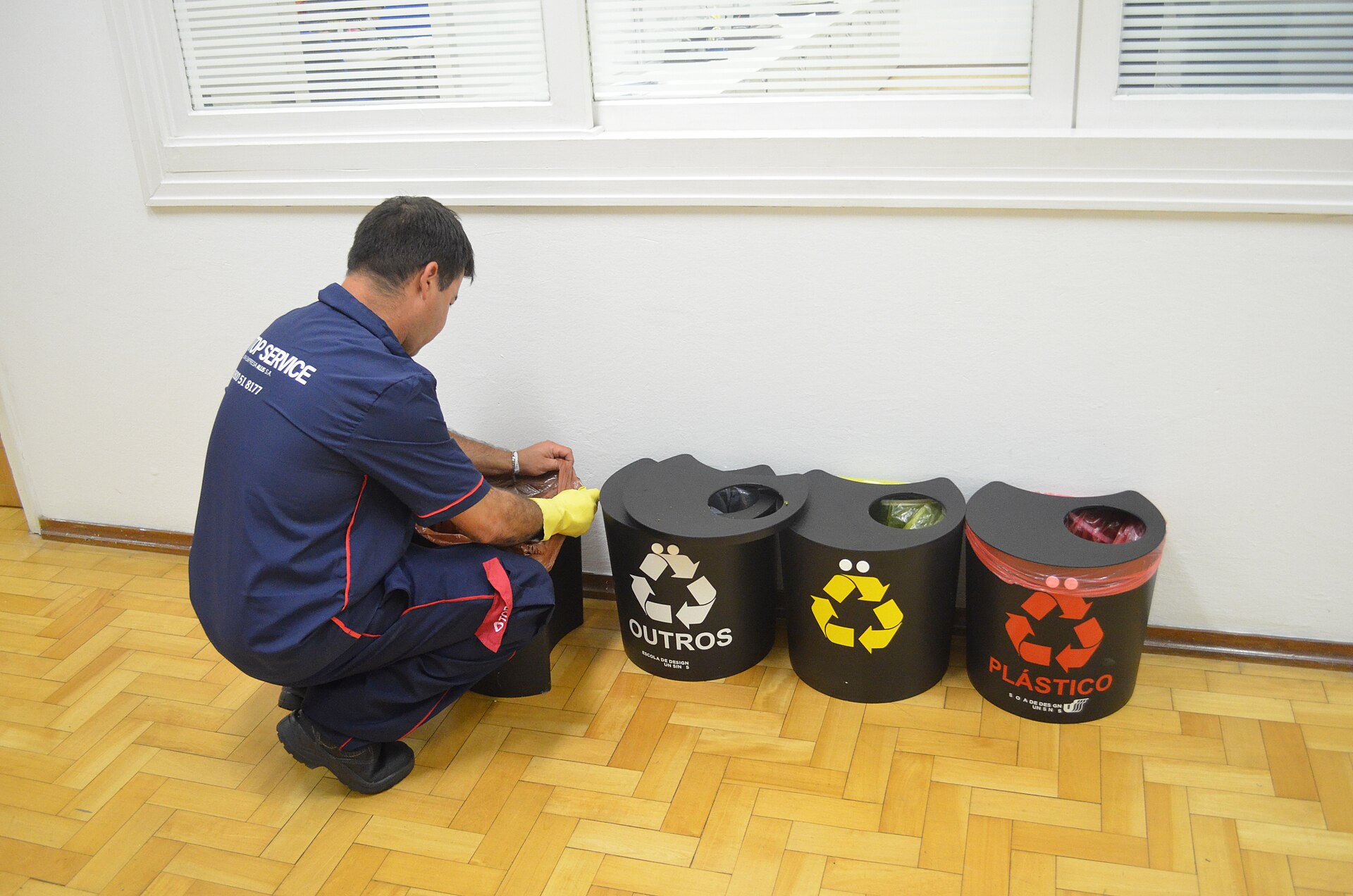
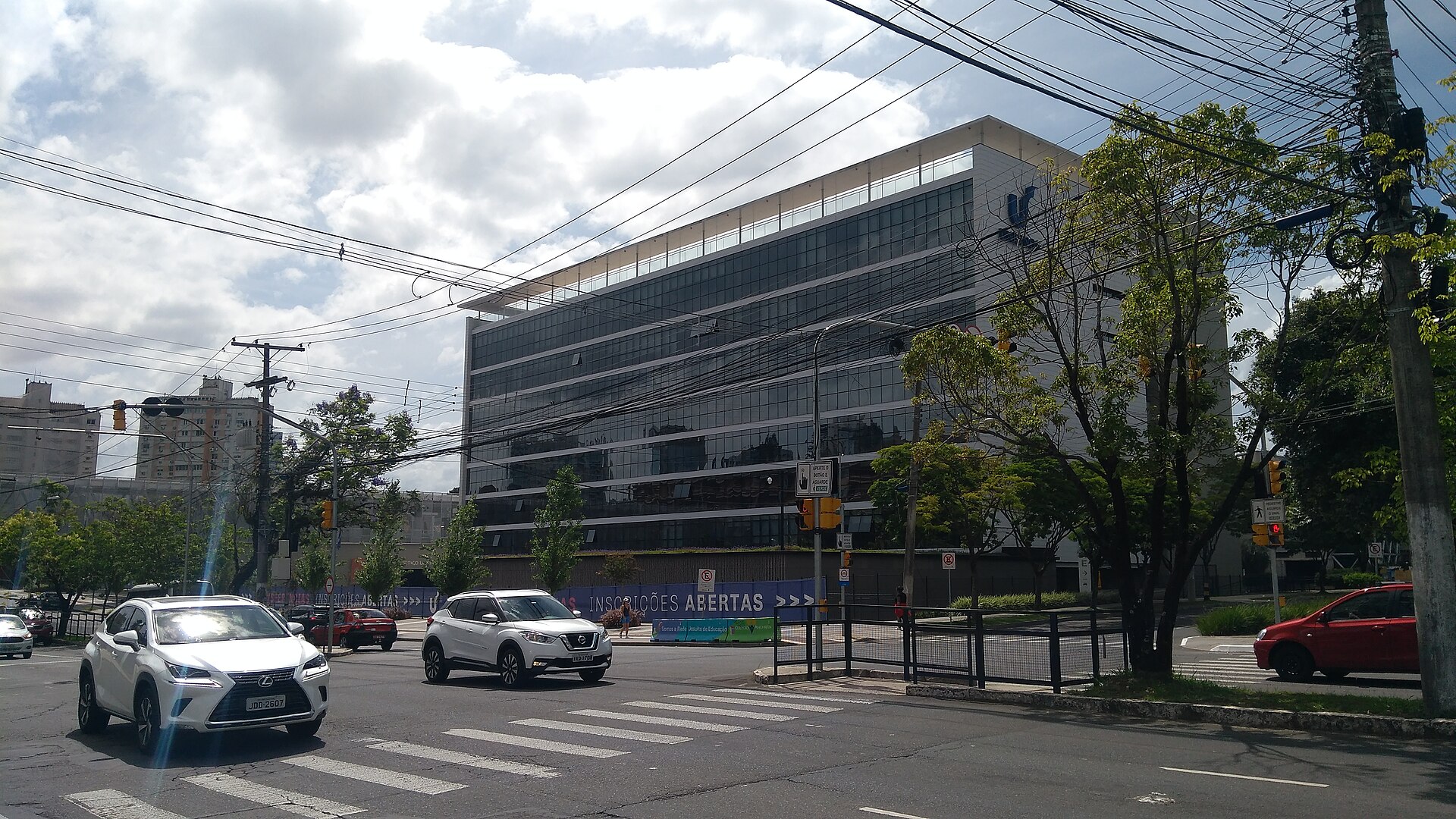
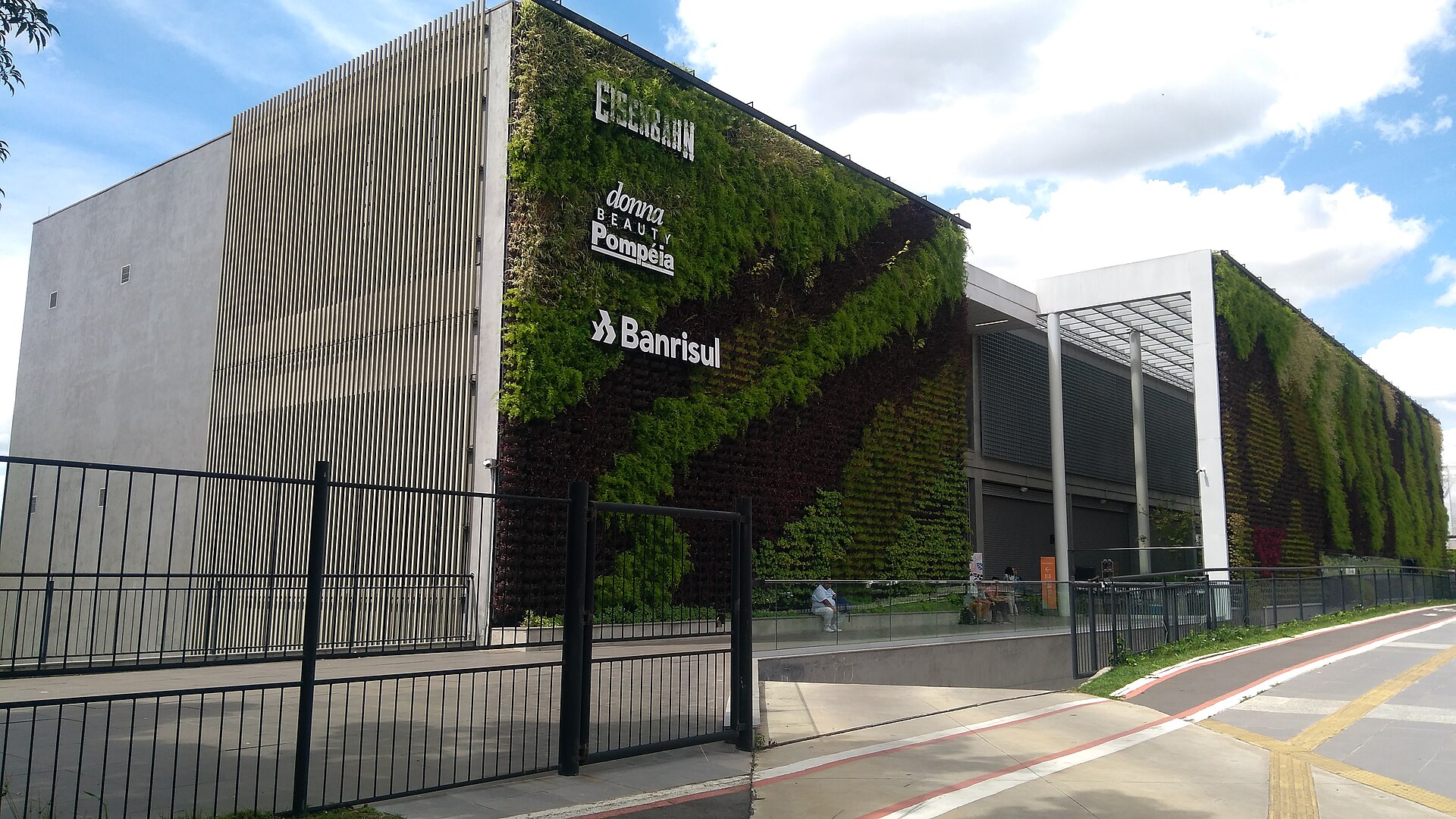
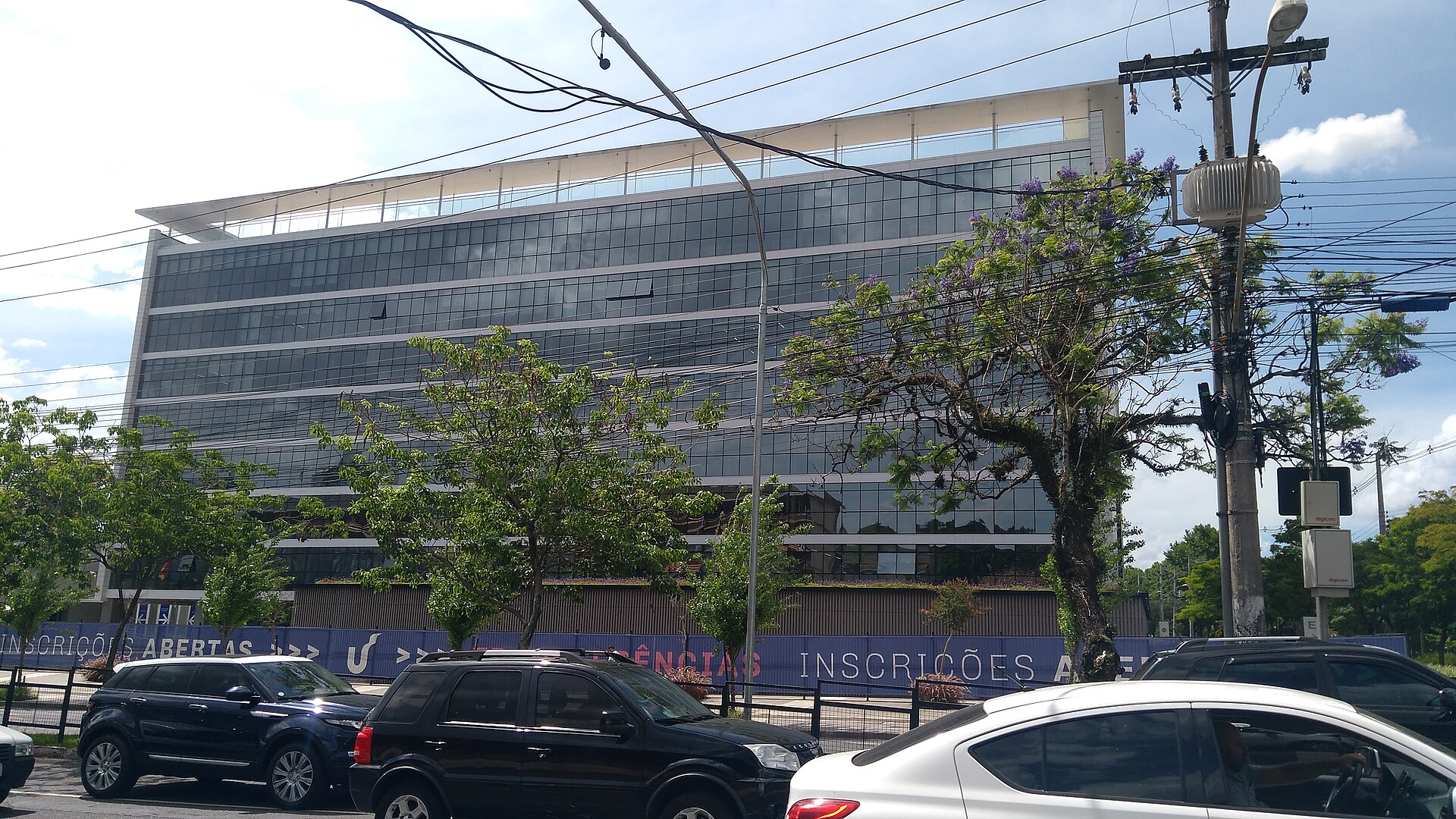
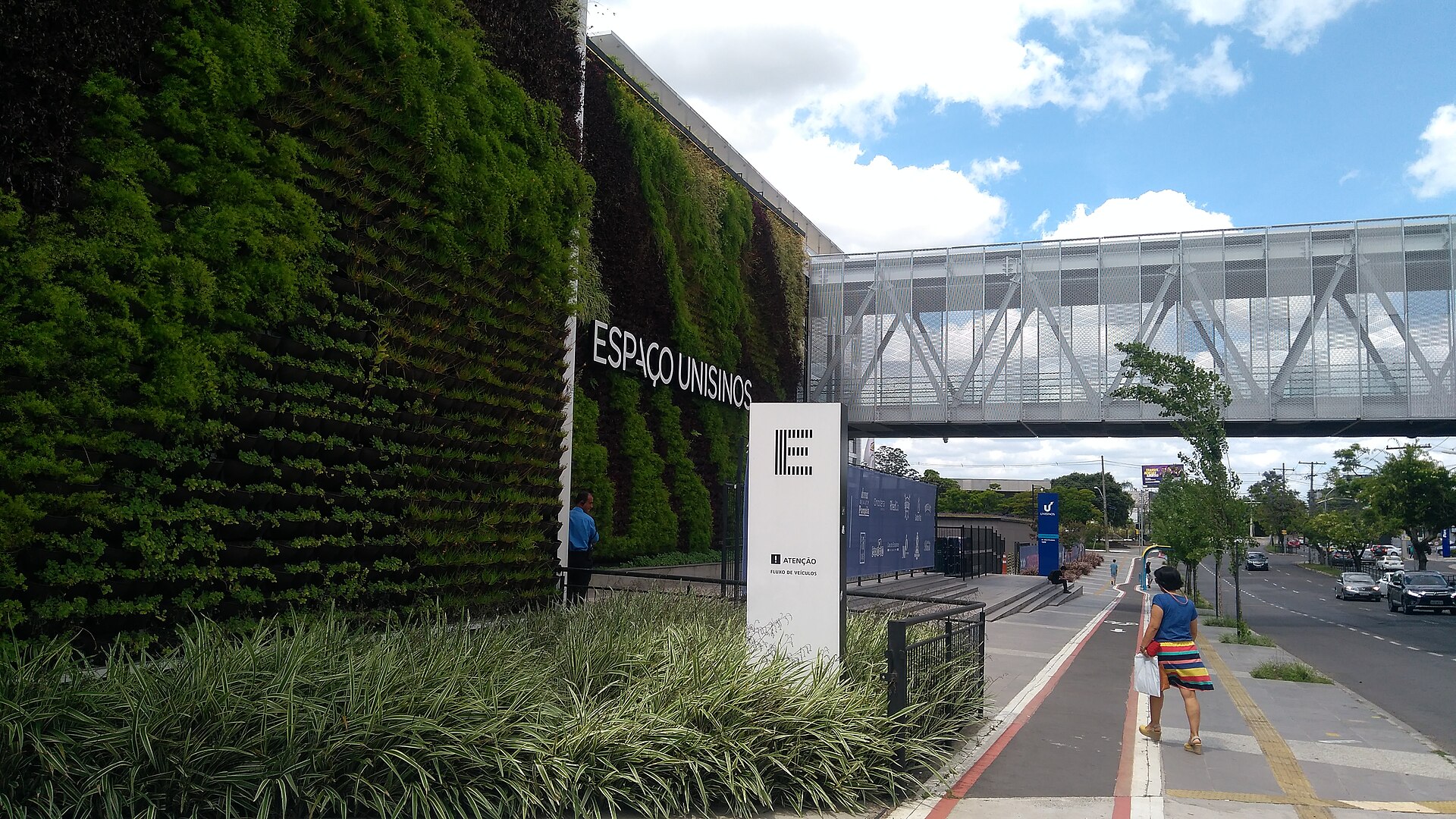
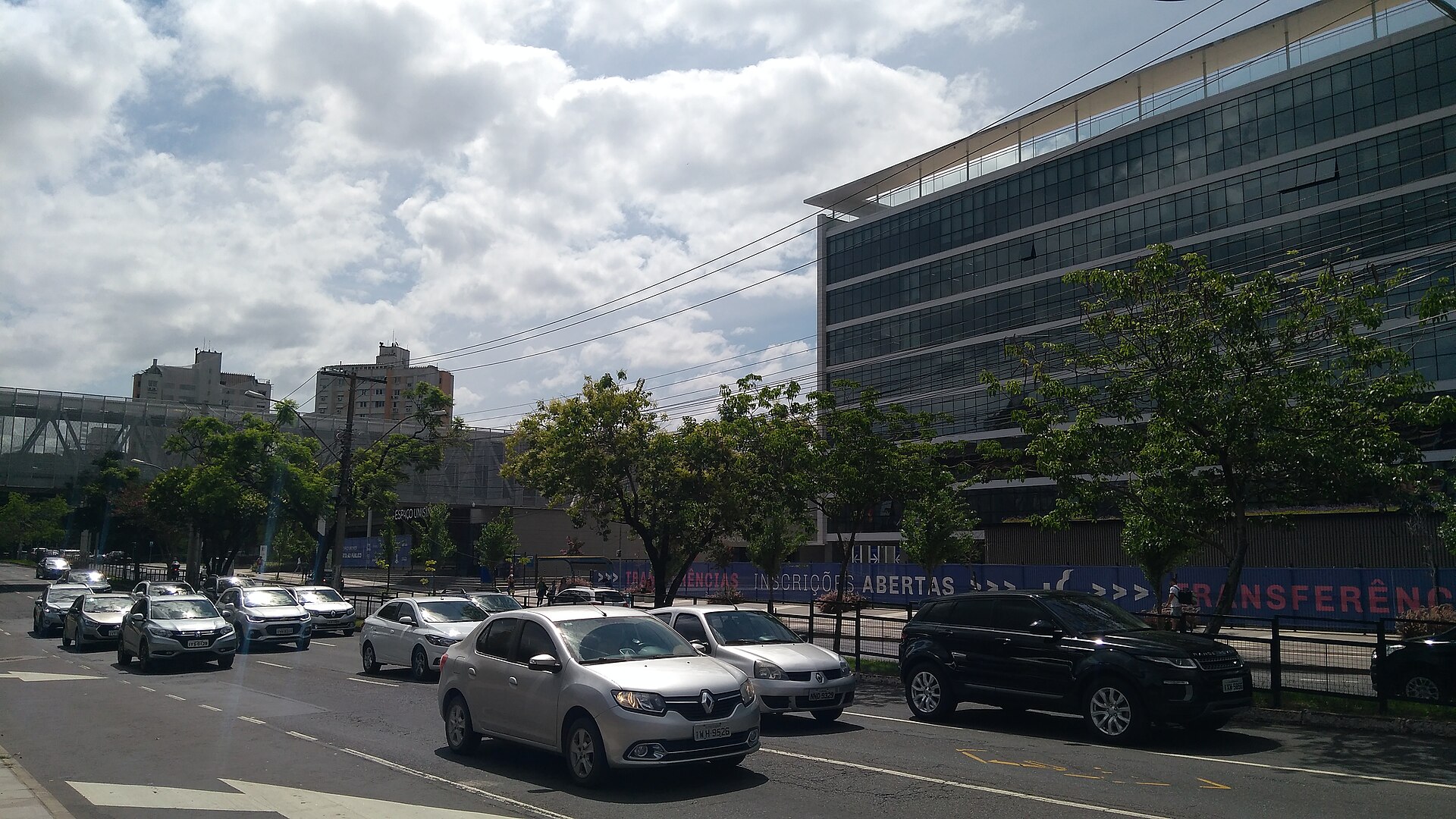
Universidade do Porto — campus in pictures
Real, freely-licensed photographs of the campus (via Wikimedia Commons).
WHY U.PORTO
Five Reasons to Choose Universidade do Porto
SELECTIVITY
How Selective Is U.Porto?
The University of Porto is moderately selective overall, admitting roughly 55 percent of applicants across all faculties and cycles. However, selectivity varies enormously by programme: Medicine, Dentistry and Architecture are highly competitive, while programmes in Humanities and some Social Sciences are more accessible. International students are evaluated on the strength of their secondary-school or prior-degree credentials, relative to the academic requirements of the specific programme they are applying to.
No SAT or ACT is required or considered. U.Porto operates a test-blind admissions policy — your academic record, not standardised test scores, is the deciding factor.
QUICK FACTS
University of Porto at a Glance
APPLICATION COMPONENTS
What Your Application Must Include
Unlike the US Common App or UK UCAS, Portugal has no centralised application portal. Applications are submitted directly to U.Porto — either to the central International Office or to the specific faculty's academic services, depending on the level of study. The documents required are largely the same across programmes, though individual faculties may add programme-specific tests or interviews.
ADMISSIONS PROFILE
The Profile U.Porto Admits
Beyond grades, the motivation letter and CV matter most for master's-level entry — admissions committees use them to assess research fit, intellectual maturity, and career focus. Unlike US universities, there is no holistic scoring of extracurricular achievements, community service or leadership narrative. The decision is academic-first.
U.Porto evaluates international applicants primarily on academic record. For bachelor's entry, the key variable is your secondary-school final grade or subject-score equivalent, benchmarked against the entry cut-offs set each year for Portuguese students. IB Diploma holders with a total score of 30 or above are eligible to apply; some competitive faculties (Medicine, Dentistry, Architecture) may expect higher. For master's entry, your undergraduate GPA, the prestige and rigour of your prior institution, and the alignment of your academic background with the programme's prerequisites carry the most weight.
APPLICATION DEADLINES
When to Apply
Portugal's academic year runs from September to July. There is no ED/EA/RD system. Most faculties at U.Porto open their international student application window in the spring for September entry, with a second smaller intake possible for January/February entry in some master's programmes. Exact dates differ by faculty and programme — always verify on the specific programme page at up.pt.
The information below reflects typical annual patterns; confirm current-cycle dates directly with the International Office or the relevant faculty before applying. Source: verify at https://www.up.pt
| Round | Deadline | Entry |
|---|---|---|
| First Application Period | Approx. Feb – Apr (varies by faculty) | September (start of academic year) |
| Second Application Period | Approx. Jun – Jul (varies by faculty) | September (limited seats remaining) |
| January Intake (selected master's) | Approx. Oct – Nov (verify per programme) | February (not all programmes) |
| Credential Recognition Review | Allow 4–8 weeks prior to application deadline | Essential first step for non-EU qualifications |
CAMPUS & CITY LIFE
Studying in Porto
Porto itself is a city of about 300,000 (metropolitan area 1.7 million) on the Atlantic coast of northern Portugal. The Ribeira riverfront and parts of the city centre are UNESCO World Heritage Sites, but Porto is far from a museum piece — it has an energetic student culture driven by its two major universities, a booming short-stay tourism industry that has seeded dozens of restaurants, bars and creative venues, and a growing tech sector anchored by companies like NOS, Critical Software, and Farfetch.
U.Porto is spread across three campus poles in Porto. Pole 1 (city centre) is home to the Rectorate and several humanities and social science faculties. Pole 2 (Asprela, northern Porto) concentrates the science, engineering, health and sports faculties — including FEUP, the Faculty of Medicine, and the Faculty of Sport. Pole 3 (Campo Alegre, western Porto) hosts the Faculty of Fine Arts, the Faculty of Architecture, and the Faculty of Science.
CAREERS & OUTCOMES
What Graduates Do
U.Porto graduates enter a strong Portuguese labour market and, increasingly, international careers. The university's 86 percent graduate employment rate reflects the practical orientation of its programmes and the depth of its research ecosystem.
Stats
Cards
FREQUENTLY ASKED QUESTIONS
Your U.Porto Questions, Answered
Is most of the teaching in Portuguese or English?+
At the bachelor's (licenciatura) level, the vast majority of programmes are taught in Portuguese. International students who are not Portuguese speakers will need to demonstrate B2 Portuguese proficiency or enrol via an Erasmus/exchange programme. At master's (mestrado) level, U.Porto offers a growing number of English-taught programmes, particularly through FEUP and FEP. Always verify the language of instruction on the specific programme page before applying.
Can I apply as an IB Diploma holder?+
Yes. IB Diploma holders can apply to U.Porto. The facts file indicates a minimum IB total of 30 points for consideration. Competitive programmes (Medicine, Architecture) may require higher scores. Your IB subjects and Higher Level grades will be assessed for alignment with the programme's prerequisite subjects.
Is there a centralised application portal like UCAS or Common App?+
No. Portugal has no centralised undergraduate admissions system for international students. You apply directly to U.Porto's International Office or to the individual faculty. The application portal and submission method differ slightly by faculty — check the up.pt website for each programme you are considering.
Do I need to have my foreign qualifications officially recognised before applying?+
Foreign secondary and higher education qualifications must be subject to credential recognition (equivalência or reconhecimento de habilitações). This process is managed by the Portuguese higher education institution you are applying to (or by DGES), and can take several weeks. Begin this process well ahead of application deadlines.
Can I get financial aid or scholarships as an international student?+
Yes, though funding for international students is limited. U.Porto participates in Erasmus+ for exchange students from partner universities. International students from non-EU countries can apply for some merit-based internal scholarships and for FCT (Fundação para a Ciência e Tecnologia) doctoral scholarships. The average aid covers about 15 percent of study costs. Verify current offerings at the U.Porto Social Services (SASUP) and the Portuguese government's Instituto Camões.
What is student housing like, and is it guaranteed?+
U.Porto's Social Services (SASUP) operate student residences, but places are allocated by income and merit criteria and are not guaranteed. Many international students rent privately in Porto, where the market is affordable by Western European standards. Apply for university residences as early as possible.
Do I need a student visa to study at U.Porto?+
EU/EEA students do not need a visa. Non-EU students must obtain a Portuguese student visa (Type D) from a Portuguese Consulate in their country. You will typically need your acceptance letter from U.Porto, proof of financial means, and travel health insurance. Apply for the visa well in advance — processing times vary by country.
What is Porto's cost of living like compared to other European university cities?+
Porto is significantly cheaper than Lisbon, Amsterdam, London or Paris. Annual living costs of approximately $10,500 USD cover comfortable student accommodation, meals, local transport and basic expenses. This makes U.Porto one of the most financially accessible QS top-300 universities in Europe.
ACADEMIC EXPECTATIONS
Academic Standards at Universidade do Porto
U.Porto is Portugal's most research-intensive university. Undergraduate teaching is serious and curriculum-dense; master's programmes are demanding and often connected to active research groups. For international students — particularly those from IB or A-Level backgrounds — the academic transition involves adapting to a European credit system (ECTS), oral exams, and strong faculty expectations around independent study.
ACADEMIC BENCHMARKS
Competitive Academic Profile
U.Porto evaluates applicants entirely on prior academic credentials. The benchmarks below reflect what the facts file records and what is known about programme selectivity. No SAT, ACT or other standardised test is required.
TEST POLICY
No Standardised Tests Required
The sole academic benchmarks are your secondary school final certificate/grades (for undergraduate entry) or your bachelor's degree classification and transcripts (for master's and PhD entry). The rigour and reputation of your previous institution is taken into account qualitatively.
U.Porto operates a test-blind admissions policy. SAT, ACT, AP, and similar standardised tests are not required, not requested, and not considered in admissions decisions. This is standard across Portuguese public universities.
INTERNATIONAL QUALIFICATIONS
IB, A-Level, and Other International Credentials
For IB Diploma holders, the stated minimum is a total of 30 points. Programmes with higher cut-offs — such as Medicine and Architecture — expect IB totals in the 34–38 range (verify on the faculty page). Higher Level subjects in Mathematics, Sciences, or Design are expected for STEM and Architecture programmes. For A-Level applicants, equivalent subject grades at A or A* in relevant subjects are benchmarked against the programme entry requirements.
U.Porto accepts a wide range of international secondary qualifications for bachelor's entry: IB Diploma, UK A-Levels, French Baccalauréat, German Abitur, Indian CBSE/ISC/state boards, and others. All require credential recognition review by the faculty or the Ministry of Education.
Your Portuguese language skills matter for undergraduate entry — if your IB Language B or prior schooling does not cover Portuguese, you must separately demonstrate B2 proficiency before matriculating into a Portuguese-taught programme.
SUBJECT REQUIREMENTS
Prerequisite Subjects by Faculty
While no standardised test is required, specific prior subjects are essential for competitive programmes. The table below reflects typical subject prerequisites — confirm the current list on each faculty's admissions page.
| Faculty | Required | Language |
|---|---|---|
| FEUP — Engineering | Mathematics (Higher / A-Level), Physics or Chemistry | Portuguese or English (for EN-taught MSc) |
| FMUP — Medicine | Biology, Chemistry; national entrance equivalence required | Portuguese (programme taught in Portuguese) |
| FAUP — Architecture | Mathematics, Visual Arts or Design portfolio; drawing aptitude test may apply | Portuguese (programme taught in Portuguese) |
| FEP — Economics | Mathematics strongly recommended; Quantitative track preferred | Portuguese (BSc); English or Portuguese (MSc) |
| FFUP — Pharmacy | Chemistry, Biology | Portuguese |
| FCUP — Sciences | Mathematics, Physics/Chemistry/Biology depending on major | Portuguese (BSc); English options at MSc |
ENGLISH LANGUAGE
English Proficiency Requirements
The facts file does not specify minimum IELTS/TOEFL/Duolingo cut-offs — specific thresholds vary by programme. As a general EU university guideline, IELTS 6.0 and TOEFL iBT 80 are typical B2 benchmarks for European universities, but you must verify the exact requirement on each programme's admissions page before applying. Do not rely on estimated minimums.
For English-taught master's programmes at U.Porto (particularly at FEUP, FEP, and FCNAUP), proof of English proficiency at B2 level or higher is required. The most common accepted proofs are IELTS Academic, TOEFL iBT, or a prior degree taught entirely in English.
For Portuguese-taught programmes (the majority of bachelor's degrees), proof of Portuguese language proficiency at B2 or higher is required instead. If you do not yet speak Portuguese, U.Porto's Language Centre (CLC) offers Portuguese language courses and certificates.
PREPARATION
How to Prepare Your Academic Profile
TIMELINE
Building Your Application — Year by Year
COMMON PITFALLS
Academic Mistakes That Hurt Applications
- Applying to a Portuguese-language bachelor's programme without certified Portuguese proficiency — your application will be rejected at the language gate.
- Submitting unnotarised or non-translated academic documents — all foreign documents must be officially translated into Portuguese or English and apostilled.
- Assuming any IB score above 30 guarantees admission to Medicine or Architecture — these are the most competitive programmes and may have effective cut-offs well above the minimum.
- Leaving the credential recognition process until the last minute — it can take 6–8 weeks and must precede your formal application.
- Writing a generic motivation letter with no reference to specific programmes, professors, or research groups at U.Porto.
- Overlooking January-intake options for master's programmes — some programmes offer a second entry point in February that has less competition.
- Underestimating the ECTS workload — the European credit system (ECTS) is intensive; a typical full-year bachelor's loads 60 ECTS credits, requiring sustained study effort from day one.
COST & FINANCIAL AID
The Real Cost of Studying at Universidade do Porto
U.Porto offers one of the most affordable pathways to a QS top-300 European degree. Annual tuition for international students is a fraction of what comparable UK, Dutch or Swiss universities charge, and Porto's cost of living is among the lowest of any major Western European university city. For students who can manage the Portuguese or English language requirements, the value proposition is exceptional.
All figures below are drawn from the university's facts file and represent annual estimates in US dollars for the current cycle. Living costs vary significantly based on accommodation type, lifestyle and whether you are in a university residence or the private market. Verify all figures with the University of Porto's Admissions and Social Services offices before finalising your budget.
ANNUAL COSTS
Cost Breakdown (Annual Estimates)
The table below summarises the main cost components for a full-time international student at U.Porto, based on the university facts file.
| Component | Annual Usd | Notes |
|---|---|---|
| Tuition (International) | $3,800 | Annual; may vary by faculty and programme level |
| Living Costs (incl. accommodation, food, transport) | $10,500 | Annual estimate for Porto; lower than Lisbon |
| Total Cost of Attendance | $15,000 | Tuition + living + incidentals (annual estimate) |
| Application Fee | $60 | One-time application fee (non-refundable) |
FINANCIAL AID
Aid Available to International Students
On average, the aid coverage available to international students represents approximately 15 percent of total study costs. This is a modest figure — international students should plan to self-fund the majority of their education and living costs, using any scholarships as supplementary support rather than as primary funding.
Financial aid at Portuguese public universities is primarily designed for domestic students through the national Action Sociale (Ação Social) system administered by each university's Social Services. International students from non-EU countries are generally not eligible for need-based grants under the Portuguese national system, but they may qualify for some merit-based bursaries and external funding.
EU/EEA students studying in Portugal may access the Erasmus+ mobility grant if they are attending as part of an exchange from a partner university. Degree-seeking EU students may qualify for the national aid system subject to residency criteria.
SCHOLARSHIPS
Scholarship Options for International Students
Named scholarships and verified amounts at U.Porto for non-EU international degree-seeking students are limited. The options below represent the main categories of real, available funding — verify current open rounds and amounts on the respective official websites before applying.
AFFORDABILITY
Making U.Porto Financially Work
Porto's private rental market offers student rooms from around €250–450/month depending on location and type. University canteens (cantinas) provide meals at heavily subsidised rates (around €2–5 per meal) for enrolled students. Student transport cards (Andante) give access to the metro, buses and trams at reduced rates. Students with part-time work rights (available on Portuguese student visas, subject to hour limits) can supplement their income, particularly in Porto's tourism and hospitality economy.
At $15,000 USD per year total cost of attendance, U.Porto is one of the most affordable full-degree options available at the QS top-300 level globally. A four-year bachelor's degree would cost approximately $60,000 USD in total — less than one year of tuition at many private US universities and significantly less than comparable UK or Dutch programmes.
There is no 'no-loan' or 'meets full demonstrated need' policy at U.Porto for international students. Students should treat financial aid as supplementary and secure sufficient funding from their own resources or external scholarships before committing to enrolment.
FUNDING STEPS
How to Fund Your U.Porto Degree
COST FAQs
Cost and Aid Questions Answered
Is tuition the same for all faculties at U.Porto?+
Tuition fees at Portuguese public universities are set within a regulated range and do not differ dramatically by faculty. However, some specialised programmes may have slightly higher fees. The $3,800 USD/year figure in the facts file is a general university-level estimate — verify the exact fee for your programme on the faculty's website.
Do international students pay more tuition than Portuguese students?+
At Portuguese public universities, non-EU international students typically pay a higher fee than domestic or EU students, who benefit from regulated lower rates. The figures in this guide reflect the international-student tuition level. EU students may qualify for the domestic fee rate.
Can I work part-time while studying in Portugal on a student visa?+
Yes. Portuguese student visas typically permit part-time work of up to 20 hours per week during the academic year and full-time during holidays. Porto's tourism and hospitality sector, along with its growing tech industry, provide part-time opportunities for international students. Note: working income should be treated as supplementary, not as your primary funding source.
How do I pay tuition — in one lump sum or in instalments?+
Portuguese universities typically allow tuition to be paid in annual instalments, often split into monthly payments aligned with the academic calendar. The exact payment structure is set by SASUP. Check with the financial services office after enrolment.
Are there discounts or waivers on tuition for exceptional students?+
Some merit scholarships at SASUP may cover a partial tuition reduction. Students from countries with bilateral agreements may receive tuition support through government programmes. A blanket tuition waiver for international students is not standard policy.
Is Porto really cheaper than other European university cities?+
Yes — noticeably so. Porto is significantly cheaper than Amsterdam, London, Zurich, Munich or even Lisbon in terms of rent, food and transport. A monthly budget of €700–900 is realistic for a student living modestly in Porto, compared to €1,500+ in comparable Northern European cities.
APPLICATION & MOTIVATION LETTER
Your Application to U.Porto Is Not Essay-Based — It Is Credential and Motivation-Based
Universidade do Porto does not use a Common App, UCAS, or Coalition portal. There are no supplemental essays, 'Why this college?' short answers, or personal narrative prompts in the US or UK sense. The written component of your application is the Motivation Letter (Carta de Motivação) — a focused, academic document that explains why you are applying to this specific programme at U.Porto and why your background makes you suitable. Getting this document right matters enormously for master's-level admissions.
This guide explains the Portuguese application system, what the Motivation Letter should contain, and how to write one that genuinely stands out. It also addresses portfolio requirements for Architecture applicants and interview preparation for competitive programmes.
APPLICATION SYSTEM
How the U.Porto Application System Works
At the bachelor's level, the application is largely documentary: your grades and qualifications are the primary deciding factor, and the Motivation Letter plays a supporting role. At the master's level, the Motivation Letter, CV, and sometimes a research proposal carry substantially more weight — admissions decisions are often made by faculty committees who are looking for specific research or professional alignment.
Portugal's higher education system has no centralised application portal for international degree-seeking students — each institution manages its own process. At U.Porto, international students typically apply through the International Office's online system or through the individual faculty's academic services portal, depending on the level of study.
THE MOTIVATION LETTER
What Your Motivation Letter Must Cover
There are no fixed prompts or prescribed questions for the U.Porto Motivation Letter. It is a free-form document, typically one to two pages, structured around four core areas. The sections below represent the standard components of a strong motivation letter for a Portuguese university application.
WRITING STRATEGY
How to Write a Strong Motivation Letter
The strongest Motivation Letters for U.Porto are specific to the point of being researched documents: they name professors, cite programme features, reference the university's research outputs, and articulate a clear intellectual or professional rationale for the choice of programme. A letter that could be submitted to five different universities without changing a word will not succeed in a competitive master's programme at FEUP or FAUP.
A U.Porto Motivation Letter is fundamentally different from a US Common App personal statement. It is not a personal narrative about challenges overcome or formative experiences. It is an academic and professional document. Use formal register, clear structure, and evidence-backed claims. First person is used, but sparingly — the focus is on your work and goals, not on your personality.
Length: 1 to 2 pages (A4), single-spaced, professional font (Calibri, Arial, or Times New Roman 11–12pt). Language: write in the language of instruction of the programme you are applying to — Portuguese for Portuguese-taught programmes, English for English-taught ones.
PROGRAMME-SPECIFIC TIPS
Writing for Specific Faculties
RESEARCH YOUR APPLICATION
Before You Write — Do This Research
COMMON MISTAKES
Motivation Letter Pitfalls to Avoid
- Writing a generic letter with no reference to U.Porto's specific programmes, professors, or research — the most common and fatal mistake.
- Submitting a letter in English for a Portuguese-taught programme — this signals you have not read the programme requirements carefully.
- Starting with a cliché ('From a young age I have been passionate about...' or 'I am writing to apply for...') — begin with a specific, substantive statement about your field or research interest.
- Writing more than two pages — admissions committees read many letters; concision and precision are respected.
- Focusing on personal narrative (childhood struggles, formative experiences) rather than academic and professional credentials — this is not a US personal statement.
- Making claims about your research experience without evidence — if you claim a research background, be ready to substantiate it with a thesis title, publications, or a supervisor reference.
- Forgetting to tailor each letter — if you are applying to two different faculties at U.Porto, write two distinct letters addressing the specific priorities of each programme.
- Using machine-translated Portuguese — if writing in Portuguese, have a native speaker review the letter before submission.
APPLICATION FAQs
Your Application Process Questions Answered
Is the Motivation Letter mandatory or optional?+
At master's and PhD level, the Motivation Letter (Carta de Motivação) is typically mandatory and is read as a substantive part of the application. At bachelor's level it may be required but carries less weight. Treat it as mandatory unless the programme explicitly states otherwise.
How long should the Motivation Letter be?+
One to two A4 pages, single-spaced, is the standard expectation for Portuguese university motivation letters. Do not exceed two pages — additional length does not signal quality and may signal poor communication skills.
Should I write in Portuguese or English?+
Write in the language of instruction of the programme you are applying to. For a Portuguese-taught programme, write in Portuguese. For an English-taught master's, write in English. Submitting a Portuguese letter for an English-taught programme or vice versa will not harm you administratively, but writing in the correct language demonstrates language readiness and cultural awareness.
Is a portfolio required for all Architecture applicants?+
FAUP may require a portfolio for undergraduate applicants and may administer a drawing aptitude assessment. For master's applicants, a portfolio is standard. Check the current entry requirements on FAUP's official admissions pages — requirements can vary by academic year.
Are there any interviews in the U.Porto admissions process?+
Some master's and PhD programmes conduct interviews, particularly in Medicine, Architecture, and research-intensive master's degrees. If an interview is part of the process, you will be informed after your application is reviewed. Interviews at U.Porto are typically academic in focus — expect questions about your prior research, your motivation for the programme, and your professional goals.
Can I apply to more than one programme at U.Porto simultaneously?+
Yes, but you will typically need to submit a separate application (and potentially a separate Motivation Letter and fee) for each programme. There is no shared application pool. Tailor each letter specifically to the programme rather than submitting a single document across multiple faculties.
What happens after I submit my application?+
After submission, your documents are reviewed for completeness and your foreign qualifications assessed for equivalence. You may be asked to provide additional documents. Once the review is complete, you will receive a pre-admission notice, followed by formal admission if all conditions are met. Non-EU students then proceed to apply for their student visa using the acceptance documentation.
Courses — schools, degrees & intake
61 degrees across 14 groupings.
Faculty of Architecture (FAUP) · 1 degrees
Architecture
Faculty of Fine Arts (FBAUP) · 3 degrees
Plastic Arts
Drawing
Communication Design
Faculty of Sciences (FCUP) · 15 degrees
Landscape Architecture
Bioinformatics
Biology
Biochemistry
Computer Science
Environmental Sciences and Technology
Agronomic Engineering
Engineering Physics
Geospatial Engineering
Physics
Geology
Artificial Intelligence and Data Science
Mathematics
Applied Mathematics
Chemistry
Faculty of Nutrition and Food Science (FCNAUP) · 1 degrees
Nutritional Sciences
Faculty of Sport (FADEUP) · 1 degrees
Sport Sciences
Faculty of Law (FDUP) · 2 degrees
Criminology
Law
Faculty of Engineering (FEUP) · 11 degrees
Bioengineering
Aerospace Engineering
Environmental Engineering
Civil Engineering
Electrical and Computer Engineering
Industrial Engineering and Management
Informatics and Computer Engineering
Materials Engineering
Mechanical Engineering
Mining and Geo-Resources Engineering
Chemical Engineering
Faculty of Pharmacy (FFUP) · 1 degrees
Pharmaceutical Sciences
Faculty of Arts and Humanities (FLUP) · 13 degrees
Archaeology
Information Science
Communication Sciences
Language Sciences
Philosophy
Geography
History
Art History
Applied Languages
Languages and International Relations
Languages, Literatures and Cultures
Literature and Interarts Studies
Sociology
Faculty of Medicine (FMUP) · 3 degrees
Public Health Sciences
Medicine
Digital Health and Biomedical Innovation
Faculty of Dental Medicine (FMDUP) · 1 degrees
Dental Medicine
Faculty of Psychology and Educational Sciences (FPCEUP) · 2 degrees
Educational Sciences
Psychology
Faculty of Economics (FEP) · 4 degrees
Economics
Economics (English-taught)
Management
Management (English-taught)
Institute of Biomedical Sciences Abel Salazar (ICBAS) · 3 degrees
Aquatic Sciences
Medicine (ICBAS)
Veterinary Medicine
Want your real chances at Universidade do Porto?
Create a free TYCHR account for your personalised admit-chance, a shortlist you can track, exact entry requirements, and essay + counselling help.