Universidade de São Paulo
São Paulo, Brazil · Urban
LATIN AMERICA'S TOP UNIVERSITY
Universidade de São Paulo — Admissions Guide for International Students
Founded in 1934, the Universidade de São Paulo (USP) is the largest and most prestigious university in Latin America, ranked #92 in the world by QS and #1 in Brazil. With free tuition, 247 undergraduate programmes, and a sprawling multi-campus presence across São Paulo state, USP offers an extraordinary research environment and access to Brazil's most dynamic economy. However, international students must understand a critical reality: instruction is almost entirely in Portuguese, and entry to undergraduate programmes is through Brazil's national competitive examinations. This guide explains exactly what that means for you — and how ambitious international students can still access USP's world-class education.
Campus
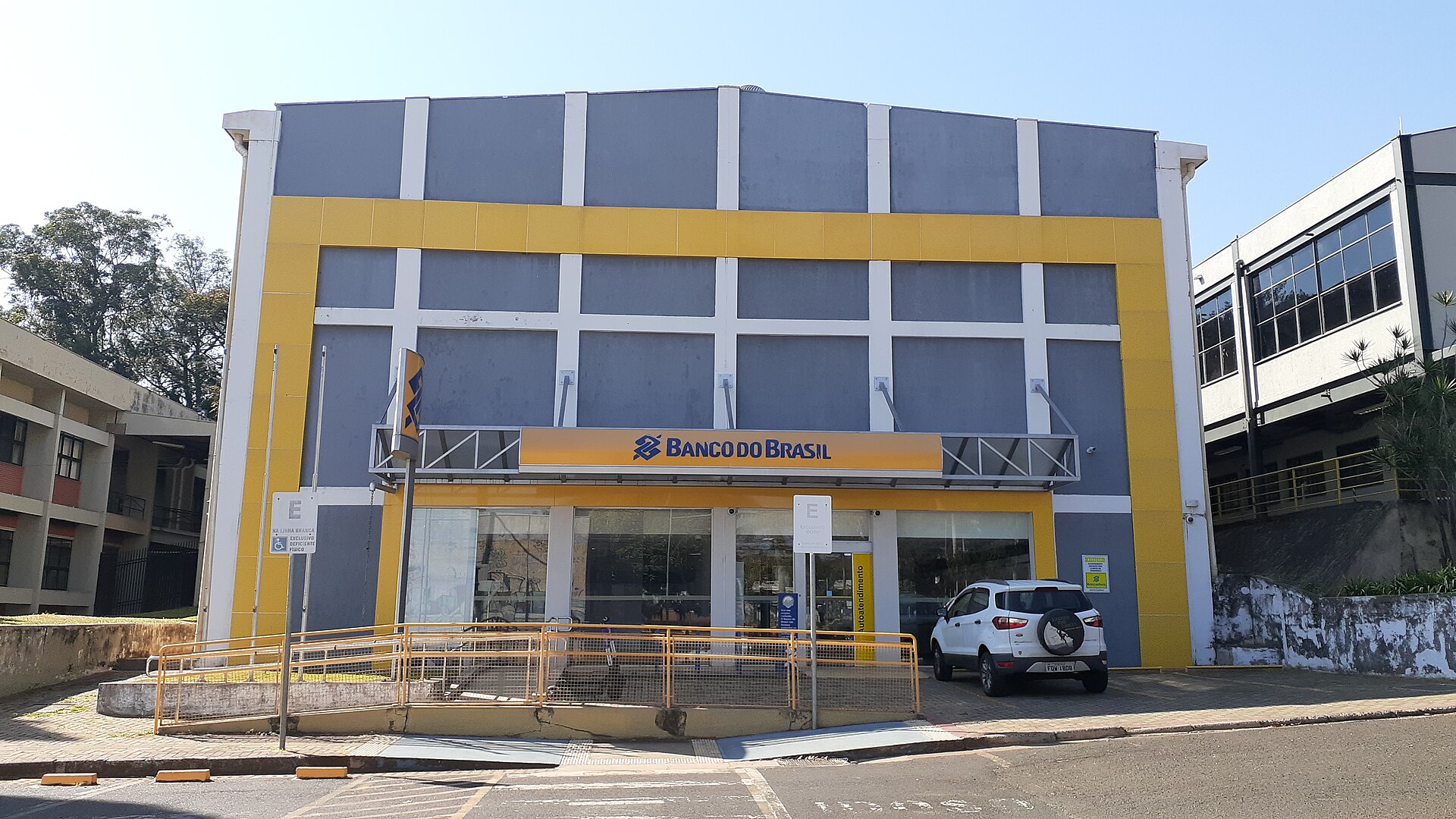
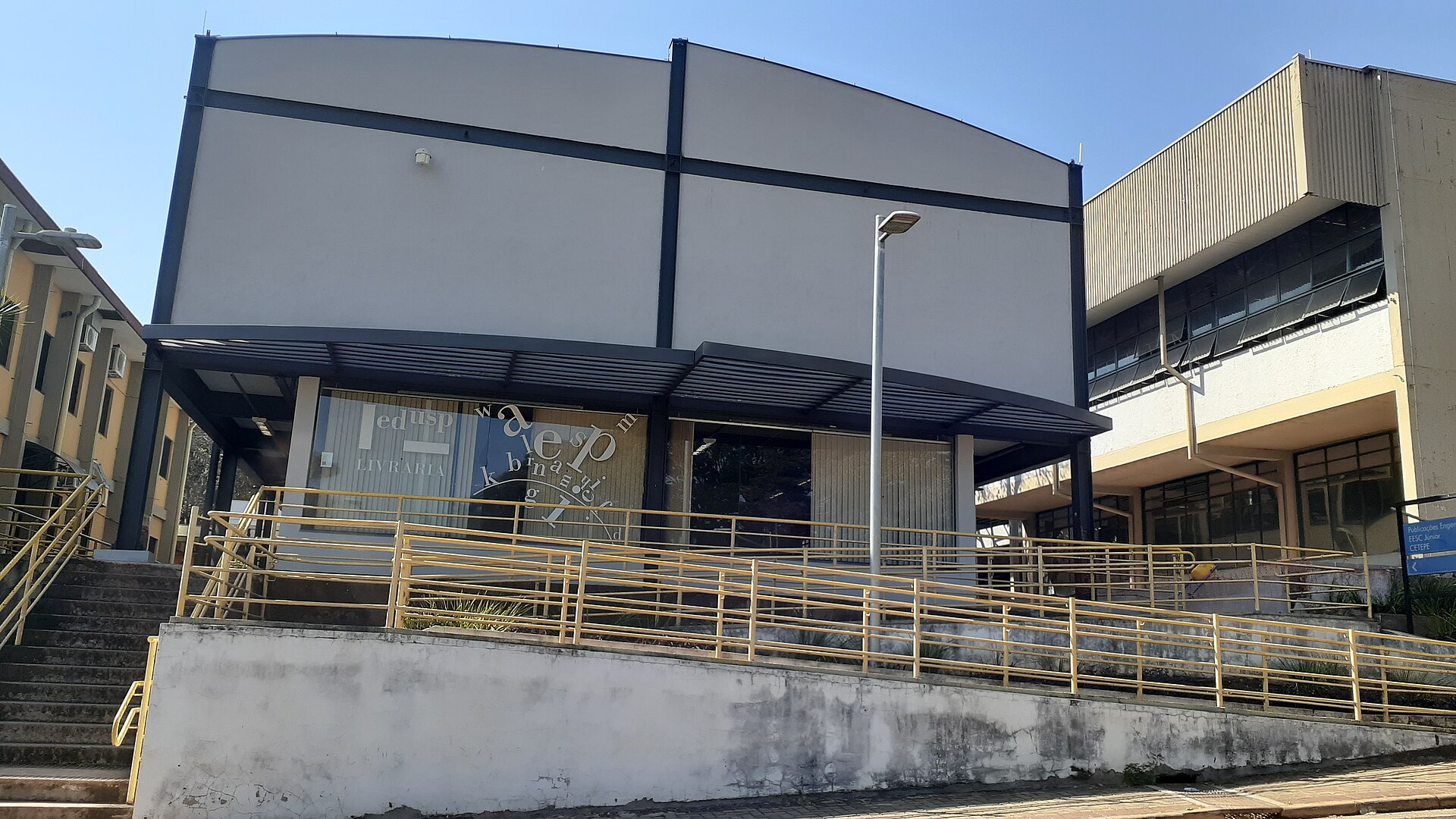
Universidade de São Paulo — campus in pictures
Real, freely-licensed photographs of the campus (via Wikimedia Commons).
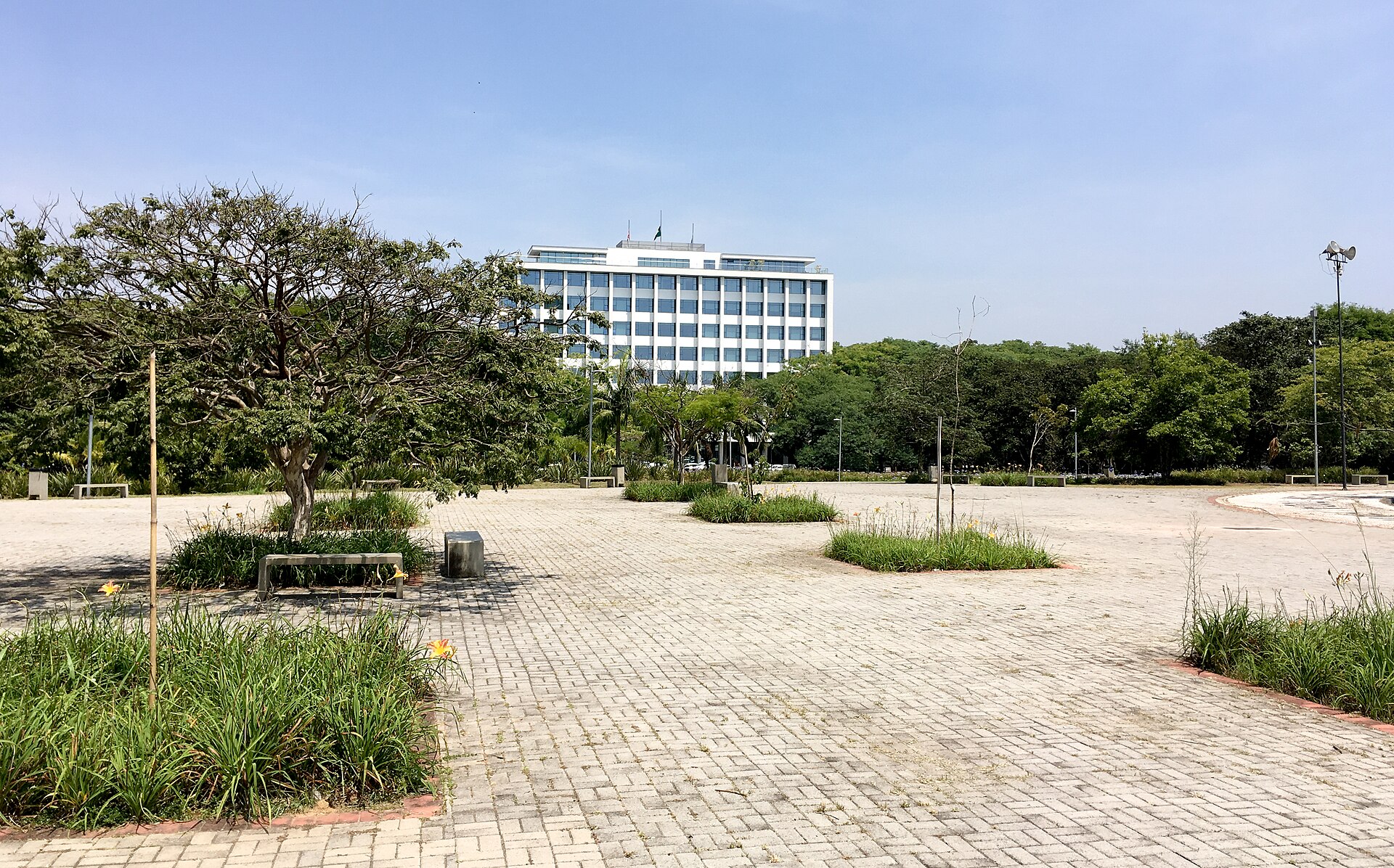
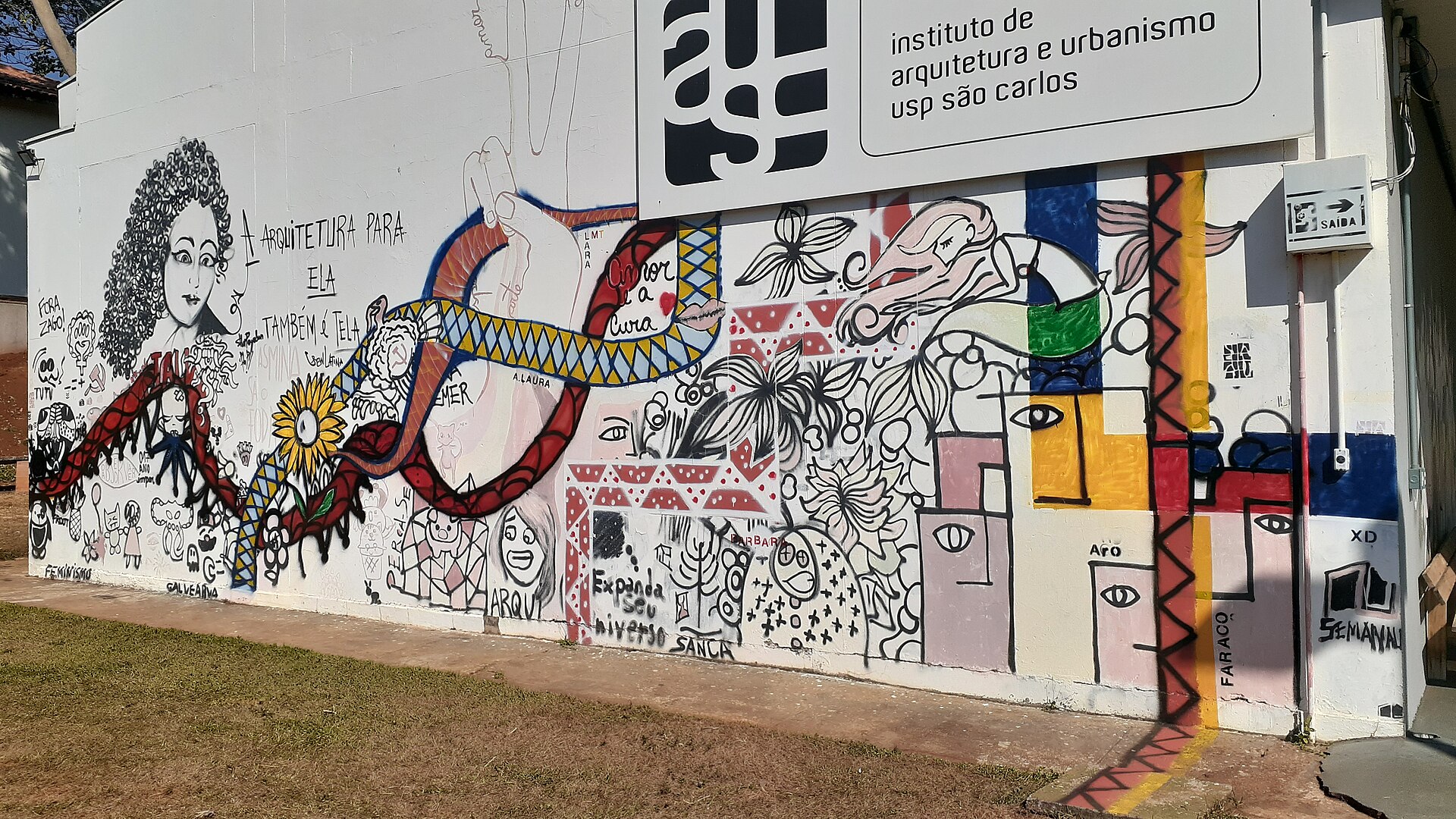
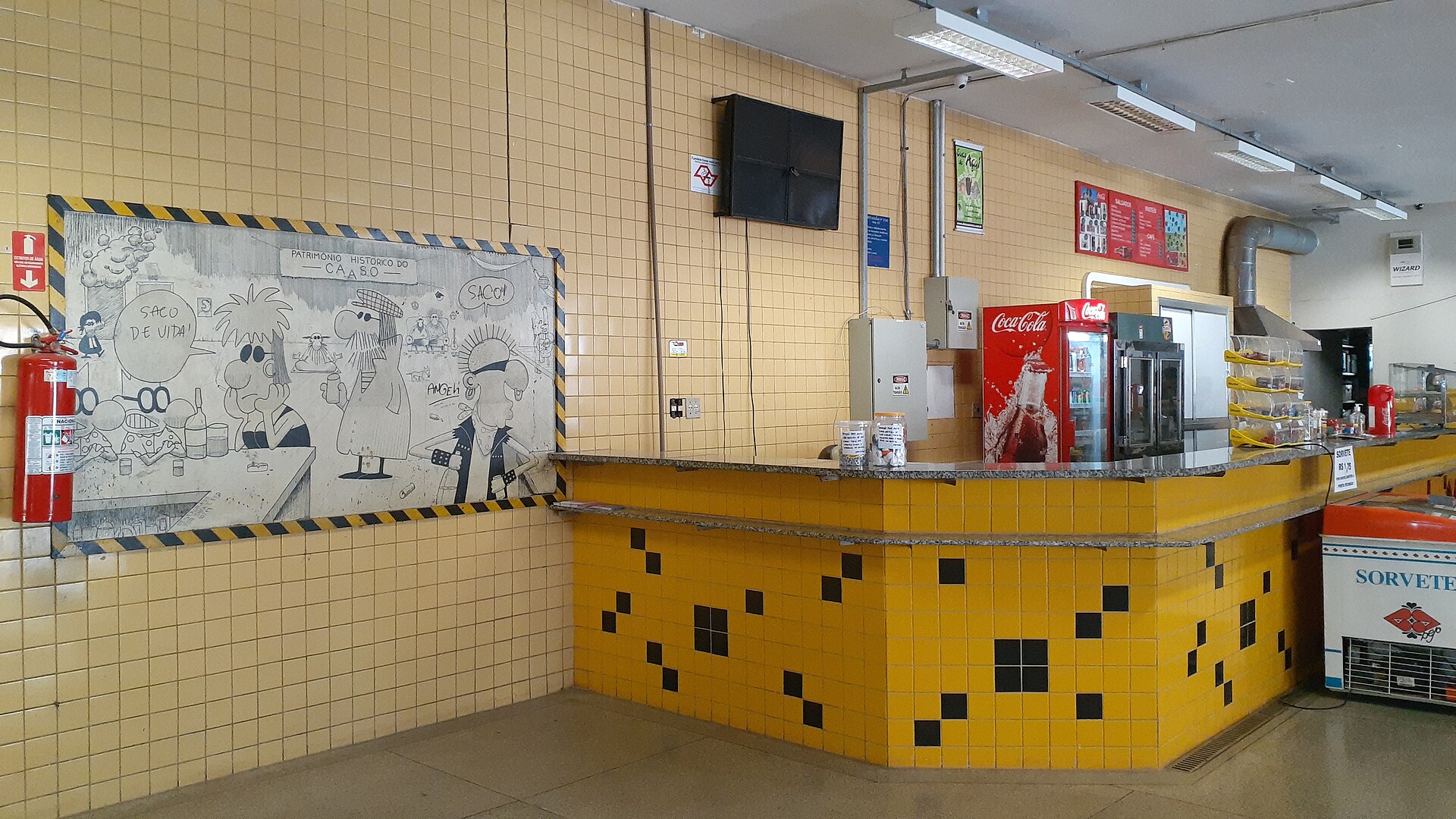
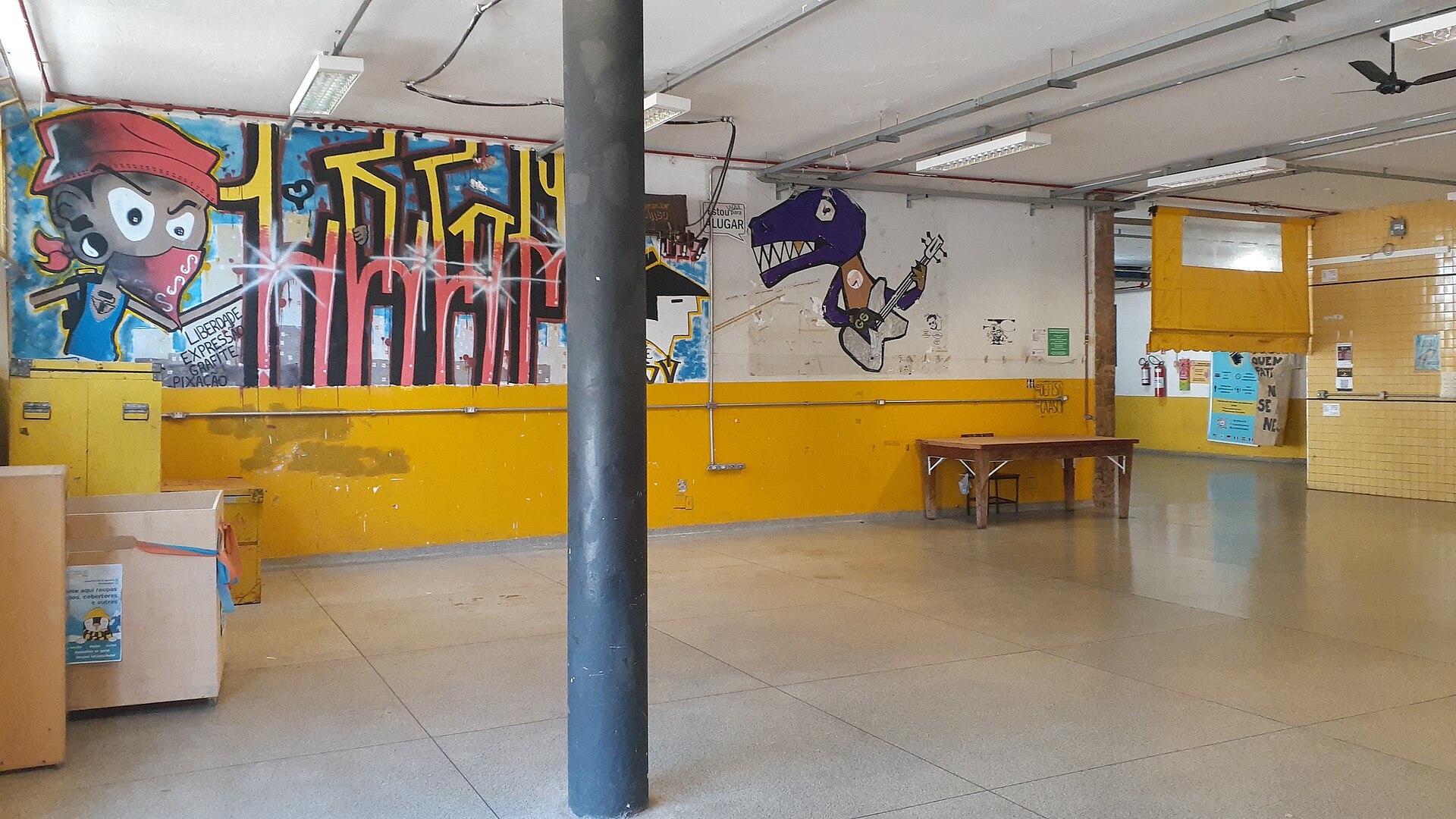
Why USP — Latin America's Premier Research University
USP stands alone at the top of Brazilian higher education, producing more than a quarter of all scientific papers published by Brazilian researchers in high-quality international journals. For international students able to study in Portuguese, or those pursuing graduate research, USP offers an unmatched combination of academic rigour, research infrastructure, and career placement in South America's economic powerhouse.
SELECTIVITY
How Competitive Is USP?
USP is highly selective by Brazilian standards. Entry to the most coveted programmes — Medicine, Law, Engineering, and Architecture — is intensely competitive through the FUVEST entrance exam. The overall acceptance rate across all programmes is approximately 8.5%, but this masks extreme variation: Medicine at USP São Paulo draws hundreds of applicants per place, while some less-subscribed programmes have higher acceptance rates.
The FUVEST exam is conducted entirely in Portuguese and covers a broad secondary-school syllabus. International students who have not completed Brazilian secondary education typically access USP through exchange agreements or the PEC-G government programme — not through FUVEST directly. Verify your route with USP's International Office before applying.
AT A GLANCE
USP Quick Facts
APPLICATION PATHWAYS
How International Students Enter USP
USP has no single application portal for international students analogous to Common App or UCAS. Entry depends on which pathway applies to you. Most international students access USP through one of three routes:
ADMISSION PROFILE
What USP Looks For
Because admission is primarily exam-based rather than holistic, USP does not publish a qualitative 'applicant profile' in the way US or UK universities do. Selection is based almost entirely on competitive examination performance. However, for graduate and exchange students, the following profile elements matter:
KEY DATES
Application Timelines
Deadlines vary significantly by pathway. All dates below are indicative based on recent cycles — always verify on the official FUVEST, SISU, or USP International Office websites before applying.
| Pathway | Typical Period | Exam | Notes |
|---|---|---|---|
| FUVEST Registration | August–September | Phase 1: November | Phase 2: January | Annual cycle; enrolment February |
| ENEM (national exam) | May–June registration | November | SISU selection: January following year |
| PEC-G | Varies by country | CELPE-Bras required | Apply via Brazilian embassy in home country |
| Exchange (bilateral) | Via home institution | N/A | Semester 1: February | Semester 2: July |
| Graduate programmes | Varies by programme | Programme-specific selection | Check individual faculty/institute pages |
CAMPUS & CITY LIFE
Student Life at USP
USP's main campus — the Cidade Universitária on the west bank of the Pinheiros river in São Paulo — is one of the largest university campuses in the world at 7.4 km². It is a city within a city, with a bus network, sports facilities, hospitals, restaurants, and an internal culture of student organisation and political engagement that is deeply embedded in Brazilian intellectual life.
São Paulo itself is the economic engine of Latin America — a global metropolis of world-class gastronomy, art galleries, music, and nightlife. The city is not cheap by Brazilian standards but remains far more affordable than European or North American cities. USP's multiple campuses also mean that students in Ribeirão Preto, São Carlos, or Piracicaba experience smaller, more focused academic communities with their own distinct characters.
CAREER OUTCOMES
Where USP Graduates Go
An employment rate of approximately 85% among graduates reflects USP's deep integration with São Paulo's economy. USP alumni dominate Brazilian public life — 13 Brazilian presidents have USP connections, along with leading figures in law, medicine, business, science, and the arts.
In professional fields, Poli-USP engineers are recruited by every major infrastructure, energy, and technology firm in Brazil. FEA graduates enter investment banking, consulting, and management roles at multinational companies. FMUSP medical graduates are among the most competitive residency candidates in the country. The Law Faculty at Largo de São Francisco has produced a disproportionate share of Brazil's Supreme Court justices, senators, and legal academics.
Starting salary figures are in USD equivalent and reflect the Brazilian labour market. In local currency terms, USP graduates in medicine, law, and engineering command salaries significantly above the Brazilian average.
FREQUENTLY ASKED QUESTIONS
USP Admissions FAQs
Is USP taught in English?+
The vast majority of USP's undergraduate programmes are taught exclusively in Portuguese. Some graduate programmes and individual research groups operate in English, particularly in STEM fields. If you do not speak Portuguese, your realistic options at USP are: (a) a bilateral exchange at the postgraduate level with an English-speaking supervisor, or (b) learning Portuguese to the required standard before applying as an undergraduate. Do not assume English-taught undergraduate options are available — verify directly with the faculty you wish to join.
Can I apply to USP as an international undergraduate student without FUVEST?+
Direct undergraduate admission without FUVEST or ENEM is rare and generally only available through the PEC-G government programme (for students from countries with bilateral agreements with Brazil) or via bilateral exchange agreements between USP and your home institution. There is no general open-application pathway for international undergraduates.
What is the PEC-G programme?+
The Programa de Estudantes-Convênio de Graduação (PEC-G) is a Brazilian government programme that allows undergraduate students from developing countries — primarily in Africa, Latin America, and parts of Asia — to study at Brazilian federal and state universities including USP, free of charge. Applicants must demonstrate Portuguese proficiency via the CELPE-Bras exam and apply through the Brazilian embassy or consulate in their home country. Eligibility depends on your country having a PEC-G agreement with Brazil.
How difficult is the FUVEST exam?+
FUVEST is among the most competitive university entrance examinations in Latin America. The Phase 1 exam is multiple-choice across all secondary-school subjects; Phase 2 includes discursive questions and a Portuguese-language essay. For the most competitive programmes (Medicine, Law, Architecture), the number of applicants per place can exceed 100:1. Preparation typically takes 1–2 years of intensive study.
Is tuition really free at USP?+
Yes — USP charges no tuition fees for undergraduate programmes. The university is funded by the São Paulo state government. Students are responsible for living expenses, study materials, and optional services. International students accepted via PEC-G or exchange agreements also pay no tuition.
Are there scholarships available for international students?+
USP itself does not offer a significant portfolio of international scholarship funding at the undergraduate level. However, several Brazilian government agencies — notably CAPES and CNPq — offer research fellowships and scholarships for graduate-level international students. The PEC-G programme for undergraduates includes a living-allowance component in some cases. Bilateral exchange students are typically funded by their home institution or government scholarship programmes.
What is the cost of living in São Paulo?+
São Paulo is the most expensive city in Brazil but remains considerably more affordable than major cities in Europe or North America. Estimated annual cost of living for a student is approximately USD 8,000, covering accommodation, food, transport, and personal expenses. On-campus subsidised dining (bandejão) significantly reduces food costs for students who qualify.
Can I do a postgraduate (Masters or PhD) at USP in English?+
Graduate admission at USP is decentralised — each programme has its own requirements. Some postgraduate programmes, particularly in natural sciences and engineering, accept international students and conduct supervision in English. You should contact the specific graduate programme coordinator and a potential supervisor before applying to confirm language of instruction and supervision.
ACADEMIC EXPECTATIONS
Academic Standards at USP What International Students Need to Know
USP operates at the frontier of Latin American science, medicine, law, and engineering. Its academic demands are significant — and instruction is almost universally in Portuguese. Understanding the academic landscape before committing to USP is essential for international students.
ACADEMIC NUMBERS
USP Academic Profile
USP's competitive profile is measured differently from US or UK universities — there is no SAT, ACT, or IB benchmark for admission. Selection is through Brazil's national examinations. The key metrics below reflect the university's scale and research output.
SAT, ACT, IB score bands are not published by USP and are not used in undergraduate admission. The primary selection instrument is the FUVEST or ENEM examination.
EXAMINATION POLICY
Standardised Tests and USP Admission
USP does not use SAT, ACT, or IB scores as primary admission criteria for undergraduate programmes. Entry is through Brazil-specific examinations:
FUVEST IN DEPTH
Understanding the FUVEST Examination
FUVEST is the gateway to USP undergraduate programmes. For international students seriously considering undergraduate study at USP, understanding this exam is essential.
Phase 1 is a 96-question multiple-choice exam spanning: Portuguese and Literature, Foreign Language (English, French, German, Italian, or Spanish), Mathematics, Physics, Chemistry, Biology, History, and Geography. Phase 2 is programme-specific and discursive, requiring written answers and an essay in Portuguese. Candidates who pass Phase 1 with a competitive score are invited to Phase 2, and final rankings determine programme offers.
INTERNATIONAL QUALIFICATIONS
IB, A-Levels, and Other International Credentials
USP does not publish IB or A-Level score benchmarks for undergraduate admission, because these qualifications are not used in the Brazilian vestibular system. However, international qualifications are relevant in specific contexts:
SUBJECT PREPARATION
What USP Expects Academically by Discipline
LANGUAGE REQUIREMENTS
Language Requirements at USP
Because USP instructs almost entirely in Portuguese, the critical language requirement is Portuguese proficiency — not English. Formal IELTS/TOEFL minimums are not published for undergraduate admission. The table below reflects what is required by pathway:
No IELTS minimum, TOEFL minimum, or Duolingo minimum is formally published by USP for undergraduate admission. IELTS/TOEFL may be requested by specific graduate programmes — verify directly.
| Pathway | Requirement | Notes |
|---|---|---|
| FUVEST / ENEM (Undergraduate) | Portuguese — native or near-native | Exam conducted in Portuguese; instruction in Portuguese |
| PEC-G (International Undergrad) | CELPE-Bras — required | Exam sat at Brazilian embassy in home country |
| Exchange (Bilateral) | Portuguese recommended; varies by partner | Most courses in Portuguese; verify with home institution |
| Graduate (some programmes) | Portuguese and/or English | Varies by programme; confirm with supervisor |
YEAR-BY-YEAR PLAN
Building Your Academic Profile for USP
The pathway to USP depends heavily on which route you are pursuing. This ladder assumes an international student with serious intent to study in Brazil:
COMMON MISTAKES
Academic Preparation Pitfalls to Avoid
- Assuming you can study at USP in English — the vast majority of undergraduate teaching is in Portuguese and there is no English-medium undergraduate track.
- Preparing only IB or A-Level content without studying the FUVEST syllabus — FUVEST covers Brazilian national curriculum content that overlaps only partially with international programmes.
- Underestimating Portuguese language preparation time — reaching the CELPE-Bras standard required for PEC-G or the near-native level required for FUVEST typically takes 3–5 years of dedicated study.
- Applying without confirming PEC-G eligibility — not all countries have agreements with Brazil; verify through your local Brazilian embassy before beginning the process.
- Treating all USP programmes as equally competitive — competition varies enormously by programme and campus; some programmes are far more accessible than Medicine or Law in São Paulo.
- Neglecting to contact a potential graduate supervisor before applying — for postgraduate programmes, personal contact with a supervisor is effectively a prerequisite; acceptance without a willing supervisor is extremely rare.
- Assuming on-campus housing is guaranteed — student housing (moradia) at USP is allocated on socioeconomic need criteria and is not guaranteed for international students; arrange private accommodation as a backup.
COST & FUNDING
The Cost of USP — Free Tuition, Real Living Costs
USP is one of the world's great academic bargains: zero tuition fees for undergraduate study. But 'free' does not mean 'without cost'. Living in São Paulo as an international student requires careful financial planning, and funding sources for international students are more limited than at US or UK private universities.
COST BREAKDOWN
Annual Cost Estimates
All figures are approximate annual estimates in USD. Exchange rates fluctuate; actual costs in Brazilian Reais will vary with the USD/BRL rate.
Cost of attendance and living estimates are from the facts file and should be treated as indicative. São Paulo living costs vary significantly by neighbourhood and lifestyle. On-campus subsidised dining (bandejão) reduces food costs substantially for qualifying students.
| Component | Estimated Annual Usd | Notes |
|---|---|---|
| Tuition | $0 | Fully state-funded; no tuition fees for any undergraduate programme |
| Total cost of attendance | ~$9,000 | Living + study materials estimate |
| Cost of living (São Paulo) | ~$8,000 | Accommodation, food, transport, personal expenses |
| Application fee | Verify | FUVEST registration fee exists; PEC-G/exchange may differ — verify on official sites |
FINANCIAL AID
Financial Aid for International Students
USP does not operate a centralised need-based financial aid programme for international students comparable to those at US private universities. The primary financial benefit is free tuition — eliminating the largest cost of study.
For students from developing countries entering via the PEC-G programme, some living-expense support may be available through bilateral agreements or home-country scholarships. Graduate students often receive monthly stipends through CAPES or CNPq research fellowships — these are among Brazil's most important funding instruments for postgraduate education. Exchange students are typically funded by their home institution's scholarship programmes or government mobility grants (such as Erasmus+ for European students).
SCHOLARSHIPS
Scholarship Opportunities
Named scholarship programmes at USP specifically targeted at international undergraduates are limited, reflecting its public-university, free-tuition model. The most significant funding instruments for international students are listed below.
REAL COST PICTURE
Affordability in Context
For international students who can access USP, the financial equation is compelling: zero tuition, relatively low cost of living by global standards, and a potential stipend (for graduate students). The barriers are not financial — they are linguistic (Portuguese proficiency) and programme-access (FUVEST competitiveness or PEC-G eligibility).
Students from higher-income countries who attend USP through exchange programmes typically fund the experience themselves, as no tuition is charged and living costs are relatively modest. For those pursuing graduate studies, FAPESP and CNPq fellowships can make a USP PhD genuinely self-funding, which is unusual for a top-100 global university. Students should plan for health insurance (Brazil does not extend public healthcare to short-stay foreign students as of right) and should account for currency risk — the BRL/USD rate fluctuates significantly.
STEP BY STEP
How to Secure Funding for USP
COST FAQS
Cost and Aid Frequently Asked Questions
Is tuition genuinely free at USP?+
Yes. USP is a public university funded by the state of São Paulo and charges no tuition fees at the undergraduate level. This applies to Brazilian students and to international students accepted via PEC-G or bilateral exchange agreements. Graduate programmes are similarly tuition-free.
What is the typical monthly cost of living for a student in São Paulo?+
A reasonable estimate is USD 600–800 per month (approximately BRL 3,000–4,000 at mid-2024 rates), covering shared accommodation, food (using the campus bandejão where available), local transport, and basic personal expenses. Students in private accommodation in expensive neighbourhoods and those who eat out regularly will spend more.
Can I work part-time while studying at USP to cover living costs?+
Brazilian student visa regulations limit paid work for student visa holders. The rules have evolved — verify with the Brazilian consulate in your home country and consult USP's International Office on current regulations before relying on part-time income.
Are CAPES fellowships competitive?+
Yes, CAPES and CNPq fellowships are competitive, particularly at the masters level. PhD fellowships in high-priority research areas, and positions tied to a well-funded supervisor's research grant, tend to be more accessible. Having a USP faculty supervisor who supports your application is usually a prerequisite.
Does USP offer any grants to cover travel costs for international students?+
USP itself does not typically provide travel grants for incoming international students. Travel support is more likely to come from home-country programmes (Erasmus+, DAAD, etc.) or from a supervisor's research grant in the case of graduate students. Verify with the programme you are joining.
APPLICATION & STATEMENT
Applying to USP — No Essays, But Documents That Matter
Brazil's university system does not use personal essays in the US Common App sense. Admission to USP's undergraduate programmes is determined by competitive examination performance (FUVEST or ENEM), not by a narrative personal statement. However, specific pathways — the PEC-G programme, graduate applications, and exchange programmes — each require written documents that serve distinct purposes. This guide explains what those documents are and how to approach them.
SYSTEM OVERVIEW
Brazil's Application System — Exam-Based, Not Essay-Based
Unlike US universities (Common App + supplement essays) or UK universities (UCAS personal statement), Brazilian undergraduate admission is fundamentally exam-based. Your FUVEST or ENEM score determines your eligibility for a programme place — there is no personal statement, recommendation letter, or activities list in the undergraduate application.
The one exception to 'no essays' in the standard process is the FUVEST Phase 2 written exam, which includes a Portuguese-language essay (redação) on a social, cultural, or political theme. This is an academic writing exercise graded on argument, coherence, and Portuguese language accuracy — not a personal narrative. It is substantially different from the US personal statement in both form and purpose.
WRITTEN DOCUMENTS
Key Written Documents by Pathway
There are no published essay prompts in the US sense for USP admissions. The written documents required depend entirely on your application pathway.
THE FUVEST ESSAY
Mastering the FUVEST Redação
For students sitting FUVEST, the Phase 2 essay (redação) is a crucial differentiator among candidates with similar multiple-choice scores. Unlike US personal statements, this is a formal academic genre with specific Brazilian conventions.
The typical FUVEST redação asks candidates to analyse a social issue — inequality, environmental policy, media and democracy, public health — using multiple texts provided on the exam as source material. Candidates must synthesise these sources into a coherent argumentative text (dissertação argumentativa) in formal Portuguese, conclude with a concrete and specific 'proposta de intervenção' (an intervention proposal addressing the problem), and avoid linguistic errors that signal poor command of formal Portuguese. International students aiming for FUVEST must treat the redação as a distinct skill requiring specific preparation — it is different from both international academic writing conventions and from personal narratives. Work with a Brazilian Portuguese tutor on past FUVEST essay prompts (publicly available on the FUVEST website) beginning at least one year before the exam.
GRADUATE APPLICATION STRATEGY
Strategy for Graduate Applications
For graduate applicants, the application is more holistic than the undergraduate route and bears some resemblance to the US graduate school process. The key elements and how to approach each:
CHOOSING YOUR APPROACH
How to Frame Your Application for USP
Whether you are writing a motivation letter (PEC-G or exchange) or a research proposal (graduate), the framing principle is the same: specificity about USP, Brazil, and your own preparation.
COMMON MISTAKES
Application Pitfalls to Avoid
- Writing a personal narrative essay in the US style when applying for PEC-G or exchange — the documents required are administrative and/or motivational, not autobiographical.
- Submitting a generic 'I love Brazil' motivation letter without specific reference to USP, the programme, or a faculty member's research.
- Addressing the FUVEST redação as if it were a personal statement — it is a formal academic genre with Brazilian conventions that must be learned separately.
- Applying to a graduate programme without prior contact with a potential supervisor — arriving 'cold' at USP with no supervisor willing to take you on will result in rejection regardless of your qualifications.
- Overstating Portuguese proficiency in application documents — if your Portuguese is intermediate, USP contacts will discover this quickly; honesty paired with a credible preparation plan is far better.
- Not having documents apostilled and translated — PEC-G and graduate applications typically require authenticated foreign credentials; this takes weeks and should be started early.
- Applying to only one graduate programme at USP — if a supervisor declines, there is no application that can be redirected; apply to multiple supervisors/programmes where your research fits.
FAQS
Application and Writing FAQs
Do I need to write a personal essay to apply to USP as an undergraduate?+
No. Undergraduate admission via FUVEST or ENEM is entirely examination-based. There is no personal statement, activity list, or narrative essay required. The PEC-G pathway may require a motivation letter — check current requirements with the Brazilian embassy in your home country.
What is the FUVEST redação and how important is it?+
The FUVEST Phase 2 includes a formal academic essay (redação) in Portuguese. It is graded out of a fixed mark and contributes to your Phase 2 total score. For competitive programmes where Phase 2 scores are close, the redação can be decisive. It tests formal Portuguese writing and argumentation skills — not personal narrative.
What should I include in a PEC-G motivation letter?+
If required: your reasons for choosing Brazil and USP specifically (not generic), the programme you wish to enter, your academic background and how it prepares you for this programme, your Portuguese language status, and your career goals and how studying at USP connects to them. Keep it concise — typically one to two pages.
How detailed does a USP graduate research proposal need to be?+
Requirements vary by programme, but a strong proposal typically runs 3–10 pages and includes: research problem/questions, literature review (situating the project in existing scholarship), methodology, expected contribution, timeline, and bibliography. Review the specific programme's edital (call for applications) for format requirements.
Can I write my graduate application documents in English?+
This depends on the programme. Some STEM and interdisciplinary graduate programmes at USP accept English-language documents; most social science, law, and humanities programmes require Portuguese. Confirm with the graduate programme coordinator before submitting in English.
How far in advance should I contact a potential USP supervisor?+
At least 6–12 months before the application deadline. Supervisors at Brazilian universities are often managing multiple projects and funding cycles; early contact gives you time to develop a research proposal in genuine dialogue with the supervisor, and significantly improves your chances of acceptance.
Are there FUVEST past papers and essays available to practise from?+
Yes — FUVEST makes past exams publicly available on the official website (fuvest.br). Past redação topics and model answers (gabaritos) are available for multiple years. Working through these under timed conditions is the most effective preparation for the written component.
Courses — schools, degrees & intake
133 degrees across 38 groupings.
Faculdade de Arquitetura e Urbanismo (FAU) — São Paulo · 2 degrees
Architecture and Urbanism (Arquitetura e Urbanismo)
Design
Faculdade de Direito (FD) — São Paulo (Largo de São Francisco) · 1 degrees
Law (Direito)
Faculdade de Economia, Administração, Contabilidade e Atuária (FEA) — São Paulo · 4 degrees
Business Administration (Administração)
Accounting Sciences (Ciências Contábeis)
Actuarial Sciences (Ciências Atuariais)
Economics (Economia)
Escola de Comunicações e Artes (ECA) — São Paulo · 9 degrees
Performing Arts (Artes Cênicas)
Visual Arts (Artes Visuais)
Audiovisual
Library Science and Information (Biblioteconomia e Ciência da Informação)
Journalism (Jornalismo)
Publishing (Editoração)
Advertising and Publicity (Publicidade e Propaganda)
Public Relations (Relações Públicas)
Tourism (Turismo)
Faculdade de Filosofia, Letras e Ciências Humanas (FFLCH) — São Paulo · 5 degrees
Philosophy (Filosofia)
Geography (Geografia)
History (História)
Social Sciences (Ciências Sociais)
Languages and Linguistics (Letras)
Instituto de Física (IF) — São Paulo · 1 degrees
Physics (Física)
Instituto de Astronomia, Geofísica e Ciências Atmosféricas (IAG) — São Paulo · 3 degrees
Astronomy (Astronomia)
Geophysics (Geofísica)
Meteorology (Meteorologia)
Instituto de Biociências (IB) — São Paulo · 1 degrees
Biological Sciences (Ciências Biológicas)
Instituto de Ciências Biomédicas (ICB) — São Paulo · 1 degrees
Biomedical Sciences (Ciências Biomédicas)
Instituto de Geociências (IGc) — São Paulo · 2 degrees
Geology (Geologia)
Geosciences and Environmental Education (Geociências e Educação Ambiental)
Instituto de Matemática e Estatística (IME) — São Paulo · 5 degrees
Computer Science (Ciências da Computação)
Mathematics (Matemática)
Applied Mathematics (Matemática Aplicada)
Statistics (Estatística)
Applied and Computational Mathematics (Matemática Aplicada e Computacional)
Instituto de Psicologia (IP) — São Paulo · 1 degrees
Psychology (Psicologia)
Instituto de Química (IQ) — São Paulo · 1 degrees
Chemistry (Química)
Instituto Oceanográfico (IO) — São Paulo · 1 degrees
Oceanography (Oceanografia)
Escola Politécnica (Poli) — São Paulo · 13 degrees
Civil Engineering (Engenharia Civil)
Mechanical Engineering (Engenharia Mecânica)
Electrical Engineering (Engenharia Elétrica)
Chemical Engineering (Engenharia Química)
Materials Engineering (Engenharia de Materiais)
Mining Engineering (Engenharia de Minas)
Petroleum Engineering (Engenharia de Petróleo)
Metallurgical Engineering (Engenharia Metalúrgica)
Naval Engineering (Engenharia Naval)
Computer Engineering (Engenharia de Computação)
Mechatronics Engineering (Engenharia Mecatrônica)
Environmental Engineering (Engenharia Ambiental)
Production Engineering (Engenharia de Produção)
Faculdade de Medicina (FM) — São Paulo · 4 degrees
Medicine (Medicina)
Physiotherapy (Fisioterapia)
Speech-Language Pathology (Fonoaudiologia)
Occupational Therapy (Terapia Ocupacional)
Faculdade de Ciências Farmacêuticas (FCF) — São Paulo · 1 degrees
Pharmacy (Farmácia)
Faculdade de Saúde Pública (FSP) — São Paulo · 2 degrees
Nutrition (Nutrição)
Public Health (Saúde Pública)
Faculdade de Odontologia (FO) — São Paulo · 1 degrees
Dentistry (Odontologia)
Faculdade de Medicina Veterinária e Zootecnia (FMVZ) — São Paulo · 1 degrees
Veterinary Medicine (Medicina Veterinária)
Faculdade de Educação (FE) — São Paulo · 1 degrees
Pedagogy (Pedagogia)
Escola de Educação Física e Esporte (EEFE) — São Paulo · 1 degrees
Physical Education and Sport (Educação Física e Esporte)
Escola de Artes, Ciências e Humanidades (EACH) — São Paulo · 10 degrees
Biotechnology (Biotecnologia)
Sciences of Nature (Ciências da Natureza)
Gerontology (Gerontologia)
Environmental Management (Gestão Ambiental)
Public Policy Management (Gestão de Políticas Públicas)
Recreation and Tourism (Lazer e Turismo)
Information Systems (Sistemas de Informação)
Obstetrics (Obstetrícia)
Textile and Fashion (Têxtil e Moda)
Marketing
Instituto de Relações Internacionais (IRI) — São Paulo · 1 degrees
International Relations (Relações Internacionais)
Escola de Engenharia de São Carlos (EESC) — São Carlos · 9 degrees
Aeronautics Engineering (Engenharia Aeronáutica)
Civil Engineering (Engenharia Civil)
Mechanical Engineering (Engenharia Mecânica)
Electrical Engineering (Engenharia Elétrica)
Environmental Engineering (Engenharia Ambiental)
Computer Engineering (Engenharia de Computação)
Materials and Manufacturing Engineering (Engenharia de Materiais e Manufatura)
Production Engineering (Engenharia de Produção)
Mechatronics Engineering (Engenharia Mecatrônica)
Instituto de Arquitetura e Urbanismo (IAU) — São Carlos · 1 degrees
Architecture and Urbanism (Arquitetura e Urbanismo)
Instituto de Ciências Matemáticas e de Computação (ICMC) — São Carlos · 6 degrees
Computer Sciences (Ciências da Computação)
Data Science (Ciência de Dados)
Mathematics (Matemática)
Applied Mathematics and Scientific Computing (Matemática Aplicada e Computação Científica)
Statistics and Data Science (Estatística e Ciência de Dados)
Information Systems (Sistemas de Informação)
Instituto de Física de São Carlos (IFSC) — São Carlos · 3 degrees
Physics — Optics and Photonics (Física — Óptica e Fotônica)
Computational Physics (Física Computacional)
Physical and Biomolecular Sciences (Ciências Físicas e Biomoleculares)
Instituto de Química de São Carlos (IQSC) — São Carlos · 1 degrees
Chemistry (Química)
Faculdade de Economia, Administração e Contabilidade de Ribeirão Preto (FEARP) — Ribeirão Preto · 4 degrees
Business Administration (Administração)
Economics (Economia)
Accounting Sciences (Ciências Contábeis)
Finance and Business (Finanças e Negócios)
Faculdade de Filosofia, Ciências e Letras de Ribeirão Preto (FFCLRP) — Ribeirão Preto · 9 degrees
Library Science and Information (Biblioteconomia e Ciência da Informação)
Computer Science (Ciências da Computação)
Physics — Medical Physics (Física — Física Médica)
Chemistry (Química)
Biological Sciences (Ciências Biológicas)
Applied Mathematics for Business (Matemática Aplicada a Negócios)
Music (Música)
Pedagogy (Pedagogia)
Psychology (Psicologia)
Faculdade de Medicina de Ribeirão Preto (FMRP) — Ribeirão Preto · 7 degrees
Medicine (Medicina)
Biomedical Sciences (Ciências Biomédicas)
Physiotherapy (Fisioterapia)
Speech-Language Pathology (Fonoaudiologia)
Occupational Therapy (Terapia Ocupacional)
Nutrition and Metabolism (Nutrição e Metabolismo)
Biomedical Informatics (Informática Biomédica)
Faculdade de Odontologia de Ribeirão Preto (FORP) — Ribeirão Preto · 1 degrees
Dentistry (Odontologia)
Escola Superior de Agricultura "Luiz de Queiroz" (ESALQ) — Piracicaba · 7 degrees
Agronomic Engineering (Engenharia Agronômica)
Forestry Engineering (Engenharia Florestal)
Business Administration (Administração)
Economics (Economia)
Food Sciences (Ciências dos Alimentos)
Environmental Management (Gestão Ambiental)
Biological Sciences (Ciências Biológicas)
Faculdade de Zootecnia e Engenharia de Alimentos (FZEA) — Pirassununga · 4 degrees
Animal Science (Zootecnia)
Biosystems Engineering (Engenharia de Biossistemas)
Food Engineering (Engenharia de Alimentos)
Veterinary Medicine (Medicina Veterinária)
Faculdade de Odontologia de Bauru (FOB) — Bauru · 2 degrees
Dentistry (Odontologia)
Speech-Language Pathology (Fonoaudiologia)
Faculdade de Medicina de Bauru (FMB) — Bauru · 1 degrees
Medicine (Medicina)
Escola de Engenharia de Lorena (EEL) — Lorena · 6 degrees
Environmental Engineering (Engenharia Ambiental)
Biochemical Engineering (Engenharia Bioquímica)
Physical Engineering (Engenharia Física)
Materials Engineering (Engenharia de Materiais)
Chemical Engineering (Engenharia Química)
Production Engineering (Engenharia de Produção)
Want your real chances at Universidade de São Paulo?
Create a free TYCHR account for your personalised admit-chance, a shortlist you can track, exact entry requirements, and essay + counselling help.