Universidade de Lisboa
Lisbon, Portugal · Urban
PORTUGAL'S FLAGSHIP UNIVERSITY
Universidade de Lisboa Admissions Guide for International Students
Universidade de Lisboa is Portugal's largest and most prestigious university, ranked #1 nationally and #266 globally by QS. Born from the 2013 merger of the historic University of Lisbon with the Technical University of Lisbon, it united world-class faculties in engineering (Instituto Superior Técnico), medicine, law, economics, fine arts and the sciences under one roof. With 50,000 students spread across the vibrant Portuguese capital, it is the natural choice for ambitious international students who want a rigorous European education at a fraction of UK or US costs — while living in one of the world's most liveable cities.
Campus
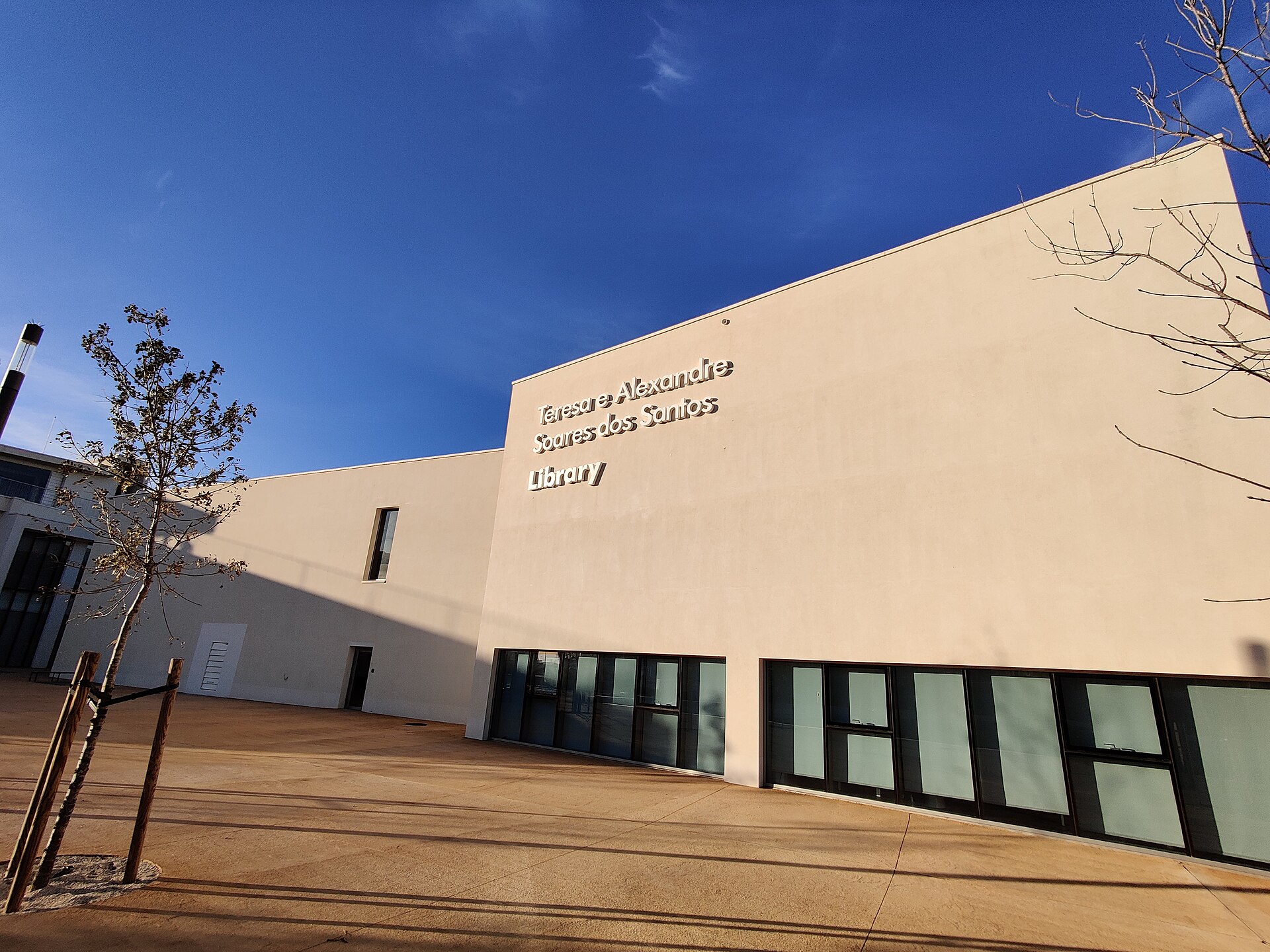
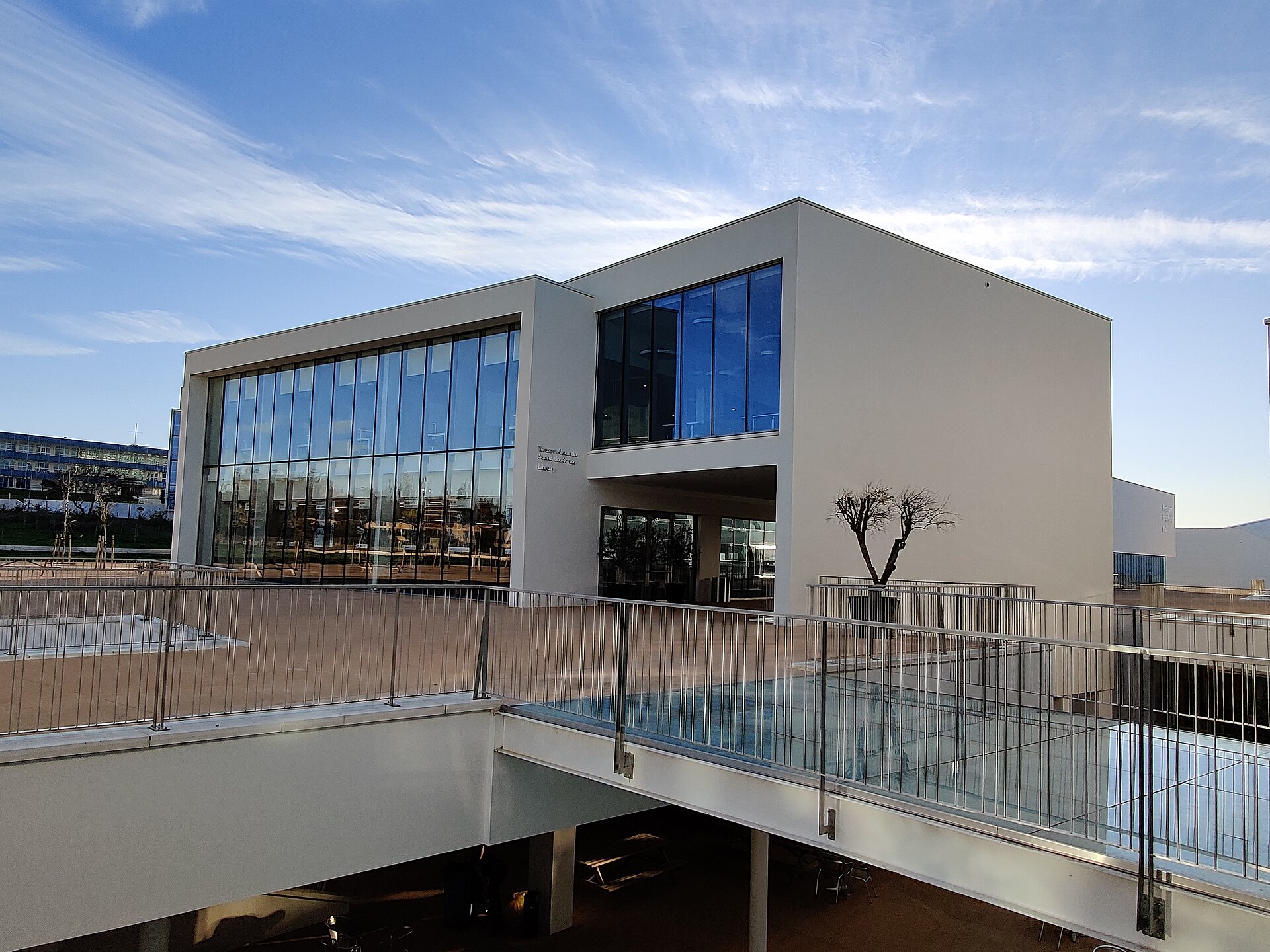
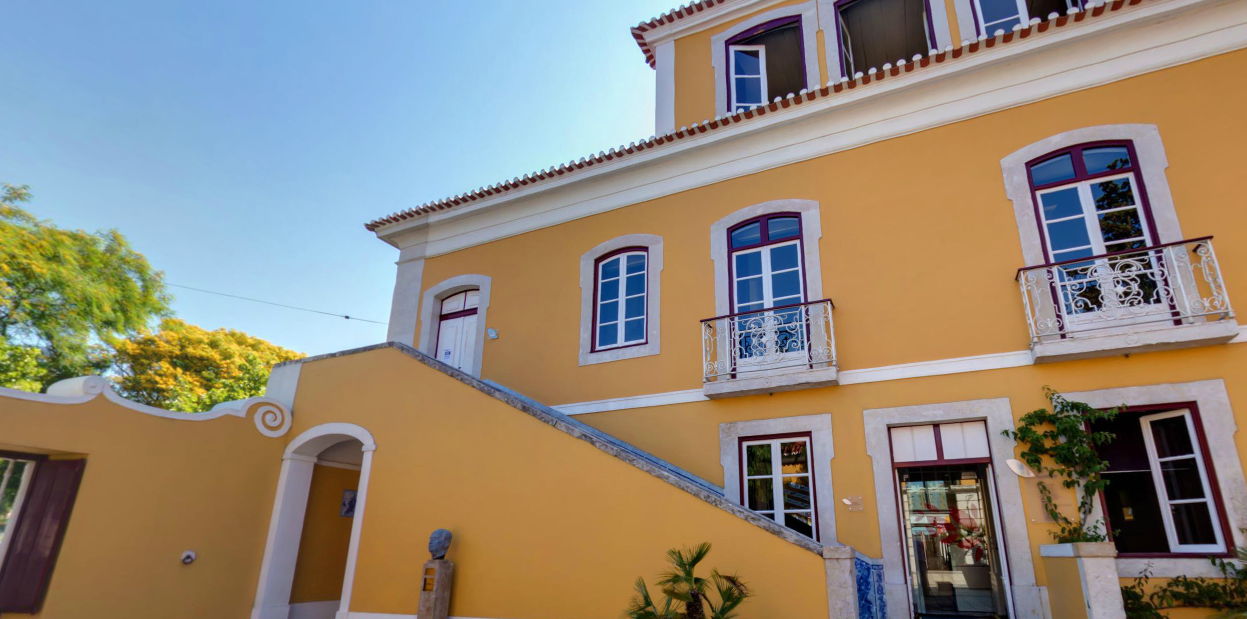
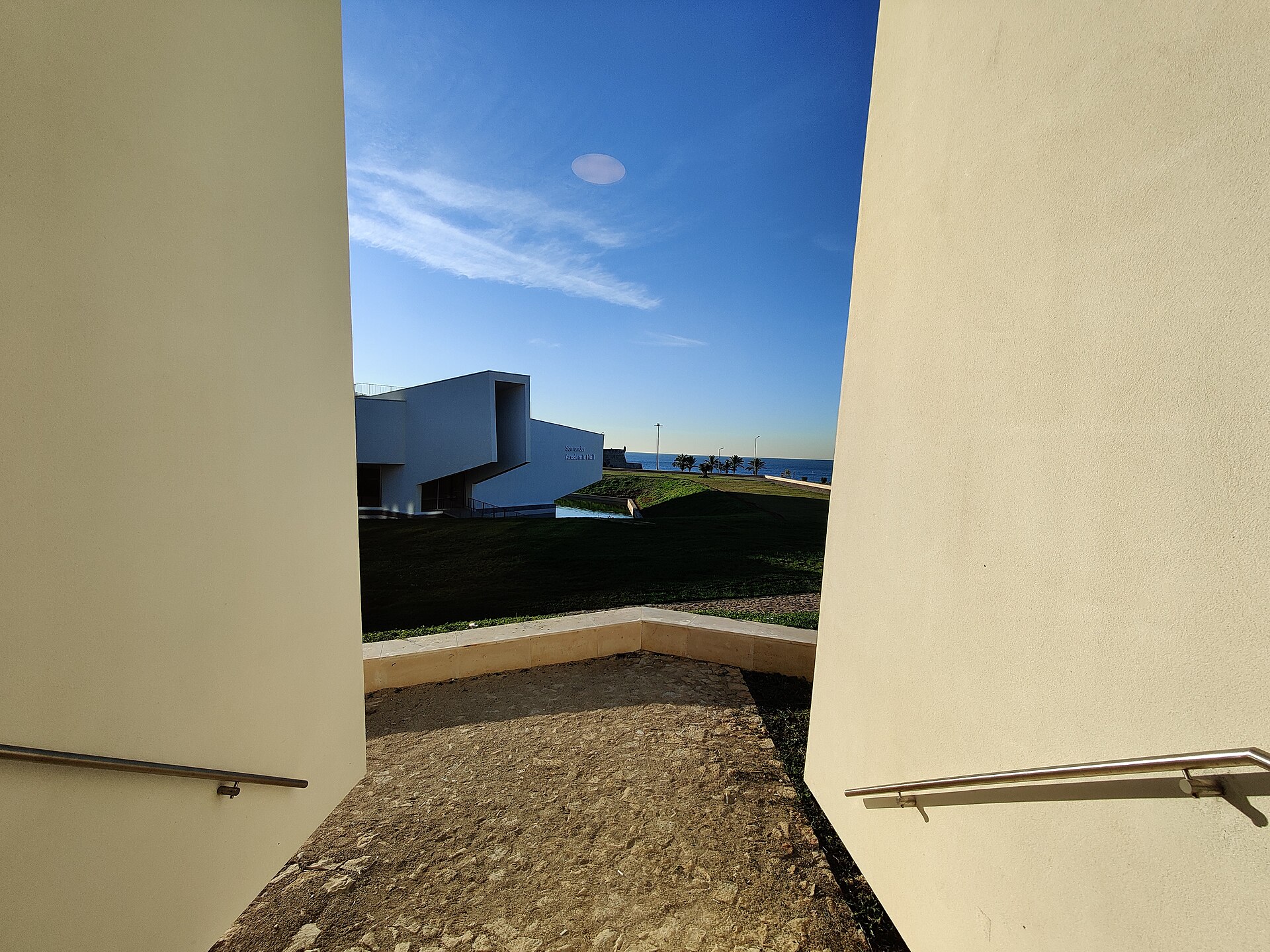
Universidade de Lisboa — campus in pictures
Real, freely-licensed photographs of the campus (via Wikimedia Commons).


Why Choose Universidade de Lisboa
ULisboa combines the academic depth of a classic European research university with the engineering excellence of Instituto Superior Técnico, consistently ranked among Europe's top technical schools. Its position in Lisbon — a fast-growing tech and startup hub — gives graduates unrivalled access to Southern Europe's most dynamic economy.
SELECTIVITY
Admission Profile
ULisboa's overall acceptance rate across all programmes is approximately 60%, but this figure masks enormous variation. Undergraduate entry to IST (Técnico) engineering programmes and the Faculdade de Medicina is highly competitive, with Portuguese students needing near-perfect national exam scores. International students apply under a separate 'Special Regime' with dedicated international vacancies at each school — competition is keener for engineering, medicine and law than for humanities or social sciences. IB students are welcomed and evaluated holistically; a score of 29 or above satisfies the minimum entry benchmark, though competitive programmes expect higher.
AT A GLANCE
Quick Facts
HOW TO APPLY
What Your Application Consists Of
International students apply directly to each school or faculty within ULisboa under the 'Regime Especial para Estudantes Internacionais' (Special Regime for International Students). Unlike US or UK systems, there is no central application platform for the whole university — each faculty manages its own international admissions. The application is documentation-based rather than essay-based.
ADMISSION CRITERIA
What ULisboa Looks For in International Students
ULisboa's international admissions are primarily merit-based and qualification-driven. Each faculty allocates a set number of vacancies to international students in each academic year, and decisions are made by ranking applicants on academic performance. Unlike many Anglo-American universities, there is no holistic review of personality, leadership, or extracurriculars for standard undergraduate entry — grades and qualification scores are paramount.
KEY DATES
Application Deadlines
ULisboa's schools each run their own admissions calendar. Técnico (IST) is the best documented for international students and runs three application calls per year. Other faculties typically follow a similar academic-year calendar. Applications for the 2026/27 academic year at IST follow the schedule below. Always verify dates directly with your target faculty as they vary.
Dates above are for IST (Técnico) 2026/27. Other faculties (Law, Medicine, ISEG, Sciences, etc.) may differ. Always check your specific faculty's website or contact their International Office.
| Call | Application Window | Results By | Notes |
|---|---|---|---|
| 1st Call | 2 Jan – 6 Feb 2026 | 6 March 2026 | Earliest entry; most vacancies |
| 2nd Call | 6 Apr – 22 May 2026 | 19 June 2026 | Second-largest vacancy pool |
| 3rd Call | 6–17 Jul 2026 | 28 July 2026 | Limited remaining vacancies |
| Registration | 24–27 Aug 2026 | — | All successful applicants from all calls |
LIFE IN LISBON
Student Life at ULisboa
With 50,000 students across multiple campuses in one of Europe's most vibrant capitals, the ULisboa experience is rich, diverse, and genuinely international. The university's main campus clusters around the Cidade Universitária in the Campolide/Benfica area of Lisbon, with Técnico's Alameda campus being the most iconic — a grand early-20th-century building facing an imposing fountain plaza.
CAREER OUTCOMES
Graduate Employment & Career Pathways
ULisboa graduates are among the most sought-after in Portugal and increasingly competitive across Europe and globally. The university's employment rate of 85% reflects strong placement records particularly in engineering, medicine, law, and economics.
Stats
Cards
FREQUENTLY ASKED QUESTIONS
ULisboa — International Student FAQs
Do I need to speak Portuguese to study at ULisboa?+
For most undergraduate programmes, yes — a B1 level of Portuguese is the minimum requirement, and most instruction is in Portuguese. At Master's level, an increasing number of programmes are taught in English (particularly at IST/Técnico, ISEG, and the Faculty of Sciences). Always check the language of instruction for your specific programme before applying.
Is the IB Diploma accepted?+
Yes. The IB Diploma is a recognised secondary qualification for international student admissions. The minimum IB band in the facts file is 29, though competitive programmes at IST, Medicine, and Law will typically expect higher scores. Check with your target faculty for programme-specific benchmarks.
Do I apply to ULisboa as a whole, or to a specific faculty?+
You apply to a specific faculty or school (e.g. IST for engineering, Faculdade de Direito for law, ISEG for economics). Each faculty runs its own international admissions process. There is no single ULisboa application portal for international undergraduates.
What is the 'Special Regime for International Students'?+
It is the separate admissions pathway for non-Portuguese and non-EU students (and some others). Each faculty allocates a fixed number of vacancies specifically for international students, and these are filled by ranking applicants by academic merit. This means your competition is other international applicants, not Portuguese domestic students.
How does the tuition compare to other top European universities?+
ULisboa is one of Europe's most affordable top-ranked universities. Annual tuition for international students is approximately $5,500 (USD equivalent), and total annual cost of attendance including living costs is approximately $18,000 — substantially less than comparable UK, Dutch, or Swiss universities.
Can EU citizens apply on the same terms as domestic Portuguese students?+
EU/EEA citizens generally have access to the regular Portuguese national admissions process via DGES (which uses national exam scores). Non-EU international students apply via the Special Regime for International Students. Terms, vacancies, and requirements differ significantly between the two routes.
Is financial aid available for international students?+
ULisboa's social action services (SASUl) offer some scholarships and bursaries, primarily targeted at students from Portuguese-speaking countries (PALOP) and lower-income backgrounds. Merit scholarships from the Portuguese government and Camões Institute also exist. Financial aid access is more limited for international students than at US universities — plan your budget accordingly.
What is Lisbon's cost of living like for students?+
Lisbon remains one of Europe's more affordable capitals for students, though rents have risen sharply in recent years. Budget approximately $12,000 USD per year for accommodation, food, transport, and personal expenses — this is the figure in the university's cost data. Student canteens (cantinas) on campus offer subsidised meals for enrolled students.
ACADEMIC EXPECTATIONS
Academic Profile for International Applicants
ULisboa's schools span the full spectrum from STEM-intensive engineering at IST to creative disciplines at Fine Arts and Philosophy. Academic standards are high and European-rigorous. International students who have completed the IB Diploma, A-Levels, or a strong national secondary certificate are well-positioned — but you must also be honest about the language-of-instruction challenge if your programme is taught in Portuguese.
The Portuguese grading system runs from 0–20 (10 is pass; 14–15 is good; 17–20 is excellent). Your international grades will be converted by the faculty's admissions team. Be prepared for a university culture where independent study hours are high, lecture attendance is expected, and end-of-semester exams carry significant weight.
ACADEMIC BENCHMARKS
Admission Academic Profile
ULisboa's academic entry thresholds vary significantly by school and programme. The data below reflects the university's minimum published benchmarks. Competitive programmes (particularly IST engineering and Medicine) expect applicants whose academic records are well above these minima.
TEST POLICY
Standardised Tests
ULisboa operates a test-blind admissions policy — SAT, ACT, and similar standardised test scores are not required and are not part of the application evaluation. Admission is based on your secondary school qualifications, grades, and in some cases, interviews or additional evaluations specific to the programme.
This makes ULisboa more accessible for strong academic students who do not excel at standardised US-style tests, but it also means that your school grades and IB / A-Level / national exam results carry the full weight of your application.
NO STANDARDISED TESTS
SAT, ACT & Other Standardised Tests
Neither the SAT nor ACT is required or used in ULisboa's admissions process. If you are preparing for US universities simultaneously, you may sit these tests for those applications — but do not worry about submitting scores to ULisboa. The university's evaluation is based entirely on your qualification type (IB, A-Levels, national baccalaureate, etc.) and the grades you have achieved.
Some graduate/master's programmes at IST and other faculties may request evidence of academic aptitude (e.g. GRE for certain highly selective research master's), but this is rare and should be verified directly with the admitting programme.
IB DIPLOMA & A-LEVELS
IB, A-Levels & International Qualifications
ULisboa recognises the IB Diploma and A-Levels as valid qualifications for international student admission. The IB minimum benchmark is 29 points (total diploma score); A-Level applicants are typically expected to hold passes in subjects relevant to their intended programme.
IB students applying to engineering programmes (IST) should hold strong Higher Level scores in Mathematics and Physics. Applicants to Medicine benefit from Higher Level Biology and Chemistry. For ISEG (Economics & Management), Higher Level Mathematics is valuable. Arts and humanities faculties look for relevant subjects without prescribing specific IB scores beyond the minimum.
Your IB predicted grades are acceptable at application; certified results must be submitted before registration. The admissions committee will convert your IB score into the Portuguese 0–20 scale internally.
SUBJECT PREPARATION
Subject Rigour by Faculty
Different ULisboa schools have distinct subject expectations. Aligning your senior secondary subjects with your intended programme is one of the most important steps you can take.
LANGUAGE REQUIREMENTS
English & Portuguese Language Requirements
Language requirements at ULisboa depend critically on the language of instruction of your chosen programme. Most undergraduate programmes are taught in Portuguese — verify the medium of instruction on your target programme page before applying.
Native English speakers are typically exempt from English proficiency requirements for English-medium programmes. Always confirm with your specific faculty — requirements can differ between programmes within the same school.
| Requirement | Minimum Score | Notes |
|---|---|---|
| IELTS (Academic) | 6.0 | For English-taught programmes (mainly Master's level) |
| TOEFL iBT | 80 | For English-taught programmes (mainly Master's level) |
| Duolingo English Test | Not specified | Verify with target faculty; not widely listed |
| Portuguese (most UG programmes) | B1 (CEFR) | Required for Portuguese-medium undergraduate programmes |
YEAR-BY-YEAR ROADMAP
Building Your Profile for ULisboa
WATCH OUT
Common Academic Mistakes to Avoid
- Applying to a Portuguese-medium programme without adequate Portuguese language preparation — this is the single biggest pitfall for international students and leads to high dropout rates in the first year.
- Underestimating the mathematics intensity of IST programmes — Técnico's engineering curriculum is demanding even by European standards; many students underestimate the pace of advanced calculus, linear algebra and physics modules.
- Assuming your international qualification is automatically equivalent — it usually is, but some national secondary certificates from outside the EU require formal equivalence recognition by DGES (Portuguese directorate for higher education).
- Missing application windows — ULisboa's international admission calls open and close on specific dates and late applications are typically not accepted. The first call (January) often has the most vacancies.
- Not verifying programme-specific requirements — Medicine, Architecture, and Fine Arts have additional requirements (portfolios, interviews, or pre-admission tests) beyond the standard documentation.
- Forgetting the vacancy reservation payment — after receiving an offer, you must pay a reservation fee within a short window or your place is released. This is non-refundable.
- Expecting US-style financial aid — ULisboa has limited merit and need-based aid specifically for international students; the expectation is that you fund your own studies or seek external scholarships.
COST FOR INTERNATIONAL STUDENTS
Studying at ULisboa: A Genuinely Affordable Top-300 University
Universidade de Lisboa is one of Europe's most compelling value propositions for international students: a QS Top-300 institution with genuine research depth and strong employment outcomes, at a total annual cost of attendance roughly one-third to one-fifth of comparable UK or US universities. Portugal's low cost of living amplifies this further — Lisbon is still meaningfully cheaper than London, Amsterdam, or Zurich for day-to-day student expenses.
All cost figures below are drawn from the university's published data and reflect approximate annual costs for the 2025/26 academic year for non-EU international students. Costs for EU/EEA students may differ as they may qualify for the domestic tuition rate.
ANNUAL COST BREAKDOWN
Estimated Annual Costs
The figures below are annual estimates for a non-EU international student based on the university's published data. Actual tuition varies slightly by faculty and programme.
All USD figures are approximate conversions from EUR at prevailing rates. The vacancy reservation fee at IST (€2,000) is deducted from the annual tuition. Verify current fee schedules with your target faculty before applying.
| Item | Estimated Cost | Notes |
|---|---|---|
| Tuition (annual) | ~$5,500 | Non-EU international rate; varies slightly by faculty |
| Cost of Living (accommodation, food, transport) | ~$12,000 | Annual estimate for Lisbon |
| Total Cost of Attendance | ~$18,000 | Tuition + living; annual estimate |
| Application Fee | ~$65 | Non-refundable; per application |
| Vacancy Reservation Fee (IST) | €2,000 | Paid on offer acceptance; counted toward tuition |
FINANCIAL AID
Financial Aid for International Students
ULisboa's social action services (Serviços de Acção Social — SASUl) administer need-based support, primarily in the form of accommodation grants and canteen subsidies. International students from countries with bilateral agreements with Portugal (particularly Portuguese-speaking African countries — PALOP — and Brazil) may be eligible for some need-based support through SASUl or through Camões, the Portuguese cultural institute.
On average, around 15% of a student's costs may be offset through institutional aid and scholarships combined — but this figure is broadly distributed and not all international students will qualify. The primary expectation is self-funding. Prepare a realistic budget before applying, taking into account tuition, accommodation, visa costs, health insurance, and personal expenses.
Need-based aid from SASUl is means-tested and requires documentation of family income. Applications are typically submitted at the start of the academic year after enrolment.
SCHOLARSHIPS
Scholarships & Funding Sources
Several scholarship programmes are available to international students at ULisboa, though competition is high and not all are open to non-EU students. Always verify eligibility and current status on the official scholarship provider's website.
THE BIG PICTURE
The Affordability Reality
Compared to the global universe of top-300 universities, ULisboa is an exceptional value. A four-year degree (a typical Licenciatura is 3 years + optionally 2-year Master's) might cost a non-EU international student approximately $54,000–$70,000 in total tuition across a full undergraduate cycle — before any aid. This compares favourably with UK Russell Group universities at £90,000+ in tuition alone for the same period, and US private universities often exceeding $250,000.
Portugal also has no 'sticker shock' gap between announced tuition and net price for most international students. The rate you see is broadly the rate you pay, unless you qualify for a scholarship. Lisbon's cost of living, while rising, remains lower than comparable European capitals — and the Portuguese student experience is exceptional value for money.
STEP-BY-STEP
How to Fund Your ULisboa Studies
COST FAQs
Frequently Asked Questions — Cost & Aid
Does ULisboa have a 'no loan' or 'meet full need' policy for international students?+
No. ULisboa does not have a US-style 'meet 100% of demonstrated need' policy for international students. Aid is limited and primarily targeted at students from Portuguese-speaking countries or those with bilateral agreements. Most non-EU international students are expected to fund their own studies.
What does the €2,000 vacancy reservation fee at IST cover?+
The vacancy reservation fee at IST (Técnico) is paid after you receive and accept an offer of admission. It is non-refundable if you withdraw but is counted toward (i.e. deducted from) your annual tuition fee. Think of it as an enrolment deposit.
Are there fee waivers for the application?+
This is not widely advertised. Contact the International Office of your target faculty directly to ask. Some scholarship programmes cover application fees as part of their package.
Is accommodation guaranteed for international students?+
No. University residences have limited capacity and priority is given to lower-income domestic students. International students should plan to rent privately. Lisbon's rental market is competitive — start searching early and budget carefully.
What are the typical living costs per month for a student in Lisbon?+
The university's annual cost of living estimate is approximately $12,000 USD, which works out to roughly $1,000 per month. This covers a shared-flat room, basic groceries and canteen meals, local transport, and modest personal expenses. Costs may be higher if you prefer private accommodation.
Can I work part-time as an international student in Portugal?+
Non-EU students holding a valid Portuguese Student Visa are generally permitted to work up to 20 hours per week during term time and full-time in vacations, subject to Portuguese labour law. Lisbon's hospitality, tech, and retail sectors do employ students. Confirm the conditions of your specific visa before accepting employment.
APPLICATION & MOTIVATION
Applying to ULisboa: Your Motivation Letter & Application Statement
Universidade de Lisboa does not use a US-style Common Application, supplemental essays, or UCAS personal statement. This is a direct, documentation-based application system. However, many ULisboa faculties — particularly IST (Técnico), ISEG, and the Faculty of Sciences — request a Motivation Letter (Carta de Motivação) as part of the international student application. Done well, this can meaningfully differentiate your application.
Think of the motivation letter not as a personal essay but as a professional academic pitch: who you are academically, why you have chosen this specific programme and this specific faculty, and what you intend to do with the degree. Keep it honest, specific, and free of generic clichés.
SYSTEM OVERVIEW
How the ULisboa Application Works
ULisboa operates direct, faculty-level admissions for international students under the Special Regime for International Students. There is no single university-wide application portal or essay platform. Applications are submitted through each school's own online system, accompanied by scanned PDF documents.
THE MOTIVATION LETTER
What the Motivation Letter Should Address
No verbatim prompts are officially published for ULisboa's motivation letter. The following are the standard themes expected, based on faculty guidance and established practice. Verify any specific requirements with your target faculty's international admissions office.
WRITING YOUR LETTER
Writing a Strong Motivation Letter for ULisboa
The ULisboa motivation letter is a professional academic document, not a personal narrative. Aim for 400–600 words (approximately one to one-and-a-half pages of A4). Write in clear, formal English (or Portuguese if you are applying to a Portuguese-medium programme and your proficiency allows it — this can make a positive impression).
Structure your letter in three clear sections: first, establish your academic credentials and why your background is strong for this programme; second, make a specific and well-researched case for why this faculty and programme are the right fit for your interests and goals; third, briefly describe your professional aspirations and what you plan to do after graduating. Avoid lengthy personal backstory, family anecdotes, or vague declarations of passion. Admissions evaluators at European universities respond better to precision and intellectual clarity than to narrative flair.
BY FACULTY
Application Approach by Faculty
WHAT TO WRITE ABOUT
Choosing What to Include
The most effective ULisboa motivation letters do one thing extremely well: they demonstrate that the applicant has specifically researched the programme and faculty — not just Portugal or 'European universities' generically.
COMMON MISTAKES
Motivation Letter Mistakes to Avoid
- Writing a generic letter that could apply to any university — every sentence should demonstrate you have specifically researched ULisboa and the target faculty.
- Exceeding two pages — European academic motivation letters should be concise. 400–600 words is ideal; rarely more than 700.
- Copying text from the faculty website back into your letter — evaluators recognise it immediately and it signals a lack of genuine engagement.
- Writing in poor Portuguese if applying to a Portuguese-medium programme and your level is not yet B1 — submit in English if uncertain, and explain your Portuguese language learning plans.
- Omitting your IB or A-Level subject choices and scores — these are the primary academic evidence; state them clearly in your letter or ensure they are prominent in your CV.
- Not reading the specific documentation requirements for your faculty — some require additional documents (portfolio, certificate translations, equivalence recognitions) that take weeks to obtain.
- Failing to mention a specific programme module, research group, or faculty strength — generic statements about Portugal or European education do not impress admissions evaluators.
APPLICATION FAQs
Application & Motivation Letter FAQs
Is a motivation letter required for all ULisboa applications?+
No — requirements vary by faculty. IST (Técnico) requests a motivation letter as part of the international student application. Some other faculties do not require one. Always check the specific application requirements listed by your target faculty's admissions office.
Should I write my motivation letter in English or Portuguese?+
For programmes taught in English, write in English. For programmes taught in Portuguese, writing in good Portuguese can demonstrate your language ability — but only do so if your written Portuguese is genuinely solid (B1+ level). A well-written letter in English is better than a poorly written one in Portuguese.
How long should my motivation letter be?+
Aim for 400–600 words (approximately one A4 page). European universities and faculties do not reward length the way US personal essays sometimes are. Be concise, specific, and professional.
Do I need to write separately to each faculty if I apply to multiple programmes?+
Yes. If you are applying to multiple schools or programmes within ULisboa, each application is separate and should be accompanied by a tailored motivation letter. A generic letter sent to multiple faculties is less effective than one that addresses the specific programme.
Are there interviews as part of the ULisboa international admissions process?+
Most programmes at ULisboa do not require an interview for international undergraduate applicants. However, some programmes — particularly Medicine and certain competitive master's programmes — may require an interview or additional evaluation. Confirm with the specific faculty before applying.
What if the programme I want is taught in Portuguese and I do not yet speak Portuguese?+
If the programme is exclusively Portuguese-medium, you will need to reach B1 level before you begin. Consider enrolling in a Portuguese language course in Lisbon in the summer before term starts, or completing an online course. Some universities and private language schools in Lisbon offer intensive summer programmes specifically for incoming university students.
Is there a portfolio requirement for all programmes?+
Only for the Faculdade de Arquitectura (Architecture) and Faculdade de Belas-Artes (Fine Arts). All other programmes do not require a portfolio. Check the specific programme page on the faculty website for any creative or technical submission requirements.
Courses — schools, degrees & intake
62 degrees across 9 groupings.
Instituto Superior Técnico (IST) · 18 degrees
Aerospace Engineering
Environmental Engineering
Biological Engineering
Biomedical Engineering
Civil Engineering
Electronics Engineering
Electrical and Computer Engineering
Engineering Physics
Industrial Engineering and Management
Computer Science and Engineering
Materials Engineering
Mechanical Engineering
Engineering in Mining and Energy Resources
Naval Architecture and Ocean Engineering
Chemical Engineering
Telecommunications and Informatics Engineering
General Engineering
Applied Mathematics and Computation
Instituto Superior de Economia e Gestão (ISEG) · 4 degrees
Economics
Management
Finance
Applied Mathematics for Economics and Management
Faculdade de Ciências (FC) — Faculty of Sciences · 16 degrees
Applied Mathematics
Applied Statistics
Biochemistry
Biology
Biomedical Engineering and Biophysics
Chemistry
Data Science
Energy and Environment Engineering
Geology
Geospatial Engineering
Informatics Engineering
Information Technology
Mathematics
Meteorology, Oceanography and Geophysics
Physics
Technological Chemistry
Faculdade de Direito (FD) — Faculty of Law · 1 degrees
Law
Faculdade de Arquitetura (FA) — Faculty of Architecture · 2 degrees
Design
Fashion Design
Faculdade de Motricidade Humana (FMH) — Faculty of Human Motricity · 5 degrees
Sports Sciences
Dance
Sports Management
Psychomotor Rehabilitation
Nutrition Sciences
Instituto Superior de Agronomia (ISA) — School of Agronomy · 7 degrees
Agronomic Engineering
Animal Science Engineering
Food Engineering
Forest and Natural Resources Engineering
Environmental Engineering
Landscape Architecture
Biology
Instituto Superior de Ciências Sociais e Políticas (ISCSP) · 8 degrees
Public Administration
Anthropology
Political Science
Communication Sciences
Human Resources Management
International Relations
Social Work
Sociology
Faculdade de Medicina Veterinária (FMV) — Faculty of Veterinary Medicine · 1 degrees
Veterinary Medicine
Want your real chances at Universidade de Lisboa?
Create a free TYCHR account for your personalised admit-chance, a shortlist you can track, exact entry requirements, and essay + counselling help.