Universidad Nacional de Colombia
Bogotá, Colombia · Urban
COLOMBIA'S NATIONAL UNIVERSITY
Universidad Nacional de Colombia Admissions Guide for International Students
Founded in 1867, Universidad Nacional de Colombia (UNAL) is the country's flagship public research university — the intellectual engine behind Colombia's scientists, doctors, engineers, artists, and public leaders. With nine campuses nationwide and its iconic 'White City' main campus in Bogotá, UNAL combines extraordinary academic breadth with income-indexed fees that make world-class education genuinely accessible. For international students who are fluent in Spanish and ready for rigorous, competitive entry, UNAL offers an unrivalled gateway to Latin America's research elite.
Campus
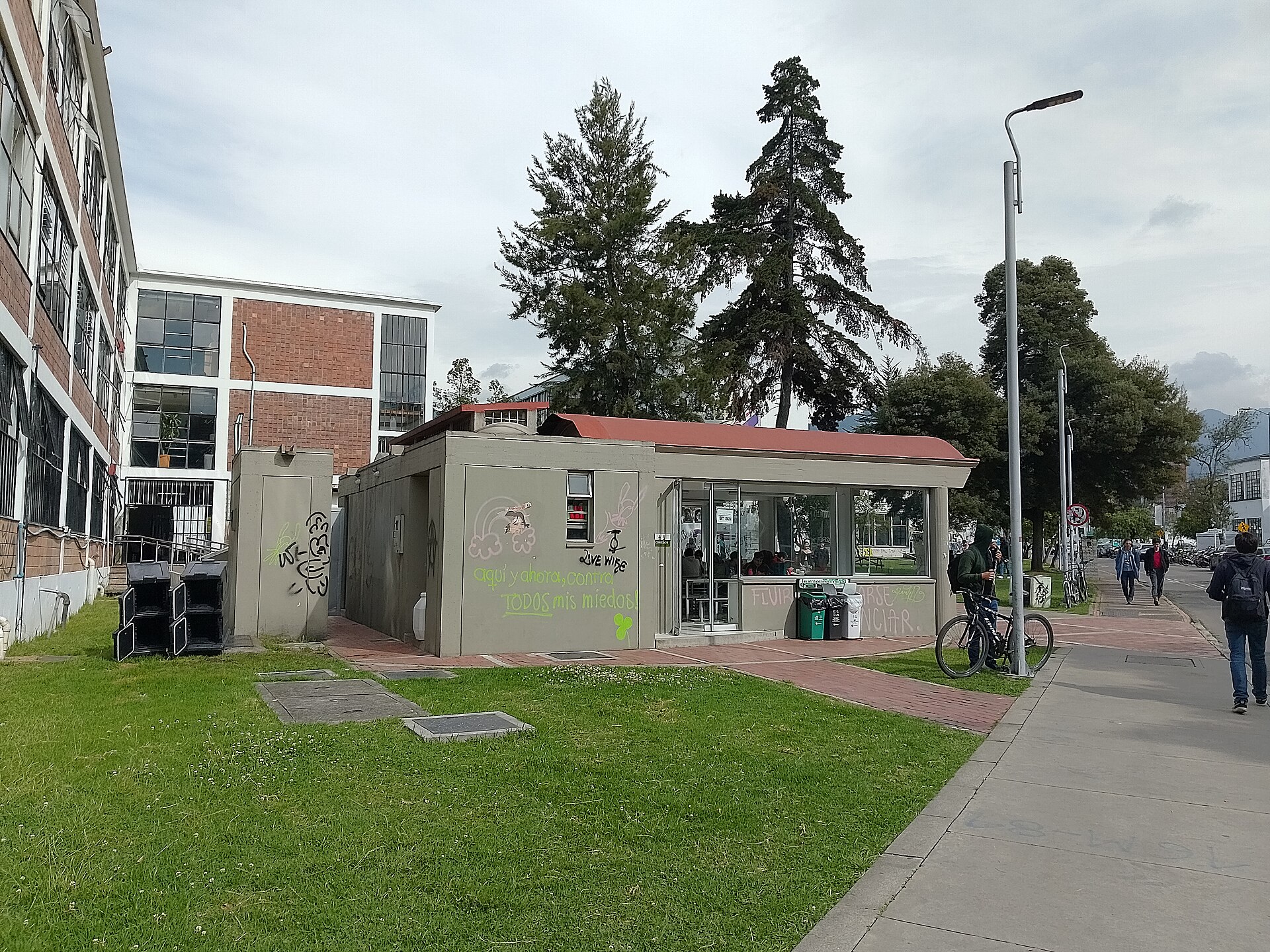
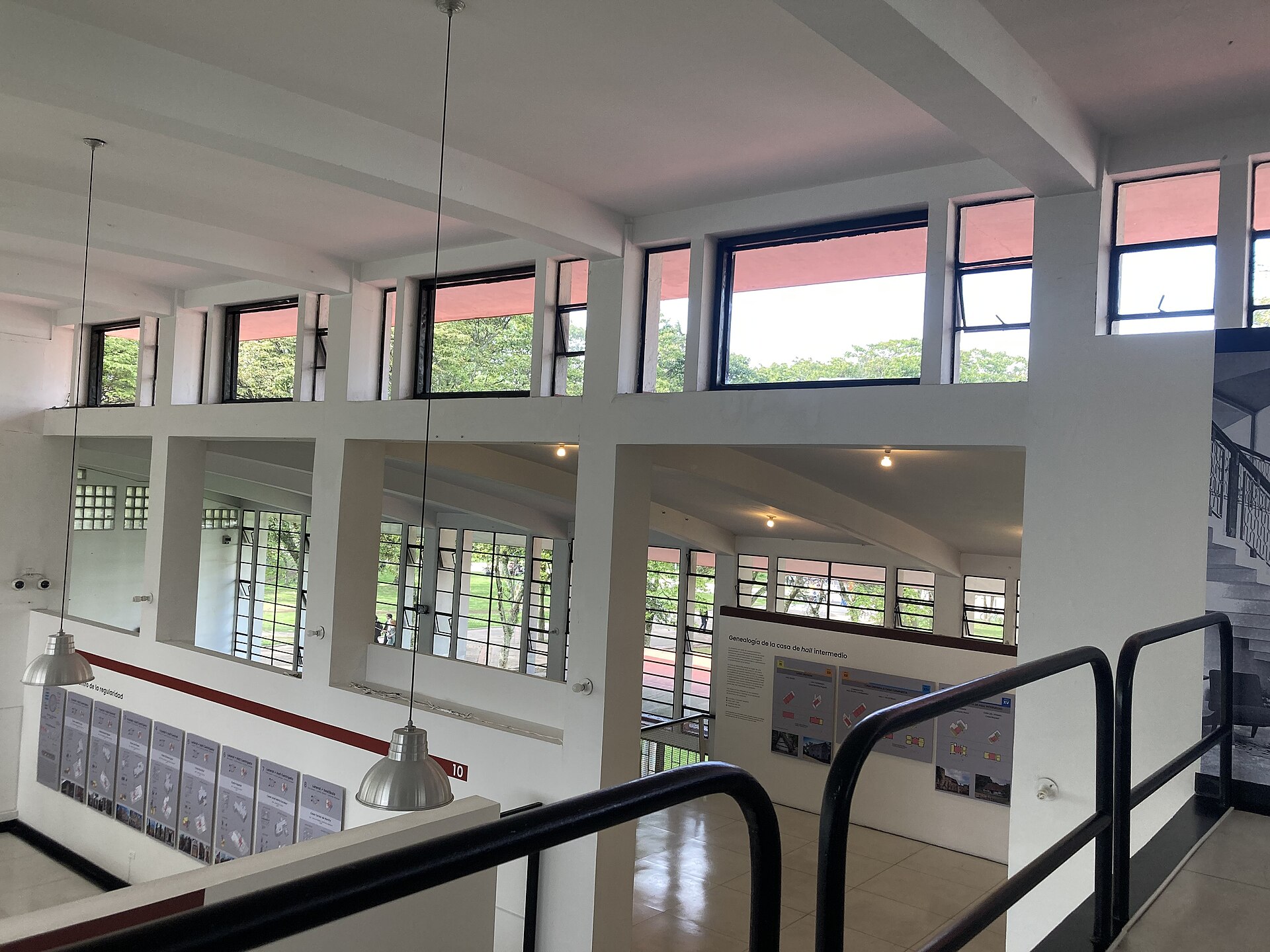
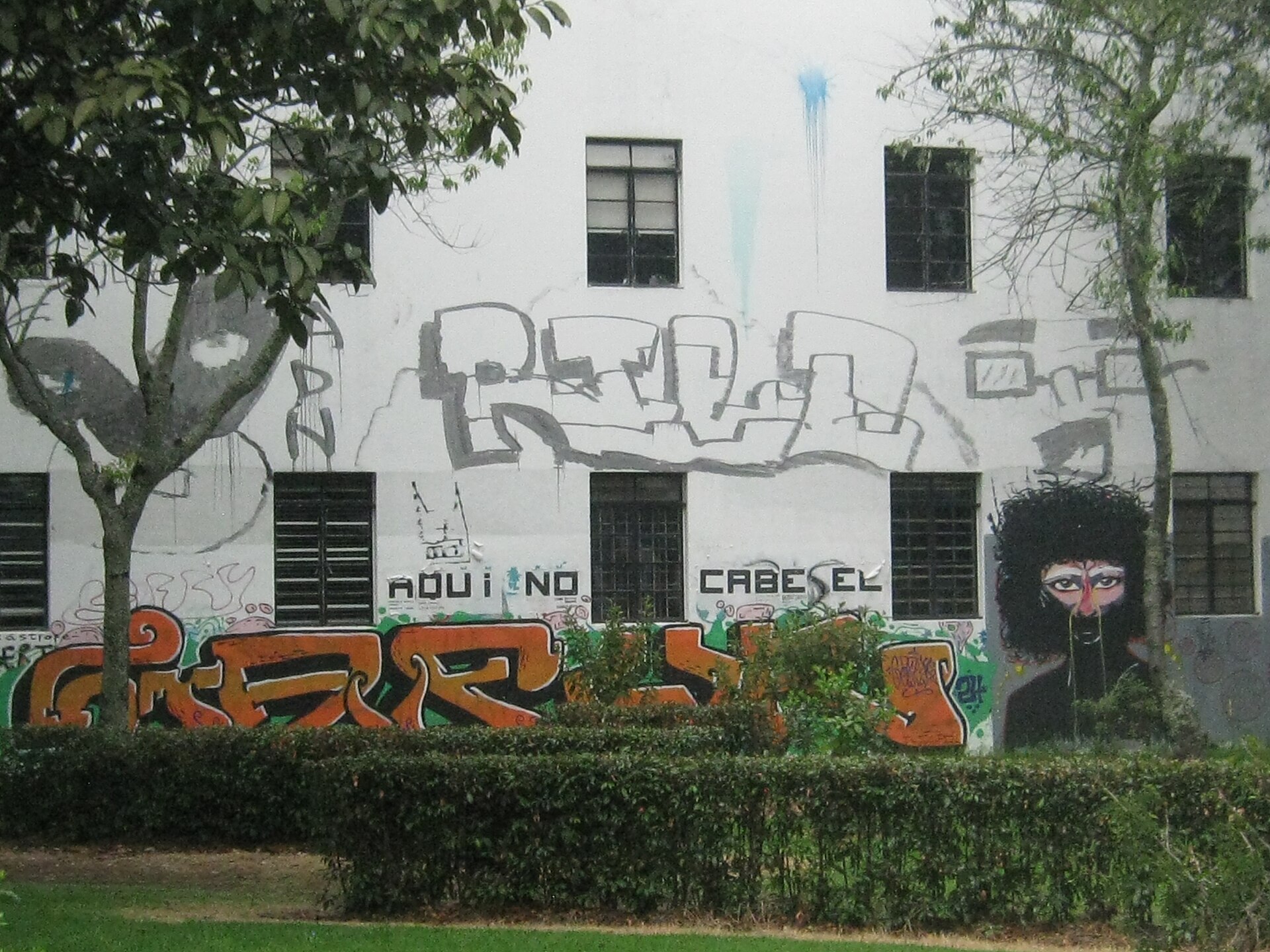
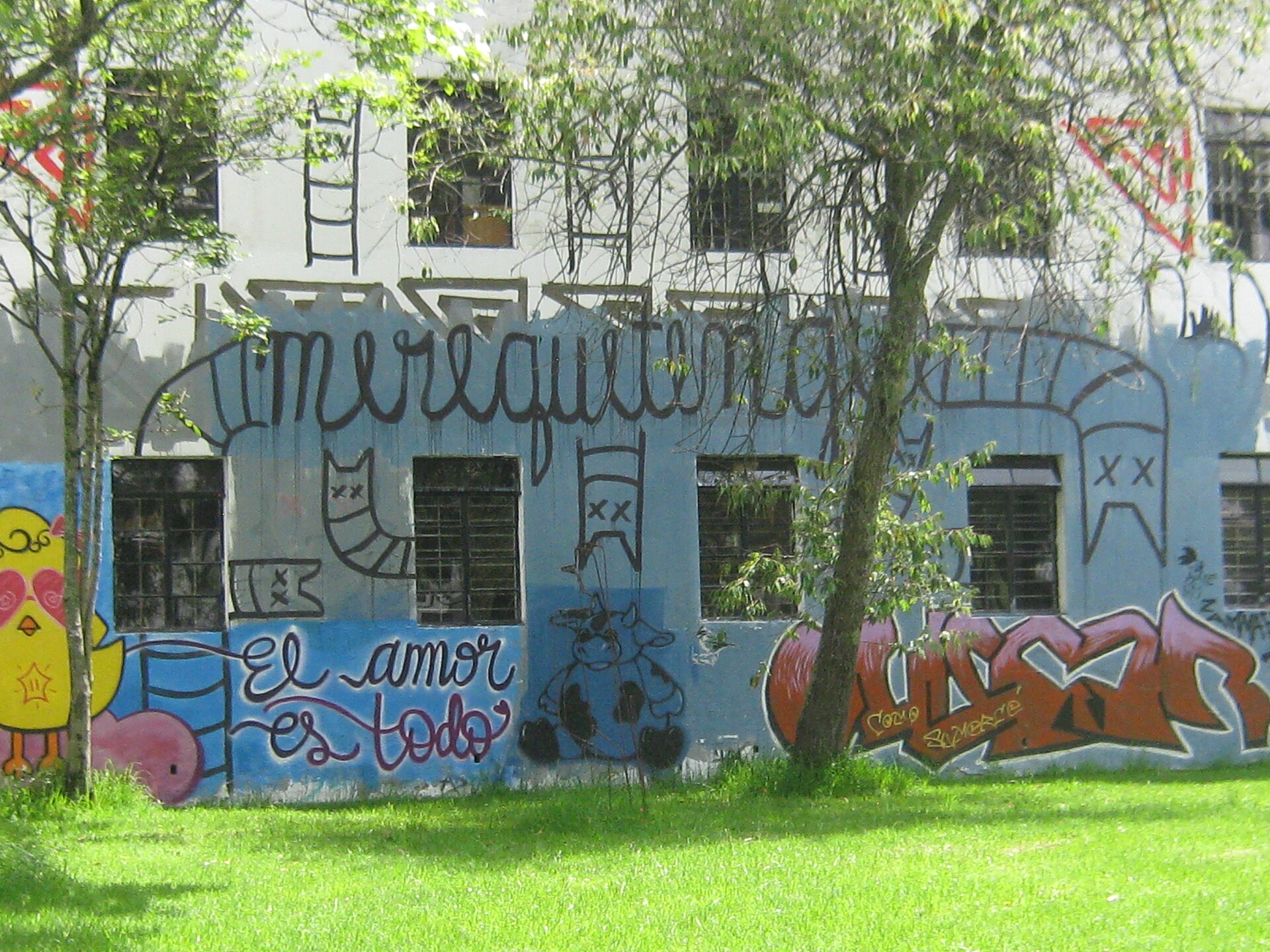
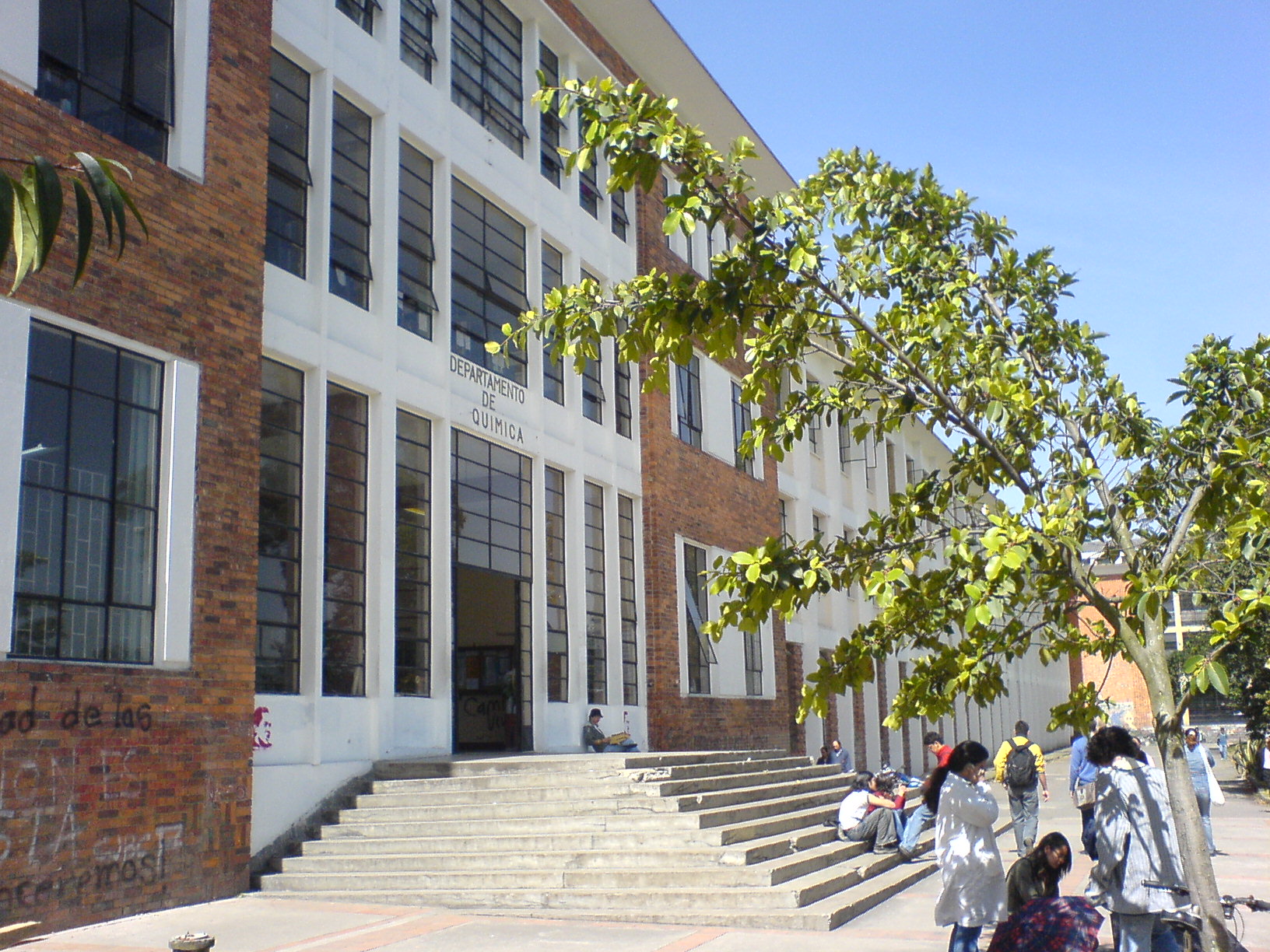
Universidad Nacional de Colombia — campus in pictures
Real, freely-licensed photographs of the campus (via Wikimedia Commons).

Why UNAL — Colombia's Research Flagship
Universidad Nacional de Colombia is not just Colombia's top research university — it is the institution that has most consistently shaped the country's intellectual, scientific, and cultural life for more than 150 years. For ambitious international students ready to study in Spanish, UNAL offers a compelling combination of academic prestige, low cost, and rich campus life.
How Selective Is UNAL?
Universidad Nacional de Colombia is among the most competitive universities in Latin America. Admission is determined entirely by performance on UNAL's own entrance examination — the PAES — not by grades alone, essays, or recommendations. The acceptance rate reflects intense domestic demand from Colombia's brightest school leavers.
Admission is exam-based. SAT, ACT, and IB scores are not part of the standard undergraduate evaluation — UNAL uses its own admissions test (PAES). International applicants follow a dedicated foreign-applicant pathway (verify current terms at admisiones.unal.edu.co).
Quick Facts
What the Application Consists Of
UNAL's admission process differs markedly from US or UK universities. There are no personal essays, recommendation letters, or extracurricular portfolios in the standard undergraduate process. Admission is determined almost entirely by examination performance.
What UNAL Looks For
Universidad Nacional de Colombia's admissions are meritocratic and exam-driven. The university does not review extracurricular CVs or personal statements for standard undergraduate admission. What matters most is demonstrated cognitive aptitude and, for creative programmes, artistic ability.
For international applicants, the additional requirement is genuine Spanish language proficiency — UNAL teaches entirely in Spanish and expects students to function academically at a high level from day one. Strong secondary-school foundations in mathematics and the sciences are advantageous across most programmes.
Application Timelines
UNAL operates on a semester cycle. The indicative dates below are from the 2027-01 convocation published at admisiones.unal.edu.co. Exact dates shift each cycle — always verify the current convocatoria on the official site before planning your application.
There is no early action, early decision, or rolling admissions. UNAL admits once per semester via a single convocation.
| Stage | Indicative Window | Notes |
|---|---|---|
| Registration & Fee Payment | Early–mid July to mid-August | Pay at admisiones.unal.edu.co |
| Arts / Music Auditions | August – early September | Only for creative-programme applicants |
| PAES Admission Exam | Late September (one day) | Exam date confirmed after registration |
| Score Consultation | Early October | Results published online |
| Programme Selection | First week of October | Select based on your score |
| Admission Results | Second week of October | Official admission announced |
| Document Submission | Mid to late October | Certified originals required if admitted |
Student Life in Bogotá
The UNAL Bogotá campus — the 'Ciudad Universitaria' — is one of Latin America's most iconic university environments. Spanning 300 acres of white modernist architecture in a designated World Heritage candidate zone, the campus has its own ecosystem of museums, theatres, sports facilities, and cultural spaces entirely within its boundaries.
Bogotá itself is a city of extraordinary cultural energy: world-class museums (including the Botero Museum and the Gold Museum), a thriving arts and music scene, excellent cuisine, and a rapidly developing tech and startup sector. At an altitude of 2,600 metres, it has a mild spring-like climate year-round. The Universidad neighbourhood surrounding the campus is safe, student-oriented, and well connected to the rest of the city.
Career Outcomes
A UNAL degree is the most respected academic credential in Colombia and carries significant weight throughout Latin America. Graduates of medicine, law, civil engineering, and the sciences are in high demand in both the public and private sectors.
UNAL alumni lead Colombia's top hospitals, engineering firms, government ministries, and cultural institutions. Notable graduates include Nobel Laureate Gabriel García Márquez and world-renowned artist Fernando Botero. For international students, a UNAL degree signals serious academic merit and deep immersion in the Latin American context — valuable for careers across the region and for postgraduate applications globally.
Average starting salary figures reflect the Colombian market and should be interpreted in the context of local purchasing power and cost of living.
Frequently Asked Questions
Can international students apply to UNAL?+
Yes. UNAL has a dedicated foreign applicant ('aspirantes extranjeros') channel for undergraduate admission. International students must sit the PAES entrance exam and comply with credential recognition requirements. Visit admisiones.unal.edu.co for the current convocatoria for foreign applicants.
Do I need to speak Spanish?+
Yes — all instruction at UNAL is in Spanish. There is no formally published IELTS or TOEFL equivalent for Spanish, but you are expected to have strong academic Spanish proficiency (broadly B2–C1 CEFR) before arriving. Some graduate programmes may have specific language requirements — check the individual programme pages.
Is the SAT, ACT, or IB score considered for admission?+
No. UNAL's test policy is 'blind' with respect to international standardised tests. Undergraduate admission is determined by performance on UNAL's own PAES examination. There is no pathway to waive or substitute this exam.
How do I get my foreign secondary qualifications recognised?+
International students must have their secondary school credentials officially recognised ('convalidados') by Colombia's Ministry of Education (MEN) or present an equivalent Colombian certificate. This process can take several months, so begin as early as possible — before the registration window opens.
Is financial aid available for international students?+
UNAL does not offer substantial need-based financial aid to international students in the way US universities do. However, tuition is extremely low — approximately USD 500/year — making UNAL one of the most affordable research universities in the world. Some Colombian government scholarships (e.g. from ICETEX or bilateral agreements) may be available to students from specific countries. Check with Colombia's ICETEX agency.
What is the cost of living in Bogotá?+
Bogotá is significantly more affordable than most major world cities. Estimated annual cost of living (accommodation, food, transport, personal) is approximately USD 6,500 — lower than comparable cities in Europe, North America, or Australia. Student accommodation near campus ranges from shared apartments to purpose-built student housing.
Can I study in English at UNAL?+
No. Undergraduate programmes are taught in Spanish. Some postgraduate programmes and research activities may have English-medium components. If you are not yet fluent in Spanish, UNAL is not the right option — building your Spanish to academic level takes significant time and commitment.
Does UNAL have campuses outside Bogotá?+
Yes. UNAL has major campuses in Medellín, Manizales, and Palmira, each with their own distinctive academic strengths. The Medellín campus is particularly strong in engineering and architecture. Each campus runs its own programmes and admission processes. Confirm availability for international applicants at the specific campus.
ACADEMIC PROFILE
Academic Expectations at UNAL Rigorous, Exam-Driven, Spanish-Language
Universidad Nacional de Colombia is one of Latin America's most academically demanding institutions. Entry is entirely exam-based, and once admitted, students are expected to handle a rigorous Spanish-language curriculum across large class sizes and independent study. For international students, Spanish fluency is an absolute prerequisite — not a goal to work toward after arriving.
Academic Profile at a Glance
Unlike US or UK universities, UNAL does not publish SAT, ACT, or IB score profiles. Admission is through the PAES, UNAL's own entrance examination, and competitive thresholds vary significantly by programme. The figures below are from the university's official data.
SAT, ACT, and IB bands are not applicable to UNAL admission. The test policy is 'blind' — these scores play no role in the evaluation.
Test Policy
UNAL's test policy for international standardised tests (SAT, ACT, IB, A-Level, AP) is blind — these credentials are not assessed or scored in the undergraduate admission process. Instead, all applicants must sit UNAL's own Prueba de Aptitud para Estudios Superiores (PAES).
This is a fundamental difference from the US, UK, and Australian systems that many international students are familiar with. No amount of SAT excellence or a strong IB diploma replaces the PAES requirement. The exam tests verbal reasoning, quantitative aptitude, and analytical competencies in Spanish.
The PAES Examination
The Prueba de Aptitud para Estudios Superiores (PAES) is UNAL's own university entrance examination, distinct from Colombia's national SABER 11 / ICFES exam. It is designed to assess aptitude for higher education rather than secondary-school content recall.
The PAES covers verbal and mathematical reasoning, logical thinking, and analytical skills — all in Spanish. There are no subject-specific sub-tests beyond the arts auditions for creative programmes. The exam is administered in a single session on one designated day per semester (typically a Sunday in September for the first-semester intake).
UNAL publishes sample PAES materials and past exam questions. Review these thoroughly before sitting the exam. The competitive score threshold varies by programme — medicine and law are among the most competitive.
IB, A-Levels, and International Qualifications
International Baccalaureate and A-Level qualifications are not used in UNAL's undergraduate admission scoring. If you hold an IB diploma or A-Level results, these do not earn you points toward the PAES score or grant programme access.
However, your international secondary school credentials must be officially recognised ('convalidadas') by Colombia's Ministry of Education before you can enrol. This 'homologación' process verifies that your qualifications are equivalent to Colombian secondary education and is a separate bureaucratic step from the PAES examination itself. Begin this process as early as possible — it can take 2–6 months and must be completed before document submission.
Some UNAL postgraduate programmes may give weight to international qualifications for graduate admission — check individual programme requirements on the UNAL website.
Subject Preparation by Programme Area
While UNAL's PAES tests aptitude rather than content, strong secondary foundations in certain subjects provide a significant advantage for the programmes that attract the most competitive applicants.
Language Requirements
UNAL teaches entirely in Spanish. There are no English language requirements for standard undergraduate admission — the relevant language requirement is Spanish proficiency for all students.
UNAL administers its own English proficiency test ('Prueba de Inglés') during study — not as an admission prerequisite. If you are an international student with Spanish as a second language, be honest with yourself about your level before applying. Academic Spanish at university level is demanding.
| Test | Requirement | Notes |
|---|---|---|
| Spanish Proficiency | High academic level | All instruction is in Spanish; B2–C1 CEFR strongly advised |
| UNAL English Proficiency Test | Administered by UNAL | Required at some stage of study; details at admisiones.unal.edu.co |
| IELTS / TOEFL / Duolingo | Not applicable | Not required for undergraduate admission |
Building Your Profile — Year by Year
For international students targeting UNAL, preparation needs to start well before the application window opens. The timeline below assumes a target entry for a first-semester programme.
Academic Preparation Mistakes to Avoid
- Assuming your IB or A-Level scores will substitute for the PAES — they will not.
- Underestimating the Spanish language requirement. Academic Spanish at UNAL level takes years to develop; last-minute preparation is not sufficient.
- Leaving credential recognition (homologación) until after exam results. This process can take 2–6 months and must be complete before enrolment.
- Not checking whether your chosen programme accepts foreign applicants at the specific campus you are targeting.
- Applying for the most competitive programmes (Medicine, Law) without realistic PAES score benchmarks. Competition is fierce.
- Ignoring the arts audition timeline for creative programmes — the audition dates are separate from and earlier than the main PAES exam.
- Assuming the admission process is the same each semester. Always check admisiones.unal.edu.co for the current convocatoria's specific rules and dates.
COST & AID
Cost of a UNAL Education One of the World's Most Affordable Research Universities
Universidad Nacional de Colombia operates on an income-indexed fee structure that makes higher education genuinely accessible. With annual tuition of approximately USD 500 and a total cost of attendance among the lowest of any QS top-250 university globally, UNAL represents an extraordinary value proposition for international students who can meet the language and academic requirements.
Annual Cost Breakdown
The figures below are annual estimates based on UNAL's published data. All amounts are in US dollars. UNAL's tuition is income-indexed for Colombian citizens; international students are subject to specific fee structures — verify the exact figure for foreign applicants at admisiones.unal.edu.co.
All figures are estimates. Exchange rates fluctuate and individual living costs vary significantly. Bogotá is more expensive than other Colombian cities — students at Medellín or Manizales campuses typically have lower living costs.
| Item | Annual Estimate ( U S D) | Notes |
|---|---|---|
| Tuition | ~$500 | Income-indexed; verify for foreign students |
| Cost of Living (Bogotá) | ~$6,500 | Accommodation, food, transport, personal |
| Total Estimated Annual Cost | ~$7,000 | Includes tuition + living |
| Application / Registration Fee | ~$40 | Paid at registration; one-time per application |
Financial Aid for International Students
UNAL's primary cost advantage is its extraordinary low tuition — not a formal need-based aid programme for international students. The income-indexed fee structure is designed for Colombian citizens, and the mechanism for foreign applicants may differ.
There is no published need-blind or need-based financial aid programme specifically for international undergraduate students at UNAL comparable to US or UK programmes. However, several external funding sources exist for students from certain countries who wish to study in Colombia.
Verify all scholarship eligibility and deadlines directly with the awarding body. Availability changes yearly.
Scholarships & External Funding
Named institutional scholarships for international undergraduates at UNAL are limited — the university's principal mechanism for affordability is its low fee structure. The best funding options for international students are external.
The Real Affordability Picture
By any global standard, studying at UNAL is extraordinarily affordable. The combination of approximately USD 500/year in tuition and a cost of living estimated at USD 6,500/year means international students can complete a full undergraduate degree at a QS top-250 university for a total cost that is a fraction of a single year's fees at many US or UK universities.
Bogotá's cost of living is moderate by Latin American capital standards. A shared apartment in the Universidad neighbourhood near campus typically costs COP 500,000–900,000/month (approximately USD 120–220). Public transport is excellent and affordable. Groceries and eating out are significantly cheaper than Europe or North America.
The key financial risk for international students is the exchange rate. All costs are in Colombian Pesos (COP); your actual cost in USD or GBP will fluctuate with currency movements. Plan for this volatility.
How to Approach Funding
Cost & Aid FAQs
Is tuition really as low as USD 500/year?+
UNAL's tuition is income-indexed and has historically been exceptionally low — among the lowest of any ranked research university globally. The USD 500 figure is from the university's published data, but the exact fee for foreign applicants may differ. Verify at admisiones.unal.edu.co.
Does UNAL offer merit scholarships for international students?+
UNAL does not have a well-publicised institutional merit scholarship programme specifically for international undergraduates. The primary affordability mechanism is the low fee structure. External scholarships (OAS, ICETEX bilateral, Fundación Carolina) are the main route to additional funding.
Can I work while studying in Colombia?+
Colombian student visa holders may have restrictions on paid employment. Check current Colombian immigration rules (Migración Colombia) regarding student visa work permissions before relying on part-time income.
How does the Colombian Peso exchange rate affect my costs?+
All UNAL costs are in COP. If your income or savings are in USD, GBP, EUR, or AED, exchange rate fluctuations will affect your real cost. The COP has historically been volatile against major currencies — budget conservatively and monitor rates.
Is student housing available on campus?+
UNAL has some on-campus residential options, but they are limited and primarily allocated to Colombian students with financial need. Most international students rent privately in the Teusaquillo / Universidad neighbourhood surrounding the campus, which is safe and student-oriented.
APPLICATION & STATEMENT
Applying to UNAL An Exam-Driven, Not Essay-Driven, System
Universidad Nacional de Colombia's undergraduate admission is not based on personal essays, supplemental writing, or recommendation letters. The primary admission criterion is performance on the PAES entrance examination. For international students, there is no 'Common App personal statement' equivalent. This guide helps you understand the application system honestly and prepare strategically for what UNAL actually requires.
The UNAL Application System
Colombia does not use the US Common App, the UK UCAS personal statement, or equivalent essay-based systems for public university admission. UNAL admits students through a competitive examination and credential review process — not through written self-advocacy.
The undergraduate application consists of: (1) online registration and fee payment, (2) sitting the PAES entrance exam, and (3) document submission if admitted. There is no personal statement, motivational essay, or letter of intent required for standard undergraduate admission. For creative programmes (Music, Visual Arts, Film & Television), the creative portfolio or audition replaces the role that essays play in other systems.
Postgraduate applications may require a motivation letter ('carta de motivación') or research proposal. If you are applying for a master's or doctoral programme, check the specific requirements of your target faculty and supervisor.
Where Writing Actually Matters at UNAL
While there are no formal essay prompts for standard undergraduate admission, several contexts within the UNAL journey require thoughtful written communication.
What Replaces the Personal Statement at UNAL
The PAES examination IS your primary statement at UNAL. How well you perform on that exam — your verbal reasoning, analytical ability, and quantitative aptitude in Spanish — communicates far more about your academic readiness than any written essay could.
For international students used to the US or UK application model, this requires a mental shift. Your energy should not go into crafting a compelling narrative about your journey — it should go into mastering academic Spanish, practising PAES question types, and ensuring your foreign credentials are properly recognised by Colombian authorities.
If you are a high-achieving international student with strong IB or A-Level results who is uncomfortable with the exam-only format, consider whether a US, UK, or Australian university with a more holistic admissions process might be a better fit for your strengths.
Strategic Preparation by Application Type
Preparing Your Spanish Academic Writing
While undergraduate admission does not require essays, UNAL's academic environment immediately demands high-level Spanish academic writing from day one. Students who are not prepared for this face a steep and costly adjustment.
Begin reading Spanish academic texts in your intended field before arriving. Practise writing analytical paragraphs and structured academic arguments in Spanish. If available, take a Spanish for Academic Purposes (EAP) course in your home country before applying. UNAL does not offer remedial Spanish instruction — you are expected to be functionally proficient on arrival.
Application Mistakes to Avoid
- Spending time writing a personal statement or essays — they are not part of the standard UNAL undergraduate application.
- Applying without B2+ Spanish proficiency and expecting to catch up after arriving — the PAES itself is in Spanish and the curriculum starts at full academic level.
- Missing the credential recognition (homologación) deadline. This is a multi-month bureaucratic process that must be complete before enrolment — not something you do after you receive an offer.
- Not confirming the specific foreign-applicant process for your chosen programme and campus — the pathway for non-Colombian students may have additional requirements not shown in the general guide.
- Waiting until results to arrange accommodation and student visas — Bogotá's desirable student neighbourhoods fill up quickly, and Colombian student visas require specific documentation.
- Applying for creative programmes without preparing the audition/portfolio component separately from the PAES — both are required and neither can substitute for the other.
- Assuming that all campuses admit international applicants on the same terms — verify at the specific campus level.
Application FAQs
Do I need to write a personal statement to apply to UNAL undergraduate?+
No. Standard undergraduate admission to UNAL does not require a personal statement, personal essay, or motivational letter. The application consists of online registration, the PAES exam, and document submission if admitted.
How do I apply as an international (foreign) student?+
UNAL has a dedicated foreign-applicant admission channel ('aspirantes extranjeros'). Visit admisiones.unal.edu.co and look for the convocatoria for foreign applicants. The process includes registration, the PAES exam, and presentation of recognised foreign credentials. Confirm current requirements as these may change each cycle.
Is the PAES available in English?+
No. The PAES is administered entirely in Spanish. There is no English-language version or translation assistance during the exam.
What documents do I need to submit if admitted?+
Admitted students typically need to submit: certified secondary school transcripts with apostille, official credential recognition from Colombia's Ministry of Education, a valid passport, and other documents specified in the convocatoria. For foreign applicants, additional documentation may be required — check admisiones.unal.edu.co for the current full list.
Can I apply to postgraduate programmes without the PAES?+
Postgraduate (master's and doctoral) admission processes are separate from undergraduate admission and do not involve the PAES. Each faculty runs its own postgraduate convocatoria with specific requirements — check posgrados.unal.edu.co for the current cycle.
Are there multiple application rounds?+
UNAL runs one undergraduate application cycle per semester (typically July–October for the first semester intake). There is no early action, early decision, or rolling admission. If you are not admitted in one cycle, you can reapply in the next.
What if my foreign credentials are not yet recognised when I apply?+
You can typically apply and sit the PAES before credential recognition is complete, but you will not be able to formally enrol without it. Start the homologación process well before the application registration window — not after receiving your results.
Courses — schools, degrees & intake
114 degrees across 21 groupings.
Facultad de Artes — Sede Bogotá · 9 degrees
Artes Plásticas
Cine y Televisión
Diseño Gráfico
Diseño Industrial
Música — Composición Musical
Música — Dirección Coral y de Orquesta
Música — Investigación en Pedagogía Musical
Música — Jazz
Música Instrumental
Facultad de Ciencias — Sede Bogotá · 8 degrees
Biología
Ciencias de la Computación
Estadística
Farmacia
Física
Geología
Matemáticas
Química
Facultad de Ciencias Agrarias — Sede Bogotá · 2 degrees
Ingeniería Agronómica
Zootecnia
Facultad de Ciencias Económicas — Sede Bogotá · 3 degrees
Administración de Empresas
Contaduría Pública
Economía
Facultad de Ciencias Humanas — Sede Bogotá · 13 degrees
Antropología
Español y Filología Clásica
Estudios Literarios
Filología e Idiomas — Alemán
Filología e Idiomas — Francés
Filología e Idiomas — Inglés
Filosofía
Geografía
Historia
Lingüística
Psicología
Sociología
Trabajo Social
Facultad de Derecho, Ciencias Políticas y Sociales — Sede Bogotá · 2 degrees
Ciencia Política
Derecho
Facultad de Enfermería — Sede Bogotá · 1 degrees
Enfermería
Facultad de Ingeniería — Sede Bogotá · 9 degrees
Ingeniería Agrícola
Ingeniería Civil
Ingeniería de Sistemas y Computación
Ingeniería Eléctrica
Ingeniería Electrónica
Ingeniería Industrial
Ingeniería Mecánica
Ingeniería Mecatrónica
Ingeniería Química
Facultad de Medicina — Sede Bogotá · 4 degrees
Fonoaudiología
Medicina
Nutrición y Dietética
Terapia Ocupacional
Facultad de Medicina Veterinaria y de Zootecnia — Sede Bogotá · 1 degrees
Medicina Veterinaria
Facultad de Odontología — Sede Bogotá · 1 degrees
Odontología
Sede Medellín — Facultad de Minas · 12 degrees
Ingeniería Administrativa
Ingeniería Civil
Ingeniería de Control
Ingeniería de Minas y Metalurgia
Ingeniería de Petróleos
Ingeniería de Sistemas e Informática
Ingeniería Eléctrica
Ingeniería Física
Ingeniería Geológica
Ingeniería Industrial
Ingeniería Mecánica
Ingeniería Química
Sede Medellín — Facultad de Arquitectura · 2 degrees
Arquitectura
Construcción
Sede Medellín — Facultad de Ciencias · 4 degrees
Ciencias de la Computación
Estadística
Matemáticas
Química
Sede Medellín — Facultad de Ciencias Agrarias · 6 degrees
Ingeniería Agrícola
Ingeniería Agronómica
Ingeniería Ambiental
Ingeniería Biológica
Ingeniería Forestal
Zootecnia
Sede Medellín — Facultad de Economía y Ciencias Humanas · 4 degrees
Artes Plásticas
Ciencia Política
Economía
Historia
Sede Manizales · 16 degrees
Administración de Empresas
Administración de Sistemas Informáticos
Arquitectura
Ciencias de la Computación
Ciencias Políticas
Estadística
Gestión Cultural y Comunicativa
Ingeniería Biológica
Ingeniería Civil
Ingeniería Eléctrica
Ingeniería Electrónica
Ingeniería Física
Ingeniería Industrial
Ingeniería Química
Licenciatura en Filología e Idiomas — Inglés
Matemáticas
Sede Palmira — Facultad de Ciencias Agropecuarias · 3 degrees
Ingeniería Agronómica
Medicina Veterinaria
Zootecnia
Sede Palmira — Facultad de Ingeniería y Administración · 7 degrees
Administración de Empresas
Diseño Industrial
Farmacia
Ingeniería Agrícola
Ingeniería Agroindustrial
Ingeniería Ambiental
Ingeniería Mecatrónica
Sede Caribe · 1 degrees
Oceanología
Sede De La Paz · 6 degrees
Biología
Estadística
Geografía
Gestión Cultural y Comunicativa
Ingeniería Biológica
Ingeniería Mecatrónica
Want your real chances at Universidad Nacional de Colombia?
Create a free TYCHR account for your personalised admit-chance, a shortlist you can track, exact entry requirements, and essay + counselling help.