Universidad de Buenos Aires
Buenos Aires, Argentina · Urban
ARGENTINA'S TOP-RANKED UNIVERSITY
Universidad de Buenos Aires — Latin America's Academic Powerhouse
Founded in 1821, the University of Buenos Aires is the largest and most prestigious public university in Argentina and consistently the highest-ranked institution in Latin America. With over 300,000 students across 13 faculties, free tuition for students of any nationality, and four Nobel laureates among its alumni, UBA offers an academically rigorous and culturally transformative experience for international students prepared to study in Spanish.
UBA is not a selective institution in the conventional sense — admission is open-access. What separates those who thrive here from those who struggle is preparation: solid Spanish proficiency, the discipline to navigate the CBC foundation year, and a genuine appetite for one of the most intellectually demanding academic environments in the southern hemisphere.
Campus
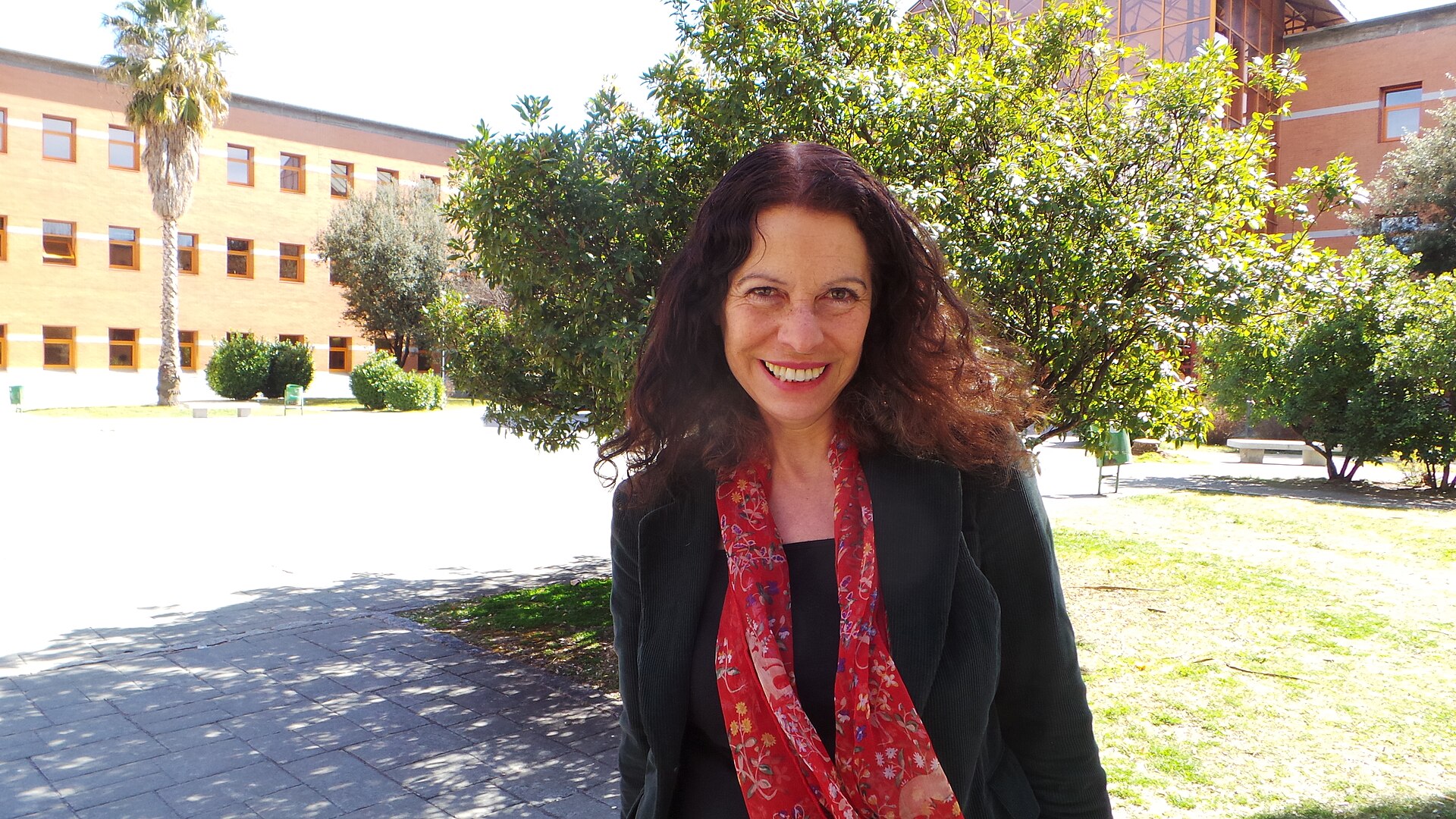
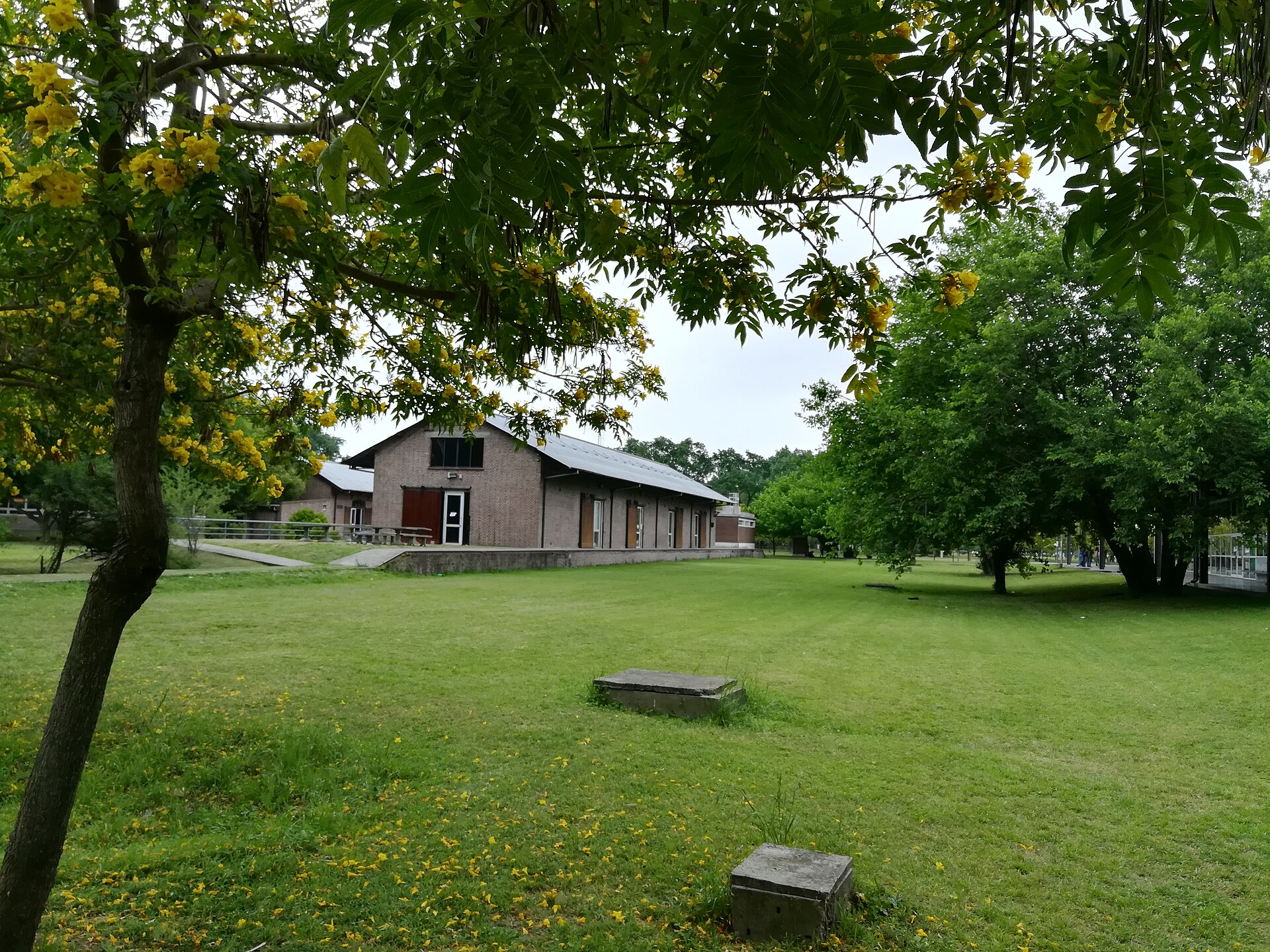
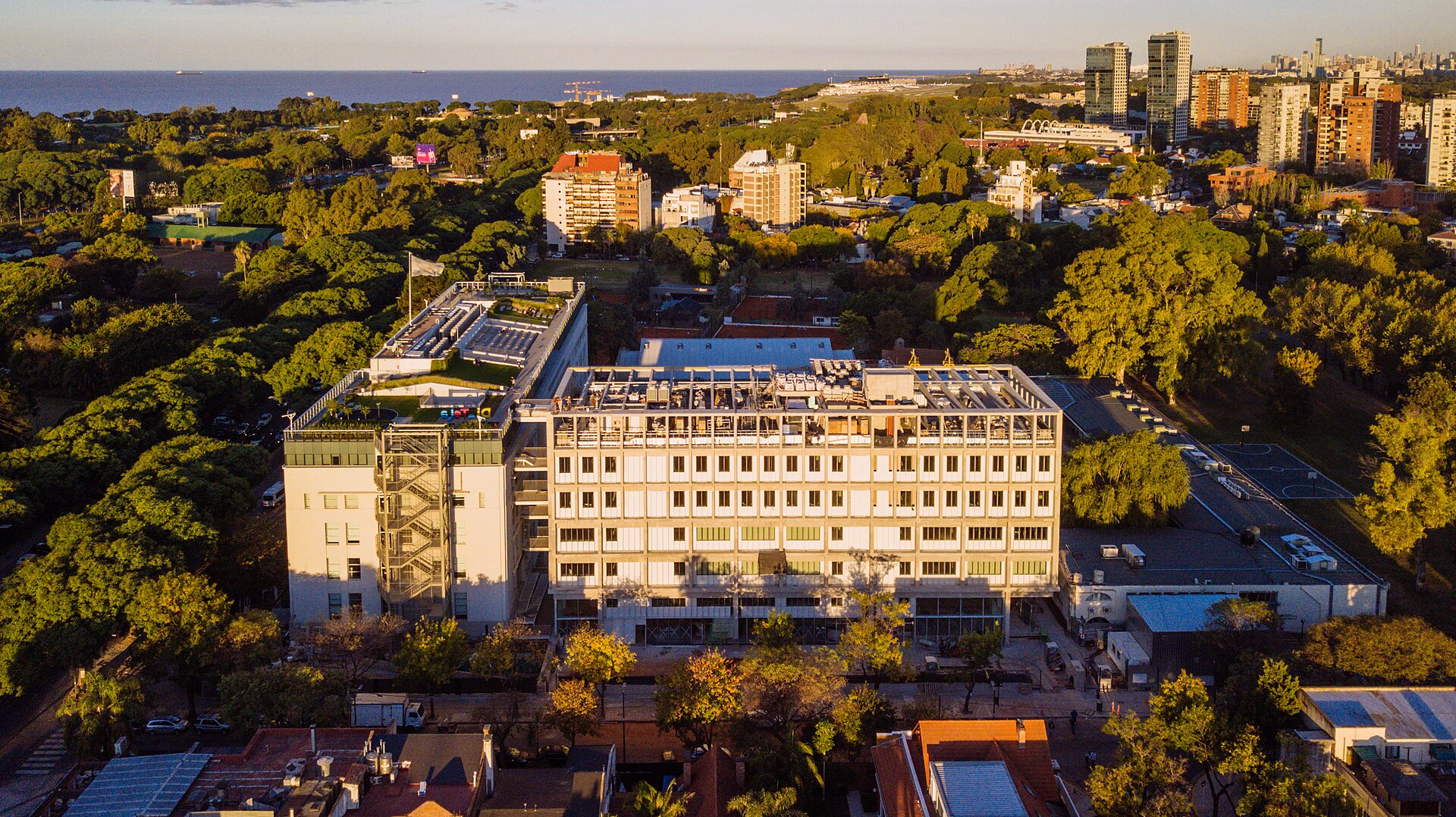
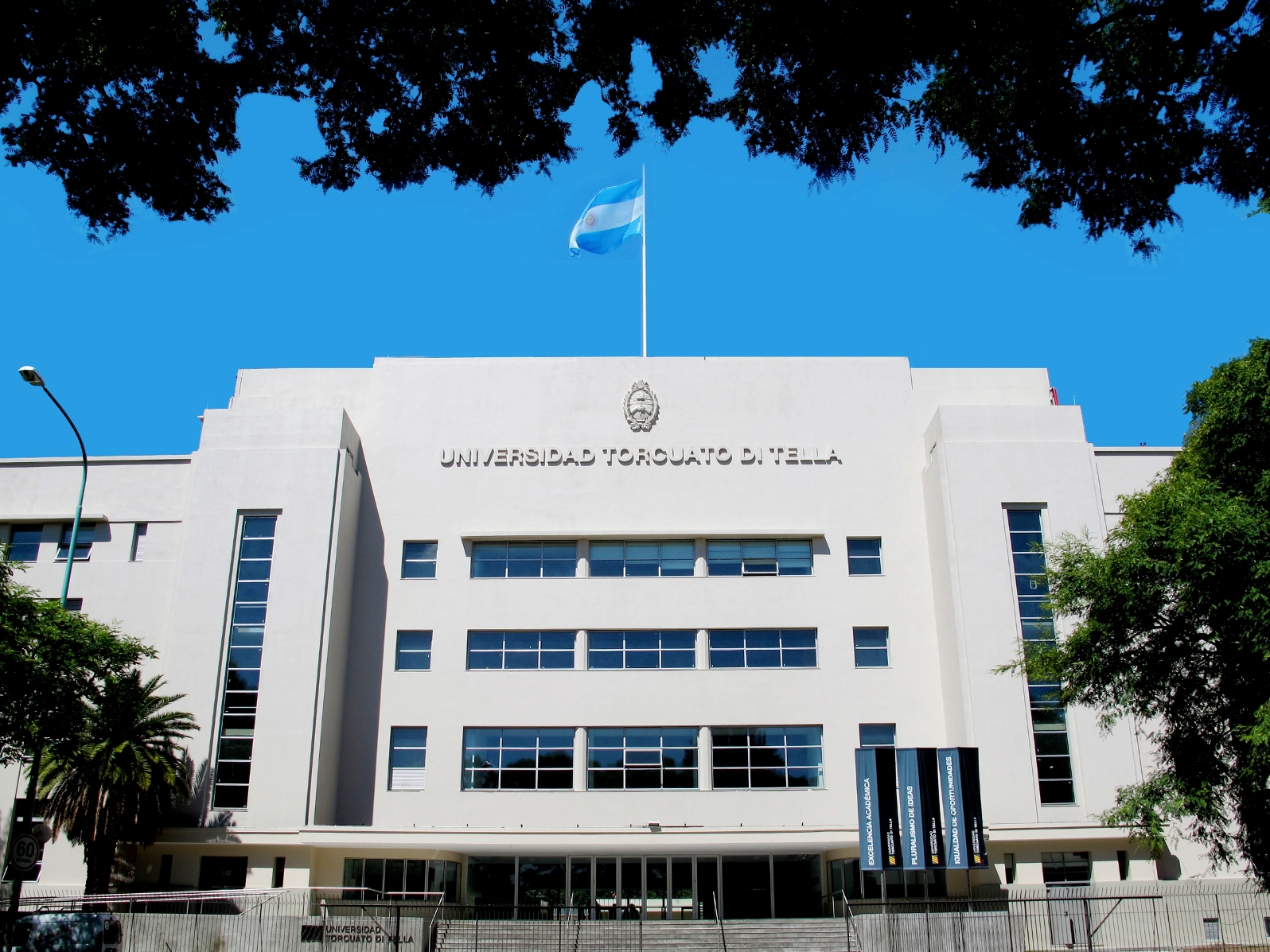
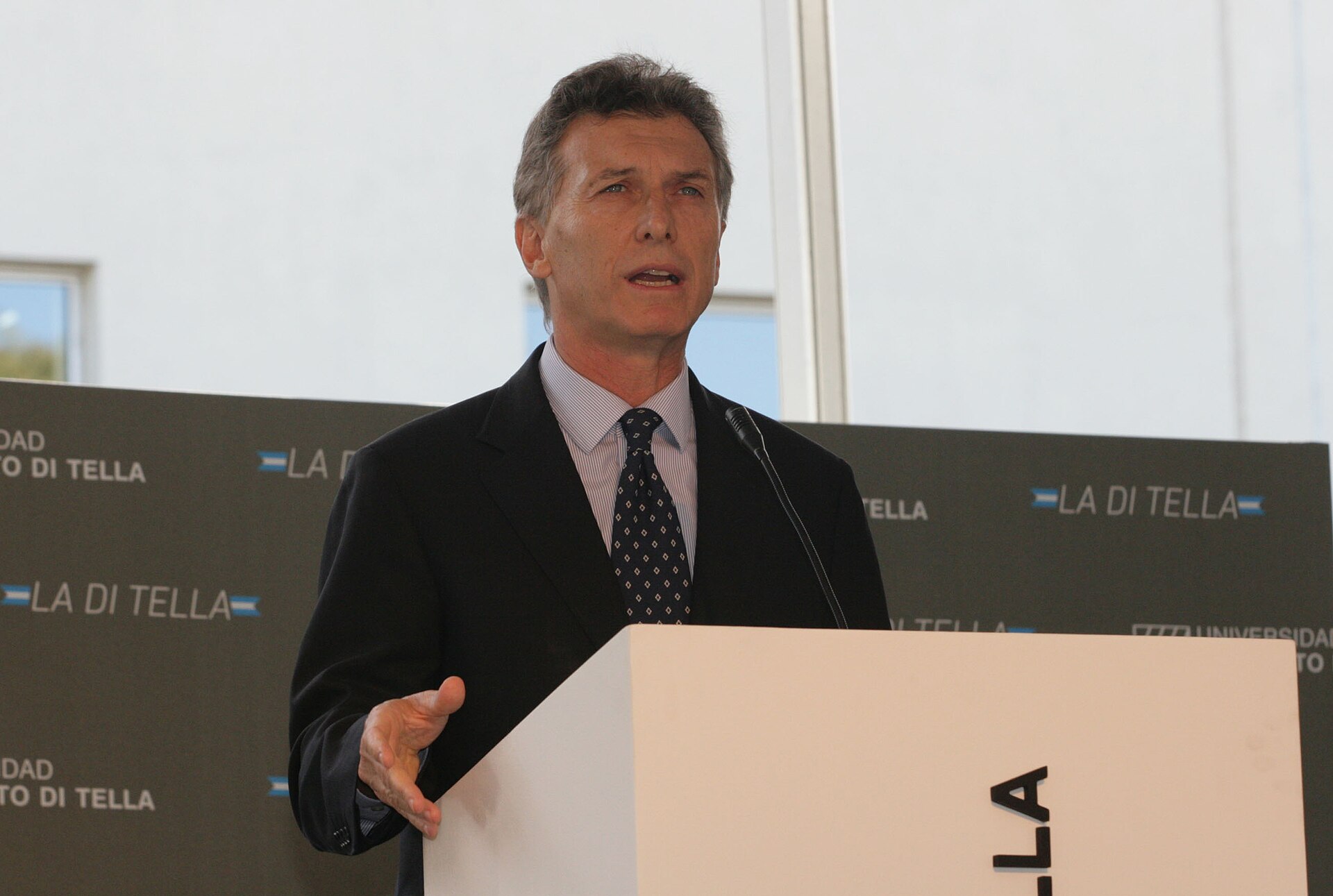
Universidad de Buenos Aires — campus in pictures
Real, freely-licensed photographs of the campus (via Wikimedia Commons).

Why Choose UBA — Prestige, Access, and Purpose
For an international student willing to learn in Spanish, UBA offers something rare: world-class academic depth at virtually zero cost, in one of South America's most vibrant capitals.
ADMISSIONS PROFILE
Open Access — A Different Kind of Selectivity
UBA does not screen applicants on grades, test scores, or school reputation. Admission is open to any student who has completed secondary education. The real filter is the CBC — the mandatory first year of six foundation subjects — which all students, including internationals, must complete before advancing to faculty-specific degrees. Completion rates in the CBC are demanding; the intellectual rigour begins from day one.
UBA publishes no acceptance rate because it does not reject on academic grounds — admission is conditional on completing diploma validation and the CBC foundation year, not on competitive selection.
QUICK FACTS
University at a Glance
APPLICATION COMPONENTS
What Your Application Consists Of
UBA's application process for international undergraduate students differs significantly from US or UK systems. There are no essays, no standardised test submissions, and no faculty interviews. The process is document-based and procedural.
STUDENT PROFILE
Who Thrives at UBA
UBA's open-access model means admissions are not selective — but success here requires a specific profile. The students who flourish are those who arrive prepared for a high-demand academic environment with significant personal autonomy.
DEADLINES & CALENDAR
Application Timeline
UBA operates on a two-semester academic calendar (March–July and August–December). International students should begin the diploma validation process at least 3–6 months before their intended start date. Specific faculty intake deadlines vary; the Faculty of Law example below illustrates typical windows.
Application deadlines vary by faculty and programme. Always confirm directly with the Secretaría de Relaciones Internacionales of your chosen faculty before finalising plans.
| Event | Timing | Notes |
|---|---|---|
| Begin diploma validation (Ministerio de Educación) | 6 months before intended start | Most time-sensitive step — do not delay |
| CBC registration for Semester 1 (March) | November–December (prior year) | Pre-enrolment via SIU-Guaraní system |
| CBC registration for Semester 2 (August) | May–June | Mid-year intake for some faculties |
| Exchange / visiting student applications (Faculty of Law example) | Nov 21 (Sem 1) / May 8 (Sem 2) | Deadlines vary by faculty — verify with your target faculty |
STUDENT LIFE
Life at UBA and in Buenos Aires
UBA is a decentralised university — its 13 faculties are spread across Buenos Aires rather than concentrated on one unified campus. This means student life is deeply embedded in the city itself rather than in a traditional campus bubble.
Buenos Aires is one of the most culturally rich cities in the Americas. Internationally renowned for its theatre scene, culinary culture, and nightlife, it combines European architectural elegance with Latin American energy. The city's extensive public transport system makes navigating between faculties practical, and student neighbourhoods like Palermo, San Telmo, and Belgrano offer vibrant social scenes at genuinely affordable prices.
CAREER OUTCOMES
Where UBA Graduates Go
UBA graduates are highly regarded across Latin America and in sectors where its faculties have historical dominance. The university's employment rate and starting salary data reflect its role in Argentina's professional landscape.
UBA graduates dominate Argentina's legal, medical, engineering, and economics professions. Alumni working in medicine practice across Latin America and increasingly in Europe and North America after post-graduate specialisation. The Faculty of Exact and Natural Sciences feeds Argentina's scientific research sector and international doctoral programmes. Law graduates from UBA hold disproportionate influence in Argentina's judiciary and government.
Salary figures reflect Argentine market conditions. International students who return to their home countries or pursue postgraduate study abroad may see substantially different outcomes. Given Argentina's economic volatility, salary values in USD terms should be interpreted with caution.
FREQUENTLY ASKED QUESTIONS
UBA FAQs for International Students
Is tuition really free for international students?+
Yes. Since 1949, all undergraduate programmes at UBA are completely free of charge for all students regardless of nationality. There is no tuition fee and no application fee. You will, however, need to cover living expenses, which in Buenos Aires are among the most affordable of any major international city.
Do I need to speak Spanish to study at UBA?+
Yes. Virtually all undergraduate teaching, examinations, and university administration are conducted entirely in Spanish. There are some graduate and exchange programmes with English-language components, but for undergraduate study, strong Spanish proficiency (B2 or above) is essential before you arrive.
What is the CBC and how long does it take?+
The Ciclo Básico Común (CBC) is UBA's mandatory foundation year for all first-year students. It consists of six subjects: two orientation-specific, two career-specific, and two common to all students. You can take up to three subjects per semester. Most students complete the CBC in one to two years before advancing to their faculty's degree programme.
How do I get my high school diploma validated?+
You must have your diploma officially recognised by Argentina's Ministerio de Educación. This process involves: (1) apostille or consular legalisation of your diploma in your home country, (2) certified Spanish translation, (3) submission to the Ministry in Argentina. Start this process at least 3–6 months before your planned arrival — it is the most time-consuming part of enrolment.
Is UBA a good option for a medical degree?+
UBA's Faculty of Medicine is one of the most prestigious in Latin America, with rigorous clinical training across six university hospitals. The degree is a six-year programme (plus a year of residency) and is taught entirely in Spanish. International graduates who wish to practise in their home countries will need to verify local recognition of an Argentine medical degree.
Are there scholarships for international students?+
UBA itself does not offer large-scale scholarship programmes specifically for international undergraduates. External programmes — such as Mente Argentina scholarships (competitive, $250–2,500 USD range) and bilateral government exchange scholarships — exist. The Argentine government's AUGM and bilateral academic agreements also create some funded exchange pathways. Check with your home country's education ministry for outbound scholarships to Argentina.
Can I study at UBA as an exchange student without doing the CBC?+
Yes. Several faculties — most notably Law and Social Sciences — run formal international exchange programmes (UBAINT and faculty-specific schemes) for visiting students from partner universities who can take regular courses without completing the full CBC. These are semester-based and require nomination from your home institution.
What visa do I need to study in Argentina?+
Most international students arrive on a tourist visa initially and then apply for a student residency visa once enrolled. Argentina's immigration rules for student visas require proof of enrolment and financial solvency. Contact the Argentine consulate in your home country well in advance. For stays over 90 days, student residency is generally required.
ACADEMICS
Academic Expectations at UBA for International Students
UBA's academic environment is demanding, autonomous, and conducted entirely in Spanish. The university operates on a model of open access with high internal standards — admission is unrestricted, but the rigour of coursework, examinations, and clinical or laboratory training filters strongly. International students should arrive with solid Spanish proficiency and a clear understanding of Argentina's distinctive academic culture.
There are no standardised admissions tests, no GPA thresholds, and no application essays. Academic preparation at UBA begins not at the application stage but the moment you enrol in the CBC. The university's examination culture relies heavily on oral and written exams assessed by faculty panels — a format that rewards deep conceptual understanding rather than rote memorisation.
ACADEMIC PROFILE
What Academic Preparation Looks Like
Because UBA does not screen on grades or test scores, there is no published admitted-student academic profile in the conventional sense. The following qualitative benchmarks reflect what international students need to succeed — not what they need to gain admission.
UBA does not require, consider, or weight SAT, ACT, IB scores, or GPA for undergraduate admission. Academic preparation matters for success inside the university, but not for entry.
TEST POLICY
Standardised Tests — Not Required
UBA does not request or consider SAT, ACT, IB, A-Level, or any other standardised test results for undergraduate admission. The university's policy is test-optional in the fullest sense: admission depends on completing secondary education and successfully validating your diploma through the Argentine Ministry of Education, not on external examination scores.
If you hold an IB Diploma, A-Level results, or AP scores, these carry no formal weight in the UBA admission process — but they signal strong academic preparation that may help you succeed in the demanding CBC and subsequent faculty programmes.
This is distinct from many international universities: at UBA, tests are not a lever to strengthen your application.
INTERNATIONAL QUALIFICATIONS
How IB, A-Levels, and Other Qualifications Are Treated
UBA evaluates international qualifications at the diploma validation stage — not for selective admissions, but for the legal equivalency of your secondary education.
LANGUAGE REQUIREMENTS
Spanish Is the Language — Not English
Unlike many internationally ranked universities, UBA does not require IELTS, TOEFL, or Duolingo scores — because the language of instruction is Spanish, not English. All undergraduate courses, examinations, administrative processes, and student interactions are in Spanish.
If you are not yet fluent in Spanish, consider completing a DELE B2 or higher before applying, and arranging intensive Spanish language preparation (ideally in Buenos Aires) before the CBC begins. The CBC itself is an academic programme, not a language course.
| Test | Requirement | Notes |
|---|---|---|
| IELTS | Not required | UBA teaches in Spanish; IELTS not applicable |
| TOEFL | Not required | English proficiency not assessed for entry |
| Duolingo English Test | Not required | Spanish proficiency is the relevant requirement |
| DELE / SIELE (Spanish) | Strongly recommended B2+ | Not formally mandated but essential for success |
THE CBC
Ciclo Básico Común — Your First Year
Every UBA student — Argentine or international — must complete the Ciclo Básico Común before advancing to faculty-specific programmes. Understanding the CBC is essential for planning your timeline.
PREPARATION ROADMAP
How to Prepare Year by Year
COMMON PITFALLS
Academic Mistakes to Avoid
- Arriving without B2-level Spanish and expecting to 'figure it out' — you won't, and there is no English safety net
- Underestimating the CBC — treating it as a formality rather than the demanding academic programme it is
- Delaying the diploma validation process — start 3–6 months before arrival, not after
- Choosing a faculty based on prestige rather than genuine interest — UBA's most selective internal programmes (Medicine in particular) require deep commitment over many years
- Not connecting with Argentine classmates — isolated international students lose context and miss the informal knowledge-sharing that is essential in UBA's self-directed environment
- Expecting the same administrative clarity as universities in the US, UK, or Australia — UBA's processes require patience, persistence, and proactive follow-up
- Assuming that 'free tuition' means low cost of living — Buenos Aires is affordable but not free; budget for housing, food, transport, and materials
COST & FINANCIAL AID
The Most Affordable World-Ranked University for International Students
UBA is one of the very few globally ranked universities where tuition is genuinely zero — for everyone, regardless of nationality. The real cost of studying at UBA is the cost of living in Buenos Aires, which is among the most affordable of any major world city. For international students from countries with stronger currencies, the overall cost of a UBA degree is dramatically lower than comparable-prestige universities elsewhere.
Argentina's economic conditions fluctuate, and exchange rates can shift significantly. Budget conservatively and monitor currency conditions carefully. All cost figures here reflect the facts file values and should be verified against current conditions before committing to plans.
COST BREAKDOWN
Annual Cost Estimates
All values are annual estimates in USD. Tuition and application fees are zero. Living costs dominate the total.
Argentina's economy experiences significant inflation and currency fluctuation. USD-denominated estimates may shift materially. Always verify current conditions and budget with a buffer. Costs quoted are from the university facts file and are approximations.
| Component | Annual Usd | Notes |
|---|---|---|
| Tuition | $0 | Free for all students, including internationals, since 1949 |
| Application Fee | $0 | No application fee at any stage |
| Cost of Living (estimated) | ~$8,000 | Housing, food, transport, utilities in Buenos Aires |
| Total Cost of Attendance (estimated) | ~$9,000 | Includes living costs, books, materials, personal expenses |
FINANCIAL AID
Financial Aid for International Students
UBA itself does not operate a large financial aid programme for international undergraduate students in the way that US or UK universities do. The primary financial benefit is the absence of any tuition fee. Students with financial need should explore external sources.
SCHOLARSHIPS
Scholarships to Study in Buenos Aires
UBA does not administer a comprehensive scholarship programme for incoming international undergraduates, but several external programmes support study in Buenos Aires.
REAL COST PICTURE
The Affordability Reality
For international students from countries with stronger currencies (USD, EUR, GBP, AED, SGD, INR relative to ARS), Buenos Aires is one of the most affordable major cities in the world. A student living reasonably comfortably — shared apartment, local food, public transport — can manage on considerably less than the $9,000 USD annual cost-of-attendance estimate in favourable exchange-rate conditions.
The critical caveat: Argentina experiences periodic economic instability, significant inflation, and exchange rate volatility. What costs $8,000 this year may cost more or less in USD terms next year depending on currency conditions. Students planning multi-year stays should budget conservatively, maintain savings in their home currency, and monitor Argentine economic conditions.
UBA's zero-tuition policy means that even in periods of economic uncertainty, the academic cost is never a variable. Only living expenses fluctuate.
FUNDING ROADMAP
How to Fund Your UBA Experience
COST FAQs
Cost and Aid FAQs
Is it true that UBA is completely free?+
Yes — tuition is completely free for all students, Argentine and international, at the undergraduate level. There is no application fee, no enrolment fee, and no tuition charge. Your only costs are living expenses in Buenos Aires.
How much does it cost to live in Buenos Aires as a student?+
The estimated total cost of attendance (living expenses, books, transport, personal costs) is approximately $9,000 USD per year. This varies with exchange rates, neighbourhood choice, and lifestyle. Students from stronger currency countries often find Buenos Aires significantly cheaper than this in practice.
Does UBA offer scholarships to international students directly?+
UBA does not currently run a large direct scholarship programme for incoming international undergraduates. The primary benefit is free tuition. External scholarships — Mente Argentina, bilateral government programmes, home-country outbound awards — are the main funding routes.
Will Argentina's economic situation affect my costs?+
Yes — Argentina's high inflation and currency volatility are real considerations. Budget conservatively, maintain savings in a stable home currency, and monitor conditions. The academic cost (zero tuition) is immune to this; living costs are not.
Can I work in Argentina as an international student?+
Student visa holders have restrictions on paid employment in Argentina. Verify current Argentine immigration regulations for student work rights before making plans that depend on income during your studies.
APPLICATION & STATEMENT
Applying to UBA — No Essays, But Real Preparation Matters
UBA does not use Common App, UCAS, Coalition, or any essay-based application system. There are no personal statements, supplemental essays, or short answers. Admission is based on secondary school diploma validation and enrolment in the CBC. However, the preparation you bring — especially in Spanish and academic foundations — determines everything about your success once inside.
This section guides you through the UBA application process as it actually works for international students: document-based, procedural, and entirely in Spanish. We also cover the motivation letter that exchange and visiting student programmes may require.
APPLICATION SYSTEM
How UBA's Application Actually Works
UBA's undergraduate admission for international students is a document verification process, not a competitive essay review. Understanding this distinction is essential — you cannot 'strengthen your application' with essays because there are none. What you can do is ensure your documentation is correct, complete, and submitted on time.
DOCUMENTATION
The Documents That Matter
For international undergraduate applicants, these documents replace the role that essays play at other universities — they are what the university evaluates, and errors or delays here will delay your enrolment.
EXCHANGE PROGRAMMES
Motivation Letters for Exchange Applicants
If you are applying through an institutional exchange programme (UBAINT, faculty-level bilateral scheme, or Mente Argentina), you may be asked for a motivation letter or statement of purpose in Spanish. The following guidance applies to these specific cases.
STRATEGY
Where to Focus Your Energy Instead of Essays
Because UBA does not use essays for admission, your preparatory energy should go elsewhere — into areas that will actually determine your success at the university.
FACULTY CHOICE
Choosing Your Faculty Wisely
For UBA, the equivalent of 'essay topic selection' is choosing your faculty and career path — a decision that shapes your academic experience for 5–7 years.
COMMON MISTAKES
Application Mistakes to Avoid
- Assuming the process is fast — diploma validation through the Argentine Ministry of Education can take months; start early
- Submitting untranslated or improperly legalised documents — this causes outright rejection at the administrative stage
- Confusing UBA's open-access admission with easy or low-standards education — the academic programme is genuinely demanding
- Registering for CBC sections late and missing the subjects you need — popular sections fill within days of registration opening
- Arriving without solid Spanish and expecting to catch up during the CBC — this approach fails regularly
- Not verifying that your target faculty recognises the CBC as entry to your chosen degree (most do, but verify for specific programmes)
- Forgetting to apply for student visa/residency — tourist status is not valid for multi-year degree study
APPLICATION FAQs
Application Process FAQs
Does UBA require a personal statement or essays?+
No. UBA undergraduate admissions involve no personal statements, essays, or letters of recommendation. Admission is based entirely on diploma validation and CBC completion. The only exception is if you are applying to a specific exchange programme that requests a motivation letter.
Is there an online application portal?+
UBA uses SIU-Guaraní for course registration once enrolled. Pre-admission steps (diploma validation through the Ministry of Education) are managed separately. Visit uba.ar/internacionales for the current international student application instructions and contact the Secretaría de Relaciones Internacionales for guidance.
Can I apply to UBA from outside Argentina?+
You can begin the diploma validation process from outside Argentina (at the Argentine consulate in your country). However, CBC enrolment and attendance are in-person in Buenos Aires. Plan your arrival timeline around the CBC registration window.
How do I apply for the UBAINT exchange programme?+
UBAINT is an outgoing exchange programme for UBA students studying abroad, not primarily an incoming pathway. Incoming exchange students are generally managed through faculty-level bilateral agreements. Contact your home institution's international office to check whether it has a formal partnership with UBA, and apply through that channel.
Is it worth studying at UBA if I want to work outside Argentina?+
For fields like medicine, law, and psychology, verify recognition of your degree in your target country before enrolling — Argentine professional degrees may require revalidation abroad. For research-track careers and graduate study, a UBA degree in exact sciences or engineering is well-regarded internationally. For business and economics, the degree is strong within Latin America.
Courses — schools, degrees & intake
77 degrees across 13 groupings.
Facultad de Agronomía (FAUBA) · 7 degrees
Ingeniería Agronómica (Agronomy)
Licenciatura en Biotecnología
Licenciatura en Ciencias Ambientales (Environmental Sciences)
Licenciatura en Economía y Administración Agrarias (Agricultural Economics and Administration)
Licenciatura en Gestión de Agroalimentos (Agrifood Management)
Licenciatura en Planificación y Diseño del Paisaje (Landscape Planning and Design)
Profesorado en Ciencias Ambientales (Teaching Degree in Environmental Sciences)
Facultad de Arquitectura, Diseño y Urbanismo (FADU) · 6 degrees
Arquitectura (Architecture)
Diseño Gráfico (Graphic Design)
Diseño Industrial (Industrial Design)
Diseño Textil e Indumentaria (Textile and Fashion Design)
Diseño de Imagen y Sonido (Image and Sound Design)
Planificación y Diseño del Paisaje (Landscape Planning and Design)
Facultad de Ciencias Económicas (FCE) · 6 degrees
Contador Público (Public Accounting / CPA)
Licenciatura en Administración (Business Administration)
Licenciatura en Economía (Economics)
Licenciatura en Sistemas de Información de las Organizaciones (Information Systems)
Actuario (Actuarial Science)
Licenciatura en Análisis de Datos (Data Analysis)
Facultad de Ciencias Exactas y Naturales (FCEN) · 12 degrees
Licenciatura en Biotecnología
Licenciatura en Ciencias Biológicas (Biological Sciences)
Licenciatura en Ciencias de Datos (Data Science)
Licenciatura en Ciencias de la Atmósfera (Atmospheric Sciences)
Licenciatura en Ciencias de la Computación (Computer Science)
Licenciatura en Ciencias Físicas (Physical Sciences / Physics)
Licenciatura en Ciencias Geológicas (Geological Sciences)
Licenciatura en Ciencias Matemáticas (Mathematical Sciences / Mathematics)
Licenciatura en Ciencias Químicas (Chemical Sciences / Chemistry)
Licenciatura en Ciencia y Tecnología de Alimentos (Food Science and Technology)
Licenciatura en Oceanografía
Licenciatura en Paleontología
Facultad de Ciencias Médicas (FMED) · 8 degrees
Medicina (Medicine)
Licenciatura en Enfermería (Nursing)
Licenciatura en Kinesiología y Fisiatría (Kinesiology and Physical Rehabilitation)
Licenciatura en Nutrición (Nutrition)
Licenciatura en Obstetricia (Obstetrics)
Licenciatura en Fonoaudiología (Speech Therapy / Audiology)
Licenciatura en Producción de Bioimágenes (Medical Imaging / Radiology Technology)
Licenciatura en Podología (Podiatry)
Facultad de Ciencias Sociales (FSoc) · 5 degrees
Licenciatura en Sociología (Sociology)
Licenciatura en Trabajo Social (Social Work)
Licenciatura en Relaciones del Trabajo (Labor Relations / Industrial Relations)
Licenciatura en Ciencias de la Comunicación (Communication Sciences)
Licenciatura en Ciencia Política (Political Science)
Facultad de Ciencias Veterinarias (FVET) · 1 degrees
Medicina Veterinaria (Veterinary Medicine)
Facultad de Derecho (Law — FDUBA) · 3 degrees
Abogacía (Law / LLB)
Traductor Público (Public Translator / Legal Translation)
Calígrafo Público (Public Calligrapher / Document Examiner)
Facultad de Farmacia y Bioquímica (FFyB) · 3 degrees
Licenciatura en Bioquímica (Biochemistry)
Licenciatura en Farmacia (Pharmacy)
Licenciatura en Ciencia y Tecnología de los Alimentos (Food Science and Technology)
Facultad de Filosofía y Letras (FFyL) · 11 degrees
Licenciatura en Artes (Arts)
Licenciatura en Bibliotecología y Ciencia de la Información (Library and Information Science)
Licenciatura en Ciencias Antropológicas (Anthropological Sciences)
Licenciatura en Ciencias de la Educación (Education Sciences)
Licenciatura en Edición Literaria (Literary Editing / Publishing)
Licenciatura en Filosofía (Philosophy)
Licenciatura en Geografía (Geography)
Licenciatura en Historia (History)
Licenciatura en Letras (Spanish Language and Literature)
Licenciatura en Lenguas Clásicas (Classical Languages and Literature)
Licenciatura en Lenguas Modernas (Modern Languages)
Facultad de Ingeniería (FIUBA) · 12 degrees
Ingeniería Civil (Civil Engineering)
Ingeniería Industrial (Industrial Engineering)
Ingeniería Naval y Mecánica (Naval and Mechanical Engineering)
Ingeniería Mecánica (Mechanical Engineering)
Ingeniería Eléctrica (Electrical Engineering)
Ingeniería Electrónica (Electronic Engineering)
Ingeniería Química (Chemical Engineering)
Ingeniería en Petróleo (Petroleum Engineering)
Ingeniería en Agrimensura (Surveying Engineering / Geomatics)
Licenciatura en Análisis de Sistemas (Systems Analysis)
Ingeniería en Informática (Computer Engineering)
Ingeniería en Alimentos (Food Engineering)
Facultad de Odontología (FOUBA — Dentistry) · 2 degrees
Odontología (Dentistry)
Asistente Dental (Dental Assistance / Dental Hygiene)
Facultad de Psicología (PSI) · 1 degrees
Licenciatura en Psicología (Psychology)
Want your real chances at Universidad de Buenos Aires?
Create a free TYCHR account for your personalised admit-chance, a shortlist you can track, exact entry requirements, and essay + counselling help.