Universidad Complutense de Madrid
Madrid, Spain · Urban
MADRID · SPAIN · FOUNDED 1499
Universidad Complutense de Madrid Admissions Guide for International Students
One of the world's oldest and largest universities, the Universidad Complutense de Madrid (UCM) has shaped law, medicine, arts, and science for over five centuries. With 70,000 students, a sprawling Ciudad Universitaria campus in Europe's most vibrant capital, and a national rank of #4 in Spain, UCM offers serious international students a rare combination of academic depth, global prestige, and genuine affordability. Most undergraduate programmes are taught in Spanish — making language preparation the single most important factor for non-Spanish-speaking applicants. A growing portfolio of English-taught master's programmes has made UCM increasingly accessible to international graduates seeking a European credential in a world-class city.
Campus
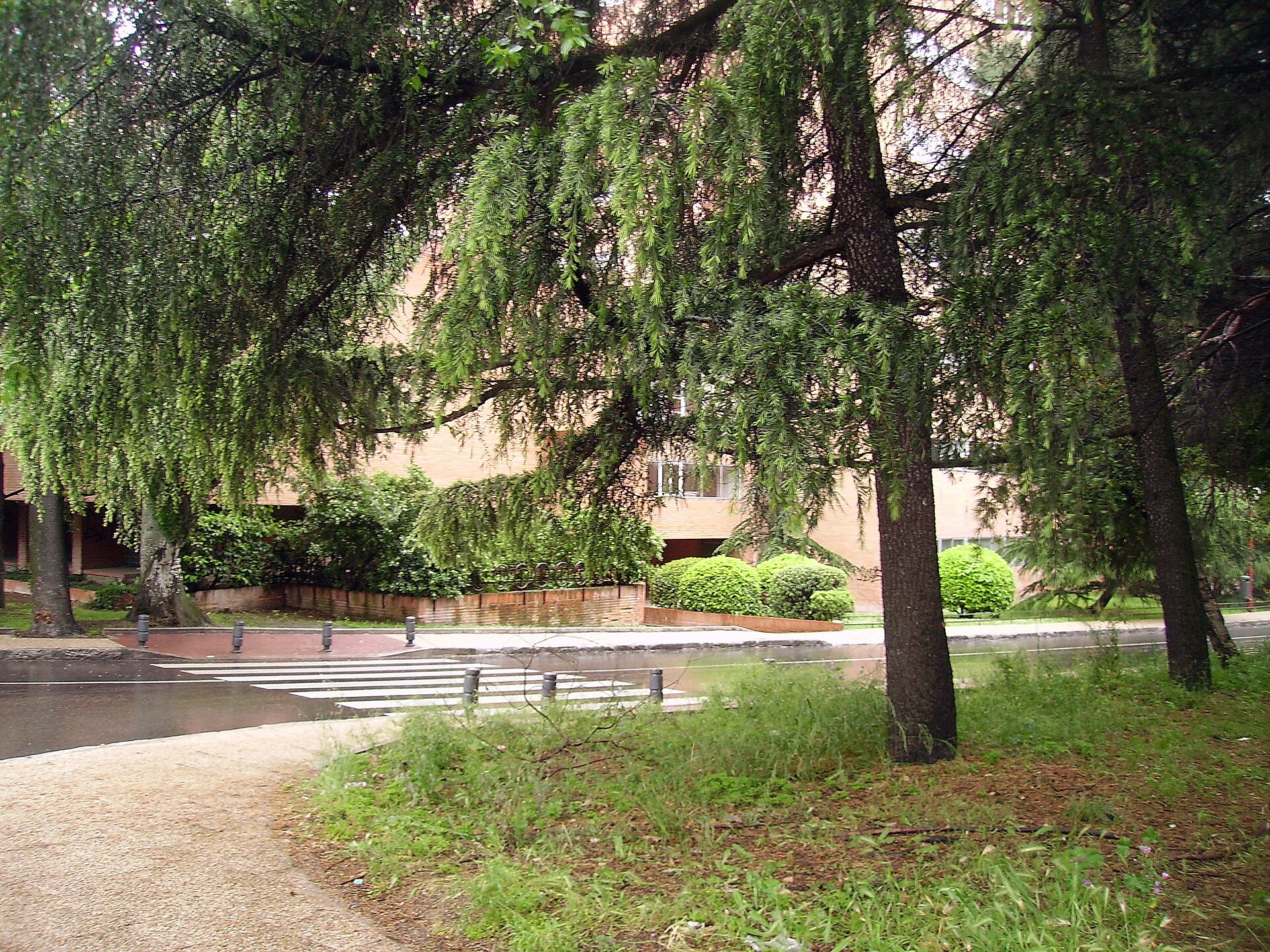
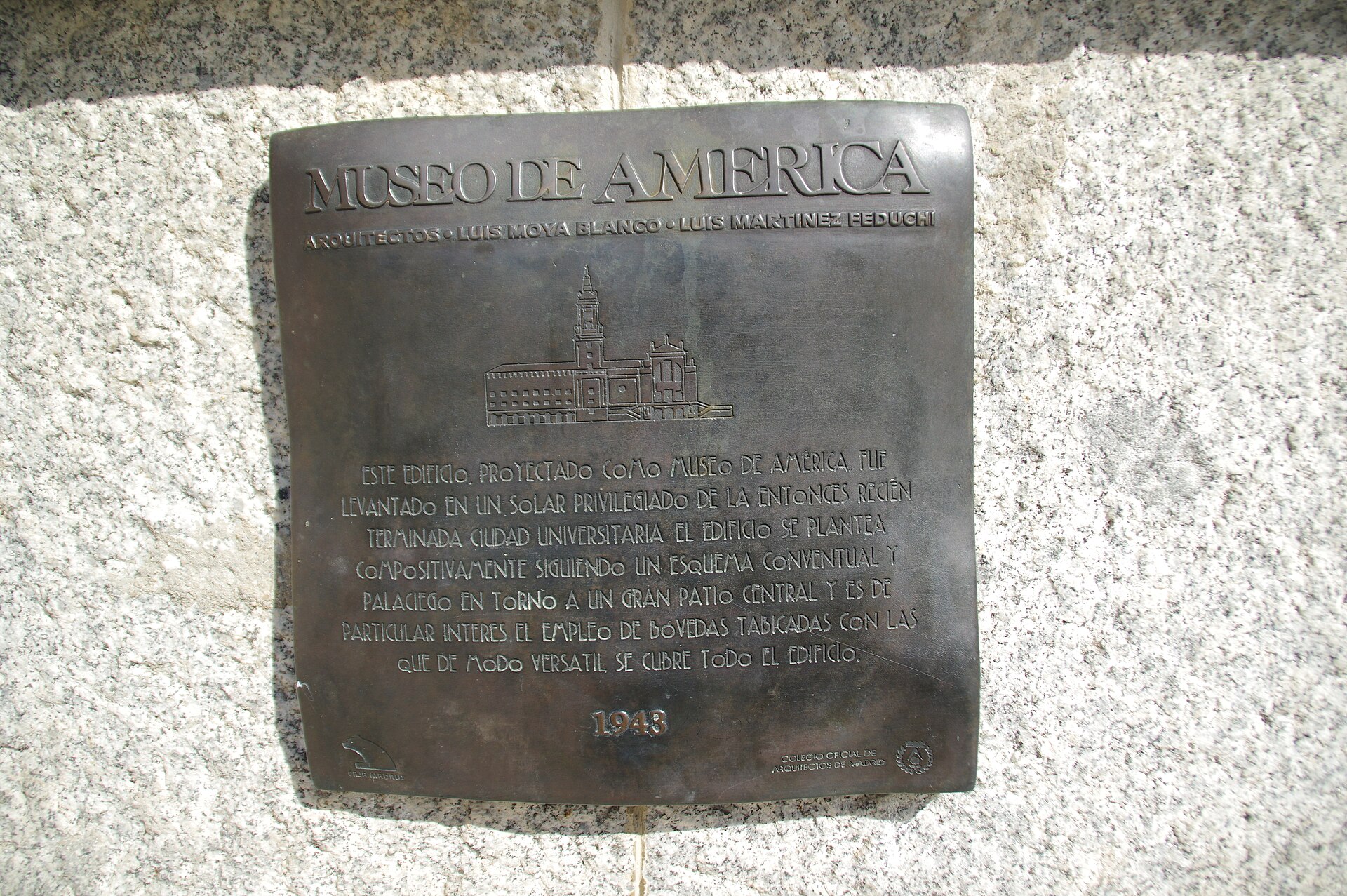
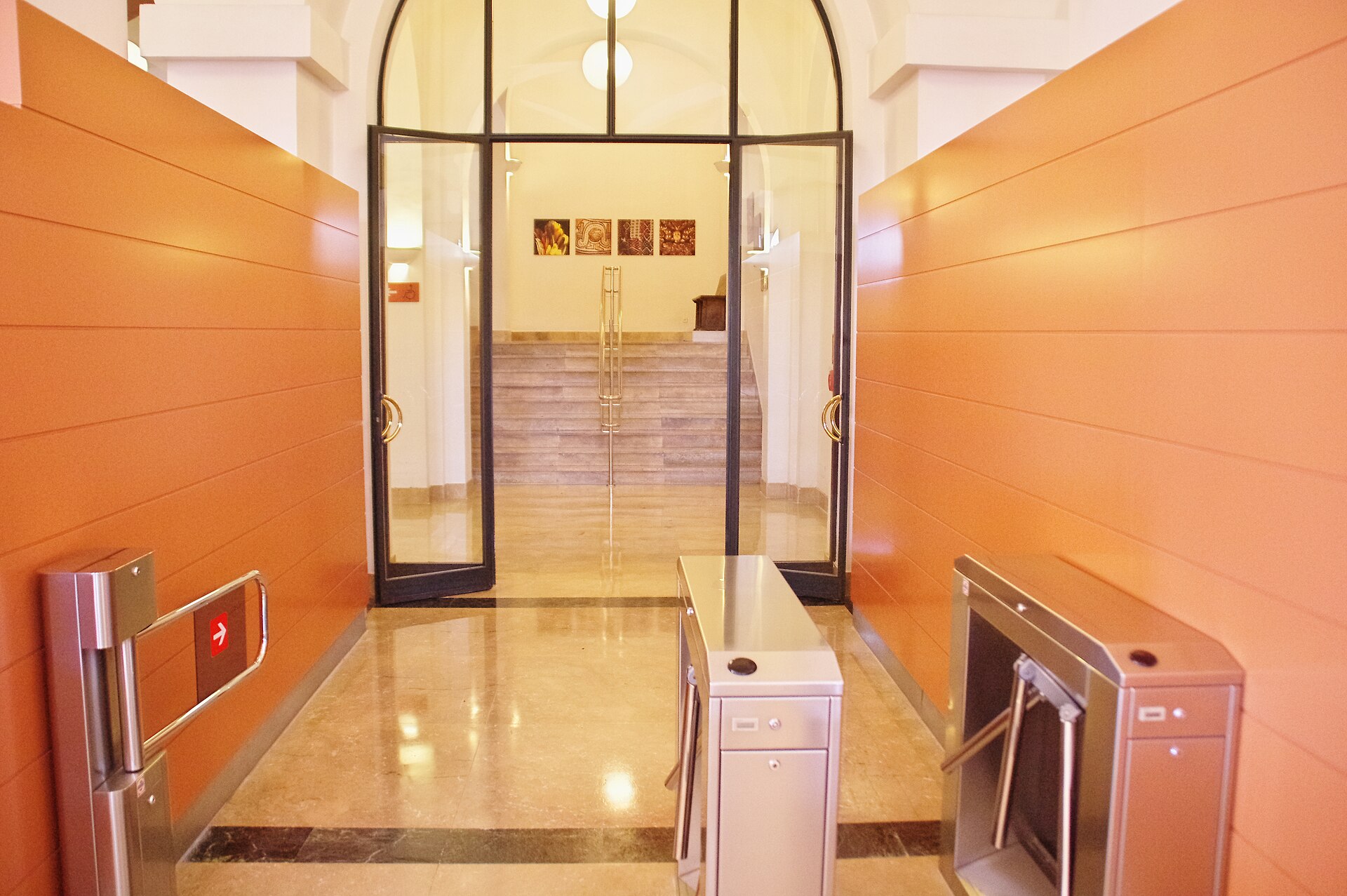
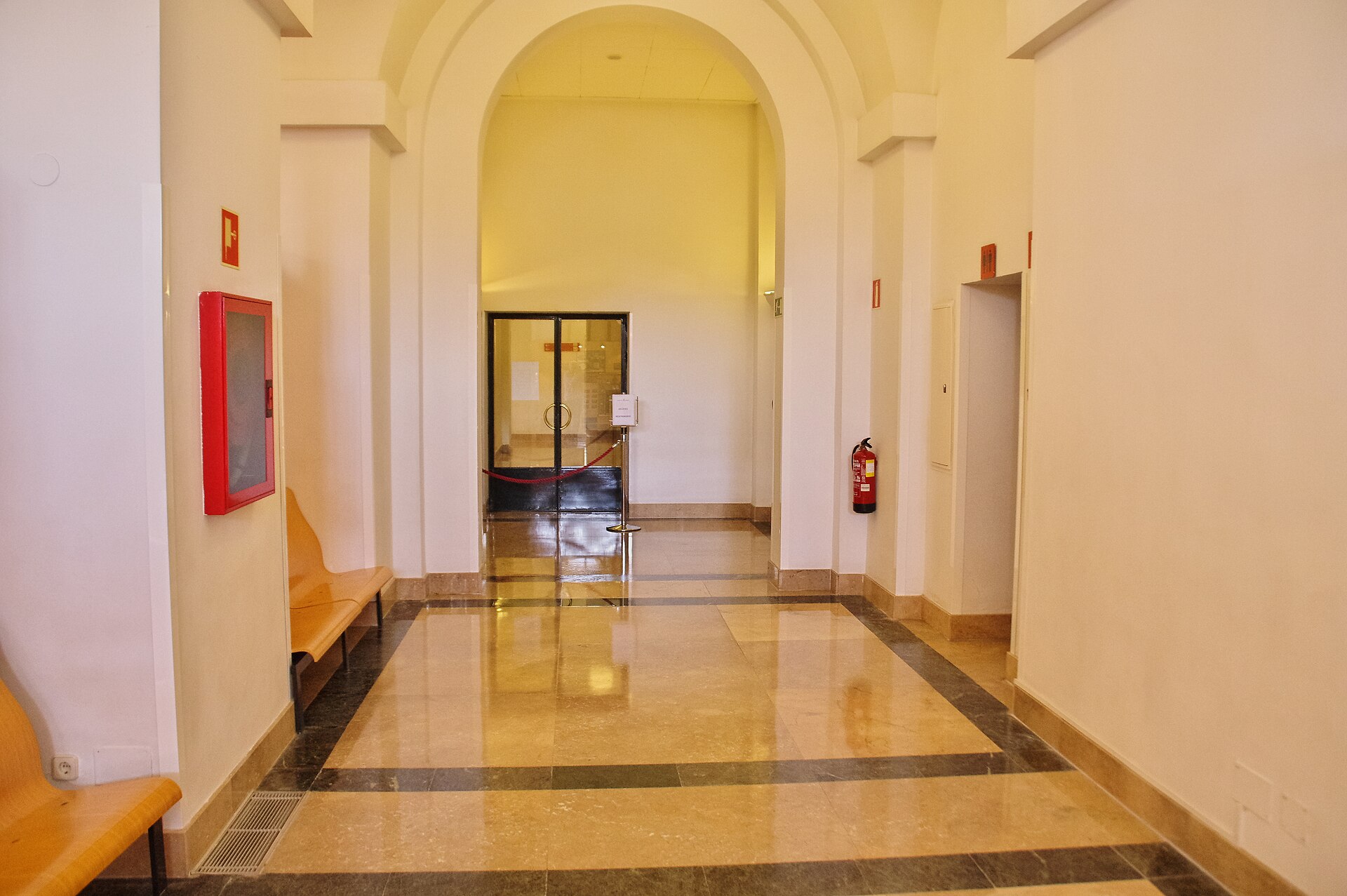
Universidad Complutense de Madrid — campus in pictures
Real, freely-licensed photographs of the campus (via Wikimedia Commons).


Why Choose UCM — Prestige, Research & Madrid
UCM's combination of historic prestige, disciplinary breadth, European location, and genuinely low public tuition makes it one of the most compelling destinations for internationally mobile students who are prepared to study in or learn Spanish.
UCM Acceptance Rate & Admissions Profile
UCM's acceptance rate is approximately 40% across all faculties — but selectivity varies significantly by programme. Medicine, law, and engineering face considerably stiffer competition, while some humanities programmes admit a higher proportion of qualified applicants. Admission is primarily grade-based: your secondary school academic record is the dominant factor.
Medicine (Medicina), Law (Derecho), and Pharmacy are the most competitive programmes. International applicants are evaluated on the equivalence of their secondary credentials to Spain's Bachillerato and the selectivity of their target faculty. Verify current thresholds on the official admissions page.
UCM Quick Facts
UCM Application Components — What You Will Submit
UCM uses a direct admissions process — there is no Common App, UCAS, or equivalent centralized platform. International applicants apply directly through UCM's online admissions portal. The required documents vary by level (undergraduate vs master's) and by your country of origin.
What UCM Looks For — Admission Criteria for Internationals
UCM's admissions process is fundamentally grade-based. Unlike US or UK selective universities, there are no holistic review rounds weighing extracurriculars, teacher recommendations, or personal essays at the undergraduate level. What matters most is the academic strength and relevance of your secondary school record, and your language preparedness.
UCM Application Deadlines & Application Timeline
UCM's application calendar for the following academic year typically opens in the spring semester. The credential recognition (homologación) process through UNED or the Ministry of Education must be initiated well in advance — ideally 4–6 months before your target programme's application deadline. Always verify current dates on the official UCM admissions portal, as they are updated annually.
Master's programmes may have different deadlines — some with spring admission. Always verify dates on the official UCM admissions calendar.
| Phase | Window | Notes |
|---|---|---|
| Credential Recognition (UNED/Ministry) | Jan – Apr (recommended) | Submit early; 2–4 month processing time |
| Pre-registration (Preinscripción) | May – Jun (typical) | First and second preference programmes |
| Admissions Results | Jul (typical) | Notification of offer |
| Formal Enrolment (Matrícula) | Jul – Sep (typical) | Pay fees, complete registration |
| Spanish Student Visa Application | Jun – Aug (recommended) | Apply at Spanish consulate after receiving offer |
| Academic Year Begins | September | Orientation for international students |
Student Life at UCM — Campus, Madrid & Community
UCM's Ciudad Universitaria campus is a world unto itself — a 3.5 km² purpose-built university city in the northwest of Madrid, with its own metro stations, sports facilities, residence halls, libraries, medical centre, and cultural venues. The campus was designed in the 1920s and 1930s and features architecturally significant buildings alongside modern research facilities.
Madrid itself is one of Europe's most livable cities for students: culturally rich (the Prado, Reina Sofía, and Thyssen museums are a metro ride away), socially vibrant, and surprisingly affordable relative to London or Paris. The city has a thriving nightlife and food culture, world-class sporting events, and excellent transport links. Direct flights to over 50 countries make Madrid a natural hub for internationally mobile students.
Career Outcomes & Graduate Employment
UCM graduates achieve strong employment outcomes, particularly in Spain and Latin America where the Complutense brand carries significant prestige. Approximately 80% of graduates are employed within a defined period after graduation.
UCM's medicine and law graduates are among Spain's most sought-after by employers and professional bodies. The university's proximity to Madrid's business, media, and government hub creates strong natural placement pathways in law firms, hospitals, pharmaceutical companies, media organisations, public administration, and consulting. For international students, a Complutense degree is particularly valued across Latin America and the Iberian Peninsula. UCM also has active connections with the European Commission, UN agencies, and international research bodies for graduate students.
Salary data in USD from facts file; actual salaries in Spain are typically paid in EUR. Exchange rates affect USD comparisons.
UCM Admissions FAQs
Do I need to speak Spanish to study at UCM?+
For the vast majority of undergraduate programmes, yes — Spanish proficiency at DELE B2 level or higher is required, and C1 is recommended for competitive programmes like medicine or law. However, UCM does offer a growing number of master's programmes taught entirely in English where Spanish is not mandatory.
What is homologación and do I need it?+
Homologación (or equivalencia) is the process of having your foreign secondary school credentials officially recognised as equivalent to Spain's Bachillerato. Non-EU students applying to undergraduate programmes typically need to go through this process via the Spanish Ministry of Education or the UNED credential service before they can formally apply to UCM. Start this process as early as possible — it can take 2–4 months.
Is UCM right for IB Diploma students?+
IB Diploma graduates are welcome to apply. UNED's credential evaluation assigns an equivalence grade based on IB results. Strong IB scores (particularly in relevant Higher Level subjects) are valued. Note that most UCM programmes do not directly map to IB; the UNED nota de acceso is used for comparison with Spanish peers.
Is there a Common App or central application platform?+
No. Spain does not have a Common App or UCAS equivalent for international students. You apply directly to UCM through their online admissions portal (ucm.es). However, for EU students within the Spanish national system, there is a regional pre-registration process for undergraduate places.
Are there English-taught bachelor's degrees?+
English-taught undergraduate programmes at UCM are limited. The main English-taught offering is at the master's level. If English-medium undergraduate instruction is essential for you, you may want to compare UCM with IE University or Universidad Carlos III, which offer more extensive English-taught undergraduate programmes.
Can I study medicine at UCM as an international student?+
Yes, but medicine (Medicina) is UCM's most competitive programme by a significant margin. International students need credential recognition showing very strong secondary school results, Spanish proficiency at C1 level, and must pass through the pre-registration system. Places are limited and competition is high.
What happens after I receive an offer from UCM?+
Once accepted, you will need to formally enrol (matrícula) by paying fees and submitting required documents within the specified window. Non-EU students will then apply for a Spanish student visa (Visado de estudios) at the Spanish consulate in their country, using their UCM acceptance letter as evidence.
Is UCM a good university for international graduate students?+
Absolutely. UCM's doctoral and master's programmes — particularly in humanities, law, social sciences, and sciences — attract strong international students. The university has active research collaborations with European institutions, and the cost-quality ratio for master's and PhD programmes is excellent.
ACADEMIC EXPECTATIONS
Academic Profile for UCM International Applicants
UCM is a public Spanish research university with high standards in core disciplines, particularly medicine, law, and the sciences. Academic evaluation for international students is grade-centred: your secondary school transcript, translated and officially recognised, is the primary admission criterion. There are no standardised test requirements analogous to the SAT/ACT in the US system. The key academic preparation priorities are academic excellence in relevant subjects and — above all — Spanish language proficiency.
UCM Academic Profile — Key Statistics
UCM does not publish SAT, ACT, or IB cut-off scores in the way US universities do. Admission competitiveness is measured through the nota de acceso — a grade equivalence number derived from your secondary qualifications via UNED. The following statistics give a sense of the university's academic standing.
Medicine (Medicina) is significantly more competitive than the overall acceptance rate suggests. Master's programme admission criteria vary by department — check the specific programme page.
Standardised Tests at UCM — What is (and is not) Required
UCM does not require the SAT, ACT, or any equivalent standardised test for admission to undergraduate or master's programmes. These instruments are part of the US application system and are not part of the Spanish admissions process. The UCM facts file categorises the test policy as 'optional', reflecting that some master's or research programmes may accept (but not require) additional academic credentials.
For international students, the critical 'tests' in the UCM system are: (1) the credential recognition (homologación) process which produces a nota de acceso, and (2) Spanish language proficiency examinations such as the DELE or SIELE. For English-taught master's programmes, English proficiency tests (IELTS, TOEFL, Duolingo) are required.
Do not submit SAT/ACT scores expecting them to be assessed — they are not part of UCM's admissions evaluation framework.
Credential Recognition — The nota de acceso System
Instead of standardised testing, Spain uses a system of credential equivalence for international students. Your secondary school qualifications are assessed by the UNED (Universidad Nacional de Educación a Distancia) credential evaluation service or the Spanish Ministry of Education, which assigns an equivalent nota de acceso (access score) on a 0–14 scale.
IB, A-Level & International Qualifications — How UCM Reads Your Credentials
UCM (and Spanish universities generally) welcome applications from students with international qualifications including the IB Diploma, British A-Levels, French Baccalauréat, German Abitur, Indian CBSE/ISC, and many others. However, these qualifications are not directly evaluated by UCM — they are first processed through UNED's credential recognition service.
Subject Preparation — What UCM Faculties Expect
Your choice of secondary school subjects signals readiness for your target faculty. UCM faculties have implicit subject expectations even where formal prerequisites are not always listed.
Language Requirements — Spanish & English Proficiency
Language requirements at UCM are programme-dependent. For Spanish-taught programmes (most undergraduate degrees), Spanish proficiency is required. For English-taught master's programmes, English proficiency is required. Some programmes may require evidence of both.
Spanish-speaking applicants (from Latin America or Spanish-medium schools) should check whether a formal DELE certificate is required or whether proof of education in Spanish is sufficient. Verify with your target faculty.
| Language | Level | Notes |
|---|---|---|
| Spanish (DELE) | B2 minimum | C1 recommended for Medicine, Law; required for most Spanish-taught programmes |
| Spanish (SIELE) | B2 equivalent | Alternative to DELE; accepted by UCM |
| English (IELTS) | 6.5 overall | For English-taught master's programmes; no band below 6.0 |
| English (TOEFL iBT) | 87 | For English-taught master's programmes |
| English (Duolingo) | 105 | For English-taught programmes; verify acceptance per programme |
Building Your Academic Profile — From Year 9 to Application
Academic Preparation Mistakes — What to Avoid
- Starting Spanish language preparation too late: B2 proficiency takes most non-native speakers 18–24 months of consistent study. Do not leave this for Year 12.
- Underestimating the UNED credential evaluation timeline: 2–4 months is typical, and delays push your entire application back. Submit documents early.
- Choosing misaligned secondary subjects: taking arts subjects for a medicine application, or humanities-only for engineering, weakens your equivalence evaluation.
- Assuming that strong grades in English automatically mean admission to Spanish-taught programmes: language certificates and translation requirements are real administrative steps, not formalities.
- Missing the pre-registration (preinscripción) window: unlike US rolling admissions, Spanish university pre-registration windows are fixed and short. Missing the window means waiting a full year.
- Not verifying programme-specific requirements: each UCM faculty sets its own admissions criteria. Do not rely on general university information — visit the specific faculty page.
- Underestimating competition for medicine: with one of the most demanding credential evaluation requirements in Spain, medicine applicants must prepare for a genuinely competitive process — not just the administrative steps.
COST & FINANCIAL AID
UCM Cost of Attendance — Honest Framing for International Students
UCM is one of the most affordable ranked global universities for international students. As a public Spanish institution, tuition is set by the regional government of the Community of Madrid — and even the non-EU international rate remains a fraction of what US, UK, or Australian universities charge. The total cost of studying in Madrid — including living expenses — is estimated at approximately USD 20,000 per year. This cost profile is genuinely exceptional for a QS top-200 university in a major European capital.
UCM Annual Cost Breakdown — Estimated Figures (USD)
All figures are annual estimates from the university facts file and should be treated as indicative. Actual costs depend on exchange rates (EUR/USD), your programme, and personal lifestyle choices. Living costs in Madrid vary based on accommodation type and personal spending habits.
These figures are estimates in USD. Actual costs are charged in EUR. The EUR/USD rate affects the USD equivalent. Compare with UK (£30,000–£45,000/year) or US private universities ($80,000+/year) for context on UCM's value proposition.
| Component | Estimated Cost Usd | Notes |
|---|---|---|
| Annual Tuition (International) | ~$6,500 | Public rate; varies by programme and faculty |
| Cost of Living (Annual) | ~$13,000 | Housing, food, transport, personal expenses in Madrid |
| Total Cost of Attendance | ~$20,000 | Annual all-in estimate |
| Application Fee | ~$30 | Approximate; verify on official portal |
Financial Aid for International Students — What is Available
UCM, as a public Spanish university, does not offer US-style need-based financial aid packages to international students. The Spanish university financial aid system (becas del Ministerio de Educación) is primarily available to EU/EEA residents and Spanish nationals meeting income criteria. International students from outside the EU/EEA are generally not eligible for Spanish government becas.
However, the low tuition and cost of attendance at UCM means that the net cost of a UCM education is already significantly lower than that of comparable universities in other countries — even without aid. Many international students find that UCM is accessible without financial aid in a way that US or UK universities are not, particularly at the undergraduate level.
Some bilateral agreements between Spain and specific countries may create scholarship opportunities. Students from Latin American countries in particular should check for available bilateral aid programmes and agreements between UCM and their home country institutions.
Scholarships & Funding Opportunities for Internationals
While UCM does not offer a broad need-based aid programme for international students, there are targeted scholarship and funding opportunities worth researching.
Affordability in Context — The UCM Value Case
At approximately USD 20,000 per year all-in, UCM offers a compelling cost-quality argument that few ranked global universities can match. Compare this to UK universities (typically £30,000–£45,000 per year for international students), US private universities ($75,000–$90,000 per year), or Australian universities (AUD 45,000–65,000 per year).
Madrid's cost of living, while rising in recent years, remains moderate by Western European standards. Student accommodation, food, and transport are genuinely affordable. The city's extensive public metro and bus network means students can live in a range of neighbourhoods without needing a car. Part-time work (up to 20 hours/week on a student visa) is permitted for non-EU students, which can supplement living expenses.
Financial planning should account for one-time costs: credential translation and apostille fees, UNED evaluation costs, visa fees, health insurance (required for non-EU students), and airfare. These one-time costs are typically €500–€1,500 in total.
Steps to Secure Funding — A Practical Timeline
Cost & Aid FAQs
How much does UCM cost per year for non-EU international students?+
Approximately USD 6,500 in tuition plus USD 13,000 in living costs, for a total of approximately USD 20,000 per year. Actual costs are in EUR — use the current EUR/USD rate for precise planning. These figures are estimates; verify the current academic year fees on ucm.es.
Do EU students pay the same tuition as Spanish students?+
EU/EEA students typically pay fees comparable to Spanish nationals at Spanish public universities, which is significantly lower than the non-EU international rate. If you are an EU citizen, your tuition at UCM will be reduced accordingly.
Is there merit-based financial aid for outstanding international applicants?+
UCM does not have a published merit scholarship programme open to all international applicants. Some individual faculties and master's programmes may offer limited merit-based fee reductions — ask your target programme directly. External sources (Santander, AECID, home government) are the primary scholarship route.
Can international students work in Spain while studying?+
Yes. Non-EU students on a Spanish student visa (Visado de estudios) are permitted to work up to 20 hours per week during term time, and full-time during university vacation periods. Work must not interfere with your studies and must comply with Spanish labour law. Some roles may require intermediate Spanish skills.
What is the cost of living like in Madrid?+
Madrid is more affordable than London, Paris, or Zurich, but costs have risen in recent years. Student housing near campus (Moncloa area) typically runs €500–€800/month. Food, transport (a student metro pass is roughly €20/month), and daily expenses add roughly €600–€900/month. Total monthly budget of €1,000–€1,200 is a reasonable estimate.
Are health insurance costs included in the cost of attendance estimate?+
Health insurance is required for non-EU students applying for a Spanish student visa. Spain's public health system (SNS) covers EU students. Private health insurance for non-EU students typically costs €400–€800/year depending on age and coverage level. Factor this into your budget.
APPLICATIONS & PERSONAL STATEMENT
Applying to UCM — Motivation Letters, Not US-Style Essays
A critical fact for international students: UCM does not use the Common App, UCAS, or any equivalent centralised platform with supplemental essay prompts. Spain's university application system is primarily grades-based. For undergraduate programmes, there is no personal statement or essay required — your academic record is the primary document. For master's and doctoral programmes, a motivation letter (carta de motivación) is typically required and carries real weight. This tab guides you through what UCM actually asks for — and how to do it well.
Application Writing Requirements — What UCM Actually Asks For
The written requirements differ significantly by level of study. Understanding this distinction is essential for preparing your application.
Requirements vary by faculty and programme. Always verify the specific admission documents required on your target programme's official page before applying.
The Motivation Letter — What UCM's carta de motivación Should Cover
UCM does not publish standardised essay prompts with specific word-for-word questions the way US universities do. Instead, the carta de motivación is a self-structured academic letter. Based on the conventions of Spanish and European graduate admissions, a strong motivation letter for a UCM master's programme should address the following areas.
There is No Common App — How UCM's Direct Application Works
International students applying to UCM should understand that the Common App (and UCAS for UK applications) is entirely absent from the Spanish admissions process. UCM uses its own direct online portal. This means several things in practice.
For undergraduate applicants: your entire application centres on your academic credentials and their Spanish-equivalent grade. There is no activity list, no teachers' recommendations form, no short-answer essays. The application portal asks for personal information, the documents proving your qualifications, your credential recognition reference number, and programme preference rankings. For master's applicants: you upload your motivation letter, CV, transcripts, and any other documents requested by the specific programme. Some programmes use a structured online form; others ask you to email documents directly to the faculty office. Verify the submission method for your specific programme.
UCM is a large and decentralised institution. Application processes genuinely vary by faculty. The international relations office (UCM Global) can provide guidance if you are unclear about your specific programme's application method.
The Motivation Letter — Strategic Advice by Programme Type
While all motivation letters share common structural elements, the emphasis should shift based on the nature of your target programme.
Choosing Your Approach — Writing a Motivation Letter That Works
The carta de motivación is a professional academic document, not a personal narrative essay in the US sense. The tone should be formal, structured, and evidence-driven. Avoid the narrative arc style common in US college essays.
Common Application Mistakes — What Weakens a UCM Application
- Writing a US-style narrative personal essay instead of a structured academic motivation letter — the tone and format are entirely different.
- Failing to write in Spanish for Spanish-taught programmes — this signals poor commitment to integration and language readiness.
- Being vague about programme fit — not referencing specific modules, faculty members, or institutional resources at UCM.
- Generic opening sentences ('Since childhood, I have been fascinated by...') — these are immediately recognisable as filler and waste your limited word count.
- Sending the same letter to multiple programmes without adapting it — experienced faculty reviewers recognise a generic letter immediately.
- Omitting relevant academic experiences because they seem 'too small' — research projects, conference presentations, publications, even strong seminar papers can strengthen a master's application.
- Not verifying the submission process for your specific faculty — UCM is decentralised, and some faculties have specific formats, deadlines, or platforms for document submission that differ from the main portal.
- Submitting a letter with language errors — if writing in Spanish, grammatical mistakes undermine your claim of B2/C1 proficiency. If in English, errors undermine your IELTS/TOEFL score claims. Have the letter proofread.
Application Writing FAQs
Does UCM require application essays for undergraduate admission?+
No. Undergraduate admission to UCM is grade-based. International applicants do not submit personal statements, activity lists, or supplemental essays. Your credential recognition (nota de acceso) and academic transcripts are the application.
How long should my motivation letter be for a UCM master's?+
Typically 500–1,000 words (one to two pages, A4, standard margins). Check whether your specific programme sets a word or page limit — some do. When in doubt, aim for quality over length: 700 focused, well-argued words outperform 1,200 padded ones.
Should I write my motivation letter in Spanish or English?+
For Spanish-taught programmes, writing in Spanish is strongly advisable — it demonstrates language proficiency and genuine commitment. For English-taught master's programmes, write in English. For bilingual programmes, follow the programme's stated preference, or write in Spanish unless instructed otherwise.
Do I need letters of recommendation for UCM?+
Some master's and doctoral programmes require academic or professional references. Requirements vary by programme — check the specific faculty's admissions page. For undergraduate admission, references are generally not required.
Can I use AI tools to write my motivation letter?+
We strongly advise against submitting AI-generated text unedited. UCM faculty are academic professionals who read many motivation letters. AI-generated text tends to be vague, generic, and stylistically uniform in ways that are increasingly recognisable. Your motivation letter should reflect your specific academic journey — something AI cannot authentically produce.
What is a research proposal and do I need one?+
A research proposal (propuesta de investigación) is a structured document outlining a research question, its academic context, your proposed methodology, and expected contribution. It is required for doctoral (PhD) applications and for some research-oriented master's programmes. Typically 1,500–3,000 words — verify the format requirements with your target supervisor.
Is the application process different for Erasmus+ exchange students?+
Yes, significantly. Erasmus+ incoming exchange students apply through their home institution's international relations office, which nominates them through the Erasmus agreement. UCM then handles direct enrolment. Exchange students typically do not need credential recognition (homologación) or Spanish student visas for short stays.
What if I am not sure whether my qualification meets the admission requirements?+
Contact UCM's International Relations Office (UCM Global) with your specific qualification and country of origin. They can advise on the credential recognition pathway applicable to your situation. Do not assume — different qualifications and countries have different equivalence processes.
Courses — schools, degrees & intake
99 degrees across 28 groupings.
Facultad de Bellas Artes · 3 degrees
Fine Arts (Bellas Artes)
Design (Diseño)
Cultural Heritage Conservation and Restoration
Facultad de Ciencias Biológicas · 4 degrees
Biology (Biología)
Biochemistry (Bioquímica)
Biotechnology (Biotecnología)
Food Science and Technology (Ciencia y Tecnología de los Alimentos)
Facultad de Ciencias de la Documentación · 2 degrees
Information and Documentation (Información y Documentación)
Applied Data Science (Ciencia de Datos Aplicada)
Facultad de Ciencias de la Información · 3 degrees
Journalism (Periodismo)
Audiovisual Communication (Comunicación Audiovisual)
Advertising and Public Relations (Publicidad y Relaciones Públicas)
Facultad de Ciencias Económicas y Empresariales · 10 degrees
Business Administration (ADE — Administración y Dirección de Empresas)
Business Administration — English Track (ADE en inglés)
Economics (Economía)
Economics — English Track (Economía en inglés)
Finance, Banking and Insurance (Finanzas, Banca y Seguros)
International Double Degree ADE — HWR Berlin (ADE Internacional — Berlín)
Double Degree: Business Administration and Computer Science (ADE + Informática)
Double Degree: Economics and Mathematics & Data Science
Double Degree: Economics and International Relations
International Double Degree: Economics — Université Paris 1 Panthéon-Sorbonne
Facultad de Ciencias Físicas · 2 degrees
Physics (Física)
Double Degree: Mathematics and Physics (Matemáticas y Física)
Facultad de Ciencias Geológicas · 2 degrees
Geology (Geología)
Geological Engineering (Ingeniería Geológica)
Facultad de Ciencias Matemáticas · 2 degrees
Mathematics (Matemáticas)
Mathematics and Data Science (Matemáticas y Ciencia de Datos)
Facultad de Ciencias Políticas y Sociología · 6 degrees
Political Science (Ciencias Políticas)
Sociology (Sociología)
Social and Cultural Anthropology (Antropología Social y Cultural)
International Relations (Relaciones Internacionales)
Criminology (Criminología)
Double Degree: Sociology and International Relations
Facultad de Ciencias Químicas · 3 degrees
Chemistry (Química)
Chemical Engineering (Ingeniería Química)
Double Degree: Chemistry and Biochemistry
Facultad de Comercio y Turismo · 3 degrees
Commerce (Comercio)
Tourism (Turismo)
Double Degree: Tourism and Commerce
Facultad de Derecho · 6 degrees
Law (Derecho)
Double Degree: Law and Business Administration
Double Degree: Law and Political Science
Double Degree: Law and Philosophy
Double Degree: Law and Labour Relations & HR
International Double Degree: Law — Sorbonne University
Facultad de Educación — Centro de Formación del Profesorado · 6 degrees
Early Childhood Education (Educación Infantil)
Primary Education (Educación Primaria)
Social Education (Educación Social)
Pedagogy (Pedagogía)
Double Degree: Early Childhood and Primary Education
Double Degree: Primary Education and Pedagogy
Facultad de Enfermería, Fisioterapia y Podología · 4 degrees
Nursing (Enfermería)
Physiotherapy (Fisioterapia)
Podiatry (Podología)
Occupational Therapy (Terapia Ocupacional)
Facultad de Estudios Estadísticos · 1 degrees
Applied Statistics (Estadística Aplicada)
Facultad de Farmacia · 3 degrees
Pharmacy (Farmacia)
Human Nutrition and Dietetics (Nutrición Humana y Dietética)
Double Degree: Pharmacy and Human Nutrition
Facultad de Filología · 8 degrees
Spanish Language and Literature (Lengua y Literatura Españolas)
English Studies (Estudios Ingleses)
Semitic and Islamic Studies (Estudios Semíticos e Islámicos)
Classical Philology (Filología Clásica)
Modern Languages and Literatures (Lenguas Modernas y sus Literaturas)
Linguistics and Applied Languages (Lingüística y Lenguas Aplicadas)
General and Comparative Literature (Literatura General y Comparada)
Translation and Interpreting (Traducción e Interpretación)
Facultad de Filosofía · 3 degrees
Philosophy (Filosofía)
Philosophy, Politics and Economics (Filosofía, Política y Economía — PPE)
Double Degree: Political Science and Philosophy
Facultad de Geografía e Historia · 6 degrees
History (Historia)
History of Art (Historia del Arte)
Archaeology (Arqueología)
Geography and Regional Planning (Geografía y Ordenación del Territorio)
Musicology (Musicología)
Theatrical Studies (Estudios Teatrales)
Facultad de Informática · 9 degrees
Computer Engineering (Ingeniería Informática)
Software Engineering (Ingeniería del Software)
Data Engineering and Artificial Intelligence (Ingeniería de Datos e Inteligencia Artificial)
Materials Engineering (Ingeniería de Materiales)
Electronics and Communications Engineering (Ingeniería de Tecnologías y Servicios de Telecomunicación)
Computer Science Engineering (Ingeniería de Computadores)
Mathematical Engineering (Ingeniería Matemática)
Video Game Development (Desarrollo de Videojuegos)
Double Degree: Computer Science and Mathematics
Facultad de Medicina · 1 degrees
Medicine (Medicina)
Facultad de Odontología · 1 degrees
Dentistry (Odontología)
Facultad de Óptica y Optometría · 1 degrees
Optics and Optometry (Óptica y Optometría)
Facultad de Psicología · 3 degrees
Psychology (Psicología)
Speech Therapy (Logopedia)
Double Degree: Psychology and Speech Therapy
Facultad de Trabajo Social · 2 degrees
Social Work (Trabajo Social)
Labour Relations and Human Resources (Relaciones Laborales y Recursos Humanos)
Facultad de Veterinaria · 1 degrees
Veterinary Medicine (Veterinaria)
INEF Madrid — Physical Activity and Sport Sciences (Centro adscrito UCM) · 1 degrees
Physical Activity and Sport Sciences (Ciencias de la Actividad Física y del Deporte)
Interdepartmental / Joint International Programs · 3 degrees
Bachelor of European Studies (BAES) — Una Europa Alliance
Public Management and Administration (Gestión y Administración Pública)
Double Degree: Public Management and Economics
Want your real chances at Universidad Complutense de Madrid?
Create a free TYCHR account for your personalised admit-chance, a shortlist you can track, exact entry requirements, and essay + counselling help.