Universidad Autónoma de Madrid
Madrid, Spain · Suburban
SPAIN'S PREMIER RESEARCH UNIVERSITY
Universidad Autónoma de Madrid Admissions Guide for International Students
Founded in 1968 on a 650-acre suburban campus 15 km north of Madrid, the Universidad Autónoma de Madrid (UAM) is Spain's third-ranked university nationally and one of the most research-intensive in Southern Europe. Alma mater of King Felipe VI, every president of Spain's Supreme and Constitutional Courts, and a galaxy of Nobel laureates in its science faculties, UAM combines serious academic rigour with the unmatched cultural richness of Madrid. If you are an international student drawn to law, medicine, physics, chemistry, biosciences, or the humanities — and willing to engage in Spanish — UAM offers a world-class education at a fraction of the cost of comparable institutions in the UK or US.
Campus
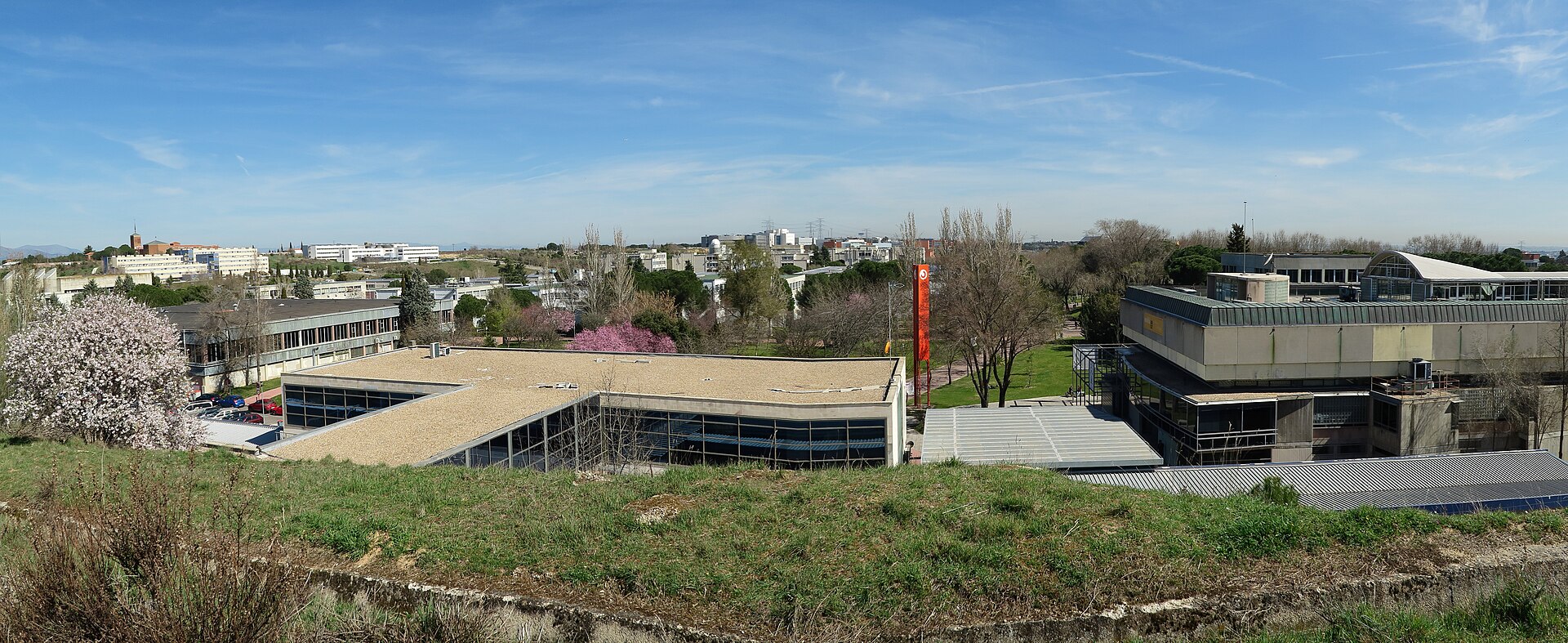
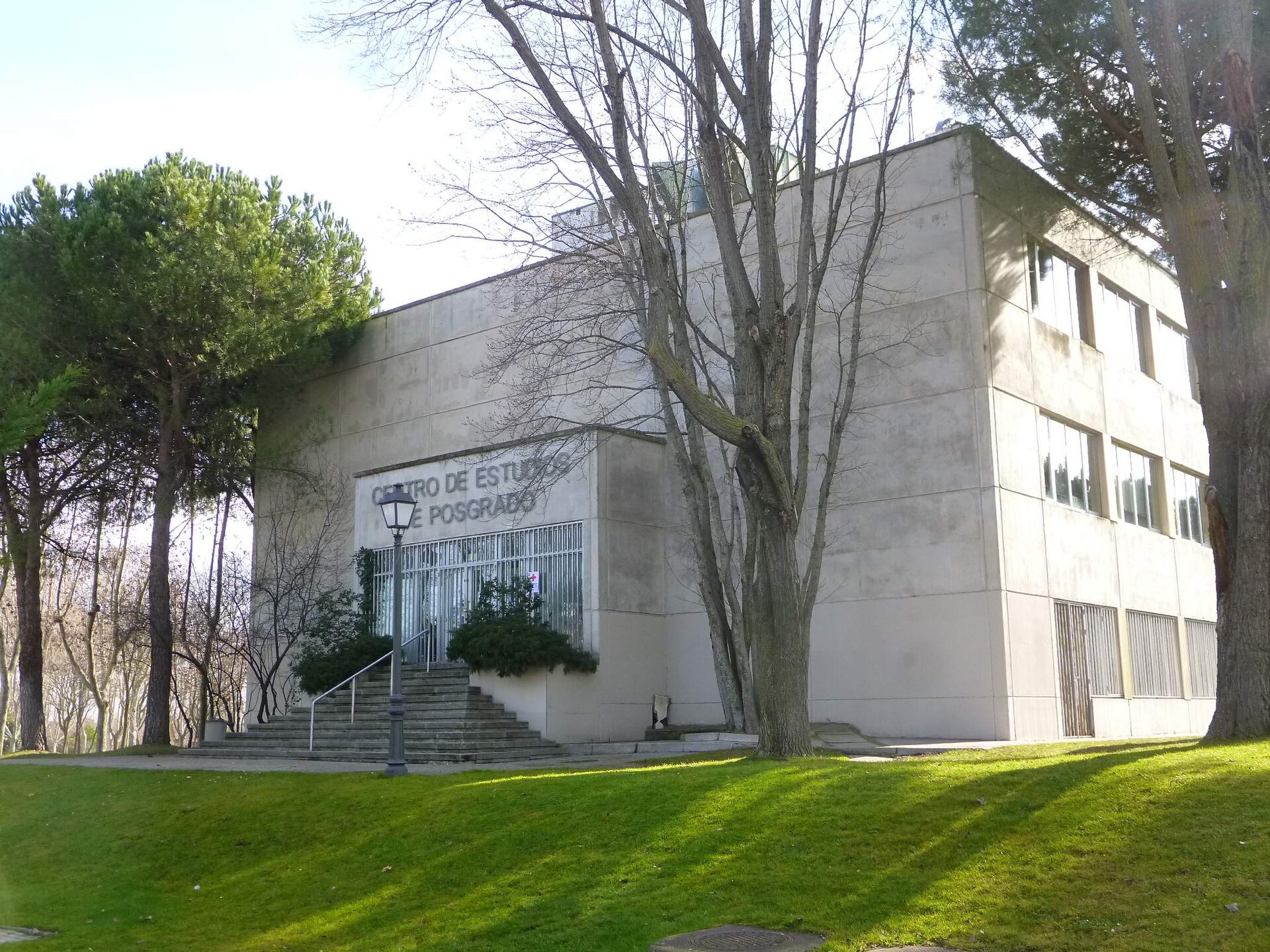
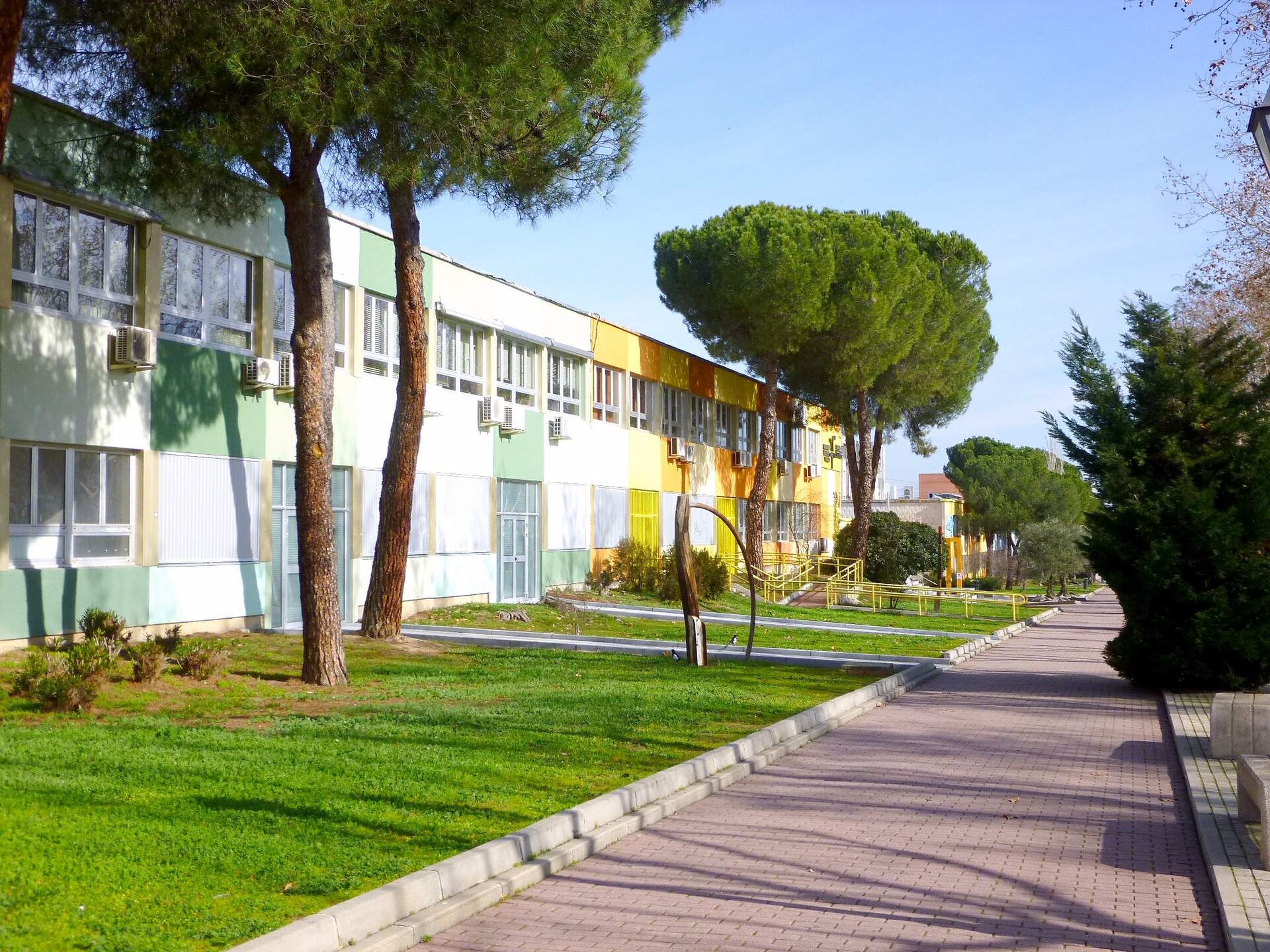
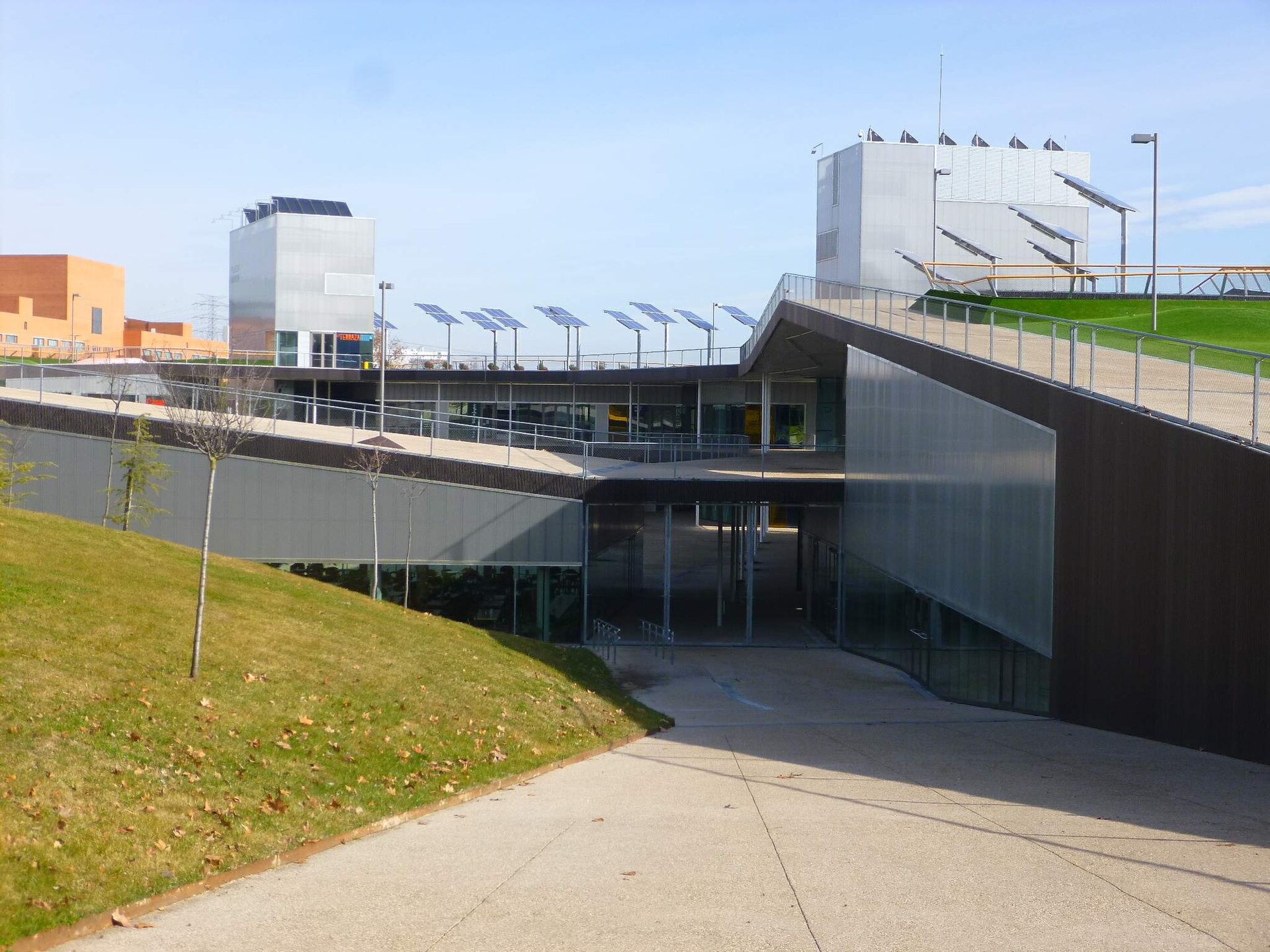
Universidad Autónoma de Madrid — campus in pictures
Real, freely-licensed photographs of the campus (via Wikimedia Commons).


Why UAM — Prestige, Research & Madrid
UAM is not merely a large public university — it is the institution that has shaped Spain's intellectual and legal elite for more than five decades, while building a research infrastructure that rivals dedicated science universities across Europe.
SELECTIVITY
How Selective Is UAM?
UAM's overall acceptance rate of around 60% reflects its broad public-university mandate, but headline figures are misleading for international applicants. Selectivity varies dramatically by programme. Law, Medicine, and Physics operate near-full quota utilisation and require strong UNEDasiss admission scores; Education and some Humanities programmes have more capacity. International students compete within a reserved quota for foreign educational-system applicants — the score needed depends on the programme and the competition in that quota each year.
An IB Diploma score at or above the UAM benchmark of 31 is a competitive starting point. Students should aim to strengthen their admission score through UNEDasiss Specific Competency Tests (PCE) in subjects relevant to their chosen programme.
AT A GLANCE
UAM Quick Facts
WHAT THE APPLICATION REQUIRES
Admission Components for International Students
UAM does not use Common App, UCAS, or a personal-essay-based system. Admission to undergraduate programmes is score-driven, processed through Spain's UNEDasiss credential evaluation system and then directly through UAM's application portal.
ADMISSION PROFILE
What UAM Looks For
UAM undergraduate admission is principally academic and score-based. There is no holistic review of essays, extracurriculars, or teacher recommendations at the undergraduate level. Your nota de admisión — derived from your UNEDasiss accreditation and any PCE scores — determines whether you enter your chosen programme.
KEY DATES
Application Timeline for International Students
UAM follows Spain's centrally-organised admissions calendar. International students from foreign educational systems are admitted within a dedicated quota. The dates below are based on the 2026 admissions cycle — verify the current year's calendar on the official admissions page before applying.
Deadlines shift slightly each year. Always confirm dates on the UAM Admission Calendar: https://www.uam.es/uam/calendario-admision
| Phase | Opens | Deadline | Notes |
|---|---|---|---|
| UNEDasiss Accreditation | January (approx.) | April – May (approx.) | Apply via uned.es/uned-asiss; PCE exams typically held May-June |
| UAM Ordinary Pre-registration (International) | Early June | ~6 July 2026 | Extended window for students from foreign education systems |
| Ordinary Admission Results | — | ~10 July 2026 | Results published online; waitlist requests same day |
| Enrollment (Ordinary) | 10 July 2026 | As per faculty schedule | Enrollment opens immediately after admission results |
| Extraordinary Convocation | 20 July 2026 | 24 July 2026 | Only for vacant places; results ~3 September 2026 |
CAMPUS & CITY
Student Life at UAM and in Madrid
UAM's Cantoblanco campus is a self-contained, green university town spread across 260 hectares north of Madrid, connected to the city centre by the Cercanías commuter rail (line C-4) in around 20 minutes. A second campus near Hospital Universitario de La Paz serves Medicine students with direct clinical experience in one of Spain's largest teaching hospitals.
Campus life revolves around eight faculties, a network of student associations, active sports facilities (including multi-purpose courts and an athletics track), university cafeterias, and a campus bookshop. UAM's International Welcome Office organises an International Welcome Day each semester, a mentoring programme pairing international newcomers with Spanish students, and regular cultural events. With approximately 3,500 students participating in mobility programmes each year, the campus has a genuinely cosmopolitan atmosphere despite its suburban setting.
Madrid itself is one of Europe's most liveable capitals — affordable by Western European standards, with a Mediterranean climate, an extraordinary cultural scene (three world-class art museums within walking distance of each other), and a vibrant nightlife. Neighbourhoods popular with UAM students include Chamberí, Malasaña, and Lavapiés, all well-connected by metro.
CAREERS & OUTCOMES
Career Outcomes
UAM's graduates are highly sought in Spanish and Latin American professional markets. The university reports an 86% graduate employment rate within one year of graduation — one of the highest among Spanish public universities — with an average starting salary of approximately $31,000 USD annually.
UAM's law graduates dominate the Spanish legal establishment: the fact that every president of Spain's Supreme and Constitutional Courts studied law here is not an anecdote — it reflects the depth of UAM's legal alumni network. Science graduates from Physics, Chemistry, and Biosciences benefit from direct pipelines into CSIC research institutions and Spain's pharmaceutical and biotech sector. Psychology and Education graduates find strong placement in Madrid's health, social, and education services.
Cards
Stats
FREQUENTLY ASKED QUESTIONS
UAM — International Student FAQs
Can I study at UAM in English?+
The vast majority of UAM's undergraduate degree programmes are delivered exclusively in Spanish. A growing number of master's programmes offer full or partial English-language instruction, but if you are applying for an undergraduate degree, you must have genuine B2 Spanish proficiency — and C1 for competitive programmes. Do not expect to complete a Spanish-taught degree without strong Spanish.
Does UAM require SAT, ACT, or A-Level scores?+
UAM's test policy is test-blind for SAT/ACT purposes — these scores are not used. What matters is your UNEDasiss credential evaluation, which converts your IB Diploma, national baccalaureate, or A-Level results into a Spanish admission score. You can then optionally sit UNEDasiss Specific Competency Tests (PCE) to boost that score.
Is the IB Diploma accepted?+
Yes. IB Diploma holders apply via UNEDasiss just like other international students. Your IB total score (and individual subject grades) is converted into a nota de acceso. A score of 31 or above is UAM's stated benchmark; top programmes will need higher competition-dependent scores. Strong HL grades in subjects relevant to your programme matter most.
What Spanish level do I need?+
A minimum of B2 on the Common European Framework of Reference (CEFR) is required for admission. This can be evidenced via a DELE B2 certificate, a SIELE result, an Official Language School diploma, or a public university language centre certificate. UAM strongly recommends C1 for academically demanding programmes like Law, Medicine, or Physics.
How much does it cost to study at UAM as an international student?+
Annual tuition is approximately $7,000 USD. Total cost of attendance (tuition plus living expenses) is approximately $21,000 USD per year, with estimated cost of living of around $13,500 USD — Madrid is significantly more affordable than London or Paris for students. Note: non-EU international students may pay a different fee scale; verify current public pricing with UAM's Secretariat.
Are there scholarships for international students at UAM?+
Yes. UAM partners with the Carolina Foundation (Spain-Latin America scholarships), the Fulbright Commission (US-Spain), the Spanish Government's MAEC AECID scholarships, and the UAM-Banco Santander (CEAL) programme. Each has its own eligibility and application process; most must be applied for independently through the funding body's portal, not through UAM directly.
Do I need a visa to study in Spain?+
EU/EEA citizens do not need a visa. Non-EU students must apply for a long-term student visa (Visado de Estudios, type D) from the Spanish consulate in their home country before travelling to Spain. Once in Spain, you will need to apply for a Tarjeta de Identidad de Extranjero (TIE) residence card. UAM's SERIM International Welcome Office (oficina.acogida@uam.es) assists with this process.
Where is the UAM campus and how do I get there?+
The main Cantoblanco campus is in the northwest of Madrid's metropolitan area, at C/Einstein 7, 28049 Madrid. It is accessible via Cercanías commuter rail (line C-4, Cantoblanco station) in about 20 minutes from Nuevos Ministerios, or by bus. The campus has on-site cafeterias, a sports complex, and student residences (Colegios Mayores).
ACADEMIC STANDARDS
Academic Expectations for International Students
UAM is a research-intensive public university where academic standards are set by national regulation and enforced through competitive numerus clausus (place limits) in every degree programme. International students must arrive with strong secondary school results in their home system, a clear plan for credential evaluation through UNEDasiss, and — critically — the Spanish language proficiency to engage with degree content from day one.
Most UAM degree programmes follow the Bologna Process structure (3–4 year Grado + 1–2 year Máster). Teaching is conducted through lectures, seminars, practical laboratory sessions, and assessed via written examinations, coursework, and mandatory practicum placements in professional programmes like Medicine, Psychology, and Education. Academic culture values rigour and independent study; contact hours are lower than in the UK or US, with a significant expected workload from self-directed reading and exam preparation.
ACADEMIC PROFILE
Admissions Academic Benchmarks
UAM's score-based admission means your UNEDasiss accreditation and any PCE supplementary scores determine access. There are no SAT/ACT requirements.
TEST POLICY
Standardised Test Policy
UAM is test-blind with respect to SAT and ACT. These scores play no role in undergraduate admission. Instead, UAM uses Spain's UNEDasiss credential evaluation system, which creates a nota de acceso from your secondary school qualification. Separately, UAM offers optional UNEDasiss Specific Competency Tests (PCE exams) that can add up to 4 points to your admission score.
Do I need to submit SAT or ACT scores?+
No. UAM's undergraduate admissions are test-blind with respect to SAT and ACT. Submit your secondary school results through UNEDasiss instead.
What are PCE tests?+
PCE (Pruebas de Competencias Específicas) are optional subject exams administered by UNED that international applicants can take to increase their nota de admisión by up to 4 points. They are typically held in May-June and can be taken in person in Spain or at some Spanish consulates abroad.
Are graduate/master's programmes different?+
Yes. Master's programme admissions at UAM are handled directly by each faculty and may include a CV review, motivation letter, and academic record assessment. Some English-taught master's programmes also require TOEFL or IELTS — verify directly with the specific master's programme.
THE UNEDASISS SYSTEM
How UNEDasiss Works for IB & International Students
UNEDasiss (the credential evaluation arm of Spain's UNED) is the gateway through which all international applicants convert their foreign qualifications into a Spanish university admission score.
IB DIPLOMA & A-LEVELS
How UAM Reads IB and A-Level Results
IB Diploma holders are explicitly recognised by UNEDasiss as eligible for direct credential conversion, without needing to homologate their qualification separately.
For IB students: UNEDasiss evaluates your IB Diploma total score, your Higher Level (HL) subject grades, and your Theory of Knowledge and Extended Essay results. A total IB score of 31 is UAM's benchmark starting point; scores of 35 and above place you in a strong competitive position for most programmes. An IB score of 38+ is typically required for Medicine, where competition for places is intense.
A-Level students from UK or international schools with A-Level qualifications also apply via UNEDasiss with the same general process. Strong A/A* grades translate favourably. Advanced Placement (AP) exams can contribute to your UNEDasiss score if they form part of a recognised high school qualification — verify applicability with UNEDasiss directly.
SUBJECT PREPARATION
Academic Preparation by Programme Area
LANGUAGE REQUIREMENTS
Language Requirements at UAM
UAM's primary language requirement for international students is Spanish — not English. Most undergraduate degree programmes are delivered entirely in Spanish, and admission to degree-track study requires demonstrated B2 CEFR Spanish proficiency.
Official Spanish certificates accepted by UAM for undergraduate admission include: DELE (Instituto Cervantes), SIELE, an Official Language School (Escuela Oficial de Idiomas) Diploma of B2 or above, or a public university language centre certificate. If your first language is Spanish, no certificate is required.
For English-language master's programmes (primarily at postgraduate level), each individual programme sets its own IELTS or TOEFL requirement. UAM's facts file does not list university-wide IELTS or TOEFL minimums because no such universal requirement exists at undergraduate level — the language gate is Spanish. Verify specific English requirements with your target master's programme faculty.
| Test | Minimum | Notes |
|---|---|---|
| Spanish (DELE) | B2 | Required for non-Spanish-speaking undergraduate applicants |
| Spanish (SIELE) | B2 | Alternative to DELE; accepted by UAM |
| Spanish (EOI Diploma) | B2 | Official Language School certificate |
| IELTS / TOEFL / Duolingo English Test | Programme-specific | Required only for English-taught master's programmes; no university-wide minimum |
YEAR-BY-YEAR ROADMAP
Building Your UAM Profile: Grades 9–12
AVOID THESE PITFALLS
Common Mistakes International Students Make
- Underestimating Spanish language requirements — B2 is the admission floor, not the level needed to succeed academically.
- Leaving UNEDasiss accreditation too late — the process takes weeks and must be completed before the June application window opens.
- Not sitting PCE exams — missing the opportunity to add up to 4 points to your admission score is a significant strategic error for competitive programmes.
- Applying for Medicine with a weak IB score — Medicine is Spain's most competitive programme; without a score of 38+ and strong PCE performance, the cut-off is extremely difficult to reach.
- Assuming all programmes have the same language requirement — even if UAM admits you to a degree, expect to complete all coursework, examinations, and a final thesis in Spanish.
- Not verifying the current year's cut-off scores — UAM's nota de corte (cut-off score) for each programme is published annually and changes based on competition; last year's cut-off is a guide, not a guarantee.
- Confusing undergraduate and master's admissions — undergraduate places use UNEDasiss scores; master's programmes are assessed by individual faculties and may have additional requirements including motivation letters, interviews, or portfolio submissions.
COST & VALUE
The Real Cost of Studying at UAM for International Students
As a Spanish public university, UAM offers one of the most favourable cost profiles among QS top-220 institutions globally. Annual tuition of approximately $7,000 USD and total cost of attendance near $21,000 USD compares extremely favourably with research universities in the UK, Australia, or North America. However, cost structures differ significantly for EU and non-EU international students, and financial aid for international undergraduates is limited compared to US private universities.
Tuition at Spanish public universities is set by the Community of Madrid (the regional government) and differs by degree type, credit load, and student origin. EU students generally pay the lowest fees, similar to Spanish nationals. Non-EU international students pay a higher rate. The figures in this guide reflect the facts file estimate; verify the current year's official public pricing (tasas académicas) with UAM's academic secretariat before applying.
ANNUAL COST ESTIMATE
Cost of Attendance Breakdown
The following figures are annual estimates. All figures in USD (approximate conversions from EUR; exchange rates fluctuate).
Living costs in Madrid are significantly lower than London, Paris, or Zurich. Students in shared university-area accommodation (Barrio de Cantoblanco, Fuencarral, or Tetuan) typically spend €600–800/month on rent + utilities.
| Component | Amount | Notes |
|---|---|---|
| Tuition (annual) | ~$7,000 USD | Estimate; varies by programme and EU/non-EU status |
| Cost of Living (annual) | ~$13,500 USD | Accommodation, food, transport, personal expenses in Madrid |
| Total Cost of Attendance | ~$21,000 USD | Annual estimate (tuition + living) |
| Application / UNEDasiss Fee | ~$50 USD | UAM application fee estimate; UNEDasiss has separate processing fees |
| Health Insurance | Varies | EU students: EHIC card. Non-EU students must take out private health insurance for visa. |
FINANCIAL AID
Financial Aid for International Students
UAM is a public university; institutional need-based aid for international students is limited and differs substantially from the US model. Aid is primarily distributed through external scholarship bodies rather than through UAM's own funds.
The average financial aid percentage at UAM is approximately 15% of costs — primarily reflecting need-based grants from Spain's Ministry of Education (Ministerio de Educación) for qualifying students, and government-backed price reduction programmes for academic excellence (beca de excelencia). Non-EU international students are generally not eligible for Spanish national ministry grants in the same way as resident students.
The most reliable routes to financial support as a non-EU international student are the external scholarships listed below. Apply early — many have deadlines 12–18 months before your study start date.
SCHOLARSHIPS
Scholarships for International Students at UAM
UAM partners with several prestigious scholarship programmes. Each must be applied for independently through the relevant body — not through UAM's admissions office.
AFFORDABILITY
Net Cost Reality for International Students
For most non-EU international students without a scholarship, UAM's annual cost of around $21,000 USD is entirely self-funded. This is still substantially less than a comparable UK research university (which would cost $30,000–50,000+ USD including living) or a US private research university ($70,000–80,000+ USD). Spain's lower cost of living is a genuine material advantage.
EU and EEA students benefit from regulated tuition fees equivalent to Spanish nationals — typically €800–1,400 per academic year for undergraduate programmes (subject to credits and programme type). This makes UAM one of Europe's best-value research universities for EU passport holders. Non-EU students pay higher fees (typically €2,000–3,500+ for undergraduates in some programme categories), but even at the upper end, UAM remains extremely affordable by international standards.
Students can significantly reduce costs by sharing accommodation in Cantoblanco or nearby northern Madrid neighbourhoods (Hortaleza, Fuencarral), using the university canteen (UAM's menú del día is typically €4–6), and taking advantage of the student cultural and sports facilities included in fees.
HOW TO FUND YOUR STUDIES
Steps to Secure Funding for UAM
COST FAQs
Cost & Aid Frequently Asked Questions
Is UAM need-blind for international students?+
No. UAM is a Spanish public university and does not practise US-style need-blind admissions. Admission is based solely on your nota de admisión score, not financial need. However, once admitted, some students may access financial aid through external scholarship programmes or Spanish government grants.
Do EU and non-EU students pay the same tuition?+
No. EU/EEA students generally pay the same regulated public fee rate as Spanish nationals (very low). Non-EU international students pay a higher rate, determined by the Community of Madrid each academic year. Verify current fees with UAM's academic secretariat.
Is there accommodation on campus?+
Yes. UAM has Colegios Mayores (university residences) on the Cantoblanco campus. Demand typically exceeds supply, so apply as early as possible. The International Welcome Office (SERIM) can provide guidance on campus and off-campus accommodation options.
Can I work while studying in Spain on a student visa?+
Non-EU students on a student visa are generally permitted to work part-time (up to 20 hours per week during term time, full-time during official vacation periods) in Spain, subject to the conditions of their visa. EU students face no work restrictions.
Are there any zero-tuition options at UAM?+
Spain does not have a zero-tuition model for international (non-EU) undergraduates in the way that some Nordic countries do. However, tuition fees are among the lowest of any top-200 university globally, and scholarships such as MAEC-AECID can cover full costs for eligible postgraduate applicants.
APPLICATION STATEMENT
Applying to UAM — Not Essays, But Strategy
UAM is a Spanish public university that does not use a US-style essay-driven admissions system. There is no personal statement, Common App essay, or supplemental writing prompts required for undergraduate admission. Admission is determined by your nota de admisión score from UNEDasiss, not by written essays. This guide explains what written communication IS required in the Spanish system, where a motivation letter matters (postgraduate programmes), and how to present yourself strategically within that framework.
If you are applying for a MASTER'S PROGRAMME at UAM, a motivation letter is typically required by the faculty. Scroll to the relevant section below for postgraduate application guidance.
THE SPANISH APPLICATION SYSTEM
How UAM Applications Work
Spain uses a score-based university admission system regulated by national and regional (Community of Madrid) law. Undergraduate admission requires NO personal statement, NO supplemental essays, and NO extracurricular portfolio. The decisive document is your UNEDasiss accreditation number with your nota de admisión.
POSTGRADUATE MOTIVATION LETTER
The UAM Postgraduate Motivation Letter
For master's and doctoral programmes, the motivation letter (carta de motivación) is the primary written statement UAM faculties evaluate. There is no standardised prompt — you write an open letter to the admissions committee of your target programme. The letter is typically 400–800 words and should be written in Spanish (or English for English-taught master's).
UNDERGRADUATE APPLICATION
Undergraduate Application: No Personal Statement Needed
International students applying to UAM undergraduate programmes should redirect the time they might spend on essays toward maximising their admission score through UNEDasiss and PCE preparation.
The most impactful things you can do for your UAM undergraduate application are: (1) earn the highest possible grades in your IB, A-Level, or national baccalaureate qualification; (2) complete UNEDasiss accreditation early and accurately; (3) identify and prepare for the right PCE subjects to boost your nota de admisión; and (4) achieve a B2 (or higher) Spanish certificate before the application deadline. None of these require written essays.
Some external scholarship applications (MAEC-AECID, Carolina Foundation) for UAM study DO require motivation letters and personal statements — but these are scholarship applications, not UAM admissions documents. If you are applying for a scholarship, the quality of your written statement can be decisive: write specifically, concretely, and compellingly about why this programme at UAM serves your research or professional ambitions.
DOCUMENT STRATEGY
What to Prepare (Instead of Essays)
SCHOLARSHIP STATEMENTS
Writing Strong Statements for UAM Scholarships
While undergraduate admission requires no essays, applying for the MAEC-AECID, Carolina Foundation, or Fulbright scholarships that support study at UAM does require carefully crafted written statements. These are among the most competitive scholarship applications in the Spanish-speaking world.
The strongest scholarship statements for UAM-linked awards share specific characteristics: they name the exact UAM programme and explain why it is the only place in the world where the applicant's specific research or professional goal can be achieved. They connect past experience to future ambition in a concrete chain — not 'I have always loved science' but 'my undergraduate thesis on X revealed a gap in Y, which UAM's Z research group is uniquely positioned to help me address'. They demonstrate genuine engagement with Spain or Latin America where applicable.
Avoid generic statements about 'prestigious universities' or 'Spain's academic environment'. Scholarship committees read hundreds of such statements; specificity about UAM's curriculum, research groups, and your concrete goals is what distinguishes successful applicants.
COMMON MISTAKES
Application Mistakes to Avoid
- Preparing a personal statement for UAM undergraduate admission — none is required; time is better invested in PCE preparation and improving your UNEDasiss score.
- Submitting UNEDasiss documents without official apostille and certified Spanish translation — uncertified documents are rejected.
- Applying without verified B2 Spanish — if you cannot demonstrate language proficiency by the deadline, your application is invalid regardless of your academic score.
- Writing a motivation letter for a master's that praises 'UAM's prestige' without naming specific professors, research groups, or programme modules — this signals you have not researched the programme.
- Waiting until after IB results to start UNEDasiss registration — the process accepts predicted scores and should be started in January-February, not after results are published in July.
- Assuming the cut-off score from last year will apply — UAM's nota de corte for each programme changes annually based on the number and strength of applicants in the quota. Use it as a guide only.
- Ignoring the extraordinary convocation in September — if you missed the June window or fell just below the cut-off, the September extraordinary session offers a second chance for remaining vacant places.
APPLICATION FAQs
Application & Statement FAQs
Does UAM require a personal statement for undergraduate admission?+
No. UAM undergraduate admission is entirely score-based through UNEDasiss. No personal statement, cover letter, recommendation letter, or essay is required or considered at the undergraduate level.
Do I need letters of recommendation for UAM undergraduate admission?+
No letters of recommendation are required for undergraduate admission. For master's and doctoral programmes, some faculties may request academic references — check the specific programme requirements.
What is the most important document in my UAM undergraduate application?+
Your UNEDasiss accreditation with your nota de admisión is the decisive document. Everything else — passport, language certificate, transcripts — is administrative. Maximise your admission score, and the rest of the paperwork follows.
Can I write my master's motivation letter in English?+
For Spanish-taught master's programmes, write in professional Spanish. For English-taught master's programmes, write in English. For bilingual programmes, check with the specific faculty. Using the wrong language signals poor research of the programme.
How important is the motivation letter for UAM master's programmes?+
It varies by programme. For highly competitive master's programmes in Law, Psychology, or Medicine, the motivation letter is read carefully alongside your academic record. For less oversubscribed programmes, academic grades alone may be sufficient. When in doubt, write the strongest possible motivation letter.
Where can I get official information about the current year's application documents?+
Always verify the current requirements directly on the UAM admissions pages (uam.es) and the UNEDasiss portal (uned.es/uned-asiss). Requirements are updated annually. You can also contact UAM's admissions team at informacion.admision.grado@uam.es.
Is there an interview for UAM undergraduate admission?+
No interviews are conducted for standard UAM undergraduate admission — admission is entirely score-based. Some highly specialised programmes or dual-degree tracks may have additional selection criteria, but this is the exception rather than the rule.
What should I do if I miss the June application deadline?+
Apply in the extraordinary convocation (convocatoria extraordinaria), which opens in late July for remaining vacant places. Results are published in early September. This is a genuine second chance, but places are limited to whatever is unfilled after the ordinary process.
Courses — schools, degrees & intake
57 degrees across 8 groupings.
Escuela Politécnica Superior · 5 degrees
Grado en Ingeniería Biomédica
Grado en Ciencia e Ingeniería de Datos
Grado en Ingeniería Informática (EURO-INF®)
Grado en Ingeniería de Tecnologías de Telecomunicación (EUR-ACE®)
Doble Grado en Ingeniería Informática y Matemáticas
Facultad de Ciencias · 12 degrees
Grado en Biología
Grado en Bioquímica
Grado en Ciencia y Tecnología de los Alimentos
Grado en Ciencias Ambientales
Grado en Ciencias
Grado en Física
Grado en Ingeniería Química (EUR-ACE®)
Grado en Matemáticas
Grado en Nutrición Humana y Dietética
Grado en Química (Eurobachelor®)
Doble Grado en Ciencias Ambientales y Geografía, Geotecnologías y Sostenibilidad Territorial
Doble Grado en Nutrición Humana y Dietética y Ciencia y Tecnología de los Alimentos
Facultad de Ciencias Económicas y Empresariales · 7 degrees
Grado en Administración y Dirección de Empresas
Grado en Análisis de Datos en la Empresa / Bachelor in Business Analytics
Grado en Economía
Grado en Economía y Finanzas / Bachelor in Economics and Finance
Grado en Gestión Aeronáutica
Grado en Turismo
Doble Grado en Derecho y Administración y Dirección de Empresas
Facultad de Derecho · 3 degrees
Grado en Derecho
Grado en Ciencia Política y Administración Pública
Doble Grado en Derecho y Ciencia Política y Administración Pública
Facultad de Filosofía y Letras · 23 degrees
Grado en Antropología Social y Cultural
Grado en Arqueología
Grado en Comunicación e Industrias Culturales
Grado en Ciencia, Tecnología y Humanidades
Grado en Estudios Clásicos y de la Antigüedad
Grado en Estudios de Asia y África: Árabe, Chino y Japonés
Grado en Estudios Hispánicos: Lengua Española y sus Literaturas
Grado en Estudios Ingleses
Grado en Estudios Internacionales
Grado en Filosofía
Grado en Filosofía, Política y Economía
Grado en Geografía, Geotecnologías y Sostenibilidad Territorial
Grado en Geografía, Historia e Historia del Arte
Grado en Historia
Grado en Historia del Arte
Grado en Historia y Ciencias de la Música y Tecnología Musical
Grado en Lenguas Modernas, Cultura y Comunicación
Grado en Traducción e Interpretación
Doble Grado en Filosofía e Historia
Doble Grado en Historia del Arte e Historia
Doble Grado en Historia y Estudios Internacionales
Doble Grado en Estudios Internacionales y Estudios de Asia y África (Árabe)
Doble Grado en Traducción e Interpretación y Lenguas Modernas, Cultura y Comunicación (Francés)
Facultad de Formación de Profesorado y Educación · 4 degrees
Grado en Maestro/a en Educación Infantil
Grado en Maestro/a en Educación Primaria
Grado en Ciencias de la Actividad Física y del Deporte
Doble Grado en Maestro/a en Educación Infantil y Maestro/a en Educación Primaria
Facultad de Medicina · 2 degrees
Grado en Medicina
Grado en Enfermería
Facultad de Psicología · 1 degrees
Grado en Psicología
Want your real chances at Universidad Autónoma de Madrid?
Create a free TYCHR account for your personalised admit-chance, a shortlist you can track, exact entry requirements, and essay + counselling help.