UCLouvain (Université catholique de Louvain)
Louvain-la-Neuve, Belgium · Suburban
ADMISSIONS GUIDE — BELGIUM
UCLouvain Admissions Guide for International Students
UCLouvain — the Université catholique de Louvain — is Belgium's largest French-speaking university and one of Europe's most historic research institutions, tracing its roots to 1425. Anchored in the purpose-built university town of Louvain-la-Neuve in Wallonia, UCLouvain offers international students a rare combination of medieval academic heritage and modern research infrastructure. With strengths in engineering, economics, life sciences, medicine, and the humanities, and a vibrant campus community of 30,000 students, UCLouvain is the gateway to a Belgian degree that is recognised across the EU and well beyond.
Campus
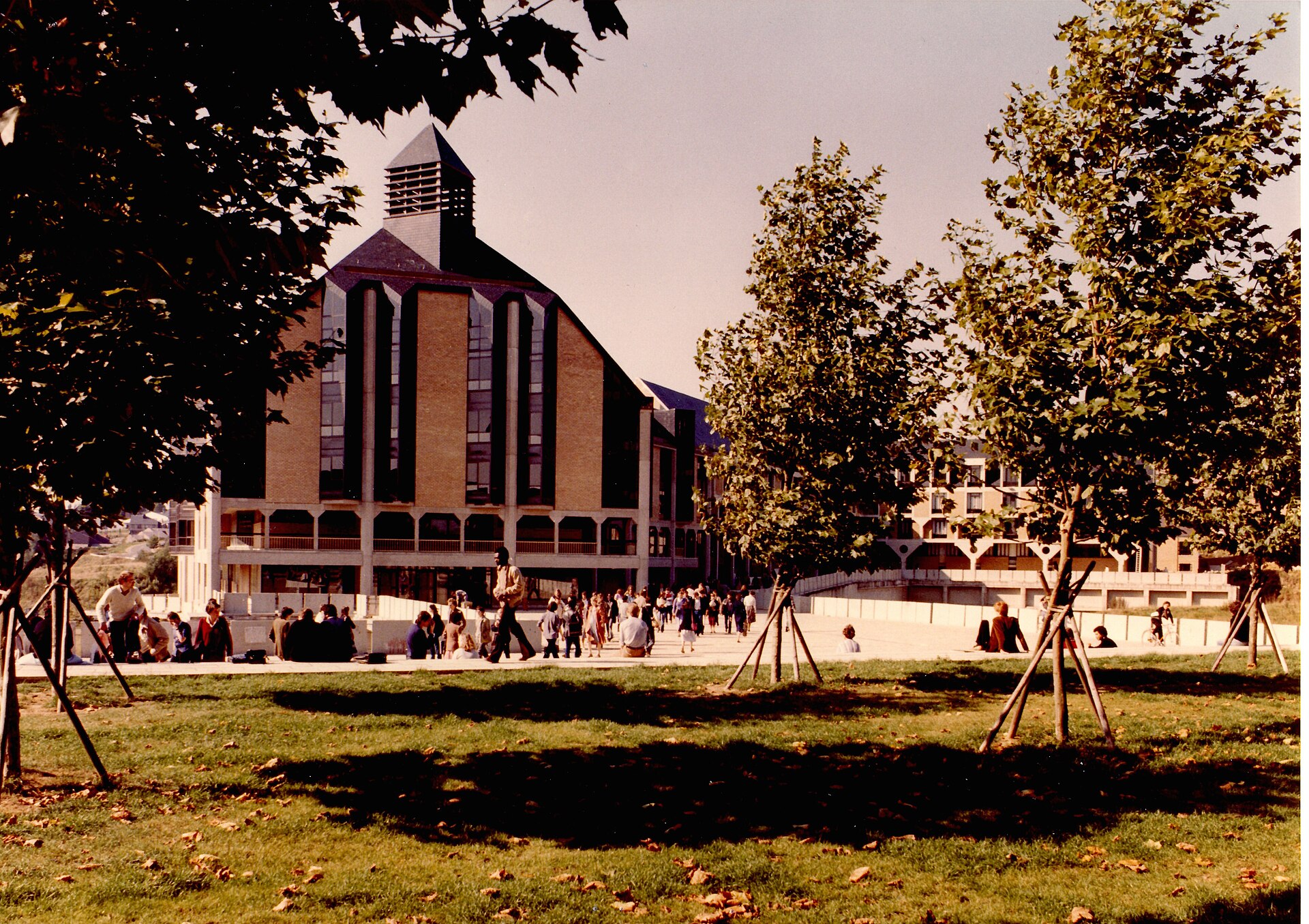
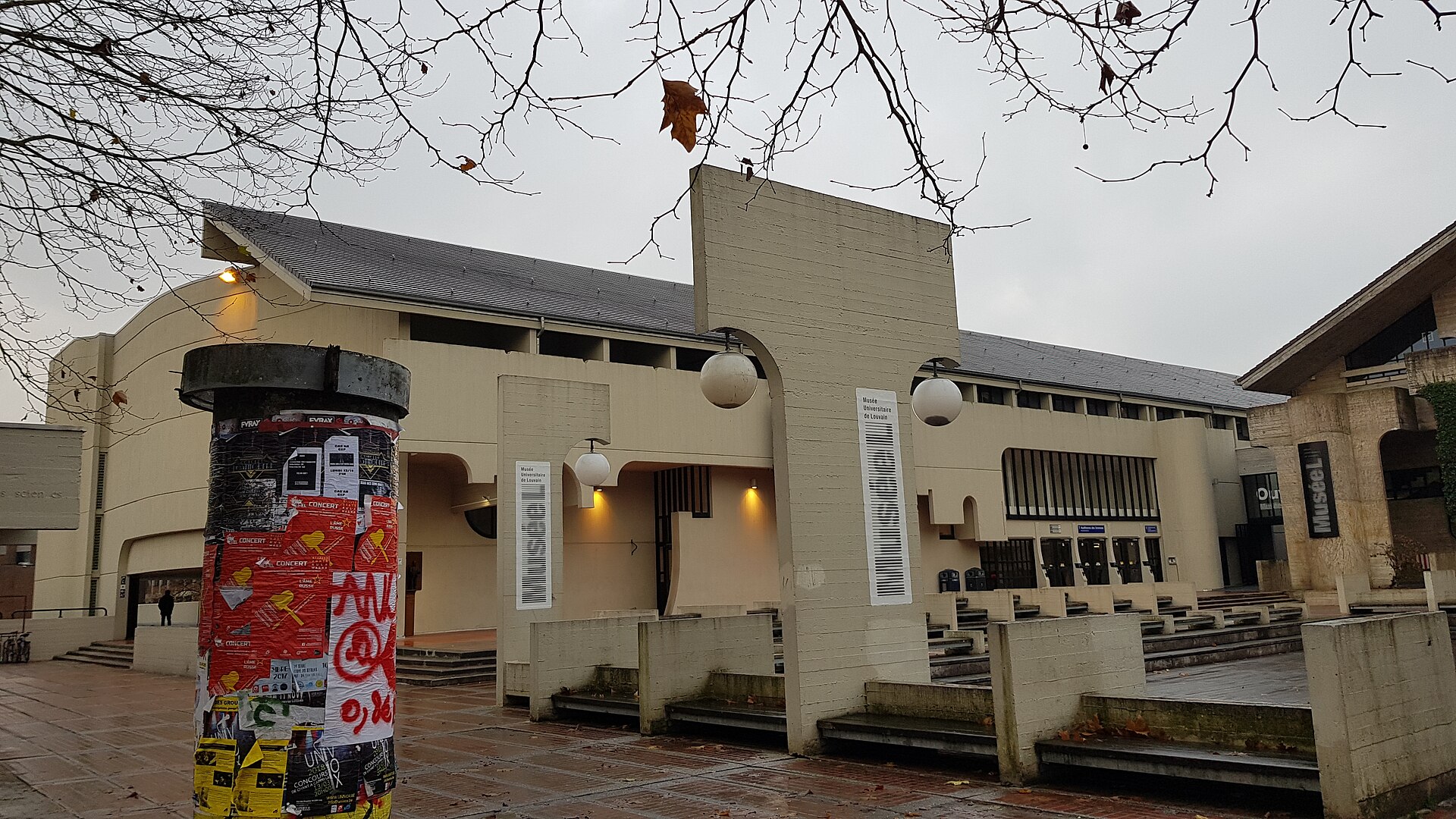
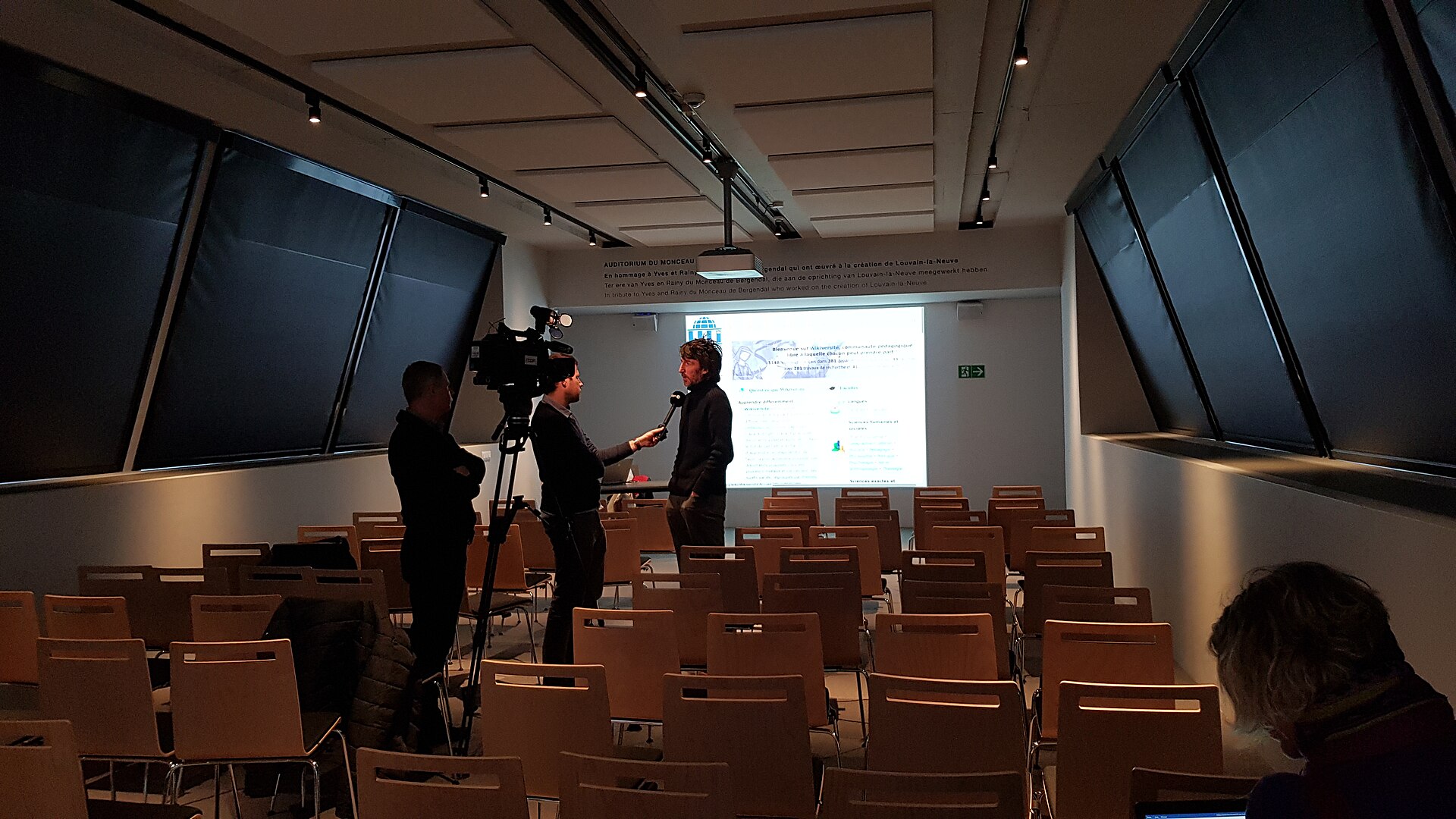
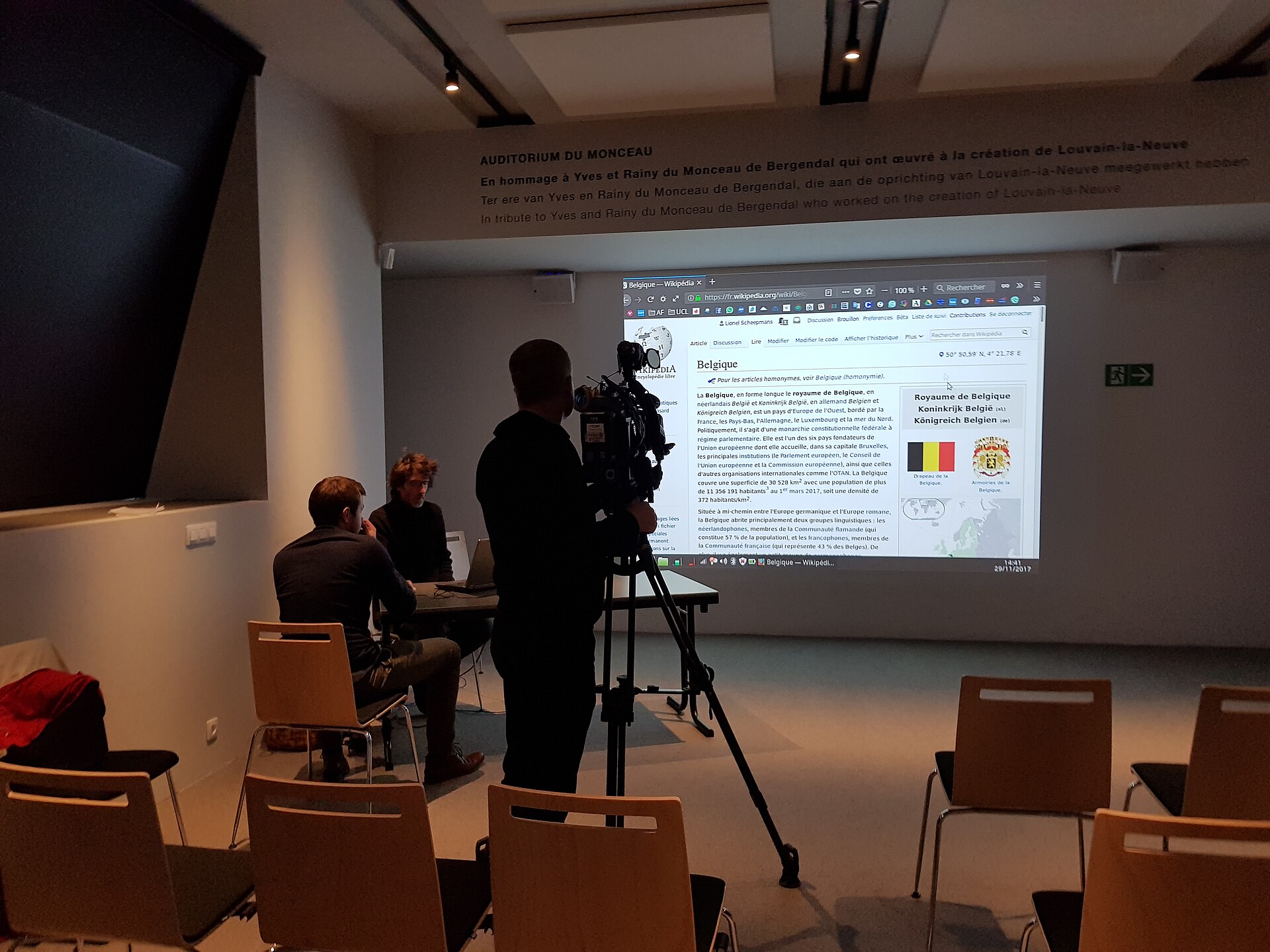
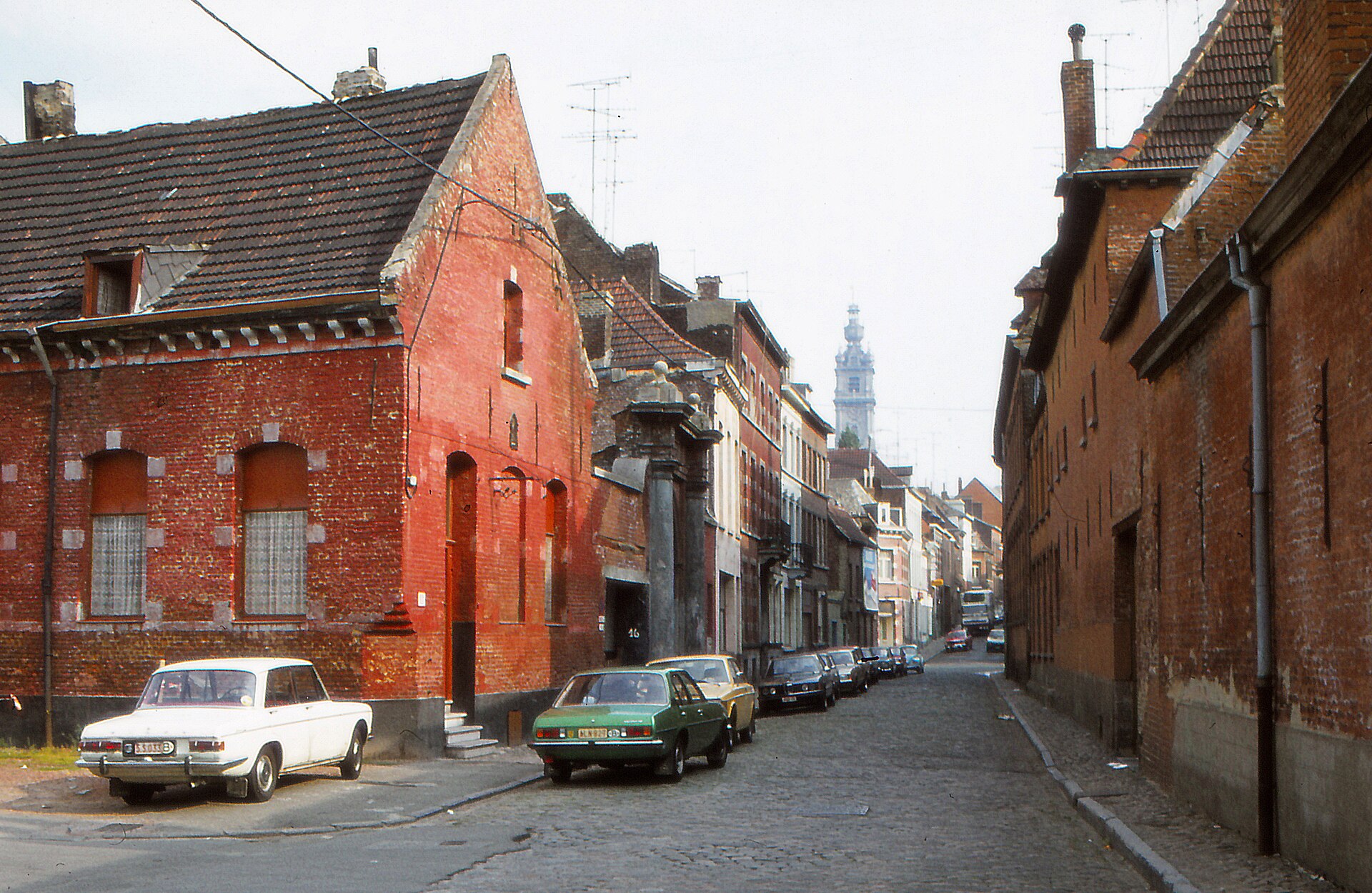
UCLouvain (Université catholique de Louvain) — campus in pictures
Real, freely-licensed photographs of the campus (via Wikimedia Commons).
Why UCLouvain — Heritage, Research & European Reach
UCLouvain combines six centuries of academic tradition with a thoroughly modern research university. For international students, it offers an affordable European education with genuinely global recognition, a multilingual campus culture, and access to Belgium's strategic position at the heart of EU institutions.
SELECTIVITY
Admission Profile
UCLouvain is a selective institution, particularly for certain programmes. International students should be aware that selectivity varies considerably by faculty and programme — engineering, medicine, and business programmes are the most competitive.
UCLouvain applies a selective admissions process, but unlike highly-selective US or UK universities, the primary basis for admission is academic record rather than holistic assessment. For programmes with a numerus clausus (medicine in particular), the CESS/bachelor's aggregation exam (for Belgian residents) or equivalent competitive selection applies. For most master's programmes, a motivation letter, academic transcripts, and references are the core of the application. International applicants with strong academic backgrounds — typically IB 32 or above, or A-Levels with strong grades — are competitive for most faculty programmes.
AT A GLANCE
UCLouvain Quick Facts
APPLICATION COMPONENTS
What Your Application Consists Of
UCLouvain uses a direct online application platform. There is no central Belgian portal for international students — you apply directly to the university via its online enrolment system. The core components are similar across programmes, though each faculty may add programme-specific requirements.
ADMISSIONS PROFILE
What UCLouvain Looks For
UCLouvain's admissions are primarily academic in nature — unlike highly-selective US universities, there is no holistic points-for-extracurriculars framework. The university evaluates whether you have the academic preparation to succeed in your chosen programme. That said, for competitive or selective programmes, a compelling motivation letter and evidence of genuine intellectual engagement with your field matter considerably.
APPLICATION DEADLINES
Application Timeline
UCLouvain application deadlines vary by programme and applicant nationality. For most international (non-EU/non-EEA) students applying to master's programmes, the main application window typically opens in November-December for the following academic year. Bachelor's application windows open earlier. Always confirm deadlines on the official programme page as they are set per faculty.
Verify: Exact deadlines are published per programme on the UCLouvain enrolment portal. Non-EU students requiring a visa must account for consular processing time — apply for your visa as soon as you receive your admission letter.
| Round | Deadline | Decision |
|---|---|---|
| Master's (non-EU/EEA) | Typically January–April (varies by programme) | Rolling, several weeks after submission |
| Bachelor's (non-EU/EEA) | Typically April–May (varies by programme) | June–July |
| Visa application (D-visa) | After admission: as early as possible (allow 3+ months) | Belgian consulate in home country |
CAMPUS LIFE
Student Life in Louvain-la-Neuve
The university manages a network of student residences (kot system) in Louvain-la-Neuve and across satellite campuses. Student kots range from university-managed halls to shared student houses. The city has a vibrant cultural programme anchored by the Grand-Place and the Aula Magna performance venue. Over 150 student associations (cercles, kotaks, and sports clubs) give international students a rapid route into social life. Belgium's famous joie de vivre — its gastronomy, cycling culture, and proximity to Bruges, Ghent, and Amsterdam — makes the broader lifestyle exceptionally rich.
Louvain-la-Neuve is unlike any other university city in Europe. Built from scratch in 1972 when UCLouvain relocated from the now-separate KU Leuven, it is a fully pedestrian city centre purpose-designed for student life. Cars are banished underground, bicycles rule the streets, and the entire town is oriented around the university. With 30,000 students in a city of 35,000 residents, the student-to-citizen ratio makes Louvain-la-Neuve one of the most genuinely student-centred campuses in Europe.
CAREERS & OUTCOMES
Career Outcomes
UCLouvain has produced notable alumni across science, politics, and business. Belgium's compact geography and UCLouvain's national prestige mean that a UCLouvain degree is recognised by the country's largest employers. The university's proximity to Brussels gives graduates a natural pathway into EU institutions, international law firms, and multilateral organisations. In the sciences, UCLouvain's spin-off ecosystem — including UCB Pharma and IBA — provides a direct route from academia to industry. Engineering and computer science graduates are sought by Belgium's growing tech sector and by major employers in Brussels and beyond.
UCLouvain graduates have a strong employment record, with 87% employed within a defined period after graduation. Graduates enter careers across finance, consulting, healthcare, engineering, public policy, and research — with Belgium's position at the heart of EU institutions creating distinctive opportunities in international organisations, law, and policy.
FAQ
Frequently Asked Questions
Is UCLouvain the same as KU Leuven?+
No. UCLouvain (French-speaking, based in Louvain-la-Neuve, Wallonia) and KU Leuven (Dutch-speaking, based in Leuven, Flanders) were once the same institution but formally split in 1968-1970 along linguistic lines. Both are top Belgian universities, but they are now entirely separate institutions with different languages of instruction, campuses, and faculties.
What language are courses taught in?+
The vast majority of bachelor's programmes at UCLouvain are taught in French. Master's programmes have a growing number of English-taught options, particularly in engineering, economics, and the sciences. Non-francophone international students typically need to demonstrate French proficiency (DELF B2 or DALF minimum) for French-taught programmes. Confirm your specific programme's language of instruction on the course catalogue.
Do I need to be Catholic to study at UCLouvain?+
No. UCLouvain is a Catholic university in its founding ethos and values, but it welcomes students of all backgrounds, faiths, and none. Religious affiliation is not a factor in admissions.
Is my IB Diploma accepted?+
Yes. UCLouvain recognises the International Baccalaureate Diploma as a valid secondary qualification for undergraduate entry. An IB score of 32+ is a reasonable competitive benchmark, with higher scores expected for selective programmes such as medicine and engineering.
Do I need a Belgian visa?+
Non-EU/EEA students require a Belgian student visa (type D). You must apply through the Belgian consulate or embassy in your home country after receiving an official admission letter from UCLouvain. Allow at least 3 months for visa processing.
How far is UCLouvain from Brussels?+
Louvain-la-Neuve is approximately 30 km from Brussels and connected by regular train service (about 30 minutes). Brussels also has a UCLouvain campus (Brussels Woluwe, Saint-Louis, and Saint-Gilles sites), and many students commute between campuses.
Are there scholarships for international students?+
UCLouvain offers a limited number of merit-based scholarships for non-EU students, particularly at the master's level. Belgium's national agency also administers Wallonie-Bruxelles International (WBI) scholarship programmes. Students should also check their home government's outbound scholarship schemes (e.g. bilateral scholarship agreements with Belgium). Confirm available scholarships on the official admissions portal.
What is the cost of living in Louvain-la-Neuve?+
Annual living costs (accommodation, food, transport, personal expenses) are estimated at approximately USD 12,000 per year. Belgium is moderately priced by Western European standards — living costs are lower than London or Zurich but comparable to other Belgian and French cities.
ACADEMICS
Academic Expectations for International Students
UCLouvain is a research-intensive institution where academic rigour is the baseline expectation. For international students from IB or A-Level backgrounds, the Belgian university model — continuous coursework, large lecture formats at bachelor's level, and strong emphasis on oral examinations (jurys) — differs significantly from what many students are used to. Understanding this model is the first step to succeeding here.
UCLouvain's bachelor's programmes typically follow a 3-year Bologna structure (180 ECTS credits), with master's programmes running 1-2 years (60-120 ECTS). The academic year is divided into two semesters, each followed by an exam session (January and June/July), plus an August-September resit session. Assessment relies heavily on written and oral examinations at the end of each semester — continuous assessment components vary by faculty. Students who do not pass an exam session may resit in the resit session before repeating the year.
ACADEMIC PROFILE
Competitive Academic Profile
UCLouvain does not publish a single universal academic threshold, but competitive international applicants typically present the following profile:
For bachelor's entry, the key criterion is whether your secondary qualification is recognised as granting university access in your home country. UCLouvain evaluates this on a case-by-case basis. IB students are typically well-positioned. For master's entry, a bachelor's degree in a relevant field is required, with strong academic performance expected. Most selective programmes expect a GPA equivalent in the top third of your graduating class.
TEST POLICY
Standardised Tests: SAT, ACT & Alternatives
For medicine and some other programmes with a Belgian entrance examination (the CESS exam for local students, or the university's own selection test), international applicants should check the specific programme admission requirements. Engineering programmes at UCLouvain do not require a standardised test but do assess prior mathematics preparation carefully through the transcript review.
UCLouvain does not use the SAT or ACT as part of its admissions process — these are American standardised tests and are not part of the Belgian or European higher education admissions framework. The university's test policy is best described as optional in the sense that no standardised entrance test is required for most programmes.
ENTRANCE EXAMINATIONS
Programme-Specific Entrance Requirements
While UCLouvain does not use US standardised tests, some programmes have their own entrance requirements or selection procedures that international students must navigate:
IB & A-LEVELS
IB Diploma, A-Levels & International Qualifications
A-Level students (UK system) are also well-recognised. UCLouvain typically expects 3 A-Levels, with grades demonstrating strong subject preparation in areas relevant to the chosen programme. Other national qualifications (Indian CBSE/ISC, Chinese Gaokao, US High School Diploma with AP courses, French Baccalauréat, German Abitur, etc.) are evaluated for university-access equivalency.
UCLouvain formally recognises the International Baccalaureate Diploma as a valid access qualification for undergraduate study. An IB score of 32+ is a broadly competitive benchmark, though this varies by programme — medicine, engineering, and business are more competitive; humanities programmes may accept lower scores for otherwise strong applicants.
IB students should pay close attention to Higher Level subject choices when applying to specific programmes. Engineering requires HL Mathematics; life sciences require HL Biology or Chemistry; economics benefits from HL Mathematics and Economics.
SUBJECT PREPARATION
Subject Preparation by Faculty
LANGUAGE REQUIREMENTS
English & French Language Requirements
UCLouvain's language requirements reflect its fundamentally French-medium character. Most bachelor's programmes are in French. English-taught master's programmes are available in engineering, sciences, and management.
Exemptions from language tests may apply for native speakers or students who have completed their secondary/university education in the target language. Confirm with the specific faculty.
| Test | Minimum | Notes |
|---|---|---|
| IELTS (Academic) | 6.5 overall | For English-taught programmes |
| TOEFL iBT | 87 | For English-taught programmes |
| Duolingo English Test | 105 | Accepted for some programmes — confirm per programme |
| DELF / DALF (French) | B2 minimum | For French-taught programmes; DALF C1/C2 preferred |
| TCF / TEF (French) | B2 equivalent | Alternative French proficiency tests |
PREPARATION TIMELINE
Building Your Academic Profile for UCLouvain
PITFALLS TO AVOID
Common Academic Mistakes International Applicants Make
- Applying to a French-taught programme without demonstrating French language proficiency — this is one of the most common reasons for rejection
- Underestimating the importance of HL subject choices: UCLouvain evaluates subject-level preparation, not just total IB score
- Applying to 'UCLouvain' generically without specifying a programme — all applications are programme-specific
- Missing programme-specific deadlines, which vary widely across faculties and are earlier than many students expect
- Confusing UCLouvain with KU Leuven — they are separate universities with separate applications
- Not requesting certified translations of transcripts and diplomas for documents not in French, English, Dutch, German, or Spanish
- Failing to request official (not student-facing) academic transcripts — personal copies are not accepted
- Starting the Belgian visa application late — D-visa processing can take 2-3 months and must begin after, not before, receiving admission
COST & AID
Understanding the Cost of a UCLouvain Education
UCLouvain offers one of the most affordable routes to a top-100 European university education. For international students from outside the EU, annual tuition of approximately USD 5,800 — combined with Belgium's moderate cost of living — means the total cost of attendance is considerably lower than comparable programmes in the UK, Australia, or the United States. That said, international students should plan carefully: scholarship options for non-EU students are limited, and aid availability varies significantly.
COST BREAKDOWN
Annual Cost Estimates
All figures below are annual estimates in USD. Tuition figures are from the university's published data. Living cost estimates are based on typical student expenditure in Louvain-la-Neuve.
Figures are estimates in USD and subject to exchange-rate fluctuation. Tuition for EU/EEA students is regulated at a lower rate under Belgian law. Confirm current fees on the UCLouvain official enrolment portal.
| Component | Annual Usd | Notes |
|---|---|---|
| Tuition (non-EU international) | ~$5,800 | Varies slightly by programme; Belgian decree-regulated |
| Student accommodation (kot) | Included in ~$12,000 living estimate | University and private kots available |
| Cost of living (food, transport, personal) | ~$12,000 | Annual estimate for Louvain-la-Neuve |
| Total Cost of Attendance | ~$18,500 | Tuition + living, annual estimate |
| Application fee | ~$220 | One-time, non-refundable |
FINANCIAL AID
Financial Aid Policy for International Students
UCLouvain's financial aid system for international (non-EU) students is more limited than what students from the US or UK might expect. The university does not offer large-scale need-based aid packages equivalent to American need-blind policies. That said, several support mechanisms exist:
No average aid percentage for international students is publicly reported by UCLouvain. Plan your finances conservatively — treat scholarship funding as supplementary rather than expected.
SCHOLARSHIPS
Scholarship Opportunities for International Students
Named scholarships available to non-EU international students at UCLouvain include university programmes and external Belgian government funding. Verify current status and amounts on official sources before applying.
AFFORDABILITY
The Affordability Reality
Belgium does not have a US-style no-loan or need-blind policy for international students. Students from countries with strong outbound government scholarship programmes (China, Gulf states, India, African nations with Belgian bilateral agreements) have the best access to additional funding. Self-funded students should budget approximately USD 18,500-20,000 per year and plan for the full duration of their degree (3 years for bachelor's, 1-2 years for master's). Part-time work is permitted for non-EU students under the Belgian student visa (up to 20 hours per week during term, full-time during academic holidays).
UCLouvain is one of the most affordable pathways to a globally ranked European research university. At approximately USD 18,500 total annual cost of attendance, it compares favourably with UK universities (typically GBP 25,000-45,000/year for international students), Australian universities (AUD 35,000-50,000/year), and US private universities (USD 75,000-90,000/year).
HOW TO APPLY FOR FUNDING
Steps to Secure Funding for UCLouvain
FAQ
Cost & Aid FAQs
How much is tuition at UCLouvain for international students?+
Annual tuition for non-EU international students is approximately USD 5,800 (subject to annual adjustment and exchange rate). EU/EEA students pay a regulated lower rate under Belgian law. Confirm the current fee on the UCLouvain enrolment portal.
What is the total cost of attendance?+
Including tuition and living costs, the estimated annual cost of attendance is approximately USD 18,500. This covers tuition, accommodation in a student kot, food, local transport, and basic personal expenses.
Does UCLouvain offer need-based aid to international students?+
No large-scale need-based aid equivalent to US or UK need-blind programmes exists for international students. Financial assistance is available through Belgian government bilateral scholarships (ARES/WBI) for students from specific partner countries, and social aid is available post-enrolment for hardship situations.
Can I work while studying on a student visa in Belgium?+
Yes. Under a Belgian student visa (type D), non-EU students may work up to 20 hours per week during term time and full-time during official academic holidays. You must comply with Belgian social security and tax rules for student workers.
Are there scholarships specifically for non-EU students?+
Yes, but they are limited in number and highly competitive. The most structured options are the Belgian government's ARES scholarships (for students from developing partner countries) and WBI bilateral grants. UCLouvain's own merit grants at master's level exist but are not universal. Home country government scholarships are often the most accessible route.
APPLICATION & MOTIVATION LETTER
The Motivation Letter: Your Key Written Component at UCLouvain
UCLouvain does not use the US Common Application system, personal statements, or supplemental essays. As a Belgian university, it uses a direct application process where the central written component is a motivation letter (lettre de motivation). For most master's programmes and some selective bachelor's tracks, this letter is the primary way the admissions committee hears your voice. Writing it well — concisely, specifically, and authentically — is the single most controllable element of your application.
The Belgian direct application model means there is no structured prompt or word limit imposed by a central system (unlike UCAS's new 3-question format or the Common App's 650-word essay). UCLouvain and its faculties set their own guidance. In the absence of a stated word limit, a motivation letter of 400-700 words (approximately 1-1.5 pages) is standard practice in Belgian higher education. Some programmes may provide specific guidance — always check the programme's admissions page.
APPLICATION OVERVIEW
How the UCLouvain Application Works
UCLouvain uses its own online application portal (the 'Mon dossier' / 'My File' system). There is no third-party central application service for international students. Each application is programme-specific — you apply to a specific degree programme, not to the university at large.
MOTIVATION LETTER
What UCLouvain Programmes Ask For
UCLouvain does not use standardised prompts. The motivation letter is an open-form document submitted as part of your application dossier. While no verbatim prompt is provided, admissions committees universally expect it to address the following elements. The guidance below is based on standard Belgian academic practice and UCLouvain's published admissions criteria.
STRATEGY
How to Write Your UCLouvain Motivation Letter
A strong UCLouvain motivation letter opens with a clear, direct statement of intent ('I am applying to the Master in Economics at UCLouvain because...'). It then builds a logical case: your academic background qualifies you, your professional goals require this programme, and UCLouvain's specific strengths make it the right choice. It closes with a forward-looking statement about your contribution and intent. French-language applications follow the same logic but must be impeccably written — poor French grammar in a letter for a French-taught programme is disqualifying.
Unlike the US Common App personal statement — which is a personal narrative about you as a person — the UCLouvain motivation letter is an academic-professional argument. It is closer to a cover letter for a competitive academic position than to a college admission essay. The key is specificity about the programme and confidence in your academic reasoning, not storytelling or emotional narrative.
Length guidance: in the absence of stated limits, 400-700 words is appropriate for a master's motivation letter. Some programmes may set their own length — always follow programme-specific instructions over general guidance.
WRITTEN COMPONENTS
All Written Components by Application Stage
LETTER APPROACH
How to Approach Your Motivation Letter
The most common failure in motivation letters for Belgian university admissions is generic content — letters that could have been sent to any European university. UCLouvain admissions reviewers read hundreds of letters; what stands out is specificity.
PITFALLS
Common Essay and Application Mistakes
- Writing a generic motivation letter that does not reference UCLouvain or the specific programme by name
- Submitting a letter in French that contains grammatical errors for a French-taught programme — language quality is itself an assessment criterion
- Confusing the motivation letter with a personal statement or life story — keep it academic and professional in register
- Exceeding appropriate length without purpose — 400-700 words is standard; much longer letters are often less persuasive, not more
- Not addressing how your academic background specifically prepares you for this programme's demands
- Omitting a career goal or professional direction — even a tentative one demonstrates maturity and purpose
- Applying to a programme without reading its curriculum — vague references to 'your excellent programme' signal that you haven't done your research
- Requesting a reference from someone who doesn't know your academic work well — a strong reference from a less prominent person beats a perfunctory letter from a famous professor
- Applying late — UCLouvain programme deadlines are set per faculty and some close as early as January or February for the following September
FAQ
Application & Motivation Letter FAQs
Does UCLouvain use the Common App or UCAS?+
No. UCLouvain uses its own direct online application portal (Mon dossier / My File at uclouvain.be). There is no central application system for international students. Each application is submitted directly to the university and is programme-specific.
Is there a specific prompt for the motivation letter?+
UCLouvain does not use standardised essay prompts like the Common App or UCAS. The motivation letter is an open-form document. Some programmes provide specific guidance on what to include — always check the programme's own admissions page for instructions before writing.
Can I write my motivation letter in English?+
For French-taught programmes, the motivation letter should generally be in French. For English-taught programmes, English is appropriate and expected. Some programmes may accept either language — confirm with the programme's admissions office. If you write in French, your language quality will be implicitly assessed.
How long should my motivation letter be?+
In the absence of programme-specific guidance, 400-700 words (approximately 1-1.5 pages) is standard for Belgian academic motivation letters. Some doctoral or master's programmes may expect longer research statements — follow any programme-specific instructions over this general guidance.
How many academic references do I need?+
Most master's programmes at UCLouvain require 1-2 academic references. Confirm the requirement on your specific programme's admissions page. For bachelor's applicants, a reference from a secondary school teacher or IB coordinator is standard.
Can I apply to multiple programmes at UCLouvain?+
Yes, you can apply to more than one programme. Each application is separate and programme-specific — you will need to complete a separate dossier and motivation letter tailored to each programme. Application fees may apply per application.
When should I expect a decision?+
UCLouvain admissions decisions are made on a rolling basis after your dossier is complete. For master's programmes, decisions typically come within a few weeks of a complete application submission. Confirm the expected timeline on your programme's admissions page.
Courses — schools, degrees & intake
38 degrees across 13 groupings.
Ecole Polytechnique de Louvain (EPL) · 4 degrees
Bachelor in Engineering
Bachelor in Engineering: Architecture
Bachelor in Computer Science
Bachelor in Digital Technologies for Information and Communication
Faculty of Bioscience Engineering (AGRO) · 1 degrees
Bachelor in Bioengineering
Faculty of Science (SC) · 5 degrees
Bachelor in Mathematics
Bachelor in Physics
Bachelor in Chemistry
Bachelor in Biology
Bachelor in Biology, Anthropology and Archaeology
Faculty of Medicine and Dentistry (MEDE) · 3 degrees
Bachelor in Medicine
Bachelor in Dentistry
Bachelor in Biomedicine
Faculty of Pharmacy and Biomedical Sciences (FARM) · 1 degrees
Bachelor in Pharmacy
Faculty of Movement and Rehabilitation Sciences (FASB) · 2 degrees
Bachelor in Physiotherapy and Rehabilitation
Bachelor in Motor Skills (General)
Faculty of Law and Criminology (DRT) · 2 degrees
Bachelor in Law
Bachelor in Criminology
Faculty of Economic, Social and Political Sciences and Communication (ESPO) · 6 degrees
Bachelor in Economics and Management
Bachelor in Political Sciences
Bachelor in Sociology and Anthropology
Bachelor in Information and Communication
Bachelor in Philosophy, Politics and Economics
Bachelor in Human and Social Sciences
Louvain School of Management (LSM) · 2 degrees
Bachelor in Business Engineering
Bachelor in Management
Faculty of Psychology and Educational Sciences (PSP) · 1 degrees
Bachelor in Psychology and Education
Faculty of Philosophy, Arts and Letters (FIAL) · 8 degrees
Bachelor in Philosophy
Bachelor in History
Bachelor in History of Art and Archaeology
Bachelor in Musicology
Bachelor in Ancient and Modern Languages and Literatures
Bachelor in Modern Languages and Literatures
Bachelor in Translation and Interpreting
Bachelor in Religious Studies
Faculty of Architecture, Architectural Engineering and Urbanism (LOCI) · 2 degrees
Bachelor in Architecture (Bruxelles)
Bachelor in Architecture (Tournai)
Faculty of Veterinary Medicine (VETE) · 1 degrees
Bachelor in Veterinary Medicine
Want your real chances at UCLouvain (Université catholique de Louvain)?
Create a free TYCHR account for your personalised admit-chance, a shortlist you can track, exact entry requirements, and essay + counselling help.