Tongji University
Shanghai, China (Mainland) · Urban
SHANGHAI · CHINA
Tongji University Admissions Guide for International Students
Founded in 1907 with German roots and now one of China's elite Project 985 and Double First Class universities, Tongji University stands at the intersection of engineering excellence, architectural innovation, and global partnership — all in the heart of Shanghai. For international students seeking world-class technical education at an accessible cost of living, Tongji offers a rare combination: globally ranked programmes, a vibrant cosmopolitan campus, and direct pathways into China's dynamic economy.
Campus
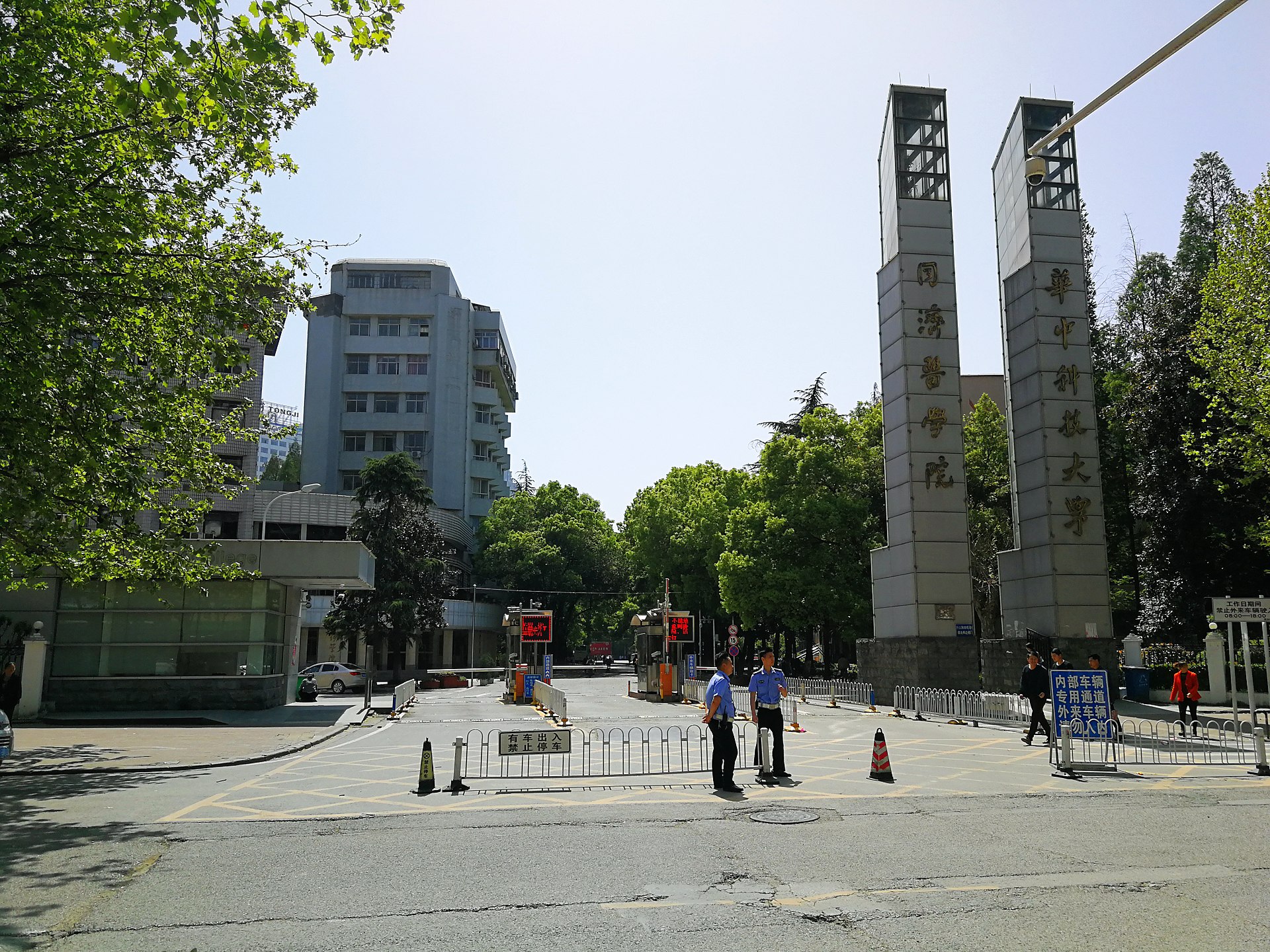
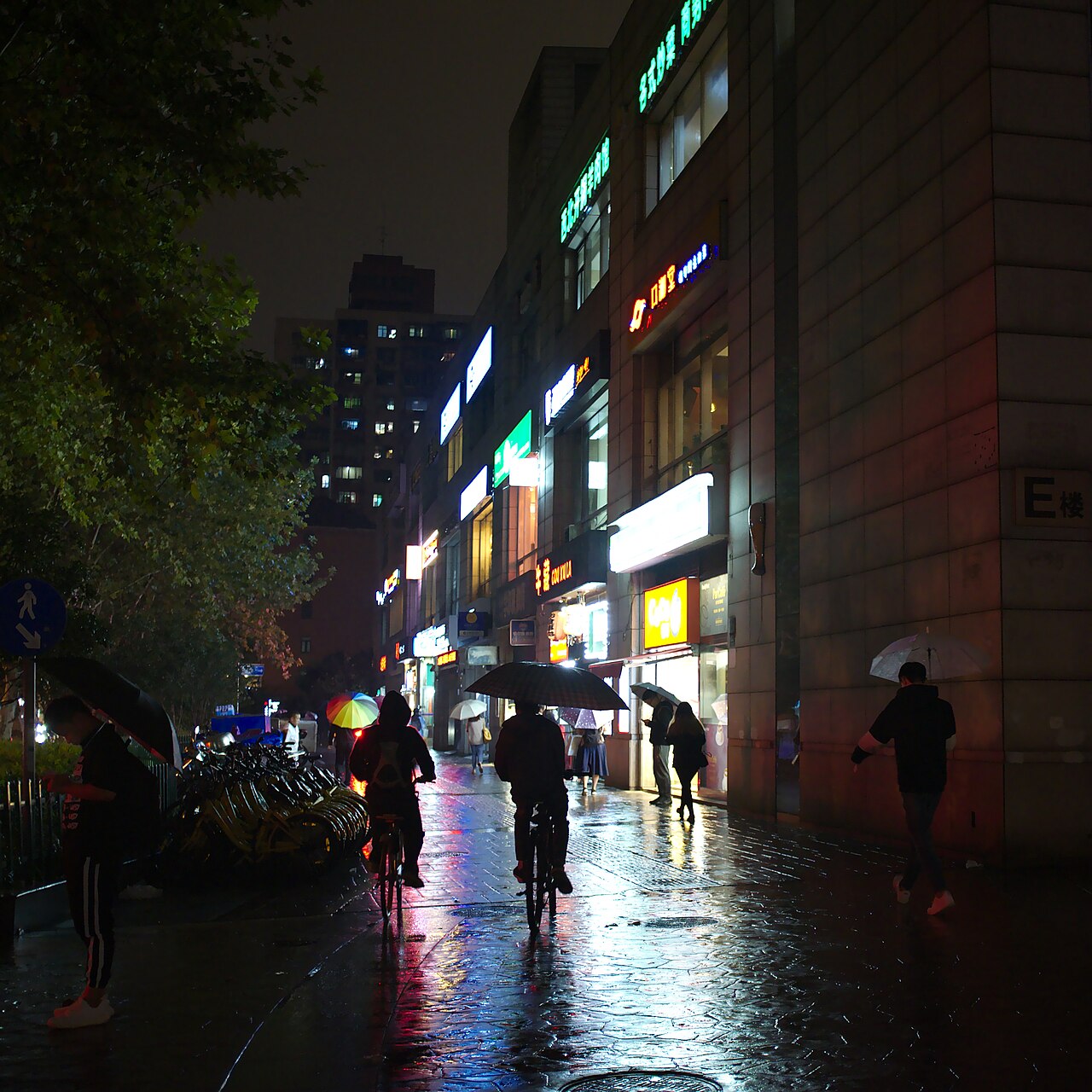
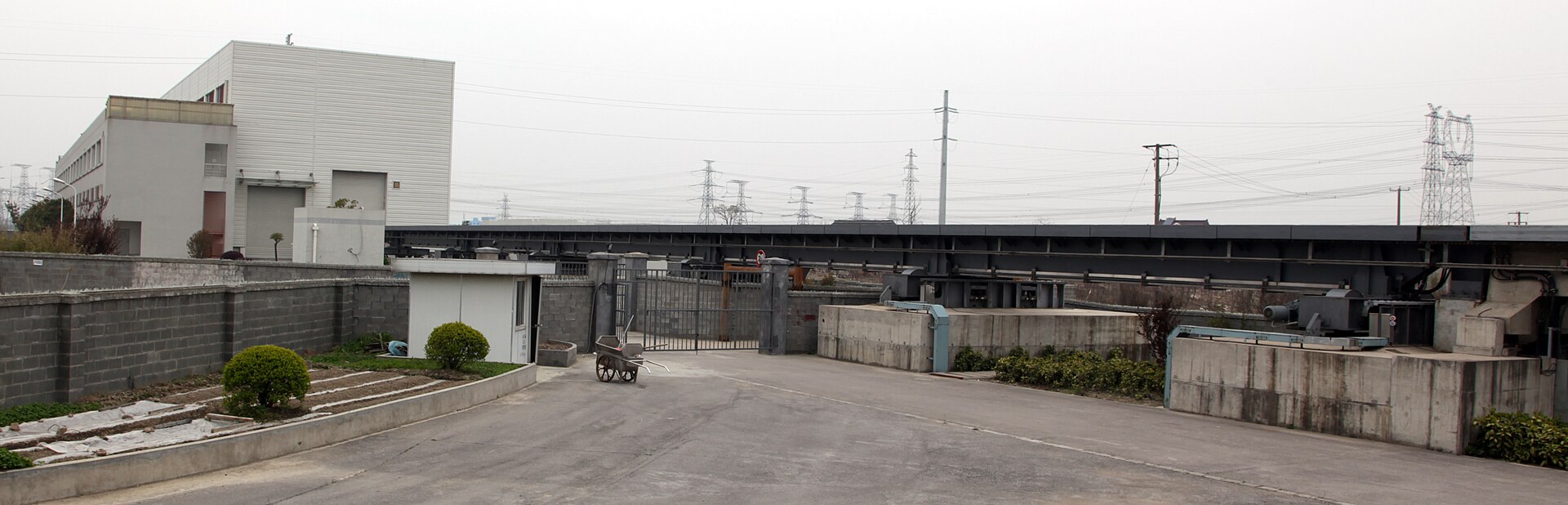
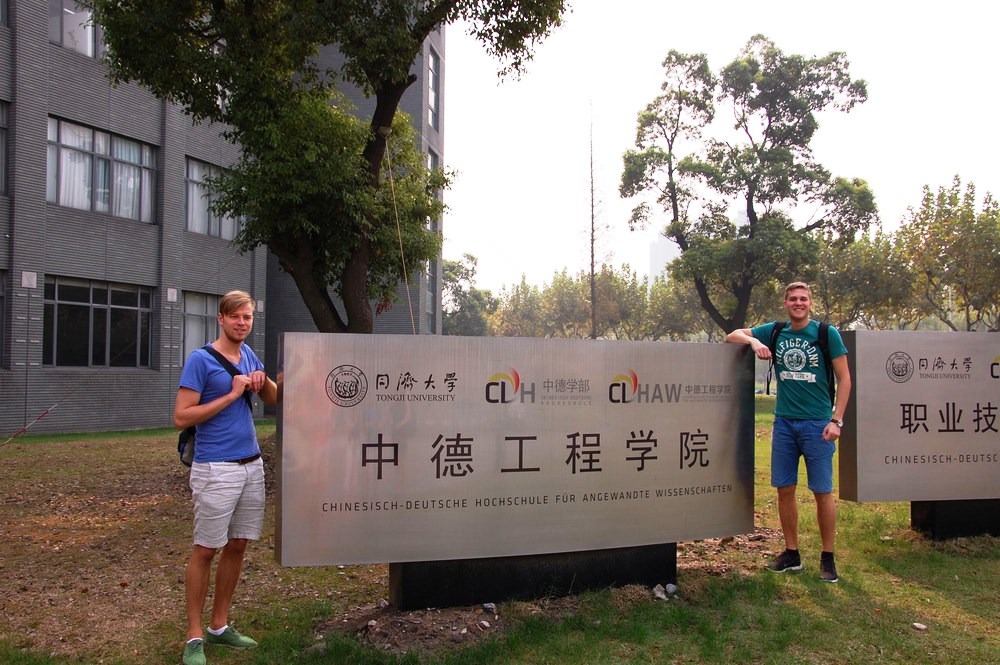
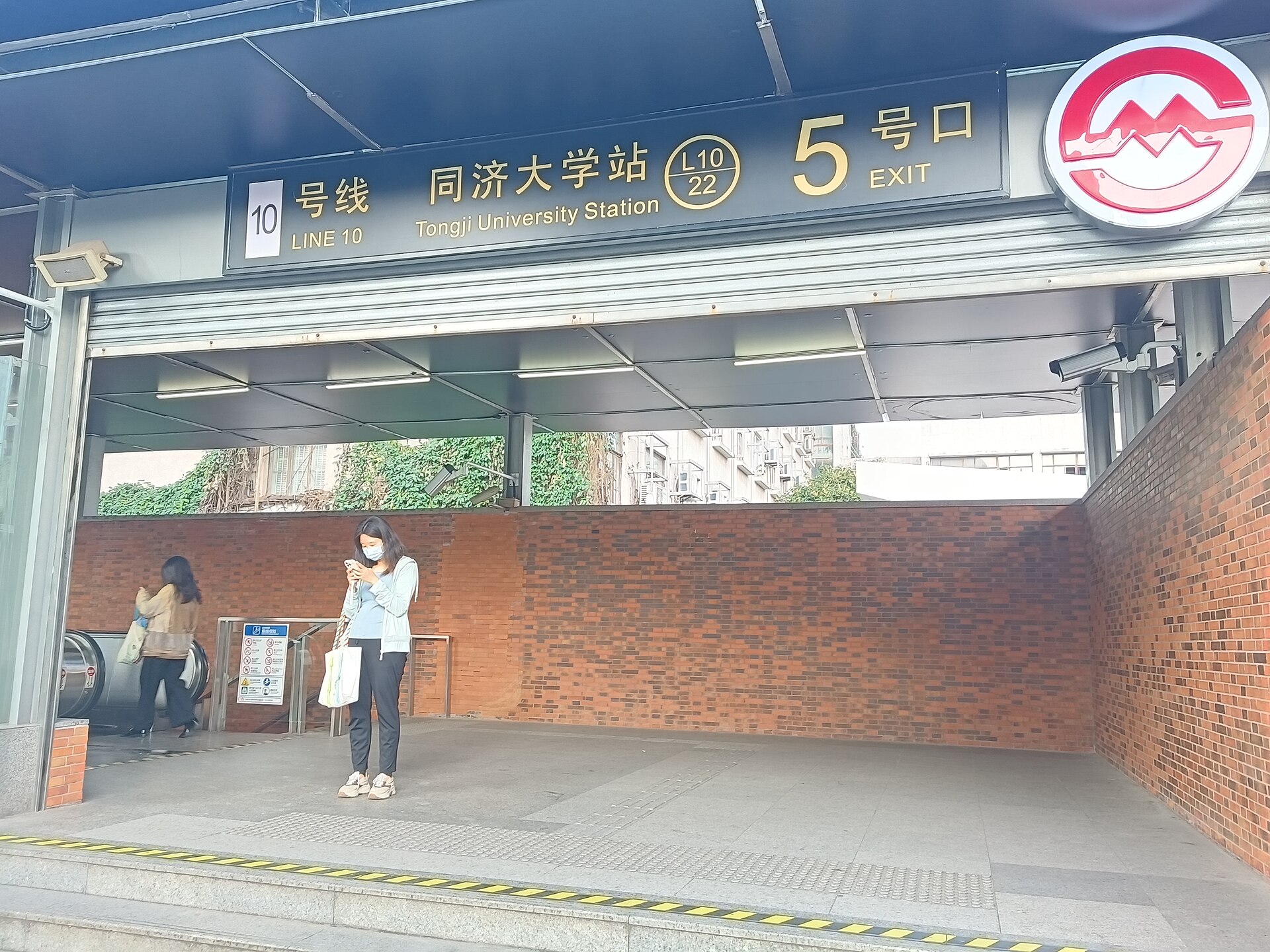
Tongji University — campus in pictures
Real, freely-licensed photographs of the campus (via Wikimedia Commons).

Why Tongji — Engineering Prestige, Global City, German Legacy
Tongji is not simply a top-10 Chinese university; it is the institution where civil engineering, architecture, and urban planning converge at the highest global level — in one of the world's most exciting cities. For internationally-minded students in STEM and design disciplines, few universities outside the US or UK can match its combination of faculty depth, industry linkages, and cost efficiency.
SELECTIVITY
How Selective Is Tongji?
Tongji University is highly selective within China's national gaokao system and maintains a competitive international admissions process. For international students, admissions are assessed holistically via a dedicated international admissions office rather than through the Chinese national college entrance exam, with emphasis on academic transcripts, language proficiency, and programme alignment.
Acceptance rates and GPA/IB figures from the university's facts profile. Competitiveness varies significantly by programme — engineering, architecture, and medicine are among the most selective. Language of instruction matters: Chinese-taught programmes require strong HSK scores; English-taught tracks assess IELTS/TOEFL.
AT A GLANCE
Tongji University — Quick Facts
APPLICATION COMPONENTS
What the Application Consists Of
International student applications to Tongji are submitted through the university's dedicated online portal. The application is programme-specific, and components vary between Chinese-taught and English-taught tracks. All materials must be officially certified.
ADMISSIONS PROFILE
The Student Tongji Admits
Tongji's international admissions is programme-led. The university is looking for students with genuine disciplinary preparation — particularly in mathematics, physics, and science for engineering tracks — and who can demonstrate why Tongji's specific strengths match their goals. Unlike US-style holistic admissions, the process here is primarily academic and document-based, with no standardised testing (SAT/ACT) evaluated in the Chinese system.
DEADLINES
Application Rounds & Indicative Deadlines
Tongji University operates on a semester system with two main intake periods: September (autumn, main intake) and February/March (spring, limited to some postgraduate programmes). Deadlines are indicative — always confirm current-cycle dates on the official portal or by emailing isotju@tongji.edu.cn.
Deadlines vary by programme and scholarship category. Scholarship applicants must typically apply 2–4 weeks earlier than the standard deadline. Verify all dates on the official Tongji admissions portal.
| Intake | Application Open | Application Deadline | Decision Timeline | Notes |
|---|---|---|---|---|
| September (Autumn) | November (prior year) | ~April 30 | May–July | Main intake; all levels |
| February/March (Spring) | August | ~November 30 | December–January | Postgraduate only; limited programmes |
CAMPUS & CITY
Life at Tongji in Shanghai
Tongji University's main campus is located in Yangpu District, one of Shanghai's most vibrant creative and academic neighbourhoods. A second significant campus in Jiading hosts automotive and transportation engineering programmes. The university operates 29 colleges across its campuses, creating a diverse and active academic community.
Shanghai is one of the world's most dynamic cities — a hub for finance, architecture, fashion, and technology. For international students, the city offers unmatched career access, a sophisticated expat community, excellent public transport, and world-class food and culture from every corner of the globe. Tongji's location in Yangpu places you close to Century Avenue financial district and the Pudong tech corridor, while the surrounding university area (known as 'University Road') is packed with cafes, galleries, and creative studios that reflect Tongji's design culture.
The university operates on-campus dormitories for international students, with varying options by campus and programme level. Housing quality and cost should be confirmed directly with the International Students Office.
CAREER OUTCOMES
Where Tongji Graduates Go
Tongji's career outcomes reflect its specialist excellence. Engineering, architecture, and environmental graduates are among the most sought-after in China and across Asia.
Tongji's civil engineering and architecture alumni lead some of China's most ambitious infrastructure and urban development projects — from high-speed rail to sustainable city design. The university's automotive engineering school feeds directly into SAIC Motor and international joint ventures in Shanghai. Environmental engineering graduates find roles across China's expanding environmental regulation and green energy sectors. The School of Design and Innovation has produced graduates who work with global design firms and China's growing creative economy. For international students returning to their home countries, a Tongji degree in engineering or architecture carries significant weight, particularly across Asia, Africa, and the Middle East where China's Belt and Road infrastructure investment has elevated Chinese university credentials.
FAQS
Frequently Asked Questions
Do I need to speak Chinese to study at Tongji University?+
It depends on your programme. The majority of undergraduate programmes at Tongji are taught in Chinese, meaning you will need HSK 4 or above for undergraduate entry and HSK 5 for postgraduate. However, Tongji does offer a selection of English-taught postgraduate programmes (primarily at master's and doctoral level in engineering, architecture, and business disciplines). If your Chinese is not yet at the required level, Tongji's language school offers pre-enrolment Chinese courses.
Is the SAT or ACT required for admission?+
No. Tongji's admissions system for international students does not evaluate SAT or ACT scores. The test policy is listed as optional — these scores are neither required nor typically a differentiating factor in the Chinese university context. Admissions is based on academic transcripts, language tests, and programme-specific requirements.
Can I apply directly without going through the Chinese Gaokao?+
Yes. International students (including those holding non-Chinese passports) apply through the university's dedicated International Students Office and portal, completely separate from the national gaokao system. You apply using your own country's qualifications (IB, A-Level, national baccalaureate, etc.).
What IB score do I need?+
The indicative minimum IB Diploma score is 32 points. Competitive programmes such as architecture, civil engineering, and medicine will typically expect higher scores. Your subject choices matter too — engineering programmes expect strong HL or SL scores in Mathematics and Physics.
Are there scholarships available for international students?+
Yes. Multiple scholarship channels exist: the Chinese Government Scholarship (administered by the China Scholarship Council, or CSC), the Shanghai Government Scholarship, and Tongji University's own institutional scholarships, including the International Student Excellence Scholarship. These can cover tuition, accommodation, and provide a living stipend. Competition is strong — apply early and through the right channel.
How does living in Shanghai compare to other Chinese cities?+
Shanghai is China's most cosmopolitan and internationally connected city, but also among its more expensive ones. The estimated cost of living for international students is around USD 8,000 annually — significantly lower than equivalent global cities like London, Singapore, or Sydney, but higher than cities like Chengdu or Wuhan. Tongji dormitories help control accommodation costs.
Is Tongji a good choice for architecture specifically?+
Yes — Tongji is widely considered the top architecture school in China and among the best globally. The College of Architecture and Urban Planning (CAUP) consistently ranks in global top-20 lists. Pritzker Prize winner Wang Shu is a Tongji alumnus. If architecture, urban design, or landscape architecture is your field, Tongji is a genuine world-class choice.
What are the visa requirements for studying in China?+
Once you receive your admission letter and JW202 form from Tongji, you apply for an X1 (long-term study) or X2 (short-term) student visa at the Chinese embassy or consulate in your home country. On arrival you must register with the local public security bureau and obtain a residence permit. The International Students Office can guide you through this process.
ACADEMIC ENVIRONMENT
Academic Expectations for International Students at Tongji
Tongji University's academic environment is rigorous, technically demanding, and structured around China's research-intensive university model. For international students, understanding the academic calendar, language of instruction, and discipline-specific requirements before you apply is essential — the gap between being admitted and thriving academically depends heavily on preparation.
ACADEMIC PROFILE
Academic Benchmarks
Admissions benchmarks for Tongji's international applicants are set by the International Students Office and vary by programme. These figures are indicative, sourced from the university's facts profile.
TEST POLICY
Standardised Tests — Not the Focus Here
Tongji's test policy for international students is 'optional' with respect to Western standardised tests such as the SAT or ACT. These scores are not part of the evaluation process in China's international admissions system. Instead, the key 'tests' are language proficiency: HSK for Chinese-taught programmes and IELTS/TOEFL for English-taught tracks.
This is an important distinction for students coming from the US application tradition who might expect to submit SAT scores. At Tongji, your academic transcripts, subject performance, and language test are the core academic signals — not a standardised test profile.
LANGUAGE REQUIREMENTS
Language Proficiency Requirements
Language requirements at Tongji differ fundamentally based on whether you enter a Chinese-taught or English-taught programme. Choose carefully — the language of your programme determines both your classroom experience and your ability to integrate into campus life.
| Test | Score | Applicable To | Notes |
|---|---|---|---|
| HSK 4 | Band 4 | Undergraduate (Chinese-taught) | Minimum; some programmes expect HSK 5 |
| HSK 5 | Band 5 | Postgraduate (Chinese-taught) | Required for most master's/doctoral |
| IELTS | 6.0 | English-taught programmes | Some programmes may require 6.5 |
| TOEFL iBT | 80 | English-taught programmes | Internet-Based Test; PBT not accepted |
| HSK Waiver | N/A | Native Chinese speakers | May be exempt with proof of prior Chinese-medium education |
| English Waiver | N/A | Native English speakers | Verify waiver eligibility with admissions office |
IB & A-LEVEL
How IB, A-Level, and Other Qualifications Are Assessed
Tongji University's International Students Office assesses non-Chinese qualifications directly rather than converting them to gaokao scores. IB and A-Level are well-recognised frameworks, though the alignment to programme-specific requirements is what matters most.
SUBJECT PREPARATION
What to Study Before You Arrive
Tongji's strongest programmes are in engineering and design disciplines. Subject preparation should begin well before your final year of secondary school.
ENGLISH PROFICIENCY
English Language Requirements
Tongji offers English-taught programmes primarily at postgraduate level, with some English-taught undergraduate tracks. If applying to English-taught programmes, you must meet the minimum IELTS or TOEFL threshold. Scores must be from within the past two years.
Native English speakers or graduates of English-medium secondary schools may apply for a waiver. Contact isotju@tongji.edu.cn to confirm waiver eligibility before applying.
| Test | Minimum Score | Notes |
|---|---|---|
| IELTS Academic | 6.0 overall | No individual band score below 5.5 typically accepted |
| TOEFL iBT | 80 | Internet-Based Test format only |
| Duolingo English Test | Not specified | Acceptance not confirmed — verify with admissions office |
GRADE 9 → ENROLMENT
Building Your Academic Profile for Tongji
COMMON MISTAKES
Academic Pitfalls to Avoid
- Applying to a Chinese-taught programme without adequate HSK preparation — this is the most common and most avoidable error international students make.
- Treating Tongji like a US university and expecting SAT scores or extracurriculars to compensate for weaker academic transcripts. Transcripts and language proficiency are the primary criteria.
- Not researching whether your target programme is actually English-taught or Chinese-taught. Many international students assume more programmes are English-medium than actually are.
- Submitting an unfocused personal statement or research plan that doesn't reference Tongji's specific faculty, labs, or programme characteristics.
- Applying for a scholarship without reading the sponsoring body's requirements carefully — CSC, Shanghai Government, and Tongji's own scholarships each have different eligibility rules and application timelines.
- Ignoring the medical examination requirement until late in the process. The Chinese format health declaration takes time to arrange and must be completed before enrolment.
- Underestimating the language adjustment period. Even for English-taught programme students, daily life in Shanghai requires some Mandarin. Arriving with zero Chinese language skills creates unnecessary friction.
COST & AID
Understanding the Cost of Studying at Tongji University
Tongji University represents some of the best value in global higher education for its calibre. Tuition fees for international students are set well below equivalent-ranked institutions in the US, UK, or Australia — and Shanghai, while not cheap by Chinese city standards, remains significantly more affordable than comparable global cities. Multiple scholarship pathways exist to reduce costs further.
COST BREAKDOWN
Annual Cost Estimates for International Students
All figures below are annual estimates in USD, sourced from the university's published data. Costs may vary by programme and campus. Verify current tuition rates with the International Students Office.
USD figures are approximations; actual costs are denominated in Chinese Yuan (RMB). Exchange rate fluctuations will affect real costs. Living costs depend significantly on your accommodation choice (university dormitory vs. private rental) and lifestyle.
| Component | Annual Estimate Usd | Notes |
|---|---|---|
| Tuition (international rate) | $4,400 | Varies slightly by programme; most programmes in this range |
| Cost of attendance (total) | $8,100 | Includes tuition + living estimates |
| Living costs (Shanghai) | $8,000 | Accommodation, food, transport, personal expenses |
| Application fee | $80 | One-time, non-refundable |
FINANCIAL AID
Financial Aid for International Students
Tongji does not operate need-blind or need-based financial aid in the Western sense. Financial support for international students comes through competitive scholarship programmes administered by the Chinese Government, Shanghai Municipal Government, and Tongji University itself. Planning your funding strategy before applying is essential.
The good news is that the Chinese scholarship ecosystem for international students is well-funded by global standards. The flagship Chinese Government Scholarship (CGS/CSC) is among the world's most generous scholarships: for full scholarship recipients, it typically covers tuition, accommodation, and provides a monthly living stipend. The Shanghai Government Scholarship provides similar support at the city level. Tongji's own institutional scholarship offers partial to full tuition coverage for academically outstanding admits.
SCHOLARSHIPS
Scholarship Pathways for International Students
Three main scholarship channels are available to international students at Tongji University. Each has different eligibility criteria, application timelines, and coverage levels.
AFFORDABILITY
The Real Cost Picture
Even without scholarship support, Tongji is genuinely affordable by global standards for a top-200 university. At approximately USD 4,400 annual tuition, the fees are a fraction of comparable-ranked institutions in the US (USD 50,000–70,000) or UK (USD 25,000–35,000). When a scholarship is secured, particularly the full CSC scholarship, the net cost to international students can be close to zero — while attending a world-class institution in one of the world's most dynamic cities.
The main cost consideration for most international students is the Shanghai cost of living, which at an estimated USD 8,000 annually is manageable but not trivial. Students who live in university dormitories, use public transport, and cook occasionally will find the estimate accurate. Students who rent private apartments in central Shanghai or dine primarily at international restaurants will spend more. Budgeting carefully and applying for all available scholarship channels is strongly recommended.
FUNDING STRATEGY
Steps to Secure Funding
COST FAQS
Cost & Aid — Frequently Asked Questions
Is the CSC scholarship really free? What does it cover?+
A full CSC scholarship typically covers: full tuition, university dormitory accommodation, comprehensive medical insurance, and a monthly living stipend (amounts vary by academic level — doctoral students receive a higher stipend than undergrads). In practice, for most full-scholarship recipients, the net out-of-pocket cost is very low. There are still personal expenses, books, and leisure costs, but tuition and housing are largely covered.
Can I work part-time in Shanghai to supplement my income?+
International students in China on an X1 student visa can apply for permission to work part-time under certain conditions. However, this is subject to regulations that change periodically. Do not rely on part-time work as a budget pillar — confirm the current rules with the university before planning your finances around it.
Are tuition fees lower for Chinese-taught vs English-taught programmes?+
In general, English-taught programmes at Chinese universities may carry a modest tuition premium over Chinese-taught equivalents. Verify the specific tuition rate for your chosen programme directly with Tongji's admissions office, as fees can differ by college and level.
Does Tongji offer need-based financial aid?+
Not in the Western sense. There is no need-based aid framework at Tongji comparable to US financial aid packages. All financial support comes through competitive merit-based scholarships. If cost is a significant constraint, focusing on securing a scholarship before applying is strongly recommended.
Are living costs significantly different on the Jiading vs Siping Road campus?+
Jiading campus is in a suburban area northwest of central Shanghai and tends to be slightly less expensive for off-campus living. Siping Road (main campus) in Yangpu is more central and urban. Both campuses offer university dormitories which provide the most cost-effective accommodation option.
APPLICATION & STATEMENT
Applying to Tongji — Personal Statement & Application Strategy
Tongji University is a Chinese institution and does not use Common App, UCAS, or Coalition. There are no US-style supplemental essays. Instead, international applicants submit a personal statement (sometimes called a 'study plan' for postgraduate applicants) as part of a document-based application through Tongji's own online portal. This guide explains what that statement requires and how to approach it strategically.
HOW IT WORKS
The Tongji Application — No Supplements, One Statement
International student applications to Tongji are submitted through the university's dedicated online portal. The written component is a single personal statement or study/research plan — not a battery of short-answer prompts. The application is document-heavy and process-driven, not essay-heavy.
For undergraduate applicants, the personal statement explains your academic background, reasons for choosing Tongji and your selected programme, and your future goals. For postgraduate applicants, a 'study plan' or 'research proposal' replaces or supplements the personal statement — this document is more technical, more detailed, and more consequential. Doctoral applicants in particular are advised to invest significant effort in their research proposal, as it is evaluated by faculty who may become your supervisor.
Confirm current application requirements on the official portal (study-info.tongji.edu.cn) or by contacting isotju@tongji.edu.cn — requirements can be updated between cycles.
WRITTEN COMPONENTS
Personal Statement & Study Plan — What's Required
Tongji does not publish verbatim essay prompts in the way US universities do. The personal statement and study plan are open-format documents with expected content areas. The below reflects standard expectations for international applicants — always confirm with the admissions office.
STATEMENT STRATEGY
Writing a Strong Personal Statement for a Chinese University
The single biggest mistake international students make when writing their Tongji personal statement is treating it like a US Common App essay. The audiences and conventions are entirely different.
Chinese academic culture values clarity, structure, and evidence of disciplinary commitment over personal narrative and creative storytelling. Your reviewer — typically a faculty member or admissions officer — is evaluating your academic seriousness, your fit with the programme, and your ability to succeed in a rigorous environment. A story about a personal struggle or a transformative travel experience that would work well in a US essay is likely to be seen as off-topic here. Instead, lead with your academic preparation, your knowledge of the field, and your specific interest in what Tongji offers.
If you are applying in English (for an English-taught programme), write in formal, clear academic prose. Avoid overly casual language. If your programme is Chinese-taught and you are writing in Chinese, have a native speaker review the document for fluency and register.
DOCUMENT STRATEGY
Making Each Document Count
Since there are no supplemental essays, every document in your Tongji application must be treated as a substantive communication. Each has a role.
TOPIC & FOCUS
Choosing What to Write About
Whether undergraduate or postgraduate, the most effective personal statements for Tongji share one quality: specificity. Avoid generic reasons (top university, good location, affordable) and instead anchor your statement in specific academic reasons.
COMMON MISTAKES
Application Mistakes to Avoid
- Writing a narrative personal essay in the US style (childhood story, transformative experience, etc.) instead of a structured academic statement — this mismatch in convention will undermine your application.
- Not contacting potential doctoral supervisors before applying. Doctoral admissions at Chinese universities are faculty-driven, and an unintroduced application has far lower prospects.
- Submitting uncertified or untranslated transcripts — these will disqualify your application or cause significant delays.
- Applying to a Chinese-taught programme without a credible HSK score or a clear plan to achieve one before enrolment.
- Ignoring the scholarship application deadlines. Scholarship timelines are often 2–4 weeks earlier than general admissions deadlines, and missing them means waiting an entire year for the next cycle.
- Writing a generic personal statement that could apply to any Chinese university. Admissions readers at Tongji can tell when a statement is not specific to their institution.
- Not confirming whether your target programme is actually available in English before applying for an English-taught track.
APPLICATION FAQS
Application & Statement — FAQs
Does Tongji use Common App, UCAS, or any centralised system?+
No. Tongji University does not participate in Common App, UCAS, Coalition, or any centralised application portal. International students apply directly through Tongji's own online application portal at study-info.tongji.edu.cn. The process is entirely managed by Tongji's International Students Office.
How long should my personal statement be?+
Tongji does not prescribe a strict word limit for the personal statement. In practice, undergraduate personal statements of 500–800 words are appropriate. Postgraduate study plans typically run 800–1,500 words, and doctoral research proposals 1,500–3,000 words. Quality and specificity matter more than length.
Should I write my personal statement in English or Chinese?+
Write in the language of instruction of your chosen programme. If you're applying to an English-taught programme, write in English. If you're applying to a Chinese-taught programme, a statement in Chinese demonstrates your language ability and is generally preferred, though English statements may be accepted — verify with the admissions office.
Is there an interview process at Tongji?+
Interviews are not universally required at Tongji for all programmes. Some doctoral applicants may be contacted for an interview with a potential supervisor, and some competitive programmes may request a remote interview. The international student application process for most undergraduate and master's programmes is document-based. Check with the specific college or programme for their current practice.
Can I apply to multiple programmes simultaneously?+
The standard international student application is typically for one programme. Check the online application portal for current rules on multiple programme applications. In general, if you are weighing multiple disciplines, apply to your first-choice programme and contact the admissions office about whether a second-choice can be noted.
What happens after I submit my application?+
After submission, Tongji's admissions office reviews your materials. Processing typically takes several weeks to months depending on the intake cycle. You may be contacted if additional documents are needed. Results are communicated by email, and successful applicants receive an official admission letter and JW202 form needed for the student visa application.
Do I need a portfolio for architecture applications?+
Portfolio requirements for architecture at Tongji's undergraduate level should be confirmed directly with the College of Architecture and Urban Planning (CAUP). At postgraduate level, a portfolio may be expected or encouraged — contact CAUP admissions directly at architecture.tongji.edu.cn or email the college to ask. This is a programme-specific requirement not always listed on the general admissions portal.
Courses — schools, degrees & intake
58 degrees across 19 groupings.
College of Architecture and Urban Planning · 5 degrees
Architecture
Urban and Rural Planning
Landscape Architecture
Conservation of Historic Architecture
Urban Design
College of Civil Engineering · 3 degrees
Civil Engineering
Civil Engineering and Mathematics (Enhanced Class)
Civil Engineering and Mechanics (Experimental Class)
College of Mechanical Engineering and Robotics · 5 degrees
Mechanical Design, Manufacturing and Automation
Intelligent Manufacturing Engineering
Energy and Power Engineering
Building Environment and Energy Application Engineering
Industrial Engineering
College of Materials Science and Engineering · 2 degrees
Materials Science and Engineering
New Energy Materials and Devices
School of Electronics and Information Engineering · 4 degrees
Electrical Engineering and Automation
Electronic Science and Technology
Communication Engineering
Automation
College of Computer Science and Technology · 4 degrees
Computer Science and Technology
Software Engineering
Information Security
Data Science and Big Data Technology
School of Economics and Management · 7 degrees
Information Management and Information Systems
Logistics Management
Engineering Management
Business Administration
Accounting
Finance
International Economics and Trade
School of Mathematical Sciences · 2 degrees
Mathematics and Applied Mathematics
Statistics
School of Physical Science and Engineering · 2 degrees
Applied Physics
Optoelectronic Information Science and Engineering
School of Life Science and Technology · 2 degrees
Biotechnology
Bioinformatics
School of Aerospace Engineering and Mechanics · 2 degrees
Engineering Mechanics
Aircraft Manufacturing Engineering
School of Ocean and Earth Sciences · 3 degrees
Geology
Geophysics
Ocean Technology
College of Surveying and Geo-informatics · 1 degrees
Surveying Engineering
School of Design and Creativity · 3 degrees
Industrial Design
Environmental Design
Media and Communication Design
School of Art and Media · 6 degrees
Broadcasting and Television Studies
Advertising
Broadcasting and Television Directing
Animation
Performance Arts
Music Performance
School of Foreign Languages · 3 degrees
English Language and Literature
German Language and Literature
Japanese Language and Literature
School of Law · 1 degrees
Law
School of Political Science and International Relations · 2 degrees
Political Science and Administration
Sociology
School of Medicine · 1 degrees
Clinical Medicine (MBBS)
Want your real chances at Tongji University?
Create a free TYCHR account for your personalised admit-chance, a shortlist you can track, exact entry requirements, and essay + counselling help.