Tianjin University
Tianjin, China (Mainland) · Urban
TIANJIN, CHINA · QS #290 · PROJECT 985 · DOUBLE FIRST-CLASS
Tianjin University Admissions Guide for International Students
Tianjin University is China's oldest modern university — founded in 1895 as Peiyang University and ranked among the top 20 universities in China. A Project 985 and Double First-Class institution, TJU is a national powerhouse in chemical engineering, architecture, civil engineering, and precision instruments. Its lakeside Weijin campus and newer Peiyangyuan campus sit in Tianjin, a cosmopolitan port city just 30 minutes by high-speed rail from Beijing. For international students who want a research-intensive, affordably priced STEM education at a Chinese elite university — with genuine English-taught programme options and access to government-funded scholarships — Tianjin University is a compelling, often underrated, choice.
Campus
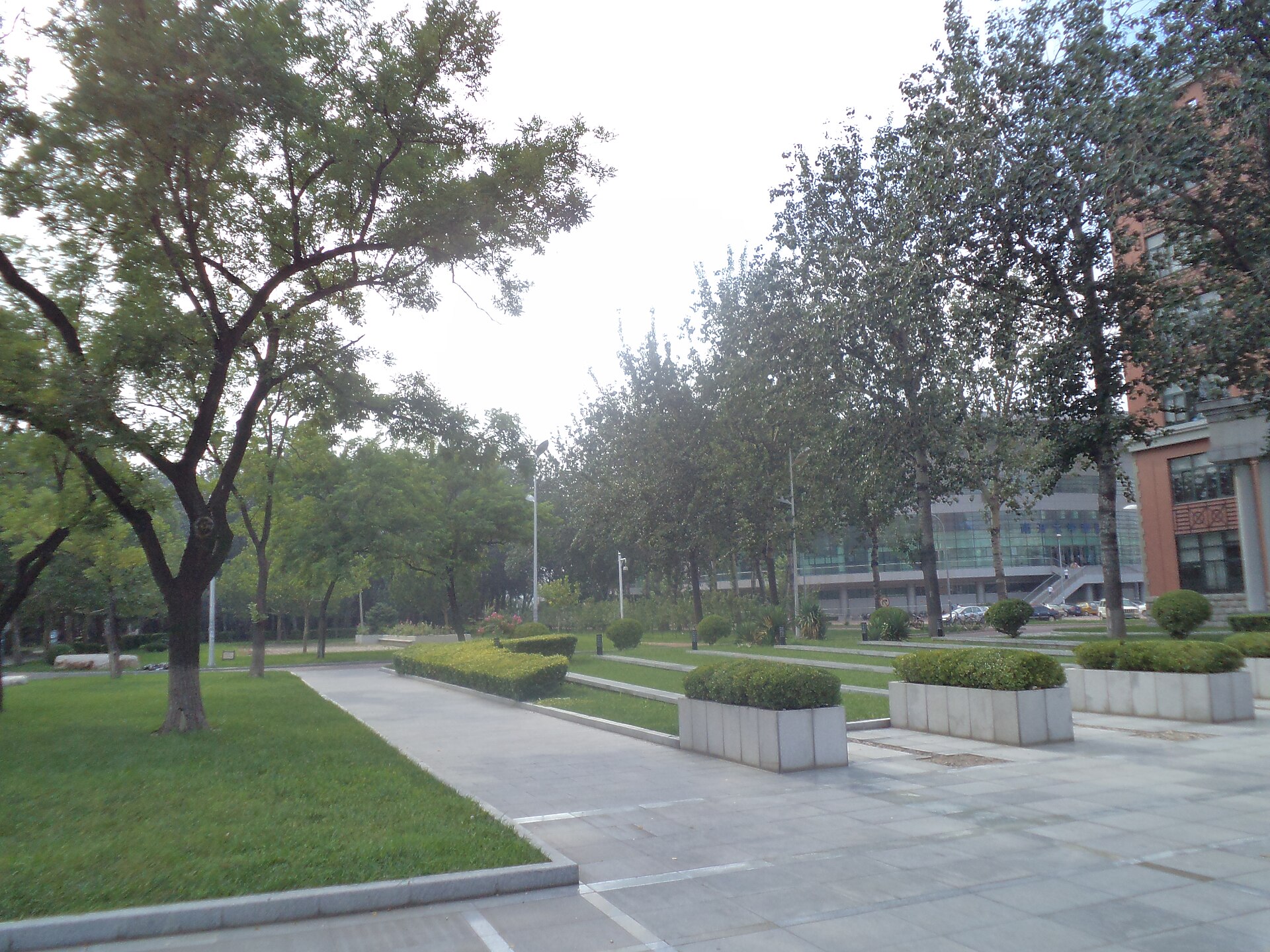
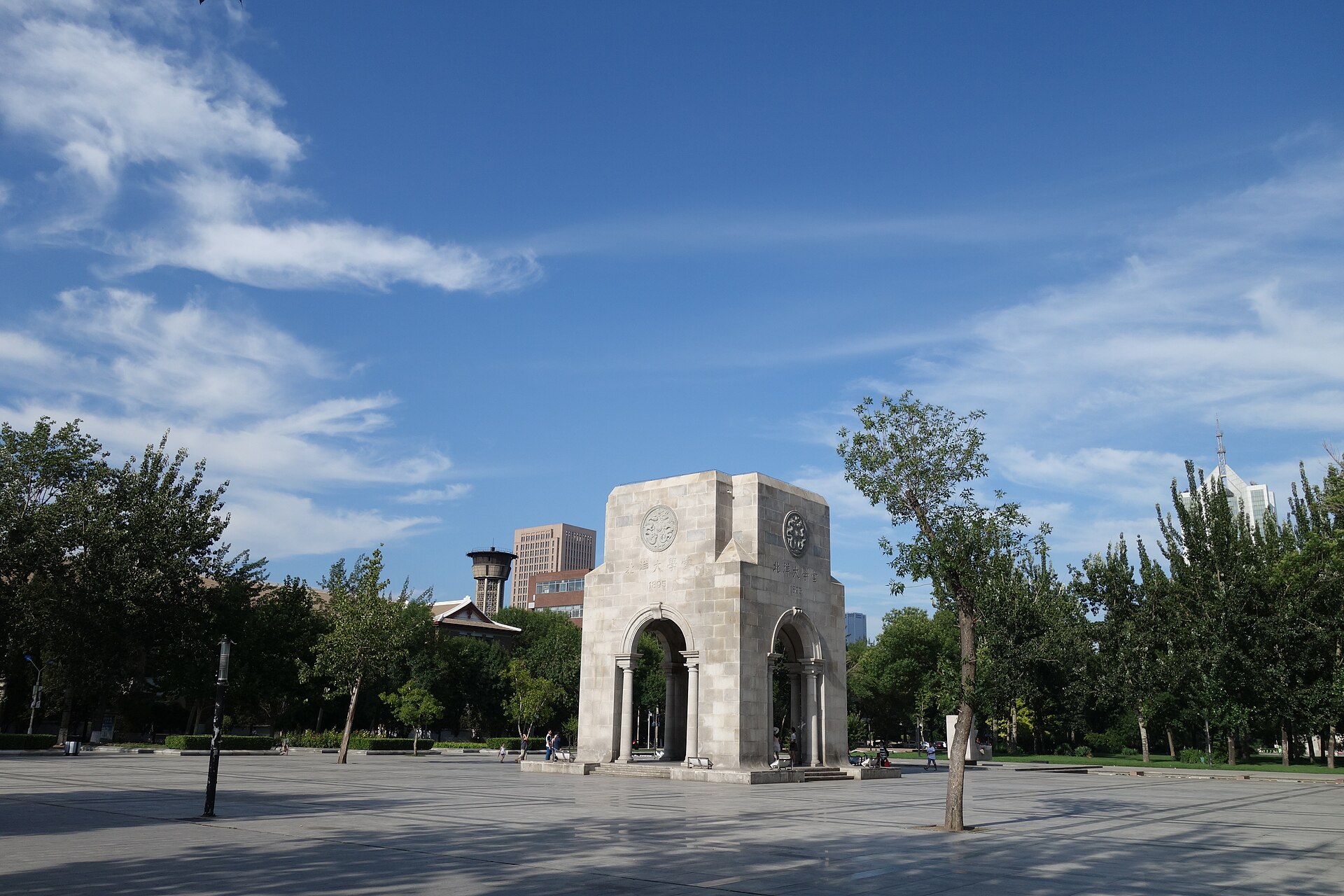
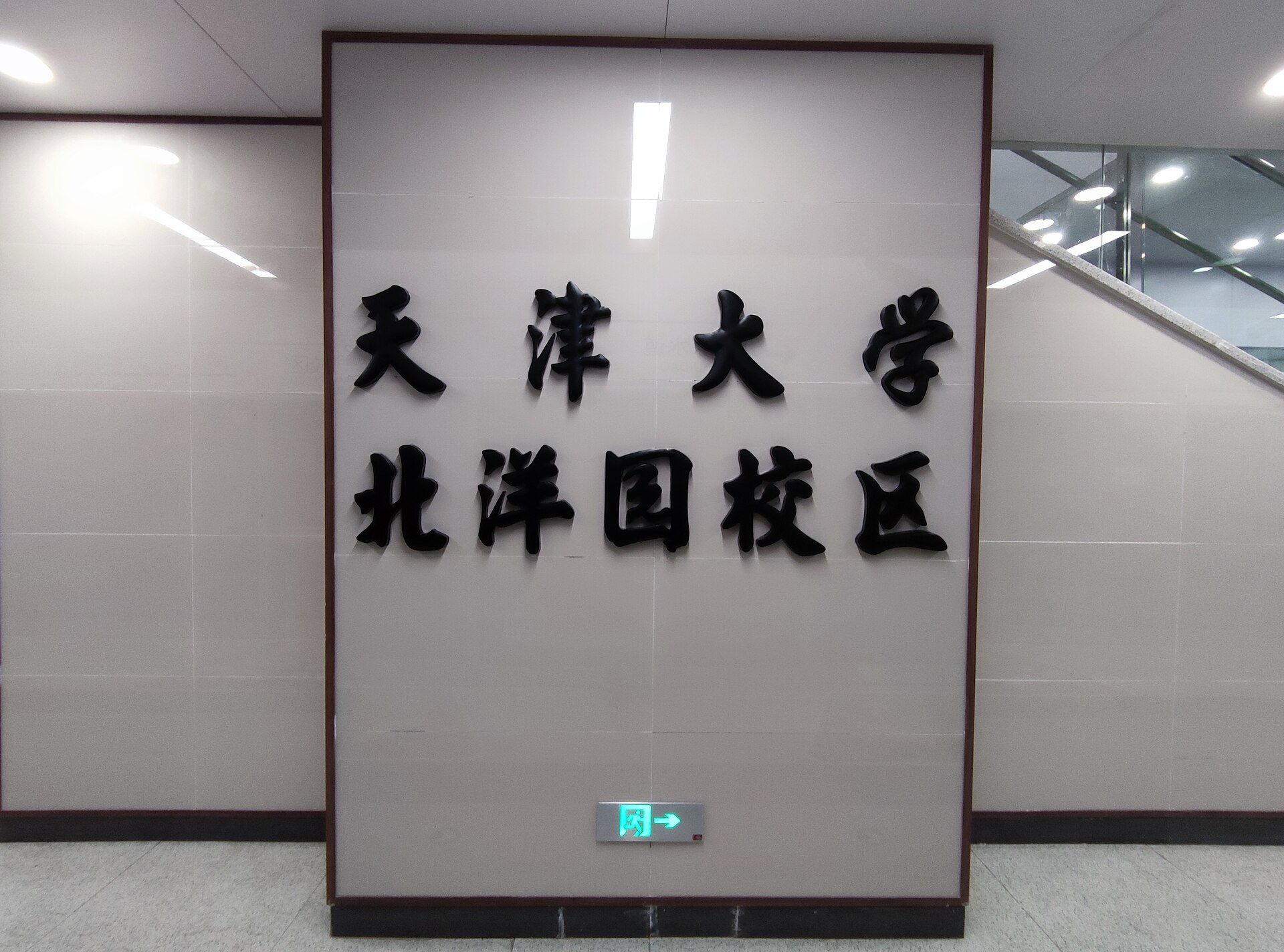
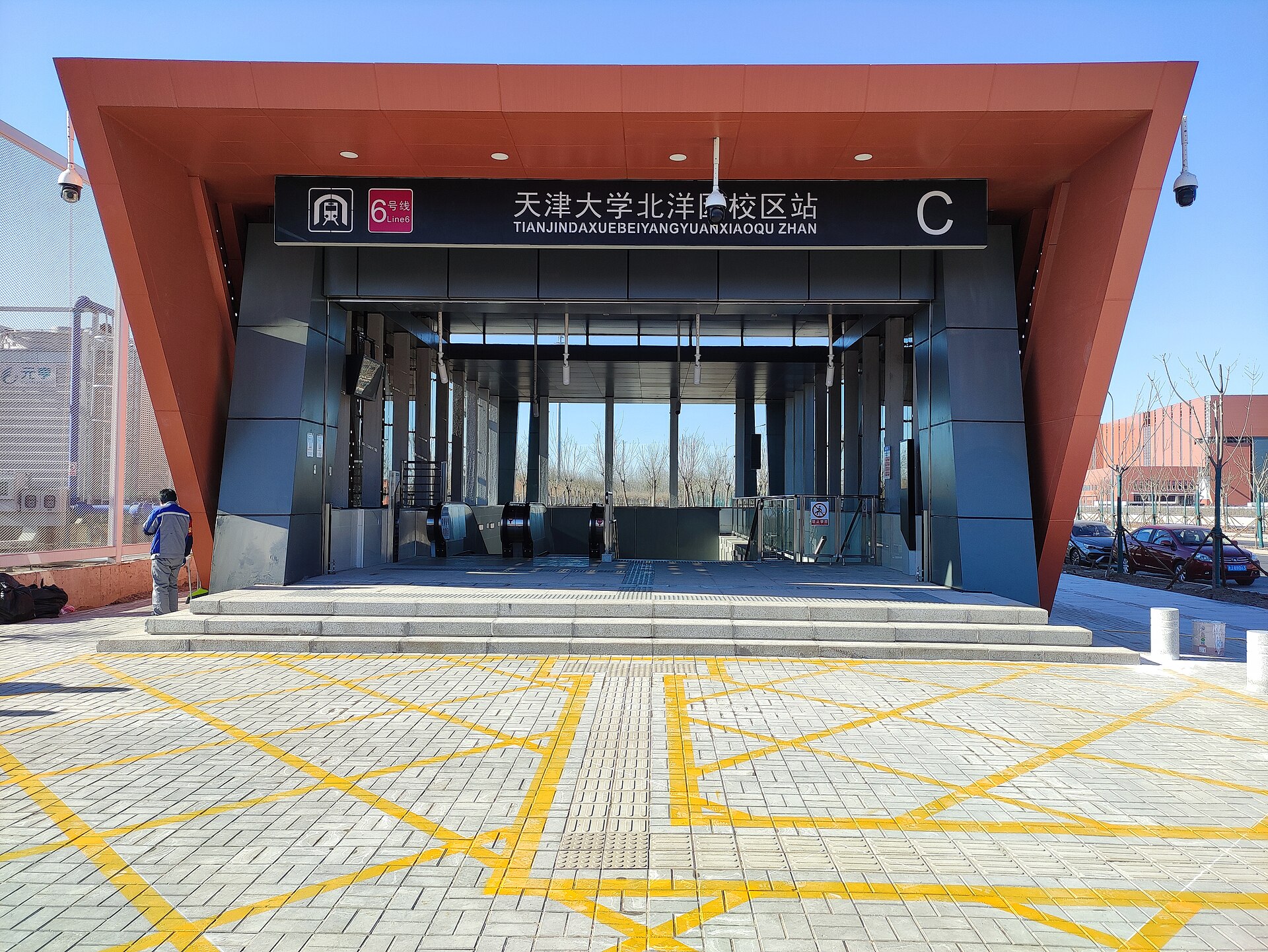
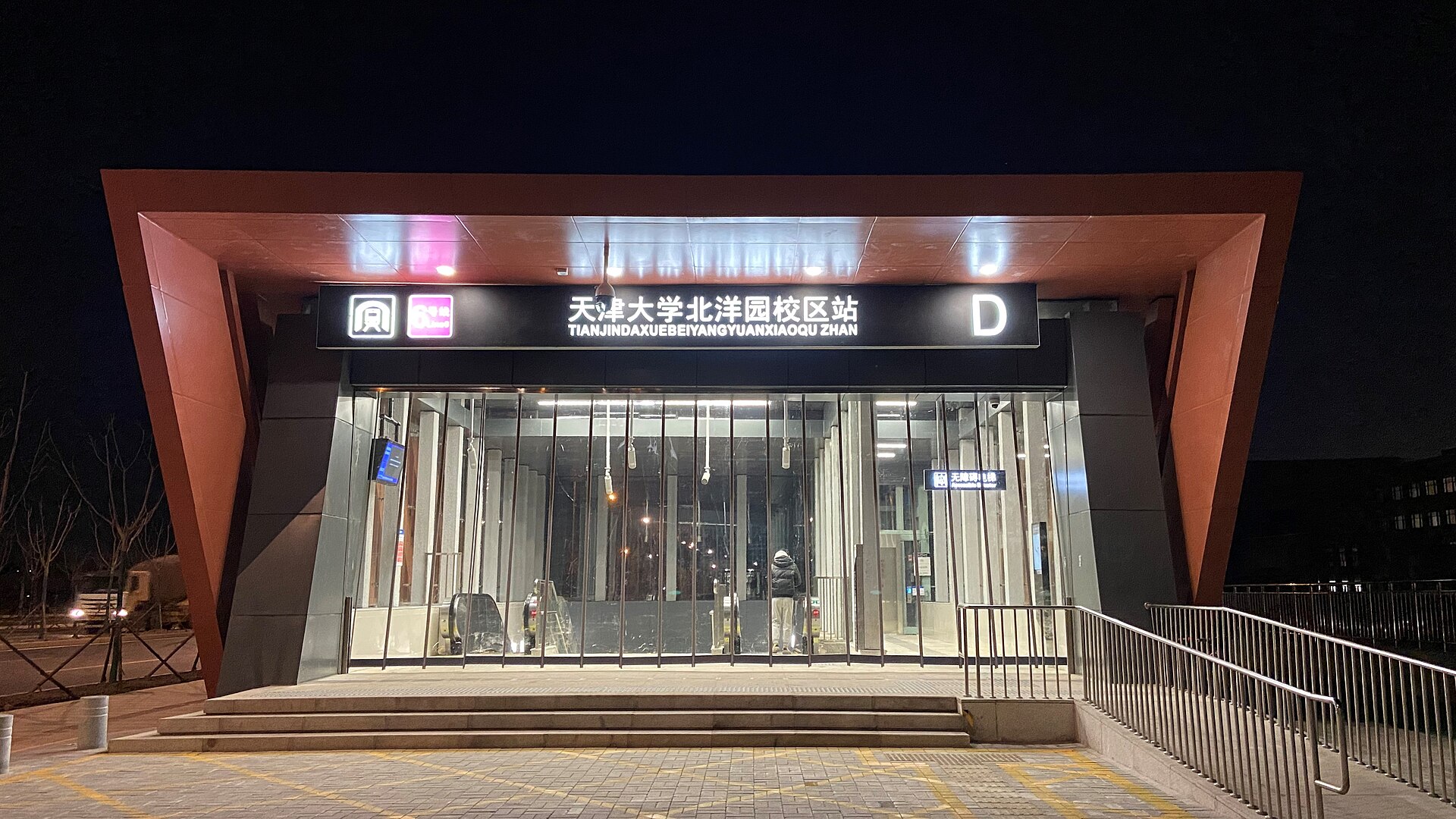
Tianjin University — campus in pictures
Real, freely-licensed photographs of the campus (via Wikimedia Commons).

WHY TIANJIN UNIVERSITY
Why Tianjin University — Historic Prestige, Engineering Excellence & Gateway to China
Tianjin University sits at the intersection of China's oldest academic tradition and its most dynamic engineering and technology sectors. Its national ranking, elite university status, and proximity to Beijing make it one of the most strategically valuable universities in East Asia for ambitious international students.
SELECTIVITY
How Selective Is Tianjin University?
Tianjin University admits approximately 35% of international applicants across undergraduate and graduate programmes — a rate that varies considerably by programme and level. Competitive engineering and architecture programmes, as well as Chinese Government Scholarship (CSC) tracks, are substantially more selective than the overall figure suggests. For undergraduate applicants, an IB score in the range of 32 points or a strong equivalent international qualification (A-Levels, SAT, or national secondary credentials) meets the baseline threshold. The minimum GPA equivalent is around 3.0/4.0. Graduate applicants are assessed holistically against the supervisor's research needs; relevant undergraduate transcripts and a compelling study plan are the dominant factors.
AT A GLANCE
Tianjin University — Quick Facts
APPLICATION COMPONENTS
What Your Application Consists Of
Tianjin University uses a direct application system for international students through its own online portal (or via the Chinese Government Scholarship platform for CSC applicants). There are no US-style 'Common App' supplements. The application is document-driven and heavily weighted on academic credentials and a Study Plan / Personal Statement.
ADMISSION PROFILE
The Ideal TJU International Applicant
TJU seeks international students who are genuinely motivated by engineering and technology, have a solid academic record in mathematics and sciences, and can articulate a clear rationale for studying in China. The admissions process is less holistic than Western universities — grades and academic credentials take centre stage — but the study plan and recommendation letters matter significantly for competitive programmes and scholarship consideration.
DEADLINES & APPLICATION TIMELINE
Application Rounds & Key Dates
Tianjin University operates on a rolling admissions calendar for international students, with the main intake in September (autumn semester) and a smaller intake in February/March (spring semester). The Chinese Government Scholarship (CSC) has a fixed April deadline. Confirm exact dates on the official admissions portal as these are updated annually.
Deadlines are indicative based on typical TJU and CSC cycles. Always verify the current year's dates on the official portals before applying.
| Round | Deadline | Decision | Notes |
|---|---|---|---|
| CSC Scholarship (Type A) | ~April 30 | End of July | Via CSC portal + TJU endorsement |
| TJU Scholarship Application | ~May 31 | June–July | Via TJU International portal |
| Autumn Semester (Self-funded) | ~June 30 | Rolling | September intake |
| Spring Semester | ~November 30 | Rolling | February intake, fewer programmes |
CAMPUS & CITY LIFE
Life at Tianjin University
TJU's main Weijin Road campus in Nankai District features a central lake, tree-lined pathways, historical architecture from the early 20th century, and modern research facilities. The newer Peiyangyuan campus in Haihe Education Park accommodates freshmen and several graduate programmes with more contemporary amenities. Together, the campuses house more than 35,000 students in a vibrant, largely self-contained university community. Tianjin itself is one of China's most underrated cities for international students — less expensive and less crowded than Beijing or Shanghai, yet with world-class museums, coastal parks, colonial-era European architecture, and a thriving food scene centred on its famous Jianbing (savoury crepes) and Goubuli baozi. The Binhai New Area tech corridor and port economy generate strong internship pipelines in manufacturing, logistics, finance, and chemicals. Campus life for international students includes dedicated international student dormitories, an international student association, Chinese-language buddy programmes, and integration into general student clubs covering robotics, debate, entrepreneurship, arts, and sports. The proximity to Beijing (30 minutes by high-speed rail) means students can access international cultural events, embassies, multinational offices, and conferences with ease.
CAREER OUTCOMES
Where TJU Graduates Go
Tianjin University's engineering-focused curriculum and elite national status translate directly into strong graduate employment. The university reports a 93% employment rate among graduates, with an average starting salary around USD 13,500 per year — competitive in the Chinese market and significant in global purchasing power terms. TJU's strongest pipeline industries are chemical engineering and petrochemicals (CNOOC, Sinopec, PetroChina, BASF China), architecture and urban development, civil and structural engineering (China State Construction, CCCC), pharmaceuticals (Sino Biopharmaceutical, Hengrui Medicine), and advanced manufacturing. Graduate students in computer science and electrical engineering increasingly join technology companies including Huawei, Baidu, ByteDance, and Tencent. For international students, the TJU degree carries particular value in markets with strong trade or development ties to China — including Southeast Asia, Africa, the Middle East, and Central Asia. Many international graduates return home to leadership roles in government ministries, infrastructure development agencies, and multinational joint ventures with Chinese partners.
FREQUENTLY ASKED QUESTIONS
International Applicants Ask Us
Do I need to speak Chinese to study at Tianjin University?+
Not necessarily. TJU offers English-taught degree programmes at both undergraduate and graduate level, particularly in engineering, architecture, management, and computer science. However, learning basic Mandarin is strongly recommended — it dramatically enriches campus life, internship opportunities, and integration with Chinese peers. Chinese-taught programmes require HSK 4–5 proficiency.
Is a Chinese Government Scholarship (CSC) my best funding option?+
The CSC scholarship is the most comprehensive funding route — it covers tuition, accommodation, and provides a monthly living allowance. Competition is high, and you need to be nominated through your home country's Ministry of Education or TJU itself (Type A and Type B routes). TJU also offers its own university-level scholarships. Apply for both simultaneously wherever possible.
How does TJU's national ranking translate internationally?+
TJU is ranked #290 by QS and #16 in China. In engineering disciplines — especially chemical engineering and architecture — it is effectively a top-10 institution in China. For employers in China and countries with strong China ties, the 985/Double First-Class designation is immediately recognisable as elite status.
Can I complete a degree entirely in English?+
Several programmes are fully English-taught, particularly at master's and PhD level. The range of fully English-taught undergraduate programmes is more limited. Verify your specific programme's language of instruction on the official TJU international admissions portal before applying.
What is the campus life like for international students in Tianjin?+
International students at TJU form a community of over 2,000 degree students from 70+ countries. There is a dedicated international student office, buddy programmes, Chinese language support, and strong sports and cultural clubs. Tianjin is a large, affordable Chinese city with good infrastructure, diverse food, and proximity to Beijing.
What is Tianjin University's strongest academic area?+
Chemical Engineering is TJU's signature discipline — it is among the top 2–3 in China nationally. Architecture, Civil Engineering, Precision Instruments, and Mechanical Engineering are also flagship fields. The university has been producing leaders in China's petrochemical, infrastructure, and precision manufacturing sectors for over a century.
Can I do research as an undergraduate at TJU?+
Yes. TJU's research culture extends to undergraduates through laboratory attachments, innovation competitions, and structured final-year dissertation projects with faculty supervisors. The university's Project 985 and Double First-Class funding means research facilities are top-tier and undergraduate involvement in active research groups is common in engineering departments.
Is the application fee refundable?+
The standard application fee is approximately USD 60. This is typically non-refundable regardless of the outcome. CSC scholarship applicants applying through the direct university route are advised to confirm whether the application fee applies to their track.
ACADEMICS FOR INTERNATIONAL STUDENTS
Academic Expectations at Tianjin University
TJU is an engineering-intensive research university where academic rigour in mathematics, the natural sciences, and technical disciplines is the norm, not the exception. International students enter a curriculum that is demanding by global standards, taught by research-active faculty who are leading figures in China's industrial and scientific development. Understanding what the university expects — and how international qualifications are evaluated — is the first step toward a strong application.
The academic environment is structured and competitive. Engineering and science programmes at TJU follow a rigorous credit-based curriculum with strong emphasis on applied problem-solving, laboratory work, and research methodology. Students are expected to manage heavy course loads, engage with Chinese academic culture (which prizes consistency, discipline, and hard work), and for those in Chinese-taught tracks, operate in Mandarin across all academic contexts.
ACADEMIC PROFILE
Admitted Student Academic Profile
TJU's international admissions process is credential-driven. The IB Diploma, British A-Levels, SAT, and strong national secondary credentials are all accepted. The indicative IB band for admission is 32 points, though competitive programmes in engineering and architecture effectively expect higher scores. A minimum GPA of 3.0/4.0 sets the floor; scholarship-level applicants generally present 3.5 and above.
STANDARDISED TEST POLICY
TJU's Test Policy for International Applicants
Tianjin University does not mandate SAT or ACT scores from international applicants — standardised tests are optional in the admissions process. The university primarily evaluates international students on their secondary school records (IB, A-Level, GaoKao for Chinese students, or equivalent national qualifications), transcripts, and, for graduate students, undergraduate academic performance. If you have strong SAT, ACT, or IB results, including them can strengthen your application — particularly for competitive programmes — but they are not a prerequisite for consideration. The Chinese academic assessment framework prioritises sustained academic performance over single-exam results.
IB, A-LEVEL & INTERNATIONAL QUALIFICATIONS
How International Qualifications Are Evaluated
TJU accepts a wide range of international qualifications for undergraduate entry. The IB Diploma is well-recognised, with an indicative admitted band of 32 points. British A-Levels, the American High School Diploma (with SAT/ACT), the French Baccalaureate, the Indian CBSE/ISC board, and other national credentials are all evaluated on a case-by-case basis by the international admissions office.
ENGLISH LANGUAGE REQUIREMENTS
English Proficiency for International Students
Applicants to English-taught programmes must demonstrate sufficient English proficiency. The minimum thresholds for most English-medium programmes at TJU are IELTS 6.0 or TOEFL iBT 80. Some competitive programmes or scholarship tracks may expect higher scores. Applicants from countries where English is the official medium of secondary instruction may apply for an exemption with supporting documentation.
Applicants from English-medium secondary schools (where English is the official language of instruction) may be exempt. Confirm exemption eligibility with the TJU international office.
| Test | Min Score | Notes |
|---|---|---|
| IELTS Academic | 6.0 | Minimum for English-taught programmes |
| TOEFL iBT | 80 | Minimum for English-taught programmes |
| Duolingo English Test | Not specified | Verify with TJU admissions office |
| HSK (Mandarin) | HSK 4–5 | Required for Chinese-taught programmes |
SUBJECT PREPARATION
How to Prepare by Discipline
Subject preparation varies significantly by your intended programme. TJU's flagship disciplines are engineering-heavy; arts and social science students should note that English-taught options are more limited outside of management and architecture.
YEAR-BY-YEAR ROADMAP
Building Your Academic Profile: Grade 9 to 12
COMMON PITFALLS
Academic Mistakes International Applicants Make
- Applying to a Chinese-taught programme without verifying HSK requirements — then discovering Chinese proficiency is needed after admission
- Assuming TJU's IB band of 32 means all programmes admit at 32 — engineering and architecture can be significantly more demanding
- Submitting unverified or uncertified transcripts — TJU requires official documents; informal screenshots or unofficial printouts are not accepted
- Neglecting the Study Plan as a formality — it is the primary personalised element of the application and deserves significant attention
- Waiting until June to start the CSC scholarship application — the April 30 deadline is firm and the preparation (supervisor outreach, agency endorsement, document collection) takes months
- Applying only to English-taught tracks without exploring Chinese-taught options — Chinese-taught programmes often have deeper integration, stronger faculty rosters, and better career network access within China
- Choosing a programme based on prestige alone without researching employment outcomes for international graduates in your home market
ACADEMIC FAQs
Academics: What International Students Ask
What IB score do I need for Chemical Engineering at TJU?+
The general IB indicative band is 32 points, but Chemical Engineering is TJU's most prestigious programme nationally. Competitive applicants to this programme typically present 34–36 points with HL Mathematics and HL Chemistry. The facts file indicates the overall admitted IB band is 32, but flagship programmes should be treated as more selective.
Is there a minimum IELTS score for graduate programmes?+
Yes — IELTS 6.0 (or TOEFL iBT 80) is the standard minimum for English-taught programmes. Some research-intensive programmes or those with international faculty may prefer higher scores. Always confirm the requirement for your specific programme with the graduate admissions office.
Do Chinese-taught programmes offer better academic outcomes than English-taught ones?+
Chinese-taught programmes at TJU are generally the full mainstream curriculum, with stronger integration into research groups, industry partnerships, and the domestic graduate employment market. English-taught programmes are designed to be excellent but serve a more international audience. If you plan to work in China, a Chinese-taught track with Mandarin proficiency is a significant advantage.
COST & FINANCIAL AID
Cost of Attending Tianjin University
Tianjin University is one of the most affordable elite research universities in the world for international students. At under USD 10,000 per year in total cost of attendance and with strong scholarship options that can cover tuition, accommodation, and living costs entirely, TJU offers a genuine route to a world-recognised engineering or technology education for students who cannot fund a Western university education.
The cost advantage relative to peer institutions in the US, UK, or Australia is dramatic. A TJU education at full international tuition costs approximately what one month of tuition at a comparable US engineering school costs. For families who are cost-conscious without compromising on academic quality, this makes TJU a strategically exceptional choice — particularly for students from South and Southeast Asia, Africa, the Middle East, and Central Asia.
ANNUAL COST BREAKDOWN
Annual Costs at a Glance
All figures are estimates in USD and represent the annual cost for international students. Actual costs depend on programme, lifestyle, and scholarship status.
All figures are estimates from the university facts profile. Verify current rates with the TJU international office before budgeting.
| Component | Annual Usd | Notes |
|---|---|---|
| Tuition | ~$3,800 | International student rate; varies slightly by programme |
| On-campus Housing | Included in estimates | International dormitories; rates vary by room type |
| Living Costs (food, transport, personal) | ~$5,000 | Tianjin is affordable vs. Beijing/Shanghai |
| Total Cost of Attendance | ~$9,400 | Annual estimate, self-funded international student |
| Application Fee | $60 | One-time, non-refundable |
FINANCIAL AID
Financial Aid for International Students
Approximately 30% of international students at TJU receive some form of financial aid or scholarship support. Aid is primarily scholarship-based (not loan-based), covering tuition and often living costs. The most comprehensive support comes through government scholarship programmes; university-level and enterprise scholarships offer supplementary options.
NAMED SCHOLARSHIPS
Key Scholarships to Research
The following scholarships are the primary routes to funded study at Tianjin University. All scholarship details should be verified on the official CSC and TJU portals, as amounts and eligibility criteria are updated annually.
COST IN CONTEXT
Is TJU Affordable for International Students?
Even without scholarship support, Tianjin University is genuinely affordable by global standards. A total cost of attendance of approximately USD 9,400 per year is a fraction of tuition alone at most US, UK, or Australian peer institutions. Tianjin's lower cost of living relative to Beijing or Shanghai — affordable food, inexpensive public transport, and reasonable off-campus rents — makes budgeting manageable on moderate family incomes. With a Chinese Government Scholarship, the effective cost can drop to zero — including accommodation and a monthly living allowance. For students from middle-income families in developing economies, this combination of elite academic quality and near-zero cost makes TJU one of the highest-value higher-education propositions in the world. Note that the average aid percentage for international students at TJU is approximately 30%, meaning a significant share of the international cohort receives some financial support. Proactively researching all available scholarship routes — CSC, municipal, and university-level — before applying is strongly recommended.
HOW TO FUND YOUR TJU EDUCATION
Step-by-Step: Securing Funding
COST FAQs
Cost & Aid: What Students Ask
What is the annual tuition for international students at TJU?+
Approximately USD 3,800 per year for most programmes. This places TJU among the most affordable elite universities in the world for international students. Specific tuition may vary slightly by programme (architecture and engineering programmes are roughly similar; some specialised programmes may differ).
Can the Chinese Government Scholarship cover all my costs?+
Yes. The fully-funded CSC scholarship covers tuition, on-campus accommodation, comprehensive medical insurance, and a monthly living allowance (approximately RMB 2,500–3,500 depending on study level). For most students, this effectively reduces out-of-pocket study costs to minimal personal expenses.
Is living in Tianjin expensive for an international student?+
Tianjin is significantly more affordable than Beijing or Shanghai. Estimated living costs are around USD 5,000 per year for a comfortable student lifestyle — covering food, local transport, books, personal expenses, and some travel. On-campus canteens offer very inexpensive meals.
Are there TJU scholarships available even if I miss the CSC deadline?+
Yes. TJU's own university-level merit scholarships operate on a different timeline from CSC and are awarded through the standard international admissions process. Students who miss the CSC April deadline can still apply for TJU scholarships through the regular application cycle.
Is financial aid need-based or merit-based at TJU?+
Most international student funding at TJU is merit-based (academic performance and research potential). Need-based financial aid in the Western sense is not a primary feature of the funding landscape at Chinese universities. The CSC scholarship does not require demonstrated financial need — it is awarded primarily on academic merit and programme fit.
APPLICATION WRITING · CHINA SYSTEM
Application Writing at Tianjin University
Tianjin University is a Chinese university with a Chinese admissions system. There are no Common App personal essays, no supplemental short-answers, and no US-style prompts. The primary writing component of an international application to TJU is the Study Plan — a purposeful, specific, academically grounded document that explains who you are, what you want to study, why you chose TJU, and what you plan to do with your degree. Getting this right is the most impactful thing you can do with your application.
This tab explains the Chinese admissions writing context honestly, helps you write a strong Study Plan, and prepares you for any interview or additional written materials that specific TJU programmes may require. Do not expect the 650-word narrative arc of a US personal essay — expect a structured, professional-tone document that speaks to your intellectual seriousness and programme fit.
THE APPLICATION WRITING CONTEXT
How Writing Fits Into TJU's Admissions Process
International student applications to Tianjin University are direct — you apply through TJU's own international admissions portal (or the CSC platform for scholarship applicants). The process is document-driven, not interview-heavy. The written component consists primarily of: 1. A Study Plan (sometimes called a Personal Statement in the application form) — the most important written document. 2. Potentially a Research Proposal for graduate applicants in research-intensive programmes. 3. Letters of Recommendation from academic referees (not written by you, but which you should actively support). There are no prescribed prompt texts with word limits in the style of Common App or UCAS. The Study Plan is a free-form professional document, typically 500–1,500 words for undergraduates and 800–2,000 words for graduate applicants.
THE STUDY PLAN
The Study Plan — TJU's Primary Written Component
The Study Plan is not a verbatim-prompt document — TJU does not publish required essay questions. Instead, it is an open-form professional statement that typically addresses the following elements. Structure your document to cover all of these areas clearly and specifically.
WRITING STRATEGY
Writing a Strong Study Plan: Core Principles
The Study Plan occupies a different register than a US personal essay. It is closer to a professional motivation letter or grant proposal than a narrative memoir. The tone should be formal, clear, and intellectually serious — not confessional, emotionally expressive, or creatively experimental. This does not mean it should be dry or impersonal; the best Study Plans are warm and genuine while remaining focused and substantive. Focus on specificity over generality at every point. Reviewers at TJU read hundreds of plans that say 'I am passionate about engineering and China.' The ones that stand out name a real research challenge, a real TJU programme feature, or a real career aspiration grounded in the applicant's context. One paragraph of genuine, researched insight into TJU's Chemical Engineering programme is worth more than three paragraphs of generic enthusiasm. For graduate applicants, the Study Plan functions as a research proposal — identify a specific research problem or question, explain your approach, and demonstrate that you know the existing scholarly or technical landscape in your field. If you have identified a faculty supervisor at TJU, name them and explain why their work connects to your proposal. This signals initiative and dramatically improves your application's reception.
ADDITIONAL MATERIALS
Other Written Materials in the Application
WHAT TO WRITE ABOUT
Choosing What to Emphasise in Your Study Plan
The Study Plan is not a life story. It is a focused professional document. The central question is: what is the most important thing a TJU admissions reviewer needs to understand about you to believe you are the right student for this programme?
COMMON MISTAKES
Study Plan Mistakes to Avoid
- Writing a US-style personal narrative essay — the Study Plan expects professional tone, not a confessional memoir
- Generic 'why China' sections that mention only the Great Wall and Chinese cuisine — reviewers notice immediately
- Failing to mention TJU by name or confusing it with another institution (copy-paste errors are a red flag)
- Vague career goals ('I want to make the world a better place') with no connection to your specific programme or field
- Writing the same Study Plan for every Chinese university — each document should be programme- and institution-specific
- Exceeding 1,500 words without adding proportional value — concise, specific writing is preferred over verbose overexplanation
- Omitting Mandarin study plans when applying to Chinese-taught programmes — always address language honestly
- Not proofreading in English — grammatical errors in the Study Plan signal poor academic communication skills
APPLICATION WRITING FAQs
Study Plan & Application Writing: FAQs
Is there an official TJU Study Plan prompt or format?+
No. TJU does not publish prescribed essay questions the way US universities do. The Study Plan is a free-form professional document. However, all strong Study Plans address the same core elements: academic background, motivation for your field, reasons for choosing TJU, study intentions in China, and future goals.
How long should the Study Plan be?+
For undergraduate applicants, 500–1,000 words is a reasonable target. For graduate (master's) applicants, 800–1,500 words. For PhD applicants, where the Study Plan functions as a research proposal, 1,500–2,500 words is appropriate. Always prioritise quality and specificity over length.
Should the Study Plan be written in English or Chinese?+
For English-taught programme applicants, write in English. For Chinese-taught programme applicants, writing in Chinese (if your proficiency is high) can signal integration readiness, but submitting in English is generally acceptable. When in doubt, write in your strongest academic language and note your Mandarin study plans in the document.
Does TJU require interviews?+
Interviews are not a standard part of the TJU international undergraduate admissions process. Some graduate supervisors conduct informal video calls with prospective research students before formally endorsing an application. If offered a call, treat it as a professional academic conversation — prepare to discuss your research interests and why you want to work with that specific faculty member.
Can the same Study Plan be used for both the TJU application and the CSC scholarship?+
The same document can form the basis of both, but you should adapt it. The CSC application may ask for the Study Plan under a slightly different format or with additional sections. Read both application portals carefully and tailor the document accordingly.
What if my Mandarin is at beginner level?+
Be honest in the Study Plan. Acknowledging beginner Mandarin while demonstrating a concrete plan to improve (enrolment in Chinese language courses at TJU, prior study, a timeline for HSK certification) is far better than misrepresenting your proficiency. TJU's International Student College offers Mandarin language support for enrolled students.
Courses — schools, degrees & intake
60 degrees across 21 groupings.
School of Architecture · 3 degrees
Architecture
Urban and Rural Planning
Landscape Architecture
School of Chemical Engineering and Technology · 4 degrees
Chemical Engineering and Technology
Process Equipment and Control Engineering
Safety Engineering
Energy Chemical Engineering
School of Civil Engineering · 4 degrees
Civil Engineering
Hydraulic and Hydro-power Engineering
Harbour, Waterway and Coastal Engineering
Water Supply and Drainage Science and Engineering
School of Earth System Science · 2 degrees
Atmospheric Sciences
Geography
School of Electrical and Information Engineering · 5 degrees
Electrical Engineering and Automation
Automation
Communication Engineering
Electronics and Information Engineering
Internet of Things Engineering
School of Environmental Science and Engineering · 2 degrees
Environmental Engineering
Environmental Science
School of Foreign Languages · 1 degrees
English
School of Humanities and Arts · 1 degrees
Chinese Language and Literature
College of Intelligence and Computing · 4 degrees
Computer Science and Technology
Artificial Intelligence
Cybersecurity
Data Science and Big Data Technology
Law School · 1 degrees
Law
School of Life Sciences · 2 degrees
Biological Engineering
Biotechnology
College of Management and Economics · 6 degrees
Business Administration
Accounting
Finance
Economics
Information Management and Information Systems
Industrial Engineering
School of Marine Science and Technology · 1 degrees
Marine Science
School of Materials Science and Engineering · 3 degrees
Materials Science and Engineering
Material Forming and Control Engineering
Functional Materials
School of Mathematics · 3 degrees
Mathematics and Applied Mathematics
Statistics
Information and Computing Science
School of Mechanical Engineering · 3 degrees
Mechanical Engineering
Vehicle Engineering
Mechatronic Engineering
School of Microelectronics · 2 degrees
Integrated Circuit Design and Integration System
Electronic Science and Technology
School of Pharmaceutical Science and Technology · 2 degrees
Pharmacy
Pharmaceutical Engineering
School of Precision Instrument and Optoelectronics Engineering · 4 degrees
Measuring and Controlling Technologies and Instruments
Information Engineering
Biomedical Engineering
Opto-electronic Technology Science
School of Science · 3 degrees
Chemistry
Physics
Applied Chemistry
Tianjin International Engineering Institute · 4 degrees
Electronics and Communications Engineering
Autonomous Unmanned Systems
Computer Technology
Intelligent Building
Want your real chances at Tianjin University?
Create a free TYCHR account for your personalised admit-chance, a shortlist you can track, exact entry requirements, and essay + counselling help.