The University of Osaka
Osaka, Japan · Urban
JAPAN'S THIRD-RANKED NATIONAL UNIVERSITY
The University of Osaka Admissions Guide for International Students
A former Imperial University and founding member of Japan's elite RU11 research consortium, The University of Osaka (formerly Osaka University) sits in the heart of Japan's most dynamic second city. Ranked #86 globally by QS, it offers world-class research in immunology, engineering, physics, and the life sciences — alongside a growing portfolio of English-taught undergraduate programmes that make it genuinely accessible to ambitious international applicants. If you want a rigorous research environment, unbeatable affordability, and a city that rivals Tokyo for culture and energy, Osaka belongs on your shortlist.
Campus
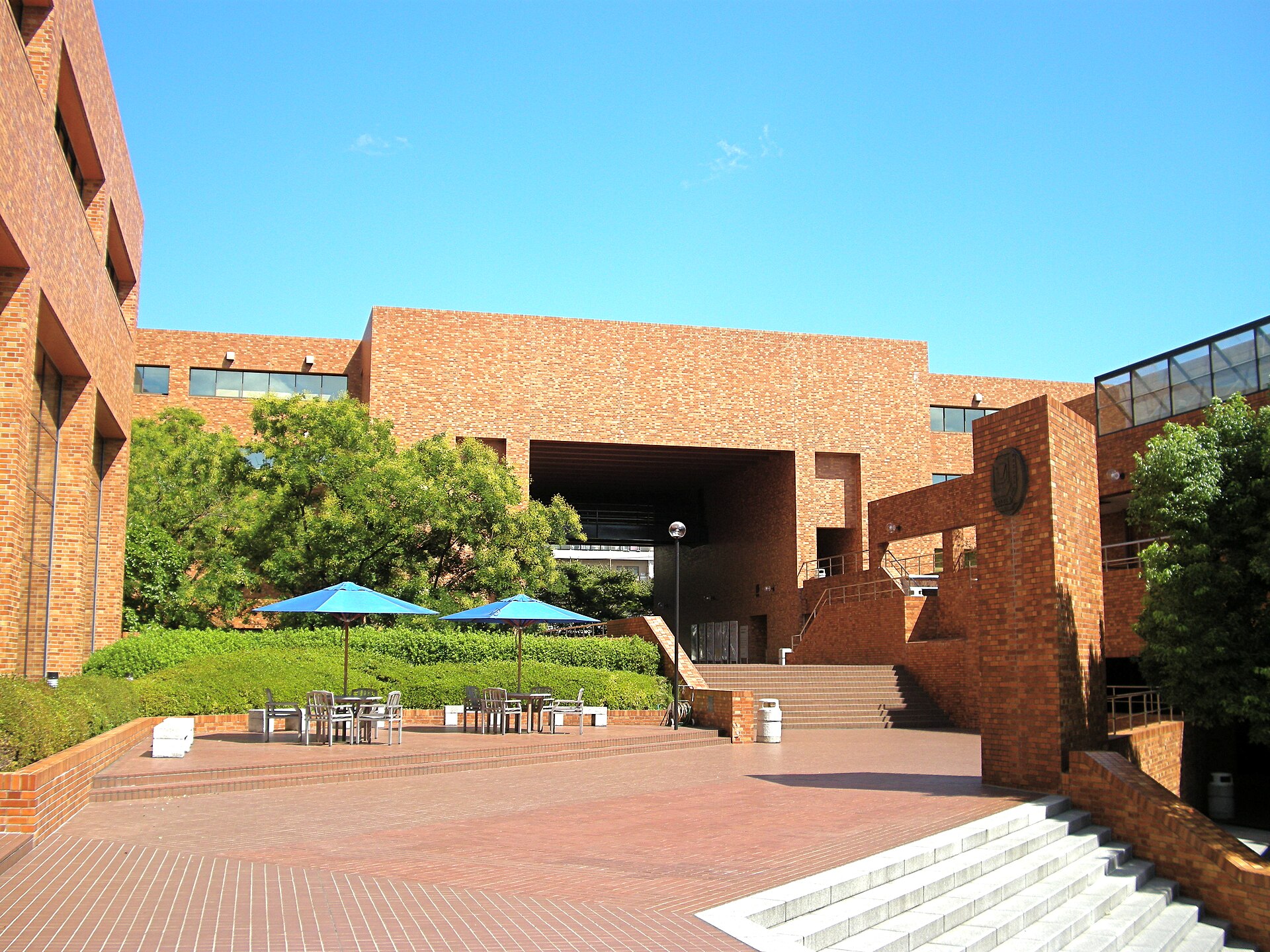
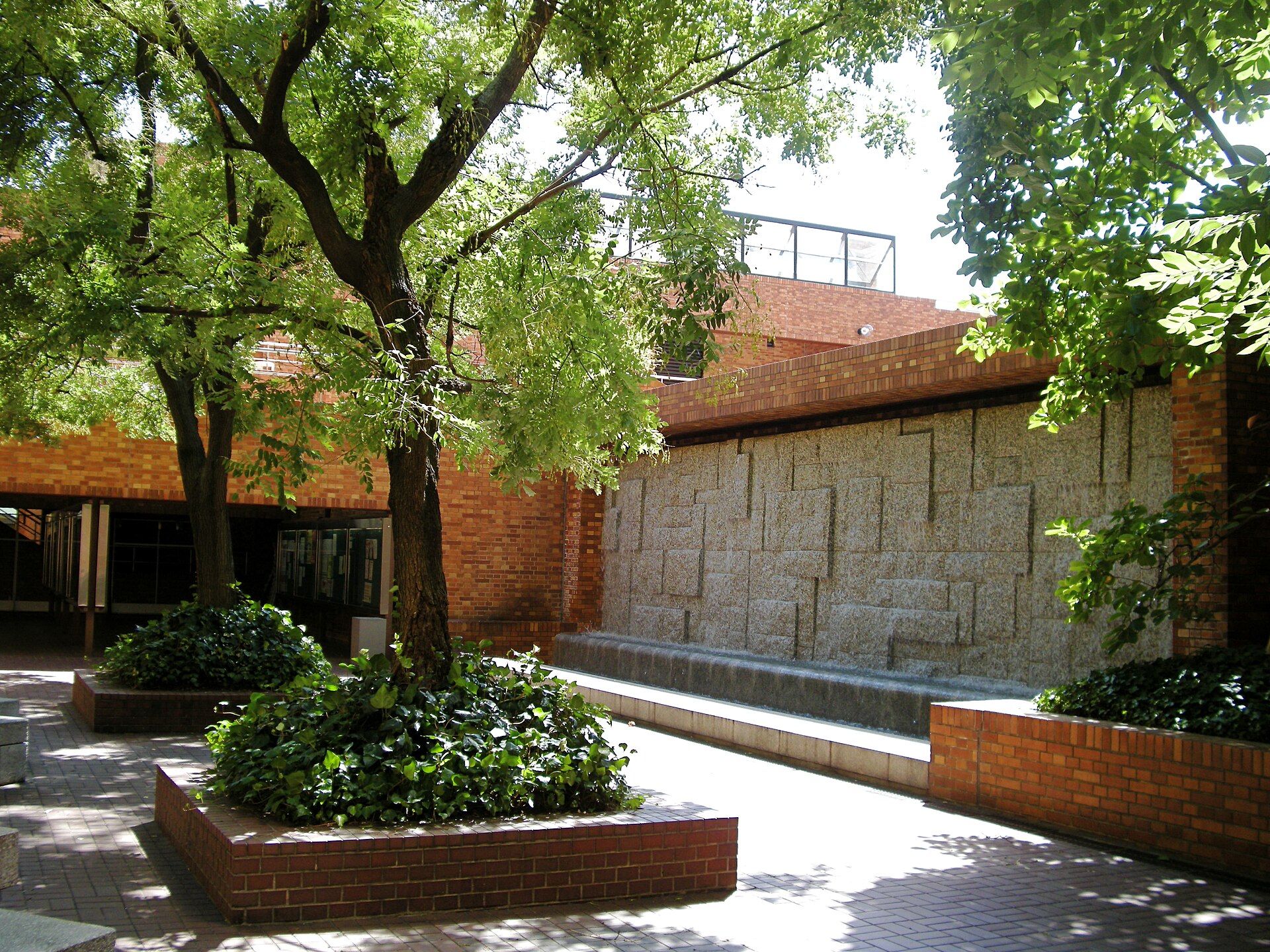
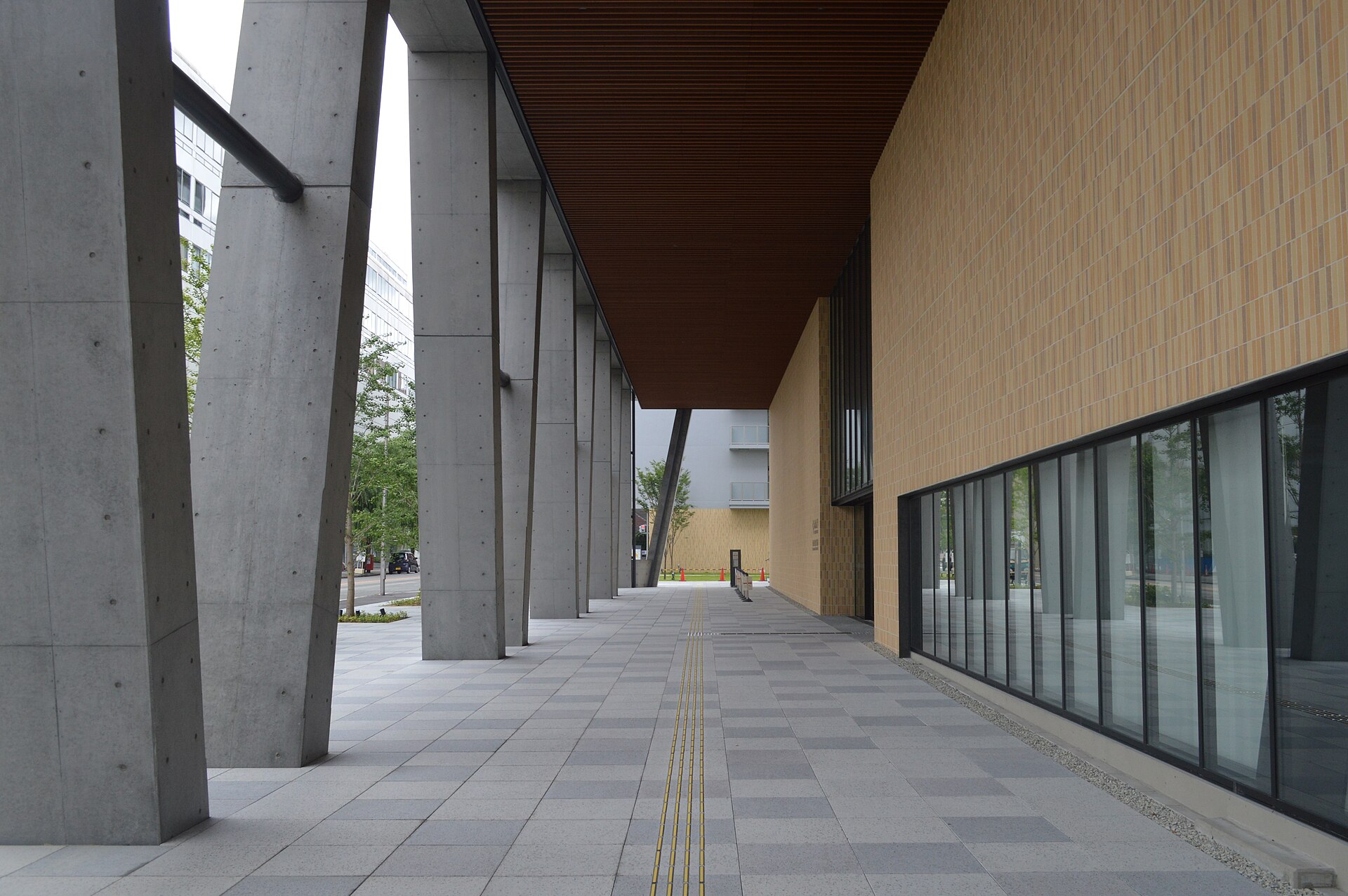
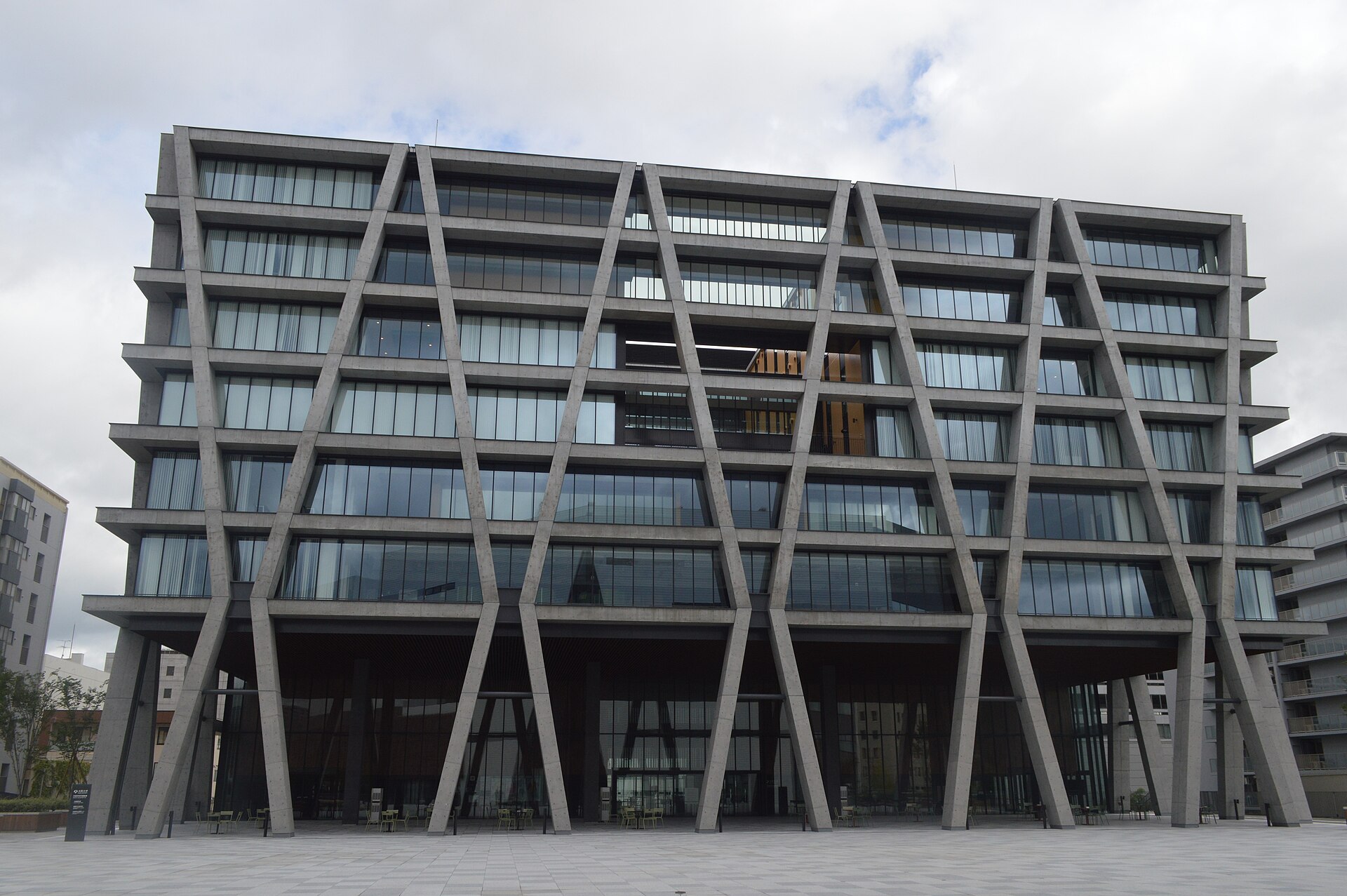
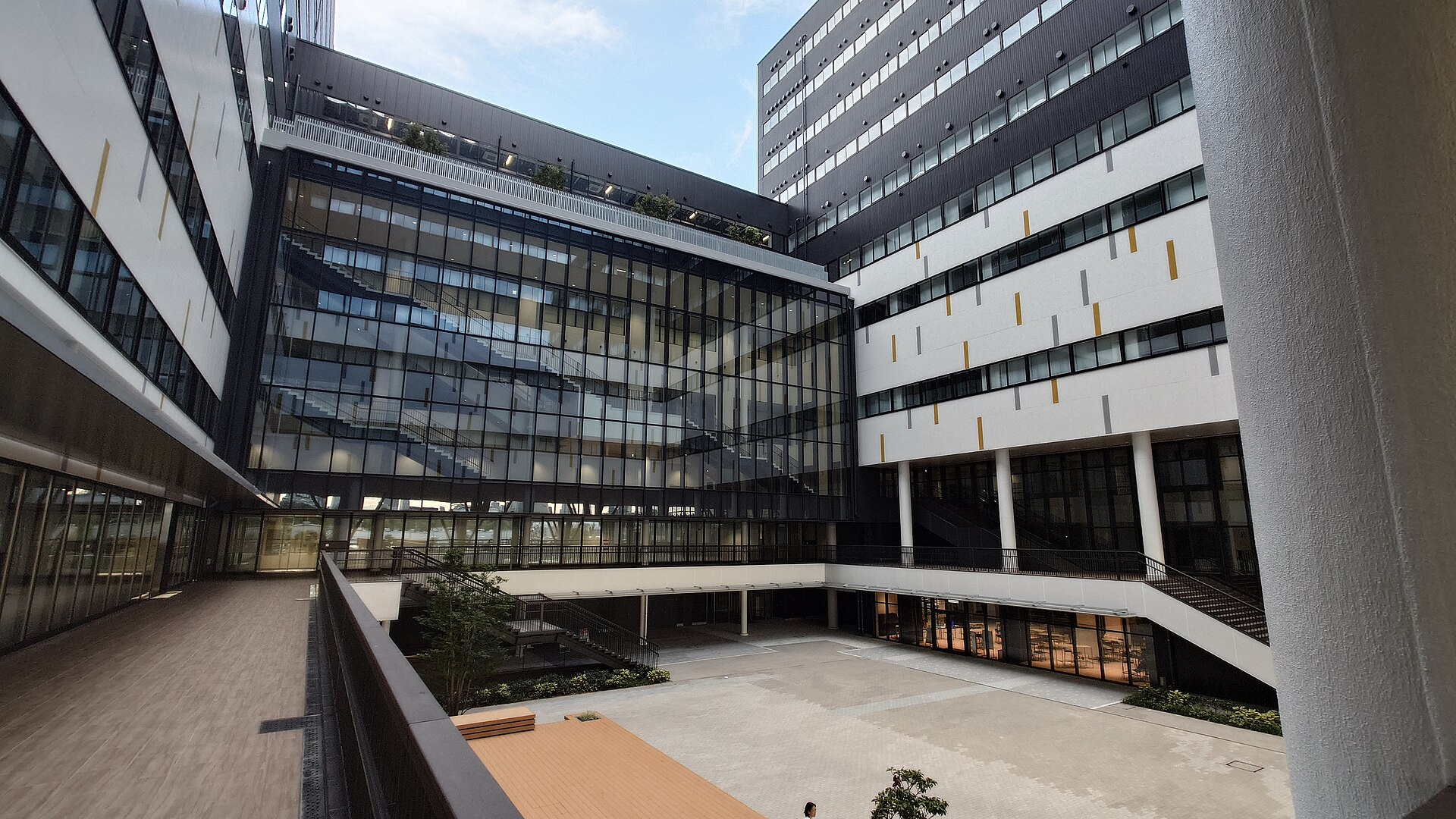
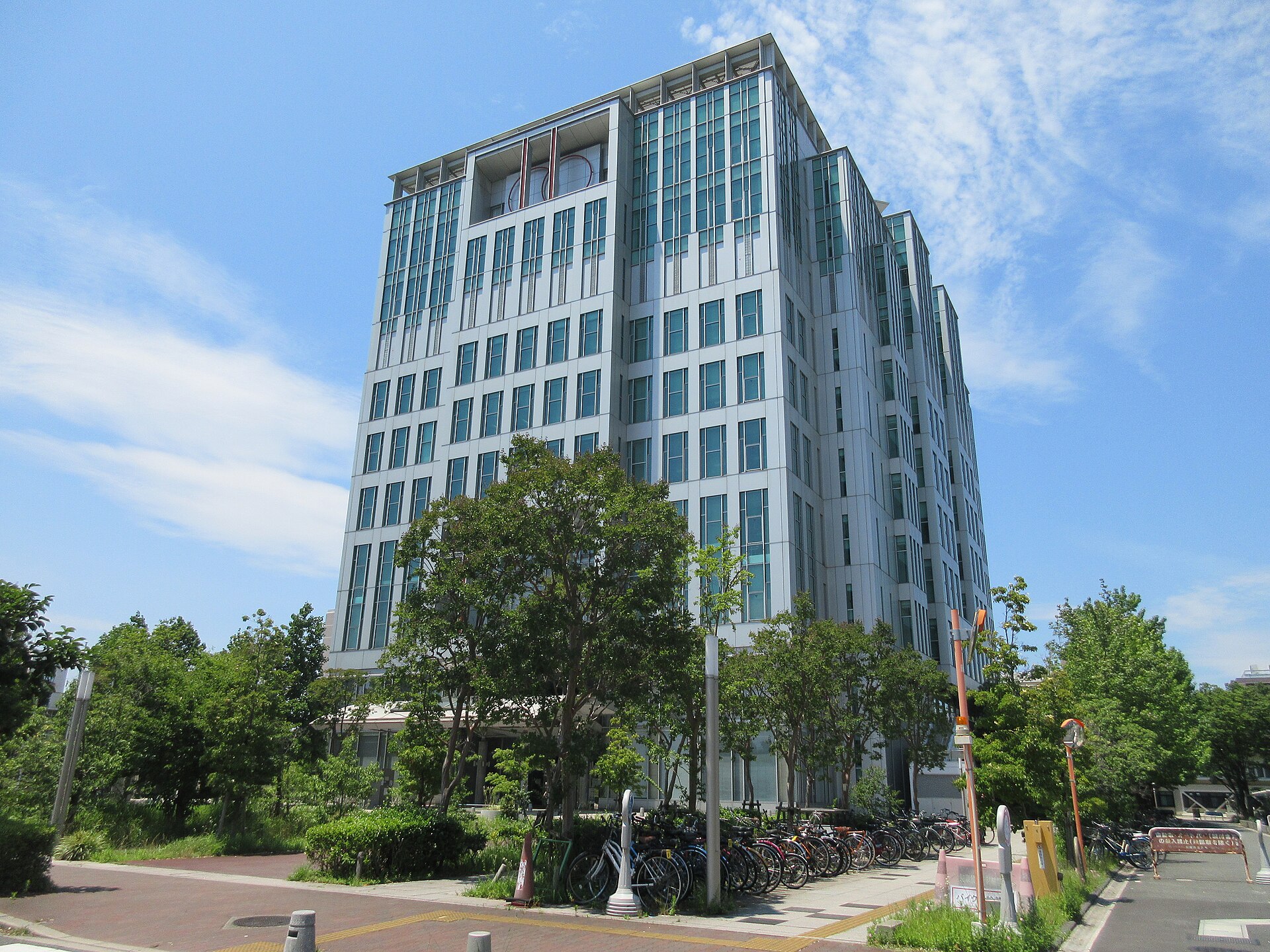
The University of Osaka — campus in pictures
Real, freely-licensed photographs of the campus (via Wikimedia Commons).
Why The University of Osaka — Research Excellence, Affordability & Osaka
A former Imperial University with nearly a century of research leadership, The University of Osaka combines top-10 national prestige with the warmth and energy of Japan's most underrated major city.
SELECTIVITY
Acceptance Rate & Admissions Profile
The University of Osaka is a highly selective national institution. The overall acceptance rate across all programmes and tracks (including domestic applicants via national entrance examination) is approximately 35%. However, the English-taught international undergraduate programmes are considerably more competitive among their specific international applicant pools. Selection is holistic, based on academic credentials, standardised test scores, a personal statement, and recommendation letters. There are no published SAT/ACT bands for these programmes; academic strength in core sciences or social sciences is the primary criterion.
AT A GLANCE
Quick Facts
WHAT YOU SUBMIT
Application Components
The University of Osaka's English-track undergraduate programmes use a document-based selection process administered directly through the university — not via Common App, UCAS, or any third-party platform. Here is what a complete application requires:
THE ADMIT PROFILE
What The University of Osaka Looks For
The English-taught undergraduate programmes at Osaka seek students who demonstrate exceptional academic achievement in relevant disciplines — not just in grades, but in the depth of their curiosity and preparation. For IUPS (Science), strong performance in Mathematics and Physical/Biological Sciences is essential; for iHUDPOS (Human Sciences), a reflective engagement with social, cultural, or global questions is valued. Admissions decisions rely on 'comprehensive screening of submitted documentation', meaning the committee reads every component holistically. Some candidates are invited for a short interview to clarify aspects of their application.
APPLICATION TIMELINE
Deadlines & Key Dates
The University of Osaka's English-taught undergraduate programmes intake is in April each year. Deadlines below are based on recent application cycles and are indicative — always confirm exact dates on the official programme website before applying.
Note: Dates above reflect recent cycles. Always verify the current cycle's exact deadlines on the official programme pages. The IUPS (Science) and iHUDPOS (Human Sciences) programmes may have slightly different timelines.
| Stage | Approximate | Notes |
|---|---|---|
| Online Registration Opens | Late November / Early December | Registration via e-apply.jp portal |
| Application Fee Payment Deadline | Early January | ≈17,000 JPY; confirm annually |
| Physical Documents Arrive | Mid-January | All documents by post to programme office |
| Personal Statement (Human Sciences) | Mid-January | Submit by email to programme office |
| Results Announced | Late March | Successful applicants notified |
| Enrolment / Programme Start | April 1 | Academic year begins April |
CAMPUS & CITY LIFE
Student Life at Osaka
On-campus housing (dormitories) is available for international students, particularly in the first year, helping new arrivals settle into life in Japan. The university operates dedicated International Student Centres on both the Suita and Toyonaka campuses, offering Japanese language courses, cultural integration support, and social events. Over 250 student clubs and societies — spanning sports, arts, cultural exchange, and academic circles — give international students ready communities to join from day one.
The University of Osaka operates across three main campuses in Osaka Prefecture: Suita (medicine, engineering, and science faculties), Toyonaka (liberal arts, science, law, economics), and Minoh (language education and human sciences). Each campus has distinct character, but all are well-connected by public transport to central Osaka — typically a 20–30 minute commute by train.
Osaka the city is a genuine asset. Japan's second-largest metropolitan area is internationally famous for its food culture, nightlife (the Dotonbori district), historical sites (Osaka Castle, Shitennoji Temple), and day-trip access to Kyoto, Nara, and Kobe. Osaka residents have a reputation as Japan's most warm and direct people, making it easier for international students to build friendships outside the university. Cost of living is meaningfully lower than Tokyo.
AFTER GRADUATION
Career Outcomes & Employment
The average starting salary for graduates is approximately USD 28,000 annually — reflecting Japanese entry-level salary norms, which typically increase substantially with experience in seniority-based corporate systems. Graduates of the English-taught programmes also have strong track records of progressing to international graduate programmes at universities across Japan, the US, and Europe, given the research-intensive environment and faculty mentorship available.
The University of Osaka's career outcomes are among the strongest of any Japanese national university. A 96% graduate employment rate reflects both the national prestige of the Osaka degree and the university's close ties to Kansai-region industry leaders — including Panasonic, Daikin Industries, Sharp, Sumitomo, and major pharmaceutical and biotech firms based in Osaka.
FAQs
Frequently Asked Questions
Do I need to speak Japanese to study at The University of Osaka?+
For the two English-taught undergraduate programmes (IUPS Science and iHUDPOS Human Sciences), you do not need Japanese proficiency at the time of application. However, the IUPS programme includes a compulsory six-month Japanese language preparatory course before degree coursework begins, so you will gain foundational Japanese. All other undergraduate faculties at Osaka are taught in Japanese.
Is there a Common App or UCAS application for Osaka?+
No. The University of Osaka uses a direct application system. You register via the university's own portal (currently e-apply.jp/n/osaka-u-inter), pay the application fee, and submit physical documents by post along with your personal statement by email. There is no Common App, UCAS, or coalition application.
What English-taught undergraduate programmes are available?+
There are two: the International Undergraduate Program in Science (IUPS) — covering Physics, Chemistry, Mathematics, and Biological Sciences, running approximately 4.5 years including a Japanese-language preparatory semester — and the Human Sciences International Undergraduate Degree Program (iHUDPOS) — a fully English-delivered four-year programme in sociology, anthropology, education, and global citizenship.
What is the MEXT scholarship, and can I apply for it through Osaka?+
The MEXT (Ministry of Education, Culture, Sports, Science and Technology) scholarship is a fully-funded Japanese government scholarship covering tuition, a monthly stipend, and round-trip airfare. The University of Osaka participates in the University Recommendation pathway, where the university nominates candidates for government consideration. Applications are typically due by September of the year preceding enrolment. Separately, the Embassy Recommendation pathway is administered by Japan's embassies in your home country.
Can I apply if I am still in secondary school and don't have final exam results?+
Yes. If your final secondary school results will not be available before the application deadline, you may submit a predicted-grade certificate using the university's template, accompanied by current transcripts. A conditional acceptance may be issued, with final confirmation upon receipt of actual results.
How competitive is the iHUDPOS programme compared to IUPS?+
Both programmes attract strong international applicants and select via holistic document review. Neither publishes class-size or admit-rate figures for the international track specifically. Relative to IUPS, iHUDPOS applicants typically come from broader academic backgrounds (humanities, social sciences, interdisciplinary), making subject-area comparison less direct. Both are genuinely competitive; a strong GPA, relevant test scores, clear personal statement, and thoughtful recommendations are essential for both.
Is an interview part of the admissions process?+
Interviews are not guaranteed for all applicants, but 'some candidates may be invited for a short interview to clarify aspects of their documentation.' If invited, treat it as an academic conversation about your interests and fit for the programme — not a formal panel interview.
Are there housing options for international students?+
Yes. The University of Osaka offers on-campus dormitory housing for international students. Availability is not unlimited, so apply as early as possible once admitted. The International Student Centres on Suita and Toyonaka campuses also assist with off-campus housing referrals for those who prefer private accommodation.
ACADEMIC EXPECTATIONS
What It Takes Academically to Succeed at The University of Osaka
The University of Osaka's English-taught undergraduate programmes are designed for students with genuine intellectual rigour in their chosen field. Unlike US liberal-arts colleges where you 'explore' your major, Osaka's Japanese university structure means you are admitted directly into your faculty and expected to engage deeply from Year 1. Strong subject preparation in the sciences (for IUPS) or humanities and social sciences (for iHUDPOS) — combined with solid English proficiency — is the foundation of a successful application and academic career here.
ACADEMIC BENCHMARKS
Academic Profile of Admitted Students
The University of Osaka does not publish specific SAT/ACT bands for its English-taught international programmes. Admissions are holistic, with academic transcripts and subject-level achievement as the primary criteria. The indicative minimum GPA equivalent is 3.0, but competitive admits typically exceed this. IB students are well-served by the programmes' admissions criteria.
TEST POLICY
Standardised Test Policy
Importantly, from the April 2026 intake, the Mathematics department within IUPS now accepts only EJU, IB (Mathematics), and GCE A-Level (Mathematics) — SAT/ACT are no longer accepted for Mathematics specialisation within IUPS. For all other specialisations (Physics, Chemistry, Biological Sciences) and for the Human Sciences programme, the full range of tests remains accepted. Always confirm the current year's test policy directly with the programme office.
The University of Osaka's test policy for its English-taught undergraduate programmes is listed as 'optional' in the broad sense — there is no single mandated test across all programmes. However, you are required to submit evidence of academic achievement, which typically means at least one standardised qualification: SAT, ACT, IB (full diploma or predicted), A-Level, AP subjects, or EJU (Examination for Japanese University Admission for International Students).
SAT / ACT / EJU
Standardised Tests: What to Submit
IB / A-LEVEL / AP
IB, A-Level & AP: How They're Evaluated
A-Level students should aim for strong results in three relevant A-Levels. For IUPS Physics or Chemistry, A-Level Physics/Chemistry is directly relevant; for IUPS Mathematics, A-Level Further Mathematics is advantageous. For iHUDPOS, A-Level subjects across History, Economics, Sociology, or English Literature demonstrate the analytical range the programme values. AP students should include their highest-scoring AP subjects in relevant disciplines — AP Calculus BC, AP Physics, AP Chemistry for IUPS; AP History, AP Psychology, AP Economics for Human Sciences.
The University of Osaka is experienced with international qualifications. IB Diploma students are common applicants to both IUPS and iHUDPOS, and the IB's emphasis on research (Extended Essay, Internal Assessments) aligns well with Osaka's research-intensive culture. There is no published IB score band, but top-quartile results — particularly at Higher Level in subjects relevant to your programme — are expected of competitive applicants.
SUBJECT PREPARATION
Subject Rigour: What to Bring to Osaka
ENGLISH REQUIREMENTS
English Language Requirements
Both English-taught undergraduate programmes at The University of Osaka require proof of English proficiency. The minimum thresholds are:
Students who have completed secondary school entirely in English (e.g. A-Level in an English-medium school, IB in English) may be eligible for a proficiency waiver — contact the relevant programme office to confirm. Duolingo English Test is not listed in the University of Osaka's official requirements.
| Test | Minimum | Notes |
|---|---|---|
| TOEFL iBT | 80 | Internet-based total score |
| IELTS Academic | 6.5 | Overall band score |
| Other qualifications | Varies | Contact programme office to confirm alternative qualifications |
YEAR-BY-YEAR ROADMAP
Building Your Osaka Application: Grade 9 to 12
AVOID THESE PITFALLS
Common Academic Application Mistakes
- Applying to Osaka's English-taught programmes without fully understanding their scope — IUPS is partially bilingual (you will study in Japanese after the preparatory semester); iHUDPOS is fully English-taught but deeply embedded in Japanese cultural and campus life.
- Submitting SAT/ACT scores for the IUPS Mathematics specialisation from 2026 intake — only EJU, IB, and A-Level Mathematics are accepted for this specialisation.
- Treating the application fee payment and document submission as the same step — they are separate: fee via online portal, documents by post, personal statement by email.
- Missing the physical document postal deadline, which is distinct from the registration/fee deadline. Post international documents well in advance of the stated arrival date.
- Submitting predicted IB/A-Level grades without the university's certificate template (where required) — use the template provided in the application guidelines.
- Underestimating the importance of the personal statement — it is the only narrative document in the application, and a generic or unfocused statement is a significant disadvantage.
- Assuming an IELTS 6.5 is sufficient without checking whether the programme office accepts alternative qualifications for native-English-medium school leavers.
COST & FINANCIAL AID
Cost of Studying at The University of Osaka
For a top-100 global research university, The University of Osaka is extraordinarily affordable. As a Japanese national university, tuition is standardised by the government and charged at the same rate for domestic and international students. Total annual costs — including tuition, accommodation, food, and living expenses — are estimated at around USD 14,000. Combined with the availability of the fully-funded MEXT scholarship, Osaka represents one of the best-value opportunities in international higher education.
ANNUAL COST ESTIMATE
Cost Breakdown (Annual)
All figures are indicative annual estimates in USD based on current exchange rates. Costs are listed in facts data and are per academic year.
All figures in USD are approximate and subject to JPY/USD exchange rate fluctuation. The actual tuition in JPY is set by Japan's Ministry of Education and is the same for all national universities. Confirm current figures in JPY on the official admissions website.
| Component | Annual Usd | Notes |
|---|---|---|
| Tuition (national university rate) | ~USD 3,500 | Same for domestic and international students |
| Cost of living (accommodation, food, transport) | ~USD 12,000 | Osaka; lower than Tokyo |
| Total estimated annual cost | ~USD 14,000 | Inclusive estimate |
| Application fee | ~USD 120 (17,000 JPY) | One-time, non-refundable |
FINANCIAL AID FOR INTERNATIONALS
Financial Aid Policy
Additionally, the university administers its own institutional scholarships and emergency funds for enrolled students facing financial hardship. Some Osaka University-specific scholarships are available to current students who demonstrate academic excellence after enrolment. Contact the International Student Centre for guidance on scholarship opportunities once admitted.
The University of Osaka does not operate a need-blind or need-based financial aid programme for international undergraduates comparable to US need-based systems. However, the extremely low tuition — a government-standardised rate of approximately USD 3,500 per year — means that international students are not paying a premium international fee. The primary form of substantial financial support available to international undergraduates is the Japanese Government (MEXT) scholarship.
KEY SCHOLARSHIPS
Scholarships for International Students
REAL COST REALITY CHECK
Is Osaka Genuinely Affordable?
Osaka's cost of living is also meaningfully lower than Tokyo. Monthly costs for accommodation, food, transportation, and incidentals for an international student typically fall in the range reflected in the facts file (approximately USD 1,000/month). Campus dormitories, where available, reduce housing costs further. For students who secure the MEXT scholarship, the effective out-of-pocket cost of studying at Osaka can be near zero — a genuinely rare combination at a globally ranked research university.
The short answer is yes — exceptionally so, for a university of this calibre. The annual tuition of approximately USD 3,500 is the standardised national university rate, not a discounted figure for domestic students. International students pay the same. This puts The University of Osaka in the same tuition range as a community college in the United States, while offering a top-100 global university education.
HOW TO FUND YOUR OSAKA DEGREE
Steps to Secure Funding
COST FAQs
Cost & Aid: Frequently Asked Questions
Do international students pay higher tuition than Japanese students?+
No. As a national university, The University of Osaka charges a government-standardised tuition rate that applies equally to domestic and international students. There is no international tuition premium, which is a significant advantage over private Japanese universities and most Western institutions.
What does the MEXT scholarship actually cover?+
The MEXT scholarship for undergraduate students covers full tuition, a monthly living stipend (sufficient for accommodation and basic living costs in Osaka), round-trip international airfare, and health insurance. It does not cover personal expenses, additional travel within Japan, visa application fees, or optional extracurricular costs.
Is the cost of living in Osaka affordable for a student budget?+
Yes. Osaka is considerably more affordable than Tokyo. International students typically spend around USD 800–1,200 per month on accommodation, food, transport, and personal expenses — aligning with the roughly USD 12,000 annual living cost estimate in the university's facts. On-campus dormitories reduce housing costs further.
Can I work part-time to support myself while studying?+
International students holding a Student Visa in Japan are permitted to work up to 28 hours per week during term time under the 'Permission to Engage in Activity other than that Permitted under the Status of Residence Previously Granted.' This part-time work capability helps many students supplement living costs. Note that English-language job opportunities outside campus may be limited — Japanese language skills open more options.
Are there scholarships specifically for the IUPS or iHUDPOS programmes?+
MEXT scholarships are available to students in both programmes. Beyond MEXT, institutional scholarships are typically applied for after enrolment. Contact the School of Science or the Human Sciences International Student Office directly for the most current information on programme-specific funding. Check also whether your home country has bilateral agreements with Japan for student funding.
APPLICATION & PERSONAL STATEMENT
The Application Statement at The University of Osaka
The University of Osaka is a Japanese national university — it does not use Common App, UCAS, or any platform featuring US-style supplemental essays. The application process is document-based, and the primary narrative document you submit is a personal statement (sometimes referred to as a cover letter, particularly for the Human Sciences programme). This is a focused, purposeful piece of academic writing — not a personal narrative in the US 'Common App' sense, but a clear, specific articulation of your academic interests and motivation to study your chosen subject in this particular programme at Osaka.
THE WRITING REQUIREMENT
What You Actually Submit
The Human Sciences application guidelines specifically describe the personal statement as a document in which you 'explain in concrete terms how the experience of studying in the program would benefit you.' This is the lens through which the entire statement should be written: specificity, concreteness, and programme-relevance. Vague statements of ambition or generic descriptions of your love of learning are not what the committee is looking for.
Both English-taught undergraduate programmes at Osaka require a personal statement as part of the application. For the Human Sciences programme (iHUDPOS), the personal statement must be submitted by email to the programme office separately from the physical document package. For IUPS (Science), a personal statement is similarly expected as part of the application materials. There are no multiple supplements, no 'Why Osaka?' short-answer questions, no activity list in Common App format — the personal statement is the single main written component.
Exact personal statement instructions and any word limits are detailed in the programme's Application Guidelines PDF, published each cycle. Always download and read the current-year guidelines before writing your statement — requirements may be refined annually.
WHAT TO ADDRESS
Personal Statement Focus Areas
The University of Osaka does not publish a single fixed essay prompt in the way US universities do. Based on official guidance and the programme context, your personal statement should substantively address the following areas. These are the established expectations — always verify the specific wording and requirements in the current Application Guidelines PDF before writing.
WRITING STRATEGY
How to Approach the Personal Statement
A well-structured Osaka personal statement typically runs 500–800 words (confirm any word limit in the current guidelines). It opens by establishing your core academic interest and how it developed. The middle sections demonstrate subject preparation and specific intellectual curiosity. It closes by connecting to what you will gain from, and contribute to, the programme — and gestures toward your longer-term goals. Avoid spending significant space on biographical narrative unrelated to your academic development; the committee is primarily interested in your intellectual readiness and motivation.
The University of Osaka's personal statement sits between a UK-style UCAS personal statement (focused, academic, subject-driven) and a motivation letter as used in European university applications. It is not a US personal essay (which prioritises personal narrative and storytelling). The tone should be formal-to-professional, the content should be academically substantive, and every paragraph should serve the purpose of demonstrating fit between you and this specific programme.
PROGRAMME-SPECIFIC STRATEGY
Tailoring Your Statement: IUPS vs iHUDPOS
WHAT TO WRITE ABOUT
Choosing Your Angle
The statement should feel as though only you could have written it, and only for this programme. Copy-paste statements sent to multiple universities — particularly those that feel generic about Japan or about 'international experience' — are immediately recognisable and ineffective. Osaka's admissions readers know their programme well; your statement should demonstrate that you do too.
The best Osaka personal statements are specific to the point of being surprising. Instead of 'I have always been interested in physics,' write about a specific problem in quantum materials that you read about and couldn't stop thinking about, and how IUPS's curriculum in Physics positions you to explore it. Instead of 'I want to understand global issues,' identify a specific sociological phenomenon — migration patterns, educational inequality, intercultural communication — and articulate why the Human Sciences framework at Osaka is the right lens for studying it.
- Choose a specific intellectual thread — one question, problem, or area — and follow it with depth rather than breadth.
- Reference the programme structure, curriculum, or research strengths of The University of Osaka specifically — not just generic references to 'Japan's science culture.'
- Describe your most relevant academic preparation concretely — projects, coursework, reading — rather than making abstract claims about your passion.
- For iHUDPOS: let the quality of your writing make an argument on its own behalf — it is the most direct evidence of the analytical skills the programme values.
- For IUPS: address your preparation in your chosen specialisation and signal readiness for mathematical and scientific rigour.
WHAT NOT TO DO
Personal Statement Pitfalls to Avoid
- Writing a US-style personal narrative (coming-of-age story, family background, overcoming adversity) without connecting it to academic interest and fit for the programme — this format does not match what Osaka expects.
- Describing Japan's food, culture, or anime as primary motivations — while genuine cultural interest is fine to mention briefly, it should not be the core argument for why you belong in a rigorous academic programme.
- Vague future goals: 'I want to contribute to society' or 'I want to make the world a better place' — replace with specific, programme-connected goals.
- Failing to demonstrate knowledge of the specific programme (IUPS or iHUDPOS) — generic statements that could apply to any Japanese university are weak.
- Submitting the personal statement late — for the Human Sciences programme, it is submitted by email separately from your physical documents, and missing this separate deadline disqualifies your application.
- Exceeding any stated word limit — read the current Application Guidelines PDF carefully, as specific formatting and length requirements may be stated.
- Using AI-generated text uncritically — the statement must demonstrate your voice, your specific intellectual interests, and your genuine engagement with this programme.
STATEMENT FAQs
Frequently Asked Questions: Personal Statement
Is the personal statement really that important at a Japanese university?+
Yes, at the English-taught international programmes, absolutely. Unlike the domestic admissions process (which is driven by national entrance exam scores), the English-track international programmes use holistic document review where the personal statement is the primary narrative differentiator between academically similar applicants. Treat it with the same seriousness you would a UK personal statement or US supplemental essay.
What language should the personal statement be written in?+
In English, since both IUPS and iHUDPOS are English-taught programmes. The statement itself also signals your English writing ability — so the quality of your written English matters. Write clearly and precisely; a slightly shorter, sharper statement outperforms a longer but diffuse one.
Is there a word limit?+
Specific word or page limits are set out in the Application Guidelines PDF published each cycle. Download the current-year guidelines from the official programme page and follow the formatting instructions exactly. If no word limit is stated, aim for 500–800 words — sufficient to be substantive, not so long as to lose focus.
Can I submit the same personal statement to IUPS and iHUDPOS if I apply to both?+
These are different programmes with different academic focuses — IUPS is science-intensive; iHUDPOS is social sciences and humanities. A single generic statement will read poorly for both. If you are applying to both programmes (check whether this is permitted in the current guidelines), tailor each statement to its specific programme. In most cases, applicants select one programme to apply to.
Should I mention MEXT scholarship ambitions in my personal statement?+
No. The personal statement is about your academic motivation and fit for the programme — not your funding strategy. MEXT scholarship applications are a separate process. Keep the personal statement focused purely on your intellectual interests, preparation, and goals.
What tone should the personal statement have?+
Formal-to-professional, intellectually engaged, and specific. It should not read like a casual personal essay or a CV in prose form. The ideal tone is that of a focused, articulate student writing to an academic audience about their scholarly interests — confident but not arrogant, specific but not jargon-heavy.
Courses — schools, degrees & intake
79 degrees across 11 groupings.
School of Letters · 19 degrees
Bachelor of Arts – Philosophy, Thought and Culture
Bachelor of Arts – Ethics
Bachelor of Arts – Chinese Philosophy
Bachelor of Arts – Indian Philosophy
Bachelor of Arts – Japanese History
Bachelor of Arts – Asian History
Bachelor of Arts – European and American History
Bachelor of Arts – Archaeology
Bachelor of Arts – Japanese Studies and Japanese Linguistics
Bachelor of Arts – Japanese Literature and Japanese Historical Linguistics
Bachelor of Arts – Comparative Literature
Bachelor of Arts – Chinese Literature
Bachelor of Arts – English and American Literature and English Linguistics
Bachelor of Arts – German Literature
Bachelor of Arts – French Literature
Bachelor of Arts – Human Geography
Bachelor of Arts – Aesthetics and Science of Literary Arts
Bachelor of Arts – Musicology and Theatre Studies
Bachelor of Arts – Art History
School of Human Sciences · 5 degrees
Bachelor of Human Sciences – Psychological and Behavioral Sciences
Bachelor of Human Sciences – Sociology, Philosophy and Anthropology
Bachelor of Human Sciences – Education
Bachelor of Human Sciences – Kyosei Studies (Critical Studies in Coexistence, Symbiosis and Conviviality)
Bachelor of Human Sciences – Human Sciences International Undergraduate Programme (All-English)
School of Foreign Studies · 25 degrees
Bachelor of Arts – Chinese Studies
Bachelor of Arts – Korean Studies
Bachelor of Arts – Mongolian Studies
Bachelor of Arts – Indonesian Studies
Bachelor of Arts – Filipino Studies
Bachelor of Arts – Thai Studies
Bachelor of Arts – Vietnamese Studies
Bachelor of Arts – Burmese Studies
Bachelor of Arts – Hindi Studies
Bachelor of Arts – Urdu Studies
Bachelor of Arts – Japanese Language and Cultural Studies (for international students)
Bachelor of Arts – Arabic Studies
Bachelor of Arts – Persian Studies
Bachelor of Arts – Turkish Studies
Bachelor of Arts – Swahili and African Studies
Bachelor of Arts – Russian Studies
Bachelor of Arts – Hungarian Studies
Bachelor of Arts – German Studies
Bachelor of Arts – Swedish Studies
Bachelor of Arts – Danish Studies
Bachelor of Arts – English Studies
Bachelor of Arts – French Studies
Bachelor of Arts – Italian Studies
Bachelor of Arts – Spanish Studies
Bachelor of Arts – Portuguese Studies
School of Law · 2 degrees
Bachelor of Laws (LLB) – Legal Studies
Bachelor of Laws (LLB) – Political Science
School of Economics · 2 degrees
Bachelor of Economics – Economics
Bachelor of Economics – Business Administration
School of Science · 5 degrees
Bachelor of Science – Mathematics
Bachelor of Science – Physics
Bachelor of Science – Chemistry
Bachelor of Science – Biological Sciences
Bachelor of Science – International Undergraduate Program in Science (IUPS)
School of Medicine · 2 degrees
Doctor of Medicine (MD) – Medicine
Bachelor of Health Sciences – Health Sciences
School of Dentistry · 1 degrees
Doctor of Dental Surgery (DDS) – Dentistry
School of Pharmaceutical Sciences · 2 degrees
Doctor of Pharmacy (PharmD) – Pharmacy
Bachelor of Science in Pharmaceutical Sciences
School of Engineering · 12 degrees
Bachelor of Engineering – Applied Chemistry
Bachelor of Engineering – Biotechnology
Bachelor of Engineering – Applied Physics
Bachelor of Engineering – Mechanical Engineering
Bachelor of Engineering – Materials and Manufacturing Science
Bachelor of Engineering – Electrical and Electronic Engineering
Bachelor of Engineering – Information and Communications Technology
Bachelor of Engineering – Environmental Engineering
Bachelor of Engineering – Nuclear Science and Energy Engineering
Bachelor of Engineering – Naval Architecture and Ocean Engineering
Bachelor of Engineering – Civil Engineering
Bachelor of Engineering – Architectural Engineering
School of Engineering Science · 4 degrees
Bachelor of Engineering Science – Electronics and Materials Physics
Bachelor of Engineering Science – Chemical Science and Engineering
Bachelor of Engineering Science – Systems Science
Bachelor of Engineering Science – Information and Computer Sciences
Want your real chances at University of Osaka?
Create a free TYCHR account for your personalised admit-chance, a shortlist you can track, exact entry requirements, and essay + counselling help.