The University of British Columbia
Vancouver, Canada · Urban
ADMISSIONS GUIDE FOR INTERNATIONAL STUDENTS
The University of British Columbia — Canada's Pacific Gateway to Global Research
Ranked #40 globally by QS and #3 in Canada, UBC sits on a 402-hectare peninsula where the Pacific Ocean meets the Coast Mountains — one of the most remarkable university settings in the world. With 66,000 students, 28% from outside Canada, and over $35 million in annual international scholarships, UBC is built for the world's most ambitious students. This guide tells you exactly what it takes to earn your place here.
Campus
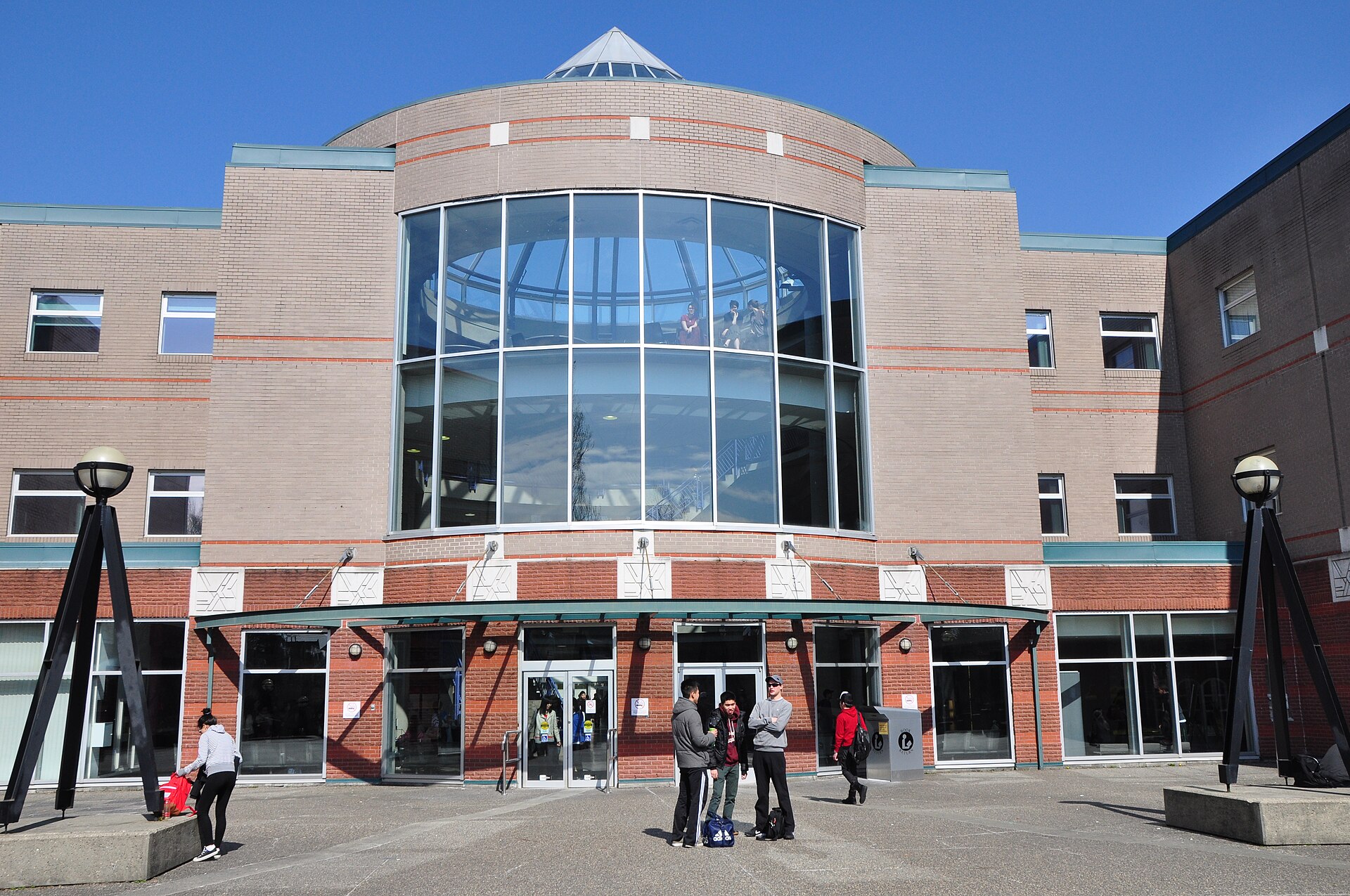
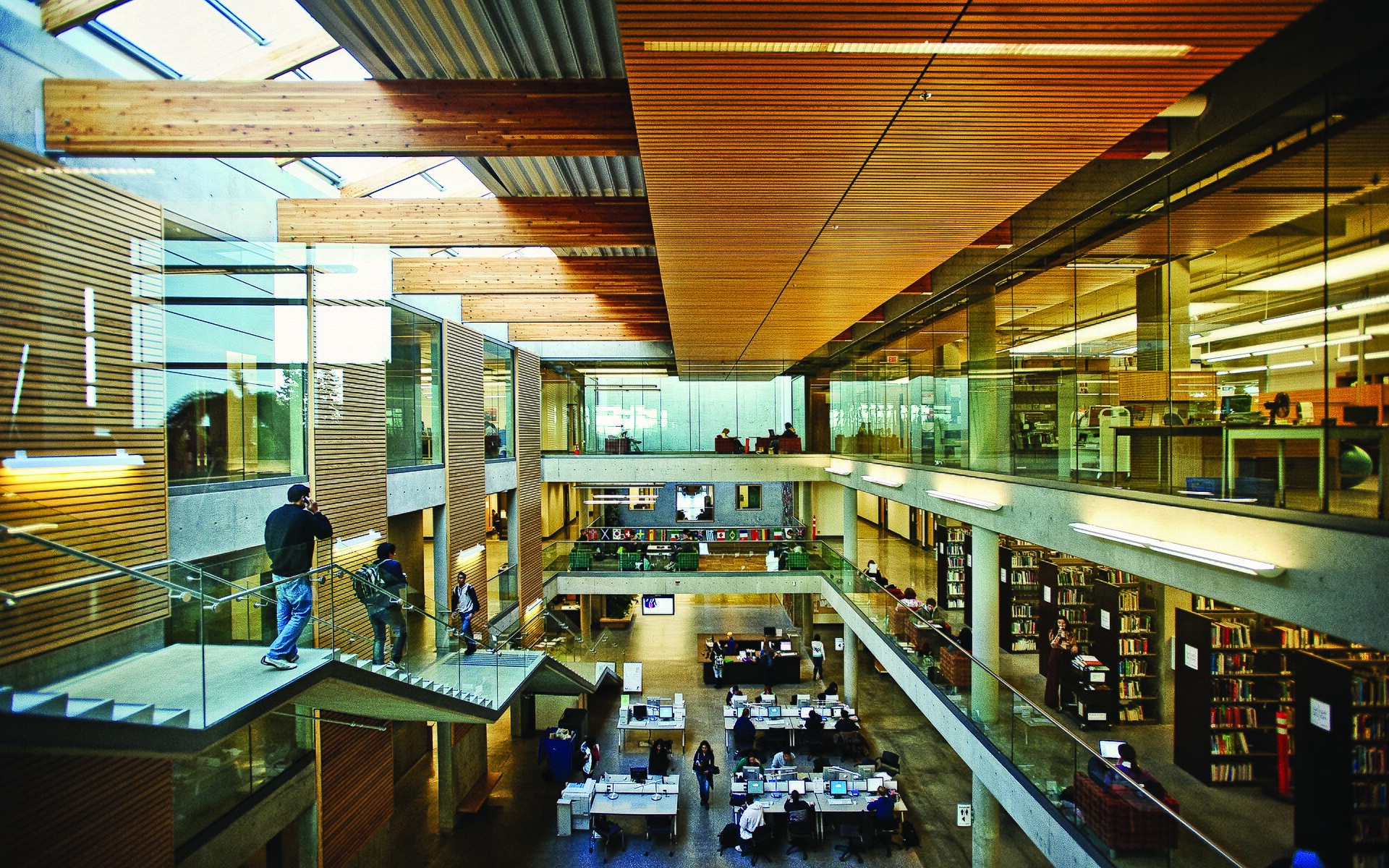
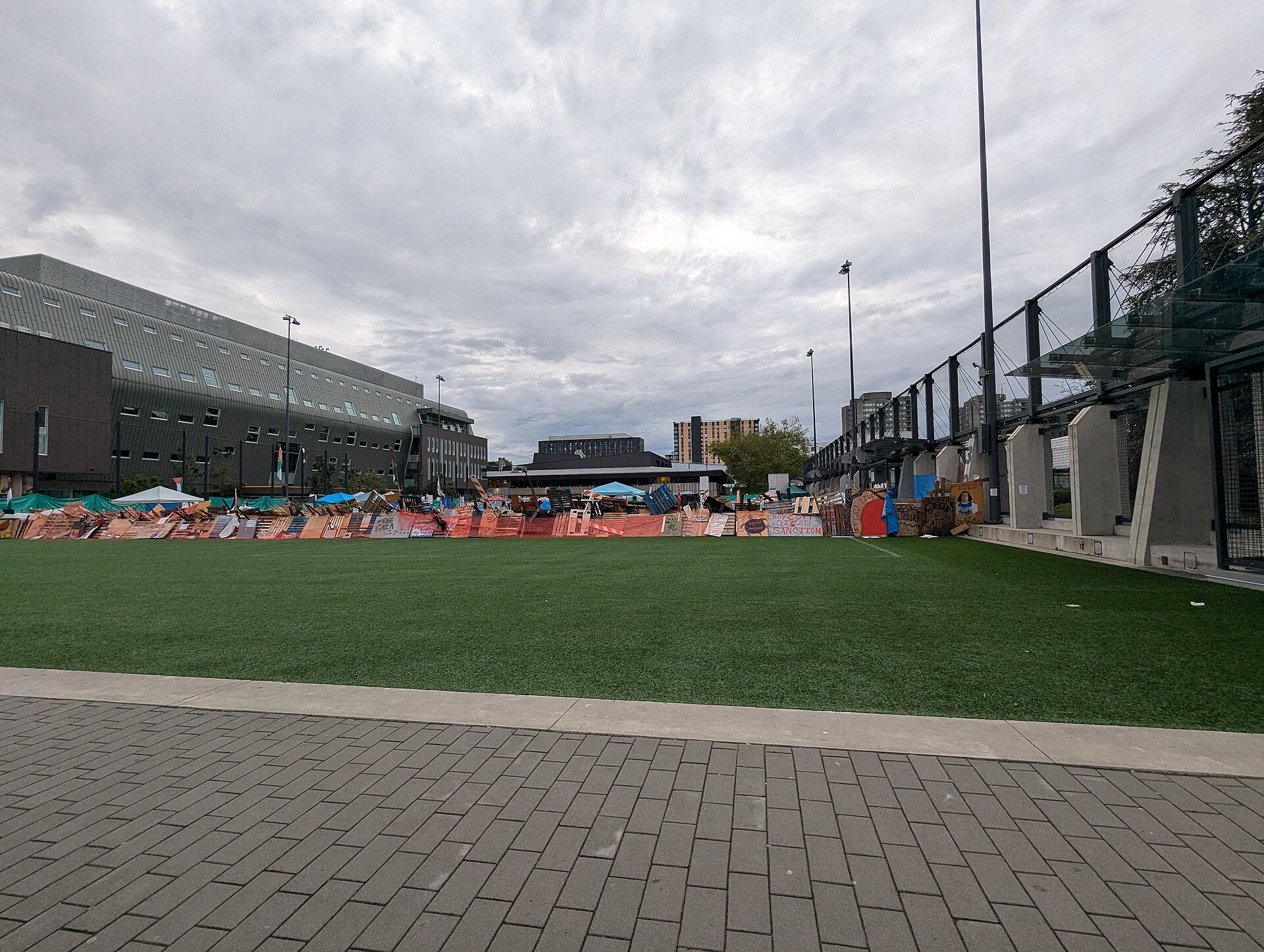
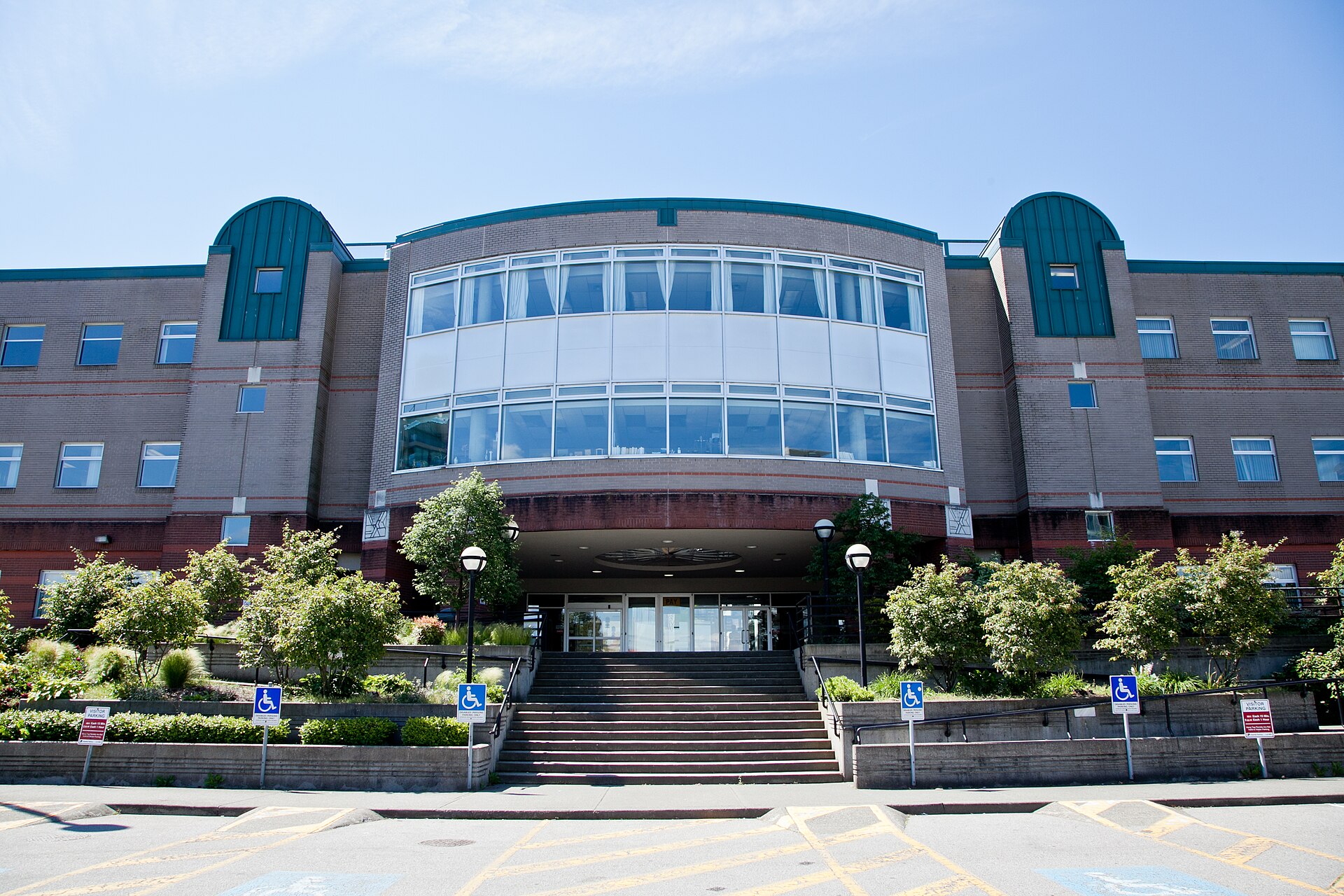
The University of British Columbia — campus in pictures
Real, freely-licensed photographs of the campus (via Wikimedia Commons).
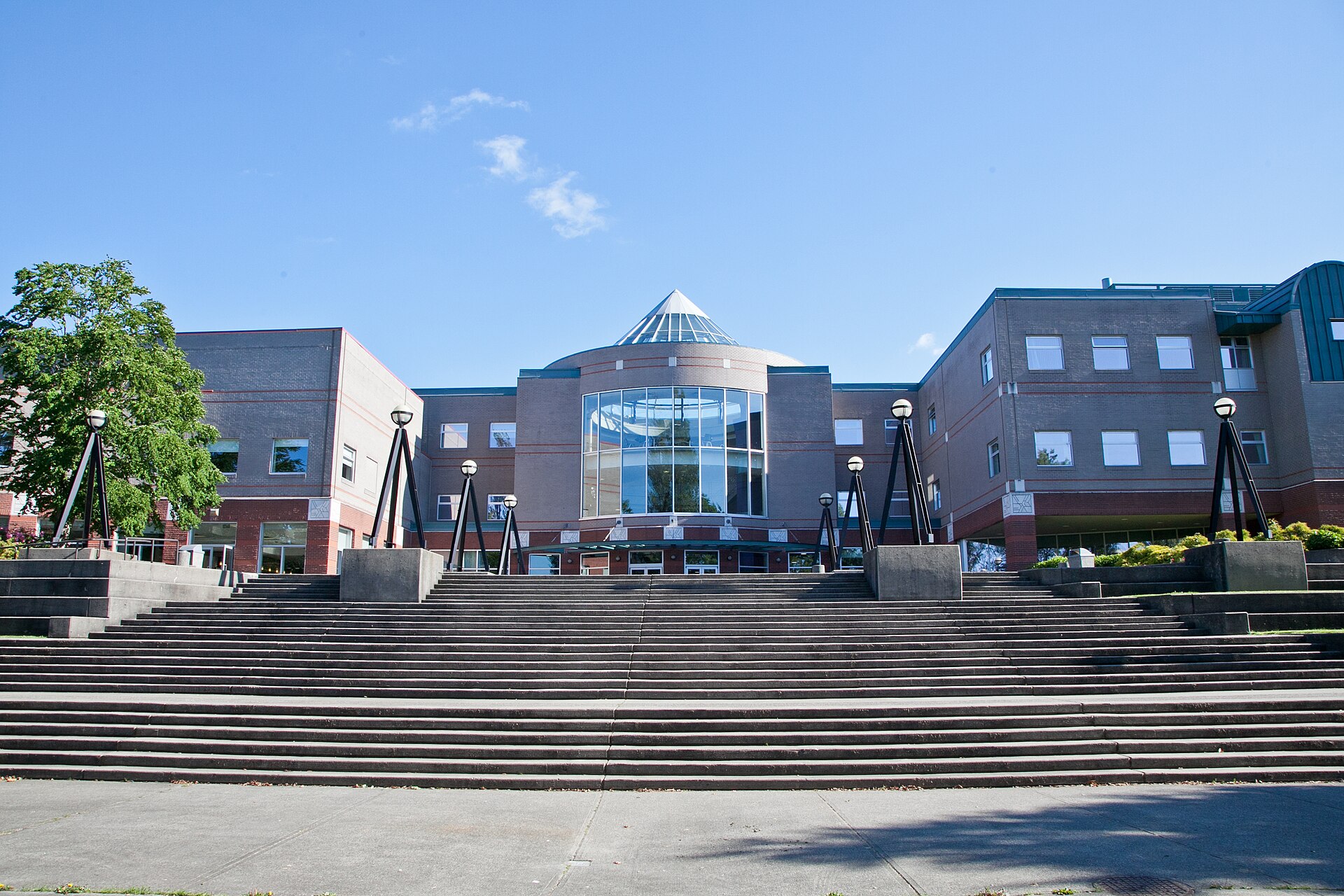
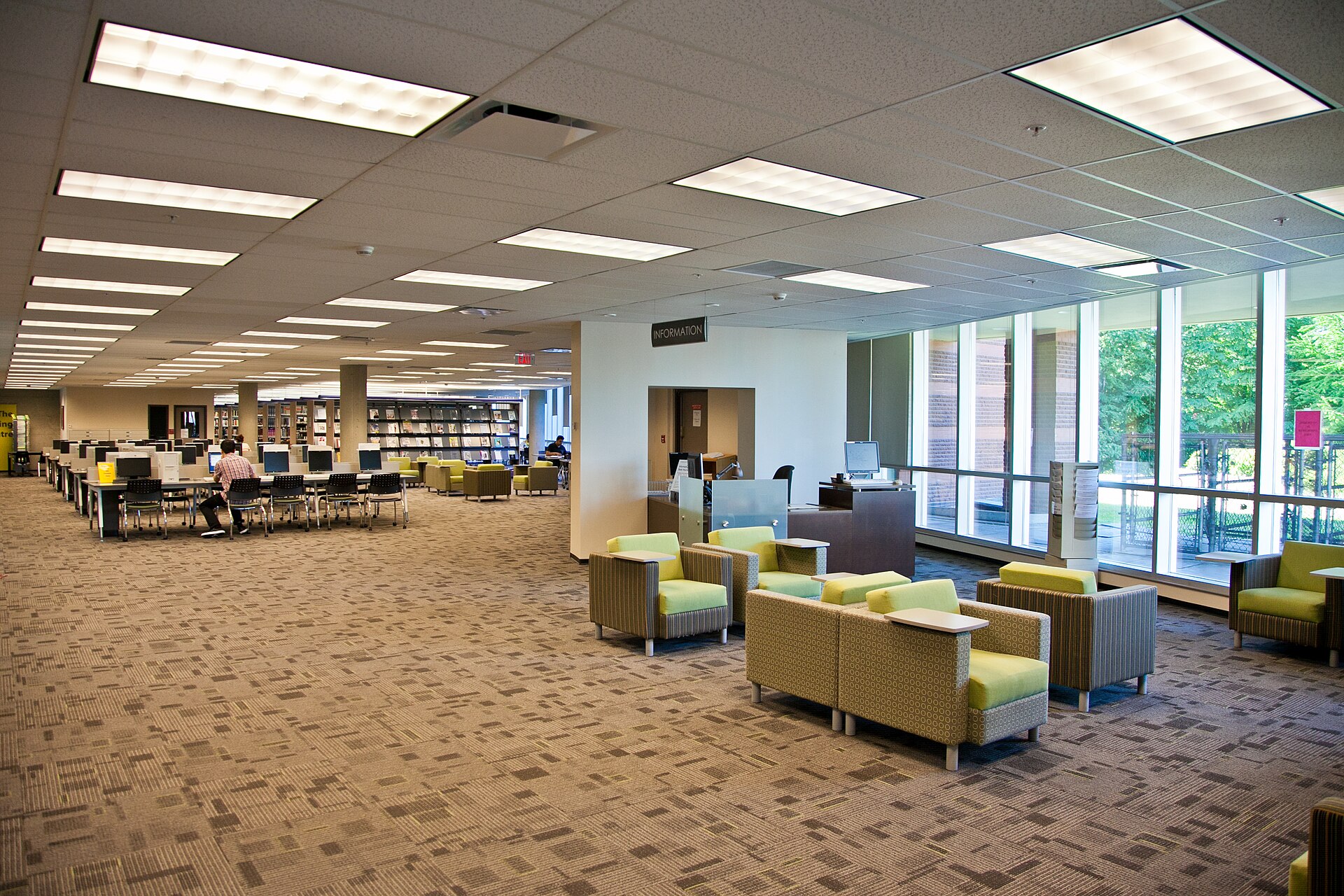
Why UBC — Research Intensity, Pacific Location & Real Global Diversity
UBC is not simply Canada's third-ranked university — it is one of the few institutions in the world where top-40 global research intensity meets one of the most livable cities on earth, a campus most other universities can only envy, and a genuinely multicultural student community. For international students, UBC offers access to technology, business, medicine, and sustainability careers at the highest level — with a degree that travels.
SELECTIVITY
UBC Acceptance Rate — What the Numbers Mean for International Applicants
The published minimum IB score is 35 and the minimum GPA equivalent is 3.5 — but treat these as the floor below which you are automatically ineligible, not as the target to aim for. Competitive programmes admit international students well above these benchmarks. The Personal Profile carries genuine weight in differentiating academically similar applicants.
UBC's overall acceptance rate of 62.8% is the most misread number in Canadian university admissions. That figure covers the entire applicant pool — including domestic applicants to less competitive programmes. For international students targeting Computer Science, Sauder Commerce, Engineering, or the Sciences at UBC Vancouver, the effective competition is far more intense. These programmes routinely receive thousands of international applications for limited international seats, and average entry grades significantly exceed the stated minimums.
QUICK FACTS
UBC at a Glance
THE APPLICATION
UBC Application Components — Direct Application, Grades & Personal Profile
UBC uses its own direct application portal — myapplication.ubc.ca — not the Common App, UCAS, or any third-party platform. The application has two genuine pillars: your academic record and your Personal Profile. There is no alumni interview, no arts supplement, and no separate activity résumé. This is a more streamlined system than US applications — but the Personal Profile demands the same rigour as any supplement essay.
WHAT UBC LOOKS FOR
What UBC Admissions Officers Are Looking For
UBC evaluates applications holistically, with the Personal Profile as a genuine second pillar alongside academic performance. Understanding what UBC is actually looking for — and how competitive programmes weight different signals — gives you a real strategic advantage in preparing your application.
KEY DATES
UBC Application Deadlines for International Students
UBC operates a single-round application cycle with one main deadline of January 15. There is no Early Decision or Early Action. However, applying earlier — particularly by December 1 — is strategically important for scholarship consideration. The portal typically opens in October.
| Round | Deadline | Notes |
|---|---|---|
| Application Portal Opens | October | Submit via myapplication.ubc.ca; earlier submission recommended |
| International Scholars Early Deadline | November 15 | Separate application required for International Scholars Program awards |
| Scholarship Consideration Deadline | December 1 | Key deadline for IMES and major entrance scholarship consideration |
| Main Application Deadline | January 15 | Standard deadline for September (Winter Session) start; most international applicants |
| Rolling Admissions Decisions | February – May | Decisions released on a rolling basis; earlier applicants often notified first |
| Acceptance & Scholarship Deadline | May 1 | Deadline to accept your offer; scholarship notifications arrive before this date |
CAMPUS & CITY
Student Life at UBC — Vancouver, the Campus & Community
Vancouver consistently ranks among the world's most livable cities: mild year-round climate, mountains for skiing and hiking 45 minutes away, a world-class dining and arts scene, and one of North America's largest Pacific Rim communities. UBC's 28% international student body reflects the city's fundamental character — this is not a place where international students feel like guests.
UBC's Point Grey campus is 402 hectares on a Pacific peninsula — old-growth forest, ocean views, public beaches, world-class museums (the Museum of Anthropology, the Chan Centre for the Performing Arts, the Beaty Biodiversity Museum), and a botanical garden, all within walking distance of lecture halls. The campus is a small city in itself, with its own neighbourhood, hospitals, shops, and transit connections to downtown Vancouver.
UBC has over 1,200 student clubs across every conceivable interest — surf club, gaming, 170+ cultural associations, entrepreneurship networks, and academic honour societies. First-year Vancouver students apply for guaranteed on-campus housing (Place Vanier, Totem Park, Orchard Commons) — apply early. UBC Okanagan in Kelowna offers a smaller, more intimate campus in British Columbia's wine country, with a tighter-knit student community and exceptional access to outdoor recreation.
GRADUATE OUTCOMES
Career Outcomes for UBC Graduates
UBC graduates enter one of North America's fastest-growing technology and life-sciences ecosystems. Vancouver's tech sector includes Amazon, Microsoft, Apple, Electronic Arts, Hootsuite, and a growing startup scene anchored by UBC spinouts. The co-op programme, alumni network, and industry partnerships create direct employment pathways before graduation.
Stats
Cards
FAQS
UBC Admissions — Frequently Asked Questions
Does UBC require the SAT or ACT?+
No — and this is not 'test-optional' flexibility. UBC does not accept or use SAT or ACT scores in any part of its undergraduate admissions process. Your academic signal comes entirely from your school results: IB diploma score, A-Level grades, AP examination results, or national system equivalents. Do not prepare for these tests for a UBC application.
Is the Personal Profile really important, or is it a checkbox?+
It is genuinely important — particularly for competitive programmes. When hundreds of applicants to Computer Science, Sauder, or Engineering have similar Grade 12 averages and IB scores, the Personal Profile is the primary tool for differentiation. UBC admissions officers are trained to read these responses carefully, and a well-written Profile consistently makes a difference.
What is the difference between UBC Vancouver and UBC Okanagan?+
UBC Vancouver (Point Grey) is the main, larger campus — 66,000 students, the widest programme selection, the highest research intensity, and access to Vancouver's technology and business sectors. UBC Okanagan in Kelowna is smaller and more intimate, with a tighter-knit student community and different programme availability. Both award genuine UBC degrees. In a single application you can apply to programmes on both campuses.
What is the IMES and how do I get it?+
The International Major Entrance Scholarship (IMES) is a merit-based award of $10,000–$25,000 USD per year, renewable for up to three additional years of study. No separate scholarship application is required — you are automatically considered based on your UBC application. Academic achievement and extracurricular involvement (evidenced through your Personal Profile) are the evaluation criteria. Apply by December 1 for maximum consideration.
How competitive is Computer Science at UBC for international students?+
Very competitive. UBC CS is consistently oversubscribed and the effective acceptance rate for international students is significantly lower than UBC's overall figure. Strong academics (IB 38+ or equivalent), demonstrated technical work outside school, and a compelling Personal Profile are all expected. The co-op option makes UBC CS one of the most in-demand technology programmes in Canada.
When does UBC release admissions decisions?+
On a rolling basis from approximately February through May. International students who apply earlier (particularly by December 1) are often reviewed and notified sooner. Final decisions are typically released by May 1, which is also the deadline to accept your offer.
Does UBC recognise the full IB Diploma differently from individual IB certificates?+
Yes. UBC awards bonus consideration to students completing the full IB Diploma (versus individual IB subject certificates). Your Extended Essay and Theory of Knowledge grades contribute to your overall diploma score, which UBC evaluates. The minimum IB score considered is 35 — but competitive programmes routinely admit students with scores well above this.
How does UBC handle predicted IB or A-Level grades?+
UBC issues offers conditional on your final results meeting stated minimums. Predicted grades submitted by your school are reviewed as part of the application, and conditional offers are made before final results are available. If your final results fall significantly below your predicted grades, UBC may review and potentially rescind the conditional offer.
ACADEMIC REQUIREMENTS
UBC Academic Standards — The Honest Breakdown for International Students
UBC does not use standardised tests. Your academic record — IB diploma, A-Levels, AP results, or national curriculum equivalents — carries the entire academic argument. The published minimum IB score is 35 and minimum GPA equivalent is 3.5, but competitive programmes require significantly more. This section explains exactly what UBC expects from international students across all major curricula and programmes.
ACADEMIC BENCHMARKS
UBC Academic Profile — What the Numbers Show
UBC's published minimums are programme floors, not admission targets. Competitive programmes at UBC Vancouver — Computer Science, Engineering, Sauder Commerce, Sciences, and Medicine pathways — admit international students whose academic profiles are well above the published minimum. Always research the specific average entry grades for your intended programme on UBC's admissions pages.
TEST POLICY
UBC's Test Policy — No SAT or ACT, Full Stop
UBC does not accept or consider SAT or ACT scores in undergraduate admissions. This is not a test-optional flexibility — it is a structural policy difference. UBC evaluates academic readiness through national curriculum results: IB diploma scores, A-Level predicted and final grades, AP examination scores, or national secondary system grades. SAT preparation time is entirely misdirected for UBC applications.
This creates a meaningful strategic difference from US university applications. International students targeting UBC should direct all academic preparation energy into maximising IB or A-Level performance — these scores carry the complete academic argument. For IB Diploma students specifically, UBC's framework is a genuine advantage: your diploma score, HL subject grades, and Predicted Grades are the currency UBC reads most fluently.
If you have already taken the SAT or ACT, you are not penalised for it — but submitting scores will not improve your application. UBC has confirmed these scores do not factor into admissions decisions at any stage.
TESTS THAT COUNT
Which Tests Matter at UBC — AP, IB, and English Proficiency
While SAT and ACT scores are irrelevant to UBC admissions, AP examination scores and the IB Diploma carry real weight. Understanding how each type of assessment is used — for admission signalling versus academic credit — helps you prioritise your preparation correctly.
INTERNATIONAL CURRICULA
IB, A-Level & AP Requirements at UBC — Programme by Programme
UBC's admissions office is experienced at evaluating international curricula and publishes specific guidance for IB and A-Level students. Your subject selection — not just your overall score — matters significantly for programme-specific admission.
SUBJECT PREREQUISITES
Subject Preparation Expected by UBC Programme
UBC has formal subject prerequisites for many programmes. These are admission requirements, not suggestions — applicants who do not meet them are not considered. International students should confirm their intended programme's prerequisites during Grade 10 or early Grade 11 course selection, not in Grade 12.
ENGLISH PROFICIENCY
English Language Requirements for UBC International Students
All applicants whose primary language of instruction was not English must demonstrate proficiency before admission. UBC accepts multiple pathways. Meeting the minimum is necessary for consideration — but the actual quality of your English is most visible in your Personal Profile responses, which UBC admissions officers read carefully.
IELTS 6.5 is the minimum to be considered — it is not a target score. Students who submit a 6.5 alongside Personal Profile responses that read as fluent and confident English writing create a stronger impression than students who rely on their test score as the only evidence of language ability. Aim for IELTS 7.0+ or TOEFL 100+ if you are taking these tests for UBC.
| Test | Minimum | Notes |
|---|---|---|
| IELTS Academic | 6.5 overall | No individual band below 6.0 |
| TOEFL iBT | 90 total | Minimum 22 on each section |
| Duolingo English Test | 125 | Accepted for current cycle |
| Cambridge English | C1 Advanced (170+) | Or C2 Proficiency |
| 4+ Years English-Medium Schooling | Waiver eligible | Full-time in Canada, US, UK, Australia, NZ, or Ireland |
STRATEGIC TIMELINE
Building a Competitive UBC Profile — Grade 9 to 12
UBC evaluates primarily on Grades 11 and 12, but the decisions made in Grades 9 and 10 determine what is possible in those final years. Here is the recommended timeline for international students targeting competitive UBC programmes.
COMMON PITFALLS
Academic Mistakes International Students Make Applying to UBC
Items
- Using UBC's 62.8% overall acceptance rate as a benchmark for competitive programmes — CS, Engineering, and Sauder are significantly more selective than this figure suggests.
- Preparing for the SAT or ACT expecting these to improve a UBC application — they will not. UBC does not accept or use these scores.
- Choosing IB Standard Level Mathematics when Higher Level is required or strongly expected for STEM and Commerce programmes — this is a disqualifying course selection error in Grade 10 or 11.
- Submitting IELTS 6.5 (the bare minimum) alongside Personal Profile responses that read as stilted or unnatural — the disconnect undermines credibility.
- Failing to check programme-specific subject prerequisites before Grade 11 course selection, discovering a missing prerequisite too late to fix.
- Applying in January and missing the December 1 window for IMES scholarship consideration — this is an avoidable cost that amounts to tens of thousands of dollars over four years.
- Writing a Personal Profile on a tight timeline — rushing it is visible to admissions readers and costs significantly in a holistic review.
Faqs
My IB predicted score is 35 — am I competitive for UBC?+
For general UBC Arts or Science admission, possibly — but a predicted score of exactly 35 is at the minimum and will be marginal for competitive programmes. Computer Science, Engineering, and Sauder typically admit students with predicted scores of 38–42+. If your predicted score is 35, focus heavily on a compelling Personal Profile and consider whether UBC Okanagan's smaller programmes might offer a stronger candidacy.
Does UBC evaluate Grade 10 results?+
UBC primarily evaluates Grades 11 and 12. However, your full transcript is submitted, and a consistent academic record throughout secondary school demonstrates character and sustained effort. A dramatic Grade 12 jump without context can raise questions — use Question 5 of the Personal Profile to explain unusual grade trajectories.
How does UBC handle IB conditional offers if my final results miss the predicted score?+
UBC issues conditional offers based on predicted grades. If your final IB results fall significantly below the predicted score your offer was based on, UBC may review and potentially rescind the conditional offer. Contact UBC Enrolment Services immediately if you receive results below your conditional offer threshold — in some cases, mitigating circumstances can be considered.
COST & FINANCIAL SUPPORT
The Real Cost of UBC — An Honest Picture for International Students
International tuition at UBC is approximately $39,500 USD per year, with total annual cost of attendance around $53,000 USD. This is a significant investment — and UBC does not offer the large need-based aid programmes that some US universities provide internationally. The good news: UBC awards over $35 million in annual merit scholarships to international undergraduates. Understanding what is available, how to access it, and how to plan your four-year costs is essential before you accept.
COST BREAKDOWN
Annual Cost of Attending UBC — International Student Estimates
All figures are approximate annual estimates in USD. UBC bills in Canadian dollars (CAD) — the actual USD cost depends on the CAD/USD exchange rate at time of payment, which varies. Budget with current exchange rates and review UBC's published CAD figures for precision.
Sauder Commerce (BCom), Medicine pre-requisite programmes, and some professional programmes may have higher tuition than the average figure above. Verify programme-specific fees on UBC's Student Services financial planning pages.
| Component | Amount | Notes |
|---|---|---|
| International Tuition | ~$39,500 USD | Annual; varies by programme and faculty |
| Total Cost of Attendance | ~$53,000 USD | Tuition + fees + on-campus housing + food |
| Living Costs (Vancouver) | ~$18,000 USD | Housing, food, transport, personal expenses |
| Application Fee | $90 USD | Non-refundable; paid at time of application |
FINANCIAL AID
Financial Aid for International Students at UBC
UBC's financial aid for international undergraduates is primarily merit-based. Unlike US universities with large endowment-backed need-blind international aid programmes, UBC does not offer substantial need-based grants to international undergraduates as a standard feature. The university's support is concentrated in merit-based entrance scholarships — primarily the IMES, Outstanding International Student Award, and International Scholars Program.
UBC awards over $35 million annually in financial support to international undergraduate students. This figure is real — but it is spread across merit awards, faculty scholarships, and bursaries. For families who cannot rely on need-based grants, careful four-year financial planning before accepting is essential. UBC's cost in Canadian dollars, combined with the CAD exchange rate, means UBC is often genuinely more affordable than comparable US universities even before scholarships are applied.
A small emergency bursary fund is available to enrolled international students facing unexpected financial difficulty. This is a support mechanism, not a predictable funding stream — do not count on it in your financial plan.
SCHOLARSHIPS
UBC Merit Scholarships for International Students
UBC's major international entrance scholarships are awarded automatically based on your application — no separate scholarship application form is required for most awards. Applying by December 1 is critical for maximum scholarship consideration.
AFFORDABILITY REALITY
What UBC Actually Costs After Scholarships
A student receiving the maximum IMES award of $25,000 USD per year sees effective tuition reduced from approximately $39,500 to $14,500 USD annually. With total cost of attendance at roughly $53,000 USD, the maximum IMES reduces the annual net cost to approximately $28,000 USD — which is competitive with many mid-tier private US universities.
For families relying primarily on merit scholarships, the December 1 application deadline and the quality of the Personal Profile are the two most controllable levers. The IMES evaluates both academic achievement AND extracurricular involvement — which means your Personal Profile is not just an admissions document, it is your scholarship application. Write it accordingly.
On-campus housing is typically less expensive than Vancouver's private rental market, and the gap is significant. First-year students who secure on-campus housing manage their initial year costs more predictably. Apply for housing early — guaranteed first-year housing at UBC Vancouver has its own application deadline, separate from the admissions application.
FUNDING STRATEGY
Steps to Maximise UBC Financial Support
COST FAQS
Cost & Aid FAQs — International Students at UBC
Do I need to apply separately for the IMES?+
No. The IMES is considered automatically based on your standard UBC application. There is no separate form, essay, or interview required. However, applying by December 1 is important — later applications are considered for scholarships from a reduced pool.
Does UBC offer need-based aid to international students?+
Limited. UBC's main international student financial support is merit-based. A small emergency bursary fund is available to enrolled students facing genuine hardship, but UBC does not offer the large need-based grant programmes that some US universities provide. Plan your full four-year funding before accepting your offer.
Is UBC tuition charged in Canadian or US dollars?+
UBC bills in Canadian dollars (CAD). The USD figures in this guide are approximate conversions. The actual USD cost depends on the CAD/USD exchange rate at the time of payment, which can vary meaningfully year to year. Check the current rate and plan for currency fluctuation.
Can I work while studying at UBC on a Canadian study permit?+
Yes. Canadian study permits generally allow international students to work up to 20 hours per week during the academic term and full-time during scheduled breaks. Vancouver has a genuine part-time employment market, particularly in hospitality, retail, and campus employment. This can help offset living costs, but should not be counted as a primary funding strategy.
Is Vancouver expensive to live in?+
Yes — Vancouver is one of Canada's most expensive cities for housing. The $18,000 USD living cost estimate covers student-level accommodation (on-campus or shared housing), food, transit, and personal expenses. First-year students who secure on-campus housing manage costs more predictably than those navigating Vancouver's competitive private rental market.
When will I find out about my scholarship?+
IMES and OIS scholarship decisions are made between mid-February and end of April. You will be notified before the May 1 acceptance deadline — so you will know your scholarship status before you need to commit. This is a genuine advantage of UBC's timeline over some US university models.
THE UBC PERSONAL PROFILE
UBC's Personal Profile — The Structured Self-Portrait That Decides Competitive Admissions
UBC does not use the Common App. There is no 650-word free-form personal statement. Instead, UBC asks five structured short-answer questions — each limited to 500–2,100 characters — that together form your Personal Profile. For competitive programmes where hundreds of applicants have similar academic results, the Personal Profile is the primary decision tool. It demands the same rigour as any university essay — and a strategic, specific, authentic approach.
OVERVIEW
What Is the UBC Personal Profile?
The Personal Profile is a set of five structured short-answer questions, each with a 500–2,100 character limit (approximately 80–350 words per question). UBC deliberately structures the Profile to capture specific dimensions of who you are: character, values, activities, depth of engagement, and academic context. There is no free-form personal essay — you answer these five questions, and nothing else.
The Personal Profile is submitted through UBC's online application portal (myapplication.ubc.ca). You also submit two references: at least one must be a school official, and at least one must specifically speak to an activity you described. References are submitted directly by your referees, not uploaded with your application.
UBC recommends drafting all five responses in a separate document before entering them into the portal. The portal enforces the character limit strictly — responses above 2,100 characters are cut off. Responses below 500 characters cannot be submitted. Every question must be answered.
THE FIVE QUESTIONS
UBC Personal Profile — Official Questions & Strategy
These are UBC's five Personal Profile questions, each limited to 500–2,100 characters. Together they form a complete portrait of who you are beyond your transcript. Read the official text carefully — understand exactly what each question is asking before writing a single word.
OVERALL WRITING STRATEGY
How to Approach the UBC Personal Profile — The Whole Picture
The Personal Profile is not five separate mini-essays — it is one coherent portrait assembled through five structured lenses. The most effective profiles have a through-line: a recurring quality, consistent values, or a character theme that makes every answer feel like it comes from the same person.
Start by brainstorming freely across all five questions before writing any of them. Look for themes that recur across multiple answers — the same quality appearing in different contexts (intellectual curiosity showing up in both your activity choice and your academic context; a care for community reflected in both your values and your activity deep-dive) is far more persuasive than five unrelated self-portraits. Once you see the through-line, write toward the most specific, concrete version of each answer.
The 2,100 character limit is approximately 350 words — roughly the length of a well-crafted cover letter paragraph. Every word must earn its place. Write each response at approximately 400 words, then cut to 350, keeping only what is irreplaceable. Do not pad to reach the maximum, and do not rush to fall under it — write until the answer is exactly what it needs to be. UBC recommends preparing in a separate document. Formatting (bold, bullets) is typically not supported in the portal — plain text only.
PROMPT-BY-PROMPT STRATEGY
UBC Personal Profile — Prompt-by-Prompt Approach
Each of the five questions has a distinct purpose and distinct pitfalls. Understanding what each one is actually evaluating — and where applicants characteristically go wrong — is the foundation of a strong Profile strategy.
CHOOSING YOUR MATERIAL
What to Write About in Your UBC Personal Profile
The most common mistake UBC applicants make is writing about the most impressive-sounding experiences rather than the most authentic, specific, and genuinely reflective ones. UBC's admissions readers read thousands of Personal Profiles per cycle — they distinguish performed authenticity from the real thing within a few sentences.
UBC explicitly states that activities 'do not need to be formal or structured.' One successful applicant wrote about Minecraft friendships maintained through COVID lockdowns. Another wrote about learning traditional cooking from a grandparent. These were memorable not because of what the activities were, but because the applicants wrote about them with genuine specificity and depth. The activity is the vehicle; the reflection is the destination.
WHAT NOT TO DO
UBC Personal Profile — Common Mistakes That Hurt Applications
- Opening Q1 with 'I am hard-working, passionate, and curious' — this is the most common and most forgettable opening in every cycle. Replace adjective claims with a specific, observable detail.
- Treating Q3 as a résumé dump — including activities you cannot speak to with depth in Q4, simply to fill all five activity slots.
- Writing 80% description and 20% learning in Q4, when the entire purpose of the question is what you learned — invert this ratio.
- Leaving Q5 blank or submitting a generic 'I am excited about UBC and look forward to contributing' filler — this wastes the one space designed to add context and demonstrate programme-specific preparation.
- Writing five disconnected responses with no through-line — the strongest Profiles feel like one coherent person, not five separate application statements.
- Exceeding the 2,100 character limit — responses are cut off by the portal, and incomplete sentences read as careless.
- Submitting with spelling or grammatical errors — for international students, this also contradicts the English proficiency your IELTS or TOEFL score is meant to establish.
- Not briefing referees on what you wrote — at least one referee must speak to an activity you described; if your referee does not know what you said about their mentorship or your shared work, their letter may contradict or duplicate rather than reinforce your account.
FAQS
UBC Personal Profile — Frequently Asked Questions
What are the character limits for the Personal Profile?+
500 characters minimum and 2,100 characters maximum per question — approximately 80–350 words per response. Both limits are enforced by the online portal. You cannot submit a response below 500 characters or above 2,100 characters.
Can I write about the same theme across multiple questions?+
Yes, but deliberately. If a theme recurs, each response must add something the other does not — new context, a different dimension, a complementary angle. If two responses make the same point in different words, you have wasted one of your five questions.
What are UBC admissions readers actually looking for?+
Authenticity, specificity, and reflective depth. UBC wants to understand who you are — your character, your values, what you have genuinely engaged with, and how you think about your own experiences. A well-observed, honest answer about a small experience consistently outperforms a hollow answer about a prestigious one.
Do I have to list all five activities?+
No. You may list up to five activities — you are not required to fill all five slots. Four genuine, deeply described activities are stronger than five where the fifth was added superficially. Do not list activities you cannot speak to with depth.
Can I write about the same activity in Q3 and Q4?+
Yes — and this is expected. Q3 is your concise description; Q4 is where you develop it with depth, reflection, and the 'what I learned' analysis. The two responses should complement each other, not repeat each other.
How do I choose referees?+
At least one referee must be a school official (teacher or counsellor). Choose the other based on who can speak most specifically to your work — a coach, mentor, community leader, or employer who observed you in one of the activities you described. Avoid choosing referees based on prestige; choose based on the specificity and credibility of what they can say.
When should I start working on the Personal Profile?+
Start brainstorming in the summer before Grade 12 — ideally 2–3 months before the October portal opening. UBC recommends preparing all responses in a separate document before entering them into the portal. A rushed Personal Profile is visible to admissions readers, and for competitive programmes, it is often the difference between an offer and a rejection.
Courses — schools, degrees & intake
90 degrees across 14 groupings.
Faculty of Applied Science · 12 degrees
Bachelor of Applied Science — Biomedical Engineering
Bachelor of Applied Science — Chemical and Biological Engineering
Bachelor of Applied Science — Civil Engineering
Bachelor of Applied Science — Electrical and Computer Engineering
Bachelor of Applied Science — Engineering Physics
Bachelor of Applied Science — Environmental Engineering
Bachelor of Applied Science — Geological Engineering
Bachelor of Applied Science — Integrated Engineering
Bachelor of Applied Science — Manufacturing Engineering
Bachelor of Applied Science — Materials Engineering
Bachelor of Applied Science — Mechanical Engineering
Bachelor of Applied Science — Mining Engineering
School of Architecture and Landscape Architecture · 1 degrees
Bachelor of Design in Architecture, Landscape Architecture and Urbanism
Faculty of Arts · 24 degrees
Bachelor of Arts — Anthropology
Bachelor of Arts — Art History
Bachelor of Arts — Cinema Studies
Bachelor of Arts — Cognitive Systems
Bachelor of Arts — Creative Writing
Bachelor of Arts — Economics
Bachelor of Arts — English Language and Literature
Bachelor of Arts — First Nations and Indigenous Studies
Bachelor of Arts — Gender, Race, Sexuality and Social Justice
Bachelor of Arts — Geography: Environment and Sustainability
Bachelor of Arts — Geography: Human Geography
Bachelor of Arts — History
Bachelor of Arts — International Relations
Bachelor of Arts — Philosophy
Bachelor of Arts — Political Science
Bachelor of Arts — Psychology
Bachelor of Arts — Sociology
Bachelor of Arts — Spanish/Hispanic Studies
Bachelor of Arts — Theatre
Bachelor of Arts — Urban Studies
Bachelor of Fine Arts
Bachelor of Media Studies
Bachelor of Music
Bachelor of Social Work
Vancouver School of Economics · 1 degrees
Bachelor of International Economics
Faculty of Commerce and Business Administration (Sauder School of Business) · 7 degrees
Bachelor of Commerce — Accounting
Bachelor of Commerce — Finance
Bachelor of Commerce — Marketing
Bachelor of Commerce — Operations and Logistics
Bachelor of Commerce — Organisational Behaviour and Human Resources
Bachelor of Commerce — Business Technology Management
Bachelor of Business in Real Estate
Faculty of Dentistry · 1 degrees
Bachelor of Dental Science — Dental Hygiene
Faculty of Education · 3 degrees
Bachelor of Education — Elementary/Middle Years
Bachelor of Education — Secondary
Bachelor of Education — Indigenous Education
Faculty of Forestry and Environmental Stewardship · 7 degrees
Bachelor of Science in Forest Sciences
Bachelor of Science in Natural Resources Conservation
Bachelor of Science in Wood Products Processing
Bachelor of Science in Forest Bioeconomy Sciences and Technology
Bachelor of Urban Forestry
Bachelor of Indigenous Land Stewardship
Bachelor of Sustainability
School of Kinesiology · 1 degrees
Bachelor of Kinesiology
Faculty of Land and Food Systems · 4 degrees
Bachelor of Science in Applied Biology
Bachelor of Science in Food and Resource Economics
Bachelor of Science in Food, Nutrition and Health
Bachelor of Science in Global Resource Systems
Faculty of Medicine · 2 degrees
Bachelor of Medical Laboratory Science
Bachelor of Midwifery
School of Nursing · 1 degrees
Bachelor of Science in Nursing
Faculty of Pharmaceutical Sciences · 1 degrees
Bachelor of Pharmaceutical Sciences
Faculty of Science · 25 degrees
Bachelor of Science — Astronomy
Bachelor of Science — Atmospheric Science
Bachelor of Science — Biochemistry
Bachelor of Science — Biology
Bachelor of Science — Biophysics
Bachelor of Science — Biotechnology
Bachelor of Science — Cellular and Physiological Sciences
Bachelor of Science — Chemistry
Bachelor of Science — Cognitive Systems
Bachelor of Science — Computer Science
Bachelor of Computer Science
Bachelor of Science — Data Science
Bachelor of Science — Earth and Ocean Sciences
Bachelor of Science — Environmental Sciences
Bachelor of Science — Geological Sciences
Bachelor of Science — Geophysics
Bachelor of Science — Integrated Sciences
Bachelor of Science — Mathematics
Bachelor of Science — Microbiology and Immunology
Bachelor of Science — Neuroscience
Bachelor of Science — Oceanography
Bachelor of Science — Pharmacology
Bachelor of Science — Physics
Bachelor of Science — Statistics
Bachelor of Science — Zoology
Want your real chances at University of British Columbia?
Create a free TYCHR account for your personalised admit-chance, a shortlist you can track, exact entry requirements, and essay + counselling help.