Technische Universität Berlin
Berlin, Germany · Urban
GERMANY'S CAPITAL UNIVERSITY OF TECHNOLOGY
Technische Universität Berlin Admissions Guide for International Students
TU Berlin is one of Germany's largest and most prestigious technical universities, ranked #154 globally by QS and #140 by Times Higher Education. Located in the heart of Berlin — Europe's technology and startup capital — TU Berlin offers a rare combination of elite engineering education, zero tuition fees, and a cosmopolitan city that is home to global corporations, cutting-edge research institutes, and one of the world's most dynamic innovation ecosystems. With 27% international students and membership in the elite Berlin University Alliance alongside Freie Universität Berlin, Humboldt-Universität zu Berlin, and Charité, TU Berlin is the destination of choice for ambitious international students in engineering, computer science, and the built environment.
Campus
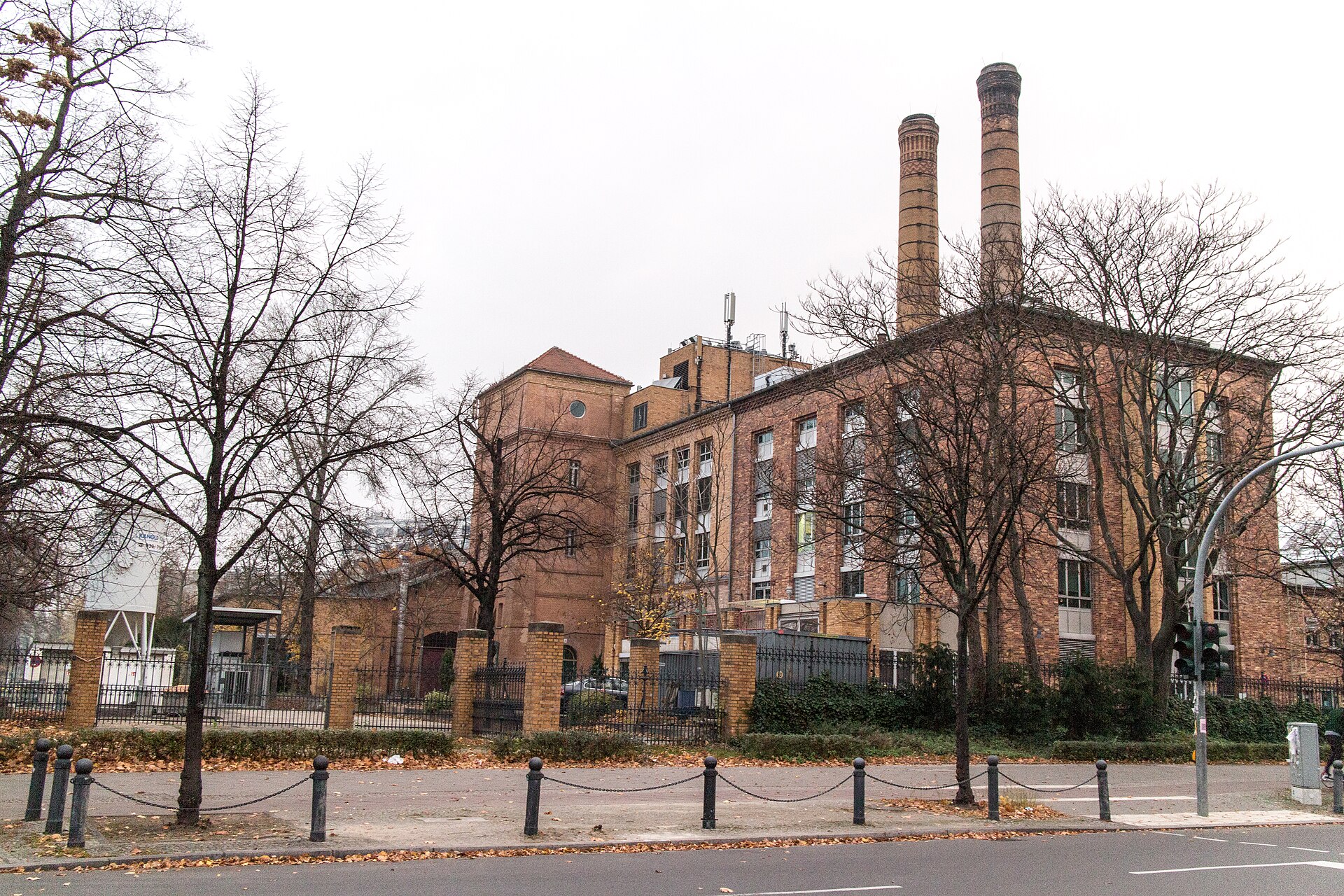
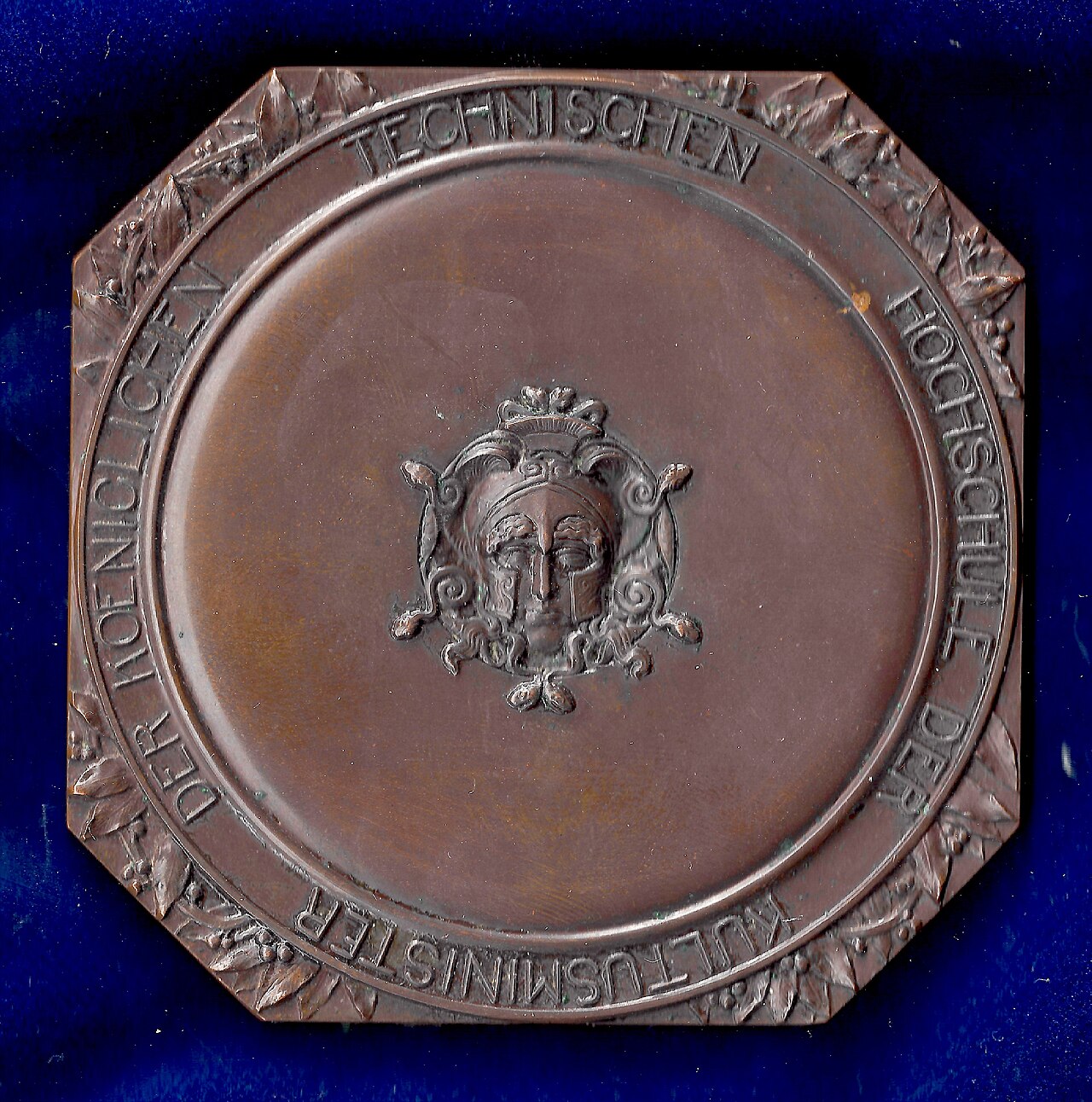
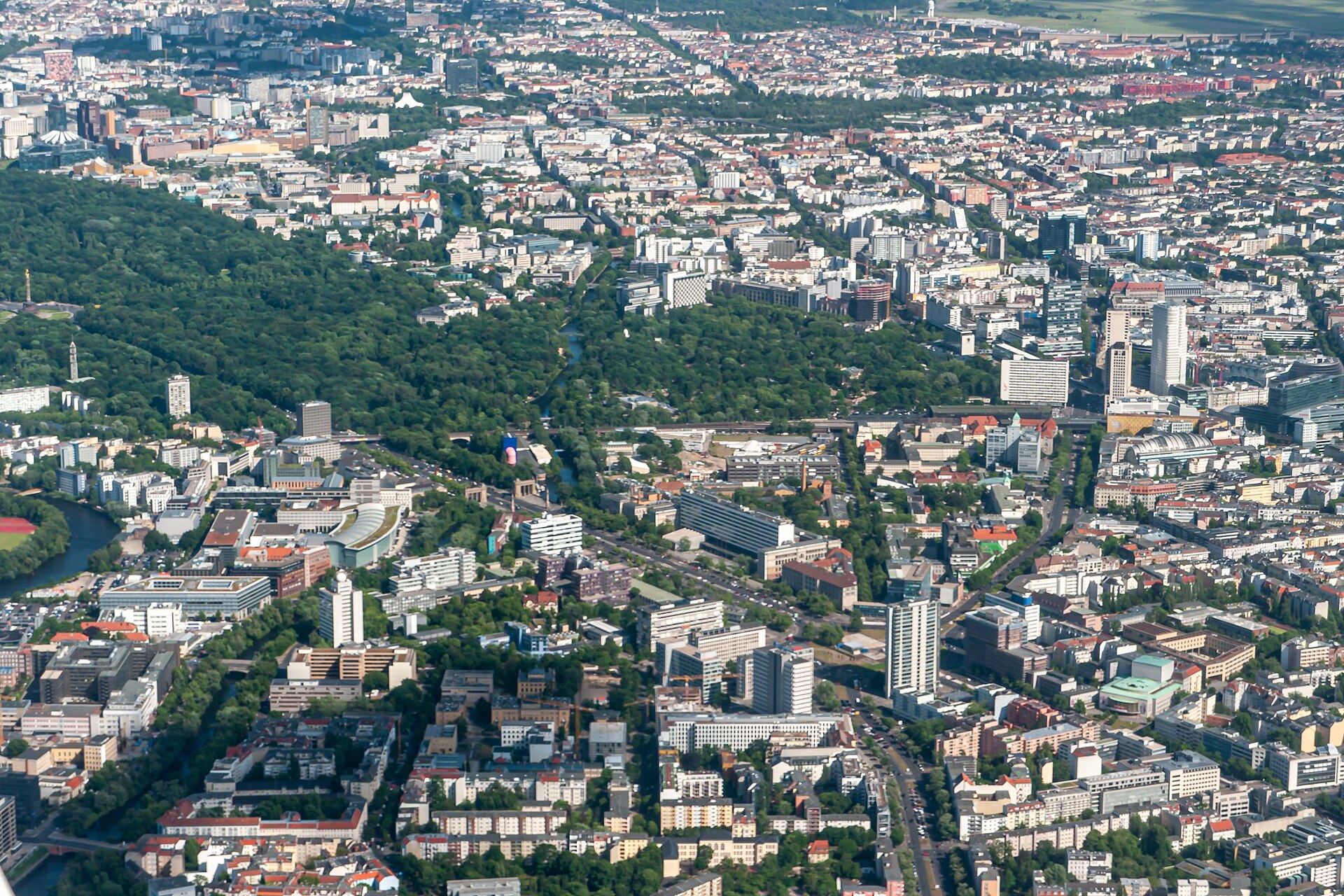
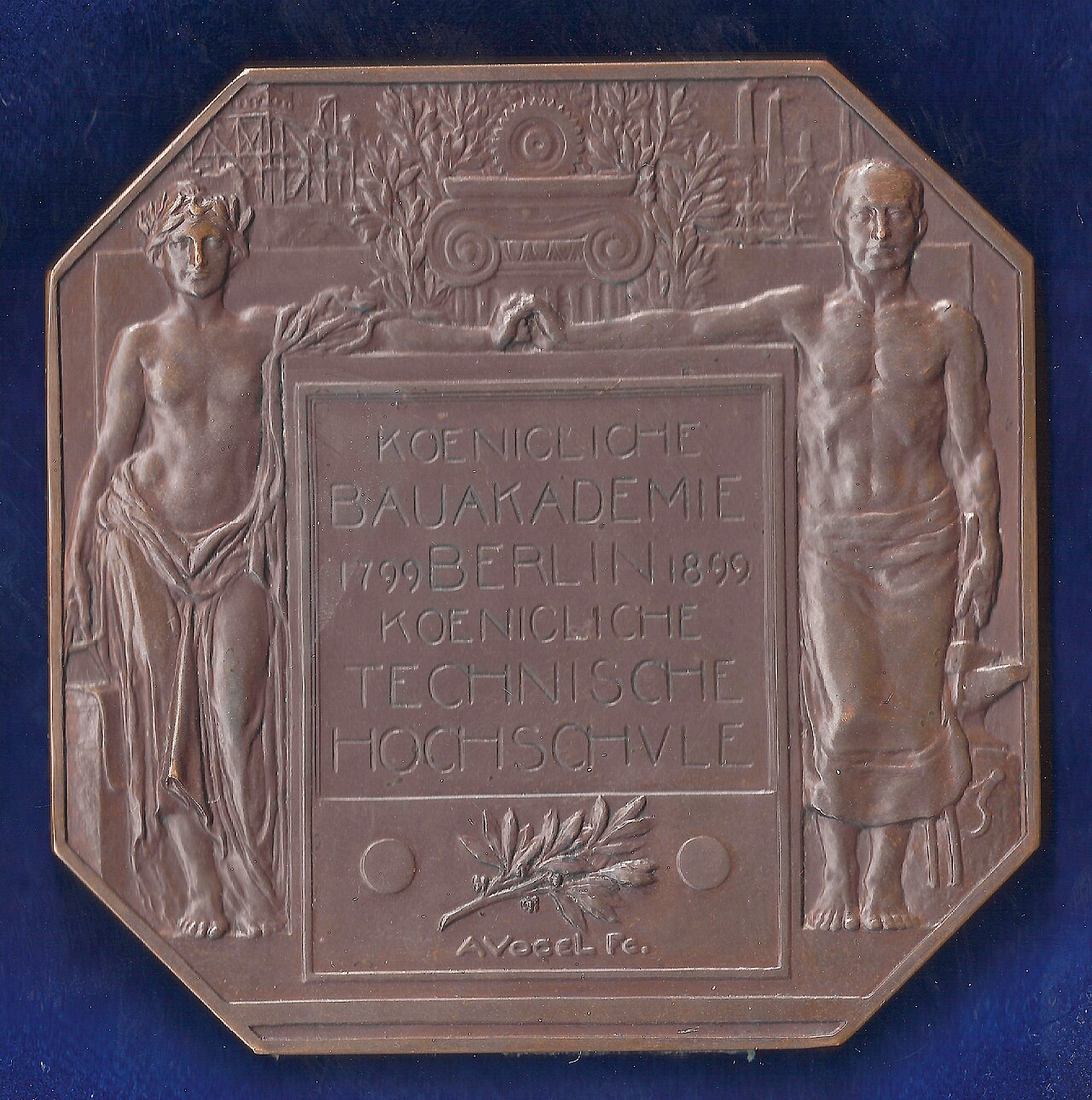
Technische Universität Berlin — campus in pictures
Real, freely-licensed photographs of the campus (via Wikimedia Commons).
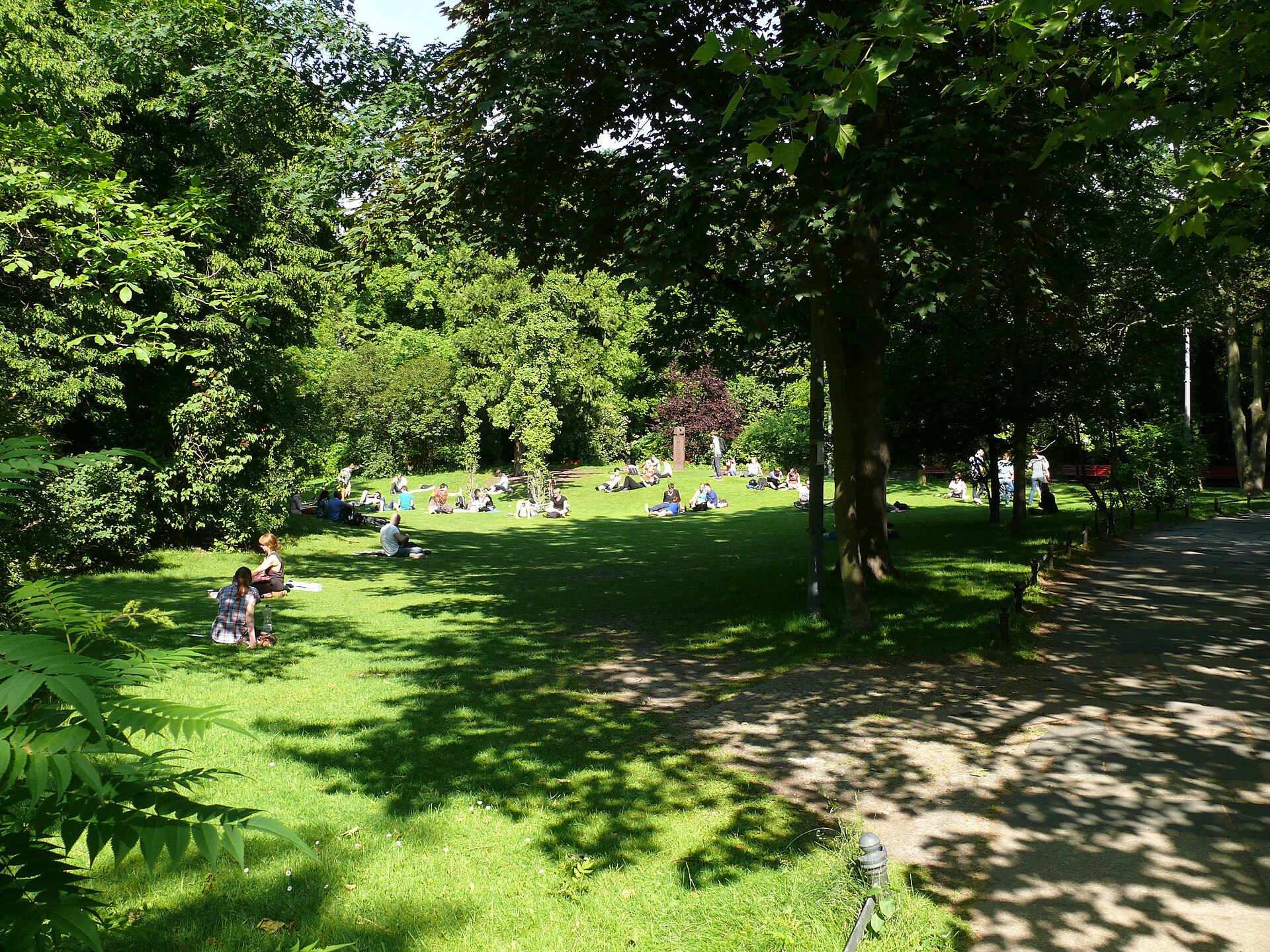
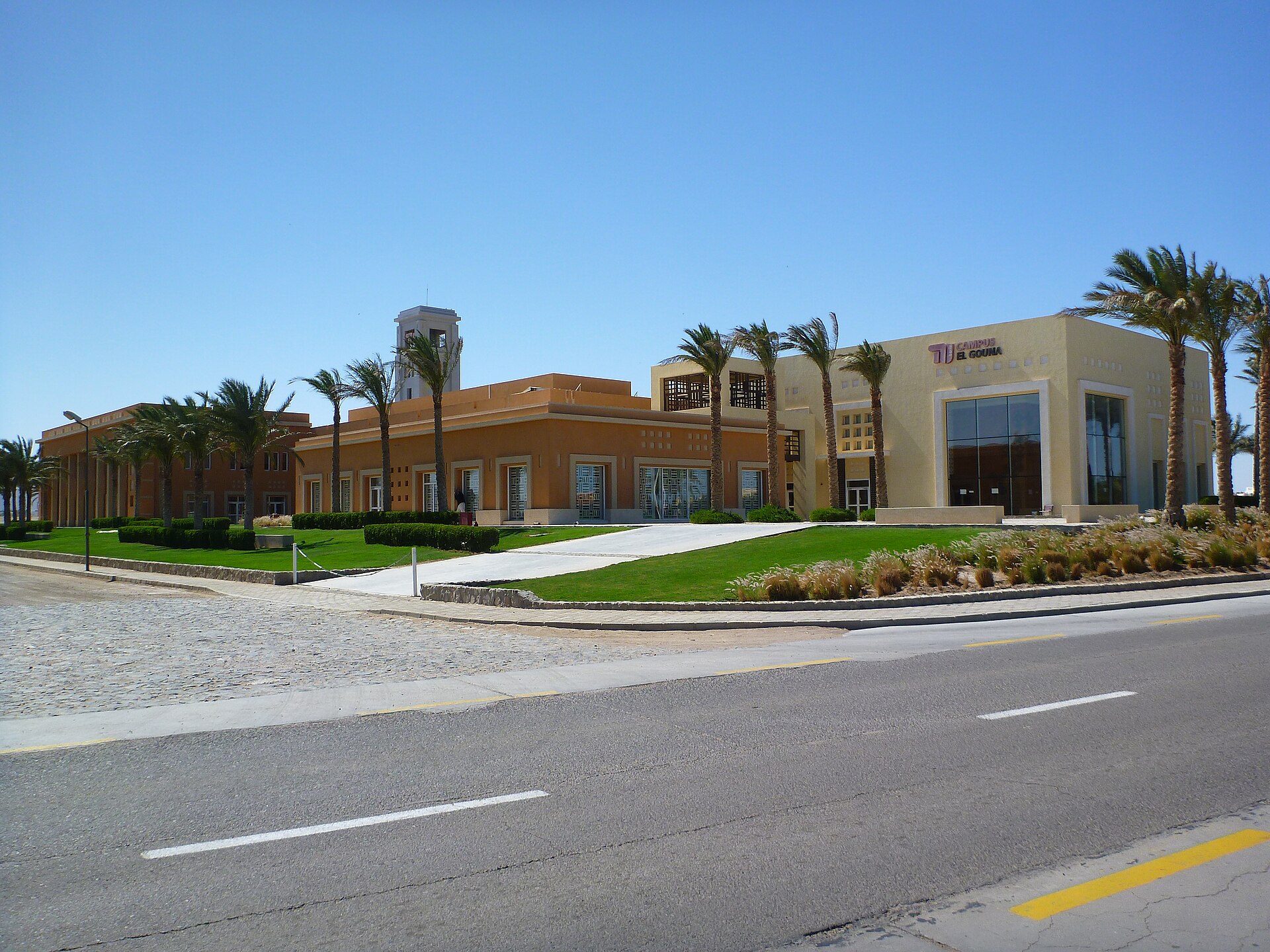
Why TU Berlin — Engineering Excellence in Europe's Most Exciting City
TU Berlin is not simply a good technical university — it is one of the nine elite TU9 universities of Germany, a member of the Berlin University Alliance, and a proven launch pad for careers in engineering, technology, and management across Europe and beyond. Here is why international students choose it.
SELECTIVITY
Admission Profile
TU Berlin has an overall acceptance rate that reflects selective but achievable admissions, particularly at master's level where programme-specific numerus clausus (NC) restrictions apply. Many bachelor's programmes use an NC (a grade-point threshold derived from competition in the previous semester), meaning your school grades are the single most important factor. Understanding the NC for your specific programme is critical — there is no single university-wide acceptance rate.
For programmes with numerus clausus, the effective NC threshold varies by semester and programme — check the current NC values on TU Berlin's admissions portal before applying. Competitive programmes such as Computer Science and Electrical Engineering typically have higher NC thresholds.
AT A GLANCE
Quick Facts
APPLICATION COMPONENTS
What Your Application Consists Of
TU Berlin uses a direct university application system — there is no Common App, UCAS, or other national portal. Applications are submitted through TU Berlin's own online portal. The documents required vary by level (bachelor's vs master's) and by programme, but the core components are consistent.
ADMISSIONS PROFILE
What TU Berlin Looks For
Unlike US universities that weigh holistic factors, TU Berlin's admissions process is primarily merit-based and grade-driven. Here is what matters most at each level.
APPLICATION DEADLINES
Deadlines by Semester and Programme Type
TU Berlin admits students for both the Winter Semester (beginning October) and the Summer Semester (beginning April). Deadlines differ by programme type (bachelor's vs master's) and admission mode (NC-restricted vs open). All documents must arrive — not merely be postmarked — by the stated deadline.
Many English-taught master's programmes only start in the Winter Semester. Verify your specific programme's intake before planning. Documents must arrive by the deadline — postmark dates are not accepted.
| Semester | Application Window | Type |
|---|---|---|
| Winter 2026/27 — Bachelor's (NC) | 01 Jun 2026 – 15 Jul 2026 | Restricted (NC programmes) |
| Winter 2026/27 — Bachelor's (Open) | 01 Jun 2026 – 31 Aug 2026 | Open admission programmes |
| Winter 2026/27 — Master's (German, NC) | 01 Apr 2026 – 15 Jun 2026 | German-taught restricted |
| Winter 2026/27 — Master's (English, NC) | 01 Apr 2026 – 15 May 2026 | English-taught restricted |
| Winter 2026/27 — Master's (Open) | 01 Jun 2026 – 31 Aug 2026 | Open admission master's |
| Summer 2027 — Bachelor's (NC) | 01 Dec 2026 – 15 Jan 2027 | Restricted (NC programmes) |
| Summer 2027 — Bachelor's (Open) | 01 Dec 2026 – 28 Feb 2027 | Open admission programmes |
| Summer 2027 — Master's | 01 Dec 2026 – 15 Jan 2027 (NC) / 28 Feb 2027 (open) | NC or open admission |
CAMPUS AND CITY LIFE
Student Life at TU Berlin
TU Berlin's urban campus sits in Charlottenburg, one of Berlin's most cosmopolitan districts, minutes from the Tiergarten park, the Zoo, and the KaDeWe luxury department store. But the appeal of Berlin as a student city goes far beyond any single neighbourhood.
Berlin is a city of contradictions that students love: world-class culture at prices that remain genuinely affordable by Western European standards. A monthly transit pass is included in your semester contribution, giving you access to an excellent subway, tram, bus, and suburban rail network that connects TU Berlin's main campus to every part of the city. Student housing is available through the Studierendenwerk Berlin (student union), which operates dormitories at various price points — demand is high and early application is strongly advised. Private shared housing (WG) is also common among students. With over 150 nationalities on campus and 27% international students, TU Berlin's social fabric is genuinely global. Student organisations span technical clubs, sports federations (including AISEC, the Formula Student team TUfast, and a vibrant Maker culture), as well as cultural and language-exchange societies. The university's buddy programme pairs incoming international students with experienced TU Berlin students to help navigate the first weeks in a new country. Berlin itself is an unparalleled backdrop for a STEM degree. The city hosts major German and European firms, a thriving startup scene (ranked one of Europe's top three startup cities), and world-leading research institutions including the Fraunhofer and Max Planck Institutes — many within commuting distance of campus.
CAREER OUTCOMES
Career Outcomes and Graduate Prospects
A TU Berlin degree is strongly valued by employers in Germany, the European Union, and globally in engineering-intensive sectors. The university's graduate employment rate stands at 90%, with an average starting salary of approximately $52,000 USD — competitive for a degree that cost zero in tuition.
Germany's engineering labour market is consistently one of the strongest in the world. TU Berlin graduates are recruited heavily into automotive engineering (BMW, Mercedes-Benz, Volkswagen Group), industrial automation (Siemens, Bosch), aerospace (Airbus, Rolls-Royce), and the rapidly expanding Berlin tech sector. Management engineering and industrial engineering graduates find strong demand in management consulting (McKinsey, BCG, Roland Berger all recruit in Berlin) and in corporate strategy roles. TU Berlin's entrepreneurship ecosystem is particularly strong. The university operates the Centre for Entrepreneurship and is closely tied to Berlin's startup scene, producing a steady stream of tech spinouts. For international students wishing to work in Germany post-graduation, the country offers an 18-month job-seeker visa after completing a degree at a German university — an important pathway to long-term residency and EU working rights.
FREQUENTLY ASKED QUESTIONS
FAQs for International Applicants
Do international students pay tuition at TU Berlin?+
No. TU Berlin is a German public university and charges no tuition fees to any student, domestic or international, at bachelor's, master's, or doctoral level. You pay only a semester contribution (Semesterbeitrag) each semester, which is typically a few hundred euros and usually includes a public transport pass for Berlin.
Is the IB Diploma accepted for bachelor's admission?+
Yes. The IB Diploma is recognised as a qualification equivalent to the German Abitur for the purpose of university admission in Germany. The indicative minimum is 32 IB points; however, for NC-restricted programmes the effective threshold depends on competition in a given semester. Higher-demand programmes typically require scores above this minimum.
Can I study in English at TU Berlin?+
Yes, but predominantly at master's level. The majority of bachelor's programmes are taught in German. TU Berlin offers a growing portfolio of English-taught master's programmes across engineering, computer science, urban planning, and management disciplines. Before applying, verify the language of instruction of your specific programme on TU Berlin's programme catalogue.
What is numerus clausus (NC) and does it affect my application?+
NC (numerus clausus) is a grade threshold that limits admission to a programme based on places available versus applicants. For programmes with NC, only applicants whose school-leaving grade average meets or exceeds the threshold are admitted. The NC threshold changes each semester based on the applicant pool. You can find current and historical NC values on TU Berlin's admissions portal.
What if my school-leaving certificate is not equivalent to the German Abitur?+
TU Berlin — like all German universities — uses the anabin database to assess the equivalence of international qualifications. If your qualification is not directly equivalent, you may be required to attend a Studienkolleg (a preparatory school that bridges the gap) before enrolling in a degree programme. IB Diploma holders are generally directly eligible. Consult TU Berlin's admissions office if you are unsure about your specific credential.
How competitive is master's admission compared to bachelor's?+
Master's admissions are programme-specific and consider your bachelor's GPA, the relevance of your prior degree, language proof, and (for many programmes) a motivation letter. Competitive master's programmes such as Computer Science or Electrical Engineering have high demand from both domestic and international applicants. Starting your application early and crafting a strong motivation letter significantly improves your chances.
Can I work in Germany after graduating from TU Berlin?+
Yes. Germany offers an 18-month job-seeker visa to international graduates of German universities, allowing you to remain in Germany to find employment in your field. Once employed, you can transition to a work permit, with pathways to permanent residency after several years of employment.
Are there scholarships available for international students at TU Berlin?+
Yes. TU Berlin offers the Deutschlandstipendium, a merit-based scholarship funded by private donors and the German federal government. DAAD (German Academic Exchange Service) also offers a wide range of scholarships for international students studying in Germany. Additionally, the E.W. Kuhlmann Foundation supports TU Berlin students through specific scholarship streams. See the Cost & Aid tab for further detail.
ACADEMIC EXPECTATIONS
Academic Preparation for TU Berlin What International Students Need to Know
TU Berlin is a research-intensive technical university with rigorous academic expectations in mathematics, sciences, and engineering fundamentals. International students should arrive with a strong quantitative grounding and an understanding that the German university system rewards intellectual independence, problem-solving depth, and resilience through challenging coursework. Prepare seriously before you arrive — TU Berlin's engineering programmes are academically demanding from the first semester.
ACADEMIC BENCHMARKS
Academic Profile of Admitted Students
TU Berlin's admissions are primarily grade-based. The benchmarks below reflect the facts on file for this institution. For NC-restricted programmes, effective grade thresholds are derived from competition in the applicant pool each semester.
SAT and ACT are not part of the German admissions process and are not required or evaluated by TU Berlin. Academic admission is based on school-leaving qualifications and, for master's programmes, prior degree transcripts.
STANDARDISED TESTS
Standardised Test Policy
TU Berlin operates within the German higher education system, where standardised tests such as the SAT, ACT, or GRE are not part of the admissions process. Admission is based on your academic credentials — your school-leaving certificate grade average (for bachelor's) or your bachelor's degree grades (for master's).
The test policy on file for TU Berlin is listed as 'optional', which reflects the fact that while tests such as the SAT are not required, some programmes may consider additional evidence of aptitude. In practice, for the overwhelming majority of programmes, you do not need to submit SAT or ACT scores. The one category of test that IS required is a language proficiency test: IELTS or TOEFL for English-taught programmes, and a certified German language test (such as TestDaF or DSH) for German-taught programmes. These are mandatory, not optional.
LANGUAGE TESTS
Language Proficiency Requirements
Language proficiency is the one category of external test that is genuinely required at TU Berlin. Requirements differ by programme language.
Native English speakers and graduates of English-medium universities may be eligible for a language waiver for English-taught programmes. Check your specific programme's requirements for exemption criteria.
| Test | Minimum | Notes |
|---|---|---|
| IELTS Academic | 6.5 | For English-taught programmes; overall band score |
| TOEFL iBT | 87 | For English-taught programmes; internet-based total score |
| TestDaF | TDN 4 (all skills) | Standard German language test for German-taught programmes (verify) |
| DSH | DSH-2 | Alternative German language certification (verify programme) |
| SAT / ACT / GRE | Not required | Not part of the German admissions process |
INTERNATIONAL QUALIFICATIONS
How TU Berlin Reads IB, A-Level, and International Credentials
Germany evaluates international school-leaving qualifications against the German Abitur standard using the federal anabin database. Understanding how your credentials are assessed is critical to determining your direct eligibility for bachelor's admission.
SUBJECT PREPARATION
Subject Rigour Expected Across Disciplines
The level of prior subject preparation TU Berlin expects varies significantly by programme. Below is a guide to what international applicants should bring to their chosen field.
ENGLISH REQUIREMENTS
English Language Proficiency Requirements
For English-taught master's programmes, TU Berlin requires demonstrated English proficiency. The minimums below apply to the English-language programme pathway.
Bachelor's programmes are predominantly taught in German; English language requirements above apply primarily to the English-taught master's programme portfolio. For German-taught programmes, German language certification (TestDaF TDN 4 or DSH-2) is the relevant requirement.
| Test | Minimum | Notes |
|---|---|---|
| IELTS Academic | 6.5 | Overall band; no individual band specified university-wide — check programme |
| TOEFL iBT | 87 | Total score; check programme for sub-score requirements |
| Duolingo English Test | Not confirmed | Verify acceptance with specific programme |
| English Medium Instruction | Exemption possible | Graduates of English-medium universities may apply for waiver |
PREPARATION ROADMAP
Building Your Profile from Grade 9 to Application
A successful TU Berlin application is built over years, not months. Here is a step-by-step roadmap for international students targeting a TU Berlin degree.
PITFALLS TO AVOID
Common Academic Mistakes International Applicants Make
- Applying to a German-taught programme without verified German language certification — your application will be unsuccessful regardless of grades.
- Underestimating the NC threshold for competitive programmes such as Computer Science or Industrial Engineering — check the most recent NC value, not just the headline acceptance rate.
- Submitting uncertified copies of transcripts or missing certified translations — TU Berlin requires certified originals or notarised copies, and missing documents result in rejection.
- Applying for a Summer Semester intake for a master's programme that only runs from the Winter Semester — always verify intake periods for your specific programme.
- Leaving the language test to the last minute — IELTS and TOEFL results take time to arrive, and resit windows are limited. Sit your test at least 6–8 weeks before your application deadline.
- Assuming the anabin equivalence check is automatic — if your national qualification is not a standard recognised Abitur equivalent, TU Berlin will require Studienkolleg completion. Determine this BEFORE building your application timeline.
- Neglecting to research whether your bachelor's subject area is sufficiently relevant for master's admission — a degree in an unrelated field will not be sufficient even with excellent grades.
COST AND AFFORDABILITY
The Cost of Studying at TU Berlin Elite Education Without Tuition Fees
Technische Universität Berlin is one of the world's most cost-effective elite universities. As a German public institution, it charges no tuition fees to international students. Total annual costs are dominated by living expenses in Berlin — a city that, while rising in cost, remains considerably more affordable than London, Paris, or Zurich. For international students on a budget, TU Berlin represents exceptional academic value.
ANNUAL COST ESTIMATE
Cost Breakdown (Annual Estimates)
The figures below are drawn directly from the university's facts on file. All amounts are in USD at approximate exchange rates. Your actual costs will depend on lifestyle, accommodation type, and exchange rate fluctuations.
All figures are annual estimates. The semester contribution amount is qualitatively described; verify the current exact amount on TU Berlin's official fee schedule. No tuition is charged — the cost of attendance is almost entirely living costs.
| Component | Annual Cost | Notes |
|---|---|---|
| Tuition Fees | $0 | Zero tuition for all students (domestic and international) |
| Semester Contribution | ~$650–750 (estimate) | Semesterbeitrag paid twice per year; includes transit pass. Verify current amount — not in facts file. |
| Cost of Living | $12,000 | Annual estimate; includes rent, food, transport, personal |
| Total Cost of Attendance | $13,600 | Annual estimate from facts file; includes semester fees |
| Application Fee | $80 | One-time application fee (verify current amount) |
FINANCIAL AID FOR INTERNATIONALS
Financial Aid Policy for International Students
TU Berlin does not operate a need-based financial aid system equivalent to those at US universities. International students are responsible for funding their own living costs. However, several meaningful scholarship pathways exist — and the absence of tuition fees is itself the single largest financial advantage available to international students in Germany.
The German state does not provide BAföG (federal student aid) to most international students in the initial years of study. However, the Deutschlandstipendium — a merit-based scholarship worth €300 per month — is available to international students at TU Berlin through a competitive application process funded jointly by private donors and the German federal government. This is the primary institutional scholarship available at TU Berlin. Beyond the Deutschlandstipendium, TU Berlin students are encouraged to apply to DAAD (Deutscher Akademischer Austauschdienst / German Academic Exchange Service) scholarships, which cover a range of study and research support for international students. Several German political foundations (Konrad-Adenauer-Stiftung, Friedrich-Ebert-Stiftung, Heinrich-Böll-Stiftung and others) also offer scholarships to outstanding international students based on academic merit and values alignment. The realistic cost picture: with zero tuition and a Berlin cost of living of approximately $12,000 per year (from the facts file), a student who secures the Deutschlandstipendium (€300/month ≈ $3,600/year) reduces annual out-of-pocket costs substantially. For students from lower-income countries, Germany's cost structure is far more accessible than UK or US alternatives.
SCHOLARSHIPS
Named Scholarships and Funding Pathways
Scholarship amounts and eligibility criteria change annually. Always verify current details on the official scholarship or TU Berlin scholarship office pages before applying.
REAL COST PICTURE
The Net Cost Reality for International Students
TU Berlin's total annual cost of approximately $13,600 (from the facts file) places it among the most affordable elite technical universities in the world. For context, a comparable year at a top-ranked US or UK engineering university would typically cost $55,000–$80,000 in total.
The no-tuition model means that the cost curve at TU Berlin is almost entirely determined by living costs, not institutional fees. Berlin's cost of living, while rising, remains meaningfully lower than London, Amsterdam, or Zurich. A student living in university-managed accommodation, cooking at home, and using the free public transit pass included in the semester contribution can live comfortably on well under $1,000 per month. For IB Diploma graduates from Asia, South Asia, the Middle East, and Africa — markets where a European technical degree carries strong career value — the TU Berlin equation is compelling: zero tuition, a globally recognised QS #154 ranking, a 90% graduate employment rate, and access to the German post-graduation job-seeker visa which enables 18 months of employment search after graduation.
HOW TO FUND YOUR DEGREE
Steps to Secure Funding for TU Berlin
COST FAQs
Cost and Funding FAQs
Does TU Berlin charge different tuition for international students?+
No. TU Berlin charges zero tuition to all students regardless of nationality. The only regular payment is the semester contribution (Semesterbeitrag), which is a modest administrative and student-union fee paid twice a year, typically including a Berlin public transport pass.
What is the semester contribution (Semesterbeitrag) and how much is it?+
The Semesterbeitrag is a small administrative fee charged by all German universities to cover student union services, the student body, and — at TU Berlin — a public transport ticket for Berlin. The amount changes slightly each year. Check TU Berlin's official enrollment page for the current amount before budgeting.
Is the Deutschlandstipendium available to international students?+
Yes. The Deutschlandstipendium is open to all enrolled students at German universities, including international students. It is worth €300 per month and is awarded based on academic excellence, social engagement, and personal background. Apply through TU Berlin's scholarship office once admitted.
Can I work part-time while studying at TU Berlin?+
International students from non-EU countries are generally permitted to work up to 120 full days or 240 half-days per year in Germany on a student visa. Part-time work on campus or in Berlin's large service and tech sectors can supplement your living costs. EU/EEA students have unrestricted work rights.
Is health insurance mandatory in Germany?+
Yes. All students in Germany are required to have health insurance coverage. Students under 30 and enrolled full-time are eligible for the statutory student health insurance rate (approximately €120–130 per month), which is significantly cheaper than private insurance. This is a real cost to factor into your budget.
APPLICATION STATEMENT
The Motivation Letter at TU Berlin Germany's Equivalent of the Personal Statement
TU Berlin does not use Common App, UCAS, or a national application portal with essay prompts. There are no supplemental essays in the US sense. Instead, most master's programmes — and some competitive bachelor's pathways — require a Motivationsschreiben (motivation letter): a focused, evidence-based document in which you make a direct case for why you are applying to this specific programme, what qualifies you for it, and how it connects to your professional future. This tab is your guide to writing a motivation letter that works.
APPLICATION SYSTEM
How the TU Berlin Application Works — No Essay Prompts
Understanding what TU Berlin's application system IS and IS NOT will save you significant confusion. This is a German public university, not a US liberal arts college.
TU Berlin uses a direct university application portal. There are no Common App essay prompts, no 650-word personal statement about a challenge you overcame, no list of extracurricular activities rated 1–10, and no short-answer supplemental essays. The application is primarily documentary: your grades, your transcripts, your language proof, and your eligibility documentation are the core of what is reviewed. For bachelor's programmes in Germany, the grade-based NC threshold is typically the decisive admission factor — there is no holistic review, no teacher recommendations screened against essays, and no consideration of extracurricular profile. Your school-leaving certificate grade average is evaluated directly against the NC threshold for the programme you applied to. For master's programmes, the picture is more nuanced. Most master's programmes at TU Berlin require a Motivationsschreiben (motivation letter) as part of the application. Some may also request a CV and, occasionally, academic references. A small number of programmes conduct admission interviews. However, even at master's level, the academic record and grade average remain the primary admission criterion — the motivation letter is a supporting document, not the centrepiece.
WHAT TO WRITE
What the Motivation Letter Must Cover
TU Berlin does not publish a single universal motivation letter prompt — the requirement varies by programme. However, the core questions every effective motivation letter must address are consistent across all STEM and engineering programmes.
Always check your specific programme's admissions page for the exact motivation letter requirements, word/page limits, and submission format. Requirements vary by programme. This guidance reflects the typical expectations across TU Berlin's engineering and computer science master's programmes.
THE GERMAN APPROACH
Motivation Letter vs Personal Statement — Key Differences
If you are an IB student who has also applied to UK or US universities, you will need to shift your mental model significantly when writing for TU Berlin. The motivation letter is a different genre from both the UCAS personal statement and the Common App personal essay.
The UCAS personal statement is structured around your passion for the subject, your wider reading, and your co-curricular engagement. The Common App personal essay is a personal narrative about identity, growth, or a formative experience. The TU Berlin motivation letter is neither of these. The German Motivationsschreiben is a professional document, not a personal narrative. It is closer to a cover letter for a job application than to a personal essay. The tone is formal, the structure is logical, and the content is evidence-based. Emotional or literary openings — the kind that work well in a US personal essay — are typically out of place. German academic culture values clarity, precision, and analytical rigour. Write accordingly. Length varies by programme but one to two pages (400–800 words) in a clear, professional format is typical. Use paragraphs with clear topic sentences. Avoid bullet points (this is a letter, not a list). Proofread meticulously — language errors in your application document undermine confidence in your language proficiency.
PROGRAMME-SPECIFIC REQUIREMENTS
Programme-Specific Application Components Beyond the Motivation Letter
Some TU Berlin programmes require additional application components beyond the motivation letter and standard documents. Know what your target programme requires before you begin preparing.
CHOOSING YOUR FOCUS
How to Choose What to Write About in Your Motivation Letter
The central challenge of the motivation letter is not creativity — it is selection. You have likely done many things. The question is which experiences and goals to foreground to make your case compelling to a German engineering faculty committee.
Start by researching the programme's official module catalogue, research themes, and faculty profiles. Identify two or three specific aspects of the programme that genuinely connect to your academic background or professional goals. These become your anchor points — everything in your motivation letter should logically connect to why those specific aspects matter for your trajectory. Avoid common structural mistakes: do not open with a generic statement about your passion for engineering since childhood (every applicant does this); do not spend the first paragraph describing TU Berlin's ranking (the committee knows where they work); do not close with vague statements about 'making a difference'. Instead, open with a clear statement of your current academic standing and the specific opportunity you are seeking. Build the middle section around two or three concrete pieces of evidence of your preparation. Close with a direct statement of your professional direction. If the programme is taught in German but your motivation letter is in English (or vice versa), make sure you are writing in the language the programme requests — and that the quality of your language reflects the standard required for the programme.
PITFALLS
Common Motivation Letter Mistakes to Avoid
- Writing a personal narrative essay instead of a professional motivation letter — German academic culture expects a formal, evidence-based document, not a personal story.
- Being generic — stating that TU Berlin has 'an excellent reputation in engineering' without naming specific modules, faculty, or research groups that attracted you to this programme specifically.
- Ignoring the language of instruction — if the programme is German-taught, your motivation letter should ideally be in German (or the programme will specify) and your German must be at the required level.
- Exceeding or dramatically under-filling the stated page limit — if the programme requests one page, one page means one page. German institutional culture values following instructions precisely.
- Submitting uncertified translations of academic documents — this is a frequent reason for rejection of otherwise strong applications.
- Applying to a programme that does not match your undergraduate field — a physics graduate applying to a specialised electrical engineering master's without bridging coursework will not be admitted regardless of grade average.
- Not verifying the intake period — many English-taught master's programmes at TU Berlin only start in the Winter Semester. Applying for a Summer Semester intake that does not exist wastes your time.
- Leaving the application to the last week — TU Berlin's deadlines are firm (documents must arrive, not be postmarked), and the online portal can experience high load near closing dates.
APPLICATION FAQs
Application and Statement FAQs
Does TU Berlin require a personal statement like UCAS or Common App?+
No. TU Berlin does not use UCAS, Common App, or any national application portal. For bachelor's programmes, the application is primarily documentary (transcripts, school-leaving certificate, language proof). For master's programmes, a Motivationsschreiben (motivation letter) is typically required — this is a professional document focused on academic preparation and professional goals, not a personal narrative essay.
How long should my motivation letter be?+
Typically one to two pages (approximately 400–800 words) unless the programme specifies otherwise. Always check the specific programme's stated requirements. If no length is specified, one solid page is a safe default. German academic readers prefer precision and concision over volume.
Should I write my motivation letter in German or English?+
Write it in the language of instruction of the programme you are applying to, unless the programme specifies otherwise. German-taught programmes: motivation letter in German. English-taught master's programmes: motivation letter in English. Writing your letter in the wrong language signals a failure to research the programme and may disadvantage your application.
Do I need letters of recommendation for TU Berlin?+
Not universally. Academic references are required by some master's programmes but not all. Check the specific admission requirements (Zulassungsordnung) of your target programme carefully. Where references are required, ask professors or academic supervisors who know your work well.
Is an interview part of the admissions process?+
For most programmes, no. However, some Architecture programmes and competitive master's programmes include an aptitude assessment (Eignungsfeststellungsverfahren) that may involve an interview or portfolio review. Check the specific programme regulations to determine whether this applies to your application.
Can I apply to multiple programmes at TU Berlin simultaneously?+
Typically yes, though each programme is a separate application with its own deadline, documents, and motivation letter. Do not submit the same motivation letter for different programmes — each letter must be tailored to the specific programme you are applying to. German academic reviewers will notice a generic letter.
What if my school documents are not in German or English?+
You must provide certified translations into German or English by a sworn translator. Budget several weeks for this process in countries where sworn translation services require advance booking. Uncertified translations are not accepted by TU Berlin.
Courses — schools, degrees & intake
50 degrees across 7 groupings.
Faculty I – Humanities and Educational Sciences · 16 degrees
Agricultural and Horticultural Sciences (teacher training)
Automotive Engineering (teacher training)
Civil Engineering (teacher training)
Culture and Technology – Art History
Culture and Technology – Educational Sciences
Culture and Technology – History of Science and Technology
Culture and Technology – Language and Communication
Culture and Technology – Philosophy
Electrical Engineering (teacher training)
Food Science and Nutrition (teacher training)
Information Technology (teacher training)
Mechanical Engineering (teacher training)
Media Technology (teacher training)
Prevocational Education (core subject, teacher training)
Prevocational Education (secondary subject, teacher training)
Sociology and Technology Studies
Faculty II – Mathematics and Natural Sciences · 7 degrees
Biotechnology
Business Mathematics
Chemistry
Mathematics
Natural Sciences in the Information Society
Physics
Technomathematics
Faculty III – Process Sciences · 9 degrees
Brewing and Beverage Technology
Brewing Science
Chemical Engineering
Environmental Science and Technology
Food Chemistry (Lebensmittelchemie)
Food Technology
Geotechnology
Materials Science and Engineering (Materialwissenschaft und Werkstofftechnik)
Renewable Energies and Process Engineering (Erneuerbare Energien und Verfahrenstechnik)
Faculty IV – Electrical Engineering and Computer Science · 7 degrees
Computational Engineering Science
Computer Engineering
Computer Science (Informatik)
Digital Media and Technology
Electrical Engineering
Information Systems Management
Media Technology
Faculty V – Mechanical Engineering and Transport Systems · 3 degrees
Engineering Science
Mechanical Engineering
Transport Systems
Faculty VI – Planning Building Environment · 5 degrees
Architecture
Civil Engineering
Ecology and Environmental Planning
Landscape Architecture
Urban and Regional Planning
Faculty VII – Economics and Management · 3 degrees
Economics and Sustainability
Industrial Engineering and Management
Sustainable Management
Want your real chances at Technische Universität Berlin?
Create a free TYCHR account for your personalised admit-chance, a shortlist you can track, exact entry requirements, and essay + counselling help.