← All universities

Technical University of Denmark (DTU)

Kongens Lyngby, Denmark · Suburban

EuroTech Universities AlliancePublicResearchTechnical
Acceptance
46.0%
QS World
#104
Tuition/yr
$16,200
Students
13,000
Founded
1829

Founded in 1829 by physicist Hans Christian Ørsted, DTU is Europe's most focused technical university — ranked #104 globally (QS 2025) and #2 in Denmark. Fifteen kilometres from Copenhagen, it is the place where offshore wind turbines are designed, new medicines are bioengineered, and the next generation of sustainable infrastructure is built. If you are an ambitious engineer or scientist who wants to work on problems that genuinely matter, your career begins at DTU.

Technical University of Denmark (DTU) Admissions Guide for

Campus

Technical University of Denmark (DTU) — campus in pictures

Real, freely-licensed photographs of the campus (via Wikimedia Commons).
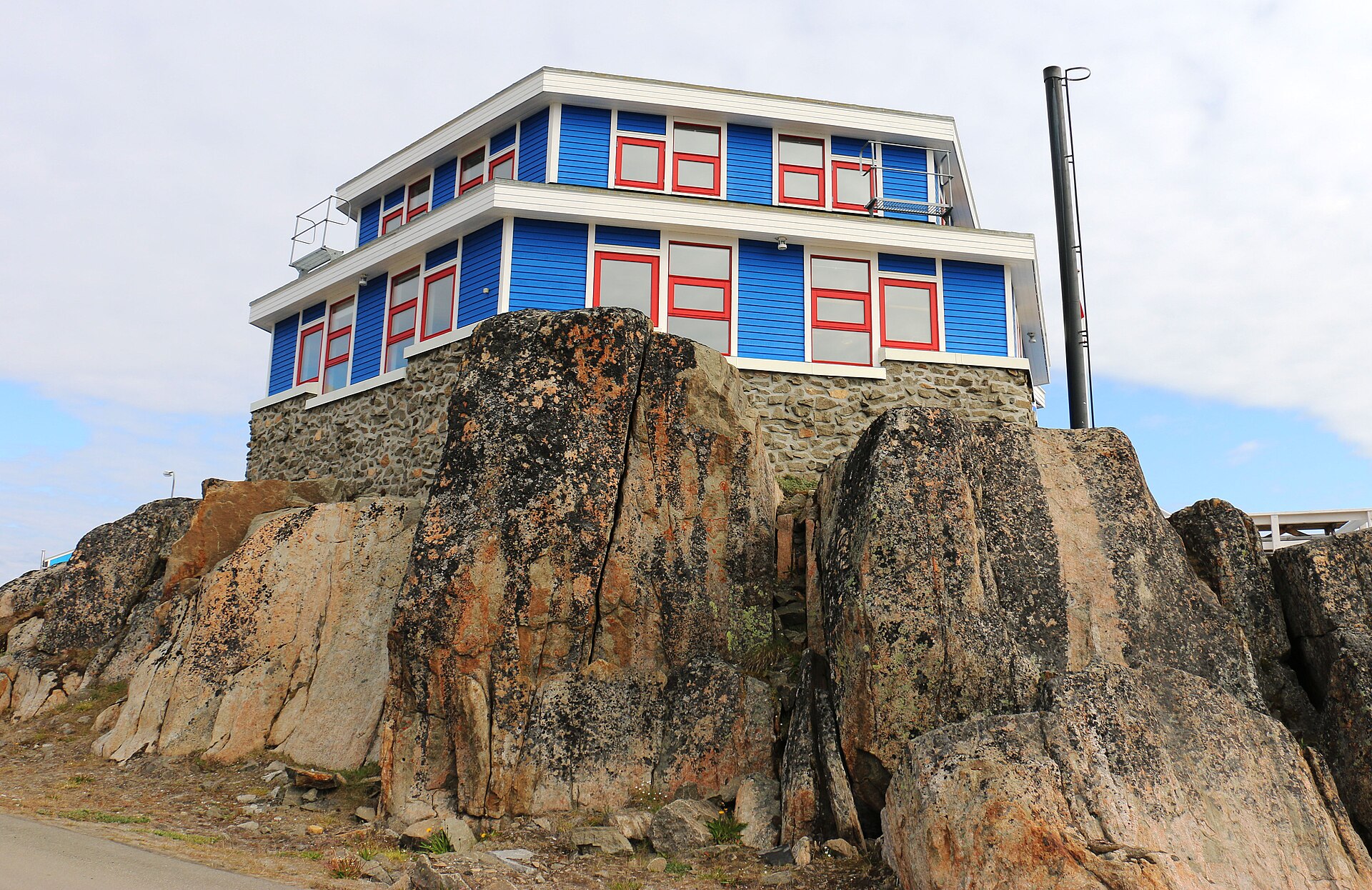
DTU's campus in Sisimiut.
DTU's campus in Sisimiut.Askholmer · CC BY-SA 4.0 · via Wikimedia Commons
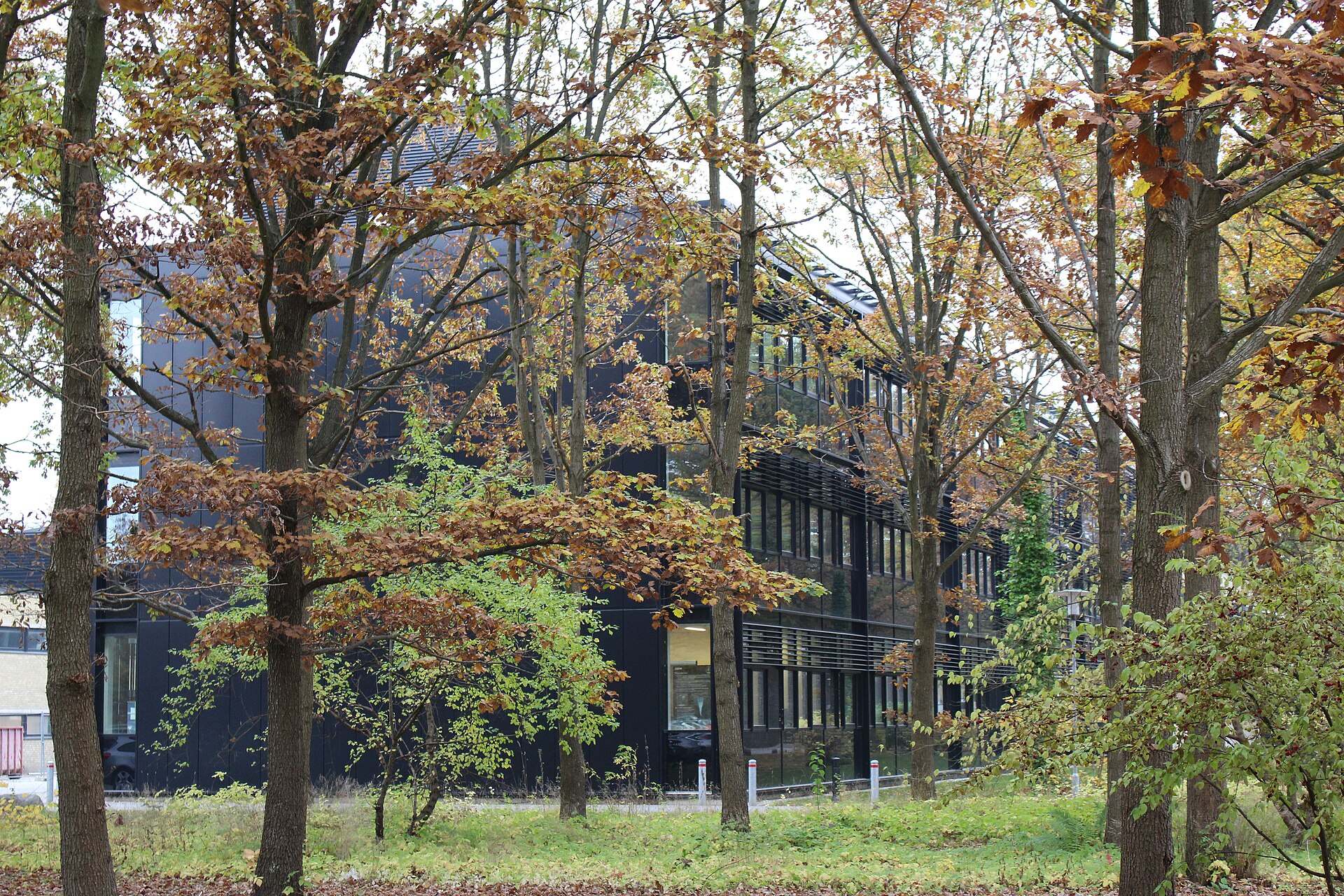
Technical University of Denmark, Building 328, DTU Space.
Technical University of Denmark, Building 328, DTU Space.Finn Årup Nielsen · CC BY-SA 4.0 · via Wikimedia Commons
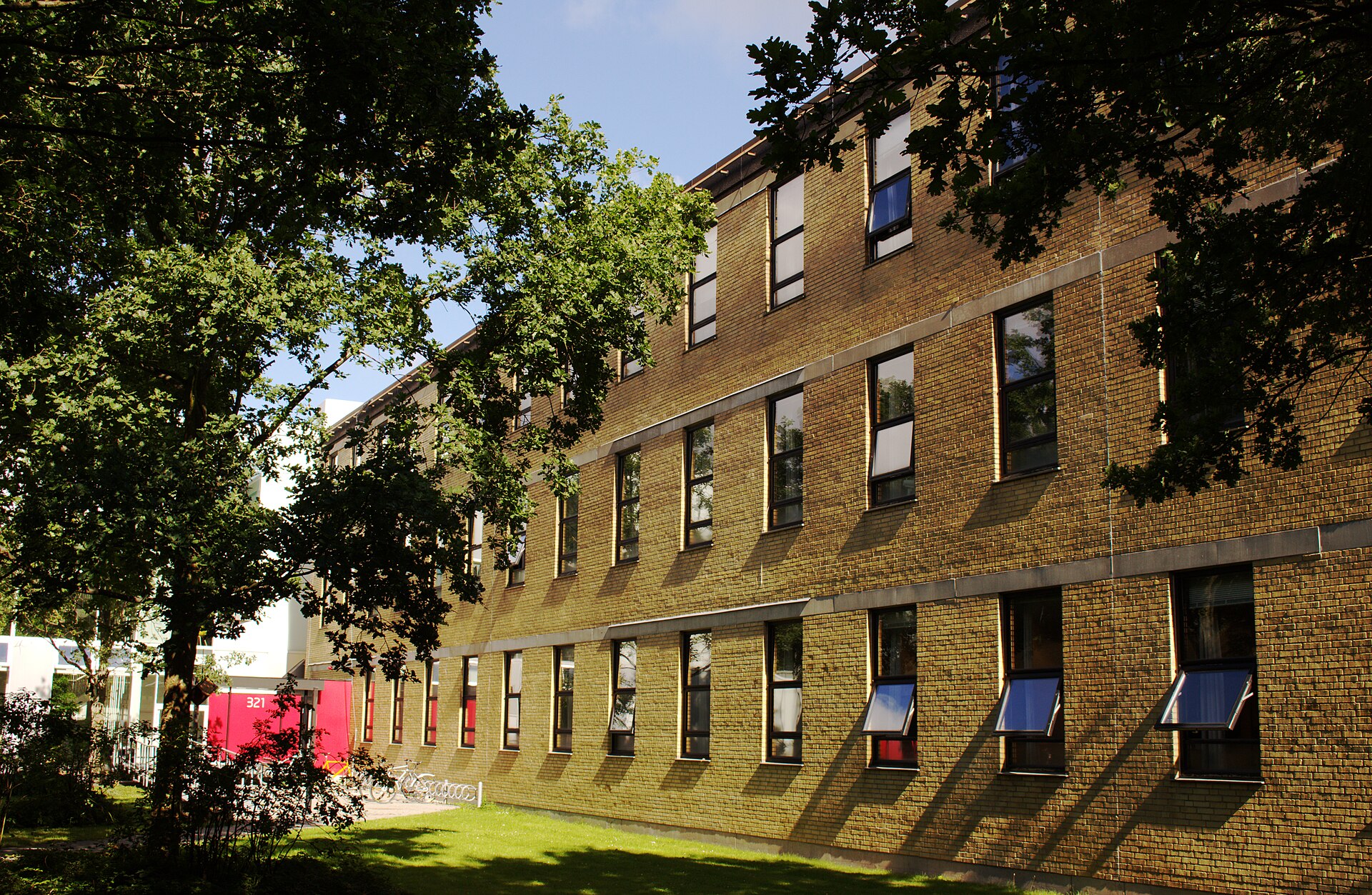
Building 321 at the Technical University of Denmark with building 324 in the background. Where part of DTU Compute resides.
Building 321 at the Technical University of Denmark with building 324 in the background. Where part of DTU Compute resides.Finn Årup Nielsen · CC BY-SA 4.0 · via Wikimedia Commons
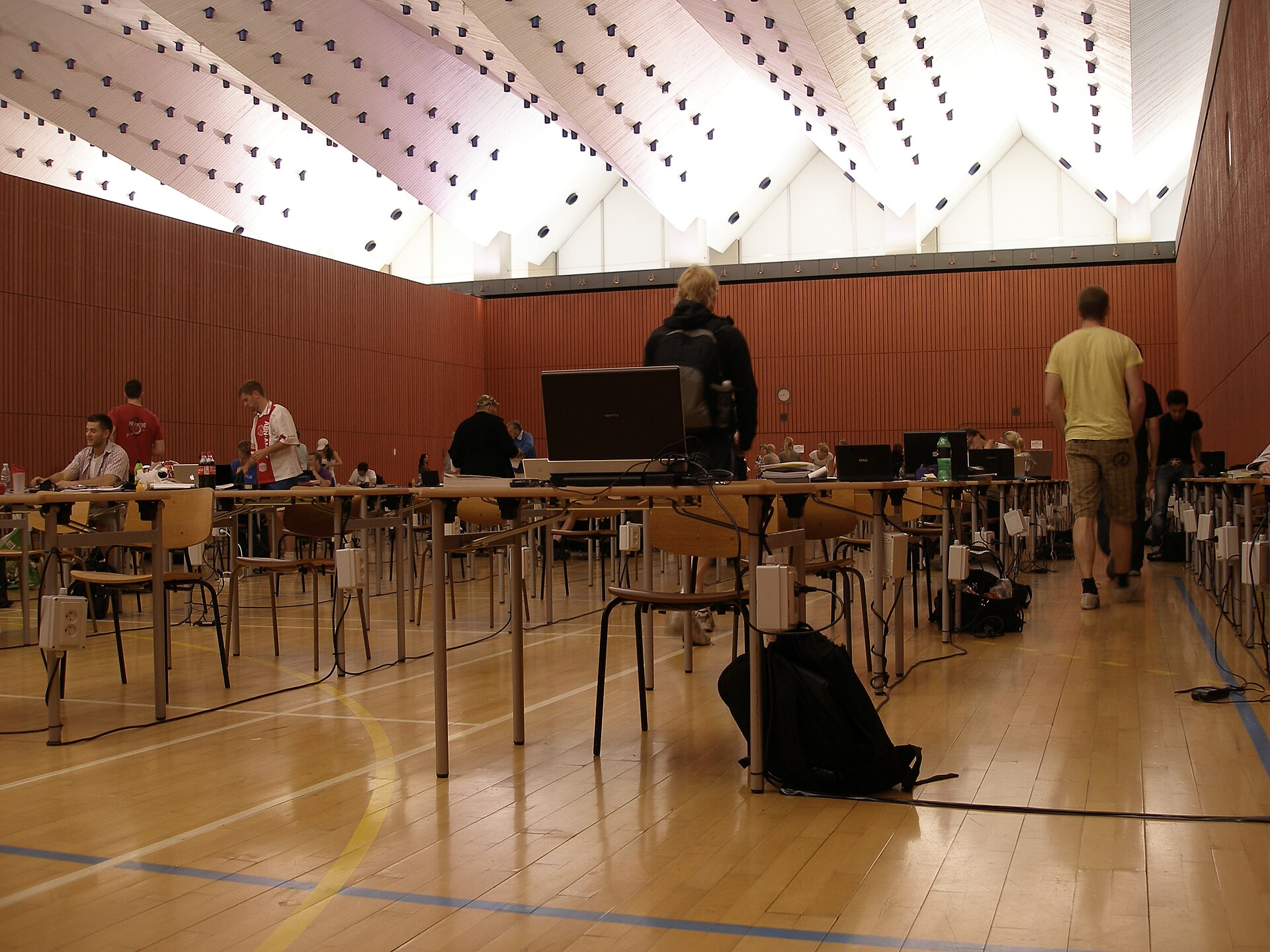
DTU exam building 101 photo 1
DTU exam building 101 photo 1Nillerdk (talk) · CC BY-SA 3.0 · via Wikimedia Commons
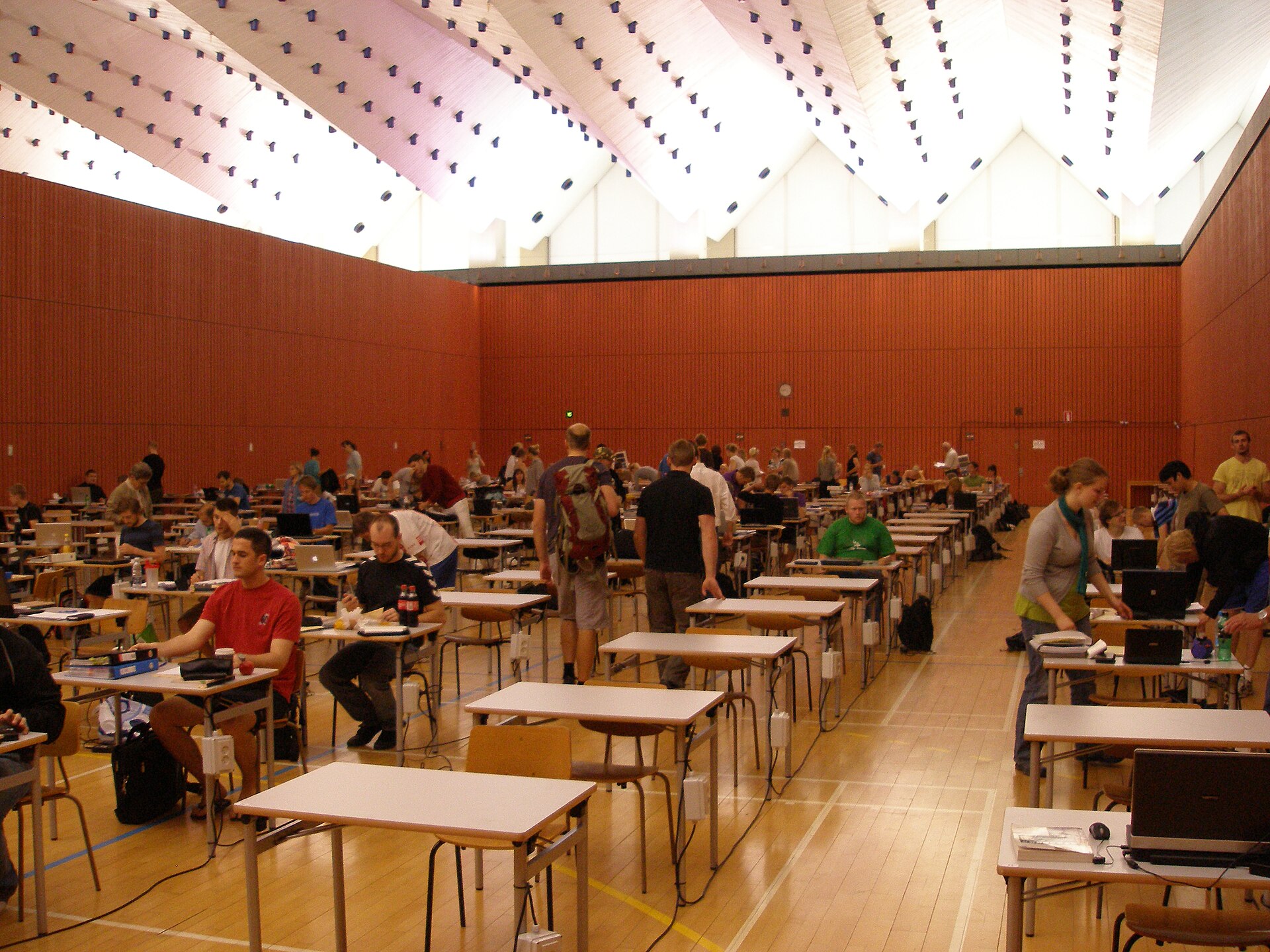
DTU exam building 101 photo 2
DTU exam building 101 photo 2Nillerdk (talk) · CC BY-SA 3.0 · via Wikimedia Commons
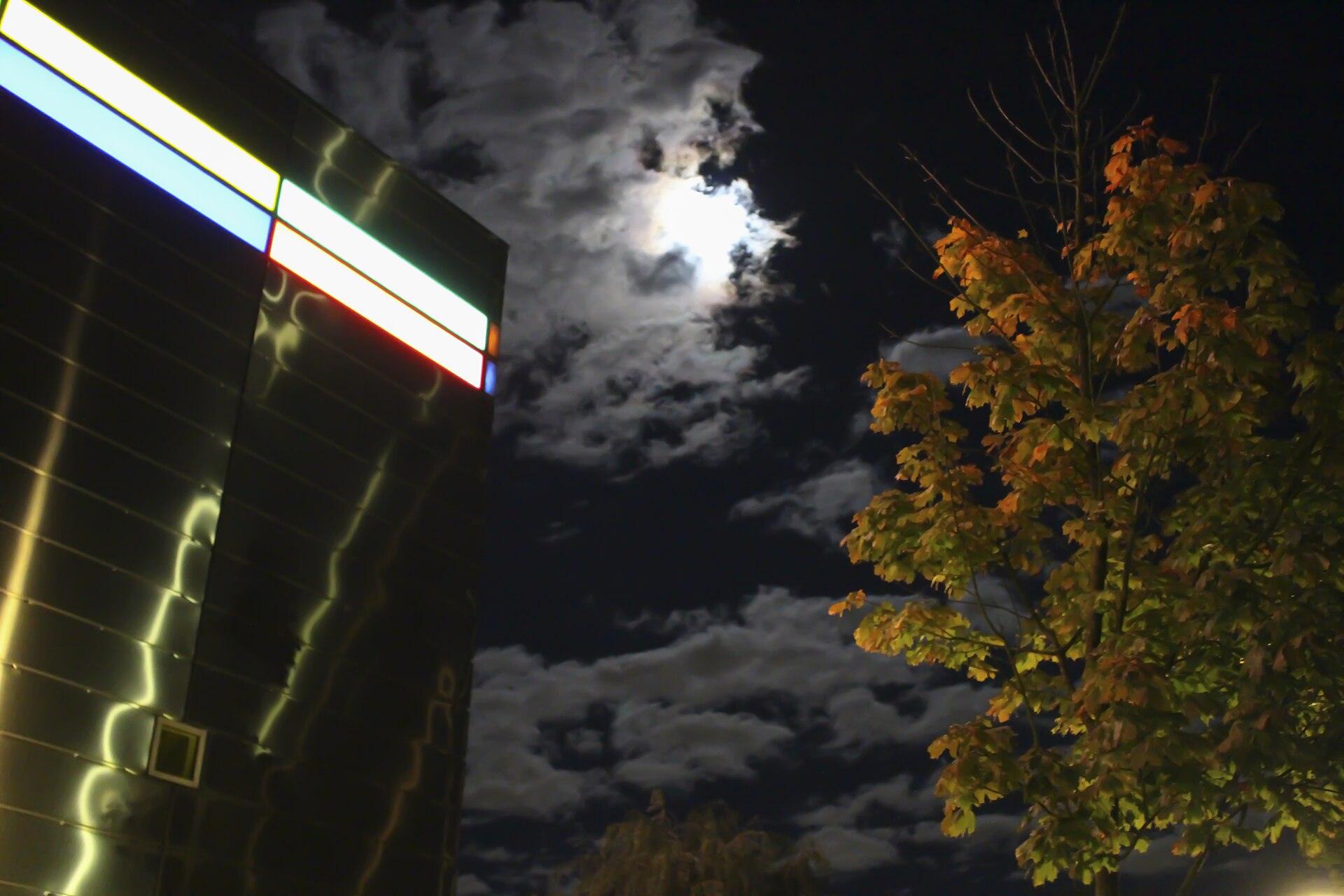
DTU Danchip, building 346 on the Technical University of Denmark, Kongens Lyngby, Denmark. In moonlight through the clouds.
DTU Danchip, building 346 on the Technical University of Denmark, Kongens Lyngby, Denmark. In moonlight through the clouds.Finn Årup Nielsen · CC BY-SA 4.0 · via Wikimedia Commons

Why DTU — Research, Industry Ties & Global Impact

DTU is not a generalist research university with an engineering school attached. It is a focused elite technical institution where every department, every lab, and every course points at one goal: turning science into technology that solves real problems. For international students who want depth, rigour, and direct industry relevance from day one, DTU's focus is a structural advantage.

01World Rank in What Matters Most
#104 globally (QS 2025), but genuinely #1 in research impact in sustainable energy and wind power — the most important engineering sectors of the next 50 years. A DTU degree opens doors at Vestas, Ørsted, Siemens Gamesa, and Novo Nordisk.
02EuroTech Alliance — Europe's Elite Technical Network
DTU is a founding member of the EuroTech Universities Alliance alongside TU Munich, EPFL, École Polytechnique, TU/e Eindhoven, and TU Wien. Members share joint programmes, research access, and a pan-European alumni network that spans every major industrial hub.
03Project-Based Learning From Week 1
DTU's curriculum is built around real engineering challenges solved in teams. Every semester integrates labs, workshops, and collaborative projects. This model produces graduates who are exceptionally job-ready — and exceptionally attractive to employers.
04Copenhagen: Europe's Most Livable City
The Lyngby campus is 15 kilometres from central Copenhagen — consistently ranked among the world's safest, most design-forward, and most livable cities. Denmark's startup ecosystem, quality of life, and cycling culture are unmatched in continental Europe.

DTU Acceptance Rate & Admitted Student Profile

Stats

13,000
Student Population
20%
International Students
94%
Employment Rate

Profile Stats

34+
IB Score (Indicative)
20%
International Students
94%
Employment Rate (12 months)
#104
QS World Rank
#2
National Rank (Denmark)
10:1
Student:Faculty Ratio
Overall acceptance rate — top MSc programmes significantly more competitive

Rea Vs Rd

Rd Label: Round 2 (March)
Rd Value: Competitive
Rea Label: Round 1 (January)
Rea Value: Recommended

DTU Admissions Requirements — Grades, IB/A-Level & Academic Profile

Grades & Academic Performance
Value: Strong HL Grades
  • HL Mathematics: Analysis and Approaches strongly preferred
  • Physics HL or Chemistry HL expected for most programmes
  • Bachelor's GPA assessed programme-specifically
  • Danish 7-point scale used for conversion
DTU evaluates academic performance in mathematics and relevant sciences as the primary admission criterion. For MSc applicants, your bachelor's degree GPA in technical subjects carries the most weight. For BSc entry, secondary school performance in HL mathematics and sciences is the primary gate.
IB / A-Level / Equivalent
Value: IB 34+ / A-Level AAB+
  • IB: 34+ with HL Maths (AA) and HL sciences
  • A-Level: AAB minimum with A in Mathematics
  • No SAT, ACT, or GRE required
  • IELTS 6.5 / TOEFL 88 for non-English-medium applicants
DTU is test-optional for standardised tests (SAT/ACT/GRE) — these are not required or evaluated. The IB score of 34 is an indicative floor for competitive programmes. A-Level students should demonstrate strong mathematics performance. What matters is subject-level academic rigour, not standardised test scores.
International Grades
Value: Top Academic Calibre
  • Strong IB/A-Level/national secondary school results
  • University GPA in top third of programme for MSc
  • Research or project experience in relevant field
  • Coherent motivation letter demonstrating technical depth
International applicants are evaluated using DTU's grade conversion system. A coherent academic record with strong mathematics and sciences — combined with a well-crafted motivation letter — is the essential profile. DTU has extensive experience assessing IB, A-Level, and national curricula from over 100 countries.

DTU Application Components — Direct Portal, Motivation Letter & CV

DTU uses a direct online application portal. Unlike US or UK universities, there is no centralised application system. Below is every component of a complete DTU application — required and programme-dependent — with strategic notes for each.

01RequiredOnline Application via DTU Portal
DTU uses its own direct application portal — no Common App, UCAS, or central Scandinavian system. Applications open well before the Round 1 deadline and close in January or March depending on the round.
02RequiredAcademic Transcripts & Degree Certificates
Official transcripts from all higher education institutions attended, plus your bachelor's degree certificate (or current-year transcript if graduating). An official grading key is required if your institution is outside Denmark.
03RequiredMotivation Letter
A one-to-two-page professional document addressing why you are applying to this specific DTU programme, your relevant technical background, and your professional or research goals. This is the most important differentiating document in your application.
04RequiredCurriculum Vitae (CV)
A structured professional CV covering education, technical skills (programming languages, lab techniques, engineering software), projects, publications, and work or internship experience. DTU treats this as a full professional document.
05Required (if applicable)English Language Test
IELTS Academic (6.5 minimum) or TOEFL iBT (88 minimum) required for applicants whose bachelor's was not conducted entirely in English. A fully English-medium degree from an accredited institution may qualify for exemption.
06Programme-DependentLetters of Recommendation
Some MSc programmes and all PhD positions require one or two academic or professional references. Requirements vary by department — check your specific programme page before applying.
07Programme-DependentPortfolio / Research Proposal
Design and Innovation requires a portfolio; research-track MSc and Industrial PhD programmes may require a research proposal outline. Confirm requirements on your target programme's individual page.

DTU Application — The Motivation Letter and Written Documents

Tips

Write about the programme, not about yourself
DTU's motivation letter is a professional document. Unlike a US personal essay, it should open with the programme and your technical fit — not a personal story. Admission committees want to see that you understand DTU's curriculum and research environment specifically.
Name specific DTU research centres and faculty
Generic letters ('I am passionate about sustainable energy') carry no weight at DTU. Name the DTU Wind Energy Centre, DTU Biosustain, or DTU Photonics if they connect to your interests. Specificity signals preparation and genuine motivation.
Show, don't claim
Every claim in your motivation letter must be traceable to a specific experience in your CV or transcripts. 'I have strong analytical skills' means nothing. 'I built a CFD simulation of wind turbine wake interactions for my bachelor's thesis' means everything.
One to two pages — no more
DTU admission committees favour concision. A letter that goes beyond two pages signals poor prioritisation. Draft at three pages, then cut ruthlessly until only what directly supports your fit with this specific programme remains.

Prompts

DTU Motivation Letter (Primary Document)
No fixed prompts are published. Your motivation letter is an open professional document addressing: (1) why this specific programme at DTU, (2) your technical background and relevant experience, (3) your research or professional goals. One to two pages.
CV / Curriculum Vitae
A structured professional CV covering education, technical skills, projects, publications, and work experience. Unlike a US résumé, this is a comprehensive professional document — typically 1–3 pages.
Portfolio (Design & Innovation only)
Required for Design and Innovation applicants. Should demonstrate design thinking process, technical capability, and creative problem-solving — not just finished aesthetics.
The most common mistake by international DTU applicants. Writing a US-style personal narrative essay instead of a professional, programme-specific motivation letter — DTU committees find these jarring and they hurt, not help, your application.

What DTU Admissions Committees Are Looking For

DTU's evaluation is grounded in academic performance, but the motivation letter and CV allow the admissions committee to assess beyond grades. Understanding what each element of the application is evaluated for — and why — is the foundation of a strong DTU application strategy.

01Mathematical Rigour
Strong performance in higher-level mathematics is non-negotiable. DTU's first-year curriculum assumes multi-variable calculus, linear algebra, and differential equations regardless of programme. IB HL Mathematics (Analysis and Approaches) or A-Level Further Mathematics is the expected preparation.
02Technical Subject Depth
DTU looks for genuine academic strength in the sciences relevant to your target programme — Physics, Chemistry, Biology, or Computer Science at the highest available level. Subject-level depth matters more than breadth.
03Authentic Programme-Specific Motivation
DTU admission committees read motivation letters for specific, evidence-based interest in this programme — not engineering in general. The strongest applicants connect a specific research question, industry problem, or professional goal to DTU's curriculum and research environment.
04Demonstrated Technical Experience
Research projects, thesis work, engineering internships, coding projects, or competition participation — any concrete technical activity that demonstrates real capability beyond grades is valued. A CV that shows you have applied your knowledge matters at DTU.
05Collaborative and International Mindset
DTU's project-based model requires genuine collaboration across disciplines and nationalities. Experience in team technical projects — hackathons, robotics teams, research groups — signals you will thrive in DTU's working culture.
06English Proficiency
For English-taught MSc programmes, clear and precise English communication in the motivation letter itself is evidence of proficiency. IELTS 6.5 or TOEFL 88 is the documented minimum — but applicants significantly above the minimum are at an advantage in competitive programmes.

DTU Financial Aid & Scholarships for International Students

For EU/EEA students, DTU offers tuition-free education — one of the most compelling value propositions in global engineering education. For non-EU/EEA students, tuition of approximately USD 16,200 per year is payable, well below UK or US equivalents. External scholarships, Erasmus Mundus programmes, and the Industrial PhD route are the primary funding pathways.

Cost figures are annual estimates in USD. Actual costs in Danish Krone (DKK) should be verified on DTU's official fees page as exchange rates fluctuate.

Stats

~$16,200
Annual tuition (non-EU/EEA)
~$29,000
Total cost of attendance (non-EU)
$0
Tuition for EU/EEA students
Fully Funded
PhD studentships (salaried)

Contribution Tiers

NoteRangePercentPercent Value
Full tuition waiver under Danish public HE system; may qualify for SU living stipendEU/EEA Citizens0% tuition0
Full Erasmus Mundus scholarship covers tuition + living allowance for eligible programmesErasmus Mundus Award Holders100% covered100
DTU institutional scholarships available in some cycles for outstanding non-EU applicantsDTU Excellence ScholarshipPartial50
~$16,200 tuition + ~$16,000 living costs; part-time work (20 hrs/wk) permittedNon-EU/EEA (Self-Funded)Full cost100
Salaried position — no tuition, full monthly salary, co-funded by companyIndustrial PhD StudentsFully salaried100
EU/EEA Free Tuition & Salaried PhDs. DTU does not operate a US-style no-loan endowment grant programme. However, EU/EEA students study tuition-free — making DTU one of the best-value elite technical universities in the world for European students. All DTU PhD positions are salaried employment contracts, not scholarships, making the doctoral route financially self-sufficient for outstanding graduates.

Key Dates

Round 1 Application Deadline (MSc)
Date: Approx. 15 Jan
Round 1 Decisions Released
Date: March
Round 2 Application Deadline (MSc)
Date: Approx. 1 March
Round 2 Decisions Released
Date: April–May

Advantages

  • Most competitive programmes still have international places available
  • More time for DTU to contact you for additional documents
  • Earlier decision — allows time to arrange housing and visa
  • Round 1 applicants generally receive fuller consideration
  • Demonstrates seriousness and planning to the admissions committee

Disadvantages

  • Application must be complete by mid-January — less time to polish documents
  • Final semester transcripts may not yet be available
  • Some candidates still awaiting language test scores
  • Tighter timeline between completing your application and the deadline
Round 1 vs Round 2. DTU MSc programmes run two annual admission rounds. Round 1 (January) is strongly recommended — the most competitive programmes frequently fill their international quota before Round 2 opens. Applying in Round 2 is not a disadvantage for less competitive programmes, but for Sustainable Energy, Biomedical Engineering, and similar high-demand MSc programmes, Round 1 is effectively your only real chance.
Tychr's Round 1 Recommendation. Apply in Round 1 if your application is complete and your grades are finalised. If you need one more semester of grades or an updated language test score, Round 2 may be appropriate — but accept that you are competing for a smaller number of remaining places in the most sought-after programmes.
DTU Application Rounds — Round 1 vs Round 2 Strategy

DTU Interviews — When They Happen and How to Prepare

DTU does not conduct standardised admissions interviews for all applicants — unlike Harvard's alumni interview programme. However, some competitive MSc programmes and most PhD and Industrial PhD positions include an interview as part of the selection process. For research-track positions, the interview carries significant weight and is essentially a technical vetting conversation.

Meta

Video call with programme faculty or admissions coordinator
Format
Not standard — used selectively for shortlisted applicants in some programmes
Frequency
Technical depth, specific motivation, English communication
Evaluates
Important when it occurs — preparation matters
Weighted

Questions

Why this specific DTU programme — not a similar programme elsewhere?
Tip: Be specific — name DTU Wind Energy Centre, DTU Biosustain, or a faculty member's research. Generic answers signal low motivation.
Walk me through a technical project you are proud of.
Tip: Have two or three concrete examples from your CV ready. Focus on what problem you solved and what you learned technically.
Where do you see yourself professionally five years after graduating from DTU?
Tip: Connect your answer to DTU's strengths. If you want to work in offshore wind in Denmark after graduation, say so explicitly.
What aspect of our curriculum do you think will be most challenging for you?
Tip: Be honest. Admissions committees respect intellectual humility more than overconfidence. Frame gaps as things you are actively addressing.
Which DTU research area or centre is most relevant to your interests, and why?
Tip: Show awareness of real research groups or industry partnerships. Reading one recent DTU research publication before your interview is highly effective.

DTU Housing & Campus Residential Life

DTU does not operate a residential house system like Harvard's. Instead, DTU International Student Services coordinates with a network of student housing organisations to help incoming international students secure accommodation before arrival. Priority is typically given to international students — applying as early as possible (as soon as you receive your admission offer) is essential in Copenhagen's competitive housing market.

Houses

DTU Campus Housing
Tag: On-Campus
Modern student residences within walking distance of all facilities
Kollegiet Lundtoftegade
Tag: Partner
Student residence coordinated through DTU housing partners
Lyngby Housing
Tag: Partner
Suburban family-friendly housing in Lyngby town centre
Nørrebro / Frederiksberg
Tag: Copenhagen
Popular Copenhagen neighbourhoods for students commuting by train or bike
DTU Skylab Housing
Tag: Partner
Innovation-linked housing for entrepreneurial students near Skylab
Private Rental (Lyngby/Copenhagen)
Tag: Private
Available via BoligPortal and similar platforms; higher cost, more flexibility

Lottery Steps

  • Receive your DTU admission offer — housing application opens immediately
  • Apply through DTU International Student Services housing portal — priority given to internationals
  • DTU coordinates with Kollegiekontoret and other housing partners for campus-area rooms
  • Private rental via BoligPortal.dk is an alternative — Lyngby and northern Copenhagen are accessible by S-train
  • Many students settle in Copenhagen's Nørrebro, Frederiksberg, or Østerbro neighbourhoods — 20-30 min by S-train or bike
  • Budget approximately USD 800–1,100/month for a student room (included in the USD 16,000 annual living cost estimate)

DTU Departments, Programmes & Research Centres

DTU Wind and Energy Systems
Label: Sustainable Energy & Wind Engineering
  • {"label":"Global specialisation","value":"Wind Energy"}
  • {"label":"Key industry partners","value":"Vestas, Ørsted, Siemens Gamesa"}
  • {"label":"Research centre","value":"DTU Wind Energy Centre"}
  • {"label":"MSc programmes","value":"Wind Energy, Sustainable Energy"}
Denmark is the global epicentre of offshore wind, and DTU's Wind Energy and Sustainable Energy programmes are the world's most recognised for this sector. Graduates feed directly into the major wind OEMs and energy developers worldwide.
DTU Biosustain / DTU Bioengineering
Label: Biotechnology & Life Sciences
  • {"label":"Research focus","value":"Metabolic engineering"}
  • {"label":"Key industry partners","value":"Novo Nordisk, Novonesis"}
  • {"label":"Research centre","value":"Novo Nordisk Foundation Center for Biosustainability"}
  • {"label":"MSc programmes","value":"Biotechnology, Biomedical Engineering"}
DTU Biosustain is a world-leading metabolic engineering and synthetic biology centre, co-funded by the Novo Nordisk Foundation. Graduates enter Denmark's world-class life-sciences cluster — home to Novo Nordisk, Novonesis, and LEO Pharma.
DTU Compute / DTU Electro
Label: Computer Science, AI & Electrical Engineering
  • {"label":"Research focus","value":"Machine learning, autonomous systems"}
  • {"label":"MSc programmes","value":"Computer Science, Human-Centered AI, Electronics"}
  • {"label":"Teaching language","value":"English (MSc)"}
  • {"label":"Industry links","value":"A.P. Moller-Maersk, Microsoft, Google"}
DTU Compute covers algorithms, machine learning, autonomous systems, and cybersecurity. The Human-Centered AI programme is particularly sought after. DTU Electro covers electrical engineering, photonics, and power electronics.
DTU Mechanical Engineering
Label: Mechanical & Civil Engineering
  • {"label":"Core disciplines","value":"Fluid mechanics, thermodynamics, structural engineering"}
  • {"label":"MSc programmes","value":"Mechanical Engineering, Civil Engineering"}
  • {"label":"Industry links","value":"Rambøll, Cowi, FLSmidth"}
  • {"label":"Research centre","value":"DTU MEK"}
Classical engineering disciplines with strong industry ties in Danish construction, offshore structures, and manufacturing. Rambøll and Cowi — two of the world's largest engineering consultancies, both Danish — recruit heavily from DTU.
DTU Chemistry / DTU Chemical Engineering
Label: Chemical & Biochemical Engineering
  • {"label":"Core disciplines","value":"Catalysis, process design, polymer science"}
  • {"label":"MSc programmes","value":"Chemical and Biochemical Engineering"}
  • {"label":"Industry links","value":"Novonesis, Haldor Topsoe, Lundbeck"}
  • {"label":"Research centre","value":"DTU Chemistry"}
Chemical and biochemical engineering at DTU benefits from proximity to Denmark's world-leading enzyme and pharmaceutical industries. Haldor Topsoe (now Topsoe), Novonesis, and Lundbeck are among the major industry partners.
DTU Design and Innovation
Label: Engineering Design
  • {"label":"Unique focus","value":"Technical design thinking"}
  • {"label":"Portfolio required","value":"Yes"}
  • {"label":"Interdisciplinary","value":"Engineering + Design"}
  • {"label":"MSc programme","value":"Design and Innovation"}
Unusual among technical universities, DTU's Design and Innovation programme bridges rigorous engineering and design thinking. A portfolio is required; the programme attracts students with both technical depth and creative problem-solving ambition.

Research & Extracurricular Opportunities at DTU

DTU Wind Energy Centre
Category: World-Leading Research
The DTU Wind Energy Centre is the world's most cited academic institution in wind energy research. MSc and PhD students access unique test facilities, cutting-edge CFD and aeroacoustics labs, and direct collaboration with Vestas, Ørsted, and the major offshore wind developers.
DTU Biosustain — Metabolic Engineering
Category: Novo Nordisk Foundation Centre
DTU Biosustain is one of the world's leading metabolic engineering and synthetic biology research centres, co-funded by the Novo Nordisk Foundation. Students work on projects with direct pharmaceutical and food-ingredient industry applications.
DTU Skylab — Innovation & Entrepreneurship
Category: Startup Ecosystem
DTU Skylab is the university's innovation hub — a 2,000 m² maker space, startup incubator, and entrepreneurship centre. Students access workshops, 3D printers, laser cutters, electronics labs, and business mentors. Several significant Danish deep-tech startups originated here.
Student Associations & S-Huset
Category: 60+ Active Societies
DTU's student society S-huset runs Friday bars, cultural events, and social activities year-round. Over 60 student associations cover robotics, entrepreneurship, sustainability, music, sports, and international student networks — including the DTU International Students organisation (ISI).
Scroll right to explore DTU's research programmes and student life opportunities.

Career Outcomes & DTU Graduate Network

DTU graduates are among the most sought-after engineers and scientists in Scandinavia and across Europe. The university's deep industry ties — built through decades of co-authored research and collaborative thesis projects — mean that many students receive employment offers before graduation. The Industrial PhD programme enables simultaneous employment and doctoral study, making the transition from student to professional seamless.

Stats

94%
Employed or in graduate study within 12 months
$58,000
Average starting salary
20%
International students on campus
#104
QS World Rank
#2
National rank in Denmark
10:1
Student:faculty ratio

Categories

Energy & Sustainability
Vestas, Ørsted, Siemens Gamesa, GE Vernova, and Equinor recruit heavily from DTU's Wind Energy and Sustainable Energy programmes. Denmark's position as the global epicentre of offshore wind creates an unrivalled pipeline for DTU graduates.
Life Sciences & Pharma
Novo Nordisk, Novonesis, LEO Pharma, and Lundbeck are major employers of DTU's Biotechnology and Biomedical Engineering graduates. DTU's proximity to the Copenhagen-Malmö life-sciences cluster — one of Europe's largest — creates a direct graduate-to-employer pipeline.
Engineering, Consulting & Tech
Rambøll, Cowi, A.P. Moller-Maersk, Atos, and Denmark's growing deep-tech startup scene recruit software, systems, and civil engineers. McKinsey, Boston Consulting Group, and Implement Consulting hire DTU graduates for technical consulting mandates.

Our DTU Admissions Track Record & Student Stories

Ananya S.
My motivation letter for DTU's Biotechnology programme was initially a long narrative about my childhood interest in science. Tychr's advisors helped me completely restructure it — leading with my bachelor's thesis on biosynthetic pathway optimisation and connecting it directly to DTU Biosustain's research agenda. That specificity made the difference.
Country: India
Program: DTU — MSc Biotechnology
Class Year: Class of 2025
Residential: Student housing, Lyngby
Academic Profile: IB 38 · BSc GPA 8.7/10
Lucas M.
I almost applied in Round 2 because I was waiting for an IELTS retake. Tychr advised me to submit in Round 1 with my existing score and then send the updated result when it came. That advice meant I was considered for Sustainable Energy before it filled — the programme was heavily oversubscribed by March.
Country: Brazil
Program: DTU — MSc Sustainable Energy
Class Year: Class of 2024
Residential: Copenhagen, Nørrebro
Academic Profile: A-Levels AAB · BSc GPA 3.7
Ji-eun P.
The hardest part was the CV — I had no idea that a DTU CV is expected to be a full 2-page professional document, not a one-page summary. Tychr showed me how to structure my lab rotations and coding projects in a way that matched what DTU's Computer Science admissions team was looking for.
Country: South Korea
Program: DTU — MSc Computer Science and Engineering
Class Year: Class of 2026
Residential: DTU Campus housing
Academic Profile: IB 39 · BSc GPA 3.9

Faqs

Is DTU's instruction language English or Danish?+

At the MSc (graduate) level, over 35 of DTU's programmes are taught entirely in English. At the BSc (undergraduate) level, only the General Engineering programme is English-taught; all other BSc programmes are delivered in Danish. If you do not speak Danish, you are effectively limited to the English BSc General Engineering or to MSc entry.

Do EU and non-EU students pay different tuition?+

Yes. EU/EEA students study at DTU free of charge under Denmark's public higher education system. Non-EU/EEA students pay tuition of approximately USD 16,200 per year based on current figures. This is significantly lower than comparable UK or US technical universities.

Can I apply with an IB Diploma?+

Yes. DTU accepts the IB Diploma and has extensive experience assessing it. An IB score around 34 or above (with strong performance in HL Mathematics and relevant sciences) is broadly competitive for most MSc programmes for students with a completed bachelor's. For BSc entry, contact DTU Study Guidance for current requirements.

Does DTU require GRE/SAT/ACT scores?+

No. DTU's test policy is described as 'optional' — standardised tests like the SAT, ACT, or GRE are neither required nor typically evaluated. Academic transcripts and grades in technical subjects are the primary academic evidence.

How important is the motivation letter?+

Very important — it is the main differentiating document between applicants with similar grades. DTU admission staff look for specific, evidence-based motivation for this programme, awareness of DTU's research strengths, and a credible account of how your background has prepared you for graduate-level technical study in that field.

Can I work in Denmark while studying?+

EU/EEA students can work without restriction. Non-EU/EEA students on a student residence permit are generally permitted to work up to 20 hours per week during term time and full time in June, July, and August. Denmark's high minimum wage makes this a meaningful income contribution.

Is Copenhagen affordable for students?+

Copenhagen is an expensive city by most global standards, but manageable with good planning. DTU's facts indicate a cost of living around USD 16,000 per year, which includes accommodation, food, transport, and personal expenses. Student housing through DTU's housing partners is the single biggest lever to keep costs down.

What is the Industrial PhD programme?+

The Industrial PhD is a Danish model where a student is simultaneously employed by a company and enrolled as a DTU doctoral student. The company co-funds the studentship, the student receives a salary, and the PhD research is directly relevant to the company's innovation agenda. It is one of DTU's most distinctive offerings.

Book a Free DTU Admissions Strategy Session

In 60 minutes our DTU admissions specialists will evaluate your academic profile, identify your application strengths and gaps, review your motivation letter strategy, and determine whether Round 1 gives you the best chance for your target programme.

  • No commitment required
  • DTU and Nordic admissions specialists
  • Personalised motivation letter and CV strategy
Getting into DTU is not about checking boxes — it is about demonstrating that you are technically ready for Europe's most demanding engineering curriculum.

DTU Academic Requirements

DTU Academic Requirements — The Honest Breakdown for International Students

What grades, test scores, and academic profile do DTU's admitted students actually have? And what does DTU's transcript-based evaluation mean for students from IB, A-Level, AP, and other international curricula?

34+
IB Score (Indicative)
HL Math AA + Sciences
46%
Acceptance Rate
Overall; lower for top programmes
10:1
Student:Faculty Ratio
Close faculty access
6.5
IELTS Minimum
Or TOEFL iBT 88
Optional
Test Policy
SAT/ACT/GRE not required
#104
QS World Rank
2025 ranking

GPA & Academic Performance

DTU and Academic Grades — What the Data Shows

DTU does not publish a minimum GPA. Admission is based on academic performance in relevant technical subjects, evaluated relative to your institution's grading norms. The indicative IB score of 34 in the facts file represents a broad floor for competitive programmes — top programmes expect considerably above this.

Strong grades in mathematics and sciences are a necessary but not sufficient condition. DTU's most competitive programmes — Sustainable Energy, Biotechnology, Computer Science — look for a combination of grades, relevant project experience, and a compelling motivation letter that connects your background to their specific curriculum.

34+
IB score indicative floor for competitive MSc programmes
46%
Overall institutional acceptance rate (programme-specific varies significantly)
What this means for international students. International students are evaluated using DTU's grade conversion system, which maps grades from over 100 national systems to the Danish 7-point scale. An official grading key from your institution is required alongside your transcripts. DTU's admission staff are experienced with IB, A-Level, Chinese GPA systems, Indian CGPA, US GPA, and European ECTS-based grades.
Grade trajectory matters. An improving academic trajectory — particularly strengthening mathematics and science performance through the later years of your bachelor's — is viewed favourably. If early undergraduate grades were weak but final-year performance in relevant technical subjects is strong, your motivation letter should acknowledge and explain this trajectory honestly.

Academic Context

How DTU Reads International Academic Performance

DTU does not require class rank, and many international schools do not provide it. DTU's admissions team is experienced in evaluating academic performance across widely different national and international grading systems, using institutional grade conversion tools and contextual information provided with the application.

How DTU contextualises your academic record
Every application is evaluated with reference to the specific institution's grading norms and known academic standards. A student with a 3.7 GPA from a highly selective engineering school in China or India may be evaluated more favourably than a student with a 4.0 from a less rigorous institution. The grade conversion tool standardises across systems, but the admissions team applies contextual judgment beyond the converted number.
What this means practically
Taking the most rigorous available courses in mathematics and relevant sciences is more important than achieving perfect grades in less demanding options. DTU explicitly evaluates the rigour of your academic programme, not just your performance within it. An IB student who chose Mathematics: Analysis and Approaches HL over Mathematics: Applications and Interpretation HL demonstrates a stronger technical signal, even at a slightly lower raw score.
For students from less well-known international institutions. For students from institutions less well-known to DTU, a strong motivation letter that explains your institution's academic standards, your class standing (if available), and specific technical accomplishments from your programme carries additional weight. TYCHR coaches you on how to present your institutional context effectively to Nordic admissions teams.

SAT at DTU

SAT Scores at DTU — Not Required, Not Evaluated

DTU does not require or evaluate SAT scores. The SAT is a US-centric standardised test that is outside DTU's standard admissions process. International students should not submit SAT scores to DTU and should focus preparation time on relevant technical coursework and language proficiency instead.

LabelScorePercent
SAT requiredNo0
SAT evaluated if submittedNot typically0
Effective SAT alternativeIB Math HL / A-Level Maths100
The effective equivalent for STEM applicants. For STEM-focused DTU applicants, the equivalent signal to a strong SAT Math score is your performance in IB Mathematics: Analysis and Approaches HL, A-Level Mathematics or Further Mathematics, or your university-level mathematics courses. These subject-level results carry far more weight at DTU than any standardised test composite.
How to use your preparation time. Time spent on SAT preparation is time not spent strengthening the mathematics and sciences coursework that DTU actually evaluates. If you are preparing for DTU admission, focus on your IB or A-Level performance, your motivation letter, and English language proficiency preparation if needed.
The DTU strategy. DTU is a European technical university operating entirely outside the US standardised testing ecosystem. Do not include SAT, ACT, or GRE scores in your DTU application — they are not part of the evaluation criteria and may signal unfamiliarity with the Danish admissions system.

ACT at DTU

ACT Scores at DTU — Not Part of the Process

The ACT is not required, not evaluated, and not relevant to DTU's admissions process. Like the SAT and GRE, it is a US-system test that DTU's Nordic evaluation framework does not incorporate.

Metrics

ACT required
Score: No
ACT evaluated if submitted
Score: Not typically

Comparison Cards

What DTU actually evaluates
DTU evaluates subject-level academic performance in mathematics, physics, chemistry, and engineering — not test composites.
The relevant academic signals
IB HL grades (especially Mathematics AA and relevant sciences), A-Level results, or bachelor's-level mathematics and science GPA.
The only mandatory tests
IELTS Academic 6.5 or TOEFL iBT 88 — the only mandatory standardised tests at DTU, and only for non-English-medium applicants.
No superscore at DTU — no test scores at all. DTU does not superscore any standardised test because standardised tests are not part of DTU's evaluation. The scoring concepts relevant to DTU are your IB total (with HL breakdown), your A-Level grades, your bachelor's GPA, and your performance in specific mathematics and science subjects.
Tychr's recommendation for DTU applicants. Do not take the ACT or SAT for the purpose of applying to DTU. Invest that time in strengthening your IB or A-Level performance, building relevant technical project experience, and preparing a strong motivation letter. These are the factors that DTU's admissions team actually weighs.

Test Policy

DTU Test Policy — What 'Optional' Actually Means in the Nordic Context

DTU's standardised test policy is 'optional' — which at DTU effectively means 'not applicable.' Unlike US universities where test-optional means you choose whether to submit SAT/ACT scores, at DTU the standard application does not include any provision for SAT, ACT, or GRE submission at all. The only mandatory standardised testing is English language proficiency for non-English-medium applicants.

Submit Items

Submit IELTS or TOEFL if your degree was not fully in English — this is required, not optional.
If you have a strong IELTS score significantly above 6.5 (e.g., 7.5 or above), it demonstrates English proficiency clearly and can only help.

Withhold Items

Do not submit SAT, ACT, GRE, or GMAT — they are not evaluated at DTU.
If your IELTS or TOEFL is at or above the minimum and your degree is in English, an exemption request may save time and cost.
Current policy. DTU's admissions process is built around academic transcripts, subject-level grades, the motivation letter, and the CV. Standardised tests are not part of this framework. The only test you must take is an English proficiency test (IELTS 6.5 or TOEFL 88) if your bachelor's degree was not conducted entirely in English.
The key misconception for US-system applicants. Some international students — used to the US application system — assume they should include SAT scores with a DTU application to demonstrate quantitative ability. This is not helpful: DTU's admissions team evaluates quantitative ability through your mathematics subject grades, not standardised test scores. Including irrelevant documents may signal unfamiliarity with the Nordic admissions process.

Curricula

IB and A-Levels at DTU — Specific Benchmarks

IB Diploma
Note: What DTU values in IB applicants: the choice of Mathematics: Analysis and Approaches HL (not Applications and Interpretation) is the single most important IB curriculum decision for engineering-bound students. HL Physics or Chemistry alongside HL Maths creates the strongest subject combination for most DTU programmes. The Extended Essay in a STEM subject can demonstrate early research capability.
  • {"label":"Indicative competitive score","value":"34+ (facts-sourced)"}
  • {"label":"HL expectations","value":"HL Mathematics: Analysis and Approaches + HL Physics or Chemistry"}
  • {"label":"Subject rigour","value":"HL sciences strongly preferred over SL for engineering entry"}
  • {"label":"Extended Essay","value":"STEM subject preferred — signals early research aptitude"}
A-Levels
Note: Predicted grades: DTU understands A-Level predicted grade conventions. Strong GCSE/IGCSE results in mathematics and sciences, combined with strong A-Level predicted grades, create the expected academic profile. Further Mathematics is a genuine differentiator for the most mathematically intensive DTU programmes (Sustainable Energy, Wind Energy, Mathematics and Technology).
  • {"label":"Indicative competitive range","value":"AAB or above"}
  • {"label":"Essential subject","value":"Mathematics (A grade minimum for competitive MSc)"}
  • {"label":"Further Mathematics","value":"Significant advantage in mathematically intensive programmes"}
  • {"label":"Sciences","value":"Physics, Chemistry, or Biology A at A-Level expected for relevant programmes"}

Advanced Placement

AP Courses at DTU — Context and Relevance

AP courses are primarily relevant for BSc-level entry at DTU or as supplementary evidence of secondary-school academic rigour. Most international students applying to DTU are doing so for MSc programmes after completing a bachelor's degree elsewhere — for these applicants, AP results are background context rather than primary evidence.

What DTU looks for in AP results
AP Calculus BC (5), AP Physics C: Mechanics (5), AP Chemistry (5), and AP Computer Science A (5) are the highest-value AP results for DTU's evaluation. They confirm secondary-school preparation at the level DTU expects — but for MSc applicants, your bachelor's coursework is more important.
AP for BSc applicants
For BSc General Engineering applicants (the only English-taught BSc at DTU), strong AP results in Calculus BC, Physics C, and Chemistry demonstrate the rigour DTU expects at secondary-school level. Scores of 4 or 5 across these subjects are competitive.
AP for MSc applicants (context only)
For MSc applicants using AP as evidence of secondary education, AP performance is reviewed alongside your bachelor's transcript. Universities where students have strong AP backgrounds are understood by DTU — scores of 5 in quantitative subjects reinforce your academic profile but are not primary admission criteria at MSc level.
DTU does not award course credit for AP results the way US universities do. Your AP scores serve as academic context, not as a basis for exempting DTU coursework. This is standard for European universities.
International students who did not study in the AP system should not be concerned about the absence of AP results. IB, A-Level, and equivalent national qualifications are the expected credentials for DTU applicants and are evaluated accordingly.

Academic Rigour

Rigour of Academic Record — DTU's Core Academic Signal

DTU's admissions evaluation places significant weight on the rigour of your secondary and tertiary academic preparation — specifically, whether you took the hardest available courses in mathematics and sciences, not just performed well in easier options.

Taking IB Mathematics: Analysis and Approaches HL, not Applications and Interpretation, when both were available, is the single clearest rigour signal an IB student can send to DTU.

The contextual element. Rigour is always evaluated relative to what was available at your specific school. A student at a school that offers IB HL Mathematics AA is expected to have taken it for competitive engineering entry. A student at a school without that option is evaluated on the basis of the strongest available mathematics alternative. DTU's admissions team understands school-level curriculum constraints.
What academic rigour means at DTU. Academic rigour at DTU means: taking HL (not SL) sciences when available; choosing mathematics courses that emphasise calculus and proof rather than statistics and applications; pursuing university-level or additional mathematics if your school supports it. The pattern of choices signals intellectual ambition as clearly as the grade achieved.
What DTU is looking for in course selection. An IB student who took HL Mathematics AA, HL Physics, and HL Chemistry simultaneously demonstrates the academic courage and scientific breadth that DTU's curriculum demands. Admissions officers, experienced readers of international transcripts, can typically identify a grade-optimised subject choice (e.g., choosing SL Mathematics to protect the overall IB score) from a genuinely rigorous one.

Subject Preparation

Mathematics and Science Preparation — What DTU Expects

DTU's curriculum is among the most mathematically demanding in European engineering education. The first year for any programme includes rigorous applications of calculus, linear algebra, and differential equations — regardless of specialisation. Students who arrive without a genuine foundation in these areas face a very steep first semester.

Mathematics
IB Mathematics: Analysis and Approaches HL, A-Level Mathematics + Further Mathematics, or equivalent university-level foundation mathematics is expected. DTU's first year covers multi-variable calculus, linear algebra, differential equations, and numerical methods. These are not review courses — they build on assumed foundations. Competition mathematics experience (national maths olympiad, AMC, or equivalent) is a meaningful differentiator for the most competitive programmes.
Physics & Engineering Science
Classical mechanics, electromagnetism, thermodynamics, fluid dynamics, and wave optics are assumed at IB HL Physics level or A-Level Physics level. DTU's engineering programmes move fast through these fundamentals — they are foundation, not content. Students who studied SL Physics may need substantial self-study in the months before arrival.
Programming & Computational Tools
Python is the most common entry-level programming language across DTU's programmes. Familiarity with numerical methods, data analysis, and basic algorithm design is expected in most MSc programmes regardless of specialisation — from Bioengineering (bioinformatics tools) to Sustainable Energy (energy system modelling). MATLAB is used in some programmes alongside Python.

Language Proficiency

English Language Requirements at DTU

DTU requires proof of English proficiency from all applicants whose qualifying bachelor's degree (for MSc) or secondary education (for BSc) was not conducted entirely in English. The specific requirements are sourced from the DTU facts file.

The motivation letter is itself an English language test — DTU's admissions team reads it for clarity, precision, and professional register. An applicant with an IELTS of 6.5 whose letter is clearly and confidently written in academic English sends a stronger proficiency signal than the score alone.

Test: IELTS Academic
Score: 6.5
Test: TOEFL iBT
Score: 88
Test: Duolingo
Score: Confirm with DTU
Exemption for English-medium degree holders. Applicants whose bachelor's degree was taught entirely in English at an accredited institution may request an exemption from the English language test requirement. This exemption is not automatic — it must be requested and approved by DTU's International Admissions Office. If your programme was partially in English, the exemption will likely not apply.

DTU evaluates applicants for a specific programme — not for the university broadly. The academic profile expected varies significantly between programmes. The table below reflects indicative expectations; confirm specific requirements on your target programme's official DTU page.

Rows

SignalsExpectationConcentration
IB Math AA HL 7 / A-Level Further Maths; modelling projectsExceptionally strong mathematics foundationSustainable Energy
Fluid dynamics or aerodynamics coursework; CFD or modelling projectsHL Maths AA + Physics; energy engineering backgroundWind Energy
Wet-lab experience; thesis in biological sciences or chemical engineeringStrong Chemistry + Biology / Biochemistry backgroundBiotechnology / Bioengineering
GitHub portfolio; ML projects; competitive programmingStrong CS or applied mathematics backgroundComputer Science & Engineering
Catalysis, process design, or polymer coursework; industry internshipStrong Chemistry + Maths; process engineering backgroundChemical & Biochemical Engineering
Design portfolio; CAD or engineering design project experienceEngineering background + design portfolioDesign and Innovation
Structural or geotechnical projects; construction industry experienceCivil engineering or structural mechanics backgroundCivil Engineering

CURRICULUM EVALUATION

How DTU Evaluates International Qualifications

DTU uses a systematic grade conversion process to evaluate academic performance from over 100 national grading systems. Understanding how your qualifications convert — and where your strongest signals come from — is essential preparation for a DTU application.

Grade Conversion
DTU maps international grades to the Danish 7-point scale (12 = excellent down to -3 = unacceptable). You should include an official grading key from your institution with your transcripts. If your institution does not provide one, DTU uses standard conversion tables for most national systems.
IB Diploma
The IB Diploma is well-understood by DTU. An IB total of 34+ with strong HL performance in mathematics and sciences is the indicative competitive profile. The diploma's breadth is acknowledged, but HL subject grades carry the most weight in technical programme evaluation.
A-Level
A-Level results are directly evaluated against a well-established conversion matrix. AAB is broadly indicative for competitive programmes. DTU understands the distinction between predicted and final grades for UK applicants and will request final results upon completion.
Bachelor's Degree GPA
For MSc applicants, your bachelor's GPA in relevant technical subjects is the primary academic criterion. DTU uses a weighted conversion that emphasises performance in the most technically relevant courses — not just the overall GPA average.

YEAR-BY-YEAR ROADMAP

Building Your DTU-Ready Academic Profile

Whether you are in secondary school targeting BSc General Engineering or completing a bachelor's degree aiming for a DTU MSc, here is a year-by-year action plan to make yourself a competitive candidate.

1Secondary School (Age 14–16): Lay the Technical Foundation
Take the hardest available mathematics and science courses without exception. For IB students: choose Mathematics: Analysis and Approaches HL — this decision will affect your DTU competitiveness for years. Begin learning Python through free online resources (Codecademy, CS50). Explore engineering through competitions — robotics, science olympiad, mathematics olympiad.
2IB / A-Level Year 1 (Age 16–17): Explore Specific Engineering Fields
Use this year to test genuine interest in specific engineering domains. Take an online course in sustainable energy (Coursera, edX) or bioinformatics — the content tests interest before commitment. Research DTU's MSc programme pages in depth — the specificity you build now will strengthen your eventual motivation letter significantly.
3IB Year 2 / A-Level Final Year (Age 17–18): Maximise Performance
Prioritise HL subject performance — especially Mathematics AA. Write your IB Extended Essay in a STEM subject. Secure a summer research placement or engineering internship. Start the English language test (IELTS/TOEFL) if your instruction language is not English — give yourself time to retake if needed.
4Bachelor's Years 1–3: Build the Technical Portfolio
Maintain strong GPA in relevant technical courses. Join a research group or pursue undergraduate research assistantship. Complete an engineering internship or industrial placement — ideally with a company that has ties to Danish industry (energy, pharma, logistics). Present at a student conference or contribute to a publication if possible.
5MSc Application Year: Research, Connect, Apply in Round 1
Research DTU's specific MSc programme page thoroughly. Identify two or three faculty members or research centres whose work connects to your interests. If possible, reach out by email with a specific, well-researched question. Tailor your motivation letter to this specific programme — not DTU in general. Apply in Round 1 (approximately January).

COMMON PITFALLS

Academic Mistakes That Hurt Your DTU Application

  • Choosing IB Mathematics: Applications and Interpretation HL instead of Analysis and Approaches HL — this signals the wrong mathematical preparation for DTU's engineering curriculum.
  • Underestimating the pace of DTU's first-year mathematics curriculum — arriving without solid multi-variable calculus and linear algebra will cost you significantly in Year 1.
  • Submitting SAT, ACT, or GRE scores with a DTU application — these are not evaluated and may signal unfamiliarity with the Nordic admissions system.
  • Writing a US-style personal narrative motivation letter — DTU committees find this format inappropriate for a professional technical application.
  • Applying only in Round 2 — the most competitive programmes (Sustainable Energy, Biotechnology, Computer Science) may have filled their international quota by March.
  • Sending a generic motivation letter that could apply to any technical university — DTU admission teams read hundreds of these and identify them immediately.
  • Failing to request an English proficiency waiver when your bachelor's was fully in English — this causes unnecessary delays.
  • Treating the CV as a one-page résumé summary — DTU expects a full professional CV that covers technical skills, lab techniques, projects, and publications.

ADMITTED STUDENT PROFILES

Representative Academic Profiles of DTU-Admitted International Students

The profiles below represent typical academic backgrounds for successfully admitted international students across DTU's major programme areas. These are illustrative rather than official published statistics — they reflect the range of profiles that Tychr has seen gain admission.

IB Student — Sustainable Energy
IB total 38, with Mathematics AA HL (7), Physics HL (6), Chemistry HL (6). Bachelor's in Mechanical Engineering with a thesis on heat exchanger optimisation. IELTS 7.0. Motivation letter focused on specific research group within DTU Wind Energy Centre. Admitted Round 1.
A-Level Student — Biotechnology
A-Levels: Mathematics (A*), Chemistry (A), Biology (A). Bachelor's in Biochemistry from a UK Russell Group university, upper second-class. Lab experience in protein engineering during undergraduate research project. TOEFL 102 (exemption eligible but test submitted). Admitted Round 1.
Engineering Bachelor's — Computer Science
Bachelor's in Computer Science from a top Indian engineering institution, CGPA 8.8/10. Strong coursework in machine learning and distributed systems. GitHub portfolio with two open-source projects. IELTS 6.5. Motivation letter connected specific project experience to DTU Compute's research in autonomous systems. Admitted Round 2 (borderline — Round 1 recommended).

ACADEMIC FAQs

Academic Questions About DTU — Answered

What is DTU's grading system?+

Denmark uses a 7-point grading scale: 12 (excellent), 10 (very good), 7 (good), 4 (fair), 02 (adequate — minimum passing), 00 (inadequate), -3 (completely inadequate). DTU converts your international grades to this scale for evaluation. Include an official grading key from your institution with your transcripts.

Can I apply for multiple DTU MSc programmes simultaneously?+

DTU's policy on multiple applications can vary by cycle. Check the current admissions portal guidance — historically, students could indicate a second-choice programme in some cases. Confirm the current policy directly with DTU's International Admissions Office before applying.

Which IB mathematics course does DTU prefer?+

Mathematics: Analysis and Approaches (AA) at Higher Level is strongly preferred for all engineering and science programmes. Mathematics: Applications and Interpretation (AI), even at HL, does not demonstrate the calculus and analytical foundations that DTU's curriculum requires. If you have not yet chosen your IB mathematics, choose AA HL without exception.

What if my bachelor's was not in engineering?+

DTU accepts applicants from related bachelor's programmes — Physics, Chemistry, Mathematics, Computer Science — for relevant MSc programmes. The key is demonstrating that your foundational technical preparation is strong enough for DTU's graduate-level curriculum. A well-crafted motivation letter that addresses any gaps is essential.

Is the TOEFL or IELTS better for DTU?+

Both are equally accepted at the published minimums (TOEFL iBT 88 / IELTS 6.5). Choose the test you have prepared for more thoroughly. Higher scores above the minimum are always preferable — they reduce uncertainty and can help in competitive programme evaluations.

COST & FINANCIAL AID

The Real Cost of DTU for International Students

DTU is significantly more affordable than comparable technical universities in the US, UK, or Singapore — but it is not free for non-EU students. Understanding the EU/non-EU tuition split, Copenhagen's cost of living, and the funding options available to you is the most important financial planning step before you apply.

For EU/EEA students, DTU offers tuition-free engineering education — one of the best value propositions in global higher education. For non-EU/EEA students, tuition of approximately USD 16,200 per year applies, well below UK or US equivalents. Copenhagen's cost of living is high but comparable to London or Amsterdam — and manageable with good planning.

~$16,200
Annual tuition (non-EU/EEA)
~$29,000
Total cost of attendance (non-EU)
~$16,000
Cost of living (Lyngby/Copenhagen)
$110
Application fee

ANNUAL COST BREAKDOWN

DTU Annual Cost of Attendance — USD Estimates

All figures are annual estimates in USD. Costs reflect the non-EU/EEA student scenario — EU/EEA students pay no tuition and may qualify for the Danish SU living stipend. USD equivalents fluctuate with the DKK/USD exchange rate; verify current DKK costs on DTU's official fees page.

Living cost estimates are based on DTU's facts file ($16,000/year). Actual costs vary significantly depending on housing type, lifestyle, and exchange rate. Copenhagen rent is the largest variable — securing student housing through DTU's housing partners can reduce accommodation costs by 20–40% versus private rental.

ComponentAnnualNotes
Tuition (Non-EU/EEA)~$16,200EU/EEA students: free of charge
Accommodation (Student Housing)~$8,000–$10,000Lower end with DTU housing partner; private rental is higher
Food & Groceries~$3,500–$4,500Self-catering; DTU canteen subsidised
Transport (S-train + Bike)~$1,200–$1,800Student card discounts; cycling reduces cost
Books & Course Materials~$500–$800Many resources available through DTU library
Personal Expenses~$1,500–$2,000Clothing, phone, entertainment
Total Cost of Attendance (Non-EU)~$29,000Estimated all-in annual cost (facts-sourced)
Application Fee$110One-time, non-refundable

FINANCIAL AID OVERVIEW

Financial Aid for DTU International Students

DTU is a Danish public institution — its financial aid structure differs fundamentally from US universities with large endowments that offer need-blind or need-based grants to international students. Understanding what is and is not available is the starting point for realistic financial planning.

The Danish State Education Support (SU) grant — a monthly living stipend provided to all Danish and resident-EU students — is generally not available to non-EU/EEA international students. DTU does not operate a centralised need-based grant programme for international tuition-paying students comparable to US financial aid. Instead, funding for international students comes through institutional scholarships, external foundations, Erasmus+ partnerships, or government-to-government programmes from the student's home country.

The average aid percentage for DTU international students is not published centrally and is not on file. If cost is a significant constraint, the most financially favourable routes are: an Erasmus Mundus scholarship-linked programme, a fully-funded DTU PhD studentship (salaried), or a home-government scholarship for study in Europe.

AFFORDABILITY COMMITMENT

DTU's Commitment to Accessible Technical Education

DTU operates as a Danish public institution within a national framework that views higher education as a public good. This shapes its cost structure in ways that are fundamentally different from US or UK universities.

For EU/EEA citizens, DTU is tuition-free — one of the most compelling value propositions in global engineering education. For non-EU students, DTU's tuition of approximately USD 16,200 per year is roughly one-third of a comparable US private engineering programme and about half the cost of a UK Russell Group equivalent. DTU does not profit from international tuition — fees are set to cover costs, not to generate surplus.

EU/EEA Students
Zero tuition under Denmark's publicly funded higher education system. EU students may also qualify for the Danish State Education Support (SU), which provides a monthly living stipend — making a DTU MSc genuinely self-sustaining for eligible students.
Non-EU Students
Approximately USD 16,200 in annual tuition — significantly lower than UK (£25,000–£35,000/year) or US ($40,000–$60,000/year) engineering equivalents. Combined with Copenhagen's high-wage economy and the 20-hour work allowance, many students substantially offset living costs through part-time work.
PhD Students (All Nationalities)
DTU PhD positions are salaried employment contracts, not scholarships. PhD students receive a full monthly salary rather than paying tuition — making a DTU doctoral degree financially self-sufficient regardless of EU/non-EU status. This is a major structural advantage over US and UK PhD programmes.

HOW TO APPLY FOR FUNDING

Step-by-Step Guide to Securing Financial Support for DTU

1Confirm Your EU/EEA Status
If you hold EU/EEA citizenship or qualifying residency, you study for free — confirm your eligibility with DTU's International Admissions Office before applying. This single question is the most financially consequential decision in your DTU planning.
2Check for Erasmus Mundus Programmes
If you are applying to a DTU MSc programme, verify whether it participates in an Erasmus Mundus Joint Master Degree consortium. Erasmus Mundus scholarships are the most generous international award available for European graduate study — up to EUR 1,400/month plus tuition waiver for up to two years.
3Research Your Home Government Scholarship
Identify whether your home country government offers scholarships for study in Denmark or Europe. Apply simultaneously with your DTU admission application — scholarship deadlines often precede or coincide with university deadlines. Examples: Chevening (UK), CSC (China), MEXT (Japan), ICCR (India), Gulf state scholarships.
4Contact DTU's Fees and Funding Office
Visit the fees and funding section of DTU's website each admissions cycle. Institutional scholarships can change annually. Contact DTU's International Admissions Office directly to ask about current funding opportunities for your specific programme and nationality.
5Explore Part-Time Work Options
Non-EU/EEA students on a Danish student residence permit are typically permitted to work up to 20 hours per week during term time and full time in June, July, and August. Denmark's high minimum wage makes this a meaningful income contribution — many DTU students work as student assistants (studentermedhjælper) at Danish companies.
6Consider the DTU Industrial PhD Route
If you are willing to commit to a PhD, the DTU Industrial PhD is a salaried position co-funded by a Danish company. You earn a full salary while completing your doctorate — the path that makes DTU entirely self-financing for motivated doctoral candidates. Positions are advertised on DTU's careers portal.

AID FOR INTERNATIONAL STUDENTS

Financial Aid Specifically for Non-EU International Students at DTU

Non-EU/EEA students face the most significant financial planning challenge at DTU. There is no centralised needs-based grant programme equivalent to Harvard's or MIT's. However, several legitimate pathways exist.

The most important funding routes for non-EU international students are: (1) Erasmus Mundus Joint Master Degree scholarships, where DTU participates in select programmes; (2) home-country government scholarships that fund study in Europe; (3) DTU's own institutional scholarships, which are limited in number but available for particularly outstanding applicants; (4) part-time work within the 20-hour weekly allowance; and (5) the Industrial PhD route for those willing to pursue a doctoral degree.

Average aid percentage for DTU international students is not published and is not on file. Any specific dollar amounts for DTU institutional scholarships should be verified directly with DTU's International Admissions Office for the current cycle — do not rely on amounts listed in third-party sources, as these can be outdated or inaccurate.

https://www.dtu.dk/english/education/graduate/msc-programmes

AVERAGE AID

Average Financial Aid at DTU — What We Know

DTU does not publish average financial aid data for international students. The average aid percentage on file is null — this is not an oversight, but reflects the genuine absence of a centralised international financial aid programme comparable to US universities.

For EU/EEA students, the effective 'aid' is 100% tuition waiver through the Danish public education system — this is structural, not scholarship-based. For non-EU students, aid is limited to institutional scholarships (which are discretionary and limited in number), external scholarships, and the SU stipend (available to qualifying residents). The absence of published aid data for non-EU students reflects the reality that most international DTU students are either EU citizens (free), scholarship holders, or self-funded.

If you are planning your budget and need a financial aid estimate, the most reliable approach is to email DTU's International Admissions Office with your specific nationality, target programme, and admission cycle and ask what funding opportunities are currently available.

INSTITUTIONAL SCHOLARSHIPS

Merit-Based Scholarships at DTU

DTU's institutional scholarship offering is more limited than major US or UK universities. The primary merit-based opportunity is the DTU Excellence Scholarship for outstanding non-EU/EEA applicants.

MERIT-BASEDDTU Excellence Scholarships
DTU periodically offers partial fee waivers or full scholarships to exceptional non-EU/EEA applicants for specific MSc programmes. Availability, amounts, and eligible programmes vary by year. Check DTU's fees and funding page each admissions cycle — these are competitive and not guaranteed.
Source: https://www.dtu.dk/english/education/graduate/msc-programmes
GOVERNMENTDanish Government Scholarship Programme
The Danish Ministry of Higher Education and Science offers a limited number of government scholarships for non-EU/EEA students to study in Denmark. These cover tuition and include a living stipend. Applications are processed through individual universities — contact DTU's International Admissions Office for current availability.
Source: https://www.dtu.dk/english
DOCTORAL — FULLY SALARIEDDTU PhD Stipends
All DTU PhD positions are salaried employment contracts. PhD students receive a full monthly salary rather than a scholarship — making a DTU doctorate the most financially attractive way to pursue research at the university. Positions are advertised on DTU's careers portal throughout the year.
Source: https://www.dtu.dk/english/education/phd

EXTERNAL SCHOLARSHIPS

External Scholarship Routes for DTU Students

The most substantial funding available to non-EU DTU students often comes from external sources — EU programmes, home-country governments, and international foundations. These are real, named funding routes.

EU FUNDEDErasmus Mundus Joint Masters
Several DTU MSc programmes participate in Erasmus Mundus Joint Master Degrees, which carry EU-funded scholarships open to students worldwide. These cover tuition plus a living allowance (approximately EUR 1,400/month) for up to two years. Highly competitive. Check the EACEA Erasmus Mundus catalogue for DTU-linked programmes.
Source: https://erasmus-plus.ec.europa.eu/opportunities/individuals/students/erasmus-mundus-joint-masters
GOVERNMENTChinese Scholarship Council (CSC)
The CSC provides fully-funded scholarships for Chinese nationals to study at partner universities abroad, including DTU. Covers tuition, accommodation, and a living stipend. Applications are made through Chinese universities in coordination with DTU.
UK GOVERNMENTChevening Scholarships
Fully-funded UK government scholarships for eligible-country nationals. Chevening scholars can study at DTU if their programme is at a Chevening-eligible institution. DTU is eligible. Applications are highly competitive and made through the Chevening portal.
GOVERNMENTMEXT Scholarship (Japan)
Japan's Ministry of Education (MEXT) offers scholarships for Japanese nationals to study at partner overseas institutions. DTU participates in MEXT-eligible programmes for eligible students.
REGIONALNordic Council Scholarships
The Nordic Council of Ministers funds exchange and mobility programmes within the Nordic-Baltic region. Students from Nordic and Baltic countries have access to Nordic mobility grants for study at DTU. Check NordPlus and the Nordic Council portal for current availability.

LOAN POLICY

Student Loans at DTU — What's Available

DTU does not operate a university loan programme for international students. Unlike US universities that offer institutional loans as part of financial aid packages, Danish public universities do not provide direct lending to international students.

Danish citizens and some long-term resident EU students may qualify for SU supplementary loans through the Danish government — but this is a national entitlement programme, not a university policy. Non-EU/EEA international students are not eligible for SU loans. Students who need to borrow to fund DTU studies must do so through their home country's student loan system or commercial banks in their home country.

Unlike Harvard's no-loan policy (where 'no loan' means financial aid replaces loan obligations), DTU's effectively 'no institutional loan' reality means international students either fund costs upfront or source financing externally. Plan your entire budget before applying — do not rely on institutional loan availability at DTU.

WORK OPPORTUNITIES

Working While Studying at DTU

Denmark's strong labour market and high minimum wage make part-time work a meaningful income contribution for DTU students. The work allowance and conditions vary by student status.

EU/EEA students can work without restriction. Non-EU/EEA students on a Danish student residence permit are generally permitted to work up to 20 hours per week during academic terms and full time in June, July, and August. Some specific work types may require an additional work permit — verify current Danish Immigration and Integration Authority rules at nyidanmark.dk before making employment plans.

Student Assistant Roles (Studentermedhjælper)
The most common employment category for DTU students — part-time technical support roles at Danish companies in energy, pharma, software, and engineering. Dozens of positions are posted on DTU's career portal and at Jobindex each semester. Pay is high by global standards.
On-Campus Employment
DTU employs student assistants in laboratories, libraries, IT support, and administrative roles. These positions count within the 20-hour weekly limit for non-EU students and are convenient given the campus setting.
Industrial Collaboration Projects
Some DTU MSc courses include industry-funded projects where students are paid or provided with resources by the sponsoring company. These are part of your academic programme rather than separate employment, and do not count against the 20-hour limit.

COST COMPARISON

DTU vs Other Elite Technical Universities — Cost Comparison

Understanding DTU's cost in global context helps frame the financial decision for international applicants. The figures below use the same non-EU/international student scenario across institutions.

All figures are approximate and sourced from publicly available data. They should be verified against current official figures for each institution. This comparison is provided for orientation, not financial planning — use each university's official cost calculator for planning purposes.

InstitutionAnnual TuitionLiving CostTotal CoaNotes
DTU (Denmark)~$16,200~$16,000~$29,000Non-EU/EEA; EU/EEA: free
Imperial College London (UK)~$45,000~$20,000~$65,000International student fees
TU Munich (Germany)~$3,000~$14,000~$17,000Lower tuition; living costs comparable
ETH Zurich (Switzerland)~$1,500~$25,000~$26,500Very low tuition; high Zurich living costs
MIT (USA)~$60,000~$22,000~$82,000Before need-based aid; generous aid available

THE REAL COST

What DTU Actually Costs After Available Funding

The headline cost of attendance does not tell the full story. For EU/EEA students, the true cost is essentially the cost of living in Copenhagen. For non-EU students, the true cost depends significantly on what funding you secure.

For a non-EU student with no scholarship and no part-time work, the all-in cost is approximately USD 29,000 per year — significantly less than comparable UK or US programmes. A student working 20 hours per week at Denmark's high minimum wage can offset a meaningful portion of living costs. A student with an Erasmus Mundus scholarship can eliminate both tuition and a substantial portion of living costs. The DTU Industrial PhD converts the cost question entirely — you earn rather than pay.

Best Case (EU/EEA + SU Stipend)
Tuition-free. Danish SU stipend covers a significant portion of living costs. The true out-of-pocket cost for qualifying EU students studying in Denmark can be remarkably low — in some cases, the SU stipend more than covers living costs.
Strong Case (Erasmus Mundus Award)
Tuition covered plus approximately EUR 1,400/month living allowance. For a two-year MSc, this effectively eliminates financial burden for the award holder. Highly competitive — typically fewer than 20% of Erasmus Mundus applicants receive the scholarship.
Standard Non-EU Case
Approximately USD 29,000/year all-in. Part-time work (20 hrs/week) at Danish minimum wage can contribute approximately USD 10,000–12,000/year, meaningfully reducing the funding gap. Total out-of-pocket for two-year MSc: approximately USD 34,000–40,000 (net of part-time income).

FINANCIAL AID APPEALS

Can You Appeal a DTU Financial Aid Decision?

DTU does not operate a needs-based financial aid appeal process equivalent to US university financial aid appeals. Institutional scholarships are awarded at admission and are generally not subject to a separate appeal process.

If you believe you meet the criteria for an institutional scholarship that was not awarded, the most effective approach is to contact DTU's International Admissions Office directly and politely inquire about the basis of the decision and whether any additional funding opportunities exist for your programme in the current cycle. This is not a formal appeal system — it is a direct conversation with the admissions team.

If You Received No Scholarship
Contact DTU's International Admissions Office. Ask whether your programme has remaining institutional scholarship capacity for the current cycle. Be prepared to provide an updated academic profile or CV if there have been achievements since your original application.
If Your Circumstances Have Changed
If your financial circumstances have changed materially since you applied (e.g., a family financial emergency), contact DTU's Student Services. While DTU does not have a formal needs-based programme, the Student Services team can advise on available support resources.
Seek External Funding
The most effective alternative to appealing a DTU aid decision is to pursue external scholarships simultaneously. Erasmus Mundus, home-country government scholarships, and international foundations can be applied for independently of DTU's own funding decisions.

FINANCIAL PLANNING

Financial Planning for Your DTU Degree

Good financial planning before you apply — not after you are admitted — is the difference between a stress-free DTU experience and a financially precarious one. The following framework helps you structure your planning.

Steps

1Calculate Your True All-In Cost
Start with the current DTU cost data: approximately USD 16,200 tuition (non-EU) + USD 16,000 living = USD 29,000/year. For a two-year MSc, budget USD 58,000 total. Add a 15% buffer for exchange rate fluctuations and unexpected costs — budget USD 67,000.
2Map Your Funding Sources
List every funding source you can realistically pursue: EU/EEA tuition waiver, Erasmus Mundus scholarship, home government scholarship, DTU institutional scholarship, family support, savings, and part-time work income. Calculate the funding gap.
3Apply for All Applicable Scholarships Simultaneously
Many scholarship programmes have deadlines that coincide with or precede DTU's admission deadlines. Do not wait for DTU admission before applying for scholarships — apply to both concurrently.
4Arrange Housing Early
Student housing through DTU's housing partners is significantly cheaper than private rental and is the single biggest lever to reduce your annual living cost. Apply for housing as soon as you receive your admission offer — not when you arrive.
5Plan for the Danish Tax System
Denmark has a high income tax rate, including on student part-time work income. Understand your tax obligations before you start working — the Danish tax system (SKAT) requires all workers to have a tax card (skattekort). Factor after-tax income into your part-time work calculations.

Faqs

How much does it cost per year to study at DTU as a non-EU student?+

The all-in annual cost of attendance is approximately USD 29,000 based on current data (tuition ~$16,200 + living ~$16,000). These are USD estimates — verify current DKK costs on DTU's official fees page, and budget for exchange rate fluctuation.

Do EU students really study for free?+

Yes. EU/EEA citizens studying at DTU pay no tuition under Denmark's publicly funded higher education system. They may also qualify for the Danish State Education Support (SU) grant, which provides a monthly living stipend.

Are DTU PhD programmes funded?+

Yes. All DTU PhD positions are salaried employment contracts. PhD students receive a full monthly salary rather than a scholarship, making a DTU PhD one of the most financially attractive doctoral options in Europe.

Does DTU offer need-based financial aid to international tuition-paying students?+

DTU does not operate a centralised need-based grant programme for international students. Primary funding routes are institutional scholarships (limited), Erasmus Mundus, home-country government scholarships, and part-time work.

Can I work to offset living costs during my studies?+

Non-EU/EEA students on a Danish student residence permit can typically work up to 20 hours per week during academic terms and full time in June, July, and August. Denmark's high minimum wage makes this a meaningful income contribution.

APPLICATION & MOTIVATION LETTER

The DTU Motivation Letter: Your Most Important Application Document

DTU is a Nordic technical university — it does not use the Common App, UCAS personal statement, or US-style supplemental essays. The primary written component of your application is the motivation letter: a focused, professional document that makes the case for why you belong in this specific DTU programme. Getting this right is the difference between acceptance and rejection when your grades are on the threshold.

Because DTU does not require lengthy holistic essays about your identity or challenges, the motivation letter is harder to write than it sounds: you must demonstrate genuine, specific knowledge of the programme, credible technical motivation, and a clear link between your academic background and your intended career trajectory — all in one to two pages. This guide explains how to approach it.

WHAT YOU WRITE

The DTU Application — Written Components

DTU applications are submitted through the university's own online portal. The written components are lean compared to US or UK universities, but each one matters significantly.

PRIMARY DOCUMENTMotivation Letter
The core written statement explaining your motivation for the specific programme, your technical background and relevant experience, and your professional or research goals. Typically one to two pages (roughly 500–1000 words). This is the document that differentiates you from other applicants with similar grades.
REQUIREDCurriculum Vitae (CV)
A structured professional CV covering your education, technical skills (programming languages, lab techniques, engineering software), relevant projects, publications or conference presentations, and any work or internship experience. Unlike a US résumé, the CV is a full professional document — typically 1–3 pages.
PROGRAMME-DEPENDENTSupplementary Documentation
Some DTU programmes require additional materials — a research proposal outline for research-intensive programmes, a portfolio for Design and Innovation, or specific project descriptions. Check your target programme's individual page on DTU's website to confirm what is needed beyond the standard documents.
https://www.dtu.dk/english/education/graduate/admission-and-deadlines

MOTIVATION LETTER GUIDE

What to Address in Your DTU Motivation Letter

DTU does not publish fixed essay prompts. The motivation letter is an open-format professional document. The following are the content areas DTU admission committees look for — treat each as a component to address, not a verbatim question to answer.

ESSENTIAL — ADDRESS FIRSTWhy This Programme?
Official Text: No verbatim prompt is published by DTU. The motivation letter is an open professional document in which you address your reasons for choosing this specific MSc programme at DTU. Generic statements should be replaced with specific references to DTU's curriculum, faculty, or research centres.
Strategic Guide: Name the programme explicitly. Identify one or two DTU research groups or centres whose work connects to your interests — DTU Wind Energy Centre, DTU Biosustain, DTU Space, DTU Compute. Explain specifically what draws you to DTU's approach rather than a similar programme elsewhere. Admissions readers reward applicants who have done their homework on the specific programme.
Source: https://www.dtu.dk/english/education/graduate/msc-programmes
ESSENTIALYour Technical Background & Relevant Experience
Official Text: Applicants should demonstrate how their prior academic and professional experience prepares them for the specific DTU MSc programme. This includes relevant coursework, research projects, thesis work, internships, or technical competitions.
Strategic Guide: Do not summarise your CV — the committee reads the CV separately. Select two or three experiences directly relevant to the programme and explain what you learned, what problem you solved, and how it connects to readiness for graduate study. Quantify where possible: 'I built a wind-energy optimisation model in MATLAB that reduced simulated curtailment by 12%' is more compelling than 'I worked on a wind energy project.'
IMPORTANTResearch Interests or Professional Goals
Official Text: Applicants should articulate what they intend to do with the DTU degree — whether a specific research question they want to explore, an industry sector they want to work in, or a longer-term career trajectory.
Strategic Guide: Be specific and honest. If you want to work in offshore wind in Denmark after graduation, say so and explain why that goal makes DTU the right choice. If you are interested in a DTU PhD, mention specific research groups. Vague aspirational statements weaken the letter — specificity builds credibility.
USEFUL FOR INTERNATIONAL APPLICANTSLanguage and Collaborative Skills
Official Text: No formal prompt. International students studying in an English-taught programme benefit from briefly addressing their English proficiency and experience working in international or multicultural team settings.
Strategic Guide: If your IELTS or TOEFL score is at or near the minimum, a brief confident statement about your daily use of English in an academic context reassures the reader. Mention international project experience, exchange programmes, or research collaboration with English-speaking partners if applicable.

WRITING STRATEGY

How to Write a Compelling DTU Motivation Letter

The DTU motivation letter is a professional document, not a personal essay. The conventions are closer to a grant proposal or cover letter than to a Common App personal statement or UK UCAS personal statement. This distinction matters enormously in how you write it.

Start with the programme and why DTU — not with a dramatic personal story or childhood anecdote (the Common App habit that actively harms DTU motivation letters). Open with a clear statement of the programme you are applying to, why you are qualified academically, and what specific aspect of DTU's curriculum or research environment makes it the right fit.

The tone should be confident and evidence-based. Use active, precise language. Cut anything vague or flowery. The motivation letter is not the place for self-promotion that cannot be substantiated — every claim should be traceable to a specific experience in your CV or transcripts. Aim for one to two pages, with a clear structure: opening (why this programme/why DTU), technical background (relevant experience), goals (what you will do with the degree), closing (brief, professional).

STRATEGY BY PROGRAMME

Tailoring Your Letter for Different DTU Programmes

The optimal emphasis in your motivation letter shifts depending on which DTU programme you are targeting. Below are framing strategies for DTU's major programme clusters.

Sustainable Energy / Wind Energy
Reference Denmark's leadership in offshore wind and the EU Green Deal, then ground your interest in specific technical experience — energy modelling, grid simulation, fluid dynamics, power electronics. Mention DTU Wind Energy Centre or DTU Energy explicitly if your research interests align.
Biotechnology / Bioengineering
Demonstrate wet-lab competence and knowledge of your specific sub-field — metabolic engineering, pharmaceutical bioprocess, synthetic biology. DTU Biosustain is a world-leading metabolic engineering centre — if that is your interest, the motivation letter should reflect genuine familiarity with the research agenda.
Computer Science & Engineering / Human-Centered AI
Demonstrate coding proficiency and specific interest in the computational area — machine learning systems, autonomous robotics, cybersecurity, software engineering. DTU's Human-Centered AI programme requires clear motivation around human-AI interaction rather than purely algorithmic research.
Design and Innovation
This programme bridges engineering and design thinking — unusual at a technical university. Your motivation letter should address both technical foundations and design sensibility. A portfolio is required; the letter should frame the narrative that the portfolio illustrates.
Chemical & Biochemical Engineering
Ground your letter in specific industrial process or research experience — catalysis, separation technologies, reaction engineering, polymer science. DTU has close ties with Denmark's pharma and food-ingredient industries; showing awareness of this ecosystem strengthens your application.

WHAT TO WRITE ABOUT

Choosing What to Highlight in Your DTU Letter

With only one to two pages, every sentence must earn its place. Here is a framework for deciding what to include and what to cut.

Lead with what makes you technically specific to this programme — not what makes you a good person generally. Useful filters: Does this experience demonstrate preparation for DTU's specific curriculum? Does this goal connect logically to what DTU's programme offers? Would this claim be surprising or meaningless without context? If the answer to the third is yes, cut it.

Include
Specific technical projects, research contributions, or thesis work directly relevant to the programme. Named DTU research centres or faculty whose work intersects with your interests. Your specific post-graduation plan and how this degree enables it. Relevant industry experience or internships, especially in Denmark or with Danish companies. Evidence of technical skills (named programming languages, lab techniques, engineering software).
Cut
Childhood stories or early inspiration narratives (appropriate for UCAS personal statement; not for DTU). Generic claims about passion for engineering without specific evidence. Long descriptions of coursework already listed in your transcripts. Any information that cannot be substantiated by your CV or academic record. Anything that could apply to any technical university — if it does not reference DTU specifically, cut it.

WHAT GOES WRONG

Common DTU Motivation Letter Mistakes

  • Writing a US-style personal narrative essay instead of a professional motivation letter — DTU committees find these jarring and they actively harm your application.
  • Addressing 'DTU' generically rather than the specific programme — every line should be programme-specific, not university-generic.
  • Exceeding two pages — longer is not better; it signals poor prioritisation and unfamiliarity with professional norms.
  • Copying language from DTU's own website about the programme without paraphrasing — admission readers know their own marketing copy immediately.
  • Failing to mention concrete technical skills or experiences — vague statements like 'strong analytical skills' carry no weight without specific evidence.
  • Submitting a CV in the form of a paragraph narrative rather than a structured professional CV with clear sections.
  • Waiting for your IELTS or TOEFL result before submitting — submit your application with the test booked and provide the score when it arrives.
  • Ignoring programme-specific requirements (portfolio for Design and Innovation, research proposal for research-track MSc) — these are not optional.
  • Applying in Round 2 for a high-demand programme like Sustainable Energy or Biotechnology without confirming places are still available.

APPLICATION FAQs

Frequently Asked Questions About the DTU Application

Does DTU require letters of recommendation?+

It depends on the programme. Some MSc programmes, most Industrial PhD positions, and all standard PhD positions require one or two references from academic supervisors or professional supervisors. The standard MSc online application may or may not require letters — check your specific programme page carefully before applying.

How long should the DTU motivation letter be?+

One to two pages is the standard expectation — roughly 500 to 1000 words. Shorter is acceptable if substantive; longer risks looking unfocused. Unlike the US Common App (650 words maximum) or the UCAS personal statement (4000 characters), DTU does not publish a hard word limit, but professional norms in Denmark favour concision.

Can I contact DTU faculty before applying?+

Yes, and it is often a good idea for research-focused MSc applicants. A brief, well-researched email to a faculty member whose research aligns with your interests — acknowledging their recent work and asking a specific question — can build a connection that helps your application. Do not send mass emails to multiple faculty; personalise every message.

Should I write the letter in English or Danish?+

Write in English for all English-taught MSc programmes. Your motivation letter demonstrates your ability to communicate academically in the language of your programme — writing in English for an English-taught degree is both expected and strategically appropriate.

Does DTU conduct interviews?+

Some competitive programmes or research-track applications may include an interview — either by video call or on-campus. This is not universal. If you are shortlisted for an interview, prepare to discuss your technical background, your specific motivation, and your familiarity with the programme or research group in depth.

What happens if I am not admitted in Round 1?+

If you are not admitted in Round 1, your application is not automatically reconsidered in Round 2. You may reapply in Round 2 if the programme still has places. Use the time to strengthen your application — seek additional references, refine your motivation letter, or complete an online course to demonstrate gap-filling in any weak subject areas.

Is the motivation letter the same as a personal statement?+

No — the DTU motivation letter is a professional document, not a personal statement. A UK UCAS personal statement includes a narrative about your personal journey and inspiration. A DTU motivation letter focuses on your technical preparation, specific programme fit, and career goals. The tone, format, and content are fundamentally different — do not reuse a UCAS personal statement for DTU.

What if I am applying to both a DTU MSc and US graduate programmes?+

Write completely separate documents for each. Your DTU motivation letter should be professional, technical, and programme-specific — without personal narrative. Your US statement of purpose can be more narrative, but should still be technical. Submitting a US-style SOP for DTU, or vice versa, harms both applications.

Courses — schools, degrees & intake

44 degrees across 3 groupings.

BSc Eng Programmes (English-taught) · 4 degrees

General Engineering: Living Systems

BachelorsEntry Math A, Physics B, Chemistry B, English B; IB minimum 34Deadline 2026-03-15

General Engineering: Advanced Materials

BachelorsEntry Math A, Physics B, Chemistry B, English B; IB minimum 34Deadline 2026-03-15

General Engineering: Cyber Systems

BachelorsEntry Math A, Physics B, Chemistry B, English B; IB minimum 34Deadline 2026-03-15

General Engineering: Future Energy

BachelorsEntry Math A, Physics B, Chemistry B, English B; IB minimum 34Deadline 2026-03-15

BSc Eng Programmes (Danish-taught) · 19 degrees

Applied Mathematics

BachelorsEntry Math A, Physics B, English B; Danish language required for non-Nordic international applicantsDeadline 2026-07-05

Architectural Engineering

BachelorsEntry Math A, Physics B, English B; Danish language required for non-Nordic international applicantsDeadline 2026-07-05

Artificial Intelligence and Data

BachelorsEntry Math A, Physics B, English B; Danish language required for non-Nordic international applicantsDeadline 2026-07-05

Biomedical Engineering

BachelorsEntry Math A, Physics B, Chemistry B, English B; Danish language required for non-Nordic international applicantsDeadline 2026-07-05

Biotechnology

BachelorsEntry Math A, Physics B, Chemistry B, English B; Danish language required for non-Nordic international applicantsDeadline 2026-07-05

Chemistry and Technology

BachelorsEntry Math A, Physics B, Chemistry B, English B; Danish language required for non-Nordic international applicantsDeadline 2026-07-05

Civil Engineering

BachelorsEntry Math A, Physics B, English B; Danish language required for non-Nordic international applicantsDeadline 2026-07-05

Computer Engineering

BachelorsEntry Math A, Physics B, English B; Danish language required for non-Nordic international applicantsDeadline 2026-07-05

Cyber Technology

BachelorsEntry Math A, Physics B, English B; Danish language required for non-Nordic international applicantsDeadline 2026-07-05

Data Science and Management

BachelorsEntry Math A, English B; Danish language required for non-Nordic international applicantsDeadline 2026-07-05

Design and Innovation

BachelorsEntry Math A, Physics B, English B; Danish language required for non-Nordic international applicantsDeadline 2026-07-05

Design of Sustainable Energy Systems

BachelorsEntry Math A, Physics B, Chemistry B, English B; Danish language required for non-Nordic international applicantsDeadline 2026-07-05

Earth and Space Physics and Engineering

BachelorsEntry Math A, Physics B, English B; Danish language required for non-Nordic international applicantsDeadline 2026-07-05

Electrical Engineering

BachelorsEntry Math A, Physics B, English B; Danish language required for non-Nordic international applicantsDeadline 2026-07-05

Engineering Physics

BachelorsEntry Math A, Physics B, Chemistry B, English B; Danish language required for non-Nordic international applicantsDeadline 2026-07-05

Environmental Engineering

BachelorsEntry Math A, Physics B, Chemistry B, English B; Danish language required for non-Nordic international applicantsDeadline 2026-07-05

Human Life Science Engineering

BachelorsEntry Math A, Physics B, Chemistry B, English B; Danish language required for non-Nordic international applicantsDeadline 2026-07-05

Mechanical Engineering

BachelorsEntry Math A, Physics B, English B; Danish language required for non-Nordic international applicantsDeadline 2026-07-05

Software Technology

BachelorsEntry Math A, Physics B, English B; Danish language required for non-Nordic international applicantsDeadline 2026-07-05

BEng Programmes (Danish-taught) · 21 degrees

Architectural Engineering (BEng)

BachelorsEntry Math B, Physics B, English B; Danish language required; Studieprøven i dansk for non-Nordic applicantsDeadline 2026-07-05

Arctic Civil Engineering (BEng)

BachelorsEntry Math B, Physics B, English B; Danish language required; Studieprøven i dansk for non-Nordic applicantsDeadline 2026-07-05

Chemical and Bio Engineering (BEng)

BachelorsEntry Math B, Physics B, Chemistry B, English B; Danish language required; Studieprøven i dansk for non-Nordic applicantsDeadline 2026-07-05

Chemical Engineering and International Business (BEng)

BachelorsEntry Math B, Physics B, Chemistry B, English B; Danish language required; Studieprøven i dansk for non-Nordic applicantsDeadline 2026-07-05

Civil Engineering (BEng)

BachelorsEntry Math B, Physics B, English B; Danish language required; Studieprøven i dansk for non-Nordic applicantsDeadline 2026-07-05

Electrical Engineering (BEng)

BachelorsEntry Math B, Physics B, English B; Danish language required; Studieprøven i dansk for non-Nordic applicantsDeadline 2026-07-05

Electrical Energy Technology (BEng)

BachelorsEntry Math B, Physics B, English B; Danish language required; Studieprøven i dansk for non-Nordic applicantsDeadline 2026-07-05

Fisheries Technology (BEng)

BachelorsEntry Math B, Physics B, English B; Danish language required; Studieprøven i dansk for non-Nordic applicantsDeadline 2026-07-05

Food Safety and Quality (BEng)

BachelorsEntry Math B, Physics B, Chemistry B, English B; Danish language required; Studieprøven i dansk for non-Nordic applicantsDeadline 2026-07-05

Global Business Engineering (BEng)

BachelorsEntry Math B, English B; Danish language required; Studieprøven i dansk for non-Nordic applicantsDeadline 2026-07-05

Healthcare Technology (BEng)

BachelorsEntry Math B, Physics B, Chemistry B, English B; Danish language required; Studieprøven i dansk for non-Nordic applicantsDeadline 2026-07-05

Industrial Engineering (BEng)

BachelorsEntry Math B, Physics B, English B; Danish language required; Studieprøven i dansk for non-Nordic applicantsDeadline 2026-07-05

IT and Economics (BEng)

BachelorsEntry Math B, English B; Danish language required; Studieprøven i dansk for non-Nordic applicantsDeadline 2026-07-05

Computer Engineering (BEng)

BachelorsEntry Math B, Physics B, English B; Danish language required; Studieprøven i dansk for non-Nordic applicantsDeadline 2026-07-05

Manufacturing and Management (BEng)

BachelorsEntry Math B, Physics B, English B; Danish language required; Studieprøven i dansk for non-Nordic applicantsDeadline 2026-07-05

Mechanical Engineering (BEng)

BachelorsEntry Math B, Physics B, English B; Danish language required; Studieprøven i dansk for non-Nordic applicantsDeadline 2026-07-05

Mechanical Engineering - Digital (BEng)

BachelorsEntry Math B, Physics B, English B; Danish language required; Studieprøven i dansk for non-Nordic applicantsDeadline 2026-07-05

Mobility, Transport and Logistics (BEng)

BachelorsEntry Math B, Physics B, English B; Danish language required; Studieprøven i dansk for non-Nordic applicantsDeadline 2026-07-05

Naval Architecture and Maritime Engineering (BEng)

BachelorsEntry Math B, Physics B, English B; Danish language required; Studieprøven i dansk for non-Nordic applicantsDeadline 2026-07-05

Process and Innovation (BEng)

BachelorsEntry Math B, Physics B, Chemistry B, English B; Danish language required; Studieprøven i dansk for non-Nordic applicantsDeadline 2026-07-05

Software Technology (BEng)

BachelorsEntry Math B, Physics B, English B; Danish language required; Studieprøven i dansk for non-Nordic applicantsDeadline 2026-07-05

Want your real chances at Technical University of Denmark (DTU)?

Create a free TYCHR account for your personalised admit-chance, a shortlist you can track, exact entry requirements, and essay + counselling help.