← All universities

Taylor's University

Subang Jaya, Malaysia · Suburban

PrivateCoed
Acceptance
70.0%
QS World
#253
Tuition/yr
$11,000
Students
14,000
Founded
1969

Taylor's University — ranked #253 globally by QS and in the world's top 20 for Hospitality and Leisure Management — offers international students a genuinely global campus in Subang Jaya, Malaysia, with strong programmes, affordable costs, and a direct admissions process.

Campus

Taylor's University — campus in pictures

Real, freely-licensed photographs of the campus (via Wikimedia Commons).
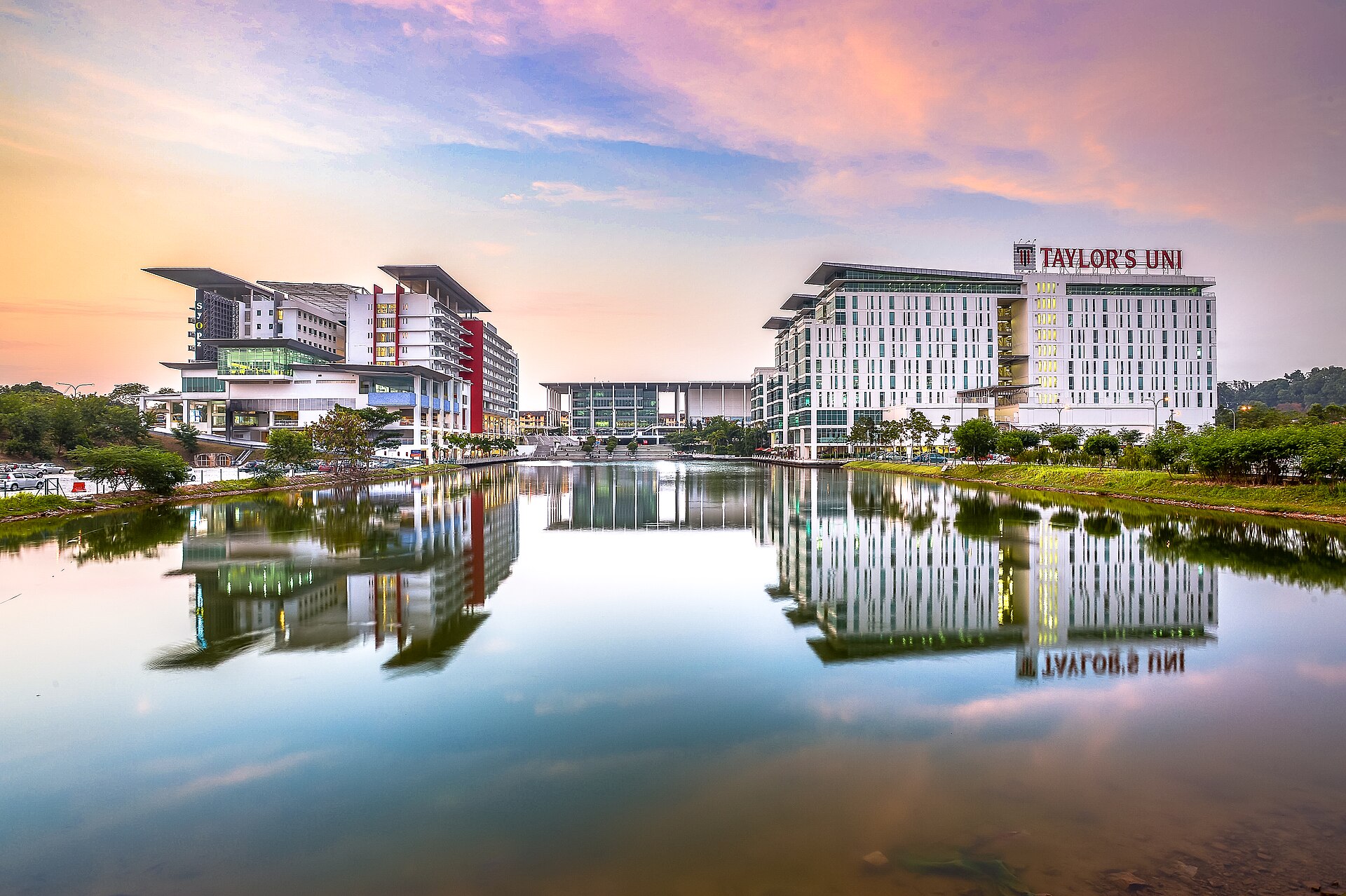
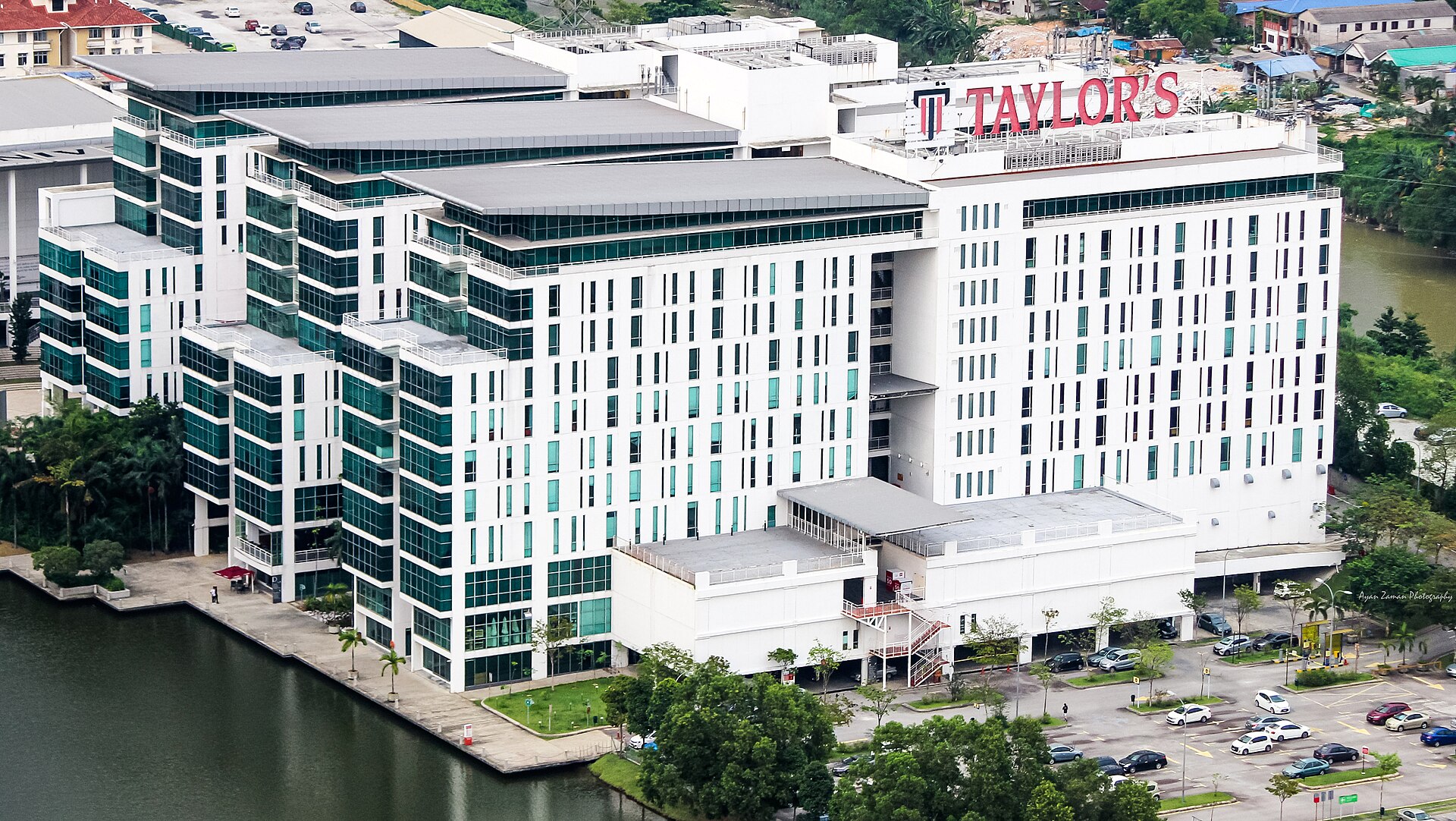
Completed in January 2010, the Taylor's Lakeside campus is set on 27-acres of tropical greenery surrounded by a 5.5-acre man-made lake.
Completed in January 2010, the Taylor's Lakeside campus is set on 27-acres of tropical greenery surrounded by a 5.5-acre man-made lake.Yewvie · CC BY-SA 4.0 · via Wikimedia Commons
Taylor's Lakeside Campus, Subang Jaya, Malaysia
Taylor's Lakeside Campus, Subang Jaya, MalaysiaMd Shaifuzzaman Ayon · CC BY-SA 4.0 · via Wikimedia Commons
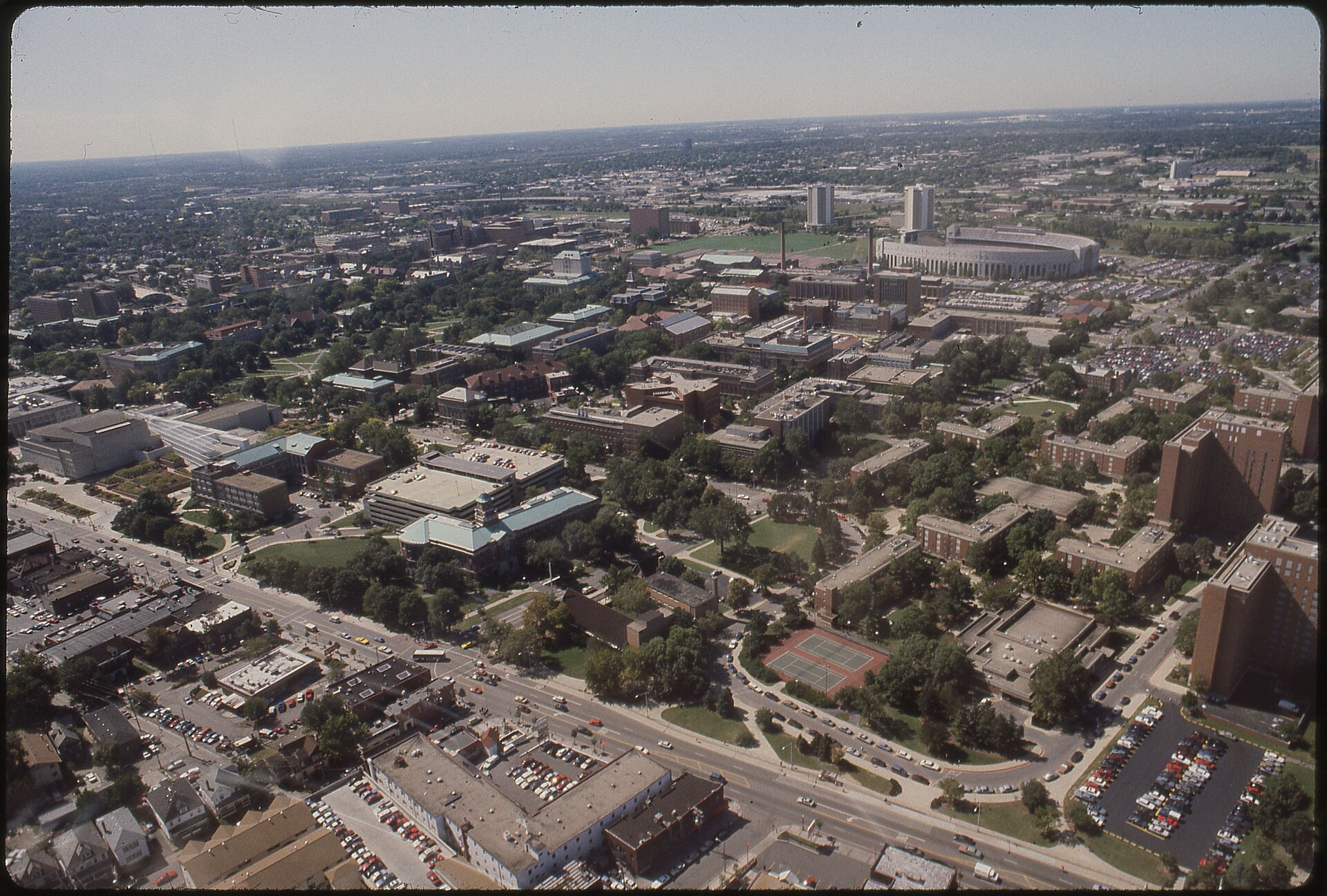
Ohio State University campus aerial view looking southwest   DPLA   90b9d2c6d2f2576285c0ac19c4d39ada
Ohio State University campus aerial view looking southwest DPLA 90b9d2c6d2f2576285c0ac19c4d39adaDavid Lucas · Public domain · via Wikimedia Commons
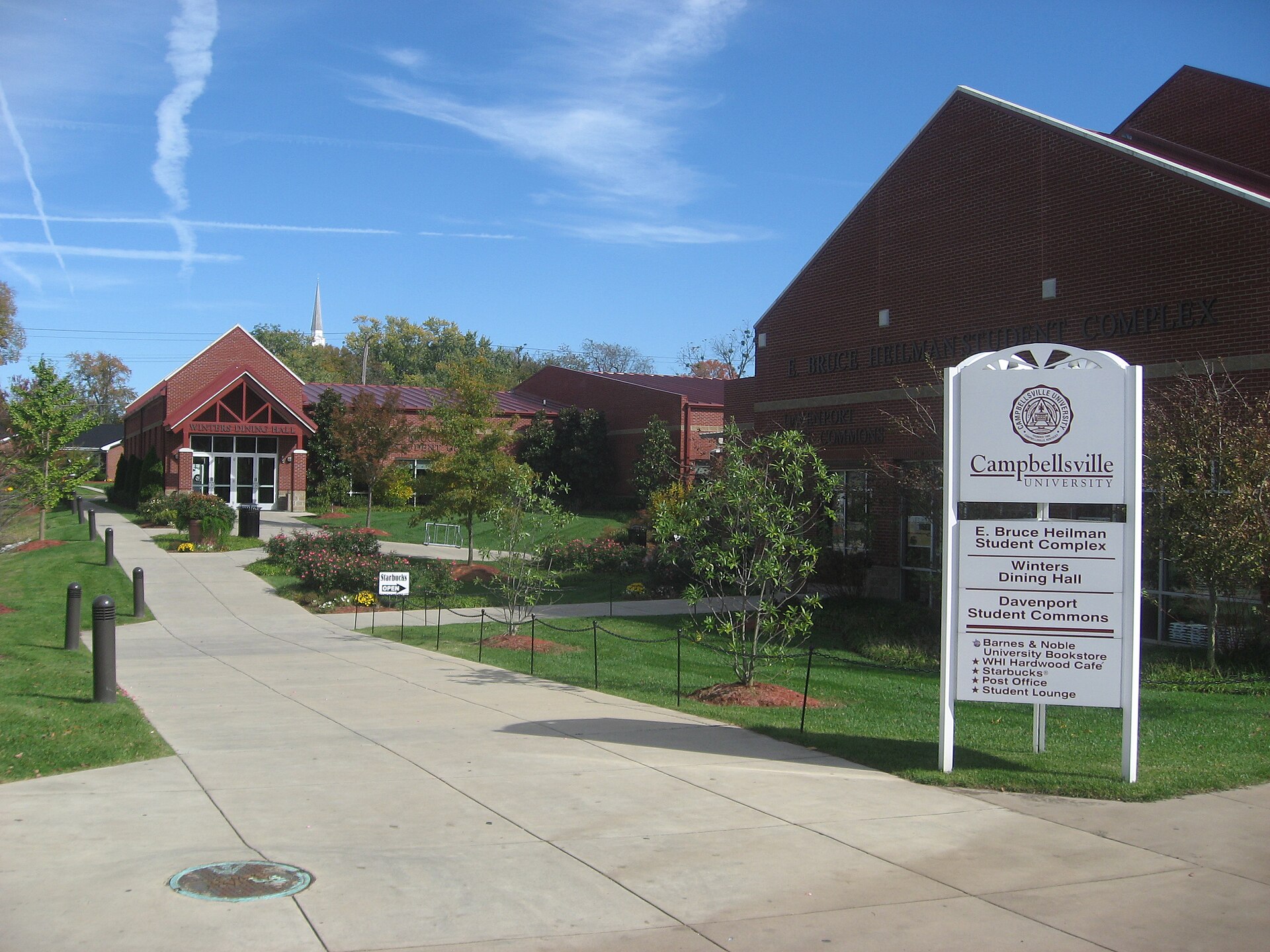
Campbellsville University - Campus
Campbellsville University - CampusWillp1203 · Public domain · via Wikimedia Commons
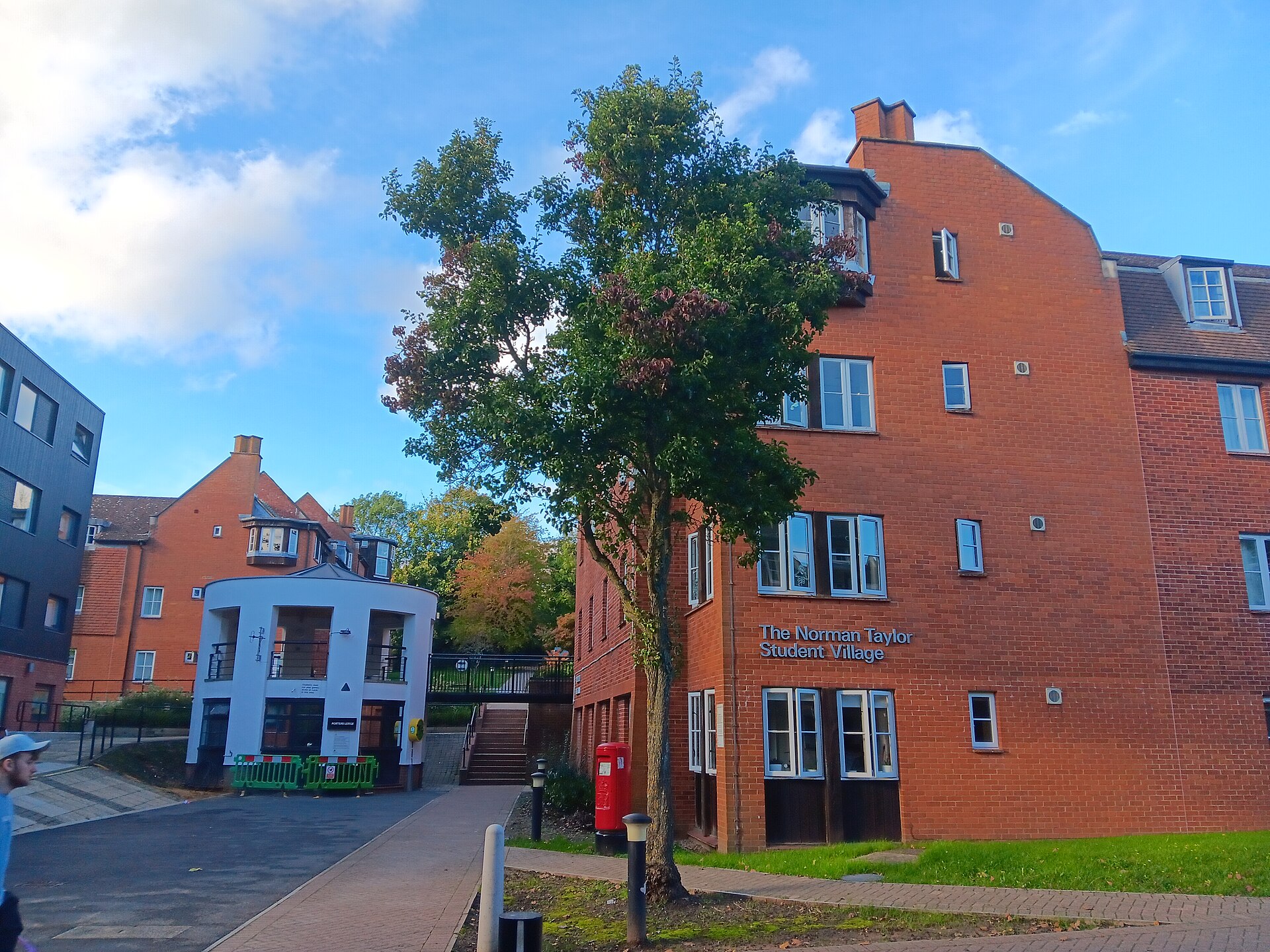
The Norman Taylor Student Village, University for the Creative Arts, Farnham
The Norman Taylor Student Village, University for the Creative Arts, FarnhamWutkh · CC BY 4.0 · via Wikimedia Commons
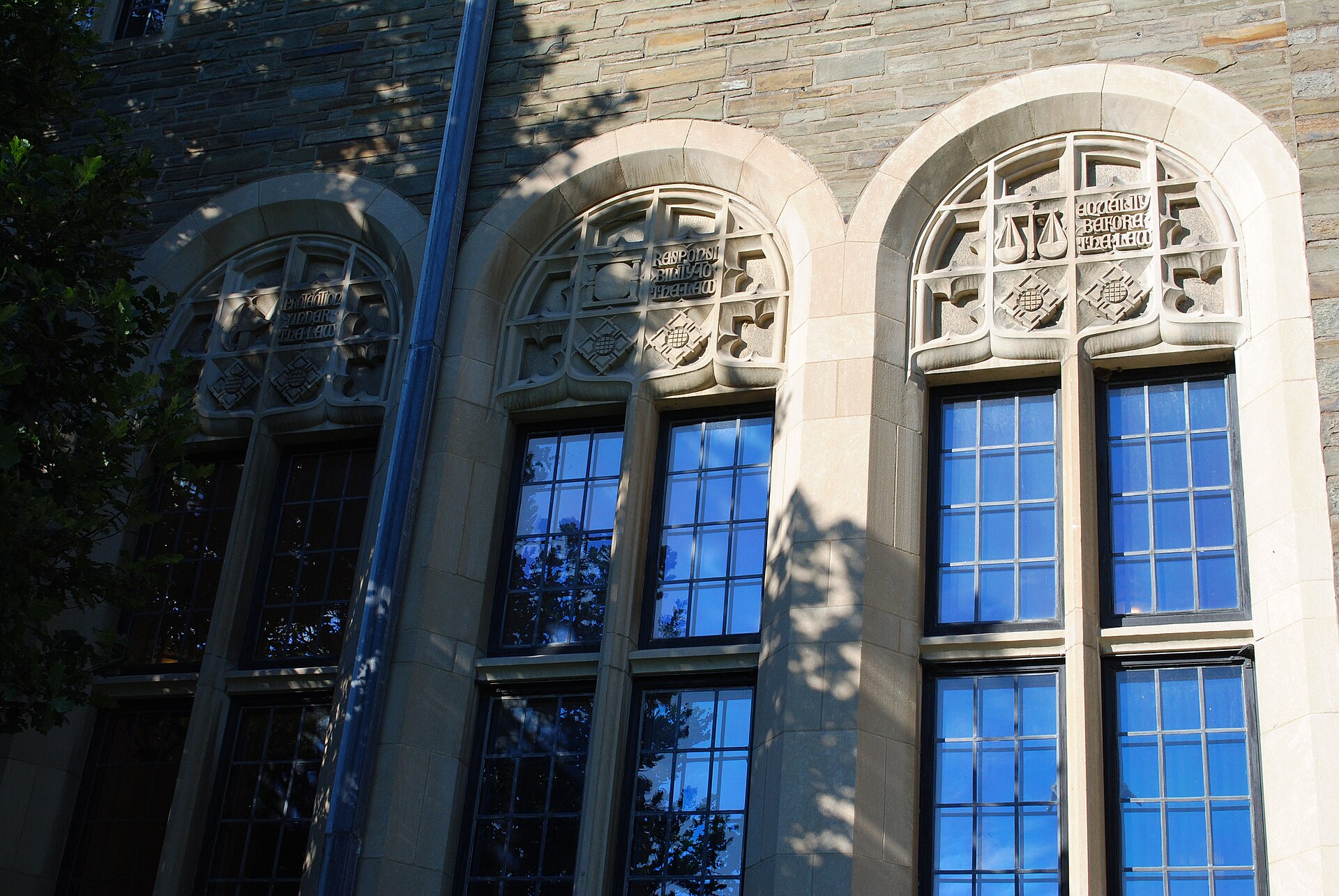
Facade (windows) of Cornell Law School
Facade (windows) of Cornell Law SchoolEustress · CC BY-SA 3.0 · via Wikimedia Commons

Why Taylor's University — Rankings, Industry Links & Affordability

Taylor's has built its reputation over five decades as Malaysia's benchmark private university. For international students seeking a globally recognised degree, world-class facilities, and Southeast Asia's most affordable study costs, Taylor's offers a compelling combination of quality and value.

01QS Top 300 & World Top 20 in Hospitality
Ranked #253 globally by QS and consistently placed in the world's top 20 for Hospitality and Leisure Management. Taylor's national rank of #6 positions it among the best universities in Malaysia — with international name recognition in its signature disciplines.
02Industry-Embedded Programmes
Taylor's Culinary Institute, School of Hospitality Tourism and Events, and Taylor's Business School operate with deep industry partnerships. Students benefit from live-client projects, industry mentors, and an internship culture embedded across every degree programme.
03Genuinely International Community
25% of Taylor's 14,000-strong student body comes from over 70 countries, making it one of the most internationally diverse private universities in Malaysia. The multicultural campus reflects the professional environments graduates enter.
04Exceptional Value for a QS-Ranked Degree
Annual tuition of approximately USD 11,000 with a total estimated cost of attendance of USD 16,500 — including living costs of only around USD 5,000 per year. Comparable programmes in the UK, Australia, or Singapore cost two to three times more.

Taylor's University Admissions Profile & Entry Profile

Stats

14,000
Total Enrolment
25%
International Students
70+
Countries Represented

Profile Stats

28
IB Minimum Points
2.5
Minimum GPA (where applicable)
Optional
Test Policy
25%
International Students
#253
QS World Rank
#6
National Rank
Estimated overall acceptance rate — varies by programme

Rea Vs Rd

Rd Label: February / April Intake
Rd Value: Rolling
Rea Label: September Intake
Rea Value: Most Popular

Taylor's University Admissions Requirements — Academics, English Proficiency & Programme Prerequisites

Academic Results
Value: 28+ IB / 2.5 GPA
  • IB Diploma: minimum 28 total points (competitive programmes expect higher)
  • A-Level: programme-specific grade requirements apply
  • GPA minimum 2.5 — competitive faculties set higher bars
  • CGPA 2.0 required throughout studies to maintain student visa
Taylor's is grades-first in its admissions approach. Every programme has specific minimum requirements — and for Medicine, Law, Architecture, and PPE, results significantly above the stated minimum are advisable. A solid, aligned academic record is the foundation of a competitive application.
English Proficiency
Value: IELTS 5.5 / TOEFL 60
  • IELTS Academic: minimum 5.5 overall (some programmes: 6.0+)
  • TOEFL iBT: minimum 60
  • Duolingo English Test: minimum 95
  • Exemption possible for students schooled entirely in English
Taylor's requires demonstrated English proficiency from international students whose prior education was not conducted in English. Minimum scores apply to most undergraduate programmes; medical and law programmes may carry higher requirements. Aim above the floor — IELTS 6.0 is advisable for most programmes.
Subject Prerequisites
Value: Programme-Specific
  • Medicine & Pharmacy: Biology and Chemistry prerequisite at Higher Level
  • Engineering: Mathematics and Physics background required
  • Architecture & Design: portfolio of creative work typically required
  • Business & Law: strong English and Mathematics results advantageous
Unlike a unified admissions process, each of Taylor's 15 schools has distinct subject prerequisites. Confirming these before applying — especially for competitive science and professional programmes — is essential for international students.

Taylor's University Application — TOPAS Portal, Documents & Requirements

Taylor's University uses a direct admissions model through its own TOPAS portal. The application is document-driven rather than essay-driven — there is no personal statement or supplemental essay for standard undergraduate admission. Below are all required and programme-specific components.

01RequiredOnline Application via TOPAS
Taylor's uses its own portal — TOPAS (topas.taylors.edu.my). No centralised system like UCAS or Common App is used. Apply directly through TOPAS at least nine weeks before your intended intake to allow visa processing time.
02RequiredAcademic Transcripts & Certificates
Certified copies of academic transcripts and completion certificates from O-Level (or secondary equivalent) onwards. Documents not in English must be accompanied by certified English translations.
03RequiredPassport Copy
Your passport must be valid for at least 18 months from your admission date (27 months for Indonesian students in programmes of two years or more). A short-validity passport is a common cause of application delays.
04RequiredEnglish Proficiency Test Results
IELTS, TOEFL iBT, or Duolingo English Test scores, if English is not your first language and your prior schooling was not conducted entirely in English. Sit your English test early — results take 1–3 weeks to arrive.
05RequiredHealth Examination Form
A completed Health Examination Form as specified by Malaysia's Ministry of Education. Additional medical screening is required within seven days of arriving in Malaysia.
06RequiredApplication Fee
A non-refundable application fee of approximately USD 100. Confirm the current MYR amount on the official site at the time of application.
07Programme-SpecificPortfolio (Design & Architecture)
Students applying to The Design School or School of Architecture, Building and Design should prepare a creative portfolio. Contact the relevant school for current portfolio guidelines and format requirements.

Taylor's Application & Scholarship Assessment — What to Prepare

Tips

No personal statement for standard admission — but scholarships are different
The standard Taylor's undergraduate application does not require an essay or personal statement. However, if you are applying for the Merit, PPE, or Community Scholarship, you will face written assessments and interviews where your ability to think and communicate clearly is directly evaluated.
Prepare your scholarship interview narrative with the same care you would an essay
Scholarship interviewers at Taylor's ask why you chose this programme, what you aim to achieve, and how Taylor's specifically fits your goals. Candidates who prepare specific, concrete answers consistently outperform those who improvise.
For design and architecture — your portfolio IS your statement
If you are applying to The Design School or School of Architecture, your portfolio carries the weight that a personal statement carries elsewhere. Quality and curation matter — 10 strong, well-annotated pieces outperform 30 mediocre ones.
Written communication still matters — just not as a formal essay
Your email correspondence with Taylor's admissions, your documentation cover notes, and your scholarship interview answers all reflect your written and oral communication quality. Treat them with care.

Prompts

Merit Scholarship — Psychometric Test & Interview
No formal essay prompt — psychometric test and personal interview for Merit Scholarship shortlisted candidates. Prepare: why this programme, why Taylor's, what are your goals, what have you achieved outside the classroom.
PPE Exclusive Scholarship — Written Assessment & Group Interview
Written assessment and group interview for PPE Exclusive Scholarship candidates. Analytical writing on topics at the intersection of philosophy, politics, and economics. Requires A-Level AAA or equivalent.
Talent Scholarship — Performance Assessment
Live performance/assessment for Talent Scholarship candidates (music, dance, singing, stage). National-level participation required.
Standard Undergraduate Admission (No Essay)
No traditional essay for standard admission. Applications are assessed on grades, English proficiency, and documentation. Strong candidates for competitive programmes ensure results are well above stated minimums.
The most common Taylor's application mistake. Assuming 'no essay required' means written communication doesn't matter — scholarship assessments and portfolio submissions can make or break your funding.
Preparation Strategy — What Actually Matters

What Taylor's Looks For in International Applicants

Taylor's admissions process is document-driven and grades-first. Unlike holistic US-style processes, the primary gate is whether your academic results meet programme requirements. But for scholarships and competitive programmes, a more complete picture of who you are — your motivations, achievements, and communication skills — becomes directly relevant.

01Academic Results Above Programme Minimums
Taylor's admissions are primarily grades-based. Meeting the stated minimum is the floor, not the goal — particularly for Medicine, Law, Architecture, and Engineering, where places are limited and well-qualified candidates compete for every cohort.
02Subject Alignment with Intended Programme
Did you take Biology and Chemistry if you want Medicine? Mathematics and Physics if you want Engineering? Portfolio-building subjects for Architecture or Design? Subject coherence is the most common gap in international applications.
03English Language Proficiency
Taylor's requires evidence of English proficiency at or above the stated minimums. For competitive programmes, aim higher than the floor — IELTS 6.0 or above signals readiness for the academic rigour of the programme.
04Visa Compliance Readiness
International students must maintain 80% class attendance and 2.0 CGPA throughout their studies to renew their Malaysian student visa. Taylor's assesses applicants' readiness to sustain this — poor attendance records from prior schools can be a concern.
05Industry and Creative Fit (Programme-Specific)
For Culinary, Hospitality, Design, and Architecture programmes, Taylor's looks beyond grades at creative potential, service orientation, and portfolio quality. These faculties recruit for character and passion alongside academic results.
06Scholarship Potential (If Applicable)
For scholarship applicants, Taylor's assesses a student's full profile — academic results, extracurricular achievement, financial need (Community track), and performance in the psychometric test and interview. Strong scholarship candidates are well-rounded, not just academically excellent.

Taylor's University Scholarships & Financial Aid for International Students

Taylor's University offers a structured portfolio of merit, talent, sports, and need-based scholarships that can substantially reduce the cost of study. On average, students receiving aid benefit from approximately 25% of tuition costs being offset — with top scholarships covering up to 100% of tuition fees. Financial support is particularly important to plan for, as Taylor's is a private university without government subsidy for international students.

Scholarship awards and eligibility vary by cycle. Confirm current availability and whether each scholarship is open to international applicants at the time of your application on the official scholarships page.

Stats

~25%
Average aid received by supported students
Up to 100%
Top scholarship: tuition waiver
~USD 11K
Annual tuition (international)
~USD 16.5K
Total cost of attendance

Contribution Tiers

NoteRangePercentPercent Value
PPE Exclusive Scholarship (A-Level AAA) or Community Scholarship (household income <RM5,000/month)100% Waiver100%100
Merit Scholarship (top academic performers) or Sports Scholarship (national-level athletes)70% Waiver70%70
Merit, PPE, Talent, or Sports Scholarship (strong but not top-tier performers)50% Waiver50%50
Excellence Award — accessible upon enrolment confirmation, various programmesRM3,000–RM15,00015%15
No scholarship secured — self-funded cost of attendanceSelf-Funded0%0
Scholarships Are Grants — Never Loans. Taylor's scholarships are grants — tuition fee waivers that do not need to be repaid. Unlike student loan systems in the US or UK, Malaysia does not have a national student loan programme for international students. All financial support at Taylor's comes as direct tuition waivers through the university's scholarship programmes.

Key Dates

February Intake Application Deadline
Date: ~9 weeks before Feb intake
April Intake Application Deadline
Date: ~9 weeks before Apr intake
September Intake Application Deadline
Date: ~9 weeks before Sep intake
Malaysian eVAL Visa Approval Timeline
Date: 6–8 weeks processing

Advantages

  • Most popular intake for international students globally
  • Aligns with most school leavers' timelines (June–July exam results)
  • Maximum scholarship availability — full cycle open
  • More time after exam results to prepare documentation
  • Largest incoming cohort — fullest orientation and social experience

Disadvantages

  • Most competitive — largest applicant pool for popular programmes
  • Scholarship deadlines may fall mid-year — plan ahead
  • EMGS eVAL processing time means applying no later than early July
  • Accommodation fills faster for September cohort
September vs. February / April Intake. Taylor's offers February, April, and September intakes. The right choice depends on when your exam results are available and when you are ready to apply — but most international students target September.
Tychr's Intake Recommendation. Apply for the September intake if your school results are available by June and you can apply by early July. If your results come earlier (January–March), the February or April intake may get you to campus faster. Regardless of intake, apply at least nine weeks before the start date — the Malaysian eVAL visa approval process takes 6–8 weeks and cannot be expedited.
Taylor's University Three Intakes — Which to Choose

Taylor's University Interview — When It Applies & How to Prepare

Standard undergraduate admission at Taylor's does not require an interview. Interviews are required for all scholarship tracks — Merit, PPE, Talent, Sports, and Community — and may be required for certain professional programmes. The interview is a real evaluation moment for scholarship candidates: Taylor's is assessing fit, communication, and genuine motivation — not a rehearsed performance.

Meta

No interview required
Standard Admission
Interview required for Merit, PPE, Talent, Sports, Community tracks
Scholarship Candidates
Personal or group interview (online or in-person)
Interview Format
Motivation, communication, programme fit, scholarship potential
Evaluates

Questions

Why Taylor's University — and why this programme specifically?
Tip: Be specific — name Taylor's industry links, rankings in your field, the Impact Labs, or the location advantage. Generic answers ('it's a good university') do not distinguish candidates.
What are your career goals and how does this programme serve them?
Tip: Connect your answer to the programme and to Malaysia/Southeast Asia as a professional destination. Interviewers want to see that you have thought beyond the degree to what comes next.
Tell me about an achievement you are genuinely proud of.
Tip: Cite real achievements — academic, extracurricular, or creative. Vague claims ('I am a hard worker') are weaker than specific evidence.
What is a current issue in your intended field that you find intellectually interesting?
Tip: For PPE Scholarship candidates especially — have a considered, nuanced position and be prepared to defend it respectfully in a group setting.
What will you contribute to the Taylor's student community?
Tip: Show you have considered life at Taylor's beyond the degree — the international community, Subang Jaya, the industry connections. Interviewers value genuine curiosity about the environment, not just the credential.

Residential Life at Taylor's University

Taylor's University does not operate a residential house or college system equivalent to Harvard, Oxford, or Yale. Students live in Taylor's on-campus residences or in the private rental market in Subang Jaya — a thriving suburban city with excellent transport links to Kuala Lumpur. On-campus housing is available to international students and is particularly popular in the first year, providing a safe, convenient, and socially active environment as students settle into Malaysian life.

Houses

Taylor's Residence
Tag: On-Campus
Modern on-campus residences with 24/7 security, close to all academic buildings
Subang Jaya Private Rental
Tag: Nearby
Apartments and condominiums within walking distance or a short drive
Petaling Jaya / Shah Alam
Tag: City Access
Adjacent residential cities with additional housing options and amenities
KTM & LRT Rail Network
Tag: Transport
Accessible public transport connects Taylor's to central Kuala Lumpur in under an hour

Lottery Steps

  • Apply for on-campus accommodation at Taylor's Residence through the admissions portal simultaneously with your programme application
  • First-year international students are typically prioritised for on-campus housing
  • Taylor's provides an airport pickup service for new international students
  • The university's international student services team assists with the transition — bank accounts, SIM cards, local orientation
  • From Year 2, many students choose to move to private apartments in Subang Jaya for greater independence and lower costs
How Taylor's Housing Works for International Students

Taylor's University Schools & Undergraduate Programmes

Taylor's Business School
Label: Business, Finance & Accounting
  • {"label":"Key programmes","value":"Business, Accounting, Finance, Economics"}
  • {"label":"Industry links","value":"Big Four, banking, multinationals"}
  • {"label":"Notable feature","value":"ACCA, CIMA, CFA pathways"}
  • {"label":"Student profile","value":"Largest school by enrolment"}
Taylor's Business School offers undergraduate programmes in Business Administration, Accounting, Finance, and Economics, with professional accreditation pathways into ACCA, CIMA, and CFA. Strong industry connections with Kuala Lumpur's financial and multinational sector.
School of Medicine
Label: MBBS & Biomedical Science
  • {"label":"Primary programme","value":"MBBS (5-year)"}
  • {"label":"Entry prerequisites","value":"Biology + Chemistry HL"}
  • {"label":"Clinical training","value":"Affiliated teaching hospitals"}
  • {"label":"Competition","value":"Highly selective"}
Taylor's School of Medicine offers a five-year MBBS programme with clinical rotations at affiliated hospitals. One of the most competitive schools at Taylor's — applicants must exceed minimum requirements significantly, with strong Biology and Chemistry prerequisites mandatory.
School of Hospitality, Tourism and Events
Label: World Top-20 Ranked
  • {"label":"QS subject ranking","value":"Top 20 globally"}
  • {"label":"Key programmes","value":"Hotel Management, Event Management, Tourism"}
  • {"label":"Industry partner","value":"Leading hotel chains, MICE sector"}
  • {"label":"Unique asset","value":"Taylor's Culinary Institute"}
Taylor's flagship school and its most globally ranked. The School of Hospitality, Tourism and Events — alongside Taylor's Culinary Institute — places graduates into leading hospitality brands worldwide. The QS world top-20 ranking in this subject makes Taylor's genuinely elite in its niche.
School of Architecture, Building and Design
Label: Architecture & Built Environment
  • {"label":"Primary programme","value":"Architecture (Part 1 + Part 2)"}
  • {"label":"Portfolio required","value":"Yes"}
  • {"label":"Studio culture","value":"Project-based learning"}
  • {"label":"Graduate outcome","value":"Regional and international design firms"}
Taylor's Architecture school provides Part 1 and Part 2 professional qualification pathways, with a studio-based curriculum and portfolio-driven admissions. Graduates enter architectural and built-environment practice across Southeast Asia and internationally.
Faculty of Law
Label: LLB (Hons) & Legal Practice
  • {"label":"Primary programme","value":"LLB (Hons)"}
  • {"label":"Bar pathways","value":"Malaysian and UK Bar accreditation"}
  • {"label":"Entry profile","value":"Strong English, analytical writing"}
  • {"label":"Competition","value":"Selective — limited places"}
Taylor's Law School offers the LLB (Hons) programme with pathways to both Malaysian Bar qualification and UK Bar accreditation for qualifying graduates. Limited places make this one of the more selective faculties.
School of Computing & IT
Label: Computer Science & Data Science
  • {"label":"Key programmes","value":"Computer Science, Software Engineering, Data Science"}
  • {"label":"Industry partners","value":"MSC Malaysia tech corridor firms"}
  • {"label":"Research lab","value":"Intelligent Innovations Impact Lab"}
  • {"label":"Graduate destination","value":"Tech sector, Malaysia & regional"}
Taylor's computing programmes benefit from Malaysia's growing tech ecosystem, with the MSC Malaysia corridor in the Klang Valley providing strong internship and graduate employment connections. The Intelligent Innovations Impact Lab supports undergraduate-level applied research.

Research & Extracurricular Life at Taylor's University

Five Impact Research Labs
Category: Applied Research
Taylor's operates five focused Impact Labs: Active Living, Asian Modernisation, Intelligent Innovations, Sustainable Societies, and the Future of Work. Undergraduates can engage in applied research from early in their degree, building evidence-based thinking that employers value.
Taylor's Culinary Institute
Category: Industry Training
One of Asia's leading culinary training institutions, offering professional kitchen environments, industry mentors, and a curriculum built directly around hospitality industry standards. Students graduate with genuine professional skills alongside their degree.
Taylor'sphere — Student Engagement Hub
Category: Student Life
Taylor'sphere is the dedicated student engagement hub on campus — housing clubs, societies, sports organisations, and the infrastructure for co-curricular life. With a diverse international community, the clubs calendar reflects students from over 70 countries.
Industry Projects & Live Briefs
Category: Applied Learning
Across business, design, hospitality, and computing programmes, students work on live-client and industry-brief projects that build real professional experience. Taylor's industry networks ensure these are genuine employer partnerships, not simulated exercises.
Scroll right to explore Taylor's research programmes, industry training, and student life.

Career Outcomes & Taylor's Graduate Network

Taylor's 85% graduate employment rate reflects the university's sustained investment in industry partnerships and applied learning. The average starting salary of approximately USD 10,000 annually should be understood in the Malaysian market context — Kuala Lumpur's cost of living means purchasing power is considerably higher than the dollar figure suggests. Many Taylor's graduates go on to international careers, leveraging their degree's global recognition particularly in hospitality, business, and healthcare.

Stats

85%
Graduate employment rate
~USD 10K
Estimated average starting salary
25%
International students
#253
QS World Ranking
55+
Years of graduate employer relationships
Top 20
Top global ranking (Hospitality & Leisure)

Categories

Hospitality & Culinary
Taylor's world-top-20 ranked School of Hospitality places graduates in Marriott, Hilton, Four Seasons, Shangri-La, and regional hospitality conglomerates. Taylor's Culinary Institute alumni lead kitchens and F&B operations across Southeast Asia.
Business & Finance
Taylor's Business School graduates enter banking, consulting, accounting (Big Four), and multinational corporations in Kuala Lumpur's thriving financial and business district. ACCA, CIMA, and CFA professional pathways accelerate career entry.
Technology, Engineering & Design
Computing, Engineering, and Design graduates feed into Malaysia's MSC-corridor technology sector, architecture and built-environment firms, and creative agencies. Regional Southeast Asian employers actively recruit from Taylor's campus.

Tychr's Track Record with Taylor's University Applicants

Priya S.
I applied to Taylor's Medicine with IB 38 points — above the minimum but not the highest profile. Tychr's advisor helped me understand that meeting the prerequisites perfectly and preparing properly for the admissions interview for the scholarship was what would set me apart. I secured the 50% Merit Scholarship and began my MBBS in September. The visa preparation guide alone saved me weeks of confusion.
Country: India
Program: Taylor's — MBBS Medicine
Class Year: Class of 2027
Residential: Taylor's Residence
Academic Profile: IB 38 · IELTS 7.0
Marcus L.
As someone applying from Singapore, I was surprised how competitive the PPE Scholarship process was. Tychr coached me through the written assessment — specifically on constructing an argument about economic policy clearly and under time pressure. I was awarded the 100% tuition PPE Scholarship. The group interview preparation was the most valuable part of the whole process.
Country: Singapore
Program: Taylor's — PPE (Philosophy, Politics & Economics)
Class Year: Class of 2026
Residential: Off-campus Subang Jaya
Academic Profile: A-Levels AAA · IELTS 7.5
Aisha M.
I was drawn to Taylor's for Architecture because of the portfolio-driven admissions and the quality of their studio programme. Tychr helped me curate my portfolio — we chose 12 pieces, annotated them clearly, and presented them in a narrative that showed development rather than just technical skill. I was accepted and received the Excellence Award. The portfolio coaching made a clear difference.
Country: Nigeria
Program: Taylor's — Architecture
Class Year: Class of 2027
Residential: Taylor's Residence
Academic Profile: A-Levels ABB · Portfolio: Distinction

Faqs

Do I need an SAT or ACT to apply to Taylor's?+

No. Taylor's has a test-optional policy. SAT and ACT are accepted but not required. Admissions decisions for standard undergraduate programmes are based primarily on your results in your home qualification — IB, A-Level, O-Level, national board, or equivalent.

What IB score do I need for admission?+

The minimum IB total for consideration is 28 points. However, for competitive programmes such as Medicine, Law, and Architecture, results significantly above this minimum are expected. Confirm subject-specific prerequisites for your intended programme on the official site.

How early should I apply as an international student?+

At least nine weeks before your intended intake. Malaysia's student eVAL (Electronic Visa Approval Letter) takes 6–8 weeks to process — and further steps after arrival (medical screening, student pass endorsement) take additional time. Do not leave your application to the last minute.

What scholarships are available to international students?+

Taylor's offers Merit, PPE, Talent, Sports, Community, and Excellence Award scholarships. Some tracks prioritise Malaysian nationals — confirm international eligibility for each directly with Taylor's. The Merit and PPE scholarships are the most accessible and impactful for international students with strong academic profiles.

What is the real total cost of attendance for international students?+

Annual tuition is approximately USD 11,000. Total estimated cost of attendance — including cost of living of approximately USD 5,000 per year — is around USD 16,500. This is considerably lower than comparable programmes in Australia (USD 30,000–45,000), the UK (USD 25,000–40,000), or Singapore (USD 20,000–35,000).

Is an interview required to get into Taylor's?+

Not for standard undergraduate admission. Interviews are required for all scholarship tracks (Merit, PPE, Talent, Sports, Community) and for some professional programmes — confirm for your specific course and scholarship track.

Can international students work part-time in Malaysia?+

International students in Malaysia are permitted to work part-time under conditions specified by Malaysia's Immigration Department. Students should verify the current regulations with Taylor's international student services or the Malaysian Immigration Department directly — regulations may change.

Is Taylor's degree recognised internationally?+

Yes. Taylor's degrees are recognised by professional bodies and employers internationally, particularly in hospitality and tourism (world top-20), business, law, and medicine. The QS #253 world ranking and #6 national ranking underpin international recognition of Taylor's academic quality.

Book a Free Taylor's University Admissions Strategy Session

In 60 minutes, Tychr's Malaysia admissions specialists will evaluate your academic profile against Taylor's programme requirements, identify your scholarship potential across the Merit, PPE, Talent, and Sports tracks, and map the exact documentation and timeline you need to secure your place at your target intake.

  • No commitment required
  • Malaysia university specialists with insider knowledge
  • Personalised scholarship strategy — not generic advice
Getting into Taylor's with the right scholarship is not just about meeting the minimum — it's about positioning yourself for the award that makes the degree genuinely affordable.

Taylor's University Academic Requirements

Taylor's University Academic Standards — The Honest Breakdown for International Students

What grades, qualifications, and academic profile do you actually need for Taylor's University — and how does a grades-first Malaysian private university evaluate IB, A-Level, and other international curricula?

28
IB Minimum Points
Floor — competitive programmes expect higher
2.5
Minimum GPA
Programme-specific; visa requires 2.0 CGPA
Optional
Test Policy
SAT/ACT accepted, not required
5.5
IELTS Minimum
Some programmes require 6.0+
~70%
Acceptance Rate
Varies significantly by programme
#253
QS World Rank
2024/25 QS World University Rankings

GPA & Academic Results

Taylor's University GPA Requirements — What the Numbers Mean

Taylor's University sets programme-specific minimum GPA and grade thresholds rather than a single universal minimum. For most undergraduate programmes, a GPA of 2.5 (or equivalent results in your home qualification) is the stated floor — but for competitive programmes, results well above this floor are necessary.

A GPA of 2.5 is the admission gate, not the goal. For Medicine, Law, Architecture, and the PPE programme, competitive applicants have results considerably above the minimum. Meeting the floor gets your application considered — exceeding it gets you in.

2.5
Stated minimum GPA for undergraduate admission
2.0
Minimum CGPA required throughout studies to maintain Malaysian student visa
How Taylor's reads international GPA and grades. Taylor's evaluates international qualifications against programme-specific equivalency tables. The admissions office maps IB, A-Level, US GPA, CBSE, and other national qualifications to Malaysian entry standard equivalents. Minimum GPA figures are reference points in this mapping — your actual results in your own qualification system are what matter.
Grade trajectory at Taylor's. Unlike highly selective research universities that scrutinise grade trajectory, Taylor's primarily evaluates whether your results meet or exceed programme minimums at the time of application. An upward trajectory can be noted positively, but a single strong results set at the point of application is the primary criterion.

Academic Context

How Taylor's Reads International Academic Qualifications

Taylor's University is experienced at evaluating international qualifications from over 70 countries. The admissions office uses a qualification equivalency framework to translate IB, A-Level, US, Indian, Indonesian, Chinese, and other national qualifications into comparable entry standards.

How Taylor's contextualises international qualifications
Every Taylor's programme has a qualification equivalency table specifying minimum grades in several common international systems simultaneously. This means an IB applicant, an A-Level applicant, and a CBSE applicant are all assessed against the same standard — expressed in their respective qualification's terms. This is more transparent and predictable than holistic admissions systems, but it means subject prerequisites are strictly applied.
Subject choice matters as much as grades
The most important practical implication: choose your pre-university subjects with Taylor's prerequisites in mind from Year 10 or 11 onwards. A student who completed IB without Biology and Chemistry HL cannot apply to Medicine regardless of their total score. Subject alignment is the primary academic gate for competitive programmes.
Students from less common qualification systems. If you are applying to Taylor's from a less widely known national qualification system, confirm equivalency directly with the Taylor's admissions office before applying. The TOPAS portal allows you to upload qualification details and request an assessment of your eligibility. This is particularly important for students from Middle Eastern, West African, or Central Asian educational systems.

Standardised Testing

SAT Scores at Taylor's — Policy, Strategy, and When to Submit

SAT at Taylor's University — Not Required, Occasionally Useful

LabelScorePercent
Published 25th percentile SAT bandNot published0
Published 75th percentile SAT bandNot published0
Taylor's SAT policyOptional50
SAT Math for STEM applications. If submitting SAT scores to supplement a borderline academic profile — particularly for STEM programmes — a strong Math section (700+) adds useful context for Engineering and Computer Science applications. Taylor's does not publish a required Math subscore, but quantitative ability signals matter for technical programmes.
SAT preparation for Taylor's applicants. International students with strong IB or A-Level results do not typically need to pursue the SAT for Taylor's. If you already have strong SAT scores (1200+) from preparation for US university applications, include them — they can only add positive context. But do not sit the SAT specifically for Taylor's if you are not already preparing for US universities.
When to submit vs. when to withhold. Taylor's is test-optional. Submit your SAT scores if: (a) you already have them from US university preparation and they are strong (1200+), or (b) your school-based qualifications are at the lower end of competitive range for your target programme and a strong SAT score provides additional evidence. Do not submit below-average scores — they add no value.

Standardised Testing

ACT Scores at Taylor's — The Full Picture

ACT at Taylor's University — Accepted, Not Required

Metrics

Published ACT band
Score: Not published
ACT policy
Score: Optional

Comparison Cards

SAT vs. ACT at Taylor's
Taylor's accepts both SAT and ACT equally. Neither carries a preference. The choice should be driven by which test you have already prepared for in the context of other university applications.
Most applicants don't submit either
Most international students applying to Taylor's from IB or A-Level backgrounds do not sit SAT or ACT at all and are assessed solely on their school-based qualifications.
Best use case for submitting
If you are applying to Taylor's alongside US universities and already have strong SAT/ACT scores, include them in your Taylor's application — they strengthen your profile at no cost.
ACT superscore policy. Taylor's does not publish a superscore policy for the ACT, as ACT scores are optional and infrequently submitted by international applicants. If submitting, use your best single sitting composite.
Tychr's recommendation for Taylor's applicants. For most international students targeting Taylor's, the SAT and ACT are irrelevant to the admissions decision — your IB, A-Level, or national board results are what matter. Focus your academic preparation on achieving strong results in your home qualification and meeting programme-specific subject prerequisites.
SAT vs. ACT for Taylor's — Practical Guidance

Testing Strategy

Taylor's Test-Optional Policy — What It Actually Means

Taylor's University applies a test-optional policy across its undergraduate programmes. The SAT and ACT are accepted and will be considered where submitted, but absence of test scores does not disadvantage applicants whose primary qualification is IB, A-Level, or an equivalent international system.

Submit Items

You are applying from a US high school with SAT 1200+ or ACT 26+ — strong scores add positive context.
Your primary qualification results are at the lower end of competitive range for your target programme — a strong test score provides supplementary academic evidence.
You have already prepared for the SAT/ACT for US university applications and have strong results available.

Withhold Items

You are applying with a strong IB or A-Level result — your school-based qualification is the primary and sufficient academic evidence.
Your SAT/ACT score is below 1100/24 — submitting a weak score adds nothing and may create an unfavourable impression.
Taylor's test-optional policy. Taylor's is test-optional by design, not as a COVID-era accommodation. The Malaysian private university admissions system is built around direct qualification assessment — IB, A-Level, O-Level, SPM, and equivalent national qualifications are the primary academic evidence. SAT/ACT are positioned as supplementary for applicants from the US high school system.
The reality: most Taylor's international applicants don't submit test scores. Test-optional at Taylor's means exactly what it says — tests are genuinely optional and most accepted international students do not submit them. This differs from highly selective US universities where 'test-optional' is often strategically complex. At Taylor's, for the vast majority of international applicants, your school results are all you need.

International Curricula

IB, A-Levels, and International Qualifications at Taylor's — Specific Benchmarks

IB Diploma
Note: Taylor's is well-versed in IB applications — the qualification is widely used across international schools in Southeast Asia and is the primary pre-university track for many of Taylor's international students. Programme-specific subject requirements matter as much as the total score.
  • {"label":"Minimum total","value":"28 points"}
  • {"label":"Medicine / Pharmacy","value":"Higher requirements — Biology and Chemistry HL typically required; confirm specifics with admissions"}
  • {"label":"Engineering / Computing","value":"Mathematics and Physics background expected"}
  • {"label":"Business / Law / Hospitality","value":"No strict HL prerequisites; strong English and overall performance expected"}
A-Levels
Note: A-Level applicants should note that Taylor's assesses predicted and confirmed grades for each programme. Offer letters are typically issued on predicted grades and confirmed results must be submitted before enrolment.
  • {"label":"General minimum","value":"Programme-specific — typically BBC to ABB for most undergraduate programmes"}
  • {"label":"Medicine / Pharmacy","value":"Biology and Chemistry required; grades significantly above minimum expected"}
  • {"label":"Architecture","value":"Portfolio required alongside academic results"}
  • {"label":"Business / Law / Hospitality","value":"No strict subject prerequisites for most programmes; strong English Language and Mathematics results advantageous"}
Other International Qualifications
Note: Taylor's also accepts US High School Diploma (with SAT), Canadian provincial qualifications, Indian CBSE/ISC, Indonesian national qualifications, and other boards. Each maps to Taylor's own equivalency framework — confirm for your specific qualification.
  • {"label":"US High School + SAT","value":"Accepted; SAT score used as academic evidence alongside GPA"}
  • {"label":"Indian CBSE / ISC","value":"Accepted; programme equivalency mapping applies"}
  • {"label":"Indonesian national qualifications","value":"Accepted; 27-month passport validity required for Indonesian applicants"}
  • {"label":"Others","value":"Confirm with Taylor's admissions office for country-specific equivalency"}

Advanced Placement

AP Courses at Taylor's — How They Are (and Are Not) Used

AP (Advanced Placement) courses and examinations are not a standard part of the Taylor's admissions process — the university primarily evaluates IB, A-Level, and equivalent national qualifications. However, AP results from US-curriculum students can be submitted as supplementary evidence and may be considered in the equivalency assessment.

How Taylor's evaluates AP scores
Taylor's does not have a specific AP score minimum or a published AP-to-grade equivalency table. Strong AP results (4s and 5s in relevant subjects) can supplement a US high school GPA and demonstrate academic rigour in subjects relevant to the intended programme.
When AP scores add value
AP scores are most useful for US-curriculum applicants whose GPA alone may not clearly signal subject-specific preparation. An AP 5 in Biology and Chemistry alongside a strong GPA makes an MBBS application more credible.
No course credit for AP at Taylor's
Taylor's does not award course credits for AP scores, unlike US universities. AP results are admissions evidence only — not a pathway to advanced standing or credit exemption in your Taylor's programme.
Unlike US universities that award course credit for strong AP performance, Taylor's does not have a credit transfer system for AP scores. The qualification is used as admissions evidence only.
International students from IB or A-Level backgrounds do not need to pursue AP for Taylor's. AP is relevant only for US-curriculum applicants who would otherwise be applying with a GPA alone and want to demonstrate subject-level rigour.

Academic Rigour

Rigour of Secondary School Record — What Taylor's Actually Values

Taylor's admissions process is primarily grades-based rather than holistic. However, the concept of academic rigour still matters — particularly for competitive programmes and scholarship applications. Students who have challenged themselves in the most demanding available curriculum are better positioned for both admission and scholarship success.

Achieving strong grades in relevant subjects at the highest level available to you — and demonstrating that those grades reflect genuine preparation for your chosen programme.

Subject rigour over total score. At Taylor's, rigour is evaluated primarily through subject alignment — whether you took the prerequisite subjects at the appropriate level — and grade performance above the stated minimum. A student with IB 40 points and Biology HL and Chemistry HL is a stronger Medicine applicant than one with IB 44 points but without the science prerequisites.
Rigour and scholarship success. For scholarship purposes, academic rigour takes on a broader meaning. Merit Scholarship assessors look at the full academic profile — not just whether you meet minimums, but whether your results demonstrate genuine intellectual capacity. The psychometric assessment that follows admission shortlisting tests reasoning ability that good academic rigour should have developed.
What Taylor's admissions look for in competitive programmes. A student who took IB HL Biology, HL Chemistry, and HL Mathematics simultaneously, achieving a strong total, demonstrates the academic capability Taylor's Medicine and Pharmacy programmes require. A student who optimised their IB for total points by avoiding demanding science HLs would find those choices a barrier regardless of their total score.

Faculty Preparation

Academic Preparation by Faculty — What Taylor's Schools Expect

Taylor's 15 schools have distinct academic expectations. The table below summarises what each major faculty expects from incoming international students in terms of subjects, results, and supplementary evidence.

Medicine & Pharmacy
Biology and Chemistry are non-negotiable prerequisites, typically at Higher Level (IB) or equivalent. Strong science results well above the general minimum are expected. Clinical judgement and patient communication skills are increasingly part of the Medicine selection conversation.
Engineering & Computer Science
Mathematics (including calculus-level content) and Physics are essential for Engineering programmes. Computer Science benefits from a strong mathematics foundation and ideally prior programming experience. The Intelligent Innovations Impact Lab offers undergraduate research engagement from early in the degree.
Business, Law & Economics
No strict subject prerequisites for most business and law programmes. Strong English Language and Mathematics results are advantageous. Law applicants should demonstrate analytical ability — evident through extended essays, debate participation, or MUN engagement.
Architecture & Design
Creative portfolio required for Design and Architecture programmes. Art, Design, and Mathematics backgrounds are advantageous. Architecture additionally benefits from Physics preparation. Portfolio quality is as important as — sometimes more than — academic grades for these faculties.
Hospitality & Culinary Arts
English language proficiency, customer service orientation, and communication skills are highly valued alongside grades. Taylor's world-ranked Culinary and Hospitality programmes look for genuine enthusiasm for the industry, not just academic results.

English Language Requirements

English Language Requirements at Taylor's University

Taylor's University requires evidence of English language proficiency from international students whose prior education was not conducted primarily in English. The minimum thresholds apply across most undergraduate programmes, with professional and academically intensive programmes potentially requiring higher scores.

The minimum IELTS 5.5 is a low bar by the standards of many competitive international universities. For a rigorous academic programme — particularly Medicine, Law, or Engineering — aim for IELTS 6.5 or above. Your ability to participate fully in lectures, write clear essays and reports, and communicate professionally with peers from 70+ countries will define your academic experience.

Test: IELTS Academic
Score: 5.5+
Test: TOEFL iBT
Score: 60+
Test: Duolingo English Test
Score: 95+
Exemptions and practical planning. Students who have completed all of their secondary schooling in English — through IB schools, A-Level programmes, or English-medium national systems — may be exempt from submitting a separate English proficiency test. Confirm exemption eligibility with the Taylor's admissions office for your specific situation. If you are not exempt, sit your English test early and ensure scores arrive before you apply.

By Programme

Academic Requirements by Programme — What Different Paths Expect at Taylor's

Taylor's admits students to specific programmes — unlike the broad college admission of US universities. The table below summarises academic expectations and differentiating signals by programme area. Confirm current minimum grades directly with the Taylor's admissions office for your qualification and intake year.

SignalsExpectationConcentration
Biology and Chemistry HL; strong science scores; commitment evidenceStrong science prerequisites; results above general minimumMedicine (MBBS)
Biology and Chemistry HL/A-Level; strong science overallScience prerequisites; pharmacy-specific preparationPharmacy
Mathematics and Physics; prior coding projects advantageousMathematics and Physics backgroundEngineering / Computer Science
Strong English; analytical writing evidence; MUN or debateStrong English and general academic resultsLaw (LLB)
Strong English and Mathematics; professional aspirationGood overall results; no strict prerequisitesBusiness / Accounting / Finance
Portfolio of creative work; architecture/design exposureArt/Design and Mathematics background; portfolio requiredArchitecture / Design
Industry experience; English proficiency; genuine hospitality interestGood overall results; English proficiency; motivationHospitality / Culinary / Tourism
PPE essay competition; analytical writing; current affairs knowledgeA-Level AAA or equivalent for 100% scholarship trackPPE (Philosophy, Politics, Economics)

International Qualification Systems

Taylor's and International Qualifications — How Each Curriculum Is Evaluated

IB Diploma
IB is well-understood at Taylor's and is the primary qualification of a significant portion of its international applicants. Admissions officers read IB transcripts with fluency — total points, HL/SL split, and specific subject grades are all assessed. The Extended Essay is noted but is not a primary differentiator at the undergraduate admissions stage.
A-Levels (Cambridge and Edexcel)
A-Level results are equally well understood, having historically been the primary route for Malaysian school leavers. Taylor's has published equivalency tables mapping A-Level grades to its entry standards. Predicted grades are accepted with final results required before enrolment. Strong AS-Level results support the predicted grade argument.
Indian Boards (CBSE / ISC)
Indian CBSE and ISC qualifications are accepted and well-understood at Taylor's, given the large number of Indian international students in the Malaysian university sector. High CBSE/ISC scores in relevant science subjects are positively evaluated for Medicine, Engineering, and Pharmacy applications.
US High School Diploma
US High School Diploma with GPA is accepted, typically supplemented by SAT/ACT scores and AP results to provide the subject-level evidence that A-Level or IB provides automatically. Confirm the full documentation requirement with the admissions office.
Indonesian National Qualifications (SMA)
Indonesian national qualifications (SMA/SMK) are explicitly accepted at Taylor's with a specific note that Indonesian applicants must hold passports valid for at least 27 months. This is a known high-volume applicant group and Taylor's processes these applications regularly.

Roadmap

Building Your Academic Profile for Taylor's — What to Do at Each Stage

Year 10 (Grade 9–10)Choose your pre-university track and confirm prerequisites
Year: Year 10 (Grade 9–10)
  • Research your target Taylor's programme and confirm its subject prerequisites at this stage.
  • If you want Medicine or Pharmacy, ensure your IB or A-Level subject selection includes Biology and Chemistry at higher level.
  • If you want Engineering or Computing, confirm Mathematics and Physics are in your programme.
  • For Architecture or Design, begin building a creative portfolio — even informal sketchbooks and design experiments are valuable early material.
Year 11 (Grade 10–11)Achieve strong predicted grades and plan your English test
Year: Year 11 (Grade 10–11)
  • Work closely with your teachers to establish strong predicted grades well above Taylor's stated minimums for your target programme.
  • Begin planning your IELTS, TOEFL iBT, or Duolingo test — sit it in Year 11 if possible, giving time to resit if needed.
  • Research Taylor's scholarship tracks. Understand which scholarships you are eligible for based on your academic profile, extracurricular achievements, or financial circumstances.
  • For scholarship-targeted applicants, begin building your achievement evidence — national-level competition results, community work, performance credentials.
Year 12 (Grade 11–12)Sit English tests and prepare application documentation
Year: Year 12 (Grade 11–12)
  • Sit IELTS, TOEFL iBT, or Duolingo early in Year 12. Results take 1–3 weeks; ensure they arrive before your application deadline.
  • Confirm your target intake (February, April, or September) and count back nine weeks to identify your TOPAS application submission deadline.
  • Begin gathering certified copies of all required documents — transcripts, certificates, passport.
  • If applying for scholarships, prepare for the psychometric test, performance assessment, or portfolio submission alongside your main application.
Year 13 (Grade 12 Final)Submit application and manage the visa process
Year: Year 13 (Grade 12 Final)
  • Submit your TOPAS application at least nine weeks before your intake.
  • Accept your conditional offer with predicted grades — final results required before enrolment.
  • Begin the eVAL visa approval process: EMGS processing takes 6–8 weeks.
  • Plan your arrival, medical screening appointment (within 7 days of arrival), and student pass endorsement.

Common Pitfalls

Academic Application Mistakes That Cost Taylor's Applicants — And How to Avoid Them

Applying to competitive programmes without the required prerequisites
Taylor's medicine applicants without Biology and Chemistry HL (or equivalent) are ineligible regardless of total IB score. Subject prerequisites are strictly applied. Confirm them before choosing your pre-university subjects — not after.
Applying too late for international visa processing
The minimum eVAL visa processing time is 6–8 weeks. Applications submitted less than nine weeks before intake regularly result in students missing their intended semester. This is the single most costly and common mistake international students make.
Submitting uncertified or untranslated documents
Taylor's requires certified copies of all documents. Photocopies without proper certification, or original documents not in English without certified translations, delay applications by weeks. Prepare your document pack before submitting.
Underestimating scholarship competitiveness
Meeting the scholarship minimum criteria (e.g. 'applying for the Merit Scholarship') does not mean you will receive an award. Scholarship assessments are competitive. Candidates who prepare for the psychometric test and interview consistently outperform those who assume their grades are enough.
Not understanding the visa attendance and CGPA requirement
Taylor's student visa requires minimum 80% class attendance and 2.0 CGPA to renew. Students who are not aware of this — and who miss classes or underperform academically — risk visa non-renewal. This is a legal, not just academic, consequence.

Real Outcomes

What Academic Profiles Look Like for Successful Taylor's Applicants

The following profiles represent the academic backgrounds of international students Tychr has helped gain places and scholarships at Taylor's University. They illustrate the range of preparation that works and what made each application compelling.

Profile 1 — Medicine (MBBS)
IB 38 points with HL Biology (6), HL Chemistry (6), HL Mathematics (6). IELTS 7.0. Strong motivation letter for scholarship interview. Awarded 50% Merit Scholarship.
Stats: IB 38 · IELTS 7.0 · Merit Scholarship 50%
Takeaway: The total IB score was not exceptional, but the science prerequisites were met and the scholarship interview preparation was thorough. Subject alignment and interview performance were decisive.
Profile 2 — PPE (Philosophy, Politics, Economics)
A-Levels AAA (Politics, Economics, History). IELTS 7.5. Prepared specifically for the PPE written assessment — practised analytical essay writing on economic policy topics. Awarded 100% PPE Exclusive Scholarship.
Stats: A-Levels AAA · IELTS 7.5 · PPE 100% Scholarship
Takeaway: The 100% PPE scholarship required both academic excellence (A-Level AAA) and written assessment success. The candidate had not previously written timed analytical essays — dedicated preparation made the difference.
Profile 3 — Design
A-Level ABB (Art, Design, Mathematics). Strong portfolio of 12 curated design pieces with annotations. Excellence Award secured on enrolment. Admitted to The Design School without a scholarship competition.
Stats: A-Levels ABB · Portfolio: 12 curated pieces · Excellence Award
Takeaway: Academic results were good but not exceptional. The portfolio quality — curated carefully with Tychr's guidance — was the primary admission driver. Excellence Award provided modest financial support.

Faqs

What IB score do I need for Taylor's University?+

28 IB points is the minimum to be considered. However, competitive programmes such as Medicine and Law expect results significantly above this floor. For Medicine, aim for IB 38+ with strong Biology and Chemistry HL scores.

Is Taylor's test-optional? Do I need the SAT?+

Taylor's is test-optional. The SAT and ACT are accepted but not required. Most international students with IB or A-Level results do not submit standardised test scores — and their applications are assessed on their school-based results alone.

Are there mandatory subjects for Medicine at Taylor's?+

Yes — Taylor's Medicine requires Biology and Chemistry at Higher Level (IB) or equivalent A-Level. Without these prerequisites, an MBBS application will not progress regardless of other results. Confirm all prerequisites for your programme on the official site.

What English language score does Taylor's require?+

Minimum 5.5 IELTS overall for most programmes. Some programmes require 6.0 or higher. Students schooled entirely in English may be exempt — confirm with the admissions office. Aim above the minimum for a comfortable academic experience.

What GPA and attendance are required to maintain my visa in Malaysia?+

Students must maintain a minimum 2.0 CGPA and 80% class attendance to renew their Malaysian student visa annually. These are not just academic requirements — they are legal conditions of the student pass. Plan your study commitments accordingly.

Cost & Financial Aid

Taylor's University Costs Less Than You May Think — Here Is the Full Picture.

Taylor's University is one of Southeast Asia's most cost-effective pathways to a globally QS-ranked private university degree. Annual tuition of approximately USD 11,000 — combined with Malaysia's significantly lower cost of living — makes it exceptional value compared with comparable programmes in Australia, the UK, or Singapore.

~USD 11,000
Annual tuition for international students
Up to 100% Waiver
Top scholarship tuition coverage

Cost Transparency

What Taylor's University Actually Costs — The Full Annual Figure

Malaysia's significantly lower cost of living is the key affordability driver at Taylor's. Even without scholarship support, a Taylor's education costs approximately USD 16,500 per year — less than half the annual cost of a comparable programme in Australia, the UK, or Singapore. With a Merit Scholarship covering 50–70% of tuition, total annual costs can fall below USD 10,000.

Tuition (international rate)
Cost: ~USD 11,000
Accommodation (on-campus Taylor's Residence)
Cost: ~USD 3,000–4,000
Food & daily living
Cost: ~USD 1,500–2,000
Local transport
Cost: ~USD 500–800
Books and supplies
Cost: ~USD 500
Visa processing (EMGS eVAL, one-time)
Cost: ~USD 200–400
Estimated Total Annual Cost of Attendance
Cost: ~USD 16,500
With 70% Merit Scholarship. ~USD 9,800/year
Full cost of attendance. ~USD 16,500
Taylor's University Annual Cost of Attendance — International Students (Approximate)
Annual cost of attendance with Taylor's 70% Merit Scholarship applied.
Annual total cost including tuition and living for international students without scholarship support.

Admissions & Aid

Taylor's Financial Aid Policy — What International Students Need to Know

As a private Malaysian university, Taylor's does not receive Malaysian government subsidies for international students. All financial support for international students comes through Taylor's own scholarship and financial assistance programmes. Most scholarships at Taylor's are merit or talent-based — the Community Scholarship is the primary need-based track.

Taylor's vs. Universities With Comprehensive Need-Based Aid. Unlike Harvard or a US public university with federal financial aid, Taylor's does not operate need-blind admissions or guarantee to meet any portion of financial need. Financial planning should treat Taylor's as self-funded, with scholarship awards treated as a material bonus — not a guaranteed outcome.
How Aid Is Awarded at Taylor's. Scholarship decisions at Taylor's are made separately from and sometimes after the general admissions decision. Students should apply for both simultaneously through the TOPAS portal and scholarship application process. Meeting scholarship minimum criteria does not guarantee an award — selection is competitive.
Self-Funded as Baseline — Scholarships as Genuine Opportunity
Taylor's financial assistance to international students is delivered entirely through scholarships — tuition fee waivers that do not need to be repaid. There is no Taylor's-administered loan programme for international students. The average aid offset for students receiving support is approximately 25% of tuition costs.

Institutional Context

Why Taylor's Is Affordable — The Institutional and National Context

Taylor's History and Mission
Taylor's University is a private, not-for-profit institution with over 55 years of history in Malaysian education. Its scholarship programme is funded through internal institutional resources rather than a large endowment — which is why scholarships are competitive and not universally available. Taylor's commitment to access is expressed through its scholarship programme, which reaches a meaningful number of deserving students each cycle.
Subtitle: 55+ Years of Private Education Excellence
Malaysia as an Education Hub
Malaysia's government investment in education infrastructure — including the EMGS visa system, the Education Malaysia Global Services platform, and Malaysia's status as an Education Hub — reduces the administrative cost of international education significantly. This partially explains why Taylor's can deliver a QS top-300 degree at a significantly lower total cost than equivalent programmes in Western countries.
Subtitle: Government Infrastructure Supporting Affordability
QS World University Ranking. Taylor's University holds a QS World University Ranking of #253 globally and is ranked among the world's top 20 in Hospitality and Leisure Management — offering internationally recognised academic quality at a fraction of the cost of comparably ranked institutions in Western countries.

Financial Aid Walkthrough

Applying for Taylor's Scholarships — The Complete Step-by-Step Process

Taylor's scholarships are not automatic — each track requires a separate application and assessment process. Here is the complete step-by-step guide to securing financial support at Taylor's.

01Visit the official scholarships page
  • Navigate to university.taylors.edu.my → Study → Scholarships & Financial Aid
  • Review all available scholarship tracks and confirm international student eligibility for each
Taylor's scholarship information is on the official website. Confirm which scholarships are open to international applicants, as some tracks may prioritise Malaysian nationals.
02Apply for admission via TOPAS
  • Submit your undergraduate application through topas.taylors.edu.my
  • Most scholarship applications require concurrent or prior submission of your main application
Your scholarship application is linked to your admissions application. Submit your TOPAS application first or concurrently with the scholarship application.
03Complete the scholarship application
  • Academic transcripts and certificates
  • Passport copy
  • Evidence of national-level achievement (Talent/Sports tracks)
  • Household income documentation (Community track)
  • Portfolio (Design/Architecture tracks)
Submit the scholarship application with all required supporting documents. Incomplete applications are not assessed.
04Complete the assessment stage
  • Merit Scholarship: online psychometric test + personal interview
  • PPE Scholarship: written assessment + group interview
  • Talent Scholarship: live performance assessment
  • Sports Scholarship: assessment with the sports department
  • Community Scholarship: interview
Shortlisted candidates are invited to complete an assessment. Prepare thoroughly — the assessment stage is genuinely competitive.
05Receive scholarship decision
  • Taylor's typically processes scholarship applications within 2–3 weeks of assessment
  • Shortlisted candidates are notified by email
  • Award decisions are communicated with your conditional admission offer
Scholarship decisions are typically made within 2–3 weeks of the assessment. Meeting minimum criteria does not guarantee an award.
Student completing scholarship application

INTERNATIONAL STUDENT AID

Taylor's Financial Aid for International Students — How It Works

Taylor's is a private Malaysian university — it does not operate a need-blind admissions policy or guarantee to meet any portion of international student financial need. Financial support for international students is delivered entirely through the university's scholarship programme. Planning your Taylor's education should begin with the assumption of self-funding, with scholarships treated as a valuable opportunity to reduce costs — not a guaranteed outcome.

Who is eligible for Taylor's scholarships
Most Taylor's scholarship tracks are open to both domestic and international students. Confirm eligibility for each track individually — some awards (particularly the Community Scholarship) may have income-based criteria calibrated to Malaysian household standards. International students should confirm with the admissions office.
No Malaysian government aid for international students
Malaysian government student financial assistance programmes (PTPTN and similar) are available to Malaysian nationals only. International students are not eligible for government-funded financial assistance. Taylor's own scholarship programme is the only institutional aid source available.
Currency advantage for many international students
Malaysia's Ringgit is generally weaker than major international currencies (USD, GBP, EUR, AED, SGD). Students paying from these currencies find the real cost of Taylor's even lower when converted to their home currency. This currency advantage effectively increases the affordability for many international families.
Average aid received
On average, international students who receive financial support at Taylor's benefit from approximately 25% of their tuition costs being offset through scholarships. For top scholarship winners, this can reach 100% tuition waiver — though competition for the top awards is genuine.

SCHOLARSHIP COVERAGE

Taylor's Scholarship Coverage — What Financial Support Actually Looks Like

Taylor's Aid by Scholarship Track

Tuition waiver amounts and scholarship availability vary by cycle and programme. Confirm current awards and international eligibility directly with Taylor's admissions office before applying.

Top scholarship winners at Taylor's (PPE 100% or Merit 70%) can reduce their annual cost of attendance to approximately USD 8,000–10,000 including living costs. This represents exceptional value for a QS top-300 degree. Even self-funded students pay less than half the cost of comparable programmes in Australia or the UK.

GrantIncomeContribution
Up to 100% tuition waiverPPE Scholarship (A-Level AAA / academic excellence)Tuition only — living costs self-funded
100% tuition waiverCommunity Scholarship (household <RM5,000/month)Living costs self-funded
70% tuition waiverMerit Scholarship (top academic + assessment performance)~USD 3,300/year tuition + living costs
50% tuition waiverMerit / PPE / Talent / Sports (strong performers)~USD 5,500/year tuition + living costs
RM3,000–RM15,000/yearExcellence Award (on enrolment confirmation)Majority of tuition self-funded
No institutional aidSelf-funded (no scholarship secured)Full ~USD 11,000 tuition + ~USD 5,500 living
Taylor's scholarship calculations are based on academic performance, assessment results, and (for the Community track) household income. Awards are expressed as percentage waivers on tuition fees, not on total cost of attendance. Living costs are always self-funded.

Table Headers

Grant: Scholarship Coverage
Income: Track / Eligibility
Contribution: Approximate Student Contribution

MERIT & NEED

Taylor's Scholarships — Merit-Based and Need-Based Opportunities Explained

Taylor's University operates a structured scholarship portfolio with both merit-based and need-based tracks. Unlike Harvard or Princeton, where all institutional aid is need-based, Taylor's primary scholarship tracks are merit or talent-based — with need playing a secondary role only in the Community Scholarship track.

Merit Scholarships — How They Work
The Taylor's University Merit Scholarship (70% or 50% tuition waiver) is awarded based on academic results and psychometric assessment performance. Financial need is not a criterion. A high-income family with academically excellent results is equally eligible as a lower-income family.
PPE Scholarship — The Most Competitive Track
The PPE Exclusive Scholarship (100% or 50% tuition waiver) is exclusively for Philosophy, Politics & Economics students with A-Level AAA or equivalent results. It combines academic excellence with performance in a written assessment and group interview.
Community Scholarship — The Need-Based Track
The Community Scholarship (100% tuition waiver) is the primary need-based track. It requires household income below RM5,000/month and an interview. This is calibrated to Malaysian income standards; international students should confirm eligibility with the admissions office.
Excellence Award — The Most Accessible Financial Support
The Excellence Award (RM3,000–RM15,000/year) is a more accessible award available on enrolment confirmation across various programmes. It does not require a competitive assessment beyond admission and is the most straightforward way to secure modest financial support.

EXTERNAL FUNDING

External Scholarships for International Taylor's Students — Where Else to Look

International students at Taylor's can supplement their Taylor's scholarship (or replace it) with external scholarship funding from their home government, international organisations, or bilateral education programmes. Malaysia's role as a recognised Education Hub means several government-to-government scholarship programmes actively place students at Malaysian private universities including Taylor's.

Malaysian Technical Cooperation Programme (MTCP)
Malaysian government scholarship for students from developing countries — includes accommodation, living allowance, and tuition. Competitive; check eligibility by country.
Home Government Scholarships
Many Southeast Asian, Middle Eastern, and African governments fund study at accredited Malaysian universities. Check with your Ministry of Education or national scholarship body.
Industry-Partner Sponsorships
Hospitality chains (Marriott, Hilton, Shangri-La), accounting firms (Big Four), and technology companies in Malaysia and the region occasionally sponsor high-potential students through industry partnership agreements with Taylor's. Check with the relevant school's career and industry relations office.
Bilateral Education Agreements
Malaysia has bilateral education agreements with several countries, which can include subsidised places or funding at Malaysian universities including Taylor's. Confirm with your home country's Malaysian embassy or education attaché.
Tychr's scholarship support: As part of every full admissions programme, Tychr identifies external scholarship opportunities relevant to the student's country of origin, intended programme, and financial circumstances. This guidance is provided alongside Taylor's-specific scholarship application coaching.
Combining external and Taylor's scholarships: If you receive an external scholarship alongside a Taylor's Merit Scholarship, confirm with Taylor's financial aid office how the two awards interact. In some cases, external scholarships reduce the Taylor's award dollar-for-dollar; in others, they stack. Confirm before accepting.
Country-specific government funding: This is the most underutilised funding source for Taylor's international students. Many home governments will fund study at a QS top-300 institution — and Taylor's QS #253 ranking typically qualifies. Research your home country's outbound education funding mechanisms before concluding that you must self-fund.

LOANS & REPAYMENT

Taylor's Loan Policy — No Institutional Debt, Self-Funding is the Baseline

Taylor's University does not operate a student loan programme. All institutional financial support is provided in the form of scholarship tuition waivers — grants that never need to be repaid. Malaysia does not have a national student loan system accessible to international students (PTPTN is Malaysian nationals only). International students at Taylor's finance their education through self-funding, family support, scholarships, and external funding sources.

What no loan policy means at Taylor's
A student who receives a 70% Merit Scholarship at Taylor's has their tuition reduced from approximately USD 11,000 to approximately USD 3,300 per year. That remaining USD 3,300 must be paid — there is no institutional loan to bridge the gap. Self-funding the remainder is the standard expectation.
Home country education loans
Some international students finance their Taylor's education through bank education loans in their home country, using the Taylor's acceptance letter and offer as collateral. This approach varies significantly by country and banking environment. Taylor's itself does not facilitate these arrangements.
No formal work-study programme
Unlike US universities where financial aid packages sometimes include a work-study component, Taylor's does not include a formal work-study allowance in scholarship packages. International students in Malaysia may work part-time subject to Malaysian immigration regulations — confirm current rules with the university.
Semester-based payment structure
Taylor's payment structure is typically semester-based, not full-year upfront. This helps families manage cash flow even without institutional loan support. Confirm semester payment terms and deadlines with the Taylor's financial administration office at the time of admission.

PART-TIME WORK

Working While Studying at Taylor's — What International Students Need to Know

Taylor's University does not include a formal work-study component in its scholarship packages, unlike some US universities. However, international students in Malaysia are permitted to work part-time under conditions set by Malaysia's Immigration Department. This can provide supplementary income to offset living costs.

  • Part-time roles in Subang Jaya's F&B, retail, and service sector (subject to immigration rules)
  • On-campus employment where available (check with Taylor's student services)
  • Internship placements within Taylor's industry partner network — many paid and credit-bearing
  • Research assistant or teaching assistant roles within Taylor's Impact Labs (competitive, typically limited to strong academic performers)
  • Freelance and remote work in creative fields for Design and Architecture students (subject to visa conditions)
Malaysia's student visa typically permits part-time work of up to 20 hours per week during semester breaks and some work during term, subject to current immigration regulations. Students should verify the current rules with Taylor's international student services before accepting any paid employment — immigration regulations can and do change.
Part-time work in Malaysia can realistically offset a portion of living costs — estimated at approximately USD 5,000 per year. The combined effect of Malaysia's low cost of living and the opportunity to earn part-time income makes Taylor's one of the most financially manageable international study destinations in Asia.
Part-time work is entirely optional at Taylor's. It is not a formal part of any financial aid package. Students who prioritise academic performance — particularly in competitive programmes like Medicine and Law — typically avoid part-time employment to maintain required CGPA and attendance levels.

BENCHMARKING

Taylor's vs. Comparable Universities — Cost and Aid Comparison

PolicySchoolNo LoansTypical Cost
Merit & need-based scholarshipsTaylor's University (Malaysia)N/A — no loan system~USD 9,800–16,500/year
Need-blind, full-need, no loansHarvard University (US)Yes~USD 0–20,000/year
Limited international need-based aidUniversity of Melbourne (AU)No~AUD 40,000–55,000/year
Limited international scholarshipsUniversity of Manchester (UK)No~GBP 22,000–26,000/year
MOE Tuition Grant + bondNational University of SingaporeBond obligation~SGD 17,000–28,000/year
Self-funded; very low tuitionTop Malaysian Public University (UM)N/A~USD 5,000–8,000/year (limited intl places)
For Taylor's applicants, the primary financial risk is not securing a scholarship and having to self-fund the full cost of attendance. Plan for self-funding as the baseline — and treat the scholarship as an opportunity to materially improve affordability.
Taylor's sits in a strong value position: comparable in cost to Singapore's NUS (post-MOE Grant) but without the 3-year bond obligation; significantly cheaper than Australian or UK universities; and with a QS ranking (#253) that provides international recognition for the degree. The Merit Scholarship can bring total costs below USD 10,000 per year.

COST ANALYSIS

Taylor's vs. Alternatives — What You Actually Pay Over Four Years

A self-funded Taylor's degree (QS #253) costs approximately USD 66,000 over four years — less than two years of tuition at a mid-tier Australian university, and approximately half the cost of a four-year degree at a comparable UK institution. With a Merit Scholarship, four years at Taylor's can cost approximately USD 35,000 total — making it one of the best-value QS-ranked degrees available to international students globally.

PolicySchoolContributionFour Year Cost
Merit 70% scholarshipTaylor's University (Malaysia)~USD 3,300 tuition + ~USD 5,500 living~USD 35,200
No scholarship — self-fundedTaylor's University (Malaysia)~USD 11,000 tuition + ~USD 5,500 living~USD 66,000
Limited international merit aidUniversity of Melbourne (AU)~AUD 40,000–50,000/year~AUD 160,000–200,000
Limited international aidUniversity of Manchester (UK)~GBP 22,000–25,000/year~GBP 88,000–100,000
MOE Grant + 3-year bondNUS Singapore~SGD 17,000–20,000/year~SGD 68,000–80,000 + bond
Illustrative Comparison: International Student, Four-Year Degree

FINANCIAL SUPPORT APPEALS

Appealing or Reconsidering Taylor's Scholarship Decisions

Taylor's scholarship decisions are made competitively. Unlike comprehensive need-based systems with formal appeals processes, Taylor's scholarship outcomes are primarily based on assessment performance. However, there are legitimate pathways to revisit your financial support situation if your circumstances change.

Taylor's scholarships are awarded competitively — they are not a financial aid entitlement system like need-based grant programmes at leading US universities. A scholarship not awarded in one intake cycle cannot typically be appealed solely on the basis of financial need. However, if new information is available (improved results, changed circumstances, or an award missed through application error), contact the admissions office directly.

How To Appeal

  • Contact Taylor's admissions or financial aid office directly by email or phone
  • Explain the specific reason for your request — changed financial circumstances, improved final results, or an error in your original application
  • Provide supporting documentation where relevant (final results transcript, income documentation)
  • Apply for the Excellence Award on enrolment confirmation if not awarded a competitive scholarship

When To Appeal

  • Your final examination results significantly exceed the predicted grades you submitted with your original scholarship application
  • Your family's financial circumstances have materially changed since your original application
  • You believe an error was made in the processing of your scholarship application
  • You are re-applying after a previous cycle and have stronger evidence to present
Taylor's admissions and financial aid team reviews individual circumstances on a case-by-case basis. There is no published formal appeals timeline — contact the office directly and allow several weeks for a response. Final examination results significantly above the stated scholarship thresholds are the strongest basis for a scholarship reconsideration request.

TIMELINE & PLANNING

Planning for Taylor's University Costs — A Complete Roadmap

Research costs and scholarship eligibility early
Timeframe: Grade 10–11
Visit the official Taylor's scholarships page and identify which tracks you may be eligible for. Calculate your likely cost of attendance with and without scholarship support — USD 16,500 self-funded or approximately USD 8,000–10,000 with a Merit Scholarship. Plan your family budget accordingly. Begin building your scholarship profile — academic results, extracurricular achievements, or financial documentation as relevant to your target track.
Sit English proficiency tests and prepare scholarship application
Timeframe: Grade 11–12 (Early)
Sit IELTS, TOEFL, or Duolingo early. Results take 1–3 weeks and are required for your application. For scholarship applicants, begin preparing for the psychometric test (Merit Scholarship), written assessment (PPE Scholarship), or portfolio (Design/Architecture). These assessment stages are competitive and benefit significantly from preparation.
Apply for admission and scholarships simultaneously
Timeframe: Grade 12, at least 9 weeks before target intake
Submit your TOPAS application and scholarship application concurrently. Confirm current scholarship deadlines — they may differ from or be aligned with intake application deadlines. Pay the application fee (approximately USD 100). Submit all required certified documents.
Complete scholarship assessments and receive decision
Timeframe: Within 2–3 weeks of submission
Attend any required assessment — online psychometric test, performance, written assessment, or interview. Receive scholarship and admissions decision. Review your conditional offer carefully and confirm the scholarship award amount and conditions.
Manage visa costs and plan arrival
Timeframe: After offer acceptance
Budget for one-time EMGS eVAL visa processing fees (moderate cost, confirm current amounts with Taylor's international student services). Allow 6–8 weeks for visa processing. Plan arrival, medical screening (within 7 days of arrival in Malaysia), and student pass endorsement. Semester fees are paid at enrolment — confirm payment deadlines and accepted methods with Taylor's financial administration.

Application & Statement

Applying to Taylor's University — No Traditional Essays, But Communication Still Matters. How to Present Yourself Without a Personal Statement

Taylor's University uses a direct admissions model through its own TOPAS portal. Unlike US or UK universities, there is no personal statement or supplemental essay requirement for standard undergraduate admission. This tab is your complete guide to the Taylor's application process, the scholarship assessment stages where written and oral communication directly affects your outcome, and how to present yourself most effectively as an international applicant.

Not having to write a personal statement may feel like a relief — but it means the contexts where you can differentiate yourself are more specific: scholarship assessments, portfolio submissions, and how you present yourself in interviews. Understanding what replaces essays at Taylor's is the key to a successful application strategy.

Application System

How Taylor's University Admissions Works — The Complete Picture

Taylor's University operates a direct application system through its own online portal called TOPAS (topas.taylors.edu.my). There is no centralised Malaysian system equivalent to UCAS or Common App. All applications — for standard undergraduate admission and for scholarships — are managed through TOPAS.

Standard undergraduate applications do not require a personal statement or application essay. Admissions decisions are based on your academic transcripts, qualification results, English language test scores, passport, and health documentation. However, scholarship applications and design/architecture portfolio programmes introduce written assessment, interview, and creative presentation components where your communication skills directly influence your outcome.

NO ESSAY REQUIREDStandard Undergraduate Admission
Submit your application via TOPAS with certified academic transcripts, passport copy, English proficiency test results, and health documentation. No personal statement, no essays, no written supplement.
WRITTEN ASSESSMENT + INTERVIEWScholarship Applications
Merit and PPE Scholarship applicants complete a written assessment and/or psychometric test, followed by a personal or group interview. Talent and Sports Scholarship applicants complete live performance assessments. Community Scholarship candidates attend an interview.
PORTFOLIO SUBMISSIONDesign & Architecture Portfolio
Applicants to The Design School and the School of Architecture, Building and Design should prepare a creative portfolio demonstrating range, depth, and creative thinking. Contact the relevant school for current portfolio format requirements.
PROGRAMME-SPECIFICMedical Programme Interview
Some professional programmes including Medicine may have additional selection components. Confirm with the relevant school's admissions coordinator for your intake cycle.
https://university.taylors.edu.my/en/study/how-to-apply/key-intakes.html

Scholarship Assessments

Written & Assessment Components at Taylor's — Where Communication Matters

No published essay prompts exist for Taylor's standard undergraduate applications. The contexts where written communication and personal presentation matter are the scholarship assessment and interview stages. Below is specific guidance on preparing for each track.

SHORTLISTED CANDIDATESMerit Scholarship — Psychometric Test & Personal Interview
Official Text: No verbatim prompt published. Shortlisted candidates for the Taylor's University Merit Scholarship complete an online psychometric assessment covering verbal reasoning, numerical reasoning, and personality aptitude, followed by a personal interview with Taylor's scholarship panel.
Strategic Guide: Prepare for the psychometric test by practising verbal and numerical reasoning questions (widely available through free online platforms). The interview should be approached as a structured opportunity to communicate three things clearly: why you chose your specific programme, what you aim to achieve with your Taylor's degree, and why Taylor's specifically — not just any university — is the right place for you. Concrete, specific answers outperform vague aspirations. Know Taylor's rankings in your field, its Impact Labs, and its industry connections.
Source: https://university.taylors.edu.my/en/study/scholarships-and-financial-aid/undergraduate-scholarships.html
PPE APPLICANTS — A-LEVEL AAA OR EQUIVALENTPPE Exclusive Scholarship — Written Assessment & Group Interview
Official Text: No verbatim prompt published. The PPE Exclusive Scholarship selection process includes a written analytical assessment and a group interview for shortlisted candidates with A-Level AAA (or STPM 3.75 CGPA equivalent) academic results.
Strategic Guide: For the written assessment, practise timed analytical writing on topics at the intersection of politics, economics, and philosophy. Develop the habit of structuring an argument clearly: state a position, provide evidence, acknowledge counter-arguments, and reach a conclusion. In the group interview, listen as carefully as you speak — Taylor's PPE assessors are evaluating intellectual engagement and collaborative thinking, not solo performance. Demonstrate genuine familiarity with current affairs in at least one of the three PPE disciplines.
Source: https://university.taylors.edu.my/en/study/scholarships-and-financial-aid/undergraduate-scholarships.html
NATIONAL-LEVEL ARTS & PERFORMANCE CANDIDATESTalent Scholarship — Live Performance Assessment
Official Text: No written prompt. Candidates for the Taylor's Talent Scholarship — covering music, dance, singing, and stage performance — complete a live performance assessment and personal interview.
Strategic Guide: Select your performance piece to demonstrate genuine skill and personality, not just technical competence. The interview component should communicate your commitment to your art alongside your academic aspirations. Be specific about how Taylor's offers — beyond a supportive environment for your performance — programmes that align with your career goals.
Source: https://university.taylors.edu.my/en/study/scholarships-and-financial-aid/undergraduate-scholarships.html
REQUIRED FOR DESIGN & ARCHITECTUREDesign / Architecture Portfolio
Official Text: No single published portfolio brief — requirements differ by school. Contact The Design School or the School of Architecture, Building and Design directly for current portfolio format, required number of pieces, and submission method.
Strategic Guide: A portfolio for design or architecture programmes should demonstrate range and development, not just your best single piece. Include 10–15 pieces across different media or project types. Annotate each piece briefly — describe the brief, your concept, your process, and what you would do differently. Assessors want to understand how you think, not just what you produce. Curate ruthlessly: a strong portfolio of 12 pieces outperforms a mixed portfolio of 25.
Source: https://university.taylors.edu.my/en/study/explore-all-programmes.html

Application Strategy

Getting Your Taylor's Application Right — Without a Personal Statement

Since Taylor's does not require a personal statement, your written communication skills show up in different places: your scholarship assessment written components, your portfolio annotations, your email correspondence with admissions, and your interview performance. Understanding these alternative communication channels is the foundation of a strong Taylor's application strategy.

Treat every written interaction with Taylor's — from your initial enquiry email to your scholarship application — as a communication that reflects your quality as a candidate. Admissions staff notice when applicants communicate precisely, professionally, and specifically about their programme of interest. This is especially true for scholarship candidates, where the margin between awarded and not-awarded can be very narrow. For scholarship interviews, the principle that produces the strongest results is the same one that produces the best personal statement essays for US or UK universities: be specific rather than general. 'I want to study business to help my family' is generic. 'I want to study business with a specialism in financial management because I've observed a specific gap in SME financial literacy in my home city and want to work with an NGO or government programme to address it' is concrete, credible, and distinctive. For design and architecture applicants, your portfolio IS your statement. Curate it with as much care and strategic thought as you would invest in a personal statement for Oxford or Stanford. The quality of presentation, the coherence of the narrative across pieces, and the clarity of your annotations all communicate your intellectual and professional potential.

Preparation Materials

What to Prepare Instead of Essays — Taylor's Application Strategy

In the absence of application essays, focus your preparation energy on the materials and activities that actually drive outcomes at Taylor's.

Document Preparation
Certified copies of all academic transcripts and certificates from O-Level onwards, with official English translations where needed. Ensure your passport has at least 18 months of validity (27 months if Indonesian). Prepare these documents early — certification and translation take time. Being organised here prevents costly application delays.
English Proficiency Test
If required, sit IELTS, TOEFL iBT, or Duolingo well before your application deadline. Aim above the stated minimum — IELTS 6.0 or higher is advisable for most programmes even where 5.5 is the floor. Register early; test centre availability in many countries is limited.
Psychometric Test Preparation
For Merit Scholarship applicants, practise verbal and numerical reasoning tests online before the formal assessment. Free resources (Practice Aptitude Tests, JobTestPrep) are widely available and effective. Familiarity with the format and question types significantly improves performance.
Scholarship Interview Preparation
Research Taylor's specifically — its QS rankings, world-top-20 hospitality ranking, Impact Research Labs, industry connections, and Subang Jaya / Kuala Lumpur career opportunities. Prepare clear, specific answers to: Why this programme? Why Taylor's? What are your career goals? What have you achieved outside the classroom? Practise out loud — fluency under mild pressure matters.
Portfolio Curation (Design & Architecture)
Curate 10–15 pieces showing creative range and development. Each piece should be presented cleanly with a brief annotation explaining the brief, concept, process, and reflection. Follow specific portfolio guidelines from The Design School or School of Architecture. Contact the school directly for format requirements.

Scholarship Interview Preparation

How to Present Yourself in Taylor's Scholarship Assessments

When assessments and interviews replace essays, the same principles that produce winning personal statements produce winning interview performances: authenticity, specificity, and evidence.

The most effective Taylor's scholarship candidates share three characteristics. First, they know why they want this specific programme — not 'because it's a good course' but because they have identified a specific aspect of the field they want to develop, a specific career direction they are pursuing, and a specific reason why Taylor's — its industry connections, its Southeast Asian location, its programme structure — serves that goal better than alternatives. Second, they can speak concretely about what they have achieved. Not 'I am hardworking and committed' but 'I competed nationally in badminton, reaching the Under-18 regional final, and balanced this with achieving IB 36 points and volunteering as a youth English tutor in my community.' Specific evidence is always more credible than general claims. Third, they demonstrate genuine curiosity about Taylor's as an environment — the international community, the research labs, the industry links, the Subang Jaya and Kuala Lumpur ecosystem — not just as a credential. Interviewers at Taylor's notice and reward candidates who have genuinely engaged with what the university offers, not just its ranking.

Common Mistakes

Application and Assessment Mistakes That Cost Taylor's Applicants

Even without a personal statement requirement, international students make predictable and avoidable errors in the Taylor's application and scholarship process.

  • Applying too late — the 9-week minimum lead time for international visa processing is a hard constraint that cannot be shortened. Missing intake is the single most costly and common Taylor's application mistake.
  • Submitting uncertified or untranslated documents — triggers delays of weeks and may push the application to the next intake cycle. Prepare your document pack before submitting.
  • Not confirming programme subject prerequisites before applying — particularly for Medicine, Pharmacy, and Engineering. Subject requirements are non-negotiable, and a strong IB total without the required subjects will not overcome a prerequisite gap.
  • Assuming 'meeting the minimum' is enough for a scholarship — scholarship assessments are genuinely competitive. 'Applying for the Merit Scholarship' and 'winning the Merit Scholarship' require very different levels of preparation.
  • Being under-prepared for scholarship interviews — the most common scholarship opportunity wasted is by candidates who apply for the Merit or PPE Scholarship without preparing for the psychometric test or interview. These assessments reward preparation.
  • Ignoring passport validity requirements — applying with a passport expiring in under 18 months (27 months for Indonesian students) will halt your application. Check this before submitting.
  • Failing to confirm whether individual scholarships are open to international applicants — some awards may prioritise Malaysian nationals. Confirm eligibility directly with Taylor's admissions office before investing preparation time.

Application FAQs

Taylor's University Application & Assessment FAQs

Does Taylor's require a personal statement?+

No. Taylor's standard undergraduate application does not require a personal statement or essay. Admissions decisions are based on your academic results, English proficiency evidence, and required documentation. Written assessments and interviews are required only for specific scholarship tracks.

What system does Taylor's use to accept applications?+

Taylor's uses its own online application portal called TOPAS (topas.taylors.edu.my). There is no centralised Malaysian university application system equivalent to UCAS or Common App. You apply directly to the university through TOPAS.

Does the PPE Scholarship require an essay?+

The PPE Exclusive Scholarship selection process includes a written analytical assessment (type and format not publicly specified) and a group interview. The written assessment tests analytical reasoning and argument construction at A-Level or equivalent standard. Confirm current process details with Taylor's admissions office.

Do I need a portfolio to apply to Design or Architecture at Taylor's?+

Yes — applicants to The Design School and the School of Architecture, Building and Design are expected to submit a portfolio. Contact the relevant school directly for current portfolio requirements, including number of pieces, preferred media, submission format, and any specific theme or brief.

Is an interview required for general undergraduate admission?+

No. Standard undergraduate admission at Taylor's does not typically require an interview. Interviews are required for scholarship tracks (Merit, PPE, Talent, Sports, Community) and possibly for some professional programmes. Confirm for your specific programme with the admissions office.

How should I prepare for a Taylor's scholarship interview?+

Research Taylor's specifically: its QS rankings, the world-top-20 Hospitality ranking, its five Impact Labs, its industry connections, and the Subang Jaya / Kuala Lumpur professional ecosystem. Prepare clear, specific answers to: Why this field? Why Taylor's? What are your goals? What have you achieved? Practise speaking clearly and concisely. Scholarship interviewers value honest, grounded self-presentation with specific evidence over rehearsed, generic statements.

Can I apply for multiple Taylor's scholarships simultaneously?+

Check the official scholarship page and confirm with Taylor's admissions office. Typically students may apply for multiple tracks but be awarded only one. Prioritise the track most aligned with your strongest evidence — academic results (Merit/PPE), creative talent (Talent), athletic achievement (Sports), or financial need (Community).

What happens if I do not receive a scholarship?+

You may still be admitted to your programme on academic merit. The Excellence Award (RM3,000–RM15,000/year) is available on enrolment confirmation across various programmes and does not require a competitive assessment — this is the most accessible form of financial support for admitted students who do not win a competitive scholarship.

Courses — schools, degrees & intake

46 degrees across 14 groupings.

School of Architecture, Building and Design · 4 degrees

Bachelor of Science (Honours) in Architecture

BachelorsEntry IB Diploma minimum 28 points; IELTS 5.5 or TOEFL iBT 60

Bachelor of Arts (Honours) in Interior Architecture

BachelorsEntry IB Diploma minimum 28 points; IELTS 5.5 or TOEFL iBT 60

Bachelor of Quantity Surveying (Honours)

BachelorsEntry IB Diploma minimum 28 points; IELTS 5.5 or TOEFL iBT 60

Bachelor of Science (Honours) in Sustainable Digital Construction Management

BachelorsEntry IB Diploma minimum 28 points; IELTS 5.5 or TOEFL iBT 60

School of Biosciences · 4 degrees

Bachelor of Biomedical Science (Honours)

BachelorsEntry IB Diploma minimum 28 points; IELTS 5.5 or TOEFL iBT 60

Bachelor of Food Science (Honours)

BachelorsEntry IB Diploma minimum 28 points; IELTS 5.5 or TOEFL iBT 60

Bachelor of Biotechnology (Honours)

BachelorsEntry IB Diploma minimum 28 points; IELTS 5.5 or TOEFL iBT 60

Bachelor of Applied Health Sciences (Honours)

BachelorsEntry IB Diploma minimum 28 points; IELTS 5.5 or TOEFL iBT 60

Taylor's Business School · 8 degrees

Bachelor of Business (Honours)

BachelorsEntry IB Diploma minimum 28 points; IELTS 5.5 or TOEFL iBT 60

Bachelor of Business (Honours) in International Business and Marketing

BachelorsEntry IB Diploma minimum 28 points; IELTS 5.5 or TOEFL iBT 60

Bachelor of Accounting (Finance) (Honours)

BachelorsEntry IB Diploma minimum 28 points; IELTS 5.5 or TOEFL iBT 60

Bachelor of Banking and Finance (Honours)

BachelorsEntry IB Diploma minimum 28 points; IELTS 5.5 or TOEFL iBT 60

Bachelor of Finance and Economics (Honours)

BachelorsEntry IB Diploma minimum 28 points; IELTS 5.5 or TOEFL iBT 60

Bachelor of Actuarial Studies (Honours)

BachelorsEntry IB Diploma minimum 28 points; IELTS 5.5 or TOEFL iBT 60

Bachelor of Entrepreneurship (Honours) in Team Entrepreneurship

BachelorsEntry IB Diploma minimum 28 points; IELTS 5.5 or TOEFL iBT 60

Bachelor of Accounting With Fintech (Honours)

BachelorsEntry IB Diploma minimum 28 points; IELTS 5.5 or TOEFL iBT 60

Taylor's Culinary Institute · 3 degrees

Bachelor of Patisserie Arts (Honours)

BachelorsEntry IB Diploma minimum 28 points; IELTS 5.5 or TOEFL iBT 60

Bachelor of Science (Honours) in Culinology

BachelorsEntry IB Diploma minimum 28 points; IELTS 5.5 or TOEFL iBT 60

Bachelor of Culinary Management (Honours)

BachelorsEntry IB Diploma minimum 28 points; IELTS 5.5 or TOEFL iBT 60

School of Media and Communication · 5 degrees

Bachelor of Mass Communication (Honours) in Advertising and Brand Management

BachelorsEntry IB Diploma minimum 28 points; IELTS 5.5 or TOEFL iBT 60

Bachelor of Mass Communication (Honours) in Digital Media Production

BachelorsEntry IB Diploma minimum 28 points; IELTS 5.5 or TOEFL iBT 60

Bachelor of Mass Communication (Honours)

BachelorsEntry IB Diploma minimum 28 points; IELTS 5.5 or TOEFL iBT 60

Bachelor of Mass Communication (Honours) in Public Relations and Event Management

BachelorsEntry IB Diploma minimum 28 points; IELTS 5.5 or TOEFL iBT 60

Bachelor of Mass Communication (Honours) in Public Relations and Marketing

BachelorsEntry IB Diploma minimum 28 points; IELTS 5.5 or TOEFL iBT 60

School of Computer Science · 3 degrees

Bachelor of Computer Science (Honours)

BachelorsEntry IB Diploma minimum 28 points; IELTS 5.5 or TOEFL iBT 60

Bachelor of Software Engineering (Honours)

BachelorsEntry IB Diploma minimum 28 points; IELTS 5.5 or TOEFL iBT 60

Bachelor of Information Technology (Honours)

BachelorsEntry IB Diploma minimum 28 points; IELTS 5.5 or TOEFL iBT 60

The Design School at Taylor's · 3 degrees

Bachelor in Interactive Spatial Design (Honours)

BachelorsEntry IB Diploma minimum 28 points; IELTS 5.5 or TOEFL iBT 60

Bachelor of Fashion Design Technology (Honours)

BachelorsEntry IB Diploma minimum 28 points; IELTS 5.5 or TOEFL iBT 60

Bachelor of Design (Honours) in Creative Media

BachelorsEntry IB Diploma minimum 28 points; IELTS 5.5 or TOEFL iBT 60

School of Education · 1 degrees

Bachelor of Education (Honours)

BachelorsEntry IB Diploma minimum 28 points; IELTS 5.5 or TOEFL iBT 60

School of Engineering · 4 degrees

Bachelor of Chemical Engineering (Honours)

BachelorsEntry IB Diploma minimum 28 points; IELTS 5.5 or TOEFL iBT 60

Bachelor of Electrical and Electronic Engineering (Honours)

BachelorsEntry IB Diploma minimum 28 points; IELTS 5.5 or TOEFL iBT 60

Bachelor of Mechanical Engineering (Honours)

BachelorsEntry IB Diploma minimum 28 points; IELTS 5.5 or TOEFL iBT 60

Bachelor of Mechatronics Engineering (Honours)

BachelorsEntry IB Diploma minimum 28 points; IELTS 5.5 or TOEFL iBT 60

School of Hospitality, Tourism and Events · 3 degrees

Bachelor of International Hospitality Management (Honours)

BachelorsEntry IB Diploma minimum 28 points; IELTS 5.5 or TOEFL iBT 60

Bachelor of International Events Management (Honours)

BachelorsEntry IB Diploma minimum 28 points; IELTS 5.5 or TOEFL iBT 60

Bachelor of International Tourism Management (Honours)

BachelorsEntry IB Diploma minimum 28 points; IELTS 5.5 or TOEFL iBT 60

School of Law and Governance · 2 degrees

Bachelor of Laws (Honours)

BachelorsEntry IB Diploma minimum 28 points; IELTS 5.5 or TOEFL iBT 60

Bachelor in Philosophy, Politics, and Economics (Honours)

BachelorsEntry IB Diploma minimum 28 points; IELTS 5.5 or TOEFL iBT 60

School of Liberal Arts and Sciences · 3 degrees

Bachelor of Performing Arts (Honours)

BachelorsEntry IB Diploma minimum 28 points; IELTS 5.5 or TOEFL iBT 60

Bachelor of Psychology (Honours)

BachelorsEntry IB Diploma minimum 28 points; IELTS 5.5 or TOEFL iBT 60

Bachelor of Social Science (Honours) in International Relations

BachelorsEntry IB Diploma minimum 28 points; IELTS 5.5 or TOEFL iBT 60

School of Pharmacy · 2 degrees

Bachelor of Pharmacy (Honours)

BachelorsEntry IB Diploma minimum 28 points; IELTS 5.5 or TOEFL iBT 60

Bachelor of Pharmaceutical Science (Honours)

BachelorsEntry IB Diploma minimum 28 points; IELTS 5.5 or TOEFL iBT 60

School of Medicine · 1 degrees

Bachelor of Medicine, Bachelor of Surgery (MBBS)

BachelorsEntry IB Diploma minimum 28 points (higher for Medicine); IELTS 5.5 or TOEFL iBT 60

Want your real chances at Taylor's University?

Create a free TYCHR account for your personalised admit-chance, a shortlist you can track, exact entry requirements, and essay + counselling help.