← All universities

Swansea University

Swansea, United Kingdom · Suburban

PublicResearch
Acceptance
78.0%
QS World
#300
Tuition/yr
$25,400
Students
22,000
Founded
1920

SWANSEA UNIVERSITY — WALES, UNITED KINGDOM

Perched on the edge of Swansea Bay with the Gower Peninsula as its backdrop, Swansea University combines genuine research intensity with one of the most affordable cost-of-living profiles in the UK. Founded in 1920, Swansea has evolved into a dual-campus institution with particular strength in engineering, materials science, computer science, medicine, and marine biology — fields where it punches well above its national ranking. For ambitious international students seeking a research-active UK degree without the price tag of London, Swansea offers compelling academic depth, seaside quality of life, and strong graduate employability.

Campus

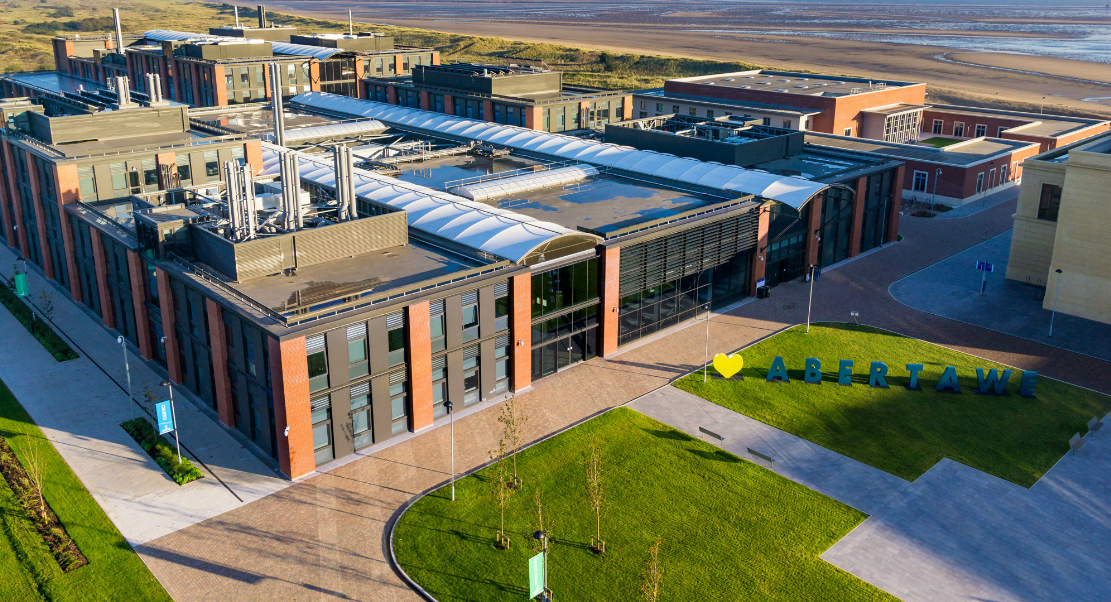
Swansea University — campus in pictures

Real, freely-licensed photographs of the campus (via Wikimedia Commons).
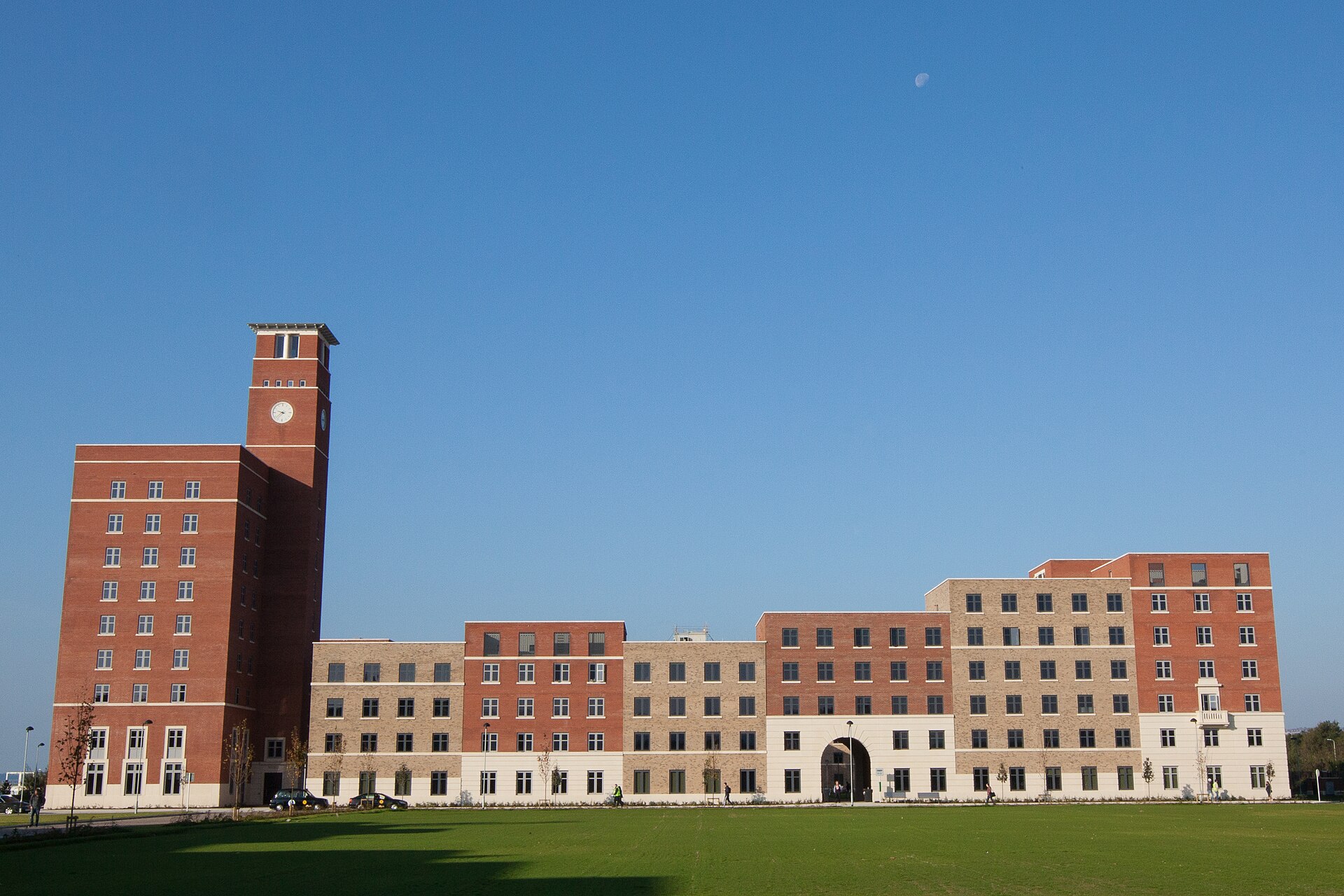
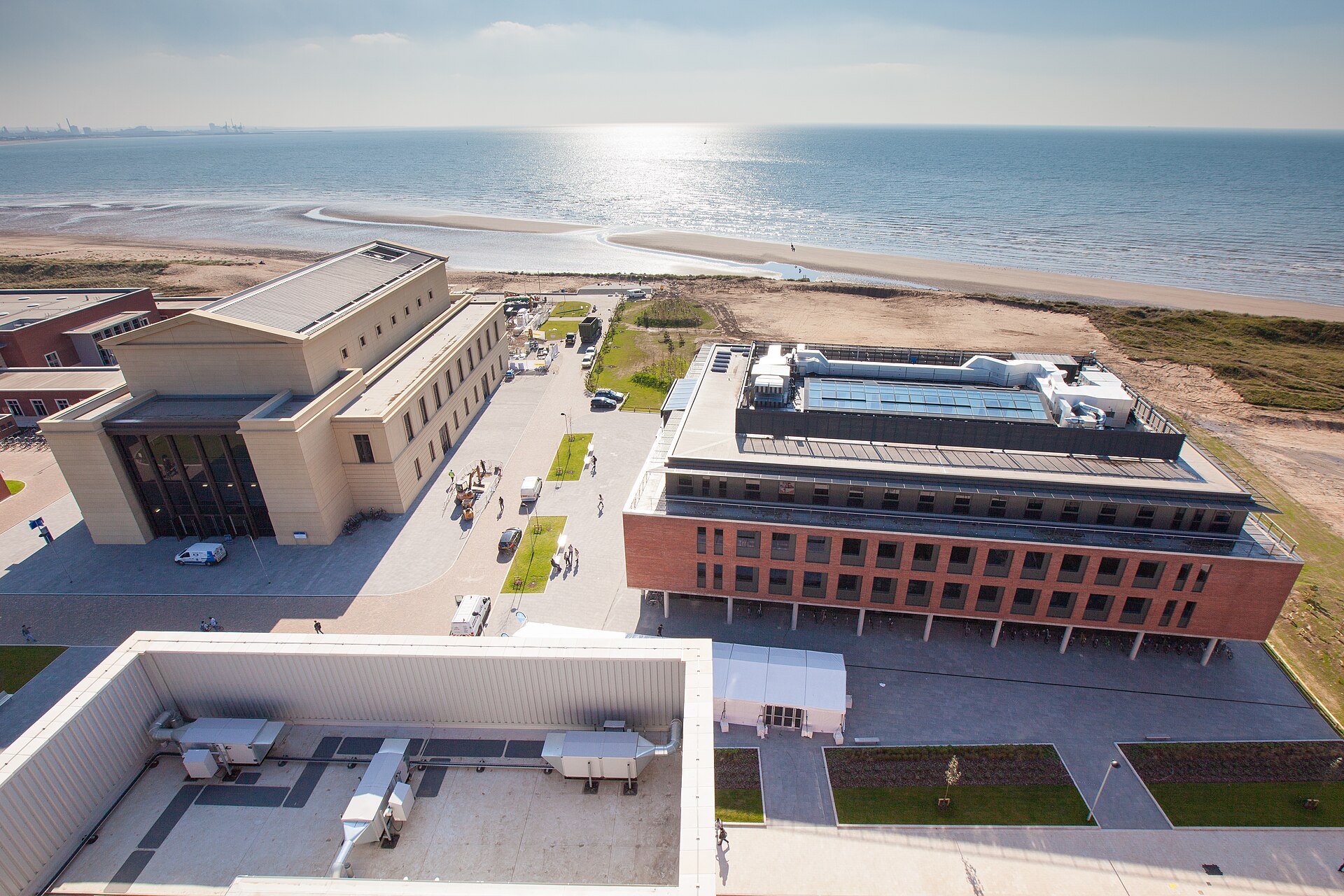
Bay Campus Accommodation
Bay Campus AccommodationSwanseauni · CC BY-SA 4.0 · via Wikimedia Commons
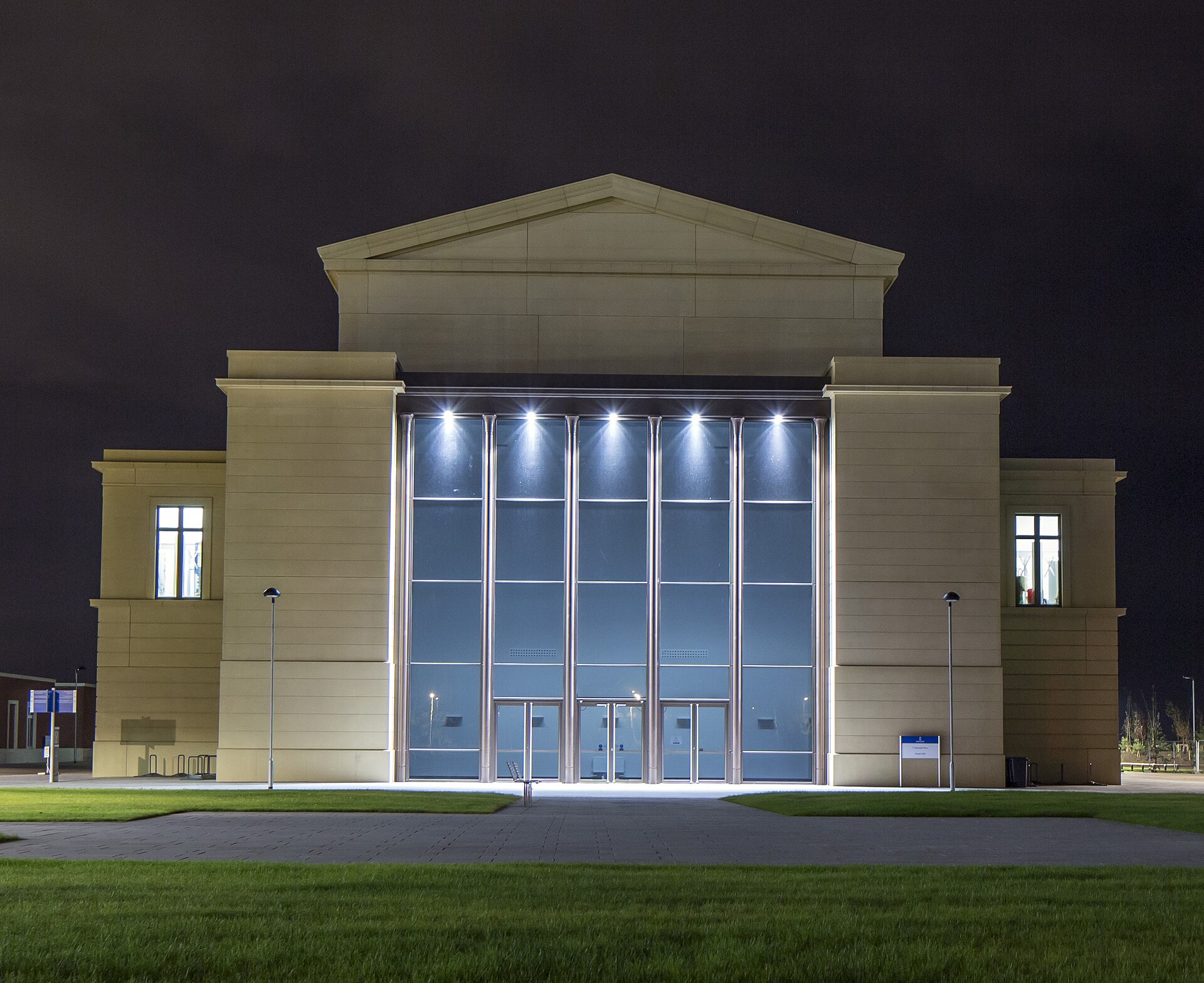
Great Hall at Swansea University Bay Campus
Great Hall at Swansea University Bay CampusSwanseauni · CC BY-SA 4.0 · via Wikimedia Commons
School of Management - Swansea University
School of Management - Swansea UniversityRhys1234567890 · CC BY-SA 4.0 · via Wikimedia Commons
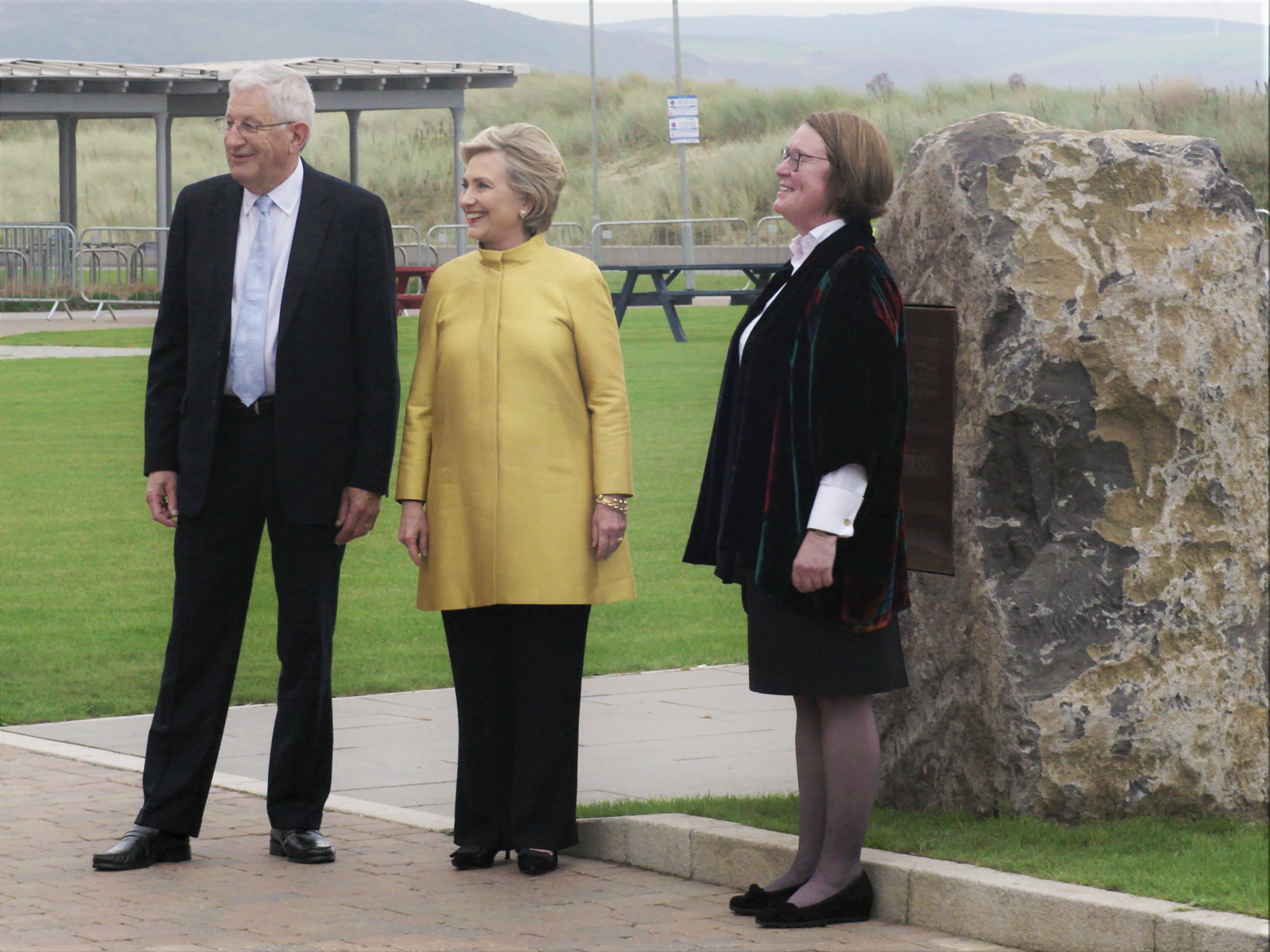
Hillary Clinton at Swansea University
Hillary Clinton at Swansea UniversityRhys1234567890 · CC BY-SA 4.0 · via Wikimedia Commons
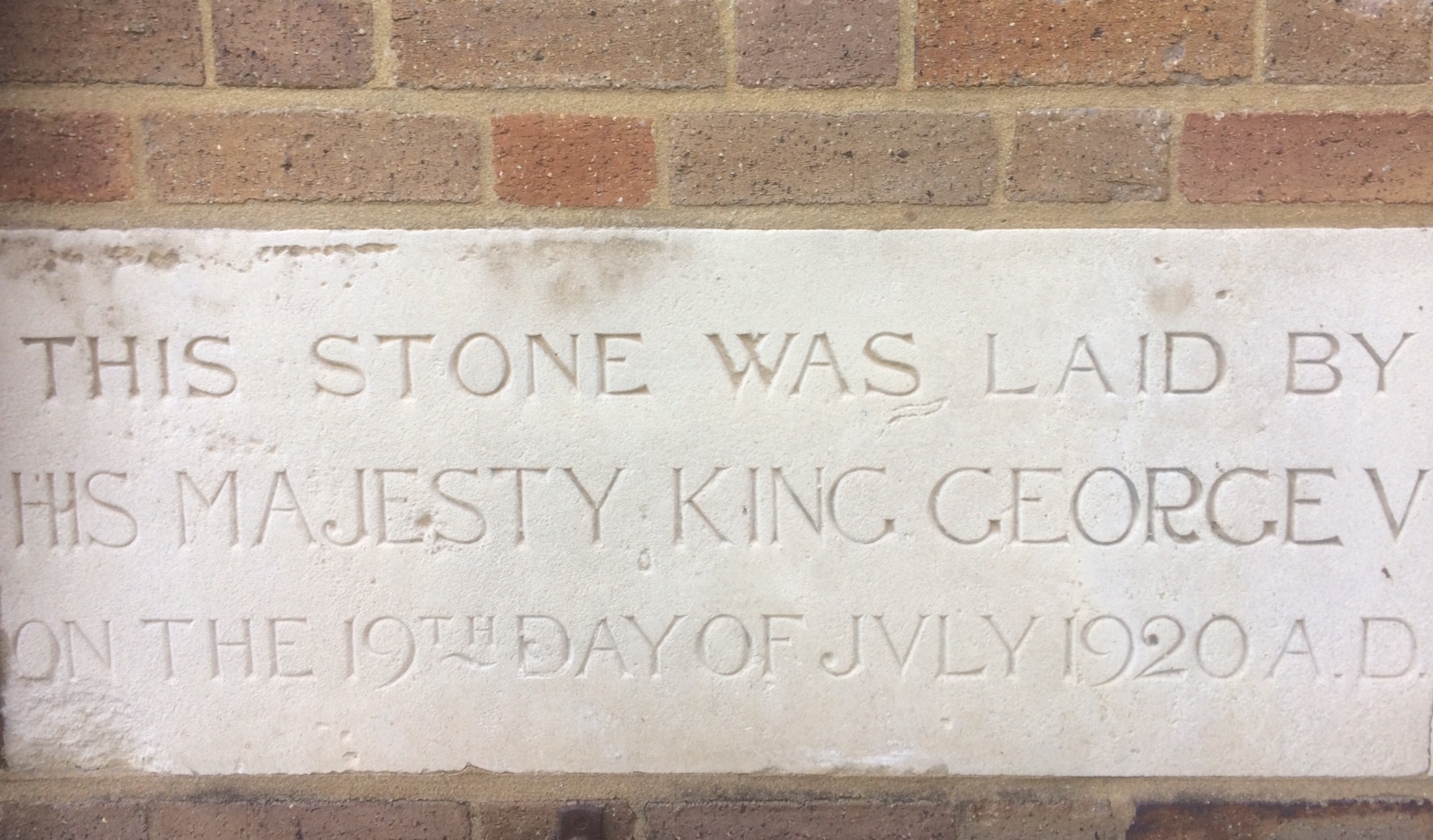
Swansea University Foundation Stone
Swansea University Foundation StoneRhys1234567890 · CC BY-SA 4.0 · via Wikimedia Commons
Swansea University College of Engineering
Swansea University College of EngineeringRhys1234567890 · CC BY-SA 4.0 · via Wikimedia Commons

Why Swansea — Research, Coastline & Career-Ready Graduates

Swansea is not a generic UK university. Its dual-campus model, bay-facing location in Wales, and industry-embedded programmes create a distinctive academic environment that international students consistently rate highly for student experience and value for money.

01Dual-Campus Research Environment
Swansea operates two distinct campuses: the historic Singleton Park campus for humanities, law, and social sciences, and the award-winning Bay Campus — built on Swansea Bay — hosting engineering, science, business, and the School of Management.
02Engineering & Materials Science Excellence
The College of Engineering is internationally recognised, particularly in materials engineering, aerospace, and biomedical engineering. Deep industry partnerships with companies across the UK and Europe give students real-world project experience embedded in their degrees.
03Marine Biology & Coastal Sciences
The coastal location is academically functional. Marine biology and environmental science programmes leverage direct access to Swansea Bay, the Gower Peninsula (the UK's first Area of Outstanding Natural Beauty), and the Bristol Channel ecosystem.
04Welsh Living Costs — Among the UK's Most Affordable
Swansea is consistently ranked among the most affordable cities for students in the United Kingdom. Accommodation, transport, and daily living costs are substantially lower than London, Manchester, or Edinburgh — reducing total degree cost significantly.
05Strong Graduate Employability
91% of Swansea graduates are in work or further study within 15 months of graduation. Close relationships with regional and national industry mean that placement years, industry projects, and graduate-recruitment pathways are built into many programmes.
06Multicultural International Community
With 20% international students, Swansea has substantial infrastructure for international student support — from pre-arrival orientation to English language services, visa guidance, and dedicated international student advisers. The Students' Union hosts 200+ societies.

Swansea Acceptance Rate & Entry Profile

Swansea University is an accessible research university with an acceptance rate of approximately 78%. Admissions are primarily based on academic qualifications and predicted grades — not holistic portfolios. Entry requirements are set per course; many programmes have specific subject prerequisites that matter more than overall grade averages.

Stats

22,000+
Applications (approx)
22,000
Student Population
20%
International Students

Profile Stats

30 pts
IB Diploma Minimum
3.0
Min GPA Equivalent
20%
International Students
#300
QS World Ranking
#310
THE World Ranking
#60
National (UK) Rank

Rea Vs Rd

Rea Label: Medicine / Healthcare
Rea Value: 15 Oct deadline
Rd Label: All Other Courses
Rd Value: 29 Jan deadline

Swansea Admissions Requirements — IB, A-Levels & Subject Prerequisites

IB Diploma
Value: 30+ points
The IB Diploma is widely accepted across all Swansea courses. A minimum of 30 points is the general floor, but competitive courses require higher totals plus specific Higher Level subjects.
  • Engineering: Mathematics HL + Physics HL typically required
  • Medicine/Bioscience: Biology HL + Chemistry HL required
  • Computer Science: Mathematics HL strongly preferred
  • Humanities/Law: flexible subject mix; personal statement weighted heavily
  • Higher IB scores (32–36) expected for Medicine and competitive engineering
A-Levels
Value: AAB–ABB typical
International students presenting A-Levels are evaluated on the same basis as domestic UK applicants. Three A-Levels is standard for undergraduate entry, with specific subject requirements by course.
  • Engineering: Mathematics + Physics typically required
  • Law: no fixed requirement; English Literature/Language beneficial
  • Business: Mathematics recommended; Economics beneficial
  • Medicine: Biology + Chemistry required; check UCAT requirement
  • Marine Biology: Biology required; Chemistry or Geography beneficial
English Language
Value: IELTS 6.0+
All non-native English speakers must demonstrate proficiency. The university-wide minimum is IELTS 6.0, but professional programmes require higher — up to 7.0 for Medicine and Nursing.
  • IELTS Academic 6.0 overall (no sub-band below 5.5) for most courses
  • TOEFL iBT 80 minimum for most courses
  • Duolingo English Test 100 minimum
  • Medicine / Nursing: IELTS 7.0 or higher typically required
  • Pre-sessional English pathway available for students below the minimum

Swansea Application Components — UCAS, Personal Statement & Requirements

Swansea University undergraduate applications are submitted through UCAS (the UK's Universities and Colleges Admissions Service). Unlike US applications, there is no separate Swansea application form — everything goes through a single UCAS submission covering up to five universities.

01RequiredUCAS Application Form
Submitted via ucas.com. Includes personal details, qualifications, predicted grades, academic reference, and personal statement. Apply to up to five courses across any UK universities.
02RequiredUCAS Personal Statement (Three Questions, 2026+)
From the 2026 UCAS cycle, the personal statement uses a structured three-question format. Each question has its own character limit and asks about: subject motivation, preparation, and personal context.
03RequiredAcademic Qualifications & Predicted Grades
Your current or predicted grades in your secondary qualification (IB Diploma, A-Levels, or national equivalent). Conditional offers are made based on predicted grades; confirmed when final results arrive.
04RequiredAcademic Reference
One reference from a teacher or school counsellor submitted via UCAS directly by your referee. Ideally from a teacher in your main subject area who can assess your academic capability at degree level.
05Required (if applicable)English Language Evidence
If English is not your first language, you must provide IELTS, TOEFL, Pearson PTE, or Duolingo scores. Take your test early enough for results to be available before the UCAS deadline.
06Course-SpecificAdmissions Tests & Interviews
Medicine and healthcare courses may require UCAT. Some courses include interviews as part of the admissions process. Verify on each individual course page at swansea.ac.uk.
07OptionalPortfolio (Creative/Arts Courses)
Fine Art, Architecture, and certain design-related courses may require a portfolio submission alongside the UCAS application. Verify requirements on the course page.

Swansea & UCAS Personal Statement — Writing for a UK University

Swansea University does not require any university-specific essays beyond the UCAS personal statement. The UCAS personal statement — now in a three-question format from 2026 — is submitted simultaneously to all five of your UCAS choices. This means it must be course-specific, not university-specific.

Prompts

Question 1 — Why This Subject?
Why do you want to study this course or subject? What has sparked your interest and enthusiasm for this field of study? (Character-limited — verify exact limit on ucas.com)
Question 2 — How Have You Prepared?
What have you done to prepare yourself for this course or subject? What skills, knowledge, and experiences have you developed? (Character-limited)
Question 3 — What Else Should We Know?
Is there anything else you'd like us to know about you that will help us understand your application and your potential to thrive at university? (Character-limited)

Tips

Write about the subject, not the university
Since your statement goes to all five UCAS choices simultaneously, never name Swansea specifically. Focus on WHY you want to study your subject — not why you want to live in Swansea.
Be specific about your preparation
Question 2 demands concrete evidence. Name the books you have read, the experiments you have run, the Extended Essay you wrote, the online course you completed. Vague claims of 'passion' are immediately visible.
Use Question 3 honestly
This is contextual space. Use it for leadership, personal circumstances, or anything that adds a fuller picture. Do not repeat what you said in Questions 1 and 2.
Start early — the three-question format requires more drafting
Many students underestimate how much harder three structured questions are than one open essay. Begin drafting in September of Year 13 and expect at least three or four revision cycles.
The most common UK personal statement mistake. Writing about wanting to go to university in general rather than demonstrating genuine depth of knowledge in your specific subject area.
Writing Strategy — What Works for UK Applications

What Swansea Admissions Tutors Are Looking For

Swansea University evaluates international applicants through a genuinely academic lens. The primary driver is academic achievement and subject preparation — not holistic portfolio scoring or extensive extracurricular records. Admissions tutors are subject specialists who evaluate whether you are academically ready for degree-level study in your chosen field.

01Strong Predicted Grades
Your predicted IB or A-Level grades are the single most important factor. Swansea makes conditional offers based on predicted grades, then confirms admission when final results arrive. Meeting your conditions is the gateway to enrolment.
02Subject-Specific Preparation
For STEM programmes, the right Higher Level IB subjects (Mathematics, Physics, Chemistry, Biology) directly impact your eligibility. Many engineering and science courses require Mathematics at Higher Level regardless of total IB score.
03Personal Statement Quality
A compelling UCAS personal statement articulating WHY you have chosen your specific subject, what you have read or explored beyond school, and genuine intellectual engagement with the field will distinguish your application, particularly for competitive courses.
04English Language Proficiency
Demonstrating IELTS 6.0+ or equivalent is a prerequisite for most courses. Professional programmes require higher scores. Solid English proficiency is non-negotiable for academic success at a UK university.
05Academic Reference Quality
Your UCAS reference from a teacher should ideally be from your main subject teacher — someone who can credibly predict your ability at degree level. Specific, analytical references carry more weight than generic praise.
06Context of Your Education
Swansea's admissions tutors understand that international students come from varied educational systems. An IB student from a school with limited resources is evaluated with awareness of their context, not purely against an absolute standard.

Swansea Financial Aid & Scholarships for International Students

Swansea University offers financial support to international students primarily through scholarships and bursaries rather than need-based financial aid in the US sense. International students are not eligible for UK government student loans, but the university's own scholarship programme helps reduce net tuition costs.

Aid amounts are estimates. Specific scholarship amounts and eligibility criteria are updated annually — always verify current offerings on the Swansea international scholarships page.

Stats

~10%
Average scholarship/bursary aid reduction
$25,400
International tuition per year
$37,900
Total cost of attendance per year
91%
Graduate employment rate

Contribution Tiers

RangePercentPercent ValueNote
With merit scholarship~90%90~10% tuition reduction for eligible recipients
Without scholarship100%100Full international tuition applies
With external fundingVaries70Home-country government scholarships can significantly reduce net cost
No UK Government Loans for International Students. Unlike domestic UK students who can access government Student Finance loans, international students must fund tuition and living costs from personal funds, family support, home-country financing, or scholarships. Financial planning should begin well before you apply.
Estimated Annual Cost by Scholarship Status
https://www.swansea.ac.uk/international-students/my-finances/international-scholarships/

Key Dates

Medicine & Healthcare Deadline
Date: 15 October
Standard UCAS Deadline (all other courses)
Date: 29 January
UCAS Extra (remaining places)
Date: Feb–June
UCAS Clearing (after results)
Date: August

Advantages

  • Full consideration for your chosen programme from admissions tutors
  • Time to complete your UCAS personal statement to a high standard
  • Your referee has adequate time to write a strong reference
  • You receive your conditional offer well before IB/A-Level results
  • Access to the full range of Swansea accommodation choices

Disadvantages

  • Missing the Medicine 15 October deadline — there is no late route in
  • Leaving applications to the last week of January — referees need 4–6 weeks
  • Submitting without verifying course-specific HL subject requirements
  • Not having IELTS/TOEFL results available before the deadline
  • Naming Swansea specifically in a personal statement going to five universities
UCAS Application Rounds. Unlike the US system with Early Action and Regular Decision, UK university applications are made through UCAS with a single standard deadline per course type. Understanding the UCAS timeline is essential for international applicants.
Tychr's UCAS Timing Recommendation. Submit your UCAS application by mid-December for January-deadline courses. This gives your referee adequate preparation time, allows you to receive offers before Christmas, and means any issues with your application can be resolved well before the hard January deadline. For Medicine, the October 15 deadline is absolute — begin your personal statement in July of Year 13.
UK Deadlines, Clearing & Strategy for Swansea
https://www.ucas.com/undergraduate/applying-to-university/when-apply

Swansea University Interviews — Format, Courses & Preparation

Swansea University does not conduct interviews for the majority of undergraduate courses. Admissions decisions for most programmes are made on the basis of predicted grades, personal statement, and academic reference. However, a small number of courses — primarily in healthcare and medicine — include interviews as a formal part of the admissions process.

Meta

In-person or online (varies by course)
Format
Medicine, Nursing, some allied health courses
Required For
No interview required
Most Courses
Subject knowledge, motivation, professional suitability
Evaluates

Questions

Why do you want to study this subject at degree level?
Tip: Be specific about intellectual engagement, not generic enthusiasm. Reference particular aspects of the course or field that genuinely interest you.
What have you done to explore this career or field?
Tip: Describe concrete preparation — work shadowing, reading, relevant projects, or experiences that demonstrate genuine commitment to the profession.
Tell us about a challenge you have overcome.
Tip: Focus on what the experience taught you about yourself and your approach to problems, not simply that you overcame it.
What skills do you think are important for success in this field?
Tip: Link your answer to evidence from your own experience — specific examples are far more compelling than abstract lists.
Why Swansea for this programme?
Tip: Know the specific programme structure, facilities, or research strengths at Swansea. Generic answers signal you have not done your research.

Swansea University — Campuses, Residences & Student Life

Swansea does not operate a residential college system like Oxford or Cambridge. Instead, students choose from university-managed accommodation across two distinct campuses and the surrounding city area. The campus you are assigned to depends on your programme of study.

Lottery Steps

  • First-year international students are prioritised for on-campus accommodation — apply early via Swansea's accommodation portal
  • Bay Campus accommodation: engineering, science, computing, and business students live close to their departments on the waterfront campus
  • Singleton Park Campus accommodation: humanities, law, social science, and medical students have access to the original campus residences and surrounding area
  • Second and subsequent years: most students move to private accommodation in the Swansea city and suburb area, which is significantly cheaper than comparable accommodation in English cities
  • University-managed en-suite and catered options available for first years — prices and availability change annually

Houses

Bay Campus Residences
Tag: Bay Campus
Modern waterfront accommodation for engineering, science, business students
Great Hall & Student Hub
Tag: Bay Campus
On-campus social, retail, and student services facilities
Singleton Park Residences
Tag: Singleton
Traditional campus accommodation adjacent to parkland and the beach
Fulton House
Tag: Singleton
The Students' Union building on Singleton — live music, bars, societies
Private Student Accommodation (City Centre)
Tag: City
Most second/third year students live in affordable private housing near the city centre
Brynmill & Uplands Areas
Tag: City
Popular student neighbourhoods within 15 minutes walk of Singleton campus

Swansea University — Colleges, Schools & Programmes

College of Engineering
Label: Bay Campus
Aerospace, civil, biomedical, chemical, electronic, materials, and mechanical engineering. Accredited programmes by IMechE, IET, and RAeS. Strong industry partnerships.
  • {"label":"Key accreditations","value":"IMechE, IET, RAeS"}
  • {"label":"Flagship areas","value":"Materials, Aerospace, Biomedical"}
  • {"label":"Campus","value":"Bay Campus"}
  • {"label":"Industry links","value":"Strong UK & European partners"}
Faculty of Science & Engineering
Label: Bay Campus & Singleton
Computer Science, Mathematics, Physics, Chemistry, Geography, Marine Biology, Environmental Sciences, Biosciences. Research-active departments with external grant income.
  • {"label":"Flagship areas","value":"Computer Science, Marine Biology, Physics"}
  • {"label":"Research focus","value":"Computational Science, Environmental Change"}
  • {"label":"Campus","value":"Bay / Singleton"}
  • {"label":"Field access","value":"Gower Peninsula, Swansea Bay"}
School of Management (SOM)
Label: Bay Campus
AACSB-accredited business and management programmes. Undergraduate, postgraduate, and MBA. Strong employer connections in finance, consulting, and digital business.
  • {"label":"Accreditation","value":"AACSB"}
  • {"label":"Flagship programmes","value":"Business Management, Finance, Marketing"}
  • {"label":"Campus","value":"Bay Campus"}
  • {"label":"Employer partners","value":"Finance, Consulting, Digital"}
Faculty of Humanities & Social Sciences
Label: Singleton Park
English Literature, History, Philosophy, Politics, Sociology, Media, Languages, Education. Research-active faculty with strong REF results in humanities.
  • {"label":"Campus","value":"Singleton Park"}
  • {"label":"Key areas","value":"English, History, Politics, Languages"}
  • {"label":"Entry route","value":"UCAS, personal statement weighted"}
  • {"label":"Welsh connection","value":"Bilingual and Celtic studies available"}
Medical School & Health Sciences
Label: Singleton Park
Medicine (including Graduate Entry), Nursing, Pharmacy, Physiotherapy, and Allied Health. MBBS programme with clinical placements across NHS Wales.
  • {"label":"Flagship programme","value":"MBBS Medicine"}
  • {"label":"Admissions test","value":"UCAT may be required"}
  • {"label":"Clinical placements","value":"NHS Wales hospitals"}
  • {"label":"UCAS deadline","value":"15 October (Medicine)"}
Hillary Rodham Clinton School of Law
Label: Singleton Park
LLB Law and joint honours programmes. Strong emphasis on human rights, commercial law, and clinical legal education. Named after the former US Secretary of State.
  • {"label":"Flagship programme","value":"LLB Law"}
  • {"label":"Specialisms","value":"Human Rights, Commercial Law"}
  • {"label":"Campus","value":"Singleton Park"}
  • {"label":"Entry route","value":"UCAS; no fixed subject requirement"}

Research & Extracurricular Opportunities at Swansea

Research-Active Departments
Category: Undergraduate Research
Swansea's engineering, materials science, and bioscience departments are genuinely research-active. Undergraduate students in final years typically complete research-based projects alongside academic staff. Some departments offer paid summer research assistant positions.
Swansea University Students' Union
Category: Student Union
The SU operates across both campuses and hosts 200+ clubs and societies — sport, culture, academic, media, volunteering, and international student communities. International student societies and language exchange events run throughout the year.
Gower Peninsula & Coastal Activities
Category: Outdoor & Coastal
The university surf club, climbing club, kayaking, and sailing clubs use the Gower Peninsula and Swansea Bay directly. No other UK campus places students this close to a national-quality outdoor sports environment.
Year in Industry / Placement Years
Category: Industry Placement
Many Swansea engineering, computing, and business programmes include an optional or compulsory year in industry. Placement students earn a salary, gain professional experience, and graduate with a four-year MEng or sandwich degree that is well-regarded by employers.
Scroll to explore research programmes and student life at Swansea.

Career Outcomes & Swansea Graduate Network

Swansea University's graduate employment record is strong, with 91% of graduates in work or further study within 15 months of graduation. The average starting salary for Swansea graduates is approximately $32,000 USD equivalent — reflecting graduate careers in engineering, healthcare, computing, and business across the UK and internationally.

Stats

91%
In work or study within 15 months
$32,000
Average starting salary (USD equivalent)
22,000
Student population
20%
International students
#300
QS World Ranking
#60
National UK Ranking

Categories

Engineering & Technology
Strong recruitment into UK and European manufacturers, aerospace companies, energy firms, and civil engineering consultancies. Accredited BEng/MEng programmes from the IMechE, IET, and RAeS create direct pathways to chartered engineering roles.
Healthcare & Medicine
Nursing, pharmacy, and allied health graduates enter NHS-funded roles directly, with strong demand across Wales and the UK. Medical graduates join the Foundation Programme for postgraduate training — a structured two-year pathway into specialist medicine.
Computer Science & AI
Computing graduates move into software development, data engineering, cybersecurity, and AI roles — both in Wales's growing tech cluster and with national and international firms that recruit from Welsh universities.

Our Swansea Admissions Track Record & Student Success Stories

Arjun P.
Country: India
Program: Swansea — Aerospace Engineering
Class Year: Class of 2025
Academic Profile: IB 34 · IELTS 7.0
Tychr helped me understand that my IB score was above the Swansea minimum but my HL subject choices needed to be right. My counsellor helped me frame my engineering preparation in the UCAS personal statement in a way that was specific and compelling — not just 'I love planes'.
Mei L.
Country: China
Program: Swansea — Computer Science
Class Year: Class of 2026
Academic Profile: IB 32 · Mathematics HL 7 · IELTS 6.5
The UCAS personal statement was completely different from anything I had written before. Tychr's guidance on the three-question format meant I could show my actual preparation — the Python projects, the competitive programming — not just my results.
Fatima N.
Country: Nigeria
Program: Swansea — Marine Biology
Class Year: Class of 2024
Academic Profile: A-Levels AAB · Biology A* · Chemistry A
Swansea was the right choice because of the coastal research access and the living costs. Tychr helped me find the scholarship that reduced my first-year fees and supported me through the UCAS process from a school where no one had applied to the UK before.

Swansea University — International Applicant FAQs

Do international students apply through UCAS or directly to Swansea?+

Undergraduate international students apply through UCAS (ucas.com) — the same system as domestic UK students. You can list up to five courses across UK universities in a single application. Postgraduate applicants apply via Swansea's own Learner Gateway portal.

What IB score do I need to get into Swansea?+

The typical IB Diploma minimum is 30 points, but individual courses set their own requirements which may be higher. Engineering and science programmes often require Mathematics and a relevant science at Higher Level regardless of total points. Always check the specific course entry requirements on the Swansea website.

Is Swansea in Wales a good place to live as an international student?+

Consistently rated among the UK's top cities for student experience, Swansea offers a high quality of life at lower cost than most English university cities. The coastline, national park access, safe city centre, and international student community make it attractive for students who want a rich life beyond lectures.

Can I work while studying at Swansea as an international student?+

Yes. Students on a UK Student Visa are typically permitted to work up to 20 hours per week during term time and full-time during holidays. The university's careers service and Students' Union support part-time job placement.

Does Swansea offer pathway programmes for students who don't meet direct entry requirements?+

Yes. Swansea's College offers international foundation and pathway programmes for students who need additional preparation in English language or academic content before joining degree-level study. These are run through the university itself and lead to guaranteed degree entry on successful completion.

Are there scholarships for international students at Swansea?+

Yes. Swansea offers international undergraduate scholarships and bursaries, primarily merit-based. Specific amounts and eligibility vary by year. Check the international scholarships page on the Swansea website well before your application deadline — some awards require a separate application.

What is the difference between the Singleton Park and Bay Campus?+

Singleton Park is Swansea's original campus — set in parkland next to the beach — hosting humanities, law, social sciences, and medicine. Bay Campus, opened 2015 on the Swansea Bay waterfront, hosts engineering, science, computing, and the School of Management. Both have full residential and Students' Union facilities.

Is Welsh language required at Swansea?+

No. All degree programmes are delivered in English, and no Welsh language ability is required or expected from international students. Some bilingual options exist for domestic students but are entirely voluntary.

Book a Free Swansea University Admissions Strategy Session

In 60 minutes our UK admissions specialists will evaluate your academic profile for your chosen Swansea programme, review your UCAS personal statement strategy, identify the right scholarships for your profile, and map the IB or A-Level subjects that maximise your eligibility.

  • No commitment required
  • UK admissions specialists — UCAS experts
  • Personalised strategy for Swansea and your full five-choice list
Getting into the right UK university is not about the highest IB score — it is about the right subjects, the right statement, and the right timing.

Swansea Admissions Requirements

Swansea University Academic Requirements — The Honest Breakdown for International Students

What IB scores, A-Level grades, and academic profile do Swansea's admitted students actually have? And what does the UCAS admissions process mean for students from IB, A-Level, AP, and other international curricula?

30 pts
IB Diploma (typical minimum)
Check course-specific HL requirements
3.0
Min GPA Equivalent
For courses referencing GPA
~78%
Acceptance Rate
University-wide
6.0
IELTS Minimum
Higher for healthcare/law
80
TOEFL Minimum
iBT; check sub-scores for professional courses
16:1
Student:Faculty Ratio
University-wide

Grades & Academic Standing

Swansea and Grades — What the Entry Requirements Actually Mean

Swansea does not publish a minimum GPA requirement in the conventional sense. For international students, the key metric is whether your secondary school qualification — expressed as IB Diploma points, A-Level grades, or national equivalent — meets the specific course requirements. A minimum GPA of 3.0 is cited as a broad indicative equivalent for US-system students.

Always verify specific course entry requirements on the Swansea course pages at swansea.ac.uk — the university-wide minimum is a floor, not a typical admission standard.

30 pts
IB Diploma minimum (university-wide)
3.0
GPA equivalent (indicative)
What this means for international students. IB and A-Level students are evaluated on their predicted and final qualification scores, not a GPA. A 30-point IB score is the university-wide floor — but many engineering, medicine, and computer science courses require higher totals AND specific Higher Level subjects. A student with 34 IB points but without Mathematics HL may be ineligible for an Engineering programme that a 30-point student with Mathematics HL can access.
Grade trajectory and predicted grades. Swansea makes conditional offers based on predicted grades. Your Year 12 performance and predicted IB or A-Level results are what the admissions tutor sees. An upward grade trajectory — improving performance from Year 10 through Year 12 — is read positively. A plateau or decline from predicted to actual grades is a risk that can result in conditional offer failure.

Academic Context

How Swansea Reads Academic Performance Across Different School Systems

Swansea's admissions tutors are experienced at evaluating qualifications from international school systems. The UK uses nationally standardised frameworks (UCAS Tariff points) to translate many international qualifications — but subject-level requirements remain paramount.

UCAS Tariff and international equivalences
Swansea uses the UCAS Tariff system, which assigns points to IB Diploma scores, A-Level grades, and various international qualifications. However, Tariff points alone do not guarantee eligibility — specific subject requirements (e.g., Mathematics HL for Engineering) must also be met. The UCAS qualification tables are the official reference for equivalences.
What this means practically
A student with a 32-point IB total without Mathematics HL is not eligible for most Swansea Engineering programmes, regardless of Tariff points. A student with a 30-point IB total WITH Mathematics HL and Physics HL may receive a conditional offer. Subject selection is as important as total points — verify both dimensions before applying.
For students from less well-known international schools. If your school or qualification system is unfamiliar to UK admissions, the UCAS qualification tables and the Swansea international admissions team are your resources. Swansea's team can advise on how specific national qualifications are evaluated — contact them via the official international enquiries channel at swansea.ac.uk before submitting your UCAS application.

Standardised Tests

SAT Scores at Swansea — UK Admissions Context

Swansea University does not use SAT scores as part of its standard undergraduate admissions process. The UK university system is qualification-based — IB Diploma, A-Levels, and equivalent national qualifications are what matter.

LabelScorePercent
SAT required?No0
IB minimum30 pts30
IELTS minimum6.060
What to focus on instead of SAT. For Swansea, your preparation energy should go into your IB Higher Level subjects — particularly in the core disciplines for your chosen course — and your UCAS personal statement. IELTS preparation is also a genuine priority, as English language evidence is a formal admission requirement.
SAT as supplementary context. If you have a strong SAT score, mentioning it briefly in your UCAS personal statement or as supplementary information is not harmful. However, it will not substitute for required IB or A-Level qualifications, and admissions tutors will not treat it as primary academic evidence.
IELTS preparation. IELTS preparation is the standardised test investment that actually matters for Swansea. A minimum of IELTS 6.0 is required for most courses; healthcare and law require 6.5–7.0. Take your IELTS early enough that results are available well before the January UCAS deadline.

Standardised Tests

ACT Scores at Swansea — Not Part of UK Admissions

ACT scores are not required, requested, or considered as part of the Swansea University undergraduate admissions process. This is standard across all UK universities — the system evaluates secondary school qualifications, not American standardised tests.

Metrics

ACT required?
Score: No
Primary qualification evaluated
Score: IB / A-Level

Comparison Cards

UCAT — for Medicine
The UK Clinical Aptitude Test is required for many UK Medical programmes. If applying to Medicine at Swansea, verify whether UCAT is part of the selection process on the course page.
LNAT — for Law (at some universities)
The Law National Aptitude Test is used by some UK universities for Law admissions. Verify whether Swansea Law requires LNAT on the course page.
IELTS / TOEFL — universal English requirement
For non-native English speakers, IELTS, TOEFL, or Duolingo is the test that matters most. Plan for this test as seriously as US applicants plan for the SAT.
The UK equivalent of test strategy. Rather than superscore strategy, UK applicants should focus on resit policy for national qualifications. IB students take their diploma once; A-Level students may resit individual papers. Swansea's offers are based on predicted and final results — the grade you achieve in your sitting is what counts.
Tychr's recommendation for non-UK curriculum students. If you are completing an American curriculum with AP courses, verify how your qualifications are evaluated by Swansea admissions using the UCAS qualification tables. A combination of strong AP scores (particularly in relevant subjects) and SAT may be considered as equivalents — but confirm directly with Swansea's international admissions team.

Testing Strategy

Test Policy at Swansea — A UK University Perspective

Swansea University operates a qualification-based, not test-based, admissions process. The concept of 'test-optional' is a US construct. In the UK system, the question is not whether to submit a test score — it is whether your qualification type and subject choices meet the course requirements.

Submit Items

IELTS: submit as early as possible — results must be available before your UCAS application deadline
UCAT: required for Medicine applications — begin preparation 6–8 months before sitting
Strong IELTS scores above the minimum (e.g., 7.0 when 6.0 is required) strengthen professional programme applications

Withhold Items

SAT or ACT scores — not part of UCAS and not evaluated by UK admissions tutors
AP scores as primary qualification evidence — verify how APs are treated for your specific programme
Current policy. SAT and ACT scores are not required and not formally considered. English language tests (IELTS, TOEFL, Duolingo) are required for all non-native English speakers and are not optional. Admissions tests such as UCAT are course-specific requirements — not optional — for programmes that require them.
The key misconception for US-curriculum students. Many students completing an American curriculum assume their SAT score or AP results will carry the same weight at UK universities as at US universities. They do not. UK admissions tutors use UCAS Tariff tables to assess AP courses, but subject-specific requirements (equivalent to A-Level subject prerequisites) still apply. A student with a 1550 SAT and 5s in AP Calculus and AP Physics has a strong academic profile — but Swansea will still evaluate whether that profile meets the IB/A-Level equivalent requirements for their chosen course.

Primary Qualifications

IB Diploma, A-Levels & Other International Qualifications at Swansea

IB Diploma
  • {"label":"Typical minimum","value":"30 points overall"}
  • {"label":"HL expectations","value":"Relevant subjects at HL; typically 5,5,5 or better in required subjects"}
  • {"label":"Subject rigour","value":"Mathematics HL essential for engineering/computing; Biology+Chemistry HL for medicine"}
  • {"label":"Extended Essay","value":"Useful signal of research interest; not formally required but noted"}
Note: The IB Diploma is one of the most positively received international qualifications in UK admissions. Swansea's tutors understand the IB curriculum in detail. IB students should focus on HL subject selection first, total points second — the wrong HL combination can disqualify you from a course regardless of your total score.
A-Levels
  • {"label":"Standard requirement","value":"Three A-Levels at ABB–AAB typical"}
  • {"label":"Subject rigour","value":"Mathematics + Physics for engineering; Biology + Chemistry for medicine; flexible for humanities"}
  • {"label":"AS results","value":"Reviewed alongside predicted A-Level grades as supporting evidence"}
  • {"label":"Predicted grades","value":"UK admissions tutors understand A-Level predicted grade conventions"}
Note: A-Levels are the gold-standard UK qualification. International students presenting A-Levels from British international schools or UK schools are evaluated on exactly the same basis as domestic applicants. Three A-Levels at the right grades in the right subjects is what Swansea is looking for.

US Curriculum

AP Courses at Swansea — How They Are Evaluated in UK Admissions

For students completing an American curriculum with AP courses, UK university entry is more complex than simply converting AP scores. UCAS has an equivalence framework, but subject-specific requirements still apply.

AP in the UCAS Tariff
UCAS assigns Tariff points to AP exams at grades 3, 4, and 5. AP scores of 4 and 5 carry meaningful Tariff points and are recognised as evidence of academic achievement. However, Tariff points alone may not satisfy subject-specific HL requirements — verify with Swansea's international admissions team whether your AP combination meets the prerequisite for your chosen course.
How many APs are enough?
This depends entirely on the programme. For a STEM degree requiring the equivalent of Mathematics HL + Physics HL, a student with AP Calculus BC (5) + AP Physics C (5) is in a strong position. For humanities, a broader AP profile showing depth in relevant subjects is appropriate.
AP vs IB vs A-Level for Swansea
All three are recognised. If you have a choice, the IB Diploma is perhaps the most seamlessly recognised across UK universities because the UCAS equivalences are clearly established. A-Levels are the UK home standard. AP students should verify their specific combination with Swansea admissions before applying.
Swansea's international admissions team can advise on whether your specific AP combination meets the entry requirements for your chosen course. Contact them directly at swansea.ac.uk before submitting your UCAS application.
UK universities, including Swansea, do not typically grant course credit for AP scores in the same way as US universities. You will begin your degree from the first year regardless of AP performance — though strong AP preparation in relevant subjects will give you a useful head start in first-year content.

Academic Rigour

Rigour of Secondary School Record — What Swansea's Admissions Tutors Evaluate

While Swansea is more accessible than Oxford or Imperial, admissions tutors still evaluate the rigour of your secondary school record — not just whether your total score meets the minimum. Choosing the right subjects at the right level is more important than maximising your overall grade average.

Taking the right Higher Level IB subjects for your chosen course, in the core disciplines that degree-level study requires — not simply the subjects where you can achieve the highest points.

What rigour means at Swansea. For engineering: Mathematics HL plus a science HL. For medicine: Biology HL and Chemistry HL. For computing: Mathematics HL. Taking Standard Level Mathematics when your intended programme requires Higher Level — regardless of your total IB score — is the single most common eligibility error for international IB applicants.
The contextual element. Rigour is always evaluated relative to what was available at your school. A student whose school offers a limited IB subject range is evaluated with awareness of that context. What matters is whether you chose challenging subjects in the right areas relative to what your school provided.
What Swansea is looking for. A student who took Mathematics HL, Physics HL, and Chemistry HL alongside a demanding Extended Essay in a relevant STEM field demonstrates the academic preparation that Swansea engineering programmes expect. Admissions tutors reading IB transcripts can immediately identify whether subject choices reflect genuine programme preparation or grade optimisation.

Subject Preparation

Subject-Level Preparation — What Swansea Expects by Programme

Swansea sets course-specific prerequisites. The following covers the core preparation expected for each major programme area. Verify exact requirements on the course pages at swansea.ac.uk before applying.

Engineering (all disciplines)
Mathematics HL is the non-negotiable prerequisite for virtually all engineering programmes. Physics HL is typically required or strongly preferred for mechanical, aerospace, civil, and electronic engineering. Chemistry HL is additionally beneficial for chemical and materials engineering. Ensure your predicted Mathematics HL grade is strong — it is the most scrutinised subject on your transcript.
Computer Science & Data Science
Mathematics HL is the core prerequisite. IB Computer Science HL is a positive signal but not always formally required. Strong performance in Mathematics and analytical subjects positions you well. An Extended Essay in Mathematics or Computer Science demonstrates depth beyond coursework.
Medicine & Biosciences
Biology HL and Chemistry HL are the standard prerequisite combination for medicine, pharmacy, and bioscience pathways. Note that Swansea's medical programmes may have additional requirements including UCAT, interviews, and health clearance — verify on the specific Medical course pages well in advance of the October 15 deadline.
Marine Biology & Environmental Sciences
Biology HL is the core requirement. Chemistry HL and Geography HL are beneficial for related environmental science programmes. The coastal location gives Swansea a genuine academic advantage for marine biology — field-based learning is built into the curriculum, not just available as an extra.
Law
No fixed subject prerequisites, but English Literature or Language HL is strongly beneficial. Wide analytical reading, debating experience, and exposure to legal reasoning will strengthen your personal statement. The Hillary Rodham Clinton School of Law values evidence of engagement with justice, rights, and argumentation.
Business & Management
Mathematics at Standard or Higher Level is recommended for business degree programmes. Economics HL is strong preparation. For Finance and Accounting routes, stronger quantitative preparation is expected — Mathematics HL is preferred. The School of Management is AACSB-accredited, indicating a rigorous business curriculum.

Language Proficiency

English Language Requirements for International Swansea Applicants

All international students whose first language is not English must demonstrate English proficiency before enrolling. The minimum accepted scores are listed below. Individual programmes — particularly Medicine, Nursing, Law, and Education — set higher requirements.

The UCAS personal statement is itself an English writing test that admissions tutors read carefully. A student who struggles with academic English writing will find this reflected in their personal statement quality — which admissions tutors evaluate as evidence of readiness for degree-level academic work in English.

Test: IELTS Academic
Score: 6.0
Test: TOEFL iBT
Score: 80
Test: Duolingo English Test
Score: 100
Practical guidance. Take your IELTS, TOEFL, or Duolingo test early enough that results are available before your UCAS application deadline (January for most courses; October for Medicine). Many students underestimate how long test preparation takes. For IELTS, aim for at least 6.5 if you are targeting competitive courses, even if 6.0 is the stated minimum — a higher score provides additional assurance to admissions tutors.
https://www.swansea.ac.uk/international-students/international-student-courses/how-to-apply/

By Programme

Academic Requirements by Programme — What Different Paths Expect

Swansea makes offers per course, not per faculty. Always verify exact requirements on individual course pages at swansea.ac.uk. The following are indicative typical expectations.

ConcentrationExpectationSignals
Aerospace EngineeringMathematics HL + Physics HLMEng preferred; industry project experience
Materials EngineeringMathematics HL + Chemistry or Physics HLLab-based extended work; materials science interest
Computer ScienceMathematics HLProgramming projects; competitive computing
Medicine (MBBS)Biology HL + Chemistry HL; UCATClinical work experience; reflective personal statement
Marine BiologyBiology HLFieldwork; ecological reading; coastal science interest
Law (LLB)No fixed requirement; English HL beneficialDebating; mooting; engagement with rights/justice
Business ManagementMathematics SL/HLLeadership roles; enterprise projects; Economics HL
NursingBiology/Science HL + IELTS 7.0Healthcare experience; compassion evidence in statement

International Systems

How Different Curricula Are Evaluated by Swansea Admissions

IB Diploma
Widely accepted and well understood. Swansea's admissions tutors are experienced IB readers. The HL subject combination and predicted scores are the primary evaluation points. Extended Essay and TOK results are noted as supporting context.
A-Levels (Cambridge / Edexcel / OCR)
The gold-standard UK qualification. Students presenting A-Levels from British international schools are evaluated on the same basis as domestic applicants. Three A-Levels at the required grades in the required subjects is what admissions tutors look for.
Indian Boards (CBSE / ISC)
Indian board qualifications are accepted and evaluated via UCAS Tariff equivalences. Strong performance in core subjects relevant to your programme is important. Supplementary evidence such as JEE preparation or Olympiad participation adds useful academic context.
AP Courses (US Curriculum)
AP courses are recognised in the UCAS Tariff at grades 3, 4, and 5. Students presenting APs should verify whether their specific combination of subjects meets the UK subject-prerequisite equivalent for their chosen programme. Direct contact with Swansea's international admissions team is recommended.
Other National Qualifications (Singaporean A-Levels, Malaysian STPM, South African Matric, etc.)
All major national secondary qualifications have UCAS Tariff equivalences. Use the UCAS qualification tables and the Swansea international admissions team to verify whether your specific qualifications meet the requirements for your chosen course.

Roadmap

Building Your Academic Profile for Swansea — What to Do at Each Stage

Years 9–10Lay the foundation
Year: Years 9–10
  • Select IGCSE or MYP subjects that leave the widest possible options for IB or A-Level subject choice
  • Prioritise mathematics and sciences if you are considering STEM programmes
  • Begin reading widely in your area of interest beyond the textbook
  • Identify the programme areas you might want to study — research entry requirements early
Year 11Make the critical subject choice
Year: Year 11
  • IB Higher Level selection: choose HLs that meet the prerequisites for your intended Swansea programme
  • Do not optimise purely for higher total IB points — the right HL subjects matter more than the highest total
  • Seek advice from your school counsellor on subject-programme mapping for UK universities
  • Begin IELTS preparation early if English is not your first language
Year 12Build the evidence
Year: Year 12
  • Go beyond the IB syllabus — read relevant journals, books, or online material in your subject area
  • Explore relevant work experience, summer schools, or online courses related to your programme
  • This subject-level engagement is what distinguishes UCAS personal statements from generic ones
  • Research Swansea's specific programmes in detail — know the course structure, modules, and research strengths
Year 12 SummerPersonal statement and application preparation
Year: Year 12 Summer
  • Begin drafting your UCAS personal statement responses in all three questions
  • Discuss your preparation with a Tychr counsellor — the three-question format requires strategic thinking
  • For Medicine: begin UCAT preparation in the summer before Year 13
  • Check IELTS result timelines to ensure results are available before the UCAS deadline
Year 13 AutumnSubmit your UCAS application
Year: Year 13 Autumn
  • Medicine applicants: October 15 deadline — non-negotiable, submit by early October
  • All other applicants: aim to submit by mid-December for the January deadline
  • Give your referee 4–6 weeks to complete their UCAS reference
  • Confirm your English language test scores are available or booked for early in Year 13
Year 13 Spring–SummerConditional offer and results
Year: Year 13 Spring–Summer
  • Receive your conditional offer from Swansea specifying the grades required
  • In July: receive your IB or A-Level results — if you meet conditions, your place is confirmed
  • If you narrowly miss conditions: contact Swansea admissions directly — many offers have flexibility for borderline cases
  • If you don't meet conditions: UCAS Clearing opens immediately after results day with remaining places

Common Pitfalls

Academic Mistakes That Cost Swansea Applications — And How to Avoid Them

Applying without checking HL subject requirements
Your total IB score may be above the minimum but your HL subjects may disqualify you from specific engineering or science programmes. A 32-point IB without Mathematics HL cannot gain entry to most Swansea Engineering courses regardless of total points.
Underestimating English language requirements for professional programmes
Medicine, Nursing, and Law often require IELTS 6.5–7.0, not the general university minimum of 6.0. Applying without the required English score — or taking IELTS after the application deadline — can cost you your preferred programme.
Leaving the UCAS application to the last week of January
Your referee needs 4–6 weeks to write a strong UCAS reference. Giving them until the final days before the deadline is a significant risk. An incomplete reference can delay or invalidate your application.
Assuming AP or SAT scores are equivalent to IB or A-Level prerequisites
UK admissions evaluates qualifications through specific subject equivalences, not overall test performance. A strong SAT score does not substitute for the required IB Higher Level subjects. Verify your qualifications with Swansea's international admissions team before applying.
Treating Swansea as a safety school without researching it properly
Admissions tutors read personal statements. A generic or non-specific statement signals that you have not engaged with the subject or the programme. Swansea's tutors are academics in your field — demonstrate that you understand what studying your subject at degree level involves.

Real Outcomes

What Academic Profiles Tychr's Swansea-Admitted Students Had

The following profiles represent the academic backgrounds of students Tychr has helped gain Swansea University admission. They illustrate what works — and what makes each application compelling beyond the minimum threshold.

Profile 1 — Engineering Focus
Stats: IB 34 · Mathematics HL 6 · Physics HL 6 · IELTS 7.0
Mathematics HL and Physics HL at 6/6, with a detailed Engineering Extended Essay on structural materials. Personalised statement demonstrated hands-on project experience — a bridge design competition and independent materials science reading.
Takeaway: The IB total was above the minimum but not exceptional. The HL subject combination and evidence of genuine engineering engagement made the application competitive.
Profile 2 — Computer Science Focus
Stats: IB 32 · Mathematics HL 7 · Computer Science HL 6 · IELTS 6.5
Perfect Mathematics HL score alongside Computer Science HL. Personal statement described three independent coding projects including a web app with real users. No other extracurricular activities mentioned — the focus was entirely on technical preparation.
Takeaway: For Swansea CS, the Mathematics HL 7 was the key signal. The concrete coding project evidence distinguished the statement from generic technology enthusiasm.
Profile 3 — Biosciences Focus
Stats: A-Levels AAB · Biology A · Chemistry A · IELTS 6.0
Standard A-Level combination for bioscience. Personal statement demonstrated wide reading in ecology and marine biology, including specific reference to a research paper on Gower Peninsula biodiversity. The statement explicitly connected the student's interest to Swansea's coastal research environment.
Takeaway: The grades met the requirements exactly. The differentiator was specific knowledge of what Swansea's marine biology programme offers — field sites, research focus, coastal access — that generic statements lack.

Faqs

What is the minimum IB score for Swansea University?+

The university-wide minimum IB Diploma score is 30 points, but individual courses set their own requirements which may be higher. Engineering and science programmes also require specific Higher Level subjects (Mathematics HL, Physics HL, Biology HL, etc.) regardless of total points. Always check the specific course page at swansea.ac.uk.

Does Swansea require SAT or ACT scores?+

No. SAT and ACT scores are not required, not requested, and not formally considered for undergraduate admissions at Swansea. The UK university system is qualification-based — your IB Diploma, A-Levels, or equivalent national qualifications are what matters.

What IELTS score do I need for Swansea?+

The general minimum is IELTS Academic 6.0 overall (no sub-band below 5.5). Professional programmes including Medicine, Nursing, and Law typically require 6.5 or 7.0 overall. Check the specific course page for the requirement that applies to your programme.

Does Swansea interview international undergraduate applicants?+

Not for the majority of courses. Admissions decisions are made on the basis of predicted grades, personal statement, and academic reference for most programmes. Medicine and healthcare courses include interviews as a formal part of the selection process. Check your specific course page.

Can I apply to Swansea with an Indian CBSE qualification?+

Yes. Indian CBSE and ISC qualifications are accepted and evaluated via UCAS Tariff equivalences. Verify how your specific CBSE results map to UK entry requirements using the UCAS qualification tables, and contact Swansea's international admissions team to confirm eligibility for your chosen programme.

Financial Aid & Scholarships

A Swansea Degree May Cost Less Than You Think — Here's the Full Picture.

Swansea University is one of the most cost-effective research university options in the UK. While international tuition fees apply, Swansea's location in Wales — where living costs are substantially lower than England's major cities — makes the total cost of attendance significantly lower than comparable institutions. Scholarships reduce net costs further.

Merit Scholarships Available
For eligible international undergraduate applicants
Welsh Living Cost Advantage
Substantially lower than London or South-East England

Cost Transparency

What Swansea Actually Costs — The Full Annual Figure

All costs are annual estimates in USD equivalent. Actual GBP amounts will vary with exchange rates. Living costs represent a typical student budget in Swansea — verify current tuition on the Swansea website.

Swansea's tuition is broadly comparable to other UK universities, but the living cost advantage of Swansea versus London or Manchester is significant. A student at a London university paying equivalent tuition will typically spend an additional $8,000–$12,000 per year on accommodation and living alone — making Swansea's total cost of attendance $10,000–$15,000 lower than a comparable London institution.

International Tuition
Cost: ~$25,400
Cost of Living (Accommodation + Food + Transport)
Cost: ~$12,500
Books & Supplies
Cost: ~$800 (est.)
Personal Expenses
Cost: ~$1,200 (est.)
Total Estimated Annual Cost
Cost: ~$37,900
Full Annual Cost (no scholarship). ~$37,900
With Merit Scholarship. ~$34,100
Swansea University Cost of Attendance (Annual — International Students, USD Equivalent)
The total annual cost before any scholarship or bursary reduction.
Approximate annual cost after a 10% tuition scholarship for eligible students.
https://www.swansea.ac.uk/international-students/my-finances/

Scholarship Policy

Swansea's Merit-Based Scholarships — What Exists and How It Works

Swansea offers a range of undergraduate scholarships for international students. The specific scholarship names, amounts, and eligibility criteria for each intake year are published on the Swansea international scholarships page and updated annually. On average, eligible scholarship recipients receive approximately 10% off their annual tuition fees.

Why Swansea Differs from US Need-Based Aid. At US universities like Harvard, need-based financial aid is a comprehensive, means-tested system meeting 100% of demonstrated financial need. At UK universities including Swansea, the financial support model is fundamentally different — scholarships are merit-based, and international students are not eligible for government student loans. Financial planning for a Swansea degree must account for this difference.
When Scholarships Are Awarded. Many Swansea scholarships are awarded automatically at the point of offer based on academic merit. Others require a separate scholarship application before the deadline. Check the Swansea international scholarships page to understand which awards require proactive application and which are awarded automatically.
Swansea's international scholarships are primarily awarded on the basis of academic achievement — predicted or actual grades — rather than demonstrated financial need. There is no need-blind admissions policy and no means-tested financial aid programme equivalent to US university need-based grants.
Scholarships Available to International Undergraduate Applicants
https://www.swansea.ac.uk/international-students/my-finances/international-scholarships/

Institutional Commitment

Why Swansea Offers Genuine Value — The Affordability Case

Welsh Living Cost Advantage
Subtitle: 25–35% lower than London equivalent
Student accommodation, food, transport, and entertainment in Swansea are substantially cheaper than any major English city. A private room in Swansea typically costs 40–50% less than a comparable room in London — compounded over three or four years, this is a difference of £20,000–£30,000 in total cost of attendance.
Research University With Accessible Entry
Subtitle: Research quality without maximum selectivity
Swansea's research strengths in engineering, materials, marine biology, and computing translate to teaching by active researchers — a genuine academic quality marker. An IB student who scores 32–36 points with the right subjects accesses the same research-active faculty as a student at a higher-ranked institution demanding 40+ IB points.
UK National Ranking. Swansea ranks #60 nationally in the UK and #300 globally (QS) — a research-active university at a price point substantially below comparably-ranked institutions in London, Bristol, or Manchester. This positioning makes it one of the UK's best value-for-research propositions for international students.
"Swansea's location in Wales is not a compromise — it is an academic and financial advantage that students who have lived it consistently rate as one of the best decisions they made."

Scholarship Application Walkthrough

How to Apply for Swansea Scholarships — Step by Step

Swansea scholarship awards are not automatic for all applicants. Understanding which require proactive application — and when — is essential to accessing available funding.

01Research Available Scholarships Before Applying
Visit the Swansea international scholarships page at swansea.ac.uk/international-students/my-finances/international-scholarships/ before submitting your UCAS application.
  • Understand what scholarships exist, their amounts, and eligibility criteria
  • Note which awards require a separate application and which are automatic
  • Identify any scholarship-specific deadlines that precede the UCAS application deadline
02Submit Your UCAS Application Accurately
Many Swansea scholarships are awarded automatically to eligible applicants based on academic merit at the time of offer — no separate application required.
  • Ensure your predicted IB score and academic record are accurately reflected in your UCAS application
  • Strong predicted grades increase eligibility for automatic merit awards
  • Your referee should clearly articulate your academic ability and predicted performance
03Apply for Scholarships Requiring Separate Applications
Some Swansea awards require a proactive application with supporting documentation.
  • Submit scholarship applications by the stated deadline — not the UCAS deadline
  • Prepare supporting documentation: academic transcripts, personal statement, reference if required
  • Contact Swansea's financial support team for guidance on eligibility
04Research External Scholarship Sources Concurrently
Home-country government scholarships, British Council awards, and private foundation funding often have separate deadlines aligned with or preceding the UCAS cycle.
  • Research your home country's scholarship landscape for UK study
  • Check the British Council's scholarship database at britishcouncil.org
  • Contact your home country's higher education ministry for available government awards
05Prepare Financial Documentation for Visa
UK Student Visa applications require evidence of sufficient funds to cover the first year of tuition and living costs.
  • Bank statements or sponsorship letters must show funds for tuition plus £1,334/month for living costs
  • Have financial documentation ready well before your visa application deadline
  • Scholarship award letters from Swansea can be used as evidence of funding

International Students

Swansea Financial Aid for International Students — How It Actually Works

Understanding the UK financial aid landscape is essential for international students planning a Swansea education. The UK model is fundamentally different from the US need-based aid system.

No UK government loans for international students
UK government Student Finance (student loans) is restricted to UK residents and EU students with specific eligibility. International students from outside the UK must fund tuition and living costs through personal funds, family support, home-country financing, or scholarships.
Swansea merit scholarships — the primary source of institutional support
Swansea's international scholarships are merit-based. On average, eligible recipients receive approximately 10% off annual tuition fees. The specific amounts and eligibility criteria are updated each year — always check the Swansea international scholarships page for current offerings.
Part-time work is a legitimate financial resource
UK Student Visa holders can work up to 20 hours per week during term time and full-time during vacations. In Swansea, where the cost of living is lower than most UK cities, part-time wages can meaningfully offset living costs. Many international students work 10–15 hours per week without significantly affecting academic performance.
External and government scholarships from home countries
Many Swansea international students supplement university scholarships with home-country government scholarships or private foundation funding. Your home country's higher education ministry or British Council office is a good starting point for identifying available external funding programmes.

Aid Calculations

What Swansea Scholarship Support Actually Looks Like

Indicative Scholarship Impact on Annual Costs

Figures are indicative estimates based on published data. Specific scholarship amounts and eligibility are updated annually. Verify current offerings on the Swansea international scholarships page.

For most international students without external government scholarships, the net cost of a Swansea degree — even with merit scholarships applied — requires substantial family financial planning. The primary financial advantage of Swansea versus comparable UK universities is the living cost, not tuition-level scholarships.

IncomeGrantContribution
Merit scholarship recipient~$2,540 (10%)~$22,860
No scholarship$0~$25,400
External government scholarship (full)Covers tuition$0
External scholarship (partial)Varies by awardVaries
Swansea's merit scholarships typically reduce annual tuition by approximately 10% for eligible recipients. On a $25,400 annual tuition, this represents approximately $2,540 in annual savings — around $7,620–$10,160 over a three- or four-year degree.

Table Headers

Income: Scholarship Status
Grant: Annual Tuition Reduction
Contribution: Net Annual Tuition

Qualification Criteria

Swansea Scholarships — What Exists and Who Qualifies

Swansea's international scholarships are merit-based. There is no comprehensive need-based financial aid programme for international students equivalent to US Ivy League grants. Financial planning must reflect this reality.

Merit-based international scholarships
Awards based on academic achievement — predicted or actual grades. Students with strong IB scores, excellent A-Level predictions, or high-performing national qualifications are the primary beneficiaries. No separate financial information is required.
Academic Excellence Bursaries
Additional bursary support may be available for students demonstrating exceptional academic achievement. These are often awarded automatically at the point of admission for qualifying students — no separate application required.
Welsh Government and Regional Funding
Some Welsh Government funding initiatives apply to students studying in Wales. International students' eligibility for these varies significantly. Verify directly with Swansea's financial support team whether any Wales-specific bursaries apply to your situation.
No need-based financial aid in the US sense
Swansea does not offer a comprehensive need-blind, full-need financial aid programme. A student from a low-income family receives the same merit scholarship eligibility as a student from a high-income family — financial need is not a separate award criterion.

External Funding

External Scholarships — Additional Funding for Swansea Students

While Swansea's own scholarships are primarily merit-based and modestly sized, numerous external organisations award scholarships to international students studying in the UK, providing significant additional funding for qualifying students.

British Council Scholarships
Range of awards for students from specific countries; check britishcouncil.org for current programmes
Commonwealth Scholarships
For citizens of Commonwealth countries; highly competitive, covers tuition and living costs
Chevening Scholarships
UK Government award for future leaders; primarily postgraduate but relevant context for planning
Home-country government scholarships
Many governments fund citizens studying at UK universities — contact your national higher education authority
Tychr's scholarship guidance: As part of every full UK admissions programme, Tychr identifies external scholarship opportunities relevant to the student's country of origin, intended field, and academic profile — coordinated with the UCAS application timeline.
Combining Swansea and external scholarships: External scholarships awarded to Swansea students may be combined with Swansea's own bursaries in most cases. Confirm the specific stacking policy with Swansea's financial support team when you receive your award.
Country-specific government scholarships: Many governments offer scholarships for citizens studying in the UK. These vary enormously by country — some cover full costs, others provide supplementary funding. Your home country's higher education ministry or British Council office is the starting point.

Debt & Loans

Loans for International Swansea Students — What Options Exist

International students are not eligible for UK government Student Finance loans. This is a fundamental difference from studying in the US, where federal student loans are available regardless of nationality. Financial planning for a Swansea degree must account for the full cost of tuition and living from day one.

UK government student loans — not available to international students
UK Student Finance (the government loan system used by domestic students) is restricted to UK residents and some EU students with specific eligibility. International students from outside these categories cannot access government loans and must fund their degree from other sources.
Private loans from home-country banks
Many international students fund their UK degree through private loans from banks in their home country. Education loan products exist in India, Nigeria, South Africa, Malaysia, and many other countries. Loan terms vary significantly — research options before committing.
Family funding
The majority of international students at UK universities are funded by family. Swansea's affordability advantage — lower tuition than London institutions and substantially lower living costs — reduces the total family outlay for a UK research university degree.
Employer sponsorship
Students in work or with industry connections may be eligible for employer-sponsored study. This is more common for postgraduate programmes but is worth exploring for mature or part-time undergraduate students.

Part-Time Work

Working During Your Swansea Degree — What UK Student Visa Holders Can Do

UK Student Visa holders are permitted to work up to 20 hours per week during term time and full-time during holidays. In Swansea, where the cost of living is lower than most UK cities, this part-time income can meaningfully offset living costs.

  • On-campus roles: library assistants, IT support, student ambassador, research assistant (paid summer positions in some departments)
  • Students' Union: bar, events, marketing, and administrative roles
  • Hospitality and retail in Swansea city centre
  • Tutoring and academic support for other students
  • Graduate placement programme: some programmes include a paid year in industry
Students find part-time work through the university's careers service, Students' Union job board, local employers, and online platforms. The university itself employs students in a range of roles. There is no formal work-study programme in the US sense — students secure jobs through normal employment channels.
20 hours per week at UK national minimum wage provides approximately £700–£900 per month — a meaningful contribution to living costs of approximately £1,100–£1,400 per month in Swansea. Many international students work 10–15 hours per week and find this level compatible with academic performance.
Part-time work is entirely at the student's discretion within visa allowances. It is not a formal part of any financial aid package. Students should prioritise academic performance and take on work only at a level compatible with their degree demands.

Benchmarking

Swansea vs. Other UK Universities — Cost and Scholarship Comparison

SchoolPolicyNo LoansTypical Cost
Swansea UniversityMerit scholarships; no need-based aidNo govt loans~$37,900/yr
University of CardiffMerit scholarshipsNo govt loans~$38,000–$42,000/yr
University of ExeterMerit scholarshipsNo govt loans~$40,000–$46,000/yr
University of ManchesterMerit scholarshipsNo govt loans~$42,000–$50,000/yr
University College LondonLimited scholarship programmeNo govt loans~$50,000–$65,000/yr
University of EdinburghMerit scholarshipsNo govt loans~$44,000–$52,000/yr
For international students, the key financial comparison is total cost of attendance — tuition plus living costs — not tuition alone. Swansea's lower living costs give it a genuine financial advantage over higher-ranked universities in London or South-East England at similar tuition levels.
Unlike US ED applications, UCAS does not require you to commit before seeing scholarship offers. You can receive offers from all five UCAS choices and compare them before accepting — giving you the ability to make an informed financial decision.

Cost Analysis

Swansea vs. Alternatives — What You Actually Pay

For the same QS ranking band (#200–400), a Swansea degree costs $10,000–$20,000 less over three years than an equivalent UK city university — purely because of the Welsh living cost advantage. The difference compounds: lower accommodation, lower food costs, lower transport, and similar programme quality.

SchoolPolicyContributionFour Year Cost
Swansea University (Wales)Merit scholarships; low living costs~$37,900/yr~$113,700 (3yr)
Cardiff University (Wales)Merit scholarships; moderate living costs~$40,000/yr~$120,000 (3yr)
Exeter / Sheffield / Leeds (England)Merit scholarships; higher living costs~$43,000/yr~$129,000 (3yr)
London universities (UCL, KCL, QM)Limited scholarship; high living costs~$55,000/yr~$165,000 (3yr)
Illustrative Comparison: International Student, Three-Year Undergraduate Degree

Scholarship Queries

Querying or Seeking Additional Swansea Financial Support

Swansea does not have a formal financial aid appeals process in the US sense. However, students who believe they may be eligible for additional support, or whose circumstances have changed, can contact the university's financial support team directly.

Unlike US universities with large endowments and formal appeals processes, UK university scholarship programmes are typically fixed-award schemes without individual negotiation. Additional bursary support may be available for students with genuine financial hardship — contact Swansea's Student Services financial support team to understand what options exist.

When To Appeal

  • Your family's financial circumstances have changed significantly since you applied
  • You believe you meet eligibility criteria for a scholarship that was not automatically awarded
  • You have received a competing scholarship offer from another UK university and wish to discuss options
  • A hardship or emergency fund application may be relevant to an unexpected financial crisis mid-degree

How To Appeal

  • Contact Swansea's Student Money Advice team via studentmoney@swansea.ac.uk
  • Describe your situation clearly and provide any supporting documentation
  • Ask specifically about the Student Support Fund for students in financial difficulty during their degree
Swansea's Student Money Advice team can advise on hardship funds, emergency loans, and additional bursary options. Response times vary — contact them as early as possible if financial circumstances change during your degree.

Timeline & Planning

Planning for Swansea Costs — What to Do and When

Research the true total cost
Timeframe: Grade 10–11
Understand the full cost of a Swansea degree: international tuition (~$25,400/yr), living costs (~$12,500/yr), travel, visa fees, and other personal expenses. Use this total to plan a realistic funding strategy — personal savings, family support, home-country loans, and scholarships combined.
Research scholarship eligibility
Timeframe: Before applying (Year 12 Summer)
Visit Swansea's international scholarships page and understand which awards you may be eligible for. Identify scholarships requiring separate applications and note their deadlines. Begin researching home-country and external scholarship sources simultaneously.
Ensure scholarship-relevant information is in your application
Timeframe: Year 13 Autumn — UCAS Application
Your UCAS application and academic record are what most Swansea merit scholarships evaluate. Strong predicted grades, accurately recorded in your UCAS application, are your primary scholarship eligibility lever.
Review offer and scholarship award
Timeframe: Year 13 Spring — After Offer
When you receive your Swansea conditional offer, confirm whether any scholarship has been awarded or whether you need to apply separately. Contact the financial support team with any questions about additional funding.
Prepare visa financial documentation
Timeframe: Year 13 Summer — Before Enrolment
Prepare bank statements or sponsorship letters showing sufficient funds for the first year of tuition and living costs. Include scholarship award letters. Visa financial evidence requirements are specific — verify the exact amounts on the UK Visas and Immigration website.
Monitor scholarship renewal and hardship resources
Timeframe: Ongoing — During Your Degree
Some Swansea scholarships require academic performance maintenance for renewal. Monitor any renewal conditions. If unexpected financial difficulties arise during your degree, contact Swansea's Student Money Advice team about hardship funds.

UCAS PERSONAL STATEMENT

The UCAS Personal Statement — Your Key to a Swansea Offer

Swansea University, like all UK universities, receives applications through UCAS — and the UCAS personal statement is the primary written component of your application. Unlike the US system, there are no university-specific supplements or additional essays. From the 2026 application cycle, UCAS has replaced the traditional single personal statement with a structured three-question format. This guide explains what that means for your Swansea application and how to approach each question strategically.

THE UK SYSTEM

How the UCAS Personal Statement Works

The UCAS personal statement is not a 'why this university' essay — it is submitted to all five of your chosen universities simultaneously via a single UCAS form. You cannot write different versions for different universities. This has a critical implication: your personal statement must be course-specific, not university-specific.

From 2026, UCAS has moved from one open-ended personal statement essay to three structured questions, each with its own character limit. This new format is designed to make the process fairer and more accessible, giving admissions tutors a clearer structured view of each applicant. Every UK university — including Swansea — now receives the same three-question responses from every applicant.

One Statement, Five Universities
Your UCAS personal statement goes to all five universities you apply to. Write about your subject — not about specific universities. If you are applying to Engineering at Swansea, your statement should demonstrate why you are passionate about engineering, not why you want to live in Swansea.
Three Questions (from 2026)
The new UCAS format has three questions, each with a separate character limit. They ask about: (1) why you want to study this subject; (2) how you have prepared; and (3) what else about you will help you succeed at university.
No Swansea-Specific Supplement
Unlike US universities, Swansea does not require or accept additional essays beyond the UCAS personal statement. There is no supplemental prompt, no 'why Swansea' essay, and no additional written component. The UCAS personal statement is your only written submission.
https://www.ucas.com/undergraduate/applying-to-university/filling-your-ucas-undergraduate-application/ucas-undergraduate-personal-statement

THE THREE QUESTIONS

UCAS Personal Statement — The Three Questions (2026 Format)

The new UCAS personal statement consists of three structured questions. Exact character limits should be verified on the UCAS website for your specific application year.

Verify exact question wording and character limits for your entry year on ucas.com.

REQUIREDQuestion 1: Why This Subject?
Official Text: Why do you want to study this course or subject? What has sparked your interest and enthusiasm for this field of study?
Strategic Guide: This is your most important question and deserves the most space. Be specific to your subject — not to Swansea. What experiences, books, projects, or discoveries led you to choose this field? For STEM applicants, reference specific concepts, experiments, or problems that excited you intellectually. For humanities, cite texts, debates, or events that shaped your thinking. Admissions tutors at Swansea are subject specialists — they can immediately tell whether your interest is genuine or generic. The strongest answers go beyond 'I have always liked science' to 'when I read about [specific topic], it raised a question I want to spend the next three years investigating.'
Source: https://www.ucas.com/undergraduate/applying-to-university/filling-your-ucas-undergraduate-application/ucas-undergraduate-personal-statement
REQUIREDQuestion 2: How Have You Prepared?
Official Text: What have you done to prepare yourself for this course or subject? What skills, knowledge, and experiences have you developed?
Strategic Guide: This question is about evidence — demonstrating that your interest translates into real preparation. For Swansea applicants in engineering, describe specific projects, extended essays, or independent work in mathematics and science. For law, reference mooting, debating, or legal research you have undertaken. For marine biology, any field experience, research projects, or scientific reading beyond the classroom is valuable. Include both formal (IB courses, Extended Essay, CAS projects) and informal (online courses, books, competitions, work experience) preparation. Be concrete — 'I completed an online Python course and built a web application' is stronger than 'I have developed computing skills.'
Source: https://www.ucas.com/undergraduate/applying-to-university/filling-your-ucas-undergraduate-application/ucas-undergraduate-personal-statement
REQUIREDQuestion 3: What Else Should We Know?
Official Text: Is there anything else you'd like us to know about you that will help us understand your application and your potential to thrive at university?
Strategic Guide: This is where you include contextual information about your background, personal qualities, and anything that contextualises your application — career aspirations, leadership roles, community contributions, or personal circumstances that affected your academic journey. Do not repeat what you said in Questions 1 and 2. Instead, give admissions tutors a fuller picture of who you are and why you are ready for independent university study. For international students, this is also an appropriate place to briefly acknowledge your experience navigating an international educational system and what it has taught you about adaptability.
Source: https://www.ucas.com/undergraduate/applying-to-university/filling-your-ucas-undergraduate-application/ucas-undergraduate-personal-statement
https://www.ucas.com/undergraduate/applying-to-university/filling-your-ucas-undergraduate-application/ucas-undergraduate-personal-statement

STRATEGY

Writing the UCAS Personal Statement for a Swansea Course

The most common mistake international students make on the UCAS personal statement is writing a generic essay about wanting to study at university in general, rather than a specific case for why they have chosen their subject area. Swansea's admissions tutors are academics in your field — they want to see that you understand what studying it at university level actually involves.

For Swansea specifically, programmes in engineering, computer science, and marine biology are particularly well-served by personal statements that demonstrate hands-on curiosity. Describe experiments you have run, software you have built, ecosystems you have studied, or problems you have tried to solve. The Bay Campus environment — with its research facilities, industry links, and coastal science advantages — is genuinely attractive to students who want to do things, not just study them. Show in your personal statement that this is the kind of student you are.

Remember: your personal statement goes to all five of your UCAS choices simultaneously. Write it for your subject, not for Swansea. If you are applying to three engineering programmes and two computer science programmes, you may want to reconsider your course choices to allow for a more focused statement.

Looking For List

  • Specific intellectual engagement with the subject beyond what the syllabus covers
  • Concrete preparation evidence — named books, projects, experiments, courses, competitions
  • Clear articulation of why this subject, not just 'I am interested in science'
  • Evidence of readiness for independent, degree-level academic work
  • Authentic voice — tutors read thousands of statements and notice generic writing immediately

Tired Of List

  • Generic 'passion for the subject' statements without supporting evidence
  • Lists of extracurricular activities unrelated to the chosen course
  • Mentions of specific universities by name (the statement goes to all five simultaneously)
  • Fabricated or exaggerated reading, research, or work experience
  • Opening clichés: 'From a young age I have always been fascinated by...'

BEYOND THE STATEMENT

What Else Supports Your Swansea Application

While there are no Swansea-specific essay supplements, several additional elements of your application significantly influence the admissions process.

Academic Reference
Your UCAS reference from a teacher or counsellor should ideally be written by someone who teaches your main subject — not a pastoral tutor or head of year. The strongest references are specific and analytical, predicting your academic ability in your chosen field at degree level. Give your referee clear information about your intended course and the key academic strengths you want them to highlight.
Course-Specific Interviews (select programmes)
Some Swansea courses — particularly Medicine, Nursing, and allied healthcare — include interviews as part of the admissions process. If called for interview, prepare to discuss your subject knowledge, motivation, and understanding of the profession. Practise communicating your thinking process, not just your conclusions.
Admissions Tests (Medicine/Healthcare)
If you are applying to Medicine at Swansea, verify whether UCAT (UK Clinical Aptitude Test) is required. UCAT requires dedicated preparation — begin 6–8 months before the test date. A weak UCAT score can disqualify otherwise strong applicants. Tychr provides structured UCAT preparation as part of UK medical school application programmes.
English Language Evidence
Your IELTS, TOEFL, or Duolingo score is a formal requirement, not an afterthought. Take your language test early enough that results are available before your UCAS application is submitted, or at minimum before the January deadline. Waiting for late test results can cost you your preferred course place.

WHAT TO WRITE ABOUT

Choosing What to Write in Your UCAS Personal Statement

The new three-question UCAS format makes topic selection somewhat more structured than the old open essay. But the underlying question — what should you actually say? — remains the same. Here is how to approach it for a Swansea application.

Go Specific on Your Subject
The strongest UCAS personal statements demonstrate real knowledge of the subject at a level beyond the school syllabus. For a Swansea engineering applicant, this might mean discussing a concept from your Extended Essay, a paper you read, or an engineering problem you explored independently. For a law applicant, a specific case, debate, or legal question you have engaged with.
Connect Preparation to Purpose
The best Question 2 answers (how you have prepared) link back to Question 1 (why you want to study the subject). If you are excited about materials science because of sustainability technology, your preparation evidence should include things you have done in that specific intersection — not just general chemistry revision.
Be Honest in Question 3
Question 3 is your contextual space. If there are personal circumstances — whether positive experiences like leadership roles or challenges that affected your academic journey — this is the appropriate place to address them briefly and directly. Admissions tutors appreciate honesty; they are not looking for a perfect narrative.
Avoid Generic University Clichés
'I have always wanted to study at a prestigious university' or 'university will help me reach my full potential' are immediate red flags in a UK personal statement. Every applicant wants to reach their potential. Swansea's tutors are looking for evidence that you already understand what your field involves and are ready to pursue it seriously.

WHAT NOT TO DO

UCAS Personal Statement Mistakes to Avoid

  • Writing about why you want to go to university in general rather than why you want to study this specific subject — admissions tutors in the UK evaluate subject commitment above institutional prestige
  • Trying to write for multiple different subjects simultaneously (e.g. applying to Engineering AND Business AND Law) — the personal statement cannot credibly serve multiple subject areas across five choices
  • Fabricating or exaggerating reading, research, or work experience — tutors in your field can spot unfamiliarity with key texts or concepts immediately
  • Leaving the personal statement to the week before the deadline — the three-question format requires multiple drafts; start in September of Year 13 at the latest
  • Ignoring character limits — the new UCAS format has per-question limits; exceeding them truncates your answer; not using them signals poor effort
  • Filling Question 2 with extracurricular activities unrelated to your chosen subject — sports captaincy and music achievements belong in Question 3, not as the primary preparation evidence
  • Not having your statement read by a subject teacher before submission — they are the best judge of whether your academic engagement sounds genuine and knowledgeable
  • Referencing Swansea University specifically in your personal statement — since the same statement goes to all five UCAS choices, naming one university is awkward and signals poor planning
  • Submitting before your IELTS or language test results are available — late results can delay processing of your application

APPLICATION FAQS

UCAS Personal Statement — FAQs for International Students

Does Swansea University require any essays beyond the UCAS personal statement?+

No. Swansea does not have a separate application portal or additional essay requirements for undergraduate applicants. The UCAS personal statement (three questions from 2026) is the only written submission. Some specific courses may require interviews or admissions tests — verify on the individual course page.

Can I mention Swansea University by name in my UCAS personal statement?+

It is generally advisable not to name specific universities in your UCAS personal statement, because the same statement is sent to all five of your UCAS choices simultaneously. Naming Swansea would read oddly to the other four universities receiving your application. Focus on the subject, not the institution.

How long is the UCAS personal statement?+

From the 2026 entry cycle, the personal statement is divided across three questions, each with its own character limit. Check ucas.com for the exact current limits — the structure was updated and UCAS may refine the word/character allocations for subsequent entry years.

Do I need a personal statement for postgraduate applications to Swansea?+

Postgraduate applications to Swansea are made via the university's own Learner Gateway portal (not UCAS). Personal statements or statements of purpose are typically required for postgraduate research programmes; taught master's programmes may have different requirements. Check the specific programme page.

What subjects should I focus on in my personal statement for engineering at Swansea?+

Demonstrate genuine engagement with engineering problems, mathematical reasoning, and applied science. Reference specific projects, experiments, Extended Essay work, or independent reading in engineering topics. Swansea's engineering programmes are research-intensive and industry-linked — show you understand what that means and are excited by hands-on problem-solving, not just abstract study.

Does Swansea read personal statements carefully or just look at grades?+

Both matter. For a research-active university, admissions tutors — who are academics in your subject field — do read personal statements as evidence of subject knowledge and engagement. However, for popular or oversubscribed courses, predicted grades are the primary filter; personal statements become decisive in borderline cases. Write the best statement you can regardless.

I am applying from outside the UK and my school doesn't know UCAS well. Can I still apply?+

Absolutely. UCAS accepts applications from international students worldwide. Many international schools have counsellors with UCAS experience. If yours does not, UCAS itself provides comprehensive guidance at ucas.com, and Swansea's international admissions team offers direct support via WhatsApp, live chat, and email.

When should I start writing my UCAS personal statement?+

Begin drafting in September of Year 13 for January-deadline courses — October at the very latest. The three-question format typically requires three to five rounds of revision. Give yourself enough time to get feedback from a subject teacher, your school counsellor, and ideally a UCAS specialist like Tychr before submission.

Courses — schools, degrees & intake

109 degrees across 11 groupings.

School of Aerospace, Civil, Electrical and Mechanical Engineering · 9 degrees

Aerospace Engineering (BEng)

BachelorsEntry IB 30 including HL Mathematics and HL PhysicsDeadline 2026-01-15

Aerospace Engineering (MEng)

BachelorsEntry IB 32 including HL Mathematics and HL PhysicsDeadline 2026-01-15

Civil Engineering (BEng)

BachelorsEntry IB 29 including HL MathematicsDeadline 2026-01-15

Civil Engineering (MEng)

BachelorsEntry IB 31 including HL MathematicsDeadline 2026-01-15

Electronic and Electrical Engineering (BEng)

BachelorsEntry IB 29 including HL Mathematics and HL PhysicsDeadline 2026-01-15

Electronic and Electrical Engineering (MEng)

BachelorsEntry IB 31 including HL Mathematics and HL PhysicsDeadline 2026-01-15

Mechanical Engineering (BEng)

BachelorsEntry IB 30 including HL Mathematics and HL PhysicsDeadline 2026-01-15

Mechanical Engineering (MEng)

BachelorsEntry IB 32 including HL Mathematics and HL PhysicsDeadline 2026-01-15

Engineering with Foundation Year (BEng)

BachelorsEntry IB 24 with MathematicsDeadline 2026-01-15

School of Biosciences, Geography and Physics · 14 degrees

Biology (BSc)

BachelorsEntry IB 28 including HL BiologyDeadline 2026-01-15

Marine Biology (BSc)

BachelorsEntry IB 28 including HL BiologyDeadline 2026-01-15

Zoology (BSc)

BachelorsEntry IB 28 including HL BiologyDeadline 2026-01-15

Ecology and Conservation (BSc)

BachelorsEntry IB 27 including HL BiologyDeadline 2026-01-15

Geography (BA/BSc)

BachelorsEntry IB 28 including Geography or a Science at HLDeadline 2026-01-15

Human Geography (BA)

BachelorsEntry IB 27Deadline 2026-01-15

Physical Geography (BSc)

BachelorsEntry IB 28 including a Science at HLDeadline 2026-01-15

Environmental Geoscience (BSc)

BachelorsEntry IB 28 including HL ScienceDeadline 2026-01-15

Environmental Science and the Climate Emergency (BSc)

BachelorsEntry IB 27 including a Science at HLDeadline 2026-01-15

Physics (BSc)

BachelorsEntry IB 30 including HL Physics and HL MathematicsDeadline 2026-01-15

Physics (MPhys)

BachelorsEntry IB 32 including HL Physics and HL MathematicsDeadline 2026-01-15

Astrophysics (BSc)

BachelorsEntry IB 30 including HL Physics and HL MathematicsDeadline 2026-01-15

Theoretical Physics (BSc/MPhys)

BachelorsEntry IB 32 including HL Physics and HL MathematicsDeadline 2026-01-15

Physics with Particle Physics and Cosmology (BSc)

BachelorsEntry IB 30 including HL Physics and HL MathematicsDeadline 2026-01-15

School of Culture and Communication · 16 degrees

English Literature (BA)

BachelorsEntry IB 27 including HL EnglishDeadline 2026-01-15

English Language and Literature (BA)

BachelorsEntry IB 27 including HL EnglishDeadline 2026-01-15

Creative Writing and English Literature (BA)

BachelorsEntry IB 27 including HL EnglishDeadline 2026-01-15

English Language and Linguistics (BA)

BachelorsEntry IB 27 including HL EnglishDeadline 2026-01-15

Modern Languages (BA)

BachelorsEntry IB 27 including HL in a relevant LanguageDeadline 2026-01-15

Modern Languages, Translation and Interpreting (BA)

BachelorsEntry IB 27 including HL in a relevant LanguageDeadline 2026-01-15

Welsh (BA)

BachelorsEntry IB 26Deadline 2026-01-15

History (BA)

BachelorsEntry IB 27 including HL History or a Humanities subjectDeadline 2026-01-15

Ancient History (BA)

BachelorsEntry IB 27Deadline 2026-01-15

Egyptology and Ancient History (BA)

BachelorsEntry IB 27Deadline 2026-01-15

American Studies (BA)

BachelorsEntry IB 27Deadline 2026-01-15

Film and Visual Culture (BA)

BachelorsEntry IB 27Deadline 2026-01-15

Journalism, Media and Communications (BA)

BachelorsEntry IB 27Deadline 2026-01-15

Media and Communication (BA)

BachelorsEntry IB 27Deadline 2026-01-15

Public Relations and Media (BA)

BachelorsEntry IB 27Deadline 2026-01-15

Sport, Media and Culture (BA)

BachelorsEntry IB 27Deadline 2026-01-15

School of Engineering and Applied Sciences · 9 degrees

Biomedical Engineering (BEng)

BachelorsEntry IB 30 including HL Biology or Chemistry and HL MathematicsDeadline 2026-01-15

Biomedical Engineering (MEng)

BachelorsEntry IB 32 including HL Biology or Chemistry and HL MathematicsDeadline 2026-01-15

Chemical Engineering (BEng)

BachelorsEntry IB 30 including HL Chemistry and HL MathematicsDeadline 2026-01-15

Chemical Engineering (MEng)

BachelorsEntry IB 32 including HL Chemistry and HL MathematicsDeadline 2026-01-15

Chemistry (BSc)

BachelorsEntry IB 29 including HL ChemistryDeadline 2026-01-15

Chemistry (MChem)

BachelorsEntry IB 32 including HL ChemistryDeadline 2026-01-15

Materials Science and Engineering (BEng)

BachelorsEntry IB 30 including HL Chemistry or Physics and HL MathematicsDeadline 2026-01-15

Materials Science and Engineering (MEng)

BachelorsEntry IB 32 including HL Chemistry or Physics and HL MathematicsDeadline 2026-01-15

Sport and Exercise Science (BSc)

BachelorsEntry IB 28 including HL BiologyDeadline 2026-01-15

School of Health and Social Care · 11 degrees

Adult Nursing (BSc)

BachelorsEntry IB 24 including HL BiologyDeadline 2026-01-15

Child Nursing (BSc)

BachelorsEntry IB 24 including HL BiologyDeadline 2026-01-15

Mental Health Nursing (BSc)

BachelorsEntry IB 24 including HL Biology or PsychologyDeadline 2026-01-15

Midwifery (BMid)

BachelorsEntry IB 26 including HL BiologyDeadline 2026-01-15

Paramedic Science for Emergency Medical Technicians (BSc)

BachelorsEntry IB 25 including HL Biology; prior EMT qualification requiredDeadline 2026-01-15

Occupational Therapy (BSc)

BachelorsEntry IB 25 including HL BiologyDeadline 2026-01-15

Healthcare Science (various specialisms) (BSc)

BachelorsEntry IB 25–28 depending on specialism, including HL Biology or PhysicsDeadline 2026-01-15

Health and Social Care (BSc)

BachelorsEntry IB 24Deadline 2026-01-15

Social Work (BSc)

BachelorsEntry IB 26 including HL in a relevant subjectDeadline 2026-01-15

Sociology (BSc)

BachelorsEntry IB 26Deadline 2026-01-15

Osteopathy (MOst)

BachelorsEntry IB 30 including HL Biology and HL ChemistryDeadline 2026-01-15

School of Law · 7 degrees

Law (LLB)

BachelorsEntry IB 30Deadline 2026-01-15

Law in Practice (LLB)

BachelorsEntry IB 29Deadline 2026-01-15

Law with Criminology (LLB)

BachelorsEntry IB 29Deadline 2026-01-15

Law with International Relations (LLB)

BachelorsEntry IB 29Deadline 2026-01-15

Business Law (LLB)

BachelorsEntry IB 29Deadline 2026-01-15

Maritime Law (LLB)

BachelorsEntry IB 29Deadline 2026-01-15

Criminology and Criminal Justice (BSc)

BachelorsEntry IB 27Deadline 2026-01-15

School of Management · 7 degrees

Accounting and Finance (BSc)

BachelorsEntry IB 29 including HL MathematicsDeadline 2026-01-15

Finance (BSc)

BachelorsEntry IB 29 including HL MathematicsDeadline 2026-01-15

Financial Management (BSc)

BachelorsEntry IB 28Deadline 2026-01-15

Business Management (BSc)

BachelorsEntry IB 27Deadline 2026-01-15

Business Management with Modern Languages (BSc)

BachelorsEntry IB 27 with a relevant LanguageDeadline 2026-01-15

Economics and Business (BSc)

BachelorsEntry IB 28 including HL MathematicsDeadline 2026-01-15

Marketing (BSc)

BachelorsEntry IB 27Deadline 2026-01-15

School of Mathematics and Computer Science · 10 degrees

Mathematics (BSc)

BachelorsEntry IB 30 including HL MathematicsDeadline 2026-01-15

Mathematics (MMath)

BachelorsEntry IB 32 including HL MathematicsDeadline 2026-01-15

Mathematics and Computer Science (BSc)

BachelorsEntry IB 30 including HL MathematicsDeadline 2026-01-15

Mathematics for Finance (BSc)

BachelorsEntry IB 30 including HL MathematicsDeadline 2026-01-15

Actuarial Science (BSc)

BachelorsEntry IB 30 including HL MathematicsDeadline 2026-01-15

Computer Science (BSc)

BachelorsEntry IB 29 including HL MathematicsDeadline 2026-01-15

Computer Science (MSci)

BachelorsEntry IB 32 including HL MathematicsDeadline 2026-01-15

Computer Science and Artificial Intelligence (BSc)

BachelorsEntry IB 30 including HL MathematicsDeadline 2026-01-15

Computer Science and Cyber Security (BSc)

BachelorsEntry IB 29 including HL MathematicsDeadline 2026-01-15

Software Engineering (BSc)

BachelorsEntry IB 29 including HL MathematicsDeadline 2026-01-15

Swansea University Medical School · 11 degrees

Medicine — Graduate Entry (MB BCh)

BachelorsEntry Graduate entry only; prior degree (2:1 minimum) required; GAMSAT score required; IB not applicable at entryDeadline 2025-10-15

Pharmacy (MPharm)

BachelorsEntry IB 32 including HL Chemistry and HL Biology or MathematicsDeadline 2026-01-15

Biochemistry (BSc/MSci)

BachelorsEntry IB 29 including HL Biology and HL ChemistryDeadline 2026-01-15

Biochemistry and Genetics (BSc/MSci)

BachelorsEntry IB 29 including HL Biology and HL ChemistryDeadline 2026-01-15

Medical Biochemistry (BSc/MSci)

BachelorsEntry IB 29 including HL Biology and HL ChemistryDeadline 2026-01-15

Medical Genetics (BSc/MSci)

BachelorsEntry IB 29 including HL Biology and HL ChemistryDeadline 2026-01-15

Medical Pharmacology (BSc/MSci)

BachelorsEntry IB 29 including HL Biology and HL ChemistryDeadline 2026-01-15

Genetics (BSc/MSci)

BachelorsEntry IB 29 including HL BiologyDeadline 2026-01-15

Medical Sciences and Population Health (BSc/MSci)

BachelorsEntry IB 27 including HL BiologyDeadline 2026-01-15

Microbiology and Immunology (BSc/MSci)

BachelorsEntry IB 29 including HL Biology and HL ChemistryDeadline 2026-01-15

Applied Medical Sciences (BSc/MSci)

BachelorsEntry IB 27 including HL BiologyDeadline 2026-01-15

School of Psychology · 4 degrees

Psychology (BSc)

BachelorsEntry IB 30 including HL Psychology or BiologyDeadline 2026-01-15

Psychology (MSci)

BachelorsEntry IB 32 including HL Psychology or BiologyDeadline 2026-01-15

Criminology and Psychology (BSc)

BachelorsEntry IB 28 including HL Psychology or BiologyDeadline 2026-01-15

Sociology and Psychology (BSc)

BachelorsEntry IB 27Deadline 2026-01-15

School of Social Sciences · 11 degrees

Economics (BSc)

BachelorsEntry IB 29 including HL MathematicsDeadline 2026-01-15

Economics and Finance (BSc)

BachelorsEntry IB 29 including HL MathematicsDeadline 2026-01-15

Politics (BA)

BachelorsEntry IB 27Deadline 2026-01-15

Politics and International Relations (BA)

BachelorsEntry IB 27Deadline 2026-01-15

International Relations (BA)

BachelorsEntry IB 27Deadline 2026-01-15

International Relations with Modern Languages (BA)

BachelorsEntry IB 27 with a LanguageDeadline 2026-01-15

Philosophy (BA)

BachelorsEntry IB 27Deadline 2026-01-15

Philosophy, Politics and Economics (BA)

BachelorsEntry IB 29 including HL MathematicsDeadline 2026-01-15

Education (BA)

BachelorsEntry IB 26Deadline 2026-01-15

Early Childhood Studies with Early Years Practitioner Status (BA)

BachelorsEntry IB 25Deadline 2026-01-15

History and Politics (BA)

BachelorsEntry IB 27Deadline 2026-01-15

Want your real chances at Swansea University?

Create a free TYCHR account for your personalised admit-chance, a shortlist you can track, exact entry requirements, and essay + counselling help.