Stellenbosch University
Stellenbosch, South Africa · Suburban
SOUTH AFRICA'S CAPE WINELANDS
Stellenbosch University Admissions Guide for International Students
Nestled in the heart of the Cape Winelands, 50 km from Cape Town, Stellenbosch University (SU) is Africa's most research-intensive university with global ambitions. Founded in 1918, it is home to 32,000 students across ten faculties — from world-class AgriSciences and Engineering to a triple-accredited Business School and South Africa's only dedicated Viticulture & Oenology programme. For international students seeking an internationally recognised degree, a vibrant campus culture, and the extraordinary natural setting of the Western Cape, SU represents an unmatched combination of academic rigour and affordability.
Campus
Stellenbosch University — campus in pictures
Real, freely-licensed photographs of the campus (via Wikimedia Commons).
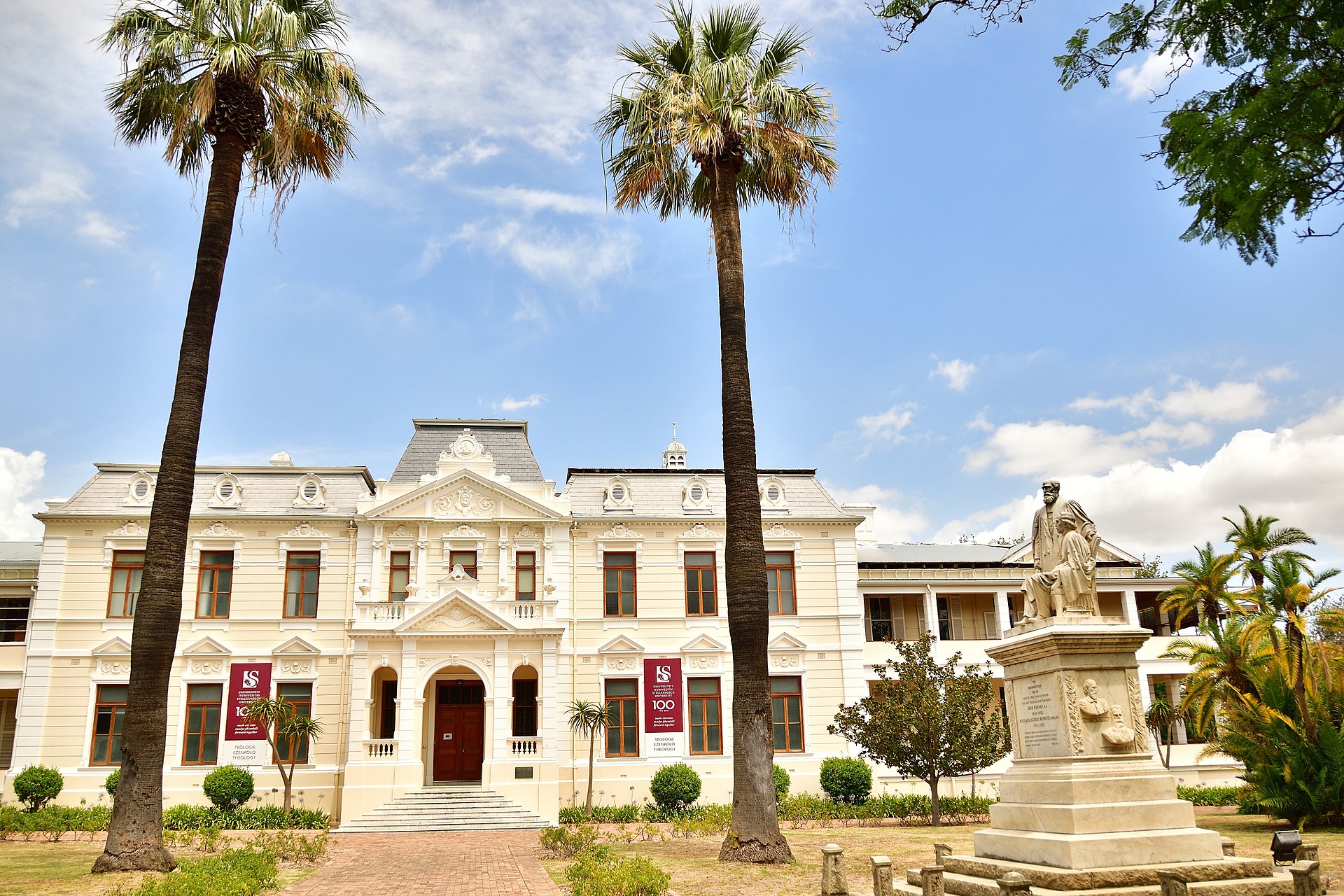
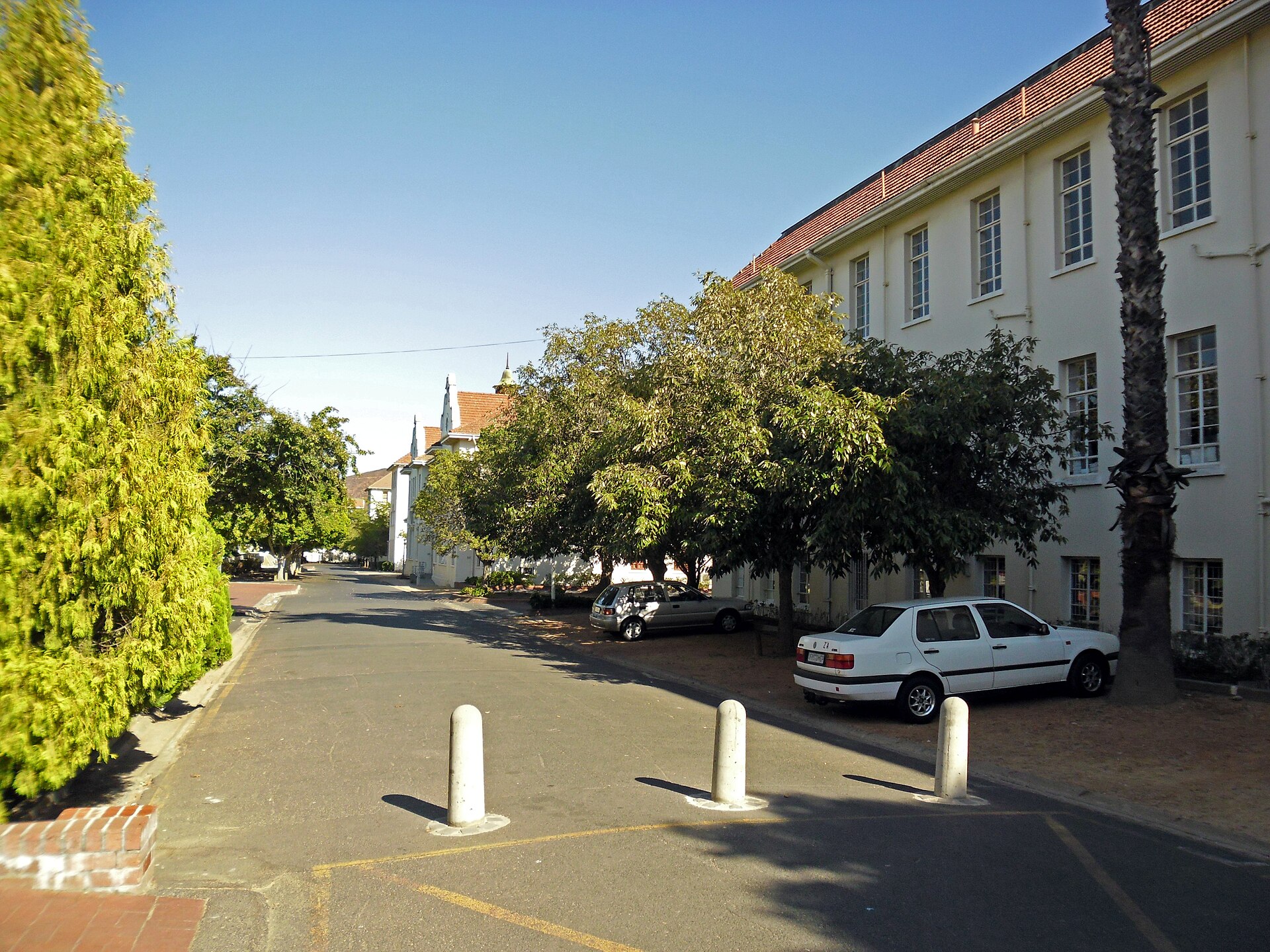
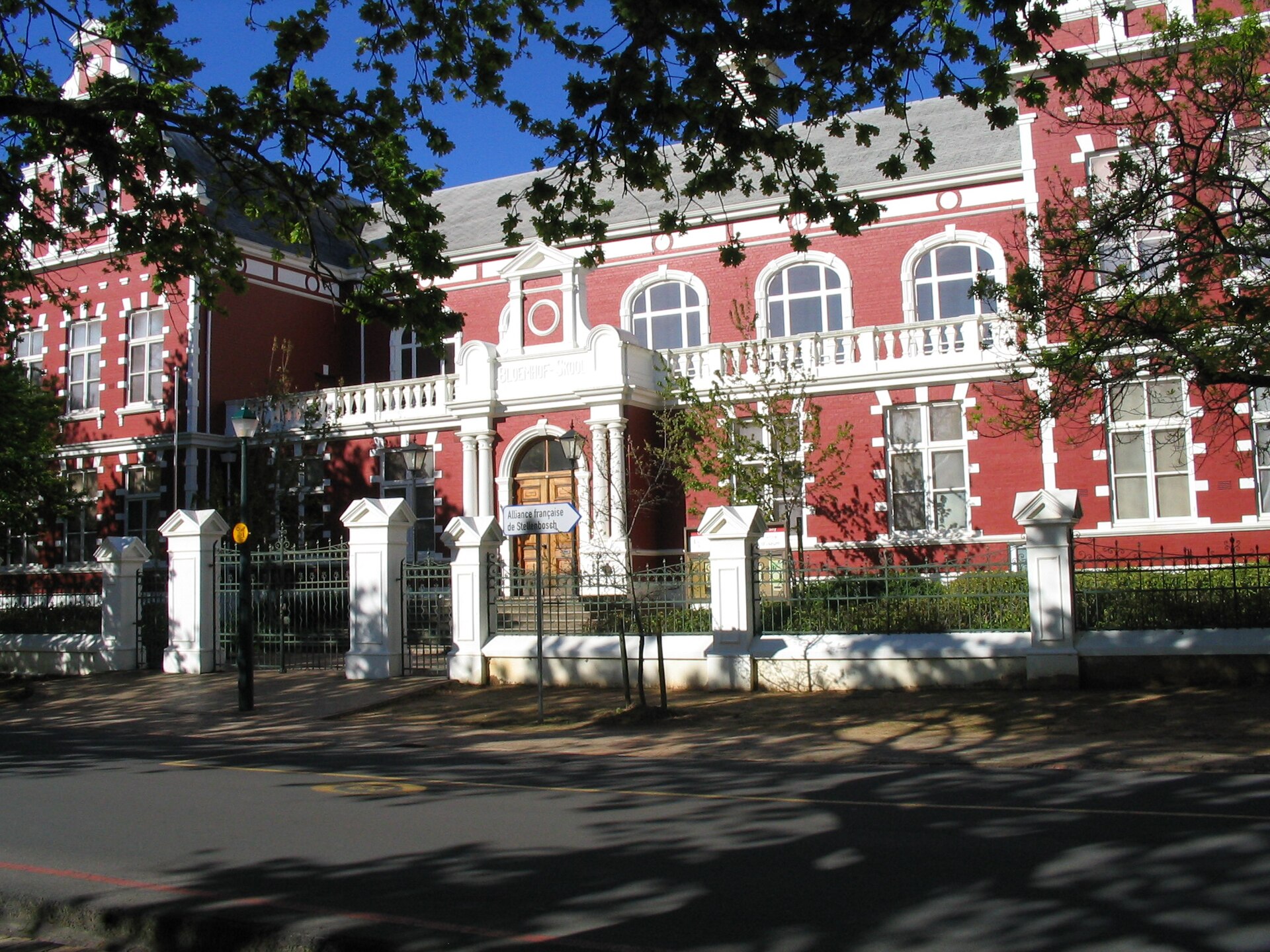
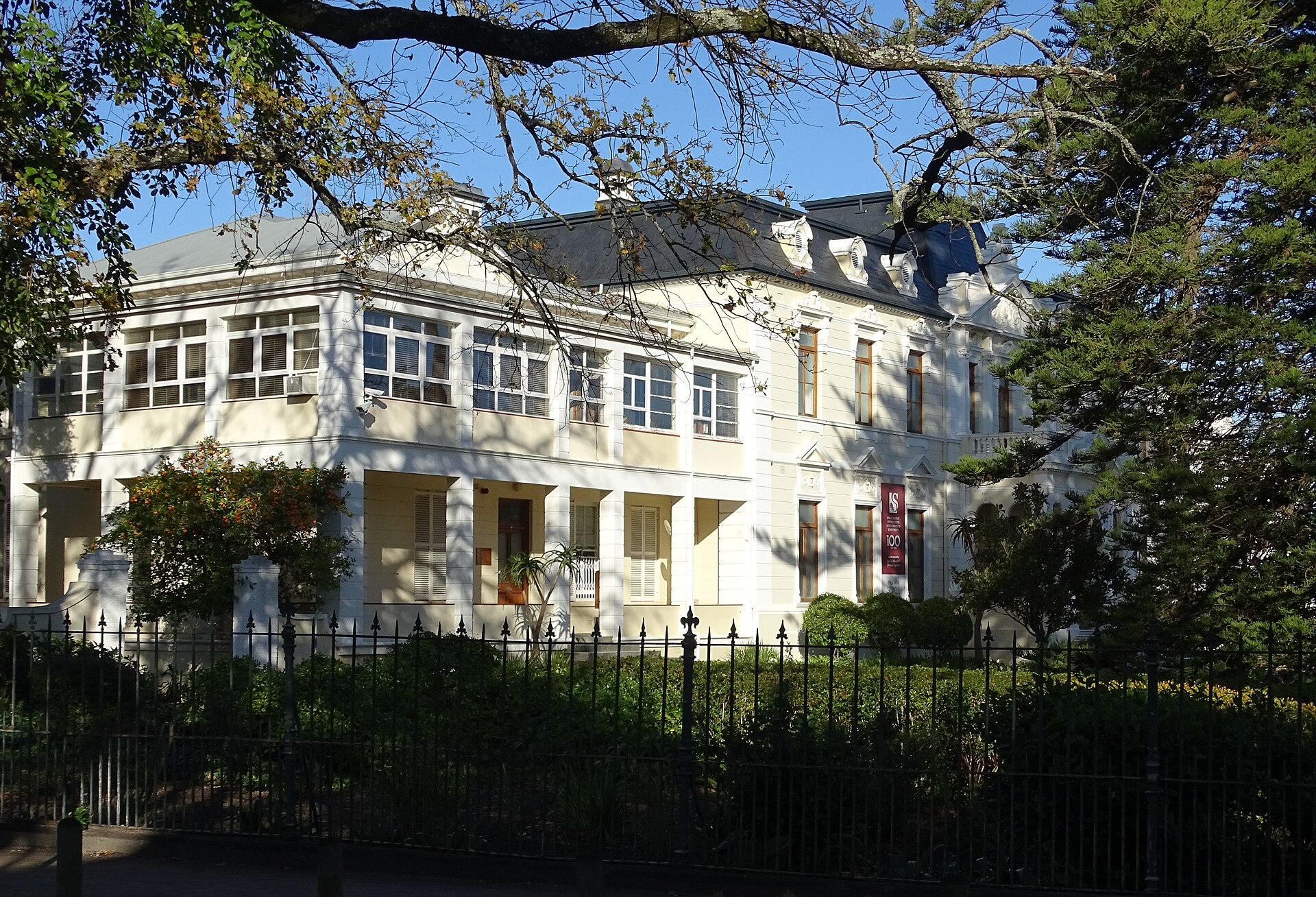
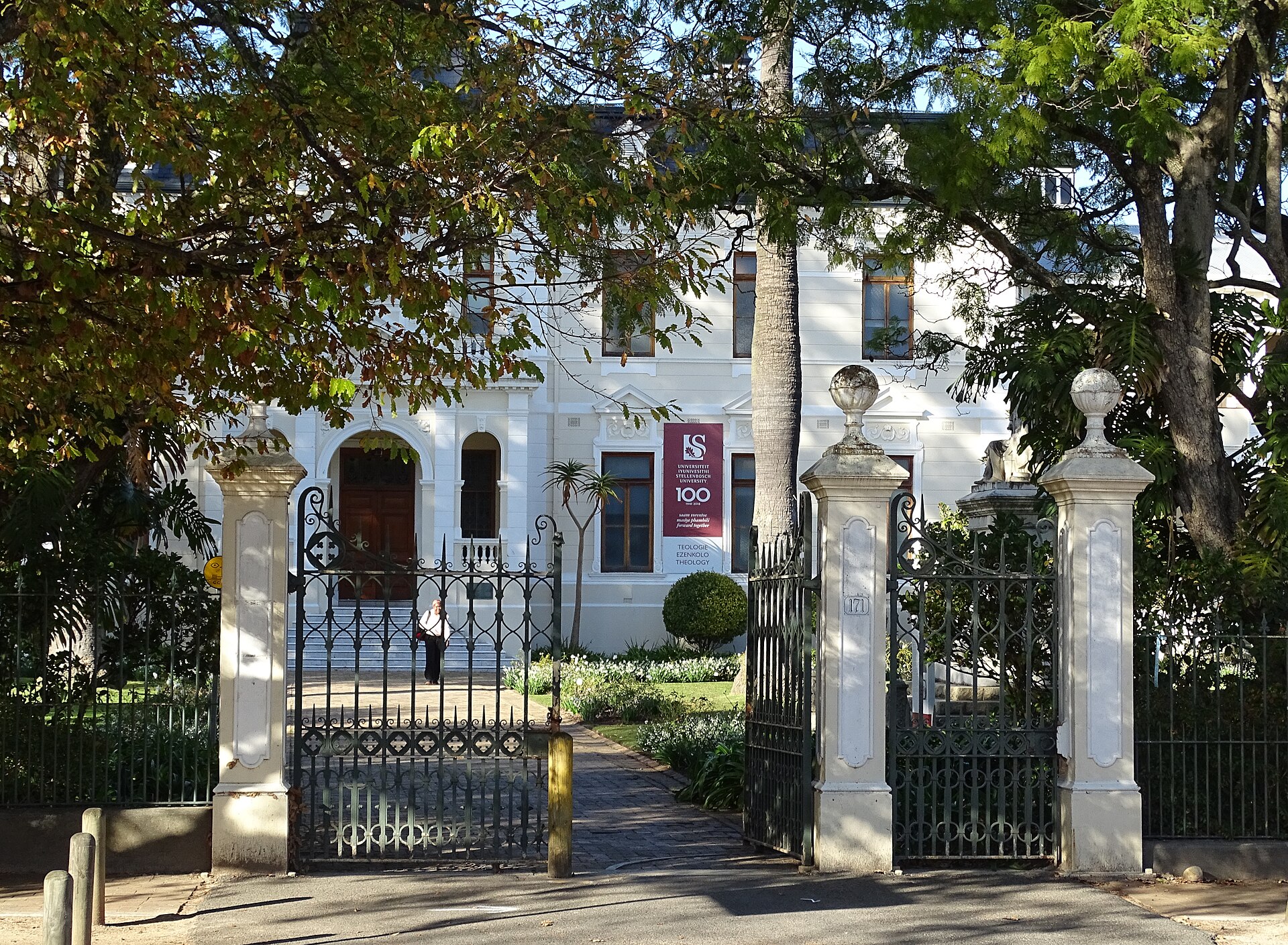
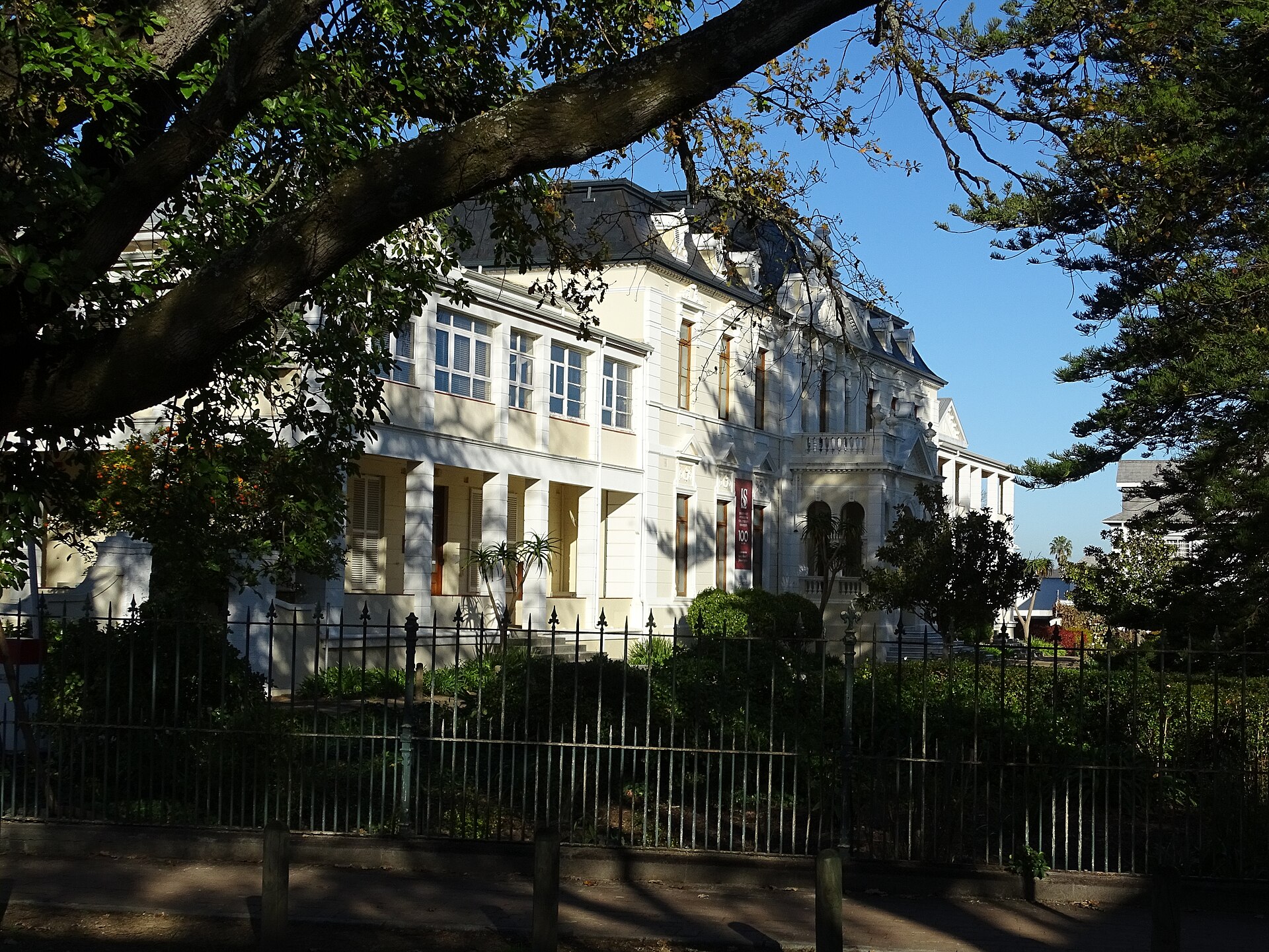
Why Stellenbosch University — Africa's Research Flagship
Stellenbosch is ranked among the top 300 universities in the world and 2nd in Africa by the Times Higher Education. It combines continental leadership in research with exceptional programmes, a historic campus, and proximity to one of the world's most spectacular cities.
Stellenbosch University Acceptance Rate & Admissions Profile
Stellenbosch University admits approximately 45% of applicants overall — making it moderately selective by global standards, but highly competitive for sought-after programmes such as Medicine, Engineering, and Law, where demand far exceeds supply. International applicants are evaluated based on academic qualifications, with the IB Diploma minimum set at 31 points. Strong performance in relevant subjects carries particular weight.
Stellenbosch University — Quick Facts
Stellenbosch University Application — What You Need to Submit
International students apply directly to Stellenbosch University through its online application portal. There is no central clearinghouse (no UCAS, no Common App). Admissions is primarily qualifications-based — your academic record is the core of your application. Verify current document requirements and deadlines at the official admissions page (www.su.ac.za).
What Stellenbosch University Looks For — The International Applicant Profile
Stellenbosch University's admissions process is qualification-driven. Unlike the holistic US model, your academic record is the dominant factor. That said, particularly competitive programmes use a points-based system factoring in your grades in relevant subjects — a strong IB score in the prerequisite subjects can make the difference.
Application Deadlines — When to Apply
Stellenbosch University runs on a January–December academic year. International applicants are strongly advised to apply as early as possible — well before the closing dates — to allow sufficient time for document verification and for obtaining a South African study permit. The following are indicative windows based on standard SU practice; always confirm the exact dates on the official admissions portal (www.su.ac.za) as they change each cycle.
Verify exact dates at www.su.ac.za — deadlines vary by faculty and change each year.
| Round | Period | Notes |
|---|---|---|
| Online Portal Opens | Typically April–May | For the following January intake |
| Recommended International Deadline | Typically June–July | Apply early to allow time for study permit |
| Official Closing Date | Typically September | Many competitive programmes close earlier; confirm per programme |
| Offer / Conditional Acceptance | October–November | Provisional acceptance letter issued for visa purposes |
| Academic Year Begins | Late January / February | Orientation for new students typically in late January |
Student Life at Stellenbosch — Campus, Culture & the Cape Winelands
Stellenbosch is a university town in the truest sense — the 32,000-strong student body shapes the rhythms of a small, walkable town of under 200,000 people. The Stellenbosch campus is one of the most beautiful in the world: historic Cape Dutch buildings, 300-year-old oak avenues, mountain backdrops, and a vibrant mix of cafes, restaurants, and student bars along Dorp Street.
Campus life at SU centres on its residences (known as 'houses'), each with a strong identity and culture. Students engage in a rich ecosystem of over 150 clubs and societies spanning sports, arts, politics, community service, and culture. Rugby is a national obsession (SU has produced Springbok legends), but cricket, athletics, and water sports also have strong followings. The International Office runs dedicated orientation and integration programmes for international students, and the international student community — roughly 10% of enrolment — has a visible presence on campus.
The greater Stellenbosch region is the heart of South Africa's wine country, offering extraordinary weekend experiences in the Franschhoek, Paarl, and Constantia valleys. Cape Town is 50 minutes by road, putting Table Mountain, Boulders Beach penguins, and world-class restaurants within easy reach.
Career Outcomes — Graduate Employment & Alumni Impact
Stellenbosch University graduates enjoy strong employment prospects both in South Africa and across the continent. With an employment rate of 86%, SU consistently outperforms many African peers in graduate outcomes. The average starting salary for SU graduates is approximately $17,000 per year (in USD terms) — modest by Western standards but highly competitive in the South African and pan-African context.
SU's strongest graduate employment pipelines run through Engineering, Accounting & Finance, Law, Computer Science, and Medicine. Major South African employers — Deloitte, PwC, KPMG, Standard Bank, FNB, Sasol, Anglo American, and JSE-listed corporates — actively recruit on campus. For international students, an SU degree carries strong recognition across sub-Saharan Africa, and graduates are well-positioned to enter careers in mining, finance, agribusiness, consulting, and healthcare across the continent.
Frequently Asked Questions — International Applicants
Can I apply to Stellenbosch with an IB Diploma?+
Yes. The IB Diploma is formally recognised by Stellenbosch University. The minimum entry threshold is 31 points, but competitive programmes such as Engineering and Health Sciences expect scores significantly above the minimum. Check the specific point requirement for your intended faculty on the SU website.
Does Stellenbosch require SAT or ACT scores?+
No. Stellenbosch University is effectively test-blind for SAT and ACT purposes — these US standardised tests are not part of the SU admissions process. Admission is based on your secondary qualification (IB, A-levels, NSC, or equivalent).
Is there a personal statement or essay required for undergraduate admission?+
For most undergraduate programmes, admission is grade-based and does not require a personal statement or essay. Exceptions include some arts and design programmes that request a portfolio or motivation letter. Always confirm the requirements for your specific programme on the SU admissions portal.
How do I obtain a South African study permit?+
Once SU issues you a conditional or unconditional acceptance letter, you apply for a study permit at your nearest South African embassy or consulate. Apply early — processing can take 4–8 weeks or more depending on your country. The SU International Office provides detailed guidance.
What language is teaching conducted in?+
Stellenbosch is committed to multilingualism. The majority of undergraduate programmes are offered in both English and Afrikaans, with some in English only. Medicine, Engineering, and most international-facing programmes are available in English. Confirm the medium of instruction for your specific programme before applying.
Are there scholarships available for international students?+
Yes. Stellenbosch University offers merit-based bursaries and postgraduate scholarships to international students. The university's postgraduate bursary office and faculty-specific bursaries are the primary routes for funded study. Additionally, external funders such as the African Development Bank, development foundations, and bilateral agreements (e.g. DAAD for German students) provide funding. Check www.su.ac.za/postgraduate for current availability.
How affordable is living in Stellenbosch?+
Very affordable by international standards. The total estimated cost of living (outside of tuition) is approximately $7,500 per year in USD terms, covering accommodation, food, transport, and personal expenses. On-campus residence accommodation is available and typically costs less than private rentals.
Is Stellenbosch University safe for international students?+
The Stellenbosch campus and town centre are generally considered safe by South African standards. The university has campus security, secure residences, and a well-established International Office that supports new arrivals with orientation. As with any South African city, students are advised to take standard urban safety precautions.
ACADEMIC EXPECTATIONS
Academic Requirements at Stellenbosch — What International Students Need to Know
Stellenbosch University is academically rigorous across all faculties, and international students must meet programme-specific entry requirements based on their secondary qualification. The admissions process is transparent: your grades in relevant subjects determine whether you qualify. This guide breaks down what the university expects and how to position yourself optimally as an IB, A-Level, or equivalently qualified international applicant.
Admitted Student Profile — Key Academic Benchmarks
Stellenbosch University sets programme-specific academic thresholds, not a university-wide cut-off. The following figures represent the minimum and typical expectations for international applicants.
Standardised Test Policy — No SAT / ACT Required
Stellenbosch University does not require or consider SAT or ACT scores for undergraduate admission. The university is effectively test-blind in the US/international standardised test sense. Academic selection is based entirely on your secondary school qualification — IB Diploma, A-Levels, South African NSC, or recognised international equivalents.
This is broadly consistent with how South African public universities operate: national and international secondary qualifications, assessed through a points system, determine eligibility. If you are an IB student, your total IB score and performance in Higher Level subjects relevant to your intended programme are what matter.
English proficiency tests (IELTS/TOEFL) are a separate category and ARE required for non-English-first-language applicants — see the English Requirements section.
IB Diploma & A-Level at Stellenbosch — How Your Qualification Is Assessed
Stellenbosch University formally recognises both the IB Diploma and Cambridge A-Levels as equivalent qualifications for undergraduate admission. Both are mapped to the South African university admissions points system (APS — Admission Point Score).
Always verify the specific APS or subject-score requirement for your intended programme on the SU official website — entry thresholds differ significantly between faculties.
Subject Preparation — What to Study in High School
Choosing the right IB subjects (or A-Level subjects) is essential for Stellenbosch University. Each faculty specifies prerequisite subjects, and missing one can disqualify you regardless of your total score.
English Language Requirements — IELTS, TOEFL & Exemptions
English proficiency is required of all non-English-first-language applicants. The following are the university minimums — individual faculties, especially Medicine and Law, may set higher thresholds.
These are minimum requirements. Competitive applicants should aim above these thresholds. Verify current requirements at www.su.ac.za.
| Test | Minimum | Notes |
|---|---|---|
| IELTS Academic | 6.5 overall | No individual band below 6.0 for most programmes |
| TOEFL iBT | 80 | Check faculty-specific requirements |
| Duolingo English Test | Not specified | Confirm acceptance with admissions office |
| IB English | Exempt if English A at HL/SL | IB students with English as their Group 1 language are typically exempt |
| Cambridge A-Level | Exempt if English first language medium | Confirm exemption with admissions office based on school medium |
Building Your Profile — A Year-by-Year Roadmap
Because Stellenbosch is primarily grade-driven, every academic year matters. Use this ladder to plan your secondary school years effectively.
Common Academic Mistakes — How International Applicants Stumble
- Applying without checking programme-specific prerequisites — a high IB total does not compensate for a missing subject requirement
- Sitting English language tests too late — IELTS/TOEFL results must be available before the application deadline
- Assuming the 31-point IB minimum means easy entry — competitive programmes routinely require scores far above the minimum
- Neglecting to have documents certified and translated — uncertified or untranslated documents are a common cause of delays
- Missing the international applicant deadline — applying in September (the local closing date) gives you insufficient time to obtain a study permit before January
- Not confirming the medium of instruction — some programmes are offered in Afrikaans only or are bilingual; if you need English-medium instruction, verify this before applying
- Underestimating the competitiveness of Medicine — MBChB has extremely limited international spots; have genuine alternative programme plans
Faqs Section
Academic FAQs — International Students
How does SU handle predicted IB grades?+
SU issues conditional offers based on your predicted IB scores provided by your school. Once your final IB results are published in July, SU confirms or revises your offer. Ensure your predicted grades are realistic and strongly supported by your Year 11 performance.
Is there an entrance exam for international students?+
Generally, no. SU does not run a separate entrance exam for most programmes. Admission is based on your secondary qualification results. Architecture and Fine Arts may require portfolio submissions — confirm on the SU website.
Can I study some subjects in English and others in Afrikaans?+
Stellenbosch has a parallel-medium approach for many undergraduate courses, meaning both English and Afrikaans sections are offered. You can choose your language of instruction for most modules. Confirm the options for your specific programme during registration.
How competitive is Engineering at Stellenbosch?+
Engineering is highly competitive, particularly Electrical, Mechanical, and Civil Engineering. The faculty receives significantly more applications than there are places. Strong HL Maths and Physics in IB (scores of 6 or 7) are typically needed for genuine competitiveness.
COST & FINANCIAL AID
The Cost of Studying at Stellenbosch — Exceptional Value for International Students
Stellenbosch University offers some of the most affordable high-quality higher education available to international students anywhere in the world. Annual tuition for international students is approximately $5,500, and the full cost of attendance — including accommodation, food, and living expenses — is around $13,000. By comparison, a similar-ranked institution in the US, UK, or Australia might cost 5–8 times as much per year.
All figures are approximate USD equivalents. Actual costs are set in South African Rand (ZAR) and will vary with exchange rates. Verify current fees at www.su.ac.za.
Annual Cost Breakdown — Estimated Figures for International Students
The following are annual cost estimates based on available data. Tuition varies by faculty and programme; check the SU fee schedule for your specific programme.
Figures are USD equivalents and subject to ZAR exchange rate fluctuations. Always verify the current ZAR-denominated fee schedule on the official SU website.
| Component | Estimated Usd | Notes |
|---|---|---|
| Tuition & Academic Fees | ~$5,500 | Varies by faculty; set in ZAR annually |
| Living Expenses (accommodation, food, transport) | ~$7,500 | Lower in SU residence than private accommodation |
| Total Estimated Cost of Attendance | ~$13,000 | Per academic year |
| Application Fee | ~$25 | Non-refundable; payable online |
Financial Aid Policy — What's Available to International Students
Stellenbosch University offers need-based and merit-based financial assistance to international students, though funding is more limited than for South African citizens. Approximately 20% of international students receive some form of financial assistance through the university or external sources.
The primary sources of financial aid for international undergraduates include faculty bursaries, postgraduate scholarships (more available than undergraduate), and external bilateral and development funding (e.g. DAAD for German nationals, African Development Bank, and various government scholarship programmes). International undergraduate bursaries from SU itself are limited — planning for self-funding is prudent, while actively pursuing all external funding options.
Confirm the current financial aid opportunities and application process at www.su.ac.za or by contacting the SU International Office directly.
Scholarships & Bursaries — What to Look For
While specific scholarship amounts change annually and must be confirmed on the official website, several categories of funding exist for international students. Always verify current offerings directly with SU and relevant external funders.
Do not rely on any scholarship information not confirmed directly on the official SU website or with the relevant funder — scholarship terms change annually.
The Real Cost Picture — Affordability & Currency Advantage
For international students from hard-currency countries (USD, EUR, GBP, AUD, etc.), Stellenbosch University represents extraordinary value. At an exchange rate that regularly sees the South African Rand at 18–20 ZAR per US dollar, the total annual cost of approximately $13,000 buys an education at a top-300 global university with a quality of life that is genuinely outstanding.
The Stellenbosch cost profile compares as follows: total cost of attendance is roughly equivalent to one semester of fees at many US state universities, and less than one semester of tuition alone at most UK or Australian universities of comparable global ranking. For families who can manage international transfers in Rand-equivalent, the currency advantage is substantial. Students from lower-income countries should plan carefully: while costs are low in absolute terms, they remain significant relative to many African economies, and SU financial aid for international undergraduates is limited.
Plan for healthcare costs: South Africa has good private medical care but it is expensive without insurance. All SU students are required to have medical aid cover. International student medical aid plans are available through the SU International Office.
How to Fund Your Stellenbosch Education — Step-by-Step Guide
Cost & Aid FAQs — What International Students Ask
Is Stellenbosch University affordable for international students from Africa?+
This depends significantly on your country and its currency. For students from hard-currency economies, SU is very affordable. For students from countries with weaker currencies (many sub-Saharan African nations), the ZAR cost can still be substantial relative to local income. External scholarships and bilateral agreements are important to research.
Can I work part-time in South Africa as an international student?+
South African study permits allow limited part-time work (up to 20 hours per week during term time under certain conditions). However, this depends on the terms of your specific study permit — confirm with SU's International Office and South African immigration authorities before relying on part-time income.
Are fees quoted in USD or ZAR?+
All SU fees are officially set and billed in South African Rand (ZAR). The USD figures in this guide are estimates for planning purposes and will change with exchange rates. Always convert from the official ZAR fee schedule on the SU website.
Does SU offer no-loan financial aid?+
SU bursaries (where available) are grants and do not need to be repaid. There is no loan programme run by the university for international students. South African student loans (NSFAS) are available only to South African citizens.
How much does on-campus accommodation cost?+
On-campus residence accommodation at Stellenbosch is typically cheaper than private rentals in the Stellenbosch area, but demand is high and places are limited. Current ZAR residence fees are published annually on the SU website. Apply for residence accommodation as soon as you receive your acceptance letter.
APPLICATION & STATEMENT GUIDE
Applying to Stellenbosch University — A South African Direct-Application System
Stellenbosch University does not use the Common App, UCAS, or any centralised application platform. International students apply directly through SU's own online portal. For most undergraduate programmes, admission is qualification-based — your grades, not a personal essay, determine the outcome. This tab guides you through the application process, the limited cases where a motivation letter matters, and how to present yourself effectively when writing is required.
South Africa operates a direct university application model. There are no 'supplemental essays' in the US sense. If your programme requires a motivation letter, treat it as a professional statement of purpose, not a US-style personal narrative.
How the Application Works — Direct Online Portal
The SU admissions process is straightforward by international university standards. You submit one application per university — directly to SU's portal — and the review is primarily academic.
Required Documents — Your Application Checklist
Getting your documents right is critical. Incomplete or uncertified submissions are the most common reason applications are delayed. Prepare all of the following before starting your online application.
When a Motivation Letter Is Required — How to Write It Well
If your programme at Stellenbosch requires a motivation letter or statement of purpose, treat it as a concise, professional document — not a US-style personal narrative. SU motivation letters typically run 1–2 pages and answer a focused set of questions about your academic interests and professional goals.
The most effective SU motivation letters (where required) do three things clearly: they explain why you have chosen this specific programme at Stellenbosch University; they demonstrate that you understand what the programme entails and are academically prepared for it; and they articulate what you intend to do with the qualification. Avoid generic statements ('I have always been passionate about...') and focus on specific, concrete reasons grounded in your academic record and genuine career intentions.
Writing for Scholarship Applications — When Your Written Statement Really Matters
While most undergraduate admission at Stellenbosch is grades-based and does not require an essay, scholarship applications often do. SU merit bursaries and external development scholarships typically require a written motivation or personal statement as part of the selection process.
Scholarship statements at SU and for South Africa-focused external funders (such as the Mastercard Foundation or DAAD) typically ask you to address: your academic achievement and why you deserve the award; your financial need (for need-based bursaries); your connection to or intended contribution to Africa's development; and your specific plans after graduation. These are different from a US personal essay — they are purpose-driven, evidence-based, and should clearly link your background to your goals.
Choosing What to Write About — For Motivation Letters & Scholarship Essays
The best motivation letters and scholarship essays for Stellenbosch and South African scholarship applications share one quality: they are specific. The more precisely you can tie your narrative to SU's actual programmes, research strengths, and the real-world context of the region, the more compelling your application becomes.
Common Application Mistakes — What to Avoid
- Applying without checking prerequisite subjects — a missing subject disqualifies you regardless of your total score
- Missing the recommended international deadline (June–July) by waiting until the local closing date — this leaves insufficient time for a study permit
- Submitting uncertified or untranslated documents — these are rejected and will delay your application
- Writing a generic motivation letter that could apply to any university — specificity to SU's programmes and the South African context is essential
- Neglecting the medical aid requirement — this is compulsory and must be arranged before arrival
- Forgetting to apply for on-campus accommodation — residence places fill up fast and late applicants end up in private rentals
- Assuming that Afrikaans instruction is unavoidable — many programmes are fully English-medium, but you must verify this for your specific programme
- Not applying for a study permit immediately upon receiving your acceptance letter — delays here can prevent you from starting on time
Application FAQs — Essays, Documents & the Process
Do I need to write a personal statement to get into Stellenbosch?+
For most undergraduate programmes at SU, no personal statement or essay is required. Admission is primarily grade-based. Some faculties (Fine Arts, Architecture, certain postgraduate programmes) require a motivation letter or portfolio — check the specific requirements for your programme on the SU website.
Is there an interview as part of the Stellenbosch admissions process?+
For most undergraduate programmes, there is no admission interview. Some health sciences programmes and some postgraduate selections may involve an interview. Confirm with the relevant faculty if you are applying to a potentially interview-based programme.
How long should a motivation letter be if required?+
Typically 1–2 pages (approximately 500–800 words). Be focused and direct — admissions readers at SU are not looking for the narrative length expected in US applications. Clarity and relevance matter more than length.
Can I apply to multiple programmes in one application?+
Yes. The SU online application allows you to list multiple programme choices in order of preference. This is advisable — especially for highly competitive programmes like Medicine — so that a strong academic profile is considered for your alternative preference if your first choice is not offered.
What happens after I submit my application?+
SU will acknowledge receipt, process your documents, and assess your qualifications against the programme requirements. Communication will come via email and through the application portal. Conditional offers are typically issued 1–3 months after the closing date for most programmes.
Do I need a South African study permit before SU gives me an offer?+
No — the sequence is: apply to SU, receive an acceptance letter from SU, then apply for your study permit using that acceptance letter. You cannot get a study permit without the acceptance letter, and SU cannot give you an acceptance letter without your application. Start the process early because the permit takes time to process.
Courses — schools, degrees & intake
54 degrees across 10 groupings.
Faculty of AgriSciences · 8 degrees
BScAgric (Agronomy)
BScAgric (Animal Sciences)
BScAgric (Agricultural Economics)
BScAgric (Horticulture)
BSc Forestry
BSc Conservation Ecology
BSc Food Science
BSc Viticulture and Oenology
Faculty of Arts and Social Sciences · 5 degrees
BA (Bachelor of Arts)
BMus (Bachelor of Music)
BDram (Bachelor of Drama and Theatre Studies)
BA (Fine and Applied Arts)
BA (Visual Communication Design)
Faculty of Economic and Management Sciences · 9 degrees
BAcc (Bachelor of Accounting)
BCom (Business Management)
BCom (Economics)
BCom (Financial Management)
BCom (Human Resource Management)
BCom (Investment Management)
BCom (Logistics Management)
BCom (Law)
BCom (Marketing Management)
Faculty of Education · 3 degrees
BEd (Foundation Phase Teaching)
BEd (Intermediate Phase Teaching)
BEd (Senior Phase and FET Teaching)
Faculty of Engineering · 7 degrees
BEng (Chemical Engineering)
BEng (Civil Engineering)
BEng (Electrical and Electronic Engineering)
BEng (Industrial Engineering)
BEng (Mechanical Engineering)
BEng (Mechatronics Engineering)
BEng (Computer Engineering)
Faculty of Law · 1 degrees
LLB (Bachelor of Laws)
Faculty of Medicine and Health Sciences · 9 degrees
MBChB (Bachelor of Medicine and Bachelor of Surgery)
BNurs (Bachelor of Nursing)
BOptom (Bachelor of Optometry)
BSc Dietetics
BSc Human Life Sciences
BPhysT (Bachelor of Physiotherapy)
BOccupT (Bachelor of Occupational Therapy)
BSc Sport Science
BSc Speech, Language and Hearing Therapy
Faculty of Military Science · 1 degrees
BMil (Bachelor of Military Science)
Faculty of Science · 9 degrees
BSc (Biological Sciences)
BSc (Chemistry)
BSc (Computer Science)
BSc (Mathematical Sciences)
BSc (Physics)
BSc (Actuarial Science)
BSc (Geoinformatics)
BSc (Earth Sciences)
BSc (Psychology)
Faculty of Theology · 2 degrees
BTh (Bachelor of Theology)
BDiv (Bachelor of Divinity)
Want your real chances at Stellenbosch University?
Create a free TYCHR account for your personalised admit-chance, a shortlist you can track, exact entry requirements, and essay + counselling help.