Sorbonne University
Paris, France · Urban
PARIS, FRANCE · QS #59 · THE #75 · HERITAGE SINCE 1257
Sorbonne University Admissions Guide for International Students
Sorbonne University — born from the 2018 merger of the historic Paris-Sorbonne and Pierre and Marie Curie universities — carries a scholarly lineage stretching to 1257. It is one of Europe's premier comprehensive research universities, world-renowned in the sciences, medicine, and the humanities. For international students, it offers an extraordinary combination of academic depth, Parisian intellectual culture, and among the lowest tuition fees of any globally ranked university.
This guide explains exactly how international students apply to Sorbonne, what the French application system requires, how the motivation letter works, and how to build a competitive profile — whether you are targeting an undergraduate programme taught in French or one of the English-taught master's programmes in science and engineering.
Campus
Sorbonne University — campus in pictures
Real, freely-licensed photographs of the campus (via Wikimedia Commons).
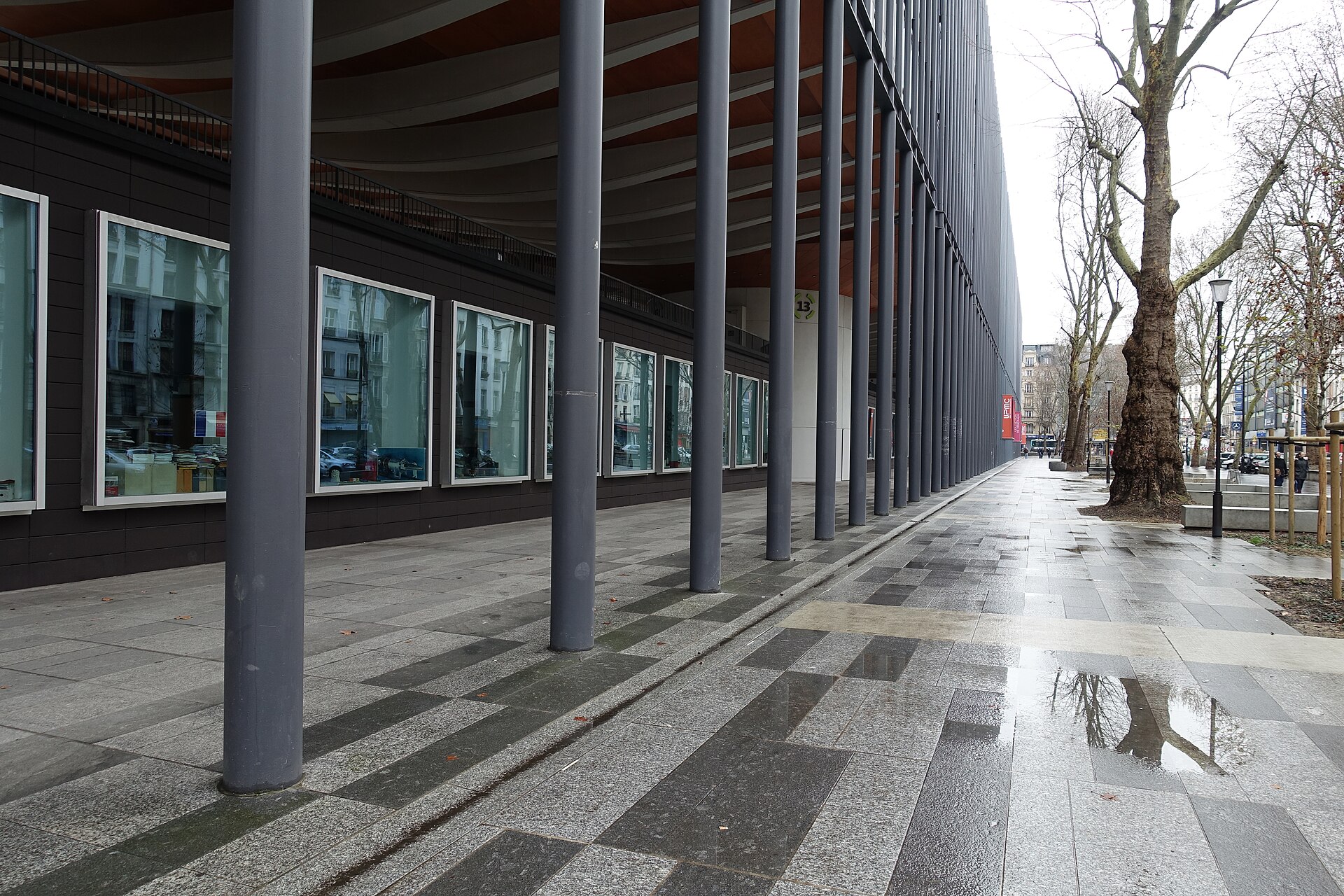
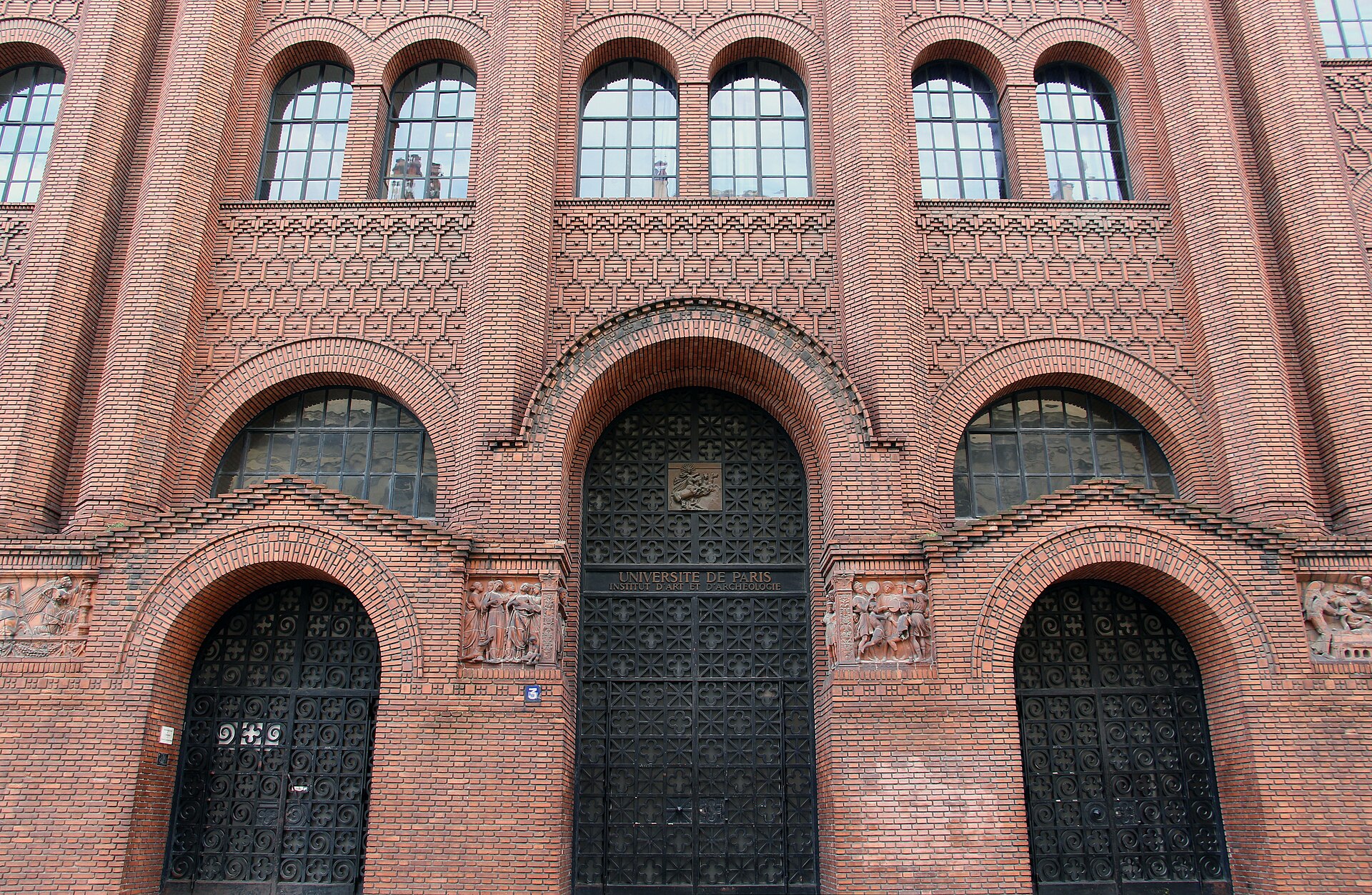
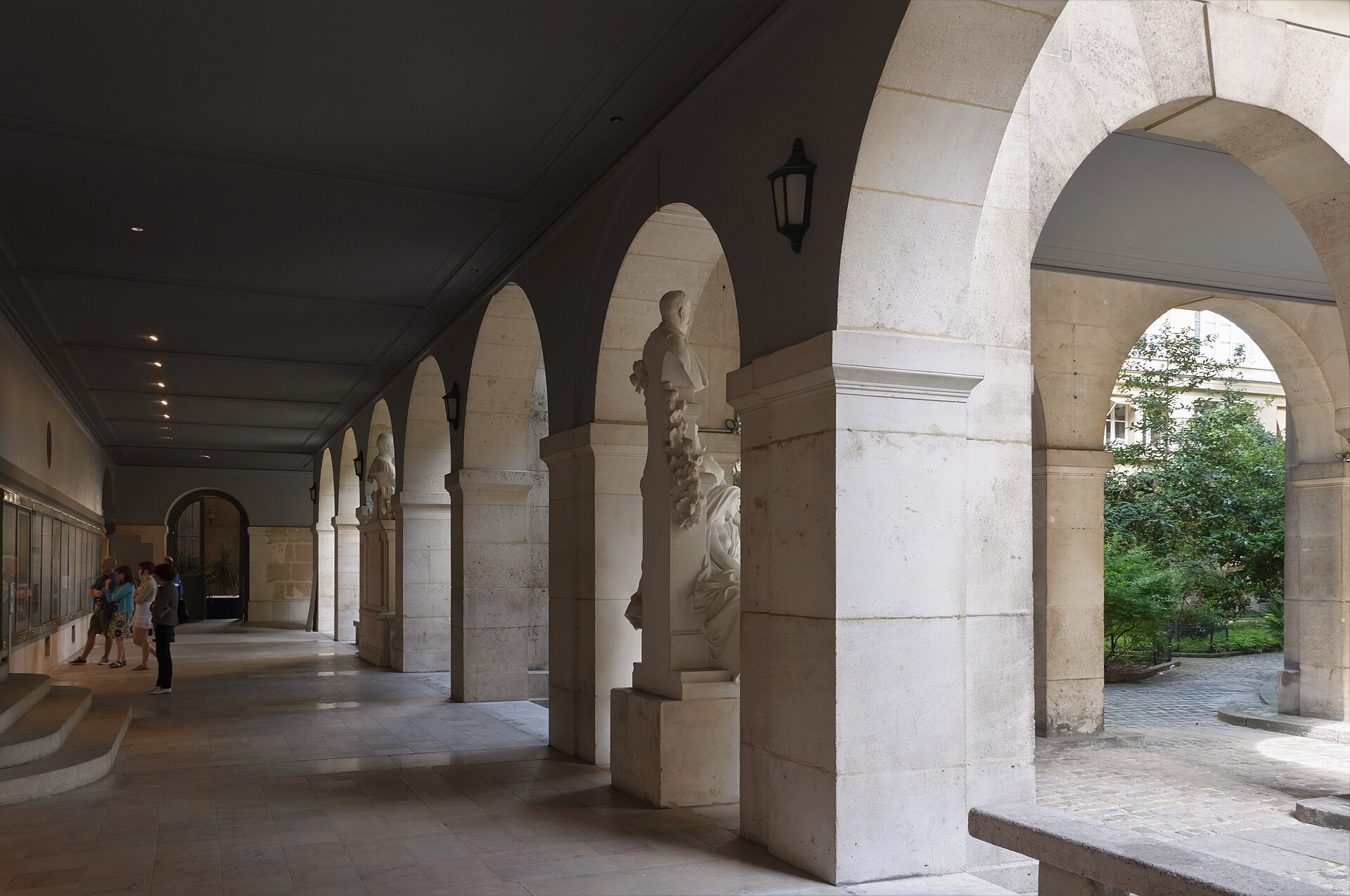
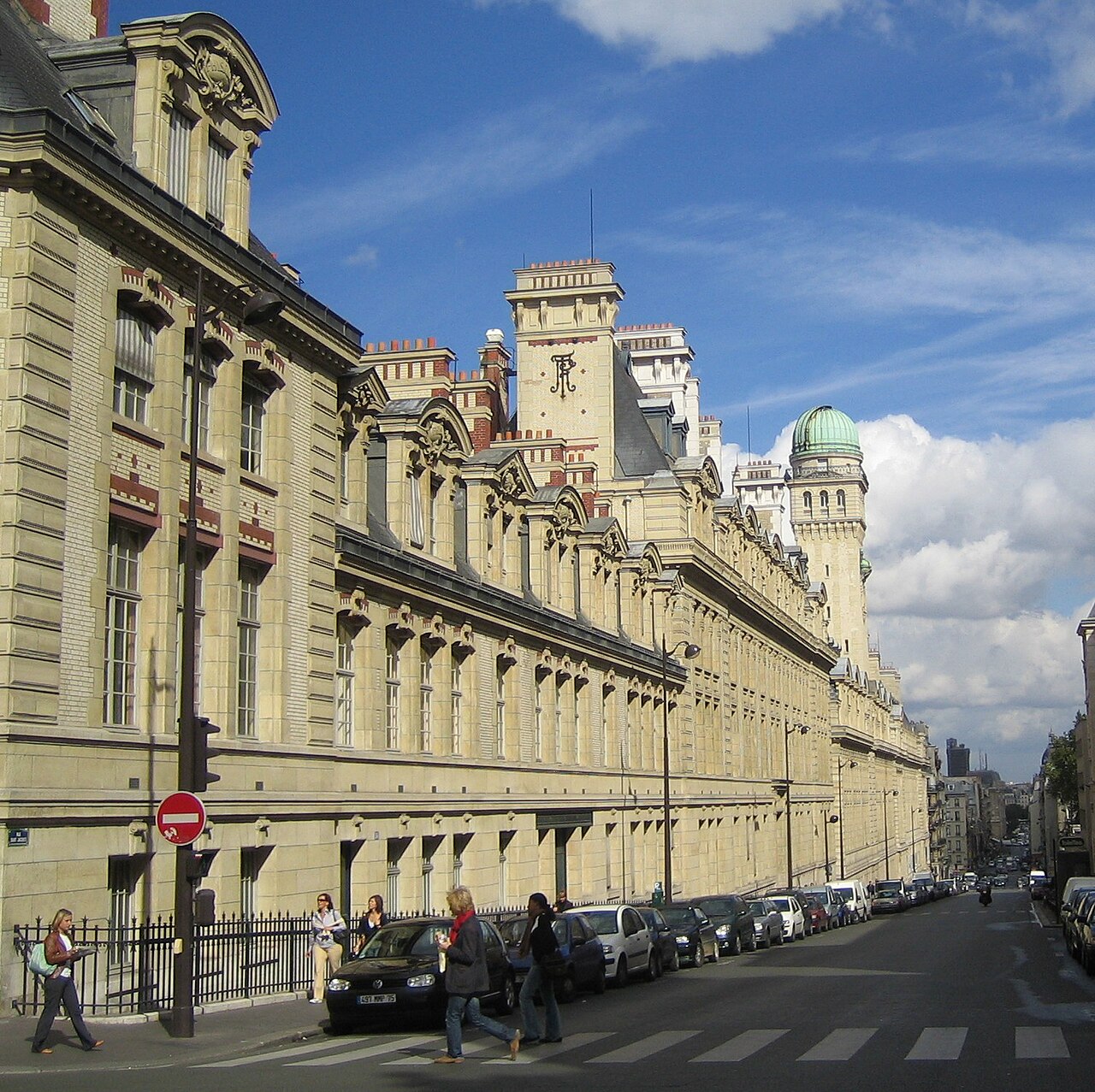
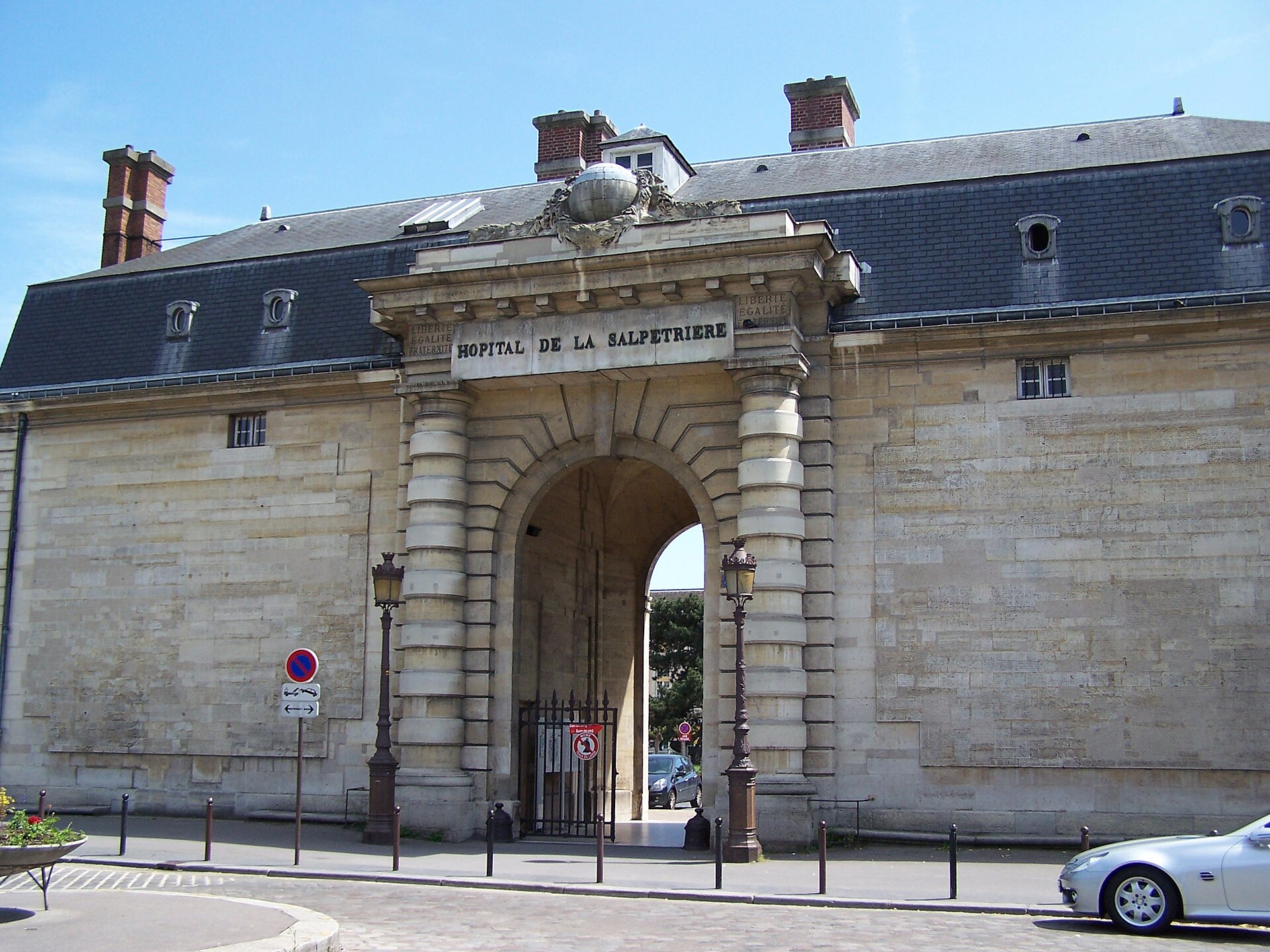
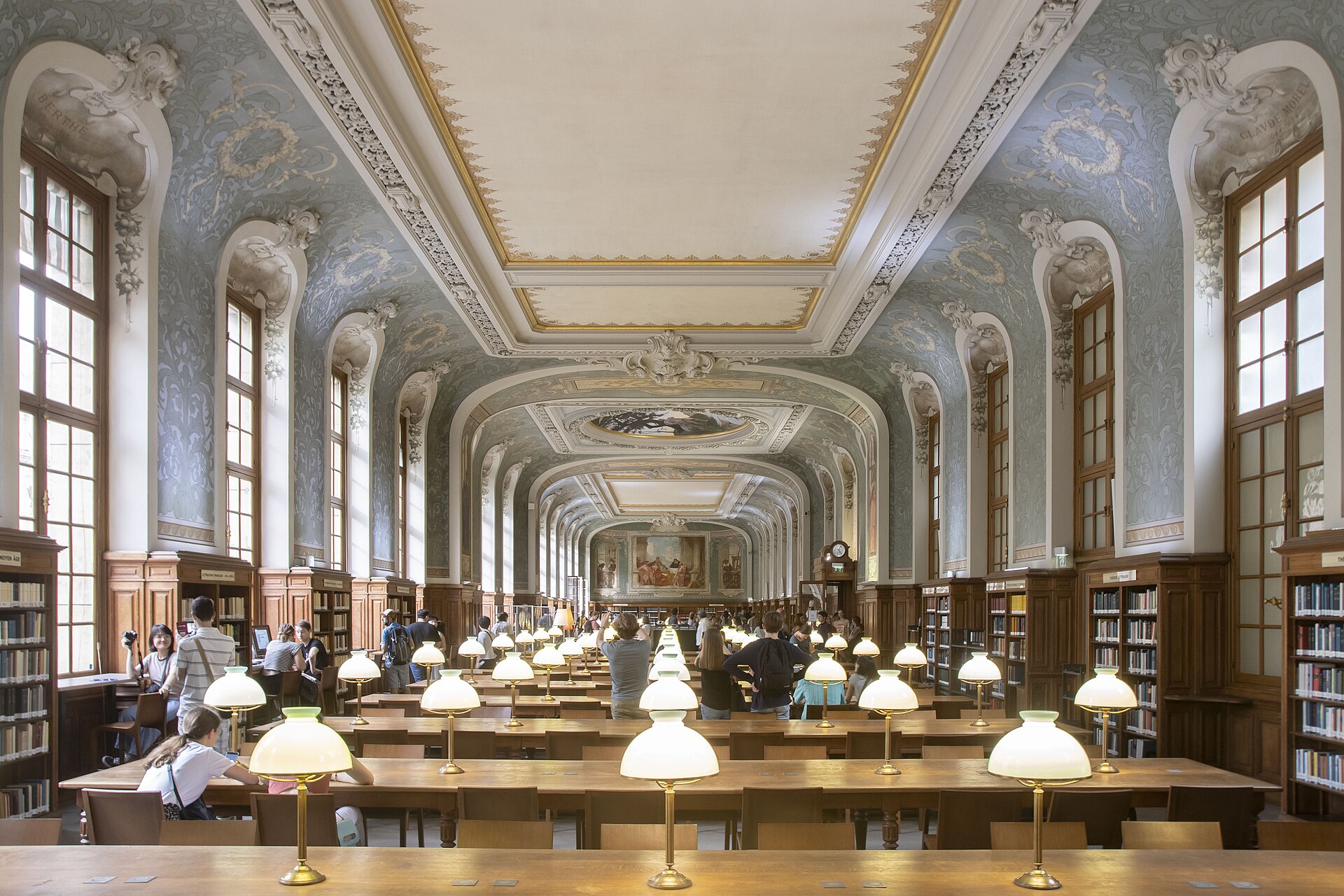
Why Sorbonne University — Legacy, Research Excellence & Paris
Sorbonne University is not simply a famous name — it is one of the most research-intensive universities in Europe, with particular strength in physics, mathematics, life sciences, and the humanities. Its combination of global prestige, public affordability, and location in central Paris makes it a genuinely distinctive choice for ambitious international students.
Sorbonne University Acceptance Rate & Admission Profile
Sorbonne's ~30% acceptance rate is an all-applicant figure. Non-EEA international students applying through the DAP system face a more competitive path — their applications pass through Campus France and embassy review before reaching the university. The effective rate for international applicants is meaningfully lower than the headline figure.
Stats
Profile Stats
Rea Vs Rd
Sorbonne Admissions Requirements — Academics, French Proficiency & Motivation
- IB: minimum 32 points; competitive applicants to science/medicine score higher
- A-Level: strong A and A* results in relevant subjects required
- French Bac: typically 14/20 or above in spécialités relevant to the programme
- Consistent performance in the final two years carries more weight than early-school results
- Accepted certificates: DELF B2/C1, DALF C1/C2, TCF B2/C1, TEF B2/C1
- B2 is the minimum; C1 is the competitive target for most programmes
- Native French speakers and those who completed secondary school in French are exempt
- English-taught master's programmes: IELTS 6.5 or TOEFL iBT 88 instead
- DAP (bachelor's year 1): up to 2,500 characters in French
- eCandidat (master's / transfers): typically one to two pages
- Must be programme-specific — generic letters are a common rejection reason
- French-taught programmes: letter must be written in French
Sorbonne Application Components — Campus France, Documents & Motivation
Sorbonne uses the French national application system rather than a common application portal. The process varies by level (bachelor's vs master's) and by whether you apply through the DAP route (Campus France / Études en France platform) or the eCandidat system. Each component is described below.
Sorbonne Motivation Letter — Writing a Compelling Lettre de Motivation
Prompts
Tips
What Sorbonne Admissions Evaluates
Sorbonne's admissions process is primarily academic-record-based rather than holistic in the American sense. Each faculty's admissions commission reviews applications based on specific criteria. Understanding what matters — and what doesn't — will help you prepare a well-targeted application.
Sorbonne Financial Aid, Scholarships & Cost Reality for International Students
Sorbonne's most distinctive financial feature is its regulated public tuition — among the lowest of any globally ranked university. Financial support comes from competitive French government scholarships, European funding programmes, and French student welfare benefits. Unlike major US universities, there is no centralised need-blind aid programme; funding requires proactive research and early applications.
Figures reflect published French government and Sorbonne official data. Aid awards vary by competition and individual circumstances — verify current amounts on official programme pages.
Stats
Contribution Tiers
| Range | Percent | Percent Value | Note |
|---|---|---|---|
| Eiffel Excellence Scholarship | Competitive | 90 | French government programme — ~€1,181/month for master's |
| Excellence-Major Scholarship | Competitive | 75 | For outstanding students with French Bac from Lycée abroad |
| CROUS Social Aid Grant | Means-tested | 60 | For students with demonstrated financial need |
| CAF Housing Allowance (APL) | Automatic | 50 | €50–€250/month reduction on eligible accommodation |
| CROUS Canteen Subsidy | Universal | 100 | Meals at €1–€3.30 for all enrolled students |
Key Dates
Advantages
- Designed specifically for non-EEA first-year bachelor's applicants
- Embassy interview gives Campus France a richer view of your study project
- Processed by trained international student officers familiar with your home system
- Structured timeline gives clear milestones from November through April
- Strong dossier at DAP stage reaches the university with Campus France endorsement
Disadvantages
- Process begins in November — very early for Year 13 students
- Motivation text strictly limited to 2,500 characters in French
- Embassy interview requires physical presence in your home country
- Limited to first-year entry — transfers and master's use a separate route
- Decisions by April 30 — less time to compare offers or plan alternatives
The Campus France Interview — Format, Questions & Preparation
Most non-EEA students applying through the DAP system participate in a Campus France interview at the French Embassy or Campus France office in their home country. This is not a traditional academic interview — it is a structured conversation to assess the seriousness and coherence of your study project and, for French-taught programmes, your French language ability.
Meta
Questions
Housing in Paris — CROUS Residences, Private Options & the Latin Quarter
Sorbonne has no mandatory residential campus. Students in Paris live independently — in CROUS student residences, private student halls, or shared apartments. Housing is a real planning challenge in Paris: prices are high and CROUS places are in strong demand. Understanding the options and acting early are essential.
Lottery Steps
- Applications for CROUS housing open in January for the following September — apply immediately when the portal opens at trouverunlogement.lescrous.fr
- CROUS places are allocated based on social criteria (financial need, geographic distance, family situation) — not academic merit
- Accepted applicants receive a room assignment by late spring / early summer
- CROUS residences run by the student welfare network: subsidised rates, basic but functional single rooms
- Students who do not receive CROUS housing must find private accommodation — private student halls or shared apartments (colocations)
Houses
Sorbonne's Three Faculties & Academic Structure
- {"label":"QS subject strength","value":"Top 50 globally — Physics & Astronomy"}
- {"label":"English-taught master's programmes","value":"9"}
- {"label":"Key disciplines","value":"Maths, Physics, Chemistry, CS, Life Sciences"}
- {"label":"Research affiliation","value":"CNRS joint laboratories on-site"}
- {"label":"Hospital campus","value":"La Pitié-Salpêtrière — one of Europe's largest"}
- {"label":"First-year entry system","value":"PASS or LAS (competitive internal selection)"}
- {"label":"Key research areas","value":"Neuroscience, oncology, cardiology, rare diseases"}
- {"label":"Research affiliation","value":"INSERM units on-site"}
- {"label":"Heritage","value":"Direct heir to the original 1257 Sorbonne"}
- {"label":"Key disciplines","value":"French literature, philosophy, history, classical studies, linguistics"}
- {"label":"Language of instruction","value":"French (near-native French required)"}
- {"label":"Location","value":"Historic Sorbonne building, Latin Quarter"}
Research & Student Life at Sorbonne University
Career Outcomes & Graduate Prospects at Sorbonne University
Sorbonne graduates enter a wide range of careers across research, industry, government, and the cultural sector. The university's strong research culture means a significant share of graduates — especially in science and medicine — continue to doctoral study and academic or industry research careers. The Sorbonne name carries strong recognition across Europe and among global employers.
Stats
Categories
Our Sorbonne Admissions Track Record & Student Success Stories
Faqs
Can I study at Sorbonne in English?+
At the bachelor's (Licence) level, essentially all programmes are taught in French — there are no English-taught undergraduate degrees. If you do not have strong French (B2 minimum, C1 for most programmes), you will not be eligible for undergraduate admission. At the master's level, Sorbonne offers nine English-taught programmes in science, engineering, and computer science — including the Paris Physics Master, the DIGIT Computer Science programme, and the High Performance Computing master's. These are the right entry point for non-French-speaking international students.
What French level do I need to apply to Sorbonne?+
For French-taught programmes, you need a demonstrated B2 level at minimum — and most competitive applicants have C1 or C2. Accepted certificates include DELF B2/C1, DALF C1/C2, TCF, and TEF. Native French speakers from Francophone countries and students who completed secondary school in French are generally exempt. Begin your French preparation at least 12–18 months before your target application year.
Does Sorbonne require SAT or ACT scores?+
No. The French university application system does not use SAT or ACT scores. Admission is based on your secondary school academic record, French proficiency certification (for French programmes), and the motivation letter. Your IB, A-Level, national baccalaureate, or equivalent qualification is what matters.
How competitive is admission for international students?+
Overall acceptance is around 30%, but non-EEA international students face a more competitive process — their applications pass through Campus France and embassy review before reaching the university's academic commission. Strong academic records, clear motivation, and demonstrated French proficiency are essential.
What is the tuition fee for international students?+
Sorbonne, as a French public university, charges the same regulated national tuition fee to all students — domestic and international alike. For 2024–2025, this is approximately €170/year for bachelor's and €243/year for master's. This is among the lowest of any top-60 globally ranked university. Verify the current policy on differential contributions for non-EU students on the official website.
When should I start my application to Sorbonne?+
Start in November of the year before your intended entry. Create your Campus France account, research your target programmes, and begin preparing your French language certificate. The DAP processing deadline is typically mid-March, and decisions are communicated by April 30.
Is there a direct application in English for international students?+
Most non-EU international students must use the Campus France platform (Études en France) in their country of residence. This is the official French government system for international student applications, involving a Campus France interview before your dossier is forwarded to Sorbonne. For master's programmes through eCandidat, materials can often be in English for English-taught programmes.
Does Sorbonne offer financial support to international students?+
Several scholarships are available. The Eiffel Excellence Scholarship (French government) provides approximately €1,181/month for master's students. The Excellence-Major scholarship supports students who completed the baccalaureate in French institutions abroad. Erasmus+ and Marie Skłodowska-Curie grants are available for research-related study. CROUS social aid grants are means-tested. International students also access subsidised housing, student canteen meals at €1–€3.30, and CAF housing allowances.
Book a Free Sorbonne Admissions Strategy Session
In 60 minutes our Sorbonne admissions specialists will evaluate your academic profile and French language level, identify your strongest programme matches across Sorbonne's three faculties, guide your Campus France and eCandidat strategy, and help you write a motivation letter that reaches the admissions commission rather than the rejection pile.
- No commitment required
- Sorbonne and French admissions specialists
- Personalised strategy — not generic France advice
Sorbonne Admissions Requirements
Sorbonne Academic Requirements — The Honest Breakdown for International Students
What academic profile do Sorbonne's admitted international students actually have? And what does the French admissions process mean for students arriving from IB, A-Level, national baccalaureate, and other international curricula?
Academic Record
Sorbonne and GPA — What the Academic Record Requirements Actually Mean
The honest picture: Sorbonne does not operate a single minimum GPA threshold in the way US universities do. Admission is decided by the faculty's admissions commission on the basis of the full academic dossier, with particular weight on performance in subjects directly relevant to the target programme during the final two years of secondary school.
Grades in subjects directly relevant to your target programme carry more weight than overall average. An applicant to the Mathematics programme with a 3.0 GPA overall but exceptional mathematics grades is stronger than one with a 3.8 in unrelated subjects.
Academic Context
School Context and International Qualifications — How Sorbonne Reads Academic Performance
Sorbonne's admissions commissions are experienced in evaluating international secondary qualifications from across the European Union, Francophone countries, and major international curricula worldwide. French education officials use official equivalence tables to compare international grades to the French Baccalauréat.
Academic Grades
Secondary School Grades — The Academic Standard Sorbonne Actually Evaluates
France does not use the SAT in university admissions. Your secondary school academic record — grades in relevant subjects across the final two years — is the primary academic evidence evaluated by Sorbonne's admissions commission. The question is not 'what test score do I need?' but 'what grades in which subjects?'
| Label | Score | Percent |
|---|---|---|
| IB minimum (published threshold) | 32 | 64 |
| GPA minimum equivalent (published) | 3.0 / 4.0 | 75 |
| French Bac: typical competitive score for selective programmes | 14–16 / 20 | 75 |
French Proficiency Certification
DELF, DALF, TCF, TEF — The Language Tests That Matter at Sorbonne
Where Harvard applicants ask 'SAT or ACT?', Sorbonne applicants must ask 'DELF or DALF? TCF or TEF?' For the majority of Sorbonne's undergraduate programmes — which are taught in French — the French proficiency certificate you hold is the functional equivalent of a critical admissions test.
Metrics
Comparison Cards
Testing Strategy
The Only Test That Matters — French Proficiency and the Sorbonne Application
The concept of 'test-optional' does not translate to the French university system. SAT, ACT, and GRE scores from the US system are simply not evaluated — they are irrelevant, not optional. The French language certificate, by contrast, is mandatory for most programmes — there is no 'optional' equivalent for French proficiency.
Submit Items
Withhold Items
International Qualifications
IB, A-Levels, French Bac and Other Qualifications — How Sorbonne Evaluates Each
- {"label":"Published minimum","value":"32 points"}
- {"label":"Competitive HL expectation (sciences)","value":"HL Maths (AA preferred) with strong HL sciences"}
- {"label":"French advantage","value":"HL French B or French A strengthens French-programme applications"}
- {"label":"Extended Essay","value":"Noted positively — research-relevant subjects preferred"}
- {"label":"Science programmes","value":"Mathematics + relevant science(s) at A/A*"}
- {"label":"Humanities programmes","value":"Strong humanities A-Levels in relevant subjects"}
- {"label":"French advantage","value":"A-Level French A/A* removes language barrier for French-taught programmes"}
- {"label":"AS results","value":"Reviewed alongside A-Level predictions — consistent trajectory valued"}
- {"label":"Standard reference","value":"Converted 1:1 — no equivalence table required"}
- {"label":"French proficiency","value":"Typically native for Lycée français students — exempts French certificate requirement"}
- {"label":"Spécialités (Year 12)","value":"Two remaining spécialités in Terminale carry significant weight in subject assessment"}
- {"label":"Evaluation method","value":"Official French equivalence tables — consistent treatment"}
- {"label":"CBSE/ISC (India)","value":"Strong grades in mathematics/sciences for science programmes"}
- {"label":"Chinese Gaokao","value":"Evaluated on overall score and provincial ranking"}
- {"label":"US diploma + AP","value":"AP scores 4–5 in relevant subjects support the academic case"}
Advanced Courses
AP Courses, French Bac Spécialités and Advanced Academic Preparation at Sorbonne
Advanced Placement courses are not part of the French educational system and are not specifically evaluated in Sorbonne admissions. However, AP scores can provide supporting evidence of subject-level ability for students from AP schools. Students in France's own system have access to the spécialités of the French Baccalauréat and the Classes Préparatoires (CPGE) as advanced preparation routes.
Academic Rigour
Rigour of Secondary School Record — What Sorbonne's Admissions Commission Values
Sorbonne's admissions commissions do not publish a 'rigour' criterion in the way Harvard does, but the principle is equivalent: the level of challenge you pursued in the subjects most relevant to your target programme is evaluated alongside the grades you achieved.
Taking the most demanding courses available at your specific school, in the subjects most relevant to the programme you are applying to.
Subject Preparation
Subject Rigour Expected by Faculty — What Sorbonne Looks for by Discipline
Sorbonne is a comprehensive university with three strong faculties. The academic preparation that matters is highly programme-specific. The following reflects what the most competitive applicants to each faculty area typically show.
Language Requirements
English and French Language Requirements for International Sorbonne Applicants
Language requirements at Sorbonne depend entirely on the language of instruction of your target programme. For French-taught programmes, the French language certificate is not optional — it is a prerequisite. For English-taught master's programmes in Science and Engineering, English proficiency certification (IELTS or TOEFL) is required.
For English-taught master's programmes, IELTS 6.5 and TOEFL 88 are minimums — most competitive applicants in science and engineering significantly exceed these thresholds. Native English-speaking applicants do not typically need to submit certificates, but check the specific programme's requirements.
By Programme
Academic Requirements by Programme — What Different Paths Expect
Sorbonne admits students to specific programmes, not to the university broadly. The subject preparation and academic profile that matters varies significantly by target programme. The table below maps programmes to their key academic signals.
| Concentration | Expectation | Signals |
|---|---|---|
| Mathematics | HL Maths AA (IB) / A-Level Further Maths A* | Competition mathematics; proof-level thinking |
| Physics | HL Maths + HL Physics (IB) / A-Level Maths + Physics A* | Physics Olympiad; research project; strong Maths |
| Computer Science (DIGIT Master's) | HL Maths + strong CS background; TOEFL 88 / IELTS 6.5 | Original coding projects; research experience |
| Life Sciences / Biology | HL Biology + Chemistry (IB) / A-Level Biology + Chemistry A/A* | Lab experience; research project; strong sciences |
| Medicine (PASS/LAS) | HL Biology + Chemistry + Physics at highest levels | Top academic record; strong sciences; French B2+ |
| Philosophy | Strong humanities profile; French C1 required | Extended Essay in philosophy/humanities; published writing |
| French Literature / Linguistics | DALF C1/C2 required; exceptional written French | Native or near-native French; strong literary analysis |
| History | Strong history and writing; French C1 required | Research essay; academic writing quality |
International Systems
How Different International Education Systems Are Evaluated at Sorbonne
Roadmap
Building an Academic Profile for Sorbonne — What to Do at Each Stage
- If Sorbonne is a serious target, begin formal French study or accelerate existing French learning.
- DELF A2/B1 certification in Year 10 gives a clear benchmark and tracks progress.
- Identify whether you will target a French-taught or English-taught programme — this shapes the entire preparation strategy.
- Identify the two or three core subjects most relevant to your target faculty and begin building depth there.
- Select IB/A-Level subjects with maximum depth in your target discipline — not for grade optimisation.
- Sit the DELF B2 examination. B2 is the minimum threshold; C1 is the competitive target.
- Immersive French experiences (exchange programmes, French-medium courses, stays in Francophone countries) are highly effective at this stage.
- For science programmes, prioritise mathematics at the highest available level.
- Focus on achieving your strongest possible grades in IB HL / A-Level subjects.
- Aim to sit DELF C1 or DALF C1 by the end of Year 12.
- Begin researching specific Sorbonne programmes and faculties — read programme pages carefully.
- Research the Campus France process for your country of residence.
- Create your Campus France account in November.
- Write your motivation text carefully — 2,500 characters in French for DAP applicants.
- Compile your full academic dossier, French proficiency certificate, and supporting documents.
- Submit through the Études en France platform and attend the Campus France interview if required.
Common Pitfalls
Academic Preparation Mistakes That Cost Sorbonne Applications — And How to Avoid Them
Illustrative Outcomes
Academic Profiles of Tychr-Mentored Sorbonne-Admitted Students
The following profiles are illustrative of the academic backgrounds of students Tychr has helped gain Sorbonne admission. They show what the academic and language preparation looks like in practice — and what made each application compelling.
Faqs
Is a minimum IB score of 32 competitive for Sorbonne?+
32 is the published minimum threshold — not the competitive norm. Most admitted international students to selective programmes score significantly higher, particularly in Higher Level subjects relevant to the programme. For science and medicine programmes, HL grades matter more than total IB score.
Can I apply to Sorbonne without a French language certificate if I speak French natively?+
Yes. Students who completed their secondary education in French (at a Lycée français or in a Francophone educational system) and native French speakers from Francophone countries are generally exempt from the certificate requirement. Verify with your target faculty, as exemption criteria can vary.
Does Sorbonne prefer one French proficiency test over another?+
All four accepted tests — DELF, DALF, TCF, TEF — are recognised equally. DELF/DALF are diploma-based and do not expire, which is an advantage over the two-year expiry on TCF and TEF. Tychr typically recommends DELF C1 as the target for most applicants, as it is permanently valid and clearly signals the required level.
Can I apply to multiple programmes at Sorbonne?+
Through the DAP system, you can indicate up to three universities. Through eCandidat, you can typically select up to two programme choices. Write a programme-specific motivation letter for each — a single generic letter for multiple programmes is not appropriate.
What is the academic expectation for medicine at Sorbonne?+
Entry to first-year medicine (PASS or LAS) requires a strong academic record in biology, chemistry, and physics. However, note that first-year medicine in France involves a highly competitive internal selection (numerus clausus) — admission to the first year does not guarantee progression. Tychr works with pre-med students specifically on understanding and preparing for this two-stage structure.
Financial Aid & Cost Reality
Sorbonne University — A World-Class Education at Truly Affordable Cost. Here's the Full Picture.
One of Sorbonne's most distinctive features is its extraordinary affordability. As a French public university, it charges regulated tuition that is among the lowest of any globally ranked institution. The challenge is Paris living costs — but with the right planning and funding sources, the total cost is manageable.
Cost Transparency
What Sorbonne Actually Costs — The Full Annual Figure
Tuition at Sorbonne is negligible — roughly the cost of one textbook at a US university. The entire cost equation is driven by Paris accommodation. Students who secure CROUS housing at €250–€600/month live at a dramatically lower cost than those in the private market.
Access and Equality
France's Public Education Commitment — What It Means for International Students
Unlike most elite universities worldwide, Sorbonne does not charge higher international student fees. A student from India and a student from France pay the same nationally regulated tuition. This is one of the most significant structural affordability advantages in global higher education — and one that is rarely understood by international students evaluating the cost of French universities.
Institutional Context
Why France Can Do This — The Public University Funding Model
Financial Aid Walkthrough
Applying for Aid and Scholarships at Sorbonne — Step by Step
Financial support at Sorbonne is not automatic — it requires proactive applications through multiple platforms with early deadlines. Here is the complete process.
- Eligibility: under 25 (master's) or under 30 (PhD); non-French nationality; enrolled in a non-French university at time of application
- Application submitted through Campus France — not directly to Sorbonne
- Amount: approximately €1,181/month for master's students
- Check the Campus France website in your country for current eligibility criteria and deadlines
- Apply at trouverunlogement.lescrous.fr
- Allocation is based on social criteria — financial need, distance, family situation
- Submit all required documents promptly to avoid administrative delays
- Accepted applicants receive confirmation by spring
- Apply through caf.fr after your lease begins
- Reduces monthly rent by approximately €50–€250 depending on accommodation and income
- Processing takes 2–3 months — apply as soon as you have your lease
- Applies to both CROUS and eligible private accommodation
- Register at ameli.fr after arrival in France
- Students under 26 access healthcare at minimal or no cost
- Your Carte Vitale health card is issued after registration
- Complementary insurance (mutuelle) is optional but recommended
- Use campusbourses.campusfrance.org to search by nationality and programme level
- Check with your country's Campus France office for bilateral agreements
- Some francophone countries have dedicated scholarship programmes for Sorbonne
- Embassy education attachés can advise on national funding sources
International Student Aid
Financial Aid for International Students at Sorbonne — How It Actually Works
Sorbonne does not operate a centralised need-blind financial aid programme comparable to major US universities. Financial support for international students comes from several sources — each requiring a separate, proactive application. Understanding the landscape of what is available is the first step.
Aid Amounts
What Financial Support Actually Looks Like at Sorbonne — Key Figures
Available Support by Category (Approximate Annual/Monthly Amounts)
Figures are approximate based on official Campus France and French government published amounts. Individual awards vary by competition, income, and accommodation type.
The Eiffel Excellence Scholarship (~€1,181/month) combined with CROUS housing (~€400/month average) and the CAF allowance (€50–€250/month) can collectively fund a very liveable Parisian student life at significantly below the market rate.
| Income | Grant | Contribution |
|---|---|---|
| Eiffel Excellence Scholarship | ~€1,181/month | Master's students; competitive application via Campus France |
| Excellence-Major Scholarship | Up to 5 years funding | Students with Bac from Lycée français abroad; check Campus France |
| CROUS Social Aid Grant | Varies by need | Means-tested; apply through etudiant.gouv.fr |
| CAF Housing Allowance (APL) | €50–€250/month | Applied after arrival; eligibility depends on accommodation type |
| CROUS Subsidised Housing | €250–€600/month | Below-market rent in CROUS residence; apply January before September |
| CROUS Canteen Subsidy | Meals at €1–€3.30 | Universal for enrolled students; use student card at CROUS restaurants |
Table Headers
Merit vs Need
Merit and Need-Based Funding at Sorbonne — What Exists and Who Qualifies
Sorbonne does not award institutional merit scholarships in the way US private universities do. All funding is either: (a) merit-based scholarships administered by the French government or European bodies, requiring separate competitive applications; or (b) need-based welfare benefits available through the French student welfare system.
External Funding
External Scholarships and Funding Sources for Sorbonne International Students
Beyond French government and European programmes, numerous bilateral scholarship agreements and country-specific funding sources support students at French universities. Identifying these early — ideally a year before intended enrolment — is essential.
Student Loans
Student Loans in France — What International Students Need to Know
Unlike the US system where student debt commonly exceeds $50,000–$100,000, student loans in France play a very minor role in university financing — primarily because tuition is regulated at ~€170–€243/year, making large-scale borrowing unnecessary. However, loan options do exist for students who need to cover living costs.
Student Employment
Working While Studying at Sorbonne — Rights, Limits and Opportunities
Non-EU international students enrolled in France on a student visa are permitted to work up to 964 hours per year — approximately 20 hours per week during term time — without a separate work permit. This is a meaningful work entitlement that many international students use to supplement living costs.
- Research assistant or lab monitor positions in science faculties (income + research experience)
- Teaching assistant or tutoring roles (particularly for students with strong French)
- Hospitality and service sector roles (restaurants, cafés — common in the Latin Quarter area)
- Retail and administrative roles (French language typically required)
- Library and university administrative support positions
- English conversation teaching to French students or professionals
Benchmarking
Sorbonne vs. Other World-Leading Universities — Annual Cost Comparison
| School | Policy | No Loans | Typical Cost |
|---|---|---|---|
| Sorbonne University | Public regulated tuition | Minimal needed | ~€170–€243 tuition + ~€12,000–€18,000 living |
| UCL London | International fee | Often needed | ~£30,000 tuition + ~£18,000 living |
| King's College London | International fee | Often needed | ~£28,000 tuition + ~£18,000 living |
| University of Edinburgh | International fee | Sometimes needed | ~£26,000 tuition + ~£14,000 living |
| U of Melbourne (Australia) | International fee | Sometimes needed | ~AUD 42,000 tuition + ~AUD 24,000 living |
| US State University (out-of-state) | Out-of-state fee | Often needed | ~$30,000 tuition + ~$18,000 living |
| NUS Singapore | International fee + bond | Often needed | ~SGD 30,000 tuition + ~SGD 16,000 living |
Cost Analysis
The Real Net Cost of Sorbonne — What You Actually Pay After French Support
With CROUS housing and the CAF allowance, a student at Sorbonne can live and study in central Paris for €800–€1,200/month total (accommodation + food + transport). Compared to the £3,500–£4,500/month total cost for a comparable student in London, this represents a 60–70% saving — despite both cities being in the top tier of global cultural capitals.
| School | Policy | Contribution | Four Year Cost |
|---|---|---|---|
| Sorbonne (CROUS housing + CAF + Eiffel scholarship) | Scholarship + welfare benefits | Near-zero out of pocket | Highly affordable |
| Sorbonne (no scholarship, CROUS housing) | Regulated tuition + CROUS | ~€800–€1,000/month total | ~€20,000–€25,000 over 2-year master's |
| Sorbonne (no scholarship, private housing) | Regulated tuition + private rent | ~€1,200–€1,800/month total | ~€30,000–€45,000 over 2-year master's |
| UCL London (comparable master's) | International tuition | ~£3,500–£4,500/month total | ~£55,000–£70,000 over 2-year master's |
| US Public University (comparable master's) | Out-of-state tuition | ~$3,000–$4,000/month total | ~$60,000–$80,000 over 2-year master's |
Financial Appeals
Appealing Aid and Scholarship Decisions at Sorbonne — When and How
If your initial application for CROUS aid, CROUS housing, or a scholarship is unsuccessful, several appeal routes exist. The process varies by funding source.
The honest note: the most competitive scholarships (Eiffel, Excellence-Major) have no formal appeal process — their competitive nature means rejections are final. CROUS aid decisions, however, can be appealed when circumstances have changed or when the initial decision seems inconsistent with your documented situation.
When To Appeal
- Your financial circumstances have changed since your initial CROUS aid application (job loss, family crisis, medical expenses)
- Your initial CROUS application contained an error or missing documentation
- Your housing application was unsuccessful but your circumstances (financial need, distance from home) strengthen a renewed application
- You were accepted to a programme after the initial scholarship application deadline (some scholarships have late rounds)
How To Appeal
- For CROUS social aid: contact your local CROUS office directly and request a reconsideration with updated documentation
- For CROUS housing: contact the CROUS housing service and explain changed circumstances — emergency placements sometimes open mid-year
- For programme-level bursaries: contact the programme director or faculty secretariat directly
- Sorbonne's International Welcome Desk can advise on the appropriate appeal route for each funding source
Timeline & Planning
Planning for Sorbonne Costs — What to Do and When
APPLICATION & MOTIVATION LETTER
The Sorbonne Application — The Motivation Letter as Your Personal Statement
Sorbonne University and the French higher education system do not use the US-style supplemental essay model. There is no Common App, no 650-word personal statement, and no supplement prompts. The equivalent of your personal statement is the lettre de motivation (motivation letter) — a focused, concise statement of your academic intentions submitted through the Campus France platform or directly to the programme.
For non-EU students applying through the Études en France / DAP system, your motivation text is limited to 2,500 characters (approximately 350–400 words). For master's applications through eCandidat, you may have the opportunity to submit a longer motivation letter alongside a CV. This section guides you through writing a compelling motivation letter for Sorbonne — and understanding what the application process requires of you.
OVERVIEW
The Sorbonne Application System — What You Actually Submit
France uses a national application system managed by Campus France. The process differs significantly from US or UK applications. Here is what to expect.
THE MOTIVATION LETTER
What the Sorbonne Motivation Letter Must Accomplish
Because Sorbonne provides no prompts, your motivation letter must be self-structured. The following covers what every strong Sorbonne motivation letter must address — not as prompts, but as the core content areas the admissions committee expects to find.
WRITING IN FRENCH
Writing Your Motivation Letter in French — The Language Challenge
The DAP motivation text allows 2,500 characters including spaces — approximately 350–400 words in French. This is a tight constraint. Every sentence must earn its place. You have no room for extended personal narrative or vague aspirations. The best French motivation letters are direct, academically precise, and demonstrate familiarity with the discipline in the language of the institution.
If your French is at B2 level, write your first draft in English, then translate and refine it with a native or near-native French speaker. Do not rely on machine translation for the final version — the vocabulary must feel natural and the grammar must be correct. If you have a French teacher or tutor, ask them to review the final version specifically for academic register (formal French, not conversational French).
For most Sorbonne undergraduate programme applications, your motivation letter must be written in French. This is not simply a language requirement — it is itself a demonstration of your French proficiency. A motivation letter full of grammatical errors or unnatural phrasing will undermine your application even if your DELF certificate says B2.
For English-taught master's programmes, the motivation letter can be in English. This removes the language barrier but introduces a different expectation: the writing quality in English must be excellent, and the content must demonstrate genuine technical or disciplinary depth in the field.
APPLICATION STRATEGY
Strategic Approach to Each Application Document
While Sorbonne has no 'supplements' in the US sense, each component of your French application dossier requires a strategic approach.
WHAT TO WRITE
Choosing What to Say in Your Motivation Letter
With 2,500 characters, you have space for approximately three focused paragraphs. Do not waste space on general statements about France, Paris, or the Sorbonne's history. Do not describe personal qualities that cannot be demonstrated in the space available. Instead: be precise about your subject knowledge, be specific about the programme, and be clear about your direction.
The strongest motivation letters for Sorbonne share one quality: they make it obvious that the applicant has read the programme page carefully and has a genuine reason for choosing this specific programme over alternatives. If you could submit the same letter to five different universities without changing a word, the letter is not good enough.
The motivation letter for Sorbonne is not a place for personal narrative in the way the US Common App essay is. You are not asked to share a formative life experience or reveal your personality through a story. The committee wants to know: do you have the academic preparation for this programme, do you understand what the programme is, and does it genuinely serve your academic goals?
For IB students: your Extended Essay topic is worth mentioning if it is directly relevant to your target programme. A student applying to Literature who wrote an EE on comparative postcolonial narrative has a concrete academic accomplishment to reference. A student applying to Physics who completed a science EE on electromagnetic induction can cite it as research experience.
COMMON MISTAKES
Motivation Letter and Application Mistakes to Avoid
- Writing the motivation letter in the wrong language — for French-taught programmes, the letter must be in French; submitting it in English is a red flag regardless of content quality.
- Using machine translation for the French motivation letter — the result reads as unnatural and undermines your French proficiency claim.
- Wasting limited characters (2,500) on generic sentences about the Sorbonne's prestige or your lifelong love of learning — every sentence must be specific and substantive.
- Failing to mention specific elements of the target programme — the committee needs to see you understand what you are applying to.
- Writing a motivation letter that could apply to any university — your letter must reference Sorbonne specifically.
- Missing the Campus France / DAP deadline by starting the process in February or March — the system requires weeks and includes an embassy interview. Start in November.
- Applying to French-taught programmes without a valid DELF/DALF/TCF certificate — your application will not proceed without it.
- Confusing Sorbonne University (created 2018) with Paris 1 Panthéon-Sorbonne or other institutions sharing the Sorbonne name — they are separate universities with separate applications.
- Submitting transcripts without certified translations — the admissions office needs to be able to read your academic record.
- Not targeting your programme choice — you can indicate up to 2 choices on eCandidat; choose both carefully and write programme-specific motivation content for each.
FAQ
Application & Motivation Letter — Frequently Asked Questions
Does Sorbonne use the Common App or any shared application platform?+
No. Sorbonne does not use Common App, UCAS, or any US/UK-style shared application platform. Applications go through the French Campus France / Études en France system (for most non-EU international students applying to bachelor's programmes) or through the university's own eCandidat portal (for bachelor's year 2–3 transfers and master's applications).
How long should my motivation letter be?+
For the DAP (Études en France platform), the motivation text is capped at 2,500 characters including spaces — approximately 350–400 words in French. For master's applications through eCandidat, you typically have more space and should aim for one to two focused pages. Always check the specific programme requirements on the faculty website.
Should I write the motivation letter in French or English?+
For French-taught programmes: in French, without exception. For English-taught master's programmes (the nine programmes in the Faculty of Science and Engineering): in English is acceptable and expected. Writing in the wrong language suggests you do not understand the programme — an immediate negative signal.
Is there an interview as part of the application?+
The Campus France process for DAP applicants typically includes an interview at the French Embassy or Campus France office in your country of residence. This is an embassy-level interview, not an academic interview with Sorbonne faculty. It assesses your French language ability and the seriousness of your study project. Some master's programmes may also conduct additional selection interviews — check the programme page.
Can I apply to multiple programmes at Sorbonne?+
Through the DAP system, you can list up to three universities (not three programmes at Sorbonne). Through eCandidat, you can typically select up to two programme choices. You should write a programme-specific motivation letter for each — a single generic letter for multiple programmes is not appropriate.
What if my French is not strong enough for bachelor's programmes?+
You have two options: either invest 12–18 months in improving your French to B2–C1 level (and obtain a DELF/DALF certificate) before applying, or target one of Sorbonne's nine English-taught master's programmes in science and engineering. There are no English-taught bachelor's programmes at Sorbonne — applying without the French language requirement is not possible at undergraduate level.
Are there specific essay prompts for any Sorbonne programmes?+
No. Sorbonne does not issue essay prompts. The motivation letter is an open statement you structure yourself around your academic background, reasons for choosing the programme, and goals. Some highly selective master's programmes may set a research statement requirement — check the programme page for any specific document requirements beyond the standard dossier.
Courses — schools, degrees & intake
52 degrees across 5 groupings.
Faculty of Arts and Humanities (Faculté des Lettres) — Languages, Literatures & Civilisations · 23 degrees
Licence LLCER Allemand (German Language, Literature & Civilisation)
Licence LLCER Anglais (English Language, Literature & Civilisation)
Licence LLCER Anglais, Lettres, Sciences humaines (Trilingual Track)
Licence LLCER Arabe (Arabic Language, Literature & Civilisation)
Licence LLCER Bosniaque-Croate-Monténégrin-Serbe (BCMS)
Licence LLCER Espagnol (Spanish Language, Literature & Civilisation)
Licence LLCER Études Nordiques (Nordic Studies)
Licence LLCER Hébreu – Études Juives (Hebrew & Jewish Studies)
Licence LLCER Italien (Italian Language, Literature & Civilisation)
Licence LLCER Italien: Numérique, traduction, édition et culture (Digital & Translation Track)
Licence LLCER Langues, Littératures et Civilisations d'Europe Centrale
Licence LLCER Néerlandais (Dutch Language, Literature & Civilisation)
Licence LLCER Polonais (Polish Language, Literature & Civilisation)
Licence LLCER Portugais (Portuguese Language, Literature & Civilisation)
Licence LLCER Russe (Russian Language, Literature & Civilisation)
Licence LEA Anglais-Espagnol (Applied Languages: English-Spanish)
Licence LEA Anglais + autre langue (Applied Languages: English + Another Language)
Licence LEA 2 langues hors Anglais (Applied Languages: Two Non-English Languages)
Licence Lettres – Lettres Classiques (Classical Literature)
Licence Lettres – Lettres Modernes (Modern Literature)
Licence Lettres – Sciences du Langage (Language Sciences / Linguistics)
Licence Lettres LESEM – Édition, Scénario et Médias (Publishing, Screenwriting & Media)
Licence Musicologie (Musicology)
Faculty of Arts and Humanities (Faculté des Lettres) — Humanities & Social Sciences · 9 degrees
Licence Géographie et Aménagement (Geography & Urban Planning)
Licence Histoire (History)
Licence Histoire de l'art et Archéologie (Art History & Archaeology)
Licence Humanités – Culture Antique et Monde Contemporain (CAMC)
Licence Humanités – Espagnol: Traduction, Édition, Média
Licence Humanités – Sciences de l'Antiquité (Classics)
Licence Information-Communication (Media & Communication Studies)
Licence Philosophie (Philosophy)
Licence Sociologie (Sociology)
Faculty of Science and Engineering (Faculté des Sciences et Ingénierie) · 9 degrees
Licence Chimie (Chemistry)
Licence Mathématiques (Mathematics)
Licence Physique (Physics)
Licence Sciences de la Vie (Life Sciences / Biology)
Licence Sciences de la Terre, Environnement et Biodiversité (Earth Sciences, Environment & Biodiversity)
Licence Informatique (Computer Science)
Licence Électronique, Énergie Électrique, Automatique (Electronics & Electrical Engineering)
Licence Mécanique (Mechanical Engineering)
Licence Sciences pour l'Ingénieur / Polytech Sorbonne (Engineering Sciences)
Faculty of Health Sciences (Faculté de Santé) · 3 degrees
PASS – Parcours Accès Santé Spécifique (Health Access Pathway: Medicine Track)
DFGSM – Diplôme de Formation Générale en Sciences Médicales (Medicine, Years 2–3)
DFGSP – Diplôme de Formation Générale en Sciences Pharmaceutiques (Pharmacy, Years 2–3)
Interdisciplinary & Double Degree Programmes · 8 degrees
Double Licence Sciences–Droit (Science & Law)
Double Licence Sciences–Histoire (Science & History)
Double Licence Sciences–Philosophie (Science & Philosophy)
Double Licence Sciences–Musicologie (Science & Musicology)
Double Licence Sciences–Communication et Journalisme (Science, Communication & Journalism)
Double Licence Sciences–Design (Science & Design)
Double Licence Sciences–Allemand (Science & German Studies)
Double Licence Informatique–Littérature (Computer Science & Literature)
Want your real chances at Sorbonne University?
Create a free TYCHR account for your personalised admit-chance, a shortlist you can track, exact entry requirements, and essay + counselling help.