Shanghai Jiao Tong University
Shanghai, China (Mainland) · Suburban
Ranked #45 globally by QS and a founding member of China's elite C9 League, Shanghai Jiao Tong University is one of Asia's most technically rigorous and internationally recognised research universities. For ambitious international students, SJTU offers world-class engineering, biomedical science, and management education in one of the world's most dynamic cities.
Campus
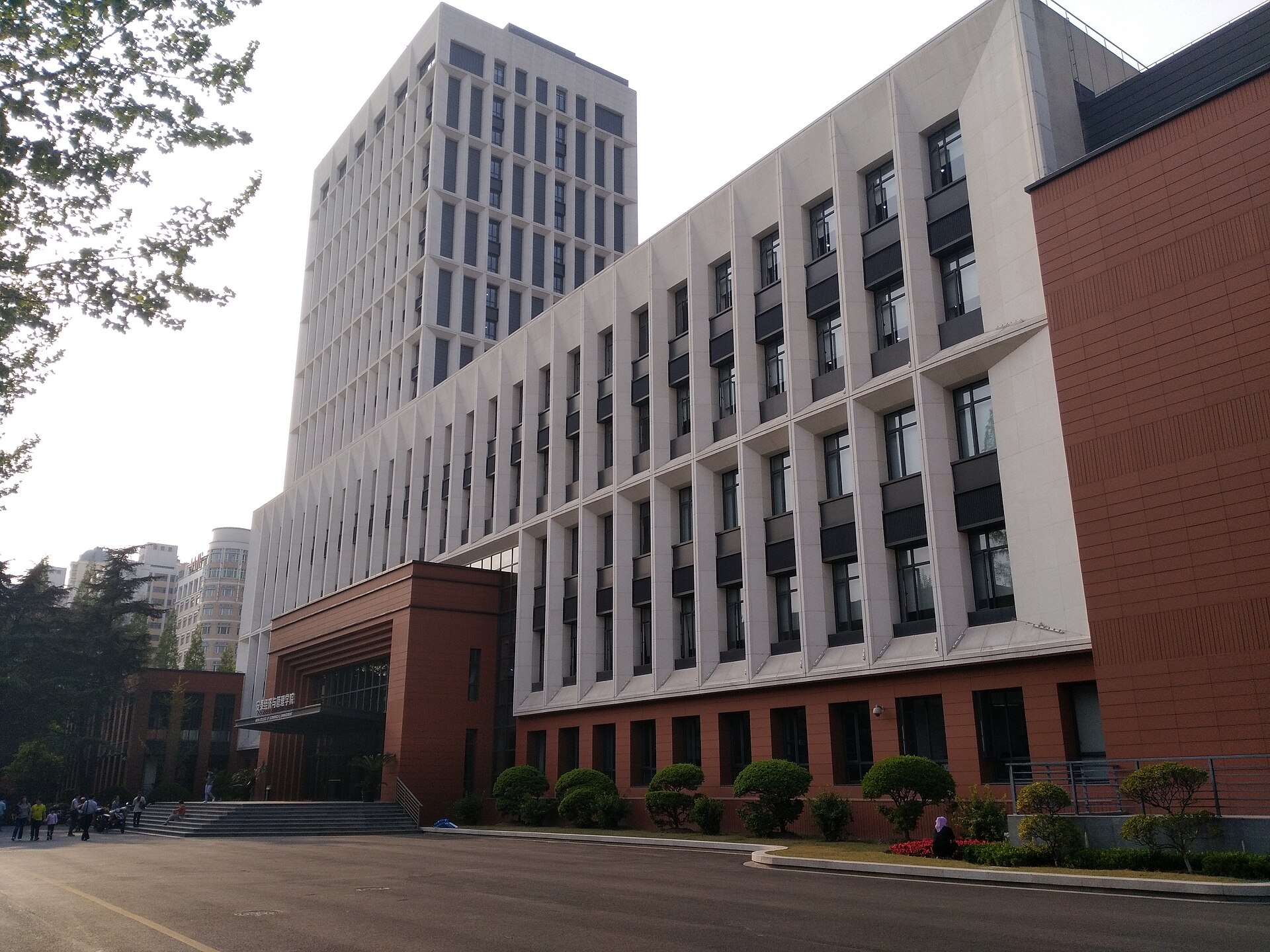
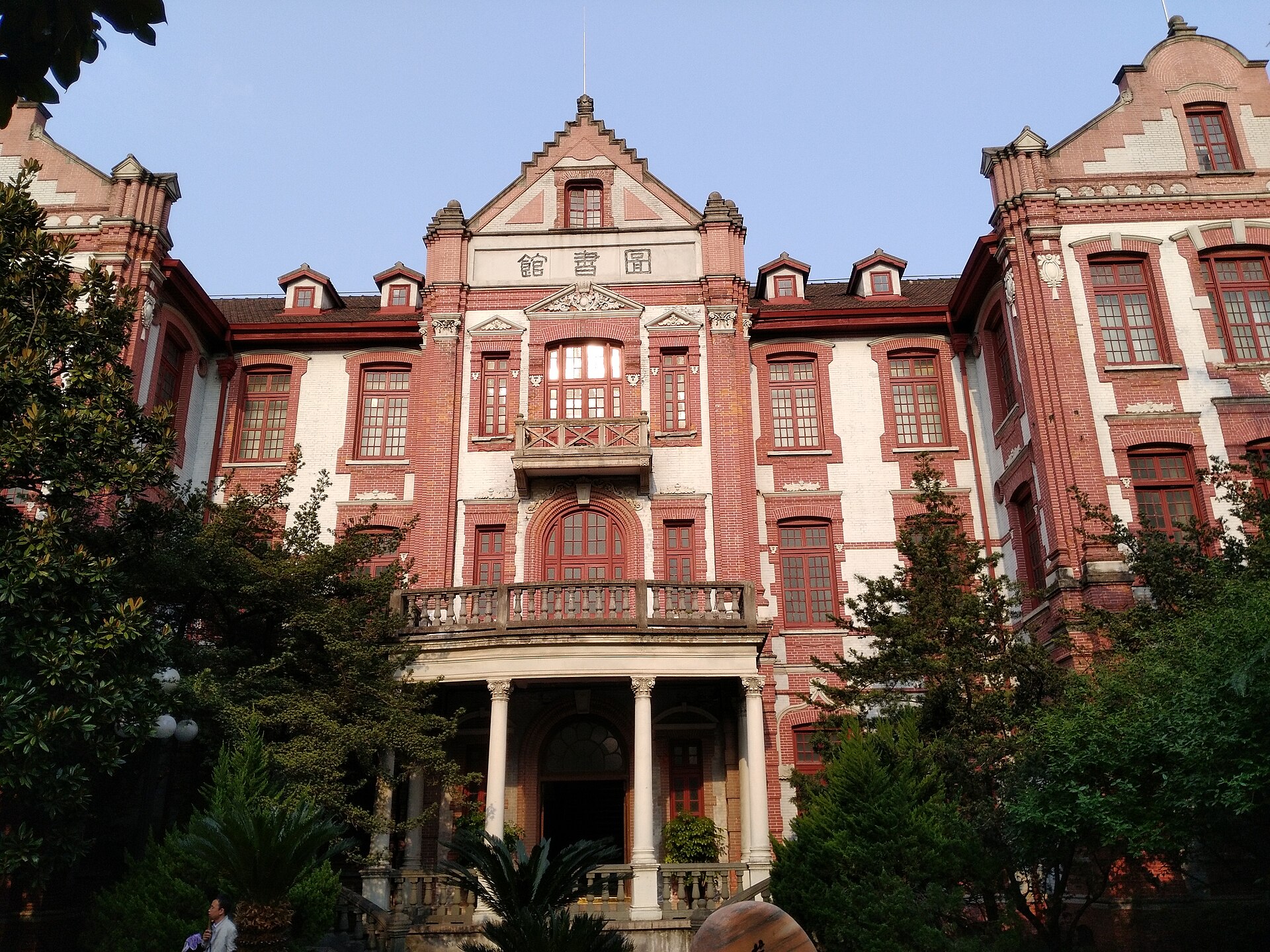
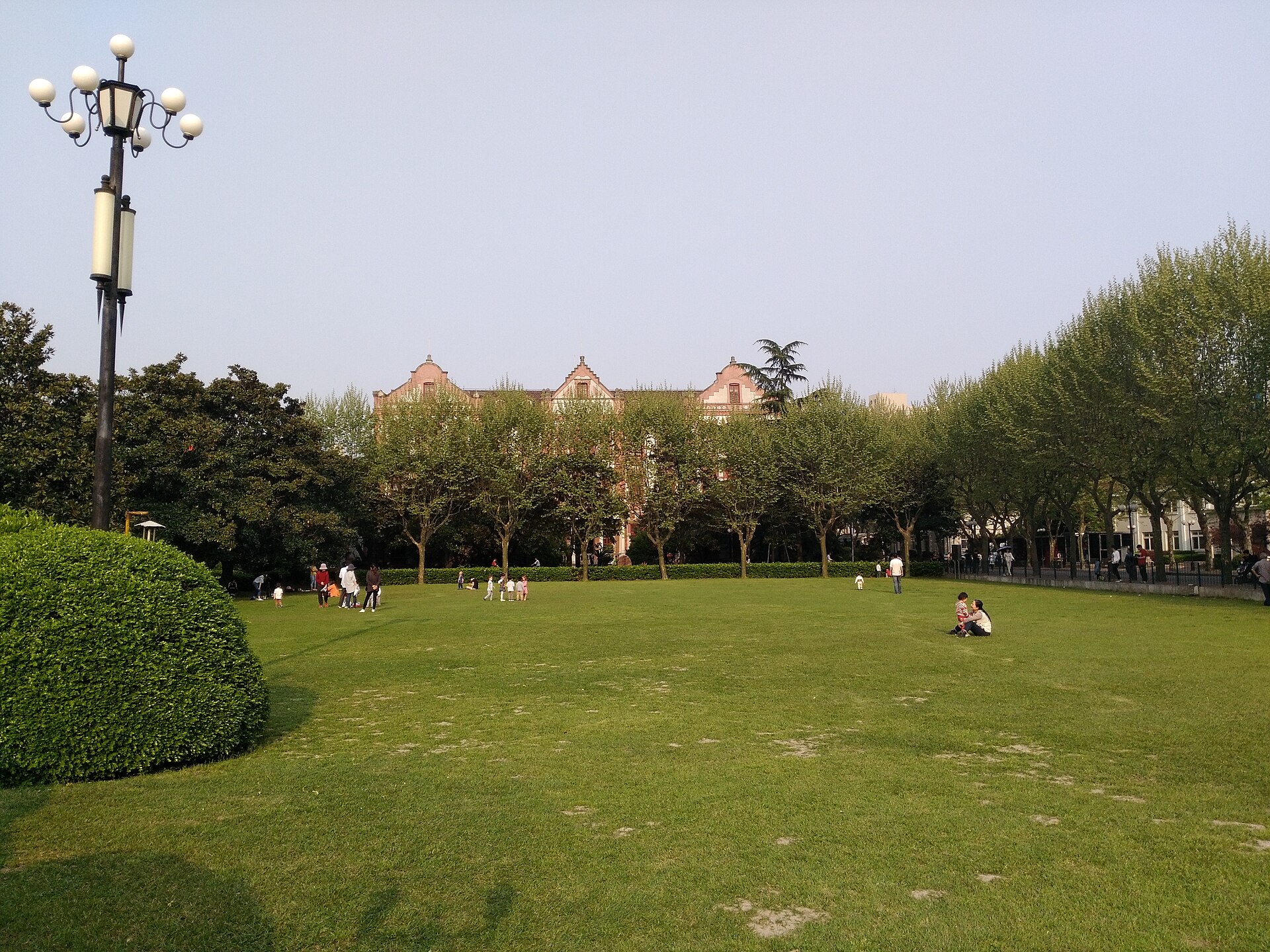
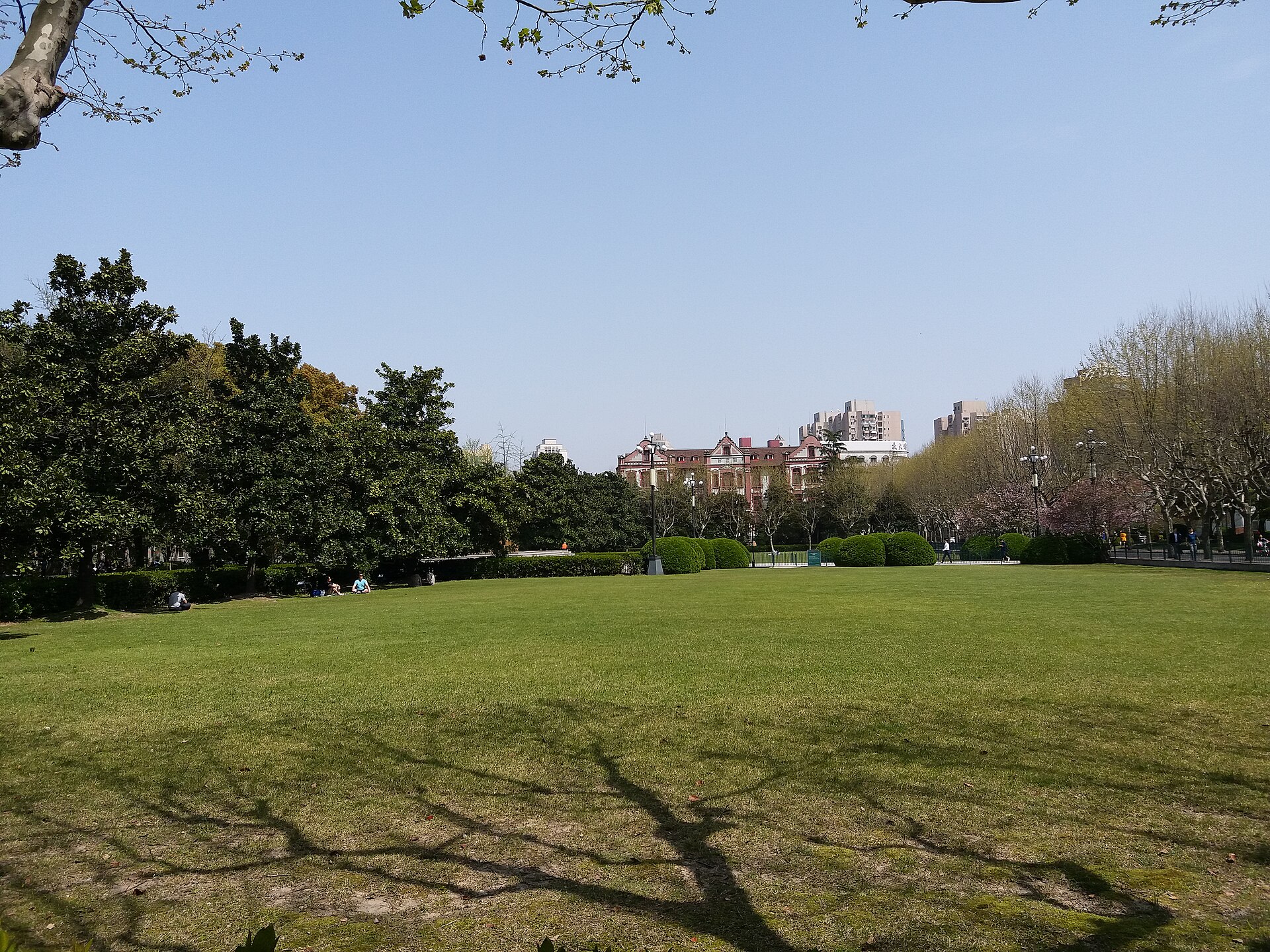
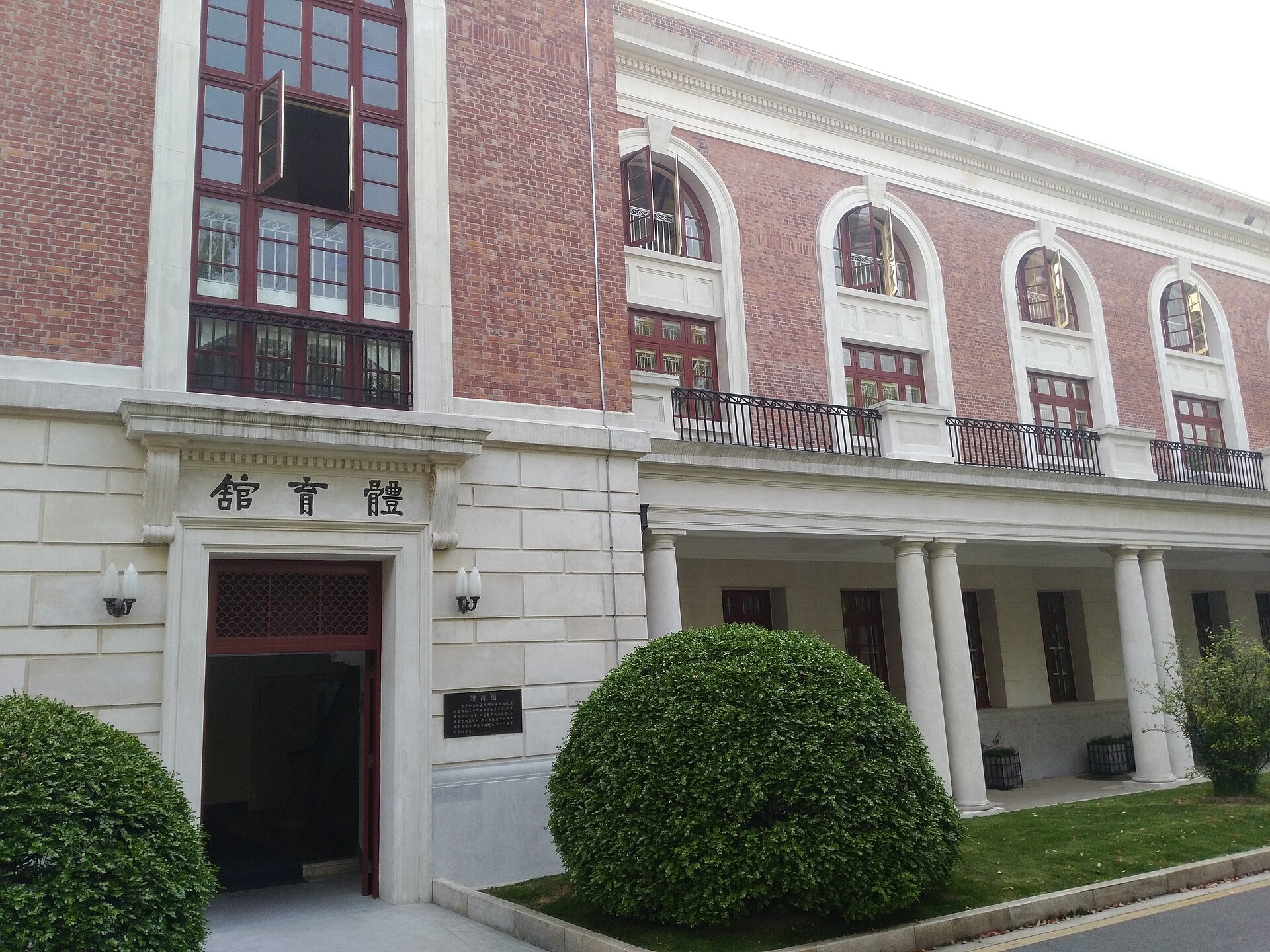
Shanghai Jiao Tong University — campus in pictures
Real, freely-licensed photographs of the campus (via Wikimedia Commons).

Why SJTU — C9 Prestige, Research & Shanghai
Shanghai Jiao Tong University is not merely one of China's best universities — it is a globally competitive research institution with the infrastructure, faculty, and industry ties to launch careers and graduate study anywhere in the world. For international students who want elite technical education in Asia's most connected city, SJTU is the defining choice.
SJTU Acceptance Rate & International Student Profile
Stats
Profile Stats
Rea Vs Rd
SJTU Admissions Requirements — GPA, English Proficiency & International Qualifications
- 3.4/4.0 is the stated minimum — competitive admits sit significantly higher
- Subject performance in mathematics and sciences weighted heavily
- IB Math HL or A-Level Further Maths expected for engineering programmes
- Upward grade trajectory positively considered
- TOEFL iBT minimum: 85 (SJTU main track)
- IELTS Academic minimum: 6.0
- Duolingo English Test: 110 minimum
- Native speakers / English-medium school graduates may be exempt
- IB Diploma: 38+ points; IB Math HL 5+ for engineering tracks
- A-Level: A or A* in Mathematics; three strong A-Level subjects for most programmes
- AP: scores of 4–5 in Calculus BC, Physics C, Chemistry accepted
- Gaokao or national equivalents accepted for domestic-education applicants
SJTU Application Components — Portal, Documents & Statements
SJTU's international application is primarily direct — most programmes do not use the Common App. Only the SJTU Global College track accepts the Common App. All other international applicants apply through SJTU's dedicated portal at apply.sjtu.edu.cn.
SJTU Application Statements — Study Plan, Personal Essay & Interview
Tips
Prompts
What SJTU Admissions Officers Are Looking For
SJTU's international admissions process evaluates applications holistically, but with a strong weighting toward academic credentials — particularly in mathematics and the sciences. Understanding what the review team is specifically looking for allows applicants to present their profile with precision.
SJTU Scholarships & Financial Aid for International Students
International students at SJTU can access the Chinese Government Scholarship (CSC — fully funded), the Shanghai Government Scholarship, and SJTU's own First/Second/Third-Class tiered awards. These are competitive, based primarily on academic achievement and interview performance, and applied for simultaneously with the main application.
All figures are estimates based on officially published data. Scholarship awards are competitive and not guaranteed. Confirm current CNY-denominated figures at gc.sjtu.edu.cn or global.sjtu.edu.cn before budgeting.
Stats
Contribution Tiers
| Note | Range | Percent | Percent Value |
|---|---|---|---|
| Tuition, accommodation, and living stipend — full coverage | Chinese Government Scholarship (CSC) | 100% | 100 |
| Full tuition + CNY 2,500/month stipend + accommodation subsidy | SJTU First-Class Scholarship | 100% | 100 |
| 50% tuition waiver + accommodation subsidy + insurance | SJTU Second-Class Scholarship | 50% | 50 |
| 25% tuition waiver + mandatory insurance | SJTU Third-Class Scholarship | 25% | 25 |
| Full tuition covered; may include living allowance | Shanghai Government Scholarship | 100% | 100 |
Key Dates
Advantages
- Scholarship pools are larger for earlier applicants
- Earlier review provides a competitive advantage for the most selective programmes
- CSC scholarship Round 1 (December 15) is more competitive than Round 2
- More time to prepare for an interview if invited
- Conditional offer gives certainty before final exams
Disadvantages
- Application must be complete by November 15 — less time to strengthen the profile
- Final exam results are not yet available to submit
- Less time to request strong recommendation letters
- If not offered a scholarship in the early round, the Regular round has fewer awards remaining
SJTU Admissions Interview — Format, Questions & Preparation
Not all SJTU international applicants are interviewed, but shortlisted candidates — particularly for Global College, engineering, and medicine — receive an online interview invitation. The SJTU interview is explicitly part of the scholarship ranking process: a strong interview can upgrade your scholarship from Second-Class to First-Class. Treat it as both an admissions conversation and a scholarship competition.
Meta
Questions
SJTU Residential Life & Campus Housing
SJTU guarantees on-campus accommodation for all international undergraduate students in their first year. Dormitories are located on the Minhang campus — SJTU's primary campus — in dedicated international student buildings. Rooms are typically shared twin or single occupancy with Wi-Fi, air conditioning, and communal bathrooms. Dormitory fees are approximately CNY 3,000 per month (roughly USD 420). From Year 2, students may remain in university dormitories or move to private apartments in the Minhang district.
Houses
Lottery Steps
- First year: all international undergraduates are placed in dedicated international dormitories on Minhang campus
- Year 2+: students can apply for on-campus housing renewal or arrange private accommodation in the surrounding Minhang district
- Global College students are housed in a dedicated residential block with a stronger international community
- Xuhui campus (central Shanghai) hosts select programmes, graduate students, and SJTU School of Medicine — different housing arrangements apply
- All dormitories include Wi-Fi, air conditioning, and 24-hour security; campus facilities include libraries, sports facilities, canteens, and a medical centre
SJTU Schools, Colleges & Academic Divisions
- {"label":"Language of instruction","value":"100% English"}
- {"label":"Application route","value":"Common App"}
- {"label":"Faculty background","value":"US/European recruited"}
- {"label":"Scholarship availability","value":"High"}
- {"label":"Major subjects","value":"EE, CS, AI, Automation"}
- {"label":"National reputation","value":"Top 5 in China"}
- {"label":"Research centres","value":"20+"}
- {"label":"Industry partners","value":"Huawei, Intel, Qualcomm"}
- {"label":"Global ARWU rank","value":"Top 10"}
- {"label":"Flagship specialisation","value":"Naval Architecture & Ocean Engineering"}
- {"label":"Industry connections","value":"COMAC, SAIC, CSSC"}
- {"label":"Founded","value":"1913"}
- {"label":"AACSB accredited","value":"Yes"}
- {"label":"MBA ranking","value":"Top 5 in China"}
- {"label":"Programmes","value":"BBA, MBA, EMBA, PhD"}
- {"label":"Exchange partners","value":"60+ global schools"}
- {"label":"Clinical hospitals","value":"8+ affiliated"}
- {"label":"Programme","value":"MBBS (Clinical Medicine)"}
- {"label":"Global ARWU rank","value":"Top 50 (Clinical Medicine)"}
- {"label":"Campus","value":"Xuhui + hospital network"}
- {"label":"Partner university","value":"University of Michigan"}
- {"label":"Degree granted","value":"Dual SJTU + UMich degree"}
- {"label":"Language","value":"English"}
- {"label":"Founded","value":"2006"}
Research & Extracurricular Opportunities at SJTU
Career Outcomes & SJTU Alumni Network
SJTU's alumni network is dense in China's most consequential industries — particularly technology, engineering, and finance — and increasingly visible in global organisations. For international students, SJTU provides an exceptional foundation for a career in Greater China or for building the China-market expertise increasingly valued by global firms.
Stats
Categories
Our SJTU Admissions Track Record & Student Success Stories
Faqs
Do I need to speak Chinese to study at SJTU?+
For SJTU Global College: no — all coursework is in English. For most other international tracks: your specific programme determines the language of instruction, so verify before applying. However, all international undergraduates must achieve HSK Level 4 (intermediate Chinese) before graduation. SJTU offers free Chinese classes, and Shanghai is an immersive environment for rapid language acquisition.
What is the SJTU Global College?+
SJTU Global College is an elite, English-taught engineering school within SJTU. It offers fully English-medium programmes in engineering disciplines, uses Common App for admissions, recruits internationally-experienced faculty, and maintains its own scholarship programme. It is the most accessible entry point for non-Chinese-speaking international students seeking an SJTU degree.
How do I apply — through Common App or directly?+
Global College track: via Common App (CEEB 6563). All other SJTU international programmes: directly through apply.sjtu.edu.cn. Do not confuse the two — they have different requirements, deadlines, and review processes.
Can international students get scholarships?+
Yes. The Chinese Government Scholarship (CSC) is fully funded — tuition, accommodation, and a living stipend. The Shanghai Government Scholarship covers tuition and may include a living allowance. SJTU's internal scholarships (First/Second/Third-Class) cover 100%, 50%, or 25% of tuition respectively. Apply for scholarships as part of your main application — there is no separate process.
What is the financial guarantee requirement?+
All international applicants must demonstrate a minimum of CNY 100,000 (~USD 13,700) in a personal bank account. This is a financial capacity demonstration — the money remains in your account. It is not a payment to the university.
Is SJTU recognised for graduate admissions in the US and Europe?+
Yes. SJTU is well-recognised globally, especially for STEM disciplines. Graduates from SJTU engineering, computer science, and biomedical programmes are competitive applicants at top US and European graduate schools. SJTU's research output, faculty publications, and institutional rankings travel well internationally.
What are living costs like in Shanghai?+
Shanghai is relatively expensive by Chinese standards. On-campus dormitories cost approximately CNY 3,000/month (~USD 420). Add food, transport, and personal spending and budget approximately CNY 3,000–5,000/month more. SJTU's official estimated annual living cost is approximately USD 8,000. Purchasing power in Shanghai is significantly stronger than the raw dollar figure suggests.
Does SJTU require an interview?+
Not for all applicants. Shortlisted candidates for Global College, engineering, and medicine programmes are invited for online interviews. An interview invitation is a positive sign — it means you have cleared initial screening. Critically, the interview also determines scholarship tier, so strong preparation is essential.
Book a Free SJTU Admissions Strategy Session
In 60 minutes our SJTU admissions specialists will evaluate your academic profile, identify your programme and scholarship fit, help you develop a compelling study plan or personal essay, and determine whether Early Action or Regular Application gives you the best odds — with a scholarship strategy built in.
- No commitment required
- SJTU and China admissions specialists
- Personalised scholarship strategy — not generic advice
SJTU Academic Requirements
SJTU Academic Requirements — The Honest Breakdown for International Students
What GPA, IB scores, test scores, and academic profile do competitive SJTU international applicants actually have? And how does SJTU's holistic review process work for students from IB, A-Level, AP, and other curricula?
GPA & Academic Record
SJTU and GPA — What the Data Shows
The honest picture: SJTU states a minimum GPA of 3.4 on a 4.0 scale. In practice, competitive admits — especially to engineering, computer science, Global College, and medicine — sit considerably higher. The 3.4 threshold is a floor, not a target.
A 3.4 GPA is the stated minimum, not a competitive profile. For Global College and engineering programmes, competitive admits typically demonstrate near-perfect performance in mathematics and sciences. The absolute GPA matters less than the pattern — exceptional grades in rigorous subjects.
Academic Context
Class Rank and School Context — How SJTU Evaluates Your Academic Record
SJTU does not require a specific class rank and understands that many international school systems do not provide it. The university evaluates academic performance in the context of each student's specific curriculum and school environment.
Standardised Testing
SAT Scores at SJTU — Strategy and Context
SAT Data — SJTU does not publish official SAT bands. For Global College, indicative score ranges based on applicant reports show competitive admitted students in the 1350–1450 range.
| Label | Score | Percent |
|---|---|---|
| Indicative competitive range (Global College) | 1350–1450 | 75 |
| Math section emphasis | 700+ | 88 |
| SAT CEEB code (Global College) | 6563 | 0 |
Standardised Testing
ACT Scores at SJTU — Context and Strategy
ACT data for SJTU — similar to SAT, no official bands are published. Competitive Global College applicants typically present ACT composites of 29–34.
Metrics
Comparison Cards
Testing Strategy
SJTU Test-Optional Policy — The Strategic Decision Explained
SJTU's official test policy for international students is test-optional for the main admissions track. However, for Global College, submitting strong test scores is strongly recommended and can substitute for TOEFL/IELTS in some circumstances.
Submit Items
Withhold Items
International Qualifications
IB, A-Level and AP at SJTU — Specific Benchmarks and Guidance
- {"label":"Competitive range","value":"38–42 points"}
- {"label":"Math requirement","value":"IB Math HL (Analysis & Approaches preferred); 5+ for engineering tracks"}
- {"label":"Science HL expectations","value":"Physics HL, Chemistry HL, or Computer Science HL for engineering; Biology HL for biomedical"}
- {"label":"Extended Essay","value":"A or B in a relevant scientific subject is a meaningful positive signal"}
- {"label":"Competitive range","value":"AAA to A*AA"}
- {"label":"Mathematics requirement","value":"A-Level Mathematics A or A*; Further Mathematics strongly preferred for engineering"}
- {"label":"Science subjects","value":"Physics A/A*, Chemistry A/A*, or Computer Science for engineering tracks"}
- {"label":"AS results","value":"Reviewed alongside predicted A-Level grades"}
Advanced Placement
AP Courses at SJTU — What Counts and What to Take
For students in US-curriculum schools, AP course performance is a meaningful component of the academic profile at SJTU. While SJTU's main track is test-optional for SAT/ACT, AP scores in relevant subjects demonstrate academic rigour within a US-style curriculum.
Academic Rigour
Secondary School Rigour — SJTU's Core Academic Expectation
SJTU's admissions process places significant weight on the rigour of secondary school curriculum — not just the grades achieved. For a technical research university, the specific courses taken and the level of challenge demonstrated matter as much as the GPA.
Taking the highest available mathematics and science courses at your school — not the easiest route to the highest GPA.
Subject Preparation
Subject Preparation — What SJTU Expects You to Have Studied
SJTU's strongest programmes — engineering, computer science, naval architecture, biomedical engineering — require deep preparation in core STEM subjects. The university expects incoming international students to have studied these subjects at the highest available level, with strong evidence of genuine engagement.
English Proficiency
English Language Requirements for SJTU International Applicants
SJTU requires proof of English proficiency from all non-native English speakers applying to English-taught programmes. Native speakers or those from accredited English-medium secondary schools may apply for exemption — confirm your eligibility on the official admissions page.
The English proficiency test score is a threshold requirement — meeting the minimum does not make your English proficiency a strength. SJTU Global College courses are delivered entirely in English by internationally-experienced faculty. Students who are only at the minimum proficiency level will find the academic environment demanding. Aim to exceed the minimums to participate fully in seminars, group work, and faculty interactions.
By Programme
Academic Requirements by Programme — What Different SJTU Tracks Expect
SJTU admits students to specific schools and programmes — unlike Harvard's broad college admissions model. The academic profile should be coherent with and directly relevant to the specific programme you apply for. Admissions criteria vary by school and programme.
| Signals | Expectation | Concentration |
|---|---|---|
| National maths Olympiad; Kaggle competitions; original projects | IB Math HL 6+; A-Level Further Maths A; AP Calc BC 5 | Computer Science / AI |
| Physics Olympiad; engineering design competitions | IB Math HL + Physics HL; A-Level Maths + Physics A/A* | Mechanical / Naval Engineering |
| Circuit design; robotics; electronics projects | IB Math HL + Physics HL; A-Level Maths + Physics | Electrical Engineering |
| Biology/Chemistry Olympiad; lab internships; science fairs | IB Chem HL + Bio HL; A-Level Chemistry + Biology A/A* | Biomedical Engineering / Medicine |
| Economics Olympiad; quantitative research projects | IB Math HL + Economics HL; A-Level Maths + Economics | Economics & Management (Antai) |
| Materials science research; chemistry competitions | IB Chem HL + Physics HL; A-Level Chemistry + Physics A | Materials Science & Engineering |
International Systems
SJTU and International Education Systems — How Your Curriculum Is Evaluated
Roadmap
Building an Academic Profile for SJTU — What to Do at Each Stage
- Select the highest available mathematics track — IB Math HL, A-Level Mathematics + Further Mathematics (as a two-year plan), or AP Calculus BC trajectory.
- Establish strong performance in physics and chemistry alongside mathematics.
- Begin exploring science Olympiads, mathematics competitions, or programming challenges if available at your school.
- Confirm IB HL/SL choices or A-Level subject selections — prioritise rigour over grade optimisation.
- Begin TOEFL or IELTS preparation if you are a non-native English speaker.
- Explore research opportunities — summer science programmes, independent projects, or lab internships.
- Start basic Mandarin Chinese study — SJTU requires HSK 4 for graduation.
- Register for SAT or ACT if submitting scores — one or two sittings in Year 12 allows time to improve.
- Pursue a meaningful STEM project, science fair entry, or research internship.
- Attend SJTU information sessions or virtual open days to learn about specific programme requirements.
- Identify which SJTU school/programme you are targeting and confirm the specific requirements.
- Finalise programme choice: Global College (Common App) or main international track (apply.sjtu.edu.cn).
- Apply for CSC scholarship by December 15 (Round 1) if eligible — this requires applying to SJTU first.
- Prepare financial guarantee documentation — CNY 100,000 bank deposit requirement.
- Submit Early Action (November 15) or Regular Application (March 31) depending on your readiness.
Common Pitfalls
Academic Mistakes That Cost SJTU Applications — And How to Avoid Them
Real Outcomes
What Academic Profiles Tychr's SJTU-Admitted Students Had
The following profiles represent the academic backgrounds of international students Tychr has helped gain SJTU admission or equivalent outcomes at leading Chinese and Asian universities. They illustrate the range of preparation that works — and what made each application compelling.
Faqs
Is a 3.4 GPA competitive enough for SJTU?+
3.4 is the stated minimum — it is not a competitive target for popular programmes. For Global College, engineering, CS, and medicine, the realistic profile of admitted students sits closer to 3.7–4.0 on a 4.0 scale. Subject-specific performance in mathematics and sciences matters most.
What IB score do I need for SJTU?+
The official IB band is 38, which is the competitive benchmark. For Global College and competitive engineering programmes, scores of 40+ are common among admitted students. IB Math HL at 5+ is a specific expectation for engineering tracks.
Does SJTU prefer SAT or ACT?+
No preference is stated. Submit whichever test better reflects your quantitative ability. Both are accepted and neither is required for the main international track.
Can I apply to SJTU without SAT/ACT scores?+
Yes, for the main SJTU international track. The test policy is officially optional. For Global College, SAT or ACT scores are strongly recommended and can affect scholarship ranking and TOEFL/IELTS exemption eligibility.
Is SJTU recognised by graduate schools in the US and UK?+
Yes. SJTU is globally recognised, particularly for STEM disciplines. Graduates from SJTU engineering, CS, and biomedical programmes are competitive applicants at top US, UK, and European graduate schools. The QS #45 ranking and ARWU performance travel well internationally.
Financial Aid & Scholarships
SJTU May Cost You Significantly Less Than You Think — Here's the Full Picture.
SJTU's combination of competitive tuition, a strong scholarship ecosystem (CSC, SGS, and SJTU institutional awards), and Shanghai's purchasing power makes it one of the most financially compelling elite university options for international students. Here's the complete breakdown.
Cost Transparency
What SJTU Actually Costs — The Full Annual Figure
At approximately USD 27,000 per year all-in, SJTU already costs roughly one-third of a comparable-ranked US university. Add the scholarship ecosystem — which can reduce costs to zero for strong applicants — and SJTU represents one of the most compelling value propositions in elite international higher education.
Aid Policy
SJTU's Aid Policy for International Students — What It Means and How It Works
Aid for international students at SJTU is primarily merit-based, distributed through the Chinese Government Scholarship (national programme), the Shanghai Government Scholarship (municipal programme), and SJTU's own institutional scholarships. Unlike US need-blind programmes, SJTU does not assess financial need — awards are based on academic achievement and interview performance.
Institutional Commitment
Why SJTU Can Offer Competitive Scholarships — The Structural Commitment
Financial Aid Walkthrough
Applying for SJTU Scholarships — The Process Step by Step
SJTU scholarships are applied for as part of the main admissions application — there is no separate funding application. Here is the step-by-step process to maximise your scholarship chances.
- Visit csc.edu.cn or your home country's designated education authority
- Confirm whether you are eligible to apply through the government channel or the university channel
- Global College: begin Common App profile; select SJTU (CEEB 6563)
- Main track: register at apply.sjtu.edu.cn
- Select 'Apply for Scholarship' within the application form
- {"date":"15 December","label":"CSC Scholarship Round 1"}
- {"date":"15 February","label":"CSC Scholarship Round 2"}
- {"date":"15 November","label":"SJTU Early Action (and institutional scholarship consideration)"}
FUNDING FOR INTERNATIONALS
SJTU Financial Aid for International Students — How the System Works
SJTU's approach to international student funding differs fundamentally from the US need-based model — but the outcomes for strong students can be equally generous. Understanding the system is the first step to accessing it.
SCHOLARSHIP IMPACT
What SJTU Scholarships Actually Look Like — Coverage by Award Level
SJTU Aid by Scholarship Level (Annual Estimates)
All figures are estimates. Scholarship awards are competitive and not guaranteed. CNY/USD conversions fluctuate. Confirm current amounts on gc.sjtu.edu.cn or global.sjtu.edu.cn.
A student receiving the Chinese Government Scholarship or SJTU First-Class Scholarship pays effectively nothing for tuition and receives a living stipend. Even the SJTU Third-Class Scholarship (25% tuition) brings annual costs below USD 20,000 all-in — significantly less than any comparable-ranked Western university.
| Grant | Scholarship | Net Cost |
|---|---|---|
| Full tuition + CNY 2,500/mo stipend + accommodation | Chinese Government Scholarship (CSC) | ~$0 (living costs only) |
| Full tuition + CNY 2,500/mo stipend + CNY 1,000/mo accommodation subsidy | SJTU First-Class Scholarship | ~$0 (minimal personal costs) |
| 50% tuition + CNY 1,000/mo accommodation subsidy + insurance | SJTU Second-Class Scholarship | ~$10,000–$12,000/year |
| 25% tuition + insurance | SJTU Third-Class Scholarship | ~$18,000–$20,000/year |
| Full tuition (may include living allowance) | Shanghai Government Scholarship | ~$5,000–$8,000/year (living costs) |
| No scholarship | Self-funded | ~$27,000/year |
Table Headers
MERIT-BASED MODEL
SJTU Scholarships — Merit-Based, Not Need-Based
SJTU's scholarship programme is entirely merit-based — there is no need-based aid assessment. This is a fundamentally different model from US Ivy League need-blind programmes. Both models can deliver full funding, but via very different routes.
EXTERNAL FUNDING
External Scholarships and Additional Funding for SJTU Students
Beyond SJTU's internal scholarships and the CSC/SGS government programmes, international students may access additional external funding sources that can supplement or replace institutional aid.
LOAN POLICY
SJTU and Student Loans — What You Need to Know
SJTU does not offer student loans as part of its international student financial aid package. This is structurally different from the US model, where many universities include loan components in financial aid offers. At SJTU, funding is either a scholarship award (which is not repaid) or the student's own funds.
STUDENT EMPLOYMENT
Working While Studying at SJTU — What Is and Isn't Possible
Chinese regulations allow international students to work on campus in limited capacities during their studies. Off-campus employment requires a separate work permit and is generally difficult to arrange as a full-time student. Plan your budget without relying on part-time employment income as a primary financial resource.
- Teaching assistant positions for undergraduate courses (competitive; language skills matter)
- Research assistant positions in faculty laboratories (common for strong STEM students)
- Library and administrative roles within SJTU
- Tutoring services within the university community
- University-affiliated cultural and student event coordination
BENCHMARKING
SJTU vs. Global Alternatives — Financial Aid and Cost Comparison
| Policy | School | No Loans | Typical Cost |
|---|---|---|---|
| Merit-based; CSC fully funded | SJTU (Shanghai) | N/A — grants only | $0 (scholarship) to $27,000 (self-funded) |
| Need-blind, full-need, no loans | Harvard / Princeton / MIT | Yes | $0 (qualifying families) |
| Merit + need-based; strong for domestic | National University of Singapore | MOE Tuition Grant + bond | ~$10,000–$18,000/year (international) |
| UK government loan + institutional grants | Imperial College London | Loans common | ~$35,000–$45,000/year |
| Merit/need-based; varies significantly | Top US private (non-need-blind for internationals) | Loans common | $20,000–$70,000/year |
| HECS-HELP for domestic; full fee for international | University of Melbourne | Limited international aid | ~$35,000–$50,000/year |
COST ANALYSIS
SJTU vs. Alternatives — What You Actually Pay Over Four Years
A student who receives the Chinese Government Scholarship at SJTU (#45 globally) pays nothing over four years — while paying $38,000–$45,000/year at Imperial College London (#8 globally). The sticker price is not the real price; the scholarship outcome is. For strong academic students who apply strategically, SJTU can be the most financially compelling elite university option available globally.
| Policy | School | Contribution | Four Year Cost |
|---|---|---|---|
| Merit scholarship; CSC fully funded | SJTU — With CSC Scholarship | ~$0/year | ~$0 |
| Merit scholarship; 50% tuition waiver | SJTU — With Second-Class Scholarship | ~$10,000–$12,000/year | ~$40,000–$48,000 |
| Merit scholarship; self-funded | SJTU — No Scholarship | ~$27,000/year | ~$108,000 |
| Need-blind, full-need, no loans | Harvard / Princeton (qualifying family) | ~$0/year | ~$0 |
| Full tuition for international | Imperial College London | ~$38,000–$45,000/year | ~$152,000–$180,000 |
| Full fee international; limited aid | University of Sydney | ~$32,000–$42,000/year | ~$128,000–$168,000 |
SCHOLARSHIP APPEALS
Appealing or Improving an SJTU Scholarship Decision — When and How
Unlike US university financial aid offices with formal appeals processes for need-based awards, SJTU's scholarship system is primarily a merit ranking process with limited formal appeals. However, there are several legitimate pathways to revisit your award.
SJTU's scholarship decisions are based on a ranked pool of applicants. A formal appeal of the ranking outcome is generally not possible. The more effective approaches are: (1) ensuring your initial application and interview are as strong as possible, (2) applying for parallel scholarship programmes (CSC, SGS) that are independent of the SJTU internal ranking, and (3) demonstrating exceptional academic performance in Year 1 to improve scholarship status for subsequent years.
How To Appeal
- Contact the SJTU International Students Office or Global College admissions office directly: gc-admissions@sjtu.edu.cn or gs.admission@sjtu.edu.cn
- Submit a written request explaining any significant circumstances that may not have been reflected in your initial application
- Provide documentation of any new academic achievements, awards, or changed circumstances
When To Appeal
- New academic achievements or awards were received after the initial application submission
- Significant personal or family circumstances changed between application and the scholarship decision
- There was an apparent processing error or missing document in the initial scholarship assessment
- You received a more generous scholarship offer from a comparable institution and wish to discuss SJTU's commitment
TIMELINE & PLANNING
Planning for SJTU Costs and Scholarships — What to Do and When
Application & Statement Strategy
SJTU Application Statements — Everything You Need to Know to Write Them Well.
A complete guide to SJTU's written application requirements — what each track asks for, how reviewers evaluate written materials, and the specific strategies that produce study plans and personal essays that admissions faculty remember.
Requirement Overview
SJTU Written Application Requirements — The Full Picture
SJTU's written application requirements differ fundamentally from US-style universities. There are two distinct tracks with different requirements. Understanding which track you are applying to — and what it specifically asks for — is the first step.
Optional Items
Required Items
The Personal Essay
The Common App Personal Essay for SJTU Global College — What It Needs to Accomplish
If applying to SJTU Global College via Common App, your 650-word personal essay is the primary opportunity to present yourself as a person beyond your academic credentials. Global College uses a holistic admissions process — the essay is read seriously.
The Common App personal essay for Global College should reflect your analytical and technical curiosity — but it does not need to be about engineering or STEM directly. What it must do is reveal a genuinely curious, analytically capable mind that Global College would want in its classroom. SJTU Global College is looking for students who will contribute to a rigorous, internationally diverse technical community — your essay should demonstrate that you are that student.
Tired Of List
- Generic 'I want to be an engineer because engineering changes the world' essays that could be written by any applicant
- Essays that simply describe achievements already listed in the activity section
- Essays that focus on cultural tourism ('I want to experience Chinese culture') rather than academic or intellectual substance
- Opening with a statistic or famous quote that the student does not own
Looking For List
- A genuine, specific intellectual curiosity — what you find fascinating about your chosen field, and why
- Evidence of how your mind works: the questions you ask, the problems you engage with independently
- Authentic voice — the essay should sound like the person who wrote it, not like an admissions essay
- A narrative that adds something meaningful to the picture created by grades, test scores, and recommendations
Study Plan Strategy
Choosing What to Write — The Decision That Shapes Your SJTU Application
For the main SJTU track study plan, the content choice — what you write about and how specifically — is the single most important creative decision in your application. The wrong approach (generic, descriptive, ranking-focused) actively hurts your chances. The right approach (specific, academic, SJTU-oriented) significantly differentiates you.
Criteria
Caution Topics
- Beginning the study plan with 'SJTU is ranked #45 in the world' or similar generic ranking praise
- Writing primarily about career goals without connecting them to specific SJTU academic programmes
- Describing a desire to 'experience China' as a primary motivation for choosing SJTU over other universities
- Any approach that would apply equally well to Peking University, Tsinghua, or any other Chinese university without modification
The Study Plan — Main Track
SJTU's Application Statements — What to Write for Each Track
SJTU's written application requirements depend entirely on which track you are applying through. The materials are fundamentally different — a study plan for the main track is not the same as a Common App personal essay. Use the correct guidance for your track.
Common Pitfalls
Written Application Mistakes to Avoid at SJTU
- Writing a generic study plan that praises SJTU's rankings without naming any specific programme, research lab, faculty member, or joint institute — reviewers can identify this immediately
- Treating the study plan like a US personal narrative essay — SJTU main-track reviewers are faculty members who expect academic purpose, not biographical storytelling
- Submitting the same personal statement or study plan unchanged across multiple universities — SJTU-specific content is essential; what works for another university will not make you stand out at SJTU
- Failing to explain why China and Shanghai make sense for your specific goals — saying you want to 'experience Chinese culture' is not a compelling academic reason
- Writing more than the recommended length — concise and specific is always better; reviewers spend limited time per application
- For Global College applicants: submitting a generic 'why I want to be an engineer' essay instead of a specific, personal narrative that reveals how you think
- Ignoring the interview preparation entirely — the SJTU interview is part of the scholarship ranking process, not a formality
- For graduate applicants: submitting a research plan that does not identify specific SJTU faculty by name — this is the most important differentiator in competitive PhD applications
Application FAQs
Frequently Asked Questions About SJTU Application Statements
Does SJTU require supplemental essays like US universities?+
Not in the US sense. For the main SJTU international track (apply.sjtu.edu.cn), the written component is a Study Plan — a purposeful academic document, not a supplemental personal essay. Only SJTU Global College (via Common App) requires a full personal essay in the US tradition.
How important is the study plan compared to my grades?+
For undergraduate admissions on the main track, academic credentials dominate. The study plan is taken seriously — particularly for distinguishing between similarly qualified applicants and for scholarship ranking — but it cannot compensate for weak academic credentials. At the graduate level, the research plan carries significantly more weight.
Should I write my study plan in Chinese or English?+
In English. SJTU states that all application materials should be in English. If you are applying to a Chinese-taught programme and the programme explicitly requests Chinese-language materials, confirm with the admissions office directly — but for the vast majority of international applicants, English is the requirement.
Can I reuse my Common App essay for the main SJTU track study plan?+
No. They are fundamentally different documents. The Common App essay is a personal narrative revealing who you are as a person. The SJTU study plan is an academic statement of purpose — your intended major, academic preparation, research interests, and why SJTU specifically. Using one for the other will result in a weak document in either context.
What happens if I am invited for an interview but my English is not very strong?+
Practise speaking about your academic interests in clear, direct English before the interview. SJTU does not expect native-speaker fluency — they want to see that you can communicate effectively in an academic English-language environment. Confidence, substance, and clear articulation matter more than accent. Prepare specific answers to likely interview questions and practise them aloud.
Is there a separate essay requirement for scholarship applications?+
No. The scholarship application at SJTU does not involve a separate essay. The same admissions materials — your study plan or personal essay, plus the interview — form the basis of scholarship ranking. Ensure your study plan strongly conveys your research ambition and specific fit with SJTU, as it directly affects your scholarship tier.
For PhD applicants: should I contact SJTU professors before applying?+
Yes — strongly recommended. A faculty member's informal interest or endorsement substantially improves PhD admission and funding chances. Email potential supervisors before submitting your application, referencing their published work specifically and explaining why your research interests align with theirs. Not all professors respond, but those who do can make a decisive difference.
How specific should I be about SJTU programmes in my study plan?+
As specific as possible. The difference between 'I want to study engineering at SJTU because of its research reputation' and 'I am interested in the SJTU-Michigan Joint Institute's programme in electrical engineering, particularly the power systems research conducted by Professor X, which aligns with my independent study of...' is the difference between a generic application and a compelling one. Specificity is the most reliable differentiator.
Courses — schools, degrees & intake
51 degrees across 18 groupings.
Global College (formerly UM-SJTU Joint Institute) · 6 degrees
Mechanical Engineering
Electrical and Computer Engineering
Materials Science and Engineering
Computer Science and Technology
Automation
Power and Energy Engineering
School of Naval Architecture, Ocean and Civil Engineering · 3 degrees
Civil Engineering (Smart and Sustainable Construction)
Naval Architecture and Ocean Engineering
Marine Engineering
Global Institute of Future Technology · 2 degrees
Sustainable Energy (AI + Sustainable Energy)
Health Science and Technology (AI + Active Health)
SJTU Paris Elite Institute of Technology (SPEIT) · 3 degrees
Mechanical Engineering (French-taught)
Electrical and Computer Engineering (French-taught)
Power and Energy Engineering (French-taught)
School of Mechanical Engineering · 3 degrees
Mechanical Engineering
Industrial Engineering
Vehicle Engineering
School of Electronic Information and Electrical Engineering · 4 degrees
Electrical Engineering and Automation
Electronic Information Engineering
Communication Engineering
Microelectronics Science and Engineering
School of Computer Science and Engineering · 4 degrees
Computer Science and Technology
Software Engineering
Artificial Intelligence
Information Security
School of Materials Science and Engineering · 2 degrees
Materials Science and Engineering
Polymer Materials and Engineering
School of Chemistry and Chemical Engineering · 2 degrees
Chemistry
Chemical Engineering and Technology
Antai College of Economics and Management · 6 degrees
Business Administration
Accounting
Finance
Marketing
Economics
Management Information Systems
School of Life Sciences and Biotechnology · 2 degrees
Biological Sciences
Bioengineering
School of Biomedical Engineering · 1 degrees
Biomedical Engineering
School of Physics and Astronomy · 3 degrees
Physics
Applied Physics
Astronomy
School of Mathematics · 3 degrees
Mathematics and Applied Mathematics
Statistics
Information and Computing Science
School of Environmental Science and Engineering · 2 degrees
Environmental Science
Environmental Engineering
School of Pharmacy · 2 degrees
Pharmacy
Pharmaceutical Engineering
School of Aeronautics and Astronautics · 1 degrees
Aeronautics and Astronautics Engineering
SJTU School of Medicine (Shanghai Jiao Tong University School of Medicine) · 2 degrees
Clinical Medicine (MBBS)
Nursing
Want your real chances at Shanghai Jiao Tong University?
Create a free TYCHR account for your personalised admit-chance, a shortlist you can track, exact entry requirements, and essay + counselling help.