Sciences Po Paris
Paris, France · Urban
Sciences Po Paris is France's elite grande école for political and social sciences — an institution that has shaped heads of state, Nobel laureates, and global policy leaders since 1872. With nearly half its 15,000-strong student body coming from abroad, it is one of Europe's most genuinely international universities.
Campus
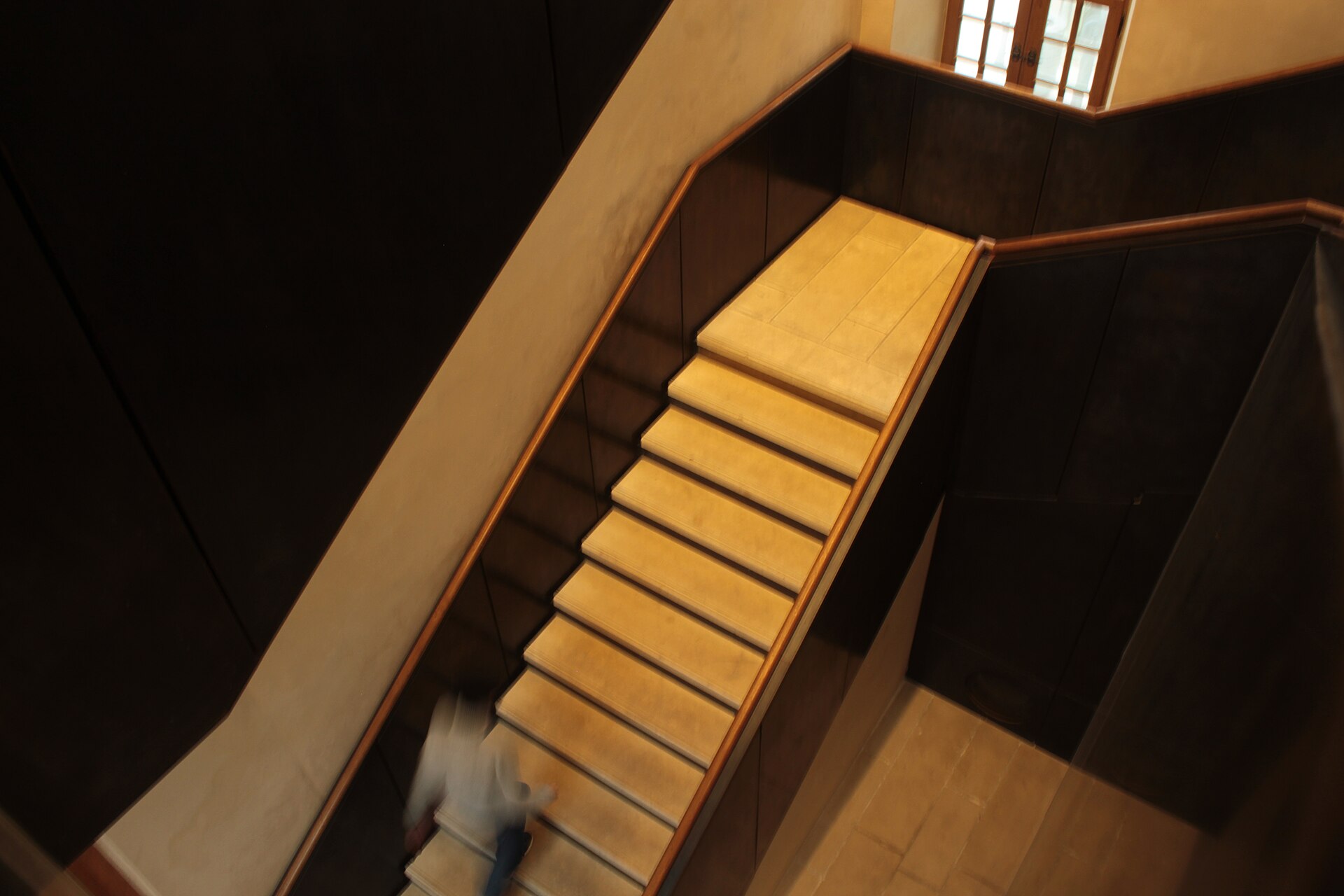
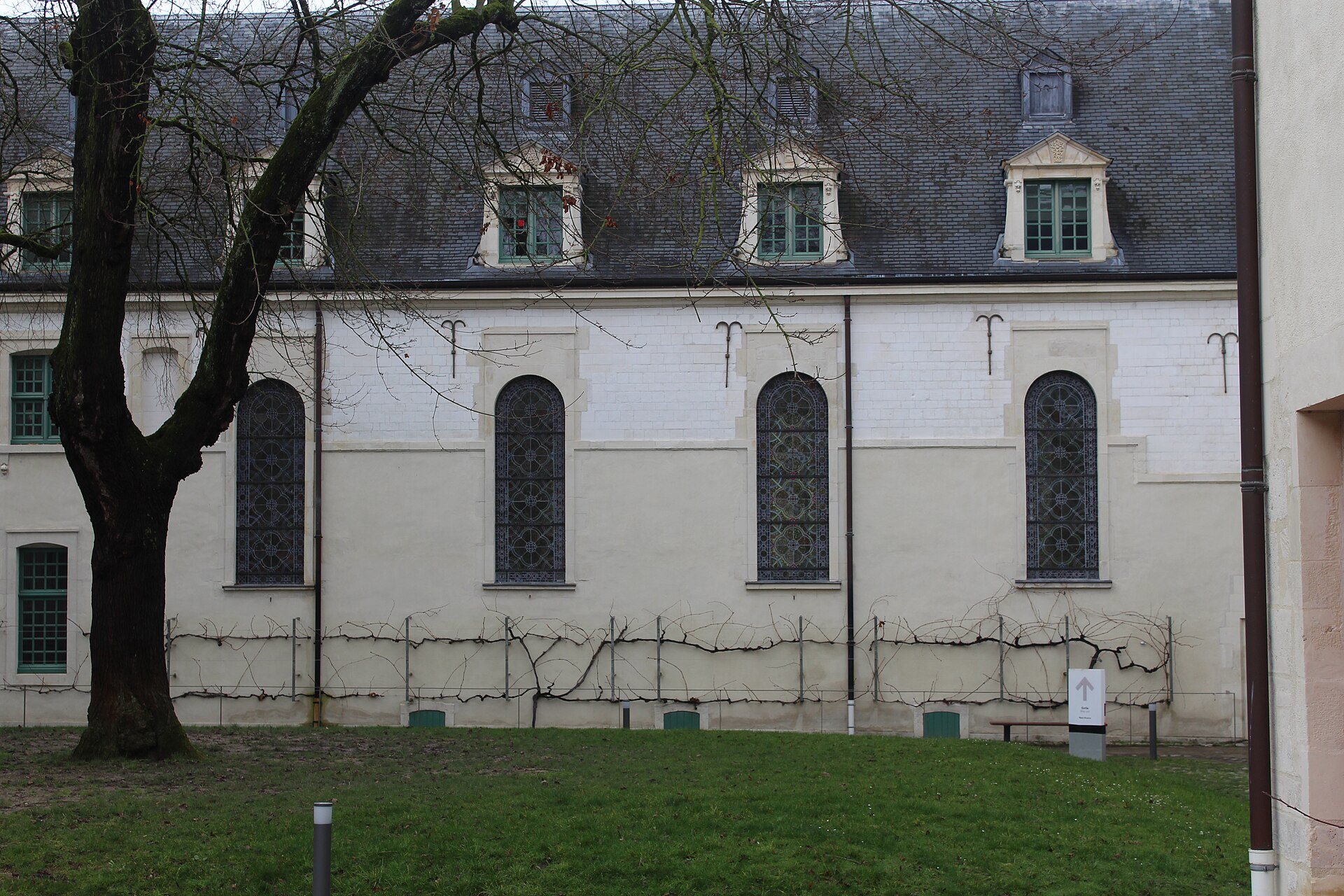
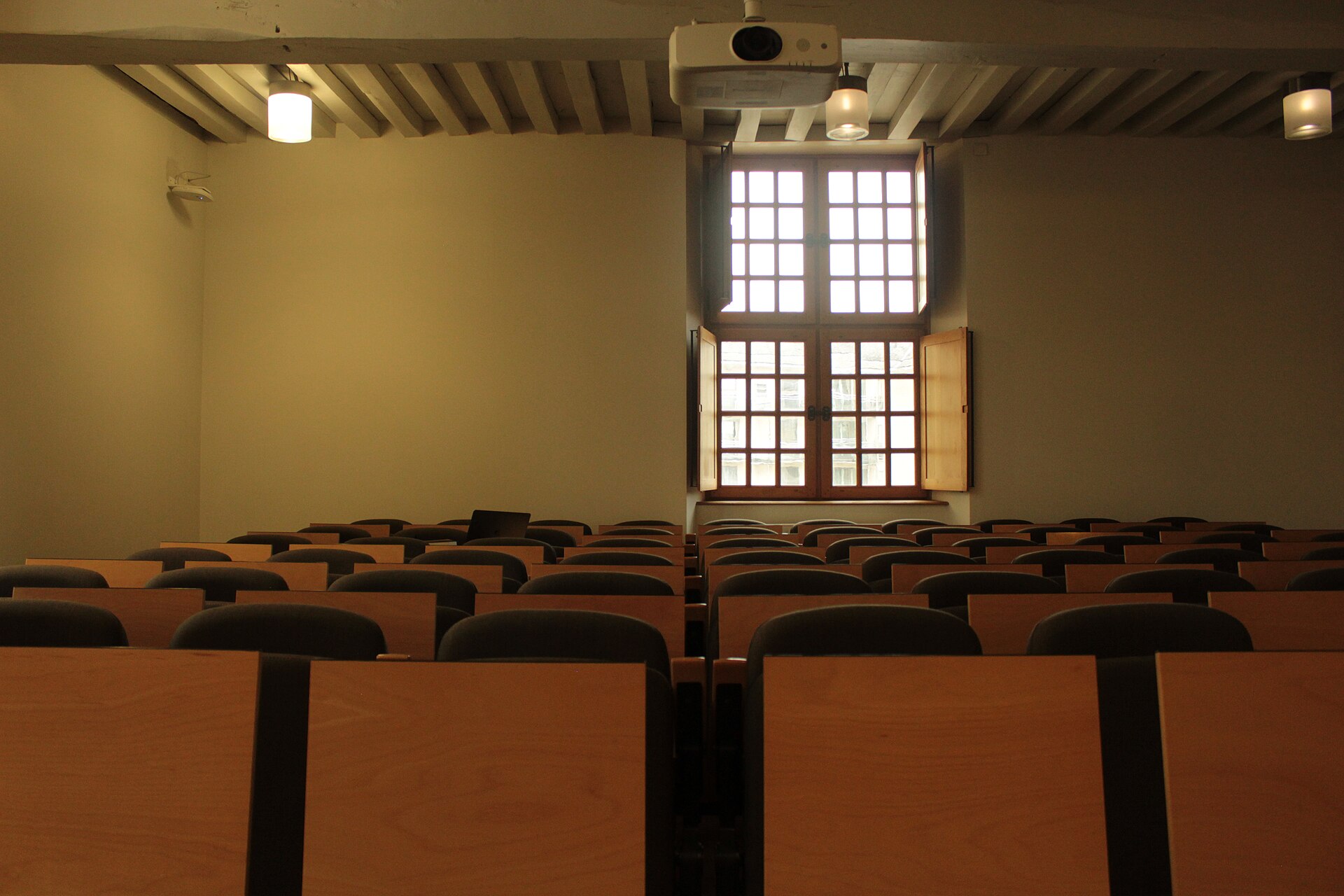
Sciences Po Paris — campus in pictures
Real, freely-licensed photographs of the campus (via Wikimedia Commons).
Why Sciences Po — Prestige, Paris, and a Truly Global Community
Sciences Po is not a conventional university. As a grande école, it selects a small cohort of exceptional students and immerses them in an interdisciplinary social-science education that is deliberately international, civic, and intellectually demanding. For ambitious students interested in politics, international relations, economics, law, or journalism, Sciences Po sits in a category of its own.
Sciences Po Acceptance Rate & Admitted Student Profile
Stats
Profile Stats
Rea Vs Rd
Sciences Po Admissions Requirements — Academic Record, Language & Application Components
- Consistent excellence across all secondary school years
- IB 38 or above is competitive; high 30s are the expected range
- A-Level AAA or above in relevant humanities and social science subjects
- Full academic trajectory reviewed — not just final year grades
- IELTS 7.0 minimum (overall band)
- TOEFL iBT 100 minimum
- Duolingo English Test 125 minimum
- Native English speakers typically waived — confirm with admissions
- Analytical document — not a US-style personal essay
- Must address: why social sciences, why Sciences Po, why your background prepares you
- Specificity about campus, programme, and intellectual tradition is essential
- Generic inspiration narratives and clichés are the most common disqualifying mistake
Sciences Po Application Components — Direct Portal, Motivation Letter & Written Test
Sciences Po uses its own direct admissions portal for international applicants — no Common App, no UCAS. The process is multi-stage: a file is submitted first, then shortlisted candidates sit a written test, and some pathways include an oral component.
Sciences Po Application — Writing the Motivation Letter and Preparing the Written Test
Tips
Prompts
What Sciences Po Admissions Officers Are Looking For
Sciences Po uses four transparent evaluation criteria across all candidates: academic record, written expression, knowledge of current affairs and intellectual curiosity, and social science alignment. Every file is evaluated against these same criteria.
Sciences Po Financial Aid & Scholarships for International Students
Sciences Po's financial aid model is one of the most inclusive in European higher education. Tuition is income-scaled rather than fixed, and nearly one in three students receives a full-fee scholarship. International students are fully eligible.
Cost figures drawn from institutional data and converted to USD. Tuition is income-assessed — the figure quoted is the maximum bracket. Verify the current income scale in the official Sciences Po tuition and scholarships guide.
Stats
Contribution Tiers
| Note | Range | Percent | Percent Value |
|---|---|---|---|
| Full scholarship — 0% tuition | Lowest income bracket | 100% | 100 |
| Reduced tuition — partial scholarship | Lower-middle income | 60–80% | 70 |
| Intermediate rate — income-scaled | Middle income | 40–60% | 50 |
| Standard reduced rate | Upper-middle income | 20–40% | 30 |
| Maximum tuition bracket ($15,500/year) | Highest income bracket | 0% aid | 0 |
Key Dates
Advantages
- One application covers all Sciences Po campuses — indicate preferences in the file
- Dual degree programmes offer a genuinely distinctive undergraduate option
- Income documentation submitted early in the process for parallel aid assessment
- Regional campuses may be less oversubscribed than Paris — consider all options
- Applying early in the portal window gives maximum time for document certification
Disadvantages
- No early action / early decision advantage — Sciences Po has one annual intake
- The written test stage cannot be bypassed — file quality alone does not guarantee admission
- Dual degree pathways have separate, often earlier, timelines and deadlines
- Paris campus is typically the most competitive — regional campuses are equivalent in quality
- All documentation must be certified and translated where required — start early
Sciences Po Oral Component — Format, Questions & Preparation
Not all Sciences Po admissions pathways include an oral component. For those that do, the oral stage assesses the same qualities as the written test — analytical reasoning, current-affairs awareness, and intellectual clarity — but in spoken form. It is a genuine evaluation, not a formality. Prepare for it with the same rigour as the written test.
Meta
Questions
Sciences Po's Seven Campuses — Regional Specialisations and Student Life
Unlike Harvard's residential house system, Sciences Po structures its undergraduate experience around seven geographically specialised campuses. All share the same core Bachelor of Arts curriculum; each adds a regional geographic minor and a distinctive language and cultural identity. Your campus choice shapes the languages you study, the regional specialisation in your degree, and the international community you belong to for your first two years.
Houses
Lottery Steps
- All seven campuses deliver the same Sciences Po BA — the core five-discipline curriculum is identical
- Each campus adds a regional geographical minor: North America/Africa (Reims), Asia-Pacific (Le Havre), Mediterranean/Middle East (Menton), Central Europe (Nancy), Africa/Latin America (Poitiers), Russia/Eastern Europe (Dijon)
- Language of instruction varies: Paris and Reims are bilingual French-English; Menton, Le Havre, and Nancy offer trilingual tracks
- Third year is spent on mandatory international mobility across all campuses — partner universities or professional placements abroad
- Paris does not have a regional specialisation and is typically the most competitive campus for international applicants
Sciences Po Schools & Undergraduate Programmes
- {"label":"Core disciplines in the BA","value":"5"}
- {"label":"Campuses delivering the programme","value":"7"}
- {"label":"Partner universities for the third year","value":"450+"}
- {"label":"Mandatory third-year abroad","value":"Yes"}
- {"label":"Flagship programme","value":"Master in International Affairs"}
- {"label":"Specialisations","value":"10+"}
- {"label":"Languages of instruction","value":"French / English"}
- {"label":"Career pipeline","value":"Diplomacy, international organisations, consulting"}
- {"label":"Flagship programme","value":"Master in Public Policy"}
- {"label":"Founding year","value":"2010"}
- {"label":"Dual degrees available","value":"Yes"}
- {"label":"Career pipeline","value":"Government, multilateral organisations, public sector"}
- {"label":"Flagship programme","value":"Master in Economic Law"}
- {"label":"Language of instruction","value":"French and English"}
- {"label":"Partnership","value":"Sciences Po undergraduate BA feeds directly"}
- {"label":"Ranking","value":"Leading European law school"}
- {"label":"Flagship programme","value":"Master in Journalism"}
- {"label":"Language of instruction","value":"French and English"}
- {"label":"Partner media organisations","value":"Le Monde, AFP, France 24 and others"}
- {"label":"Degree format","value":"Professional + academic"}
- {"label":"Partner institutions include","value":"Columbia, UCL, UC Berkeley, NUS, UBC"}
- {"label":"Programme duration","value":"4 years"}
- {"label":"Degrees awarded","value":"Two — from both universities"}
- {"label":"Separate admissions","value":"Yes — check partner university process"}
Research & Extracurricular Opportunities at Sciences Po
Career Outcomes & Sciences Po Alumni Network
Sciences Po graduates are disproportionately represented in European and international public institutions. The alumni network — spanning government, civil society, media, and business across 150 countries — is one of the institution's most tangible career assets. A Sciences Po credential is particularly powerful for careers in Paris, Brussels, Geneva, New York, and other hubs of international governance.
Stats
Categories
Our Sciences Po Admissions Track Record & Student Success Stories
Faqs
Do I need to speak French to apply to Sciences Po?+
Not for admission — Sciences Po has English-taught tracks and the application itself can be submitted in English. However, French will be part of your degree programme, and developing it is expected over your three years. Most Sciences Po programmes are bilingual, and demonstrating some French ability signals genuine commitment to the institution. Many international students arrive with beginner French and develop it during the degree.
Can I apply to Sciences Po with IB, A-Levels, or other international qualifications?+
Yes. International students holding a foreign secondary diploma — IB, A-Levels, Advanced Placement, Indian CBSE/ISC, German Abitur, or equivalent — apply directly through the Sciences Po admissions website. French Baccalaureate candidates use Parcoursup. An IB score of 38 or above signals competitive preparation; A-Level candidates typically need AAA or equivalent.
Does Sciences Po require SAT or ACT scores?+
No. Sciences Po is test-blind — SAT, ACT, and similar standardised test scores are not required and are not considered in the selection process. Sciences Po uses academic transcripts, the motivation letter, and its own written analytical test instead.
What is the Sciences Po written test and how do I prepare?+
The written test is a timed analytical exercise: you read a text (a newspaper article or essay) on a social, political, or economic theme and write a structured analytical response. It assesses critical thinking, current-affairs knowledge, and structured writing — not Sciences Po-specific content. The best preparation is sustained wide reading over months (quality newspapers, serious non-fiction) combined with timed analytical writing practice.
How does Sciences Po assess the motivation letter?+
The motivation letter is evaluated for analytical clarity, genuine knowledge of social science, specific reasons for choosing Sciences Po (campus, method, programme), and evidence of intellectual engagement beyond the classroom. It is not a US-style personal narrative — it should read like a short analytical essay, not a story. Specificity about Sciences Po itself is the single most important differentiator.
Can international students access Sciences Po financial aid?+
Yes. Sciences Po's income-scaled tuition model and full-fee scholarships are available to international students. Financial need is assessed on the basis of family income documentation submitted with the application file. Nationality does not affect eligibility.
Which Sciences Po campus should I apply to?+
Each of Sciences Po's seven campuses — Paris, Reims, Le Havre, Menton, Nancy, Poitiers, Dijon — delivers the same core BA curriculum but with a different regional geographical specialisation. Choose based on the region of the world you want to focus on and the languages you want to develop. Paris has no regional specialisation and is typically the most competitive.
Is there a dual degree programme that combines Sciences Po with an English-language university?+
Yes — Sciences Po offers dual bachelor's programmes with Columbia University, UC Berkeley, UCL, the National University of Singapore, University of British Columbia, University of Sydney, University of Hong Kong, Keio University, and others. These are typically four-year programmes resulting in degrees from both institutions. Dual degree pathways have their own separate admissions processes and deadlines — research each one carefully.
Book a Free Sciences Po Admissions Strategy Session
In 60 minutes our Sciences Po admissions specialists will evaluate your academic profile, identify your application strengths and gaps, develop your motivation letter strategy, and guide you through the written test preparation process. We help you understand the French grandes écoles admissions system — not apply to it like a US university.
- No commitment required
- Sciences Po specialists with deep knowledge of the French grandes écoles system
- Personalised strategy — motivation letter, written test preparation, campus selection
Sciences Po Academic Requirements
Sciences Po Academic Standards — The Honest Breakdown for International Students
What grades, qualifications, and academic profile do Sciences Po's admitted students actually present? And what does Sciences Po's holistic review mean for IB, A-Level, AP, and other international curriculum students?
GPA & Academic Record
Sciences Po and Academic Grades — What the Data Shows
Sciences Po does not publish a minimum GPA cutoff. In practice, admitted international students present consistently strong academic records across their full secondary school career, with a minimum GPA equivalent of 3.7 and typically higher.
A 3.7 GPA equivalent is a floor, not a target. The most competitive Sciences Po applicants combine outstanding academic records with a clear intellectual identity — demonstrated through the motivation letter and the written test.
Academic Context
How Sciences Po Reads Academic Records Across Different Education Systems
Sciences Po is highly experienced at reading international qualifications from across the world. It does not apply a single grade equivalency table — each educational system is understood on its own terms.
SAT at Sciences Po
SAT at Sciences Po — Not Required, Not Considered
Sciences Po is test-blind — SAT scores are not required, not accepted, and not considered in the admissions process. This section explains what Sciences Po uses instead.
| Label | Score | Percent |
|---|---|---|
| SAT required | No | 0 |
| SAT accepted as supplementary evidence | No | 0 |
| Sciences Po test policy | Test-blind | 0 |
ACT at Sciences Po
ACT at Sciences Po — Test-Blind Policy Explained
Sciences Po does not use ACT scores in its admissions process. Like the SAT, the ACT is neither required nor considered — Sciences Po's test-blind policy applies to all standardised commercial tests.
Metrics
Comparison Cards
Test Policy
Sciences Po Test-Blind Policy — What It Means and Why It Matters
Sciences Po is test-blind — not test-optional, but test-blind. This is an important distinction. Submitting SAT, ACT, or any other standardised test score will have no effect on your application. Sciences Po has committed to evaluating candidates on the basis of their educational record and intellectual profile — not on commercial test preparation.
Submit Items
Withhold Items
Qualifications
IB, A-Levels, and International Qualifications at Sciences Po — Benchmarks and Strategy
- {"label":"Competitive range","value":"38+ out of 45 points"}
- {"label":"HL expectations","value":"Strong HL results in humanities, social sciences, economics, or languages"}
- {"label":"Subject rigour","value":"History HL, Economics HL, Politics HL, Language B HL — all signal social science depth"}
- {"label":"Extended Essay","value":"Valued as evidence of independent analytical thinking; A or B grade preferred"}
- {"label":"Competitive range","value":"AAA or above"}
- {"label":"Subject focus","value":"History, Politics, Economics, English Literature, Sociology, Modern Languages — individually or in combination"}
- {"label":"Predicted grades","value":"Strong predicted results accompanied by consistent AS performance support the Sciences Po candidacy"}
AP Courses
AP Courses at Sciences Po — Relevance and Strategy for North American Applicants
Sciences Po does not require or primarily use AP exam scores in its admissions process. However, for students in AP-based curricula (North American international schools, US high schools), AP course choices and performance do contribute to the overall academic record that Sciences Po reviews.
Academic Rigour
Rigour of Secondary School Record — A Core Sciences Po Evaluation Criterion
Sciences Po explicitly evaluates the quality and rigour of a candidate's secondary school record as a key selection criterion — not just the grades achieved but the demands of the curriculum taken.
Choosing the most intellectually demanding curriculum available at your school, especially in the humanities, social sciences, economics, and languages.
Subject Preparation
Subject Preparation for Sciences Po — What You Need to Develop
Sciences Po's BA is built on five disciplines: history, law, economics, political science, and sociology. The best academic preparation is broad, humanistic, and text-heavy — not narrowly specialised. Sciences Po is explicitly not a STEM-first institution.
Language Proficiency
English Language Requirements for International Sciences Po Applicants
Sciences Po requires proof of English proficiency for English-taught programmes and tracks. The following scores are the published minimums. Competitive candidates typically exceed these.
The Sciences Po motivation letter is itself a significant English writing test. A candidate who struggles with analytical written English will find this reflected in the quality of their motivation letter — which evaluators read very carefully. The language proficiency certificate is a minimum bar; the real English test is the quality of your written application.
Sciences Po admits students to the Bachelor of Arts broadly — all students study the same five-discipline core curriculum. However, the regional specialisation and language track you select (by choosing your campus) does create different academic expectations. The dual degree pathways have the most specific requirements.
Rows
| Signals | Expectation | Concentration |
|---|---|---|
| Strong humanities/social science profile; current-affairs depth; high IB or A-Level results | Strongest academic profile; highly competitive | Paris Campus (Standard BA) |
| Interest in North America or Africa; English-French bilingualism; IB 38+ | Strong academic record; language capacity | Reims Campus (North America/Africa) |
| East Asian language interest (Mandarin/Vietnamese/Japanese/Korean); Asia-Pacific policy focus | Trilingual capacity or strong language aptitude | Le Havre Campus (Asia-Pacific) |
| Arabic or Turkish language; Middle East and Mediterranean focus; intercultural profile | Trilingual capacity; humanities depth | Menton Campus (Mediterranean/Middle East) |
| German or Russian language; Central/Eastern European interest | Trilingual capacity; European policy focus | Nancy Campus (Central/Eastern Europe) |
| Strong academic record at both Sciences Po and the partner university; bilingual in both institutions' working languages | Top of the standard BA candidate pool; separate partner university process | Dual Degree (Columbia, UCL, NUS, Berkeley, etc.) |
Curriculum Evaluation
How Sciences Po Evaluates Your Curriculum — An Honest Account
Sciences Po's admissions process evaluates academic records holistically — not through grade conversion tables or minimum-score cutoffs but through a contextualised reading of each candidate's full educational journey.
Four-Year Academic Plan
Building Your Academic Profile for Sciences Po — Year by Year
Sciences Po reviews your full secondary school trajectory. Here is how to build the profile they want to see across four years.
Common Academic Pitfalls
Academic Mistakes That Hurt Sciences Po Applications
- Treating Sciences Po like a US or UK university: the selection process, the written test, and the motivation letter are unique to Sciences Po's tradition. Prepare specifically.
- Submitting SAT or ACT scores and expecting them to add value — Sciences Po is test-blind. These scores play no role in the selection.
- Choosing a narrowly STEM-focused secondary curriculum without any humanities or social science depth: Sciences Po's BA requires genuine breadth across the social sciences. A pure STEM background without the relevant subject context raises immediate questions about programme fit.
- Underestimating the written test: many candidates invest everything in the motivation letter and arrive underprepared for the analytical writing exercise. The test is eliminative for shortlisted candidates.
- Applying without any French language preparation: French is integral to Sciences Po life and study, and its absence signals limited research into the institution.
- Writing a motivation letter that is generic or could apply to any European university: Sciences Po evaluators see thousands of applications. Specificity about the institution, campus, programme, and intellectual tradition is what differentiates.
- Not following current affairs consistently: the written test draws on contemporary social, political, and economic issues. Candidates who read broadly about global affairs are systematically better prepared.
- Applying only to the Paris campus without considering regional campuses: regional campuses offer the same BA with distinctive regional specialisations and may be less oversubscribed.
Admitted Student Profiles
What Admitted Sciences Po International Students Actually Look Like
Sciences Po does not publish a class profile in the way US universities do. The following profiles are drawn from the competitive band suggested by publicly available institutional benchmarks.
Academic FAQs
Sciences Po Academic Requirements — Frequently Asked Questions
Does Sciences Po have a minimum grade requirement?+
Sciences Po does not publish a formal minimum. The competitive band for international applicants is IB 38 or above and a GPA equivalent of approximately 3.7. But academic records are always read holistically — in the context of the curriculum, the school, and the full trajectory of grades. A student with IB 38 and a compelling intellectual identity may be more competitive than one with IB 41 and a thin motivation letter.
Does Sciences Po prefer IB over A-Levels or other qualifications?+
No. Sciences Po has no stated preference between IB, A-Levels, or other international qualifications. Each is evaluated on its own terms and relative to the norms of that system. The IB is widely represented in Sciences Po's international intake, but A-Level and other system students are equally considered.
Do Sciences Po admissions consider extracurricular activities?+
Yes, but they are not listed separately in the application. Extracurricular activities — particularly civic engagement, journalism, debate, research, and international experience — should be woven into the motivation letter as evidence of intellectual and civic identity. Sciences Po values depth of engagement over breadth of activities.
Is there a specific secondary school leaving exam Sciences Po prefers?+
No. Sciences Po accepts secondary school qualifications from across the world. The key criterion is whether you excelled at the top of your national system in a curriculum that demonstrates relevant breadth. Check the official admissions guidance for any specific documentation requirements for your particular qualification.
How important is mathematics for Sciences Po admission?+
Economics is one of Sciences Po's five core disciplines, and comfort with quantitative reasoning is expected. However, Sciences Po is not a quantitatively intensive programme. You do not need advanced calculus or statistics. What matters is comfort with economic data, graphs, and basic quantitative argument — IB Economics HL or A-Level Economics provides more than enough preparation.
COST AND FINANCIAL AID
The Real Cost of Sciences Po — An Honest Guide for International Students
Sciences Po is a French public grande école — which means its cost structure is fundamentally different from UK or US peers. Tuition is income-scaled rather than fixed, and nearly one in three students receives a full-fee scholarship. The honest picture: Sciences Po is expensive by French or continental European standards, but significantly more accessible than Oxbridge or an Ivy.
COST BREAKDOWN
Sciences Po Annual Cost of Attendance — Estimated Figures
The following figures are drawn from publicly available institutional data, converted to USD. Tuition is income-assessed; the figure below represents the maximum bracket. Verify the current scale in the official Sciences Po tuition and scholarships guide.
Original figures are in euros; USD conversions fluctuate with exchange rates. Regional campuses (Reims, Le Havre, Menton, etc.) have substantially lower living costs than Paris — typically 30–40% less. CROUS subsidies for housing and meals further reduce effective costs.
| Component | Annual_usd | Notes |
|---|---|---|
| Tuition (maximum bracket) | $15,500 | Income-assessed sliding scale; lower for lower-income families |
| Cost of Living — Paris | $17,000 | Accommodation, food, transport; Paris-specific; regional campuses are substantially lower |
| Total Cost of Attendance (est.) | $32,500 | Combined estimate; varies by campus and lifestyle |
| Application Fee | $120 | Non-refundable; paid at time of application submission |
FINANCIAL AID
Financial Aid at Sciences Po — Policy and Availability for International Students
Sciences Po's financial aid model is one of the most inclusive in European higher education. The institution uses an income-assessed tuition sliding scale that makes financial resources one of the central pillars of its access policy.
Sciences Po's aid is not a separate application process running alongside admissions — it is integrated. Financial need is assessed through family income documentation submitted with the main application file. Once admitted, your tuition is set based on where your family income falls on the institutional scale. The key fact: if your family income falls in the lower brackets, your actual tuition could be substantially below the headline $15,500/year maximum — or zero under a full-fee scholarship.
AFFORDABILITY
How Affordable Is Sciences Po Compared to Peer Institutions?
At maximum tuition, Sciences Po costs significantly less than comparable elite programmes: UK universities (Oxford, LSE, UCL) charge $35,000–$45,000 in tuition alone for non-EU international students; US Ivy-equivalent institutions charge $60,000–$85,000 per year in tuition. Sciences Po's maximum bracket ($15,500) is a fraction of these figures. For families who qualify for income-scaled reductions, Sciences Po can be dramatically more affordable still. The tradeoff is that Sciences Po lacks the endowment-funded no-loan guarantees of the wealthiest US universities — but the floor price, for qualifying families, is genuinely lower. Paris is an expensive city, but CROUS subsidised housing and restaurants substantially reduce effective living costs for Sciences Po students.
HOW TO ACCESS AID
How to Apply for Financial Aid at Sciences Po — Step by Step
AID FOR INTERNATIONAL STUDENTS
Financial Aid for International Students Specifically — What You Need to Know
Sciences Po's financial aid policy does not discriminate by nationality. International students are fully eligible for the income-scaled tuition reductions and full-fee scholarships through exactly the same assessment process as French students. The documentation requirements differ by country of origin — the official guide specifies what income evidence is accepted for applicants from each major country. Sciences Po also operates the Conventions Éducation Prioritaire programme, which targets students from designated partner secondary schools (including some international schools) with widening access initiatives. Check whether your secondary school has a Sciences Po partnership.
AVERAGE AID
What Does Average Financial Aid Look Like at Sciences Po?
Sciences Po does not publish average aid package figures in the same granular way US universities do. The following reflects what is publicly known.
The 30% full-fee scholarship rate means Sciences Po is delivering zero-tuition access to a meaningful share of its students. For students who do not qualify for a full scholarship, the sliding scale means most pay somewhere between zero and the maximum. Sciences Po does not publish the mid-bracket tuition rates publicly — the official tuition and scholarships guide (downloadable from the website) contains the current year's full scale. Contact admissions directly for the most current figures.
Sciences Po's financial aid is structured very differently from US aid packages: there are no loans bundled into aid, no merit scholarships for non-financial-need purposes, and no complex FAFSA-style process. The system is: submit income documentation → receive your assessed tuition bracket → pay the bracket rate.
SCHOLARSHIPS
Scholarship Opportunities at Sciences Po
Sciences Po's scholarship system is primarily need-based and institutional. The following describes the main funding mechanisms available to international undergraduates.
Sciences Po does not publish a catalogued list of named undergraduate merit scholarships. All institutional undergraduate funding is need-assessed. The official tuition and scholarships guide is the authoritative source — always verify current amounts and income thresholds there.
EXTERNAL FUNDING
External Scholarships for Studying at Sciences Po
Beyond Sciences Po's institutional aid, a range of external scholarships supports international students studying in France.
LOAN POLICY
Student Loans and Debt at Sciences Po
Sciences Po's financial aid is provided entirely as tuition reductions and scholarships — there are no institutional loan programmes in the US sense. Sciences Po does not bundle loans into its financial aid packages. International students who need to finance the gap between Sciences Po's assessed tuition and their family's capacity to pay must look to their home country's student loan systems or private borrowing. French government student loan programmes (through the CAF — Caisse d'Allocations Familiales — and Banque Française) are available to some students in France but are typically limited to EU residents or French nationals. Sciences Po's income-scaled system means many students do not need to borrow — the tuition assessed at the lower income brackets makes Sciences Po genuinely accessible without debt.
WORK AND STUDY
Working While Studying at Sciences Po
International students in France on a student visa (Visa Étudiant) are legally permitted to work up to 964 hours per year (approximately 60% of a full-time equivalent). This is a meaningful work allowance — enough to support part-time employment in Paris without violating your visa conditions. Sciences Po does not operate a formal work-study programme equivalent to the US Federal Work-Study. However, the institution and its student associations offer paid opportunities: research assistant positions, event management, teaching assistant roles in some graduate programmes, and student association leadership stipends. Paris also offers a robust market for student employment: internships, part-time service sector work, and freelance opportunities are accessible to students with French language skills.
COMPARATIVE AID
How Sciences Po Financial Aid Compares to US and UK Universities
International students often compare Sciences Po against UK and US universities. The financial aid models are fundamentally different.
Comparison figures are approximations for illustrative purposes only. All figures should be verified on the current official financial aid pages of each institution.
| Institution | Annual_tuition | Aid_for_intl | Loans_in_package |
|---|---|---|---|
| Sciences Po (maximum bracket) | $15,500 | Yes — income-scaled; ~30% receive full scholarship | No |
| Oxford / Cambridge (UK) | $35,000–$45,000 | Limited — mainly college bursaries and Reach Oxford/Cambridge scholarships | Student loans not available to non-UK students |
| LSE / UCL (UK) | $30,000–$38,000 | Limited — partial fee waivers; Graduate Support Scheme (mainly graduate) | Not available to international undergraduates |
| Harvard / Yale / Princeton | $55,000–$65,000 | Need-blind for internationals at some; full-need met; no-loan for aid recipients | No (at need-blind Ivies) |
| Sciences Po (income-scaled / scholarship) | $0 – $15,500 | Yes — the most accessible bracket can be €0 tuition | No |
TRUE COST
The True Cost of Sciences Po — What Students Actually Pay
The true cost of a Sciences Po degree depends heavily on two variables: your family income and your campus choice. At maximum tuition with Paris living costs, the total annual figure is approximately $32,500 — substantially below the $75,000–$90,000 total annual cost at elite US universities, and below the $55,000–$65,000 cost of studying at Oxbridge or LSE as an international student. For families in lower income brackets, the income-scaled tuition reduces the tuition component dramatically — potentially to zero. Regional campuses reduce living costs by 30–40% compared to Paris. A student at Sciences Po Reims on a full-fee scholarship and CROUS housing may effectively pay under $12,000/year in total costs — making Sciences Po one of the most affordable elite higher education options in the world for qualifying families.
AID APPEALS
How to Appeal or Update Your Financial Aid Assessment at Sciences Po
Sciences Po's financial aid assessment is based on the family income documentation submitted with your application. If your financial circumstances change after admission — or if you believe your assessment does not accurately reflect your family's situation — Sciences Po has a process for review. Contact the Sciences Po financial aid office (Service des Bourses et des Aides Sociales) directly. The following situations may warrant an appeal or review: a significant change in family income (job loss, medical expenses, change in household size); documentation that was incomplete or incorrectly assessed; a change in scholarship status from external sources. Sciences Po will require updated documentation to support any reassessment request.
FINANCIAL PLANNING
Planning Your Sciences Po Finances — A Three-Year Budget Framework
Sciences Po is a three-year undergraduate programme. Understanding the full cost over three years, and how to plan for it, is essential for international families.
APPLICATION AND MOTIVATION
Sciences Po Application Process — The Motivation Letter, Written Test, and What Sciences Po Really Evaluates
Sciences Po is not a US or UK institution and does not use Common App, UCAS, or supplemental essays. The written components of your application — a motivation letter and a written analytical test — are specific to Sciences Po's own process and reflect the French academic tradition of rigorous, structured analytical argument. This guide explains what they are, how they are evaluated, and how to approach them strategically.
Many international applicants make the mistake of treating Sciences Po like a US university — investing in a personal narrative essay and expecting that to carry their application. The Sciences Po selection process is fundamentally different: it prizes analytical clarity, breadth of social science knowledge, and the ability to argue a nuanced position in writing. Understanding this framing is the first step to a strong application.
APPLICATION OVERVIEW
How the Sciences Po Application Works — The Full Written Process
Sciences Po does not use Common App, UCAS, or any external application platform for international students. Foreign secondary school diploma holders apply directly via the Sciences Po admissions website. The written components are unique to Sciences Po's own process.
The application has two written stages. First, your file — including your motivation letter — is submitted through the Sciences Po portal by the January deadline. If shortlisted, you are invited to sit a written test at Sciences Po or an approved international test centre, typically February–March. Some admission pathways also include an oral component. Sciences Po uses the same transparent evaluation criteria for all candidates.
THE MOTIVATION LETTER
The Sciences Po Motivation Letter — What It Should Address
Sciences Po's motivation letter is an analytical document, not a personal narrative. It should address three core questions, each requiring genuine intellectual engagement and specificity about Sciences Po.
Sciences Po does not publish a verbatim official motivation letter prompt with word counts in the same way US universities publish essay prompts. The above represent the questions the letter must address, derived from Sciences Po's published evaluation criteria. Always refer to the official application guide (downloadable from sciencespo.fr) for the current year's specific instructions and word limit.
DIRECT APPLICATION — NO COMMON APP
Sciences Po Uses a Direct Application Portal — Not Common App or UCAS
For international applicants, there is no Common App, UCAS, or Coalition application. The entire application is submitted directly through Sciences Po's own online portal. Understanding the differences from US and UK application systems is essential to applying correctly.
The Sciences Po direct application process is simpler in some ways than the multi-platform US process — there is one portal, one deadline (January), and one fee. But it is more demanding in others: the motivation letter must be written specifically for Sciences Po's own criteria and intellectual tradition, not adapted from a Common App essay. The written test is a stage with no equivalent in US or UK admissions. The application is self-managed — there is no school counsellor submission through the portal in the same way as Common App. International applicants must organise their own document certification, translation (where required), and submission logistics.
WRITTEN TEST STRATEGY
Preparing for the Sciences Po Written Analytical Test
The written test is the stage most Sciences Po applicants underestimate. It is unlike any test you have probably sat for other universities. The best preparation is intellectual and sustained — not a technical cram session.
Sciences Po's written test typically presents a text — a newspaper article, opinion piece, or essay — on a social, political, economic, or historical theme and asks you to analyse it in structured written form. You demonstrate understanding of the argument, the ability to situate it in broader context, critical evaluation of its claims, and structured written response. The test is typically 2–3 hours. It is conducted in English or French depending on your programme track.
MOTIVATION LETTER STRATEGY
Choosing the Right Intellectual Angle for Your Sciences Po Motivation Letter
The choice of intellectual angle is the single most important strategic decision in writing the Sciences Po motivation letter. Here is how to get it right.
The most effective Sciences Po motivation letters identify one or two genuine intellectual tensions or questions the applicant has been genuinely wrestling with — in economics, political science, history, sociology, or at their intersection — and trace that intellectual journey with specificity. The question Sciences Po is asking is: why this institution, why social science, why now? The answer must be specific, analytical, and authentic. The letters Sciences Po evaluators remember are those written by candidates who already think in the Sciences Po mode: across disciplines, with evidence, with nuance, and with genuine intellectual urgency. Avoid: (1) Opening with a cliché ('From a young age, I have always been fascinated by politics…'); (2) Writing a chronological CV in prose; (3) Using abstract language about 'making the world a better place' without specific intellectual content; (4) Failing to name the campus or programme you are applying to. The best letters are specific, analytical, and read as if the applicant has already internalised the Sciences Po approach to social science.
COMMON MISTAKES
Application Mistakes That Hurt Sciences Po Candidacies
- Treating the motivation letter like a US personal statement or UK UCAS personal statement — Sciences Po wants analytical writing, not personal narrative. The tone should be closer to a short essay or policy brief than a story about your journey.
- Writing a generic letter that could apply to any European or French university — Sciences Po evaluators see thousands of applications. Specificity about the institution, the campus, the programme, and Sciences Po's intellectual tradition is what differentiates successful letters.
- Not preparing intensively for the written test — many candidates invest everything in the file and motivation letter and arrive at the written test underprepared. The written test is eliminative for shortlisted candidates. It cannot be passed on intelligence alone without sustained analytical reading practice.
- Ignoring French completely — applying to Sciences Po without any French language preparation or study signals either a lack of research about the institution or insufficient commitment to thriving there. Even basic conversational French is a meaningful signal.
- Underestimating the importance of sustained current-affairs reading — the written test is about the world, not about Sciences Po. Candidates who read quality journalism and serious non-fiction about global affairs consistently outperform those who prepare technically.
- Applying only to the Paris campus without considering regional campuses — Sciences Po's regional campuses are not inferior; they offer the same BA with distinct and valuable geographic specialisations. Paris is typically the most competitive campus.
- Not downloading and reading the official application guide before writing the motivation letter — Sciences Po publishes specific guidance on the letter, documentation requirements, and process that differs from what is generally available online.
- Leaving the motivation letter until the week before the deadline — well-crafted analytical writing takes multiple drafts over weeks or months. Start in September or October at the latest. Good Sciences Po letters go through five or more substantive revisions.
APPLICATION FAQS
Sciences Po Application Process — Frequently Asked Questions
Do I apply to Sciences Po through Common App or UCAS?+
No. Sciences Po is not on Common App or UCAS. International students with foreign secondary diplomas apply directly through the Sciences Po admissions website. French Baccalaureate students use Parcoursup. Use only the Sciences Po portal — do not attempt to apply through any other platform.
How long should the Sciences Po motivation letter be?+
Sciences Po specifies a length limit in the application guide for the current year — always check the official guide. As a general benchmark, well-developed motivation letters are typically 500–800 words. Prioritise analytical quality and intellectual depth over length. Every paragraph should earn its place. A shorter, sharper letter that makes a clear, specific argument is stronger than a longer one padded with generic content.
Can I write the motivation letter in French?+
Write in the language in which you can express yourself most analytically and clearly. If applying to an English-taught programme, write in English. If you have strong French and are applying to a French-medium track, French may be appropriate. Never write in French to impress Sciences Po if your French is not at a level that will allow you to write analytically and with nuance — a technically correct but intellectually flat letter in French is weaker than a strong, specific letter in English.
What is the exact format of the Sciences Po written test?+
The format can vary by year and pathway. Generally, you are given a text — a newspaper article, essay, or excerpt — and asked to write a structured analytical response. It is typically conducted under timed conditions (2–3 hours) at a Sciences Po test centre or an approved international location. It is not a language proficiency test. The most current guidance on the exact format for your cycle is available on the Sciences Po admissions website.
Is there an oral interview and how do I prepare for it?+
Some admissions pathways include an oral component; others do not. Check whether your specific programme track includes an oral stage. If it does, prepare as you would for the written test — be able to discuss a contemporary social science issue clearly, analytically, and with evidence. Practise speaking in structured argument: state your position, provide evidence, acknowledge the counterargument, draw a conclusion. Sciences Po oral evaluators are looking for the same qualities as in the written test, expressed in real-time conversation.
Can I apply to both a Sciences Po BA and a dual degree programme in the same cycle?+
Sciences Po typically permits only one undergraduate application per cycle and per pathway. If you want to apply to a dual degree, that is usually your one application. Research the dual degree pathway's admissions process carefully — it typically involves meeting both Sciences Po's own criteria and the partner university's admissions requirements, with its own separate process and timeline.
How should I reference Sciences Po's specific campuses and programmes in the motivation letter?+
Reference the campus you are applying to by name and explain why its regional specialisation connects to your intellectual interests. For example: 'I am applying to the Menton campus specifically because my interest in the politics of the Eastern Mediterranean and my study of Arabic aligns with the programme's Middle East and Mediterranean focus.' This level of specificity is not optional — it is what distinguishes a competitive motivation letter from a generic one.
Is the Sciences Po motivation letter similar to a 'why this college' essay?+
The Sciences Po motivation letter serves the function of both a 'why social science' and a 'why Sciences Po' essay combined — plus a 'what is your intellectual background' section. These three questions should be answered simultaneously and interwoven throughout the letter. It is a longer, more intellectually demanding document than most US-style 'why this college' supplements. There are no separate short-answer supplements. The entire letter is one sustained analytical argument for why you and Sciences Po are the right match.
Courses — schools, degrees & intake
25 degrees across 3 groupings.
College Universitaire — Bachelor of Arts (Seven-Campus Network) · 7 degrees
Bachelor of Arts — Paris Campus
Bachelor of Arts — Reims Campus (Africa & North America Track)
Bachelor of Arts — Le Havre Campus (Asia-Pacific Track)
Bachelor of Arts — Menton Campus (Mediterranean & Middle East Track)
Bachelor of Arts — Nancy Campus (European Affairs & Franco-German Partnership Track)
Bachelor of Arts — Poitiers Campus (Latin America & Caribbean Track)
Bachelor of Arts — Dijon Campus (EU & Central-Eastern Europe Track)
Dual Bachelor Degrees — International Partners · 11 degrees
Dual Bachelor of Arts — Sciences Po & Columbia University
Dual Bachelor of Arts — Sciences Po & UC Berkeley
Dual Bachelor of Arts — Sciences Po & University College London (UCL)
Dual Bachelor of Arts — Sciences Po & National University of Singapore (NUS)
Dual Bachelor of Arts — Sciences Po & University of British Columbia (UBC)
Dual Bachelor of Arts — Sciences Po & Keio University
Dual Bachelor of Arts — Sciences Po & Freie Universität Berlin
Dual Bachelor of Arts — Sciences Po & LUISS (Rome)
Dual Bachelor of Arts — Sciences Po & University of Hong Kong
Dual Bachelor of Arts — Sciences Po & FGV EAESP (São Paulo)
Dual Bachelor of Arts — Sciences Po & University of Sydney
Dual Bachelor Degrees — French University Partners · 7 degrees
Dual Degree — Sciences Po & ESCP Business School (Politics, Economics & Management)
Dual Degree — Sciences Po & Sorbonne Université (Social Sciences & Literary Humanities)
Dual Degree — Sciences Po & Université Paris Cité (Social Sciences & Mathematics)
Dual Degree — Sciences Po & Université Paris Cité (Social Sciences & Life Sciences)
Dual Degree — Sciences Po & Institut de Physique du Globe de Paris (Social Sciences & Earth Sciences)
Dual Degree — Sciences Po & Université Paris 1 Panthéon-Sorbonne (Applied Mathematics & Social Sciences)
Dual Degree — Sciences Po & Université de Reims Champagne-Ardenne (Social Sciences & Life Sciences)
Want your real chances at Sciences Po Paris?
Create a free TYCHR account for your personalised admit-chance, a shortlist you can track, exact entry requirements, and essay + counselling help.