Sapienza University of Rome
Rome, Italy · Urban
Founded in 1303, Sapienza is one of the oldest universities in the world, Italy's top-ranked institution, and the largest by enrolment in Europe. For international students, it offers world-class research, remarkably low tuition, and an unmatched setting in the heart of Rome.
Campus
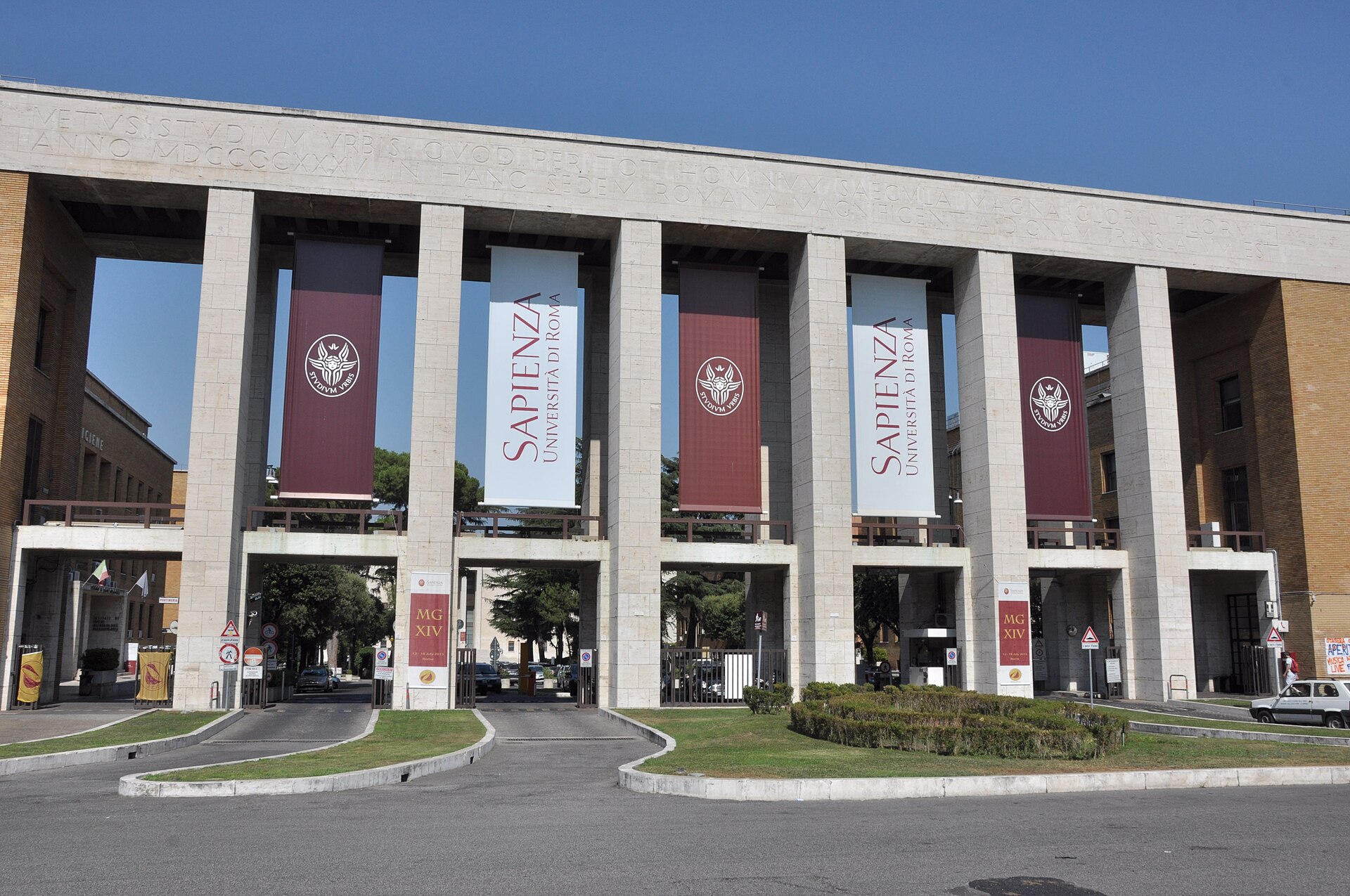
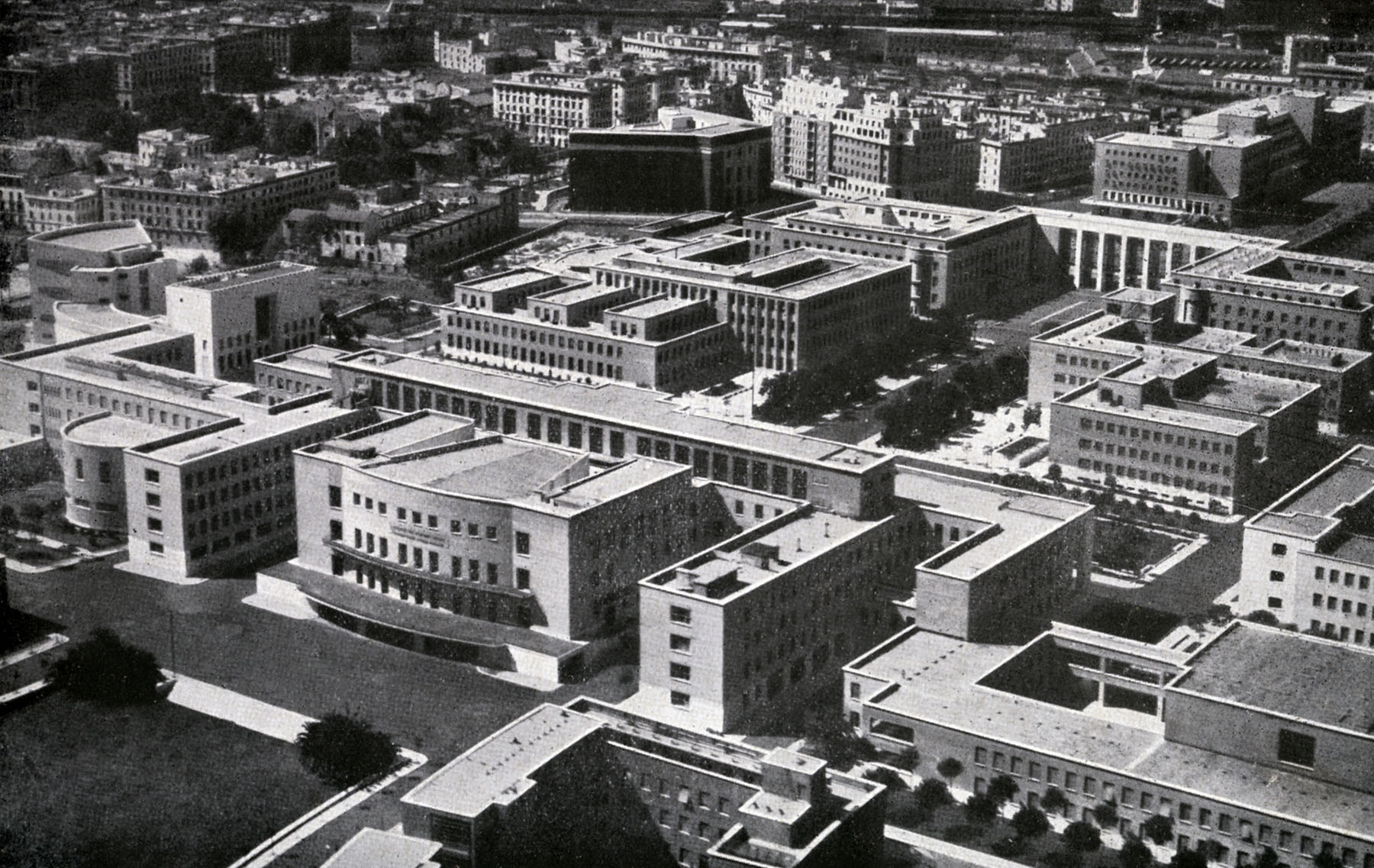
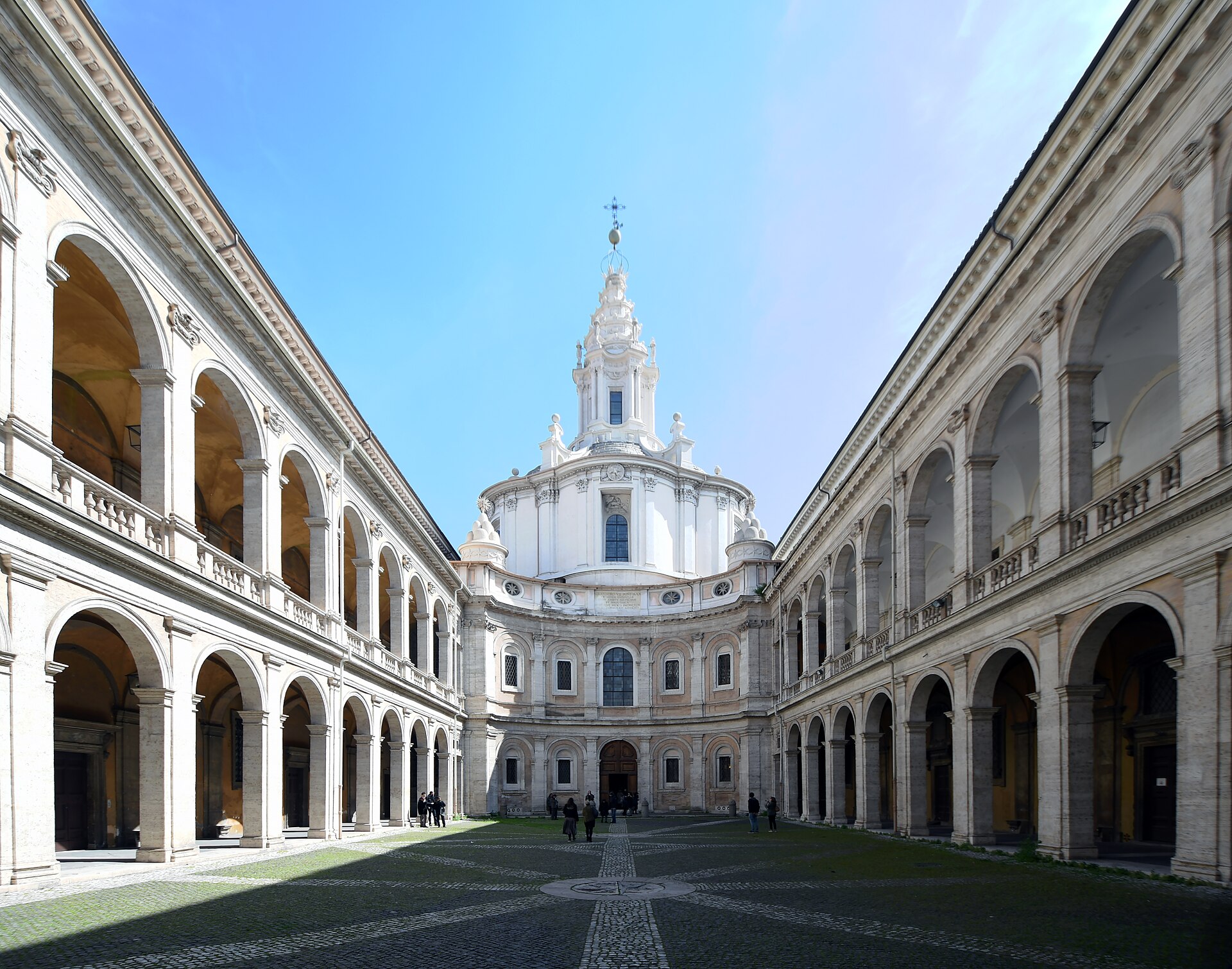
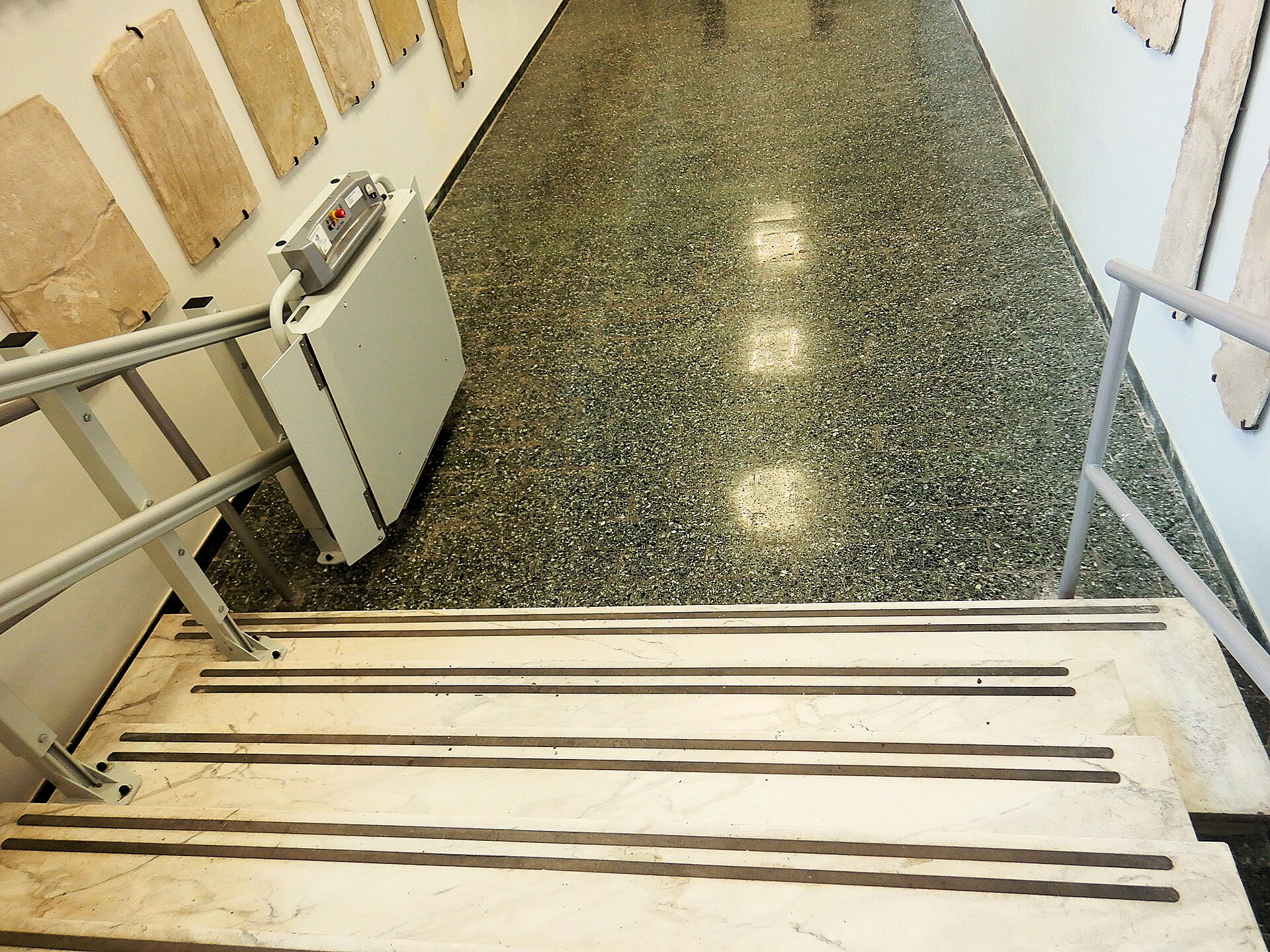
Sapienza University of Rome — campus in pictures
Real, freely-licensed photographs of the campus (via Wikimedia Commons).


Why Sapienza — Ancient Tradition, European Opportunity
Sapienza University of Rome is not merely old — it is consequential. Over seven centuries it has produced Nobel laureates, presidents, engineers, artists, and scientists who have shaped Italy and the world. For international students, it represents the highest-value convergence of research excellence, European opportunity, and life in one of the world's great cities.
Sapienza Acceptance Rate & Academic Profile
Stats
Profile Stats
Rea Vs Rd
Sapienza Admissions Requirements — Qualifications, Exams & Language
- IB Diploma (30+ minimum; higher for competitive programmes)
- A-Levels accepted and assessed for equivalency
- National secondary diplomas from most countries assessed via Universitaly
- Master's applicants need a relevant undergraduate degree
- IMAT required for Medicine & Surgery (English track)
- TOLC-I for Engineering; TOLC-S for Science; TOLC-E for Economics
- National Architecture exam for Architecture
- SAT/ACT not required or evaluated
- IELTS Academic 6.0 minimum for English-taught programmes
- TOEFL iBT 80 minimum for English-taught programmes
- Cambridge C1 Advanced also accepted
- Italian B2 (CILS/CELI) required for Italian-taught programmes
Sapienza Application Components — Universitaly, Documents & Pre-Selection
Sapienza does not use Common App, UCAS, or any centralised platform. Non-EU students apply via Italy's Universitaly system; EU students apply more directly. Below is every component of a complete Sapienza application — required and conditional — with strategic notes.
Sapienza Application — Writing the Motivation Letter for Italian Universities
Tips
Prompts
What Sapienza Admissions Committees Are Looking For
Sapienza's admissions philosophy is fundamentally different from US or UK selective universities. Entry is primarily merit-based on academic qualifications and, for restricted programmes, competitive entrance exam performance. Understanding what each pathway evaluates — and preparing accordingly — is the foundation of a strong Sapienza application.
Sapienza Financial Aid & Scholarships for International Students
Italy extends several financial support mechanisms to international students. Aid is administered primarily through DiSCo Lazio (the regional student welfare body) and the Italian Ministry of Foreign Affairs, not Sapienza itself. The most significant grants are non-repayable and include tuition waivers plus living support.
Aid amounts and eligibility criteria are set annually. Individual grant amounts are determined by DiSCo Lazio and the Italian Ministry on a case-by-case basis. Verify current values on disco.lazio.it and uniroma1.it/en/pagina/scholarships.
Stats
Contribution Tiers
| Note | Range | Percent | Percent Value |
|---|---|---|---|
| Tuition fees, subsidised accommodation, monthly allowance — for eligible need-based applicants | DiSCo Lazio Borsa di Studio | Full or partial | 80 |
| Awarded by Italian embassies; covers fees and living costs for full degree programmes | MAECI Government Scholarship | Full or partial | 90 |
| €1,290/month for 6–12 months to support post-degree international experience | Sapienza Post-Degree Scholarship | Post-graduation | 40 |
| For enrolled students conducting thesis research abroad at a partner institution | International Thesis Mobility Grant | Mobility support | 30 |
| For EU/EEA students — study or internship mobility across Sapienza's 500+ partner institutions | Erasmus+ Mobility | Mobility + stipend | 60 |
Key Dates
Advantages
- Earlier application improves visa processing time for non-EU students
- English pre-selection opens before Italian programmes — earlier clarity on admission
- IMAT registration is time-limited; missing July window means waiting a full year
- DiSCo scholarship applications open after enrolment — acting early ensures eligibility
- Competitive English-taught programmes (Cybersecurity, AI, Data Science) have limited seats; early pre-selection rounds have better availability
Disadvantages
- Universitaly process involves the Italian consulate — can take 4–8 weeks
- Non-EU students must start the process months before EU students
- IMAT can only be sat once per cycle — poor preparation with early sitting wastes the attempt
- English pre-selection deadlines vary by programme — no single unified date
- Document legalisation (apostille) can take additional weeks depending on country
Sapienza Programme Interview — Format, Questions & Preparation
Not all Sapienza programmes include an interview. Open-access Italian-taught programmes have no interview. The IMAT exam replaces any interview for Medicine. For English-taught master's programmes with competitive pre-selection — particularly in Computer Science, Cybersecurity, Data Science, and AI — a 15–30 minute oral colloquio is part of the selection process. It is conducted by a faculty committee and evaluates your academic preparation, motivation, and subject competence.
Meta
Questions
Sapienza Housing & Residential Life in Rome
Sapienza does not guarantee on-campus accommodation. The university's residential infrastructure is complemented by DiSCo Lazio (the regional student welfare body), which manages subsidised residences across Rome and prioritises grant recipients. The majority of students live in private shared apartments in Rome's many student-friendly neighbourhoods.
Houses
Lottery Steps
- Apply for DiSCo Lazio borsa di studio immediately after receiving your Sapienza enrolment number (matricola)
- Grant recipients are offered subsidised DiSCo accommodation — confirm acceptance promptly as places are limited
- Private housing: search via Idealista, Immobiliare.it, and student housing Facebook groups; the San Lorenzo neighbourhood adjacent to campus is the most popular
- DiSCo subsidised cafeterias (mense universitarie) on campus and across Rome offer hot meals for €1–€3 to enrolled students
- International Student Office (Ufficio Studenti Internazionali) provides housing guidance and connects new arrivals with support services
Sapienza Faculties & Programmes
- {"label":"Entry route (international)","value":"IMAT exam"}
- {"label":"Programme language","value":"English (F track)"}
- {"label":"EU recognition","value":"Full"}
- {"label":"Duration","value":"6 years"}
- {"label":"Entry route","value":"TOLC-I exam"}
- {"label":"English master's","value":"Multiple tracks"}
- {"label":"Key programmes","value":"CS & AI, Cybersecurity, Data Science"}
- {"label":"Industry links","value":"Leonardo, STMicroelectronics, ENI"}
- {"label":"Entry route","value":"National Architecture Exam"}
- {"label":"Setting","value":"Rome — unsurpassed built environment"}
- {"label":"Master's","value":"Several English-taught options"}
- {"label":"Studio culture","value":"Design + history integration"}
- {"label":"Physics ranking","value":"World-class"}
- {"label":"CERN collaboration","value":"Active"}
- {"label":"Entry route","value":"TOLC-S (some); open-access (others)"}
- {"label":"English master's","value":"Several"}
- {"label":"Entry route","value":"TOLC-E (some); qualification-based"}
- {"label":"English programmes","value":"Available at master's"}
- {"label":"Rome connection","value":"FAO, IFAD, WFP internships"}
- {"label":"Key specialisations","value":"Development Economics, Finance, Statistics"}
- {"label":"Global ranking (Classics)","value":"World Top 10"}
- {"label":"Global Humanities","value":"English-taught bachelor's"}
- {"label":"Archaeological resources","value":"Rome as living laboratory"}
- {"label":"Entry","value":"Qualification-based; open access"}
Research & Extracurricular Opportunities at Sapienza
Career Outcomes & Sapienza Alumni Network
Sapienza's career outcomes must be understood in context: average starting salaries reflect Italian market rates, which are lower than Northern European or North American equivalents but competitive within the EU southern European context. The true career value of a Sapienza degree often lies in its EU recognition, international institution access via Rome, and research network built during the degree.
Stats
Categories
Our Sapienza Admissions Track Record & Student Success Stories
Faqs
Do I need to speak Italian to study at Sapienza?+
Not for English-taught programmes. Over 70 programmes are taught entirely in English, including bachelor's and master's degrees in Computer Science, Global Humanities, Medicine (English track), and many Engineering and Architecture master's. For Italian-taught programmes — the majority of Sapienza's offering — B2-level Italian (CILS, CELI, or equivalent) is required.
How do non-EU students apply for a student visa to study at Sapienza?+
Non-EU students must complete pre-enrolment through universitaly.it, which is verified by the Italian diplomatic mission in their home country. Once pre-enrolment is approved and Sapienza admission is confirmed, you apply for a national study visa (visto di studio) at the Italian consulate. Start in February — the process can take 6–10 weeks.
Is the IB Diploma accepted for admission?+
Yes. The IB Diploma is accepted and assessed for equivalency to the Italian maturità. A total score of 30 or above is the general minimum. Competitive and restricted programmes (Medicine, Engineering) will expect higher scores — typically 34+ for Medicine. HL subjects should align with your intended programme.
What is the IMAT and who needs to take it?+
The International Medical Admissions Test (IMAT) is required for international applicants to the English-taught Medicine and Surgery programme at Sapienza and other Italian medical schools. It is administered by Cambridge Assessment each September and covers Biology, Chemistry, Physics and Mathematics, and Critical Thinking. Registration opens in July.
Are there scholarships available for international students?+
Yes. DiSCo Lazio administers merit- and income-based grants covering tuition fees, accommodation, and a living allowance. The Italian Ministry of Foreign Affairs (MAECI) offers government scholarships applied for via Italian embassies. Sapienza also provides the International Post-Degree Scholarship (€1,290/month) and thesis mobility grants. Apply early — competition is significant.
How big is Sapienza and will I feel lost?+
Sapienza enrolls over 110,000 students — the largest university in Europe. Bachelor's-level classes can be large. However, the university has strong faculty-level communities, 200+ active student associations, and a dedicated International Student Office. At master's level, cohorts are typically much smaller and more intimate.
Can I work while studying in Italy as an international student?+
Non-EU students on a study visa may work up to 20 hours per week during term time and up to 40 hours per week during academic holidays, subject to Italian immigration law. EU students have no such restriction. Rome's hospitality, tourism, and language-tutoring sectors offer realistic part-time opportunities for English-speaking students.
What is the cost of living in Rome for a student?+
A realistic monthly budget including rent, food, transport, and personal expenses is approximately €900–€1,300 per month. Shared accommodation near campus (San Lorenzo, Pigneto) runs €500–€700/month. DiSCo-subsidised cafeteria meals cost €1–€3. Students with DiSCo grants have significantly reduced costs. Rome is more expensive than southern Italian cities but cheaper than London, Paris, or Zurich.
Book a Free Sapienza Admissions Strategy Session
In 60 minutes our Sapienza admissions specialists will identify your correct application pathway (IMAT, TOLC, English pre-selection, or open-access), evaluate your academic profile against the programme's expectations, advise on document certification, and develop your motivation letter strategy where required.
- No commitment required
- Italy and Sapienza specialists with insider knowledge
- Personalised strategy — pathway, visa, and document planning
Sapienza Academic Requirements
Sapienza Academic Requirements: The Honest Breakdown for International Students
What qualifications, exam results, and academic profile do you need to study at Sapienza? How does Italy evaluate the IB Diploma, A-Levels, and other international credentials — and what does 'holistic' mean in the Italian admissions context?
GPA & Academic Performance
Academic Performance at Sapienza — What the Data Shows
Italy does not use a GPA system. Academic performance is assessed through your secondary school diploma (or undergraduate degree) and its assessed equivalency to the Italian qualification framework — not a standardised GPA scale.
Strong performance in subjects relevant to your target programme matters more than a uniformly high grade across all subjects. A student with outstanding Biology and Chemistry grades who applies to Medicine is read differently from one with high grades in unrelated subjects.
Academic Context
How Italy Evaluates International Academic Records
Italy evaluates international qualifications through a combination of bilateral agreements, ministerial guidelines, and the Universitaly pre-enrolment system. Sapienza's admissions offices are experienced at reading transcripts from all major international systems.
SAT & US Testing
SAT Scores at Sapienza — Not Applicable, What Matters Instead
Sapienza does not require or accept SAT scores as part of its admissions process. Italy's admissions framework is entirely separate from the US testing system.
| Label | Score | Percent |
|---|---|---|
| SAT required | Not required | 0 |
| SAT considered | Not evaluated | 0 |
| Relevant exam (Medicine) | IMAT | 100 |
ACT & Italian Entrance Exams
ACT Scores at Sapienza — Italy's Own Entrance Exam System Explained
Sapienza does not require or evaluate ACT scores. Italy's admissions system is independent of both SAT and ACT. The relevant 'standardised tests' for Italian university entry are programme-specific: IMAT, TOLC, and the national Architecture exam.
Metrics
Comparison Cards
Test Policy
Sapienza Test Policy — Italy's Entrance Exam Framework Explained
The concept of 'test-optional' does not apply to Sapienza in the US sense. Sapienza does not request SAT or ACT scores. For restricted programmes (Medicine, Engineering, Architecture), the applicable entrance exam is mandatory — there is no opt-out. For open-access and English pre-selection programmes, there is no standardised test at all.
Submit Items
Withhold Items
International Qualifications
IB Diploma, A-Levels & International Qualifications at Sapienza
- {"label":"Minimum total score","value":"30 points"}
- {"label":"Competitive range (Medicine)","value":"38–40+"}
- {"label":"HL subject alignment","value":"Match to target faculty (Sciences for Medicine/Engineering; Humanities for Classics/Law)"}
- {"label":"Assessment route","value":"Via Universitaly for non-EU applicants"}
- {"label":"Typical competitive range","value":"ABB to A*AA"}
- {"label":"Subject alignment","value":"Three A-Levels in relevant disciplines for target programme"}
- {"label":"Assessment","value":"Assessed via Italian ministerial framework / Universitaly"}
AP Courses & Italian Entrance Exams
AP Courses, Italian Entrance Exams, and What Counts at Sapienza
Italy's university entrance exams (IMAT, TOLC) are entirely separate from the AP system and are not substituted by AP results. However, for US-curriculum students, strong AP results in relevant subjects are useful context and demonstrate subject preparation.
Academic Rigour
Rigour of Secondary School Record — What Italy Evaluates
Sapienza assesses the rigour and relevance of your secondary school record as a key element of qualification equivalency assessment. Subject breadth and the presence of your target programme's prerequisite subjects matter more than cumulative scores alone.
Choosing subjects that align with your target faculty and demonstrating genuine depth in those disciplines — not maximising total points.
Subject Preparation
Academic Preparation by Programme — What Sapienza Expects
Academic expectations vary significantly by faculty. Below are the core preparation expectations for Sapienza's most internationally popular programmes. These are not formal requirements but practical preparation benchmarks for competitive applicants.
Language Requirements
English & Italian Language Requirements at Sapienza
English language requirements apply to English-taught programmes. For Italian-taught programmes, B2-level Italian is required. Language readiness is a non-negotiable practical requirement — it is assessed via recognised external certificates, not through the application itself.
Language proficiency at Sapienza is a formal gate, not a holistic factor. Without IELTS 6.0 or TOEFL 80 (for English programmes) or CILS/CELI B2 (for Italian programmes), your application is ineligible regardless of academic performance. Begin language preparation early.
Sapienza's prerequisiti (prerequisite subject requirements) vary by faculty. The table below summarises typical preparation profiles for key programme areas. Always verify specific prerequisiti on corsidilaurea.uniroma1.it before applying.
Rows
| Signals | Expectation | Concentration |
|---|---|---|
| IMAT 55+ score; HL Biology & Chemistry 6–7 | HL Biology, HL Chemistry, HL Maths / A-Level equivalents | Medicine & Surgery (IMAT) |
| TOLC-I 50+; strong Maths background | HL Maths / A-Level Mathematics | Engineering (TOLC-I) |
| TOLC-S; Python / programming experience | HL Maths + CS background (master's) | Computer Science & AI |
| TOLC-E; Maths & Economics background | HL Maths + Economics or equivalent | Economics |
| Spatial reasoning test; Italian language B2 | Maths + Art/Drawing aptitude | Architecture |
| Strong analytical writing; language background | Humanities subjects; Latin/Greek advantage | Classics & Archaeology |
| Writing sample; History/Philosophy background | Humanities subjects; English C1+ | Global Humanities (English BA) |
| HL Physics & Maths; CERN awareness | HL Physics + HL Maths / A-Level equivalents | Physics |
Curriculum Evaluation
How Italy Evaluates IB, A-Level, and International Qualifications
Italy uses a specific framework to evaluate international curricula — different from the holistic US approach or UCAS predicted-grades model. Understanding how your qualification is assessed gives you a concrete advantage in preparing a complete, correct application.
PROFILE TIMELINE
Building Your Academic Profile: Grade 9 to Sapienza
COMMON PITFALLS
Academic Mistakes International Students Make at Sapienza
- Treating oral examinations as equivalent to written tests. Italian universities use esami orali (oral exams) extensively — the ability to explain and defend knowledge verbally in the language of instruction is a distinct skill. Prepare for this format explicitly.
- Leaving Universitaly pre-enrolment until April or May. The process involves the Italian consulate, which can take 4–8 weeks. Missing the pre-enrolment window (typically April) locks you out for the entire academic year.
- Sitting IMAT or TOLC without 12 months of structured preparation. These are genuinely competitive exams. Late or inadequate preparation leads to scores below the competitive threshold.
- Applying to an Italian-taught programme without verified B2 Italian. Admission without adequate language skills leads to academic failure, not just difficulty.
- Submitting inadequate document legalisation. Apostille certification, certified translation, and consular authentication have specific requirements. Documents that do not meet these requirements delay your application indefinitely.
- Not verifying prerequisiti for your specific programme. Sapienza's 21 faculties have different subject prerequisites. Assuming one faculty's requirements apply to all others is a common error.
- Overlooking ECTS credit compatibility for transfer students. If transferring from another university, map your credits to Sapienza's CFU system before applying.
- Expecting the same holistic admissions process as US or UK universities. Sapienza's admissions for most programmes is primarily qualification-based. 'Soft' factors (extracurriculars, leadership) carry negligible weight compared to grades and entrance exam performance.
STUDENT PROFILES
Typical Profiles of Admitted International Students at Sapienza
ACADEMIC FAQS
Sapienza Academic FAQs
How is the Italian university grading system different from what I am used to?+
Italian universities grade on a 30-point scale (trenta). A passing mark is typically 18/30; 30/30 is the highest mark, and 30/30 cum laude is awarded for exceptional performance. Examinations are predominantly oral (esame orale) at bachelor's level — you are examined by a professor in a verbal discussion of the subject matter. This is fundamentally different from the continuous-assessment, written-exam, or coursework models used in the US, UK, or Australia.
What is the ECTS credit system and how does it work at Sapienza?+
Italy uses the ECTS-compatible CFU (Credito Formativo Universitario) system. A three-year bachelor's programme requires 180 CFU; a two-year master's requires 120 CFU. Approximately 25–30 hours of study per CFU is the expected workload. Credits are earned by passing individual course exams — there is no accumulated coursework or continuous assessment in most programmes.
Does Sapienza conduct admissions interviews for bachelor's programmes?+
Not for most bachelor's programmes. Open-access bachelor's admit on qualifications alone. Restricted-access bachelor's (Medicine, Engineering, Architecture) select via entrance exams — not interviews. Interviews (colloquio) appear primarily in English-taught master's pre-selection processes.
Can I transfer to Sapienza from another university?+
Credit transfer (trasferimento) to Sapienza is possible, subject to the receiving faculty's approval of your prior credits. Credits must be assessed for CFU compatibility. Admission to a year above the first is not guaranteed — it depends on how many credits are recognised. Contact the target faculty's Segreteria Studenti directly.
What is the academic year structure at Sapienza?+
The academic year runs from October to June and is divided into two semesters: October–February (first semester) and March–June (second semester). Exam sessions (appelli) take place in January–February, June–July, and September. Students choose their exam session for each course — there is flexibility in when you sit each exam within the academic year.
COST & FINANCIAL AID
The Real Cost of Studying at Sapienza for International Students
Annual tuition of approximately $3,130 USD, a cost of attendance estimate of ~$14,000, and a range of grants covering tuition, housing, and living costs make Sapienza one of the most cost-effective research universities in the world for international students.
COST BREAKDOWN
Annual Cost of Attendance at Sapienza — Detailed Breakdown
All figures below are approximate annual estimates in USD. Tuition and living cost figures are drawn from the university's facts file and publicly available information. Exact tuition depends on your programme and income assessment.
Cost figures are approximate annual estimates. Tuition may be confirmed at uniroma1.it/en/pagina/tuition-fees-and-benefits. Cost of living depends significantly on housing type and neighbourhood.
| Component | Estimate Usd | Notes |
|---|---|---|
| Annual Tuition | ~$3,130 | Fixed contribution for international students; lower for income-reduced fee bands (ISEE assessment) |
| Total Cost of Attendance (estimated) | ~$14,000 | Includes tuition, accommodation, food, transport, and personal costs |
| Cost of Living — Rome (annual) | ~$15,000 | Accommodation, food, transport, personal; varies significantly by housing type and lifestyle |
| Application / Pre-Selection Fee | ~$50 | Applies to English-taught programme pre-selection; some programmes vary |
| Accommodation (private, monthly) | $550–$900 | Shared apartment in Rome; DiSCo halls significantly cheaper for grant recipients |
| Student cafeteria meals | $1–$3 per meal | Sapienza's mense universitarie offer subsidised meals to all enrolled students |
| Health insurance / SSN contribution | ~$160 | Non-EU students: voluntary enrolment in Italy's SSN; EU students: EHIC covers basic care |
FINANCIAL AID
Financial Aid Framework for International Students at Sapienza
Italy extends financial support to international students through a combination of regional grants (DiSCo Lazio), government scholarships (MAECI), and Sapienza's own internal grants. Aid is non-repayable — there is no subsidised loan system equivalent to the US Direct Loan programme.
AFFORDABILITY
Is Sapienza Genuinely Affordable for International Students?
The honest context: while tuition is remarkably low, Rome is not a cheap city to live in by global standards. Total cost of attendance — including accommodation, food, transport, and personal expenses — is estimated at approximately $14,000 annually. Students who access DiSCo grants or MAECI scholarships can significantly reduce this figure. Students who rely entirely on personal funds should budget realistically for the Rome cost of living.
For the vast majority of international students, Sapienza represents the most cost-effective pathway to a world-ranked, research-intensive European university education. The annual tuition of approximately $3,130 USD compares favourably with virtually every comparable university globally.
The income-reduction (ISEE-based) fee mechanism is available to international students, but requires certified foreign income documentation, which can be administratively challenging from some countries. Non-EU students whose home-country income cannot be easily certified may pay the full contribution band. Working part-time (up to 20 hours/week on a student visa) can meaningfully offset living costs. DiSCo's subsidised cafeterias (meals from €1–€3), student transport discounts, and accommodation assistance are real and accessible levers.
AID APPLICATION
How to Apply for Financial Aid at Sapienza — Step by Step
AID FOR INTERNATIONALS
Financial Aid Specifically for International Students
Italy extends meaningful financial support to international students, but the mechanisms and eligibility criteria differ from those in the US or UK. Understanding the specific pathway for international students is essential.
AID AMOUNTS
Typical Aid Amounts — What DiSCo and MAECI Actually Provide
DiSCo Lazio's borsa di studio covers: full tuition fee waiver (for qualifying recipients), subsidised or free accommodation in DiSCo residences, and a monthly living allowance (typically in the range of €200–€400/month, subject to annual determination by DiSCo). MAECI scholarships for full degree programmes are more comprehensive, potentially covering tuition, accommodation, and a monthly allowance. Verify current amounts at esteri.it/studiare and disco.lazio.it.
Specific average financial aid percentage data is not published by Sapienza. The following reflects publicly available information about the DiSCo and MAECI grant structures. Individual award amounts depend on income assessment, academic performance, and programme.
Specific aid amounts are not published in Sapienza's facts file and are subject to annual revision by DiSCo Lazio and the Italian Ministry. The above is qualitative guidance only — verify current values directly with DiSCo and MAECI before making financial plans.
MERIT & NEED
Merit and Need-Based Aid Opportunities at Sapienza
Italy's public university aid system primarily combines need-based assessment (income and assets) with academic merit (enrolment and academic progression). Pure merit scholarships with no need component are rare in the Italian public university system, but do exist through Sapienza's own grant programme and partner foundations.
EXTERNAL FUNDING
External Scholarships for International Students at Sapienza
Beyond university and Italian government aid, international students at Sapienza can access external scholarship programmes from their home countries or international bodies. Always verify current availability and deadlines directly with the issuing body.
LOAN POLICY
Student Loans at Sapienza — Italy's Approach
Italian public banks and some regional institutions offer private student loans (prestiti d'onore or commercial student loans) to enrolled students, but these are not managed by Sapienza or DiSCo. Interest rates and terms vary. EU students from countries with national student loan systems (e.g. UK Student Finance, German BAföG) may be able to continue drawing national loans while studying at Sapienza — verify with your home country's student finance authority.
Italy does not operate a federal student loan system equivalent to the US Direct Loan programme. The primary financial support mechanisms are grants (non-repayable), not loans. This is a significant structural advantage of Italian public higher education.
For most international students at Sapienza, the primary financial strategy should focus on securing grants (MAECI, DiSCo) rather than loans. The low tuition level means the total financing need is substantially lower than at comparable universities in the UK, US, or Australia.
WORK & STUDY
Working While Studying at Sapienza in Rome
Sapienza does not administer a formal work-study programme in the US sense. However, Italy's student visa framework and Sapienza's own part-time work opportunities for enrolled students provide meaningful options.
COST COMPARISON
Sapienza vs Global Alternatives — Cost Perspective
Comparing Sapienza's cost structure to comparable research universities globally contextualises its exceptional value proposition for international students.
Comparison figures are approximate and reflect publicly available 2024–2025 data. Tuition for international students varies by programme. Sapienza's cost advantage is most pronounced for STEM and Medicine programmes, where international fees at UK/Australian peer institutions are substantially higher.
| University | Annual Tuition | Cost Of Attendance | Aid Availability |
|---|---|---|---|
| Sapienza University of Rome | ~$3,130 | ~$14,000 | DiSCo grants + MAECI scholarships |
| UCL (London) | ~$35,000+ | ~$55,000+ | Limited for internationals |
| University of Amsterdam | ~$12,000 | ~$25,000 | Holland Scholarship; limited |
| University of Melbourne | ~$30,000+ | ~$45,000+ | Merit scholarships; limited |
TRUE COST
The True Cost of a Sapienza Degree — Honest Calculation
A three-year bachelor's programme at Sapienza, without any grant support, will cost approximately $42,000–$45,000 in total — tuition plus cost of attendance for three years. A two-year master's will cost approximately $28,000–$30,000. These figures compare favourably even with many subsidised European alternatives. Students who receive DiSCo grants can significantly reduce these totals — potentially to near-zero for tuition and substantially subsidised living costs.
The true cost of a Sapienza degree depends on programme duration, accommodation type, lifestyle, and aid received. Below is an honest multi-year calculation for an international student without grant support.
The honest caveat: Rome is not the cheapest European student city. Students who do not receive housing support will face private rental market rates of €500–€800/month for shared accommodation. A realistic 3-year total for a student without grants is approximately €35,000–€40,000 including all living costs. The quality-to-cost ratio remains exceptional compared to any anglophone peer institution.
All figures are estimates. Individual costs depend on accommodation choices, lifestyle, grant outcomes, and programme-specific fees. Verify current tuition at uniroma1.it/en/pagina/tuition-fees-and-benefits.
AID APPEALS
Appealing Financial Aid Decisions at Sapienza
Italy's financial aid system has formal appeal procedures. DiSCo Lazio grant decisions can be appealed if you believe your income assessment was incorrect or if your circumstances have changed.
FINANCIAL PLANNING
Financial Planning Timeline for Sapienza Applicants
Effective financial planning for Sapienza begins well before your application. The Italian aid system rewards early action, particularly for MAECI scholarships that must be applied for through embassies before your Universitaly pre-enrolment.
APPLICATION & MOTIVATION LETTER
The Sapienza Application: Italy's Direct System — No Supplements, No Common App
Sapienza does not use Common App, UCAS, or any US- or UK-style supplemental essay system. Admission is primarily qualification-based. For English-taught programmes with online pre-selection, the motivation letter (lettera motivazionale) is your main written document — and for competitive master's programmes, it can be the decisive factor in your application.
This guide focuses on what matters: understanding Italy's application system, writing a compelling motivation letter for programmes that require one, and preparing for any admission interviews. If you are applying to an open-access Italian-taught programme, there is no essay requirement at all — your focus should be entirely on your academic qualifications and Italian language proficiency.
APPLICATION SYSTEM
How the Italian University Application System Works at Sapienza
Italy's university admissions system is document-based and qualification-assessed — fundamentally different from US or UK selective admissions. Here is what you need to understand as an international applicant to Sapienza.
MOTIVATION LETTER ELEMENTS
What Sapienza Asks in Pre-Selection Applications
Sapienza does not publish a single universal motivation letter prompt. Each English-taught programme's pre-selection bando (call) specifies what the letter should address. Common elements across programmes include the following. Always verify the exact requirements in your programme's bando on corsidilaurea.uniroma1.it.
Verify the exact requirements for your specific programme's bando on corsidilaurea.uniroma1.it before writing. Requirements vary between programmes and are updated annually.
THE MOTIVATION LETTER
Writing Your Motivation Letter (Lettera Motivazionale) for Sapienza
For English-taught master's programmes at Sapienza that use pre-selection, the motivation letter is typically your only extended written document. It is short — usually 300–800 words — but must be precise, specific, and compelling. Unlike a US personal essay, it is not a personal narrative about your character or values. It is a professional-academic document that answers three core questions: Who are you academically? Why this subject? Why Sapienza?
Italian academic culture values intellectual clarity, directness, and subject expertise. Committees are looking for evidence that you understand the programme, that your background genuinely prepares you for it, and that your reasons for choosing Sapienza are specific and considered — not generic. A letter that praises 'Rome's beautiful culture' without saying anything specific about the programme, faculty, or research environment is immediately recognisable as superficial and carries no weight.
PROGRAMME-SPECIFIC STRATEGY
Application Strategy by Programme Type at Sapienza
STRATEGY
Choosing Your Angle — What Works in Italian Academic Applications
The motivation letter for a Sapienza English-taught programme is not a place for personal storytelling in the US university sense. Italian academic culture expects restraint, intellectual focus, and professional tone. What works — and what doesn't:
COMMON MISTAKES
Application & Motivation Letter Mistakes to Avoid at Sapienza
- Writing a generic letter that could apply to any university anywhere — without naming Sapienza, the specific programme, or a single specific course, research group, or faculty feature.
- Describing Rome's cultural attractions, food, or history as the primary motivation for applying. While Rome is extraordinary, this signals a lifestyle choice rather than an academically motivated application.
- Copying or paraphrasing AI-generated text without meaningful personalisation. Italian academic committees are increasingly attentive to generic, over-polished prose that lacks a genuine personal voice or specific programme knowledge.
- Exceeding the stated word limit. A committee reading 300+ applications will penalise or discard overlength submissions. Stay within the bando's stated word count.
- Submitting the letter in the wrong language. Some Italian-taught programmes require the motivation letter in Italian. English-taught programmes accept English. Always confirm the required language in the programme's bando.
- Neglecting to proofread for English grammar and clarity. A motivation letter with significant grammatical errors undermines your application regardless of content — particularly for programmes where your English proficiency is being assessed.
- Failing to connect your undergraduate background to the programme's curriculum. If you are applying to an Engineering master's with a degree in an adjacent but different field, you must explicitly address this gap and demonstrate how your background is nonetheless relevant.
- Treating the motivation letter as an afterthought once you have met the grade threshold. For over-subscribed English-taught programmes, all qualified applicants meet the grade threshold — the letter is the differentiator.
- Missing the pre-enrolment or pre-selection window because you did not monitor bandi. Programmes announce pre-selection through official calls on corsidilaurea.uniroma1.it. Missing the announcement means missing the round.
- Submitting inadequate or incorrectly legalised documents. Motivation letters and language certificates are useless if the supporting document package (transcripts, diploma, apostille) is incomplete or incorrectly certified.
APPLICATION FAQS
Application & Motivation Letter FAQs for Sapienza
Do all Sapienza programmes require a motivation letter?+
No. The majority of Sapienza's Italian-taught, open-access programmes require no written statement at all. Only English-taught programmes with online pre-selection, and some restricted-access master's programmes, require a motivation letter. Check the specific bando for your programme on corsidilaurea.uniroma1.it.
How long should my motivation letter be?+
Typically 300–800 words, depending on the programme's bando. Aim for 450–600 words as a default — unless the bando specifies otherwise. Be concise and focused. Quality matters far more than length, and exceeding the stated limit is actively penalised.
Should I write the motivation letter in English or Italian?+
For English-taught programmes, write in English. For Italian-taught programmes that do require a statement, write in Italian (B2 level minimum). The required language is always specified in the programme's bando. When in doubt, email the programme coordinator to confirm.
What happens at the oral interview (colloquio) stage?+
If your programme includes an oral interview, expect a 15–30 minute academic conversation in which committee members ask you to expand on your motivation letter, discuss your undergraduate research, explain your career goals, and sometimes demonstrate basic subject knowledge. Prepare by reviewing your motivation letter and being ready to discuss your thesis or most relevant project in detail.
Can I apply to multiple Sapienza programmes at the same time?+
You may apply to multiple programmes in their respective pre-selection rounds, but Italian enrolment regulations require you to be enrolled in only one degree programme at a time. Once admitted and enrolled, you must withdraw from other accepted offers. Plan for potentially overlapping pre-selection timelines.
Does Sapienza use Common App or UCAS?+
No. Sapienza does not use Common App, UCAS, Coalition, or any other centralised application platform. Applications are submitted via the Universitaly portal (for non-EU students requiring a visa), the programme's own pre-selection system, or directly through Sapienza's Infostud platform.
What if I apply to a programme with no motivation letter requirement?+
For open-access programmes, your application is your qualifying documents: diploma, transcripts, English or Italian language certificate, and identity documents. There is no additional written component. Focus your energy on document certification and, for non-EU students, the Universitaly pre-enrolment process.
How competitive is pre-selection for English-taught master's programmes?+
Competitiveness has increased significantly in recent years, particularly for CS, Cybersecurity, Data Science, and AI programmes. These programmes attract international applications at a volume that requires meaningful selection. A strong undergraduate transcript in a relevant field plus a specific, well-researched motivation letter is the combination that stands out.
Courses — schools, degrees & intake
72 degrees across 15 groupings.
Architecture and Design · 3 degrees
Architectural Sciences
Design
Project Management in Building Construction
Economics, Finance and Management · 6 degrees
Economics and Finance
Business Administration and Management
International Economic and Financial Relations
Economics (distance learning)
Management and Corporate Law (Latina Campus)
Economics of Innovation (Rieti Campus)
Geography and Territory · 2 degrees
Geographical Sciences and Technologies for Environment and Health
Sustainable Tourism Science
Information Engineering, Informatics and Statistics · 10 degrees
Applied Computer Science and Artificial Intelligence
Computer Science
Computer Science (distance learning)
Information Engineering
Computer and Control Engineering
Management Engineering
Telecommunication Engineering
Electronics Engineering
Philosophy and Artificial Intelligence
Bioinformatics
Civil, Building and Environmental Engineering · 5 degrees
Civil Engineering
Environmental Engineering
Environmental Engineering for Sustainable Development (Latina Campus)
Technological and Digital Innovation Engineering (Rieti Campus)
Sustainable Building Engineering (Rieti Campus)
Industrial Engineering · 7 degrees
Aerospace Engineering
Chemical Engineering
Clinical Engineering
Energy Engineering
Electrical Engineering
Mechanical Engineering
Mechanical Engineering for the Green Transition
Literature, Culture, Philosophy and History · 6 degrees
Global Humanities
Classics
Modern Humanities
Literature, Music and Performing Arts
Philosophy
History, Anthropology, Religions
Languages and Intercultural-Linguistic Mediation · 4 degrees
Oriental Languages and Civilizations
Communication and Interpretation in Italian Sign Language
Languages, Cultures, Literature and Translation
Intercultural and Linguistic Mediation
Agri-food Sciences · 2 degrees
Food and Industrial Biotechnology
Gastronomic and Wellness Sciences, Cultures and Politics
Archaeological Sciences, Art, Performing Arts and Fashion Studies · 4 degrees
Archaeological Sciences
Studies in Art History
Theater, Film and Media
Fashion Studies
Biological, Chemical and Earth Sciences · 6 degrees
Biology
Chemical Sciences
Environmental Sciences
Natural Sciences
Geological Sciences
Technologies for Conservation and Restoration of Cultural Heritage
Biotechnological and Pharmaceutical Sciences · 3 degrees
Biotechnologies
Applied Pharmaceutical Sciences (blended mode)
Molecular Biology, Medicinal Chemistry and Computer Science for Pharmaceutical Applications
Education and Social Work · 3 degrees
Education and Training Science
Social Work
Sciences and Techniques of Social Work
Communication Sciences · 2 degrees
Communication, Technologies and Digital Culture
Corporate and Public Administration Communication
Health Sciences · 9 degrees
Nursing
Midwifery
Physiotherapy
Occupational Therapy
Speech and Language Therapy
Dental Hygiene
Imaging and Radiotherapy Techniques
Environment and Workplace Prevention Techniques
Health Assistance
Want your real chances at Sapienza University of Rome?
Create a free TYCHR account for your personalised admit-chance, a shortlist you can track, exact entry requirements, and essay + counselling help.