RWTH Aachen University
Aachen, Germany · Urban
GERMANY'S LARGEST TECHNICAL UNIVERSITY
RWTH Aachen University Admissions Guide for International Students
RWTH Aachen University is one of Europe's most respected technical universities — ranked in the global top 100 by QS and Times Higher Education, and the sixth-ranked university in Germany. Founded in 1870 in the border city of Aachen, it sits at the intersection of Germany, Belgium, and the Netherlands, making it a uniquely international hub for engineering, technology, and applied science. With zero tuition fees for students of all nationalities and a world-class industry ecosystem — from Siemens and Ford to RWTH's own 150+ campus spin-offs — it represents one of the most compelling and affordable destinations for ambitious international students in the world.
Campus
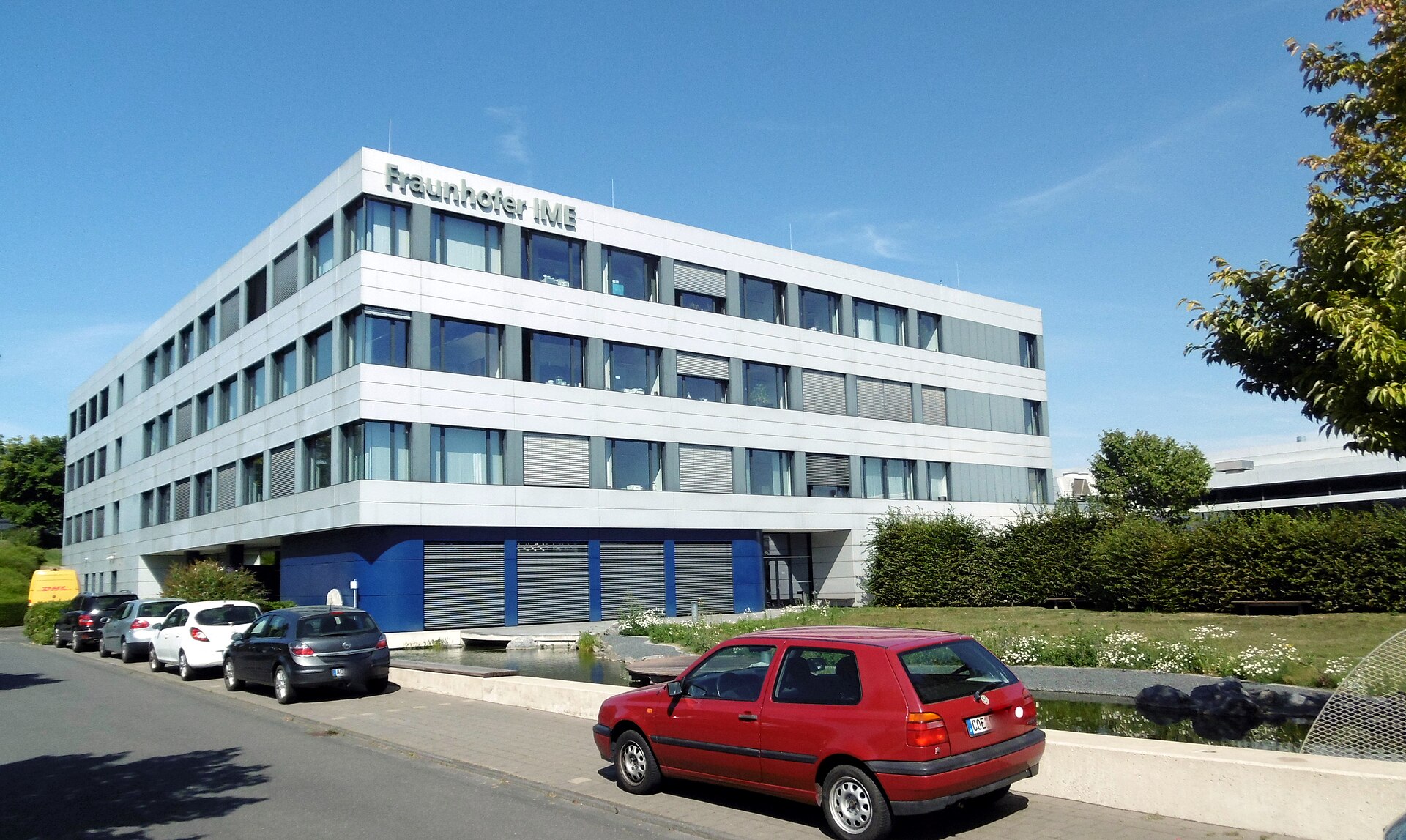
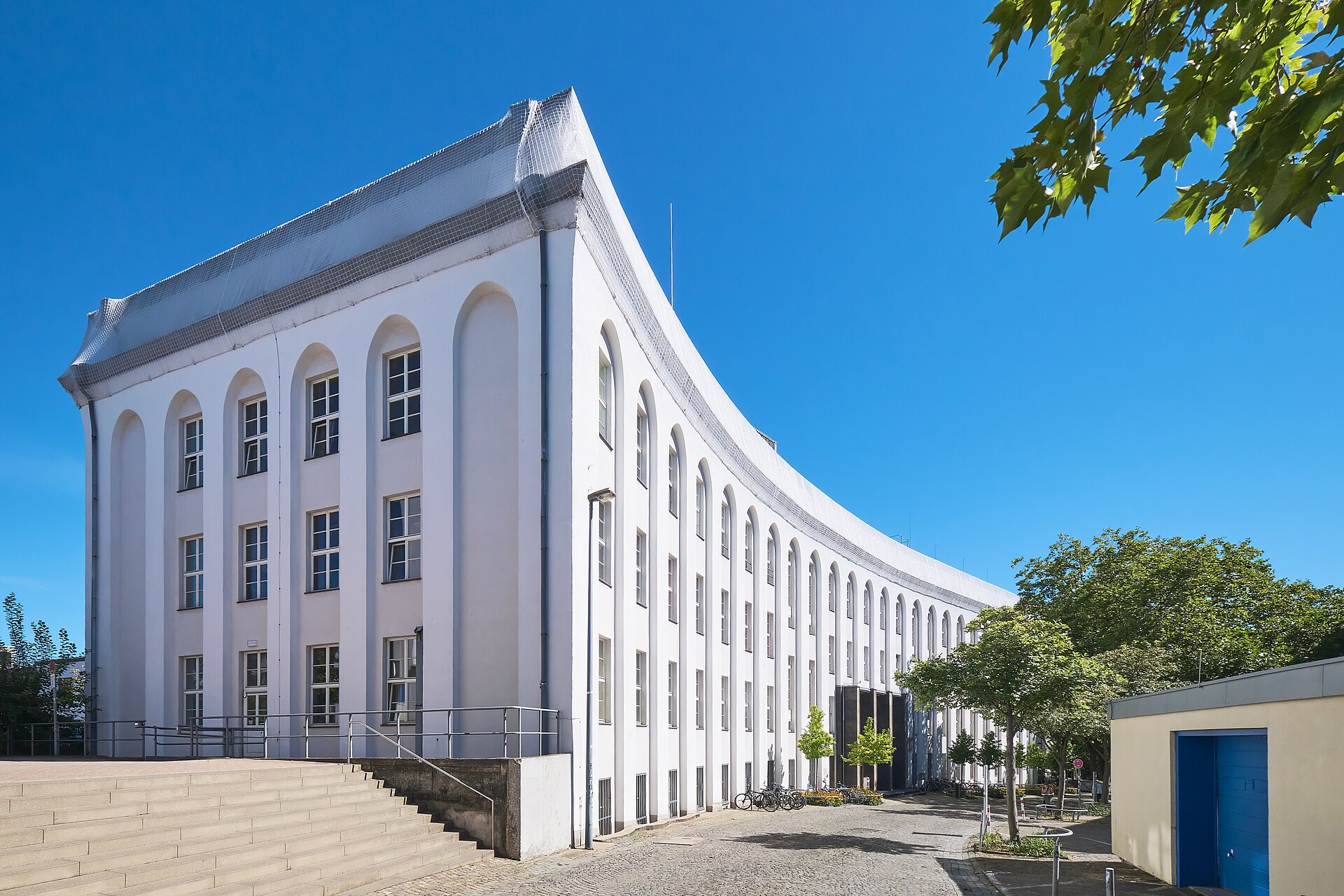
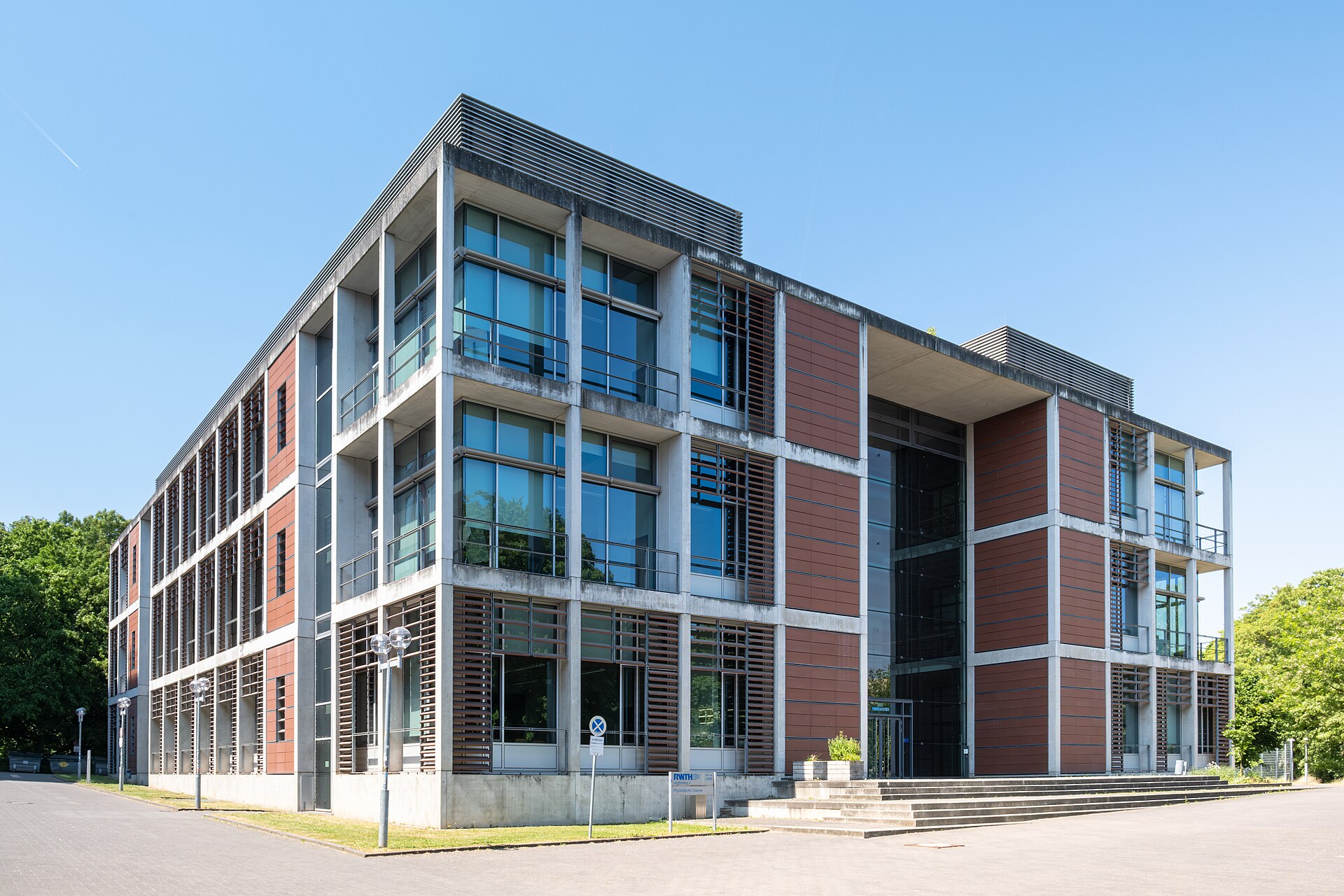
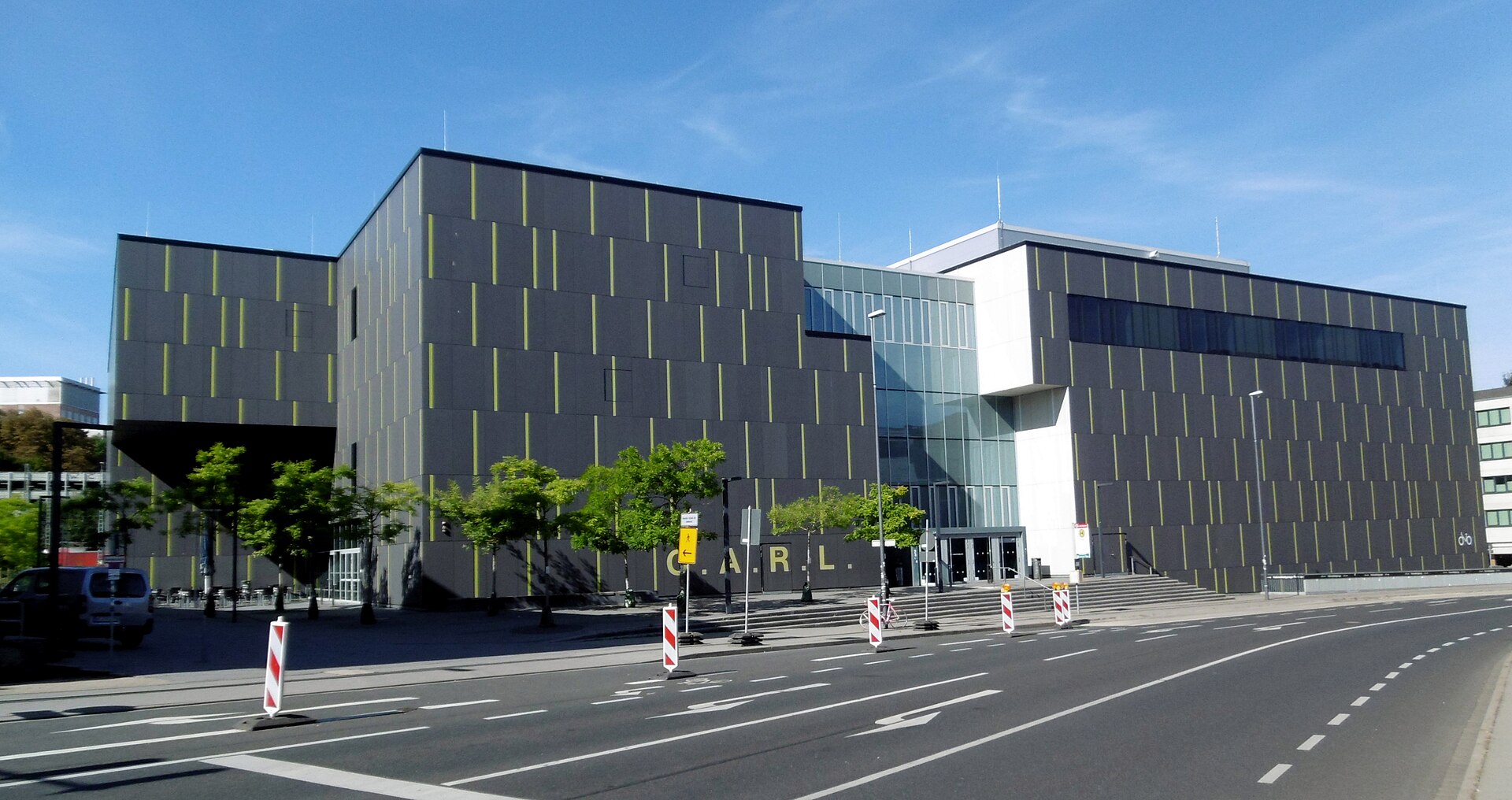
RWTH Aachen University — campus in pictures
Real, freely-licensed photographs of the campus (via Wikimedia Commons).
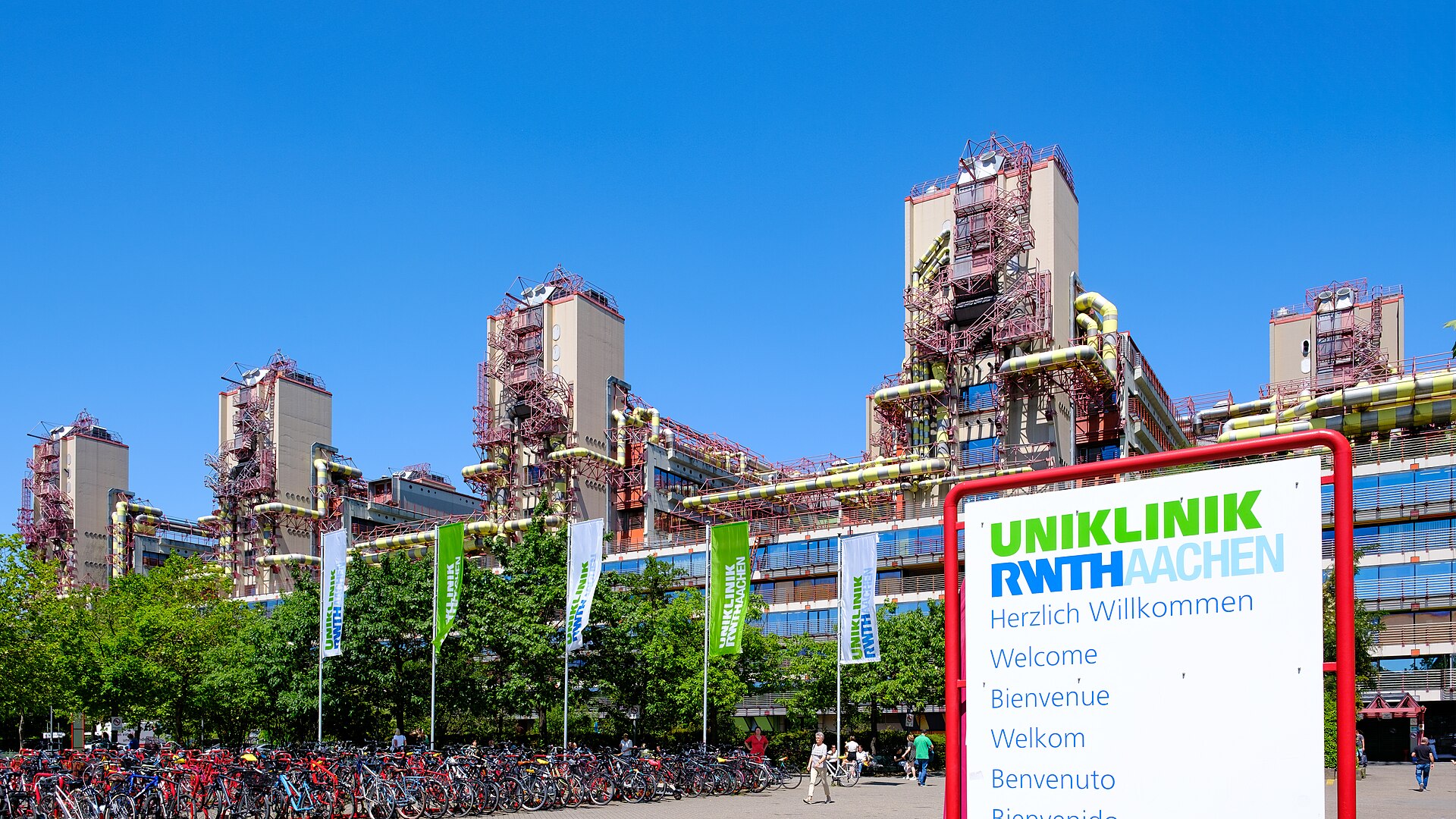
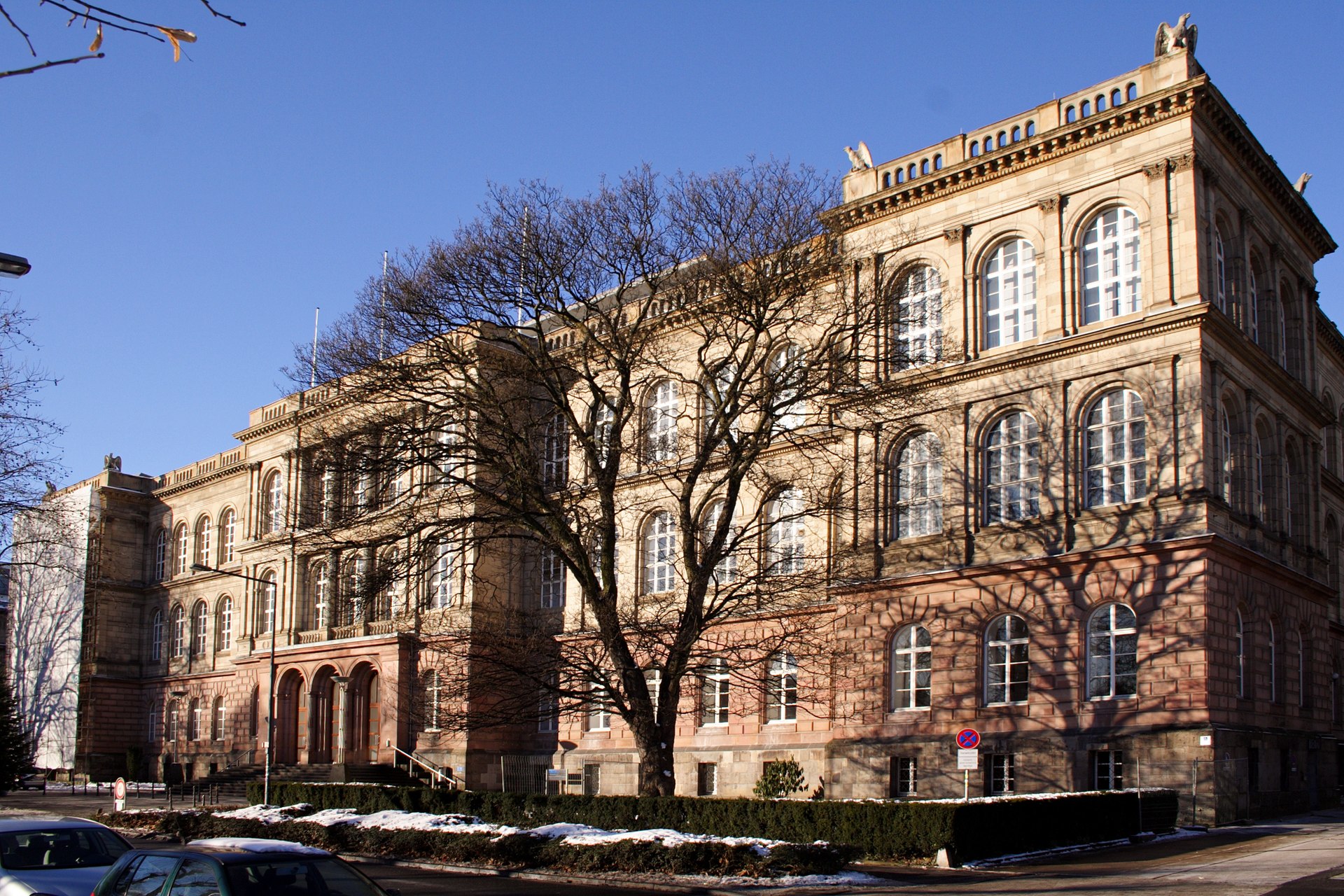
Why RWTH Aachen — Engineering Excellence, Zero Tuition & Industry Depth
For an international student weighing technical universities globally, RWTH Aachen offers a combination that is almost impossible to match: elite research rankings, a rich campus life, a location in the heart of Western Europe's industrial corridor, and virtually no tuition fees.
RWTH Aachen Acceptance Rate & Admission Profile
Profile Stats
Stats
Rea Vs Rd
RWTH Aachen Admissions Requirements — Qualifications, Language & Subject Prerequisites
- IB Diploma: 32+ overall, strong HL Mathematics and sciences
- A-Levels: three subjects including Mathematics at A minimum
- All international certificates verified via Uni-Assist (anabin database)
- Subject-specific prerequisites are hard gates — check each programme
- German programmes: TestDaF TDN 4 or DSH-2 required
- English master's: IELTS 6.5 or TOEFL iBT 90
- Plan 12–18 months for German preparation if starting from A1
- Goethe-Institut and Deutsche Welle offer globally accessible pathways
- Engineering: advanced mathematics and physics required
- Materials/Chemical Engineering: chemistry at advanced level
- Computer Science: mathematics essential; programming advantageous
- Business & Engineering: mathematics and economics combination
RWTH Application Components — Documents, Language Certificates & Motivation Letter
RWTH Aachen uses a grade-and-qualification-based admission process rather than a US-style holistic review. Applications are submitted through RWTHonline. International qualifications are verified by Uni-Assist. Here is every component of a complete RWTH application.
RWTH Application Writing — Motivation Letter & Statement Strategy
RWTH Aachen does not use US-style application essays. Germany's academic application system is grades-first. However, for master's applicants, the Motivationsschreiben (motivation letter) is a carefully reviewed document that can differentiate candidates with similar academic profiles.
Prompts
Tips
What RWTH Aachen's Admissions Process Is Actually Looking For
RWTH Aachen's admission criteria differ fundamentally from US or UK universities. There is no holistic review in the American sense — no extracurricular weighting, no teacher recommendations at the undergraduate level, no personality essays. What matters is academic preparation. Here is what competitive applicants share.
RWTH Financial Aid & Scholarships for International Students
RWTH Aachen, as a German public university, does not operate a US-style need-based aid programme. The zero-tuition policy is itself the structural aid. For additional support, international students rely on external scholarships — primarily through DAAD and the Deutschlandstipendium — and Germany's accessible part-time work framework.
Aid amounts are from publicly available DAAD and federal scholarship guidelines. Scholarship awards are competitive and not guaranteed — contact DAAD (daad.de) or RWTH's scholarship portal for current programme details.
Stats
Contribution Tiers
| Range | Percent | Percent Value | Note |
|---|---|---|---|
| Tuition | 0% | 0 | Free for all students at all degree levels |
| With DAAD Scholarship | ~90% | 90 | DAAD covers approximately €992/month — most living costs offset |
| With Deutschlandstipendium | ~25% | 25 | €300/month — partial living cost support, stackable with DAAD in some cases |
| Without Scholarship | ~0% | 0 | No institutional aid; students fund own living costs (~$14,000/year) |
Key Dates
Advantages
- Primary intake — the vast majority of bachelor's and master's programmes admit in winter
- Largest cohort of new international students — better orientation support
- More scholarship cycles align with October starts (DAAD, Deutschlandstipendium)
- German courses and preparatory programmes also align to October intake
- Gives maximum time to arrange blocked account, visa, and accommodation
Disadvantages
- Deadline is July 15 — results from IB or A-Levels must arrive by then
- Accommodation demand peaks for October start — apply immediately upon admission
- Visa processing must begin by June at the latest for non-EU applicants
RWTH Aachen Interview — When It Applies & How to Prepare
Most standard bachelor's and master's programmes at RWTH Aachen do not conduct interviews as part of the admission process. Admission is determined by academic qualifications and, for master's applicants, by the quality of the motivation letter and CV. However, there are important exceptions.
Meta
Questions
RWTH Aachen Campus Housing & Student Residential Life
RWTH Aachen does not operate a residential college or 'house' system like Harvard or Oxbridge. Student housing is managed primarily by Studierendenwerk Aachen, the student welfare organisation, through a network of halls distributed across the city. Applying for accommodation immediately upon receiving your admission letter is essential — demand exceeds supply.
Lottery Steps
- Apply to Studierendenwerk Aachen's accommodation portal as early as possible — do not wait until term starts
- Studierendenwerk manages over 4,000 rooms across multiple halls (Wohnheime) in Aachen
- Priority is generally allocated by application date and whether you are a new international student
- If halls are full, private student flat-shares (Wohngemeinschaften / WG) are the standard alternative at €400–€650/month
- Platforms such as WG-Gesucht.de, Studenten-WG.de, and Immoscout24 are used to find private accommodation
- Welcome Week accommodation support from RWTH's International Office helps new arrivals bridge the gap
Houses
RWTH Aachen Faculties & Degree Programmes
- {"label":"Degree levels","value":"B.Sc. & M.Sc."}
- {"label":"Language of instruction","value":"German (B.Sc.); English options (M.Sc.)"}
- {"label":"Industry links","value":"Construction, infrastructure, consulting"}
- {"label":"Programme duration","value":"3+2 years"}
- {"label":"Degree levels","value":"B.Sc. & M.Sc."}
- {"label":"Language of instruction","value":"German (B.Sc.); English (M.Sc. international programmes)"}
- {"label":"Industry links","value":"VW, Ford, Bosch, Siemens"}
- {"label":"Programme duration","value":"3+2 years"}
- {"label":"Degree levels","value":"B.Sc. & M.Sc."}
- {"label":"Language of instruction","value":"German (B.Sc.); English options (M.Sc.)"}
- {"label":"Industry links","value":"Siemens, Deutsche Telekom, Covestro"}
- {"label":"Research focus","value":"Smart systems, power electronics"}
- {"label":"Degree levels","value":"B.Sc. & M.Sc."}
- {"label":"Language of instruction","value":"German (B.Sc.); English (M.Sc. in English)"}
- {"label":"Acceptance","value":"Most competitive faculty at RWTH"}
- {"label":"Industry links","value":"SAP, IBM Germany, Palantir, start-ups"}
- {"label":"Degree levels","value":"B.Sc. & M.Sc."}
- {"label":"Language of instruction","value":"German; some M.Sc. in English"}
- {"label":"Research strength","value":"Materials, photonics, computational physics"}
- {"label":"Doctoral pathways","value":"Strong — RWTH has Germany's largest doctoral population"}
- {"label":"Signature programme","value":"Business & Engineering (B.Sc.)"}
- {"label":"Language of instruction","value":"German; M.Sc. options in English"}
- {"label":"Recruiters","value":"McKinsey, BCG, Deloitte, Bosch"}
- {"label":"Dual focus","value":"Management + engineering fundamentals"}
Research & Extracurricular Opportunities at RWTH Aachen
Career Outcomes & RWTH Aachen Graduate Employment
RWTH Aachen's location at the heart of Germany's industrial Rhineland gives its graduates a structural advantage in the job market. The region hosts European headquarters of Ford and numerous automotive suppliers, the headquarters of Covestro and Bayer MaterialScience, and a dense ecosystem of mid-sized engineering companies (Mittelstand). Graduates who develop professional-level German find themselves in a labour market with among the highest engineering wages in the world.
Stats
Categories
Our RWTH Aachen Admissions Track Record & Student Outcomes
Faqs
Do I need to speak German to study at RWTH Aachen?+
For bachelor's programmes, yes — the vast majority are taught in German. You will need to demonstrate C1-level German (DSH-2 or TestDaF 4 in all components) before starting. RWTH and the Studienkolleg Aachen offer intensive preparatory courses. However, many master's programmes are taught entirely in English — these require no German, though proficiency helps significantly for daily life and post-graduation employment in Germany.
Is there really zero tuition at RWTH Aachen?+
Yes. As a public university in North Rhine-Westphalia, RWTH charges no tuition fees for any student — domestic or international — at any level. You pay only a semester contribution of approximately €300–€350 per semester, which includes your public transport pass. This policy has been stable for many years.
How competitive is admission, really?+
Overall, about 15% of applicants are admitted, but this varies dramatically by programme. Some master's programmes in English are more accessible; others — especially Computer Science and Mechanical Engineering — are very competitive. The decisive factor is academic qualifications, not essays or extracurriculars.
Can I apply with an IB Diploma?+
Yes. RWTH accepts the IB Diploma as a qualifying school-leaving certificate. The benchmark from the facts file is 32 or above overall. Subject requirements matter as much as the total score — ensure you have the relevant HL subjects for your intended programme. Your application will be processed through Uni-Assist for equivalency verification.
Does RWTH accept SAT or ACT scores?+
SAT and ACT scores are not part of RWTH's admission criteria. Germany's public university system assesses students on secondary school leaving qualifications (IB, A-Levels, Abitur, etc.) rather than standardised tests.
What English-taught programmes are available?+
RWTH offers a range of international master's programmes taught entirely in English, including in Mechanical Engineering, Computational Engineering Science, Computer Science, Electrical Engineering, and Business Administration & Engineering, among others. Check the RWTH degree programme catalogue filtered by 'language: English' for the current list.
Do I need a student visa for Germany?+
Non-EU/EEA students require a student visa and, after arrival, a residence permit from the local immigration authority. Processing times vary by country — begin as early as possible after receiving your admission letter. Proof of sufficient funds (currently around €11,208/year in a blocked account or scholarship) is required.
Is RWTH Aachen good for non-engineering subjects?+
RWTH's identity is primarily technical, but it also offers strong programmes in mathematics, physics, computer science, business administration & engineering, and interdisciplinary programmes in materials science and sustainability. Pure humanities are very limited — if your interests lie outside STEM or business-engineering, a different German university may be a better fit.
Book a Free RWTH Aachen Admissions Strategy Session
In 60 minutes our RWTH Aachen specialists will evaluate your academic profile, identify language preparation requirements, assess your certificate equivalency, review your motivation letter strategy, and determine which programmes and semesters give you the strongest candidacy.
- No commitment required
- RWTH and German university specialists
- Personalised plan — not generic advice
RWTH Aachen Academic Requirements
RWTH Aachen Academic Requirements — The Honest Breakdown for International Students
What qualifications, grades, and academic profile do RWTH Aachen's admitted students actually need? And how does Germany's grade-based admission system differ from US or UK holistic review?
GPA & Grades
Grades at RWTH Aachen — What the German System Expects
RWTH Aachen does not publish a single minimum GPA threshold. Instead, admission is governed by the Numerus Clausus (NC) — a cut-off grade calculated each semester based on the applicant pool for that specific programme. The NC moves each cycle; a grade that admits you one year may not admit you the following year if the pool is stronger.
Germany's NC system is transparent and primarily grade-based. This is both a strength (no opaque holistic factors) and a challenge (less room for contextual mitigation of a weak grade in a required subject).
Academic Context
How RWTH Reads Academic Performance — School Context & Grade Conversion
Unlike US or UK universities, RWTH Aachen does not adjust academic evaluations based on the school's individual context or resources. Grade conversion is handled systematically by Uni-Assist through the anabin database.
Standardised Testing
SAT Scores at RWTH — Not Part of the Admission Process
RWTH Aachen does not use SAT scores in any part of its undergraduate or graduate admissions. If you have already sat the SAT as part of applications to US universities, your scores will not help or harm your RWTH application — they are simply not considered.
| Label | Score | Percent |
|---|---|---|
| SAT requirement | None | 0 |
| What replaces it | School certificate grade | 100 |
Standardised Testing
ACT Scores at RWTH — Not Required or Considered
Like the SAT, the ACT plays no role in RWTH Aachen's admissions process. Germany's public university system does not accept standardised test scores as a substitute for or supplement to school-leaving qualifications.
Metrics
Comparison Cards
Testing Strategy
RWTH's Test Policy — What 'Optional' Means in the German Context
The facts file records RWTH's test policy as 'optional'. In the German university context, this means that standardised tests (SAT, ACT, GRE) are not required and are not part of the standard evaluation — rather than meaning you can choose whether to submit them with meaningful impact.
Submit Items
Withhold Items
Curricula
A-Levels and IB at RWTH Aachen — Specific Benchmarks
- {"label":"Competitive benchmark","value":"32+ overall (from facts file)"}
- {"label":"HL expectations","value":"HL Mathematics (A&A preferred) + HL Physics or Chemistry for engineering programmes"}
- {"label":"Subject rigour","value":"HL subject choices must align with the programme's stated prerequisites — SL Mathematics is typically insufficient for engineering"}
- {"label":"Extended Essay","value":"Not specifically evaluated by RWTH, but a strong EE in a technical subject can support your motivation letter narrative"}
- {"label":"Competitive range","value":"ABB to AAA depending on programme"}
- {"label":"Subject requirements","value":"Mathematics at grade A minimum for engineering; Physics for mechanical/electrical; Chemistry for materials/chemical engineering"}
- {"label":"AS results","value":"Reviewed alongside A-Level certificate — strong AS performance supports the converted grade"}
- {"label":"GCSE/IGCSE","value":"Not the primary focus for RWTH, but strong GCSE mathematics supports the overall academic picture"}
Advanced Placement
AP Courses at RWTH — How They Are Treated
RWTH Aachen does not specifically evaluate AP courses or AP exam scores as part of its standard international admissions process. AP scores are primarily a US credential — Uni-Assist's assessment is based on your overall school-leaving certificate, not individual AP results.
Academic Rigour
Rigour of Your Secondary School Record — What RWTH Expects
Germany's public university system does not have a formal 'course rigour' evaluation the way US universities do. However, the subjects you studied — particularly at the advanced level — are evaluated as hard prerequisites, not soft indicators. Choosing easier options to protect grades can disqualify an application.
Taking the most advanced mathematics and sciences available to you, in the subjects required by your target programme.
Technical Preparation
Mathematics and Science Preparation — What RWTH Aachen Expects
RWTH's curriculum in engineering, mathematics, and science begins at a level that presupposes strong secondary school preparation in these subjects. Unlike some universities that offer bridging courses for underprepared students, RWTH's first-year engineering programme assumes solid calculus, linear algebra, and physics foundations from day one.
Language Requirements
English & German Language Requirements for RWTH International Applicants
Language requirements at RWTH are among the most concrete and non-negotiable in the application. Unlike US universities where language proficiency is assessed holistically through essays, RWTH requires a specific certificate at a specific level.
German language preparation is the most commonly underestimated requirement for international students considering RWTH. Reaching TestDaF 4 from a starting level of zero typically takes 18–24 months of serious study. Start immediately if this is your path.
By Programme
Academic Requirements by Programme — What Different Paths Expect
RWTH admits to specific programmes — unlike Harvard's college-wide admission. Ensure your school-leaving certificate meets the subject prerequisites for your intended programme before applying. Subject requirements are hard gates.
| Concentration | Expectation | Signals |
|---|---|---|
| Mechanical Engineering | Advanced Maths + Physics (HL/A-Level) | Technical projects; CAD experience; industry internships |
| Computer Science | Advanced Maths; programming experience preferred | Coding projects; algorithm competitions; open-source contributions |
| Electrical Engineering & IT | Advanced Maths + Physics | Electronics projects; embedded systems; signal processing |
| Materials Science | Advanced Maths + Chemistry (or Physics) | Lab experience; chemistry Olympiad; materials research |
| Civil Engineering | Advanced Maths + Physics | Engineering competition; structural design projects |
| Business & Engineering (Wirtschaftsingenieurwesen) | Maths + some economics background | Business case competitions; internships; economic research |
| Physics / Mathematics | HL Maths AA or Further Maths; HL Physics | Physics Olympiad; Maths Olympiad; proof-based coursework |
| Chemical Engineering | Advanced Maths + Chemistry | Chemistry Olympiad; lab projects; process engineering exposure |
International Systems
RWTH and International Education Systems — How Your Curriculum Is Evaluated
Roadmap
Building an Academic Profile for RWTH Aachen — What to Do at Each Stage
- Select IGCSE/MYP subjects that leave the widest possible options for IB HL Mathematics and sciences.
- Prioritise mathematics and sciences alongside adequate breadth.
- Begin researching RWTH's programme prerequisites early — subject choices at this stage have consequences.
- Start German language exposure (apps, Deutsche Welle) if RWTH is a serious target.
- Select IB HL Mathematics (Analysis & Approaches) and HL Physics or Chemistry for engineering tracks — do not default to SL Maths.
- A-Level subject combination should include Mathematics and at least one relevant science.
- Begin structured German language study if applying to German-taught programmes — aim for A2 by end of Year 11.
- Identify if your school-leaving certificate will require Uni-Assist verification — check anabin.kmk.org.
- Pursue technical projects, science Olympiads, or engineering competitions — not for RWTH's holistic review (it doesn't have one), but to deepen the technical capability that matters in RWTH's demanding first semester.
- Intensify German study — reach B1 by end of Year 12.
- Check Uni-Assist's assessment of your qualification type via anabin.
- Research specific RWTH programmes: module guides, faculty research groups, NC cut-offs from previous years.
- Maximise IB or A-Level results — this is the decisive academic variable.
- Reach B2–C1 German (TestDaF 4 preparation) if applying to German-taught programmes.
- Sit and receive IELTS/TOEFL score if applying to English-taught master's.
- Submit Uni-Assist documents well before the July 15 winter semester deadline.
Common Pitfalls
Academic Mistakes That Cost RWTH Applications — And How to Avoid Them
Real Outcomes
What Academic Profiles Tychr's RWTH-Admitted Students Had
The following profiles represent the academic backgrounds of students Tychr has helped gain admission to RWTH Aachen or equivalent German technical universities. They illustrate the academic preparation that works — and what made each application competitive.
Faqs
What IB score do I need for RWTH Aachen?+
The facts file benchmark is 32 or above overall. However, the subject profile matters as much as the total — HL Mathematics and relevant sciences are effectively prerequisite for engineering programmes regardless of overall score.
Does RWTH prefer SAT or ACT?+
Neither. RWTH does not use SAT or ACT in its admissions process. Your school-leaving certificate grade, converted by Uni-Assist, is the decisive academic credential.
Can I apply to RWTH without test scores?+
Yes — there is no standardised test requirement at RWTH. Your international school-leaving certificate (IB, A-Levels, or national equivalent), verified by Uni-Assist, is all that is needed academically.
Does RWTH accept students who did not study mathematics at the advanced level?+
For engineering, science, and technology programmes: no. Advanced mathematics is a hard prerequisite. For Business & Engineering, high-level mathematics is still expected. For programmes in humanities or social sciences (which RWTH offers very few of), the requirement is different — check each programme specifically.
How does RWTH evaluate students from countries with grade inflation?+
Uni-Assist's conversion formula accounts for country-specific grading scales. The converted German GPA is the operative figure, not the raw percentage or letter grade. Some countries' certificates receive systematic adjustments in the conversion — this is a known factor in the process.
Financial Aid & Cost
RWTH Aachen May Cost You Far Less Than You Think — Here's the Full Picture.
Zero tuition. Real living costs. Significant scholarship options. RWTH Aachen's cost profile is one of the most compelling arguments for studying in Germany — for international students willing to do the planning.
Cost Transparency
What RWTH Aachen Actually Costs — The Full Annual Figure
All figures are annual estimates. The $14,000 cost of attendance and $12,000 cost of living come from the university's facts file. Actual amounts depend on individual lifestyle and accommodation choice.
At $14,000 per year total cost (including accommodation, food, and health insurance), RWTH Aachen costs a fraction of comparable top-100 technical universities. ETH Zürich charges approximately CHF 1,500/semester in fees plus ~CHF 20,000/year in living costs. Imperial College London charges ~£38,000/year in engineering tuition alone. MIT exceeds $60,000/year in tuition. RWTH's total annual cost is lower than most universities' tuition alone.
Structural Aid
Germany's Zero-Tuition Policy — What It Means and Why It Matters
Unlike US financial aid programmes that may distinguish between domestic and international students, RWTH's zero-tuition policy makes no distinction by nationality. A student from India, Brazil, Saudi Arabia, or Nigeria pays exactly the same in tuition as a German student: zero.
Institutional Commitment
Why Germany Can Do This — Public Funding and the Education Mission
Scholarship Walkthrough
Applying for Scholarships at RWTH — The Process Step by Step
RWTH does not have a central financial aid office in the US sense. Scholarship funding comes primarily through external programmes (DAAD, political foundations) or the federal Deutschlandstipendium. Here is the step-by-step process.
- Filter by nationality, study level, and subject area
- Note application deadlines — some fall 12–18 months before the study period begins
- Check whether your target programme has country-specific DAAD agreements
- Academic CV
- Study/research plan (2–3 pages)
- Academic references (usually two)
- Language certificates (German and/or English)
- Academic transcripts and certificates
- {"date":"Typically Oct–Nov","label":"DAAD master's scholarships for following year"}
- {"date":"Varies","label":"Country-specific DAAD programmes — check funding-guide.de"}
International Student Aid
Financial Support for International Students at RWTH — How It Works
RWTH Aachen has no institutional need-based grant system. The structural support is the zero-tuition policy itself. Additional financial support for international students comes from three main sources: German government scholarship programmes (primarily DAAD), federal co-funded scholarships (Deutschlandstipendium), and German political foundation scholarships. Understanding each programme and its eligibility requirements is essential planning.
Scholarship Amounts
What RWTH-Area Scholarships Actually Pay — Programme by Programme
Key Scholarship Amounts for RWTH Students
Scholarship amounts are from publicly available DAAD and federal programme information. Awards are competitive and not guaranteed. Check daad.de and funding-guide.de for current programme details and deadlines.
A RWTH master's student with a DAAD scholarship (€992/month) and a Deutschlandstipendium (€300/month) receives approximately €1,292/month — covering virtually all living costs in Aachen with zero tuition. This is comparable to a full scholarship at a major US or UK university, without the $40,000+ tuition burden.
| Income | Grant | Contribution |
|---|---|---|
| DAAD (master's students) | ~€992/month + health insurance | Academic excellence + research plan |
| DAAD (doctoral researchers) | ~€1,300/month | Academic excellence + research position |
| Deutschlandstipendium | €300/month (for ≥2 semesters) | Academic performance + personal achievement; enrolled at RWTH |
| Heinrich Böll Foundation | ~€850/month (master's) | Academic excellence + social engagement |
| Konrad-Adenauer-Stiftung | ~€850/month (master's) | Academic excellence + civic engagement |
| Friedrich Ebert Stiftung | ~€850/month (master's) | Academic excellence + social/political engagement |
| Hiwi Position (on-campus) | €12–€15/hour (~€300–€500/month part-time) | After enrolment; arranged with faculty or institute |
Table Headers
Qualification Criteria
RWTH Aachen Scholarships — What Exists and Who Qualifies
Unlike Harvard, RWTH Aachen does not award institutional scholarships directly in large quantities. The scholarship ecosystem for RWTH students is external — primarily government-funded (DAAD) and political-foundation-funded. All major scholarship programmes are merit-based: academic excellence is the primary criterion, not financial need.
External Funding
External Scholarships for RWTH Aachen Students
RWTH students are eligible for a substantial range of external scholarship programmes, from German government sources to international foundations and country-specific programmes. Identifying and applying for these is a separate activity from the RWTH admissions process — plan it in parallel.
Zero-Debt Education
RWTH's Zero-Loan, Zero-Tuition Model — Why It Matters
Germany's public university system is structurally free of student loan debt in a way that is genuinely unusual by global standards. RWTH students do not take tuition loans because there is no tuition. Living cost loans are available through Germany's BAföG programme (primarily for EU students and some qualifying non-EU students), but most international students fund living costs through scholarships, part-time work, and family support.
Part-Time Work
Working While Studying at RWTH — Hiwi Positions and Permitted Employment
Non-EU/EEA students at RWTH may work up to 120 full days or 240 half-days per year without a special work permit. This provision is embedded in the German student visa and provides a meaningful supplement to living costs — or, for students with Hiwi positions, a combination of income and academic experience.
- Hiwi (scientific assistant) in research institutes — most academically valuable
- Teaching assistant (Tutor) for undergraduate courses — available to strong students
- Student service roles in Studierendenwerk (accommodation, events, administration)
- Cafeteria and dining hall roles in university Mensas
- IT support and computing centre roles
- Language tutoring and peer support
Benchmarking
RWTH vs. Peer Institutions — Financial Aid Comparison
| School | Policy | No Loans | Typical Cost |
|---|---|---|---|
| RWTH Aachen | Zero tuition (public) | N/A — no tuition | ~$14,000/year total |
| ETH Zürich | Low tuition (public, Swiss) | Some scholarships available | ~CHF 1,500/sem tuition + ~CHF 20,000 living |
| Imperial College London | High tuition (UK, international) | Limited scholarships | ~£38,000/year tuition + ~£18,000 living |
| TU München | Zero tuition (public, German) | N/A — no tuition | ~€15,000/year total (Munich higher living) |
| KTH Royal Institute of Technology | Tuition for non-EU (Sweden) | Some scholarships | ~SEK 195,000/year tuition |
| MIT | High tuition + need-based aid | Need-based grants | ~$60,000 tuition + aid for qualifying families |
Cost Analysis
RWTH vs. Alternatives — What You Actually Pay
A world-class engineering education at RWTH Aachen costs approximately $14,000/year in total living expenses — less than the tuition alone at most comparable institutions. For international students who cannot access US need-based aid, RWTH may be the most affordable route to a globally recognised top-100 engineering degree.
| School | Policy | Contribution | Four Year Cost |
|---|---|---|---|
| RWTH Aachen (no scholarship) | Zero tuition | ~$14,000/year living | ~$56,000 total |
| RWTH Aachen (DAAD scholarship) | Zero tuition + €992/month | ~$1,000–2,000/year out of pocket | ~$2,000–4,000 for master's |
| TU München (no scholarship) | Zero tuition | ~$16,000/year (Munich higher living) | ~$64,000 total |
| ETH Zürich | ~CHF 3,000/year tuition | ~CHF 20,000/year living | ~CHF 92,000 total |
| Imperial College London (engineering) | ~£38,000/year tuition | ~£18,000/year living | ~£224,000 for 4-year degree |
| MIT / top US private (limited international aid) | ~$60,000/year tuition | $60,000+ tuition + living | ~$320,000+ without aid |
Scholarship Appeals
If Your Scholarship Application Is Unsuccessful — Options and Next Steps
RWTH Aachen does not have a financial aid office to appeal to — tuition is free by law and no institutional grant was awarded. However, if a scholarship application (DAAD, Deutschlandstipendium, or foundation) is unsuccessful, there are structured next steps.
The honest note: DAAD and foundation scholarships are genuinely competitive. Unsuccessful applications are common among otherwise strong candidates. Reapplication in subsequent years, with a stronger academic record and a more refined study plan, is both permitted and encouraged — and often successful.
When To Appeal
- Your DAAD or foundation application was unsuccessful — reapply in the next cycle with a strengthened application
- Your Deutschlandstipendium application was unsuccessful — apply again the following semester after improving your academic record at RWTH
- Your Uni-Assist assessment was disputed — contact Uni-Assist's review process to correct an error in qualification assessment
How To Appeal
- For DAAD: review the feedback from your selection process (where provided) and address specific gaps in your study plan or references
- For Deutschlandstipendium: improve your semester GPA and apply in the following semester's application window
- For foundation scholarships: strengthen the civic engagement component of your application, which is often the distinguishing factor between successful and unsuccessful candidates
- Consider applying to multiple foundation scholarships simultaneously — each has different values and you may align better with one than another
Timeline & Planning
Planning for RWTH Costs — What to Do and When
APPLICATION WRITING
Applying to RWTH Aachen — The Motivation Letter & Application Statement
Germany does not use US-style supplemental essays. But your written statement still matters — especially at the master's level.
RWTH Aachen's application system is grades-first — your school-leaving certificate or undergraduate transcript is the primary admission determinant. There are no Common App supplements, no 650-word personal essays, no 'why us?' short answers as in the US model. However, for master's programme applicants, the Motivationsschreiben (motivation letter) is a meaningful and carefully read document. For bachelor's applicants, written components are minimal — the application is primarily documentary.
This tab will help you understand what written materials RWTH requires at each level, how to approach the motivation letter effectively for master's applications, and what Germany's direct-application system involves. It also covers the German language proficiency certificates required for German-taught programmes, and how to present your academic narrative effectively within the constraints of a European application.
APPLICATION SYSTEM
How RWTH's Application System Works
RWTH Aachen uses a direct application system through its own portal, RWTHonline. International qualifications are assessed by Uni-Assist. There are no Common App or UCAS intermediaries. The structure differs by degree level.
THE MOTIVATION LETTER
What to Address in Your Motivationsschreiben
RWTH does not publish fixed essay prompts in the way US universities do. The Motivationsschreiben is a free-form document, typically 1–2 pages (approximately 500–800 words), in which you address the following themes. Write in a structured, academic tone — this is a purposeful professional document, not a personal narrative.
WRITING STRATEGY
The Motivation Letter — Tone, Structure & Length
The Motivationsschreiben is a distinctly European genre of academic writing. It differs from a US personal statement in important ways: it is less narrative, more analytical; less about who you are as a person, more about what you have done and where you are going academically and professionally.
A strong motivation letter for RWTH typically follows this structure: (1) an opening that names the programme and states concisely why you are applying; (2) a paragraph on your academic background and the most relevant project or thesis; (3) a paragraph explaining your specific interest in RWTH's programme — naming the curriculum, faculty, or research focus; (4) a brief section on professional goals and how the programme serves them; (5) a closing that signals your readiness and any relevant practical experience. Keep it to approximately one to two pages. Avoid padding. German academic culture values directness, precision, and evidence — demonstrate these qualities in the document itself.
If the programme requests the motivation letter in German, write it in German (or have it reviewed by a fluent speaker). A letter in polished German signals a level of commitment that programmes delivering in German genuinely value.
SUPPLEMENTARY DOCUMENTS
Supplementary Materials in the RWTH Application
Beyond the motivation letter, RWTH master's applications typically require several supporting documents. Each should be carefully prepared.
APPROACH
Choosing What to Emphasise in Your Letter
The central question in writing an effective motivation letter for RWTH is: what evidence of technical competence and academic purpose can I give this particular programme's selection committee?
COMMON PITFALLS
Motivation Letter Mistakes to Avoid
- Writing a vague opening: 'Since childhood I have been passionate about engineering' — start with a specific, concrete hook relevant to the programme instead.
- Making generic claims about RWTH ('one of Germany's best universities') without demonstrating knowledge of the specific programme, curriculum, or faculty.
- Copying the same letter to multiple programmes without tailoring it — admissions readers are faculty members who can tell when a letter is generic.
- Exceeding two pages — German academic culture values concision. A focused, well-structured one-and-a-half page letter outperforms a sprawling three-page narrative.
- Translating a US-style personal narrative into the motivation letter — the genre is different. Avoid over-personalising; focus on academic and professional substance.
- Using informal or conversational language — the tone should be professional and academic throughout.
- Failing to mention specific research groups, faculty, or curriculum modules — this signals you have not done your research.
- Submitting a letter with spelling or grammatical errors — have a native or near-native speaker of the submission language proofread it before submission.
APPLICATION FAQs
Application Writing — Frequently Asked Questions
Does RWTH Aachen require a personal statement or motivation letter for bachelor's programmes?+
For most bachelor's programmes, no. Bachelor's admissions at RWTH are primarily grade-based. The application is documentary — transcripts, language certificates, and ID documents. A motivation letter is generally only required for master's programme applications.
How long should the motivation letter be?+
Typically one to two pages (approximately 500–800 words). Some programmes may specify a maximum length — always check the programme page. Longer is not better. A precise, well-structured letter that makes a clear case for your fit is the goal.
Should I write the motivation letter in German or English?+
Write in the language of instruction of the programme. For German-taught programmes: write in German. For English-taught international master's programmes: English is appropriate. If the programme page does not specify, submit in English for English-medium programmes, or contact the admissions office to clarify.
Can I apply to multiple RWTH programmes simultaneously?+
You may apply to more than one programme, but each application requires its own tailored motivation letter and documentation. RWTHonline processes separate applications per programme. Tailor each letter to the specific curriculum and faculty of each programme — do not submit identical letters.
Is there an interview as part of the RWTH application process?+
Most programmes do not conduct interviews for standard admission. Some highly competitive or specialised master's programmes may include an interview or additional assessment — check the specific programme's admission requirements. Doctoral positions are typically interview-based, but these are direct arrangements with faculty, not a central admissions process.
What happens if my motivation letter is weak but my grades are strong?+
At RWTH, grades are the primary decision variable at both bachelor's and master's levels. A strong academic record is the most important asset. That said, for competitive master's programmes where many applicants have similar grade profiles, the motivation letter can tip the balance — treat it seriously even if your grades are excellent.
Do I need to contact a professor before applying to RWTH?+
For bachelor's and taught master's programmes: no, you apply centrally through RWTHonline without pre-arranging a supervisor. For research-based doctoral positions (PhD): yes, you typically need to contact a potential supervisor and agree on a research topic before the formal application can proceed. This is the standard German academic model for doctorates.
Can I get help with my motivation letter from Tychr?+
Yes. Tychr's European university advisors have specific experience with German university motivation letters — a genre that differs significantly from US personal statements and is commonly underestimated by international applicants. A well-crafted motivation letter for a competitive RWTH master's programme can make a meaningful difference when the academic profiles of applicants are similar.
Courses — schools, degrees & intake
60 degrees across 10 groupings.
Faculty 1: Mathematics and Natural Sciences · 11 degrees
Applied Geography
Biology
Biology (Gymnasium and Gesamtschule Teacher)
Chemistry
Chemistry Plus
Computational Engineering Science
Mathematics
Molecular and Applied Biotechnology
Physics
Physics Plus
Psychology (polyvalent)
Faculty 2: Architecture · 1 degrees
Architecture
Faculty 3: Civil Engineering · 5 degrees
Civil Engineering
Civil Engineering (with Orientation Semester)
Civil Engineering – Hochbau (Vocational School Teacher)
Environmental Engineering
Transport Engineering and Mobility
Faculty 4: Mechanical Engineering · 4 degrees
Mechanical Engineering
Automotive Technology (Vocational School Teacher)
Machine Technology (Vocational School Teacher)
Manufacturing Technology (Vocational School Teacher)
Faculty 5: Georesources and Materials Engineering · 4 degrees
Applied Geosciences
Georesources Management
Materials Science
Sustainable Materials Engineering
Faculty 6: Electrical Engineering and Information Technology · 6 degrees
Electrical Engineering and Information Technology
Electrical Engineering and Information Technology (with Orientation Semester)
Communications Engineering (Vocational School Teacher)
Computer Engineering (Vocational School Teacher)
Electrical Engineering (Vocational School Teacher)
Power Engineering (Vocational School Teacher)
Faculty 7: Arts and Humanities · 13 degrees
Catholic Religious Education (Gymnasium and Gesamtschule Teacher)
Economics-Politics / Social Studies (Gymnasium and Gesamtschule Teacher)
English (Gymnasium and Gesamtschule Teacher)
German (Gymnasium and Gesamtschule Teacher)
History
Human-Technology Interaction and Communication
Linguistic and Communication Studies
Philosophy, Literary Studies and Linguistics
Political Science (Vocational School Teacher)
Primary School Teacher
Social Sciences
Sociology with Specialisation on Technology Studies
Sustainable Resources and Energy Supply
Faculty 8: Business and Economics · 7 degrees
Business Administration
Business Administration and Engineering: Civil Engineering
Business Administration and Engineering: Electrical Power Engineering
Business Administration and Engineering: Materials and Process Engineering
Business Administration and Engineering: Mechanical Engineering
Economics (Vocational School Teacher)
Management Science and Mathematics
Faculty 9: Computer Science · 4 degrees
Computer Engineering
Computer Science
Computer Science (Gymnasium and Gesamtschule Teacher)
Computer Science (Vocational School Teacher)
Faculty 10: Medicine · 5 degrees
Medicine
Dentistry
Clinical Nursing Practice
Logopedics
Midwifery Sciences
Want your real chances at RWTH Aachen University?
Create a free TYCHR account for your personalised admit-chance, a shortlist you can track, exact entry requirements, and essay + counselling help.