Politecnico di Milano
Milan, Italy · Urban
Politecnico di Milano is Italy's largest and most prestigious technical university — a world leader in engineering, architecture, and design, located in Milan, one of Europe's most dynamic cities. Founded in 1863, Polimi ranks #1 in Italy and in the world top 15 for Architecture and Design. If you are an ambitious international student aiming to study engineering, architecture, or design at a research-intensive European institution with remarkably affordable tuition, Polimi belongs at the top of your shortlist.
Campus
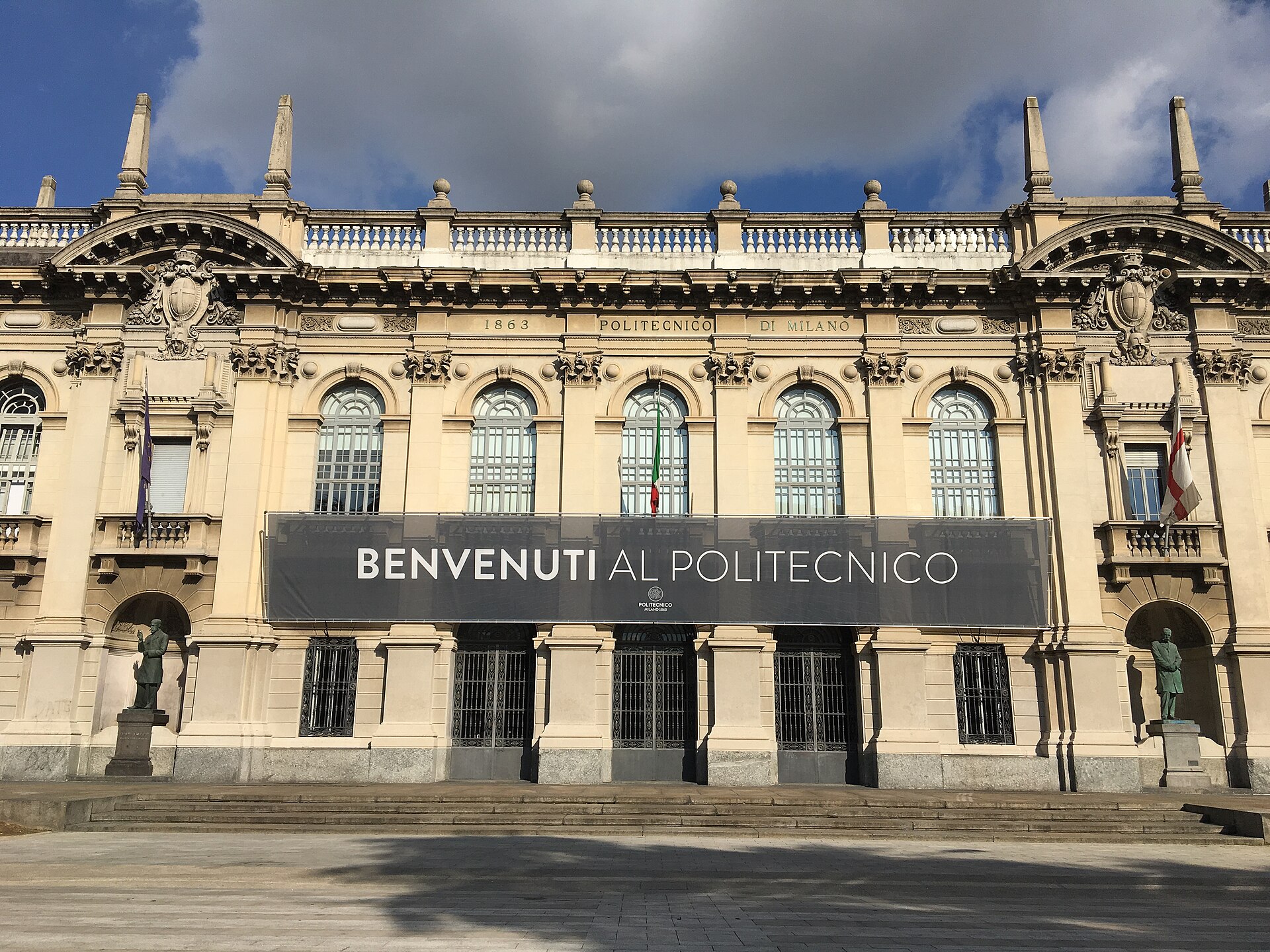
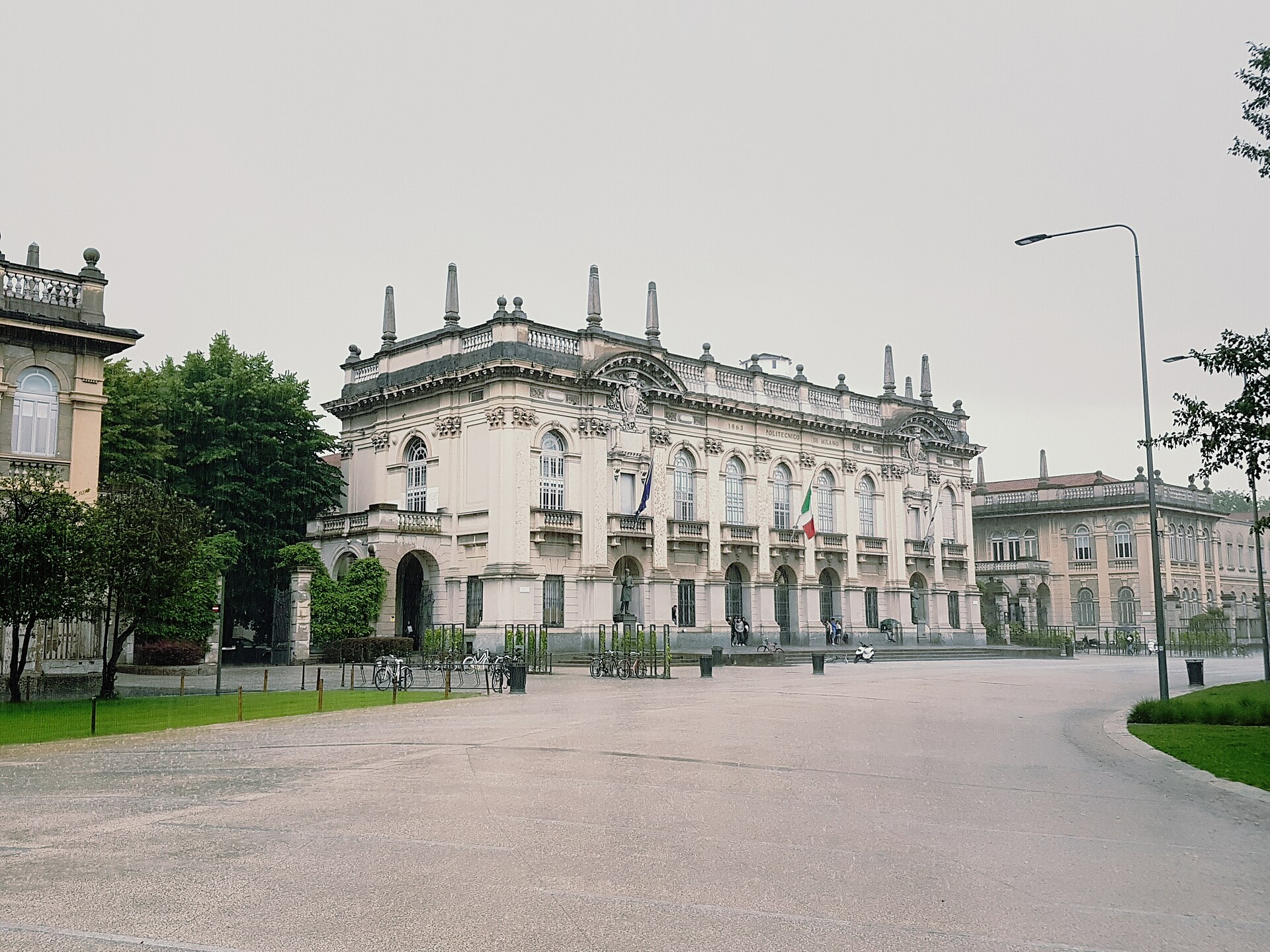
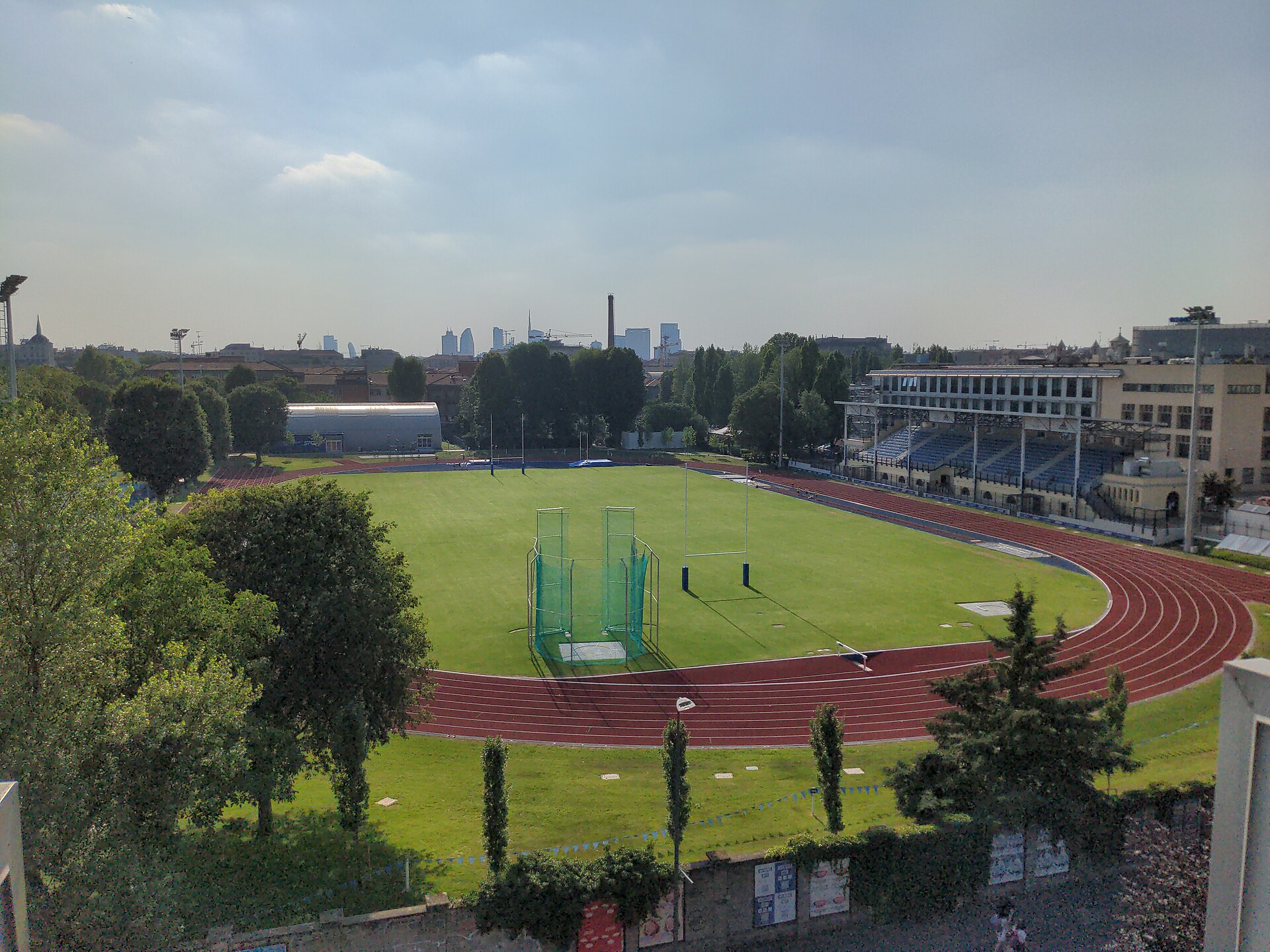
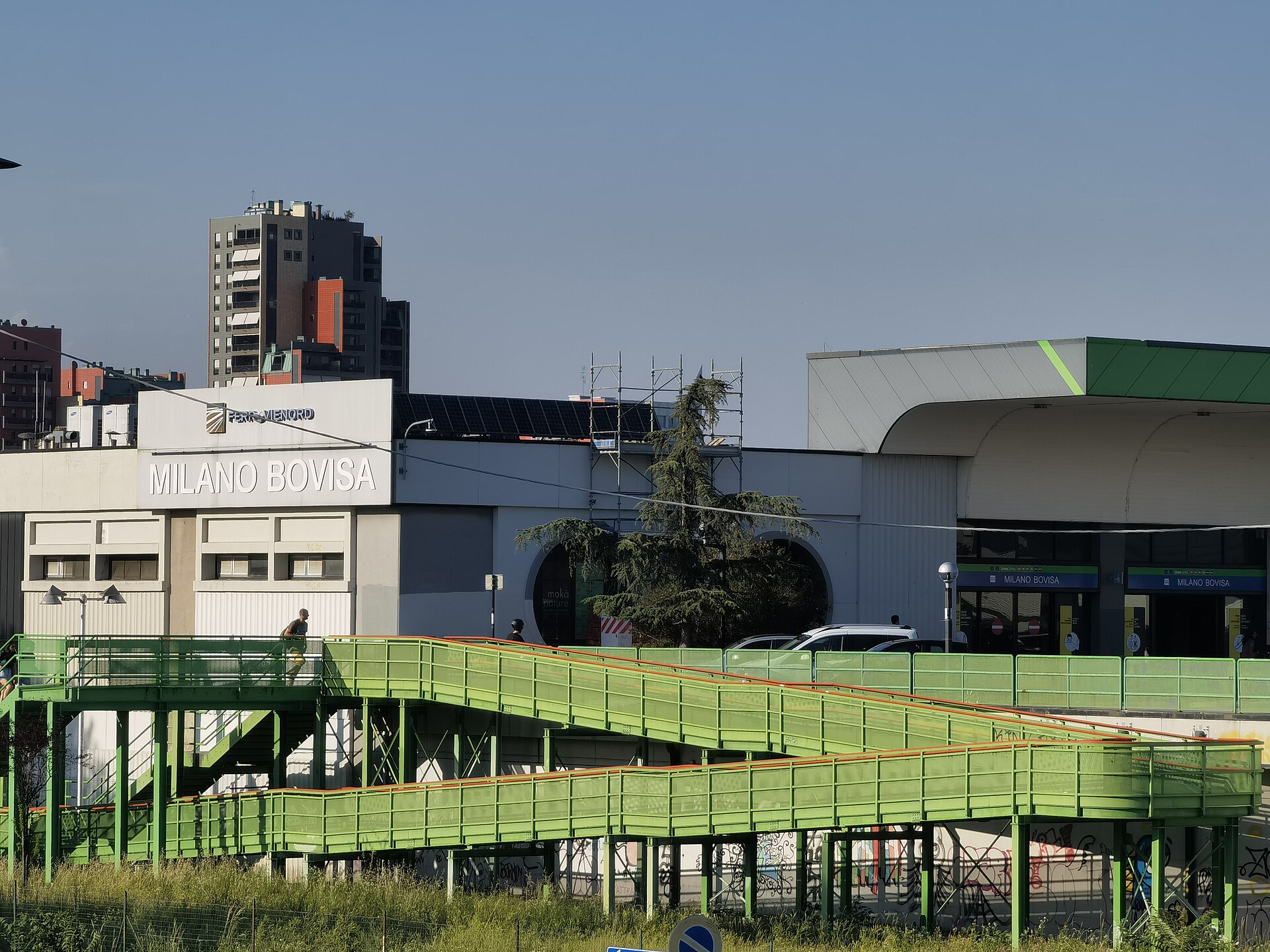
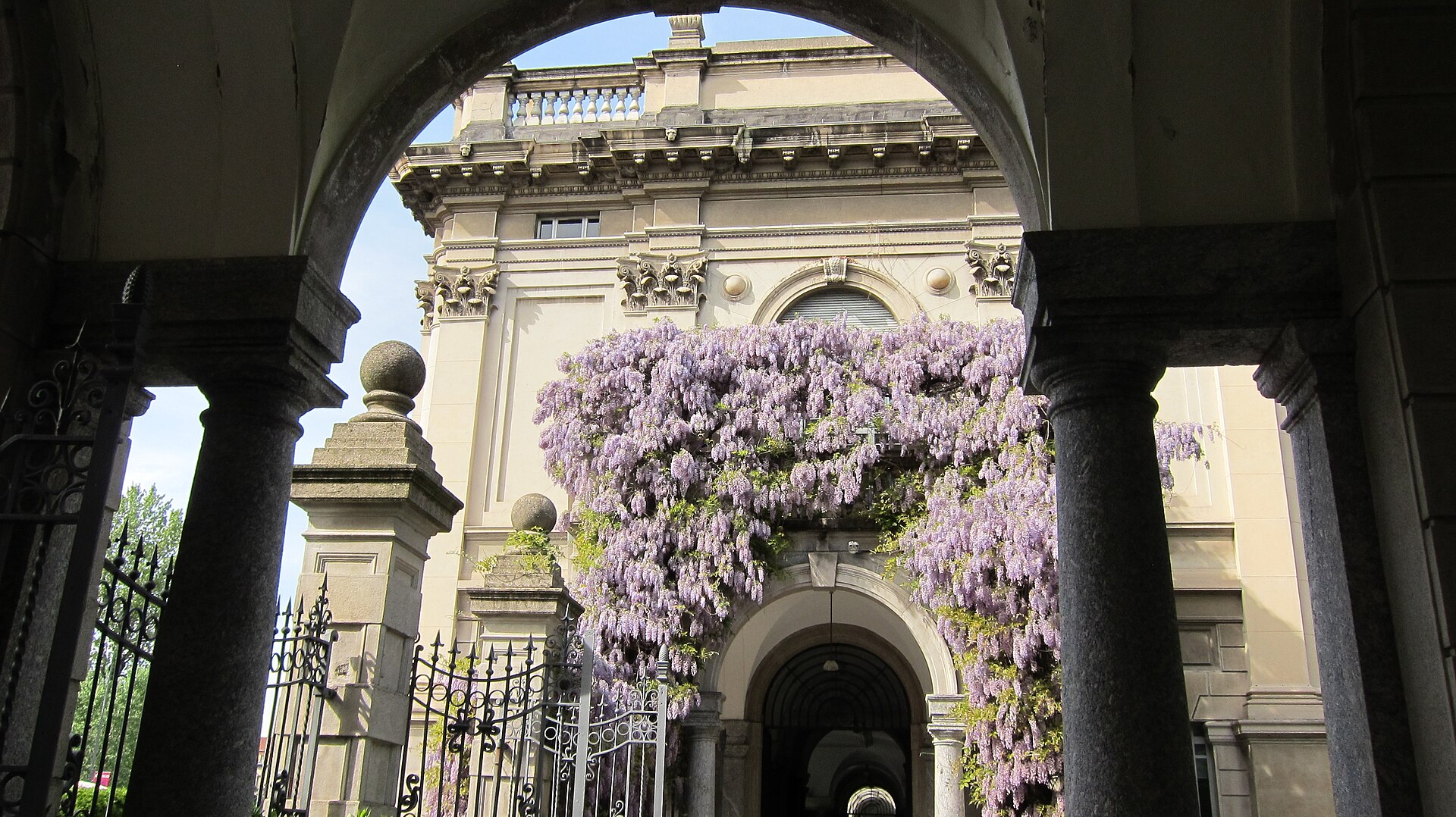
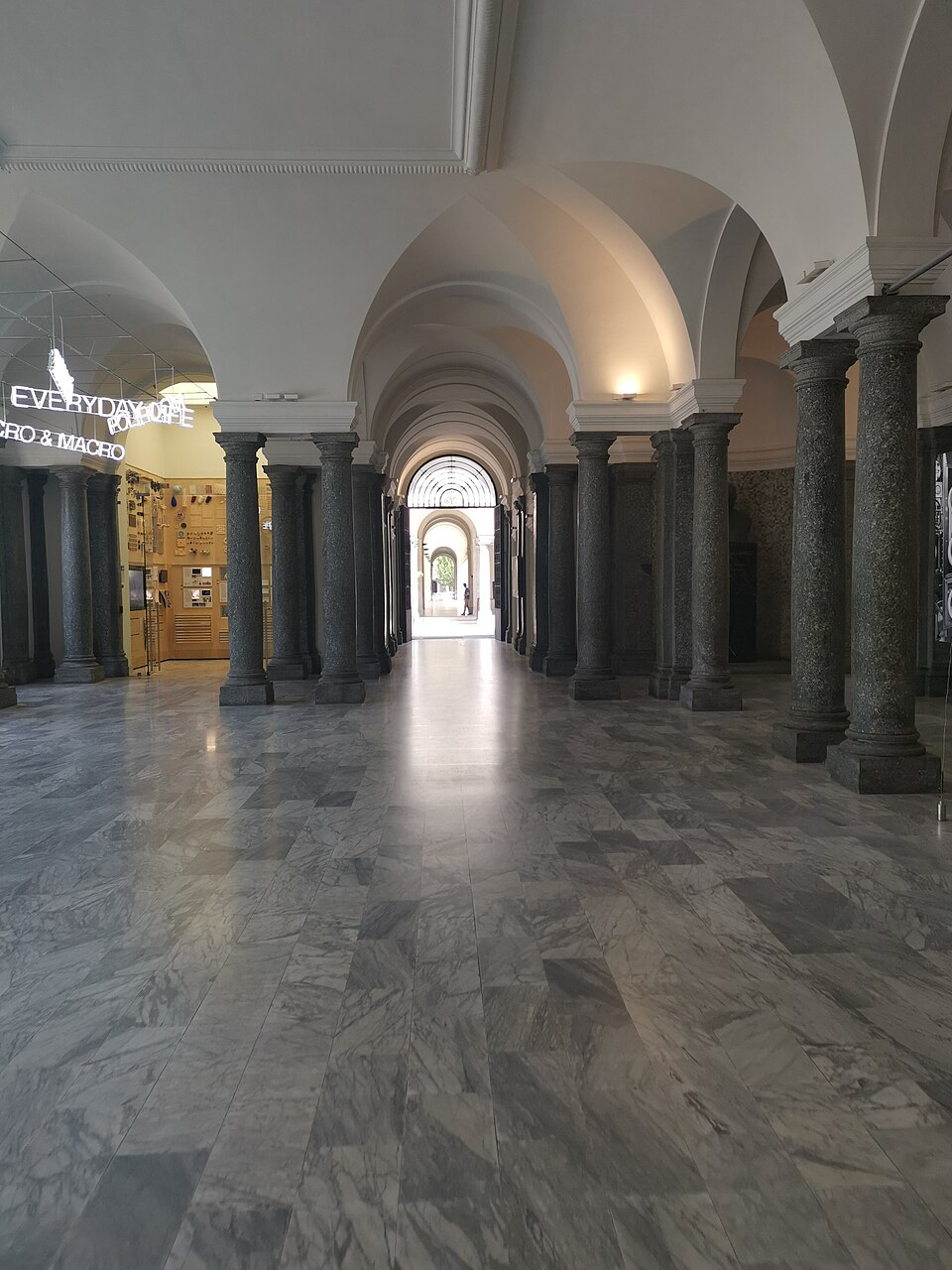
Politecnico di Milano — campus in pictures
Real, freely-licensed photographs of the campus (via Wikimedia Commons).
Why Politecnico di Milano — Italy's Technical Powerhouse in a Global Design Capital
Polimi is not a typical generalist European university. It is a specialised technical institution where engineering, architecture, and design intersect with real-world industry and innovation — set in Milan, Europe's hub for fashion, automotive, finance, and technology.
Politecnico di Milano Acceptance Rate & Admitted Student Profile
Stats
Profile Stats
Rea Vs Rd
Politecnico di Milano Admissions Requirements — Grades, Qualifications & Profile
- Engineering: strong maths and physics grades are essential
- Architecture & Design: academic grades plus portfolio quality
- Computer Science: maths, physics, and demonstrated programming background
- Master's applicants: bachelor's transcript in a relevant field reviewed subject-by-subject
- IB: 32+ overall; HL Maths and HL Physics/Chemistry for engineering
- A-Levels: ABB minimum; AAB/AAA for selective programmes
- Indian Boards: strong aggregate + relevant science subjects
- All qualifications must be officially translated and certified
- IELTS Academic: 6.0 overall (no band significantly below 5.5)
- TOEFL iBT: 78 minimum
- Duolingo English Test: 105 minimum
- Waiver possible if bachelor's degree was fully taught in English
Politecnico di Milano Application — Documents, Portal & Process
Polimi uses its own direct online application portal — there is no Common App, UCAS, or common Italian central system for international applicants. Each programme has its own application and evaluation process. Below is everything required for a complete Polimi application.
Politecnico di Milano — Writing the Motivation Letter
Prompts
Tips
What Politecnico di Milano Admissions Committees Look For
Polimi is a specialist technical university. Unlike liberal arts colleges, it seeks students with demonstrated aptitude and genuine commitment to a specific technical or creative discipline. Committees evaluate applications through a focused academic and professional lens.
Politecnico di Milano Financial Aid & Scholarships for International Students
Polimi operates within Italy's national student welfare system. Both EU and non-EU international students can apply for DSU (Diritto allo Studio Universitario) grants — Italy's need-based student support programme. Aid can cover partial or full fee waivers, cash grants, and subsidised accommodation.
DSU amounts and eligibility thresholds change annually. Always verify current parameters on the DSU Lombardia website and Polimi's financial aid pages before applying. The facts file does not contain a specific average aid percentage for Polimi.
Stats
Contribution Tiers
| Range | Percent | Percent Value | Note |
|---|---|---|---|
| Very low income (DSU eligible) | 100% | 100 | Full or near-full fee waiver possible under DSU — amounts set annually |
| Low-middle income | Partial | 70 | Partial DSU grant may reduce fees — exact amounts depend on ISEE assessment |
| Middle income | Standard | 40 | Standard income-scaled tuition applies — still far below Anglo-American equivalents |
| Higher income | Maximum | 20 | Maximum tuition tier (~$4,450/year) — no additional reduction without DSU eligibility |
Key Dates
Advantages
- September cohorts are typically larger — more classmates from day one
- Earlier start means you align with the majority of Polimi's academic calendar
- More lead time to apply for DSU financial aid (typically opens August–September)
- Better availability of university accommodation (apply early after admission)
- Longer runway before arrival to sort visa, housing, and language preparation
Disadvantages
- Useful if your bachelor's results are only available in autumn
- Smaller cohort can mean more individual attention from academic staff
- Allows time to strengthen your CV, language certification, or portfolio after a gap
- Can be strategic if you need more time to prepare a competitive application
- February entry for a September graduation is a valid path for some programmes
Interviews, Portfolio Reviews & Selection at Polimi
Unlike US Ivy League universities or Oxford, Politecnico di Milano does not conduct standard admissions interviews for most MSc programmes. Admission decisions are based entirely on submitted documents — transcripts, CV, motivation letter, and (where required) portfolio. However, some programmes have additional selection steps.
Meta
Questions
Campus Life & Accommodation at Politecnico di Milano
Polimi does not operate a residential college or 'house' system. Its main campuses — Leonardo (central Milan) and Bovisa (northern Milan) — are commuter-style urban campuses, well-connected by Milan's metro. Student life is distributed across the city, with a mix of university-managed and private accommodation.
Houses
Lottery Steps
- University-managed student residences are available but limited — demand far exceeds supply for 48,000 students
- DSU (Diritto allo Studio) recipients receive priority access to subsidised university housing
- Apply for university accommodation as early as possible after receiving your admission offer
- Many students — including large numbers of international students — rent privately
- Private shared flats near Leonardo Campus: approximately $600–$1,000/month per room
- Milan's metro (MM1, MM2, MM3) and Passante Ferroviario connect most residential zones to both campuses within 20–30 minutes
- Student monthly transport pass: approximately €39 (heavily subsidised for students)
Politecnico di Milano Schools & Programmes
- {"label":"English-taught MSc programmes","value":"30+"}
- {"label":"Most competitive programme","value":"CS & Engineering"}
- {"label":"Research centres","value":"50+"}
- {"label":"Industry partner companies","value":"Hundreds"}
- {"label":"QS World Rank — Architecture","value":"Top 10–15"}
- {"label":"English-taught MSc","value":"Several"}
- {"label":"Portfolio required","value":"Yes"}
- {"label":"Studio-based learning","value":"Central"}
- {"label":"QS World Rank — Design","value":"Top 10–15"}
- {"label":"Location","value":"Bovisa Campus"}
- {"label":"Portfolio required","value":"Yes — decisive"}
- {"label":"Milan Design Week links","value":"Direct"}
- {"label":"English MSc options","value":"Available"}
- {"label":"Key industries","value":"Infrastructure, Energy, Environment"}
- {"label":"Major recruiters","value":"Italferr, ANAS, consulting firms"}
- {"label":"Research focus","value":"Sustainability & resilience"}
- {"label":"Flagship MSc","value":"Management Engineering"}
- {"label":"MBA available","value":"Yes (full-time & part-time)"}
- {"label":"Teaching method","value":"Project-based + case study"}
- {"label":"Accreditation","value":"EQUIS, AMBA, AACSB"}
Research & Extracurricular Opportunities at Politecnico di Milano
Career Outcomes & Polimi Alumni
Polimi graduates are among the most employable in Italy and command respect across Europe and internationally. The 90% employment rate within 12 months of graduation reflects the practical, industry-facing nature of a Polimi education.
Stats
Categories
Our Politecnico di Milano Admissions Track Record
Faqs
Do I need to speak Italian to study at Politecnico di Milano?+
Not for master's-level study. Over 45 Master of Science programmes are taught entirely or primarily in English. For bachelor's (Laurea) programmes, instruction is primarily in Italian — Italian language skills (B2 level recommended) are essential at undergraduate level.
Is Politecnico di Milano affordable for international students?+
Yes, by global standards. Annual tuition starts at approximately $4,450 USD on an income-based scale — many students pay less. Total cost of attendance including living expenses is approximately $15,800 per year. Compared to UK or US universities of similar ranking, this represents exceptional value.
What is the TOLC and who needs to take it?+
The TOLC (Test Online CISIA) is an entrance test required for Italian bachelor's programmes in engineering, architecture, and similar technical fields. BSc applicants must pass the relevant TOLC. MSc applicants with a foreign degree do not take the TOLC — their bachelor's transcript is evaluated instead.
What is pre-enrolment and do non-EU students need it?+
Yes. Non-EU students applying to bachelor's programmes must complete pre-enrolment at the Italian diplomatic mission (embassy or consulate) in their home country. This verifies your study documents through Italian authorities. MSc applicants handle the process directly through Polimi's international admissions portal.
Can I apply to multiple MSc programmes at Polimi?+
Yes, but each programme requires a separate application with tailored documents, and multiple applications incur separate fees. Research carefully and apply to programmes that genuinely fit your background rather than scattering applications.
Is there on-campus housing?+
Polimi manages some residential accommodation but places are limited relative to 48,000 students. International students should apply immediately after receiving their admission offer. Many students — including large numbers of international students — rent privately in Milan.
Does Polimi offer scholarships for international students?+
Polimi offers DSU grants — Italy's national income-based student aid, available to EU and non-EU students. These can cover partial or full fees and include accommodation priority. Merit-based fee exemptions are available for high-performing students after enrolment. The UNICORE programme supports students with refugee status.
When should I start preparing my application?+
For an MSc starting in September, begin preparing by January–February of the same year. For non-EU students applying to bachelor's programmes, the pre-enrolment process should begin by February–March. Document translation and certification take longer than expected — start earlier than you think necessary.
Book a Free Politecnico di Milano Admissions Strategy Session
In 60 minutes, Tychr's Polimi specialists will evaluate your academic profile, assess your fit with specific programmes, advise on your motivation letter and portfolio strategy, and map out your application timeline for the right entry window.
- No commitment required
- European university specialists with insider knowledge
- Personalised strategy — programme-specific, not generic advice
Polimi Academic Requirements
Politecnico di Milano Academic Requirements — The Honest Breakdown for International Students
What qualifications, grades, and academic profile does Polimi actually expect? And what does Polimi's merit-based admission mean for students from IB, A-Level, Indian Boards, and other international curricula?
GPA & Academic Record
GPA and Grades at Polimi — What the Data Shows
Polimi publishes a minimum GPA of 3.2 on the US 4.0 scale. In practice, competitive applicants for the most sought-after programmes — Computer Science, Aerospace Engineering, Architecture — significantly exceed this. The 3.2 threshold defines the floor, not the competitive target.
A 3.2 GPA is the minimum Polimi publishes, not the profile of a successful applicant. For competitive programmes, treat 3.7+ (US scale equivalent) or IB 35+ as the realistic competitive benchmark.
Academic Context
Class Rank and School Context — How Polimi Reads International Academic Performance
Polimi evaluates international qualifications through official equivalence procedures and in the context of the specific educational system each applicant comes from. Admission officers are experienced readers of international transcripts.
TOLC Entrance Test (BSc Applicants)
The TOLC — Polimi's Entry Test for Bachelor's Applicants
Politecnico di Milano does not use the SAT as an admission test. For bachelor's (Laurea) applicants, the relevant entrance test is the TOLC — Test Online CISIA — administered by the Italian university consortium CISIA.
| Label | Score | Percent |
|---|---|---|
| TOLC-I (Engineering) | Pass required | 70 |
| TOLC-A (Architecture) | Pass required | 70 |
| TOLC-E (Design/Economics) | Pass required | 70 |
Standardised Tests at Polimi
SAT, ACT, and External Test Scores — What Polimi Does (and Doesn't) Require
SAT and ACT scores are not required or typically requested by Politecnico di Milano for any of its programmes. Polimi's admissions process for MSc international students is document-based — transcripts, CV, and motivation letter are the evaluation instruments. For BSc applicants, the TOLC is the relevant entrance test.
Metrics
Comparison Cards
Test Policy
Polimi's Test Policy — What 'Optional' Actually Means Here
Polimi's test policy is listed as 'optional' for standardised tests such as SAT/ACT. In the Italian university context, this means these tests are not part of the standard application process — not that they are alternative optional enhancements.
Submit Items
Withhold Items
IB & A-Level at Polimi
IB Diploma and A-Levels at Polimi — Specific Benchmarks
- {"label":"Minimum score","value":"32 points"}
- {"label":"Competitive range (selective programmes)","value":"35+ points"}
- {"label":"HL subject expectations (Engineering)","value":"HL Mathematics AA/AI and HL Physics or Chemistry — strong grades essential"}
- {"label":"Full Diploma required","value":"Yes — individual IB certificates generally not sufficient"}
- {"label":"Competitive range","value":"ABB minimum; AAB/AAA for selective programmes"}
- {"label":"Subject expectations (Engineering)","value":"Mathematics + Physics; Further Mathematics strengthens the application"}
- {"label":"Subject expectations (Architecture)","value":"Mathematics, Physics or Art/Design — combined with strong portfolio"}
- {"label":"AS Level results","value":"Reviewed as supporting evidence of academic trajectory"}
AP and US Curriculum Applicants
AP Courses at Polimi — How the US Curriculum Is Evaluated
For students in the US system or at schools that offer AP courses, Advanced Placement results are not part of Polimi's standard evaluation criteria. However, they provide useful context within the overall academic profile when applying.
Academic Rigour
Rigour of Secondary School Record — Polimi's Primary Academic Signal
Polimi's admissions committees evaluate not only what grades you achieved, but what the preparation you undertook demonstrated about your academic seriousness and capability.
Taking the most technically challenging courses available in the subjects most directly relevant to your target programme.
Technical Preparation
Technical and Subject Preparation — What Polimi Expects
Polimi's first-year curricula are demanding and fast-paced. Courses in mathematics, physics, and discipline-specific subjects assume a strong secondary school foundation. Arriving under-prepared in core technical subjects is the most common reason students struggle in the first year.
Language Proficiency
English Language Requirements for International Polimi Applicants
For all English-medium Master of Science programmes, official English proficiency certification is required unless your previous degree was delivered entirely in English. Minimum requirements are clearly published and apply to all non-native English speakers.
Your motivation letter is implicitly an English language evaluation. A grammatically incorrect or poorly structured letter written in weak English will concern the admissions committee regardless of your IELTS score. Have your letter reviewed by a native English speaker or professional editor before submission.
By Programme
Academic Requirements by Programme — What Different Paths Expect
Polimi evaluates academic preparation relative to the specific programme applied to. The expectations below reflect what competitive applicants typically present — not absolute minima.
| Concentration | Expectation | Signals |
|---|---|---|
| Computer Science & Engineering | HL Maths AA / Further Maths; programming background | Open-source projects; competitive programming; research work |
| Aerospace Engineering | HL Maths + HL Physics; very strong technical foundation | Aviation/space projects; physics olympiad; PoliSpace equivalent |
| Mechanical Engineering | HL Maths + HL Physics or Chemistry | Design/manufacturing projects; Formula SAE-type involvement |
| Architecture | Strong academic + portfolio of creative/spatial work | Studio experience; architectural competition entries; drawing ability |
| Industrial/Product Design | Design portfolio decisive; academic grades supporting | Product concept projects; workshop/fabrication experience; visual identity work |
| Management Engineering | Quantitative background; business or engineering undergraduate | Business case projects; quantitative research; tech + management overlap |
| Civil & Environmental Engineering | HL Maths + HL Physics; strong analytical skills | Infrastructure projects; sustainability research; field experience |
| Electrical & Electronic Engineering | HL Maths + Physics; electronics or programming background | Circuit design; embedded systems; robotics or IoT projects |
International Systems
How International Education Systems Are Evaluated at Polimi
Preparation Roadmap
Building an Academic Profile for Polimi — What to Do at Each Stage
- Commit to the strongest mathematics and sciences available at your school.
- Avoid dropping physics or mathematics early — both are essential for engineering.
- For IB students: select HL Mathematics Analysis and Approaches (not Applications and Interpretation) if engineering is your target.
- Begin developing awareness of European universities and Polimi's specific programmes.
- Engineering students: enter relevant competitions (physics olympiad, mathematics olympiad, robotics, Formula SAE junior programmes).
- Architecture/Design students: take studio courses, build a portfolio with intention, attend design exhibitions.
- Begin identifying which Polimi MSc programmes align with your interests.
- Start an English language test preparation programme — aim to sit IELTS or TOEFL by the end of Year 12.
- Sit IELTS, TOEFL iBT, or Duolingo English Test — target exceeding minimums (IELTS 6.5+, TOEFL 90+).
- For BSc applicants: register for the TOLC through CISIA and identify international test centres.
- Begin drafting your CV — document academic projects, technical skills, competitions, and relevant experience.
- Research Polimi's specific programme requirements, faculty, and research groups for your target MSc.
- Assemble your application: transcripts, degree certificate (or predicted grades letter), language certificate, CV, and motivation letter.
- For non-EU BSc applicants: initiate the embassy pre-enrolment process by February–March.
- Apply through Polimi's online portal within the relevant MSc application window.
- Write programme-specific motivation letters — not a single generic version sent to multiple programmes.
Common Pitfalls
Academic Mistakes That Cost Polimi Applications — And How to Avoid Them
Real Outcomes
What Academic Profiles Tychr's Polimi-Admitted Students Had
The following profiles represent the academic backgrounds of students Tychr has helped gain Politecnico di Milano admission. They illustrate the range of academic preparation that works, and what made each application compelling.
Faqs
What IB score do I need for Polimi?+
The published minimum is 32 points. For competitive programmes like Computer Science, Aerospace Engineering, or Architecture, competitive applicants typically present 35+. More important than the total score is the subject profile — strong HL results in mathematics and relevant technical subjects.
Does Polimi prefer IB, A-Level, or other qualifications?+
No preference — all major international qualifications are evaluated against Italian equivalence tables. The IB Diploma is perhaps the most familiar to Italian university admissions offices, but A-Levels, Indian boards, French Baccalauréat, and others are all fully accepted.
Is the TOLC very difficult?+
The TOLC (for BSc applicants) tests mathematics, scientific reasoning, and reading comprehension at a level broadly consistent with a strong secondary school education in the relevant subject. For students who have completed IB HL Mathematics or A-Level Mathematics with good grades, the mathematical sections should not present major difficulties. Preparation using official CISIA practice tests is strongly recommended.
Can I apply to Polimi with a non-STEM bachelor's degree?+
For most MSc programmes, no. Polimi's master's programmes require an undergraduate degree in a closely related discipline. A humanities bachelor's applying to engineering MSc will typically be rejected or required to complete prerequisite studies. Some Management Engineering programmes may accept a broader range of quantitative undergraduate backgrounds — verify the specific requirements for your target programme.
Does Polimi consider extracurricular activities?+
Not in the way US universities do. There is no activities list in the Polimi application. However, relevant technical experiences — projects, competitions, internships, published work — are legitimately included in your CV and may be referenced in your motivation letter. These signal disciplinary engagement beyond grades, which committees value.
Cost & Financial Aid
Politecnico di Milano May Cost Far Less Than You Think. Here's the Full Picture.
Polimi is a public Italian university with income-based tuition and Italy's national student welfare system. For many international families, the net annual cost of attending one of Europe's top technical universities is significantly below the headline figure. Here is exactly what Polimi costs, how the Italian aid system works, and what you need to do to access it.
Cost Transparency
What Politecnico di Milano Actually Costs — The Full Annual Figure
The dominant cost for most Polimi international students is not tuition — it is accommodation in Milan. Tuition at approximately $4,450/year is already remarkably low for a top-100 global university. The real financial planning challenge is managing living costs in Italy's most expensive city.
Italian Student Welfare System
Italy's DSU System — What It Means for International Students at Polimi
Unlike some national grant systems that are restricted to domestic students, Italy's DSU is available to non-EU international students. The key requirement is that your household income and assets can be assessed — either through Italy's ISEE instrument (for those with Italian income) or through a foreign income declaration accepted by DSU Lombardia.
Why Polimi Is Genuinely Affordable
Why a Top-100 Global University Can Cost Under $16,000 Per Year
Aid Application Walkthrough
How to Apply for Financial Aid at Polimi — Step by Step
Financial aid at Polimi requires a separate application process after enrolment. Here is the complete step-by-step process for accessing DSU and Polimi's other support mechanisms.
- Confirm admission in the Polimi online portal
- Pay initial enrolment fee instalment
- Complete identity verification and document upload
- Tax returns or income certificates for all household members (typically for the prior year)
- Bank account statements
- Property valuations if applicable
- Foreign income declaration if your household income is from outside Italy
- Certified translations into Italian where required
- {"label":"DSU Application Window","date":"Typically August–September (verify annually)"}
- {"label":"Documentation deadline","date":"Within window — late submissions not accepted"}
Aid for International Students
Financial Aid for Non-EU International Students at Polimi — How It Works
Financial aid for non-EU international students at Polimi operates through the same Italian DSU system as for EU students — with some additional documentation requirements. Here is what non-EU international applicants specifically need to understand.
Aid Levels — What to Expect
What Financial Aid at Polimi Actually Looks Like — DSU Thresholds
DSU Award Tiers (Indicative — amounts verified annually)
The facts file does not contain a specific average aid percentage for Polimi. The figures below are qualitative illustrations of the DSU tier structure. Actual amounts depend on annual DSU Lombardia thresholds and household ISEE/income assessment. Always verify current parameters on the DSU Lombardia website.
For students from low-income households who successfully complete the DSU application with full documentation, the result can be a near-zero effective tuition cost. The dominant remaining cost is Milan living expenses — primarily accommodation.
| Income | Grant | Contribution |
|---|---|---|
| Very low income (DSU Band A) | Full or near-full fee waiver + cash grant | Near €0 tuition |
| Low income (DSU Band B) | Partial fee waiver + reduced cash grant | Partial tuition |
| Middle income (above DSU threshold) | Standard income-scaled tuition — no additional grant | Standard Polimi tuition scale |
| Higher income | Maximum tuition tier — no reduction without DSU eligibility | ~$4,450/year |
Table Headers
Merit & Need-Based Support
Scholarships and Merit Recognition at Polimi — What Exists and Who Qualifies
Polimi offers a limited range of merit-based and special-purpose support alongside the need-based DSU system. Understanding what is available — and when you become eligible — is important for financial planning.
External Funding
External Scholarships for Students at Polimi — Additional Funding Sources
While Polimi's own scholarship offering is primarily need-based and merit-in-study, numerous external organisations support students studying at Italian or European technical universities. These are worth investigating before arrival.
Student Loans at Polimi
Student Loans in Italy — What Exists and What It Means for You
Italy does not have a student loan system equivalent to the US federal student loan programme or the UK student loan system. Polimi as a public institution does not offer institutional loans. Financial support is through grants (DSU) and income-scaled tuition — not debt instruments.
Student Employment
Working While Studying at Polimi — What's Possible in Milan
Non-EU students holding an Italian student visa (D visa) are permitted to work up to 20 hours per week during term time. Milan's economy offers genuine part-time employment opportunities, though Italian language proficiency significantly expands your options.
- Tutoring (academic subjects, mathematics, sciences — English and Italian both viable)
- Hospitality and food service in Milan's restaurants and cafes (Italian helpful)
- Creative and design sector internships and freelance work (strong English can be sufficient)
- Technology sector part-time roles (English typically sufficient at international companies)
- University-based research assistant positions (for MSc students with strong academic performance)
- Language teaching (English or your native language as a second language)
Benchmarking
Polimi vs. Other European Technical Universities — Cost and Aid Comparison
| School | Policy | No Loans | Typical Cost |
|---|---|---|---|
| Politecnico di Milano | Income-based tuition + DSU grants | No institutional loans | ~$4,450/yr tuition; ~$15,800 total |
| ETH Zürich | Low flat tuition; need-based supplements available | No standard institutional loans | ~CHF 1,460/yr tuition; ~CHF 22,000–28,000 total |
| TU Delft | Non-EU institutional fee; Dutch grants mostly EU-only | DUO loans for EU; limited for non-EU | ~€16,500/yr tuition (non-EU); ~€25,000 total |
| TU Munich | Low semester fees; merit-based scholarships available | German loans possible (some accessibility for non-EU) | ~€258 semester fee; ~€14,000 total (living-cost driven) |
| Imperial College London | High international fees; need-based bursaries limited | UK student loans: UK nationals only | ~£36,100/yr (engineering) + ~£20,000 London living |
| UCL / King's College London | High international fees; limited international grants | No institutional loans for internationals | ~£30,000–£38,000/yr tuition + London living |
Cost Analysis
Polimi vs. Alternatives — What You Actually Pay
For a middle-income international family, Polimi's total four-year cost is a fraction of equivalent degrees at UK or North American institutions — while providing a similarly respected credential for European and international careers. The tuition gap between Polimi and UK/US alternatives is $100,000–$200,000 over four years.
| School | Policy | Contribution | Four Year Cost |
|---|---|---|---|
| Politecnico di Milano | Public, income-based tuition, DSU available | ~$4,450/yr tuition | ~$63,200 (4 years all-in) |
| TU Munich (Germany) | Public, minimal semester fees, living cost driven | ~€258/semester fees | ~€56,000 (4 years all-in, living cost driven) |
| ETH Zürich (Switzerland) | Public, low tuition, high Swiss cost of living | ~CHF 1,460/yr tuition | ~CHF 90,000–110,000 (living cost driven) |
| Imperial College London (UK) | High international tuition; limited non-EU grants | ~£36,100/yr tuition alone | ~£220,000–£260,000 (4 years all-in) |
| US Top-50 Engineering School | Variable; many need-aware for internationals | ~$50,000–$85,000/yr total | ~$200,000–$340,000 (4 years all-in) |
Aid Appeals
Appealing a Polimi Fee or DSU Decision — When and How
Polimi's financial determinations can sometimes be appealed or revised if your circumstances have changed or if documentation was incomplete. Understanding the process is important.
The honest note: Polimi's tuition structure and DSU system are formula-based with limited discretionary adjustment. Appeals are most likely to succeed when they are based on a documented change in financial circumstances (job loss, serious illness) or a clear administrative error — not general disagreement with the fee assessment.
When To Appeal
- Family financial circumstances changed significantly after the initial fee assessment (job loss, medical emergency)
- Your income declaration contained an error or was missing key documentation
- You were initially assessed at the wrong income tier due to a data entry or processing error
- New evidence emerges about your household income that was not available at the time of initial assessment
How To Appeal
- Contact Polimi's Student Services (Segreteria Studenti) with your specific situation documented in writing
- Submit evidence supporting your appeal — income documentation, medical certificates, or other relevant evidence
- Contact DSU Lombardia separately if the appeal relates to the DSU grant determination rather than Polimi's tuition tier
- Allow sufficient processing time — decisions typically take several weeks
Financial Planning Timeline
Planning for Polimi Costs — What to Do and When
APPLICATION & MOTIVATION LETTER
Applying to Politecnico di Milano — No Essays. But Your Motivation Letter Decides Your Admission.
Politecnico di Milano does not use the US Common Application, UCAS, or any essay-based admissions system. There are no supplemental essays, no Common App personal statement, and no UCAS personal statement. However, for Master of Science programmes, a well-crafted motivation letter is a genuine selection criterion — and for competitive programmes, a generic or poorly constructed one can result in rejection despite strong academic grades.
This guide explains what Polimi's application actually requires, how to write a strong motivation letter for MSc admission, what to expect from portfolio review in Design and Architecture programmes, and how to avoid the mistakes that derail otherwise strong applications.
THE APPLICATION SYSTEM
How the Polimi Application Actually Works
Polimi operates a direct application system through its own online portal. The process differs significantly between bachelor's (Laurea) and master's (Laurea Magistrale) programmes — and for Design and Architecture, the portfolio is as important as the academic record.
WHAT TO ADDRESS
What Your Polimi Motivation Letter Must Cover
Polimi does not provide standardised essay prompts. Your motivation letter is a self-structured professional document. It should address the following dimensions in your own order and voice — adapted to your specific background and target programme.
LETTER STRATEGY
How the Polimi Motivation Letter Differs from US and UK Applications
If you are also preparing applications for US universities (Common App personal statement) or UK universities (UCAS personal statement), be aware that the Polimi motivation letter requires a different approach — not a revised version of the same content.
US applications reward personal narrative, vulnerability, and storytelling about character formation. UK UCAS personal statements blend academic enthusiasm with personal engagement in the discipline. Polimi's motivation letter is neither. It should be structured and professional — closer to a graduate school statement of purpose than either of these. Write in clear, precise English (or Italian if your target programme is Italian-taught and your Italian is genuinely strong). Use paragraphs with clear topic sentences. Avoid metaphors, emotional appeals, or childhood-origin stories unless they directly and briefly explain an unusual career trajectory. The committee wants evidence that you can do the academic work, that you belong in this specific programme, and that you have a coherent plan for after graduation. Three things. That is the letter.
SUPPORTING DOCUMENTS
Strengthening the Rest of Your Application
CHOOSING YOUR PROGRAMME
Choosing the Right Programme and Framing Your Application
Polimi offers numerous specialisations within each broad discipline. The choice of which specific MSc programme to apply to is itself a strategic decision — and your motivation letter must reflect genuine alignment with that specific programme's content, faculty, and outcomes.
Research the programme's official course catalogue, required and elective modules, and faculty research groups before writing your letter. If a professor in the programme is working on topics directly relevant to your interests, mention them by name and cite their work accurately — do not fake familiarity. If the programme has a specific industrial laboratory, design studio, or research centre that attracted you, reference it. Specificity demonstrates commitment and genuine pre-application engagement with the programme that committees value and recognise immediately. For students choosing between multiple Polimi programmes, apply to the one whose content and culture genuinely aligns with your background — do not apply to the most famous programme if your background doesn't fit. A well-aligned application to a 'lesser' programme will outperform a mismatched application to the most competitive one.
COMMON MISTAKES
What Weakens a Polimi Application
- Writing a motivation letter generic enough to send to any European technical university. Polimi committees read hundreds of letters — they immediately recognise letters with the university name simply substituted in. Specificity is not optional.
- Describing personality traits rather than academic and professional accomplishments. 'I am a curious person who loves challenges' tells the committee nothing. 'My bachelor's thesis on composite structural elements for aerospace applications demonstrated...' demonstrates something.
- Stating vague career goals. 'I want to make the world better through sustainable design' is not a career plan. Be specific about sectors, roles, and why a Polimi degree leads you there. Committees are evaluating whether your goals make sense given your background and the programme.
- Exceeding appropriate length. A Polimi motivation letter should be 400–600 words. Substantially longer suggests poor editing skills — a signal that concerns engineering and design committees who value precision.
- Claiming Italian language proficiency you do not have. For Italian-taught programmes, this will be tested immediately upon arrival. False claims about language ability damage credibility across the entire application.
- Submitting a portfolio for design/architecture without showing process. Final renders without sketches, iterations, or annotated design decisions suggest you are hiding the quality of your thinking. Process is what committees evaluate — not just the polished outcome.
- Ignoring programme-specific instructions. Some Polimi programmes have specific questions or document requirements listed in their admission page. If instructions exist, follow them exactly — failure to do so signals either inattention to detail or that you have not actually read the programme information.
APPLICATION FAQS
Common Questions About Applying to Polimi
Is there a Common App, UCAS, or similar centralised system for applying to Polimi?+
No. Polimi uses its own direct online application portal. You apply to each programme individually. There is no centralised Italian equivalent of UCAS or the Common App for international students at this level.
Is a motivation letter mandatory for all MSc programmes?+
Not every MSc programme explicitly lists the motivation letter as mandatory, but it is strongly recommended for any competitive programme. Check the specific admission requirements for your target programme on the Polimi website to confirm exactly what is required.
Can I write my motivation letter in Italian?+
For Italian-taught programmes, writing in Italian is appropriate and may be expected. For English-taught programmes, write in English. If you choose Italian for an English-taught programme, your Italian must be genuinely excellent — grammatical errors in the letter count against you.
Will I have an interview?+
Most Polimi MSc programmes do not hold a formal interview. Some highly competitive or specialised programmes — particularly in Architecture and Design — may include a portfolio review session that involves brief discussion with faculty. Check the specific programme page for its selection procedure. PhD applications do involve an interview with potential supervisors.
How long should my motivation letter be?+
400–600 words is the appropriate range for a Polimi MSc motivation letter. This is shorter than a US personal statement or UCAS personal statement, and that is intentional — precision is valued over length. Draft at 800 words and edit down to 600.
When should I contact a faculty member about my research interests?+
For PhD applications, identifying and contacting potential supervisors before applying is standard and expected. For MSc admission, faculty contact before applying is not standard practice at Polimi — your motivation letter is the correct vehicle for demonstrating interest in specific faculty research areas. Name the faculty member and their work accurately in your letter.
What if English is not my first language — how should I approach the motivation letter?+
Write clearly and precisely rather than attempting complex prose that risks grammatical errors. Have your letter proofread by a native English speaker or professional editor before submission. Grammatical errors create a poor impression regardless of your academic credentials. Clarity and precision are more valued at a technical university than stylistic flair.
Can I reuse my motivation letter for multiple Polimi programmes?+
Only if programmes are closely related and you have adapted the programme-specific section carefully. A letter written for Computer Science and Engineering will not work unchanged for Management Engineering. If the specific research areas, courses, and professional outcomes are different, write separate letters. Committees can tell when a letter has been copy-pasted.
Courses — schools, degrees & intake
29 degrees across 4 groupings.
School of Architecture, Urban Planning and Construction Engineering · 3 degrees
Architectural Design
Urban Planning: Cities, Environment & Landscapes
Building Engineering and Architecture
School of Design · 5 degrees
Communication Design
Fashion Design
Interaction Design
Interior Design
Product Design
School of Engineering · 20 degrees
Aerospace Engineering
Automation Engineering
Biomedical Engineering
Building and Construction Engineering
Chemical Engineering
Civil Engineering
Electrical Engineering
Electronic Engineering
Energy Engineering
Engineering of Computing Systems
Engineering Science
Environmental and Land Planning Engineering
Industrial Engineering
Industrial Production Engineering
Management and Production Engineering
Materials and Nanotechnology Engineering
Mathematical Engineering
Mechanical Engineering
Physics Engineering
Process Engineering
MEDTEC School · 1 degrees
Medicine and Technology
Want your real chances at Politecnico di Milano?
Create a free TYCHR account for your personalised admit-chance, a shortlist you can track, exact entry requirements, and essay + counselling help.