Pennsylvania State University
University Park, United States · Suburban
Penn State's flagship University Park campus is one of America's great public research universities — a Big Ten powerhouse with 88,000 students, world-class engineering and business programmes, and an alumni network of over 700,000 spanning every continent. For international students seeking the scale, resources, and career reach of a major US research university, Penn State offers a compelling and accessible path.
Campus
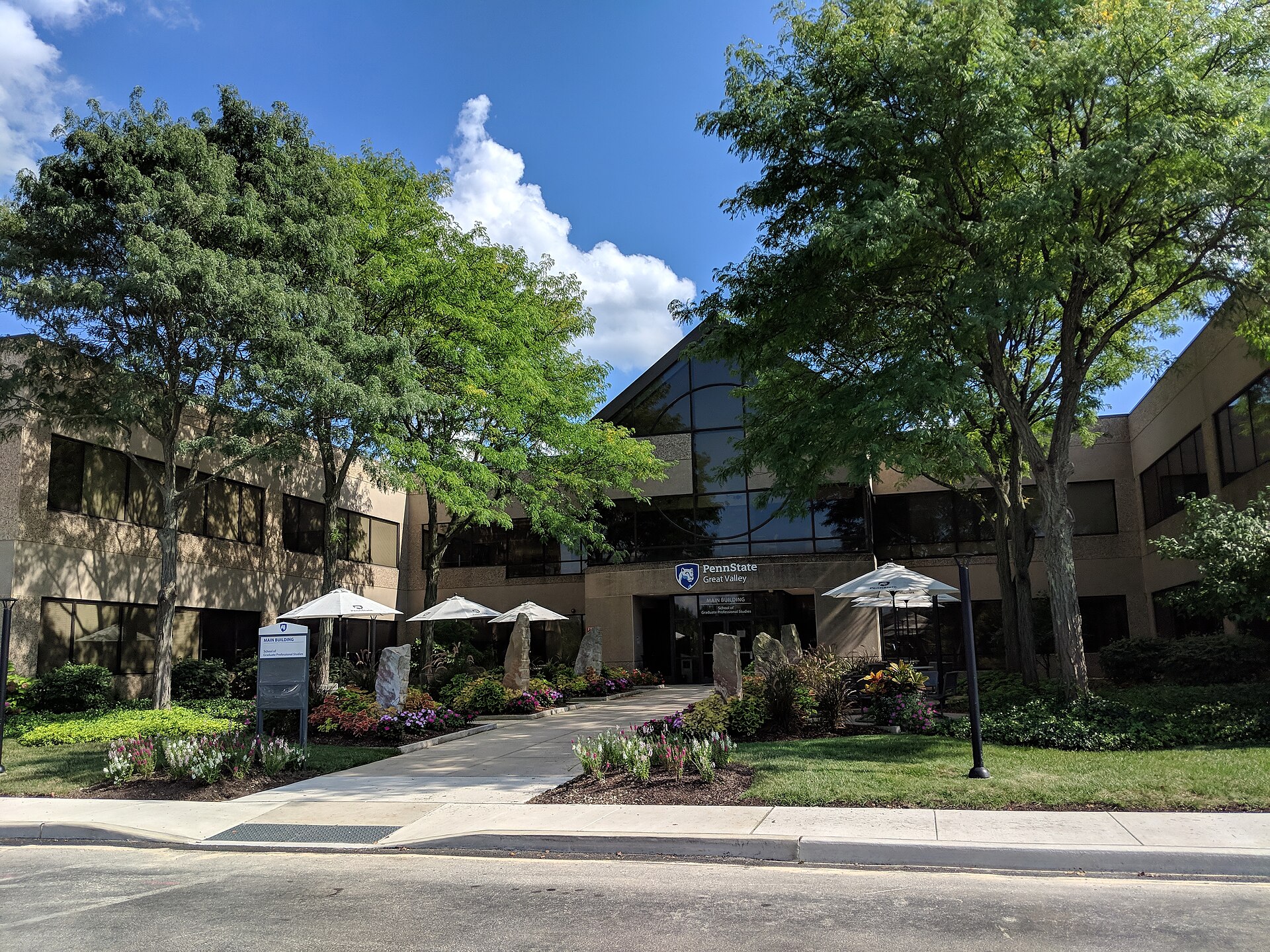
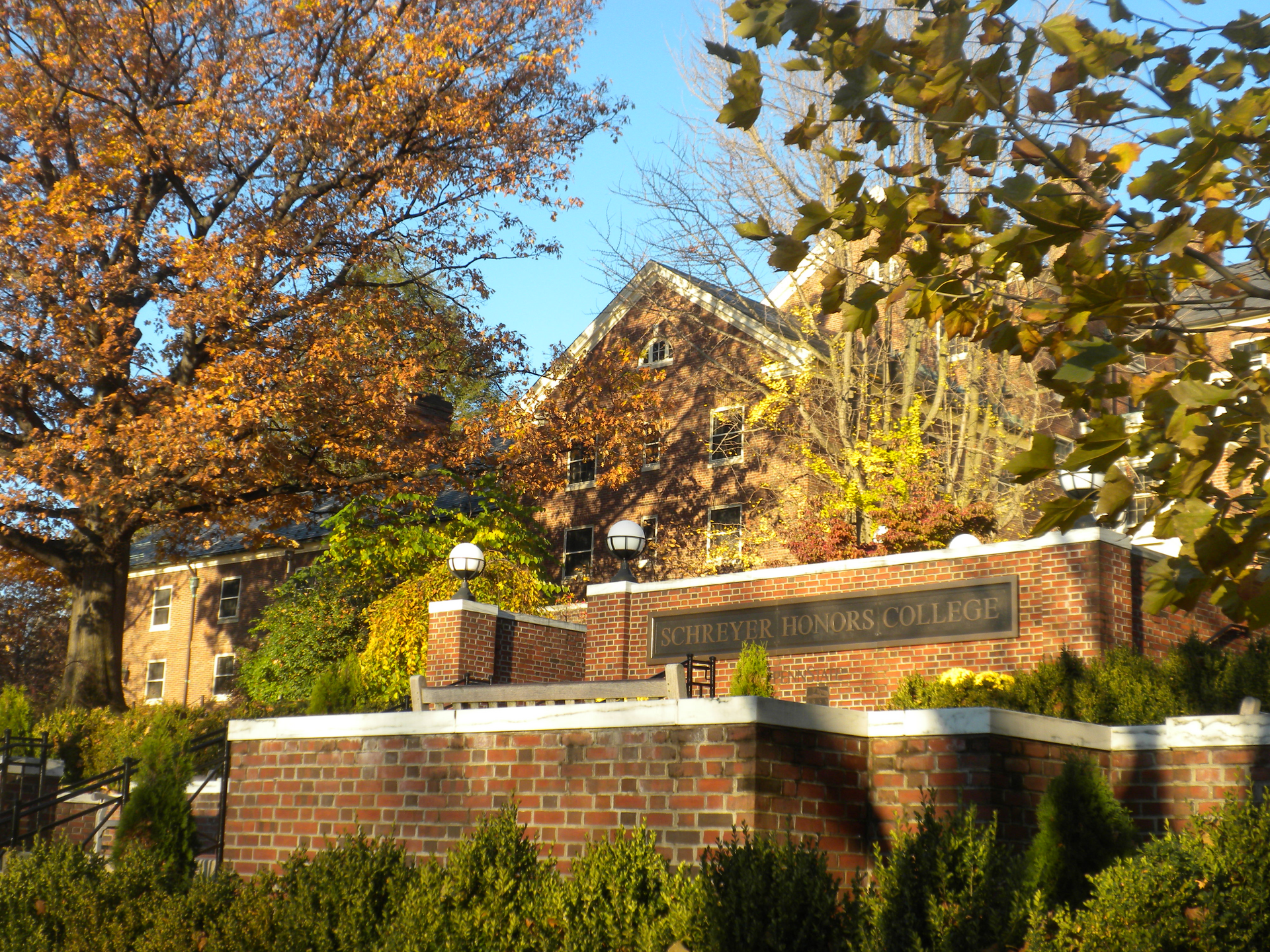
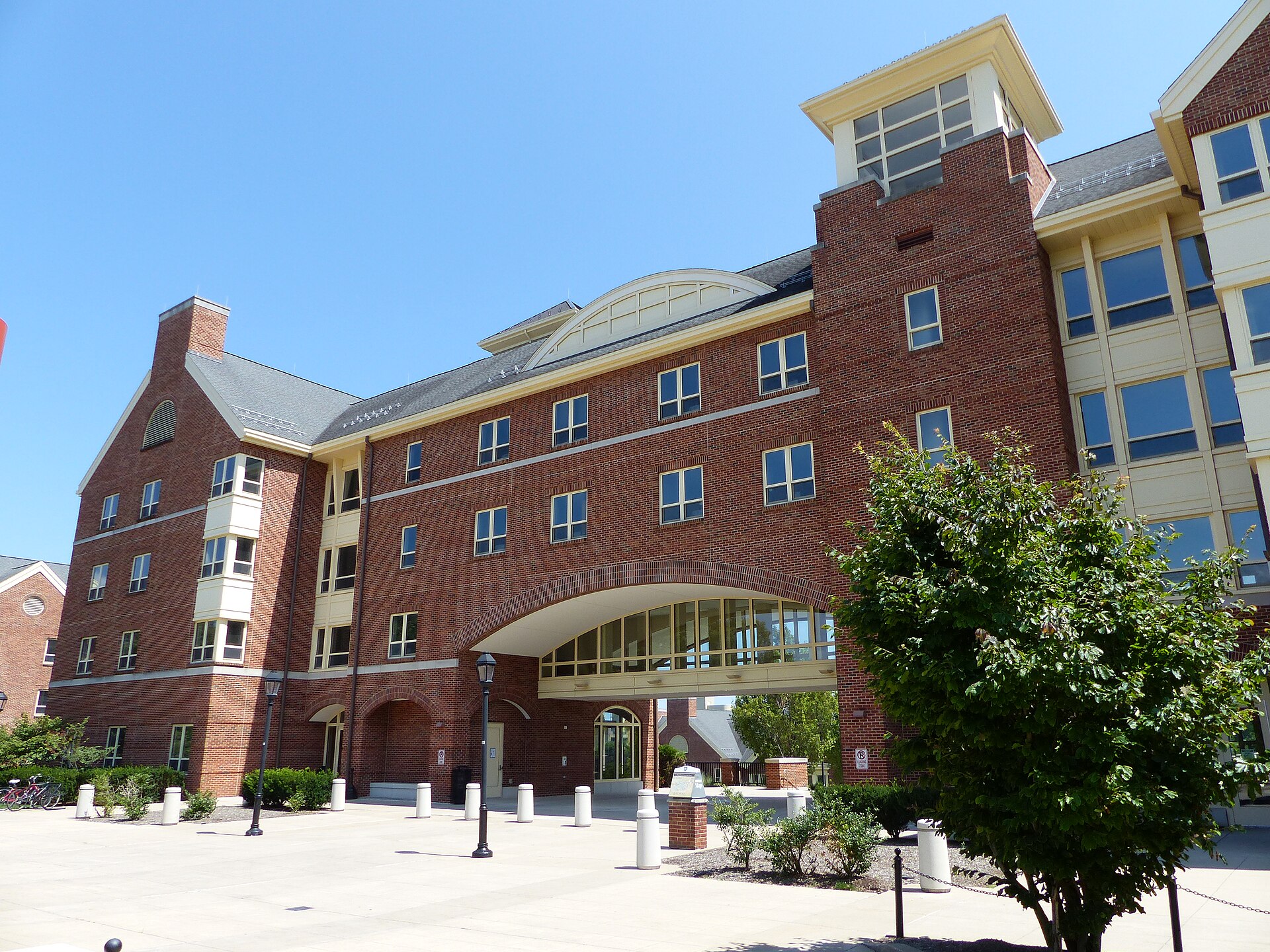
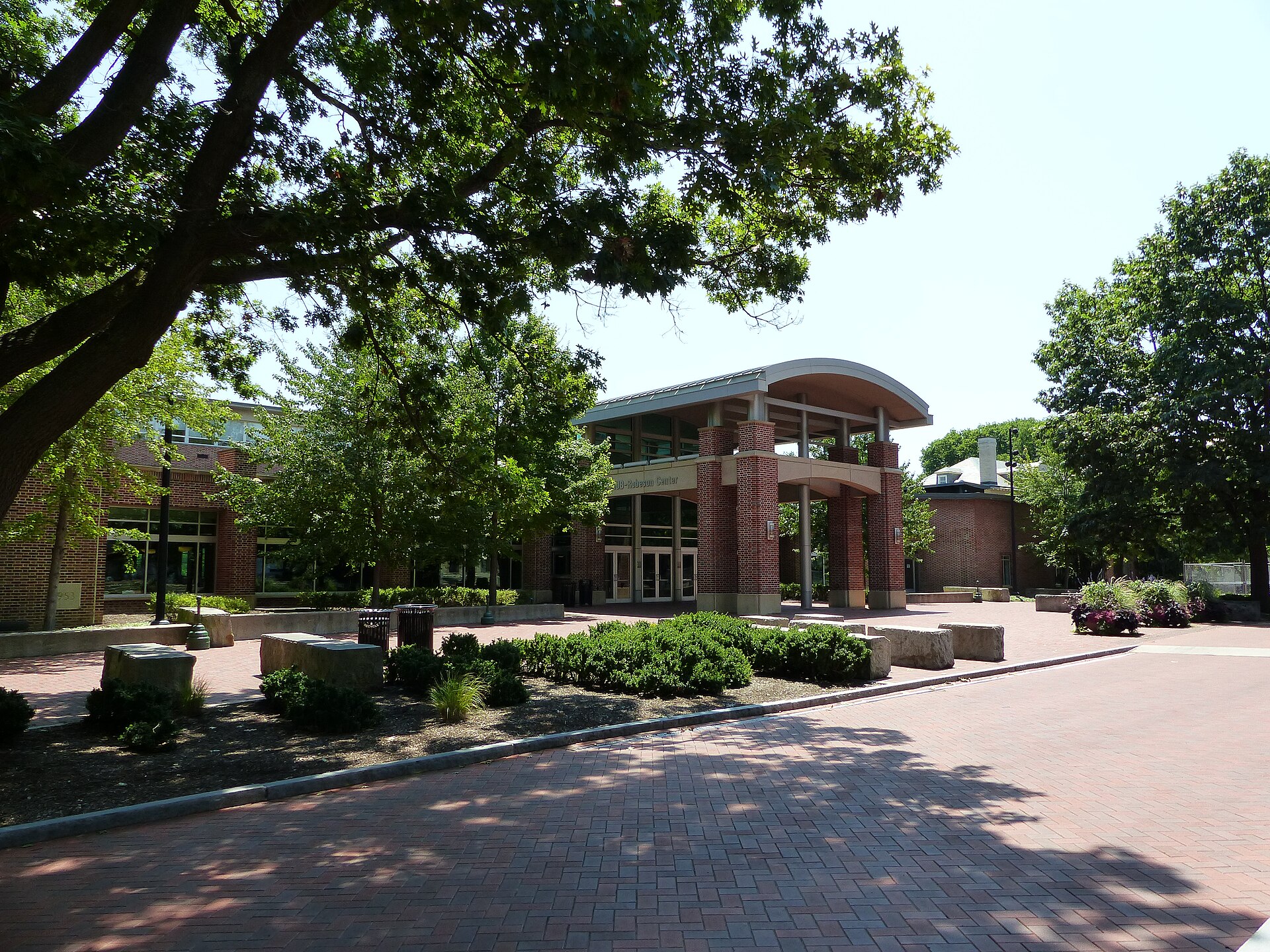
Pennsylvania State University — campus in pictures
Real, freely-licensed photographs of the campus (via Wikimedia Commons).
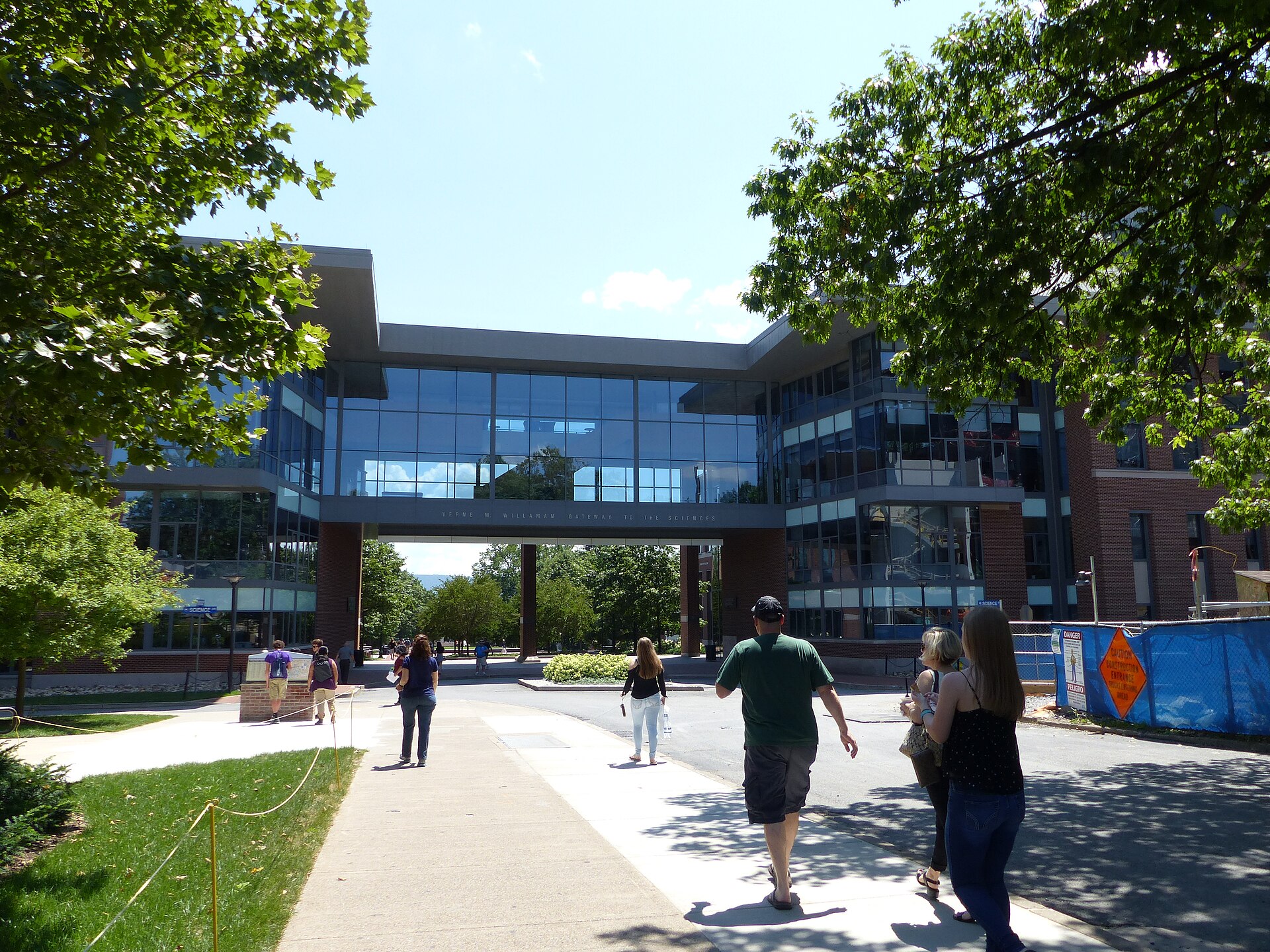
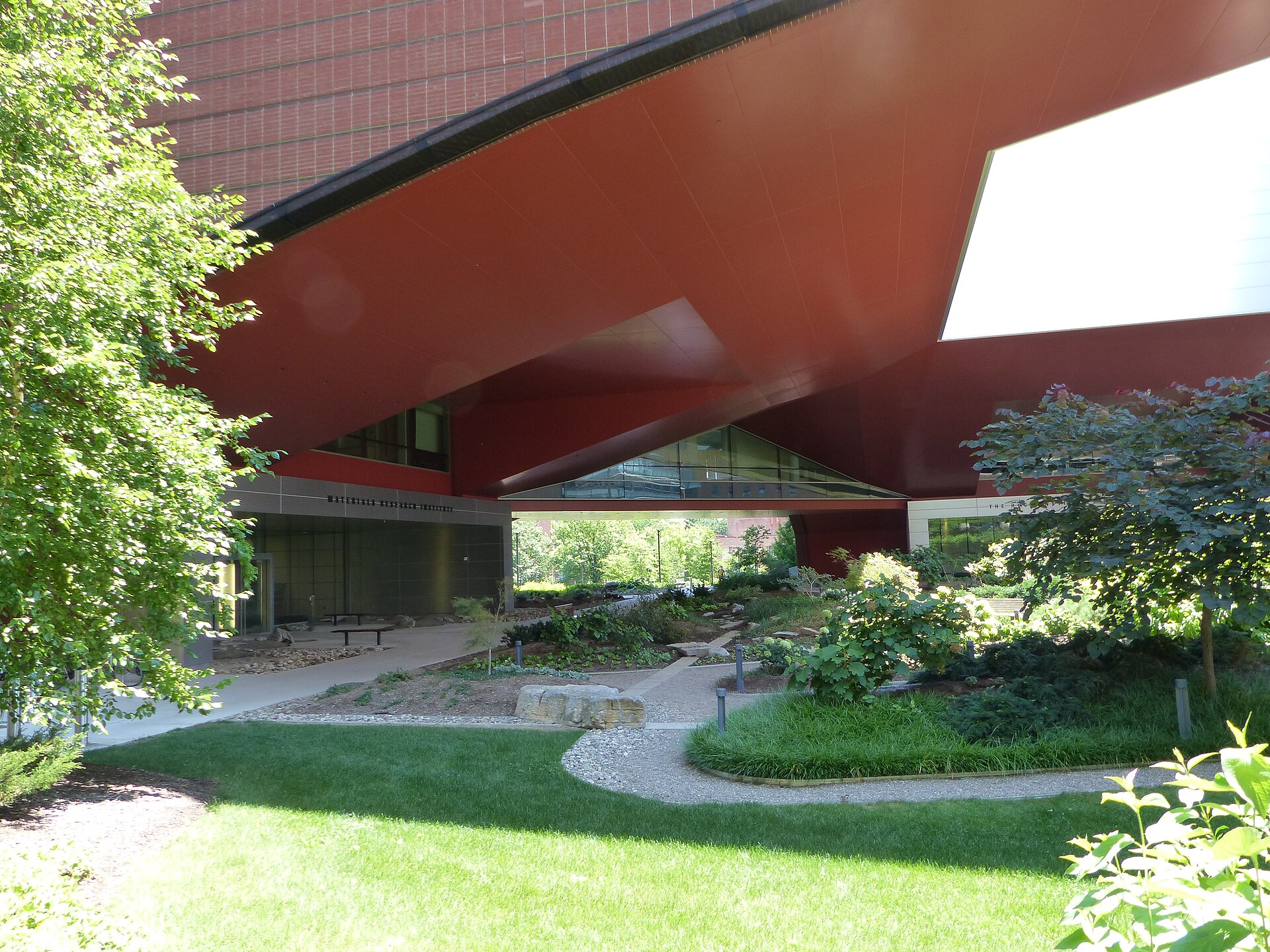
Why Penn State — Research, Career Power & Campus Spirit
Pennsylvania State University combines the research depth of a flagship AAU institution with the spirit of a campus that genuinely invests in every student. Founded in 1855 as a land-grant university, Penn State has grown into one of America's most comprehensive research universities — and for international students who want Big Ten scale, career placement, and a globally recognised degree at a public university price point, it represents exceptional value.
Penn State Acceptance Rate & Admitted Student Profile
Stats
Profile Stats
Rea Vs Rd
Penn State Admissions Requirements — GPA, Test Scores & International Qualifications
- Competitive University Park applicants typically exceed 3.7
- Strong upward grade trajectory is valued
- Course rigour matters alongside raw GPA
- IB, A-Level, AP, and national boards all accepted
- Test-optional: submitting scores is not required
- SAT 1350+ recommended for University Park competitive majors
- ACT 30+ is competitive for most programmes
- Strong scores (above middle 50%) add meaningful evidence
- IB 32+ competitive; 35+ recommended for Engineering and CS
- A-Level predicted grades of AAB to A*AA typical for selective programmes
- AP scores of 4–5 earn university credit
- CBSE/ISC: strong academic record with relevant subjects
Penn State Application Components — Common App, Essays & Requirements
Penn State accepts both the Common Application and its own MyPennState portal. Below are all the components of a complete Penn State international application — required and optional — with strategic notes for each.
Penn State Essays — Personal Statement & Optional Supplement Strategy
Tips
Prompts
What Penn State Admissions Officers Are Looking For
Penn State uses a holistic review process that weighs academic preparation most heavily, followed by co-curricular engagement and personal character. Understanding what each dimension of that review looks for — and how to demonstrate it — is the foundation of a strong Penn State application strategy.
Penn State Financial Aid & Scholarships for International Students
Penn State is a public university, and honest financial planning is critical for international students. International undergraduates are not eligible for US federal financial aid (FAFSA/Pell Grants), and Penn State's own institutional aid for international students at the undergraduate level is minimal. The university does offer a small number of merit scholarships and internal grants, but these do not cover a substantial portion of costs. Budget for the full cost of attendance from day one.
Aid figures are estimates based on Penn State's published guidelines. International students are not eligible for US federal aid. Individual institutional aid is very limited — plan to fund the full cost of attendance independently.
Stats
Contribution Tiers
| Note | Range | Percent | Percent Value |
|---|---|---|---|
| Tuition only — add fees, housing, meals, personal | Tuition (non-resident) | $44,574 | 74 |
| Full estimated annual cost | Total Cost of Attendance | ~$60,000 | 100 |
| With Schreyer Honors Scholarship | With Best Available Merit Aid | ~$54,725 | 91 |
| Estimated 4-year total | Four-Year Investment | ~$240,000 | 100 |
Key Dates
Advantages
- Earlier decision — December/January notification
- More time for I-20 processing and visa application
- First-consideration review for competitive majors
- Better time for financial documentation preparation
- Demonstrates strong interest and proactive planning
Disadvantages
- Application must be complete and strong by November 1
- Less time to include senior-year Grade 12 results
- Financial documentation must be prepared quickly after decision
- Cannot defer to compare multiple US university offers by EA deadline
Penn State Interviews — What to Expect (and What Replaces Them)
Penn State does not conduct formal undergraduate admissions interviews for most applicants. Your written application — the personal essay, optional supplemental statement, and activities list — carries the full character-revealing weight of your submission. For Schreyer Honors College applicants, there may be an interview component in the final selection stage. If you receive a Schreyer interview invitation, treat it seriously: prepare to discuss your academic interests, research goals, and what you will contribute to the Honors College community.
Meta
Questions
Penn State Residence Halls & Living-Learning Communities
Penn State University Park guarantees on-campus housing for all first-year students. The residential system is organised around several major hall complexes — East, Pollock, West, South, and North — each with distinct community characters. Unlike Harvard's residential house system with a lottery after first year, Penn State students apply for housing preferences during enrollment. First-year international students are strongly encouraged to live on campus: the residential environment accelerates social integration, access to academic support, and cultural adjustment.
Houses
Lottery Steps
- After admission: complete housing application through the Penn State MyHousing portal
- Select residence hall preference and Living-Learning Community (LLC) if desired
- Living-Learning Communities co-locate students by academic interest (Engineering LLC, Business LLC, Global LLC, Pre-Health LLC)
- Schreyer Scholars have dedicated residential options within the Honors College community
- Upper-division students (Year 2+) typically move to off-campus housing in State College — affordable relative to major US cities
Penn State Colleges & Undergraduate Programmes
- {"label":"Undergraduate engineering majors","value":"18+"}
- {"label":"Annual research expenditure","value":"$200M+"}
- {"label":"Employer partners recruiting on campus","value":"500+"}
- {"label":"Accreditation","value":"ABET"}
- {"label":"National ranking — Supply Chain","value":"#1"}
- {"label":"Core undergraduate majors","value":"8+"}
- {"label":"On-campus employer recruiters","value":"300+"}
- {"label":"Notable strength","value":"Supply Chain"}
- {"label":"Undergraduate science majors","value":"20+"}
- {"label":"Research centres and institutes","value":"30+"}
- {"label":"Pre-professional programmes","value":"Pre-Med/Pre-Dent"}
- {"label":"Notable programmes","value":"Biochemistry, Astro"}
- {"label":"Meteorology ranking","value":"Top 3 US"}
- {"label":"Undergraduate programmes","value":"15+"}
- {"label":"Industry connections","value":"Energy, Weather, Mining"}
- {"label":"Unique programme","value":"Meteorology"}
- {"label":"Flagship major","value":"IST"}
- {"label":"Career focus","value":"Cybersecurity, Data Analytics"}
- {"label":"Industry growth area","value":"Rapid"}
- {"label":"STEM OPT eligible","value":"Yes"}
- {"label":"Undergraduate programmes","value":"20+"}
- {"label":"Research farms and labs","value":"Multiple"}
- {"label":"Industry connections","value":"Food, Agri, Environment"}
- {"label":"Founded","value":"1896"}
Research & Extracurricular Opportunities at Penn State
Career Outcomes & Penn State Alumni Network
Penn State's career outcomes are among the strongest of any major public university. The 700,000-strong alumni network and the active Big Ten recruiting ecosystem bring hundreds of employers to University Park each semester. For international students, Penn State's STEM-designated programmes in engineering, computer science, and quantitative business majors provide the OPT and STEM OPT pathways that offer up to three years of post-graduation US work authorisation.
Stats
Categories
Tychr Penn State Admissions Track Record & Student Profiles
Faqs
Is Penn State test-optional for international students?+
Yes — Penn State is test-optional, meaning SAT and ACT scores are not required. However, strong scores (SAT 1350+, ACT 30+) meaningfully strengthen an application for University Park and competitive majors. English language proficiency tests (TOEFL, IELTS, Duolingo) are a separate requirement and are NOT optional for international applicants.
Does Penn State offer financial aid to international undergraduates?+
Financial aid for international undergraduate students is very limited. International students are not eligible for US federal aid (FAFSA). Penn State offers a small number of merit scholarships and the Schreyer Honors College scholarship ($5,275/year), but these cover only a fraction of costs. International applicants should plan to fund the full cost of attendance (~$60,000/year) from personal, family, or sponsor resources.
What is the difference between applying to Penn State and applying to University Park?+
Penn State operates 24 campuses across Pennsylvania, with University Park being the flagship. When you apply, you can list University Park as your first-choice campus and select a backup. Admission to University Park is more competitive than the system-wide average. Some applicants are admitted to a satellite campus initially and can transfer to University Park after meeting academic benchmarks.
Which majors are most competitive for international students at Penn State?+
Computer Science, Electrical and Computer Engineering, Mechanical Engineering, and Smeal Business are most competitive for international students. Meteorology, Earth Sciences, and Supply Chain Management are distinctive Penn State strengths that may have slightly different competitive profiles while still carrying excellent career outcomes.
What is the Schreyer Honors College and should I apply?+
Schreyer is Penn State's elite undergraduate honours programme — selective, research-intensive, with a senior thesis requirement. It requires a separate application with approximately 10 essay prompts. Schreyer Scholars receive a $5,275/year renewable scholarship and graduate with an Honours degree. Highly motivated international students with strong academics should seriously consider applying — both for the academic experience and the financial benefit.
How does Penn State evaluate IB scores?+
Penn State accepts IB credentials and considers a minimum predicted score of around 32 points competitive. Scores of 35+ are advantageous for University Park and selective majors. IB Higher Level scores of 5, 6, or 7 may qualify for university course credit — check Penn State's official IB credit equivalency table before deciding which scores to report.
How early should international students apply?+
Apply by November 1 (Early Action) if at all possible. International applicants need admission decisions early to begin I-20 issuance, SEVIS fee payment, visa appointment scheduling, and financial documentation — all of which take significant time. Rolling admissions means decisions come quickly after November 1, but University Park competition increases the later you apply.
Can I change my major after being admitted to Penn State?+
Yes, but some majors (Engineering, Business, Computer Science, Nursing) are harder to transfer into because they have GPA and prerequisite thresholds for internal transfer. If your primary interest is one of these competitive programmes, apply directly to it rather than planning to switch later.
Book a Free Penn State Admissions Strategy Session
In 60 minutes, Tychr's Penn State admissions specialists will evaluate your academic profile against University Park and competitive major benchmarks, identify whether Schreyer Honors College is the right path, develop your essay strategy for the personal statement and optional supplement, and plan your Early Action timeline for visa and financial documentation.
- No commitment required
- Penn State specialists with University Park insider knowledge
- Personalised strategy — not generic public university advice
Penn State Admissions Requirements
Penn State Academic Requirements — The Honest Breakdown for International Students
What GPA, test scores, and academic profile do Penn State's admitted students actually have? And what does Penn State's holistic review mean for students from IB, A-Level, AP, and other international curricula applying to University Park's competitive programmes?
GPA & Academic Record
Penn State and GPA — What the Data Shows
Penn State publishes a minimum GPA of 3.5 for competitive consideration. In practice, applicants to University Park and selective majors (Engineering, Computer Science, Smeal Business, Nursing) typically have GPAs of 3.7–4.0. The minimum is a floor, not a target.
A 3.5 GPA meets Penn State's stated threshold, but for University Park admission to competitive programmes, a 3.7+ in rigorous coursework is a more realistic target. Focus on both the number and the courses: a 3.9 in IB Higher Level or A-Level courses reads differently than a 3.9 in standard-level work.
Academic Context
Class Rank and School Context — How Penn State Reads International Academic Performance
Penn State does not require class rank, and many international schools do not provide it. Penn State's admissions team evaluates academic performance within the context of your specific school system, curriculum, and the courses available to you.
Standardised Testing
SAT Scores at Penn State — What You Actually Need
Penn State SAT Data — Admitted Student Middle 50%
| Label | Score | Percent |
|---|---|---|
| 25th percentile | 1250 | 55 |
| 75th percentile | 1420 | 82 |
| Competitive target for University Park | 1350+ | 72 |
Standardised Testing
ACT Scores at Penn State — The Data and the Strategy
Penn State ACT Data — Admitted Student Middle 50%
Metrics
Comparison Cards
Testing Strategy
Penn State Test-Optional — The Strategic Decision Explained
Penn State adopted a test-optional policy that is now standard for the university. Understanding what this actually means for your application — and when not submitting scores is or isn't the right call — is an important strategic decision.
Submit Items
Withhold Items
International Qualifications
IB Diploma and A-Levels at Penn State — Specific Benchmarks
- {"label":"Competitive range","value":"32+ points overall"}
- {"label":"Recommended for Engineering/CS","value":"35+ with HL Mathematics and relevant HL Sciences"}
- {"label":"HL expectations","value":"5, 6, or 7 in subjects relevant to intended major"}
- {"label":"Credit policy","value":"IB HL scores of 5–7 may earn Penn State course credit — check official equivalency table"}
- {"label":"Competitive range","value":"ABB to A*AA predicted grades"}
- {"label":"STEM subjects","value":"Mathematics, Further Mathematics, Physics, Chemistry for Engineering/CS applicants"}
- {"label":"Business/Humanities","value":"Mathematics, Economics, and a humanities or social science subject"}
- {"label":"Credit policy","value":"A-Level grades of A or A* in relevant subjects may earn Penn State credit"}
Advanced Placement
AP Courses at Penn State — What Counts and What Credit Is Awarded
For students in the US system or at schools offering AP courses, Advanced Placement performance is a component of the academic profile. Penn State awards course credit for strong AP scores, which can meaningfully reduce time-to-graduation and allow students to skip introductory sequences.
Academic Rigour
Rigour of Secondary School Record — Penn State's Core Academic Standard
Penn State explicitly evaluates the rigour of your secondary school record as a core admissions factor. This means the courses you chose to take — not just the grades you earned — carry significant weight in the review.
Taking the most challenging courses available to you, in the subjects most relevant to your intended major, and performing strongly in them.
Subject Preparation
Mathematics, Science, and Writing Preparation — What Penn State Expects
Penn State's most competitive programmes have implicit expectations for incoming students' subject preparation. While there are no formal prerequisites at the application stage, students who arrive without adequate preparation face a significant disadvantage in Year 1.
English Language Proficiency
English Language Requirements for International Penn State Applicants
International students whose primary language of instruction was not English must submit official English language proficiency scores. Penn State's published minimums are admissions thresholds — competitive applicants for University Park and selective programmes should aim above these floors.
Meeting only the minimum TOEFL (80) or IELTS (6.5) score signals marginal language readiness for a US research university environment. Penn State's courses are taught in English, discussion-based, and writing-intensive. Students who score near the minimum may be required to complete English language support programmes upon arrival. Aim for TOEFL 95+ or IELTS 7.0+ to demonstrate genuine academic readiness.
By Major Area
Academic Preparation by Major — What Penn State's Different Programmes Expect
Penn State admits by intended major — not to a general pool. The academic profile should be coherent with the stated major. The table below outlines the expected subject preparation and competitive signals by major area.
| Signals | Expectation | Concentration |
|---|---|---|
| Calculus BC 5; AIME qualifier; programming projects | HL Maths AA / Further Maths A*; strong CS background | Computer Science |
| Physics/engineering competition; technical projects | HL Maths + HL Physics or A-Level FM + Physics | Engineering (all disciplines) |
| AP Economics 5; business competition; quantitative projects | Strong maths + economics/statistics preparation | Smeal Business |
| AP Statistics 5; data analysis projects; research | HL Maths AA or A-Level Maths + Statistics | Statistics / Data Science |
| Weather data projects; earth science competition | Strong sciences; geography or physics background | Meteorology / Earth Sciences |
| Research experience; clinical volunteering; strong sciences | HL Chemistry + Biology or A-Level equivalent | Pre-Medical / Biology / Biochemistry |
| Farm or sustainability project; community work | Biology or chemistry foundation | Agricultural Sciences / Food Science |
| Journalism or media project; writing portfolio | Strong English/humanities profile | Communications / Journalism |
International Education Systems
Penn State and International Curricula — How Your Qualification System Is Evaluated
Year-by-Year Roadmap
Building an Academic Profile for Penn State — What to Do at Each Stage
- Establish strong grades in mathematics and sciences — the foundation for Penn State's most competitive programmes.
- Select MYP or GCSE/IGCSE subjects that preserve the widest options for IB or A-Level choices.
- Explore subject interests through clubs, competitions (math olympiads, science fairs), and online courses.
- Take the PSAT or preliminary standardised tests to identify gaps early.
- Enrol in IB HL or A-Level courses aligned with your intended Penn State major — choose challenging options, not grade-optimised ones.
- Initiate a meaningful extracurricular commitment: a research project, competition team, community initiative, or internship.
- Sit your first SAT or ACT attempt to identify score gaps and begin targeted preparation.
- Take TOEFL or IELTS to establish a baseline — if below 90 (TOEFL) or 6.5 (IELTS), begin language test preparation alongside academic work.
- Submit your Penn State application by November 1 (Early Action) — the strongly recommended deadline for international students.
- Finalise your Common App personal essay and write a genuine, specific Penn State optional supplement.
- If applying to Schreyer Honors College, submit that application simultaneously — it requires approximately 10 additional essays.
- Prepare financial documentation for I-20 issuance after admission.
- Accept your offer and pay the enrollment deposit by the deadline.
- Begin the I-20 issuance process immediately — I-20 issuance, SEVIS fee, and visa appointment scheduling all require significant lead time.
- Register for housing and orientation through the Penn State portals.
- Complete Penn State's international student pre-arrival programme and review course placement/credit for IB/AP scores.
Common Pitfalls
Academic Mistakes That Cost Penn State Applications — And How to Avoid Them
Student Profiles
What Academic Profiles Penn State Admitted Students Have — Real Examples
The following profiles illustrate the academic backgrounds of students Tychr has helped gain Penn State University Park admission. They show the range of academic preparation that is competitive and what made each application distinctive.
Faqs
Is a 3.5 GPA enough for Penn State University Park?+
A 3.5 meets Penn State's published minimum, but for University Park and competitive majors, a 3.7–4.0 in rigorous coursework is the realistic target. Focus on both the GPA and the course rigour — a 3.9 in IB Higher Level or A-Level courses is more competitive than a 3.9 in standard-level work.
What IB score do I need for Penn State?+
Competitive IB applicants to Penn State University Park typically have predicted scores of 32+ overall, with 35+ recommended for Engineering, CS, and Smeal Business. IB HL scores that align with your intended major are particularly important. Penn State also awards course credit for strong IB HL scores — check the official credit equivalency table.
Does Penn State prefer SAT or ACT?+
No preference — Penn State accepts both equally. Choose the test you score higher on. Take a short diagnostic of both before committing to either. Note that Penn State considers the highest individual section scores across multiple SAT sittings (functional superscoring).
Can I apply to Penn State without test scores?+
Yes — Penn State is test-optional. For international students, Tychr generally recommends submitting strong scores (SAT 1350+, ACT 30+) because they provide a standardised academic benchmark that complements international transcripts. Scores well below these thresholds are typically better withheld.
Is there any benefit to applying before November 1?+
Yes — Penn State uses rolling admissions, not a single-deadline system. However, earlier applications to University Park see a less competitive pool. Apply by November 1 (Early Action) if your application is strong and complete.
Cost & Financial Aid
Penn State Costs More Than You Might Expect — Here's the Full Picture for International Students.
Penn State is a public university — but public pricing applies to Pennsylvania residents. As an international student you pay non-resident tuition, bringing the annual cost close to private university territory. Here is exactly what Penn State costs, what limited aid is available, and how to plan your finances honestly.
Cost Transparency
What Penn State Actually Costs — The Full Annual Figure for International Students
Penn State's non-resident tuition of $44,574 is the baseline. Add required fees, housing, meals, books, and personal expenses and the full annual cost approaches $60,000. This is comparable to many private US universities — but without the large need-based aid packages those institutions may offer to international students.
Aid Policy for Internationals
Penn State Financial Aid for International Students — The Honest Picture
Unlike the handful of elite US private universities (Harvard, Princeton, MIT) that offer need-blind, full-need aid to international students, Penn State's institutional need-based aid for international undergraduates is extremely limited. International students should plan to fund the full cost of attendance from personal, family, or external sponsor resources.
University Context
Why Penn State's Aid for Internationals Is Limited — And What It Offers Instead
Financial Aid Process
Applying for Financial Support at Penn State — The Step-by-Step Process
Penn State does not have a centralised need-based aid application for international undergraduates equivalent to the CSS Profile at private universities. The path to financial support requires proactive scholarship research and application through multiple channels.
- Submit Schreyer application by November 1 alongside your main Penn State application
- Complete approximately 10 additional essay prompts
- Schreyer Scholars automatically receive a $5,275/year Academic Excellence Scholarship
- Log in with your Penn State credentials after admission
- Search by your college, major, and international student status
- Apply to all eligible scholarships before their deadlines
- Research bilateral education scholarship bodies in your country
- Many governments (Saudi Arabia, Malaysia, Indonesia, Gulf states, Nigeria) fund students at US universities
- Application cycles often run 2–3 years before intended enrollment — begin early
- Special International Grant-in-Aid (SIGIA): apply by June 15 (fall) or October 15 (spring)
- Penn State Tuition Assistance Grant (PSTAG): similar deadlines
- Awards typically range from $100–$2,000 per year
International Students Specifically
Penn State Financial Aid for International Students — What Actually Exists
Penn State's financial aid landscape for international undergraduate students is fundamentally different from elite private US universities. Here is what actually exists — and what does not.
Realistic Aid Scenarios
What Penn State Financial Support Actually Looks Like for International Students
Aid by Scholarship Type — International Undergraduates
Figures are estimates. Individual scholarship amounts and eligibility change annually — verify current awards at financialaid.psu.edu and the Penn State Scholarship Portal.
The vast majority of international undergraduate students at Penn State receive little to no institutional financial aid. The most meaningful aid options are the Schreyer Honors College scholarship (merit, requires separate application) and home country government scholarships. Plan for the full cost of attendance.
| Grant | Income | Contribution |
|---|---|---|
| $5,275/year | Schreyer Scholars (merit, any income) | Remaining ~$54,725 |
| $2,000–$4,000/year | Provost's Award (merit, any income) | Remaining ~$56,000–$58,000 |
| $100–$2,000/year | SIGIA/PSTAG (enrolled students only) | Remaining ~$58,000–$59,900 |
| Varies significantly | Home country government scholarship | Varies — may cover full or partial costs |
| $0 | No scholarship (most international students) | Full ~$60,000 |
Table Headers
Merit vs. Need
Penn State Scholarships — Merit Awards, Need-Based Aid, and Who Qualifies
Penn State's scholarship landscape for international undergraduates is predominantly merit-based — there is no significant need-based institutional aid programme equivalent to Harvard, Princeton, or MIT's need-blind, full-need programmes.
External Funding
External Scholarships — Additional Funding Sources for Penn State International Students
For most international Penn State students, external scholarships — primarily from home country governments, bilateral education programmes, or private foundations — are the most realistic source of significant financial support. Penn State itself has limited institutional aid, making external funding research critical.
Loan Policy
Student Loans at Penn State — What's Available to International Students
Penn State does not have a no-loan financial aid policy for international students — because Penn State does not offer significant institutional financial aid to international undergraduates in the first place. International students are also ineligible for US federal student loans. Understanding the loan landscape honestly is important for financial planning.
On-Campus Employment
Work Opportunities for International Students at Penn State
International students on F-1 visas at Penn State may work on-campus up to 20 hours per week during the academic year (and full-time during official university breaks). On-campus employment does not require special work authorisation beyond the F-1 visa itself.
- Research assistant positions in faculty labs (provide income and research experience simultaneously)
- Library and administrative roles across the university
- Dining services (flexible hours; common first-year option)
- Tutoring and supplemental instruction for introductory courses
- Information technology and computing support roles
- Student recreation and athletic facility roles
- International Student Office peer mentor and programme assistant roles
Financial Aid Benchmarking
Penn State vs. Other US Universities — Financial Aid Comparison for International Students
| Policy | School | No Loans | Typical Cost |
|---|---|---|---|
| Need-blind, full-need, no loans | Harvard | Yes | $0–$5,000 (under $85K income) |
| Need-blind, full-need, no loans | Princeton | Yes | $0–$5,000 |
| Need-blind, full-need, no loans | MIT | Yes | $0–$8,000 |
| Need-aware, significant aid | Yale | Minimal | ~$10,000–$20,000 |
| Merit aid available; limited need aid for intl | Penn State (Schreyer Scholar) | N/A | ~$54,725/year |
| Minimal institutional aid for international students | Penn State (General) | N/A | ~$60,000/year (full) |
| Public tuition; limited international aid | University of Michigan (out-of-state) | N/A | ~$58,000–$65,000/year |
True Cost Analysis
Penn State vs. Alternatives — What You Actually Pay
Penn State's full cost (~$60,000/year) is comparable to many private US universities — but without the large need-based aid packages that elite private universities offer. The counterintuitive reality is that Harvard, MIT, or Princeton may cost a family with income under $100,000/year significantly less than Penn State. For families with full financial capacity or a government sponsor, Penn State represents excellent value: a globally ranked research university, Big Ten recruiting, and a strong degree at a public university price.
| Policy | School | Contribution | Four Year Cost |
|---|---|---|---|
| Need-blind, no loans, full-need | Harvard (family income $75K) | ~$0/year | ~$0 |
| Need-blind, no loans, full-need | MIT (family income $75K) | ~$0/year | ~$0 |
| Limited institutional aid | Penn State — No Scholarship | ~$60,000/year | ~$240,000 |
| Schreyer Honors Scholarship | Penn State — Schreyer Scholar | ~$54,725/year | ~$219,000 |
| Full government scholarship (e.g. SACM) | Penn State — Government Sponsor | ~$0–$5,000/year | ~$0–$20,000 |
Aid Review Process
Reviewing Scholarship Awards at Penn State — Options for International Students
Penn State does not have a formal financial aid appeal process for international undergraduate students in the same way that private universities with CSS Profile-based aid do — because the institutional need-based aid programme for international undergraduates is extremely limited. However, there are pathways to review scholarship eligibility.
The honest note: Unlike Harvard, where a well-documented financial aid appeal often results in meaningful increased grant support, Penn State's institutional aid ceiling for international undergraduates is low. Appeals or reviews of scholarship awards may result in marginal adjustments — not the kind of transformative outcome possible at need-blind private institutions.
How To Appeal
- Contact Penn State's Office of Student Aid to review your scholarship eligibility and any awards received
- Log into the Penn State Scholarship Portal after admission to identify any additional awards you may have missed
- If circumstances have changed significantly (major family financial hardship), contact Student Aid to discuss whether any exceptional institutional support programmes apply
- For Schreyer applicants who were denied: contact the Schreyer Honors College to understand whether reapplication or appeal is possible
When To Appeal
- You believe you qualified for a scholarship that was not awarded — confirm through the Scholarship Portal
- Your family's financial circumstances have changed significantly after you applied
- You received an external scholarship that may interact with a Penn State institutional award
- You have been admitted to Penn State but received a more generous institutional aid package from a comparable university
Financial Planning Timeline
Planning for Penn State Costs — What to Do and When
ESSAYS
The Penn State Essay Strategy — Personal Statement, Optional Supplement & Schreyer Essays
Penn State's essay requirements are lighter than many competitive US universities — but that simplicity is a strategic trap. Without extensive supplemental essays, your Common App personal statement carries almost all the character-revealing weight of your application.
Penn State uses the Common Application and does not require university-specific supplemental essays for general freshman applicants. Most students apply with just the Common App personal essay (650 words) and the optional Penn State supplemental statement (which should be treated as effectively required). For Schreyer Honors College applicants, the essay load increases substantially — approximately 10 additional essay prompts form the core of the Schreyer application. This guide covers strategy for all three contexts.
ESSAY REQUIREMENTS
What Essays Penn State Requires
Penn State's essay requirements are deliberately streamlined compared to many US universities. The table below summarises what is required, what is optional, and what is required only for specific selective programmes.
| Component | Required | Word Count | Notes |
|---|---|---|---|
| Common App Personal Essay | Required (if applying via Common App) | Up to 650 words | Primary personal essay shared with all Common App institutions |
| Penn State Optional Supplement | Optional — treat as strongly encouraged | Up to 650 words | Only Penn State-specific writing in the application; omitting signals low interest |
| Schreyer Honors College Essays | Required if applying to SHC | ~10 separate prompts | Core differentiator in Schreyer admissions; begin preparation in September |
| Millennium Scholars Programme Essays | Required if applying | Multiple prompts | Highly selective STEM leadership programme; extensive additional application |
ESSAY PROMPTS
Penn State Essay Prompts — 2025–2026 Cycle
PERSONAL STATEMENT STRATEGY
Writing the Common App Essay for Penn State
The best Penn State personal essays share three qualities. First, specificity: concrete detail about a real experience, not abstract reflections on hard work or perseverance. Penn State admissions readers see thousands of essays — general inspiration stories disappear. Second, forward momentum: the best essays show not just who you are, but who you are becoming and how Penn State fits into that trajectory. Third, authentic voice: the essay should sound like you, not a formal document or a polished marketing pitch. As an international applicant, your educational system, cultural context, or path to choosing an American education can be compelling material — but only when written with specific, human detail. Show the reader a moment, a conversation, a realisation. Let the universal meaning emerge from the particular, not the other way around.
The Common App personal essay is your primary written voice in the Penn State application. Because Penn State requires fewer essays than many US universities, and because the admissions review is academically weighted, the personal essay plays a supporting but important role — it can meaningfully differentiate you in a competitive major applicant pool, particularly when test scores are not submitted.
SUPPLEMENT STRATEGY
Making the Most of Penn State's Optional Supplement
TOPIC SELECTION
Choosing What to Write About for Penn State
The most common mistake international applicants make in the personal essay is choosing a topic that is too broad, too common, or too distant from the reader's lived experience. Here is a practical framework for evaluating your topic before committing to it.
COMMON MISTAKES
Penn State Essay Pitfalls to Avoid
- Skipping the optional supplement — it is the only Penn State-specific writing you submit. Omitting it signals low interest and wastes the opportunity to address why Penn State specifically.
- Writing a generic 'why I want to study in the US' narrative instead of a specific, personal story that reveals character or intellectual depth.
- Using the personal essay to list achievements rather than reveal character — your activities list already documents your achievements. The essay should show who you are, not what you have done.
- Not connecting your personal essay to your intended major or field — missing the chance to demonstrate academic purpose and forward vision.
- Over-polishing the essay until it sounds like a committee wrote it — admissions officers read thousands of essays and immediately notice when authentic voice has been edited out.
- Applying to Schreyer Honors College without reading the specific prompts carefully — the 10-essay requirement is substantial and each prompt requires distinct, considered responses. Generic or rushed Schreyer essays are apparent and damaging.
- Beginning the personal essay too broadly ('Since I was a child, I have always loved science…') rather than opening with a specific, concrete scene or moment that draws the reader in immediately.
- Writing about Penn State football or the campus size as the primary reasons for choosing Penn State in the optional supplement — these are not differentiating reasons. Reference specific academic programmes, research centres, or faculty instead.
- Treating the optional supplement as a second personal essay — it should be a distinct, forward-looking statement about your connection to Penn State, not a continuation of your narrative from the personal essay.
ESSAY FAQs
Penn State Essay Questions Answered
Does Penn State have supplemental essays like many other US universities?+
Penn State does not require university-specific supplemental essays for general applicants. The Common App personal essay is the main writing requirement, plus an optional Penn State-specific statement that is strongly encouraged. Schreyer Honors College applicants must complete extensive additional essays through the separate SHC application.
Should I complete the optional Penn State supplement if I have nothing major to add?+
Almost every applicant has something meaningful to add — the supplement is where you explain specifically why Penn State and why your intended major or college. If you genuinely have nothing specific to say about Penn State, that is a signal you may not have researched the university sufficiently. Research first, then write. Only omit the supplement if your response would be genuinely generic.
What tone should my Penn State optional supplement take?+
Specific and direct. Penn State is a practical, community-oriented research university. A clear, confident statement of what draws you to Penn State (a named programme, research centre, specific faculty, or career pathway) and what you will contribute is more effective than stylistically ambitious or overly formal writing.
Do I need a separate essay for the Schreyer Honors College?+
Yes — the Schreyer Honors College requires approximately 10 supplemental essay responses submitted through a separate application. If you are interested in Schreyer, begin planning these essays in September of Grade 12. The quality of these essays is the primary differentiator in Schreyer admissions — begin early and revise thoroughly.
Can my personal essay be about my experience as an international student?+
Yes — if handled with specificity and authenticity. An essay about navigating a specific cultural or educational transition, a moment of insight from your home country context, or the decision to pursue a US education can be compelling. The key is specific, personal detail — not a generic 'international student challenges' narrative. Show the reader a real moment, not a category.
How does Penn State weigh essays relative to academic credentials?+
Penn State's process is primarily academic — grades, course rigour, and test scores (if submitted) carry the most weight. Essays play a supporting role: they can elevate a strong academic applicant's case, contextualise unusual circumstances, or communicate purpose and fit. They rarely overcome a significantly below-range academic profile, but a strong personal statement can meaningfully differentiate two applicants with similar academic credentials.
What is the most important essay for Schreyer Honors College admission?+
The research interest essay and the 'why Schreyer specifically' essay are typically the most differentiating. Schreyer admissions readers look for students who genuinely understand what the Honors College offers — the thesis requirement, the research culture, the Honors curriculum — and who can articulate a specific intellectual interest they would pursue in that environment. Generic answers to these prompts are immediately apparent.
Should I mention THON in my optional supplement?+
THON can be a powerful signal of community engagement awareness — but only if you reference it with genuine knowledge of what it is (the world's largest student-run philanthropy, raising funds for pediatric cancer research) and why you want to participate, not just as a name-drop. If you have a personal connection to the cause or a specific reason THON appeals to you, include it. If you are mentioning it only because you read it was important, leave it out.
Courses — schools, degrees & intake
190 degrees across 12 groupings.
College of Agricultural Sciences · 16 degrees
Agribusiness Management
Agricultural and Biorenewable Systems Management
Agricultural and Extension Education
Agricultural Science
Animal Science
Community, Environment, and Development
Environmental Resource Management
Food Science
Forest Ecosystems
Immunology and Infectious Disease
Landscape Contracting
Pharmacology and Toxicology
Plant Sciences
Turfgrass Science
Veterinary and Biomedical Sciences
Wildlife and Fisheries Science
College of Arts and Architecture · 21 degrees
Acting, B.F.A.
Architecture, B.Arch.
Architecture, B.S.
Art Education
Art History, B.A.
Art, B.A.
Art, B.F.A.
Digital Arts and Media Design, B.Des.
Digital Multimedia Design, B.Des.
Graphic Design, B.Des.
Integrative Arts, B.A.
Landscape Architecture, B.L.A.
Music Education, B.M.E.
Music Technology, B.M.
Music, B.A.
Music, B.M.
Musical Arts, B.M.A.
Musical Theatre, B.F.A.
Professional Photography, B.Des.
Theatre, B.A.
Theatre, B.F.A.
Donald P. Bellisario College of Communications · 7 degrees
Advertising/Public Relations
Digital Journalism and Media
Film Production
Journalism
Media Studies
Strategic Communications
Telecommunications and Media Industries
College of Earth and Mineral Sciences · 17 degrees
Earth Science and Policy
Earth Sciences
Energy and Sustainability Policy, B.A.
Energy and Sustainability Policy, B.S.
Energy Business and Finance
Energy Engineering
Environmental Systems Engineering
Geobiology
Geography, B.A.
Geography, B.S.
Geosciences, B.A.
Geosciences, B.S.
Materials Science and Engineering
Meteorology and Atmospheric Science
Mining Engineering
Petroleum and Natural Gas Engineering
Sustainability, Society, and Environmental Geography
Eberly College of Science · 16 degrees
Astronomy and Astrophysics
Biochemistry and Molecular Biology
Biology
Biotechnology
Chemistry
Data Sciences
Forensic Science
Integrative Science
Mathematics, B.A.
Mathematics, B.S.
Microbiology
Neurobiology
Physics
Planetary Science and Astronomy
Premedicine
Statistics
College of Education · 9 degrees
Education and Public Policy
Elementary and Early Childhood Education
Elementary and Kindergarten Education
Middle Level Education
Rehabilitation and Human Services
Secondary Education
Special Education
Workforce Education and Development
World Languages (K-12) Education
College of Engineering · 19 degrees
Aerospace Engineering
Architectural Engineering
Artificial Intelligence Engineering
Biological Engineering
Biomedical Engineering
Chemical Engineering
Civil Engineering
Computer Engineering
Computer Science
Data Sciences (Engineering)
Electrical Engineering
Electrical Engineering Technology
Electro-Mechanical Engineering Technology
Engineering Science
Environmental Engineering
Industrial Engineering
Mechanical Engineering
Nuclear Engineering
Surveying Engineering
College of Health and Human Development · 9 degrees
Biobehavioral Health
Communication Sciences and Disorders
Health Policy and Administration
Hospitality Management
Human Development and Family Studies
Kinesiology
Nutritional Sciences
Recreation, Park, and Tourism Management
Systems Neuroscience
College of Information Sciences and Technology · 8 degrees
Artificial Intelligence Methods and Applications
Cybersecurity Analytics and Operations
Data Sciences (IST)
Enterprise Technology Integration
Human-Centered Design and Development
Information Sciences and Technology
Information Technology Ethics and Compliance
Security and Risk Analysis
College of Liberal Arts · 57 degrees
African American Studies, B.A.
African and African American Studies, B.A.
African and African American Studies, B.S.
African Studies, B.A.
Anthropology, B.A.
Anthropological Science, B.S.
Applied Linguistics, B.A.
Asian Studies, B.A.
Chinese, B.A.
Classics and Ancient Mediterranean Studies, B.A.
Communication Arts and Sciences, B.A.
Communication Arts and Sciences, B.S.
Comparative Literature, B.A.
Criminology, B.A.
Criminology, B.S.
Economics, B.A.
Economics, B.S.
English, B.A.
French and Francophone Studies, B.A.
French and Francophone Studies, B.S.
German, B.A.
German, B.S.
Global and International Studies, B.A.
Global and International Studies, B.S.
History, B.A.
Integrated Social Sciences, B.S.
International Politics, B.A.
Italian, B.A.
Italian, B.S.
Japanese, B.A.
Jewish Studies, B.A.
Korean, B.A.
Labor and Human Resources, B.A.
Latin American Studies, B.A.
Law and Society, B.A.
Linguistics, B.A.
Medieval Studies, B.A.
Middle East Studies, B.A.
Multidisciplinary Studies, B.A.
Organizational and Professional Communication, B.A.
Organizational and Professional Communication, B.S.
Organizational Leadership, B.A.
Organizational Leadership, B.S.
Philosophy, B.A.
Philosophy, B.S.
Political Science, B.A.
Political Science, B.S.
Psychology, B.A.
Psychology, B.S.
Russian, B.A.
Social Data Analytics, B.S.
Sociology, B.A.
Sociology, B.S.
Spanish, B.A.
Spanish, B.S.
Women's, Gender, and Sexuality Studies, B.A.
Women's, Gender, and Sexuality Studies, B.S.
College of Nursing · 1 degrees
Nursing, B.S.N.
Smeal College of Business · 10 degrees
Accounting
Actuarial Science
Business Analytics and Information Systems
Corporate Innovation and Entrepreneurship
Finance
Management
Marketing
Real Estate
Risk Management
Supply Chain and Information Systems
Want your real chances at Pennsylvania State University?
Create a free TYCHR account for your personalised admit-chance, a shortlist you can track, exact entry requirements, and essay + counselling help.