Newcastle University
Newcastle upon Tyne, United Kingdom · Urban
RUSSELL GROUP · NORTH EAST ENGLAND
Newcastle University is one of the UK's most distinguished research-led universities and a proud member of the elite Russell Group. Founded in 1834 and set in the vibrant city of Newcastle upon Tyne, it combines world-class research with a genuinely supportive student community. For international students, Newcastle offers a compelling combination of academic rigour, excellent graduate outcomes, and a more affordable cost of living than London — without compromising on prestige or opportunity.
Home to 28,000 students from across the globe, with one in four being international, Newcastle is a truly cosmopolitan campus. The university excels in medicine, marine and naval engineering, computing, biosciences, architecture, and business — fields where its research consistently shapes real-world practice. If you are a high-achieving international student seeking a Russell Group education in a city that is friendly, affordable, and culturally rich, Newcastle deserves serious attention.
Campus
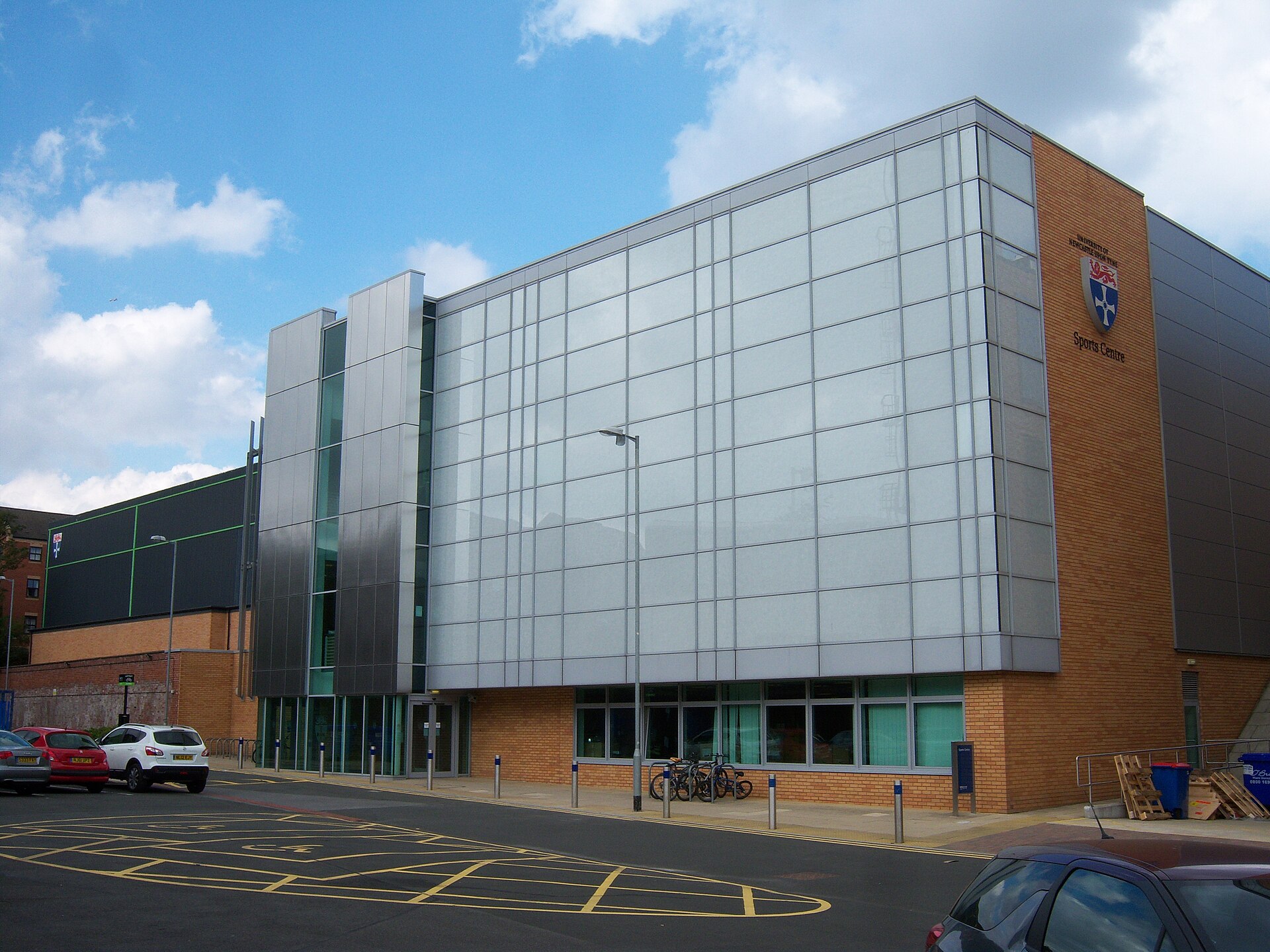
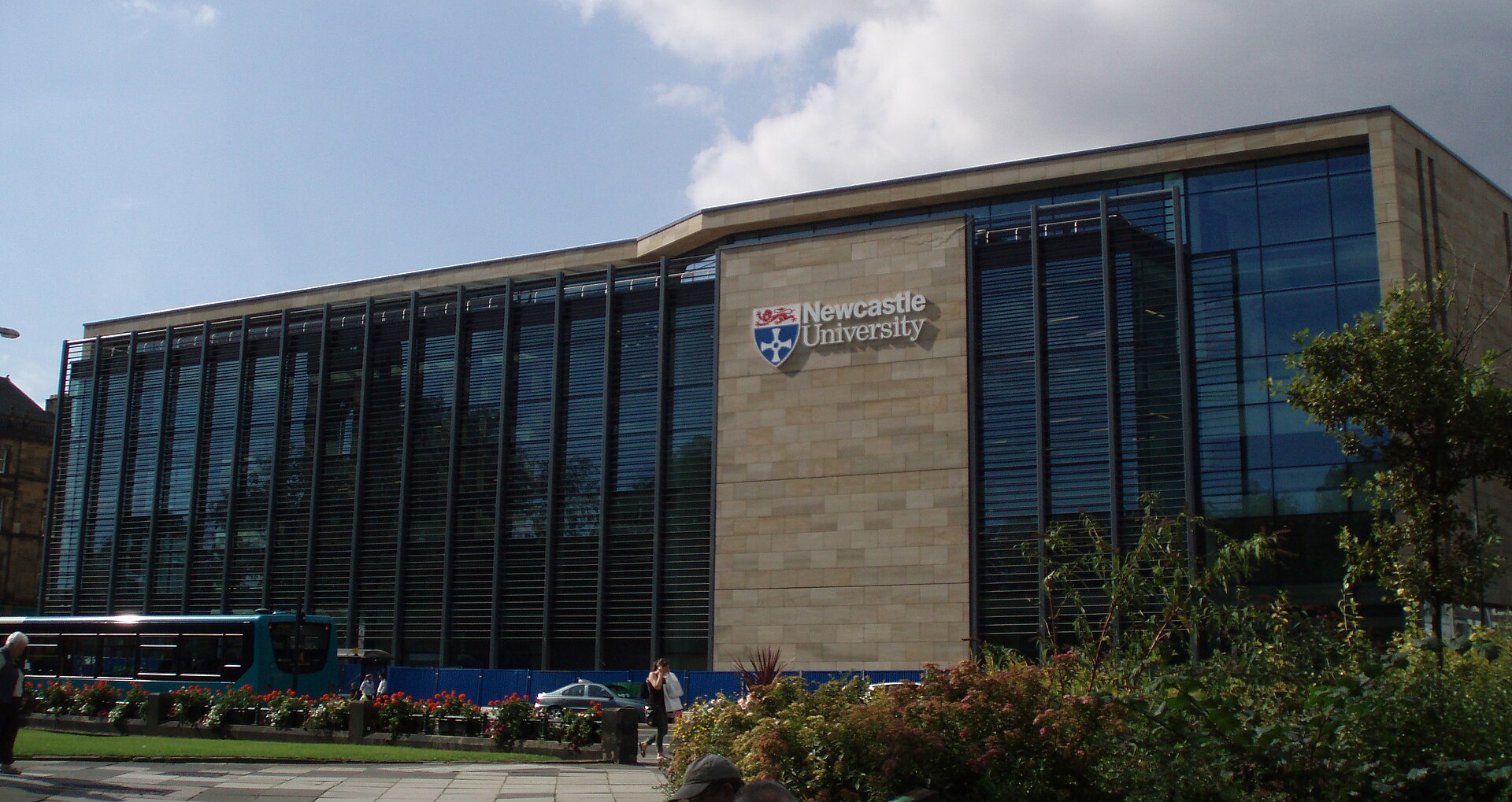
Newcastle University — campus in pictures
Real, freely-licensed photographs of the campus (via Wikimedia Commons).
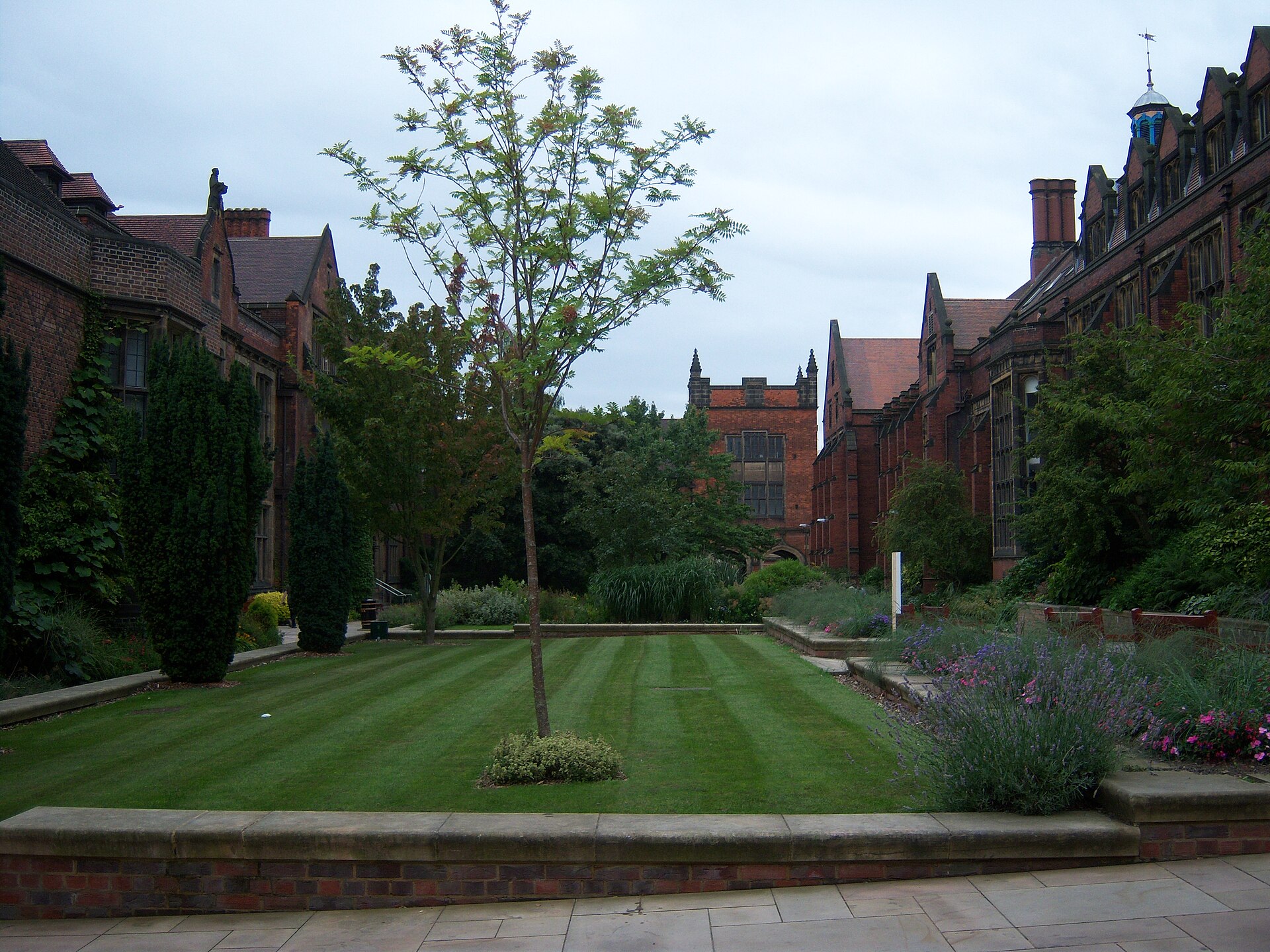
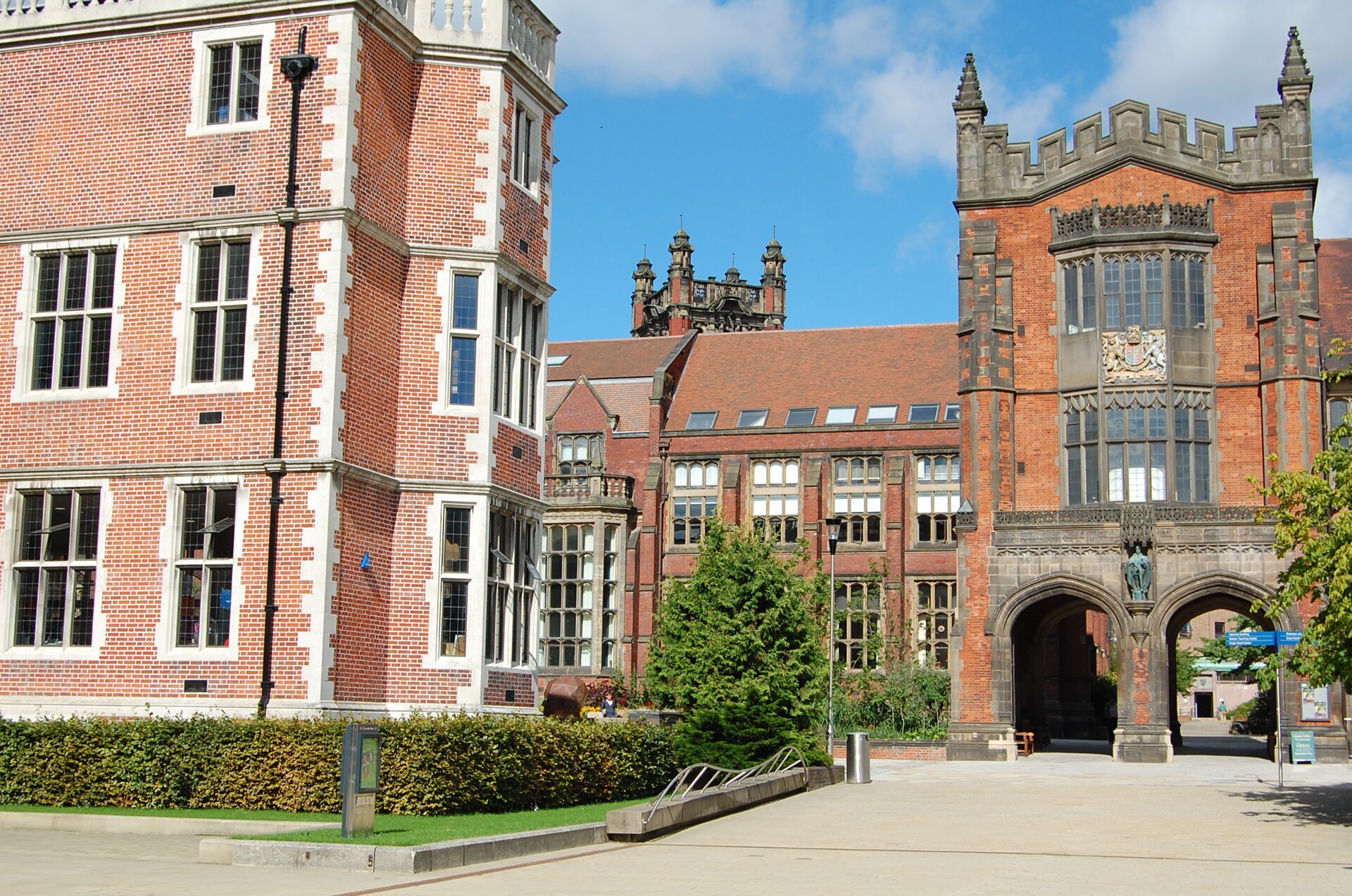
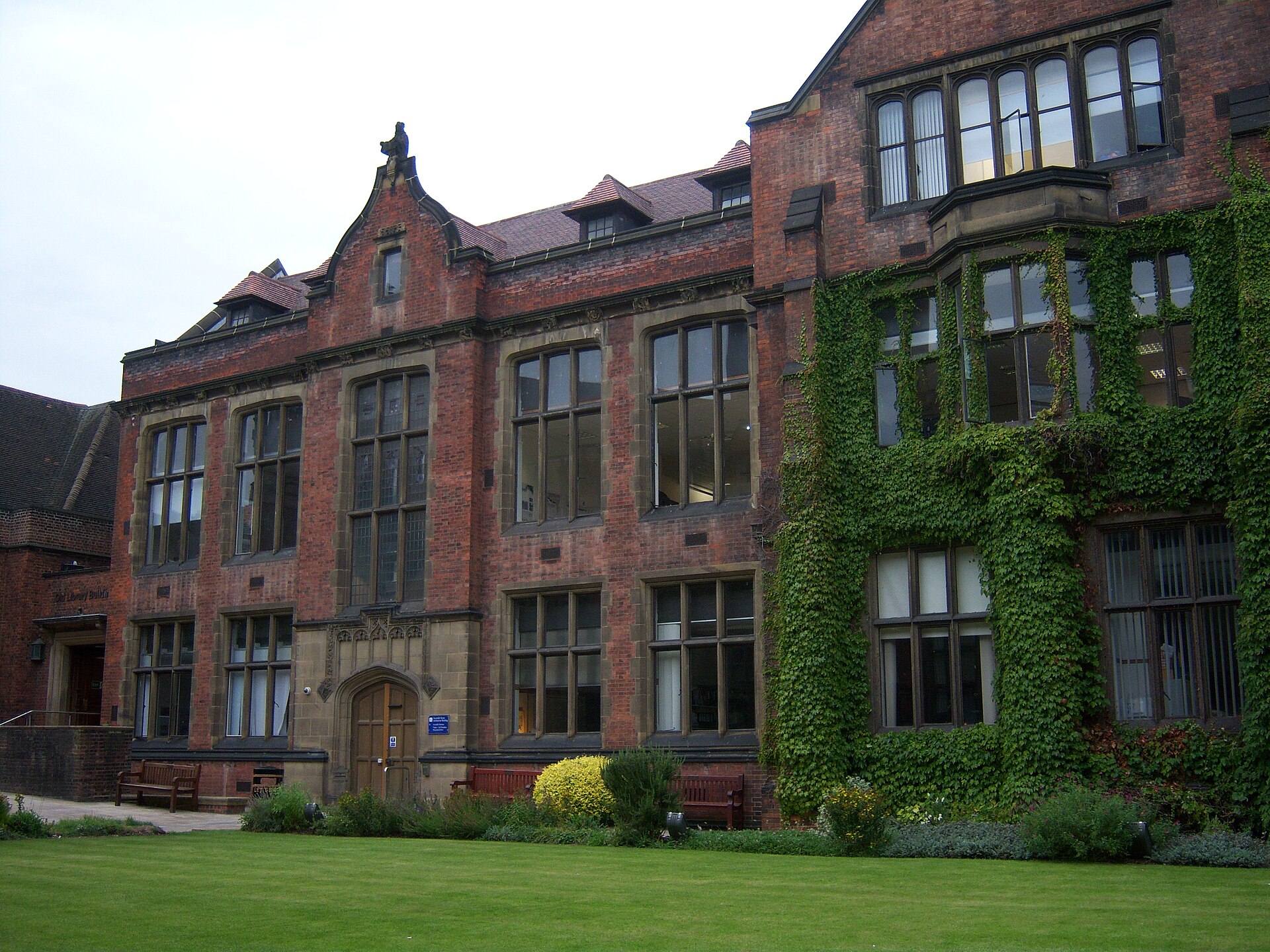
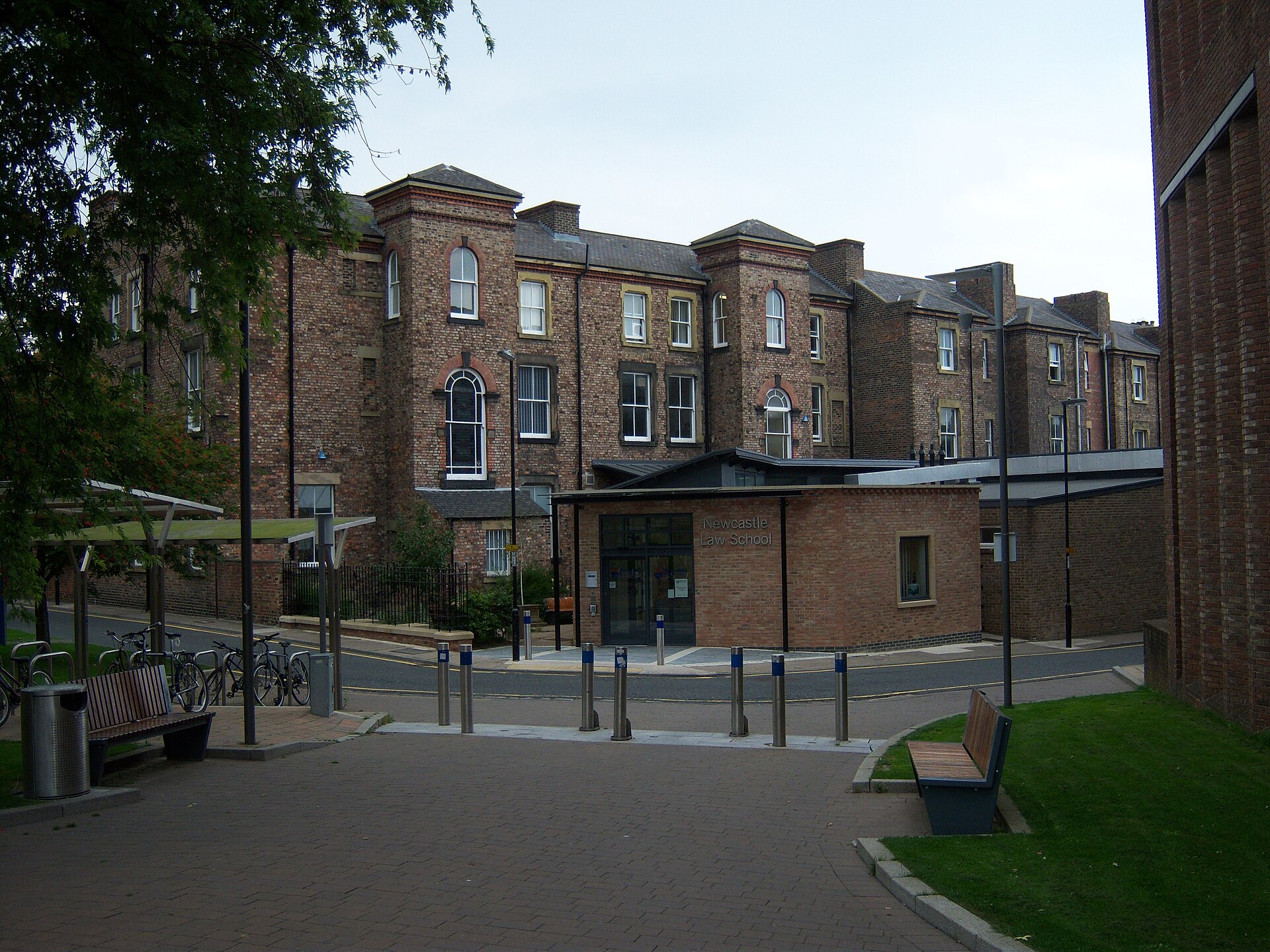
Why Newcastle University — Russell Group Prestige, Research Power & Northern Character
Newcastle offers something few universities can match: the academic credibility of the Russell Group combined with a genuinely welcoming city and a cost of living that stretches your budget further than you would expect from a world-ranked institution.
Newcastle University Acceptance Rate & Entry Profile
Stats
Profile Stats
Rea Vs Rd
Newcastle Admissions Requirements — Grades, Qualifications & What Really Matters
- IB: 34 points overall; competitive programmes require higher
- A-Levels: ABB minimum; Medicine/Dentistry require AAA or above
- Relevant Higher Level subjects carry significant weight
- Predicted grades from your school are the admission basis
- UCAT is mandatory for MBBS and BDS — not optional
- SAT/ACT not required for UK admissions
- LNAT may apply to some Law programmes
- Check your specific programme for additional requirements
- IELTS Academic: 6.5 overall minimum
- TOEFL iBT: 90 overall minimum
- Duolingo English Test: 120 minimum
- Some programmes require higher component scores
Newcastle Application Components — UCAS, Personal Statement & Requirements
Newcastle University processes all undergraduate applications through UCAS — the UK's central admissions platform. There is no separate Newcastle application portal. Your application is one document evaluated by Newcastle alongside up to four other university choices.
Newcastle & the UCAS Personal Statement — Writing the Perfect Application
Tips
Prompts
What Newcastle Admissions Tutors Are Looking For
Newcastle's admissions process is primarily grade-led, but for competitive programmes — Medicine, Dentistry, Computer Science, Architecture — the personal statement and reference play a decisive role when grades alone do not separate candidates. Understanding what each programme's tutors genuinely value is the foundation of a strong application strategy.
Newcastle Financial Aid & Scholarships for International Students
Newcastle University does not operate a US-style need-based financial aid system for international undergraduate students. Financial support is primarily through merit-based scholarships. However, Newcastle's scholarship portfolio is one of the most active among UK universities — over 1,000 scholarships are available for international students.
Scholarship amounts are approximate and change annually. Confirm current awards, eligibility, and application requirements on the Newcastle University scholarships page before applying.
Stats
Contribution Tiers
| Note | Range | Percent | Percent Value |
|---|---|---|---|
| Flagship award for high-achieving international undergraduate students | Vice-Chancellor's International Scholarships | Merit-based | 80 |
| Automatic assessment based on academic record — no separate application typically required | Vice-Chancellor's Excellence Scholarships | Merit-based | 60 |
| For students who have competed at regional, national, or international level | Sports Scholarships | Up to £5,000 | 40 |
| For students domiciled in EU countries — amounts set annually | Vice-Chancellor's EU Scholarships | EU Students | 30 |
| For close family members of current or former Newcastle students | International Family Discount | Fee reduction | 20 |
Key Dates
Advantages
- October applicants for Medicine/Dentistry have more time to demonstrate UCAT preparation
- Early submission signals commitment and gives admissions tutors more time to consider your application
- Applications submitted before January deadline receive equal consideration — earlier is never penalised
- More time to respond to offers and arrange accommodation, visa, and finances
- Clearing remains available in August for applicants who meet or exceed requirements
Disadvantages
- Medicine/Dentistry October deadline requires earlier UCAT preparation and registration
- Late applications (after 25 January) are not guaranteed equal consideration
- Unlike US EA/ED, there is no advantage in terms of acceptance rate for applying early — only logistical benefits
- You cannot apply to more than five UCAS choices simultaneously
- Gap year deferrals must be explicitly requested and approved by the relevant programme
Newcastle Interviews — Medicine MMIs & What to Expect
Most Newcastle undergraduate programmes do not conduct interviews — admissions are made on academic grounds and the personal statement. The main exception is Medicine (MBBS) and Dentistry (BDS), where shortlisted applicants are invited to Multiple Mini Interviews (MMIs). MMIs consist of a circuit of short, structured stations assessing different competencies — clinical reasoning, communication, ethics, and empathy. International applicants should confirm with Newcastle admissions whether online interview options are available.
Meta
Questions
Newcastle University Accommodation & Residential Life
Unlike Oxford, Cambridge, or Durham — which have a formal college system — Newcastle does not operate a house or college residential model. Students choose their accommodation from a range of university-managed and private halls across the city. First-year international students are typically guaranteed a place in university-managed accommodation if they apply by the stated deadline.
Houses
Lottery Steps
- First-year international students: apply early for guaranteed hall places — university accommodation is typically prioritised for Year 1 students
- Application is made through Newcastle's accommodation portal, separate from UCAS
- Choose between catered halls (meals provided) or self-catered flats (own cooking)
- Castle Leazes and Kensington Terrace are the main university-managed options; partner halls add additional capacity
- Most students move into private rented accommodation from Year 2 onwards — Jesmond, Heaton, and Sandyford are popular student areas
Newcastle University — Faculties & Key Schools
- {"label":"Flagship programmes","value":"MBBS, BDS"}
- {"label":"Clinical partner","value":"Newcastle Hospitals NHS"}
- {"label":"Research focus","value":"Ageing, Cancer, Cardiovascular"}
- {"label":"UCAT","value":"Required for MBBS & BDS"}
- {"label":"Marine Architecture","value":"One of UK's oldest & strongest"}
- {"label":"Computing research","value":"AI, Cybersecurity, Data Science"}
- {"label":"Civil Engineering","value":"Strong industry links"}
- {"label":"Research group","value":"N8 Research Partnership"}
- {"label":"Accreditation","value":"AACSB & EQUIS (dual)"}
- {"label":"Global standing","value":"Top 1% of business schools"}
- {"label":"Programmes","value":"Accounting, Finance, Management"}
- {"label":"Placement year","value":"Available"}
- {"label":"Law","value":"Newcastle Law School"}
- {"label":"Psychology","value":"Research-intensive"}
- {"label":"Modern languages","value":"European & Global"}
- {"label":"Architecture","value":"Professional ARB accreditation"}
Research & Extracurricular Opportunities at Newcastle
Career Outcomes & Newcastle Alumni Network
Newcastle's graduates go on to careers across a broad range of sectors — from the NHS and global engineering firms to technology companies, financial services, and academic research. The university's Careers Service, placement year programmes, and alumni network provide tangible support for graduate employment.
Stats
Categories
Our Newcastle Admissions Track Record & Student Success Stories
Faqs
Does Newcastle University accept IB students?+
Yes. Newcastle actively welcomes IB students and specifies IB point requirements for each programme. A total of around 34 IB points is typical for most undergraduate courses, though competitive programmes like Medicine may require higher totals. Higher Level grades in relevant subjects also matter. Always check the specific programme entry requirements on the Newcastle course finder.
Is there an application fee for Newcastle?+
There is no separate Newcastle application fee. UCAS charges a standard application fee that covers applications to up to five UK universities. Newcastle itself charges nothing additional. Confirm current UCAS fees at ucas.com.
When should I apply as an international student?+
Most courses have a 25 January UCAS deadline for equal consideration. Medicine and Dentistry applicants must apply by 15 October and must sit the UCAT. It is strongly advisable to apply well before the deadline. Submitting early gives you more time to respond to offers and arrange your visa and accommodation.
Is Newcastle in the Russell Group?+
Yes. Newcastle University is a member of the Russell Group — the association of 24 leading UK research universities that includes Oxford, Cambridge, Imperial, UCL, and Edinburgh. Russell Group membership is recognised globally as a mark of research excellence and teaching quality.
What scholarships are available for international students?+
Newcastle offers over 1,000 scholarships for international students, including Vice-Chancellor's International Scholarships, Vice-Chancellor's Excellence Scholarships, Sports Scholarships (up to £5,000), and International Family Discounts. Visit the Scholarships and Bursaries section of the Newcastle website for current awards and eligibility criteria.
Does Newcastle offer foundation or pathway programmes?+
Yes. Newcastle University International Study Centre (NUISC) offers pathway programmes for international students who need additional English language or academic preparation before entering a degree programme. Successful completion at the required standard guarantees progression to the degree.
Can I defer my offer for a gap year?+
Yes. Newcastle considers deferral requests on a case-by-case basis. You can request deferred entry through UCAS or by contacting the relevant admissions office. Medicine and Dentistry deferral policies differ — check the specific programme conditions before requesting a deferral.
What is the PARTNERS programme?+
PARTNERS is Newcastle's contextual admissions programme for UK students from underrepresented backgrounds. Eligible students may receive a lower conditional offer than the standard entry requirements. International students are not typically eligible for PARTNERS, but should declare any extenuating circumstances honestly on their UCAS form.
Book a Free Newcastle Admissions Strategy Session
In 60 minutes our Newcastle admissions specialists will evaluate your academic profile, identify your application strengths and gaps, develop your UCAS personal statement strategy, advise on UCAT preparation if required, and determine the best timing and approach for your Newcastle application.
- No commitment required
- Newcastle and Russell Group specialists
- Personalised strategy — not generic advice
Newcastle Academic Requirements
Newcastle University Academic Requirements — The Honest Breakdown for International Students
What IB scores, A-level grades, and academic profile do Newcastle's admitted students actually have? And what does the admissions process mean for students from IB, A-Level, Indian boards, and other international curricula?
GPA & Grades
Newcastle and Academic Grades — What the Entry Requirements Actually Mean
Newcastle University does not use GPA as a primary admissions metric — the UK system is based on A-level grades, IB point totals, and equivalent international qualifications. For US-curriculum applicants, the university publishes a GPA equivalency guideline, with 3.2 as the general minimum for most programmes.
For IB students: a 34-point total with strong Higher Level grades in relevant subjects is the benchmark threshold. Aim to exceed it in the subjects most relevant to your programme. For A-level students: ABB is the minimum for most courses; competitive programmes such as Medicine require A*AA or AAA.
Academic Context
How Newcastle Reads Your Academic Record — School and Qualification Context
Newcastle University evaluates academic performance in the context of the qualification and school system you come from. The admissions team is experienced at reading international transcripts and has published equivalency guidelines for a wide range of international qualifications.
SAT at Newcastle
SAT Scores at Newcastle — Not Required, but Relevant for Some Applicants
Newcastle University does not require SAT scores from international applicants. The UK admissions system is based on A-level grades, IB totals, and equivalent qualifications — standardised tests like the SAT are neither required nor typically used in the evaluation of international undergraduate applications at Newcastle.
| Label | Score | Percent |
|---|---|---|
| SAT requirement | Not required | 0 |
| SAT as supplementary evidence | Accepted | 50 |
| US GPA minimum (general guidance) | 3.2 | 65 |
ACT at Newcastle
ACT Scores at Newcastle — Not Used in UK Admissions
ACT scores are not part of the UK undergraduate admissions process and are not required by Newcastle University. Newcastle does not have published ACT score benchmarks for undergraduate entry.
Metrics
Comparison Cards
Test Policy
Newcastle's Test Policy — What Matters and What Doesn't
Newcastle University is effectively test-optional for standardised tests like SAT and ACT — not because of a policy choice but because the UK admissions system does not use these tests. The relevant 'tests' at Newcastle are the UCAT (Medicine and Dentistry), and possibly the LNAT (Law) — these are not optional.
Submit Items
Withhold Items
Curricula
A-Levels and IB at Newcastle — Specific Benchmarks
- {"label":"Overall points benchmark","value":"34+ (university-wide minimum)"}
- {"label":"Competitive courses (Medicine, Engineering, Computing)","value":"Often 36+ with specific HL conditions"}
- {"label":"Higher Level expectations","value":"Grades 5+ in subjects relevant to your programme"}
- {"label":"Mathematics","value":"AA or AI at HL typically required for Engineering, Computing, Sciences"}
- {"label":"General minimum","value":"ABB across most undergraduate programmes"}
- {"label":"Competitive programmes","value":"AAA or A*AA (Medicine, Dentistry, Computing, Engineering)"}
- {"label":"Relevant subjects","value":"Must include subjects relevant to your programme — check each course"}
- {"label":"Cambridge International A-levels","value":"Accepted on the same basis as UK A-levels"}
US Curriculum Applicants
AP Courses at Newcastle — How US Curriculum Students Are Evaluated
AP courses are not a standard component of Newcastle's UK admissions process. However, students applying primarily on the basis of a US high school education (GPA + AP scores) can be considered. Newcastle has published guidance on how US qualifications are evaluated.
Academic Rigour
Rigour of Secondary School Record — What Newcastle's Admissions Tutors Evaluate
Newcastle's admissions tutors do not just look at grades in isolation — they evaluate whether you have studied the right subjects at the right level. Subject relevance and course rigour matter alongside raw grade performance.
Taking the most relevant subjects at the highest available level — in the disciplines your programme actually requires.
Subject Preparation
Subject Preparation — What Newcastle Expects at Undergraduate Entry
Newcastle's programmes vary widely in their subject requirements. The common thread is depth in relevant subjects rather than breadth across many. Admissions tutors want to see that you have laid the academic foundations for success in your chosen field.
Language Proficiency
English Language Requirements for International Newcastle Applicants
All international applicants from non-English speaking countries must demonstrate English language proficiency. Requirements vary slightly by programme — always check the specific course requirements on the Newcastle course finder.
The minimum score gets you through the language requirement — it does not guarantee a strong application. Your personal statement and any written elements of the application also demonstrate your English ability. A student who meets the IELTS minimum but writes a vague, poorly argued personal statement will struggle to compete for places on competitive programmes.
By Programme
Academic Requirements by Programme — What Different Paths Expect
Newcastle specifies entry requirements per programme. Always verify on the Newcastle course finder, as requirements change annually.
| Concentration | Expectation | Signals |
|---|---|---|
| Medicine (MBBS) | AAA A-level or IB 36–38+, Biology + Chemistry required | UCAT score, healthcare work experience, MMI performance |
| Dentistry (BDS) | AAA A-level or IB 36+, Biology + Chemistry required | UCAT, dental work experience, manual dexterity evidence |
| Computer Science | AAA A-level (Maths required) or IB 35+ | Coding projects, portfolio, competitive programming |
| Marine & Naval Architecture | ABB–AAB A-level (Maths + Physics), IB 34+ | Engineering interest, design projects, maritime awareness |
| Civil Engineering | ABB A-level (Maths + Physics), IB 34+ | STEM aptitude, structural interest, design projects |
| Architecture (BArch) | ABB A-level, IB 34+, portfolio required | Creative portfolio, spatial reasoning, design experience |
| Business & Accounting | ABB A-level (Maths often required), IB 34+ | Commercial awareness, Economics/Business performance, work experience |
| Law (LLB) | AAB A-level, IB 35+ | Analytical writing, legal awareness, debating/mooting experience |
| Psychology | ABB A-level, IB 34+ | Science background, critical thinking, research interest |
| Biosciences / Marine Biology | ABB A-level (Biology required), IB 34+ | Biology performance, fieldwork interest, scientific curiosity |
International Systems
How Newcastle Evaluates International Education Systems
Roadmap
Building an Academic Profile for Newcastle — What to Do at Each Stage
- Identify the subject area you want to study and select GCSE or equivalent subjects strategically.
- For STEM, prioritise Mathematics and Sciences. For Medicine, both Biology and Chemistry are essential from early secondary.
- Explore the Russell Group's 'Informed Choices' guide for facilitating subjects that keep options open.
- Begin developing intellectual interests beyond the classroom through reading, projects, or relevant activities.
- Choose IB Higher Level or A-level subjects that match your intended programme's requirements.
- For Medicine: Biology and Chemistry at HL/A-level — non-negotiable.
- For Engineering: Mathematics at HL/A-level plus a Physical Science.
- Maintain strong grades from day one — consistency matters more than a late surge.
- Pursue relevant work experience for vocational subjects — hospital shadowing for Medicine, architectural visits for Architecture, coding projects for Computing.
- Attend Newcastle open days or virtual events to demonstrate genuine interest.
- Engage in relevant academic competitions, summer schools, or extended reading.
- These experiences will form the backbone of your UCAS personal statement.
- Submit your UCAS application by the relevant deadline (October for Medicine/Dentistry; January for most other courses).
- Write a compelling personal statement demonstrating subject passion and concrete preparation.
- If required, sit UCAT by October — register early as seats fill quickly.
- Ensure English test scores (IELTS/TOEFL/Duolingo) are ready and meet programme minimums.
- Accept your conditional offer and meet the grade conditions with final IB results or A-level grades.
- Apply for accommodation through Newcastle's accommodation portal as soon as it opens.
- Begin your UK Student visa application — allow at least 8–12 weeks before your start date.
- Attend Newcastle's pre-arrival and welcome programmes for international students.
Common Pitfalls
Academic Mistakes That Cost Newcastle Applications — And How to Avoid Them
Real Outcomes
What Academic Profiles Tychr's Newcastle-Admitted Students Had
The following profiles represent the academic backgrounds of students Tychr has helped gain Newcastle admission. They illustrate the range of academic preparation that works — and what made each application compelling.
Faqs
What IB score do I need for Newcastle?+
The university-wide benchmark is 34 IB points. However, competitive programmes require higher totals — Medicine, Dentistry, Computing, and Engineering often specify 35–38+ with specific Higher Level conditions. Check the individual programme page on the Newcastle course finder for the current IB requirement for your chosen subject.
Does Newcastle accept the Indian Class XII boards?+
Yes. Newcastle has published equivalency guidance for Indian boards (CBSE and ISC). For most programmes, a strong percentage in relevant subjects meets the threshold. For competitive programmes such as Medicine or Engineering, verify the current requirement with Newcastle's international admissions team — the UCAT is still required for Medicine regardless of your academic qualification.
Is the UCAT required for all Newcastle courses?+
No. UCAT (University Clinical Aptitude Test) is mandatory only for Medicine (MBBS) and Dentistry (BDS). All other Newcastle programmes do not require UCAT. Law applicants should check whether LNAT applies to their specific programme.
Does Newcastle offer any exemptions from the English language requirement?+
Potentially yes. If you have studied in English as the medium of instruction for at least three years at secondary level, you may qualify for an exemption. Contact Newcastle's international admissions team directly to confirm whether your background qualifies.
Can I apply with predicted IB grades before results are released?+
Yes. UCAS allows applications with predicted IB grades. Your school submits predicted scores as part of the UCAS reference. Conditional offers are made on the basis of predicted grades — you must then meet the conditions with your final IB results to secure your place.
Fees & Financial Support
Newcastle University May Cost Less Than You Think — Here's the Full Picture.
Newcastle University is a Russell Group institution with a total annual cost of attendance significantly lower than London equivalents. Here's exactly what Newcastle costs, what financial support is available, and how to fund your studies as an international student.
Cost Transparency
What Newcastle Actually Costs — The Full Annual Figure
Newcastle's total cost of attendance is significantly lower than equivalent Russell Group institutions in London. A comparable degree at UCL or King's College London would cost more in living expenses alone — rents in London run 60–80% higher than Newcastle. Newcastle delivers comparable Russell Group quality at a meaningfully lower total cost.
UK Admissions Context
Financial Aid at Newcastle — How It Differs from US Universities
Unlike Harvard, Princeton, or MIT — which offer large need-based grants that make the effective cost very low for many international families — Newcastle's financial support for international undergraduates is scholarship-based. Your admission is evaluated on academic grounds; financial circumstances do not influence the admissions decision, but neither do they generate automatic need-based aid.
Value Proposition
Why Newcastle Represents Genuine Value for International Students
Funding Walkthrough
How to Apply for Financial Support at Newcastle — Step by Step
Newcastle does not have a single financial aid application process. Funding comes from multiple sources and each has its own application process. Here is how to approach it systematically.
- Vice-Chancellor's International Scholarships
- Vice-Chancellor's Excellence Scholarships
- Sports Scholarships (up to £5,000)
- International Family Discount
- Vice-Chancellor's EU Scholarships (for EU-domiciled students)
- Check whether a separate scholarship application is required or if it is automatically assessed
- Submit required applications by stated deadlines — these may differ from the UCAS deadline
- Confirm eligibility criteria — some awards have nationality or programme restrictions
- Chevening Scholarships (UK government — highly competitive, postgraduate focus)
- Commonwealth Scholarships (for Commonwealth country nationals)
- Home government scholarship programmes for study at UK universities
- Subject-specific scholarships (engineering foundations, medical trusts, etc.)
- Bank statements must show funds held for at least 28 consecutive days
- You need to demonstrate you can cover first-year tuition plus living costs (approximately £1,334/month outside London)
- Start gathering evidence at least three months before your visa application
- Your work permission is specified in your Confirmation of Acceptance for Studies (CAS)
- Newcastle's city centre location provides access to hospitality, retail, and university employment
- Student visa holders may not work as self-employed or in certain regulated roles
International Students
Financial Support for International Students at Newcastle — What Exists
Newcastle University does not operate a need-blind or need-based financial aid programme comparable to elite US universities. International undergraduate students are expected to fund studies through personal/family resources, scholarships, and where applicable, sponsored study arrangements. However, Newcastle does offer a meaningful scholarship programme and participates in the UK's wider scholarship ecosystem.
Cost Planning
Estimated Annual Costs by Category — Newcastle vs London
Annual Cost Comparison: Newcastle vs London Russell Group
All figures are approximate estimates for planning purposes. Actual costs depend on exchange rates, programme, accommodation choice, and personal spending. Confirm current GBP tuition on the Newcastle fees page.
Newcastle's total cost of attendance is meaningfully lower than equivalent London Russell Group universities — primarily because of the substantial difference in accommodation and daily living costs. Over a three-year degree, this difference can amount to $25,000–$65,000 in total savings.
| Income | Grant | Contribution |
|---|---|---|
| Tuition (international) | ~$34,450 | ~$32,000–$40,000 |
| Accommodation (annual) | ~$7,000–$9,000 | ~$14,000–$18,000 |
| Food & daily expenses | ~$4,000 | ~$6,000–$8,000 |
| Transport | ~$1,000 | ~$2,000–$3,000 |
| Total annual estimate | ~$50,350 | ~$58,000–$72,000 |
Table Headers
Scholarship Framework
Newcastle Scholarships — Merit-Based Awards and Who Qualifies
Newcastle's financial support for international undergraduate students is merit-based rather than need-based. The following awards are the primary named scholarships available to international applicants. Confirm current amounts, eligibility, and application requirements on the Newcastle scholarships page.
External Funding
External Scholarships — Additional Funding for Newcastle Students
While Newcastle itself offers merit-based scholarships, numerous external organisations fund international students studying at UK Russell Group universities. These are often underutilised by international applicants.
Student Loans
Student Loans at Newcastle — What UK and International Students Need to Know
The UK student loan system is fundamentally different from the US system. UK domestic students can access government-backed tuition fee loans and maintenance loans through Student Finance England (or equivalent devolved bodies). International students are not eligible for UK government student loans.
Part-Time Work
Working While Studying at Newcastle — What International Students Can Do
International students on a UK Student visa can typically work up to 20 hours per week during term time and full-time during university vacation periods. Earnings can meaningfully supplement living costs in Newcastle, where the cost of living is lower than London.
- Hospitality and catering — restaurants, cafés, and bars in Newcastle city centre and Jesmond
- Retail — Newcastle has a strong retail sector in the city centre and Metrocentre
- University employment — library, student union, administrative, and demonstrator roles
- Tutoring — academic tutoring for school students is available both through agencies and independently
- Healthcare support roles — healthcare assistants and care workers for students with relevant backgrounds
- Graduate recruitment support — many Newcastle employers recruit student brand ambassadors on campus
UK vs US Financial Aid
Newcastle vs. Other University Options — Financial Aid Comparison
| School | Policy | No Loans | Typical Cost |
|---|---|---|---|
| Newcastle (Russell Group, UK) | Merit scholarships only for internationals | Not eligible for UK loans | ~$50,350/year |
| Harvard (US Ivy League) | Need-blind, full-need grants | No loans in aid package | $0 for income under $85k |
| UCL or King's College London | Merit scholarships for internationals | Not eligible for UK loans | ~$60,000–$75,000/year |
| University of Edinburgh | Merit scholarships for internationals | Not eligible for UK loans | ~$55,000–$65,000/year |
| University of Manchester | Merit scholarships for internationals | Not eligible for UK loans | ~$52,000–$58,000/year |
Cost Analysis
The True Cost of a Newcastle Degree — What You Actually Pay
For families who do not qualify for significant US need-based aid, Newcastle's 3-year degree at ~$50,000/year total cost can be more affordable than a 4-year US degree at comparable academic quality — particularly when compared to out-of-state US public universities or less-selective private colleges that lack comprehensive need-based aid programmes.
| School | Policy | Contribution | Four Year Cost |
|---|---|---|---|
| Newcastle University | Russell Group; merit scholarships; no need-based aid | ~$50,350/year | ~$150,000 (3-year degree) |
| UCL (London) | Russell Group; merit scholarships; no need-based aid | ~$65,000/year | ~$195,000 (3-year degree) |
| Harvard (US) | Need-blind; full grants for qualifying families | $0 (for family income under $85k) | $0–$120,000 depending on family income |
| State University (out-of-state, US) | Limited international aid | ~$45,000–$60,000/year | ~$180,000–$240,000 (4-year) |
Scholarships & Appeals
Appealing a Newcastle Scholarship Decision — When and How
Newcastle does not have a formal financial aid appeal process comparable to US universities. Scholarship awards are made based on published criteria, and there is no CSS Profile equivalent. However, there are steps you can take if you believe you have not received an award you should qualify for.
Newcastle's scholarship system is merit-based and condition-driven. Appeals are most appropriate when you believe there was an error in assessing your eligibility for a specific named award, not when you simply want more funding. For genuine financial hardship that arises after admission, contact Newcastle's Student Financial Support team.
When To Appeal
- You believe you meet the published eligibility criteria for a scholarship but did not receive it
- Your financial circumstances have changed significantly after arrival at Newcastle
- There is an error in the documentation submitted for a scholarship assessment
- You have received an external award that may affect the calculation of a Newcastle scholarship
How To Appeal
- Contact the Newcastle scholarships team directly through the university's financial support office
- Clearly state which scholarship you are querying and why you believe you qualify
- Provide supporting documentation — academic transcripts, evidence of achievement, or financial documentation where relevant
Financial Planning Timeline
Planning for Newcastle Costs — What to Do and When
UK Admissions · UCAS Personal Statement
The UCAS Personal Statement for Newcastle — Everything You Need to Write It Well.
A complete guide to the 2026 three-question UCAS personal statement format, what Newcastle's admissions tutors look for, and the specific strategies that produce applications competitive programmes remember.
Application Overview
Newcastle Essay Requirements — The Full Picture
Newcastle University accepts undergraduate applications exclusively through UCAS — the UK's central admissions platform. There are no supplemental essays unique to Newcastle, no Common App equivalent, and no additional written submissions required by Newcastle itself (except for Architecture portfolios and Medicine interview performance). Your written application consists entirely of the UCAS personal statement.
Required Items
Optional Items
The Three Questions
The 2026 UCAS Personal Statement — Three Questions in Full
From 2026 entry, UCAS uses a three-question structured personal statement format. Each question has its own character limit. Your answers go to all five of your UCAS choices simultaneously. Confirm current character limits on ucas.com — these may be refined.
Statement Strategy
The UCAS Personal Statement at Newcastle — What It Needs to Accomplish
Because the UCAS personal statement goes to all five of your university choices simultaneously, you cannot write it for Newcastle alone. But you can ensure it is credible, specific, and compelling for any Russell Group admissions tutor reading it — including Newcastle's.
The UCAS personal statement must work simultaneously for Newcastle and every other university on your application. This means it cannot reference Newcastle by name. It should be grounded in genuine subject enthusiasm that would resonate with any specialist admissions tutor in your field.
Looking For List
- Genuine intellectual engagement with the subject — not performed enthusiasm
- Specific, well-evidenced preparation (named experiences, not vague activities)
- Honest reflection on what you learned — not just what you did
- Clear subject focus — the statement should read as written by someone with a real reason to study this field
Tired Of List
- Opening lines that quote famous people or dictionary definitions
- Statements that describe a list of activities without reflecting on any of them
- Claims of passion without any evidence to support them
- Generic 'I want to help people' motivations for Medicine without clinical grounding
Programme-Specific Strategy
How to Tailor Your Statement for Newcastle's Competitive Programmes
Newcastle does not have supplemental essays. Your strategy for competitive programmes is to ensure the three-question statement is precisely calibrated to what each programme's admissions tutors value most.
Choosing Your Focus
What to Include in Your UCAS Statement — Selection and Prioritisation
The three-question format gives you more structure than the old single essay, but you still need to choose carefully what experiences, evidence, and aspirations to include. The most common mistake is trying to say too much about too little.
Caution Topics
- Listing every extracurricular activity without reflecting on any of them
- Describing work experience without showing what you observed or learned
- Spending the limited character count on generic statements about the value of education
- Trying to write about two different subjects in a single statement if applying to genuinely different disciplines
Criteria
What to Avoid
UCAS Personal Statement Pitfalls — What Not to Do
- Opening with a quotation — clichéd, overused, and a red flag for admissions tutors
- Starting with 'Since I was young, I have always wanted to...' — an immediately generic opening that fails to distinguish you
- Listing activities without reflection — describing what you did is not the same as demonstrating what you learned
- Mentioning universities by name — your statement goes to all five of your UCAS choices simultaneously
- Fabricating or exaggerating work experience — UK medical schools in particular cross-reference clinical claims; dishonesty can result in offer withdrawal
- Spending too much time on extracurriculars irrelevant to the subject — the UCAS personal statement is subject-focused, not a general CV
- Writing for the wrong question — with the three-question format, keep each response focused on what the question actually asks
- Ignoring the character limits — write within the specified limits; cutting down at the end rarely produces the strongest result
- Using AI to write your statement verbatim — UCAS and universities use detection tools; an inauthentic voice is also obvious to experienced readers
- Submitting without asking someone who knows you academically to review it — a teacher familiar with your subject can spot gaps in evidence or reasoning
Personal Statement FAQs
UCAS Personal Statement for Newcastle — Frequently Asked Questions
Does Newcastle read the personal statement carefully?+
Yes — for competitive programmes such as Medicine, Dentistry, Computer Science, Architecture, and Law, the personal statement plays a significant role in differentiating candidates with similar grade profiles. For less competitive programmes, academic offers may be made primarily on grades, but the statement still informs the broader picture. Write as if it will be read carefully — because for the programmes you most want, it will be.
What is the new 2026 UCAS personal statement format?+
From 2026 entry, UCAS replaced the traditional single free-form essay with three structured questions: (1) why you want to study the subject; (2) what preparation and skills you bring; and (3) your future aspirations. Each has its own character limit. Visit ucas.com for official guidance and current character limits, which may be refined.
Does Newcastle interview international applicants?+
Medicine and Dentistry applicants at Newcastle who are shortlisted are invited to Multiple Mini Interviews (MMIs). Most other programmes do not conduct interviews. If you receive an interview invitation, it will come through your UCAS application — confirm with the relevant admissions team whether interviews are conducted in-person or online for international applicants.
How important is work experience for Medicine?+
Work experience is essential for Medicine at Newcastle — it is a near-universal expectation at UK medical schools. You need substantive experience in a healthcare setting (hospital, GP practice, care home, hospice, or similar) and your personal statement must reflect meaningfully on what you observed. Superficial descriptions of what you 'did' are insufficient — admissions tutors want evidence that you understand the realities of clinical medicine.
Should I mention Newcastle by name in my personal statement?+
No. Your UCAS personal statement is sent to all five universities on your application simultaneously. Naming Newcastle would be visible to all your other choices and could undermine your application. Instead, reference the type of academic environment, research culture, or programme characteristics that excite you — in ways that naturally align with what Newcastle and similar institutions offer.
Can I write about two different subjects in my statement?+
If you are applying to the same or closely related subjects across all five choices, keep your statement focused on that subject area. If you are applying to genuinely different subjects, writing a convincing statement is significantly harder — UCAS and universities generally recommend applying to one subject area for the strongest possible statement. Splitting attention across two subjects is a significant strategic disadvantage.
Can I use the same statement for a deferred entry application?+
Yes. If applying for deferred entry (a gap year), briefly reference your gap year plans and how they will contribute to your academic or professional development. This is particularly relevant for Medicine applicants, where a structured gap year with relevant healthcare experience can be presented positively.
How long does it take to write a strong UCAS personal statement?+
A genuinely strong personal statement takes considerably longer than most students expect. Expect 4–8 weeks of drafting, feedback, and revision. Start by gathering your evidence (work experience, reading, projects), then write a rough draft for each question, then refine. Rushing the personal statement is one of the most common mistakes — the character limits make every word count.
Courses — schools, degrees & intake
138 degrees across 4 groupings.
Faculty of Medical Sciences · 17 degrees
Medicine and Surgery MB BS
Medicine and Surgery (Accelerated Programme) MB BS
Dental Surgery BDS
Dental Therapy BSc Honours
Pharmacy MPharm Honours
Biomedical Sciences BSc Honours
Biomedical Sciences MSci Honours
Biochemistry BSc Honours
Biochemistry MSci Honours
Dietetics MDiet Honours
Human Nutrition BSc Honours
Human Nutrition with Placement BSc Honours
Nutrition with Food Marketing BSc Honours
Nutrition with Food Marketing with Placement BSc Honours
Speech and Language Therapy BSc Honours
Sport and Exercise Science BSc Honours
Nutrition and Exercise Science MSci
Faculty of Science, Agriculture and Engineering (SAgE) · 54 degrees
Computer Science BSc Honours
Computer Science (Game Engineering) BSc Honours
Computer Science (Software Engineering) BSc Honours
Computer Science (Cyber Security) BSc Honours
Data Science BSc Honours
Artificial Intelligence BSc Honours
Computing and Mathematics BSc
Electronics and Computer Engineering BEng Honours
Electronics and Computer Engineering with Industrial Project MEng Honours
Engineering with Foundation Year BEng Honours
Chemical Engineering BEng Honours
Chemical Engineering MEng Honours
Chemical Engineering with Industry MEng Honours
Civil Engineering BEng Honours
Civil Engineering MEng Honours
Civil and Structural Engineering BEng Honours
Civil and Structural Engineering MEng Honours
Electrical and Electronic Engineering BEng Honours
Electrical and Electronic Engineering with Industrial Project MEng Honours
Naval Architecture and Marine Engineering BEng Honours
Naval Architecture and Marine Engineering MEng Honours
Mechanical Engineering BEng Honours
Mechanical Engineering MEng Honours
Aerospace Engineering BEng Honours
Aerospace Engineering MEng Honours
Mathematics BSc Honours
Mathematics MMath Honours
Mathematics and Statistics BSc Honours
Mathematics and Statistics with Foundation Year BSc Honours
Mathematics and Accounting BSc Honours
Mathematics and Economics BSc Honours
Mathematics with Business BSc Honours
Mathematics with Finance BSc Honours
Physics BSc Honours
Physics MPhys Honours
Physics with Astrophysics BSc Honours
Physics with Astrophysics MPhys Honours
Theoretical Physics BSc Honours
Theoretical Physics MPhys Honours
Physics with Foundation Year BSc Honours
Chemistry BSc Honours
Chemistry MChem Honours
Chemistry with Medicinal Chemistry BSc Honours
Chemistry with Medicinal Chemistry MChem Honours
Biology BSc Honours
Zoology BSc Honours
Marine Biology BSc Honours
Marine Zoology BSc Honours
Environmental Science BSc Honours
Agriculture BSc Honours
Agriculture with Farm Business Management BSc Honours
Animal Science BSc Honours
Agri-Business Management BSc Honours
Sustainable Land and Business Management BSc Honours
Newcastle University Business School · 11 degrees
Accounting and Finance BSc Honours
Business Accounting and Finance with Work Placements BSc Honours
Finance BSc Honours
Business Management BA Honours
International Business Management BSc Honours
International Business Management with Finance BSc Honours
Economics BSc Honours
Economics and Business Management BSc Honours
Economics and Finance BSc Honours
Marketing BSc Honours
Marketing and Management BSc Honours
Faculty of Humanities, Arts and Social Sciences (HASS) · 56 degrees
Architecture BA Honours
Architecture and Urban Planning BA Honours
Urban Planning BA Honours
Geography BSc Honours
Geography BA Honours
Geography and Urban Planning BA Honours
Law LLB Honours
Global Law LLB Honours
Law with Criminology LLB Honours
History BA Honours
History and Archaeology BA Honours
Ancient History and History BA Honours
Politics and History BA Honours
English Literature and History BA Honours
Ancient History BA Honours
Ancient History and Archaeology BA Honours
Classical Studies BA Honours
Archaeology BA Honours
Archaeology BSc Honours
Politics BA Honours
Politics and Economics BA Honours
Politics and International Relations BA Honours
Politics and Sociology BA Honours
International Relations BA Honours
Philosophy, Politics and Economics BA Honours
Philosophy BA Honours
Sociology BA Honours
Criminology and Sociology BA Honours
Psychology BSc Honours
Cognitive Science BSc Honours
Education BA Honours
English Language BA Honours
English Language and Literature BA Honours
Linguistics BA Honours
Linguistics with French BA Honours
Linguistics with German BA Honours
Linguistics with Spanish BA Honours
Linguistics with Chinese or Japanese BA Honours
Modern Languages and Linguistics BA Honours
English Literature BA Honours
English Literature with Creative Writing BA Honours
Classical Studies and English BA Honours
Modern Languages BA Honours
Modern Languages and Business Studies BA Honours
Modern Languages and International Relations BA Honours
Modern Languages, Translation and Interpreting BA Honours
Spanish, Portuguese and Latin American Studies BA Honours
Chinese Studies BA Honours
Japanese Studies BA Honours
Film and Media BA Honours
Film Practices BA Honours
Journalism, Media and Culture BA Honours
Media, Communication and Cultural Studies BA Honours
Music BA Honours
Contemporary and Popular Music BA Honours
Fine Art BA Honours
Want your real chances at Newcastle University?
Create a free TYCHR account for your personalised admit-chance, a shortlist you can track, exact entry requirements, and essay + counselling help.