National Taiwan University
Taipei, Taiwan · Urban
NATIONAL TAIWAN UNIVERSITY · TAIPEI
National Taiwan University (NTU) is Taiwan's oldest and most prestigious university, founded in 1928 and situated in central Taipei. Ranked #68 globally by QS, NTU is a comprehensive research powerhouse celebrated for electrical engineering, computer science, medicine, and the life sciences. For international students, NTU offers an extraordinary combination: world-class research infrastructure, an exceptionally low-cost high-quality education, and a gateway into one of Asia's most dynamic technology ecosystems.
Campus
National Taiwan University — campus in pictures
Real, freely-licensed photographs of the campus (via Wikimedia Commons).
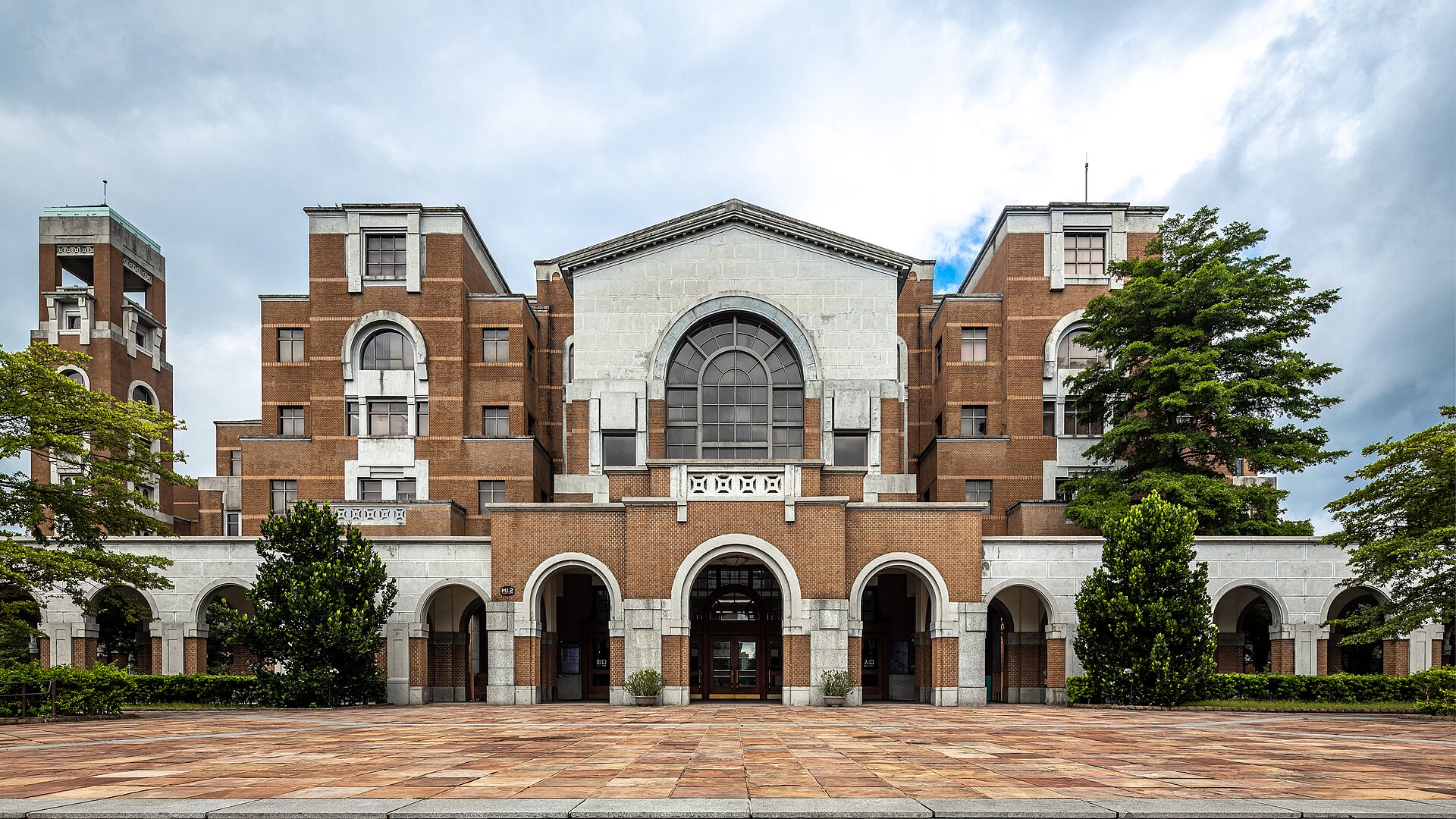
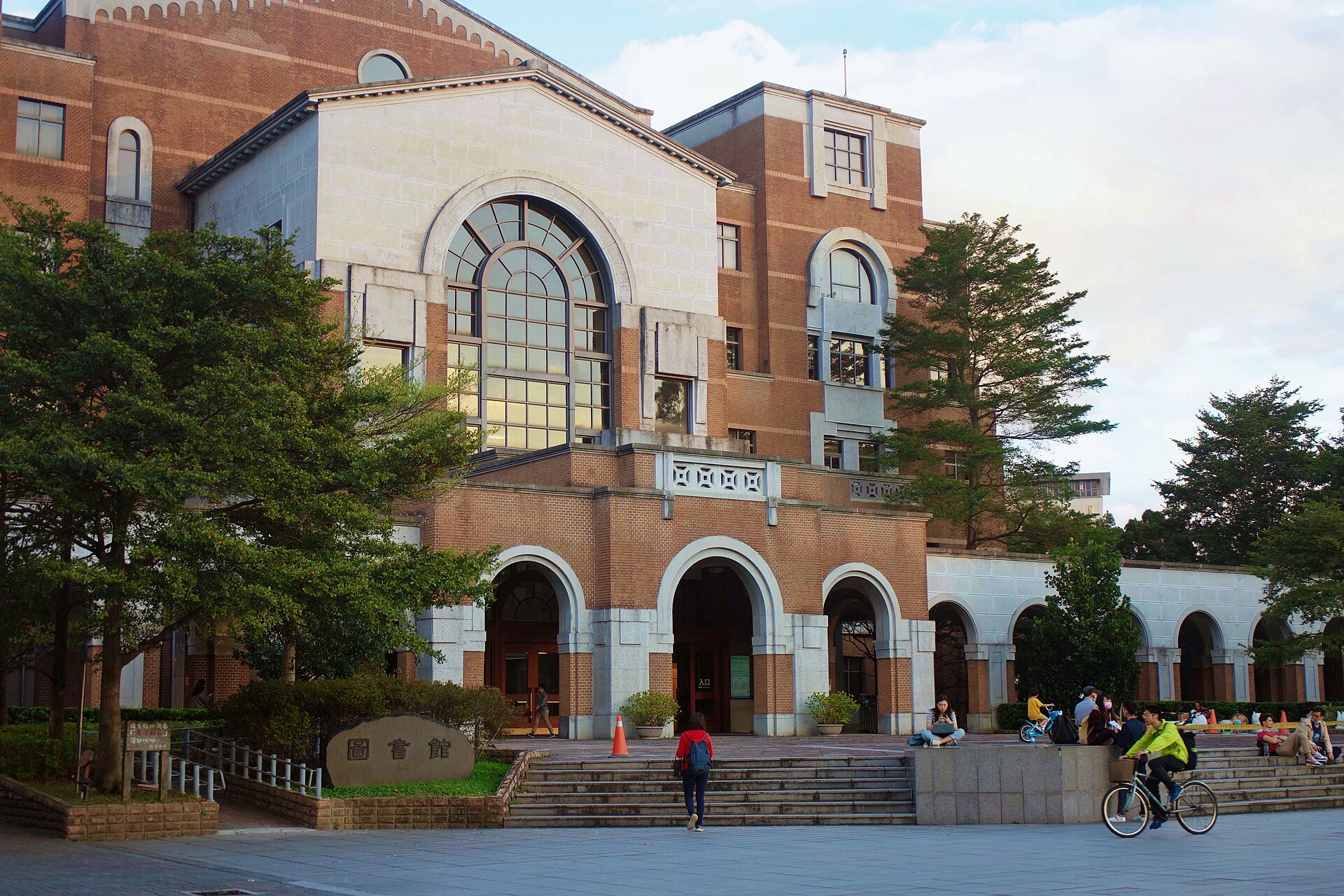

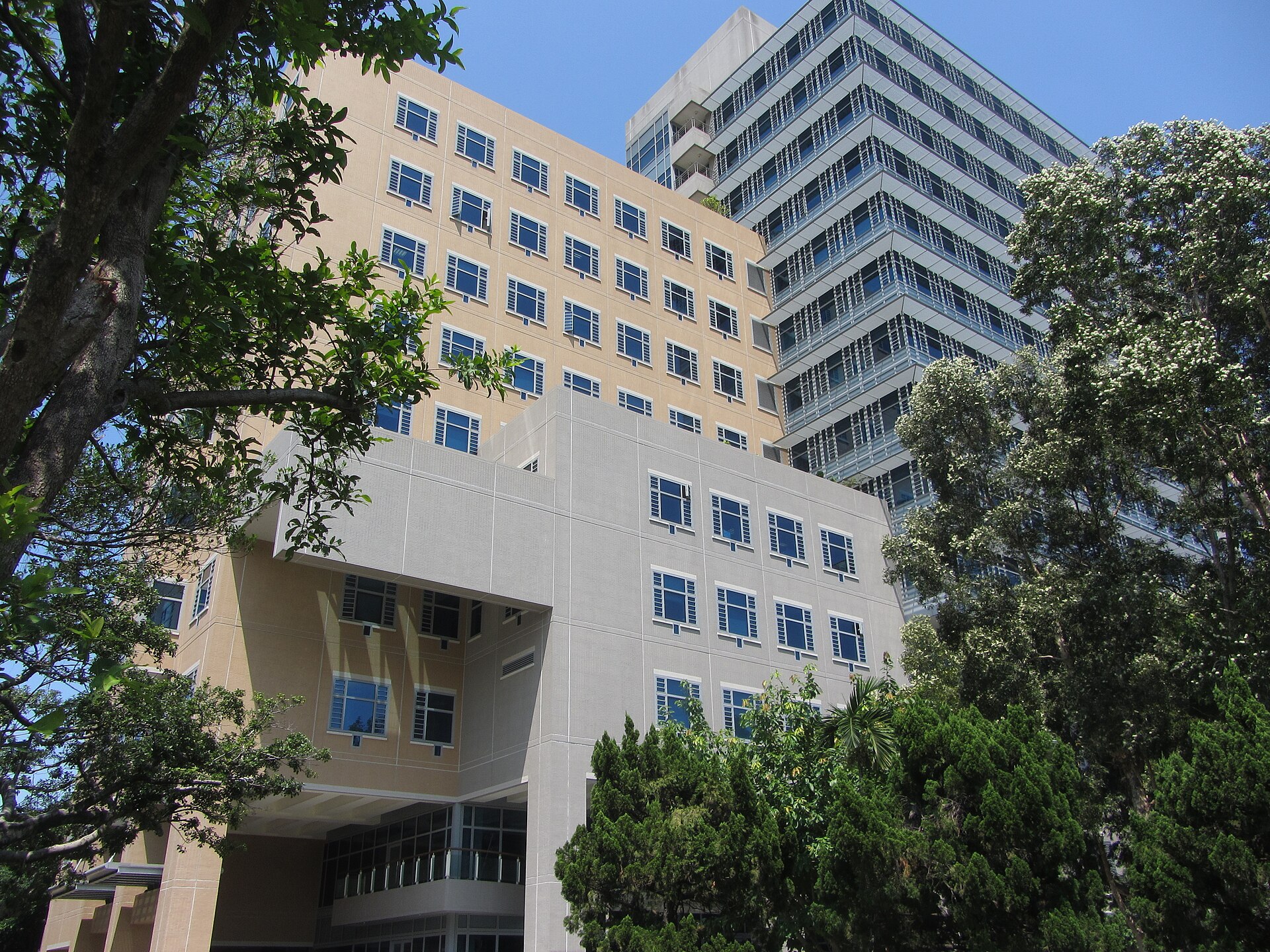
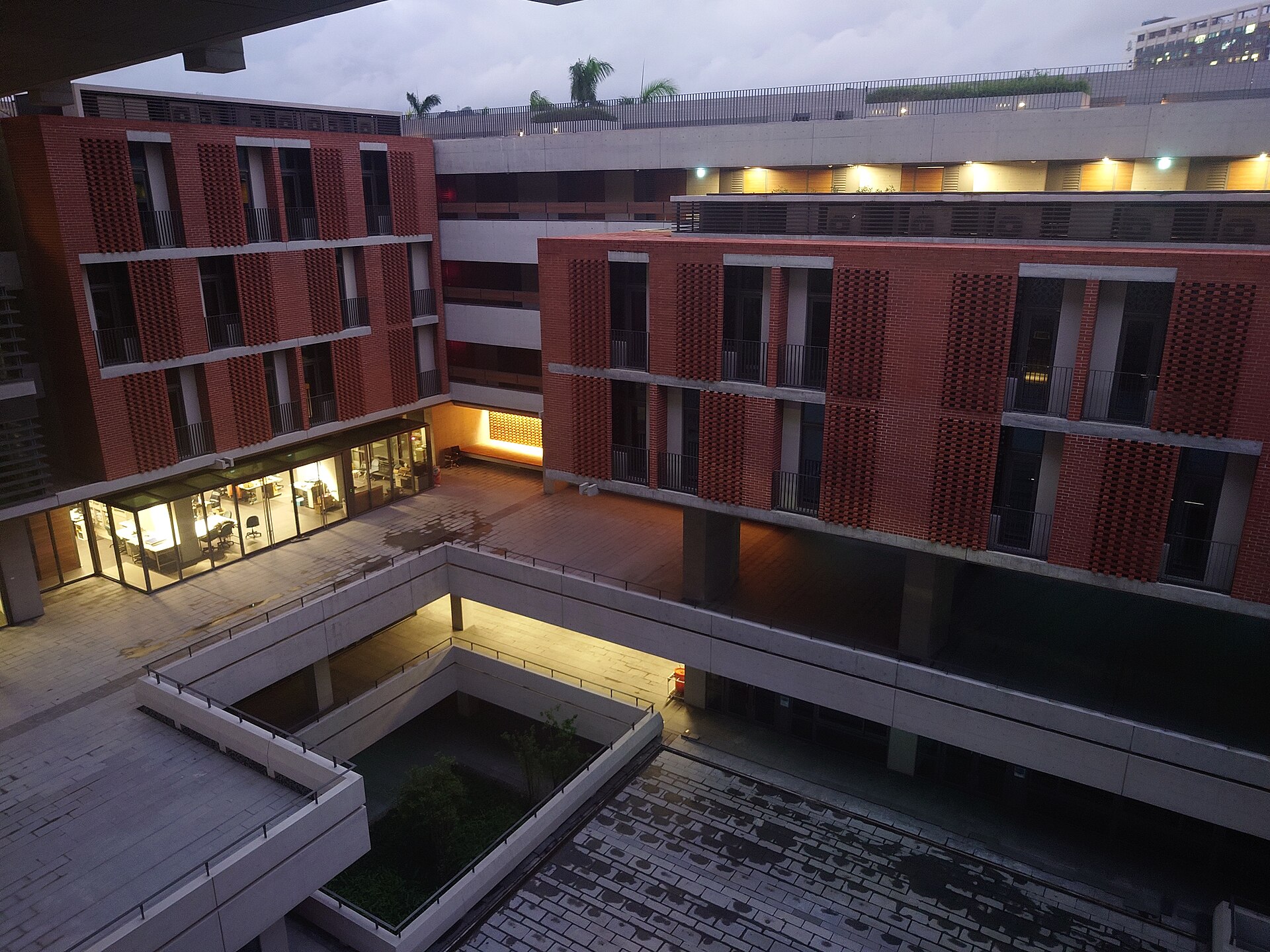
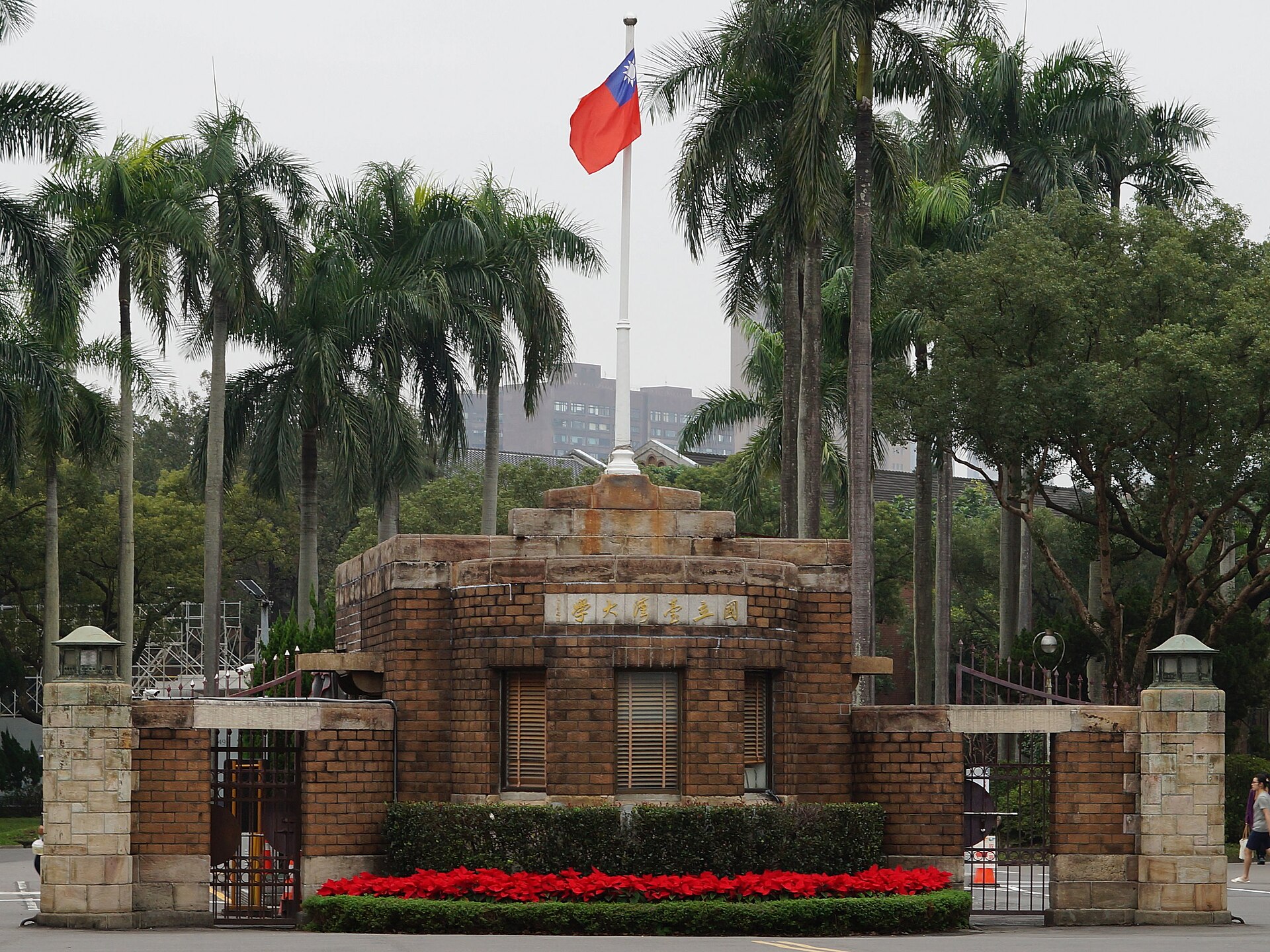
Why NTU — Asia's Research Powerhouse, Extraordinary Value, Taiwan's Tech Gateway
National Taiwan University is not merely Taiwan's top university — it is consistently ranked among Asia's elite research institutions and delivers a globally competitive education at a cost that is a fraction of equivalently ranked universities in the West. For ambitious international students, NTU represents a unique convergence of academic rigour, career opportunity, and access to one of the world's most strategically important technology ecosystems.
NTU Acceptance Rate & International Student Profile
NTU's overall international acceptance rate of approximately 30% conceals significant variation by programme. Top engineering, CS, and medicine programmes are substantially more selective. The selectivity benchmark focuses on academic achievement, recognised qualifications (IB, A-Level, GPA), English proficiency, and department-specific materials.
Stats
Profile Stats
Rea Vs Rd
NTU Admissions Requirements — Academics, Qualifications & Profile
- Minimum 3.4 GPA on a 4.0 scale as general benchmark
- Top programmes (EE, CS, Medicine) expect notably higher
- Subject marks in relevant disciplines closely reviewed
- Upward grade trajectory is viewed positively
- IB Diploma: 36+ competitive; 38+ for top programmes
- A-Levels: AAA or better in relevant subjects
- CBSE/ISC: 90%+ in relevant subjects for competitive programmes
- AP scores accepted as supplementary evidence
- IELTS Academic: 6.5 minimum
- TOEFL iBT: 80 minimum
- Duolingo: verify directly with department
- Exemption possible for prior English-medium education
NTU Application Components — Online Portal, Documents & Department Materials
NTU uses a direct online application portal for international degree students. Applications are submitted department by department — you may apply to up to five departments in a single application cycle. Each department reviews its own applicants and sets its own requirements. Below is every component of a complete NTU application.
NTU Written Components — Study Plan & Statement of Purpose
Prompts
Tips
What NTU Admissions Officers Are Looking For
NTU's admissions process is fundamentally academic and merit-based. Unlike US universities, there is no holistic process weighing extracurriculars, essays, and test scores as equal pillars. Your transcript is the primary signal. Understanding what each department is actually looking for — and why — is the foundation of a strong application strategy.
NTU Financial Aid & Scholarships for International Students
NTU does not operate a US-style need-blind financial aid programme. Aid for international students is provided through merit-based institutional scholarships and Taiwan government scholarships — not automatic income-based grants. However, the combination of low base tuition, institutional awards, and government programmes makes NTU genuinely accessible.
Scholarship amounts shown in TWD. USD conversions are approximate. Verify current scholarship values and eligibility requirements on the official NTU ISSS scholarships page.
Stats
Contribution Tiers
| Range | Percent | Percent Value | Note |
|---|---|---|---|
| NTU Centennial Fellowship (PhD) | Full tuition + TWD 500,000/yr | 100 | NTU's flagship graduate scholarship |
| NTU Centennial Fellowship (Master's) | Full tuition + TWD 300,000/yr | 90 | Highly competitive graduate award |
| NTU Intl. Degree Student Scholarship | Tuition waiver + TWD 8,000/mo stipend | 75 | Undergrad & grad; applied through admission portal |
| MOE Taiwan Scholarship | Partial tuition waiver + TWD 15,000/mo | 65 | Applied via Taiwan representative office in home country |
| MOFA Taiwan Scholarship | Reduced tuition + TWD 33,000/mo | 80 | Applied through Taiwan embassies overseas |
Key Dates
Advantages
- Priority consideration for NTU institutional scholarship pools
- Earlier decision notification — mid-January versus early April
- More time to arrange ARC, housing, and visa before September start
- More time to plan if you need to consider alternative offers
- Round 2 scholarship slots are fewer and subject pools are smaller
Disadvantages
- Your application is still not complete by the Round 1 deadline
- A key document (test score, transcript) won't arrive in time for Round 1
- Scholarship funds are less available — apply only if Round 1 is genuinely impossible
- Results come in April, leaving less preparation time before September
- Graduate February entry has its own separate round (deadline typically mid-September)
NTU Interviews — Format, Who Gets One & How to Prepare
NTU does not conduct university-wide admissions interviews. Most undergraduate and master's programme decisions are made on the basis of your submitted application documents alone. However, certain graduate departments — particularly for PhD programmes — do conduct online interviews with shortlisted international applicants as part of their departmental review process.
Meta
Questions
NTU Residential Life & Campus Housing
NTU does not operate a residential college or house system in the Harvard or Oxbridge sense. Housing is allocated through a dormitory system managed by the university's Student Housing Section. International students are given priority in the allocation process, though spaces are limited relative to demand.
Lottery Steps
- Submit your dormitory application promptly after receiving your admission offer — applications typically open with offer notifications
- International students are prioritised in the first allocation round; applying early significantly improves your chances
- Dormitories are divided by gender and arranged across the main campus and nearby satellite locations
- On-campus housing is clean, affordable, and well-connected to academic buildings — ideal for your first year in Taipei
- Many continuing students choose to rent apartments in the Da'an, Gongguan, or Guting neighbourhoods — typically USD 200–400/month for a shared apartment
Houses
NTU's Colleges & Academic Structure
- {"label":"Departments","value":"8"}
- {"label":"Global standing","value":"Top 50 (QS Engineering)"}
- {"label":"Industry ties","value":"TSMC, MediaTek, UMC, Foxconn"}
- {"label":"Language","value":"Mix; English-taught tracks exist"}
- {"label":"Core departments","value":"EE, CSIE, Graduate Inst."}
- {"label":"QS CS ranking","value":"Top 100 globally"}
- {"label":"Key industry link","value":"Taiwan Semiconductor (TSMC)"}
- {"label":"Entry competition","value":"Very high"}
- {"label":"Flagship programme","value":"M.D. (Medicine)"}
- {"label":"Language","value":"Primarily Mandarin"}
- {"label":"Affiliated hospital","value":"NTU Hospital"}
- {"label":"Intl. applicant note","value":"Chinese proficiency essential"}
- {"label":"Departments","value":"6"}
- {"label":"MBA ranking","value":"Top 3 Asia (selected surveys)"}
- {"label":"English instruction","value":"International MBA available"}
- {"label":"Industry placement","value":"Finance, consulting, tech"}
- {"label":"Departments","value":"7"}
- {"label":"Research output","value":"Top 100 globally (Chemistry)"}
- {"label":"Grad school pipeline","value":"US/UK PhD programmes"}
- {"label":"Research opportunities","value":"Extensive undergraduate labs"}
- {"label":"Language of instruction","value":"Primarily Mandarin"}
- {"label":"English programmes","value":"Selected courses; verify"}
- {"label":"International focus","value":"East Asian Studies tracks"}
- {"label":"Exchange students","value":"Large exchange community"}
Research & Extracurricular Opportunities at NTU
Career Outcomes & NTU Alumni Network
NTU's employment outcomes are strong and its alumni network reaches across Asia and increasingly into global tech, finance, and research institutions. An NTU degree carries significant prestige across the Asia-Pacific region and is increasingly recognised by top employers and graduate schools worldwide.
Stats
Categories
Our NTU Admissions Track Record & Student Success Stories
Faqs
Are most programmes at NTU taught in English?+
Not all — this is the most important thing to verify before applying. Many undergraduate programmes are taught primarily in Mandarin Chinese. However, NTU offers over 1,900 English-taught courses and has designated English-taught tracks in engineering, political science (international relations), and other areas. Graduate programmes tend to have more English-medium options, especially in STEM. Always check with your target department.
Is the NTU degree recognised internationally?+
Yes. NTU ranks #68 globally (QS) and is #1 in Taiwan, making it broadly recognised by employers and graduate schools worldwide. It is particularly well-regarded in Asia, the US, and Europe for engineering, CS, and the sciences.
Do I need to know Mandarin Chinese to study at NTU?+
For English-taught programmes, Chinese proficiency is not an admission requirement. However, daily life in Taipei is significantly easier with some Mandarin, and NTU provides subsidised Mandarin courses for international students. For Mandarin-taught programmes, Chinese proficiency (TOCFL) is required.
Can international students work in Taiwan while studying?+
Yes. International students with a valid ARC (Alien Resident Certificate) are permitted to work part-time up to 20 hours per week during term time. Taiwan has growing demand for English-speaking professionals, particularly in tech and education sectors.
What is the application fee?+
Approximately USD 60 (NTD 2,000) per department for first-time applicants. You can apply to up to five departments in a single cycle — plan for this when budgeting.
Is NTU a good choice for medicine?+
NTU's College of Medicine is the most prestigious medical school in Taiwan and one of the best in Asia. However, the medical programme is conducted almost entirely in Mandarin Chinese and is extremely competitive. International applicants considering medicine must verify language requirements carefully.
What scholarships are available for international students?+
NTU offers several institutional scholarships (including tuition waivers and monthly stipends), and Taiwan's Ministry of Education and Ministry of Foreign Affairs both offer government-funded scholarships. See the Cost & Aid tab for full details.
Is it difficult to get campus housing as an international student?+
NTU prioritises international students for dormitory allocation, but spaces are limited. Apply as early as possible after receiving your admission offer. Many students rent apartments in surrounding neighbourhoods at reasonable cost.
Book a Free NTU Admissions Strategy Session
In 60 minutes our NTU admissions specialists will evaluate your academic profile, identify your application strengths and gaps, develop your study plan strategy, determine which departments and rounds give you the best odds, and map out scholarship pathways. Whether you're targeting NTU for engineering, CS, medicine, or business — we'll give you a personalised roadmap.
- No commitment required
- NTU and Taiwan university specialists
- Personalised strategy — not generic advice
NTU ACADEMIC REQUIREMENTS
NTU Academic Requirements — The Honest Breakdown for International Students
What GPA, test scores, and academic qualifications do NTU's admitted international students actually have? And what does NTU's merit-based, transcript-first admissions process mean for students from IB, A-Level, AP, and other international curricula?
GPA & ACADEMIC RECORD
NTU and GPA — What the Data Shows
The honest picture: NTU publishes a minimum GPA of 3.4 on a 4.0 scale as a general benchmark for international applicants. In practice, competitive applicants to NTU's top programmes — especially Electrical Engineering, Computer Science, and Medicine — demonstrate significantly higher academic performance.
NTU's merit-based system means your transcript is the central document in your file. There is no holistic process that can compensate for weak grades through extracurricular achievement or essays. Academic performance is the primary selection criterion.
ACADEMIC CONTEXT
How NTU Contextualises Your Academic Record
NTU's international admissions team is experienced in evaluating academic performance across widely different school systems — from IB and A-Levels to CBSE, Gaokao, American high school diplomas, and Southeast Asian national certificates.
SAT SCORES AT NTU
SAT Scores at NTU — What You Actually Need
NTU does not require the SAT for international undergraduate admissions. The SAT is neither a primary criterion nor a formal requirement in the international degree student admissions process. Academic transcripts and your home country's qualification system are the primary academic evidence reviewed.
| Label | Score | Percent |
|---|---|---|
| SAT required | No | 0 |
| SAT accepted as supplementary | Yes | 50 |
| Primary academic signal | Transcripts | 100 |
ACT SCORES AT NTU
ACT Scores at NTU — The Reality
Like the SAT, the ACT is not required for international undergraduate admissions at NTU. It is neither a primary criterion nor a formal requirement. NTU evaluates international applicants on the basis of their home qualification system.
Metrics
Comparison Cards
TESTING STRATEGY
NTU Test Policy — What 'Test-Optional' Actually Means Here
NTU describes its policy for SAT/ACT as optional for international undergraduate applicants. It is important to understand what this means in the NTU context — it is structurally different from a US university's test-optional policy.
Submit Items
Withhold Items
INTERNATIONAL QUALIFICATIONS
IB, A-Levels & International Qualifications at NTU — Specific Benchmarks
- {"label":"Competitive benchmark","value":"36+ points (out of 45)"}
- {"label":"Top programme expectations","value":"38–40+ for EE, CS, Medicine"}
- {"label":"HL subject priorities","value":"Mathematics AA, Sciences for STEM; relevant subjects for other fields"}
- {"label":"Extended Essay","value":"A or B grade; research-focused EE adds value for graduate applicants"}
- {"label":"Competitive range","value":"AAA or better in relevant subjects"}
- {"label":"Subject expectations","value":"Mathematics + Physics for engineering; Biology + Chemistry for medicine"}
- {"label":"Further Mathematics","value":"Highly regarded for engineering and CS applicants"}
- {"label":"AS results","value":"Reviewed alongside A-Level predictions — strong AS performance strengthens the record"}
- {"label":"Competitive range","value":"90%+ in Class XII for top programmes"}
- {"label":"Subject priorities","value":"Mathematics, Physics, Chemistry (PCM) for engineering; Biology + Chemistry for medicine"}
- {"label":"Overall aggregate","value":"Strong overall percentage with emphasis on core subjects"}
- {"label":"Supplementary evidence","value":"JEE/NEET scores or national competition results can be included"}
AP COURSES
AP Courses at NTU — What Counts and When to Include Them
AP courses and scores are accepted as supplementary evidence at NTU but are not a primary or required component of the international application. They are most relevant for students from American high schools who are applying alongside their GPA and transcript.
COURSE RIGOUR
Rigour of Secondary School Record — NTU's Core Academic Signal
NTU departments look beyond raw grades to assess the rigour of the courses in which those grades were achieved. A student who takes the most challenging courses available to them — and performs well — reads as more academically capable than one with a slightly higher GPA in easier courses.
Taking the most challenging courses available in subjects relevant to your intended programme — and performing well in them.
PROGRAMME PREPARATION
Mathematics and Sciences Preparation — What NTU Expects
NTU has no formal universal prerequisites, but competitive applicants to the most sought-after programmes consistently demonstrate preparation significantly beyond the standard secondary school level. Here is what NTU's top programmes effectively expect in practice.
ENGLISH LANGUAGE REQUIREMENTS
English Language Requirements for International NTU Applicants
English proficiency is a mandatory requirement for all English-taught degree programmes at NTU. The minimum thresholds are IELTS 6.5 and TOEFL iBT 80. Competitive applicants typically score above these minimums.
The IELTS and TOEFL minimums at NTU are lower than those typically required at top UK and US universities. This means passing the threshold is relatively accessible for most serious international applicants. The study plan and research proposal you write are, in effect, a secondary English language sample — write them with care.
PROGRAMME-SPECIFIC REQUIREMENTS
Academic Requirements by Programme — NTU's Key Colleges
NTU students are admitted to specific departments, not to the university broadly. Your academic profile must be coherent with the department and programme you are applying to. This table reflects typical competitive preparation — verify specific requirements on each department's admissions page.
| Concentration | Expectation | Signals |
|---|---|---|
| Electrical Engineering | HL Maths AA or A-Level Maths + Further Maths; HL/A-Level Physics | Physics olympiad; electronics projects; strong quantitative record |
| Computer Science (CSIE) | HL Maths AA or equivalent; programming background | Competitive programming (USACO, APCS); independent coding projects |
| Mechanical Engineering | HL Maths + HL Physics; strong STEM record | Design competitions; robotics; engineering project work |
| Medicine | HL Biology + HL Chemistry; Chinese proficiency essential | Research experience; community health work; TOCFL score |
| Life Sciences / Bioresources | HL Biology + HL Chemistry or equivalent | Lab research experience; science fair achievements |
| Business Administration | Strong overall GPA; HL Maths recommended; strong English | Leadership; internships; economics coursework |
| Mathematics | HL Maths AA (IB) or Further Maths (A-Level); top percentile | AMC/AIME; olympiad participation; proof-based coursework |
| Social Sciences / Political Science | Strong overall GPA; English proficiency above minimum | Relevant coursework; writing sample quality; research interest |
CURRICULUM EVALUATION
How NTU Reads Different Curriculum Systems
NTU's international admissions office is experienced in evaluating credentials from across Asia, South Asia, Europe, and the Americas. Understanding how your specific curriculum is read helps you present your academic record most effectively.
PREPARATION TIMELINE
Building Your Academic Profile for NTU — Grade 9 to Application
NTU's international intake is competitive. Use your secondary school years strategically.
COMMON MISTAKES
Academic Pitfalls to Avoid When Applying to NTU
- Applying to Mandarin-taught programmes without verifying the language of instruction — many programmes are not English-medium at the undergraduate level
- Underestimating the importance of subject-specific grades; NTU departments look closely at performance in relevant subjects, not just overall GPA
- Applying to multiple departments without tailoring your study plan — generic statements are easy to identify and rarely succeed
- Leaving English proficiency tests too late — IELTS/TOEFL results must be available before the application deadline
- Ignoring Round 1 deadlines — applying in Round 2 significantly reduces scholarship opportunity
- Assuming NTU is less selective than its overall acceptance rate suggests — top programmes are considerably more competitive than the 30% aggregate
- Not contacting departments directly with questions about specific requirements — NTU departments are generally responsive to well-crafted inquiries
- Submitting uncertified transcript translations — official certified translations are required; informal translations are not accepted
ADMITTED STUDENT PROFILES
What Successful NTU International Applicants Look Like
Successful international applicants to NTU's competitive programmes share consistent patterns — not just in grades, but in the purposefulness of their academic preparation and the specificity of their study plans.
ACADEMIC FAQS
Frequently Asked Questions — NTU Academic Requirements
Does NTU accept students from all educational systems?+
Yes. NTU formally recognises qualifications from across the world — IB, A-Levels, CBSE/ISC, American high school diploma and AP, East and Southeast Asian national secondary systems, and many others. The admissions office is experienced in evaluating diverse credentials.
Is there a GPA minimum I must meet to apply?+
NTU publishes a general benchmark of 3.4 on a 4.0 scale for international applicants. In practice, applicants to competitive programmes should aim considerably higher. The minimum is a floor, not a target.
Do I need to take the SAT or GRE?+
The SAT/ACT is not required for undergraduate admissions. Some graduate programmes may require GRE or GMAT — verify with your specific target department. The IELTS or TOEFL for English proficiency is required for English-taught programmes and is not optional.
Is an IB score of 36 enough for NTU engineering?+
36 meets the published benchmark, but for NTU's most competitive engineering programmes (especially Electrical Engineering and CSIE), higher-achieving applicants typically present 38–40+. Subject-level performance in HL Maths and sciences is closely reviewed alongside the total score.
How important is Mandarin Chinese for academic success at NTU?+
For English-taught programmes, Mandarin is not a formal academic requirement. However, many course materials, campus life, and faculty interactions involve Mandarin. Basic Mandarin significantly improves both the academic and social experience. NTU offers subsidised Mandarin courses for international students.
Will NTU consider my application if I graduated from a non-IB, non-A-Level secondary school?+
Yes. NTU accepts a wide range of international qualifications. Applicants from any recognised national secondary system are evaluated on their home qualifications. What matters is demonstrating strong academic performance within your own educational context.
COST & FINANCIAL AID
Studying at NTU — A Genuinely Affordable World-Class Degree
NTU is one of the most affordable elite universities in the world for international students. With annual tuition of approximately USD 3,900 and a total cost of attendance of approximately USD 11,000, NTU compares extraordinarily favourably to similarly ranked institutions in the US, UK, or Australia. Add Taiwan's low cost of living and multiple scholarship pathways, and NTU represents one of the most accessible routes to a top-ranked Asian research degree.
All costs below are approximate estimates for international degree students. Taiwan Dollars (TWD) are the local currency; USD figures are approximate conversions and should be verified at current exchange rates.
COST BREAKDOWN
NTU Annual Cost of Attendance — Full Breakdown
All figures below are approximate annual estimates for international degree students. Actual costs vary by programme, department, and individual lifestyle choices.
| Item | Amount | Notes |
|---|---|---|
| Tuition (annual) | ~USD 3,900 | Approximately NTD 120,000; varies slightly by programme |
| Application Fee | ~USD 60 per dept. | NTD 2,000; up to 5 departments per cycle |
| Student Activity Fee | Included in tuition | Covers campus facilities and student services |
| On-Campus Housing (annual) | ~USD 1,200–2,000 | Varies by room type; limited availability |
| Off-Campus Rent (annual estimate) | ~USD 2,400–4,800 | Shared apartments near campus; ranges widely |
| Food (annual) | ~USD 2,400–3,600 | Mix of campus dining and local restaurants |
| Transport | ~USD 480–720/yr | MRT monthly pass ~USD 40; very affordable |
| Books & Supplies | ~USD 500–1,000 | Varies by programme |
| Total Cost of Attendance (estimate) | ~USD 11,000/yr | Tuition + living combined annual estimate |
FINANCIAL AID OVERVIEW
Financial Aid for International Students at NTU
The accessibility picture is still positive: NTU's base tuition of approximately USD 3,900 is dramatically lower than equivalently ranked Western universities. Institutional scholarships that provide tuition waivers and monthly stipends are genuinely available to international students and are applied for as part of the admission process itself — no separate scholarship application portal is required for NTU's own awards.
NTU does not operate a US-style need-blind or need-based financial aid programme. There is no income-based institutional grant that automatically adjusts to your family's financial circumstances. International students access funding through a combination of NTU's merit-based institutional scholarships, Taiwan government scholarships (MOE and MOFA), and external corporate and foundation awards.
NTU'S AFFORDABILITY COMMITMENT
NTU's Commitment to Accessible International Education
Unlike US elite universities where the sticker price exceeds USD 80,000 per year, NTU's full-cost international student experience — including tuition, accommodation, and living costs — runs approximately USD 11,000 annually. This is not a lower-quality education: NTU's research output, faculty calibre, and employer recognition are globally competitive. The affordability is structural, not a compromise.
Taiwan's government has made internationalising its leading universities a policy priority. NTU is backed by both institutional and government-level commitment to making a world-class Taiwanese education accessible to international students, reflected in the combination of low statutory tuition and substantive scholarship programmes.
HOW TO APPLY FOR AID
Steps to Secure Financial Support at NTU
AID FOR INTERNATIONALS
What Financial Aid Is Actually Available to International Students at NTU
Government scholarship programmes (MOE and MOFA) are specifically designed for international students — they are not available to domestic Taiwanese students. These represent a significant, government-funded layer of support for qualifying international applicants.
International degree students are eligible for all of NTU's institutional scholarship programmes on the same basis as other admitted students. NTU does not distinguish between domestic and international students in its institutional scholarship eligibility — merit is the criterion, not nationality.
AID COVERAGE
What NTU Scholarships Are Actually Worth
All amounts are in Taiwan Dollars (TWD). Approximate USD values at illustrative exchange rates are shown for reference — actual values depend on current exchange rates.
NTU does not publish an average financial aid package figure for international students. The value of support varies significantly depending on whether a student receives institutional scholarships, government scholarships, or both. The figures below represent the named scholarship values as published by NTU.
| Item | Amount | Notes |
|---|---|---|
| NTU Centennial Fellowship (PhD) | TWD 500,000/yr (~USD 16,000) | NTU's flagship graduate award; includes tuition waiver |
| NTU Centennial Fellowship (Master's) | TWD 300,000/yr (~USD 10,000) | Graduate award; includes tuition waiver |
| NTU Intl. Outstanding Graduate Student Scholarship | Tuition waiver + TWD 8,000–15,000/mo stipend | Varies by college; master's and PhD |
| NTU Scholarship for Intl. Degree Students | Tuition waiver (up to TWD 65,000) + TWD 8,000/mo | Undergrad and grad; applied via admission form |
| MOE Taiwan Scholarship | Partial tuition waiver + TWD 15,000/mo (UG) or TWD 20,000/mo (Grad) | Applied via Taiwan rep. office in home country |
| MOFA Taiwan Scholarship | Reduced tuition + TWD 33,000/mo | Applied via Taiwan embassy overseas; all levels |
MERIT & NEED-BASED AID
Merit-Based Opportunities at NTU — Named Scholarships
The most competitive NTU scholarships — including the Centennial Fellowship for graduate students — are highly sought after and require exceptional academic records. Less competitive but still valuable awards, including the standard NTU International Degree Student Scholarship, are accessible to a broader range of admitted students.
All NTU scholarship programmes for international students are merit-based — awarded on the basis of academic achievement and research potential, not financial need. This is a fundamental structural difference from the need-based aid models of US universities. The availability of merit scholarships does not depend on demonstrating financial hardship.
EXTERNAL SCHOLARSHIPS
External Scholarships Available to NTU International Students
NTU's Office of International Affairs and the International Student Services Section (ISSS) maintain an updated list of available external scholarships. Check the NTU ISSS scholarships page regularly after enrollment for current opportunities.
Beyond NTU's own institutional scholarships and Taiwan government awards, a number of external corporate, foundation, and bilateral scholarships are available to international students studying at NTU. These are typically applied for after enrollment and often target specific regional or subject-area demographics.
LOANS & DEBT
Student Loans and Debt — NTU's Position
International students who require financing beyond scholarship awards must arrange this privately — through family resources, personal savings, or financial products in their home countries. Given NTU's dramatically lower cost base compared to Western universities, the gap between scholarships and total cost of attendance is substantially smaller in absolute terms.
NTU does not offer institutional student loans to international degree students. There is no Harvard-style no-loan policy because NTU does not build loan packages into financial aid — financial support is provided exclusively as grants (scholarships), not debt instruments.
WORK & PART-TIME INCOME
Working While Studying at NTU
Taiwan has a growing demand for English-speaking professionals, particularly in the technology sector, English-language education, and international business support roles. Taipei's job market for international students is more accessible than many Asian capital cities, and the gig economy provides additional flexible income options.
International students holding a valid ARC (Alien Resident Certificate) in Taiwan are legally permitted to work part-time up to 20 hours per week during term time and full-time during vacation periods. This provides a meaningful supplementary income pathway.
GLOBAL COMPARISON
NTU Cost vs. Peer Universities — A Genuine Comparison
The comparison below is approximate and indicative. Figures for other universities are general orders of magnitude based on publicly available data and are provided for contextual illustration only. Verify all figures on each university's own admissions and financial aid pages.
The most important financial context for NTU is how its cost compares to equivalently ranked universities in other countries. NTU sits at QS #68 globally — in the same tier as institutions with significantly higher total costs of attendance for international students.
| Item | Tuition | Total Coa | Aid Availability |
|---|---|---|---|
| National Taiwan University (QS #68) | ~USD 3,900/yr | ~USD 11,000/yr | Merit scholarships + government awards |
| Top 50 US Universities | ~USD 55,000–80,000/yr | ~USD 80,000–90,000/yr | Need-based + merit; varies widely |
| Top UK Universities | ~USD 25,000–40,000/yr (international) | ~USD 40,000–55,000/yr | Limited need-based; some merit |
| Top Australian Universities | ~USD 25,000–40,000/yr (international) | ~USD 40,000–55,000/yr | Limited; merit scholarships available |
| Top Singapore Universities (NUS/NTU) | ~USD 15,000–20,000/yr (international) | ~USD 25,000–30,000/yr | MOE tuition grant + service bond requirement |
REAL COST PICTURE
What NTU Actually Costs in Practice
Taiwan's cost of living advantages are real and meaningful in practice. A full meal at a local restaurant costs USD 3–5. The MRT monthly pass costs around USD 40. Shared apartments near campus rent for USD 200–350 per month. Students who cook occasionally, use public transit, and live in shared housing can manage comfortably on a stipend budget. The trade-off compared to Western destinations is lower post-graduation starting salaries if you remain in Taiwan — factor this into your long-term financial planning.
Even without scholarship support, NTU's all-in cost of approximately USD 11,000 per year is dramatically lower than peer-ranked universities globally. A student receiving the NTU International Degree Student Scholarship — which provides a full tuition waiver plus a TWD 8,000 monthly stipend — may reduce their effective annual out-of-pocket cost to below USD 5,000, with the stipend covering a significant portion of living expenses.
AID APPEALS
Appealing or Requesting Scholarship Review at NTU
Unlike US university financial aid offices, NTU's scholarship decisions are made by the Graduate Institute or Undergraduate Department alongside admission decisions — not by a separate financial aid office. Communication should be directed to your admitting department.
NTU does not operate a formal US-style financial aid appeals process — there is no mechanism to appeal an admission decision's financial aid component on the basis of family need. However, there are constructive steps students can take if they do not receive the scholarship support they had hoped for.
FINANCIAL PLANNING
Planning Your NTU Education Finances — A Practical Guide
The single most financially impactful decision you can make is applying in Round 1. Scholarship availability is directly tied to application timing — Round 1 applications have access to the full institutional scholarship pool. Round 2 applicants compete for a smaller remaining allocation.
Effective financial planning for an NTU degree should begin at least twelve months before your intended start date. The scholarship landscape involves multiple overlapping timelines — NTU's own institutional cycle, Taiwan government scholarship application windows in your home country, and external awards that open during the academic year.
APPLICATION & STATEMENT
NTU Applications — A Grades-First System with a Study Plan, Not Essays
National Taiwan University does not use a US-style application essay system. There is no Common App personal statement, no supplemental essays, and no institution-wide writing prompts. NTU's international admissions process is fundamentally academic and document-based. The closest equivalent to an essay — and the most strategically important piece of writing in your application — is the Study Plan or Statement of Purpose required by most departments.
This guide explains what NTU actually asks for in writing, how to approach it, and how to position yourself most effectively within Taiwan's direct-application system. If you are accustomed to the US or UK essay process, reframe your expectations: here, your transcript speaks loudest, and your written statement must be precise, academic, and purposeful.
WHAT NTU ASKS FOR IN WRITING
The Writing Components of an NTU Application
Requirements vary by department. Some departments also ask for a CV/résumé, a research proposal, or a writing sample. Always check your target department's specific requirements on the NTU admissions site. There is no university-wide prompt or word limit imposed centrally — your department will specify expectations.
The primary written component required by most NTU departments is a Study Plan (sometimes called a Statement of Purpose or Personal Statement). This is a focused academic document — not a narrative personal statement in the US or UK sense — explaining why you want to study your chosen programme at NTU, your academic background, your research interests (for graduate applicants), and your goals.
THE STUDY PLAN
Writing Your Study Plan for NTU
NTU does not publish a single university-wide essay prompt. Individual departments specify whether a study plan is required and what it should contain. The guidance below reflects the typical expectations communicated by NTU departments — verify with your specific department before writing.
US VS NTU APPLICATIONS
Applying to NTU vs. US Universities — Understanding the Difference
Do not repurpose your Common App essay for NTU. The tones, structures, and purposes are incompatible. A reflective narrative about a transformative personal experience will not serve you in a departmental academic review. Write the study plan specifically for NTU, specifically for the department, with a clear focus on intellectual and academic goals rather than personal journey.
If you are also applying to US universities through the Common App, it is important to understand that the NTU Study Plan and the Common App Personal Statement serve fundamentally different purposes and must be written differently. The Common App personal statement is a narrative about who you are as a person — your growth, character, and values. The NTU Study Plan is an academic document about what you want to study, why NTU is the right place, and what you bring intellectually.
If NTU is your only target institution, focus entirely on the study plan guidance above. This section is primarily relevant for students applying to both US and Taiwanese universities in the same application cycle — a common situation for students from IB programmes, Indian schools, and international schools globally.
ADDITIONAL DOCUMENTS
Beyond the Study Plan — Additional Application Documents
Depending on your target department, you may be asked to provide additional written or documentary materials beyond the study plan. Each should be prepared with the same rigour and care.
STUDY PLAN STRATEGY
How to Write a Strong NTU Study Plan — Topic and Structure
For undergraduate applicants, focus on your subject preparation and what specific questions or areas in your field excite you. For graduate applicants, go deeper: show that you understand the research landscape in your area, identify what you want to contribute, and connect your interests to specific NTU faculty or lab work. NTU is a research university — demonstrating genuine research curiosity is the single most effective differentiator among otherwise similar academic profiles.
The most effective NTU study plans share a common structure: they open with a specific intellectual motivation (not generic admiration for Taiwan or NTU's ranking), build an argument about the applicant's preparation (coursework, projects, skills, experience), and close with a clear and realistic picture of what the applicant wants to achieve at NTU and beyond.
COMMON MISTAKES
Study Plan and Application Pitfalls to Avoid
- Writing a US-style personal narrative — reflective, character-driven, emotional — for an NTU department that expects an academic, focused, research-oriented statement
- Being vague about which specific programme or track you are applying to — departments want to see that you understand what you are actually applying for
- Praising NTU's rankings without connecting that prestige to your specific academic needs or research goals
- Failing to research your target department's faculty — 'I am interested in computer science' is not a study plan for an NTU CS department
- Submitting identical study plans to multiple departments without adaptation — each department has different priorities, and a generic document is usually obvious
- Poor English proofreading — your study plan is a writing sample whether or not the department explicitly frames it as one
- Underselling your academic achievements — this is one of the few places in an NTU application to clearly articulate what you have accomplished and what you are capable of
- Ignoring department-specific format or length requirements listed on the admissions site — treat these as mandatory, not suggestions
APPLICATION WRITING FAQS
Frequently Asked Questions — Applying to NTU
Does NTU require a personal statement like the Common App?+
No. NTU does not use the Common App or any equivalent US-style application platform. The written component required by most departments is a Study Plan or Statement of Purpose — an academic document focused on your programme goals and research interests, not a personal narrative.
How long should my NTU study plan be?+
This is set by each department, not the university centrally. Typical guidance is one to two pages (approximately 500–1,000 words) for undergraduate applicants, and two to three pages for graduate applicants. Always check your specific department's requirements on the NTU admissions site before writing.
Can I apply to multiple departments with one application?+
Yes — you can apply to up to five departments in a single application cycle. However, you should customise your study plan for each department. An identical study plan submitted to five different departments is usually obvious and reduces your chances in each.
Do I need to contact a professor before applying?+
Not required for undergraduate or most master's applications, but highly recommended for PhD programmes. Contacting a potential supervisor before applying gives you a clearer sense of whether they have capacity and interest, and can strengthen your research proposal by grounding it in real conversations about their current work.
Is the study plan written in English or Chinese?+
For English-taught programmes, write in English. For Mandarin-taught programmes, Chinese may be expected or preferred. When in doubt, check with the department directly — many departments accept both, and submitting in the language of instruction of your intended programme is generally the right choice.
Are interviews part of the NTU application process?+
Most departments do not conduct formal interviews for undergraduate or master's applicants. However, some graduate programmes — especially for PhD positions — conduct online interviews with shortlisted international applicants. This is department-specific; check the requirements for your target department. Online interviews are standard for international applicants.
What makes a strong study plan for NTU engineering or CS departments?+
Specificity about what you want to research or build; demonstrated quantitative and technical preparation (relevant coursework, projects, competitions); and a clear connection to what NTU's engineering or CS programme specifically offers — whether a particular research group, industry tie, or curriculum structure. Name the faculty members or labs you want to work with.
Can I submit my study plan in multiple languages?+
Some departments accept bilingual study plans (English + Chinese) or have specific requirements about language. Default to the language of instruction of your target programme — English for English-taught tracks, Chinese for Mandarin-taught programmes. Verify with your target department when in doubt.
Courses — schools, degrees & intake
50 degrees across 11 groupings.
College of Liberal Arts · 8 degrees
Chinese Literature
Foreign Languages and Literatures
History
Philosophy
Anthropology
Library and Information Science
Japanese Language and Literature
Drama and Theatre
College of Science · 7 degrees
Mathematics
Physics
Chemistry
Geosciences
Psychology
Geography
Atmospheric Sciences
College of Social Sciences · 4 degrees
Political Science
Economics
Sociology
Social Work
College of Medicine · 7 degrees
Medicine
Dentistry
Pharmacy
Nursing
Clinical Laboratory Sciences and Medical Biotechnology
Physical Therapy
Occupational Therapy
College of Engineering · 6 degrees
Civil Engineering
Mechanical Engineering
Chemical Engineering
Engineering Science and Ocean Engineering
Materials Science and Engineering
Biomedical Engineering
College of Bio-Resources and Agriculture · 7 degrees
Agronomy
Bioenvironmental Systems Engineering
Agricultural Chemistry
Animal Science and Technology
Agricultural Economics
Horticulture and Landscape Architecture
Veterinary Medicine
College of Management · 5 degrees
Business Administration
Accounting
Finance
International Business
Information Management
College of Electrical Engineering and Computer Science · 2 degrees
Electrical Engineering
Computer Science and Information Engineering
College of Law · 1 degrees
Law
College of Life Science · 2 degrees
Life Science
Biochemical Science and Technology
College of Public Health · 1 degrees
Public Health
Want your real chances at National Taiwan University?
Create a free TYCHR account for your personalised admit-chance, a shortlist you can track, exact entry requirements, and essay + counselling help.