National Cheng Kung University
Tainan, Taiwan · Urban
Taiwan's premier engineering and research university sits in the historic city of Tainan — delivering world-class technical education at a fraction of Western costs, with a direct pipeline into Asia's most strategically important semiconductor industry.
Campus
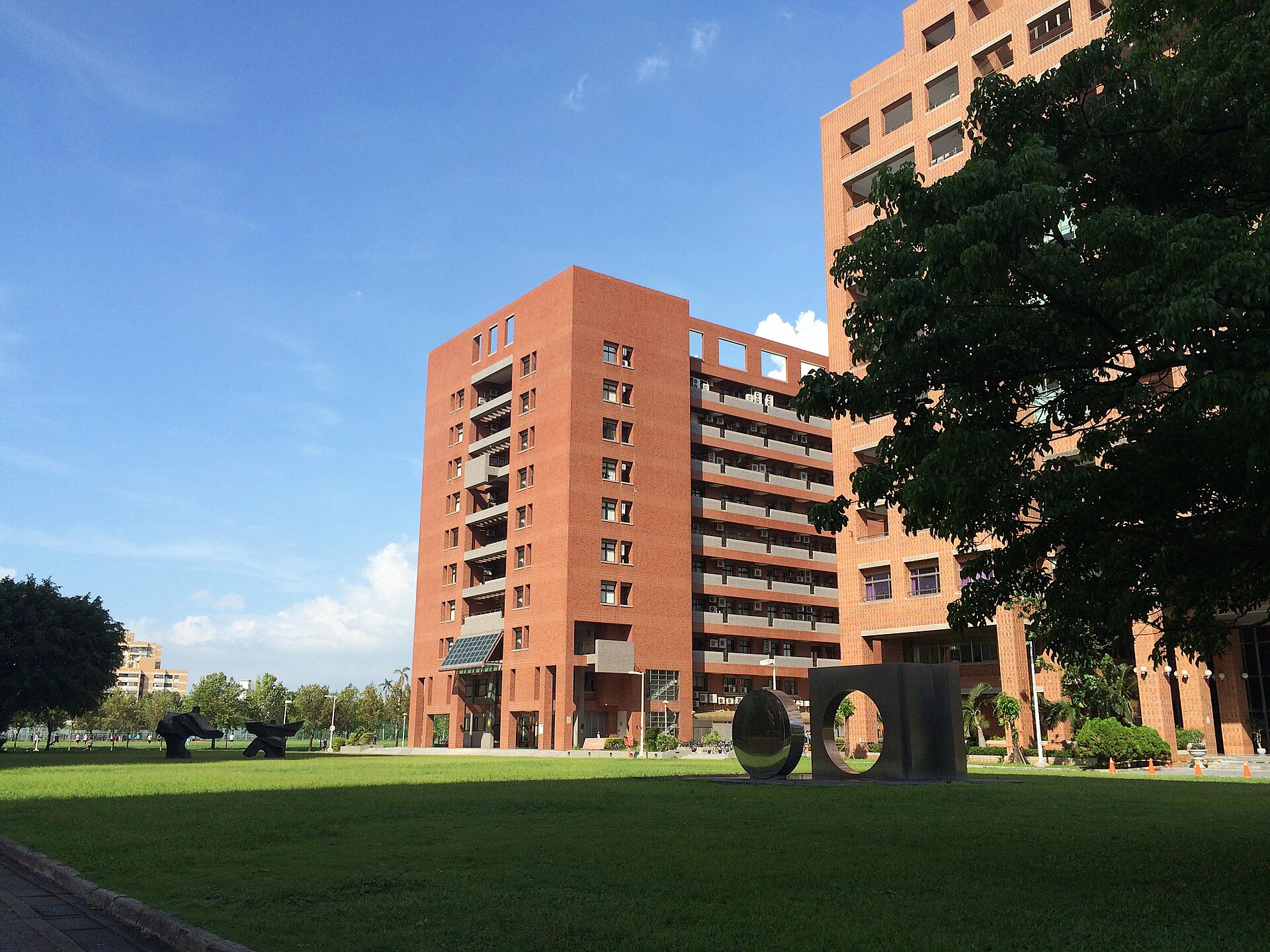
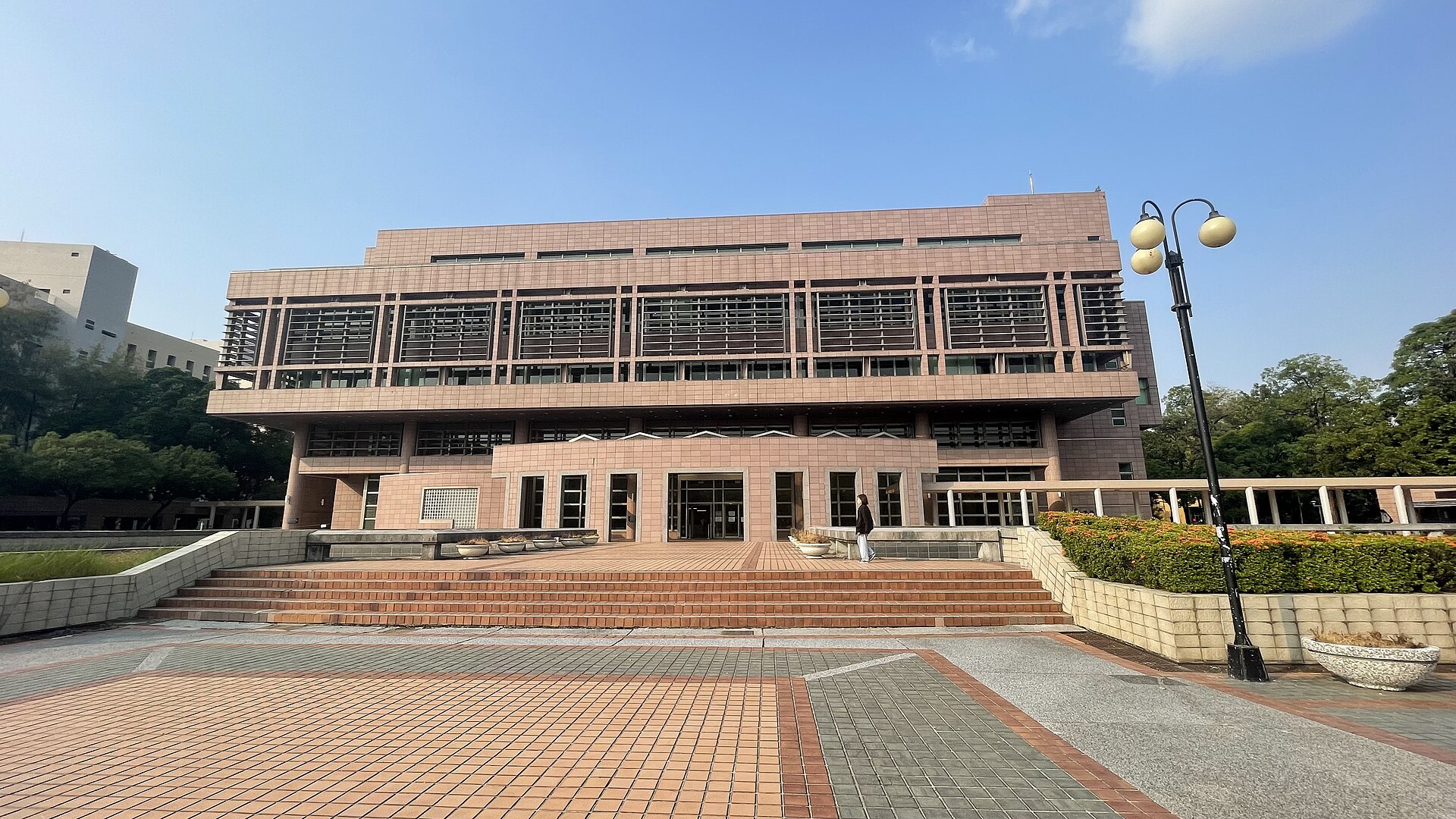
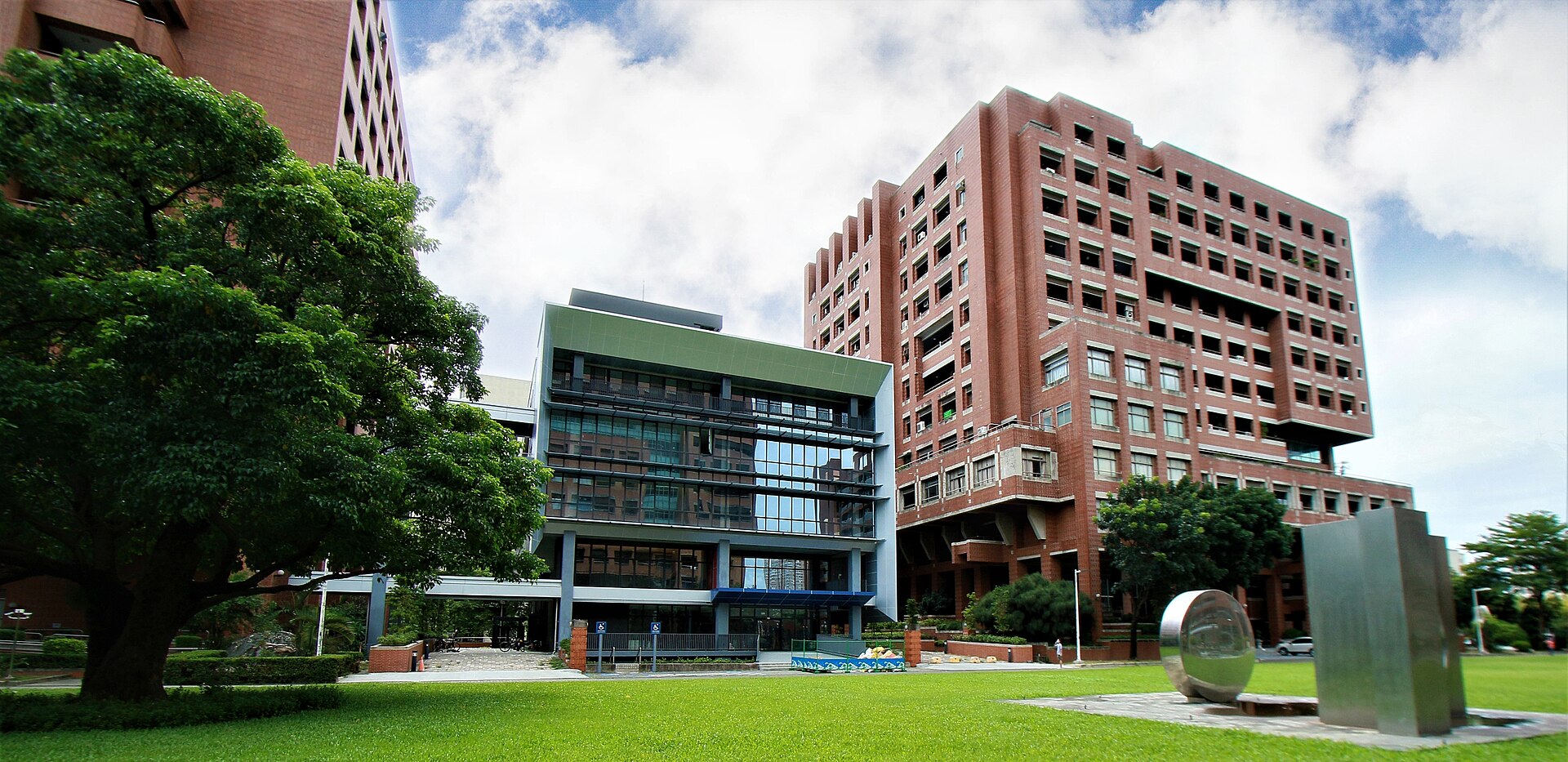
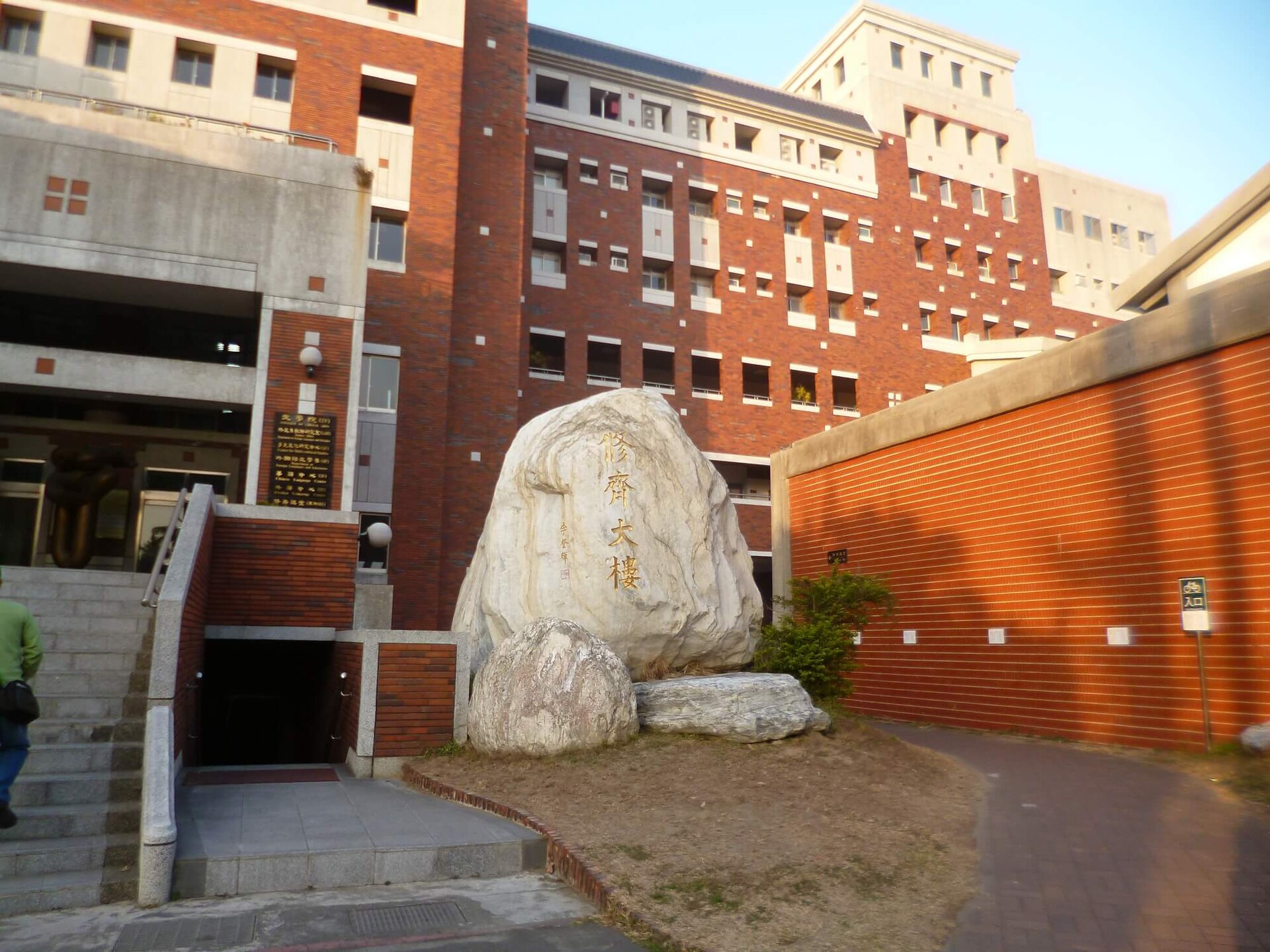
National Cheng Kung University — campus in pictures
Real, freely-licensed photographs of the campus (via Wikimedia Commons).

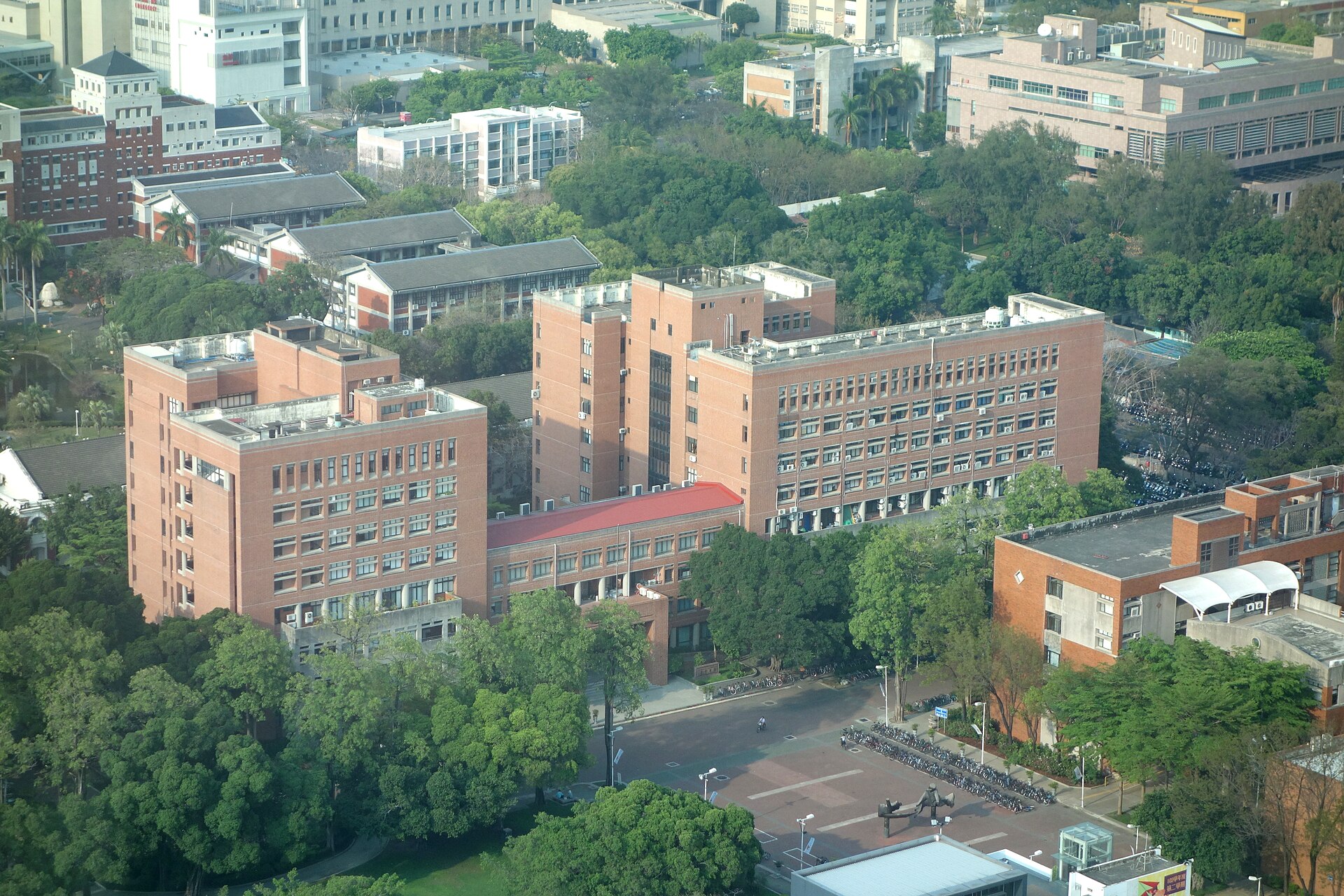
Why NCKU — Engineering Excellence, Industry Links & Value
National Cheng Kung University is not merely Taiwan's third-ranked university — it is the country's most industry-connected research institution, producing the engineers and scientists who power Asia's semiconductor supply chain. For international students seeking rigorous technical education in a safe, affordable, culturally rich environment, NCKU offers a proposition that few universities anywhere in the world can match.
NCKU Acceptance Rate & International Student Profile
The 64% overall acceptance rate is misleading for competitive programmes. Engineering, Computer Science, and Medicine attract large applicant pools and are significantly more selective — particularly for the limited international student quota. An IB score of 32 is an indicative minimum; competitive programmes typically admit students with stronger profiles.
Stats
Profile Stats
Rea Vs Rd
NCKU Admissions Requirements — Transcripts, English Proficiency & Study Plan
- High marks in mathematics and sciences for Engineering/CS
- Biology and chemistry essential for Medicine
- IB 32+ indicative minimum; competitive programmes expect more
- Consistent upward or sustained performance preferred
- IELTS Academic minimum 6.0 overall
- TOEFL iBT minimum 79
- Required for all English-taught programmes
- Native English speakers / English-schooled students may be waived
- Name specific NCKU faculty or research groups you want to work with
- Link your academic background to your intended research direction
- State clear, realistic post-graduation goals
- Graduate applicants: contact potential supervisors before applying
NCKU Application Components — Direct Apply, Study Plan & Documents
NCKU uses Taiwan's direct university application system — not the Common App, UCAS, or any centralised platform. Below is every component of a complete NCKU application for international students, with strategic notes for each.
NCKU Application Writing — Crafting Your Study Plan
Tips
Prompts
What NCKU Admissions Committees Look For
NCKU's admissions process is department-based and academically focused. Unlike US holistic review, extracurricular activities carry relatively little weight. The committee's core question is: does this applicant have the academic preparation, the intellectual focus, and the genuine motivation to succeed in this programme?
NCKU Financial Aid & Scholarships for International Students
NCKU does not operate a US-style need-blind financial aid programme. However, the combination of low tuition (~USD 3,800/year), affordable living costs in Tainan (~USD 6,500/year), and access to Taiwan government scholarships makes NCKU one of the most financially accessible research universities in Asia for international students.
All figures are estimates in USD. Costs are paid in New Taiwan Dollar (TWD) and are subject to exchange rate fluctuations. Confirm current tuition with the NCKU OIA before applying.
Stats
Contribution Tiers
| Note | Range | Percent | Percent Value |
|---|---|---|---|
| Taiwan MOE Scholarship + NCKU grant — partial coverage | With Scholarship (partial) | 30–50% covered | 40 |
| No scholarship — self-funded at full estimated cost | Self-Funded | ~USD 10,000/year | 100 |
| Research assistantship — graduate students in STEM labs | Graduate RA Stipend | Partial offset of living costs | 50 |
Key Dates
Advantages
- Fall intake (September) has the widest programme availability
- More time to prepare a polished Study Plan and gather documents
- Most government scholarships are aligned with the Fall intake cycle
- September start aligns with most international academic calendars
- More departmental supervisors available for new students in September
Disadvantages
- Not all programmes offer Spring intake — Medicine and some engineering programmes are Fall-only
- Spring intake scholarship availability is more limited
- Smaller cohort of international students in Spring intake
- Government scholarship deadlines may not align with Spring applications
- Less time to prepare if you apply in October after a gap
NCKU Interview — Does It Happen and How to Prepare
Most NCKU undergraduate programmes do not include a formal interview. The application is reviewed on documents alone. However, Medicine and some Architecture programmes may include an interview or practical assessment. For graduate applicants, an informal conversation with a potential supervisor — via email or video call — is common and strongly recommended. This conversation is effectively a pre-admission interview and can significantly influence the departmental committee's decision.
Meta
Questions
NCKU Campus Life & Residential System
NCKU spreads across multiple campuses in Tainan, with the main Guangfu Campus as the academic heart. There is no Harvard-style residential college system — students live in on-campus dormitories or off-campus apartments and integrate into campus life through the main academic buildings, student clubs, and the vibrant Tainan street culture immediately surrounding the university.
Houses
Lottery Steps
- International students apply for on-campus dormitory accommodation through the OIA at the time of admission
- Dormitory spaces are limited — apply immediately after receiving your offer letter
- Off-campus apartments in Tainan are plentiful and affordable (typically USD 100–200/month)
- NCKU's shuttle bus connects all campuses — a scooter or bicycle is the most common student transport
- The main Guangfu Campus is surrounded by night markets, temples, and cafés — an unusually rich urban environment for a university campus
NCKU Colleges & Programmes for International Students
- {"label":"Departments","value":"8+"}
- {"label":"Research centres","value":"20+"}
- {"label":"Industry ties","value":"TSMC, ASE, Delta"}
- {"label":"National rank","value":"#1-2 in Taiwan"}
- {"label":"Departments","value":"3"}
- {"label":"Key areas","value":"EE, CS, Photonics"}
- {"label":"Major recruiter","value":"TSMC, MediaTek"}
- {"label":"Graduate programmes","value":"Yes — English tracks"}
- {"label":"Departments","value":"5"}
- {"label":"Research output","value":"High — SCI indexed"}
- {"label":"Programmes","value":"Bachelor's through PhD"}
- {"label":"Teaching language","value":"Mandarin (some English graduate courses)"}
- {"label":"Departments","value":"14"}
- {"label":"Affiliated hospital","value":"NCKU Hospital"}
- {"label":"Entry","value":"Highly selective"}
- {"label":"Duration","value":"6 years (MD programme)"}
- {"label":"English MBA","value":"Available"}
- {"label":"Departments","value":"6"}
- {"label":"Industry links","value":"Southern Taiwan business community"}
- {"label":"International students","value":"Active community"}
- {"label":"Departments","value":"5"}
- {"label":"Portfolio required","value":"Yes"}
- {"label":"Design culture","value":"Strong"}
- {"label":"Studio tradition","value":"Project-based learning"}
Research & Extracurricular Opportunities at NCKU
Career Outcomes & NCKU Alumni Network
NCKU's employment outcomes reflect its unique position at the intersection of Taiwan's research university system and its global technology industry. A degree from NCKU carries genuine weight in any engineering or technology hiring context in Asia — and growing recognition internationally as Taiwan's semiconductor industry draws global attention.
Stats
Categories
Our NCKU Admissions Track Record & Student Success Stories
Faqs
Is NCKU taught in English or Mandarin Chinese?+
It depends on the programme. Many graduate programmes — particularly in engineering, CS, and the IMBA — are fully or partially taught in English. Most undergraduate programmes are taught primarily in Mandarin Chinese. Always confirm the language of instruction with the target department before applying.
Do international students apply through a different process from domestic students?+
Yes. International students apply through a dedicated process managed by NCKU's Office of International Affairs (OIA). There is a separate quota for international students — you are not competing directly against domestic applicants. The process is entirely separate from Taiwan's domestic university admission system.
Can I study at NCKU without speaking Chinese?+
Yes, if admitted to an English-taught programme. However, learning basic Mandarin is strongly recommended — it makes daily life in Tainan significantly easier and is a highly valued professional asset in East Asia. NCKU's Language Centre offers Chinese courses at all levels.
What scholarships are available for international students?+
The main options are the Taiwan Ministry of Education Taiwan Scholarship Program, the MOFA Taiwan Scholarship for Foreign Students, NCKU institutional awards, and for graduate students, research assistantships through faculty labs. Apply simultaneously with your university application — scholarship windows often run concurrently.
What is the total cost of studying at NCKU?+
Estimated total cost of attendance — including tuition (~USD 3,800/year) and living costs in Tainan (~USD 6,500/year) — is approximately USD 10,000 per year. This is among the most affordable cost profiles for a QS top-250 research university globally.
Is it easy to get a student visa for Taiwan?+
Generally yes. After receiving an NCKU offer letter, most international students obtain a student visa through Taiwan's Bureau of Consular Affairs or the nearest Taiwan overseas mission. NCKU's OIA provides a guidance letter and checklist. Taiwan's student visa process is well-established and straightforward for admitted students from most countries.
How competitive are NCKU's Engineering and CS programmes for international students?+
Very competitive. The overall 64% acceptance rate is misleading — Engineering and CS attract large, well-prepared applicant pools and the international student quota is limited. A strong IB or equivalent profile with high marks in mathematics and sciences, a specific and well-researched Study Plan, and ideally some research or project experience will significantly strengthen your application.
Can I work part-time while studying at NCKU?+
International students in Taiwan may apply for a work permit once enrolled and meeting Ministry of Labour conditions. Campus jobs — library, lab assistant, language teaching assistant — are generally accessible. Off-campus work requires government approval. Part-time wages can help offset living costs but will not cover tuition.
Book a Free NCKU Admissions Strategy Session
In 60 minutes our NCKU admissions specialists will evaluate your academic profile, identify your application strengths and gaps, develop your Study Plan strategy, map the scholarship landscape for your nationality and field, and build a supervisor outreach plan for graduate applicants.
- No commitment required
- Taiwan and Asia university specialists
- Personalised strategy — Study Plan, scholarships, supervisor outreach
NCKU Academic Requirements
NCKU Academic Standards — The Honest Breakdown for International Students
What academic preparation does NCKU actually expect? How are IB, A-Level, and other international qualifications evaluated? And what separates a competitive application from a rejected one in Taiwan's university system?
Academic Standards
Academic Performance — What NCKU's Data Shows
NCKU does not publish a minimum GPA in the Western sense. Taiwan's university system evaluates academic performance through transcripts, subject-level marks, and the overall trajectory of academic preparation — particularly in subjects directly relevant to the intended programme.
An IB score of 32 is an indicative floor, not a guaranteed entry threshold. For NCKU's most competitive programmes, the effective competitive range for international applicants is considerably higher. The specific subjects you scored well in matter as much as the total score.
Academic Context
Class Rank and School Context — How NCKU Reads Academic Performance
NCKU evaluates academic performance holistically, with reference to the curriculum system and school context. There is no single class rank threshold, and many international qualifications do not provide formal class rank. NCKU's admissions office is experienced in reading a wide range of international transcripts.
SAT at NCKU
SAT Scores at NCKU — Not Required, But Can Supplement
NCKU does not require SAT scores for international student admissions. The test policy is optional — SAT is not a standard part of the application and its absence is not penalised.
| Label | Score | Percent |
|---|---|---|
| SAT policy | Optional / Not Required | 0 |
| If submitted — treated as supplementary academic evidence | Informational | 0 |
ACT at NCKU
ACT Scores at NCKU — Not Part of the Standard Application
NCKU does not require or specifically evaluate ACT scores for international student admissions. The ACT is not part of Taiwan's university application framework.
Metrics
Comparison Cards
Testing Strategy
NCKU Test Policy — What Is and Isn't Required
NCKU's test-optional policy for international students means that SAT and ACT scores are not required and their absence does not penalise the application. The tests that ARE required — for English-taught programmes — are IELTS and TOEFL. Understanding this distinction is critical for applicants from US-curriculum schools who may be accustomed to the SAT/ACT framework.
Submit Items
Withhold Items
International Qualifications
IB and A-Level at NCKU — Specific Benchmarks
- {"label":"Indicative minimum","value":"32 points"}
- {"label":"Competitive range for Engineering/CS","value":"Typically 35–40+"}
- {"label":"HL expectations (Engineering)","value":"HL Mathematics AA and HL Physics"}
- {"label":"HL expectations (Medicine)","value":"HL Biology and HL Chemistry"}
- {"label":"Typical expectation (Engineering)","value":"ABB – AAA, with Mathematics and a physical science"}
- {"label":"Typical expectation (Medicine)","value":"AAA, with Biology and Chemistry essential"}
- {"label":"Predicted grades","value":"Accepted; must be accompanied by strong prior results"}
- {"label":"Subject rigour","value":"Directly relevant subjects are weighted heavily"}
AP Courses
AP Courses at NCKU — What They Mean and What They Don't
AP courses are not a standard part of the application framework for NCKU, which follows Taiwan's direct international admissions system rather than the US Common App model. However, AP courses can serve as useful supplementary evidence of academic rigour for US-curriculum applicants.
Curriculum Rigour
Rigour of Secondary School Record — Why It Matters at NCKU
NCKU evaluates the rigour of your secondary school curriculum with reference to what was available to you. A student who took the most challenging options available in relevant subjects — HL Mathematics and HL Physics in IB, Further Mathematics and Physics at A-Level, advanced mathematics and sciences in a national curriculum — demonstrates the academic ambition that NCKU's engineering programmes are built on.
Taking the most relevant, most demanding subjects available to you — not the easiest path to a high total score.
Programme Preparation
Mathematics and Science Preparation — What NCKU Expects by Programme
NCKU's flagship programmes in engineering, computer science, and medicine are technically demanding. The academic preparation required before arriving at NCKU is substantial — particularly in mathematics and the sciences. Understanding the specific preparation each programme demands helps you assess your readiness and identify gaps to address before applying.
Language Requirements
English Language Requirements for International NCKU Applicants
For English-taught programmes, NCKU mandates submission of an official English language proficiency certificate. The two primary accepted tests are IELTS Academic and TOEFL iBT. The minimum scores — IELTS 6.0 / TOEFL 79 — are programme thresholds, not competitive targets.
The quality of your Study Plan is itself a language assessment. A Study Plan written in clear, precise, well-structured English demonstrates language ability directly. Conversely, a Study Plan full of grammatical errors raises doubts about the applicant's ability to engage in rigorous academic work in English — regardless of the IELTS/TOEFL score submitted.
By Programme
Academic Requirements by NCKU Programme — What Different Paths Expect
NCKU admits students to specific programmes, not to the university broadly. The academic profile should be coherent with the programme you are applying to — a strong IB total with weak mathematics signals a potential mismatch for Engineering programmes.
| Signals | Expectation | Concentration |
|---|---|---|
| HL Maths AA; physics competition; engineering project | HL Maths AA + HL Physics | Electrical Engineering |
| Programming experience; HL Maths; coding project | HL Maths + CS background | Computer Science |
| HL Maths + HL Physics; design portfolio | HL Maths AA + HL Physics | Mechanical Engineering |
| HL Chemistry + HL Maths; lab experience | HL Chemistry + HL Maths | Chemical Engineering |
| HL Chemistry + HL Biology; strong sciences | HL Chemistry + HL Biology + HL Physics | Medicine / Bioscience |
| Portfolio of creative work; spatial reasoning | Mathematics + creative portfolio | Architecture |
| Economics / business studies; GMAT/GRE for MBA | Quantitative background | Management / IMBA |
| Maths + Earth Sciences; environmental interest | Science background | Environmental Engineering |
International Systems
NCKU and International Education Systems — How Your Curriculum Is Evaluated
Profile Roadmap
Building an Academic Profile for NCKU — What to Do at Each Stage
- Select subjects that leave the broadest options for advanced study in your intended field — mathematics and sciences are non-negotiable for engineering.
- Aim for consistently strong marks in mathematics and relevant sciences throughout these years.
- Begin identifying NCKU — research the university, its programmes, and its research landscape. Early awareness shapes better preparation.
- IB HL or A-Level subject choices should prioritise academic relevance over grade optimisation — take HL Maths even if it is harder.
- Seek research exposure: a school science project, a university summer programme, or independent study in your intended field.
- Begin English language preparation if English is not your primary language of instruction — IELTS/TOEFL preparation takes months of sustained work.
- Register for and sit IELTS or TOEFL in the first semester, leaving time for a resit if the score falls short.
- Graduate applicants: identify and contact potential NCKU supervisors by email. Be concise, professional, and specific about your research interests.
- Begin drafting your Study Plan — start with the research direction or academic focus section and work outward.
- Finalise your Study Plan — revise until every paragraph is specific to NCKU and the target programme.
- Gather all required documents: certified transcripts, notarised translations, official language test report, recommendation letters.
- Submit well before the deadline — late or incomplete applications are not reviewed.
Common Pitfalls
Academic Mistakes That Cost NCKU Applications — And How to Avoid Them
Illustrative Profiles
What Strong NCKU-Admitted Academic Profiles Look Like
The following profiles represent the kinds of academic backgrounds that Tychr has seen succeed in NCKU applications. They illustrate the range of preparation that works, and what made each profile compelling to an NCKU departmental committee.
Faqs
Is an IB score of 32 competitive for NCKU Engineering?+
The IB score of 32 is an indicative minimum for the international student admissions process. For NCKU's most competitive programmes — Electrical Engineering, Computer Science, Medicine — admitted students typically have profiles well above this threshold. IB 35+ with strong relevant HL subjects is a more realistic target for these programmes.
If I meet the IELTS/TOEFL minimum, is my language requirement satisfied?+
No. IELTS 6.0 / TOEFL 79 are minimum thresholds that must be met to be considered. They are not indicative of the typical score among admitted international students. For competitive programmes, aiming for IELTS 6.5–7.0 / TOEFL 90+ is advisable.
Should I contact a professor before applying to NCKU?+
Highly recommended for graduate programmes; not typically required for undergraduate applications unless specifically indicated. For master's and doctoral programmes, contacting a potential supervisor before applying is expected in Taiwanese academic culture and significantly improves your admission probability.
Are all NCKU programmes taught in English?+
No. Many NCKU programmes — particularly undergraduate programmes — are conducted in Mandarin Chinese. English-taught programmes are more common at the graduate level. Always confirm the language of instruction for your specific target programme and department before applying.
How long does the NCKU application process take to prepare for?+
A realistic minimum preparation timeline is 6–8 months — enough time for language test preparation, drafting and revising a Study Plan, obtaining certified transcripts, arranging recommendation letters, and (for graduate applicants) supervisor outreach. Starting 12 months before your intended intake is more comfortable.
Cost & Scholarships
NCKU Costs Less Than You Think — And Is Worth More Than The Price Suggests.
National Cheng Kung University delivers top-3 Taiwanese university education at a total annual cost of approximately USD 10,000. Here is exactly what NCKU costs, what scholarships exist, and how to fund your education in Taiwan.
Cost Transparency
What NCKU Actually Costs — The Full Annual Figure
The USD 10,000 total cost of attendance is not an anomaly — it reflects Taiwan's genuinely low cost of living and NCKU's status as a public university with government-subsidised tuition. Tainan, NCKU's home city, is one of the most affordable cities in East Asia. Campus canteen meals cost USD 2–4 equivalent. Monthly living costs for a student in Tainan typically run USD 400–600.
Aid Policy
NCKU's Financial Aid Model for International Students — What Exists and What Doesn't
Unlike Harvard or Princeton, NCKU does not operate a need-blind, full-need financial aid programme that covers costs for all admitted international students based on family income. Taiwan's public university system is not built on that model. What exists instead is a combination of government merit scholarships (Taiwan MOE, MOFA) and NCKU institutional awards — all merit-based rather than need-based.
Taiwan's Investment in International Students
Why NCKU Represents Exceptional Value — The Full Picture
Aid Application Walkthrough
Applying for Scholarships and Funding at NCKU — Step by Step
NCKU financial support is not automatic — it requires proactive applications to multiple sources with their own timelines. Here is the complete process.
- Taiwan MOE Taiwan Scholarship — apply through Taiwan's overseas mission in your country
- MOFA Taiwan Scholarship — check eligibility for your nationality
- NCKU institutional scholarships — check OIA website for current cycle
- Home-country government funding — research national study-abroad grants
- Submit NCKU application through OIA portal
- Indicate scholarship interest in your application where prompted
- Apply to government scholarships through Taiwan's representative office in your country
International Student Funding
Financial Aid for International Students at NCKU — How It Works
International students at NCKU access funding through a different mechanism than at major US research universities. Understanding the landscape — government scholarships, institutional awards, and research assistantships — helps you navigate it effectively.
Scholarship Overview
NCKU Scholarship Landscape — What Exists and What You Can Access
Available Funding Sources for International Students at NCKU
Scholarship amounts, eligibility, and availability change each cycle. Verify current offerings with the NCKU OIA and Taiwan's official scholarship portals before applying.
The most substantial scholarship opportunities for NCKU international students come from Taiwan's government (MOE, MOFA), not from NCKU's own endowment. Apply for government scholarships early — well before the NCKU application deadline — as their timelines often diverge.
| Scholarship | Coverage | Eligibility |
|---|---|---|
| Taiwan MOE Taiwan Scholarship | Partial tuition + monthly stipend | Merit-based; competitive; all nationalities |
| MOFA Taiwan Scholarship | Varies by bilateral agreement | Nationality-specific; check MOF website |
| Huayu Enrichment Scholarship (HES) | Monthly stipend for language study | For Mandarin study semesters; merit-based |
| NCKU Institutional Award | Varies (partial tuition or stipend) | Outstanding international applicants; merit-based |
| Research Assistantship (Graduate) | Monthly stipend from faculty lab budget | STEM graduate students with supervisor commitment |
Table Headers
Merit vs Need
NCKU Scholarships — Merit-Based, Not Need-Based
All scholarship funding available to international students at NCKU is merit-based — awarded on academic achievement, research potential, or programme distinction. There is no need-based institutional grant programme equivalent to what exists at major US universities.
External Funding
External Scholarships — Additional Funding Sources for NCKU Students
Beyond NCKU's institutional awards and Taiwan government scholarships, international students may access funding from their home countries, bilateral programmes, and field-specific foundations. Researching this landscape early — 12 months before your intended intake — is essential.
Funding Structure
How NCKU's Funding System Works — Grants, Not Loans
Taiwan's scholarship system provides grants, not loans — money you do not repay. There is no NCKU-administered loan programme for international students. Taiwan's government scholarships are structured as outright grants. Research assistantships are earned income, not loans.
Part-Time Work
Working Part-Time at NCKU — What International Students Can Do
International students at NCKU may work part-time in Taiwan with appropriate government approval. On-campus jobs are generally accessible and do not require a separate work permit. Off-campus employment requires a work permit from the Ministry of Labour.
- Teaching assistant for language exchange programmes (no work permit required on campus)
- Lab research assistant — paid positions in faculty labs (especially for graduate students)
- Library and administrative support roles
- Campus café and dining hall positions
- Tutoring (mathematics, sciences) for other students
- International student office support and event coordination
Value Comparison
NCKU vs. Comparable Universities — Cost Comparison
| University | Annual Tuition | Total Annual Cost | Scholarships For Intl | Loan Available |
|---|---|---|---|---|
| NCKU (Taiwan) | ~USD 3,800 | ~USD 10,000 | Government + institutional (merit) | No |
| NUS Singapore | ~USD 15,000–20,000 | ~USD 25,000–30,000 | MOE Tuition Grant (with service bond) | Limited |
| KAIST (South Korea) | ~USD 7,000–9,000 | ~USD 14,000–18,000 | Government GKS scholarship | No |
| Monash (Australia) | ~USD 28,000–35,000 | ~USD 40,000–48,000 | Limited merit scholarships | No (for intl students) |
| UCL / Imperial (UK) | ~USD 30,000–40,000 | ~USD 45,000–55,000 | Limited; Chevening (UK-based) | No (for intl students) |
| US State University (top public) | ~USD 30,000–45,000 | ~USD 55,000–65,000 | Very limited | Limited (private loans) |
Table Headers
Real Cost Analysis
NCKU vs. Alternatives — What You Actually Pay Over Four Years
For a self-funded international student, NCKU at ~USD 40,000 for a four-year engineering degree competes favourably with virtually every comparable research university in Asia, the UK, the US, or Australia. With a partial scholarship, the four-year cost drops to the range of USD 20,000–28,000 — making a QS top-250 engineering degree genuinely accessible.
| University | Annual Cost | Four Year Cost | Notes |
|---|---|---|---|
| NCKU — self-funded | ~USD 10,000 | ~USD 40,000 | Full cost including living; no scholarship |
| NCKU — with MOE Scholarship | ~USD 5,000–7,000 | ~USD 20,000–28,000 | After partial tuition waiver + stipend |
| NUS Singapore — MOE Tuition Grant | ~USD 8,000–12,000 | ~USD 32,000–48,000 | Requires 3-year Singapore work obligation |
| UK Russell Group (Engineering) | ~USD 35,000–45,000 | ~USD 140,000–180,000 | Limited international scholarship access |
| US Top-50 (Engineering) | ~USD 55,000–75,000 | ~USD 220,000–300,000 | Self-funded; limited international aid |
Table Headers
Scholarship Appeals
Appealing a Scholarship Decision at NCKU — When and How
NCKU does not operate a formal financial aid appeals process in the US sense — there is no need-based aid formula to recalculate. However, scholarship decisions (both NCKU institutional and government scholarships) can sometimes be reconsidered if circumstances change or if an application was incomplete.
The honest note: NCKU's institutional scholarship pool is limited. If not awarded a scholarship in your initial application cycle, the most productive paths are: (1) demonstrating academic excellence during your first year to qualify for renewal or new awards; (2) pursuing government scholarship applications for subsequent years; (3) for graduate students, securing a research assistantship through supervisor relationships.
How To Appeal
- Contact the NCKU OIA directly and explain the specific circumstances
- Provide documentation supporting a changed situation (e.g., proof of a scholarship award from another source that changes your funding picture)
- For government scholarships, follow the specific appeal procedures of the relevant ministry — MOE or MOFA
When To Appeal
- New scholarship information has emerged that changes your funding picture and NCKU should be aware of
- An error was made in the application documentation
- Your family's financial circumstances have changed significantly since the application was submitted
- You have received a significantly different scholarship offer from another comparable university
Timeline & Planning
Planning for NCKU Costs — What to Do and When
Application & Study Plan
NCKU Application Writing — Your Study Plan Is Your Essay
NCKU uses Taiwan's direct university application system — not the Common App, UCAS, or any centralised platform. There are no standardised essay prompts. The written component of your application is a Study Plan, and it is the most important document you will submit.
This guide explains what a strong Study Plan looks like for NCKU, how Taiwan's application system works, and how to present yourself most effectively for a Taiwanese research university. The advice is grounded in NCKU's admissions priorities — always confirm current format requirements with the OIA before submitting.
Application System
How NCKU's Application System Works
Taiwan does not use a centralised application platform for international students. You apply directly to NCKU via the OIA's own online portal. Each application is reviewed by the target department's admissions committee.
Confirm the exact format, expected length, and submission requirements for the Study Plan with the NCKU OIA or your target department before writing. Requirements can differ between colleges and may be updated each cycle.
Study Plan Structure
What Your NCKU Study Plan Should Cover
NCKU does not issue fixed prompts, but the Study Plan is expected to address four core areas. The structure below reflects what NCKU's departmental committees are looking for — treat each as a section of your document.
Study Plan Writing Strategy
Writing Your Study Plan — Core Principles
The Study Plan is an open-format document, which means its quality depends entirely on how you approach it. These principles will help you write something that stands out in NCKU's applicant pool.
Supporting Documents
Supporting Documents That Strengthen Your Application
Beyond the Study Plan, the supporting documents in your application package each play a specific role. Do not treat them as administrative formalities — they are all evaluated by the departmental committee.
What to Write About
Choosing the Right Focus for Your NCKU Study Plan
The most common question applicants have: what should my Study Plan actually say? The answer depends on your level (undergraduate vs. graduate) and programme, but several principles apply universally.
Common Mistakes
Study Plan & Application Mistakes to Avoid
- Submitting a generic Study Plan that could apply to any university — admissions committees read hundreds of applications and immediately identify template writing.
- Writing about your life story or childhood rather than your academic focus — the Study Plan is an academic document, not a personal narrative.
- Failing to mention any specific aspect of NCKU's programme, faculty, or research capacity — this signals that you have not researched the university.
- Leaving the motivation for choosing Taiwan or NCKU vague — 'Taiwan is a great country with advanced technology' is not a reason; 'NCKU's Advanced Optoelectronic Technology Center and Professor [Name]'s work on III-V compound semiconductors is directly relevant to my research direction' is.
- Not proofreading — grammatical errors and typos in an academic document signal carelessness and raise doubts about English proficiency.
- Waiting until the last minute to gather documents — notarised translations, official score reports, and recommendation letters all take weeks to obtain.
- Neglecting to contact a potential supervisor for graduate programmes — in Taiwanese academic culture this is expected and can be decisive.
- Applying to programmes without confirming whether they are taught in English or Mandarin — a mismatch in language of instruction is a fundamental application error.
- Assuming the IELTS/TOEFL minimum is a competitive score — it is a floor, not a target. Aim above it for any competitive programme.
Application FAQs
NCKU Application & Study Plan — Frequently Asked Questions
Does NCKU require a personal statement like US or UK universities?+
Not in the US or UK sense. NCKU requires a Study Plan — an open-format document focused on your academic background, research interests, programme motivation, and future goals. There are no standardised prompts like the Common App or UCAS questions. The Study Plan is less personal-narrative and more academically focused.
How long should the Study Plan be?+
There is no universal fixed word limit. An undergraduate Study Plan is typically 500–1,000 words. A graduate Research Proposal may run 1,000–2,000 words. Confirm the expected length with the NCKU OIA or your target department — requirements can vary by college.
Should I write the Study Plan in English or Chinese?+
Write in the language of your target programme. For English-taught programmes, write in English. For Chinese-taught programmes, Mandarin Chinese is expected and submitting an English Study Plan may disadvantage your application. If you are applying to a Chinese-taught programme, you should also have demonstrated Chinese language ability.
Can I apply to multiple programmes at NCKU simultaneously?+
Confirm this with the OIA — policies on multiple programme applications within the same cycle vary. If you apply to more than one programme, each Study Plan must be genuinely tailored to that programme. Submitting the same document for different programmes signals a lack of genuine focus and is likely to result in rejection.
Should I contact a professor before applying?+
For graduate programmes, yes — strongly recommended. A brief, professional email to a potential supervisor explaining your research interests and asking whether they are accepting students is expected in Taiwanese academic culture. A positive reply that you can reference in your Study Plan significantly strengthens your application. Do not contact faculty for undergraduate applications unless specifically instructed.
Is there an interview as part of the NCKU application?+
Most undergraduate programmes do not include a formal interview. The application is reviewed on documents only. Some programmes — particularly Medicine and certain graduate programmes — may include an interview or practical assessment. Confirm with your target department. Graduate applicants who have contacted a supervisor may have an informal conversation that functions as a pre-admission interview.
What if I have a gap in my academic record or a low grade in one semester?+
Address it briefly and honestly in your Study Plan. A short, matter-of-fact explanation — illness, a direction change, a difficult personal period — is far better than leaving the committee to speculate. Do not over-explain or apologise excessively; state the facts and move forward to demonstrate what you have done since.
What makes an NCKU Study Plan stand out?+
Three things: specificity (naming actual NCKU faculty, labs, or programme features), evidence (showing rather than asserting — specific results, projects, or experiences), and clarity (a well-structured document that makes a coherent argument). A Study Plan that names the exact research group the applicant wants to join, connects that to prior relevant experience, and articulates a realistic plan for the degree and beyond is genuinely rare and immediately distinguishes itself from the field.
Courses — schools, degrees & intake
40 degrees across 9 groupings.
College of Engineering · 12 degrees
Bachelor of Science in Mechanical Engineering
Bachelor of Science in Aeronautics and Astronautics
Bachelor of Science in Engineering Science
Bachelor of Science in Systems and Naval Mechatronic Engineering
Bachelor of Science in BioMedical Engineering
Bachelor of Science in Chemical Engineering
Bachelor of Science in Materials Science and Engineering
Bachelor of Science in Resources Engineering
Bachelor of Science in Civil Engineering
Bachelor of Science in Hydraulic and Ocean Engineering
Bachelor of Science in Environmental Engineering
Bachelor of Science in Geomatics
College of Electrical Engineering and Computer Science · 2 degrees
Bachelor of Science in Electrical Engineering
Bachelor of Science in Computer Science and Information Engineering
College of Science · 5 degrees
Bachelor of Science in Mathematics
Bachelor of Science in Physics
Bachelor of Science in Chemistry
Bachelor of Science in Earth Sciences
Bachelor of Science in Photonics
College of Management · 5 degrees
Bachelor of Science in Industrial and Information Management
Bachelor of Science in Transportation and Communication Management Science
Bachelor of Business Administration
Bachelor of Science in Accountancy
Bachelor of Science in Statistics
College of Planning and Design · 3 degrees
Bachelor of Architecture
Bachelor of Science in Urban Planning
Bachelor of Science in Industrial Design
College of Medicine · 8 degrees
Doctor of Medicine (MD)
Bachelor of Pharmacy
Bachelor of Science in Nursing
Bachelor of Science in Physical Therapy
Bachelor of Science in Occupational Therapy
Bachelor of Science in Medical Laboratory Science and Biotechnology
Doctor of Dental Surgery (DDS)
Bachelor of Science in Public Health
College of Bioscience and Biotechnology · 2 degrees
Bachelor of Science in Life Sciences
Bachelor of Science in Biotechnology and Bioindustry Sciences
College of Liberal Arts · 1 degrees
Bachelor of Arts in Foreign Languages and Literature
College of Social Sciences · 2 degrees
Bachelor of Arts in Economics
Bachelor of Science in Psychology
Want your real chances at National Cheng Kung University?
Create a free TYCHR account for your personalised admit-chance, a shortlist you can track, exact entry requirements, and essay + counselling help.