← All universities

Nankai University

Tianjin, China (Mainland) · Urban

Project 985Double First-ClassPublicCoedResearch
Acceptance
35.0%
QS World
#340
Tuition/yr
$3,800
Students
31,000
Founded
1919

TIANJIN, CHINA · PROJECT 985 · DOUBLE FIRST-CLASS

Nankai University Admissions Guide for International Students

Zhou Enlai's alma mater and one of China's most storied universities, Nankai combines a century of intellectual tradition with world-class research in economics, finance, and chemistry. Ranked among China's top-15 universities and recognised globally, Nankai offers ambitious international students an affordable gateway to a Chinese elite institution — just 30 minutes from Beijing by high-speed rail.

Campus

Nankai University — campus in pictures

Real, freely-licensed photographs of the campus (via Wikimedia Commons).
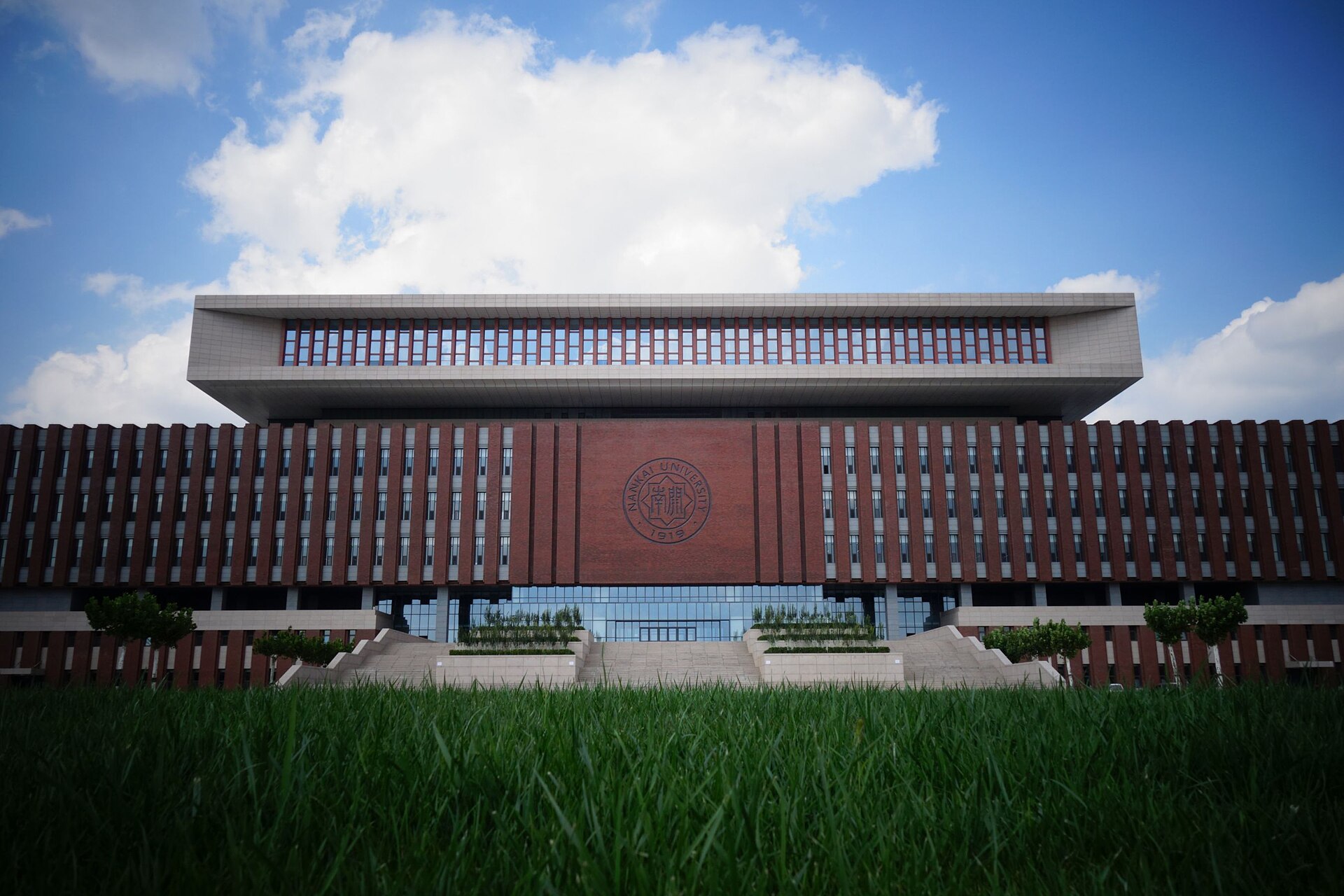
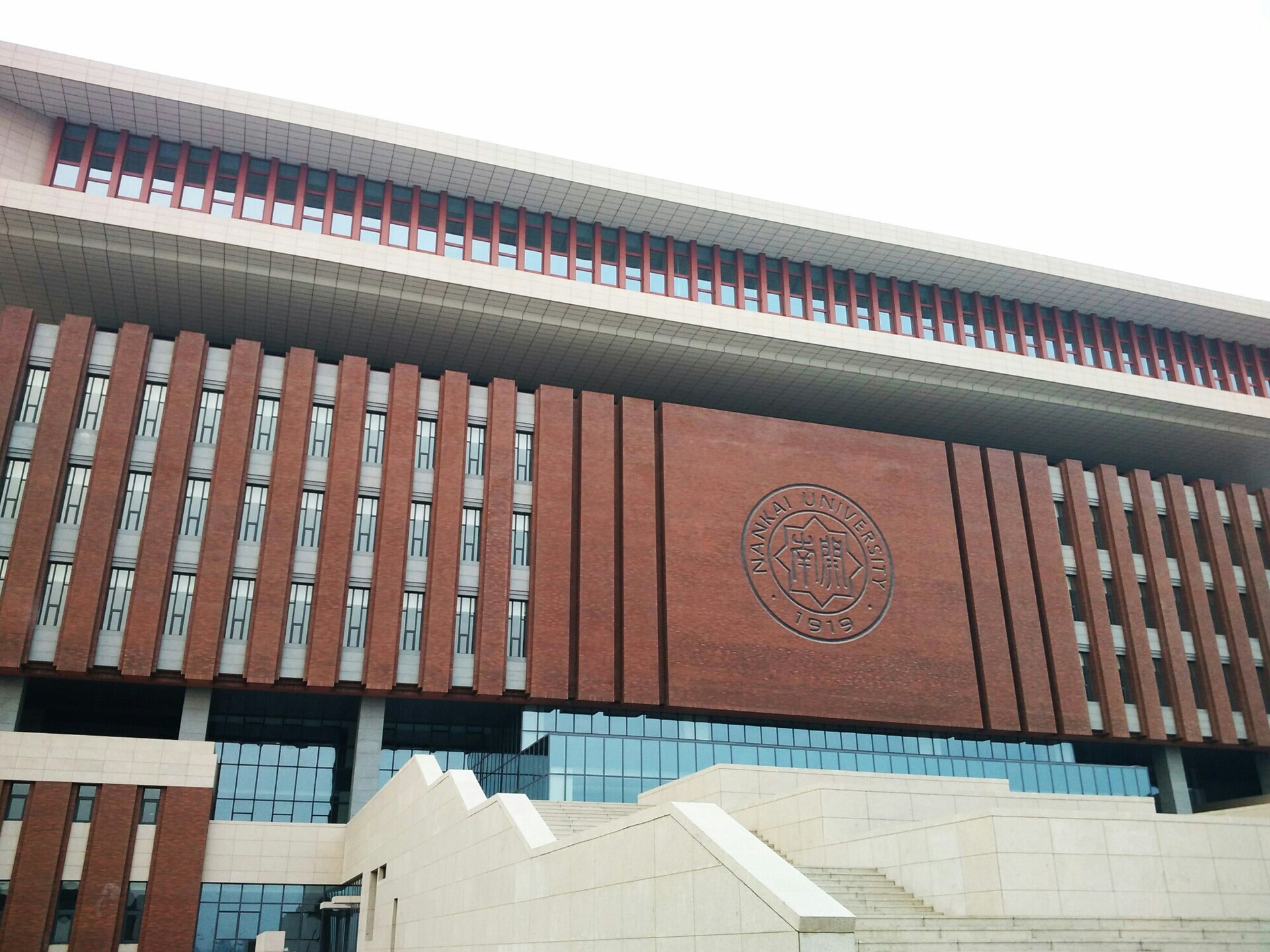
​南开大学津南校区图书馆
​南开大学津南校区图书馆Amazingloong · CC BY-SA 4.0 · via Wikimedia Commons
​南开大学新校区图书馆
​南开大学新校区图书馆Amazingloong · CC BY-SA 4.0 · via Wikimedia Commons
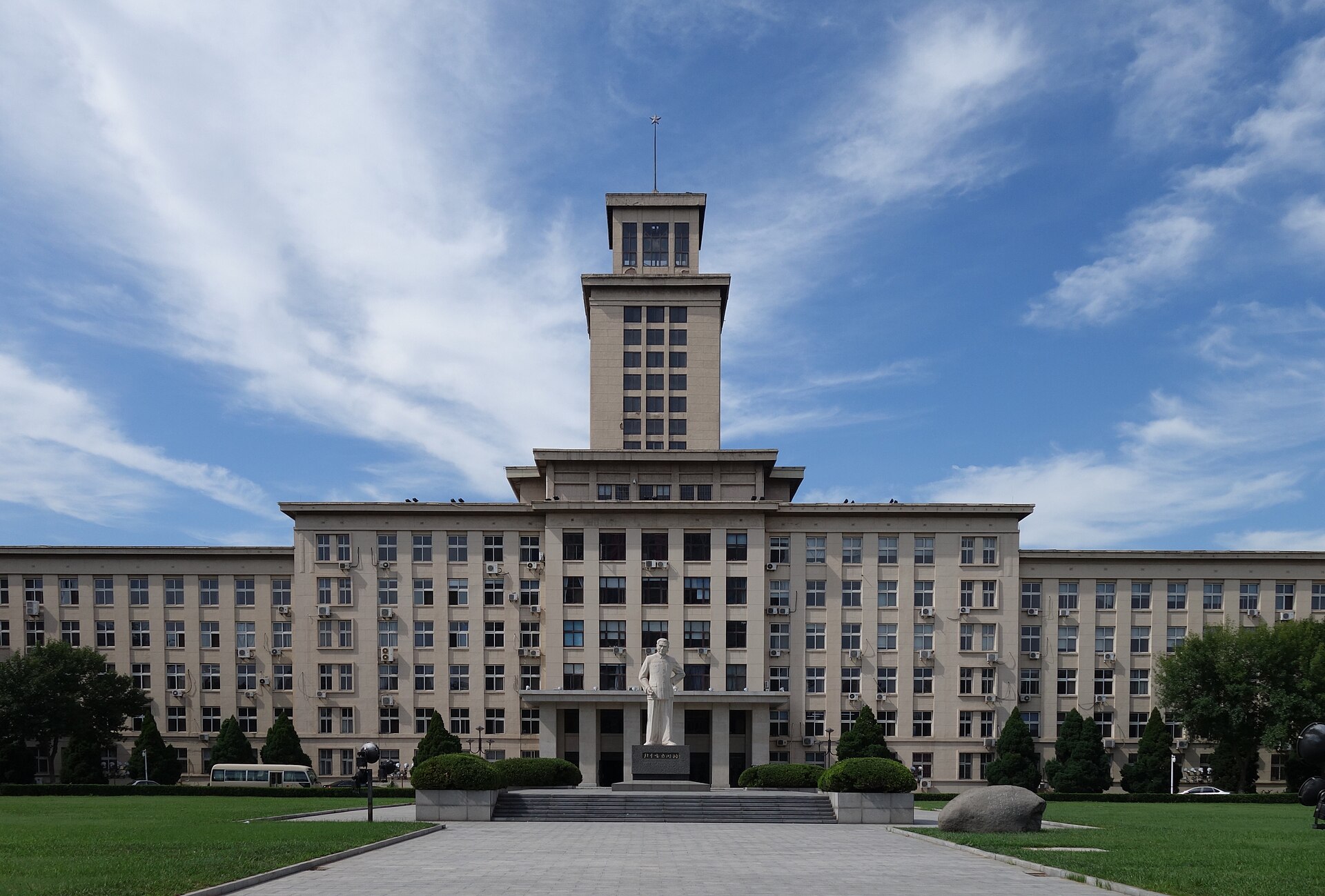
​南开大学主楼
​南开大学主楼Amazingloong · CC BY-SA 4.0 · via Wikimedia Commons
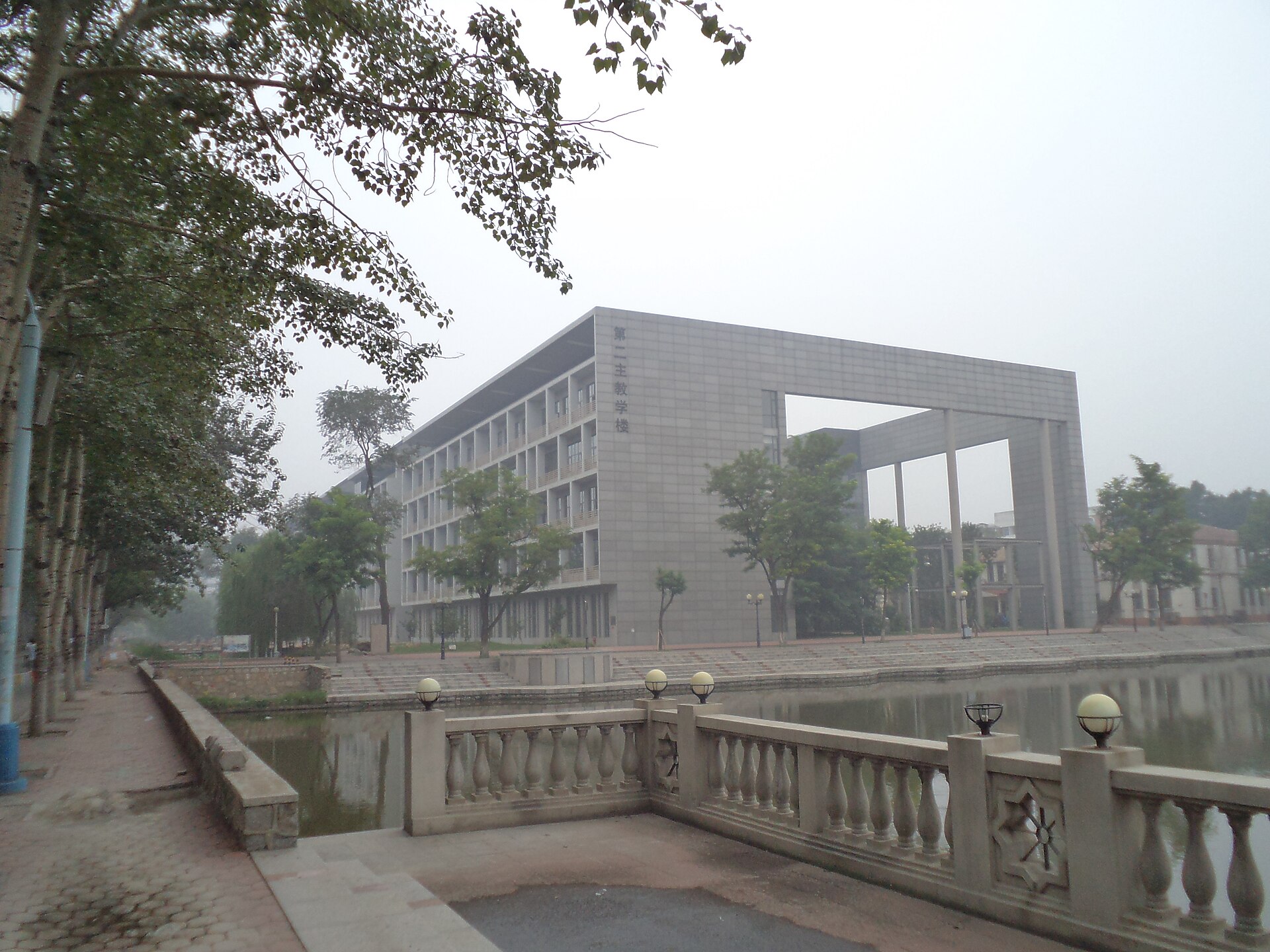
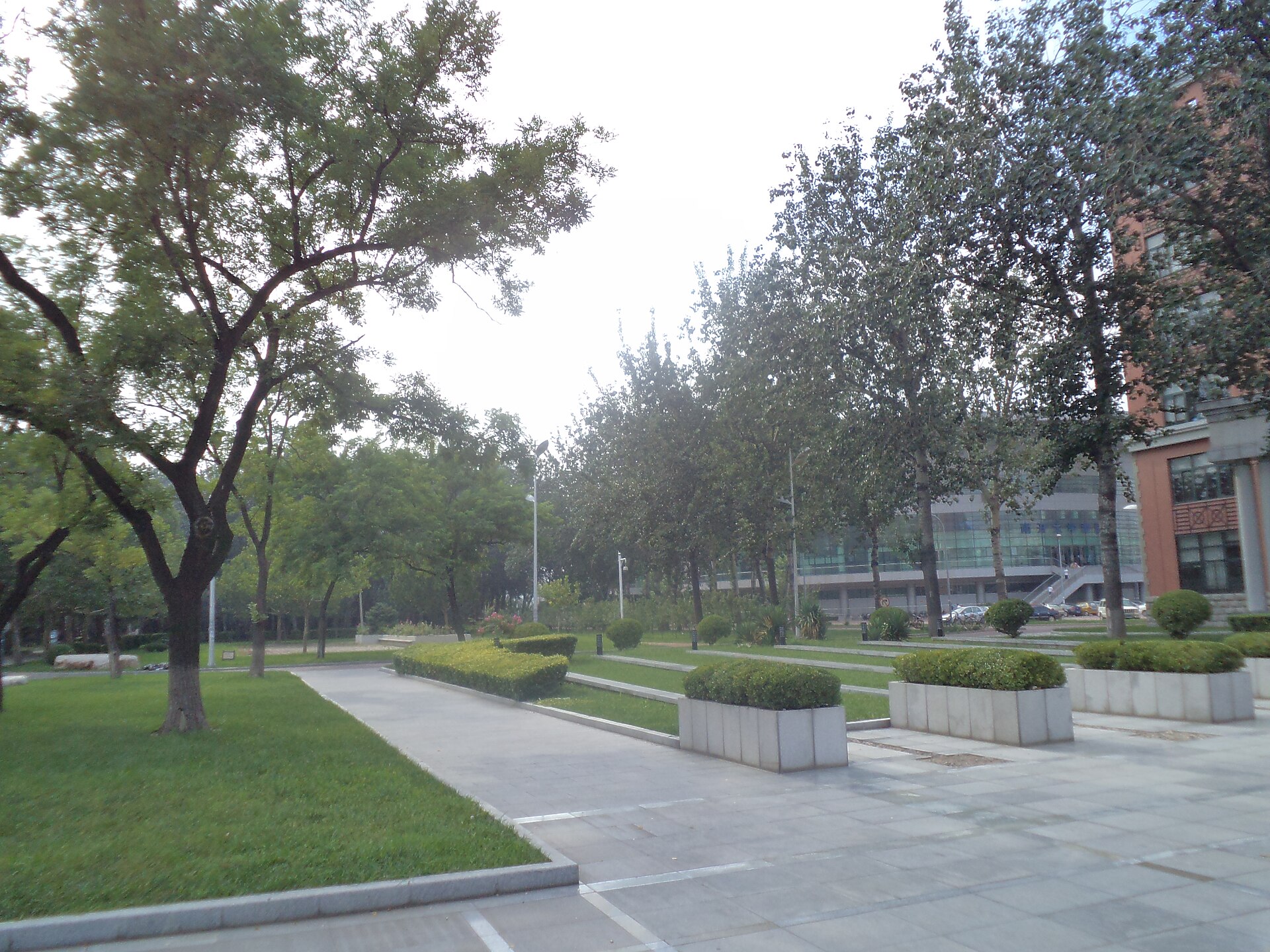
Nankai University Campus
Nankai University CampusTeemeah · CC BY-SA 3.0 · via Wikimedia Commons
Nankai University Campus, Tianjin
Nankai University Campus, TianjinTeemeah · CC BY-SA 3.0 · via Wikimedia Commons
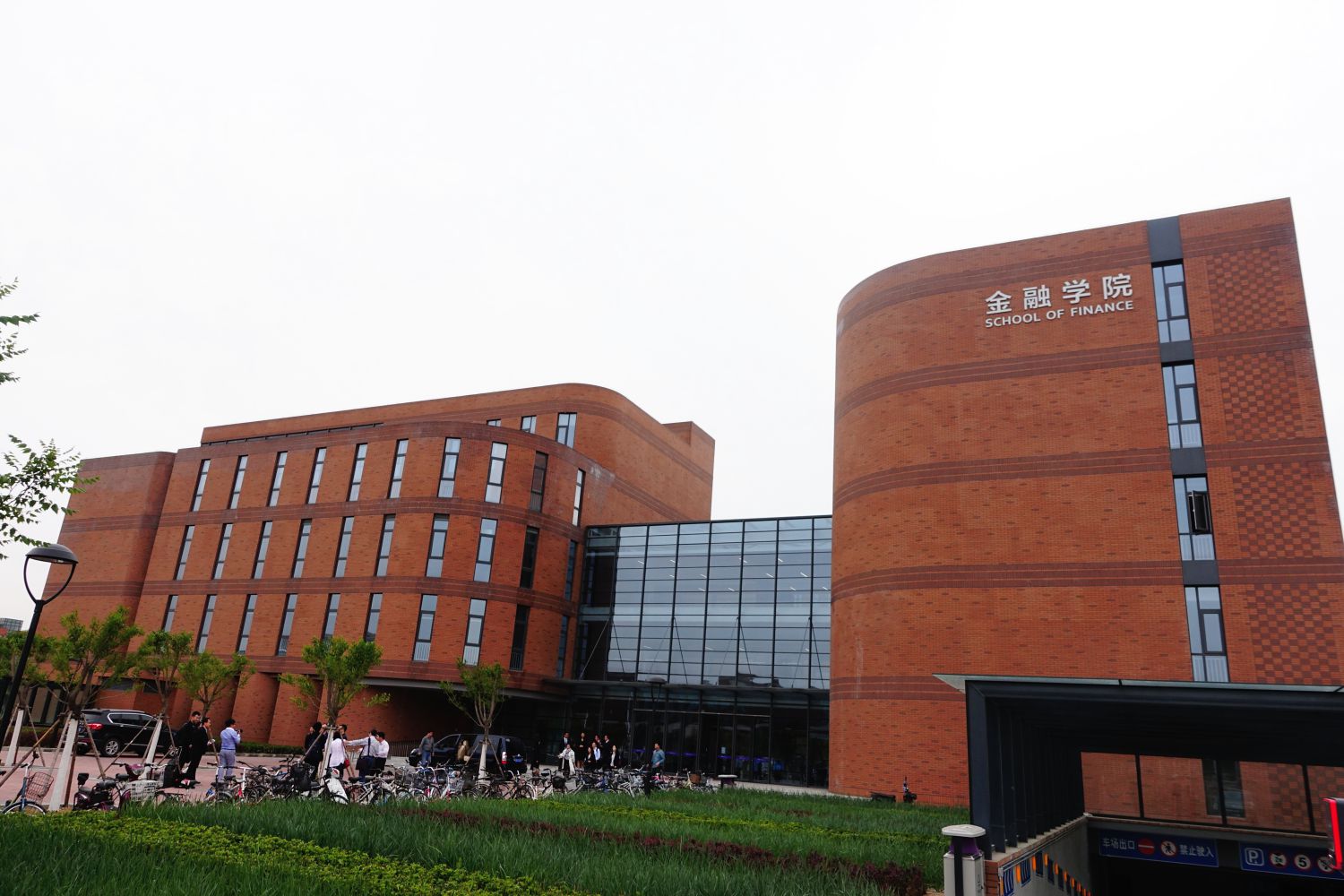
​南开大学金融学院
​南开大学金融学院Amazingloong · CC BY-SA 4.0 · via Wikimedia Commons

Why Nankai — Heritage, Research & Affordability

Nankai is not simply one of China's oldest modern universities — it is the institution that shaped an entire generation of Chinese leaders, scientists, and economists. For international students, it delivers elite-institution prestige at a fraction of the cost of comparable institutions worldwide.

01Premier Pedigree
A founding member of Project 985 and Double First-Class, Nankai sits among China's top-15 universities and is ranked #340 globally by QS. Employers across China and internationally recognise the Nankai name.
02Historic Excellence in Economics & Chemistry
Nankai's economics school is one of China's oldest and most respected. Its chemistry faculty has produced national prize-winners and maintains strong international research collaborations. Finance, statistics, and mathematics are equally distinguished.
03Zhou Enlai's Alma Mater
China's revered first Premier graduated from Nankai in 1917. This heritage infuses the campus with a distinctive spirit of public service, rigorous scholarship, and national purpose — tangible in the culture even today.
04Tianjin: A World-Class City at Lower Cost
Tianjin is China's fourth-largest municipality — a major port, financial, and industrial hub with a rich heritage of East-meets-West architecture. Cost of living is significantly lower than Beijing or Shanghai while remaining a top-tier economic centre.
05Tianjin University Partnership
Nankai shares a collaborative research axis with the adjacent Tianjin University, giving students access to joint labs, facilities, and academic communities across both C9 and 985 institutions.
06Remarkable Affordability
With tuition around USD 3,800 per year and total estimated costs of USD 9,400 annually, Nankai offers exceptional value for money relative to its global standing. Multiple government and university scholarships can cover costs almost entirely.

Nankai Acceptance Rate & International Applicant Profile

Profile Stats

3.0 / 4.0
Minimum GPA
33+
IB Benchmark
6.0
IELTS Minimum
80
TOEFL Minimum
6%
International Students
#15
National Rank (China)

Stats

#340
QS World Rank
#325
THE World Rank
31,000
Total Students
$60 USD
Application Fee
Typical Admitted International Student Profile

Rea Vs Rd

Rea Label: CSC Scholarship Track
Rea Value: Competitive
Rd Label: Self-Funded Track
Rd Value: More open

Nankai Admissions Requirements — Academics, Language & Profile

GPA & Coursework
Value: 3.0+ GPA
A minimum GPA of 3.0 on a 4.0 scale is required. Competitive applicants for popular programmes in economics and finance typically present GPAs of 3.5 or above. Nankai evaluates academic records in the context of the qualification system used.
  • Minimum 3.0 GPA on a 4.0 scale (absolute floor)
  • Competitive applicants for economics/finance: 3.5+
  • Rigour of coursework assessed alongside grades
  • IB, A-Level, Indian boards, national exams all accepted
International Qualifications
Value: IB 33+ / BBC+
For IB students, a benchmark of 33 is recommended. A-Level applicants should target BBC or above, with stronger grades for competitive programmes. All major international qualifications are accepted.
  • IB Diploma: 33 minimum, 36+ for competitive programmes
  • A-Levels: BBC minimum; ABB–AAB for economics/science tracks
  • CBSE/ISC: 75%+ aggregate; higher for sciences
  • National qualifications assessed on a case-by-case basis
Language Proficiency
Value: IELTS 6.0 / TOEFL 80
English-taught programmes require IELTS 6.0 or TOEFL 80. Chinese-taught programmes require HSK 4–5 for undergraduate and HSK 5–6 for graduate study. Language readiness is a core requirement — not an afterthought.
  • English-taught: IELTS 6.0 / TOEFL 80 minimum
  • Chinese-taught (undergraduate): HSK 4 minimum
  • Chinese-taught (graduate): HSK 5–6 typically required
  • Native speakers of English or Chinese may be exempt

Nankai Application Components — Direct Portal, Study Plan & Documents

Nankai's international admissions are managed through the university's own online application portal. There is no Common App, UCAS, or centralised Chinese system for international students. Each component below is required for a complete submission — missing any one of them will delay or invalidate your application.

01RequiredOnline Application Portal
All applications are submitted through Nankai's official international student portal. Create an account, complete the form, and upload all supporting documents digitally. The portal tracks your application status.
02RequiredAcademic Transcripts
Official transcripts from all secondary and post-secondary institutions attended. Documents must be in Chinese or English, or accompanied by certified translations. IB students should include predicted or confirmed diploma scores.
03RequiredStudy Plan (学习计划)
A substantive written statement explaining your academic background, motivation for choosing Nankai and your specific programme, research interests (graduate applicants), and goals after graduation. This is the central written submission — treat it with the same care as a Western personal statement.
04RequiredLanguage Proficiency Certificate
IELTS or TOEFL for English-taught programmes; HSK certificate for Chinese-taught programmes. Submit the original or certified copy of your score report.
05RequiredPassport Copy
A clear copy of your passport biographical page. Your passport must be valid for at least six months beyond the intended start of your study period.
06Required (Graduate)Letters of Recommendation
Typically two academic recommendation letters for graduate programmes. Undergraduate applicants should check specific programme requirements. Letters must be in Chinese or English, or accompanied by certified translations.
07Optional (Recommended)Awards, Research & Supplementary Materials
Certificates of academic awards, competition results, publications, or research projects can strengthen your application. Not formally required but valued — especially for competitive programmes and scholarship applications.

Nankai Written Submission — Study Plan & Personal Statement Strategy

Nankai does not use Common App or UCAS essay prompts. The main written submission is the Study Plan (学习计划) — a structured academic document that explains who you are academically, why you have chosen Nankai and this programme, and where you intend to go. It is the Chinese equivalent of a personal statement, but more academic in tone and structure.

Prompts

Academic Background
Describe your educational background, the subjects you have studied, your grades, and your most significant academic achievements. For IB students, include your HL subjects and extended essay topic.
Motivation for Nankai & This Programme
Explain specifically why you want to study at Nankai and why this programme. Reference specific Nankai strengths — faculty, research areas, the school's historic tradition. Generic praise is not effective.
Research Interests (Graduate Applicants)
Describe your research background and the specific research direction you wish to pursue at Nankai. Name faculty members whose work aligns with yours if possible.
Future Goals
Articulate your career or academic goals after completing this programme. Be specific about the sector, role, or academic path you intend to pursue. Connect your goals to what Nankai and China specifically offer.
Additional Open Section
Any additional information about your background, interests, or circumstances that supports your application — for example, Chinese language study, prior China experience, or relevant extracurricular achievements.

Tips

Write toward academic substance, not personal narrative
Chinese university admissions readers value structured, academically serious documents. A reflective personal essay about overcoming adversity is not what they are looking for — they want academic evidence and clear purpose.
Be specific about Nankai
Name real Nankai strengths. For economics students: the school's historic quantitative tradition and proximity to Beijing's financial markets. For chemistry: Nankai's research output in materials and environmental chemistry.
The Study Plan is shorter than a personal statement but denser
500–1,000 words for undergraduates; 800–1,500 for graduates. Every sentence must serve a purpose. Admissions readers process many applications — clear structure and specificity stand out.
Translate authentically
Write in the language of your target programme. For English-taught tracks, write in English. For Chinese-taught programmes, Chinese demonstrates language ability. Use a native speaker to proofread in either case.
The most common Nankai written submission mistake. Importing a US or UK personal essay style — emotional storytelling, personal adversity, broad identity reflections — into a Chinese admissions document that expects structured academic purpose.
Writing Strategy — What Works for Chinese University Applications

What Nankai Admissions Officers Are Looking For

Nankai's admissions process for international students is primarily academic. Unlike US holistic admissions where extracurriculars, essays, and interviews are weighted heavily, Nankai's reviewers focus first on academic preparation, language readiness, and purposeful motivation. Understanding what they are actually looking for — and what differentiates a strong from a weak application — is the foundation of a successful strategy.

01Academic Strength
The central factor. Strong grades in rigorous subjects relevant to the intended programme. A GPA of 3.0 is the floor, not the target. Competitive applicants typically present 3.5+ with strong performance in subjects directly relevant to their chosen school.
02Language Readiness
You must meet the language requirement for your specific programme — English or Chinese. Students who demonstrate Chinese language ability beyond the minimum (for any track) signal genuine commitment to engaging with the academic and cultural environment at Nankai.
03Programme Alignment
Nankai admits students to specific programmes, not to a general intake. Admissions reviewers assess whether your academic background is genuinely coherent with your chosen field. An economics applicant with a weak mathematics background is a harder case.
04Clarity of Purpose
A well-written Study Plan that explains exactly why Nankai and exactly what you intend to do with the qualification. Vague or generic statements — 'Nankai is a top university' — do not distinguish you. Specific, researched motivation does.
05Character & Public Service Orientation
Nankai has a deep tradition of public service and national contribution, rooted in its founding mission and the legacy of Zhou Enlai. Students who can articulate a sense of social purpose — however broadly defined — connect naturally with Nankai's institutional identity.
06Research & Achievement Evidence
For graduate applicants, prior research experience is important. For undergraduates, competition results, academic awards, and extended projects (IB Extended Essay, independent research) demonstrate depth beyond grades.

Nankai Financial Aid & Scholarships for International Students

Nankai University participates in China's most comprehensive scholarship ecosystem for international students. Approximately 25% of international students at Nankai receive some form of financial support. The most impactful funding comes through the Chinese Government Scholarship (CSC) — a full-coverage award that can eliminate the cost of attendance almost entirely for qualified applicants.

Aid amounts and scholarship terms change each cycle. Confirm current coverage and deadlines on the official Nankai admissions portal and the China Scholarship Council website.

Stats

~25%
of international students receive some aid
$3,800
Annual tuition (approx.)
$9,400
Total annual cost estimate
Verified on official portal
CSC scholarship: maximum annual living stipend

Contribution Tiers

RangePercentPercent ValueNote
CSC Full Scholarship100%100Covers tuition, accommodation, living stipend, health insurance
Tianjin Government ScholarshipPartial–Full70Covers tuition and/or accommodation; terms vary by cycle
Study-at-Nankai ScholarshipPartial50Merit-based; covers partial tuition for competitive applicants
Self-funded (no scholarship)0%0Total annual cost approximately USD 9,400 — still exceptional value
Cost Reality at Nankai. Even without scholarships, Nankai's total annual cost of approximately USD 9,400 represents exceptional value among globally ranked research universities. For CSC scholarship recipients, costs can be reduced to near zero — the scholarship covers tuition, accommodation, and provides a monthly living stipend. Tianjin's cost of living is significantly lower than Beijing or Shanghai, making self-funded study genuinely accessible to many international families.

Key Dates

CSC Scholarship Application Opens
Date: Nov–Dec
CSC Application Deadline (typical)
Date: Feb–Mar
Nankai Self-Funded Application Window
Date: Mar–May
Self-Funded Autumn Intake Deadline
Date: May–Jun
Autumn Semester Start
Date: Sep
Spring Intake Application (limited programmes)
Date: Oct–Nov

Advantages

  • Access to the most comprehensive scholarship (tuition + accommodation + stipend)
  • Earlier decision gives more time to plan visa, travel, and logistics
  • CSC applications processed through home country's nomination agency — parallel track
  • Scholarship decisions often communicated with or before admission offer
  • Demonstrates strong commitment and academic readiness

Disadvantages

  • Higher upfront cost — no full-coverage scholarship unless awarded separately
  • Later deadlines allow more time to strengthen test scores or language certificates
  • Tianjin Government Scholarship and Study-at-Nankai Scholarship still available
  • Spring intake is available for a limited range of programmes only
  • Currency fluctuation affects the real cost of attendance each year
CSC vs Self-Funded Application. Unlike US universities with Early Action and Regular Decision, Nankai's main application distinction is between scholarship-linked tracks (which have earlier, harder deadlines) and self-funded tracks (which have more flexibility). Choosing your route early and planning accordingly is critical.
Tychr's Recommendation. Apply via the CSC scholarship route if your academic profile is strong and you can meet the February–March deadline. The financial benefit of a full CSC scholarship — covering tuition, accommodation, and a monthly living stipend — is substantial over four years. If you miss the CSC deadline or are ineligible, apply self-funded for the autumn intake and explore the Tianjin Government Scholarship and Study-at-Nankai Scholarship as alternative support mechanisms.
Nankai Application Routes — Chinese Government Scholarship vs Self-Funded

Nankai Interviews — What to Expect

Interviews are not a standard requirement for international undergraduate admissions at Nankai University. Most undergraduate applications are evaluated based on written materials alone — academic transcripts, language certificates, and the Study Plan. However, some graduate programmes and scholarship selections (particularly for the Chinese Government Scholarship or Tianjin Government Scholarship) may include a review interview or academic interview as part of the process.

Meta

No interview required as standard
Undergraduate
Interview may be required — verify with each programme
Graduate Programmes
Online video interview or academic review panel
Format (if required)
Academic background, research interests, study plan rationale
Focus (if required)

Questions

Why Nankai — specifically?
Tip: Reference specific Nankai strengths: faculty, research groups, the economics school's tradition, or the Tianjin–Beijing axis. Generic answers about rankings or prestige are not effective.
What is your specific research interest and how does it relate to Nankai's strengths?
Tip: For graduate applicants, name the research sub-field and ideally mention specific faculty whose work aligns. Broad statements like 'I am interested in economics' are insufficient.
What are your plans after completing this programme?
Tip: Be concrete. Name the industry, sector, or academic path. Connecting your goals to what China and Nankai specifically offer strengthens your answer.
What is your current level of Chinese, and what are you doing to develop it?
Tip: Be honest. Even if your Chinese is basic, showing active effort to learn the language signals seriousness about engaging fully with the academic environment.
Walk me through a specific academic project or piece of research you are proud of.
Tip: Have a prepared, specific answer. Describe the work concisely, what you discovered or produced, and what it demonstrated about your academic capability.

Nankai's Residential Life & Campus

Nankai does not operate a Harvard-style residential house system. International students are typically housed in dedicated international student dormitories on the main Balitai Campus in Jinnan District. On-campus accommodation is organised by the School of International Education and places all new international students in a structured living environment designed to ease the transition to life in China.

Houses

International Student Dormitory (Balitai Campus)
Tag: Main Campus
Primary residence for most international students; modern facilities, shared common spaces
Graduate Student Residences
Tag: Postgraduate
Separate accommodation blocks for graduate students, closer to research facilities
Nankai District Campus
Tag: Secondary Campus
Smaller campus in central Tianjin; some faculties and student facilities located here
Jointly managed residences with Tianjin University
Tag: Research Cluster
Some graduate students and researchers share facilities with the adjacent Tianjin University campus

Lottery Steps

  • New international students are allocated accommodation by the School of International Education before arrival
  • Most undergraduates live in the dedicated international dormitory block on the main Balitai Campus
  • Graduate students are allocated to graduate residences appropriate to their faculty
  • Accommodation is available for all four years — international students are not required to find private housing
  • A small number of students choose to live off-campus after their first year; Tianjin rental costs are moderate

Nankai's Schools, Colleges & Academic Structure

School of Economics
Label: Nankai's flagship school
One of China's oldest and most respected economics schools, with particular strength in quantitative economics, macroeconomic theory, and development economics. The school has strong links with government and financial institutions.
  • {"label":"Founded","value":"1923"}
  • {"label":"Flagship programmes","value":"Economics, Finance"}
  • {"label":"Research strength","value":"Quantitative & development economics"}
  • {"label":"Industry connections","value":"State banks, PBOC, ministries"}
School of Chemical Engineering & Chemistry
Label: World-class research faculty
Nankai's chemistry department is internationally recognised and has produced national prize-winning research in organic chemistry, materials science, and environmental chemistry. Strong links to Tianjin's pharmaceutical and materials industries.
  • {"label":"Research strength","value":"Organic, materials, environmental"}
  • {"label":"Faculty distinction","value":"National prize-winners"}
  • {"label":"Industry connections","value":"Pharmaceuticals, materials science"}
  • {"label":"Double First-Class","value":"Chemistry designated"}
School of Mathematical Sciences
Label: Strong quantitative tradition
Mathematics and statistics at Nankai are highly regarded, with research spanning pure mathematics, applied mathematics, and statistics. Graduates are sought by financial institutions, data science firms, and academia.
  • {"label":"Flagship programmes","value":"Mathematics, Statistics"}
  • {"label":"Research areas","value":"Pure maths, applied maths, data science"}
  • {"label":"Graduate destinations","value":"Finance, tech, academia"}
  • {"label":"International collaboration","value":"Active"}
Zhou Enlai School of Government
Label: Named after Nankai's most famous alumnus
The school of political science and public administration bears the name of China's first Premier and first graduate. It focuses on political science, public policy, and international relations, with a strong public service orientation.
  • {"label":"Named after","value":"Zhou Enlai (Class of 1917)"}
  • {"label":"Flagship programmes","value":"Political Science, Public Administration"}
  • {"label":"Graduate destinations","value":"Government, diplomacy, public service"}
  • {"label":"Research strength","value":"Governance, international relations"}
School of Finance
Label: Finance & investment focus
Dedicated finance faculty with programmes in financial economics, investment management, and international finance. Strong recruitment by China's major financial institutions.
  • {"label":"Flagship programme","value":"Finance"}
  • {"label":"Industry connections","value":"China Development Bank, CITIC, securities firms"}
  • {"label":"Language of instruction","value":"Primarily Chinese; verify English-taught options"}
  • {"label":"Research strength","value":"Financial markets, risk management"}
School of History
Label: Humanities anchor
One of China's leading history faculties, with particular strength in Chinese history, modern history, and world history. International students interested in China studies and Sino–foreign relations find the school exceptional.
  • {"label":"Flagship programmes","value":"History, China Studies"}
  • {"label":"Research strength","value":"Modern Chinese history, Sino-foreign relations"}
  • {"label":"International relevance","value":"High for China-focused researchers"}
  • {"label":"Language of instruction","value":"Primarily Chinese; consult office for English-taught options"}

Research & Extracurricular Opportunities at Nankai

Laboratory & Field Research
Category: Undergraduate & Graduate Research
As a Double First-Class institution, Nankai maintains world-class research infrastructure particularly in chemistry, environmental science, and mathematics. Graduate students and senior undergraduates can access faculty labs and participate in funded research projects.
Tianjin University Joint Research
Category: Cross-Institutional Programme
Nankai and the adjacent Tianjin University share a collaborative research axis. Students in select programmes can access facilities, seminars, and collaborative projects across both institutions — a significant advantage for STEM researchers.
International Student Cultural Organisations
Category: Student Life
The School of International Education organises cultural events, orientation programmes, and peer mentoring for international students. Dozens of cultural and student societies welcome international participation.
Chinese Language & Culture Immersion
Category: Language & Culture
Living and studying in Tianjin is an unparalleled Chinese language immersion. Nankai offers Chinese language courses at all levels for international students. Most daily life outside campus requires functional Mandarin — a rapid-growth opportunity for internationally mobile graduates.
Scroll right to explore Nankai's research programmes and student life opportunities.

Career Outcomes & Nankai Alumni Network

Nankai's alumni network is deeply embedded in China's government, finance, science, and academic institutions. The university's national brand — particularly in economics, finance, and chemistry — opens doors at China's top employers. For international graduates, a Nankai degree signals serious academic engagement with China and is recognised across Asia.

Stats

92%
Employment rate within 6 months
$13,000
Average starting salary (USD equivalent)
#340
Global QS rank
#15
National rank (China)
Zhou Enlai, China's first Premier
Notable alumni
State banks, tech firms, government bodies
Employer base (China)

Categories

Finance & Banking
Nankai's economics and finance alumni fill senior roles at China's major state banks (ICBC, Bank of China, China Development Bank), securities firms, and the People's Bank of China. The school's reputation in quantitative finance is particularly strong.
Government & Public Policy
The Zhou Enlai School of Government produces policy advisers, diplomats, and public administrators. Nankai graduates are well-represented in China's national and municipal government structures.
Science & Industry
Chemistry and environmental science graduates enter pharmaceuticals, materials science, energy, and environmental consulting. National laboratory positions are a common outcome for PhD graduates.

Tychr's Nankai Admissions Track Record & Student Stories

Priya S.
Country: India
Program: Nankai — Economics
Class Year: Class of 2026
Academic Profile: CBSE 92% · IB 37
Tychr helped me understand that Nankai's admissions is fundamentally different from Western university applications. The Study Plan coaching was invaluable — my first draft read like a US personal essay, which was completely wrong. Tychr restructured it as an academic document and I was admitted with the Tianjin Government Scholarship.
James O.
Country: Nigeria
Program: Nankai — Chemistry
Class Year: Class of 2025
Academic Profile: A-Levels ABB · HSK 4
The CSC scholarship application process is genuinely complicated — dual submissions through my home country's agency and through Nankai directly. Tychr mapped it out clearly, ensured I hit both deadlines, and helped me write the research statement that secured the scholarship. The financial support made the decision straightforward.
Lena K.
Country: Germany
Program: Nankai — International Relations (Graduate)
Class Year: Class of 2024
Academic Profile: BA (Honours) · HSK 5
I wanted to study China's foreign policy from inside China. Tychr helped me identify Nankai's Zhou Enlai School of Government as the right fit and coached me to name specific faculty in my Study Plan. I was accepted and am now working at a German-Chinese business council in Tianjin.

Your Nankai Questions, Answered

Do I need to speak Chinese to study at Nankai?+

Not necessarily. Nankai offers English-taught programmes in several disciplines. However, most programmes — and daily life in Tianjin — are conducted in Chinese. Students in English-taught tracks are strongly encouraged to learn Mandarin alongside their studies to maximise their experience and employability.

Is Nankai a prestigious university internationally?+

Yes. Nankai is ranked #340 globally by QS and #325 by Times Higher Education, placing it in the top 1–2% of universities worldwide. It is a Project 985 and Double First-Class institution — China's equivalent of an elite research university designation.

Can international students get scholarships to cover full costs?+

Yes. The Chinese Government Scholarship (administered by the China Scholarship Council) is the most comprehensive — it can cover tuition, accommodation, living stipend, and health insurance in full. The Tianjin Government Scholarship and Nankai's own Study-at-Nankai Scholarship offer additional or partial support. Competition is real but the opportunities are genuine.

How close is Nankai to Beijing?+

The high-speed rail journey from Tianjin to Beijing South Station takes approximately 30 minutes. This proximity makes Nankai particularly attractive for students who want access to China's capital without paying Beijing's higher living costs.

What GPA or IB score do I need?+

The minimum GPA is 3.0 on a 4.0 scale and the IB benchmark is approximately 33. These are minimums — competitive applicants should aim higher, particularly for popular programmes like economics and finance.

What is the application fee?+

The application fee is USD 60, payable through the online application portal.

How large is the international student community?+

Nankai hosts over 3,000 international students, representing approximately 6% of the total student population of 31,000. Students come from more than 100 countries, with strong representation from Asia, Africa, and Europe.

Does Nankai offer a strong research environment?+

Yes. As a Double First-Class institution with ties to Tianjin University, Nankai offers significant research infrastructure particularly in chemistry, mathematics, and economics. Graduate and even some undergraduate students can access world-class laboratories and research programmes.

Book a Free Nankai Admissions Strategy Session

In 60 minutes our Nankai and China university admissions specialists will evaluate your academic profile, identify your application strengths and gaps, develop your Study Plan strategy, and map out your scholarship application timeline — including the Chinese Government Scholarship if you qualify.

  • No commitment required
  • China university specialists with first-hand knowledge
  • Personalised strategy — CSC scholarship pathway included
Getting into Nankai is about academic clarity and purposeful preparation — not luck.

Academic Expectations at Nankai

Nankai Academic Requirements, The Honest Breakdown for International Students

What GPA, language scores, and qualification profile do Nankai's admitted international students actually need? And how does a Project 985, Double First-Class Chinese university evaluate IB, A-Level, AP, and other international curricula?

3.0
Minimum GPA
Absolute minimum; 3.5+ for competitive programmes
33
IB Benchmark
Recommended minimum total score
6.0
IELTS Minimum
English-taught programmes
80
TOEFL Minimum
English-taught programmes
35%
Acceptance Rate
International applicants
#340
QS World Rank
Top 1–2% globally

GPA & Academic Standards

Nankai and GPA, What the Data Shows

Nankai requires a minimum GPA of 3.0 on a 4.0 scale for international undergraduate applicants. This is an absolute floor — not a target. Competitive applicants, especially those applying to economics, finance, chemistry, or mathematics programmes, typically present GPAs of 3.5 or above.

A 3.0 GPA opens the application. A 3.5+ GPA, combined with strong language scores and a purposeful Study Plan, makes you a competitive candidate for Nankai's most sought-after programmes.

3.0
Minimum GPA required
3.5+
Competitive GPA for economics/science programmes
What this means for international students. International students from systems without a formal 4.0-scale GPA (IB, UK A-Levels, Indian boards, French Baccalauréat) are evaluated using converted equivalents. Nankai's admissions office has established benchmarks for most major international qualifications. For IB students, a score of 33 is the stated benchmark; for A-Level students, grades of BBC or above for standard programmes. Check with the admissions office for your specific qualification's conversion.
Grade trajectory matters. An upward academic trajectory — improving performance in the final two years of secondary school — is viewed positively. Nankai is looking for students who are on an ascending academic path, not those who peaked early. A student with a 3.2 GPA but strong recent results in difficult subjects is a better candidate than one whose grades have declined from 3.6.

Academic Context

How Nankai Reads Academic Performance Across Different School Systems

Nankai's admissions office has extensive experience evaluating academic records from across the world. The university does not apply a single universal standard — it contextualises performance within the student's educational system.

How Nankai contextualises your academic record
Every application is evaluated with reference to the qualification system used. An IB score of 33 from a full IB school is read differently from a 33 from a school where the IB was an exceptional and difficult option. A CBSE result of 88% is read in the context of board-wide grade distributions. Nankai's admissions team is experienced in making these contextual judgements.
What this means practically
You do not need to convert your grades to a different system before applying. Submit your results in their original format, along with official transcripts and the relevant diploma or certificate. The admissions office will assess them according to its established benchmarks for your qualification. If your qualification is unusual or less common, contact the School of International Education in advance to confirm how it will be assessed.
For students at less well-known international schools. If you attended a school that is not widely known in China, your Study Plan and recommendation letters become particularly important for providing academic context. A strong recommendation from a teacher at a rigorous but unfamiliar institution, combined with a clearly articulated academic profile in your Study Plan, helps admissions readers understand your preparation.

Standardised Testing — SAT

SAT at Nankai, Not Required but Strategically Useful

Nankai does not require SAT scores from international applicants. The university's test policy for internationals is optional — primary academic weight falls on GPA and qualification scores (IB, A-Level, national exams).

LabelScorePercent
SAT requirementNot required0
If submitted, target1400+70
Test policyOptional50
Submitting vs. withholding SAT scores. If you have a strong SAT score (1400+), submitting it can provide an additional academic data point that reinforces your application, particularly if your primary qualification is from a system that Nankai's admissions team encounters less frequently. If your score is below 1200, withholding is the better strategy — it adds no value and may raise questions.
Note for STEM applicants. For mathematics, engineering, or science programmes, a strong SAT Math subscore (700+) can serve as supplementary evidence of quantitative ability alongside your IB or A-Level mathematics grades. This is particularly relevant if your qualification system's mathematics results are harder to interpret in the Chinese context.
Should I take the SAT to apply to Nankai?. In most cases, no. If you already have SAT scores above 1400, include them. If you do not have SAT scores, do not take the test specifically for Nankai — your time is better spent strengthening your Chinese language ability (for Chinese-taught tracks) or deepening subject knowledge for your intended programme.

Standardised Testing — ACT

ACT Scores at Nankai, The Context

ACT scores are not required and not a standard part of Nankai's international admissions process. They may be submitted as supplementary evidence of academic strength, but they carry minimal weight compared to your primary qualification results and GPA.

Metrics

ACT requirement
Score: Not required
If submitted, useful threshold
Score: 28+

Comparison Cards

Neither is required
Chinese universities do not use SAT or ACT as primary admission criteria. For Nankai, your GPA, IB/A-Level scores, and language certificates carry the academic weight.
SAT is more widely recognised in China
If you have one strong standardised test, the SAT is slightly more recognisable to Chinese admissions teams as a benchmark. Either is accepted as supplementary.
Focus your energy on what matters
If you are choosing between ACT/SAT preparation and HSK preparation, and your target programme is Chinese-taught, prioritise HSK. Language proficiency is a concrete requirement; standardised tests are optional.
Superscore and test strategy. Nankai does not have a published superscore policy because standardised tests are not a primary requirement. If submitting, submit your best overall sitting.
Tychr's recommendation. For most Nankai applicants, investing in standardised test preparation is not the highest-return activity. Strengthen your GPA, obtain strong IELTS/TOEFL or HSK scores, and devote your remaining preparation time to a well-crafted Study Plan and scholarship application.
SAT vs. ACT for Chinese University Admissions

Test Policy

Nankai Test Policy, What Optional Really Means

Nankai's test policy for international applicants is optional — SAT, ACT, and similar standardised tests are not required and are not the primary basis for academic evaluation. This differs significantly from US universities where test-optional is a strategic choice in a test-weighted system.

Submit Items

Your SAT is 1400+ or ACT is 30+ — submit as supplementary academic evidence.
Your primary qualification is from a system less familiar to Chinese admissions teams — a strong SAT can help contextualise your academic ability.
You are applying to a highly competitive programme in STEM and want to provide additional quantitative evidence.

Withhold Items

Your score is below 1200 SAT or below 26 ACT — it adds no value and may draw attention to a weak dimension.
You have strong IB, A-Level, or national exam results that already provide clear academic evidence.
You are spending preparation time on standardised tests instead of language proficiency — for most Nankai applicants, HSK is a higher priority.
Current policy. International students are assessed primarily on secondary school GPA, qualification scores (IB, A-Level, national college entrance exam results), and language proficiency certificates (IELTS/TOEFL for English-taught tracks; HSK for Chinese-taught tracks). SAT/ACT are supplementary and optional.
The key difference from Western university test-optional. At US universities, 'test-optional' is a strategic choice in a system where tests have historically been primary. At Nankai, standardised tests were never primary — GPA, qualifications, and language certificates are the real academic metrics. Not submitting SAT/ACT is the default for Chinese university international applicants, not a deliberate strategic choice.

Curricula

IB and A-Level at Nankai, Specific Benchmarks

IB Diploma
  • {"label":"Minimum score","value":"33 total"}
  • {"label":"Competitive range","value":"36–40 for economics and science programmes"}
  • {"label":"HL subjects","value":"Relevant HL subjects (HL Maths for economics/science tracks)"}
  • {"label":"Extended Essay","value":"Strong EE in relevant subject is a positive signal"}
Note: Nankai is familiar with the IB Diploma. A score of 33 is the stated minimum, but for economics, finance, mathematics, and chemistry programmes, a score in the 36–40 range places you in the competitive pool. HL Mathematics (Analysis & Approaches) is expected for economics and science tracks.
A-Levels
  • {"label":"Minimum grades","value":"BBC (working minimum)"}
  • {"label":"Competitive range","value":"ABB–AAB for economics and science"}
  • {"label":"Subject rigour","value":"Mathematics expected for economics/science; relevant sciences for chemistry/biology"}
  • {"label":"AS results","value":"Reviewed as supplementary evidence"}
Note: A-Level applicants should target ABB or better for competitive programmes. Mathematics A-Level is expected for economics and science applicants. Three relevant A-Level subjects at appropriate grades provide a clear academic profile for Nankai's admissions team.
Indian CBSE / ISC
  • {"label":"Minimum aggregate","value":"75%+ (absolute minimum)"}
  • {"label":"Competitive range","value":"85%+ in relevant subjects"}
  • {"label":"Subject requirements","value":"Mathematics and relevant sciences for STEM; Economics for business tracks"}
  • {"label":"Supplementary evidence","value":"JEE performance, Olympiad results strengthen application"}
Note: Indian board qualifications are well-recognised by Nankai. High CBSE or ISC aggregate scores in relevant subjects are a strong foundation. Supplementary evidence of academic distinction (JEE Advanced rank, Science Olympiad) is particularly valued.

Advanced Placement

AP Courses at Nankai, What They Signal and How They Are Read

Nankai does not require AP courses or AP examination results. For students in US-curriculum schools or international schools that offer AP, AP results can serve as supplementary academic evidence — particularly if they demonstrate subject mastery in the intended programme area.

What Nankai looks for in AP results
AP results in relevant subjects — AP Calculus BC and AP Statistics for economics/mathematics applicants; AP Chemistry and AP Biology for science applicants — can reinforce the academic profile. Scores of 4 or 5 add positive supplementary value. Lower scores are better withheld.
AP as a qualification vs supplement
AP results alone are not a sufficient primary qualification for Nankai — they must accompany a US high school transcript showing cumulative GPA. AP results as a standalone qualification (without a completed diploma or equivalent) are treated as partial evidence.
Recommendation for US-curriculum students
US-curriculum international students applying to Nankai should ensure their cumulative GPA and AP results in relevant subjects are both submitted. Strong AP 5s in mathematics and sciences tell a coherent academic story for STEM applicants.
Nankai does not typically award course credit for AP scores in the way that US universities do. AP results are admission evidence, not a credit-earning tool at Chinese universities.
International students at schools that do not offer AP should not artificially pursue AP examinations for a Nankai application — your IB, A-Level, or national qualification is assessed on its own terms and is equally valued.

Academic Rigour

Rigour of Secondary Record, How Nankai Reads Your Course Choices

Nankai evaluates not just your grades but the rigour of the curriculum you pursued. A student who took the most challenging available courses and achieved strong results is more competitive than one who optimised for grades in easier options.

Choose the most rigorous available courses in subjects relevant to your intended programme at Nankai — not the easiest path to a high GPA.

What academic rigour means for Chinese university admissions. For IB students: taking Higher Level Mathematics, Higher Level Sciences, or Higher Level Economics rather than Standard Level equivalents signals academic seriousness. For A-Level students: taking four A-Levels rather than three, or including Further Mathematics, demonstrates ambition. For national curriculum students: taking additional qualifications (Olympiad participation, advanced subject study) beyond the standard board exam strengthens the picture.
The contextual element. As with GPA, rigour is always evaluated relative to what was available. A student at a school offering only five IB HL options is evaluated differently from one with unlimited HL combinations. What matters is whether you challenged yourself relative to what was possible.
What Nankai is looking for. A student who took IB HL Mathematics and HL Chemistry demonstrates the academic preparation that Nankai's chemistry or economics programmes demand. An A-Level student who took Mathematics, Further Mathematics, and Chemistry shows exactly the rigour that science programmes at a Double First-Class university expect. Admissions readers at Nankai are experienced in reading international transcripts and recognise the difference between rigour-optimised and grade-optimised course choices.

STEM & Subject Preparation

Subject Preparation, What Nankai Expects by Field

Nankai is a research university with particular strength in economics, chemistry, mathematics, and history. Each of its major academic streams has specific subject preparation expectations for competitive international applicants.

Economics & Finance
Strong mathematics background is essential — A-Level or IB HL Mathematics (Analysis & Approaches preferred). Economics or business at secondary level demonstrates preparedness. Students entering Nankai's School of Economics are expected to handle calculus-based economic analysis from the start.
Chemistry
Nankai's chemistry department is world-class. Applicants should have studied chemistry and mathematics to a high level. IB HL Chemistry or A-Level Chemistry (grade B or above) is the expected minimum. Understanding of organic chemistry principles is particularly important.
Mathematics & Statistics
IB HL Mathematics (Analysis & Approaches) or A-Level Further Mathematics is the benchmark for mathematics and statistics programmes. Computational thinking and problem-solving ability are prized. Competition mathematics experience (national Olympiad participation) is a strong differentiator.
Government & Public Policy
Strong humanities and social sciences background. History, political science, economics, or law at secondary level provides the best foundation. Chinese language ability is a significant asset for the Zhou Enlai School of Government. Ability to write analytical essays clearly in Chinese or English.

Language Proficiency

English and Chinese Language Requirements for International Nankai Applicants

Language requirements at Nankai depend critically on your programme's language of instruction. This is one of the most important things to verify before applying. English-taught and Chinese-taught tracks have completely different language requirements.

The most common costly mistake international students make is applying to a Chinese-taught programme without the required HSK level. This results in rejection regardless of academic strength. Always verify the specific language requirement for your target programme before applying.

Test: IELTS
Score: 6.0
Test: TOEFL iBT
Score: 80
Test: HSK 4
Score: Pass (undergraduate, Chinese-taught)
Test: HSK 5
Score: Pass (graduate, Chinese-taught)
Test: HSK 6
Score: Pass (some advanced programmes)
Practical guidance. If you are targeting English-taught programmes, IELTS 6.0 or TOEFL 80 is achievable with preparation and meets the standard. If you are targeting Chinese-taught programmes, begin HSK preparation early — reaching HSK 4 or 5 takes significant study time that cannot be compressed into a few weeks before application.

By Programme

Academic Requirements by Programme, What Different Fields Expect

Nankai admits students to specific programmes. The academic profile should be coherent with the intended field of study. The following are typical expectations for Nankai's major international student intake programmes.

ConcentrationExpectationSignals
EconomicsIB HL Maths / A-Level Maths + EconomicsStrong quantitative background; economics at secondary level
FinanceIB HL Maths / A-Level MathsMathematics grades; interest in financial markets
ChemistryIB HL Chemistry + Maths / A-Level ChemistryScience Olympiad; research project in chemistry
Mathematics & StatisticsIB HL Maths AA / A-Level Further MathsMathematics competition results; computational projects
Computer ScienceIB HL Maths + programming / A-Level Maths + CSProgramming projects; note most CS programmes are Chinese-medium
Government / Political ScienceStrong humanities profile; Chinese languageMUN leadership; policy writing; HSK 4+ is a major advantage
History & China StudiesStrong humanities; Chinese language strongly preferredResearch papers; HSK 5+ opens Chinese-taught programmes
Environmental ScienceBiology/Chemistry + MathematicsResearch project; field study experience

International Systems

How Nankai Evaluates Your Educational System

IB Diploma
Well understood and valued. Nankai's admissions team is experienced with the IB curriculum. A score of 33 is the stated benchmark; the choice of HL subjects and the Extended Essay topic are noted as signals of intellectual interest and academic ambition.
A-Levels (Cambridge and Edexcel)
Equally well understood. A-Levels are a familiar international qualification for Chinese university admissions offices. Grade combinations and subject choices are the primary evidence. Three relevant A-Levels at ABB or above are a strong profile for most Nankai programmes.
Indian Boards (CBSE / ISC)
Accepted and assessed carefully. Nankai has established benchmarks for Indian board results. An aggregate of 75%+ is the minimum, with 85%+ in relevant subjects for competitive programmes. JEE Advanced performance and Science Olympiad results significantly strengthen Indian applications.
Chinese Gaokao
Chinese students who have taken the Gaokao typically apply through the domestic admissions process. International applicants who have studied in China under the Chinese system should contact the admissions office for specific guidance on their eligibility pathway.
US High School Diploma + AP
Accepted with cumulative GPA and AP examination results as supplementary evidence. A GPA of 3.5+ and AP 4s and 5s in relevant subjects is a competitive US-curriculum profile for Nankai. SAT/ACT are optional supplementary evidence.

Roadmap

Building an Academic Profile for Nankai, What to Do at Each Stage

Grade 9–10Lay the foundation
Year: Grade 9–10
  • Choose a rigorous secondary curriculum. If IB, select HL subjects aligned with your intended field — HL Mathematics for economics or sciences is strongly recommended.
  • Begin Chinese language study as early as possible if you intend to study in a Chinese-taught programme or want to engage fully with life in China.
  • Explore your intended field beyond the curriculum — read economics papers, try chemistry experiments, attend academic events.
Grade 11Intensify and explore
Year: Grade 11
  • Excel in your chosen subjects. Rigorous IB HL or A-Level performance from this point is the core academic evidence Nankai will evaluate.
  • Take IELTS or TOEFL if targeting English-taught programmes — clearing the language requirement early removes a major application variable.
  • Begin HSK preparation if targeting Chinese-taught programmes. HSK 4 requires significant study; starting in Grade 11 allows adequate preparation time.
  • Investigate Nankai specifically — read about the School of Economics, chemistry faculty, or other target programmes. This research feeds directly into a credible Study Plan.
Grade 12 (First Half)Applications and documents
Year: Grade 12 (First Half)
  • Draft your Study Plan carefully — this is your main written submission and it must be programme-specific, not generic.
  • Request recommendation letters from teachers who know your academic depth in your intended subject area.
  • Research the Chinese Government Scholarship — if eligible, your home country's CSC agency application opens around November and closes February–March.
Grade 12 (Second Half)Submit and secure funding
Year: Grade 12 (Second Half)
  • Submit your Nankai application via the official portal — autumn intake deadline typically May–June.
  • Apply in parallel for CSC scholarship through your home country's designated agency if eligible.
  • Track your application status online and respond promptly to any requests for additional documents.
  • If offered admission, begin JW202 visa documentation immediately.

Common Pitfalls

Academic Application Mistakes That Cost Nankai Applications

Applying to a Chinese-taught programme without the required HSK level
This is the single most common and most avoidable mistake. A brilliant academic profile is irrelevant if you do not hold the required HSK certificate for your target programme. Verify the language of instruction and required HSK level before applying.
Submitting a vague or generic Study Plan
A Study Plan that could apply to any Chinese university — full of general praise and vague goals — will not distinguish your application. Nankai's admissions readers look for specific programme knowledge, specific motivation, and specific future plans. A generic submission signals that you have not researched the university seriously.
Missing the CSC scholarship deadline
The Chinese Government Scholarship closes months before the standard Nankai application deadline and requires a parallel submission through your home country's CSC nomination authority. Many strong candidates miss the CSC simply because they discovered it too late. Research this route in Grade 11.
Treating the minimum GPA as the target
A GPA of 3.0 opens the application door. It does not make you competitive for economics, finance, or chemistry programmes where admitted students typically present 3.5+. The minimum is an eligibility threshold, not an admissions target.
Submitting untranslated documents
All documents must be in Chinese or English, or accompanied by certified translations. Untranslated documents in other languages will delay your application and may result in rejection. Factor translation time into your application planning.

Real Outcomes

Academic Profiles That Succeed at Nankai

The following profiles represent the academic backgrounds of students Tychr has helped gain admission to Nankai or comparable Chinese elite universities. They illustrate the range of academic preparation that works, and what made each application compelling.

Profile 1 — Economics (Indian CBSE)
Stats: CBSE 91% · Mathematics 98 · Economics 97
Strong board results with particular distinction in mathematics and economics. HSK 4 obtained in Grade 11. Studied an economics online course at an Indian IIM. Study Plan focused on Nankai's quantitative economics tradition.
Takeaway: The specific academic alignment between CBSE mathematics performance and Nankai's economics programme, combined with early HSK preparation, made this a well-prepared application.
Profile 2 — Chemistry (IB Diploma)
Stats: IB 38 · HL Chemistry 7 · HL Mathematics 6
Strong IB results with particular distinction in chemistry and mathematics. Extended Essay in organic chemistry on a topic aligned with Nankai faculty research. Applied for the Chinese Government Scholarship.
Takeaway: The Extended Essay in chemistry, which named research areas at Nankai, created a coherent and specific application. CSC scholarship was awarded.
Profile 3 — Political Science (A-Levels)
Stats: A-Levels ABB · History A · Politics A · English B
Strong humanities A-Levels from a UK sixth-form college. HSK 5 obtained through two years of intensive Chinese language study. Study Plan referenced Zhou Enlai School of Government faculty and specific policy research areas.
Takeaway: HSK 5 with a humanities A-Level profile was a distinctive combination. The Chinese language ability was the principal differentiator — most A-Level applicants to Chinese-taught humanities programmes do not have this.

Faqs

Does Nankai require SAT or ACT from international students?+

No. SAT and ACT scores are not required and not a primary admissions factor. Nankai assesses international applicants primarily on GPA, qualification scores (IB/A-Level/national exams), and language proficiency.

How are IB scores evaluated at Nankai?+

A minimum IB score of 33 is the recommended benchmark. Higher-level subject scores in relevant disciplines are noted. Strong IB results in mathematics and sciences open doors to Nankai's most competitive programmes. A score in the 36–40 range is competitive for economics and chemistry.

Can I study in English at Nankai?+

Yes, but the range of English-taught programmes is more limited than Chinese-taught offerings. Nankai does have dedicated English-medium tracks, particularly at the graduate level. Always verify your target programme's language of instruction before applying — this is the most important check.

What if my GPA is below 3.0?+

The minimum GPA of 3.0 is an absolute requirement. Applications below this threshold will not be considered. If you are close to the minimum, consider strengthening other aspects of your application — language proficiency, a compelling Study Plan, and relevant experience — but be realistic about your chances.

How long does it take to get an admission decision?+

Most applicants receive a decision within four to eight weeks of submitting a complete application. Scholarship-linked applications may take longer due to additional review stages involving the China Scholarship Council.

Financial Aid & Scholarships

Nankai May Cost Significantly Less Than You Think, Here's the Full Picture.

Annual tuition of approximately USD 3,800 and total costs of USD 9,400 make Nankai one of the most affordable globally ranked research universities. Government scholarships can reduce costs to near zero. Here is exactly what Nankai costs, how the scholarship ecosystem works, and what you need to do to access it.

~25% Aid Rate
Of international students receive some financial support
CSC Full Scholarship
Can cover tuition, accommodation, stipend and health insurance

Cost Transparency

What Nankai Actually Costs, The Full Annual Figure

All figures are approximate and denominated in USD at approximate exchange rates. Actual costs in RMB may vary. Confirm current tuition and fees on the official admissions portal.

Nankai's USD 9,400 total annual cost is a fraction of what comparable global research universities charge. Compare: a Russell Group university in London costs USD 30,000–40,000 per year for international students. A US top-50 university runs USD 60,000–90,000 per year. Nankai, ranked #340 globally, costs USD 9,400 — and a full CSC scholarship can eliminate even that.

Tuition (annual)
Cost: ~$3,800
On-campus accommodation
Cost: ~$1,500–2,500
Food and daily expenses
Cost: ~$2,000–3,000
Health insurance (compulsory)
Cost: ~$100–200
Books and study materials
Cost: ~$200–400
Personal and miscellaneous
Cost: ~$500–1,000
Total estimated annual cost
Cost: ~$9,400
Estimated Annual Cost. ~$9,400
With CSC Scholarship. Near $0
Nankai Annual Cost Estimate (International Students, USD Approximate)
Total annual estimated cost without scholarships.
Full CSC scholarship recipients pay minimal to no out-of-pocket costs.

Aid Policy

Nankai's Financial Aid for International Students, How It Works

International students of all nationalities are eligible for the Chinese Government Scholarship, provided they meet academic requirements and apply through the correct parallel channel (home country CSC agency + Nankai direct portal). The Tianjin Government Scholarship targets students at Tianjin-based universities. Nankai's Study-at-Nankai Scholarship is open to all eligible international applicants.

What happens after admission. Scholarship awards are typically communicated alongside or shortly after admission offers. CSC awards come through the China Scholarship Council. Institutional scholarship notifications come from Nankai's School of International Education. Self-funded students who are subsequently offered a partial scholarship should confirm the terms and application process with the admissions office.
Why Nankai's scholarship landscape is distinctive. China's government investment in international student scholarships is one of the most generous in the world. The CSC programme funds thousands of international students at Chinese universities each year. For qualifying applicants, this represents an opportunity to attend a top-15 Chinese university — globally ranked, strong in key fields — at near-zero cost. The key is identifying eligibility early and meeting the CSC deadline.
Nankai participates in China's national scholarship ecosystem for international students. Unlike Western universities with large endowments funding institutional grants, Nankai's scholarship landscape is primarily government-funded through the Chinese Government Scholarship (CSC) and municipal Tianjin Government Scholarship, supplemented by Nankai's own institutional award.

Institutional Context

Why Nankai Is Genuinely Affordable, The Policy and the Practice

Government-Backed Funding
Subtitle: China's national commitment
China's Ministry of Education funds the Chinese Government Scholarship (CSC) programme as a national strategic initiative to attract international talent. This government backing means the scholarship pool is not dependent on Nankai's institutional budget and is available to qualifying students of all nationalities.
Expanding International Presence
Subtitle: Growing international student community
Nankai has progressively expanded its international student intake and scholarship provision over the past decade. The trajectory is toward greater international engagement, not less — making now an advantageous time to apply as competition is less intense than at Peking University or Tsinghua University.
Global QS Rank — One of the World's Most Affordable Elite Universities. Nankai's annual tuition of approximately USD 3,800 places it among the most affordable globally ranked research universities in the world. Even at full self-funded cost, USD 9,400 per year for a Project 985, Double First-Class institution is exceptional value.
"Nankai University is committed to educating students from across the world who will contribute to China's development and to global progress."
Nankai University International Education Mission

Scholarship Walkthrough

Applying for Nankai Scholarships, The Process Step by Step

Scholarship funding at Nankai requires proactive, early action — particularly for the Chinese Government Scholarship. Missing the CSC deadline means waiting a full year. Here is the complete process.

01Identify Your Scholarship Pathway
Determine which scholarships you are eligible for: Chinese Government Scholarship (CSC), Tianjin Government Scholarship, or Study-at-Nankai Scholarship.
  • Visit the China Scholarship Council website (csc.edu.cn) and find your home country's designated application channel
  • Check eligibility requirements — CSC typically requires strong academic results and a clear study plan
  • Review Tianjin Government Scholarship terms on Nankai's international portal
  • Determine whether to apply for one scholarship or multiple simultaneously
02Submit the CSC Application Early
CSC applications open November–December and close February–March. Both home-country and Nankai submissions are required.
  • Apply through your home country's CSC designation authority (usually Ministry of Education or equivalent)
  • Simultaneously submit through Nankai's online portal — both submissions are required for the CSC
  • Prepare: academic transcripts, Study Plan, recommendation letters, language certificates, physical examination report
  • Allow time for document translation and certification — these cannot be rushed
Notes: Missing one of the two parallel submissions invalidates your CSC application. Read the instructions for both channels carefully before beginning.
03Submit the Nankai Application
Complete your Nankai application on the official portal, indicating all scholarships you are applying for.
  • Create an account on the Nankai international admissions portal
  • Complete all required fields and upload all documents
  • Indicate all scholarship programmes you are applying for
  • Pay the application fee of USD 60
04Await Decision
Scholarship decisions are typically communicated with or shortly after admission offers.
  • CSC awards are communicated through the CSC system and through Nankai
  • Tianjin Government Scholarship and Study-at-Nankai Scholarship notifications come from Nankai's School of International Education
  • Respond promptly to any requests for additional documents or information
05Accept and Prepare
Once offered, confirm acceptance and begin visa and travel preparations.
  • Confirm scholarship terms in writing
  • Begin JW202 visa documentation immediately
  • Arrange health insurance if not covered by scholarship
  • Plan arrival in time for the Nankai international student orientation

Global Access

Nankai Financial Support for International Students, How It Works in Practice

Nankai's scholarship ecosystem serves international students from all regions. The pathways and eligibility vary by country and by scholarship type — understanding which channel applies to your nationality is essential for a successful application.

The CSC — the gold standard for international student funding in China
The Chinese Government Scholarship is administered by the China Scholarship Council and funded by China's Ministry of Education. It is the most comprehensive award available to international students at Chinese universities. Coverage typically includes full tuition, on-campus accommodation, a monthly living stipend (approximately RMB 2,500–3,000 for undergraduates, higher for graduates), and comprehensive health insurance.
How Nankai evaluates international financial support needs
Nankai does not conduct need-based financial aid assessments in the Western sense. Scholarship awards are primarily merit-based — strong academic records, language ability, and a compelling Study Plan. Need-based consideration operates through the CSC programme at the national level, not through Nankai's institutional process.
The Tianjin Government Scholarship — a local pathway
The Tianjin municipal government offers scholarship support specifically for students enrolled at Tianjin universities. This scholarship covers partial to full tuition and/or accommodation at Nankai, depending on the current cycle's terms. Check the official Nankai portal each year for the current Tianjin scholarship scope.
Study-at-Nankai Scholarship — Nankai's institutional award
Nankai's own merit scholarship for incoming and continuing international students. Awards vary in coverage — some cover partial tuition, others extend to accommodation. Academic performance is the primary selection criterion. Applications are typically made through the Nankai admissions portal as part of the standard application.

Scholarship Coverage

What Nankai Scholarship Support Actually Looks Like

Scholarship Coverage by Type (Approximate)

Coverage terms, stipend amounts, and eligibility change each cycle. Always confirm the current terms on the official CSC website (csc.edu.cn) and the Nankai admissions portal before applying.

For CSC scholarship recipients, the out-of-pocket cost at Nankai can be near zero. For self-funded students, the total annual cost of approximately USD 9,400 remains exceptional value compared to globally comparable institutions.

IncomeGrantContribution
CSC Full ScholarshipTuition + accommodation + stipend + insuranceNear $0
Tianjin Government ScholarshipPartial to full tuition; accommodation variesVaries
Study-at-Nankai ScholarshipPartial tuition (terms vary by cycle)Reduced tuition
Self-funded (no scholarship)No institutional support~$9,400/year
The USD 9,400 total cost estimate assumes on-campus accommodation, cafeteria meals, and a typical student lifestyle in Tianjin. Students who live frugally or who cook for themselves may spend less. Tianjin is one of China's lower-cost cities for a tier-one academic environment.

Table Headers

Income: Scholarship
Grant: Typical Coverage
Contribution: Estimated Out-of-Pocket Cost

Scholarship Types

Nankai Scholarships, What Exists and Who Qualifies

Nankai's scholarship system is merit-based at the institutional level, with need-based elements operating at the national CSC level. Understanding which type of award you are pursuing helps you target the right application process.

Merit-based awards at Nankai
The Study-at-Nankai Scholarship is awarded based on academic merit — strong GPA, qualification scores, and a compelling Study Plan. These awards do not require demonstrated financial need. A student from a comfortable family background with excellent grades qualifies equally with a student from a lower-income background.
The CSC — closest to need-aware
The Chinese Government Scholarship has some elements of national interest and bilateral agreement embedded in its allocation — some countries have larger CSC allocations than others. Check your home country's CSC quota and typical competition level through the CSC website. Some countries receive very few CSC places; others have significant allocations.
Continuing scholarships for enrolled students
Some scholarships at Nankai are renewable based on academic performance during the degree programme. Students who maintain strong GPA and make progress toward their degree can have awards renewed annually. Confirm renewal conditions with the School of International Education at the time of the award.
Specialist and programme-specific awards
Nankai offers a small number of specialist scholarships for students in Chinese language and culture programmes (including the International Chinese Language Teachers Scholarship and specific Confucian studies awards). These are narrow in scope but can be full-coverage for eligible applicants in specific programmes.

External Funding

External Scholarships for Nankai Students

In addition to government and institutional scholarships, international students at Nankai may be eligible for home-country government scholarships or bilateral agreement funding that supports study in China. The landscape varies significantly by nationality.

Chinese Government Scholarship (CSC)
The primary and most comprehensive external scholarship for international study in China. Open to all nationalities through home-country CSC channels.
Confucius Institute Scholarship
For students pursuing Chinese language, culture, or related fields. Administered by Hanban/CIEF. Covers designated language programmes including at Nankai.
Home country government scholarships
Many governments offer scholarships for citizens studying abroad in China. Research your home country's bilateral scholarship agreements with China through your Ministry of Education or equivalent body.
Belt and Road Initiative Scholarships
Specialist funding for students from Belt and Road partner countries. Availability and terms vary by country. Check via your home country's CSC channel or the Chinese embassy.
Scholarship stacking at Nankai: multiple scholarship awards may not be combined in all cases. Confirm with the School of International Education whether holding a CSC scholarship affects eligibility for additional Nankai institutional awards.
Tychr's guidance: as part of every China university admissions programme, Tychr identifies the external and bilateral scholarship opportunities specific to the student's home country and intended field. CSC pathway coaching is included in full service packages.
Bilateral scholarship agreements: China has bilateral scholarship agreements with many countries that create specific funding channels outside the standard CSC process. Students from ASEAN nations, African Union member states, and several European countries may have access to additional channels. Check the Chinese embassy in your home country for country-specific agreements.

Loan Context

Loans at Chinese Universities, What You Need to Know

Chinese universities, including Nankai, do not offer student loans to international students. Financial support is provided entirely in the form of scholarships and grants — there is no Chinese university student loan programme for international applicants. Self-funded students pay out-of-pocket.

No institutional loans
Nankai does not offer student loans to international students. The scholarship system provides grants — money that does not need to be repaid. Self-funded students pay tuition and living costs out-of-pocket each semester. There is no deferred payment mechanism at Chinese public universities for international students.
Home country loan options
Some students fund Chinese university study through education loans from their home country's banks or government agencies. If pursuing this route, research your home country's educational loan landscape and ensure the loan covers international study. Chinese universities do not coordinate with foreign loan programmes.
The cost context
At USD 9,400 per year total, Nankai's cost is low enough that self-funded study is genuinely feasible for many middle-income families, particularly given Tianjin's low cost of living compared to Western university cities. The absence of institutional loans is less significant than at higher-cost institutions.
Scholarship as the financial strategy
The CSC scholarship programme is, in effect, the 'no-loan' solution for international students at Nankai. A full CSC award covers all costs without creating debt. Prioritising the CSC scholarship application — with its earlier deadlines — is the most financially advantageous strategy for qualifying applicants.

Student Employment

Part-Time Work and Employment for International Students at Nankai

International students in China are subject to specific visa regulations regarding paid employment. Unlike universities in the US, UK, or Australia, Chinese student visas do not automatically permit off-campus paid work. Understanding the rules before arriving is important for financial planning.

  • On-campus teaching assistant roles (for graduate students with strong language ability)
  • Research assistant positions in faculty labs (primarily for graduate students)
  • Chinese language tutoring for other international students (on-campus)
  • Volunteer and cultural exchange roles through the School of International Education
  • Limited on-campus service roles during approved periods
International students holding a student visa (X-type) may undertake on-campus activities that the university has approved. Off-campus paid employment is generally prohibited without specific authorisation. Any paid internship or part-time work off-campus requires explicit prior approval from the relevant immigration authority.
For most international students at Nankai, off-campus work should not be part of the financial plan. The CSC scholarship's monthly living stipend is designed to cover living costs without requiring students to work. Self-funded students should ensure sufficient funds for the full study period before applying.
Confirm the current regulations with Nankai's School of International Education and the local Entry-Exit Administration Bureau before undertaking any paid work. Regulations can change and vary by visa category.

Benchmarking

Nankai vs. Other Major Asian Research Universities, Cost Comparison

SchoolPolicyNo LoansTypical Cost
Nankai UniversityGovernment scholarships availableN/A~$9,400/yr (self-funded) or near $0 (CSC)
Peking UniversityCSC & institutional scholarshipsN/A~$5,000–10,000/yr (self-funded)
Tsinghua UniversityCSC & institutional scholarshipsN/A~$5,000–10,000/yr (self-funded)
NUS SingaporeMOE Tuition Grant (bond required)N/A~$15,000–25,000/yr
HKUSTLimited international scholarshipsN/A~$18,000–25,000/yr
University of MelbourneLimited merit scholarshipsNo (student loans not standard)~$25,000–40,000/yr
UK Russell Group (London)Limited international aidUKRI postgraduate loans only~$30,000–40,000/yr
Unlike Western universities where early application can affect financial aid comparison, Nankai's scholarship applications are typically processed in parallel with or before the admission decision. Apply for CSC early and confirm award terms before committing — Nankai self-funded and scholarship routes are clearly distinct.
For internationally mobile students considering top Asian universities alongside Western options, Nankai offers an exceptional combination of academic prestige and cost efficiency. The total annual cost of USD 9,400 compares favourably with NUS ($25,000+ for international students), HKUST ($20,000+), and all Western elite universities.

Cost Analysis

Nankai vs. Alternatives, What You Actually Pay

A self-funded Nankai degree costs less over four years than one year at most UK Russell Group or US top-50 universities. A CSC scholarship covers the entire cost. For students who are open to studying in China, Nankai delivers a Project 985 education at a total cost that is transformatively lower than comparable-ranking Western alternatives.

SchoolPolicyContributionFour Year Cost
Nankai (self-funded)Tuition ~$3,800/yr~$9,400/yr~$37,600
Nankai (CSC scholarship)Full coverage~$0/yr~$0
Peking University (self-funded)Tuition ~$4,000–6,000/yr~$10,000–12,000/yr~$40,000–48,000
NUS SingaporeMOE Tuition Grant with 3-year bond~$15,000–25,000/yr~$60,000–100,000
UK Russell GroupLimited aid~$30,000–40,000/yr~$120,000–160,000
US Top-50 UniversityVaries; may have need-based aid~$55,000–90,000/yr~$220,000–360,000
Illustrative Comparison: Self-Funded International Student

Scholarship Appeals

Requesting a Review of Your Scholarship Award at Nankai

Nankai's scholarship decisions are primarily merit-based and administered either by the CSC (government scholarships) or by Nankai's School of International Education (institutional awards). If you believe your award has not reflected your academic profile or circumstances, there is a process for requesting review.

Scholarship review outcomes are not guaranteed. The most productive approach is to ensure your initial application is as strong as possible — with all documents correctly translated, submitted on time, and with a well-written Study Plan. Appeals are a last resort, not part of the standard application strategy.

When To Appeal

  • Your scholarship application was rejected but you have since obtained stronger academic results or language scores
  • A document submission error or translation issue affected your initial application
  • Your circumstances have changed significantly since your original application (e.g. family hardship that affects ability to self-fund)

How To Appeal

  • Contact Nankai's School of International Education directly, in writing, through the official contact channels
  • Explain the specific grounds for your review request with supporting documentation
  • For CSC appeals, contact the China Scholarship Council through your home country's designated CSC channel
Response times vary. Nankai's School of International Education typically responds within two to four weeks. CSC appeals involve the home country channel and may take longer. Maintain polite and professional communication throughout.

Timeline & Planning

Planning Your Nankai Costs, What to Do and When

Understand the scholarship landscape
Timeframe: Grade 10–11
Research the Chinese Government Scholarship and identify your home country's CSC designation authority. Check whether your nationality has a strong CSC allocation (some countries receive more places than others). Review Nankai's Study-at-Nankai Scholarship terms and eligibility. Calculate approximate self-funded costs using the USD 9,400 annual estimate.
CSC application opens
Timeframe: Grade 11 (November–December)
The Chinese Government Scholarship application typically opens in November–December through home country CSC channels. Begin gathering the required documents: academic transcripts, physical examination report (must be completed by an approved medical institution), language certificates, and Study Plan draft.
Submit CSC application
Timeframe: Grade 12 (February–March)
Submit both through your home country CSC channel AND directly through Nankai's portal before the CSC deadline. Both submissions are required. Ensure all documents are in Chinese or English with certified translations. Pay Nankai's application fee (USD 60) through the portal.
Self-funded autumn intake deadline
Timeframe: Grade 12 (May–June)
If not applying for CSC or if CSC application is submitted and awaiting decision, the self-funded application window closes around May–June for September enrolment. Submit at this point if not already done.
Await decisions and plan finances
Timeframe: Grade 12 (June–August)
Scholarship and admission decisions are typically communicated in this window. If awarded a scholarship, confirm terms. If self-funded, confirm enrolment and arrange payment for the first semester's tuition and accommodation. Begin visa application process once JW202 form is issued.

APPLICATION WRITING

Your Nankai Written Submission — The Study Plan & Personal Statement The Study Plan & Personal Statement

Nankai University does not use Common App, UCAS, or US-style supplemental essay prompts. As a Chinese mainland university, Nankai's main written submission is a Study Plan (学习计划) — a document that explains your academic background, your reasons for choosing this programme and university, your research interests (especially for graduate applicants), and your goals after graduation. This guide helps you write one that stands out.

A complete guide to Nankai's written submission requirements, what Chinese university admissions expects, and the specific strategies that produce Study Plans admissions officers remember.

WRITTEN SUBMISSION OVERVIEW

What You Are Actually Writing for Nankai

Nankai's application system requires a Personal Statement or Study Plan rather than the US-style creative essay. This is a substantive academic document — not a reflective personal narrative. It is closer to a research proposal or a motivated academic cover letter than to a Common App essay. For undergraduate applicants, it explains who you are academically and why Nankai. For graduate applicants, it articulates your research background, intended study direction, and academic goals.

Required Items

RequiredStudy Plan (学习计划)
Word Count: 500–1,500 words
The central written submission. Covers academic background, programme motivation, research interests (graduate), and future goals. Structured, academic, and specific to Nankai and your programme.
Required (Graduate)Research Proposal
Word Count: Variable
For graduate applicants, some programmes require a research proposal in addition to the Study Plan. Check your specific programme's requirements on the Nankai portal.

Optional Items

SupplementaryAcademic Publications or Extended Research
If you have published papers, an IB Extended Essay, or a completed independent research project in your intended field, attaching or referencing it strengthens your application.
SupplementaryAwards and Distinctions
Academic competition certificates, Olympiad results, or notable academic awards. Include as supplementary documents with the application.

WHAT TO ADDRESS

Core Themes to Cover in Your Study Plan

Nankai does not publish specific essay prompts with set questions. Instead, applicants are expected to address the following themes in their Study Plan. These reflect what Chinese university admissions offices consistently look for. Verify the current application portal for any formal prompts.

REQUIRED COMPONENTAcademic Background
Official Text: Describe your educational background, the subjects you have studied, and your academic achievements to date.
Strategic Guide: Be specific and concrete. Name the qualification you hold or are completing, your grades, and highlight subjects most relevant to your programme. For IB students, mention your HL subjects and any extended essay topic. For A-Level students, name your subjects and grades. Do not be vague — admissions readers need to quickly understand your academic preparation.
Source: https://ensie.nankai.edu.cn
REQUIRED COMPONENTMotivation for This Programme at Nankai
Official Text: Explain why you want to study this specific programme at Nankai University.
Strategic Guide: Avoid generic phrases. Reference specific Nankai strengths: for economics students, name the school's historic tradition in quantitative economics and proximity to Beijing's financial markets. For chemistry applicants, mention the faculty's research in organic or materials chemistry. For government students, reference the Zhou Enlai School's policy focus. Show that you have researched Nankai specifically.
Source: https://ensie.nankai.edu.cn
GRADUATE — REQUIREDResearch Interests (Graduate Applicants)
Official Text: Describe your research interests and any prior research experience. Indicate the research direction you wish to pursue.
Strategic Guide: This is the most critical component for Master's and PhD applicants. Be specific about your research question or area. If possible, identify faculty members at Nankai whose work aligns with yours and mention them by name. Generic 'I am interested in economics' is insufficient — describe the specific sub-field or problem you want to work on.
Source: https://ensie.nankai.edu.cn
REQUIRED COMPONENTCareer and Academic Goals
Official Text: Describe your goals after completing this programme — both short-term career plans and longer-term ambitions.
Strategic Guide: Be realistic and specific. Vague aspirations to 'contribute to global development' read as filler. Name the industry, sector, or academic path you intend to pursue. Connecting your goals to what Nankai and China specifically offer — a career in China-related finance, trade, environmental policy, or academic research — strengthens the case for your admission.
Source: https://ensie.nankai.edu.cn
OPTIONALAdditional Information (Optional)
Official Text: Any additional relevant information about your background, interests, or qualifications that supports your application.
Strategic Guide: Use this space for Chinese language experience (even basic HSK study signals commitment), prior visits to China, relevant extracurricular achievements, or any circumstances that explain gaps or unusual features in your academic record. Keep it concise and relevant.
Source: https://ensie.nankai.edu.cn

APPLICATION APPROACH

Writing Your Study Plan: A Strategic Approach

The Study Plan is not an opportunity for free-form self-expression — it is a structured academic pitch. Think of it as answering: 'Why should Nankai invest in this student?' Your answer should be grounded in academic evidence, programme-specific motivation, and clear future direction.

The most effective Study Plans open with a concise statement of academic identity — who you are as a learner and what drives your intellectual interest. They then provide evidence for that identity through concrete academic and experiential examples. They conclude with a forward-looking articulation of goals that connects naturally to what Nankai offers. Admissions readers process many applications — a study plan with clear structure, specific detail, and genuine motivation reads very differently from a generic, formulaic submission.

Looking For List

  • Clear academic identity — who are you as a learner in your intended field?
  • Specific knowledge of Nankai — not generic praise, but researched programme awareness
  • Coherent narrative linking past preparation, Nankai specifically, and future goals
  • Chinese engagement — any evidence of Chinese language study or China-related interest strengthens the case

Tired Of List

  • Generic statements like 'Nankai is a world-class university with excellent facilities'
  • Personal narratives about overcoming adversity unrelated to academic preparation
  • Study plans that are clearly adapted from US or UK personal statements without changing tone and structure
  • Vague future goals that could apply to any graduate anywhere

ADDITIONAL DOCUMENTS

Strengthening Your Application Beyond the Study Plan

IMPORTANTLetters of Recommendation
Official Text: Two academic recommendation letters, typically required for graduate programmes; check undergraduate requirements.
Strategic Guide: Choose recommenders who can speak specifically to your academic ability in the subject you intend to study. For economics or finance, a mathematics or economics teacher. For science programmes, a chemistry or physics teacher. Generic character references from non-academic sources carry far less weight. Recommendations must be in Chinese or English, or accompanied by certified translations.
SUPPLEMENTARYResearch Papers or Extended Projects
Official Text: Any published work, research papers, or extended projects in your intended field of study.
Strategic Guide: If you have completed an extended essay, independent research project, or published any work — even at a school or junior level — attach it or reference it specifically. Research evidence is particularly valued for graduate applications. For IB students, your Extended Essay in a relevant subject is exactly this kind of supplementary evidence.
SUPPLEMENTARYAcademic Awards and Competition Results
Official Text: Certificates of academic awards, competition placements, or Olympiad results.
Strategic Guide: National or international competition results, Olympiad participations, or notable academic awards should be documented. Chinese admissions offices recognise major international competitions (Mathematics Olympiad, International Chemistry Olympiad, science fairs). Include certificates and relevant documentation.
DIFFERENTIATORChinese Language Evidence
Official Text: HSK certificate or documentation of Chinese language study.
Strategic Guide: If you have any Chinese language ability, even introductory, include your HSK certificate or note your study experience. This signals genuine commitment to engaging with Chinese academic and cultural life — a differentiator for students applying to any programme, and a concrete requirement for Chinese-taught tracks. Even basic HSK 1–2 study in Grade 11 shows proactive preparation.

TOPIC SELECTION

Choosing the Right Angle for Your Study Plan

The most common mistake international students make in Chinese university applications is importing the US-style personal essay approach — emotional storytelling, personal adversity, or broad reflections on identity. These do not translate well to Chinese admissions culture, which values academic credibility and intellectual seriousness.

Criteria

Lead with Academic Substance
Your strongest opening move is a clear, confident statement of your academic identity and interest. 'I am an IB student with a strong background in quantitative economics and mathematics, applying to the School of Economics at Nankai because...' is a more effective start than a personal anecdote about a childhood inspiration.
Be Specific About Nankai
Name Nankai's specific strengths. For economics: its historic school, the quantitative tradition, proximity to Beijing's financial markets. For chemistry: research output in organic and materials chemistry, specific faculty research areas. For government: the Zhou Enlai legacy and policy research focus. Generic praise of 'top rankings' reads as filler.
Articulate a Clear Future in China
Where do you want to work or study after Nankai? In China's financial sector? In international organisations engaging with China? In academic research on a China-relevant topic? A clear answer to 'why a Nankai degree for your future' is more persuasive than open-ended exploration narratives.

Caution Topics

  • Generic praise of Chinese culture or 'my lifelong dream of studying in China' without specific evidence
  • Personal hardship narratives unrelated to academic preparation
  • Study plans that focus on what you want from Nankai rather than what you will contribute to its academic community
  • Goals that have no connection to China — why specifically Nankai if your goals are entirely unrelated to Chinese language, economy, or society?
Tychr's Study Plan Brainstorming Framework. Tychr's approach begins with 60 minutes of structured questions exploring the student's genuine academic interests, their specific knowledge of Nankai's strengths, and their honest long-term goals before any writing begins. Most students find that their most compelling Study Plan angle — specific to Nankai, coherent with their academic profile, and genuinely persuasive — emerges from this process and is not what they initially considered writing.

COMMON MISTAKES

Study Plan Pitfalls to Avoid

  • Writing in a personal narrative or storytelling style — Chinese university admissions expect an academic document, not a personal essay.
  • Using generic praise ('Nankai is a world-class institution with excellent facilities') without specific evidence of programme research.
  • Failing to mention the specific programme, department, or faculty you intend to study under — particularly critical for graduate applicants.
  • Submitting a Study Plan that is clearly adapted from a US or UK personal statement without adjusting tone and structure.
  • Exceeding length guidelines — stick to the word count and demonstrate that you can be concise and purposeful.
  • Poor translation quality — if writing in Chinese and translating, or vice versa, use a high-quality translation and have a native speaker proofread it.
  • Not explicitly addressing your post-graduation plans — this is a standard expectation in Chinese university Study Plans and its absence is conspicuous.
  • Failing to tailor the plan to Nankai specifically — submitting the same document to five universities with different names substituted is usually apparent to experienced admissions readers.
  • Missing the Chinese Government Scholarship (CSC) deadline by not researching it until it is too late — this is a separate and earlier submission process.
  • Applying to a Chinese-taught programme without the required HSK level — the most avoidable and most damaging mistake in Chinese university applications.

APPLICATION FAQs

Written Submission Questions Answered

Does Nankai use Common App or UCAS?+

No. Nankai uses its own online application portal for international students. There are no Common App, Coalition, or UCAS applications — you apply directly through the Nankai admissions system.

What is a Study Plan and how is it different from a personal essay?+

A Study Plan (学习计划) is an academic document explaining your educational background, motivation for this specific programme, research interests (for graduate applicants), and future goals. It is more structured and academic in tone than a US-style personal essay. The goal is to demonstrate academic readiness and serious purpose, not to tell a compelling personal story.

How long should the Study Plan be?+

Typically 500–1,000 words for undergraduate applications and 800–1,500 words for graduate applications. Always check the specific guidelines in the current application cycle on Nankai's portal — requirements can vary by programme.

Should I write the Study Plan in English or Chinese?+

For English-taught programmes, write in English. For Chinese-taught programmes, writing in Chinese demonstrates language ability and is generally expected. If your Chinese proficiency is limited but your target programme is Chinese-taught, write in English and note your current language study — but be aware that language ability will be assessed separately via HSK.

Can I use the same Study Plan for multiple Chinese universities?+

You should not submit an identical document to multiple universities. Each Study Plan must be specific to the institution and programme. The structural approach and background paragraphs can be adapted — the motivation and research focus sections must be tailored to each specific university.

Are interviews required as part of the application?+

Interviews are not a standard requirement for international undergraduate admissions at Nankai, but may be conducted for some graduate programmes or scholarship selections. Check the specific programme requirements and be prepared for an online interview if requested.

What language should the letters of recommendation be in?+

Letters should be in Chinese or English, or accompanied by certified translations. Recommenders should be academic references — teachers or supervisors who can speak to your subject-area capability.

Is a research proposal required for undergraduate applications?+

No — a research proposal is primarily a graduate-level requirement. Undergraduate applicants write a Study Plan that covers academic background, programme motivation, and future goals. Some competitive undergraduate science programmes may appreciate a brief articulation of research interests, but a full research proposal is not expected.

Courses — schools, degrees & intake

65 degrees across 27 groupings.

School of Economics · 3 degrees

Economics

BachelorsEntry IB 33; GPA 3.0; IELTS 6.0 or TOEFL 80

International Economics and Trade

BachelorsEntry IB 33; GPA 3.0; IELTS 6.0 or TOEFL 80

Digital Economy

BachelorsEntry IB 33; GPA 3.0; IELTS 6.0 or TOEFL 80

Business School · 6 degrees

Business Administration

BachelorsEntry IB 33; GPA 3.0; IELTS 6.0 or TOEFL 80

Accounting

BachelorsEntry IB 33; GPA 3.0; IELTS 6.0 or TOEFL 80

Marketing

BachelorsEntry IB 33; GPA 3.0; IELTS 6.0 or TOEFL 80

Human Resource Management

BachelorsEntry IB 33; GPA 3.0; IELTS 6.0 or TOEFL 80

Financial Management

BachelorsEntry IB 33; GPA 3.0; IELTS 6.0 or TOEFL 80

Big Data Management and Application

BachelorsEntry IB 33; GPA 3.0; IELTS 6.0 or TOEFL 80

School of Finance · 2 degrees

Finance

BachelorsEntry IB 33; GPA 3.0; IELTS 6.0 or TOEFL 80

Financial Engineering

BachelorsEntry IB 33; GPA 3.0; IELTS 6.0 or TOEFL 80

School of Statistics and Data Science · 2 degrees

Statistics

BachelorsEntry IB 33; GPA 3.0; IELTS 6.0 or TOEFL 80

Data Science and Big Data Technology

BachelorsEntry IB 33; GPA 3.0; IELTS 6.0 or TOEFL 80

School of Mathematical Sciences · 2 degrees

Mathematics and Applied Mathematics

BachelorsEntry IB 33; GPA 3.0; IELTS 6.0 or TOEFL 80

Information and Computing Science

BachelorsEntry IB 33; GPA 3.0; IELTS 6.0 or TOEFL 80

School of Physics · 3 degrees

Physics

BachelorsEntry IB 33; GPA 3.0; IELTS 6.0 or TOEFL 80

Applied Physics

BachelorsEntry IB 33; GPA 3.0; IELTS 6.0 or TOEFL 80

Optoelectronic Information Science and Engineering

BachelorsEntry IB 33; GPA 3.0; IELTS 6.0 or TOEFL 80

College of Chemistry · 3 degrees

Chemistry

BachelorsEntry IB 33; GPA 3.0; IELTS 6.0 or TOEFL 80

Applied Chemistry

BachelorsEntry IB 33; GPA 3.0; IELTS 6.0 or TOEFL 80

Chemical Biology

BachelorsEntry IB 33; GPA 3.0; IELTS 6.0 or TOEFL 80

College of Life Sciences · 2 degrees

Biological Sciences

BachelorsEntry IB 33; GPA 3.0; IELTS 6.0 or TOEFL 80

Biotechnology

BachelorsEntry IB 33; GPA 3.0; IELTS 6.0 or TOEFL 80

School of Medicine · 1 degrees

Clinical Medicine (MBBS)

BachelorsEntry IB 33; GPA 3.0; IELTS 6.0 or TOEFL 80

College of Pharmacy · 2 degrees

Pharmacy

BachelorsEntry IB 33; GPA 3.0; IELTS 6.0 or TOEFL 80

Pharmaceutical Engineering

BachelorsEntry IB 33; GPA 3.0; IELTS 6.0 or TOEFL 80

College of Computer Science · 2 degrees

Computer Science and Technology

BachelorsEntry IB 33; GPA 3.0; IELTS 6.0 or TOEFL 80

Artificial Intelligence

BachelorsEntry IB 33; GPA 3.0; IELTS 6.0 or TOEFL 80

College of Artificial Intelligence · 1 degrees

Intelligent Science and Technology

BachelorsEntry IB 33; GPA 3.0; IELTS 6.0 or TOEFL 80

College of Cryptology and Cyber Science · 2 degrees

Cryptography

BachelorsEntry IB 33; GPA 3.0; IELTS 6.0 or TOEFL 80

Information Security

BachelorsEntry IB 33; GPA 3.0; IELTS 6.0 or TOEFL 80

College of Software · 1 degrees

Software Engineering

BachelorsEntry IB 33; GPA 3.0; IELTS 6.0 or TOEFL 80

College of Electronic Information and Optical Engineering · 4 degrees

Electronic Information Engineering

BachelorsEntry IB 33; GPA 3.0; IELTS 6.0 or TOEFL 80

Communication Engineering

BachelorsEntry IB 33; GPA 3.0; IELTS 6.0 or TOEFL 80

Microelectronics Science and Engineering

BachelorsEntry IB 33; GPA 3.0; IELTS 6.0 or TOEFL 80

Integrated Circuit Design and Integration Engineering

BachelorsEntry IB 33; GPA 3.0; IELTS 6.0 or TOEFL 80

School of Materials Science and Engineering · 2 degrees

Materials Science and Engineering

BachelorsEntry IB 33; GPA 3.0; IELTS 6.0 or TOEFL 80

New Energy Materials and Devices

BachelorsEntry IB 33; GPA 3.0; IELTS 6.0 or TOEFL 80

College of Environmental Science and Engineering · 2 degrees

Environmental Science

BachelorsEntry IB 33; GPA 3.0; IELTS 6.0 or TOEFL 80

Environmental Engineering

BachelorsEntry IB 33; GPA 3.0; IELTS 6.0 or TOEFL 80

School of Law · 1 degrees

Law

BachelorsEntry IB 33; GPA 3.0; IELTS 6.0 or TOEFL 80

Zhou Enlai School of Government · 3 degrees

Political Science and Administration

BachelorsEntry IB 33; GPA 3.0; IELTS 6.0 or TOEFL 80

Public Administration

BachelorsEntry IB 33; GPA 3.0; IELTS 6.0 or TOEFL 80

International Relations

BachelorsEntry IB 33; GPA 3.0; IELTS 6.0 or TOEFL 80

School of Literature · 2 degrees

Chinese Language and Literature

BachelorsEntry IB 33; GPA 3.0; IELTS 6.0 or TOEFL 80; Chinese proficiency (HSK 5 recommended)

Journalism

BachelorsEntry IB 33; GPA 3.0; IELTS 6.0 or TOEFL 80

History College · 2 degrees

History

BachelorsEntry IB 33; GPA 3.0; IELTS 6.0 or TOEFL 80

Archaeology

BachelorsEntry IB 33; GPA 3.0; IELTS 6.0 or TOEFL 80

Philosophy College · 1 degrees

Philosophy

BachelorsEntry IB 33; GPA 3.0; IELTS 6.0 or TOEFL 80

School of Foreign Studies · 7 degrees

English Language and Literature

BachelorsEntry IB 33; GPA 3.0; IELTS 6.0 or TOEFL 80

Japanese Language and Literature

BachelorsEntry IB 33; GPA 3.0; IELTS 6.0 or TOEFL 80

French Language and Literature

BachelorsEntry IB 33; GPA 3.0; IELTS 6.0 or TOEFL 80

German Language and Literature

BachelorsEntry IB 33; GPA 3.0; IELTS 6.0 or TOEFL 80

Spanish Language and Literature

BachelorsEntry IB 33; GPA 3.0; IELTS 6.0 or TOEFL 80

Russian Language and Literature

BachelorsEntry IB 33; GPA 3.0; IELTS 6.0 or TOEFL 80

Translation Studies

BachelorsEntry IB 33; GPA 3.0; IELTS 6.0 or TOEFL 80

School of Sociology · 2 degrees

Sociology

BachelorsEntry IB 33; GPA 3.0; IELTS 6.0 or TOEFL 80

Social Work

BachelorsEntry IB 33; GPA 3.0; IELTS 6.0 or TOEFL 80

School of Information and Communication · 3 degrees

Journalism (Media Studies)

BachelorsEntry IB 33; GPA 3.0; IELTS 6.0 or TOEFL 80

Advertising

BachelorsEntry IB 33; GPA 3.0; IELTS 6.0 or TOEFL 80

Network and New Media

BachelorsEntry IB 33; GPA 3.0; IELTS 6.0 or TOEFL 80

College of Tourism and Service Management · 3 degrees

Tourism Management

BachelorsEntry IB 33; GPA 3.0; IELTS 6.0 or TOEFL 80

Hotel Management

BachelorsEntry IB 33; GPA 3.0; IELTS 6.0 or TOEFL 80

Cultural Industry Management

BachelorsEntry IB 33; GPA 3.0; IELTS 6.0 or TOEFL 80

College of Chinese Language and Culture · 1 degrees

Chinese Language (for International Students)

BachelorsEntry IB 33; GPA 3.0; no prior Chinese required for foundation year

Want your real chances at Nankai University?

Create a free TYCHR account for your personalised admit-chance, a shortlist you can track, exact entry requirements, and essay + counselling help.