Nagoya University
Nagoya, Japan · Urban
One of Japan's eight former Imperial Universities and home to six Nobel laureates, Nagoya University offers ambitious international students a rare combination: world-class scientific research, English-taught G30 degree programmes, and living costs far below Western alternatives — all in the heart of Japan's dynamic manufacturing and innovation capital.
The G30 International Programs are Nagoya University's flagship pathway for non-Japanese-speaking students. Taught entirely in English with Japanese language training built in from day one, these programmes place you at the centre of one of Asia's most productive research ecosystems — one that has generated breakthroughs in fundamental physics, blue LED technology, and bio-molecular sciences recognised with multiple Nobel Prizes.
Campus
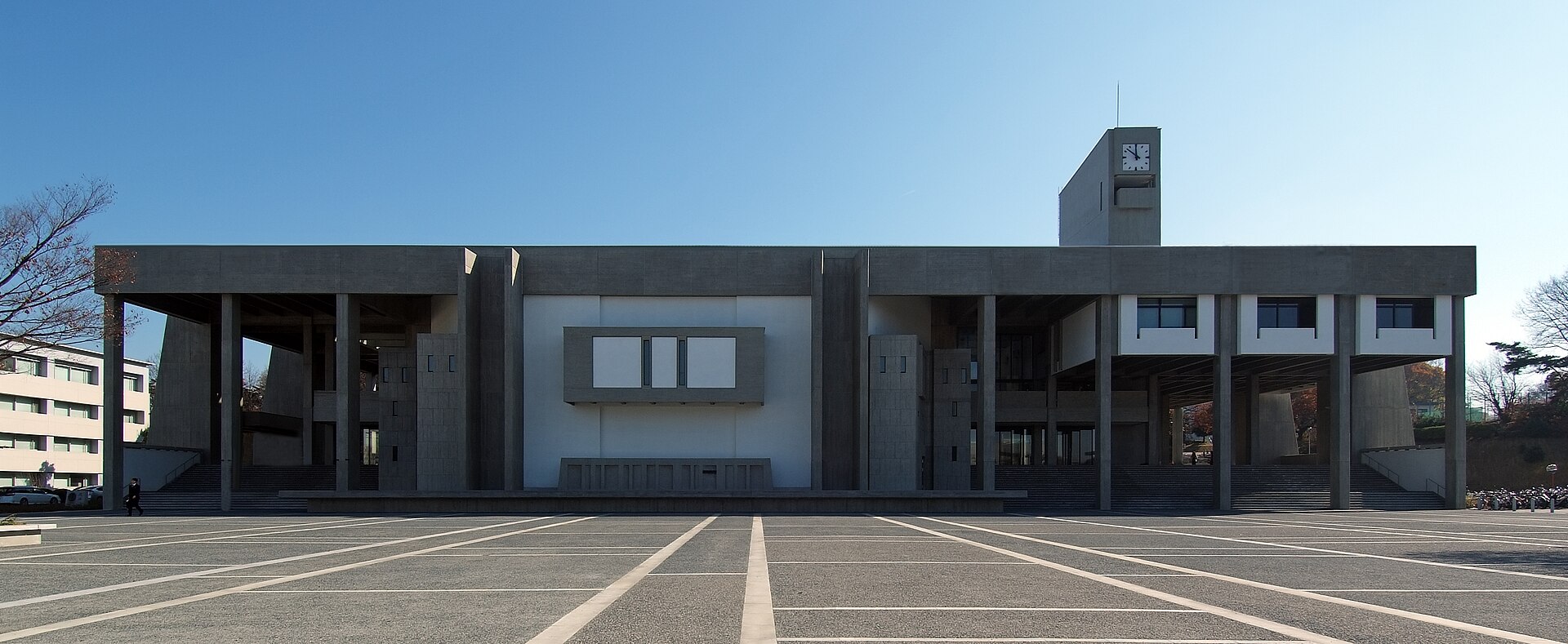
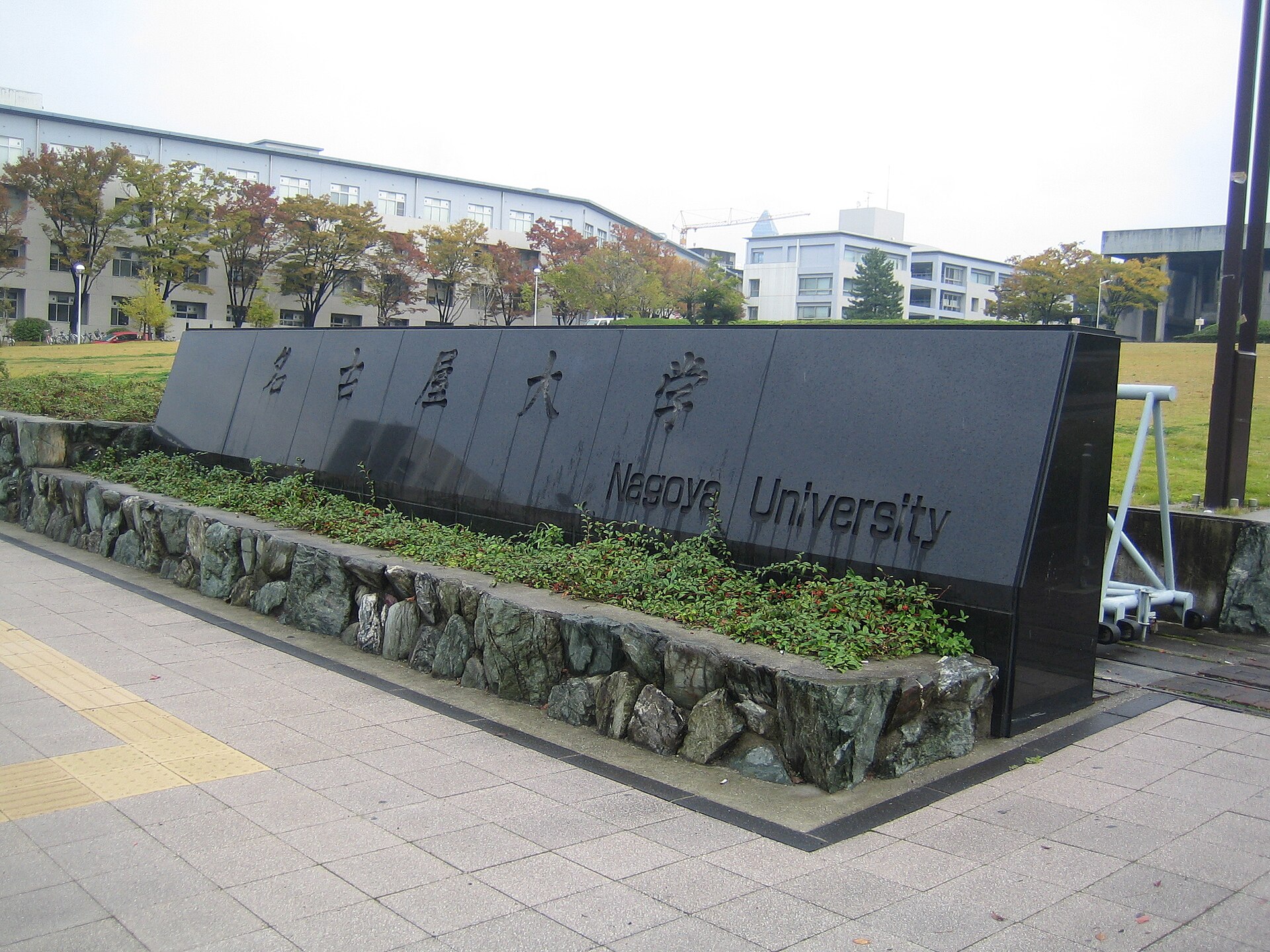
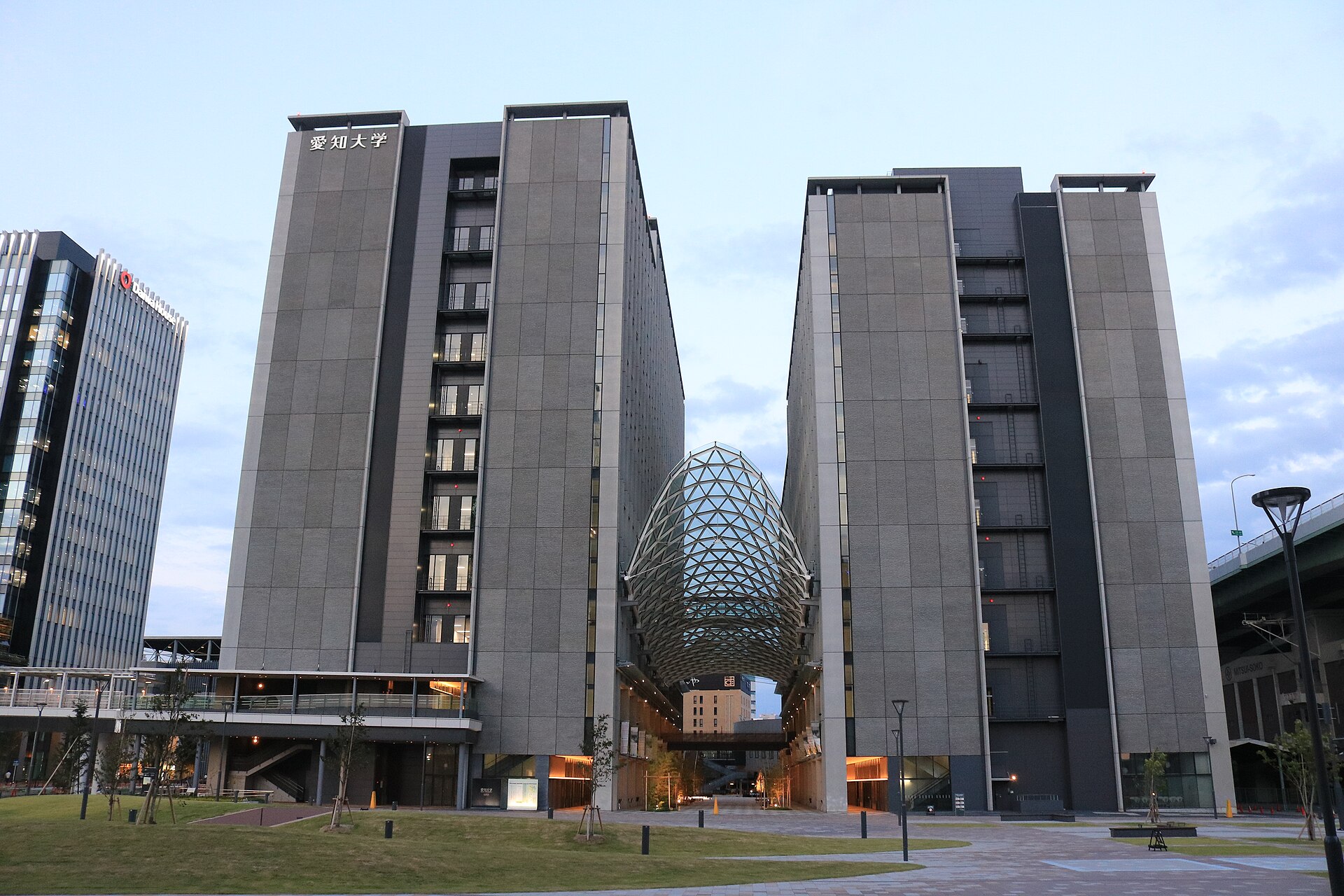
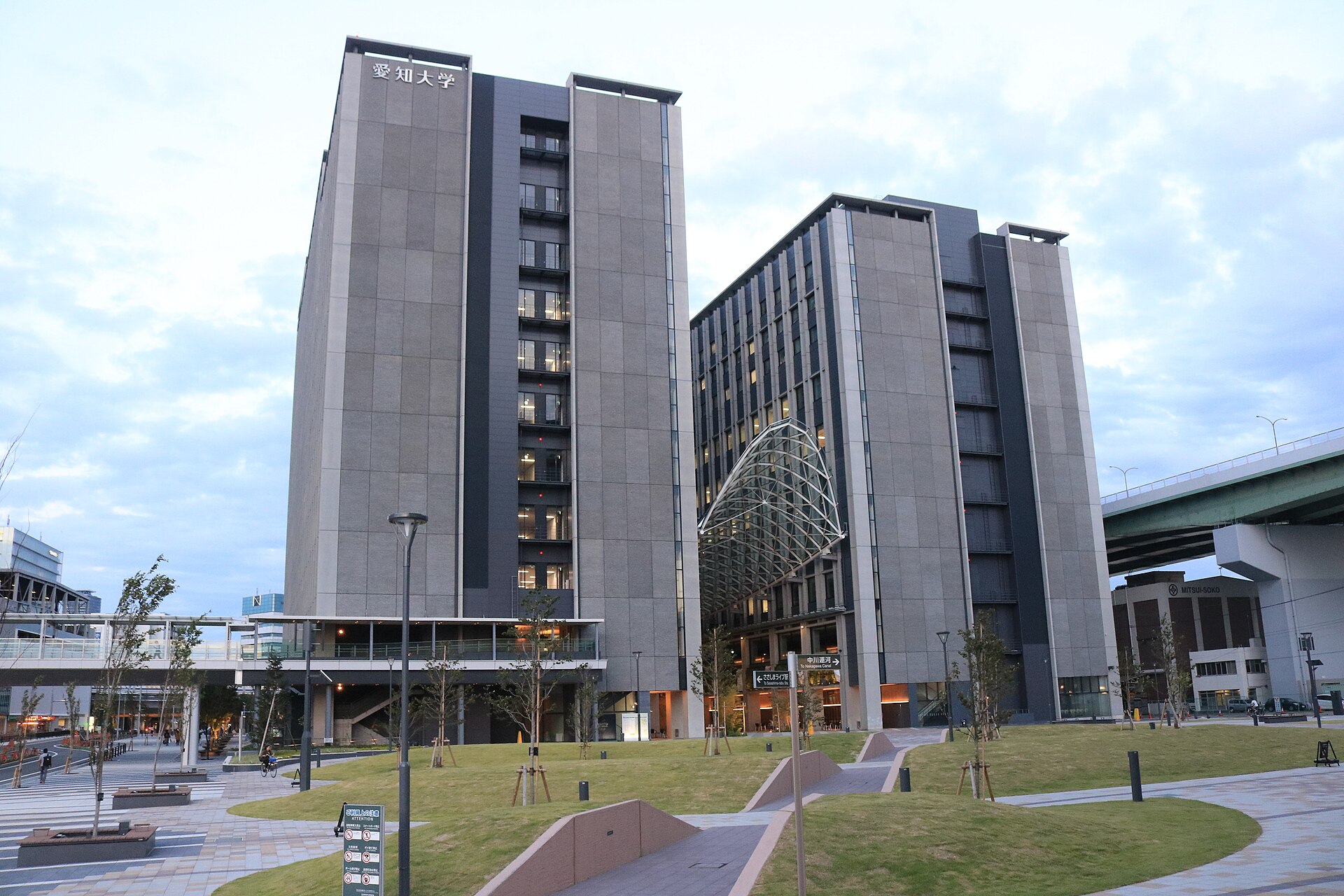
Nagoya University — campus in pictures
Real, freely-licensed photographs of the campus (via Wikimedia Commons).


Why Nagoya University — Nobel Research, English Pathway & Exceptional Value
For an international student weighing Asia's top universities, Nagoya University sits in a unique position: elite Imperial University pedigree, Nobel-dense faculty, English-taught degree programmes, and a cost of attendance that makes a world-ranked research degree genuinely affordable without the debt burden of Western alternatives.
Nagoya University Acceptance Rate & G30 Admitted Profile
Stats
Profile Stats
Rea Vs Rd
Nagoya University Admissions Requirements — Academics, English Proficiency & Programme Fit
- Minimum 3.0 on a 4.0 scale; competitive applicants typically 3.5+
- Strong results in subjects directly relevant to chosen G30 programme
- Course rigour evaluated relative to school system and available curriculum
- IB 36+ is the competitive benchmark; HL results in relevant subjects carry most weight
- IELTS Academic minimum 6.5 overall band score
- TOEFL iBT minimum 79 total score
- SAT/ACT are test-optional and not primary evaluation factors
- Students from English-medium schools may be exempt — confirm with admissions office
- Physics/Engineering: HL Mathematics (IB) or A-Level Mathematics/Further Maths
- Chemistry: HL Chemistry + HL Mathematics at IB level
- Social Science/JACS: Strong humanities and analytical writing background
- Demonstrated interest in Japan — language exposure, research interest, or cultural engagement
Nagoya G30 Application Components — Direct Portal, Statement & Documents
Nagoya University's G30 programmes use a standalone direct application system. Below is every component of a complete G30 application — required and programme-specific — with strategic notes for each.
Nagoya G30 Personal Statement — Writing the Perfect Motivation Letter
Tips
Prompts
What Nagoya G30 Admissions Looks For
Nagoya University's G30 admissions process is holistic but with a distinctly academic focus. There is no extensive extracurricular evaluation as in US liberal arts admissions — academic preparation, programme fit, English proficiency, and Japan motivation are the primary evaluation dimensions.
Nagoya University Financial Aid & Scholarships for International Students
Nagoya University's primary advantage for international students is structural: as a Japanese national public university, tuition is set by the government at a level dramatically below comparable research universities in the West. The total cost of attendance — tuition, housing, food, and daily living — is achievable without the debt burden that a comparable Western degree would impose.
USD figures are approximate and subject to JPY/USD exchange rate fluctuations. MEXT stipend amounts are set by the Japanese government and may change. Verify current amounts at the Japanese embassy or MEXT official website.
Stats
Contribution Tiers
| Note | Range | Percent | Percent Value |
|---|---|---|---|
| Tuition only — the starting point before housing and living | Tuition | ~$3,313/year | 32 |
| Tuition + housing, food, transport, personal expenses | Full Cost of Attendance | ~$10,400/year | 100 |
| Housing, food, transport, personal expenses | Living Costs Only | ~$10,000/year | 96 |
| One-time application cost | Application Fee | ~$110 | 1 |
Key Dates
Advantages
- Applying early in the window gives more time to respond to document requests
- MEXT Embassy scholarship applications often run in parallel — apply to both simultaneously
- Earlier document submission means more time for visa and Certificate of Eligibility processing
- Demonstrates commitment and seriousness to the admissions team
- Allows time to supplement application if shortlisted for interview
Disadvantages
- There is only one annual intake — no second chance until the following year's October cycle
- The application window is short (typically a few weeks in spring) — missing it means a full year's delay
- Predicted IB/A-Level grades must be submitted early; final results arrive after the decision
- MEXT Embassy scholarship deadline may differ from the G30 portal deadline — manage both timelines separately
- Some programmes reserve interview spots — delayed applications may miss interview allocation
Nagoya G30 Interview — Format, Questions & Preparation
Not all G30 programmes conduct interviews — but those in the Sciences and Engineering often do. Interviews are conducted online for international applicants and are typically 20–40 minutes with one or two faculty members. The interview evaluates academic preparation, communication ability, and the credibility of your programme motivation. Confirm whether your specific target programme interviews at the G30 admissions portal.
Meta
Questions
Nagoya University Residential Life & Housing
Unlike Harvard's house system, Nagoya University does not have residential colleges. Housing is provided through university-managed dormitories and international residences. Incoming G30 international students are given priority for the Ishida Memorial International Residence Myoken — a dedicated dormitory built specifically for the G30 community in 2011.
Houses
Lottery Steps
- Incoming G30 international students: apply for Ishida Memorial International Residence Myoken through the G30 admissions process
- The dormitory houses G30 students from all programmes together — building an instant international community
- Shared common spaces, kitchen facilities, and residential advisors support the transition to Japan
- Japanese language classes are embedded in the G30 curriculum from Year 1 — the residential environment accelerates practical Japanese acquisition
- Upper-year students often move to private apartments in Chikusa, Motoyama, and Nagoya University area — affordable by Japanese urban standards
Nagoya University G30 Programmes & Schools
- {"label":"Nobel laureates from this department","value":"4"}
- {"label":"Key research institute","value":"KMI (Kobayashi-Maskawa)"}
- {"label":"Programme language","value":"English"}
- {"label":"Annual intake","value":"October"}
- {"label":"Nobel laureates from this school","value":"2"}
- {"label":"Key research area","value":"Asymmetric synthesis, GFP"}
- {"label":"Programme language","value":"English"}
- {"label":"Annual intake","value":"October"}
- {"label":"Key research institute","value":"ITbM (Bio-Molecules)"}
- {"label":"Programme areas","value":"Molecular biology, ecology"}
- {"label":"Programme language","value":"English"}
- {"label":"Annual intake","value":"October"}
- {"label":"Industry partners","value":"Toyota, Denso, Aisin"}
- {"label":"Key institute","value":"NAIAS"}
- {"label":"Programme language","value":"English"}
- {"label":"Annual intake","value":"October"}
- {"label":"Focus areas","value":"Japanese law, governance, economics"}
- {"label":"Ideal for","value":"Business, policy, international relations"}
- {"label":"Programme language","value":"English"}
- {"label":"Annual intake","value":"October"}
- {"label":"Focus areas","value":"History, literature, cultural theory"}
- {"label":"Regional scope","value":"Japan within Asian context"}
- {"label":"Programme language","value":"English"}
- {"label":"Annual intake","value":"October"}
Research & Extracurricular Opportunities at Nagoya University
Career Outcomes & Nagoya University Graduate Network
Nagoya University's employment record is among the strongest of any Japanese national university, reflecting both its research reputation and its location in Japan's industrial heartland. A 95% employment rate within six months of graduation reflects the university's deep industry connections and the practical preparation the G30 programmes provide.
Stats
Categories
Tychr's Nagoya University Admissions Track Record
Faqs
Do I need to speak Japanese to study at Nagoya University through the G30 program?+
No — the G30 International Programs are taught entirely in English. Japanese language training is provided as a compulsory part of the curriculum from Year 1, so you will develop Japanese proficiency during your studies. You do not need any Japanese language ability at the time of application.
When do G30 undergraduate programmes start?+
G30 programmes begin in October each year. This aligns with the international academic calendar and differs from the standard Japanese university April start. Most G30 international students arrive in September for orientation.
Is the MEXT Japanese Government Scholarship available for G30 students?+
Yes — the Japanese Government (MEXT) Scholarship is one of the most valuable funding sources for international students at Nagoya University. It covers full tuition, a monthly living stipend (approximately ¥117,000/month as of recent cycles), and round-trip airfare. Applications are submitted through Japanese embassies in your home country.
Are SAT or ACT scores required?+
No — Nagoya University's G30 programs are test-optional for SAT and ACT. The university primarily evaluates your secondary school academic record, IB/A-Level results (or equivalent), English proficiency scores (IELTS/TOEFL), and personal statement.
What IB score do I need to be competitive?+
An IB score of 36 or above is the competitive benchmark based on official facts data. Science and Engineering programmes tend to be more selective and expect strong Higher Level results in Mathematics and relevant sciences. IB students should take HL Mathematics (Analysis & Approaches) at minimum for STEM programmes.
Is there on-campus housing for G30 students?+
Yes — G30 international students are housed in the Ishida Memorial International Residence Myoken, a dedicated dormitory built in 2011. Priority is given to incoming first-year international students.
Can I apply to more than one G30 programme?+
Generally, applications are programme-specific. Check the current application guidelines on the G30 admissions portal (admissions.g30.nagoya-u.ac.jp) for the latest rules on multiple applications, as policies can change between cycles.
What is the total cost for a four-year G30 degree?+
Based on official cost data, annual tuition is approximately $3,313 USD and total cost of attendance is approximately $10,400 USD per year. Over four years, this is approximately $41,600 USD — before scholarships. With a MEXT scholarship, the net cost can approach zero.
Book a Free Nagoya University Admissions Strategy Session
In 60 minutes our Nagoya University admissions specialists will evaluate your academic profile, assess your G30 programme fit, develop your personal statement strategy, and map your MEXT scholarship application timeline.
- No commitment required
- G30 specialists with Japan admissions knowledge
- Personalised personal statement strategy — not generic advice
Nagoya University Academic Requirements
Nagoya University Academic Requirements — The Honest Breakdown for International Students
What academic profile do G30 International Program applicants actually need? And how does Nagoya evaluate IB, A-Level, AP, and other international curricula for its English-taught degree programmes?
GPA & Academic Record
Nagoya University and GPA — What the Standards Show
Nagoya University sets a minimum GPA of 3.0 on a 4.0 scale for G30 International Program applicants. In practice, competitive applicants — particularly for the Sciences and Engineering — present significantly stronger profiles than this minimum suggests.
A 3.0 GPA is a baseline for eligibility, not a benchmark for competitiveness. Science and Engineering applicants should be presenting significantly above this threshold. The IB score of 36+ reflects a more realistic competitive bar for admitted students.
Academic Context
How Nagoya Reads Academic Performance Across International Systems
Nagoya University evaluates each application with reference to the applicant's school system, curriculum, and available course options. There is no single global GPA standard applied uniformly — the admissions office interprets performance relative to the educational context of each applicant.
Standardised Testing
SAT at Nagoya University — A Test-Optional Programme
Nagoya University G30 Programs — SAT Policy
| Label | Score | Percent |
|---|---|---|
| SAT requirement | Not required | 0 |
| Test policy | Optional | 50 |
| Primary academic evidence | Transcripts/IB/A-Level | 90 |
Standardised Testing
ACT at Nagoya University — Optional, Not Primary
Nagoya University G30 Programs — ACT Policy
Metrics
Comparison Cards
Testing Strategy
Nagoya G30 Test-Optional Policy — The Strategic Implications
Nagoya University's G30 International Programs operate a test-optional policy for standardised tests (SAT/ACT). Understanding what this means for international applicants — and where to focus preparation effort — is essential for a strategic application.
Submit Items
Withhold Items
Curricula
IB and A-Levels at Nagoya G30 — Specific Benchmarks
- {"label":"Competitive total score","value":"36+ points"}
- {"label":"HL expectations (STEM)","value":"HL Maths AA + relevant science at 6–7"}
- {"label":"HL expectations (Humanities/Social Science)","value":"HL Language A + History or Social Sciences at 6–7"}
- {"label":"Extended Essay","value":"Ideally in a subject relevant to your chosen G30 programme"}
- {"label":"Competitive range (STEM)","value":"AAA – A*AA in relevant subjects"}
- {"label":"Competitive range (Humanities)","value":"ABB – AAA in relevant subjects"}
- {"label":"Subject relevance","value":"Mathematics + Further Maths + Physics/Chemistry for Engineering/Science; English Lit + History for JACS"}
- {"label":"AS results","value":"Reviewed as evidence supporting predicted A-Level grades"}
AP Courses
AP Courses for Nagoya G30 — What Counts and Who Should Submit
For students in the US curriculum or at schools that offer Advanced Placement courses, AP results can provide supplementary academic evidence for Nagoya G30 applications. However, AP is not the primary qualification framework evaluated by the G30 admissions process.
Academic Rigour
Course Rigour at Nagoya G30 — Why Subject Selection Matters
While Nagoya University does not use the phrase 'rigour of secondary school record' in its published admissions criteria in the way Harvard does, the principle is equally important: G30 admissions evaluates whether you took the most challenging available courses in subjects relevant to your chosen programme.
Taking HL Mathematics Analysis & Approaches instead of HL Mathematics Applications & Interpretation is not a small choice for a Physics applicant — it is an admissions signal.
Subject Preparation
What Nagoya G30 Expects in Your Subject Area
Nagoya University's G30 programmes are full undergraduate degrees at Japan's fifth-ranked national university, taught by the same faculty who conduct frontier research in physics, chemistry, biology, and engineering. The academic expectations — particularly in STEM — are high from the outset. Students are expected to arrive with strong subject-specific preparation, not just a general academic record.
Language Proficiency
English Language Requirements for Nagoya G30 International Applicants
All G30 programmes are taught entirely in English. English language proficiency is a formal requirement — not optional — for non-native speakers and applicants from non-English-medium secondary schools.
The personal statement itself serves as evidence of English writing ability. A student who writes clearly, precisely, and academically in their motivation letter demonstrates English proficiency beyond what test scores alone show. Strong test scores paired with a poorly written statement undermine each other.
By Programme
Academic Requirements by G30 Programme — What Each Path Expects
Nagoya G30 admits students to specific named programmes — there is no 'undecided' option. Academic requirements differ meaningfully by programme. The table below reflects the expected academic preparation by programme area.
| Signals | Expectation | Concentration |
|---|---|---|
| AMC/physics olympiad; maths competition results | HL Maths AA 6–7 / A-Level Maths+FM A*/A | Physics G30 |
| Chemistry olympiad; research or lab experience | HL Chemistry 6–7 + HL Maths 6–7 | Chemistry G30 |
| Biology/science olympiad; ecology or lab research | HL Biology + HL Chemistry at 6–7 | Biological Science G30 |
| Engineering interest; design projects; physics/maths strength | HL Maths AA + HL Physics at 6–7 | Automotive Engineering G30 |
| Interest in Japanese law, policy, or economics | HL Economics or History + analytical humanities | Social Science G30 |
| Japanese language study; East Asian cultural interest | HL Language A Literature + HL History or equivalent | JACS G30 |
International Systems
How Nagoya G30 Evaluates International Education Systems
Roadmap
Building an Academic Profile for Nagoya G30 — What to Do at Each Stage
- Choose the most rigorous curriculum available to you — IB Diploma, A-Levels, or strong national equivalent.
- For STEM pathways: prioritise Mathematics and Sciences in subject selection. Avoid academic tracks that close off HL Mathematics options.
- Begin learning Japanese — even casual exposure (language apps, Japanese media, a beginner's course) demonstrates genuine Japan interest at the application stage.
- Research what Nagoya University faculty in your target programme actually work on — read abstracts, visit lab pages, watch recorded lectures.
- Finalise IB HL/SL choices or A-Level subject combination with your target G30 programme in mind.
- Engage with your chosen field beyond class: science competitions (national olympiads), academic essay competitions, independent reading, or structured research engagement.
- Begin English test preparation if English is not your first language or primary language of instruction — IELTS 6.5+ or TOEFL 79+ should be achieved with time to retake if needed.
- Start researching the MEXT Scholarship process — understand your home country's embassy timeline and eligibility criteria.
- Maintain or improve academic performance — IB predictions and interim transcripts matter.
- Complete IELTS/TOEFL and achieve your target score (aim for IELTS 7.0+ / TOEFL 90+ where possible).
- Draft your G30 personal statement: specific, academic, programme-focused. Begin in January so you have time for multiple revisions.
- Request recommendation letters from teachers who know your academic work in the most relevant subjects.
- Submit G30 application via the portal as early as possible once it opens (typically February–March).
- Run MEXT Embassy scholarship application in parallel with the G30 portal application.
- Ensure all documents are certified and translated (if needed) before the portal closes.
- Prepare for any programme-specific interview: review your personal statement, research Nagoya faculty in your programme, and practice explaining your academic background and Japan motivation clearly.
Common Pitfalls
Academic Mistakes That Cost Nagoya G30 Applications
Real Outcomes
What Academic Profiles Tychr's Nagoya G30 Students Had
The following profiles represent the academic backgrounds of students Tychr has helped gain Nagoya G30 admission or equivalent research-university outcomes. They illustrate the range of preparation that succeeds — and what made each application compelling.
Faqs
What GPA do I need for Nagoya G30?+
The minimum is 3.0 on a 4.0 scale, but competitive applicants for STEM programmes typically present significantly above this. The IB competitive benchmark is 36+ total, with strong HL results in relevant subjects. Meeting the minimum does not guarantee admission.
What IB score do I need for Nagoya G30?+
36 or above is the competitive benchmark based on official data. For Science and Engineering programmes, strong HL results in Mathematics and relevant sciences (6–7 at HL) are equally or more important than the total score.
Is the SAT required for Nagoya G30?+
No — SAT and ACT are test-optional and are not primary evaluation factors. The G30 primarily evaluates your secondary school transcript, IB/A-Level results, English proficiency (IELTS/TOEFL), and personal statement.
What English test scores are required?+
IELTS Academic 6.5 overall, or TOEFL iBT 79 total. Students from English-medium schools may be exempt — confirm with the admissions office. Scoring well above the minimum (IELTS 7.0+, TOEFL 90+) is advantageous.
Does the G30 require specific subject preparation for STEM programmes?+
Yes — for Science and Engineering applicants, HL Mathematics Analysis & Approaches (or A-Level Mathematics + Further Mathematics) is strongly expected. Applications for STEM programmes with weaker mathematical preparation are at a significant disadvantage.
Cost & Financial Aid
Nagoya University May Cost Far Less Than You Think — Here's the Full Picture.
Japan's national universities offer dramatically lower tuition than Western research universities. Here is exactly what Nagoya University costs, how the scholarship system works, and what you need to do to access financial support.
Cost Transparency
What Nagoya University Actually Costs — The Full Annual Figure
Nagoya University is a Japanese national public university. Tuition is set by the Japanese government at the same level for all national universities — dramatically below what comparable research universities charge in the US ($55,000–$75,000/year), UK (£25,000–£38,000/year), or Australia (AUD $40,000–$60,000/year). This structural advantage is permanent, not scholarship-dependent.
Scholarship System
Japan's Scholarship Ecosystem for G30 Students — How It Works
The MEXT Scholarship is open to students worldwide who apply through their home country's Japanese embassy. There is no restriction on nationality. Competition varies by country, but every eligible international student can apply — making the MEXT a genuinely global funding mechanism for Nagoya G30 study.
Structural Affordability
Why Nagoya University is Genuinely Affordable — The Structural Reason
Financial Aid Walkthrough
How to Secure Financial Support at Nagoya G30 — Step by Step
Nagoya University's financial support for international students is primarily scholarship-based, not grant-on-demand. Here is the complete step-by-step process for securing funding.
- Find your home country's Japanese embassy website
- Confirm MEXT Embassy Recommendation Scholarship availability and eligibility criteria for your country
- Note the typical application window (usually spring of the year you apply to university)
- G30 portal application (admissions.g30.nagoya-u.ac.jp) — opens February–March
- MEXT Embassy scholarship application — opens at your local Japanese embassy (timeline varies by country)
- Both require academic transcripts, English scores, and motivation documentation
International Student Funding
Financial Aid for International Nagoya G30 Students — How It Works
International students at Nagoya University access financial support through a different mechanism than at US need-blind institutions. The primary advantages are structural (low tuition) and scholarship-based (MEXT). Here is what each mechanism means in practice.
Scholarship Outcomes
What Financial Support Actually Looks Like at Nagoya G30
Funding Scenarios for G30 International Students
Figures are approximate and subject to JPY/USD exchange rate fluctuations and annual policy changes. MEXT stipend amounts are set by the Japanese government and can change. Verify current scholarship amounts at the Japanese embassy in your country and at admissions.g30.nagoya-u.ac.jp.
MEXT scholarship recipients have close-to-zero net cost for their entire degree. Even without a scholarship, Nagoya's $10,400/year total cost of attendance makes a four-year G30 degree approximately $41,600 USD in total — a fraction of comparable Western research university costs.
| Grant | Income | Contribution |
|---|---|---|
| Full tuition + ~¥117,000/month stipend + airfare | MEXT Scholarship Recipients | Near zero |
| Partial tuition offset (varies by year) | Nagoya University Scholarship Recipients | Reduced — verify current award |
| Monthly stipend (varies by eligibility) | JASSO Stipend Recipients (post-enrollment) | Reduced for living costs |
| None (but part-time work of 28h/week permitted) | Non-scholarship G30 students | ~$10,400/year total cost |
Table Headers
Merit vs Need
Nagoya G30 Scholarships — Merit, Need, and How They Interact
Nagoya University's scholarship system is primarily merit-based and government-administered — not need-blind in the US sense. Understanding the distinction helps international students identify the right funding pathway.
External Funding
External Scholarships for Nagoya G30 Students
Beyond Nagoya University's own awards and the MEXT Scholarship, numerous external organisations award scholarships for study in Japan — many of which are less competitive than general international scholarships due to lower applicant volumes.
Student Loans & Financing
Loans and Financing for Nagoya G30 Students — What You Need to Know
Japan's student loan system is distinct from Western models. There is no direct equivalent to US federal student loans for international students at Nagoya University. International G30 students are generally expected to fund their studies through scholarships, family support, and permitted part-time work.
Part-Time Work in Japan
Working While Studying at Nagoya G30 — What You Need to Know
Japan's student visa (ryūgaku visa) permits international students to engage in part-time work (arubaito) — a significant income supplement for G30 students managing costs in Nagoya.
- English language tutoring (high demand in Nagoya's international business community)
- Retail and service roles (convenience stores, cafes, restaurants — basic Japanese useful but many employers in Nagoya are accustomed to working with foreign students)
- University research assistant positions (available through faculty lab connections, particularly for upper-year Science students)
- International student ambassador roles through the university's international office
- Online freelance work (translation, content creation, coding) — permitted within the 28-hour limit
Cost Benchmarking
Nagoya University vs. Peer Institutions — Cost Comparison
| Policy | School | No Loans | Typical Cost |
|---|---|---|---|
| National university, govt-set tuition | Nagoya University (Japan) | Structural (low tuition) | ~$10,400/year |
| National university, govt-set tuition | Tokyo University (Japan) | Structural (low tuition) | ~$10,400/year |
| Private university, merit/need aid | Waseda University (Japan) | Partial scholarships available | ~$12,000–$18,000/year |
| National, ASEAN tuition discounts | NUS (Singapore) | Service bond required | ~$15,000–$25,000/year |
| Go8 / Group of Eight | ANU / Melbourne (Australia) | Limited international aid | ~$30,000–$40,000/year |
| Russell Group | UCL / Edinburgh (UK) | Very limited international aid | ~$28,000–$38,000/year |
| US private, need-aware for internationals | Most US private universities | Very limited or need-aware | ~$55,000–$80,000/year |
True Cost Analysis
Nagoya University vs. Alternatives — What You Actually Pay
A four-year G30 degree at Nagoya University costs approximately $41,600 USD without any scholarship — less than one year's tuition at most US private universities. With a MEXT scholarship, the net cost is close to zero. The research quality, Nobel-laureate faculty, and global ranking make this among the strongest value propositions in international higher education.
| Policy | School | Contribution | Four Year Cost |
|---|---|---|---|
| National university; MEXT scholarship available | Nagoya University (Japan) | ~$10,400/year (or near-zero with MEXT) | ~$41,600 (or near-zero with MEXT) |
| National university; MEXT scholarship available | Osaka / Tohoku University (Japan) | ~$10,400/year | ~$41,600 |
| Private; limited international aid | Waseda / Keio (Japan) | ~$15,000/year | ~$60,000 |
| NUS Tuition Grant; service bond | NUS (Singapore) | ~$15,000–$25,000/year | ~$60,000–$100,000 |
| Limited international aid | UK Russell Group | ~$30,000–$38,000/year | ~$120,000–$150,000 |
| Need-aware, limited international aid | US private (most) | ~$55,000–$80,000/year | ~$220,000–$320,000 |
Financial Hardship Support
Managing Financial Difficulties at Nagoya G30 — Recourse and Support
Nagoya University does not operate a formal financial aid appeals process in the US sense. However, enrolled students facing financial hardship have several recourse mechanisms through the national university system and the university's student support office.
Honest note: Nagoya University does not have an endowment-funded grant programme that adjusts to individual family circumstances on appeal. The support available is the government-administered system (tuition exemption, JASSO, part-time work) plus whatever university-level support the G30 office can provide in individual cases. Students with serious financial concerns should address them before accepting an offer.
How To Appeal
- Contact the university's International Student Affairs Division as soon as a financial difficulty arises
- Apply for tuition exemption or reduction through the student affairs office (administered under national university financial hardship provisions)
- Apply for JASSO stipend support if not already receiving it
- Consult the G30 programme coordinator — they may know of additional scholarship or support options specific to your situation
When To Appeal
- Family financial circumstances have changed significantly since your application (job loss, medical emergency, family crisis)
- Unexpected costs arose after arrival in Japan (medical, emergency travel, equipment)
- MEXT scholarship was not awarded but financial need is genuine
- You are considering withdrawing due to financial reasons — contact the office before making that decision
Financial Timeline & Planning
Planning Your Nagoya G30 Costs — What to Do and When
Application Statement Strategy
Nagoya G30 Personal Statement — Everything You Need to Write It Well.
A complete guide to the G30 personal statement: what it needs to accomplish, how Nagoya evaluates written motivation, and the specific strategies that produce statements admissions readers remember — for a Japanese university, not a US college.
Requirement Overview
Nagoya G30 Application Requirements — The Full Written Picture
Nagoya University's G30 programmes use a direct application portal — not Common App, UCAS, or any Japanese national system. The written component is a personal statement or motivation letter submitted through the G30 portal. This document is the primary qualitative element of your application, alongside your academic transcripts and English test scores.
Optional Items
Required Items
The Core Written Document
The G30 Personal Statement — What It Needs to Accomplish
The G30 personal statement is the most important qualitative element of your application. Unlike the Common App personal statement (which is about who you are as a person) or a UCAS statement (which addresses academic preparation broadly), the G30 motivation letter is closer to a graduate school statement of purpose: focused, academic, and research-aware.
The G30 personal statement must do something no US college essay typically needs to do: convince a Japanese academic admissions reader that you understand the research culture you are entering, have a legitimate reason for choosing Japan, and have the academic preparation to succeed in a rigorous programme. Specificity and academic seriousness are the two most valuable qualities.
Tired Of List
- Generic 'passion for science' statements that could apply to any university in any country
- US-style narrative hooks ('It was a Tuesday in October when I first realised…') — academic register is preferred
- Statements that praise Nagoya's rankings without demonstrating knowledge of the actual programmes or faculty
- Vague career goals ('I want to contribute to society and the advancement of science')
- Any statement that could be the same whether you were applying to Nagoya, Edinburgh, or National University of Singapore
Looking For List
- A clear, specific explanation of why this programme at Nagoya — referencing actual research, faculty, or institute work
- Evidence of academic preparation that makes the programme choice feel inevitable
- Genuine Japan motivation — why Japan, not just why a non-US/UK university
- Concrete post-graduation goals that connect to what the G30 programme specifically enables
- Academic writing ability that demonstrates readiness for English-medium university study
Content Strategy
Choosing What to Write About — The Core Personal Statement Decisions
Unlike US college essays where topic choice is wide open, the G30 personal statement has a clear purpose: explain your academic motivation for your specific programme, your preparation for it, and why Japan and Nagoya. The key creative decision is how to make those required elements feel authentic rather than formulaic.
Criteria
Caution Topics
- Opening with your childhood inspiration story — get to programme motivation quickly
- 'Japan is advanced and innovative' as your Japan motivation — this tells the reader nothing specific
- Describing your grades and test scores (covered in the application form) — use the statement for what cannot be read elsewhere
- Applying the Common App essay framework — this is a different kind of document for a different kind of reader
Document Package Strategy
The Four Core Themes of the G30 Personal Statement
The G30 personal statement does not have numbered prompts with fixed word limits in the US supplemental essay sense. Instead, there is a free-format motivation letter with themes the admissions office expects you to address. The four themes below are the essential content areas — always verify the current year's specific instructions on the G30 portal.
Common Mistakes
G30 Personal Statement Mistakes That Cost Admissions Offers
- Writing a generic personal statement that could apply to any university — G30 readers see hundreds of applications; non-specific statements are dismissed quickly.
- Applying the US college essay 'narrative hook' style — G30 applications expect a formal, academic, purpose-driven document. Start with your programme motivation, not a story.
- Failing to address why Japan specifically — students who do not explain their Japan motivation raise serious doubt about their commitment to four years in Japan.
- Praising Nagoya's Nobel Prize history without connecting it specifically to your own intellectual interest — this is a common application cliché that signals superficiality.
- Not verifying the current word limit and format requirements — these are specified in the annual application guidelines and vary between cycles. Ignoring them signals carelessness.
- Describing past achievements without connecting them to future goals and programme fit — Nagoya wants to understand where your academic journey is going, not only where it has been.
- Treating recommendation letters as an afterthought — strong, specific academic references from subject teachers who can speak to your preparation materially strengthen borderline applications.
- Missing the application deadline — the G30 window is short (typically weeks, not months) and the October intake is once per year. Late applications are not accepted.
Application FAQ
G30 Personal Statement & Application FAQ
Does Nagoya University use the Common App or UCAS?+
No — Nagoya University G30 programmes use a direct application portal at admissions.g30.nagoya-u.ac.jp. There is no connection to Common App, UCAS, or Japan's general university entrance exam system for the G30 international programme pathway.
How long should my G30 personal statement be?+
Specific word limits and format requirements are published in the annual application guidelines on the G30 portal. These can change between cycles. Always check the current year's guidelines before writing — do not assume word limits from previous years.
Should I write my personal statement in English or Japanese?+
The personal statement for G30 International Programs should be written in English — the language of instruction. Writing in Japanese is not required and generally not expected for G30 applicants who are applying precisely because they do not yet speak Japanese.
Is a formal research proposal required for undergraduate G30 applications?+
A formal research proposal is generally not required for undergraduate G30 applications (it is more common at the graduate level). However, demonstrating research awareness and intellectual curiosity in your personal statement is highly recommended — especially for Science and Engineering programmes.
Can I apply to multiple G30 undergraduate programmes?+
Verify on the current application guidelines — the portal specifies whether multiple programme applications are permitted in a given cycle. If permitted, each personal statement must be tailored specifically to its programme. Reusing the same statement for different programmes is a mistake easily identified by programme-specific readers.
Are there interviews as part of the G30 application?+
Some G30 programmes — particularly in the Sciences and Engineering — conduct interviews as part of their selection process. These are conducted online for international applicants. Prepare to discuss your academic background, your programme motivation, and your knowledge of the subject area. Confirm whether your specific target programme interviews on the G30 portal.
What is the difference between the G30 personal statement and a US college essay?+
The G30 personal statement is closer to a graduate school statement of purpose: formal, academic, purpose-driven, and focused on programme motivation and preparation. It is not a personal narrative essay, does not need a 'hook', and is read by Japanese faculty academics rather than US admissions officers. Academic register, programme specificity, and clarity of purpose are the valued qualities.
Can I reuse a personal statement I wrote for UK or US universities?+
No — and this is one of the most common mistakes Tychr sees in G30 applications. A UCAS personal statement or Common App essay is written for a different reader, in a different format, with different expectations. Starting fresh with the G30's specific requirements in mind is essential. A repurposed statement from another system will almost always lack the programme-specificity and Japan motivation that G30 readers expect.
Courses — schools, degrees & intake
30 degrees across 9 groupings.
School of Science · 5 degrees
Physics
Chemistry
Biological Science
Mathematics
Earth and Planetary Sciences
School of Engineering · 3 degrees
Automotive Engineering (Mechanical Engineering Track)
Automotive Engineering (Electrical, Electronic and Information Engineering Track)
Chemistry (Engineering Track)
School of Informatics · 3 degrees
Natural Informatics
Human and Social Informatics
Computer Science
School of Humanities · 6 degrees
Japan-in-Asia Cultural Studies (JACS)
Philosophy
History
Linguistics
Sociology and Anthropology
Geography
School of Law · 1 degrees
Social Science — Law and Political Science
School of Economics · 2 degrees
Economics
Business Administration
School of Education · 2 degrees
Lifelong Education and Development
Human Psychology and Psychotherapy
School of Medicine · 4 degrees
Medicine (MD)
Nursing
Physical and Occupational Therapy
Medical Laboratory Science
School of Agricultural Sciences · 4 degrees
Biological Science (Agricultural Sciences Track)
Agricultural Science
Applied Bioscience
Environmental Biology
Want your real chances at Nagoya University?
Create a free TYCHR account for your personalised admit-chance, a shortlist you can track, exact entry requirements, and essay + counselling help.