Leiden University
Leiden, Netherlands · Urban
LEIDEN UNIVERSITY — LEIDEN & THE HAGUE, NETHERLANDS
Leiden University Admissions Guide for International Students
Founded in 1575, Leiden University is the oldest and most prestigious university in the Netherlands — a place where groundbreaking research, centuries of academic tradition, and a genuinely international community converge. With campuses in the historic canal city of Leiden and in The Hague — the global capital of international law — Leiden offers a setting unlike any other European research university.
This guide walks you through how to apply as a non-EU international student, what Leiden looks for, how to navigate the Dutch admissions system (including numerus fixus programmes), what it costs, and how to position your application competitively. Leiden's application system differs fundamentally from US and UK models — reading this guide carefully before you begin is time well spent.
Campus
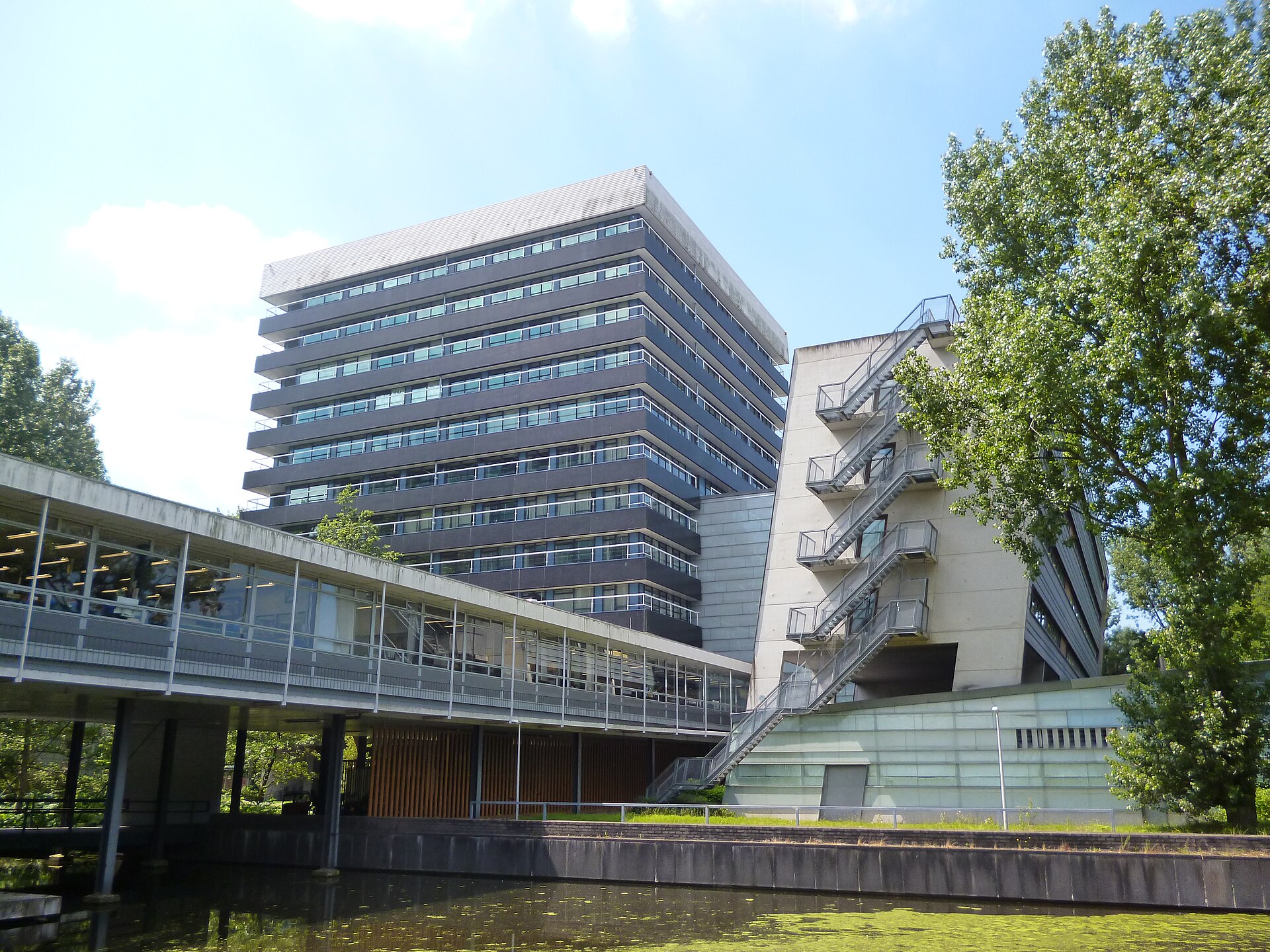
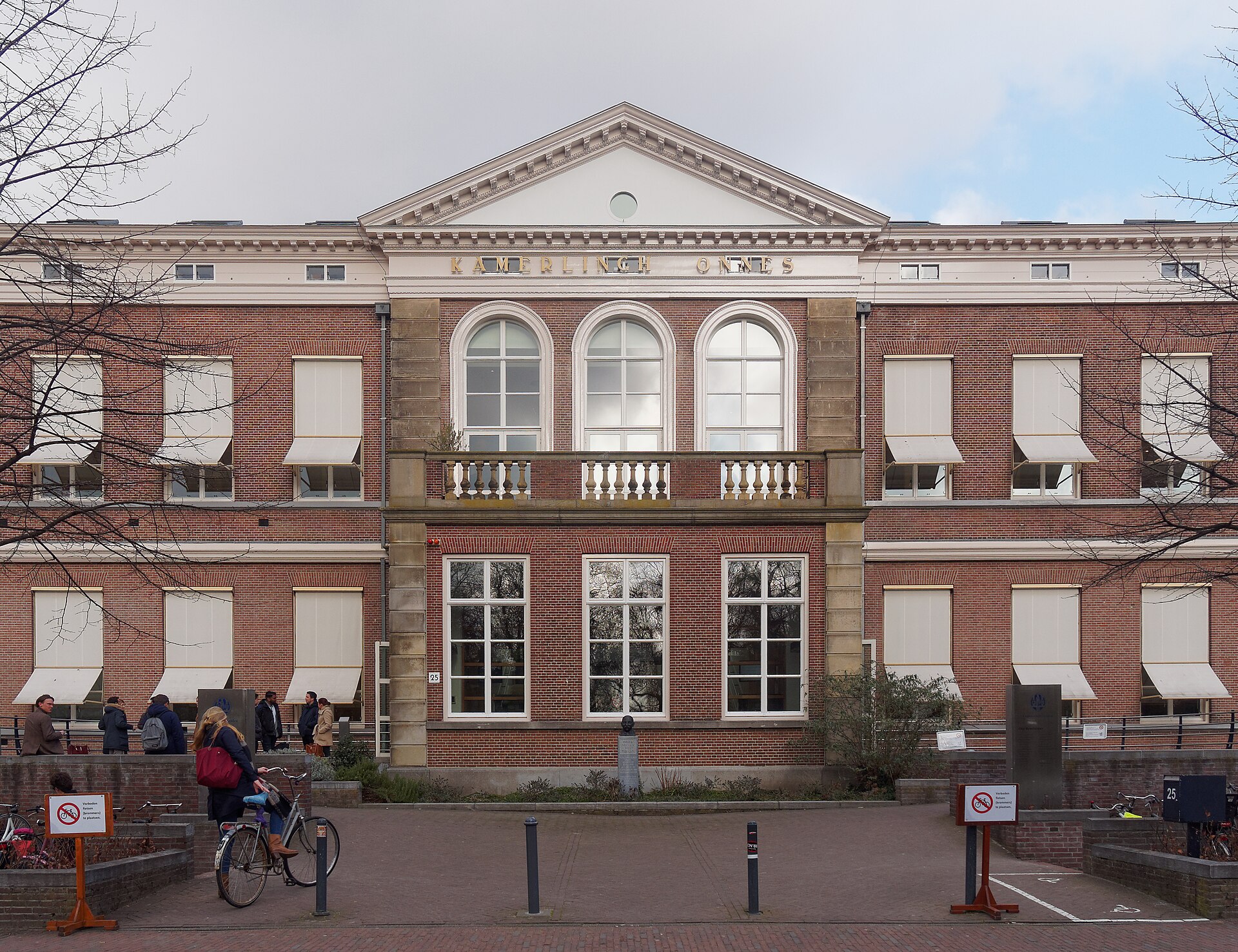
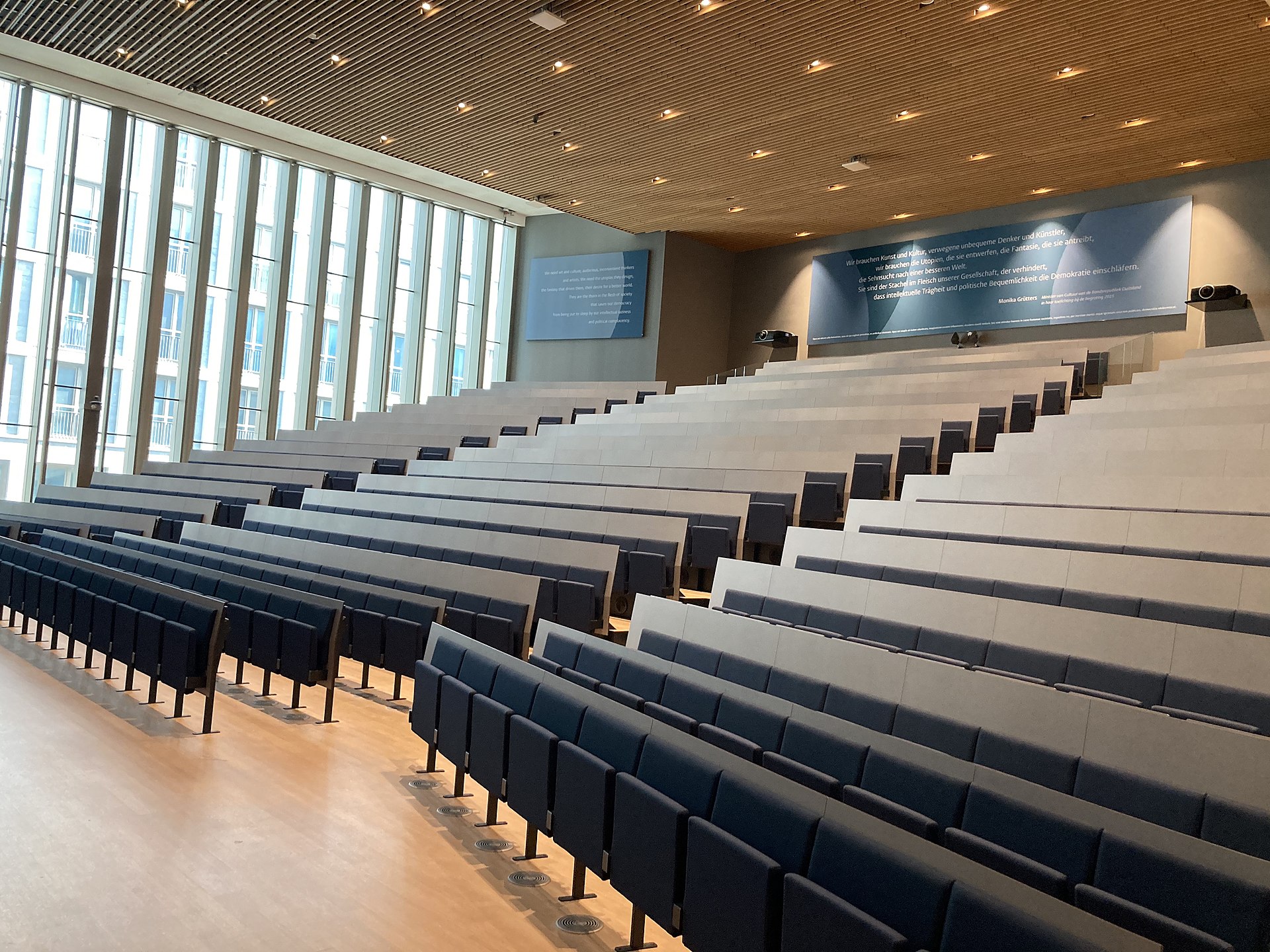
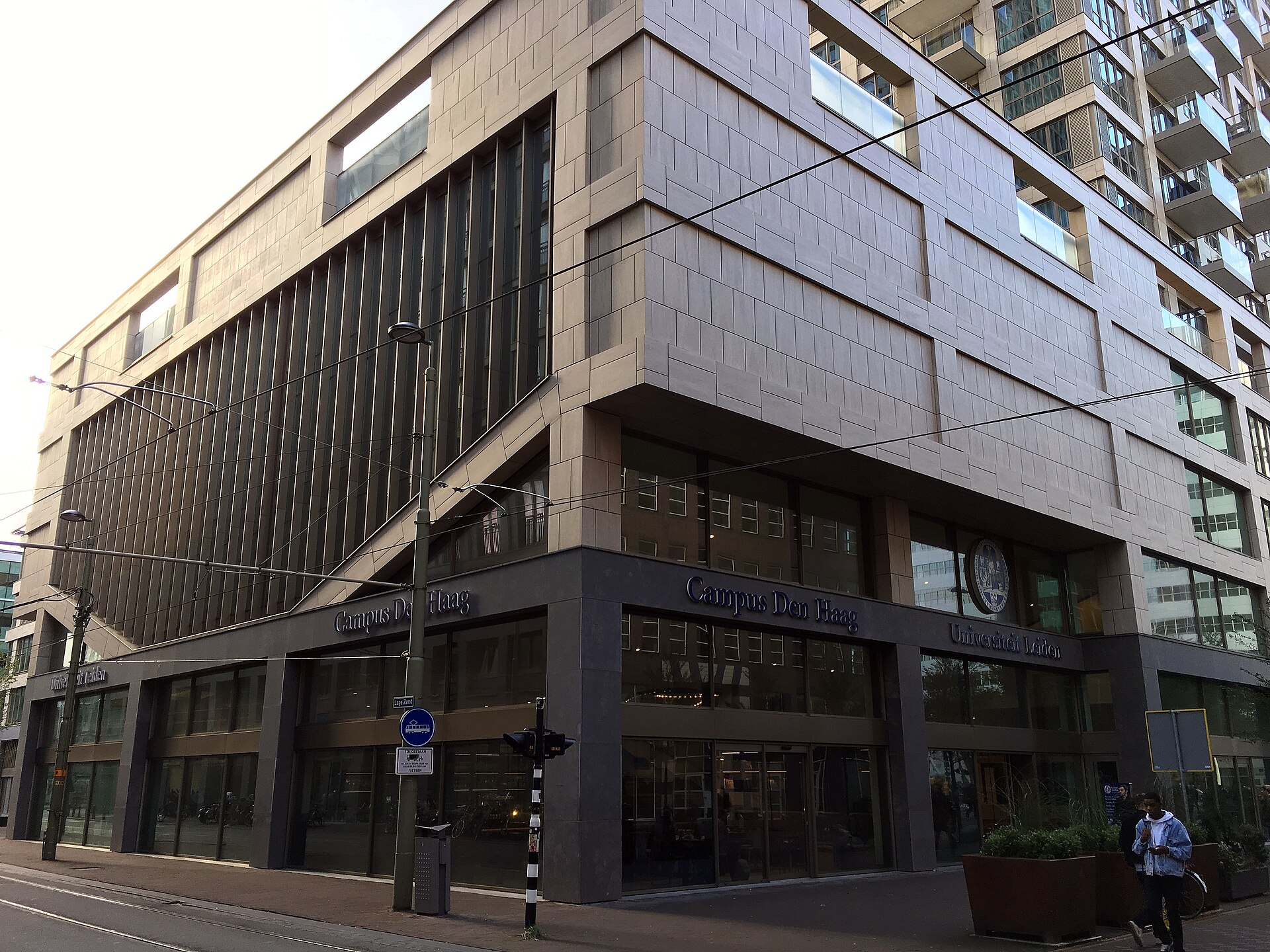
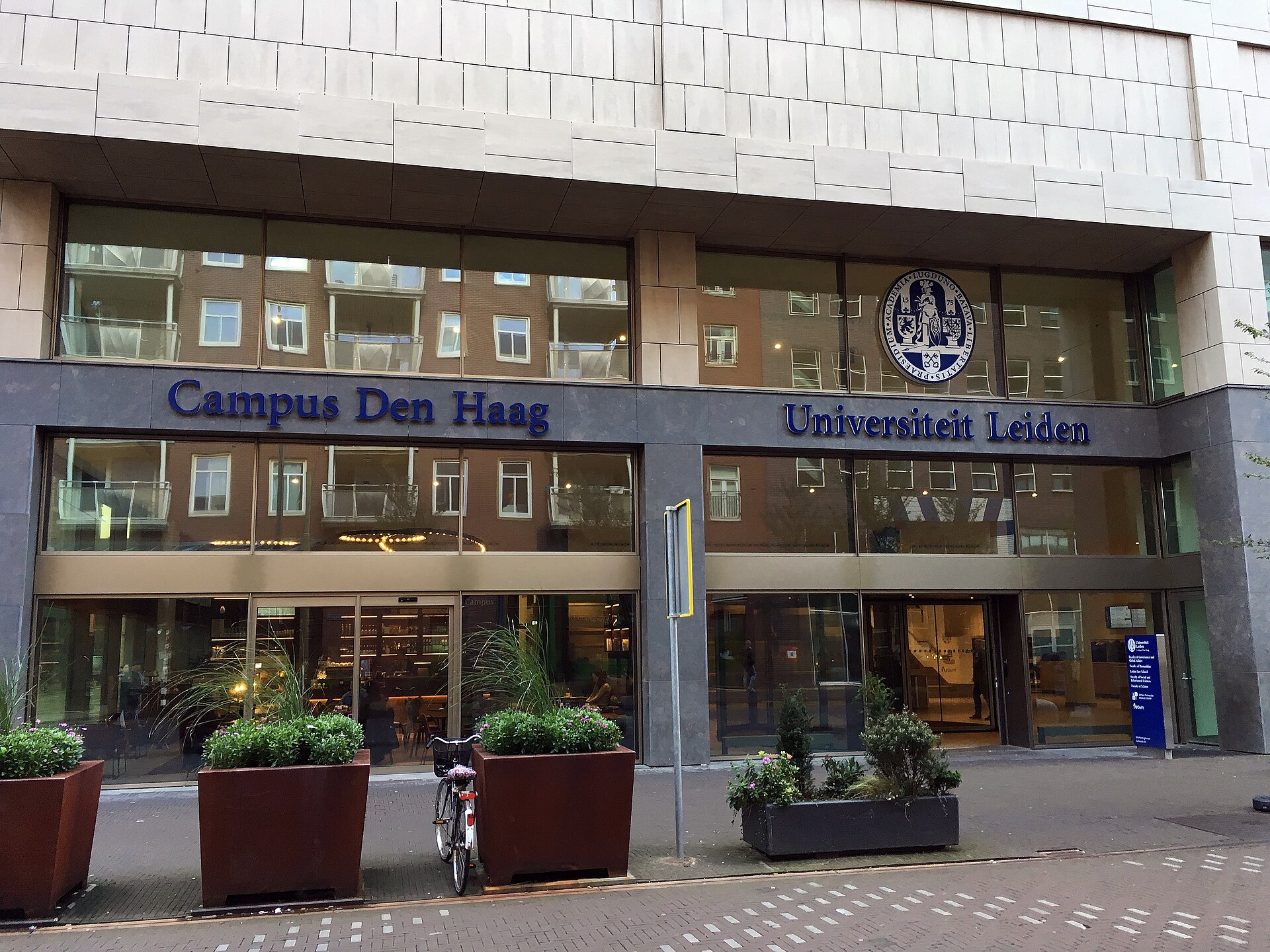
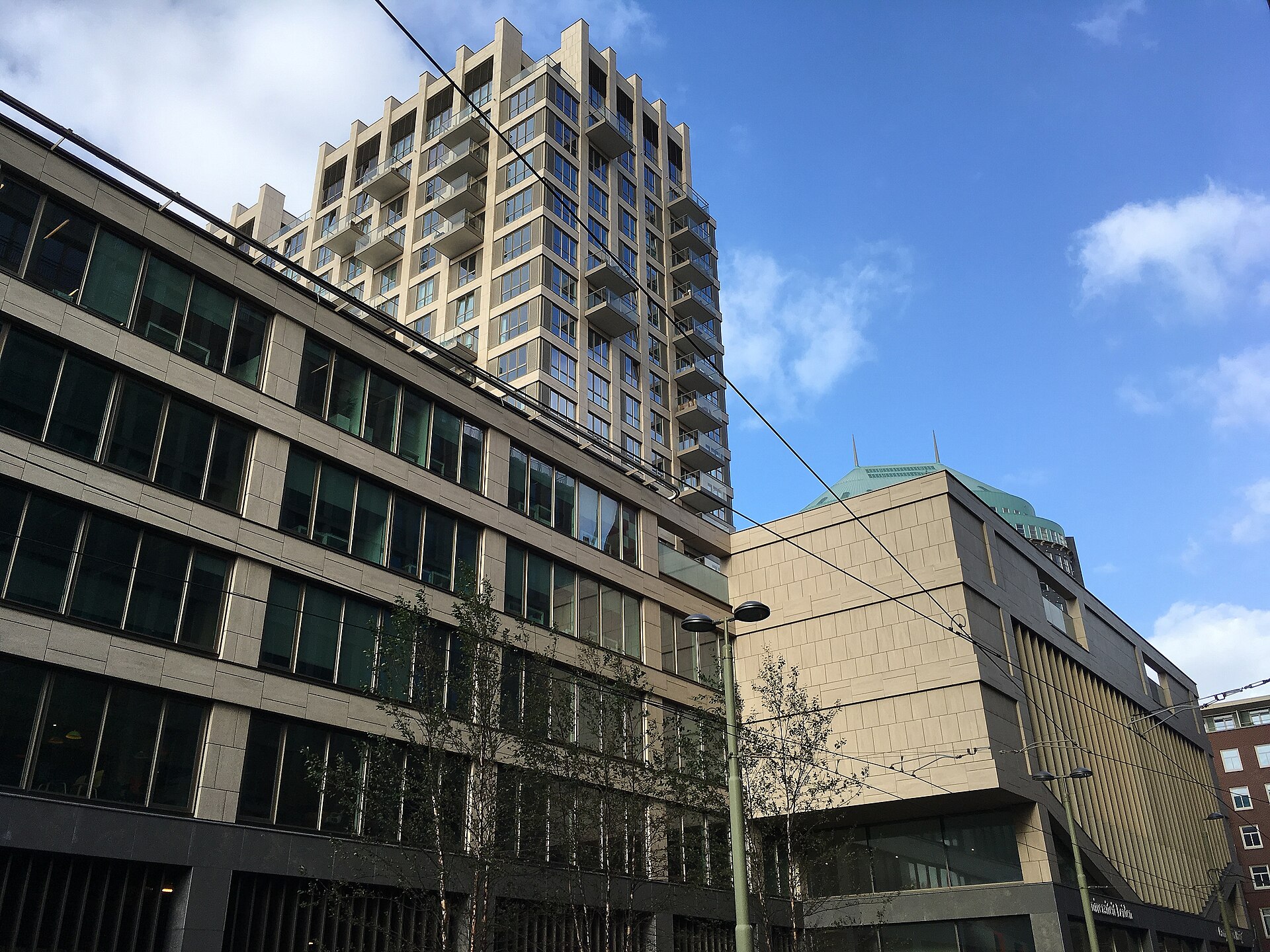
Leiden University — campus in pictures
Real, freely-licensed photographs of the campus (via Wikimedia Commons).
WHY LEIDEN
Why Leiden University — Europe's Oldest Research University
Leiden is not just the Netherlands' oldest university — it is one of Europe's most distinguished research institutions, celebrated for centuries of academic freedom, Nobel Prize-winning science, and a law faculty with global reach. Here is what sets it apart for ambitious international students.
Leiden University Acceptance Rate & Admissions Profile
Leiden University has an overall acceptance rate of approximately 50% — but this headline figure conceals significant variation across programmes. Programmes with a numerus fixus (enrolment cap), such as Medicine, Psychology, and Law, are substantially more competitive. The most relevant indicator for international applicants is whether your programme of interest operates under numerus fixus.
Rea Vs Rd
Leiden Admissions Requirements — Qualifications, Language & Programme Fit
- IB score of 36+ competitive for most programmes
- A-Levels: AAB minimum, AAA for competitive faculties
- Course rigour and HL subject choices matter significantly
- IB Extended Essay read as evidence of research capability
- IELTS Academic: 6.5 overall (no sub-score typically below 6.0)
- TOEFL iBT: 90 minimum
- Duolingo English Test: 115
- Exemptions for students educated in English for 2+ years
- Subject prerequisites vary by programme — check before applying
- Motivation letter must demonstrate genuine programme fit
- Research experience strengthens applications for research-intensive faculties
- No SAT/ACT required or formally weighted
Leiden Application Components — Direct Apply, Motivation Letter & Supporting Documents
Leiden University uses a direct application process for international students — typically through the university's own online application portal (separate from Studielink, which is used primarily by Dutch and EU students). Below is every component of a complete Leiden application.
Leiden Motivation Letter — The Only Substantive Writing You Submit
Leiden does not use the Common App, UCAS, or supplemental essays. The primary written component of your application is the Motivation Letter — a focused, academic personal statement addressed directly to the faculty.
Prompts
Tips
What Leiden Admissions Officers Are Looking For
Leiden does not publish a single holistic admissions rubric — each faculty applies its own criteria, particularly for numerus fixus programmes. However, across all faculties, the following dimensions consistently distinguish strong international applicants. Understanding these is the foundation of a strong application strategy.
Financial Aid & Scholarships for International Students at Leiden
Financial aid at Dutch public universities operates very differently from the US need-based model. There is no institutional need-based grant programme for non-EU students at Leiden comparable to US financial aid. However, several scholarship mechanisms exist — and the overall cost of attendance is substantially lower than comparable US or UK institutions, making Leiden strong value even without aid.
Scholarship amounts and eligibility change each academic cycle. Always verify current details on universiteitleiden.nl and studyinnl.org before applying.
Stats
Contribution Tiers
| Range | Percent | Percent Value | Note |
|---|---|---|---|
| NL Scholarship | €5,000 one-time | 15 | Available to non-EEA students; applied in first year only |
| Orange Tulip Scholarship | Varies by country | 20 | Country-specific; check eligibility for your nationality |
| Home-country government scholarships | Varies significantly | 40 | ICCR (India), CSC (China), Gulf state scholarships, others |
| Leiden Excellence Scholarship (LExS) | 10–50% tuition waiver | 30 | Primarily for master's students; verify bachelor's eligibility |
Key Dates
Advantages
- Numerus fixus gives you a clear, predictable national deadline
- Selection procedure gives serious applicants a merit pathway beyond a lottery
- Open programmes on rolling review reward early applications significantly
- Non-EU applicants get early outcomes, allowing time for visa planning
- Multiple programme applications allowed (up to two bachelor's per year)
Disadvantages
- Numerus fixus: missing the January 1 deadline means no consideration that cycle
- Open programmes close early if they fill — 'May deadline' is misleading for popular programmes
- Non-EU visa timeline (6–8 weeks) means effective deadline is earlier than official deadline
- No formal appeal mechanism if selection procedure outcome is negative
- Housing applications must begin immediately after conditional offer — not after final admission
Interviews at Leiden — Format, When They Apply, and How to Prepare
Leiden University does not conduct universal admissions interviews the way Oxford, Cambridge, or some US universities do. For most open-enrolment bachelor's programmes, there is no interview in the admissions process — decisions are made on the basis of your academic record, motivation letter, language test, and CV.
Meta
Questions
Student Housing & Residential Life at Leiden
Leiden does not operate a residential college system in the Oxford, Harvard, or US sense. There are no Houses, Colleges, or formal residential communities that assign you a social and academic home. Student housing in the Netherlands is market-based, competitive, and requires active planning — particularly for international students arriving from abroad.
Lottery Steps
- Most international students apply for housing through SSH Student Housing (formerly DUWO), Leiden's primary student housing partner
- SSH offers rooms on a first-come, first-served basis after your conditional offer is issued — apply within days of receiving your offer
- SSH room types range from single rooms in shared student flats to studio apartments; average student room costs less than the private market
- Private market housing in Leiden and The Hague is available but significantly more expensive and competitive — particularly in September start periods
- Leiden's International Student Network (ISN Leiden) provides housing guidance, a buddy programme, and an orientation week for new internationals
- For LUC The Hague students: The Hague has its own housing market and SSH options; LUC provides dedicated housing guidance for incoming students
Houses
Leiden University's Faculties & Bachelor's Programmes
- {"label":"Flagship English programme","value":"Law (LLB)"}
- {"label":"Notable institute","value":"Grotius Centre for International Legal Studies"}
- {"label":"Location","value":"The Hague (law) + Leiden"}
- {"label":"Selection","value":"Numerus fixus for some tracks"}
- {"label":"Flagship English programme","value":"Archaeology (English-taught)"}
- {"label":"Notable research","value":"Leiden Institute for Area Studies"}
- {"label":"Language instruction","value":"Mix of Dutch and English"}
- {"label":"Unique strength","value":"Non-Western languages and area studies"}
- {"label":"Most competitive programme","value":"Psychology (numerus fixus)"}
- {"label":"Flagship international programme","value":"International Relations & Organisations"}
- {"label":"International student concentration","value":"High"}
- {"label":"Graduate research institutes","value":"Multiple KNAW-affiliated"}
- {"label":"World-renowned institute","value":"Leiden Observatory"}
- {"label":"Research ranking","value":"Top CWTS citation impact globally"}
- {"label":"English instruction","value":"Most bachelor's in Dutch; master's in English"}
- {"label":"Numerus fixus","value":"Biomedical Sciences, select programmes"}
- {"label":"Programme type","value":"Liberal Arts & Sciences (BSc)"}
- {"label":"Language","value":"100% English"}
- {"label":"Class size","value":"~200 students per year"}
- {"label":"Selection","value":"Competitive — motivation and interview process"}
- {"label":"Flagship programme","value":"International Studies (English)"}
- {"label":"Location","value":"The Hague — steps from international institutions"}
- {"label":"Language","value":"English-taught"}
- {"label":"Career alignment","value":"UN, EU, NGO, international law careers"}
Research & Extracurricular Opportunities at Leiden University
Career Outcomes & Leiden Alumni Network
Leiden graduates enjoy strong employment outcomes, reflecting both the quality of education and the university's location at the heart of European legal, political, and scientific institutions. The Netherlands' post-study orientation year (zoekjaar) permit gives non-EU graduates one year to find employment or set up a business after graduation.
Stats
Categories
Our Leiden University Admissions Track Record
Frequently Asked Questions — Leiden University
Do I need to apply through Studielink as an international student?+
Studielink is the primary portal for Dutch and EU students. Many international students apply directly through Leiden University's own online application portal. Check the specific programme page — some English-taught bachelor's programmes require Studielink registration regardless of nationality, while others use Leiden's own international admissions system.
Which bachelor's programmes are taught in English?+
Leiden offers a growing portfolio of English-taught bachelor's programmes, including Liberal Arts & Sciences (LUC The Hague), International Studies, International Relations & Organisations, and several science programmes. Many programmes are taught in Dutch — always confirm the language of instruction on the official programme page before applying.
What is numerus fixus and how does it affect me?+
Numerus fixus means the programme has a fixed maximum intake. Examples include Medicine, some Psychology tracks, and select Law programmes. For these, the national deadline is 1 January, and admission is determined through a selection procedure which may include a lottery draw (loting) combined with decentralised selection based on grades, motivation, and other factors. Apply well before the deadline.
Is an IELTS of 6.5 sufficient for all programmes?+
6.5 is the general minimum for English-taught bachelor's programmes, but some competitive programmes — particularly in Law and Sciences — may require higher overall or sub-scores. Always check the specific programme's language requirements.
Can I get financial aid or scholarships as a non-EU student?+
Yes. The NL Scholarship (formerly Holland Scholarship), worth €5,000, is available to non-EEA students. Leiden's own Leiden Excellence Scholarship (LExS) offers tuition fee waivers of 10%, 25%, or 50% for exceptional master's students — primarily at master's level. At bachelor's level, the NL Scholarship and external country-specific scholarships are the main options.
What is the non-EU tuition fee?+
Non-EU/EEA students pay an institutional tuition fee, which is approximately $15,500 USD per year for most bachelor's programmes (verify the current EUR amount on the programme page, as the USD figure reflects an exchange-rate approximation). EU/EEA students pay the Dutch statutory fee, which is considerably lower.
Is housing guaranteed for international students?+
No. Student housing in the Netherlands — and Leiden in particular — is competitive. Leiden partners with SSH Student Housing, but rooms are allocated on a first-come, first-served basis after your conditional offer is issued. Apply for housing as soon as you receive your offer.
Can I work while studying in the Netherlands on a student visa?+
Non-EU students on a student visa (MVV/VVR) are typically permitted to work up to 16 hours per week during the academic year and full-time during summer months, subject to permit conditions. Check the IND (Dutch immigration authority) guidance for current rules.
Book a Free Leiden University Admissions Strategy Session
In 60 minutes our Leiden admissions specialists will evaluate your academic profile, clarify the numerus fixus landscape for your target programme, develop your motivation letter strategy, and identify the scholarships you qualify for — so you apply with a complete, strategic plan rather than guessing.
- No commitment required
- Leiden and European university specialists
- Personalised strategy — Dutch admissions system explained clearly
Leiden Academic Requirements
Leiden Academic Requirements, The Honest Breakdown for International Students
What qualifications, IB scores, and academic profile do Leiden's admitted students actually have? And what does Leiden's programme-specific admissions process mean for students from IB, A-Level, and other international curricula?
GPA & Academic Performance
Leiden and Academic Grades, What the Data Shows
Leiden University does not publish a middle-50% GPA profile in the US sense. The minimum GPA on a US 4.0 scale is 3.0 — but this is a floor, not a target. For competitive and numerus fixus programmes, admitted students consistently perform at the top of their cohort.
A 3.0 GPA is a baseline expectation, not a distinguishing feature. For competitive programmes — Medicine, Psychology, LUC, Law — students approaching or above 3.5–4.0 on a US scale are the norm. What distinguishes successful applicants is the combination of strong grades in the right subjects, not grades alone.
Academic Context
How Leiden Reads Academic Performance Across Different School Systems
Leiden University is experienced at evaluating academic performance across widely different educational systems — IB, A-Levels, Indian boards, Chinese Gaokao, Singaporean A-Levels, and many others. The admissions office uses the Nuffic framework, a Dutch government standard for international qualification equivalency.
SAT at Leiden
SAT Scores at Leiden — Relevant But Not the Primary Measure
Unlike US universities, Leiden does not use SAT as a primary admissions criterion. Your school-leaving qualification carries far more weight. SAT scores are neither required nor formally weighted in most programme admissions decisions.
| Label | Score | Percent |
|---|---|---|
| Policy | Optional | 0 |
| Primary measure | Secondary qualification | 90 |
| SAT supplementary role | Contextual only | 20 |
ACT at Leiden
ACT Scores at Leiden — Optional, Non-Decisive
The ACT is similarly optional and non-decisive at Leiden. It is not formally used in the admissions process for Dutch universities. Leiden evaluates you primarily on your secondary school qualification and language proficiency.
Metrics
Comparison Cards
Testing Strategy
Leiden's Test-Optional Reality — What It Actually Means
Leiden University's test policy is optional for SAT and ACT. This reflects the Netherlands' academic tradition, which evaluates applicants primarily on secondary school qualifications, programme-specific selection criteria, and English language proficiency — not standardised US-style entrance exams.
Submit Items
Withhold Items
IB / A-Level
IB Diploma and A-Levels at Leiden — Specific Benchmarks
- {"label":"Competitive benchmark","value":"36 points total"}
- {"label":"HL expectations","value":"Strong performance (6–7) in subjects relevant to your intended programme"}
- {"label":"Prerequisite subjects","value":"Verify per programme — e.g., Biology + Chemistry for Biomedical Sciences; Languages + Humanities for Law"}
- {"label":"Extended Essay","value":"Grade A or B preferred; particularly useful for humanities and social science applications"}
- {"label":"Competitive range","value":"AAB to AAA at A-Level"}
- {"label":"Subject rigour","value":"Take A-Levels in subjects directly relevant to your intended programme"}
- {"label":"Predicted grades","value":"Accepted; final results required before enrolment"}
- {"label":"GCSE/IGCSE context","value":"Strong IGCSE performance contextualises A-Level predictions positively"}
AP Courses at Leiden
Advanced Placement at Leiden — What AP Means for Dutch University Applications
AP courses play a very different role in a Leiden application than in a US university application. They are neither required nor directly evaluated. Understanding how AP fits — or doesn't fit — into the Dutch admissions framework is important for US-curriculum students applying to Leiden.
Academic Rigour
Secondary School Rigour — How Leiden Evaluates It
Leiden evaluates the rigour of your secondary school record not in absolute terms but relative to what was available to you. A student at an IB school who chose Higher Level subjects that genuinely challenge them is assessed positively — regardless of whether their total points are at the maximum.
Taking the most challenging courses available in the subjects most relevant to your intended programme — and performing well in them.
Subject Preparation
Subject Preparation — What Leiden Expects per Programme
Each Leiden bachelor's programme specifies prerequisite subjects mapped from the Dutch VWO curriculum to international equivalents. For the most competitive programmes, taking the right Higher Level subjects matters as much as total points.
Language Proficiency
English Language Requirements for International Leiden Applicants
All English-taught bachelor's programmes at Leiden require formal proof of English proficiency unless you qualify for an exemption. Exemptions apply to students who have completed at least two years of secondary education fully taught in English at a school in a recognised English-speaking country.
The English language test is a threshold requirement at Leiden, not a differentiating factor. Above the minimum, it does not strengthen your application — it simply ensures you are not disqualified on language grounds. The differentiating work happens in your motivation letter, your subject grades, and your subject choices.
By Programme
Academic Requirements by Programme — What Different Paths Expect
Leiden admits students directly into specific programmes, not into a broad 'college' that declares a major later. Getting the right programme fit — and meeting its specific prerequisites — is more important than maximising total grades.
| Concentration | Expectation | Signals |
|---|---|---|
| Law | Strong humanities + languages | Extended Essay in Law/History/Social Sciences; MUN; analytical writing |
| International Relations & Organisations | Social sciences + strong English | Politics engagement; languages; internship or volunteer experience |
| International Studies (The Hague) | Social sciences + language profile | Regional expertise; language skills; interest in global governance |
| Psychology (Numerus Fixus) | Biology + strong analytical profile | Research exposure; volunteer/clinical experience; January 1 deadline critical |
| Biomedical Sciences | HL Biology + HL Chemistry | Lab or research experience; science competition; IB Science IA quality |
| Astronomy / Physics | HL Mathematics + HL Physics | Olympiad participation; independent research interest; strong quantitative profile |
| LUC Liberal Arts & Sciences | Strong across subjects; intellectual breadth | Interdisciplinary thinking in motivation; selection procedure preparation |
| Archaeology | Humanities + science mix | Fieldwork experience; history and cultural interest; Extended Essay on heritage topic |
International Systems
How Leiden Reads Different International Education Systems
Roadmap
Building an Academic Profile for Leiden — What to Do at Each Stage
- Research which Leiden bachelor's programme interests you and identify its prerequisite subjects.
- For science programmes, lock in Biology, Chemistry, or Physics at HL. For Law or IR, build a strong humanities and language base.
- Subject choices made now are hard to reverse in most IB and A-Level systems.
- Leiden values students who go deep in their area of interest.
- Take on an Extended Essay (IB) or EPQ (A-Level) on a topic genuinely related to your intended programme.
- Engage with academic reading beyond the syllabus — particularly in law, history, or your science specialism.
- Sit IELTS or TOEFL by October–November so results are available before the January numerus fixus deadline.
- Retakes are allowed, but plan time for them.
- Aim above the minimum: IELTS 7.0+ opens more options.
- Your motivation letter is the only substantive writing you submit. Begin drafting early.
- It should articulate your academic interest in the specific programme, your intellectual direction, and a genuine reason for choosing Leiden.
- Have it reviewed multiple times by a teacher and an admissions counsellor before submission.
- Numerus fixus: submit by December (well before January 1 national deadline).
- Open programmes: submit by February–March for the best chance of a timely conditional offer.
- Begin housing application within days of receiving your conditional offer.
- Start visa documentation immediately after receiving formal acceptance.
Common Pitfalls
Academic Mistakes That Cost Leiden Applications — And How to Avoid Them
Real Outcomes
Academic Profiles of Tychr Students Admitted to Leiden
The following profiles illustrate the academic backgrounds of students Tychr has supported through successful Leiden applications. They represent the range of preparation that works — and what made each compelling.
Faqs
What IB score do I need for Leiden?+
The facts-supported competitive benchmark is around 36 points. For open-enrolment programmes, a score between 34–38 is typical. For numerus fixus and competitive programmes like Medicine, Psychology, or LUC, students at the higher end of this range (38+) are better positioned. Below 32 is below the competitive range for most programmes.
Do I need to take SAT or ACT for Leiden?+
No. Leiden does not require SAT or ACT. Your secondary school qualification (IB, A-Levels, or national equivalent) and English language test (IELTS/TOEFL) are the primary academic measures. SAT/ACT are at most supplementary for US-curriculum students.
Can I apply to multiple Leiden programmes simultaneously?+
In the Netherlands, students can apply to a maximum of two bachelor's programmes per academic year across all Dutch institutions. You can therefore apply to two Leiden programmes, or one Leiden programme and one at another Dutch university.
Does research experience help a Leiden application?+
For research-intensive programmes — Astronomy, Biomedical Sciences, Science generally — yes, research experience is a meaningful differentiator. For Law and International Relations, it is helpful but not decisive. For LUC, demonstrating intellectual range across disciplines matters more than specialist research.
What happens if I miss the numerus fixus deadline?+
If you miss the January 1 national deadline for a numerus fixus programme, you cannot be considered in that academic year cycle. There is no late-application mechanism. You can apply for the following academic year — which means reapplying from the following September onwards.
Cost & Financial Aid at Leiden
What Leiden University Really Costs — And How to Fund It Honestly.
The Netherlands is one of Europe's most respected higher-education destinations — and one of its better-value ones for international students. Non-EU tuition at Leiden is substantially lower than equivalent programmes at UK or US research universities. Here is exactly what Leiden costs, how funding works, and what you need to plan.
Cost Transparency
What Leiden Actually Costs — The Full Annual Figure
Leiden's non-EU tuition is approximately $15,500/year — versus $55,000+ at comparable US institutions and £30,000+ at UK Russell Group universities. For international students comparing value, this difference is significant even without scholarship support. The cost of attendance of ~$29,000 includes living — still lower than US or UK alternatives for comparable academic quality.
Aid System
Financial Aid for Non-EU Students at Leiden — How the Dutch System Works
Financial support for non-EU students at Leiden comes primarily through scholarships — the NL Scholarship, the Orange Tulip Scholarship, and country-specific government scholarships — rather than institutional grants calculated from family income. These scholarships require separate applications and are not guaranteed.
Dutch Higher Education Context
Why Leiden Can Offer Competitive Value Without US-Style Aid
Funding Application Walkthrough
Applying for Scholarships at Leiden — Step by Step
Scholarships at Leiden require proactive, timely applications — they are not automatic upon admission. Here is the complete process.
- NL Scholarship: open to non-EEA students; apply through Leiden
- Orange Tulip Scholarship: country-specific — check if your country is included
- ICCR (Indian students), CSC (Chinese students), other government scholarships
- Some scholarships have deadlines earlier than the programme application deadline
- Apply to your programme through Leiden's portal or Studielink
- Receive a confirmation of application receipt
- Use your application reference number for the scholarship application
- Check Leiden's scholarship page for the current cycle deadline
- Prepare motivation statement, academic proof, and nationality documentation
- NL Scholarship is worth €5,000, paid in year 1 only
- Bank statements showing sufficient financial reserves
- Scholarship award letters (if awarded)
- Parental financial support documentation
- Health insurance registration confirmation
- Housing deposit: typically 1–2 months' rent
- Health insurance: approximately €150–200/month
- Bicycle: €100–200 (primary mode of transport)
- Initial household supplies: €300–500
International Students Specifically
Financial Aid for Non-EU International Students — The Honest Picture
The financial aid landscape for non-EU international students at Leiden is fundamentally different from what US university applicants are accustomed to. Understanding this difference clearly is essential for financial planning.
Scholarship Amounts
What Scholarship Support Actually Looks Like at Leiden
Indicative Scholarship Coverage for Non-EU Students
These are indicative figures. Scholarship amounts and eligibility change annually. Always verify current details on universiteitleiden.nl and the relevant scholarship provider's website.
For most non-EU students, scholarship support at bachelor's level at Leiden is modest compared to the full cost of attendance. The best financial strategy is to secure one major scholarship (NL Scholarship or country-specific), plan carefully for the remaining costs, and budget for part-time work income during the academic year.
| Income | Grant | Contribution |
|---|---|---|
| NL Scholarship | €5,000 (one-time, Year 1) | Partial first-year tuition offset |
| Orange Tulip Scholarship | Varies by country and cycle | Country-specific — check eligibility |
| LExS (master's only, primarily) | 10–50% tuition waiver | Not typically available for bachelor's |
| ICCR (Indian students) | Varies; administered by ICCR | Research in your home country context |
| CSC (Chinese students) | Varies; administered by CSC | Research in your home country context |
| No scholarship | €0 institutional aid | Full non-EU tuition (~$15,500) + living costs |
Table Headers
Scholarships at Leiden
Named Scholarships for International Students at Leiden
A number of real, named scholarships are available to non-EU international students at Leiden University. None are guaranteed — all require a separate application process. Below are the primary options.
External Funding
External Scholarships — Additional Funding Routes for Leiden Students
Beyond Leiden's own scholarship offerings, numerous external organisations and governments award scholarships to students enrolled at Dutch universities including Leiden. These provide additional or alternative funding that can substantially reduce the cost of study.
Loans and Dutch Finance
Student Loans in the Netherlands — What Non-EU Students Can and Cannot Access
The Dutch student loan system (DUO — Dienst Uitvoering Onderwijs) provides government-subsidised study finance to Dutch citizens and EEA students under certain conditions. Non-EU international students are not eligible for DUO loans or grants.
Part-Time Work
Working While Studying in the Netherlands — What Non-EU Students Should Know
Non-EU students on a valid Dutch student visa (VVR) are legally permitted to work in the Netherlands under specific conditions. Part-time work is a realistic and common way for international students to supplement their income during study.
- Student jobs in hospitality (cafés, restaurants) — common in Leiden's vibrant student café scene
- Tutoring and academic coaching — popular among students with strong subject skills
- On-campus roles: library assistant, university tour guide, lab assistant positions
- Retail and service sector roles — widely available in Leiden and The Hague
- Internships during the academic year — some faculties facilitate paid internships
- Summer employment: full-time work permitted during July and August
Benchmarking
Leiden vs. UK and US Alternatives — Financial Aid Comparison
| School | Policy | No Loans | Typical Cost |
|---|---|---|---|
| Leiden University (NL) | Scholarships only; no need-based grants | No DUO for non-EU | ~$15,500/year tuition |
| Harvard University (US) | Need-blind, full-need, no loans | Yes (grants only) | $0 for qualifying families |
| UCL / Imperial College London (UK) | Limited scholarships; no need-based aid for internationals | Student Finance for UK students only | £30,000–38,000/year |
| Amsterdam UvA (NL) | Similar to Leiden; NL Scholarship available | No DUO for non-EU | ~$15,000–18,000/year |
| Maastricht University (NL) | Similar Dutch scholarship landscape | No DUO for non-EU | ~$10,000–15,000/year |
Cost Analysis
Leiden vs. Alternatives — What You Actually Pay Over Four Years
For a non-EU student without large scholarship support, Leiden at ~$29,000/year (all-in) is substantially cheaper than a UK Russell Group university (£30,000–38,000/year in tuition alone) or a US non-Ivy private university ($55,000–75,000/year in tuition). The comparison with US need-blind institutions (Harvard, Princeton, MIT) depends entirely on the student's family income and eligibility for their full-need grants.
| School | Contribution | Four Year Cost | Policy |
|---|---|---|---|
| Leiden University (4-year bachelor's) | ~$29,000/year | ~$116,000 total | No need-based grants; NL Scholarship partially offsets Year 1 |
| Harvard University (4-year, family income $75K) | ~$0–$5,000/year | ~$0–$20,000 total | Need-blind, full-need, no loans for qualifying families |
| UCL London (3-year bachelor's) | ~£32,000–38,000/year | ~£100,000+ total | Limited scholarship support for internationals |
| US mid-tier private university | ~$55,000–70,000/year | ~$220,000–280,000 total | Some merit and need-based aid; typically partial |
Scholarship Appeals
Challenging or Reapplying for Scholarships at Leiden
Unlike Harvard's financial aid appeal process, Leiden does not have a formal need-based aid appeal mechanism for non-EU students. Scholarship decisions are typically final for a given cycle. However, there are practical steps you can take if initial outcomes are negative.
The honest note: scholarship decisions at Leiden for bachelor's students are merit- and criteria-based — there is no equivalent of a 'financial aid appeal' based on need. The best strategy is to apply for every available scholarship in parallel with your programme application, not to rely on post-decision appeals.
When To Appeal
- If you did not receive the NL Scholarship and believe an error was made in your application — contact the scholarship office directly within two weeks of the decision
- If your financial circumstances have changed significantly between application and enrolment — seek advice from Leiden's international student services
- If you were not eligible for a scholarship in one cycle but circumstances have changed — reapply in the following cycle
How To Appeal
- Contact Leiden's scholarship office or international admissions team directly
- Request feedback on why your application was unsuccessful — this informs a stronger reapplication
- Investigate alternative scholarships not applied for in the initial cycle
- Consult with your country's Nuffic representative about additional funding routes
Timeline & Planning
Planning for Leiden Costs — What to Do and When
APPLICATION & MOTIVATION LETTER
Writing Your Motivation Letter for Leiden University
Leiden University does not use the Common App, UCAS, or supplemental essays in the US or UK sense. The primary written component of your application is the Motivation Letter — a substantive personal statement addressed directly to the faculty, explaining who you are as a student and why this specific programme at Leiden is the right fit for you.
Unlike the US personal-statement tradition that foregrounds storytelling and character, Leiden's motivation letter is more academic in tone — faculty read it to assess intellectual readiness, programme fit, and genuine motivation. This guide will help you write a letter that speaks in the register Leiden expects.
THE DUTCH APPLICATION SYSTEM
How the Netherlands Application System Works
The Netherlands does not use a centralised national essay system. Applications are submitted through Leiden's own international application portal (for most non-EU applicants) or through Studielink (for Dutch/EU students). The key written element is the motivation letter, submitted as part of the application package.
Leiden's application relies on the motivation letter more than almost any other single document. Where a US application uses multiple essays, a graded activity list, test scores, and recommendations to create a full picture — Leiden's picture is painted largely by one well-crafted letter.
There is no equivalent of the Common App essay or UCAS personal statement as a universal, multi-institution submission. Your Motivation Letter is written specifically for the programme and faculty you are applying to at Leiden — it should be tailored, not generic. Submitting the same letter to multiple Dutch universities is a significant strategic mistake.
Some programmes — particularly those with a numerus fixus and a decentralised selection procedure — may require additional written materials, an online assessment, or a motivation video. Always check the specific programme's selection procedure page on universiteitleiden.nl for the most current requirements.
Required Items
Optional Items
WHAT TO ADDRESS
What Your Motivation Letter Should Cover
Leiden does not publish a single standardised prompt for the Motivation Letter. However, programme descriptions consistently indicate that the letter should address the following themes. Treat these as the implicit questions you are answering in every paragraph.
WRITING STRATEGY
Writing Strategy — Tone, Register, and What Works at Leiden
The Motivation Letter Leiden expects is not the US personal essay. It is not primarily a narrative about a personal challenge, family background, or character-defining moment. It is closer to a formal academic letter combined with a statement of intellectual purpose.
Write in a clear, direct academic register. The opening paragraph should immediately signal your intellectual focus — the subject or problem you care about. Avoid anecdote-heavy openings unless the anecdote directly and clearly connects to an academic insight. The tone should be that of a capable, curious student speaking to a faculty member — not a marketing pitch.
Aim for 500–700 words unless the programme specifies a different length. Longer is not better. Every paragraph should earn its place — cut anything that does not directly address why you are the right student for this programme. The editing process is itself evidence of the analytical discipline Leiden's seminars demand.
The Leiden motivation letter must be tailored to this specific programme at this specific university. Unlike a US personal statement that can travel across multiple applications, Leiden's letter is institution- and programme-specific by design.
Looking For List
- A clear, specific intellectual interest in the discipline — not general enthusiasm
- Evidence of preparation: relevant subjects, reading, research, or independent work
- A genuine reason for choosing Leiden specifically — faculty, research, location
- A coherent academic direction: where is this degree taking you?
Tired Of List
- Generic opening paragraphs about 'always being interested in' the subject
- Personal narrative that doesn't connect to academic preparation
- Name-dropping universities or rankings without substantive reasoning
- Letters that could have been written for any university in any country
LETTER STRUCTURE
How to Structure Your Leiden Motivation Letter
CHOOSING YOUR ANGLE
Choosing What to Write About — and What to Leave Out
The biggest mistake international students make in the Leiden motivation letter is writing too broadly. The letter is not an autobiography — it is a focused academic argument for your fit with a specific programme.
Think of it this way: a Leiden professor reads your letter to answer one question — 'Is this student intellectually ready and genuinely interested in what we teach?' Everything you write should serve that question. One strong, specific example of your engagement with the discipline is worth more than three generic statements of enthusiasm.
PITFALLS
Common Motivation Letter Mistakes at Leiden
- Writing a generic letter and changing only the university name — faculty can identify this immediately.
- Focusing entirely on personal background and character rather than intellectual and academic fit.
- Overstating career certainty — 'I want to become the Secretary-General of the UN' reads as unconvincing unless supported by specific evidence of progression toward that goal.
- Writing over-long letters without tight focus — aim for 500–700 words unless otherwise specified.
- Failing to mention anything Leiden-specific: research groups, faculty, campuses, or programme features.
- Poor English quality in the letter itself — this is an implicit language proficiency assessment as well as a content assessment.
- Submitting the same letter to multiple Dutch universities without adapting it to each programme and institution.
- Waiting until the final week before the deadline to begin drafting — a strong motivation letter requires multiple revisions over several weeks.
- Treating the motivation letter as a formality because Leiden's acceptance rate is ~50% — for competitive and numerus fixus programmes, the letter is the primary differentiator.
ESSAY FAQ
Motivation Letter — Frequently Asked Questions
How long should my motivation letter be?+
Most Leiden programmes specify 500–700 words, but always check the programme's own guidance. Some specify a maximum page length instead. When in doubt, aim for one well-edited page — approximately 500 words at normal spacing and font size. Quality over length.
Do I need to write a separate letter for each programme I apply to?+
Yes. You can apply to a maximum of two bachelor's programmes per year in the Netherlands — and each application requires a separate, tailored motivation letter. Submitting the same letter for two different programmes is a significant mistake that admissions staff notice.
Should I write the letter in English or Dutch?+
For English-taught programmes, write in English. For Dutch-taught programmes, write in Dutch. This is also, implicitly, an assessment of your language proficiency — ensure your letter is proofread carefully for grammar and academic register.
Is there a formal prompt or question I'm responding to?+
Not typically — most programmes ask for a free-form motivation letter rather than a response to specific questions. However, some programmes (particularly numerus fixus ones) may provide specific criteria or questions. Check the programme's admissions page carefully and respond to any stated prompts explicitly.
Can my motivation letter include references to professors at Leiden I would like to work with?+
Yes — and for research-intensive programmes, referencing specific faculty whose work aligns with your interests is a strong strategy. It demonstrates serious engagement with Leiden's research profile. Avoid name-dropping without substance: explain why a professor's work interests you specifically, not just their name and department.
Do I need letters of recommendation?+
Not typically for bachelor's programmes. Some programmes with a selection procedure may request a reference or school report. A standard Leiden bachelor's application requires your academic transcript, proof of language proficiency, CV, and motivation letter — confirm with the specific programme.
Can I ask someone else to review my motivation letter before submission?+
Yes — and you should. Have your letter reviewed by a teacher who knows your academic work, ideally in the subject area of your intended programme, and by an admissions counsellor familiar with Leiden's expectations. Tychr's motivation letter coaching process involves multiple structured review rounds specifically calibrated to Leiden's admissions register.
What if the programme asks for a motivation video or online task instead of a letter?+
Some numerus fixus programmes replace or supplement the motivation letter with a video or digital task. Prepare for this by reviewing the programme's selection procedure page carefully. The core principles — specificity, academic register, genuine engagement — apply equally to a video motivation as to a written letter.
Courses — schools, degrees & intake
59 degrees across 7 groupings.
Faculty of Archaeology · 1 degrees
Archaeology
Faculty of Humanities · 30 degrees
African Studies
Ancient Near Eastern Studies
Arabic Language and Culture
Art History
Arts, Media and Society
Chinese Studies
Classics
Dutch Language and Culture
English Language and Culture
Film and Literary Studies
French Language and Culture
German Language and Culture
Hebrew Language and Culture
History
International Studies
Italian Language and Culture
Japanese Studies
Korean Studies
Latin American Studies
Linguistics
Middle Eastern Studies
Modern Middle Eastern Studies
Persian Language and Culture
Philosophy
Philosophy: Global and Comparative Perspectives
Religious Studies
Russian Studies
South and Southeast Asian Studies
Turkish Language and Culture
Urban Studies
Faculty of Law · 3 degrees
Law
Notarial Law
Tax Law
Faculty of Medicine / LUMC · 3 degrees
Biomedical Sciences
Clinical Technology
Medicine
Faculty of Science · 11 degrees
Astronomy
Bio-Pharmaceutical Sciences
Biology
Computer Science
Computer Science & Economics
Data Science and Artificial Intelligence
Life Science and Technology
Mathematics
Molecular Science & Technology
Physics
Science for Sustainable Societies
Faculty of Governance and Global Affairs · 4 degrees
Cybersecurity & Cybercrime
Liberal Arts and Sciences: Global Challenges
Public Administration Science
Security Studies
Faculty of Social and Behavioural Sciences · 7 degrees
Criminology
Cultural Anthropology and Development Sociology
International Relations and Organisations
National and International Politics
Pedagogical Sciences
Political Science
Psychology
Want your real chances at Leiden University?
Create a free TYCHR account for your personalised admit-chance, a shortlist you can track, exact entry requirements, and essay + counselling help.