Kyung Hee University
Seoul, South Korea · Urban
Founded on the ideal of 'Cultural World Peace', Kyung Hee University is South Korea's most internationally minded research university — home to Asia's most renowned Korean Medicine college, a hospitality programme ranked globally, and a neo-Gothic Seoul campus that has defined Korean higher education since 1949.
Campus
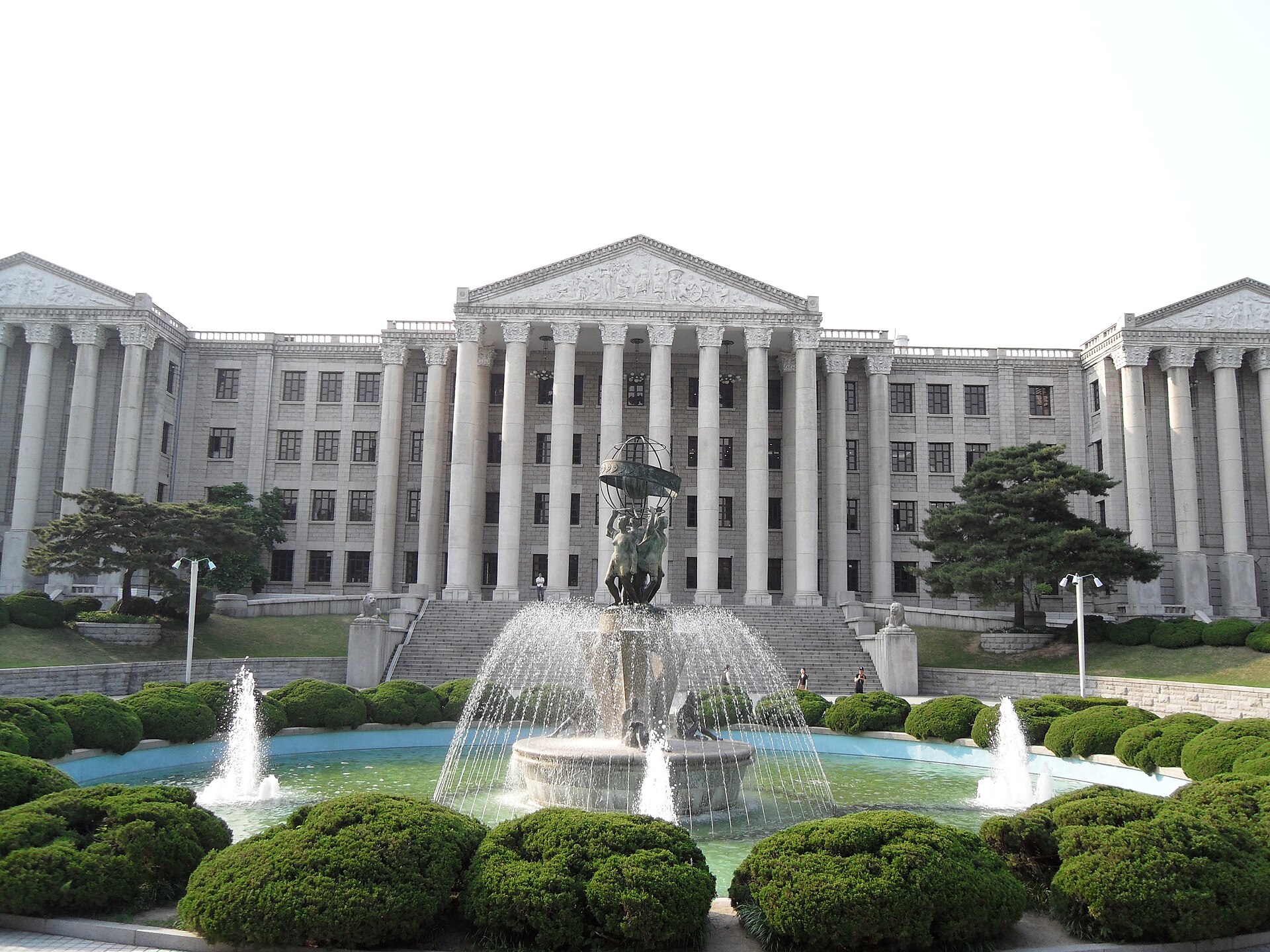
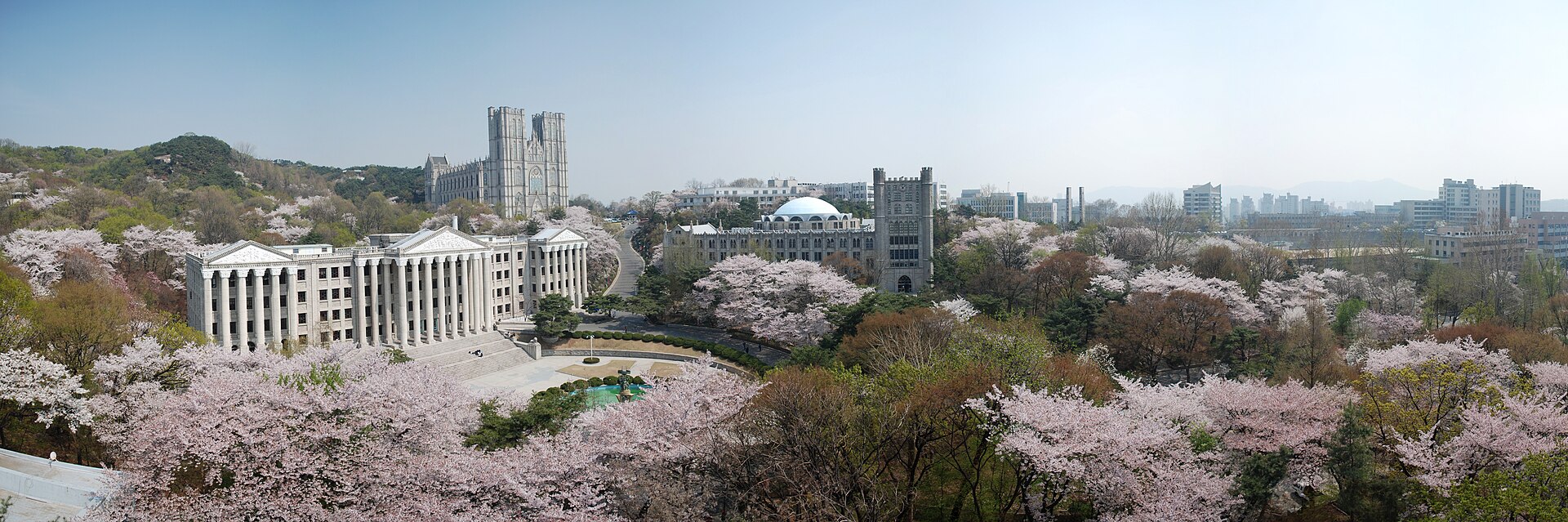
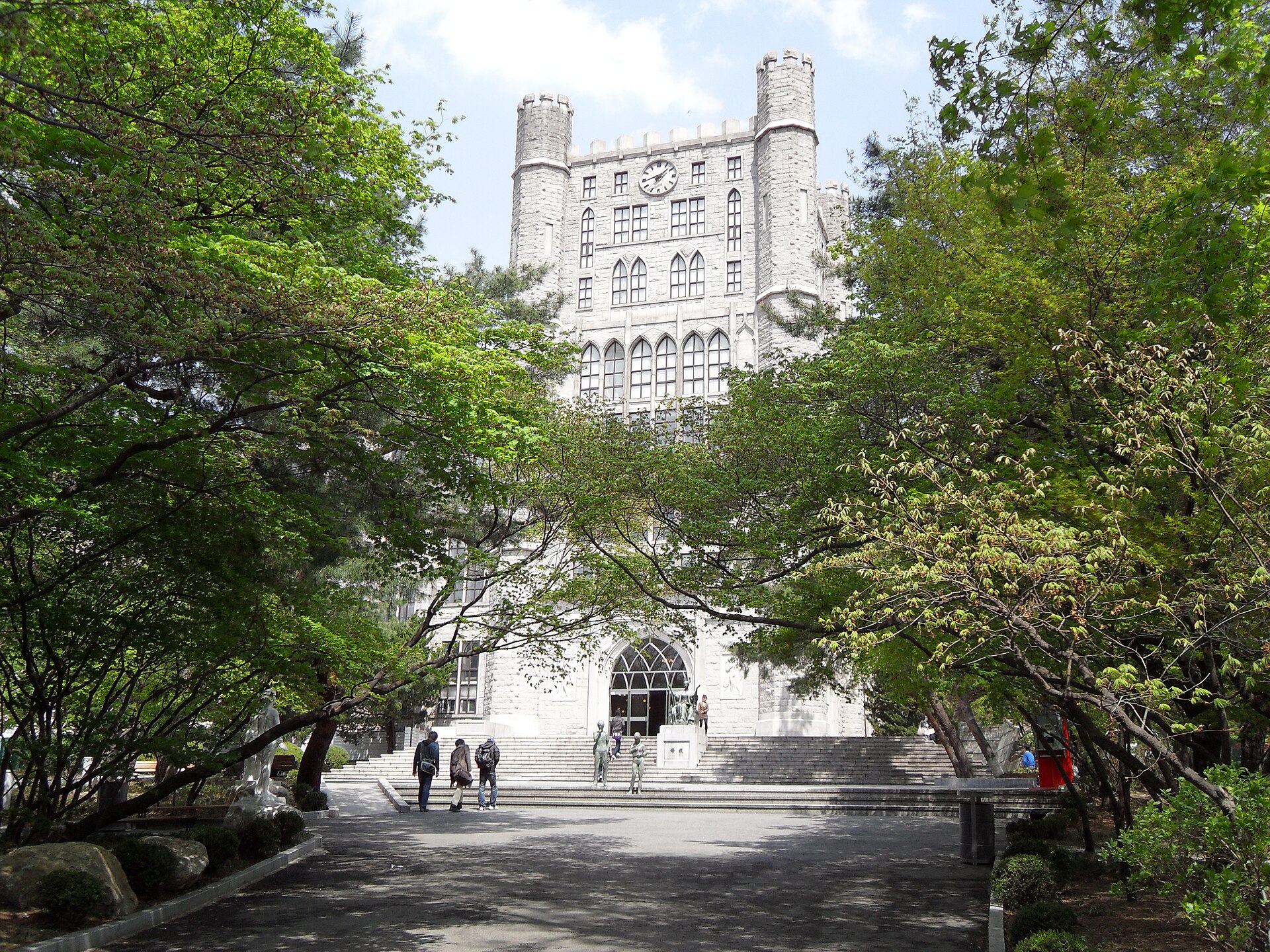
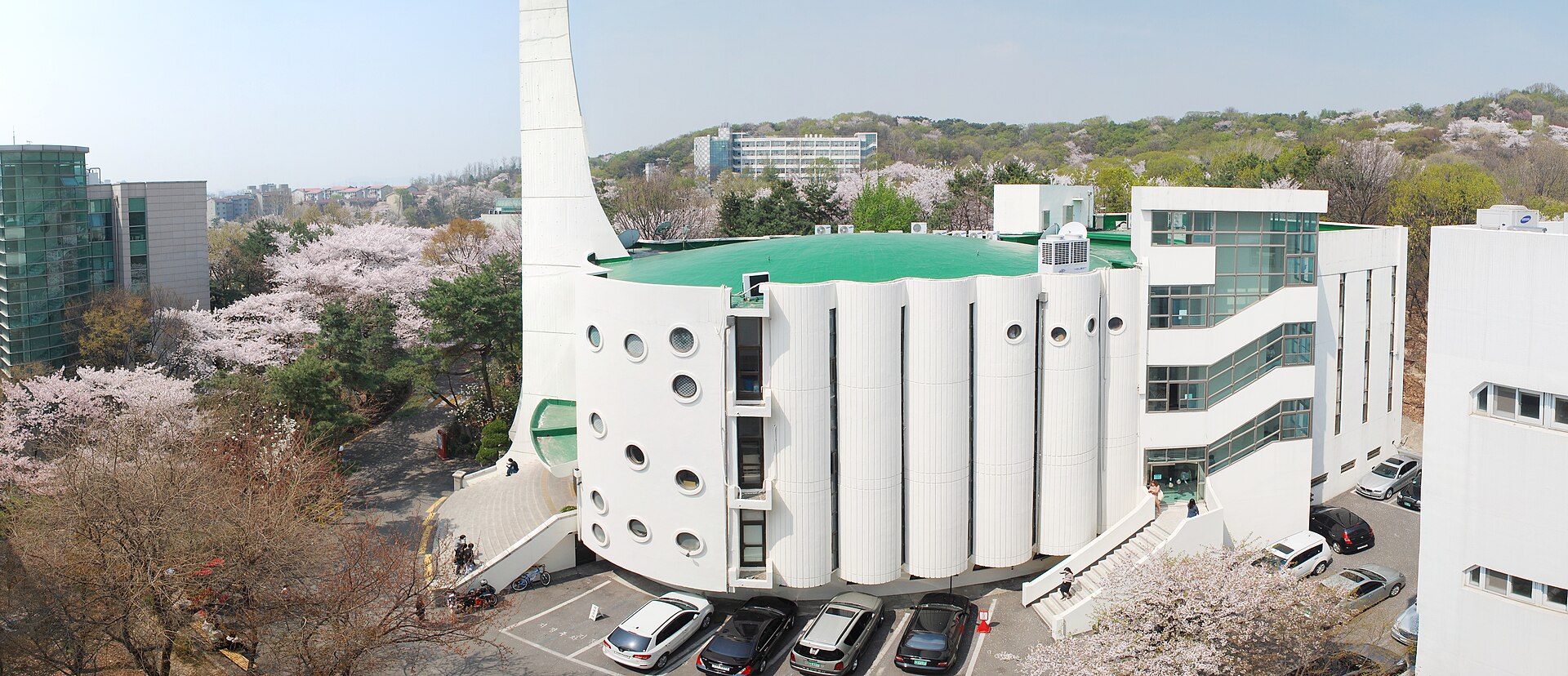
Kyung Hee University — campus in pictures
Real, freely-licensed photographs of the campus (via Wikimedia Commons).
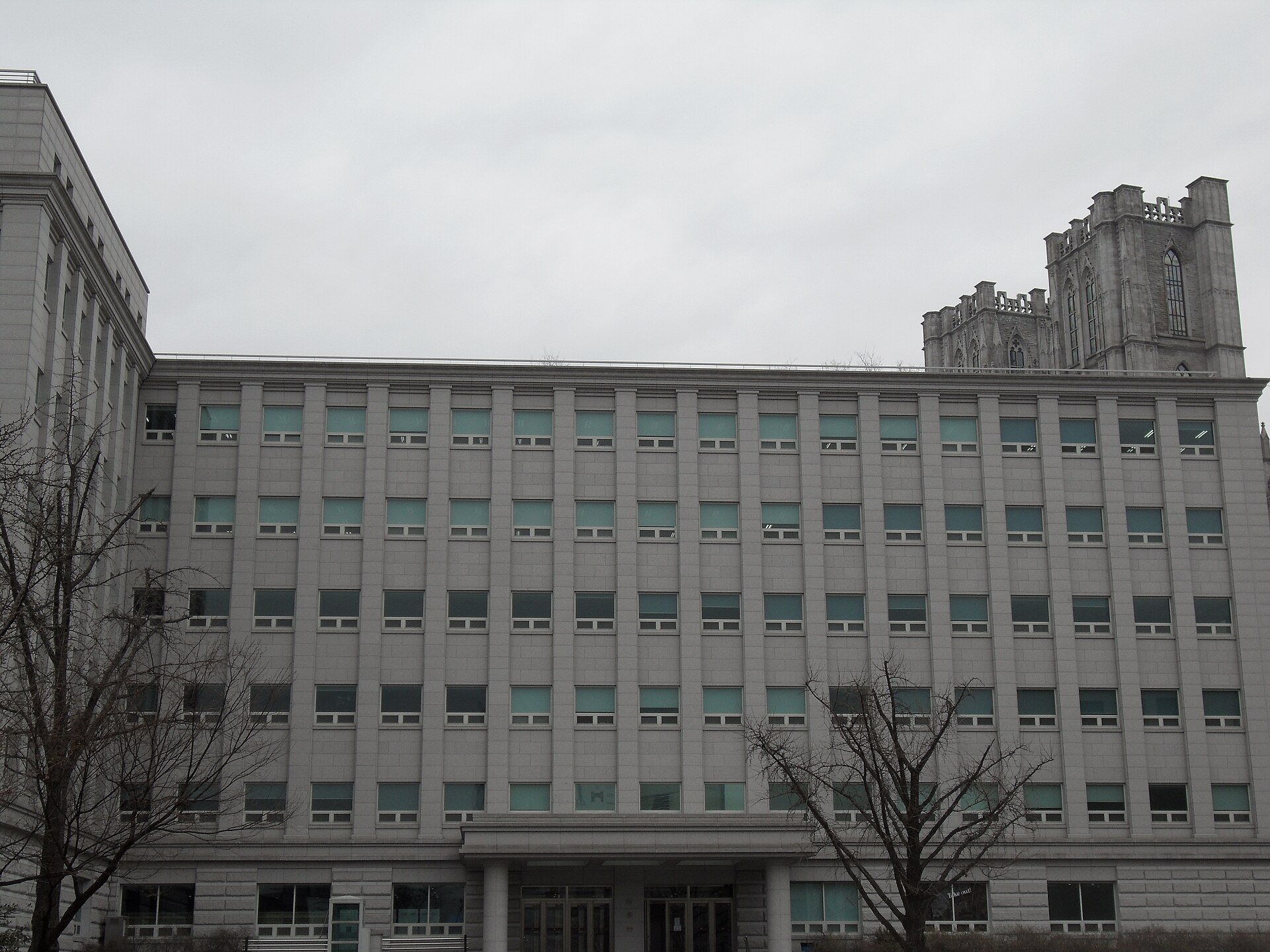
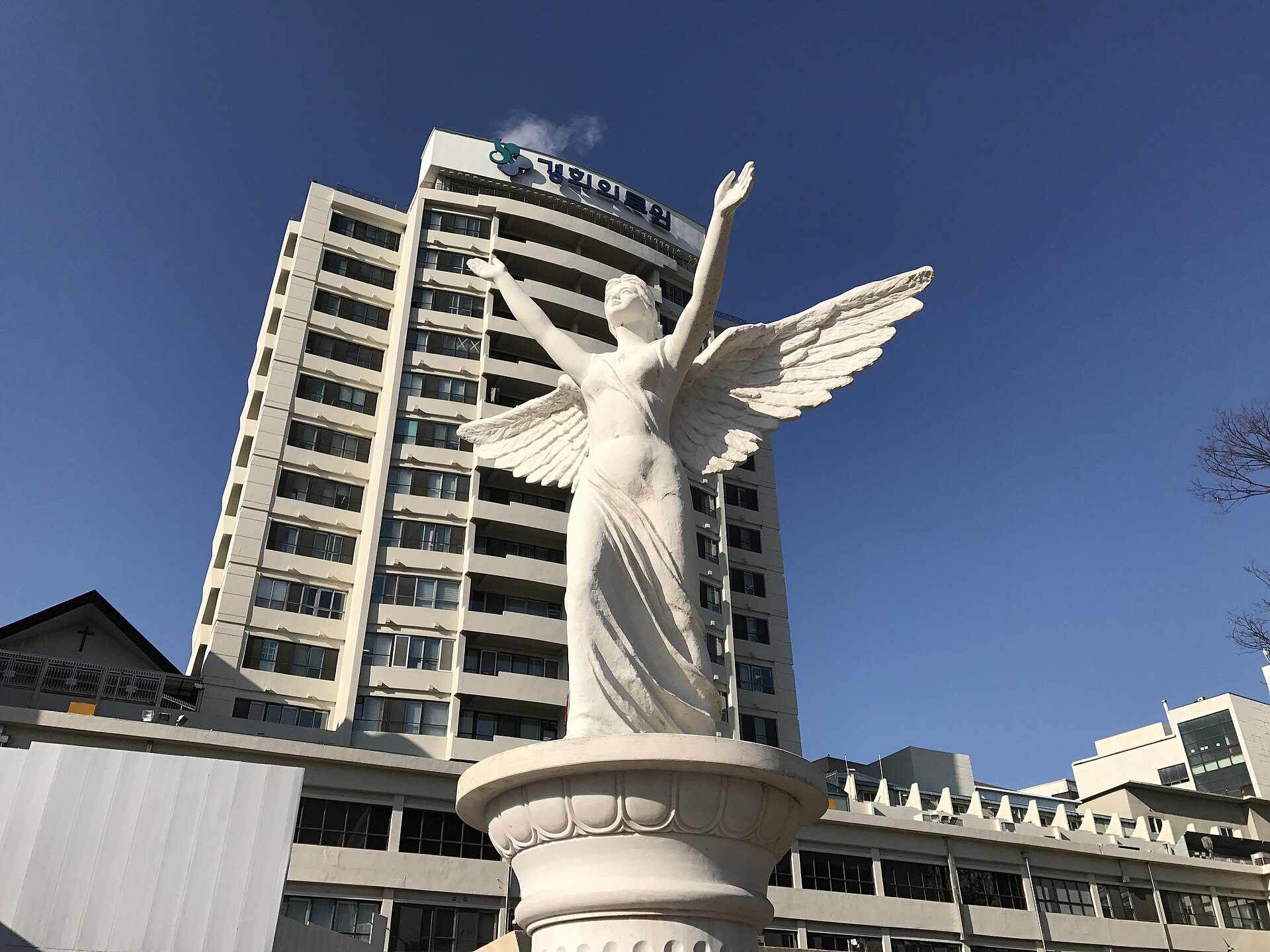
Why Kyung Hee University — Peace, Prestige & Unique Programmes
Kyung Hee offers a rare combination: a globally visible research university with deep Korean cultural identity, a vast international partnership network spanning 434 universities in 69 countries, and some of Asia's most recognised specialised programmes in medicine, hospitality, and international studies.
Kyung Hee Acceptance Rate & International Student Profile
Stats
Profile Stats
Rea Vs Rd
Kyung Hee Admissions Requirements — Academic Record, Language & Study Plan
- University minimum GPA is 2.8/4.0 equivalent
- Competitive programmes (Medicine, Dentistry, KM) expect significantly higher
- IB Diploma: reference band of 31+ points
- Transcripts must be officially translated into Korean or English
- IELTS Academic minimum: 5.5 (6.0+ preferred for competitive programmes)
- TOEFL iBT minimum: 80 (90+ preferred)
- Korean-medium programmes: TOPIK Level 3 or above
- SAT/ACT accepted as optional supporting evidence only
- Self-introduction and academic background narrative
- Specific motivation for Kyung Hee and your programme
- Study and research goals during your degree
- Post-graduation career plan in concrete terms
Kyung Hee Application Components — Portal, Documents & Study Plan
Kyung Hee uses its own direct application portal — not Common App, UCAS, or a coalition system. Below is every component of a complete international undergraduate application, with notes on what the admissions committee is actually looking for in each.
Kyung Hee Study Plan — Writing Your Application Statement
Tips
Prompts
What Kyung Hee Admissions Looks For in International Students
Kyung Hee's international student admissions process is structured and holistic but grade-first. Understanding the priority order — academic record, then language proficiency, then Study Plan — helps you allocate preparation time correctly.
Kyung Hee Financial Aid & Scholarships for International Students
At approximately $7,500 USD per year in tuition, Kyung Hee is one of the most cost-accessible globally-ranked private universities in Asia. Institutional scholarships average 30% tuition coverage; the GKS national scholarship can cover full costs for eligible students.
All figures are approximate USD equivalents based on KRW rates. Confirm current fees and scholarship terms with the Kyung Hee Admissions Office and the NIIED website for GKS.
Stats
Contribution Tiers
| Note | Range | Percent | Percent Value |
|---|---|---|---|
| Full GKS national scholarship — tuition + stipend covered | GKS Award | ~100% | 100 |
| KHU institutional scholarship + GKS partial | Institutional + Partial Aid | ~50-70% | 60 |
| KHU merit waiver only (avg 30%) | Merit Waiver Only | ~30% | 30 |
| No institutional aid — full tuition applies | No Aid | 0% | 0 |
Key Dates
Advantages
- More time to finalize documents, language scores, and Study Plan
- Larger cohort — more student life activity and peer network on arrival
- Matches most international school graduation calendars (May–June)
- Scholarship competition is typically spread across both intakes
Disadvantages
- One year longer before starting studies if applying too late for Fall
- Spring cohort is smaller — slightly different campus dynamic on arrival
- Some programmes may have reduced seats in Spring intake
- Spring starters miss the September orientation cycle
Kyung Hee Interview — When, How & Preparation
Not all Kyung Hee undergraduate international admissions include a formal interview. For most programmes, the application is document-based. However, certain competitive departments — particularly Korean Medicine, Medicine, and Dentistry — may include an interview as part of international student selection. Confirm with the specific department and the admissions office (admission@khu.ac.kr) whether an interview is required for your programme and intake year.
Meta
Questions
Kyung Hee Residential Life & Campus Housing
Kyung Hee does not operate a 'house system' in the Oxbridge or Yale sense. Residential life is organised by dormitory building, allocated by campus (Seoul or Global/Yongin) and application order. First-year international students are given priority for dormitory placement.
Houses
Lottery Steps
- Receive your admission letter and confirm enrolment
- Apply for dormitory housing through the International Students Support office — applications open shortly after admission
- Priority is given to first-year international students; early application is essential as spaces are competitive
- Seoul Campus dormitories: students in humanities, social sciences, hotel & tourism, and medicine tracks
- Global Campus dormitories (Yongin): students in engineering, science, and international college tracks
- Most dormitories offer double rooms; some single rooms are available at a premium
- Meal plans available on-site; optional but recommended for first-year students
Kyung Hee Colleges & International Programme Areas
- {"label":"Global hospitality ranking","value":"Top 50"}
- {"label":"Campuses","value":"Seoul"}
- {"label":"Programme tracks","value":"Hotel Mgmt, Tourism, Culinary Arts"}
- {"label":"Industry connections","value":"Marriott, IHG, Hyatt, Korean Air"}
- {"label":"Programme type","value":"6-year MD equivalent"}
- {"label":"Clinical training site","value":"Kyung Hee Medical Centre"}
- {"label":"Integration model","value":"Eastern + Western Medicine"}
- {"label":"International seats","value":"Very limited; highly competitive"}
- {"label":"Programmes","value":"Medicine, Dentistry, Nursing"}
- {"label":"Clinical affiliate","value":"Kyung Hee University Hospital"}
- {"label":"Programme duration","value":"6 years (Medicine/Dentistry)"}
- {"label":"International note","value":"Verify home-country licensing eligibility"}
- {"label":"Key programmes","value":"Business Admin, Economics, Finance"}
- {"label":"English-taught tracks","value":"Available (confirm per programme)"}
- {"label":"Corporate connections","value":"Samsung, LG, Hyundai affiliates"}
- {"label":"Exchange partners","value":"434 universities in 69 countries"}
- {"label":"Key programmes","value":"Int'l Studies, Political Science, Law"}
- {"label":"Signature heritage","value":"UN International Day of Peace (1981)"}
- {"label":"Languages of instruction","value":"English and Korean"}
- {"label":"UN affiliation","value":"Department of Public Information (DPI)"}
- {"label":"Key programmes","value":"Computer Eng., Mechanical Eng., Electronics"}
- {"label":"Campus","value":"Global Campus (Yongin)"}
- {"label":"Research institutes","value":"10+ affiliated research centres"}
- {"label":"Industry ties","value":"Korean tech sector, Samsung R&D affiliates"}
Research & Extracurricular Opportunities at Kyung Hee
Career Outcomes & Kyung Hee Alumni Network
Kyung Hee graduates benefit from strong employer recognition within South Korea and a growing reputation across Asia-Pacific. An 87% employment rate within 12 months of graduation reflects the practical orientation of programmes like Hotel & Tourism and the near-total professional licensing rates for medical graduates entering Korean practice.
Stats
Categories
Our Kyung Hee Admissions Track Record & Student Success Stories
Faqs
Can I apply to Kyung Hee if I haven't graduated from high school yet?+
Yes. Kyung Hee accepts applications from students in their final year of secondary school. Admission is conditional on final transcripts and graduation certificate. You will need a letter confirming expected graduation date from your school.
Do I need to know Korean to study at Kyung Hee?+
It depends on your programme. A growing number of programmes — particularly in International Studies, Business, Engineering, and Hotel & Tourism — offer English-medium or international tracks. Korean-medium programmes require TOPIK Level 3 or above. Confirm the language of instruction for your specific department before applying.
Is there a separate admissions process for international students?+
Yes. International students apply through a dedicated 외국인 전형 (international student track) via iadmission.khu.ac.kr. You are not competing directly with Korean domestic applicants, who use a different system (수능-based).
Is the GKS scholarship available at Kyung Hee?+
Yes. Kyung Hee is a designated partner for the Government of Korea Scholarship (GKS/KGSP), which covers full tuition, a monthly living stipend (~KRW 900,000+), one year of Korean language training, and round-trip airfare. Apply through the Korean Embassy in your home country or directly via NIIED (niied.go.kr).
How competitive is Medicine or Korean Medicine for international students?+
These are among the most competitive programmes at Kyung Hee. International seats are very limited, and academic expectations are well above the 2.8/4.0 minimum. A strong academic record, credible motivation rooted in genuine knowledge of the field, and an exceptionally well-crafted Study Plan are all essential. Also verify that a Kyung Hee medical degree is recognised for professional licensing in your home country before applying.
Which campus will I be at — Seoul or Yongin?+
Your campus depends on your programme. Hotel & Tourism, Medicine, Korean Medicine, and most humanities programmes are based at the Seoul Campus (Dongdaemun-gu). Engineering, science, and International Studies programmes are primarily at the Global Campus in Yongin. Confirm with the department before applying.
Can international students work part-time in South Korea?+
D-2 visa holders are typically permitted to work part-time (up to 20 hours per week during semesters) with a campus employment permit. This is subject to visa conditions and academic standing. Confirm current regulations with the Korean Immigration Service.
What visa do I need?+
International degree students require a D-2 (Student) visa, issued after you receive an admission letter and enrolment confirmation. Kyung Hee's ISSS (Division of International Students and Scholar Services) provides detailed visa guidance post-admission. The D-10 job-seeker visa is available after graduation for those wishing to seek employment in Korea.
Book a Free Kyung Hee Admissions Strategy Session
In 60 minutes our Korea admissions specialists will evaluate your academic profile against your target programme, identify gaps in your language certification and documents, develop your Study Plan strategy, and advise on scholarship applications including GKS.
- No commitment required
- Korea admissions specialists with direct experience
- Personalised Study Plan and document strategy
Kyung Hee Academic Requirements
Kyung Hee Academic Standards — The Honest Picture for International Students
What academic profile does Kyung Hee's international student admissions track actually require? How are IB, A-Level, and other international qualifications read? And what makes the difference between an offer and a rejection when grades are borderline?
GPA & Academic Record
Kyung Hee and GPA — What the Requirements Actually Mean
The honest picture: Kyung Hee publishes a minimum GPA of 2.8/4.0 for most undergraduate programmes. In practice, competitive programmes — Hotel & Tourism, Business, Engineering — expect 3.3+ from strong international applicants. Medical tracks (Medicine, Dentistry, Korean Medicine) are considerably more demanding.
A 2.8 GPA is a floor, not a target. The admissions committee is looking for the strongest applicants within each intake pool — which means that in a competitive cycle, the effective bar rises above the published minimum. A strong Study Plan and language certification can contextualise a borderline grade profile, but cannot replace genuine academic preparation.
Academic Context
How Kyung Hee Reads Your Academic Record in Context
Kyung Hee's admissions office is experienced in reading applications from over 69 countries. Academic performance is always evaluated with reference to the applicant's specific school, country, and curriculum — not against a universal absolute benchmark.
SAT at Kyung Hee
SAT at Kyung Hee — What Role It Actually Plays
SAT at Kyung Hee — Optional Supporting Evidence Only
| Label | Score | Percent |
|---|---|---|
| SAT required? | No | 0 |
| SAT accepted as optional evidence? | Yes | 50 |
| Published SAT minimum or band? | None | 0 |
ACT at Kyung Hee
ACT Scores at Kyung Hee — The Honest Picture
ACT at Kyung Hee — Optional, No Published Target
Metrics
Comparison Cards
Test Policy
Kyung Hee Test-Optional Policy — What It Means in Practice
Kyung Hee operates a test-optional policy for international undergraduate applicants. SAT and ACT scores are accepted as supplementary evidence but are not required. The university's primary academic document is your high school transcript.
Submit Items
Withhold Items
International Qualifications
IB, A-Level & Other International Qualifications at Kyung Hee — Benchmarks
- {"label":"Reference benchmark","value":"31+ points (facts file)"}
- {"label":"Competitive programme expectation","value":"33–36+ for non-medical tracks"}
- {"label":"HL subjects","value":"Relevant HLs in your intended field strengthen the application"}
- {"label":"Extended Essay","value":"Noted positively; demonstrates independent research"}
- {"label":"Standard expectation","value":"2–3 A-Levels"}
- {"label":"Competitive range","value":"ABB–AAA (programme-dependent)"}
- {"label":"Systems recognised","value":"Cambridge International, Edexcel, OCR"}
- {"label":"AS results","value":"Reviewed alongside predicted A-Level grades"}
AP Courses & Scores
AP Courses at Kyung Hee — Role and Strategic Value
AP courses and scores are accepted as supplementary academic evidence at Kyung Hee. They are not required, and no minimum score or course count is published. For US-curriculum students, AP results can strengthen the application by demonstrating depth in relevant subject areas.
Academic Rigour
Rigour of Your Secondary School Record — What Kyung Hee Looks For
Kyung Hee evaluates 'rigour of secondary school record' as part of its holistic academic assessment. The definition of rigour is relative to what was available to you in your specific school and country context — not to an absolute global standard.
Taking the most challenging courses available to you in your specific curriculum and school — in subjects relevant to your intended programme.
Subject Preparation
Subject-Area Preparation — What Each Programme Expects
Kyung Hee has no universal formal prerequisites for admission. However, competitive programme areas have implicit subject expectations that a strong applicant's academic record will demonstrate.
Language Proficiency
English & Korean Language Requirements at Kyung Hee
English language proficiency is a hard requirement for English-medium programme applicants. Kyung Hee publishes minimum IELTS and TOEFL scores; meeting the minimum is a threshold, not a competitive differentiator.
The IELTS/TOEFL minimum is a gate, not a target. For competitive programmes like Hotel & Tourism or Business, applicants with IELTS 6.5+ or TOEFL 90+ are more compelling. If your language score is at the minimum (IELTS 5.5 / TOEFL 80), it does not immediately disqualify you — but it does not strengthen your file either. Invest in a higher score if you are in a competitive programme pool.
By Programme
Academic Expectations by Programme — Kyung Hee College by College
Kyung Hee admits students to specific colleges and programmes — not to the university broadly. Your programme choice determines the academic expectations you will be held to.
| Signals | Expectation | Concentration |
|---|---|---|
| Hospitality work experience; strong English; business/economics coursework | Strong academic record; IELTS 6.5+ / TOEFL 90+ | Hotel & Tourism Management |
| HL Biology + Chemistry; clinical observation; research interest | High GPA; strong sciences; credible Study Plan motivation | Medicine / Dentistry |
| Eastern medicine background; credible integrative medicine rationale | Strong sciences; deep knowledge of Korean Medicine philosophy | Korean Medicine |
| HL Maths; CS coursework or competitions; coding projects | Strong Maths and Physics; HL/A-Level Sciences | Computer Engineering |
| Geopolitics awareness; humanities breadth; peace/international affairs interest | Strong humanities GPA; IELTS 6.0+ / TOEFL 85+ | International Studies |
| Economics; leadership; Korea business awareness | Strong broad academic record; English proficiency | Business Administration |
| Portfolio; media projects; strong English writing | Good academic record; evidence of media interest | Media & Communication |
International Curricula
How Kyung Hee Evaluates International Curricula — System by System
Preparation Roadmap
Building an Academic Profile for Kyung Hee — What to Do at Each Stage
- Prioritise Maths and Sciences if targeting engineering or medical programmes; build humanities breadth for international studies or business.
- Begin researching Kyung Hee's specific colleges — read the English-language programme pages at khu.ac.kr.
- Consider starting introductory Korean language study — basic vocabulary makes campus life significantly more accessible.
- Explore the Korean Government Scholarship (GKS) eligibility criteria to understand age and GPA requirements early.
- IB subject and level selection: choose HLs that reflect genuine intellectual strengths in subjects relevant to your intended Kyung Hee programme.
- A-Level subject combination finalised — prioritise depth over breadth in programme-relevant subjects.
- Sit IELTS or TOEFL for the first time. Aim above minimum: IELTS 6.5+ or TOEFL 90+ for competitive programmes.
- Begin a first draft of your Study Plan narrative. Why Kyung Hee? Why this programme? What specific aspect of the curriculum or the Korean academic environment draws you?
- Pursue relevant extracurricular experience: hospitality internship for Hotel & Tourism, clinical volunteering for medical tracks, coding projects for Engineering.
- If targeting Korean-medium programmes: begin TOPIK preparation. Level 3 is the minimum; Level 4 is a stronger position.
- Research the GKS application process and begin gathering required documents for the scholarship application (which has its own separate deadline via Korean Embassies).
- Refine your Study Plan with specific Kyung Hee details — named courses, research centres, or programme-specific strengths.
- Obtain official transcripts and graduation certificate; get them officially translated and apostilled as required by your country.
- Final IELTS/TOEFL sitting if needed.
- Submit application through UwayApply during the appropriate intake window (Fall: April–June; Spring: October–November).
- Submit GKS application through Korean Embassy simultaneously (deadlines often fall in February–March for the following academic year).
Common Pitfalls
Academic Mistakes That Cost Kyung Hee Applications — And How to Avoid Them
Real Outcomes
What Academic Profiles Tychr's Kyung Hee-Admitted Students Had
The following profiles represent the academic backgrounds of students Tychr has supported through successful Kyung Hee admissions applications. They illustrate the range of preparation that works across different programme areas.
Faqs
What GPA do I actually need for Kyung Hee?+
The university minimum is 2.8/4.0 equivalent. However, competitive programmes expect significantly more in practice. For Hotel & Tourism and Business, a 3.3+ GPA from a strong curriculum is a more realistic competitive floor. For medical tracks, even higher.
What IB score do I need for Kyung Hee?+
The reference IB band in the university facts file is 31+ points. For competitive non-medical programmes, 33–36 is a more realistic expectation. For medical tracks, expect the bar to be higher. Higher Level subject grades in your target field matter alongside the total.
Do I need to take the SAT or ACT for Kyung Hee?+
No. SAT and ACT are optional supporting evidence. The primary academic document is your high school transcript. Invest your preparation time in IELTS/TOEFL and your Study Plan — these have far greater impact on your application.
Is IELTS or TOEFL required?+
Yes. IELTS (minimum 5.5) or TOEFL iBT (minimum 80) is required for English-medium programme applicants. These are hard requirements, not optional. Plan to sit your language test no later than 3 months before the application deadline.
Do international students compete with Korean domestic applicants for places?+
Yes. Domestic applicants use the Korean university entrance examination (수능) system, which is entirely separate. International students apply through a dedicated track (iadmission.khu.ac.kr) that does not involve the 수능 at all.
Cost & Financial Aid
Kyung Hee May Cost Significantly Less Than You Think — Here's the Full Picture.
At approximately $7,500 USD per year in tuition, Kyung Hee is one of the most cost-accessible globally-ranked private research universities in Asia. With institutional scholarships and the Government of Korea Scholarship, the real net cost can be dramatically lower — or zero.
Cost Transparency
What Kyung Hee Actually Costs — The Full Annual Figure
All figures are approximate USD equivalents. Actual costs in KRW vary by college (medical/dental programmes carry higher fees), accommodation type, and individual lifestyle. Confirm current fees in KRW on iadmission.khu.ac.kr.
At approximately $18,200 USD total cost of attendance, Kyung Hee is roughly one-third the annual cost of a comparable private university in the United States, and below the equivalent cost at most Russell Group universities in the UK. Seoul is a major world city — but day-to-day costs are considerably more manageable than London, New York, or Sydney.
Aid Policy
Kyung Hee Financial Aid Policy — What International Students Need to Know
Kyung Hee does not operate a need-blind admissions system for international students comparable to Harvard, Princeton, or MIT. Aid is primarily merit-based — tuition waivers awarded based on academic achievement rather than family financial circumstances. The most significant financial support available to international students is the Government of Korea Scholarship (GKS), a national programme that is independent of the institutional admissions process.
Institutional Context
Why Kyung Hee Can Be Surprisingly Affordable — Context and Strategy
Aid Application Process
Applying for Financial Aid at Kyung Hee — Step by Step
Financial aid at Kyung Hee requires proactive action — institutional scholarships may be awarded automatically upon admission, but the GKS requires a separate application with its own earlier deadline.
- Confirm age eligibility (typically under 25 for undergraduate GKS)
- Confirm GPA eligibility (typically 2.8/4.0 or above)
- Confirm you do not hold Korean citizenship or a prior Korean degree
- Visit niied.go.kr for current guidelines
- Locate the Korean Embassy or diplomatic mission in your home country
- Obtain the current GKS application form and guidelines from the Embassy
- Prepare required GKS documents: transcripts, GPA certificate, language scores, motivation letter, reference letters
- Submit by the Embassy deadline (typically February–March for the following academic year)
- Submit your undergraduate application through iadmission.khu.ac.kr
- On the application, indicate Kyung Hee as your first-choice institution (relevant to GKS university track applications)
- Enquire explicitly at admission@khu.ac.kr about which institutional scholarships you will be automatically considered for
- GKS results are typically announced in May–June for September intake
- Kyung Hee institutional scholarship decisions come with or shortly after the admission offer
- Review the combined package before confirming enrolment
- Contact admission@khu.ac.kr to ask about any additional scholarship windows
- Research home-country government scholarships for Korean study
- Confirm D-2 visa part-time work eligibility for supplementary income
- Plan living budget in KRW using current exchange rate forecasts
International Student Aid
Financial Aid for International Students at Kyung Hee — The Two Pathways
International students at Kyung Hee have access to two distinct funding pathways: institutional merit scholarships awarded by Kyung Hee itself, and the Government of Korea Scholarship (GKS) administered by NIIED. Understanding the difference — and applying for both — is the most effective financial strategy.
Aid Estimates
What Aid at Kyung Hee Actually Looks Like — Illustrative Scenarios
Kyung Hee Financial Aid by Scenario (Approximate USD)
Figures are approximate USD equivalents based on published data and typical GKS award levels. Actual aid depends on individual assessment. GKS monthly stipend is quoted in KRW; convert at current exchange rates. Confirm current institutional scholarship amounts with admission@khu.ac.kr.
For GKS recipients, Kyung Hee is effectively free plus a monthly stipend. For institutional scholarship recipients, the annual tuition bill drops to approximately $5,250. For students without any scholarship, the total annual cost is approximately $18,200 — still well below comparable institutions in the anglophone world.
| Grant | Income | Contribution |
|---|---|---|
| Full tuition + ~KRW 900,000/month stipend + airfare | GKS Award (merit-based; income not the primary criterion) | ~$0 tuition; stipend covers much of living cost |
| ~30% of annual tuition (~$2,250 off $7,500) | KHU Institutional Merit Scholarship (average award) | ~$5,250 tuition + full living costs |
| No institutional aid | Applicant without scholarship | Full tuition $7,500 + living costs (~$10,700) |
Table Headers
Merit vs. Need Aid
Scholarships at Kyung Hee — What Exists and Who Qualifies
Kyung Hee's institutional aid model is merit-based. The university does not publish a formal need-based grant programme for international students equivalent to those at leading US universities. If your primary concern is financial access regardless of academic merit, the GKS national scholarship is the most appropriate pathway to explore first.
External Funding
External Scholarships for Kyung Hee Students — Additional Funding Sources
Beyond Kyung Hee's institutional programmes and the Korean government's GKS, a range of external scholarship sources may be available depending on your country of origin, intended field, and background. These can supplement or — in some cases — replace institutional funding.
Loan Policy
Student Loans at Kyung Hee — What Is and Isn't Available to International Students
Kyung Hee University does not operate an institutional student loan programme for international students. There is no equivalent to the US federal student loan system or UK student finance loans for international degree students in Korea. Financial planning for a Kyung Hee degree is primarily a self-funded exercise, supplemented by scholarships.
Part-Time Work & Campus Employment
Working While Studying at Kyung Hee — What International Students Need to Know
Kyung Hee does not operate a formal US-style 'work-study' programme where campus employment is embedded within a financial aid package. However, D-2 visa holders have broad rights to work part-time in South Korea, and many Kyung Hee international students supplement their income through on-campus and off-campus employment.
- International Student Ambassador roles in the admissions and ISSS offices
- Language exchange tutoring (Korean-English pairs; typically KRW 20,000–30,000 per hour)
- Research assistant positions in faculty labs (especially in STEM, Medicine, and Social Sciences)
- Campus café, library, and administrative support roles
- Translation and interpretation support for university events
- English conversation class assistants for Korean students
Global Comparison
Kyung Hee vs. Global Alternatives — Financial Aid Comparison
| Policy | School | No Loans | Typical Cost |
|---|---|---|---|
| Merit-based waivers; GKS national scholarship available | Kyung Hee University (South Korea) | N/A (no student loan system for internationals) | $7,500–$18,200/yr (full cost); near-zero with GKS |
| Need-blind, full-need, no loans | Harvard University (US) | Yes (no-loan policy) | $0 for families under $85K; scales up |
| Need-aware; limited international aid | UK Russell Group (typical) | No | £25,000–£35,000/yr tuition + living |
| HECS-HELP domestic only; full fees for internationals | Australian Group of 8 (typical) | No (for internationals) | AUD $35,000–$50,000/yr |
| Merit scholarships; GKS available | Yonsei University (South Korea) | N/A | Similar to Kyung Hee; GKS applicable |
| Merit scholarships; GKS available | KAIST / POSTECH (South Korea) | N/A | Very low tuition; GKS applicable; STEM-focused |
Real Cost Analysis
What You Actually Pay — Kyung Hee vs. Global Alternatives
With full GKS scholarship coverage, a Kyung Hee education costs less than a single year at a US private university without financial aid. Even without scholarships, the $72,000–$75,000 total four-year cost is roughly one-fifth of the sticker price at a comparable US private institution.
| Policy | School | Contribution | Four Year Cost |
|---|---|---|---|
| With full GKS scholarship | Kyung Hee University | ~$0 tuition + monthly stipend | ~$0 (stipend offsets most living costs) |
| With 30% institutional merit waiver only | Kyung Hee University | ~$5,250/yr tuition + living | ~$61,000–$65,000 |
| No scholarship | Kyung Hee University | ~$7,500/yr tuition + living | ~$72,000–$75,000 |
| Need-blind, full-need grant for qualifying families | Harvard University | ~$0 (family income under $85K) | ~$0 |
| Full international fees | UK Russell Group (London) | £25,000–£35,000/yr | £100,000–£140,000 |
| Full international fees | Australian Go8 University | AUD $35,000–$50,000/yr | AUD $140,000–$200,000 |
Scholarship Appeals
Appealing or Requesting Additional Aid at Kyung Hee — What Is Possible
Kyung Hee does not publish a formal financial aid appeals process equivalent to US universities. However, if your institutional scholarship offer does not reflect a change in circumstances or an error in assessment, the appropriate channel is direct communication with the admissions and financial support office.
The honest note: Kyung Hee's merit scholarship process is less flexible and transparent than the US financial aid appeal process. The most effective approach is to ensure your application presents your strongest possible academic profile and to apply for GKS in parallel — rather than relying on an appeals process after the fact.
How To Appeal
- Contact the Kyung Hee International Student Admissions Office (admission@khu.ac.kr) directly
- Explain the specific circumstance: a change in family financial situation, an error in the initial assessment, or additional academic merit documentation not included in the original application
- Provide documentation as evidence (income statement, corrected transcript, additional award certificate)
- Request a review of your scholarship eligibility in writing
When To Appeal
- Your family financial situation has changed significantly after application (job loss, medical emergency, other crisis)
- You received a significant external scholarship or award after application that changes your profile
- You believe your academic record was not fully captured in the initial assessment
- You have received a significantly more generous offer from a comparable Korean university and wish to enquire about matching
Financial Planning Timeline
Planning Your Kyung Hee Finances — What to Do and When
APPLICATION & STATEMENT
Your Application Statement at Kyung Hee Study Plan & Personal Statement Guide
Kyung Hee University is a South Korean institution with a direct application process — not a US Common App or UK UCAS system. There are no rotating supplemental essay prompts. The equivalent is your Study Plan (학업계획서), the most important written component of your application.
South Korean university applications do not involve US-style 'why us' supplements or UK UCAS personal statements. Instead, you submit a Study Plan document — sometimes called a Personal Statement or Self-Introduction Letter by Kyung Hee — explaining your academic background, reasons for choosing Kyung Hee and your chosen programme, and your goals after graduation. This is your single most important opportunity to advocate for your candidacy beyond your grades and language scores.
OVERVIEW
How the Written Application Works at Kyung Hee
Unlike UK or US systems, there is no public bank of rotating essay prompts. The Study Plan is a guided personal statement submitted as part of the online UwayApply application. It is institution-specific and must be tailored to Kyung Hee and your target department.
The application is submitted through Kyung Hee's designated portal (iadmission.khu.ac.kr / UwayApply). Within the application form, you will be asked to complete a personal statement section typically structured around: (1) self-introduction and academic background, (2) motivation for choosing Kyung Hee and the programme, (3) study plans and academic goals, and (4) post-graduation career goals. The university does not publish verbatim current-year prompt text externally — the fields appear within the application system itself. Treat each section seriously: this is not a bureaucratic formality.
Always verify the current document requirements and any changes to application form structure on the official admissions portal before submitting. Requirements can change between intake cycles.
STUDY PLAN STRUCTURE
The Study Plan — Structure & Strategic Guidance
The Study Plan typically covers four core areas. Since the prompts appear within the online application form (not published externally), the guidance below is based on the standard structure used by Korean universities for international student applications. Confirm the exact fields in the UwayApply portal when you open your application.
STRATEGY
How to Approach the Study Plan — Core Writing Strategy
The Study Plan is your equivalent of a US personal statement — but it is more structured, more goal-oriented, and less concerned with 'voice' in the literary sense. Korean admissions readers are looking for clarity, purpose, and evidence of genuine preparation.
Write in clear, precise English (or Korean if your proficiency is genuinely strong — TOPIK Level 4+). Avoid flowery or overly personal narrative openings — the Study Plan is read by an admissions committee that values directness, academic purpose, and evidence of preparation. Each section should be substantive but concise: 150–300 words per section is the right depth. Use specific details to demonstrate that you have actually researched the programme, the university, and the South Korean academic environment. Proofread rigorously — grammatical errors in a document from an applicant claiming English proficiency will undermine your IELTS/TOEFL score's credibility.
TIPS BY PROGRAMME
Programme-Specific Application Tips
The weight and focus of your Study Plan should be calibrated to your target programme. What convinces a Hotel & Tourism admissions reader is different from what convinces the Korean Medicine college.
APPROACH
How to Write a Compelling Study Plan — Five Principles
The most effective Study Plans share five characteristics: they are specific, honest, structured, forward-looking, and Korea-aware.
AVOID THESE MISTAKES
Common Study Plan Mistakes at Korean Universities
- Writing a generic personal statement that mentions no Kyung Hee-specific details — the committee will notice immediately.
- Opening with 'Since I was a child, I dreamed of studying in Korea' — this is a cliché that weakens your opening sentence.
- Treating the Study Plan as a CV summary. This is a narrative document, not a bullet-point list of your achievements.
- Inconsistency between your stated career goals and your programme choice — for example, claiming to want a career in finance while applying to Korean Medicine.
- Poor English grammar and spelling in a document submitted as evidence of English proficiency.
- Failing to explain why Korea specifically — the committee will wonder if you simply did not gain entry to a US or UK university.
- Using AI-generated language that sounds hollow and impersonal. Even if AI tools help you structure, the specific details and voice must be genuinely yours.
- Submitting the same Study Plan to multiple Korean universities without tailoring it — universities read many of the same applicants, and a non-Kyung-Hee-specific plan undermines your fit argument.
- Not verifying the exact Study Plan format and word limits within the UwayApply portal — requirements can change between cycles.
- Writing in an overly formal academic register that removes all personality — the Study Plan should be clear and direct, but it should still sound like a person, not a policy document.
FAQs
Study Plan & Application — Frequently Asked Questions
Is there a word limit for the Study Plan?+
The UwayApply system may impose character or word limits per field. These are specified within the application portal itself. If no limit is stated, treat 200–350 words per section as a practical guide — detailed enough to demonstrate substance, concise enough to be read in full.
Can I write the Study Plan in Korean?+
If your Korean proficiency is strong (TOPIK Level 4+), writing in Korean can demonstrate language integration and genuine commitment to studying in Korea. However, for English-taught programme applicants, English is expected and safer. When in doubt, write in English and have it proofread by a native speaker.
Is an interview required?+
Some departments and programmes at Kyung Hee may require an interview as part of international student admissions — particularly Korean Medicine, Medicine, and Dentistry. This is programme-dependent and may be conducted online. Confirm with the specific department and the admissions office at admission@khu.ac.kr.
Do I need a letter of recommendation?+
Recommendation letters are not universally required for undergraduate international admissions at Kyung Hee. Some graduate programmes and scholarship applications (particularly GKS) require them. Check the specific requirements for your programme in the application guidelines on iadmission.khu.ac.kr.
Can I see examples of successful Study Plans?+
Kyung Hee does not publish sample Study Plans. TYCHR counsellors can help you craft and review your Study Plan as part of your university application support — drawing on experience with successful Korean university applicants. Contact us through the booking form above.
What if my Study Plan is weak but my grades are very strong?+
A poor Study Plan is unlikely to block a very strong academic record for non-competitive programmes. But it can be a deciding factor when grades are borderline — and it is almost always a decisive factor for the most competitive programmes (Korean Medicine, Medicine, Dentistry, Hotel & Tourism at peak cycles). A well-written Study Plan signals that you are a prepared, committed international student who will thrive on campus.
Should I mention the GKS scholarship in my Study Plan?+
Not in the Study Plan itself — the Study Plan is an academic and personal motivation document. The GKS is a separate application process. If the GKS motivation letter asks about your choice of university, that is the appropriate place to reference Kyung Hee specifically.
How should I explain why I chose South Korea and Kyung Hee specifically?+
The strongest answers connect Korea-specific academic strengths to your career goals: Kyung Hee's Korean Medicine college for integrative medicine interests; the Hotel & Tourism programme's global ranking for hospitality careers; the peace-scholarship tradition for international affairs. Avoid leading with general K-culture enthusiasm — that is context, not a reason.
Courses — schools, degrees & intake
91 degrees across 23 groupings.
College of Humanities · 5 degrees
Korean Language and Literature
English Language and Literature
Applied English Interpretation & Translation
History
Philosophy
College of Law · 1 degrees
Law
College of Political Science & Economics · 7 degrees
Political Science & Diplomacy
Public Administration
Sociology
Media Studies
Economics
International Trade
International Commerce & Finance Investment
College of Business Administration · 3 degrees
Business Administration
Accounting & Taxation
Big Data Applications
College of Hotel & Tourism · 6 degrees
Hospitality Management
Culinary & Food Design
Tourism & Entertainment
Global Hospitality & Tourism
Cultural Tourism Industry
Culinary Industry
College of Science · 6 degrees
Mathematics
Physics
Chemistry
Biology
Geography
Future Information Display
College of Human Ecology · 4 degrees
Child & Family Studies
Housing & Environmental Design
Fashion & Textiles
Food & Nutrition
College of Medicine · 1 degrees
Medicine (MD)
College of Korean Medicine · 1 degrees
Korean Medicine (KMD)
College of Dentistry · 1 degrees
Dentistry (DDS)
College of Pharmacy · 3 degrees
Pharmacy
Oriental Pharmacy
Pharmaceutical Sciences
College of Nursing Science · 1 degrees
Nursing
College of Music · 3 degrees
Composition
Vocal Music
Instrumental Music
College of Fine Arts · 3 degrees
Korean Painting
Painting
Sculpture
College of Engineering (Global Campus) · 9 degrees
Mechanical Engineering
Industrial & Management Engineering
Nuclear Engineering
Chemical Engineering
New Materials Engineering
Civil Engineering
Architectural Engineering
Environmental Science & Engineering
Architecture
College of Electronics & Information (Global Campus) · 3 degrees
Electronics Engineering
Semiconductor Engineering
Biomedical Engineering
College of Software Convergence (Global Campus) · 3 degrees
Computer Engineering
Artificial Intelligence
Software Convergence
College of Applied Sciences (Global Campus) · 4 degrees
Applied Mathematics
Applied Physics
Applied Chemistry
Space Science
College of Life Sciences (Global Campus) · 7 degrees
Genetic Engineering
Food Biotechnology
Oriental Medicine Biotechnology
Plant & Environmental New Materials Engineering
Horticultural Biotechnology
Smart Farm Science
Convergence Bio & New Materials Engineering
College of International Studies (Global Campus) · 2 degrees
International Studies
Asian Studies
College of Foreign Languages (Global Campus) · 6 degrees
French Language & Culture
Spanish Language & Culture
Russian Language & Culture
Chinese Language & Culture
Japanese Language & Culture
Global Communication
College of Arts & Design (Global Campus) · 7 degrees
Industrial Design
Visual Design
Environmental & Landscape Design
Fashion Design
Digital Contents
Theater & Film
Ceramic Art
College of Sports Science (Global Campus) · 5 degrees
Physical Education
Sports Coaching
Sports Medicine
Golf Industry
Taekwondo
Want your real chances at Kyung Hee University?
Create a free TYCHR account for your personalised admit-chance, a shortlist you can track, exact entry requirements, and essay + counselling help.