Kyoto University
Kyoto, Japan · Urban
KYOTO UNIVERSITY ADMISSIONS GUIDE
Kyoto University — Japan's Premier Research University for International Students
Founded in 1897 and ranked #46 globally (QS 2025), Kyoto University is Japan's second-oldest national university and arguably its most intellectually distinctive. Known as the birthplace of more Nobel laureates than any other Asian university — 11 and counting — Kyoto prizes fundamental inquiry, academic freedom, and the kind of deep, unhurried scholarship that made Japanese physics and chemistry world-defining disciplines. For international students willing to engage seriously with a genuinely research-first environment, set in one of the world's most beautiful historic cities, Kyoto University offers something rare: elite global standing at a fraction of Western university costs.
Campus
Kyoto University — campus in pictures
Real, freely-licensed photographs of the campus (via Wikimedia Commons).
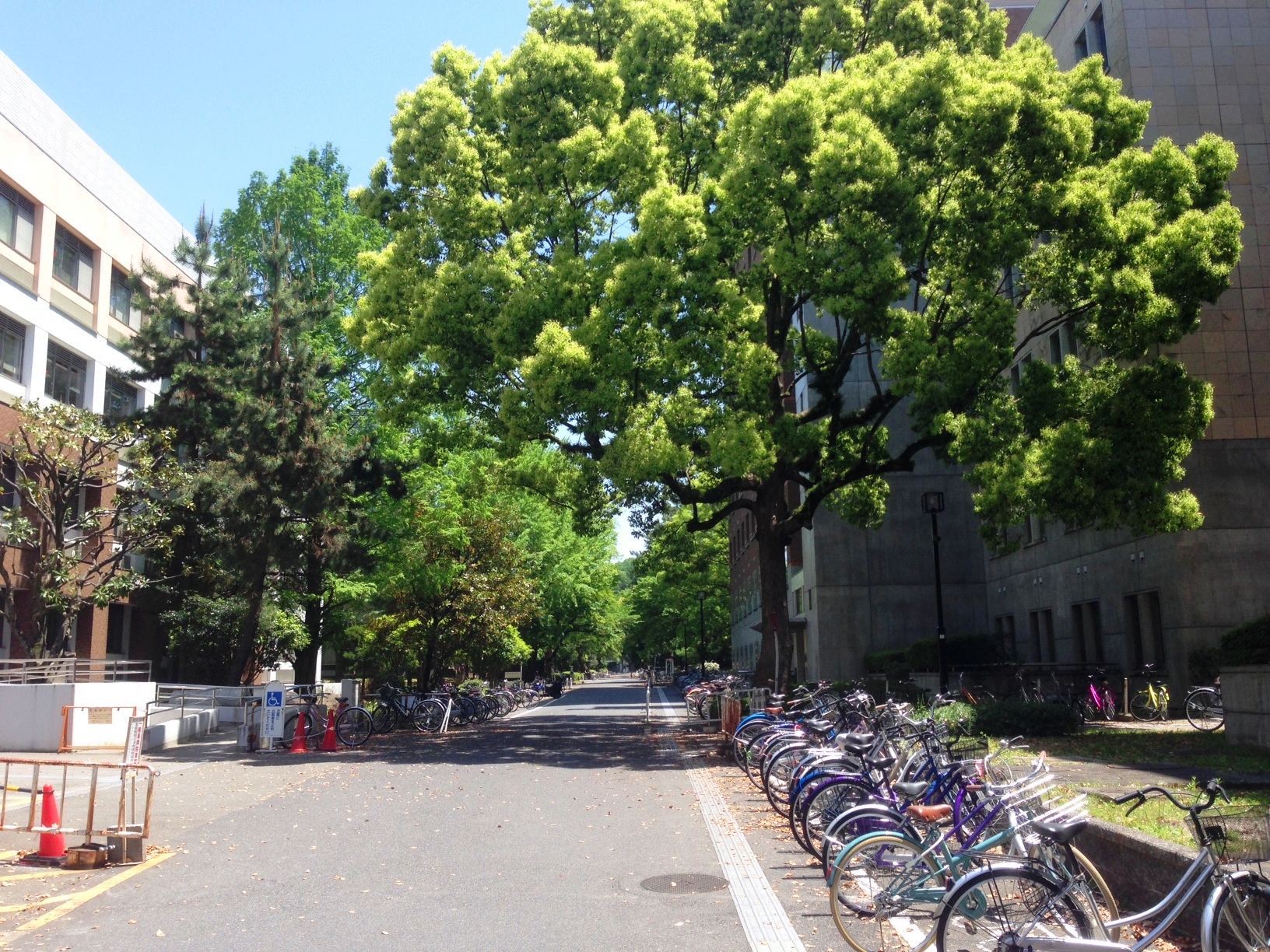

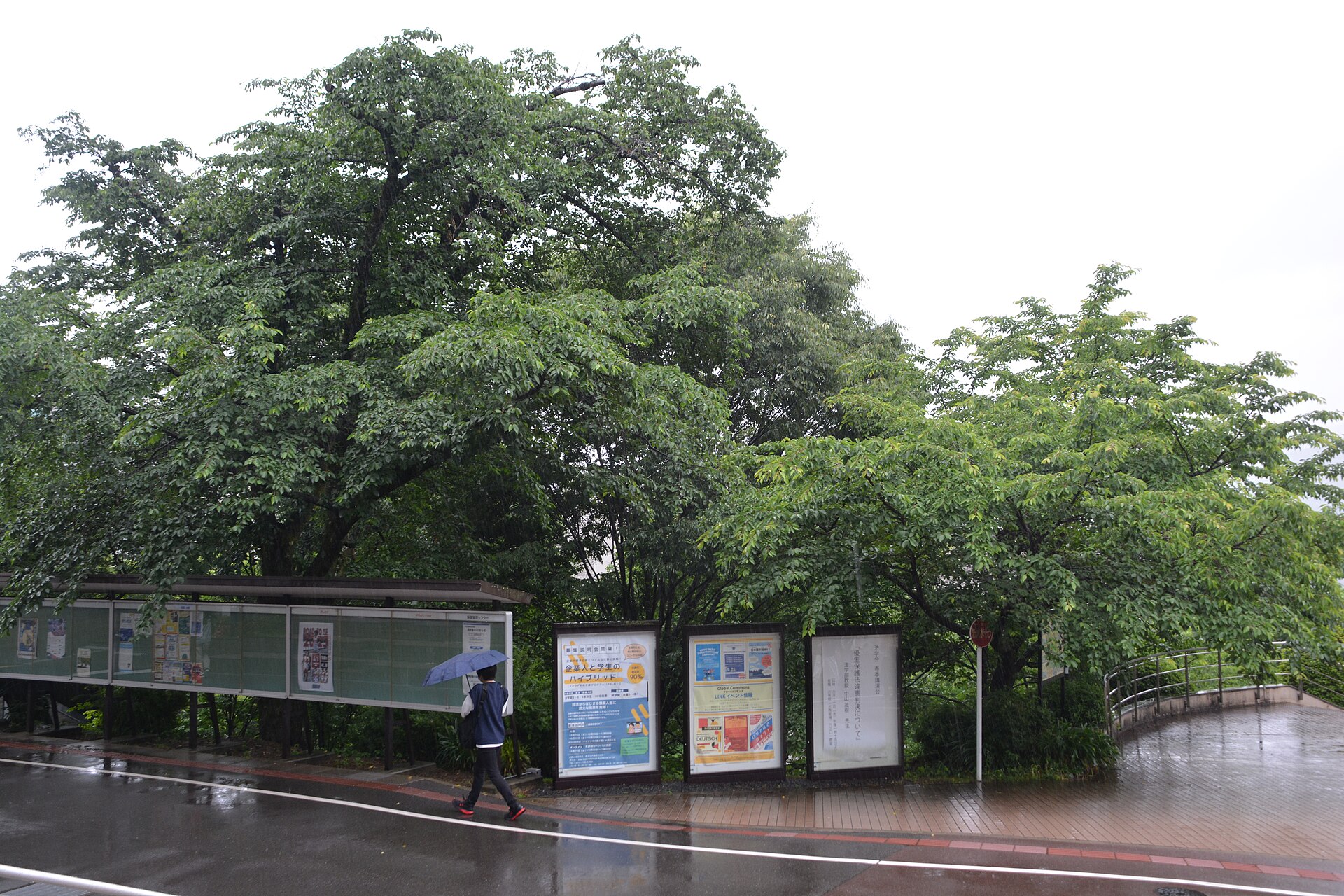


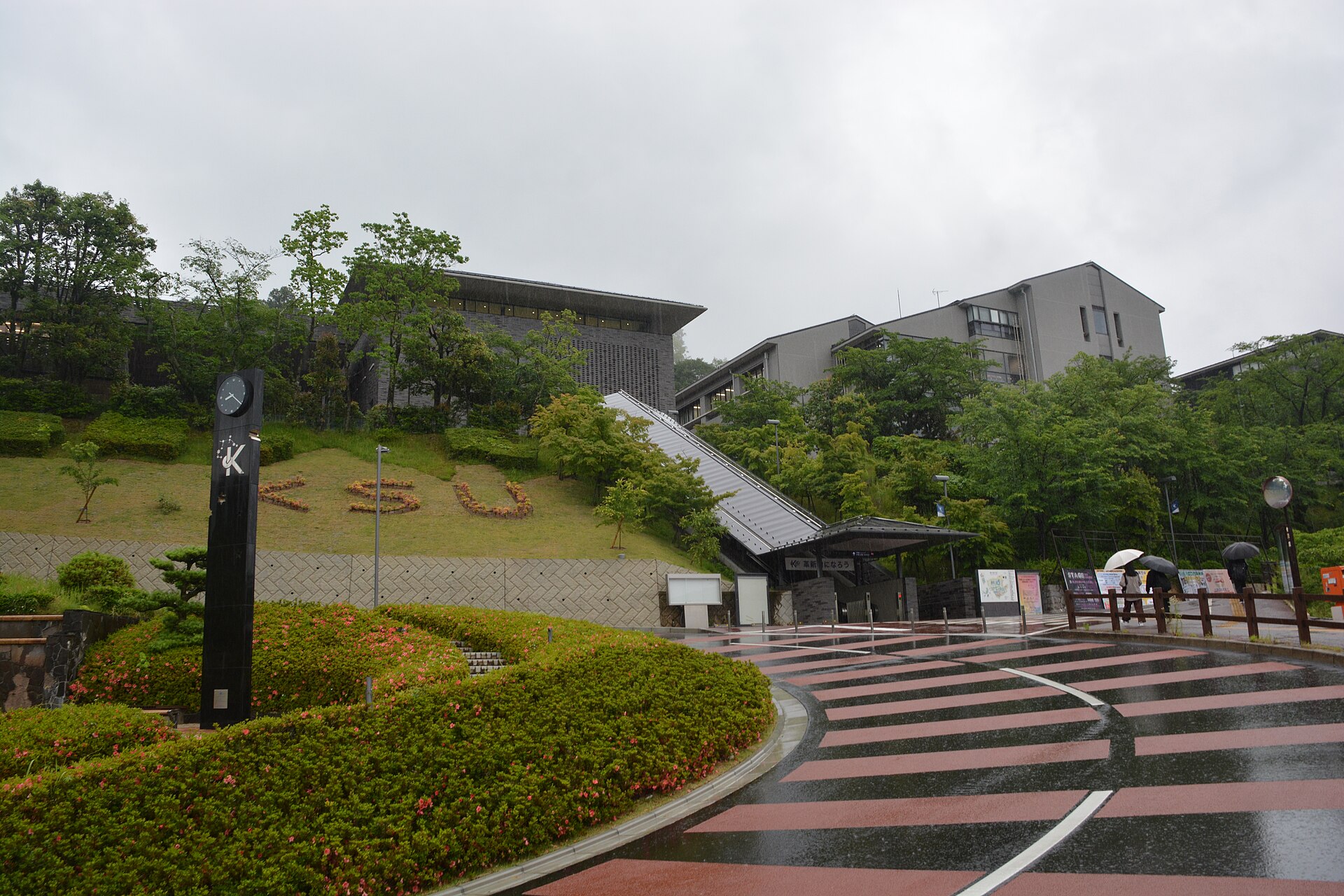
Why Kyoto University — Nobel Legacy, Research Depth & Historic Setting
Kyoto University is not simply Japan's second university by age; it is widely regarded as Japan's most independent-minded academic institution. Its culture of jiyū no gakufu (freedom of academic pursuits) has produced breakthroughs from iPS cells to theoretical physics. Here is why serious international researchers and scholars choose Kyoto.
SELECTIVITY
Kyoto University Acceptance Rate & Admissions Profile
Kyoto University is highly selective. The overall acceptance rate of 11% reflects admission across all faculties for both domestic and international students. For international applicants, selectivity in English-taught tracks is comparable: the Kyoto iUP admits a small cohort after a competitive two-stage process (document screening + online interview). The Civil Engineering International Course admits approximately 30 students per year globally. Do not mistake the accessible cost for reduced rigour — the academic bar is among the highest in Asia.
AT A GLANCE
Kyoto University — Quick Facts
APPLICATION COMPONENTS
What a Kyoto University International Application Consists Of
Kyoto University does not use Common App, UCAS, or any centralised portal. International students apply directly through programme-specific processes. The components vary significantly depending on which English-track you pursue.
ADMISSIONS PHILOSOPHY
What Kyoto University Looks For in International Applicants
Kyoto University's admissions philosophy is shaped by jiyū no gakufu — freedom of academic pursuits. Admissions committees are not selecting well-rounded achievers in the US sense. They are looking for students with a clear intellectual purpose, demonstrable academic preparation, and the genuine curiosity to thrive in a research-first university where independence and depth are expected from the start.
APPLICATION TIMELINE
Kyoto University Application Deadlines for International Students
Kyoto University operates on a Japanese academic calendar (April and October enrolments). International students applying to English-taught programmes should note the specific deadlines below. These are sourced from official programme pages and are subject to annual revision — always verify directly with the relevant admissions office.
These dates are from publicly available official sources and may change. Always confirm current deadlines at kyoto-u.ac.jp and iup.kyoto-u.ac.jp before applying.
| Programme | Application Window | Enrolment | Interview | Notes |
|---|---|---|---|---|
| Kyoto iUP | Nov 2 – Dec 3 (annually) | October (following year) | March (online) | 2027 enrollment cycle active now |
| Civil Engineering Int'l Course | Mid-January guidelines release | April | Online entrance examination | 30 students per year; verify on programme site |
| MEXT Scholarship (Embassy) | April–May (via embassy) | April or October | Embassy screening May–Aug | Apply through your national embassy |
| MEXT Scholarship (University) | Nov–Dec (via university) | Following academic year | University + MEXT screening | Nominated by university; highly competitive |
CAMPUS & CITY LIFE
Student Life at Kyoto University
Kyoto University's main Yoshida Campus sits in the northeast of Kyoto city, a ten-minute walk from Higashiyama — the preserved historic district of the former imperial capital. The Uji campus (engineering, energy, environment) and Katsura campus (advanced engineering) extend the university's geographic footprint, but most undergraduate life centres on Yoshida.
CAREER OUTCOMES
Career Outcomes and Graduate Paths from Kyoto University
A Kyoto University degree is among the most respected credentials in Japan and carries significant weight in Asian research, corporate, and academic circles. The employment rate of 95% reflects the university's standing in Japan's graduate recruitment ecosystem, where imperial university graduates are heavily sought by the country's top corporations and research institutions.
Stats
Cards
FREQUENTLY ASKED QUESTIONS
Kyoto University — FAQs for International Applicants
Do I need to speak Japanese to study at Kyoto University?+
It depends on the programme. For the Kyoto iUP and the Undergraduate Civil Engineering International Course, no prior Japanese is required for admission. However, for most other undergraduate programmes at Kyoto, instruction is in Japanese and a high level of Japanese proficiency (typically JLPT N2 or equivalent) is required. The Kyoto iUP is designed to bring students to academic-level Japanese over the course of the programme.
What is the Kyoto iUP and who should apply?+
The Kyoto University International Undergraduate Program (Kyoto iUP) is a 4.5-year bilingual degree combining a 6-month Japanese language and culture preparatory course with 4 years of undergraduate study in your chosen discipline. It is designed for international students who want a Kyoto University degree without requiring Japanese proficiency at entry. Applications open November–December for October enrolment.
Is MEXT scholarship available to all international students at Kyoto?+
Yes, MEXT (Japanese Government) scholarships are available through two routes: Embassy Recommendation (apply through your country's Japanese Embassy, typically April–May each year) and University Recommendation (nominated by Kyoto University based on admission excellence, applied November–December). MEXT scholarships cover tuition and provide monthly living stipends; most Kyoto MEXT scholarship holders come through the Embassy route.
Is the IB Diploma accepted for admission?+
Yes, the International Baccalaureate Diploma is explicitly recognised by Kyoto University as meeting the 12-year schooling equivalency requirement. An IB score of 38+ is a competitive benchmark for English-taught international programmes. IB students are well-positioned for the academic rigour Kyoto expects.
Is Kyoto University test-optional?+
For the English-taught international programmes, the test policy is listed as optional in terms of SAT/ACT — the primary academic evidence is your school grades and IB/A-Level results. However, English proficiency testing (IELTS / TOEFL) is required. Domestic Japanese applicants must pass the National Center for University Entrance Examination.
How is Kyoto University different from The University of Tokyo?+
Kyoto and Tokyo are Japan's two most prestigious universities, but they have distinct cultures. The University of Tokyo tends to produce more government officials and business leaders through competitive entrance examinations. Kyoto University has a stronger reputation for independent fundamental research, creative scientific thinking, and academic freedom. It has produced more Nobel laureates. Many Japanese academics describe Kyoto as the more intellectually adventurous of the two.
Can I do research as an undergraduate at Kyoto?+
Yes, and this is one of Kyoto's genuine distinguishing features. The 8:1 student-to-faculty ratio and lab-based culture means undergraduate students regularly participate in active research groups. In science and engineering disciplines especially, third- and fourth-year undergraduates often work alongside graduate students and postdoctoral researchers on active experiments or theoretical projects.
What is the cost of living in Kyoto for international students?+
Kyoto's cost of living is manageable by international standards. Monthly costs for a student — housing, food, transportation, and personal expenses — typically range from ¥80,000–120,000 (approximately $500–800 USD), depending on accommodation type. University dormitories are the most affordable option. The facts file indicates a cost of attendance estimate of approximately $14,000 per year when tuition and living costs are combined.
ACADEMIC EXPECTATIONS
Academic Requirements at Kyoto University — What International Students Need to Know
Kyoto University is a research university of the highest order. Academic expectations for international programme applicants are serious: strong secondary school performance, demonstrated aptitude in your intended field of study, and English proficiency well above conversational level. The university does not make admissions decisions on holistic 'fit' in the US sense — academic substance is the primary currency.
For international students from IB, A-Level, or other international curricula, Kyoto's English-taught admissions processes are designed to evaluate academic preparedness through grades, teacher evaluations, and a written essay, supplemented by an online interview for shortlisted candidates.
ACADEMIC PROFILE
Academic Benchmarks for Competitive International Applicants
These benchmarks apply primarily to the English-taught international programmes (Kyoto iUP and the Civil Engineering International Course). Students applying to Japanese-medium programmes should consult the faculty-specific requirements and the Japanese university entrance examination system.
TEST POLICY
Kyoto University's Test Policy for International Students
Kyoto University's English-taught international programmes do not require SAT or ACT scores. The test policy is optional for these standardised US-style tests. However, English language proficiency tests (IELTS or TOEFL iBT) are a required component of the application — they are separate from the optional SAT/ACT and are mandatory.
STANDARDISED TESTS
SAT, ACT, and English Proficiency — Honest Guidance for Kyoto Applicants
Kyoto University's academic culture is not shaped around SAT-style standardised testing. Japanese university admissions have their own rigorous examination traditions. For international applicants to English-taught programmes, here is the honest picture.
INTERNATIONAL CURRICULA
IB Diploma, A-Levels, and International Qualifications at Kyoto
Kyoto University explicitly recognises the IB Diploma and other international qualifications as meeting the 12-year schooling equivalency requirement for admission. Here is how each major curriculum is evaluated.
SUBJECT PREPARATION
Subject Rigour Expected for Kyoto University's Programmes
Kyoto University is a research university with exceptionally strong science, engineering, and life science departments. The subject preparation expected of competitive international applicants reflects genuine discipline-level depth, not breadth.
ENGLISH REQUIREMENTS
English Language Requirements for Kyoto University International Programmes
For English-taught programmes, verified English proficiency is required. The following are the minimum thresholds from the facts file. Individual programmes may set higher internal requirements.
These thresholds apply to English-taught international programmes. Japanese-medium programmes have separate Japanese language requirements (JLPT N2 or higher, or EJU Japanese).
| Test | Minimum | Competitive | Notes |
|---|---|---|---|
| IELTS Academic | 6.5 overall | 7.0–7.5 | No individual band significantly below overall |
| TOEFL iBT | 90 | 100–110 | Writing section particularly relevant |
| Duolingo English Test | Not specified | Verify with programme office | May not be accepted; confirm before relying on it |
| Native English speakers / English-medium schooling | Exemption may apply | N/A | Exemptions vary by programme; check official guidelines |
PREPARATION TIMELINE
Building Your Profile for Kyoto University — Year by Year
The strongest Kyoto University international applicants begin building discipline-specific depth from early in secondary school. This is not a checklist for box-ticking — it is a structure for developing genuine academic substance.
COMMON MISTAKES
Academic Pitfalls to Avoid When Applying to Kyoto University
- Assuming the English-taught programmes are a 'back door' — they are highly selective and require genuine academic strength, not just English fluency.
- Applying to Japanese-medium programmes without JLPT N2 or higher — these programmes are genuinely conducted in Japanese and require real Japanese proficiency.
- Submitting a TOEFL score below 90 or IELTS below 6.5 — these are hard minimums, not guidelines, and scores below them disqualify applications.
- Neglecting the written essay (Form D for iUP) — this document is evaluated seriously by an academic committee, not a personal narrative reader. Treating it casually is a critical error.
- Choosing 'easier' IB HL subjects to protect your overall score instead of taking subjects relevant to your intended field — Kyoto's evaluators notice misalignment between subject choices and stated academic purpose.
- Applying for MEXT Embassy Recommendation too late — the embassy timeline (April–May) runs well before most Western university application seasons and catches many students off guard.
- Underestimating the interview stage — the Kyoto iUP online interview is academic in character. Interviewers will probe your stated interests, your knowledge of your intended field, and your reasons for choosing Kyoto specifically over other options.
COST & FINANCIAL AID
The True Cost of Kyoto University — Among the Most Affordable Top-50 Universities in the World
Kyoto University's national university tuition is approximately $3,600 per year — a figure that would be considered an application fee at many private universities in the United States. Combined with Japan's moderate cost of living, Kyoto University represents a rare opportunity: genuine elite research education at a cost accessible to international students from a wide range of financial backgrounds, particularly when MEXT and other scholarships are factored in.
Financial planning for Kyoto requires understanding the interplay of low public tuition, Japan's moderate-to-affordable cost of living (lower than Tokyo or Osaka), and the availability of MEXT government scholarships that can bring the total student cost to near zero.
ANNUAL COST ESTIMATE
Kyoto University Annual Cost Breakdown for International Students
All figures are annual estimates in USD, sourced from the university facts file. Costs in Japan are denominated in Japanese Yen (JPY) and USD equivalents fluctuate with the exchange rate.
These are estimated annual figures from the facts file. Actual costs vary by exchange rate, accommodation type, and lifestyle. University dormitory accommodation significantly reduces housing costs compared to private renting.
| Component | Estimated U S D | Notes |
|---|---|---|
| Annual Tuition (national university rate) | $3,600 | Standard national university tuition; same for domestic and international |
| Living Costs (Kyoto) | $12,000 | Housing, food, transport, personal expenses annually |
| Total Cost of Attendance (estimated) | $14,000 | Tuition + living; includes some incidentals |
| Application Fee | $120 | USD equivalent; paid in JPY |
FINANCIAL AID
Financial Aid Policy for International Students at Kyoto University
Unlike most Western private universities, Kyoto University does not operate an institutional need-based financial aid programme. However, the primary financial support mechanism — the MEXT Japanese Government Scholarship — is one of the most generous government scholarship programmes in the world, effectively making Kyoto University free for recipients.
SCHOLARSHIPS
Scholarships Available to International Students at Kyoto University
Several named scholarship programmes are available to international students at Kyoto. The most significant are detailed below, all sourced from official programme pages.
AFFORDABILITY REALITY
The Honest Affordability Picture at Kyoto University
Kyoto University is one of the most genuinely affordable paths to an elite research education in the world. The total cost of attendance — tuition plus living — is approximately $14,000 per year, roughly what one semester of tuition at a mid-ranked US private university costs. Without any scholarship, the cost is manageable for families with moderate financial capacity. With a MEXT scholarship (fully funded), the net cost to the student is effectively zero.
The critical caveat: MEXT scholarships are competitive and not guaranteed. Students should plan for the full cost scenario while actively pursuing scholarship opportunities. Even at full cost, the value proposition of Kyoto University — ranked #46 globally, producing Nobel Prize-winning research, with a student-to-faculty ratio of 8:1 — is exceptional relative to cost.
Japan's cost of living has historically been moderate in university cities like Kyoto, particularly for students who live in university dormitories and adopt a modest lifestyle. Budget carefully for the initial arrival costs, visa fees, and dormitory deposit.
HOW TO GET FUNDING
Steps to Apply for Scholarships at Kyoto University
COST FAQS
Cost and Financial Aid FAQs — Kyoto University
Is the tuition the same for international and domestic students at Kyoto?+
Yes. Kyoto University is a Japanese national university funded by the Ministry of Education. Tuition is set by the national university standard — approximately ¥535,800 per year (the USD equivalent of approximately $3,600, fluctuating with exchange rates) — for both Japanese and international students.
Can I get the MEXT scholarship without applying through my embassy?+
Yes, through the University Recommendation route — but it is highly competitive and based entirely on your admission performance. Kyoto University nominates a small number of exceptional admitted students to MEXT. There is no separate application you submit; nomination is at the university's discretion.
What is the cheapest way to live in Kyoto as a student?+
University dormitory accommodation is the most affordable option — significantly cheaper than private rental in Kyoto. Apply for university housing as early as possible after admission, as dormitory places are limited and demand typically exceeds supply. Monthly dormitory costs are substantially lower than the average private apartment.
Are there scholarships available for the Kyoto iUP specifically?+
The Kyoto iUP provides admission and tuition fee waivers and monthly scholarships as part of the programme's financial support framework. Specific amounts and eligibility criteria are set annually — consult the current application guidelines at iup.kyoto-u.ac.jp for the current cycle's financial support details.
Is financial need considered in the MEXT application?+
Financial need is not the primary criterion for MEXT — academic merit and your country of origin's allocation are the main factors. The Embassy Recommendation process is competitive within each country's annual quota. Some countries have very high competition; others have fewer applicants relative to their quota.
APPLICATION & WRITTEN STATEMENT
Kyoto University Application Essays — Honest Guide for International Students
Kyoto University is NOT a Common App or UCAS university. There are no supplemental essays in the US tradition, no personal statement in the UK tradition. For international English-taught programmes, the written component is a formal academic document — closer in character to a research statement or study plan than a narrative personal essay. Understanding this distinction is the foundation of a strong application.
For the Kyoto iUP and the Civil Engineering International Course, the written essay (Form D for iUP) is evaluated by an academic committee as evidence of your intellectual preparedness and purpose. It is not a space for personal storytelling — it is a demonstration of why you are academically ready to study your chosen discipline at one of Asia's leading research universities.
APPLICATION SYSTEM
How Kyoto University's Application Works — The Written Components
Unlike US or UK universities, Kyoto University uses a direct application system. The written components vary by programme but are consistent in character: formal, academically oriented, and evaluated by faculty. There is no Common Application, no Coalition, no UCAS.
WRITTEN ESSAY
The Kyoto iUP Form D Essay — What You Need to Know
The exact Form D essay prompt for each application cycle is published in the official Kyoto iUP Application Guidelines PDF, released in advance of the November application opening. Below is honest guidance on what this document requires, based on the programme's academic character. We do not reproduce a specific prompt here as prompts may change annually — always consult the current official guidelines.
WRITING STRATEGY
How to Write a Strong Kyoto University Application Essay
The Kyoto iUP Form D essay is evaluated by an academic committee at a research university. The evaluators are not admissions counsellors reading thousands of personal stories — they are faculty members assessing whether you have the intellectual substance and academic clarity to thrive in their programme.
The strongest Form D essays do three things clearly: first, they establish a specific intellectual interest in the relevant field — not a general enthusiasm, but a particular question or problem or area that has genuinely captured your attention; second, they show evidence of preparation — coursework, reading, projects, competitions, or research exposure that demonstrates you have already engaged with the field beyond classroom requirements; and third, they connect the student's interest to Kyoto University specifically — not to 'Japan's top university' generically, but to specific features of the Kyoto iUP programme, its research environment, or faculty whose work connects to the student's interests.
Writing in a second language (for students whose first language is not English) is a legitimate challenge. The essay must be written in English, and English quality will be part of the evaluation. Write in clear, direct academic prose — do not attempt to produce elaborate literary English if this is not natural. Clarity and intellectual substance matter more than sophisticated style.
SUPPORTING DOCUMENTS
Supporting Documents — Form B (Evaluation) and Form C (English Proficiency)
Beyond the essay, the supporting documents in the Kyoto iUP application carry real evaluative weight. Guidance on each:
WHAT TO WRITE ABOUT
Choosing the Right Approach for Your Kyoto Application Statement
The single most important choice in the Form D essay is selecting the intellectual thread that connects your academic record to your stated purpose at Kyoto iUP. Here is how to approach it:
COMMON MISTAKES
Application Essay Mistakes That Weaken Kyoto University Applications
- Writing a US-style personal narrative essay ('I overcame hardship and found my passion') rather than an academically oriented study plan or research interest statement — this is the most common error international students make when applying to Japanese universities.
- Claiming interest in 'Japanese culture' as a primary motivation without connecting it to specific academic or intellectual goals — evaluators can identify tourism-level interest from genuine intellectual curiosity.
- Failing to address your intended field of study with any specificity — a Form D that describes a vague interest in 'science' or 'engineering' without naming specific topics, questions, or research areas is weak.
- Writing about Kyoto University's prestige or global ranking as a reason to attend — evaluators at a ranked-#46 university have read this many times and it adds no information about you.
- Submitting without having read the current year's Application Guidelines PDF — the Form D prompt is specific and annual. Answering a different question than the one asked is an automatic weakness.
- Underestimating the interview stage — students who write a strong Form D essay but are unprepared for an academic faculty interview often lose their place at the shortlist stage.
- Using English that is heavily translated from another language — AI-translated or directly translated essays often have a register mismatch that is immediately apparent to academic readers. Write in the English you actually use to think.
APPLICATION FAQS
Application and Essay FAQs — Kyoto University International Students
Does Kyoto University use the Common Application or UCAS?+
No. Kyoto University has its own direct application portal. For the Kyoto iUP, applications are submitted through the university's Online Application System (OAS) between November and December annually. For the Civil Engineering International Course, a separate direct application process applies. There is no Common App, Coalition App, or UCAS for Kyoto University.
What is Form D in the Kyoto iUP application?+
Form D is the formal essay component of the Kyoto iUP application. The specific prompt is published in the annual Application Guidelines PDF available at iup.kyoto-u.ac.jp before the November application opening. It is a formal academic document — an essay demonstrating your intellectual interests, academic preparation, and reasons for applying to the programme. It is not a personal statement in the UK UCAS tradition.
Can I apply for October 2027 enrollment now?+
The application window for October 2027 enrollment runs November–December 2026. As of July 2026, the Application Guidelines for October 2027 Enrollment have been published at iup.kyoto-u.ac.jp. You should download and read these guidelines now to understand the Form D prompt and prepare your application materials well in advance of the December 2026 deadline.
Is the Kyoto iUP interview conducted in English?+
Yes. The Kyoto iUP online interview is conducted in English. It is an academic discussion with faculty members about your intended field of study, your preparation, and your reasons for applying. Prior Japanese knowledge is not required at this stage.
What language should my Form D essay be written in?+
English. All application documents for the Kyoto iUP must be prepared in English, and any documents not originally in English must include a certified English translation. Your essay must be written in clear, academic English.
How important is the essay relative to my grades?+
Both matter. In the first screening stage, academic records (grades, IB scores, English proficiency) and the essay are evaluated together as a package. A strong academic record with a weak or generic essay is a meaningful disadvantage — and vice versa. At the interview stage, academic grades are given; the interview focuses on intellectual substance and purposefulness.
Can I apply to both Kyoto iUP and the Civil Engineering International Course simultaneously?+
Consult the current Application Guidelines for both programmes. In general, applying to multiple Kyoto University programmes is possible but requires separate applications for each. Check the specific exclusions or overlap policies in the guidelines before submitting.
Courses — schools, degrees & intake
65 degrees across 10 groupings.
Faculty of Integrated Human Studies · 10 degrees
Integrated Human Studies – Mathematical and Information Sciences
Integrated Human Studies – Humanity, Society and Thought
Integrated Human Studies – Arts and Letters
Integrated Human Studies – Cognitive, Behavioral and Health Sciences
Integrated Human Studies – Language Sciences
Integrated Human Studies – Civilizations of Eastern Asia
Integrated Human Studies – Studies on Global Coexistence
Integrated Human Studies – Materials Science
Integrated Human Studies – Earth, Life and Environment
Integrated Human Studies – Cultural, Regional and Historical Studies on the Environment
Faculty of Letters · 19 degrees
Letters – Japanese Language and Literature
Letters – Chinese Language and Literature
Letters – History of Chinese Philosophy
Letters – Indological Studies
Letters – Buddhist Studies
Letters – Classics
Letters – English and American Language and Literature
Letters – German Language and Literature
Letters – French Language and Literature
Letters – Philosophy
Letters – Aesthetics and Art History
Letters – Japanese History
Letters – Oriental History
Letters – European History
Letters – Archaeology
Letters – Psychology
Letters – Sociology
Letters – Geography
Letters – Media and Culture Studies
Faculty of Education · 3 degrees
Educational Sciences – Studies in Educational Foundations
Educational Sciences – Educational Psychology
Educational Sciences – Interdisciplinary Studies of Educational Systems
Faculty of Law · 1 degrees
Bachelor of Laws (LL.B.) in Law and Political Science
Faculty of Economics · 1 degrees
Bachelor of Economics and Management
Faculty of Science · 5 degrees
Science – Mathematics and Mathematical Sciences
Science – Physics and Astronomy
Science – Earth and Planetary Sciences
Science – Chemistry
Science – Biological Sciences
Faculty of Medicine · 5 degrees
Medical Science (MD)
Human Health Sciences – Nursing
Human Health Sciences – Physical Therapy
Human Health Sciences – Occupational Therapy
Human Health Sciences – Medical Technology and Clinical Science
Faculty of Pharmaceutical Sciences · 2 degrees
Pharmaceutical Sciences
Pharmacy
Faculty of Engineering · 13 degrees
Civil and Earth Resources Engineering
Urban Management
Environmental Engineering
Architecture and Architectural Engineering
Engineering Science
Mechanical Engineering and Science
Micro Engineering
Aeronautics and Astronautics
Nuclear Engineering
Materials Science and Engineering
Electrical, Electronic, and Digital Science and Engineering
Informatics and Mathematical Science
Chemical Science and Technology
Faculty of Agriculture · 6 degrees
Bioresource Science
Applied Life Sciences
Agricultural and Environmental Engineering
Food and Environmental Economics
Forest and Biomaterials Science
Food Science and Biotechnology
Want your real chances at Kyoto University?
Create a free TYCHR account for your personalised admit-chance, a shortlist you can track, exact entry requirements, and essay + counselling help.