KTH Royal Institute of Technology
Stockholm, Sweden · Urban
Navigating admission to Sweden's most prestigious technical university demands academic rigour, a clear engineering identity, and an understanding of the Nordic application system — which looks nothing like the US or UK process.
Campus
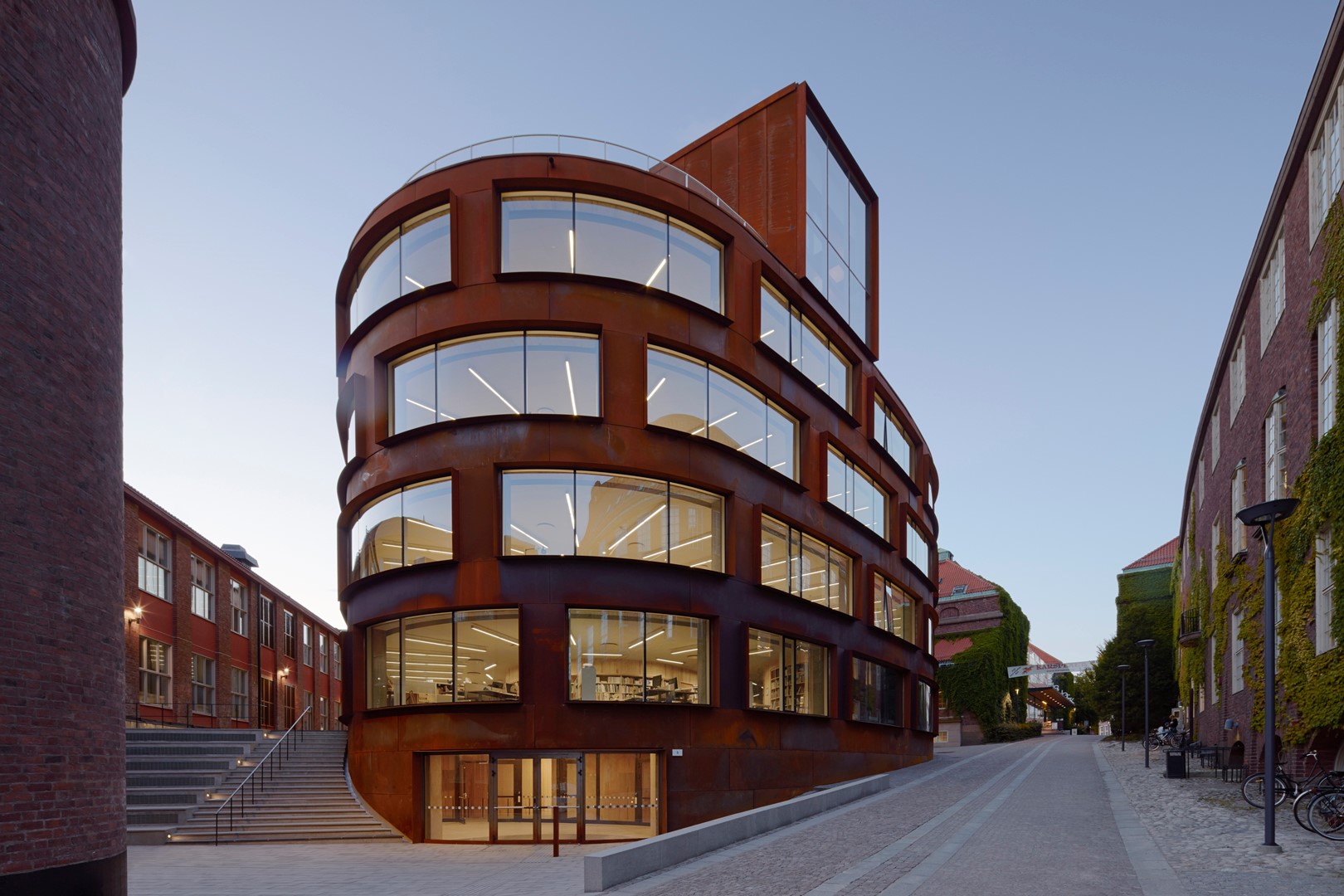
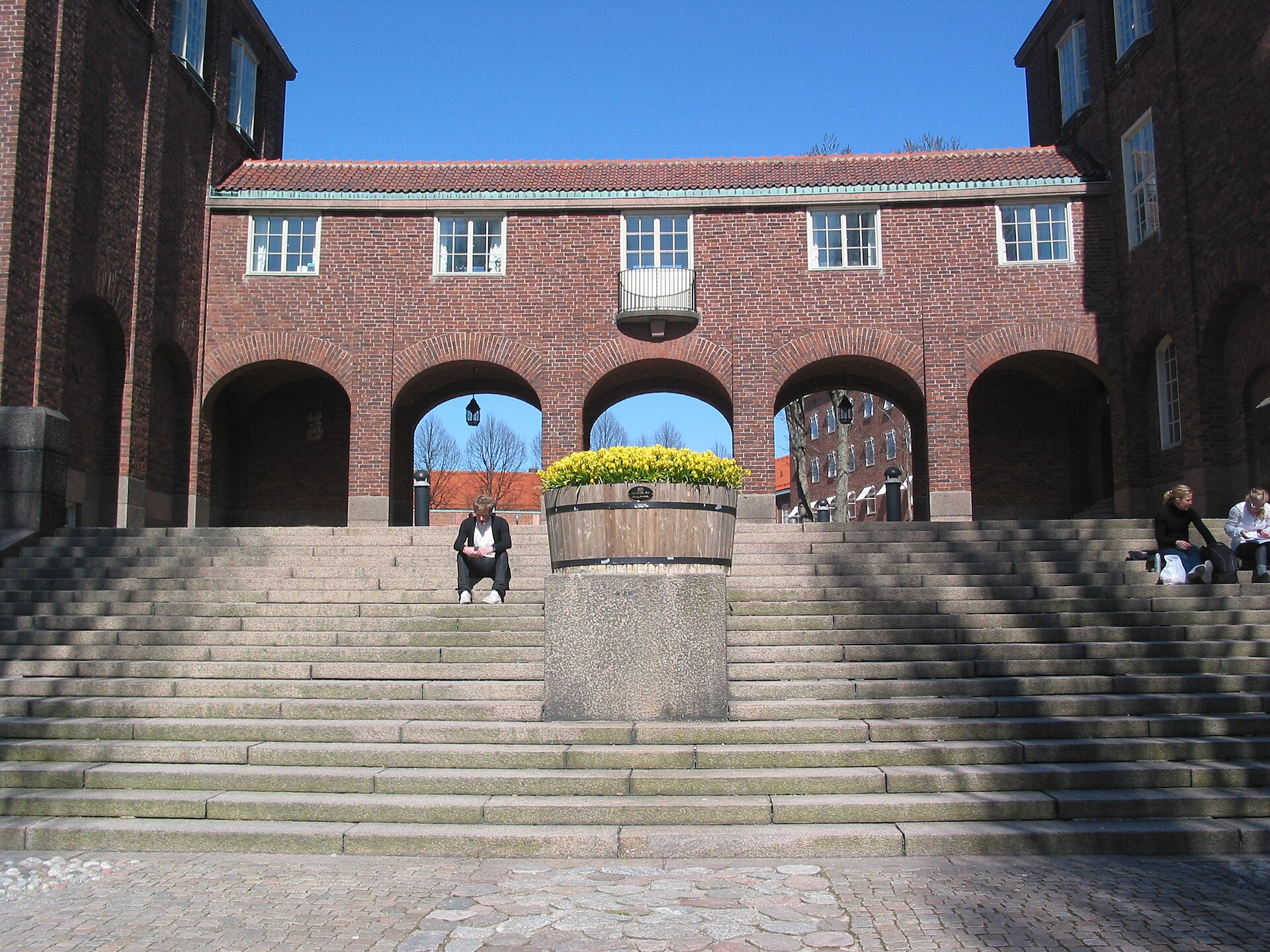
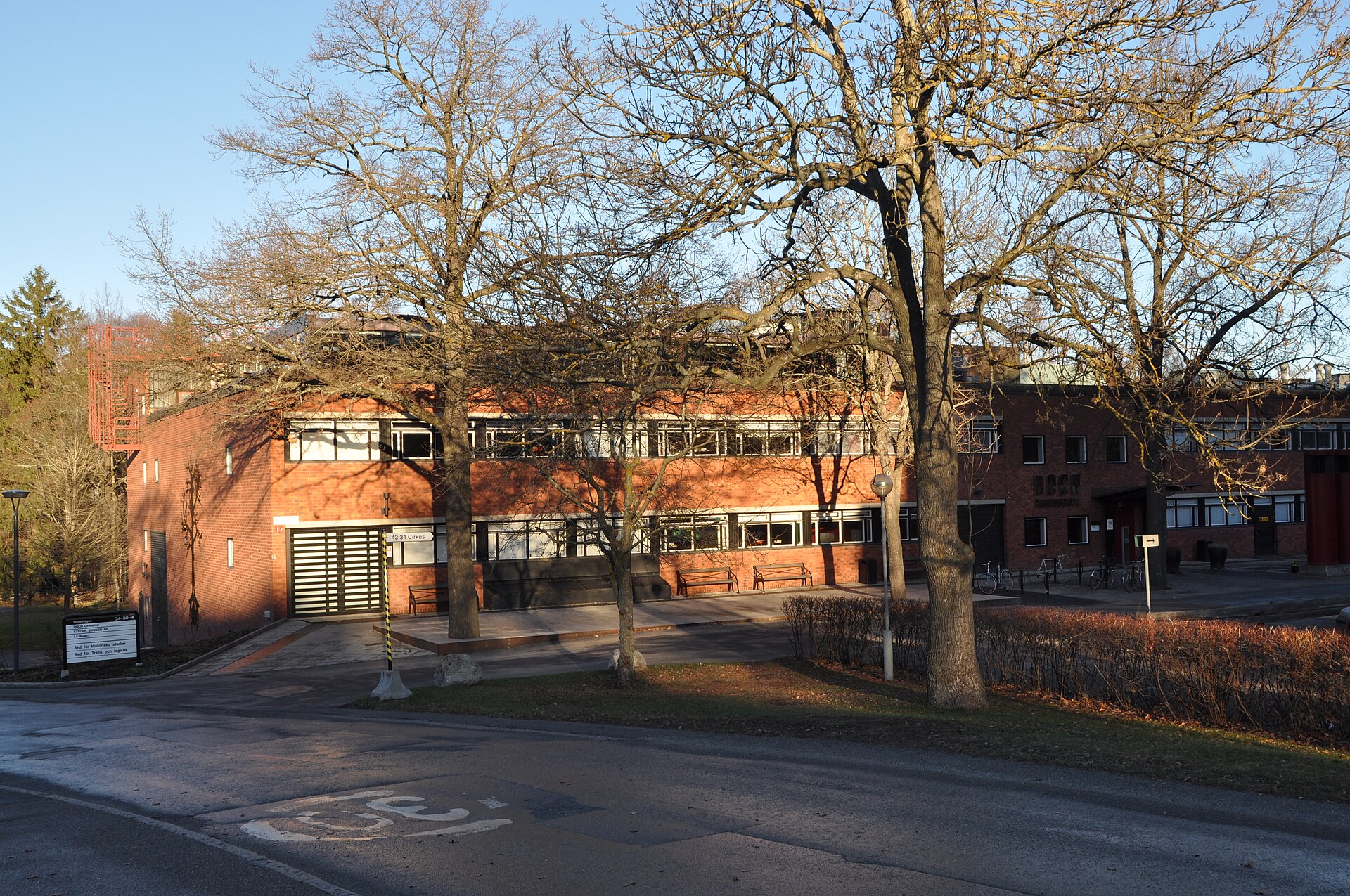
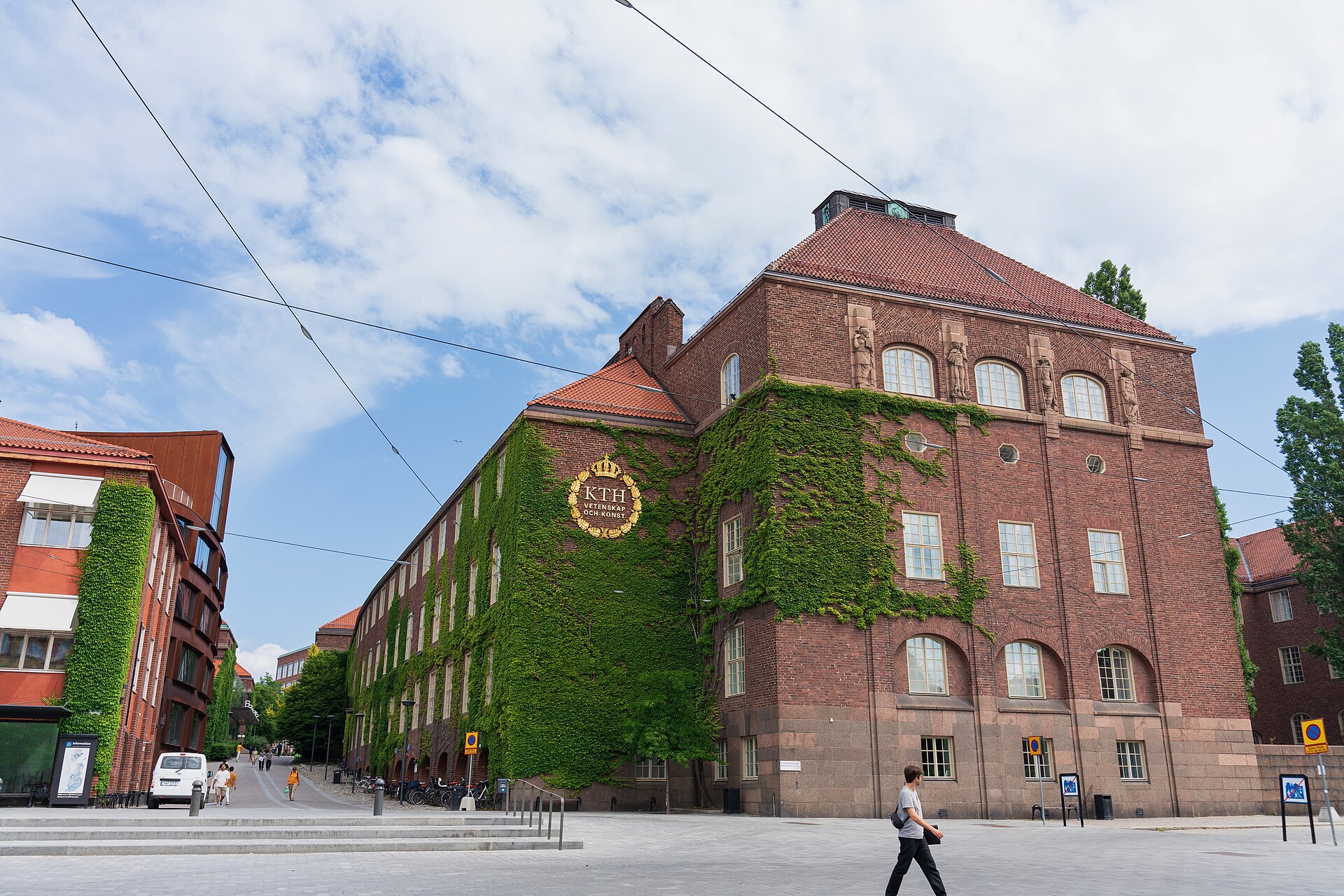
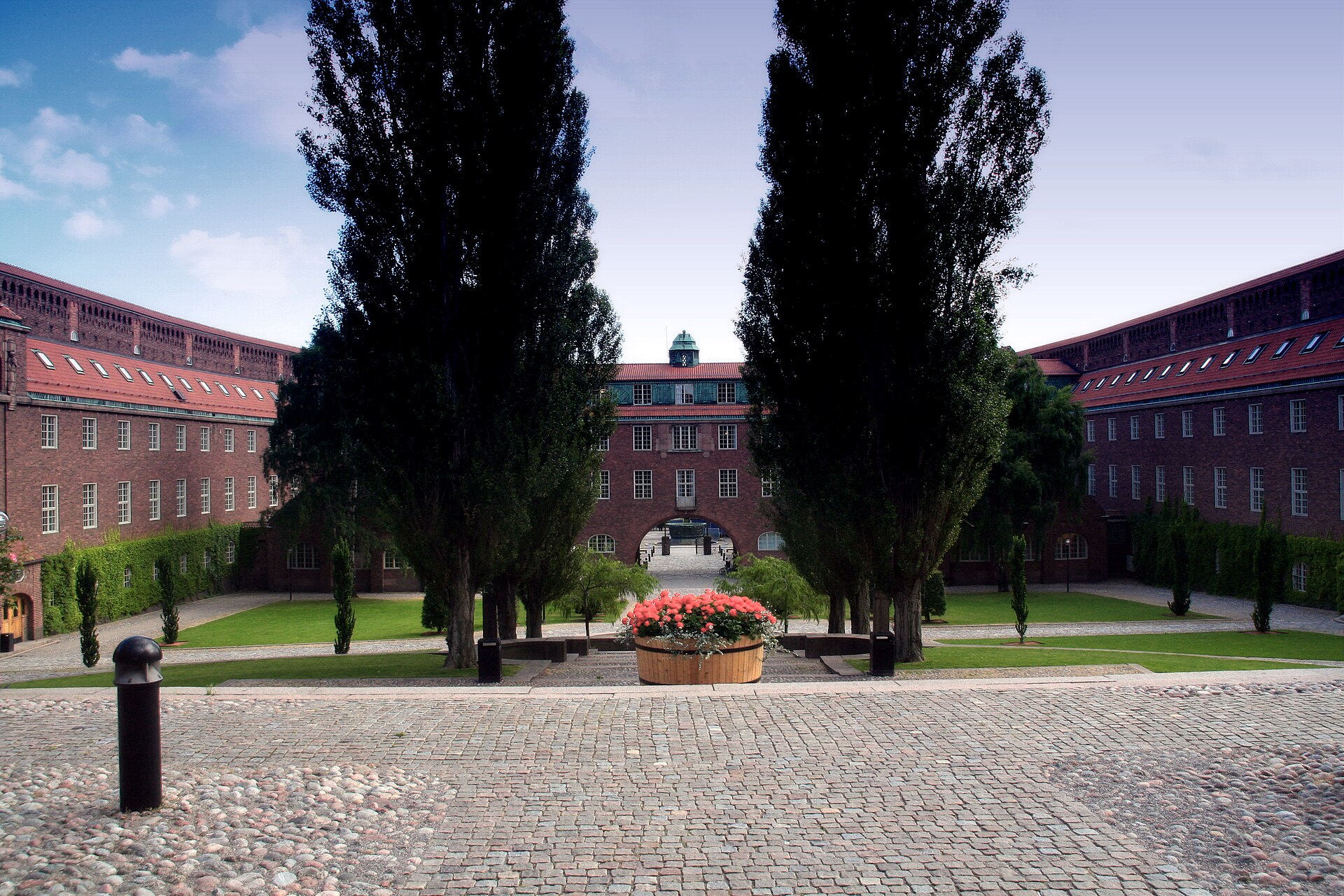
KTH Royal Institute of Technology — campus in pictures
Real, freely-licensed photographs of the campus (via Wikimedia Commons).

Why KTH — Research Power, Nordic Excellence & Stockholm
KTH Royal Institute of Technology is not simply Sweden's leading technical university — it is a globally significant research institution that produces a disproportionate share of Europe's engineering and technology innovation. For ambitious international students, it offers a rare combination: elite academic standing, genuinely competitive tuition relative to Anglo-American peers, and a front-row seat in one of the world's most productive technology ecosystems.
KTH Acceptance Rate & Admitted Student Profile
Profile Stats
Stats
Rea Vs Rd
KTH Admissions Requirements — Grades, Prerequisites & English Proficiency
- IB: 36+ overall; HL Mathematics essential for engineering
- A-Levels: A/A* in Mathematics and Physics (or Chemistry)
- CBSE/ISC: Strong scores in Mathematics and Physics relevant subjects
- GPA 3.3+ minimum; competitive applicants are significantly higher
- IELTS Academic: 6.5 minimum overall
- TOEFL iBT: 90 minimum total score
- Duolingo English Test: 115 minimum
- Prior English-medium education may qualify for exemption
- Engineering: HL Mathematics + HL Physics or Chemistry
- Computer Science: HL Mathematics + programming evidence
- Architecture: Portfolio of creative work required
- Energy / Materials: Check programme-specific science prerequisites
KTH Application Components — University Admissions Sweden
KTH uses University Admissions Sweden (universityadmissions.se) as its application portal. Unlike US universities, there are no standardised test requirements, recommendation letters, or holistic personal essays. Selection is academic-merit-based. Here is every component of a complete KTH application.
KTH Application Writing — The Motivation Letter
KTH does not use the US Common Application, UCAS, or any system involving holistic personal essays or supplemental prompts. For master's programmes, a Motivation Letter under 500 words is the primary written document — and it can make a decisive difference in competitive pools. Bachelor's applicants write nothing: admission is grades-only.
Prompts
Tips
What KTH Admissions Evaluates
KTH's selection process is more structured and less holistic than US university admissions — but it is not a simple grade sorting exercise. The evaluation committee reads each application with attention to the quality and rigour of your academic background, the coherence of your interests, and (for master's) the persuasiveness of your case in the motivation letter.
KTH Financial Support & Scholarships for International Students
Unlike US universities, KTH does not operate a need-based financial aid system for international students. There is no CSS Profile, no demonstrated-need calculation, and no grant covering the gap between your family income and the full cost of attendance. The primary routes to financial support are merit scholarships and Sweden's permissive work rights for student visa holders.
Tuition is set in Swedish kronor (SEK). USD equivalents reflect approximate exchange rate and vary annually. Check kth.se for current SEK tuition rates per programme.
Stats
Contribution Tiers
| Range | Percent | Percent Value | Note |
|---|---|---|---|
| EU/EEA/Swiss Citizens | 100% free | 100 | Zero tuition at all Swedish public universities |
| Non-EU + KTH Scholarship | Living costs only | 50 | ~$14,000/yr in living costs; tuition waived |
| Non-EU + SISGP | Fully funded | 100 | Tuition + SEK 12,000/month stipend; competitive |
| Non-EU without scholarship | Full cost | 0 | ~$28,000/yr total (tuition + living) |
Key Dates
Advantages
- Only round available for master's programmes (January 15 deadline)
- Allows maximum time for Swedish Residence Permit processing (can take 1–3 months)
- Results released March 31 — time to arrange housing, travel, visa
- KTH Scholarship consideration is linked to Round 1 admission
- Programme-specific early selection for competitive programmes
Disadvantages
- Bachelor's only — no Round 2 for master's programmes
- Results in July — residence permit processing is extremely tight
- Non-EU students risk missing the September intake due to permit delays
- No additional time improves a non-competitive Round 1 application
- Some programmes fill entirely from Round 1; Round 2 may have limited places
Does KTH Interview Applicants?
No. KTH does not conduct admissions interviews for bachelor's or master's programmes as a standard part of the application process. Unlike Oxbridge, some US universities, or certain professional programmes in other countries, KTH's admissions decisions are made entirely on the basis of your written application: transcript, English proof, motivation letter, and CV.
Meta
Questions
KTH Residential Life — Housing & the THS Student Union
KTH does not operate a Harvard-style house or residential college system. However, KTH students have access to a structured student housing network and one of Sweden's most active technical student unions — THS (Tekniska Högskolans Studentkår) — which organises social life, professional events, and student community.
Lottery Steps
- SSSB (Stockholm's Student Housing Company) is the primary provider of student accommodation — apply as soon as you receive your admission offer
- THS Housing Service offers accommodation specifically for international master's students — priority is given to incoming internationals
- Application for housing should be made immediately after receiving your admission letter — Stockholm's housing market is competitive
- Most international students receive accommodation through THS/SSSB for the first year; longer-term housing requires proactive searching in the private market
- KTH's main campus (Valhallavägen, Stockholm) and Flemingsberg campus are both well-served by public transport
Houses
KTH Schools & Programmes
- {"label":"Flagship master's programmes","value":"Computer Science, Machine Learning"}
- {"label":"Research focus","value":"AI, Networks, Embedded Systems, Quantum Computing"}
- {"label":"Industry partners","value":"Ericsson, Spotify, Scania, RISE"}
- {"label":"Teaching language","value":"English (master's), Swedish/English (bachelor's)"}
- {"label":"Flagship programmes","value":"Engineering Mathematics, Applied Physics"}
- {"label":"Research focus","value":"Fluid Mechanics, Structural Engineering, Quantum Physics"}
- {"label":"Key qualification","value":"HL Mathematics and Physics essential"}
- {"label":"Teaching language","value":"English (master's)"}
- {"label":"Flagship programmes","value":"Industrial Engineering & Management, Energy Technology"}
- {"label":"Research focus","value":"Sustainable Production, Operations Research, Energy Systems"}
- {"label":"Career pathways","value":"Consulting, Industrial Management, Energy Sector"}
- {"label":"Teaching language","value":"English (master's), Swedish (bachelor's)"}
- {"label":"Flagship programmes","value":"Architecture, Sustainable Urban Planning"}
- {"label":"Portfolio required","value":"Yes — for Architecture admission"}
- {"label":"Research focus","value":"Urban Mobility, Housing, Green Building"}
- {"label":"Teaching language","value":"English and Swedish"}
- {"label":"Flagship programmes","value":"Biotechnology, Materials Science, Chemical Engineering"}
- {"label":"Partner institutions","value":"Karolinska Institutet, SciLifeLab"}
- {"label":"Research focus","value":"Drug Discovery, Biomaterials, Green Chemistry"}
- {"label":"Teaching language","value":"English (master's)"}
Research & Extracurricular Opportunities at KTH
Career Outcomes & KTH Alumni Network
KTH has one of the strongest graduate employment records in European engineering education. With a 90% employment rate and an average starting salary of approximately USD 50,000, KTH graduates are well-positioned in both Swedish and global job markets. The KTH alumni network — particularly in Stockholm's technology ecosystem — is actively maintained and professionally valuable.
Stats
Categories
Tychr Students at KTH — Admissions Outcomes
Faqs
Do I need to speak Swedish to study at KTH?+
No. All master's programmes at KTH are taught entirely in English. Several bachelor's tracks are also English-taught. You do not need Swedish to complete your degree, though learning some Swedish will enrich your life in Stockholm and help with employment in Sweden post-graduation.
Is there a standardised test requirement (SAT/ACT/GRE)?+
No. KTH does not require SAT, ACT, or GRE scores for any programme. The test policy is optional and selection is based on academic grades, English proficiency, and (for master's) a motivation letter and CV. Do not invest time in these tests for a KTH application.
Can I apply to multiple KTH programmes simultaneously?+
Yes — you can apply to up to 4 programmes through University Admissions Sweden and rank them in order of preference. You will be considered for your top-ranked programme first. A single application fee of approximately USD 90 covers all programmes you list.
Are EU and non-EU students treated differently in admissions?+
Academically, no — admissions criteria are identical. Financially, yes: EU/EEA/Swiss students pay no tuition at KTH. Non-EU students pay programme-specific tuition (approximately USD 14,664 per year). Non-EU students also require a Swedish residence permit, making Round 1 application essential.
How competitive is the KTH Scholarship?+
Very competitive. The KTH Scholarship (full tuition waiver) is automatically considered during the admissions process — no separate application required. Do not count on receiving it when planning your finances, and always pursue SISGP and home-country scholarships in parallel.
What is the difference between bachelor's and master's application timelines?+
Bachelor's programmes have two rounds with January 15 and April 15 deadlines. Master's programmes use a single round with a January 15 deadline. Non-EU applicants for either level are advised to use the January deadline to allow adequate residence permit processing time.
Is KTH's degree recognized internationally?+
Yes. KTH holds QS Rank #73 globally and is a member of the Nordic Five Tech alliance. Its engineering degrees are recognised by professional bodies across Europe, and KTH graduates are recruited by major global technology, engineering, and consulting firms worldwide.
Can I work in Sweden after graduation?+
Yes. Non-EU/EEA graduates from Swedish universities can apply for a job-seeking residence permit of up to 1 year after graduation to explore the Swedish job market. Swedish employers, particularly in the Stockholm tech ecosystem, actively recruit KTH graduates.
Book a Free KTH Admissions Strategy Session
In 60 minutes, our KTH admissions specialists will evaluate your academic profile against KTH's programme-specific entry requirements, identify gaps in your application, develop your motivation letter strategy, and determine which KTH scholarship routes you are eligible for.
- No commitment required
- Nordic university specialists with KTH-specific knowledge
- Motivation letter strategy and scholarship planning included
KTH Academic Requirements
KTH Academic Standards — The Honest Breakdown for International Students
What GPA, IB score, and subject prerequisites does KTH actually require? And how does KTH evaluate students from IB, A-Level, AP, and other international curricula? Here is the complete picture.
GPA & Academic Grades
KTH and GPA — What the Admissions Data Shows
KTH does not publish a required GPA, but the facts profile establishes a minimum equivalent threshold of 3.3 on the US GPA scale. In practice, competitive applicants for popular programmes — particularly Computer Science and Machine Learning — are significantly above this floor.
The 3.3 minimum is not a target — it is a disqualifying floor. Competitive applicants to flagship KTH programmes should aim significantly higher in their core technical subjects, and should ensure their programme-specific prerequisites are strongly covered.
Academic Context
How KTH Reads Your Academic Record — Institutional Context and Equivalency
KTH applies for admission through University Admissions Sweden, which has a structured equivalency framework for comparing international qualifications. Understanding how this works is important for applicants from non-Swedish secondary and tertiary systems.
Standardised Testing at KTH
SAT at KTH — Not Required, Not Considered
KTH does not require, accept, or consider SAT scores as part of its admissions process. If you are preparing a KTH application, do not invest time or resources in SAT preparation for this purpose.
| Label | Score | Percent |
|---|---|---|
| SAT requirement | None | 0 |
| SAT considered in selection | No | 0 |
Standardised Testing at KTH
ACT at KTH — Not a Factor
Like the SAT, the ACT is not required, accepted, or considered by KTH. KTH's selection process is based on academic transcripts, English proficiency documentation, and (for master's) a motivation letter and CV.
Metrics
Comparison Cards
Test Policy
KTH Test Policy — Truly Test-Irrelevant, Not Just Test-Optional
Unlike US universities that are technically test-optional but informally pressure applicants to submit strong scores, KTH's test policy is genuinely different: standardised academic tests (SAT/ACT/GRE) are not submitted, not evaluated, and not considered. There is no mechanism by which submitting a SAT score can help your application.
Submit Items
Withhold Items
IB & A-Level at KTH
IB Diploma and A-Levels at KTH — Specific Benchmarks
- {"label":"Competitive overall score","value":"36+ points"}
- {"label":"HL Mathematics","value":"Analysis & Approaches preferred; Applications & Interpretation accepted for some programmes"}
- {"label":"Engineering programmes","value":"HL Physics or HL Chemistry expected alongside HL Mathematics"}
- {"label":"Computer Science programmes","value":"HL Mathematics essential; HL Computer Science or strong evidence of programming a plus"}
- {"label":"Competitive grades","value":"A/A* in Mathematics and Physics (or Chemistry)"}
- {"label":"Further Mathematics","value":"A strong differentiator for competitive programmes; not universally required"}
- {"label":"Computer Science A-Level","value":"Valued for CS programmes alongside Mathematics"}
- {"label":"Recognised boards","value":"Cambridge International, Edexcel, OCR, AQA all accepted"}
AP Courses at KTH
AP Courses and KTH — What Counts and How
KTH does not evaluate AP (Advanced Placement) course scores as a formal component of the admissions process, unlike US universities where AP performance is a significant academic signal. However, AP courses are not irrelevant — they serve as evidence of subject coverage and academic rigour when your primary qualification is the US high-school diploma.
Academic Rigour
Rigour of Secondary School Record — KTH's Most Important Selection Signal
Like the most selective universities globally, KTH evaluates not just what grades you achieved but what courses you chose. The selection committee can identify the difference between a student who achieved a strong GPA by selecting easier subjects and one who achieved the same GPA while taking the most demanding courses available to them.
Taking HL Mathematics and HL Physics in the IB, or Mathematics and Further Mathematics at A-Level, is not just about meeting prerequisites — it signals scientific seriousness that resonates with KTH's technical culture.
Subject Preparation
Mathematics, Science, and Technical Preparation — What KTH Expects
The single most predictive factor in a successful KTH application is how rigorously you have prepared in mathematics and your programme-relevant science. Every KTH programme has specific subject prerequisites that go beyond the general eligibility requirements — understanding and covering these prerequisites completely is essential.
Language Requirements
English Language Requirements for International KTH Applicants
KTH requires proof of English proficiency equivalent to the Swedish upper secondary English 6 / English Level 2 qualification. The following are the accepted tests and minimum scores as drawn from KTH's official requirements.
IELTS 6.5 is the minimum — for competitive master's programmes, strong English writing quality in the motivation letter itself is an implicit signal of language capability. A motivation letter with significant grammatical errors or unclear prose creates a negative impression regardless of the test score submitted.
By Programme
Academic Requirements by Programme — What Different KTH Tracks Expect
KTH admits students to specific programmes, not to the university broadly. Each programme has specific subject prerequisite requirements. The following provides an overview of what the major programme groups expect — always verify on the individual programme page at kth.se.
| Concentration | Expectation | Signals |
|---|---|---|
| Computer Science | HL Mathematics (AA preferred) + programming evidence | GitHub portfolio; competitive programming; prior CS coursework |
| Machine Learning | HL Mathematics + strong statistics background | ML projects; Python/R fluency; undergraduate ML coursework (for master's) |
| Electrical Engineering | HL Mathematics + HL Physics | Electronics projects; signals/systems background; physics competition results |
| Mechanical Engineering | HL Mathematics + HL Physics or HL Chemistry | CAD/design experience; engineering competition participation |
| Chemical Engineering | HL Mathematics + HL Chemistry | Lab experience; chemistry competition results; materials research |
| Energy Technology | HL Mathematics + HL Physics or HL Chemistry | Sustainability projects; energy sector internship; systems thinking evidence |
| Architecture | Artistic / creative portfolio + mathematics | Design portfolio; drawing ability; spatial reasoning; cultural engagement |
| Industrial Engineering & Management | HL Mathematics + broad STEM background | Business or entrepreneurship experience; systems-level thinking |
International Systems
How KTH Evaluates International Education Systems
Year-by-Year Roadmap
Building an Academic Profile for KTH — What to Do at Each Stage
- If you are in the IB Middle Years Programme, ensure you are on track for HL Mathematics: Analysis & Approaches in the Diploma years — not the easier HL Mathematics: Applications & Interpretation.
- If you are in the UK system, plan your A-Level subject combination early: Mathematics (and ideally Further Mathematics), Physics or Chemistry, and one other STEM subject.
- Start developing independent interests in your technical field — coding side projects, science fair entries, or electronics builds. These will anchor your future motivation letter.
- IB: Confirm HL Mathematics: Analysis & Approaches and at least one science at Higher Level (Physics for engineering, Chemistry for materials/biotech, Computer Science for CS tracks).
- A-Level: Subject combination confirmed — do not drop mathematics for a perceived easier route.
- Begin researching KTH programme-specific prerequisites — check the exact requirements for your target programme on kth.se now, not in Year 12.
- Explore KTH's virtual open days and information sessions; research the specific school and programme you are interested in.
- Develop independent technical projects that you can reference specifically in your motivation letter: a machine learning model, a physics experiment, a chemical analysis, an architectural design.
- Take your IELTS, TOEFL, or Duolingo test — aim to complete it by October of your final year to have the result ready for the January application deadline.
- Draft your motivation letter in November/December of Year 12 — start with the programme syllabus and identify 2–3 courses or research areas that genuinely excite you.
- Create your University Admissions Sweden account by October 16 when the portal opens.
- Rank your programmes carefully — your top-ranked programme is where you are first considered.
- Submit your application by January 15 and upload all documents (transcripts, English proof, motivation letter, CV) by February 2.
- Non-EU students: apply Swedish Residence Permit as soon as you receive admission (processing can take 1–3 months).
Common Pitfalls
Academic Mistakes That Cost KTH Applications — And How to Avoid Them
Real Outcomes
Academic Profiles Tychr's KTH-Admitted Students Had
The following profiles represent the academic backgrounds of students Tychr has supported in gaining admission to KTH. They illustrate the range of preparation that works — and what made each application distinctive.
Faqs
Is a 3.3 GPA enough to get into KTH?+
3.3 is the minimum considered threshold, not a competitive target. For popular programmes, admitted students are typically above this. More importantly, your grades in specific technical subjects — mathematics, physics, and computer science — matter as much as your overall GPA.
What IB score do I need for KTH?+
A competitive IB score is 36 or above, but the HL subject combination matters as much as the total. 36 points with HL Mathematics: Analysis & Approaches and HL Physics is more competitive for KTH engineering than 38 points with softer HL choices.
Does KTH consider extracurricular activities?+
Not in the formal way US universities do. KTH's selection is academic-merit-first. However, for master's programmes, technically relevant activities — independent coding projects, research experience, engineering competitions — can be listed on your CV and referenced in the motivation letter as supporting evidence of genuine technical engagement.
Can I apply to KTH with A-Level Mathematics (not Further Mathematics)?+
Standard A-Level Mathematics is generally sufficient for most bachelor's and many master's engineering programmes at KTH. For the most competitive master's programmes, Further Mathematics or an equivalent demonstrates an additional level of mathematical capability. Check your specific target programme's prerequisites.
Does KTH prefer IB over other qualifications?+
No formal preference. IB, A-Level, CBSE, Gaokao, and many other qualifications are accepted and evaluated through University Admissions Sweden's equivalency framework. What matters is whether your qualification demonstrates coverage of the advanced mathematics and science prerequisites.
Cost & Financial Aid
KTH May Cost Less Than You Think — Especially if You're EU, or Win a Scholarship.
KTH is significantly more affordable than US or UK alternatives of comparable global rank. Here is what KTH actually costs, what financial support is available for international students, and how to plan your funding before you arrive.
Cost Transparency
What KTH Actually Costs — The Full Annual Figure
Tuition is set in Swedish kronor (SEK) and varies by programme. USD equivalents reflect approximate exchange rates and change annually. Check the specific programme page on kth.se for current SEK tuition rates.
Tuition at KTH for non-EU students (~$14,664/yr) is approximately one-fifth of comparable engineering programmes at MIT, Imperial, or Stanford. Even the full total cost of attendance (~$28,000) is significantly below most US engineering programmes charging $60,000–$80,000/yr in tuition alone. KTH is genuinely one of the best value-for-quality propositions in global technical education.
Financial Aid at KTH
KTH Financial Aid Policy for International Students — What Exists and What Doesn't
EU/EEA and Swiss citizens pay no tuition at KTH — or at any Swedish public university. This is a legal entitlement, not a scholarship, and requires no application. You simply provide proof of EU/EEA citizenship.
Why KTH Is Affordable
Why KTH Can Offer Low Tuition — Sweden's Public University Model
Scholarship Application Process
Applying for KTH Scholarships — The Process Step by Step
There is no single financial aid application form at KTH equivalent to the US CSS Profile. Instead, you should pursue multiple funding routes simultaneously. Here is the complete process.
- Create account at universityadmissions.se by October 16
- Rank KTH as your first preference if scholarship consideration matters to you
- Submit application and all documents by the January/February deadlines
- SISGP covers full tuition + SEK 12,000/month stipend + travel grant
- Requires 2+ years of professional work experience
- Application portal opens at si.se — check the current cycle dates
- India: ICCR scholarships; bilateral Sweden-India agreements
- China: China Scholarship Council (CSC) funds graduate studies abroad
- Various countries: bilateral agreements with Sweden via Sida and STINT
- Scholarship notification arrives with admission offer
- Covers full tuition for 1- or 2-year master's programme
- Does not cover living costs — budget for approximately USD 14,000/year in Stockholm
- Open a Swedish bank account on arrival (required for salary and SSSB rent payments)
- Apply for Swedish Personal Number (personnummer) — required for long-term banking and service access
- Explore student employment opportunities through KTH's career portal and THS job boards
International Student Aid
Financial Support for International Students at KTH — The Complete Picture
For non-EU international students, KTH's financial support landscape is materially different from US Ivy League universities. Understanding what is and is not available is essential for financial planning before applying.
Financial Aid Calculations
What Financial Support KTH Students Actually Receive
Aid Landscape for Non-EU KTH Master's Students
KTH does not publish average aid figures or income-band tables. The following describes the scholarship landscape qualitatively based on available official information.
The majority of non-EU KTH students pay full tuition (~$14,664/yr) and fund their education through personal savings, home-country scholarships, part-time work, or external awards. The KTH Scholarship (full tuition, ~8% of admitted non-EU students) and SISGP (full tuition + stipend, for experienced professionals) are the primary institutional routes to fee relief.
| Income | Grant | Contribution |
|---|---|---|
| EU/EEA/Swiss student (any income) | Full tuition waiver | $0 tuition; living costs only (~$14,000/yr) |
| Non-EU + KTH Scholarship (merit-based) | Full tuition waiver | Living costs only (~$14,000/yr); highly competitive |
| Non-EU + SISGP (2+ yrs work exp) | Full tuition + SEK 12,000/month stipend | Near-zero; most comprehensive option |
| Non-EU + Home-country scholarship | Varies by country/scholarship | Partial or full coverage depending on scholarship |
| Non-EU without scholarship | None from KTH | Full cost (~$28,000/yr: tuition + living) |
Table Headers
Qualification Criteria
KTH Scholarships — Who Qualifies and What Each Covers
KTH's institutional scholarships are merit-based, not need-based. Academic achievement, technical preparation, and demonstrated potential are the qualifying criteria — not financial circumstances.
External Funding
External Scholarships for KTH Students — Additional Funding Sources
Beyond KTH's own scholarship and the SISGP, numerous external organisations award scholarships to students at KTH or to students of specific nationalities studying in Sweden. Pursuing these in parallel with your KTH application is essential financial planning.
Student Loans at KTH
Student Loans for International KTH Students — What Is and Isn't Available
Unlike the US system (where federal student loans are widely available to domestic students and some private loans exist for international students), Sweden does not have a public student loan programme for non-EU international students. EU students may access loans from their home country's national student loan agencies.
Working While Studying
Working in Stockholm During Your KTH Studies
Sweden's student residence permit does not restrict working hours — unlike many countries (including the UK and Australia) that impose strict hour caps on student visa holders. This is practically significant: KTH students can work full-time legally, though intensive engineering programmes make full-time work alongside full-time study very challenging.
- Engineering internship or part-time roles at Stockholm tech companies (Ericsson, ABB, Spotify, King)
- Research assistant positions in KTH faculty labs
- Teaching assistant roles within KTH (available to advanced students)
- Food delivery, retail, hospitality (flexible hours; common for new arrivals)
- IT support and technical roles (often remote-compatible with student schedules)
- THS student organization roles (paid positions in union administration)
Benchmarking
KTH vs. Peer Universities — Tuition Cost Comparison
| School | Policy | No Loans | Typical Cost |
|---|---|---|---|
| KTH (non-EU) | Merit scholarships only | Public loans not available | ~$14,664 tuition + ~$14,000 living |
| KTH (EU/EEA) | Fee-free by law | Home-country loan access | ~$14,000 living costs only |
| ETH Zurich | Low tuition, limited scholarships | Swiss/EU loan access | ~CHF 730/semester + Zurich living (~$25,000/yr) |
| TU Munich (non-EU) | Non-EU surcharge introduced 2023 | Some German loan access | ~€3,000–7,000/yr tuition + Munich living |
| Imperial College London | Limited international bursaries | No UK student loans for internationals | ~£35,000–40,000/yr tuition + London living |
| MIT / Stanford | Need-based aid available | Need-blind for internationals (MIT) | $0–$87,000+ depending on family income |
| Top Australian universities (non-AU) | Very limited scholarships | No public loans for internationals | AUD 45,000–55,000/yr tuition + living |
Cost Analysis
KTH vs. Alternatives — What You Actually Pay
For a non-EU engineering student, KTH's total annual cost (~$28,000 tuition + living) is approximately one-half to one-third of a comparable US engineering programme and less than one-half the cost of comparable UK alternatives. With the KTH Scholarship, this drops to approximately $14,000/year — living costs only.
| School | Policy | Contribution | Four Year Cost |
|---|---|---|---|
| KTH — no scholarship (non-EU) | Tuition + living | ~$28,000/yr | ~$56,000 (2-yr master's) |
| KTH — KTH Scholarship (non-EU) | Living costs only | ~$14,000/yr | ~$28,000 (2-yr master's) |
| KTH — EU/EEA student | Free tuition | ~$14,000/yr | ~$28,000 (2-yr master's) living only |
| Imperial College London | Full tuition + London living | ~$60,000–70,000/yr | ~$120,000–140,000 (2-yr master's) |
| MIT (need-blind, full need met) | Depends on family income | $0 (low income) to $87,000+ (full cost) | Highly variable by income |
| UNSW / Melbourne (non-AU) | Full tuition + living | ~$50,000–60,000/yr AUD | ~$100,000–120,000 AUD (2-yr master's) |
Scholarship Appeals
Appealing a KTH Scholarship Decision — When and How
KTH Scholarship decisions are communicated with admission offers. If you believe your application was not evaluated fairly or your circumstances have changed, you can contact KTH's scholarship administration. However, the process is different from US financial aid appeals — KTH scholarships are merit-based, not need-based, so appeals based on financial hardship are not applicable.
The honest note: KTH's scholarship selection is based on academic merit and is made by the programme committee with limited transparency. Appeals are most likely to be considered when there is a clear administrative error (e.g., a document that was not reviewed, a grade that was incorrectly recorded). Appeals based on dissatisfaction with the competitive outcome are rarely successful.
When To Appeal
- You believe your application documents were not correctly received or processed
- Your transcript was misread or your qualification equivalency was incorrectly assessed
- Your circumstances have substantially changed since the application (e.g., a family financial crisis that makes attendance now impossible without scholarship support)
How To Appeal
- Contact KTH's scholarship and funding office at scholarships@kth.se (or the address listed on the current scholarship page)
- Submit a clear written explanation of the grounds for your appeal
- Provide supporting documentation (corrected transcripts, official documents)
Timeline & Planning
Planning for KTH Costs — What to Do and When
APPLICATION & MOTIVATION
KTH Application: The Motivation Letter Guide
KTH is a Nordic university — it does not use the US Common Application, UCAS, or any system involving holistic personal essays or supplemental prompts. Selection is academic-merit-first. However, most master's programmes require a focused Motivation Letter, and this document can make a meaningful difference in competitive pools.
This guide explains the Swedish application system honestly, what the Motivation Letter is (and is not), and how to write one that strengthens your application. If you are applying to a bachelor's programme, the application process involves no essays — grades and subject prerequisites determine admission entirely.
THE SWEDISH SYSTEM
How KTH Applications Work
All KTH applications are submitted through University Admissions Sweden (universityadmissions.se) — Sweden's central higher education application portal. This is structurally equivalent to UCAS for the UK or Common App for the US, but significantly simpler and more grade-centric.
THE MOTIVATION LETTER
The Motivation Letter: What KTH Asks
KTH does not publish a fixed prompt for the motivation letter in the way Common App publishes set questions. Instead, each programme page specifies that a letter of motivation is required and gives the following general framing. The letter must be in English and under 500 words.
STRATEGY
Writing the KTH Motivation Letter
Five hundred words is short. Every sentence must earn its place. Here is how to structure an effective KTH motivation letter that distinguishes you from applicants submitting generic statements.
Paragraph 1 (60–80 words): State your specific academic background and what technical problem or field you are most interested in. Name the KTH programme directly. Do not be generic — 'I have always loved technology' is not an opening. 'I am applying to the MSc Computer Science programme with a specialisation in Distributed Systems because my undergraduate work on fault-tolerant network protocols revealed gaps I want to investigate at the graduate level' is. Paragraph 2 (100–120 words): Describe your most relevant academic and project experience. Reference your degree, GPA context if strong, and 1–2 specific projects or research pieces that are directly relevant to the master's programme. Quantify outcomes where possible — not 'I built a machine learning model' but 'I trained a convolutional neural network on [dataset], achieving [metric] on the validation set.' Paragraph 3 (80–100 words): Explain why KTH specifically — not generic 'KTH is ranked well' reasons, but programme-specific reasons: a research group whose work you have read, a professor whose recent paper on X connects to your interests, a specific specialisation track only available at KTH, or an industry partnership in the programme ecosystem. Paragraph 4 (60–80 words): State your post-graduation direction. This should be concrete: a research track, a specific type of role in a specific industry, a startup idea, or a PhD aspiration. Show that the programme is an instrument for a real goal, not a credential you want for its own sake.
APPLICATION DOCUMENTS
Other Application Documents at KTH
Beyond the motivation letter, a competitive KTH master's application includes the following documents — each plays a defined role in the selection committee's evaluation.
TOPIC & APPROACH
Choosing the Right Focus for Your Motivation Letter
The most common failure in KTH motivation letters is being too broad. Students write about 'passion for engineering' or 'love of innovation' and never connect these to the specific programme. The selection committee reads your letter asking one question: why this programme, at KTH, for this applicant, right now? Every sentence should be moving toward an answer.
PITFALLS
Common Motivation Letter Mistakes at KTH
- Writing a narrative essay about your childhood or personal backstory — the KTH motivation letter is not a US Common App personal statement. It is a professional academic document.
- Exceeding 500 words — the limit is stated explicitly. Going over signals that you cannot edit, which is itself a mark against you.
- Sending the same generic letter to all programmes — the selection committee can identify generic letters immediately. Each programme that requires a letter needs a letter tailored specifically to it.
- Referencing Stockholm's lifestyle, Scandinavia's culture, or Sweden's sustainability reputation as reasons to apply — keep the letter academic and professionally focused.
- Failing to name the specific programme at the top of the letter when applying to multiple programmes through the same portal.
- Focusing entirely on past achievements with no forward-looking direction — the letter should be as much about where you are going as where you have been.
- Poorly proofread English — at the IELTS 6.5 / TOEFL 90 level, your written English should be clear, grammatically correct, and well-organised. A motivation letter with significant errors undermines your language proficiency claim.
- Copying or paraphrasing KTH's own programme description back to them — they know what their programme offers. Tell them what you offer and why this programme serves your specific goals.
ESSAY FAQS
Frequently Asked Questions — KTH Application Writing
Does KTH use the Common Application or UCAS?+
Neither. KTH applications are submitted through University Admissions Sweden (universityadmissions.se), Sweden's national application portal. There are no Common App supplements, UCAS personal statements, or coalition essays involved.
Is a motivation letter required for all KTH master's programmes?+
Most, but not all. Check the specific entry requirements page for your target programme on kth.se. If the programme lists a motivation letter as required documentation, submit one. If it is not listed, it is not expected.
How long should the motivation letter be?+
Under 500 words. This is KTH's specified limit. Write concisely — quality over quantity. A focused, well-argued 400-word letter that directly addresses the programme outperforms a rambling 490-word letter that could have been sent anywhere.
Is there a specific format or template?+
No standard template is provided. Use a simple, professional layout: your name and the specific programme name at the top, then your paragraphs in English. Submit as a PDF. Avoid headers, bullet points, or creative formatting — the letter should read as clear, confident prose.
Do bachelor's applicants need to write anything?+
No. Bachelor's admission at KTH is grades-based. No motivation letter, personal statement, or essay is required for bachelor's applications. Your transcript and English proficiency proof are the complete application package.
Can I reuse the same motivation letter if I apply to two KTH master's programmes?+
No. If you apply to multiple programmes that each require a motivation letter, you must write a separate, tailored letter for each. At the top of each letter, clearly state which specific programme it applies to. A recycled letter that does not directly address the programme's content is usually obvious and weakens your application for that programme.
Do I need to contact professors before applying?+
Not for standard master's admission — unlike applying for a PhD position in Sweden (where you typically contact potential supervisors directly before applying). For competitive master's programmes, some students email relevant faculty to express interest, but this is not a standard part of the KTH master's admissions process and is not expected.
Will my motivation letter affect my scholarship consideration?+
Yes, indirectly. The KTH Scholarship is considered during the same admissions review as your admission application — the selection committee evaluating your admission is the same body that assesses scholarship eligibility. A stronger, more specific motivation letter that makes your technical seriousness evident will support both outcomes.
Courses — schools, degrees & intake
29 degrees across 5 groupings.
School of Electrical Engineering and Computer Science (EECS) · 8 degrees
Bachelor of Science in Information and Communication Technology
Master of Science in Engineering – Computer Science and Engineering (Datateknik)
Master of Science in Engineering – Electrical Engineering (Elektroteknik)
Master of Science in Engineering – Information Technology (Informationsteknik)
Master of Science in Engineering – Media Technology (Medieteknik)
Bachelor of Science in Engineering – Computer Engineering (Datateknik)
Bachelor of Science in Engineering – Computer Engineering: Systems Development and Digital Infrastructure (Datateknik – systemutveckling och digital infrastruktur)
Bachelor of Science in Engineering – Electrical Engineering (Elektroteknik)
School of Industrial Engineering and Management (ITM) · 6 degrees
Master of Science in Engineering – Engineering Design (Design och produktframtagning)
Master of Science in Engineering – Industrial Engineering and Management (Industriell ekonomi)
Master of Science in Engineering – Industrial Technology and Sustainability (Industriell teknik och hållbarhet)
Master of Science in Engineering – Mechanical Engineering (Maskinteknik)
Bachelor of Science in Engineering – Industrial Engineering (Industriell teknik)
Bachelor of Science in Engineering – Engineering and Economics (Teknik och ekonomi)
School of Engineering Sciences (SCI) · 6 degrees
Master of Science in Engineering – Vehicle and Maritime Engineering (Farkostteknik)
Master of Science in Engineering – Engineering Physics (Teknisk fysik)
Master of Science in Engineering – Applied and Computational Mathematics (Teknisk matematik)
Master of Science in Engineering – Materials Design and Engineering (Materialdesign)
Master of Science in Engineering – Engineering Teacher Programme (Civilingenjör och lärare)
Master of Science in Engineering – Open Entry (Öppen ingång)
School of Chemistry, Biotechnology and Health (CBH) · 6 degrees
Master of Science in Engineering – Biotechnology (Bioteknik)
Master of Science in Engineering – Medical Engineering (Medicinsk teknik)
Master of Science in Engineering – Chemical Science and Engineering (Teknisk kemi)
Master of Science in Engineering – Chemical Science and Engineering, KTH/Mid Sweden University (Teknisk kemi, Mittuniversitetet/KTH)
Bachelor of Science in Engineering – Chemical Engineering (Kemiteknik)
Bachelor of Science in Engineering – Medical Technology (Medicinsk teknik)
School of Architecture and the Built Environment (ABE) · 3 degrees
Master of Science in Engineering – Civil Engineering and Urban Management (Samhällsbyggnad)
Master of Science in Engineering – Energy and Environment (Energi och miljö)
Bachelor of Science in Engineering – Building Technology and Design (Byggteknik och design)
Want your real chances at KTH Royal Institute of Technology?
Create a free TYCHR account for your personalised admit-chance, a shortlist you can track, exact entry requirements, and essay + counselling help.