King Saud University
Riyadh, Saudi Arabia · Urban
Saudi Arabia's oldest and most prestigious university, King Saud University (KSU) anchors the Arab world's research landscape from its vast Riyadh campus. For international students drawn to medicine, engineering, science, or business in one of the world's fastest-growing cities, KSU combines serious academic infrastructure, government-backed scholarship pathways, and a credential that opens doors across the GCC and beyond.
Campus
King Saud University — campus in pictures
Real, freely-licensed photographs of the campus (via Wikimedia Commons).
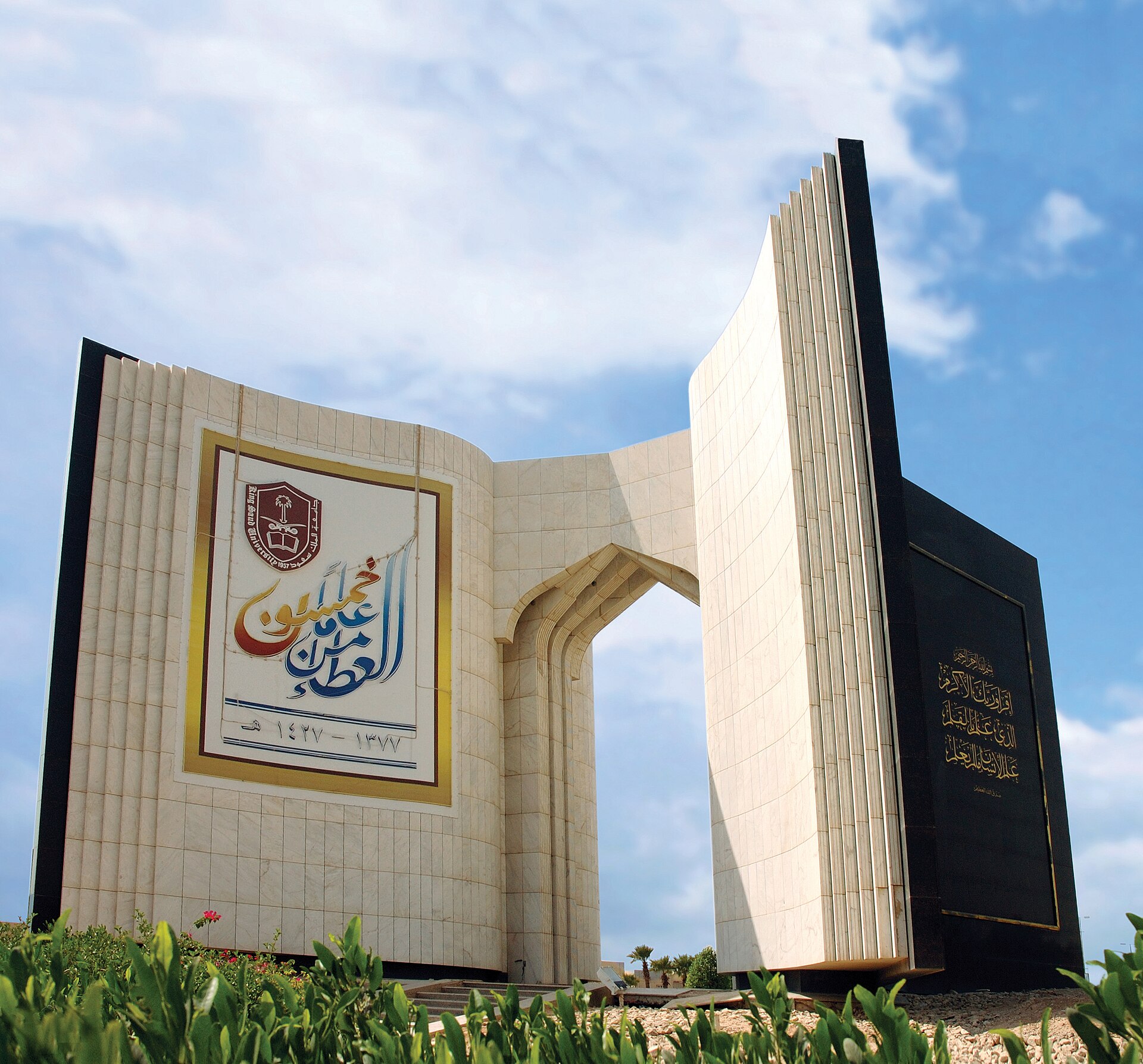
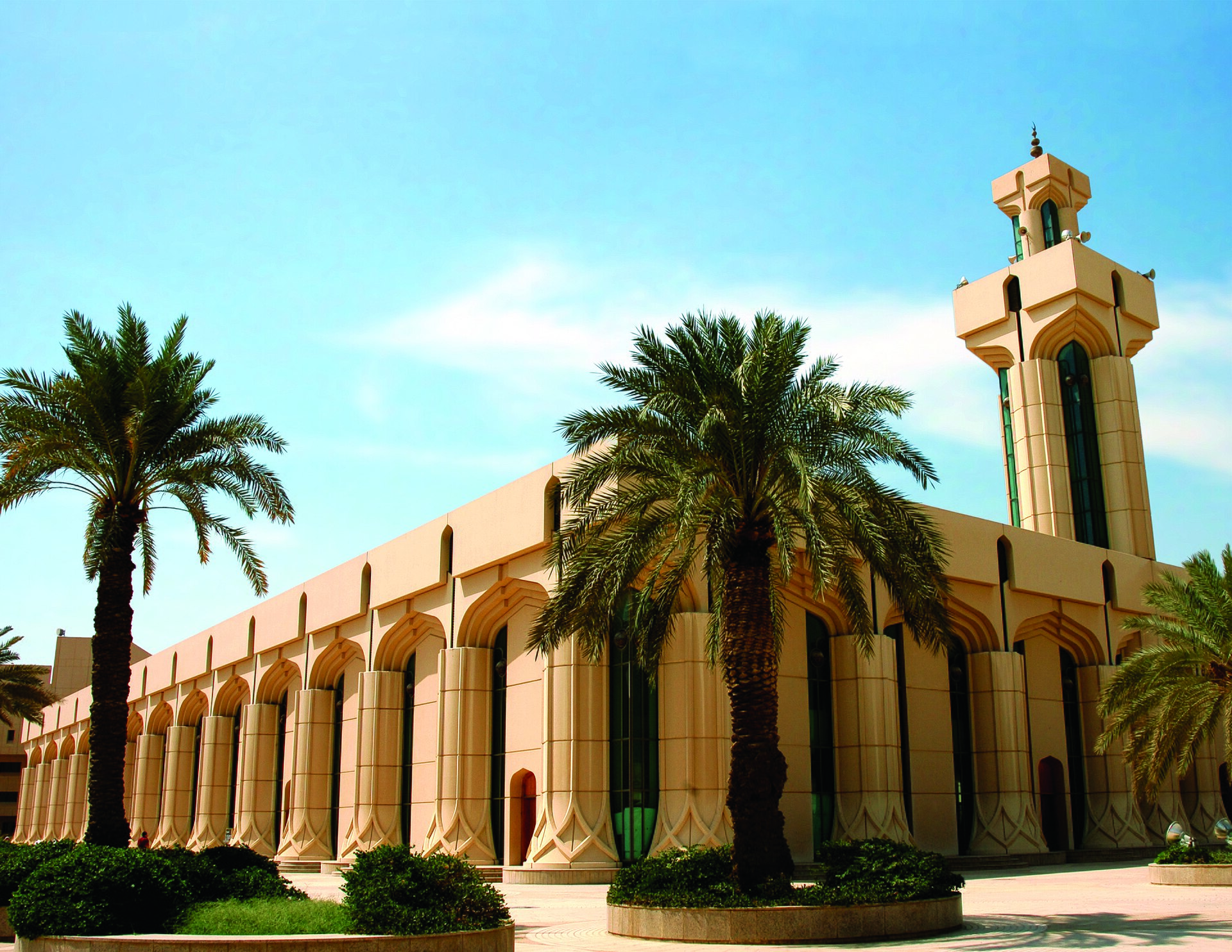

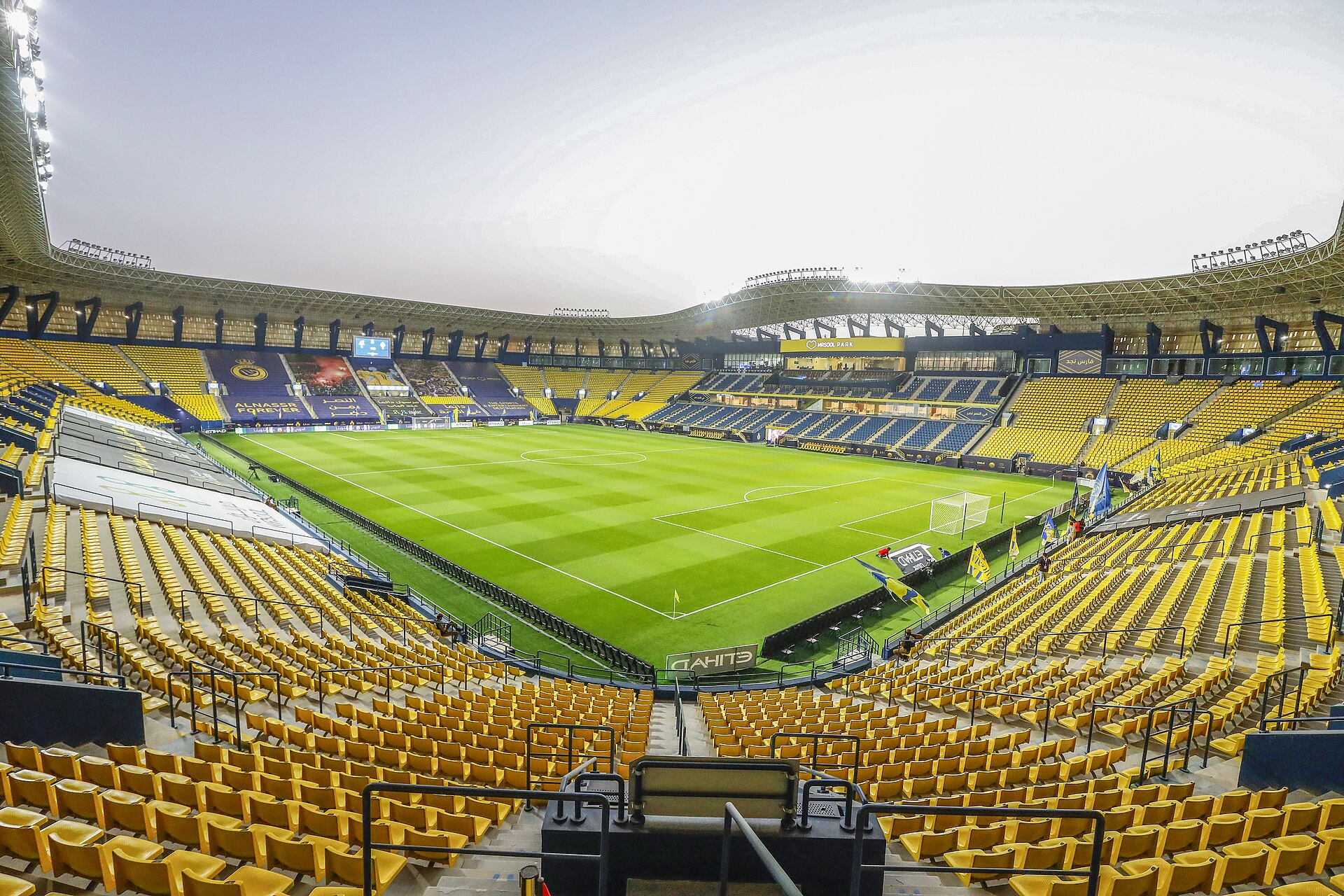
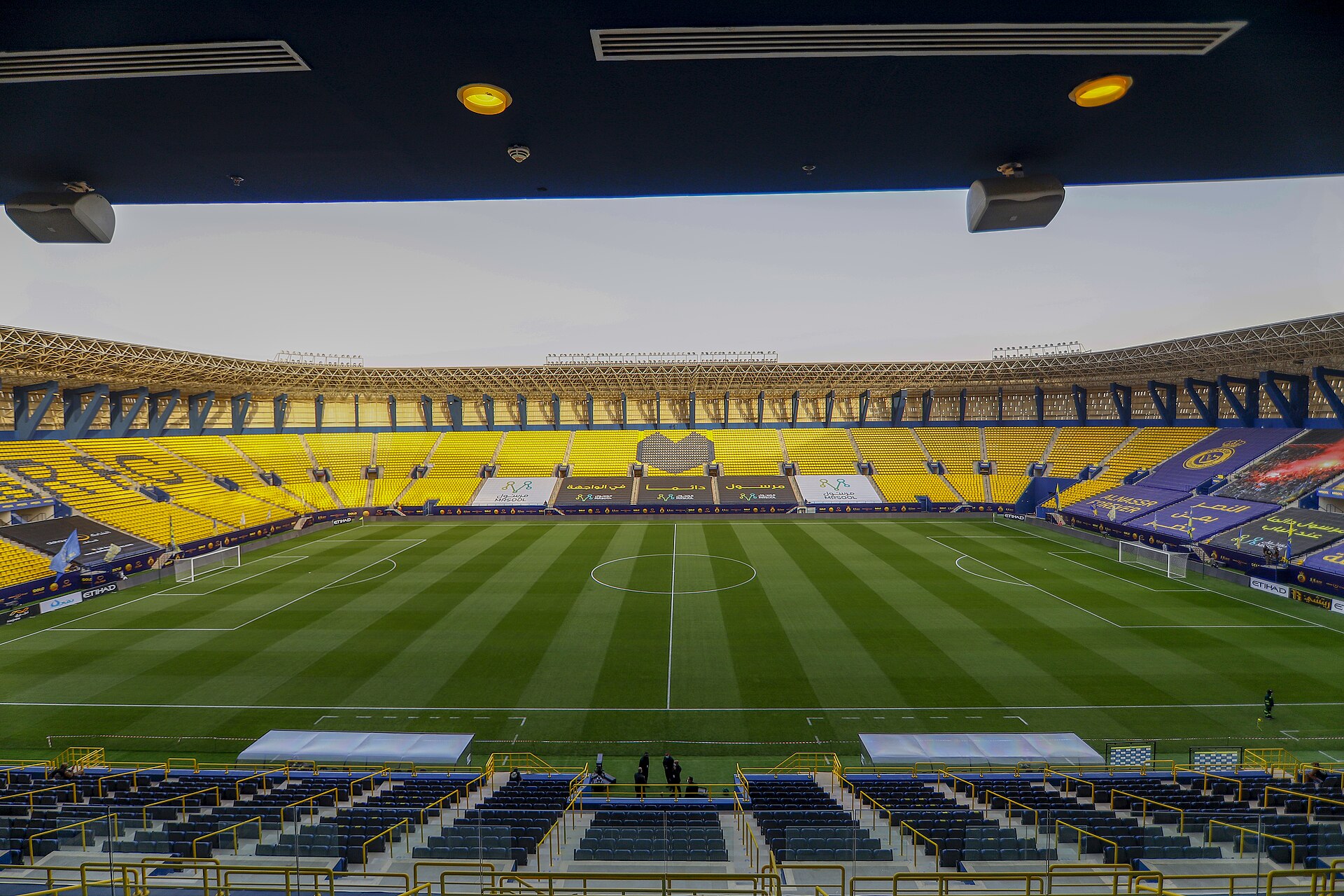
Why King Saud University — Research Power, Regional Prestige & Global Rankings
KSU is consistently the top-ranked university in Saudi Arabia and among the leading research universities in the Arab world. Its scale, research output, and government-backed investment make it a compelling choice for internationally ambitious students in medicine, engineering, science, and business.
KSU Acceptance Rate & Admissions Profile
Stats
Profile Stats
Rea Vs Rd
KSU Admissions Requirements — Academics, English Proficiency & Subject Fit
- Top academic record in relevant subjects is the primary criterion
- Subject alignment with chosen faculty is checked carefully
- IB Diploma: minimum 30 points (higher for Medicine/Engineering)
- A-Levels: BBB minimum, higher for competitive programmes
- IELTS Academic: 6.0 overall minimum
- TOEFL iBT: 70 minimum
- Some faculties set higher language thresholds
- Medium-of-instruction waiver possible if schooled in English
- Medicine/Dentistry: Biology + Chemistry HL/A-Level essential
- Engineering/CS: Mathematics + Physics at high level
- Business: Mathematics/Economics background expected
- Architecture: Mathematics + Physics; portfolio may be required
KSU Application Components — Direct Portal, Documents & Requirements
KSU operates a direct online application system via its official admissions portal at ksu.edu.sa. Unlike the US Common App or UK UCAS, there are no standardised essay prompts — admission is documentation and grade based. Below are all required and optional components of a complete KSU international application.
KSU Application Statements — Writing for Scholarship Committees & Graduate Admissions
Tips
Prompts
What KSU Admissions Evaluates in International Applicants
Unlike US or UK selective universities that evaluate holistic profiles — essays, activities, and recommendations alongside grades — KSU's primary evaluation framework is academic. Understanding what KSU's process actually weighs, and focusing your preparation accordingly, is the foundation of a strong international application.
KSU Funding & Scholarships for International Students
As a Saudi public university, KSU's tuition is substantially below comparable research universities in the US, UK, or Australia. The primary financial support mechanism for international students is bilateral government scholarship programmes — full-funding schemes negotiated between Saudi Arabia and individual countries. Self-funded students pay comparatively modest tuition and living costs.
Cost figures are from the university's published data and expressed in USD equivalents. Actual Saudi Riyal amounts depend on exchange rates at the time of payment. Scholarship coverage details vary by programme — confirm with your sponsoring authority.
Stats
Contribution Tiers
| Note | Range | Percent | Percent Value |
|---|---|---|---|
| Tuition, accommodation, and monthly stipend — full coverage | Bilateral Government Scholarship | 100% | 100 |
| Tuition covered; student funds accommodation and living | Partial Scholarship (where available) | 50-70% | 60 |
| Tuition + living — student self-funds entirely | Self-Funded (no scholarship) | 0% | 0 |
Key Dates
Advantages
- Full range of programmes available in the Fall intake
- Most competitive scholarship allocations are aligned to the Fall semester
- More time to complete documentation and language proficiency tests
- Larger international student cohort starts in September
- Bilateral scholarship nominations typically align with the Fall window
Disadvantages
- Spring intake has limited programme availability — not all colleges accept February starters
- Scholarship availability in Spring is more restricted
- Smaller cohort size in Spring can limit social and academic integration
- Some faculties require a full-year start — confirm with the college
- Spring applications may face shorter processing windows for visa and Iqama
KSU Interview Process — What International Students Should Know
King Saud University does not conduct formal interviews for standard undergraduate admission. Most programmes admit on the basis of your academic record and documentation alone. Highly competitive programmes — particularly Medicine, Dentistry, and some graduate research tracks — may include an additional assessment or evaluation step. If you are applying to one of these programmes, contact the college directly to confirm the current requirements for international applicants.
Meta
Questions
KSU Campus Housing & Residential Life
KSU's main campus in north-western Riyadh is one of the largest university campuses in the world. The university operates separate campus sections and residential facilities for male and female students, reflecting Saudi cultural norms. On-campus accommodation is available for international students, easing the initial transition to life in Riyadh. Availability changes each cycle — contact the Deanship of Student Affairs to request housing at the time of your application.
Houses
Lottery Steps
- After receiving your admission offer, contact the Deanship of Student Affairs to request on-campus accommodation
- Male and female students are accommodated in separate campus residential sections
- Scholarship students may have accommodation included in their award — confirm with your sponsoring body
- Self-funded students who do not secure campus housing can access university-facilitated off-campus options near the campus
- Riyadh's public metro (operational) and taxi network make off-campus living practical for students with a modest transport budget
KSU Colleges & Academic Programmes
- {"label":"Flagship programme","value":"MBBS / M.D."}
- {"label":"Clinical training base","value":"KSU Medical City"}
- {"label":"Selectivity","value":"Highly competitive"}
- {"label":"Additional assessment","value":"Possible for internationals"}
- {"label":"Key programmes","value":"Civil, Mechanical, Electrical, Chemical"}
- {"label":"Industry links","value":"Saudi Aramco, SABIC, NEOM"}
- {"label":"Vision 2030 alignment","value":"High"}
- {"label":"Entry requirement","value":"Strong Maths + Physics"}
- {"label":"Key programmes","value":"CS, Information Systems, Cybersecurity"}
- {"label":"Language of instruction","value":"Primarily English"}
- {"label":"Industry partnerships","value":"STC, Huawei, Oracle"}
- {"label":"Entry requirement","value":"Strong Maths background"}
- {"label":"Key programmes","value":"BBA, Accounting, Finance, Marketing"}
- {"label":"MBA available","value":"Yes"}
- {"label":"Industry links","value":"Saudi banking, retail, public sector"}
- {"label":"Entry requirement","value":"Mathematics / Economics"}
- {"label":"Flagship programme","value":"PharmD"}
- {"label":"Entry requirement","value":"Biology + Chemistry"}
- {"label":"Training base","value":"KSU Medical City"}
- {"label":"Accreditation","value":"Saudi Commission for Health Specialties"}
- {"label":"Flagship programme","value":"B.Arch"}
- {"label":"Portfolio requirement","value":"Confirm with college"}
- {"label":"Vision 2030 relevance","value":"Very high (NEOM, Diriyah)"}
- {"label":"Entry requirement","value":"Maths + Physics + design aptitude"}
Research & Student Life Opportunities at KSU
Career Outcomes & KSU Alumni Network
KSU graduates benefit from deep institutional relationships with Saudi Arabia's largest employers — in energy, healthcare, banking, and government. The 85% employment rate reflects the Kingdom's active policy of routing major public-sector hiring through its national universities. International graduates often find roles in multinational firms with Saudi operations, or return home with GCC-market expertise that is increasingly valued globally.
Stats
Categories
Our KSU Admissions Track Record & Student Success Stories
Faqs
Can international students apply to KSU without a government scholarship?+
Yes. While many international students arrive through bilateral government scholarship programmes, KSU accepts self-funded international applicants through its direct admissions portal. Seats are limited within the international student quota, so early and complete applications are essential.
Which KSU programmes are taught in English?+
A number of science, engineering, and graduate programmes are delivered in English — including most of the College of Computer and Information Sciences and parts of the Engineering college. Undergraduate programmes in humanities and many social sciences are predominantly Arabic-medium. Confirm the language of instruction for your specific programme with the relevant college before applying.
Do I need to know Arabic to study at KSU?+
For English-medium programmes, Arabic is not a prerequisite for admission. However, some knowledge of Arabic is highly beneficial for daily life in Riyadh. KSU offers Arabic language support for international students. For Arabic-medium programmes, a recognised Arabic language proficiency certificate is required.
What is the minimum IB score for admission?+
The university's data indicates an IB band of 30 points as the indicative minimum. Competitive programmes such as Medicine, Dentistry, and Computer Engineering will expect substantially higher scores. These thresholds are subject to change — verify with the admissions office for your specific programme.
Is there student accommodation on campus?+
KSU offers on-campus housing for international students through the Deanship of Student Affairs. Availability and allocation procedures change each cycle. Contact Student Affairs at the time of your application to request campus accommodation. Scholarship students should check whether their award includes housing.
How does the Saudi student visa (Iqama) process work for admitted students?+
Once you receive an official admission letter from KSU, the university coordinates the student residency permit (Iqama) process. Do not apply for a visa independently before receiving formal admission documentation. Applicants from certain countries may require additional processing time — start documentation as early as possible after receiving your offer.
Can female international students attend KSU?+
Yes. KSU is open to both male and female students. The university operates dedicated facilities for female students on campus. Female international students should review the university's current accommodation and campus-access policies, which have evolved significantly under Vision 2030.
Is there financial aid for international students who are self-funded?+
KSU does not publish a universal need-based financial aid programme for self-funded international students. Limited merit-based support may be available through specific faculties — enquire with the Deanship of Admission and Registration. The primary financial support route for international students remains bilateral government scholarship programmes through your country's Ministry of Education.
Book a Free KSU Admissions Strategy Session
In 60 minutes our advisors will evaluate your academic profile against KSU's faculty requirements, identify the scholarship route available in your country, clarify language and documentation requirements, and help you build a complete application strategy — including timeline, contact points, and any written components needed.
- No commitment required
- KSU and Saudi university specialists
- Scholarship pathway identification — country-specific
- Personalised document preparation checklist
KSU Academic Requirements
King Saud University Academic Standards — The Honest Breakdown for International Students
What grades, qualifications, and academic profile do KSU's admitted international students actually need? And how does KSU evaluate IB, A-Levels, and other international curricula for its most competitive programmes?
GPA & Academic Standing
KSU and Academic Performance — What the Data Shows
The honest picture: KSU does not publish a universal minimum GPA in the form used by US universities. In practice, the most competitive KSU programmes — Medicine, Dentistry, Computer Science, and Engineering — expect applicants to be in the top tier of their cohort, with consistently strong grades in relevant subjects.
A strong overall academic record is a baseline expectation. What distinguishes admitted students — particularly for competitive programmes — is the combination of strong overall grades with strong performance in the specific subjects relevant to their chosen faculty. Subject-level strength matters as much as cumulative GPA.
Academic Context
How KSU Reads International Academic Records
KSU evaluates international applicants' academic records in the context of their qualification system. Admissions staff are experienced with IB, A-Levels, and a range of national secondary certificates from countries that send significant numbers of students to Saudi universities.
Standardised Testing
SAT Scores at KSU — Strategic Guidance for International Applicants
KSU does not require SAT scores as a standard component of international undergraduate applications. The test policy is optional. The SAT is best understood as a supplementary signal for KSU applicants — not the primary evaluation criterion it is in US admissions.
| Label | Score | Percent |
|---|---|---|
| Test policy | Optional | 50 |
| Math subscore relevance | High (STEM) | 70 |
| Required for admission | No | 0 |
Standardised Testing
ACT Scores at KSU — The Strategy
The ACT is accepted alongside the SAT by most major international universities and can be submitted to KSU as a supplementary academic credential. Like the SAT, it is not required.
Metrics
Comparison Cards
Testing Strategy
KSU Test Policy — What 'Optional' Actually Means Here
KSU's test policy is optional with respect to international standardised tests (SAT/ACT). This is a natural reflection of the fact that KSU is not a US institution and does not use the same admissions framework. Understanding what optional actually means in the KSU context is important.
Submit Items
Withhold Items
Curricula
A-Levels and IB at KSU — Specific Benchmarks
- {"label":"Indicative minimum","value":"30 points overall"}
- {"label":"Medicine/Dentistry expectation","value":"36+ with HL Biology and HL Chemistry"}
- {"label":"Engineering/CS expectation","value":"34+ with HL Mathematics and HL Physics"}
- {"label":"HL subject alignment","value":"Critical — must match target faculty"}
- {"label":"Indicative minimum","value":"BBB overall"}
- {"label":"Medicine/Dentistry expectation","value":"AAA in Biology, Chemistry, and a third science or Mathematics"}
- {"label":"Engineering/CS expectation","value":"AAB with A in Mathematics and Physics"}
- {"label":"Subject alignment","value":"Three relevant subjects required — mismatched choices are a rejection signal"}
Advanced Placement
AP Courses at KSU — What They Mean for International Applicants
Advanced Placement courses and examinations are a US curriculum framework. KSU does not use AP scores as a standard component of international admissions. However, for students from US-curriculum international schools, AP performance can serve as a useful supplementary signal of quantitative and scientific ability.
Academic Rigour
Secondary School Rigour — How KSU Evaluates Your Academic Record
KSU evaluates the strength of your secondary-school academic record — including the rigour of the courses you took and the grades you achieved in them. While KSU does not use the phrase 'rigour of secondary school record' in the way Harvard's Common Data Set does, the underlying principle is the same: what you studied and how well you performed in the most demanding available options.
Strong grades in the most demanding available courses relevant to your intended KSU faculty — not just strong grades overall.
Subject Preparation
Subject-by-Subject Preparation — What KSU Expects by Faculty
KSU's academic expectations vary significantly by faculty. Unlike Harvard, which admits students college-wide with no declared major, KSU admits students directly into specific colleges and programmes. Your academic preparation must be specifically calibrated to your target faculty from Grade 9 onwards.
Language Proficiency
English Language Requirements for International KSU Applicants
English language proficiency is a hard admission requirement for English-medium programmes at KSU, not a soft factor. Unlike some US universities that infer English ability from essay quality, KSU requires a formal proficiency certificate. Meeting — and ideally exceeding — the minimum threshold is essential.
The minimum thresholds are gatekeeping requirements. For competitive programmes like Medicine and CS, many successful applicants present scores well above the minimum. If your IELTS is at the minimum 6.0, confirm with the specific college whether a higher score is expected before applying.
By College/Programme
Academic Requirements by KSU College — What Different Pathways Expect
KSU admits students directly into specific colleges and programmes — unlike Harvard's college-wide admissions. The academic requirements below are per-faculty benchmarks. Verify current requirements directly with the target college, as KSU's programme offering and thresholds evolve with Vision 2030 curriculum reforms.
| Signals | Expectation | Concentration |
|---|---|---|
| HL Biology 6-7, HL Chemistry 6-7 | IB 36+; A-Level AAA in Bio/Chem/Maths or Phys | Medicine (MBBS) |
| HL Biology 6-7, HL Chemistry 6-7 | IB 34+; A-Level AAB in Bio/Chem/Maths | Dentistry |
| HL Maths 6-7, HL Physics 6-7 | IB 34+; A-Level AAB in Maths/Physics | Engineering (Civil/Mechanical/Electrical) |
| HL Maths 6-7; CS background | IB 32+; A-Level ABB in Maths/CS or Physics | Computer Science |
| HL Maths + HL Biology/Chemistry | IB 34+; A-Level AAB in Bio/Chem/Maths | Pharmacy |
| Maths/Economics background | IB 30+; A-Level BBB with Maths | Business Administration |
| Maths + Physics; design portfolio if required | IB 30+; A-Level BBB with Maths | Architecture & Planning |
International Systems
KSU and International Education Systems — How Your Curriculum Is Evaluated
Roadmap
Building an Academic Profile for KSU — What to Do at Each Stage
- Identify your target KSU faculty early — the earlier you know you want Medicine vs Engineering vs Business, the better your subject choices can be aligned.
- Build strong grades in Mathematics and Sciences from the outset.
- Begin IELTS/TOEFL preparation if English is not your primary language — the sooner the better.
- Investigate whether your country has a bilateral scholarship agreement with Saudi Arabia.
- Choose IB HL subjects or A-Level options that directly map to your KSU faculty target.
- Medicine: HL Biology + HL Chemistry mandatory.
- Engineering: HL Mathematics + HL Physics mandatory.
- Avoid elective mismatches — subject misalignment is the most common rejection reason.
- Begin researching bilateral scholarship pathways and eligibility requirements.
- Contact your national Ministry of Education or Ministry of Higher Education to confirm bilateral scholarship availability for KSU.
- Many countries' scholarship cycles have internal nomination deadlines earlier than KSU's own application window.
- Prepare scholarship personal statement drafts — even before the formal application opens.
- Take IELTS or TOEFL early in Grade 12 so results are available for your application.
- Aim for IELTS 6.5+ or TOEFL iBT 80+ to comfortably clear minimum thresholds.
- Some competitive faculties expect higher proficiency than the university minimum.
- Gather: certified transcripts, passport copy, medical certificate, English proficiency results, scholarship documentation (if applicable), certified translations of non-English/Arabic documents.
- Submit as early as possible within the KSU application window — international quota fills on a rolling basis.
- Follow up with KSU admissions to confirm receipt and completeness of your file.
Common Pitfalls
Academic Mistakes That Damage KSU Applications — And How to Avoid Them
Real Outcomes
What Academic Profiles Successful KSU International Applicants Had
The following profiles illustrate the academic backgrounds of students Tychr has helped gain admission to KSU or comparable Gulf-region research universities. They show the range of preparation that works, and what made each application compelling.
Faqs
What IB score do I need for KSU?+
An IB Diploma total of 30 is the indicative minimum for general admission. Competitive faculties — Medicine (36+), Engineering (34+), Computer Science (32+) — expect significantly higher totals. Subject-level HL grades in relevant disciplines matter as much as the total.
Is the SAT required for KSU?+
No. SAT and ACT are optional at KSU. Your secondary-school qualifications (IB, A-Levels, or equivalent) and English language proficiency certificate are the standard and sufficient academic submissions for most international applicants.
Do I need IELTS or TOEFL for KSU?+
Yes, if your intended programme is English-medium. A minimum IELTS of 6.0 or TOEFL iBT of 70 is required. Some faculties set higher thresholds. A waiver may be available if your secondary schooling was conducted entirely in English — confirm with the college.
How do I find out if my country has a scholarship agreement with KSU?+
Contact your national Ministry of Education or Ministry of Higher Education to ask specifically whether a bilateral scholarship agreement exists with Saudi Arabia for KSU placements. Many countries have such agreements — the bottleneck is typically the nomination process within your own country, not KSU itself.
My earlier grades were weak but I've improved significantly — does this count at KSU?+
An upward trajectory is viewed positively. KSU's primary evaluation is based on final or predicted grades — strong performance in Grade 11 and 12, particularly in relevant subjects, carries the most weight. Demonstrate a consistent improvement and explain any earlier weak periods in your documentation where possible.
Cost & Scholarships
King Saud University May Cost You Far Less Than You Expect — Here's the Full Picture.
As a Saudi public university, KSU's tuition is a fraction of comparable research universities in the West. For students who secure bilateral government scholarships, the cost is effectively zero. Here is exactly what KSU costs, how scholarship funding works, and what self-funded students should budget.
Cost Transparency
What KSU Actually Costs — The Full Annual Figure
As a Saudi public university, KSU is mandated to serve national higher education goals at accessible cost. While international students pay higher rates than Saudi nationals, the annual cost (~$15,000 all-in) is substantially below the cost of comparable research universities in the US ($70,000+), UK ($35,000+), or Australia ($40,000+). Riyadh's relatively low cost of living compared to Western university cities further reduces the real financial burden.
Scholarship Framework
KSU Scholarship Model — How Funding Works for International Students
KSU's primary mechanism for international student funding is not a university-operated financial aid office in the US sense, but a network of bilateral government scholarship agreements between the Kingdom of Saudi Arabia and individual countries. Saudi Arabia's Ministry of Education administers these programmes jointly with partner-country Ministries, routing fully-funded students to KSU and other Saudi public universities.
Institutional Context
Why KSU's Costs Are Accessible — The Public University Context
How to Get Funded
Applying for Financial Support at KSU — The Process Step by Step
Securing financial support for KSU is a different process from applying for US financial aid. There is no CSS Profile or FAFSA equivalent. Here is the complete step-by-step process for both scholarship and self-funded applicants.
- Contact your national Ministry of Education, Ministry of Higher Education, or equivalent body
- Ask specifically about bilateral scholarship agreements with Saudi Arabia for study at KSU
- Identify the administering office or cultural bureau in your country
- Bilateral scholarships have their own GPA, age, and qualification requirements
- Nomination deadlines may fall months before KSU's own application window
- Some programmes require national competitive examinations or interviews
- Academic transcripts (certified)
- Personal statement / motivation letter
- English proficiency certificate
- Passport copy
- Letters of recommendation (if required by the scholarship body)
- Submit to your Ministry or cultural bureau — not directly to KSU
- Bilateral scholarship applicants do not typically apply to KSU independently; the university placement is arranged by the scholarship body
- Confirm submission receipt and track the nomination timeline
- Use the official KSU admissions portal at ksu.edu.sa
- Submit all required documentation: transcripts, language certificate, passport copy, medical certificate, certified translations
- Apply as early as possible in the application window — quota fills on a rolling basis
International Student Funding
Financial Support for International Students at KSU — How It Really Works
Understanding how financial support actually flows to international KSU students is critical — and quite different from the US/UK university aid model. Here is what international students need to know.
Funding Coverage
What Financial Support Looks Like at KSU — Coverage by Student Type
KSU Funding by Applicant Category
Cost figures are estimates in USD equivalent based on the university's published data. Scholarship coverage details vary by bilateral programme — confirm with your sponsoring authority.
For bilateral scholarship students, KSU costs nothing. For self-funded students, the ~$15,000 annual cost of attendance is one of the most affordable options among globally ranked research universities. The difference between the two scenarios is driven by your government scholarship eligibility, not by KSU's financial aid policy.
| Grant | Income | Contribution |
|---|---|---|
| Tuition + accommodation + monthly stipend | Bilateral government scholarship (full) | $0 |
| Tuition only | Partial scholarship (tuition waiver) | ~$12,000/year (living costs) |
| Limited internal merit support (where available) | High-achieving self-funded applicant | ~$13,000–$15,000/year |
| None | Standard self-funded student | ~$15,000/year (full cost of attendance) |
Table Headers
Scholarship Qualification
KSU Merit and Need-Based Support — What Exists and Who Qualifies
KSU does not operate a comprehensive merit or need-based financial aid programme for international students comparable to US universities. The distinction between funding types is simpler at KSU: you are either a scholarship student (government-funded) or a self-funded student.
External Funding
External Scholarships for KSU-Bound International Students
While KSU's own scholarship provision is limited to bilateral government programmes, international students may access a range of external scholarship opportunities that can fund or partially fund study at KSU.
Loan Policy
KSU and Student Loans — What International Students Need to Know
KSU does not offer student loans to international students. Unlike US universities where student loan financing is a standard part of the financial aid package, KSU's model is simpler: students are either government scholarship-funded (zero cost) or self-funded from personal or family resources.
Student Employment
Work Rights for International Students at KSU — What You Need to Know
Saudi Arabia's regulations on student employment for international students are subject to ongoing reform under Vision 2030. The position at the time of writing is that international students on student residency permits (Iqama) in Saudi Arabia face restrictions on formal employment. Before including part-time income in your financial plan, confirm the current rules with KSU's International Student Office and Saudi immigration authorities.
- Paid research assistantships in faculty labs (available to postgraduate students; limited for undergraduates)
- Teaching assistant roles in some departments (primarily postgraduate)
- Some paid tutoring arrangements within the university (confirm eligibility)
- Part-time work in Saudi Arabia for international students on Iqama — subject to evolving labour regulations; verify before relying on this income stream
Cost Comparison
KSU vs. Comparable International Universities — Financial Aid Comparison
| Policy | School | No Loans | Typical Cost |
|---|---|---|---|
| Bilateral scholarship (full) | KSU (scholarship student) | N/A | $0 |
| Public university — self-funded | KSU (self-funded) | Yes (no loans offered) | ~$15,000/year |
| Need-blind, full-need, no loans | Harvard / Princeton / MIT | Yes | $0–$20,000 (income-dependent) |
| International tuition + limited aid | UK Russell Group (London) | No standard loans | ~$35,000–$45,000/year |
| International tuition + limited aid | Top Australian university | No | ~$30,000–$40,000/year |
| International tuition (public UAE) | UAE public university (e.g. UAE University) | Limited | ~$8,000–$15,000/year |
True Cost Analysis
KSU vs. Global Alternatives — What You Actually Pay Over Four Years
For a scholarship student, KSU costs nothing over four years — a genuine $0 education at a globally-ranked research university. For a self-funded student, KSU's ~$60,000 four-year cost is 60–75% less than comparable research universities in the UK or Australia, and 75%+ less than a US private university without financial aid. The value comparison strongly favours KSU for students in either funding category.
| Policy | School | Contribution | Four Year Cost |
|---|---|---|---|
| Full bilateral scholarship | KSU (scholarship student) | $0 | $0 |
| Public university, no institutional aid | KSU (self-funded) | ~$15,000/year | ~$60,000 |
| Need-blind, full-need, no loans (under $85K family income) | Harvard | $0 | ~$0 |
| International tuition, limited aid | UK Russell Group (average) | ~$35,000/year | ~$140,000 |
| International tuition, limited aid | Top Australian university | ~$33,000/year | ~$130,000 |
| US public university (out-of-state) | US State Flagship | ~$40,000/year | ~$160,000 |
Funding Appeals
Appealing Financial Support Decisions — What Is Possible at KSU
KSU does not have a financial aid appeal process in the US university sense — there is no need-based aid package to appeal. However, there are two situations where a form of appeal or revision may be relevant: (1) scholarship award disputes, and (2) requests for internal faculty-level support.
The honest note: Most financial support decisions at KSU for international students are made by bilateral scholarship bodies, not by KSU itself. If your scholarship was denied or reduced, the appeal process runs through your home government's sponsoring body — not KSU's admissions office. Do not direct scholarship appeals to KSU unless KSU's internal merit support specifically made the decision.
How To Appeal
- For bilateral scholarship decisions: contact your national Ministry of Education or cultural bureau directly
- For KSU internal support decisions: contact the Deanship of Admission and Registration in writing with supporting documentation
- For changed financial circumstances: present updated financial documentation to the relevant office promptly
When To Appeal
- Your scholarship award letter contains errors or does not reflect the agreed terms
- Your financial circumstances have changed significantly since your application
- You received an academic admission from KSU but your scholarship nomination was denied — enquire about internal support availability
- A faculty-level merit support arrangement was discussed informally but not confirmed in writing
Financial Planning Timeline
Planning Your KSU Finances — What to Do and When
Application Strategy
The KSU Application — No Traditional Essays, But Your Narrative Still Matters What to Write and How
King Saud University does not require application essays or personal statements in the US Common App or UK UCAS sense — undergraduate admission is primarily academic-record and document based. However, for scholarship applicants, a compelling personal statement is often the decisive subjective document. For graduate applicants, a strong Statement of Purpose is essential. This guide covers what written communication matters, where, and how to approach it.
A complete guide to the written components of a KSU application — what is required, what is optional, and how to make the most of every piece of written communication in your candidacy.
Application System
How the KSU Application Works — An Honest Overview
Some faculties or specific programmes — and post-admission interviews or assessments for very competitive disciplines like Medicine — may request an additional written component or conduct an evaluation. Graduate and doctoral applicants are required to submit a Statement of Purpose. If you are applying under a bilateral scholarship, your scholarship body will require a separate personal statement or motivation letter — that document is covered in detail below and is arguably the most important writing you will do in your application.
KSU uses a direct online application system via its official portal (ksu.edu.sa). Unlike the US Common App (with its 650-word personal essay and institution-specific supplements) or UCAS (with its three-question personal statement), KSU's undergraduate application focuses on factual personal and academic information: your qualifications, grades, language proficiency, and choice of college and programme. There is no standard personal essay or personal statement required for most undergraduate admissions.
Statements & Written Components
Where Your Written Voice Matters in the KSU Application
While KSU itself does not require a traditional application essay for standard undergraduate admission, there are key written components that international applicants should approach with serious effort.
Strategy
Framing Your Candidacy Without a Traditional Essay
If the application form provides any free-text fields (reasons for choosing your programme, activities, personal notes), treat these as your best opportunity to signal who you are beyond your grades. Keep these sections focused and relevant — KSU admissions readers process high application volumes. A concise, clear, relevant statement is more effective than a verbose one. For scholarship applicants, invest your writing energy in the personal statement required by your scholarship body — this is where your voice genuinely matters and where your written preparation will have the greatest return.
Because KSU does not require a personal essay for undergraduate admission, the burden of differentiation falls primarily on the hard elements of your application — your grades, subject alignment, English proficiency test results, and the completeness and clarity of your documentation. Do not neglect the human dimension of your application just because there is no formal essay prompt.
Competitive Programmes
Additional Assessment for Competitive KSU Programmes
What to Emphasise
What to Highlight in Any Written Submission for KSU
Whether you are writing a scholarship personal statement, a graduate Statement of Purpose, or free-text fields in the application portal, certain themes resonate strongly with KSU's institutional identity and Saudi Arabia's current educational and national development priorities.
What Not to Do
Common KSU Application Mistakes to Avoid
- Submitting a generic scholarship personal statement that could apply to any university — specificity to KSU, your programme, and your post-graduation plans is essential.
- Not researching whether your intended programme is Arabic-medium or English-medium — language of instruction is critical and a mismatch can invalidate your application.
- Applying for Medicine or Dentistry without confirming the additional assessment or interview requirements for international applicants — these vary by intake and are not always publicly documented.
- For graduate applicants: submitting a Statement of Purpose without having identified a specific potential supervisor — this is often a rejection signal in research-degree contexts.
- Failing to get non-English/Arabic documents officially translated — KSU requires certified translations and informal versions are not accepted.
- Waiting until official final grades are published before applying — submit with predicted or preliminary results and update when finals are available, rather than missing the application window entirely.
- Overlooking the scholarship personal statement — for scholarship applicants, this document is often the single most important subjective differentiator between funded and unfunded candidacies.
- Ignoring the cultural dimension in your written materials — applicants who demonstrate no awareness of or preparation for Saudi cultural and social context are less compelling candidates, particularly for competitive and scholarship-assessed applications.
Application FAQs
Frequently Asked Questions — KSU Application & Written Components
Does KSU require a personal statement or essay for undergraduate admission?+
No — KSU does not require a US-style personal essay or UK-style personal statement for standard undergraduate admission. The application is primarily documentation-based (grades, language proficiency, passport, medical certificate). Some competitive programmes or scholarship bodies may additionally require a motivation letter or personal statement.
What language should my scholarship personal statement be written in?+
Typically English or Arabic, depending on the scholarship body. Some bilateral programmes run by non-Arabic-speaking countries may accept submissions in the applicant's national language. Check the specific requirements of your scholarship programme — do not assume English is acceptable without confirming.
Is there an interview process for KSU undergraduate admissions?+
For most undergraduate programmes, there is no formal interview. Highly competitive programmes — particularly Medicine and Dentistry — may include an additional assessment or aptitude evaluation for international applicants. Confirm current requirements with the specific college at the time of application.
How do I contact a potential supervisor for a research degree at KSU?+
Identify faculty in your field through the relevant college's website at ksu.edu.sa. Review their recent publications to find clear alignment with your research interests. Email the faculty member directly with a concise introduction, your CV, a brief description of your proposed research area, and a specific question about their current work. A positive response from a potential supervisor significantly strengthens your formal application.
What references or letters of recommendation does KSU require?+
Reference requirements vary by programme level. Graduate and doctoral applicants typically require two to three academic references. Undergraduate applicants may not need formal references at all — check the current application portal requirements. Scholarship applications often require references separately, as specified by the scholarship body.
If I write a strong scholarship personal statement, can it compensate for weaker grades?+
In the KSU context, an excellent personal statement cannot offset grades that fall below the minimum threshold for your target programme. Academic performance is the primary filter. A strong personal statement is meaningful at the margin when candidates are academically comparable — it is not a substitute for academic strength.
How long should a scholarship personal statement for KSU be?+
This depends entirely on the scholarship programme's requirements. Most bilateral programme motivation letters are 400–800 words. Confirm the word count or page limit specified by your scholarship body. If no limit is specified, aim for 500–700 words — focused, specific, and well-structured. Longer is not better.
Should I mention Vision 2030 in my personal statement?+
Yes — if it is genuine and specific, not generic. If you are applying to Engineering, Computer Science, Architecture, or Healthcare at KSU, Vision 2030 is the direct economic and policy context for those programmes. Demonstrating that you understand this and can articulate how your study connects to it is a genuine differentiator. Avoid superficial name-dropping — reference specific aspects of the transformation that connect to your field and your plans.
Courses — schools, degrees & intake
58 degrees across 12 groupings.
College of Engineering · 6 degrees
Bachelor of Science in Civil Engineering
Bachelor of Science in Electrical Engineering
Bachelor of Science in Chemical Engineering
Bachelor of Science in Mechanical Engineering
Bachelor of Science in Industrial Engineering
Bachelor of Science in Petroleum and Natural Gas Engineering
College of Computer and Information Sciences · 5 degrees
Bachelor of Science in Computer Science
Bachelor of Science in Computer Engineering
Bachelor of Science in Information Technology
Bachelor of Science in Software Engineering
Bachelor of Science in Information Systems
College of Business Administration · 9 degrees
Bachelor of Science in Accounting
Bachelor of Science in Finance
Bachelor of Science in Economics
Bachelor of Science in Health Administration
Bachelor of Science in Management
Bachelor of Science in Management Information Systems
Bachelor of Science in Marketing
Bachelor of Science in Public Administration
Bachelor of Science in Quantitative Analysis
College of Medicine · 1 degrees
Bachelor of Medicine and Bachelor of Surgery (MBBS)
College of Pharmacy · 1 degrees
Doctor of Pharmacy (Pharm.D)
College of Nursing · 2 degrees
Bachelor of Science in Nursing
Bachelor of Science in Midwifery
College of Science · 11 degrees
Bachelor of Science in Statistics
Bachelor of Science in Operations Research
Bachelor of Science in Mathematics
Bachelor of Science in Actuarial and Financial Mathematics
Bachelor of Science in Physics
Bachelor of Science in Chemistry
Bachelor of Science in Biochemistry
Bachelor of Science in Geology
Bachelor of Science in Geophysics
Bachelor of Science in Zoology
Bachelor of Science in Botany and Microbiology
College of Architecture and Planning · 2 degrees
Bachelor of Architecture and Construction Sciences
Bachelor of Urban Planning
College of Applied Medical Sciences · 7 degrees
Bachelor of Science in Radiological Sciences
Bachelor of Science in Optometry Sciences
Bachelor of Science in Health Rehabilitation
Bachelor of Science in Biomedical Engineering
Bachelor of Science in Community Health Sciences
Bachelor of Science in Clinical Laboratory Sciences
Bachelor of Science in Dental Health
College of Food and Agriculture Sciences · 6 degrees
Bachelor of Science in Applied Economics
Bachelor of Science in Animal Production
Bachelor of Science in Plant Production Sciences
Bachelor of Science in Plant Protection
Bachelor of Science in Food Sciences and Human Nutrition
Bachelor of Science in Agricultural Engineering
College of Education · 5 degrees
Bachelor of Education in Islamic Studies
Bachelor of Education in Curriculum and Instruction
Bachelor of Education in Educational Technology
Bachelor of Education in Psychology
Bachelor of Education in Special Education
College of Law and Political Science · 3 degrees
Bachelor of Law (Private Law)
Bachelor of Law (Public Law)
Bachelor of Political Science
Want your real chances at King Saud University?
Create a free TYCHR account for your personalised admit-chance, a shortlist you can track, exact entry requirements, and essay + counselling help.