Indian Institute of Technology Madras
Chennai, India · Suburban
Navigating admission to IIT Madras demands understanding a system entirely unlike Western universities — entrance-exam driven, research-intensive, and extraordinarily selective.
Campus
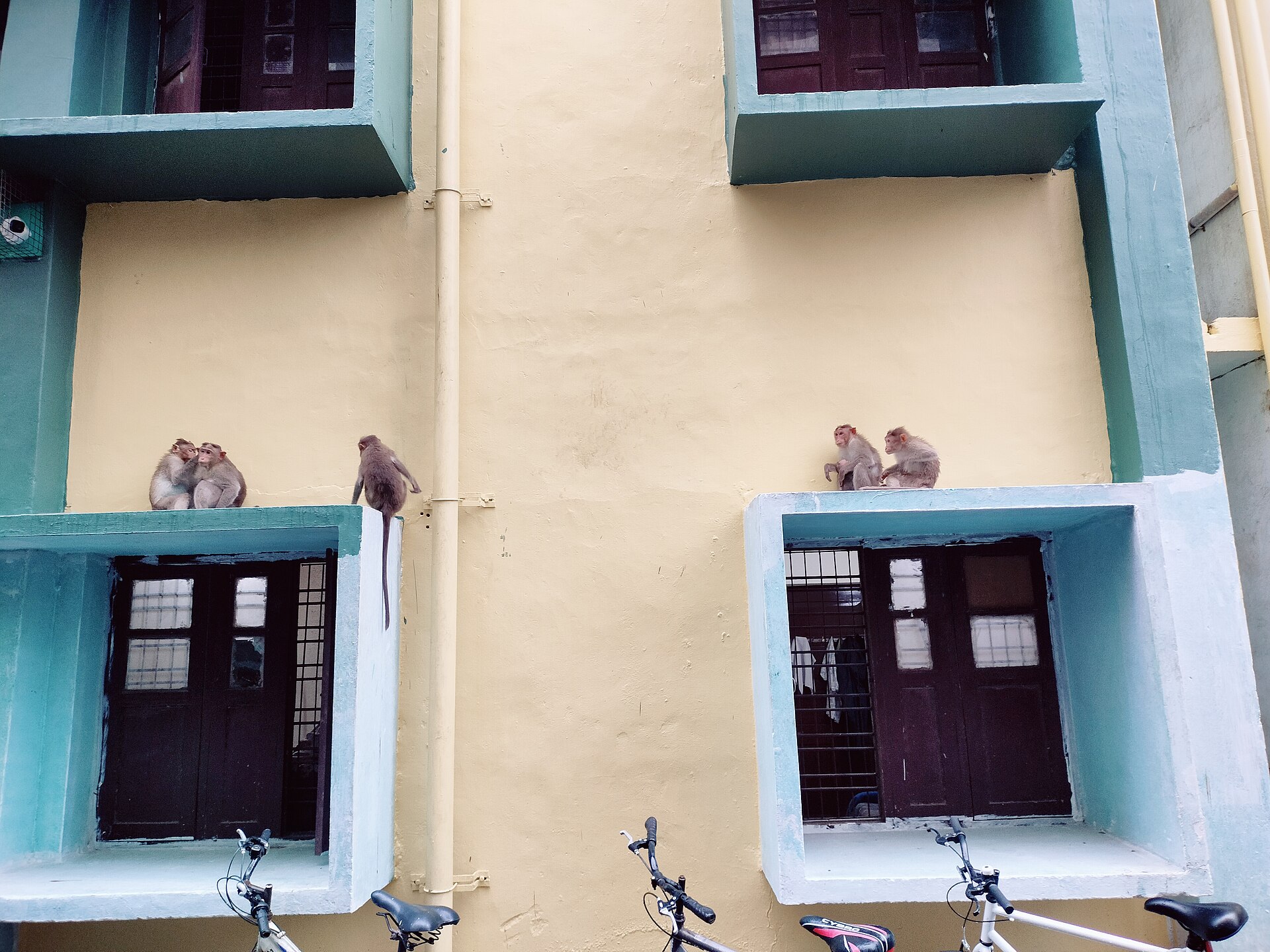
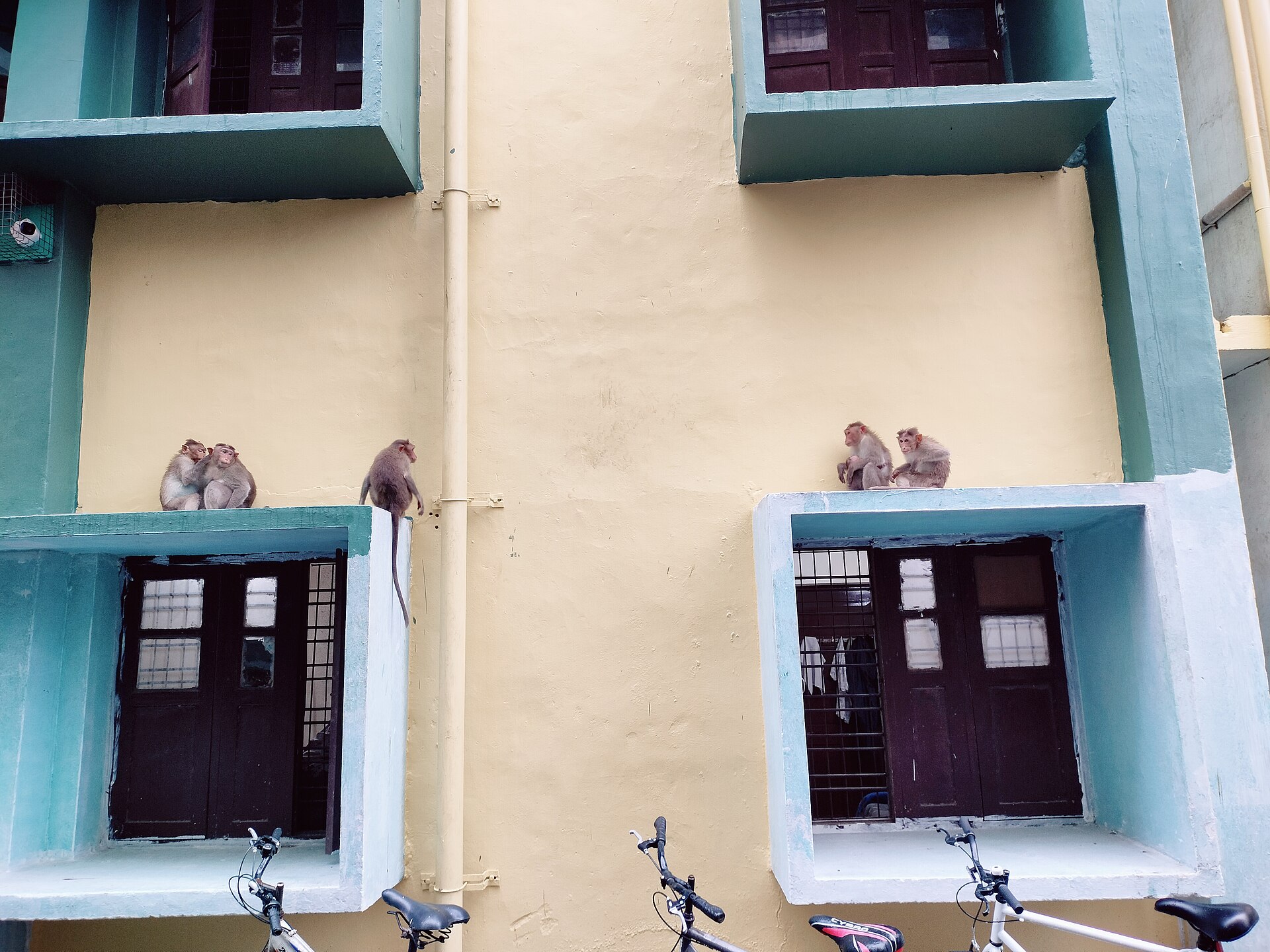
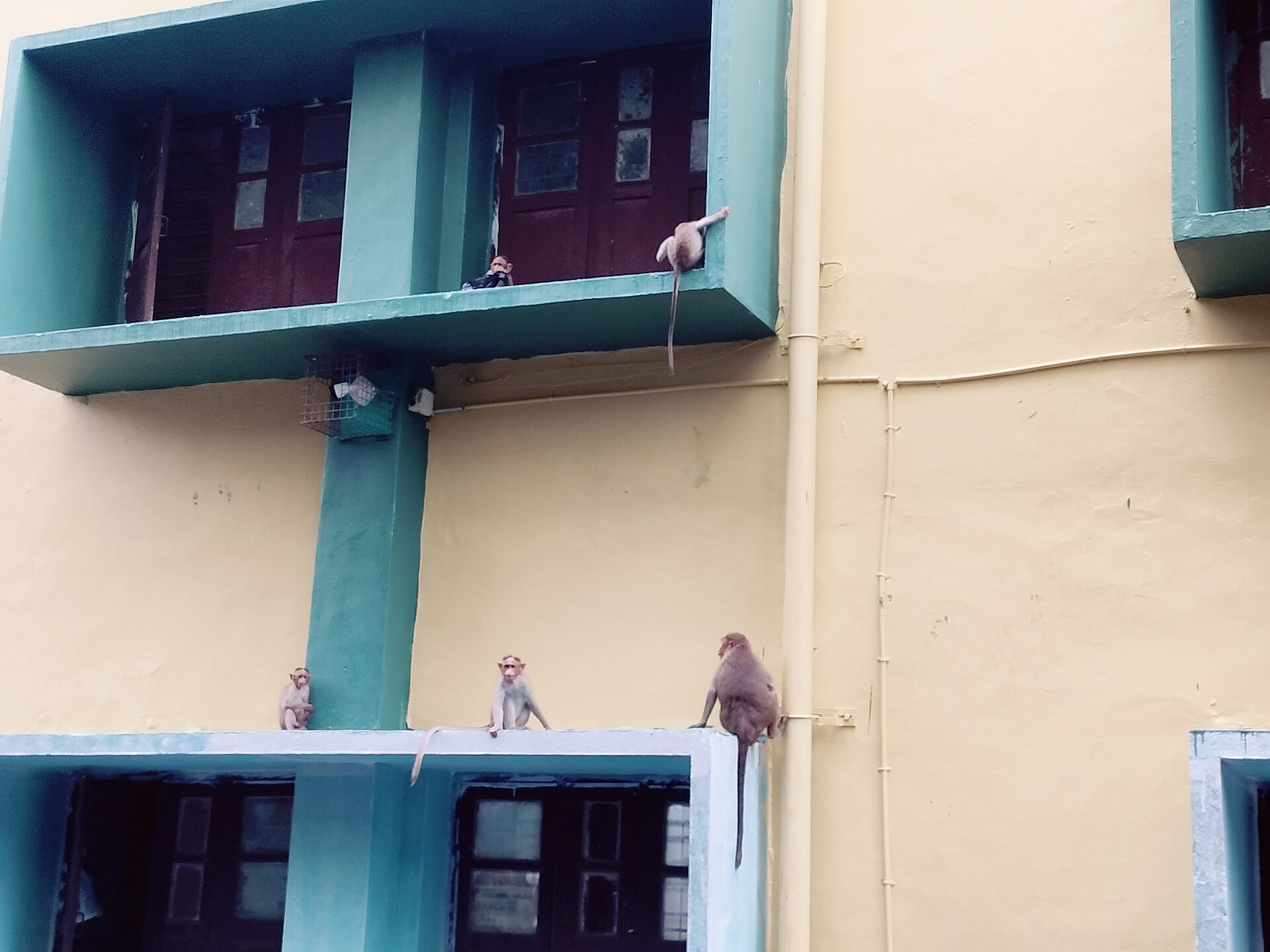
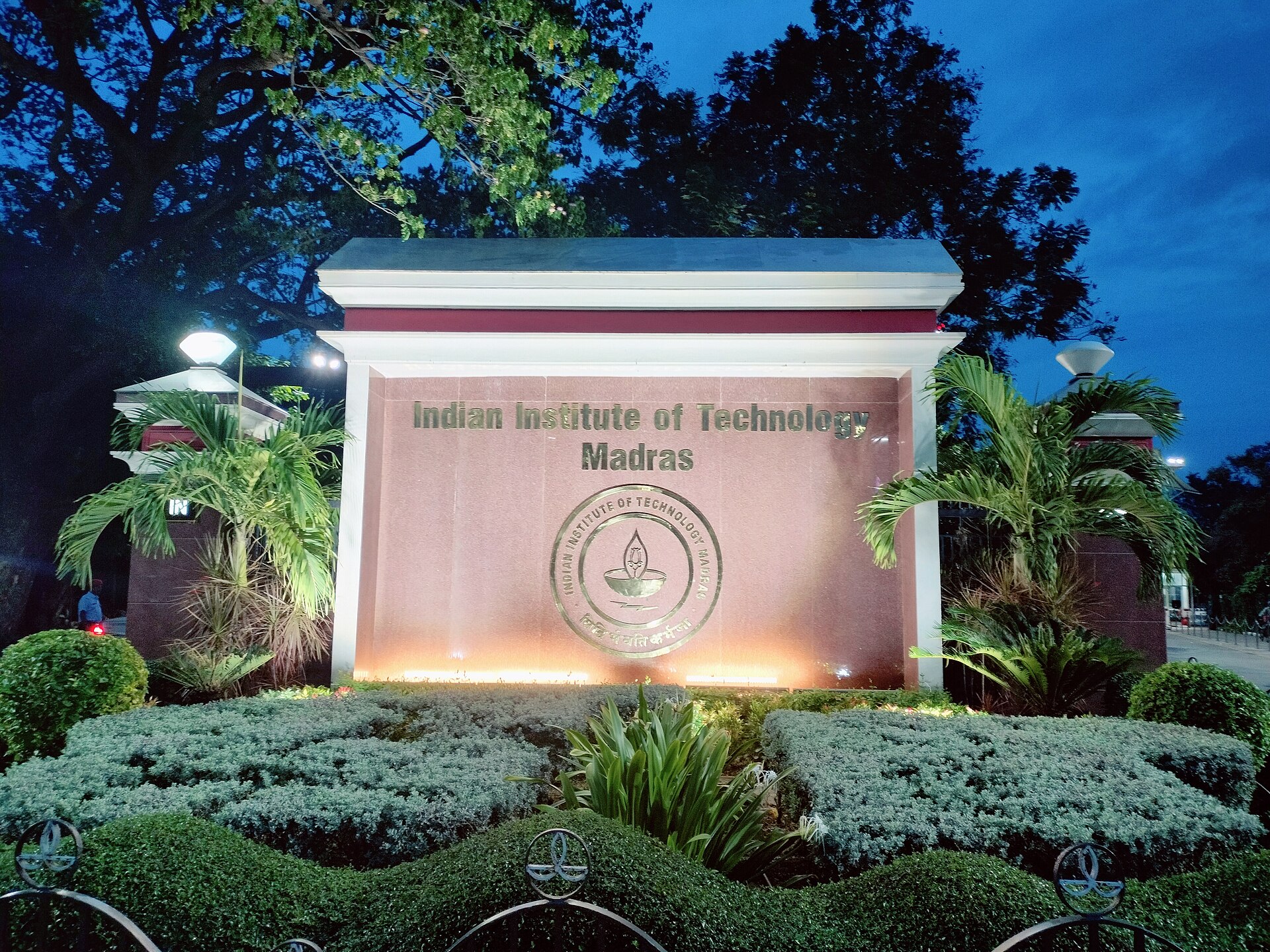
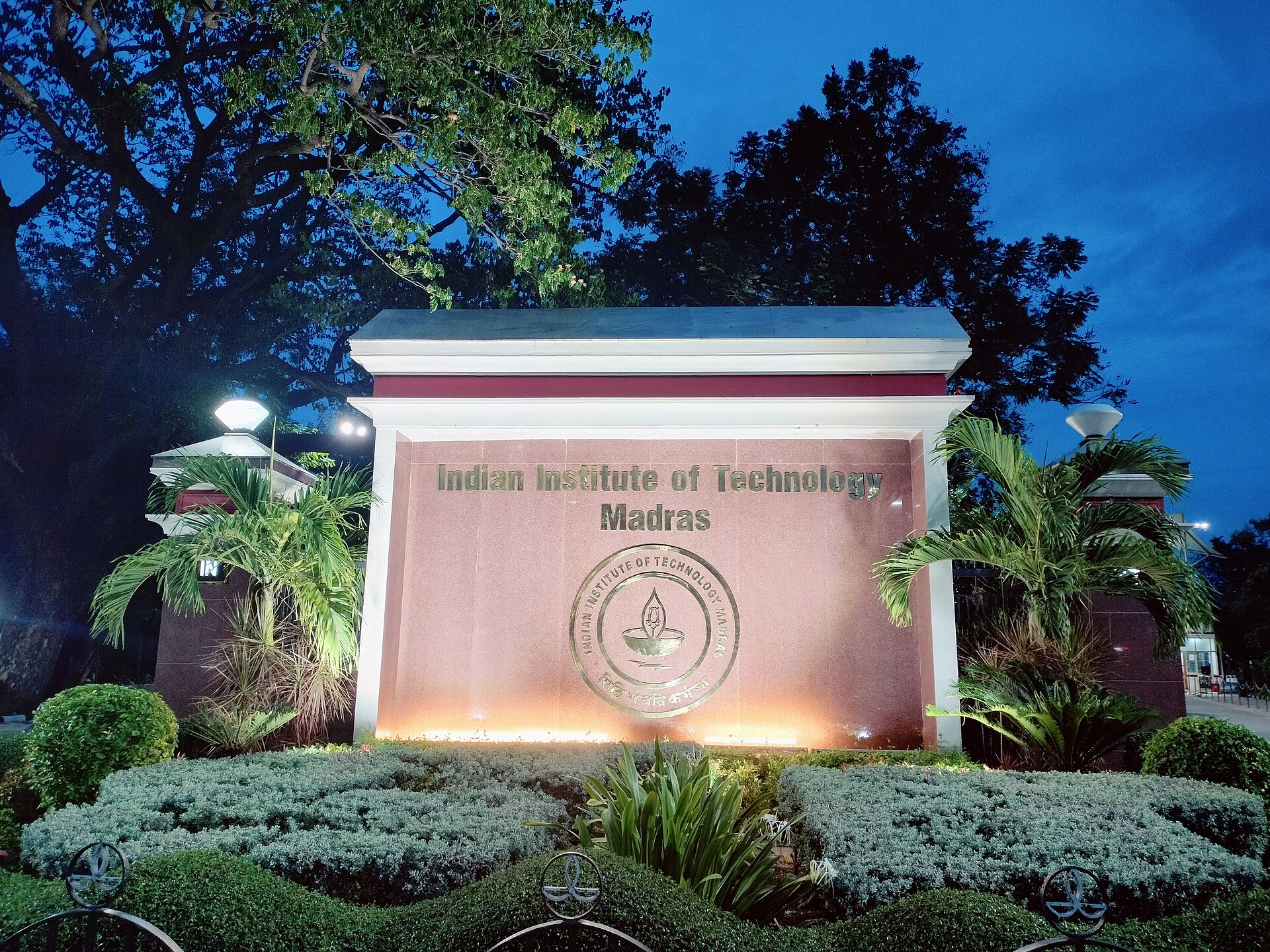
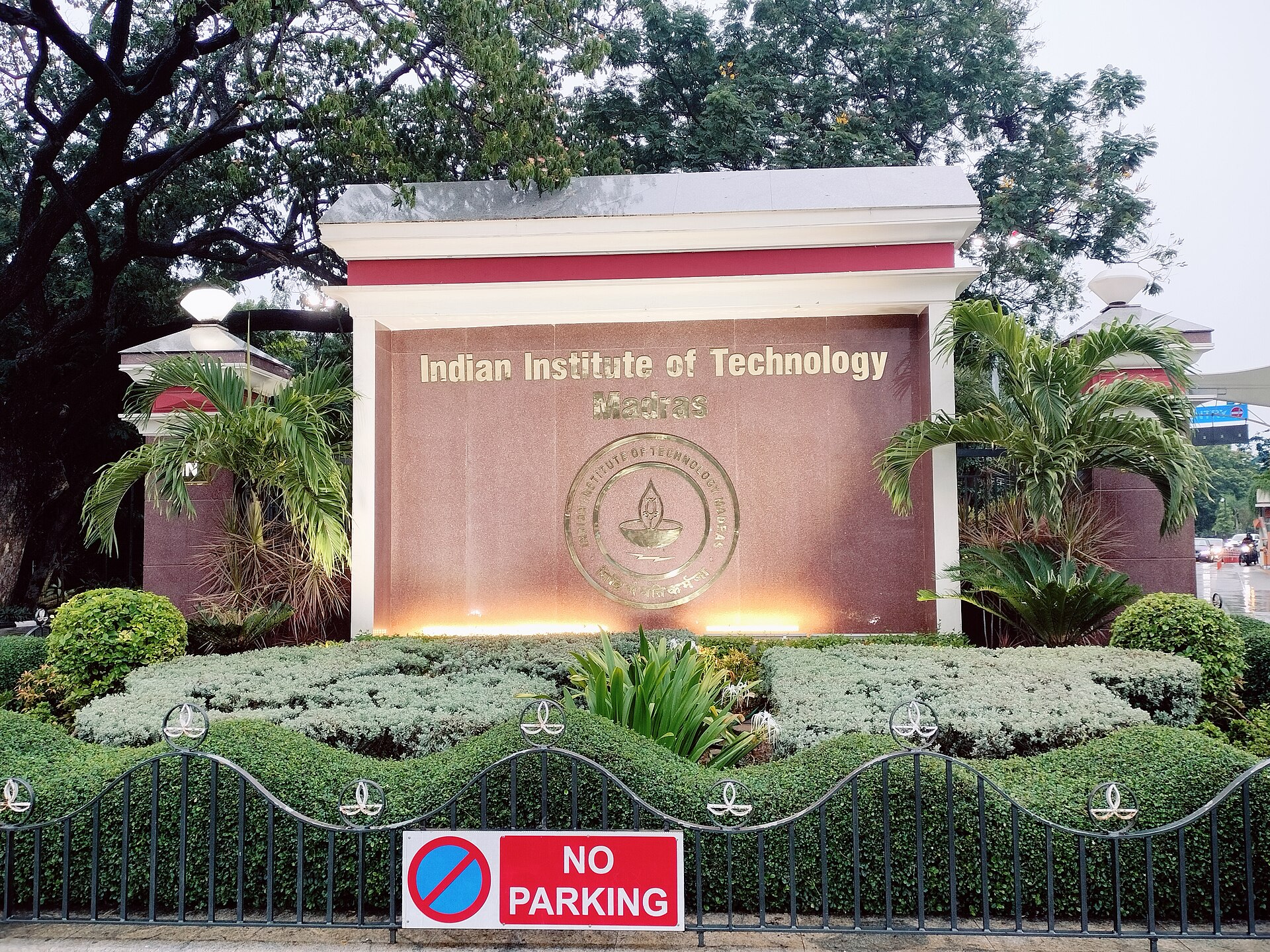
Indian Institute of Technology Madras — campus in pictures
Real, freely-licensed photographs of the campus (via Wikimedia Commons).
Why IIT Madras — Research Prestige, Innovation & Exceptional Value
IIT Madras is not just India's top engineering institution — it is a globally significant research university that has consistently produced scientists, technologists, and entrepreneurs who shape industry and academia worldwide. For ambitious international students, it represents rare access to elite engineering education at a cost profile available nowhere else at comparable global standing.
IIT Madras Selectivity & Admitted Student Profile
Stats
Profile Stats
Rea Vs Rd
IIT Madras Admissions Requirements — Academic Record, Entrance Tests & Research Profile
- Minimum indicative GPA of 3.5/4.0 for PG programmes
- Strong undergraduate record in Mathematics and core engineering subjects
- JEE Advanced rank required for domestic UG; DASA SAT for international UG
- Academic rigour in prior programme matters alongside raw GPA
- GATE scores are highly valued for M.Tech programmes (international students can appear for GATE)
- DASA SAT scores required for undergraduate international admissions
- Department written tests supplement or replace standardised scores for many PG programmes
- English proficiency: IELTS 6.5+ or TOEFL 90+ for non-English-medium applicants
- Faculty alignment: identify specific research groups and contact them before applying
- Research experience — publications, thesis work, or lab internships — is expected for MS/PhD
- Statement of Purpose must specifically address IIT Madras research and faculty
- Letters of recommendation from research supervisors carry the highest weight
IIT Madras Application Components — Transcripts, SOP & Interviews
IIT Madras uses a direct online admissions portal (admissions.ge.iitm.ac.in) for international postgraduate applicants, not a common application system. The process is merit- and research-based. Below is every component of a complete IIT Madras international application.
IIT Madras Application Statement — Writing the SOP That Works
Tips
Prompts
What IIT Madras Looks For in Applicants
IIT Madras admissions — particularly for research programmes — is holistic in the sense that academic record, research background, faculty fit, and departmental need are all considered. Understanding what each evaluation dimension means specifically allows applicants to position their application far more effectively.
IIT Madras Funding & Scholarships for International Students
IIT Madras is one of the most affordable elite engineering universities in the world. Unlike US Ivy League institutions, financial aid is not structured as need-blind grant packages — but the inherently low cost of attendance, combined with ICCR scholarships and research fellowships, makes funding far more achievable than at comparable global institutions.
All figures are USD approximations from the official facts data. Actual costs are denominated in INR and subject to exchange rate fluctuations. Confirm current fee schedules with the IIT Madras admissions office.
Stats
Contribution Tiers
| Note | Range | Percent | Percent Value |
|---|---|---|---|
| Tuition waived, stipend provided — most fully funded PhD positions | Fully Funded PhD/MS | ~$0 | 0 |
| Tuition + hostel + living covered by government scholarship | ICCR Scholarship | ~$0 | 0 |
| Tuition + fees only; self-fund living costs | Self-Funded (Tuition only) | ~$2,400/yr | 25 |
| Tuition + living costs; total approximately USD 7,800/year | Self-Funded (Full Cost) | ~$7,800/yr | 50 |
Key Dates
Advantages
- Single intake cycle means no strategic timing decision — apply when the portal opens
- Supervisor contact before applying significantly improves admission chances
- ICCR scholarship applications should begin 12 months before intended start
- Research programmes benefit from early contact and portfolio preparation
- GATE preparation (if eligible) gives a significant advantage for M.Tech programmes
Disadvantages
- Limited application window — portal opens and closes in a fixed annual period
- Undergraduate DASA route operates on a separate, centrally managed timeline
- No rolling admissions — missing the window means waiting a full year
- Visa processing time must be factored into post-offer planning
- Some departments have very limited international seats — competition is intense for popular programmes
IIT Madras Admission Interview — Format, Questions & Preparation
IIT Madras conducts technical interviews for many research programme applicants (MS by research and PhD), and some M.Tech programmes. The interview is primarily a technical evaluation — not a conversation about life goals and character as in US alumni interviews. Faculty assess whether the applicant has genuine intellectual command of their stated research interests and the technical foundations to contribute to the department's ongoing work.
Meta
Questions
IIT Madras Residential Life — Hostels and Campus Community
IIT Madras is a fully residential campus. All students are housed in on-campus hostels (the Indian equivalent of dormitories or halls of residence), and the residential campus model is central to the IIT Madras experience. Unlike Harvard's House lottery or Oxford's college system, IIT Madras operates named hostels with assigned accommodation — students do not choose their hostel, but integration into the hostel community is an important part of campus life.
Houses
Lottery Steps
- All enrolled students are guaranteed on-campus hostel accommodation
- Separate hostel blocks for male students, female students, and international students
- International students are integrated into the broader residential community
- Hostels have their own common rooms, recreation areas, and inter-hostel competitions
- The 620-acre campus is entirely self-contained — hostels, dining, sports, and academic buildings are all within walking distance
IIT Madras Schools, Departments & Programmes
- {"label":"Key research areas","value":"AI, ML, Systems, Theory"}
- {"label":"Robert Bosch Centre for AI","value":"Industry partnership"}
- {"label":"Competitive demand","value":"Very high"}
- {"label":"Programmes","value":"M.Tech, MS, PhD"}
- {"label":"Key research areas","value":"Signal Processing, Power, Photonics"}
- {"label":"National programmes","value":"Multiple DST/SERB-funded"}
- {"label":"Industry connections","value":"Deep — BHEL, Samsung, Texas Instruments"}
- {"label":"Programmes","value":"M.Tech, MS, PhD"}
- {"label":"Industry partners","value":"ISRO, DRDO, HAL"}
- {"label":"National Centre for Combustion Research","value":"On campus"}
- {"label":"Programmes","value":"B.Tech, M.Tech, MS, PhD"}
- {"label":"Research intensity","value":"Very high"}
- {"label":"I2MP Programme","value":"Exclusively for international students"}
- {"label":"Focus areas","value":"ML, Data Science, AI Systems"}
- {"label":"Industry-academia model","value":"Strong corporate partnerships"}
- {"label":"Programmes","value":"I2MP M.Tech, MS, PhD"}
- {"label":"Research areas","value":"Manufacturing, Thermal, Design, Robotics"}
- {"label":"Industry partners","value":"Tata, Mahindra, Caterpillar, BHEL"}
- {"label":"Programmes","value":"B.Tech, M.Tech, MS, PhD"}
- {"label":"Rank","value":"Top 3 in Asia (QS)"}
- {"label":"Unique position","value":"Only full ocean engineering dept in Asia"}
- {"label":"Research areas","value":"Offshore structures, marine hydrodynamics, ocean energy"}
- {"label":"Industry connections","value":"Oil & gas, port authorities, shipping"}
- {"label":"Programmes","value":"M.Tech, MS, PhD"}
Research & Extracurricular Life at IIT Madras
Career Outcomes & the IIT Madras Alumni Network
IIT Madras consistently achieves among the highest campus placement rates in India. The alumni network spans global technology firms, top research universities, and India's industrial giants — and is among the most active alumni networks of any university in Asia.
Stats
Categories
Our IIT Madras Admissions Track Record & Student Success Stories
Faqs
Can international students apply for the BTech programme at IIT Madras?+
Yes, through the DASA (Direct Admission of Students Abroad) scheme administered centrally — not directly through IIT Madras. DASA candidates typically need SAT scores in Mathematics and one other subject, along with qualifying marks in Physics, Chemistry, and Mathematics at school level. There are no application essays; admission is merit-based by score ranking within available seats. Check the official DASA portal for the current cycle's requirements.
What programmes are directly open to international students through IIT Madras?+
The IIT Madras international admissions portal (admissions.ge.iitm.ac.in) manages M.Tech, I2MP M.Tech, M.A., M.Sc, MS (by research), and PhD programmes for international students. The ICCR scholarship route is available through this portal for government-funded candidates.
Is IIT Madras a good choice for international students compared to Singapore, Australia, or the UK?+
For students specifically seeking engineering and data science, IIT Madras offers a uniquely strong combination: elite academic reputation (QS #227, NIRF #1), intense research environment, and dramatically lower tuition (approximately USD 2,400/year vs USD 20,000–50,000 at comparable global institutions). The trade-offs are a lower proportion of international students (2%), and post-study work options in India differ from those in the UK, Canada, or Australia.
What is the language of instruction at IIT Madras?+
All programmes at IIT Madras are conducted entirely in English. IIT Madras was originally established with academic collaboration from Germany, but English has been the sole medium of instruction since its founding. International students will not encounter a language barrier in the classroom.
Are ICCR scholarships available for IIT Madras?+
Yes. The Indian Council for Cultural Relations (ICCR) provides government-to-government scholarships enabling students from eligible countries to study at IIT Madras at reduced or fully subsidised rates. Apply through the Indian embassy or ICCR regional office in your home country — quota and availability vary by country. Secure your ICCR application number before applying to IIT Madras.
What is the IIT Madras Research Park, and can students access it?+
The IIT Madras Research Park is India's first and largest university-adjacent research park, housing over 250 companies and research units. Graduate students can intern, collaborate, or take up sponsored research within the park — providing direct industry interface that is rare in purely academic settings. Access is particularly strong for students in computer science, electrical engineering, and data science.
How should I contact a potential PhD supervisor before applying?+
For research programmes (MS and PhD), contacting potential supervisors before applying is strongly recommended. Review faculty research pages at iitm.ac.in, identify one to three professors whose work aligns with your interests, and send a concise email with your CV and a brief research statement. A positive response substantially improves your admission chances — many successful research admissions are effectively decided at this stage.
Is on-campus housing guaranteed for international students?+
IIT Madras provides on-campus hostel accommodation for all enrolled students. International students are integrated into the regular hostel system. The fully residential 620-acre campus means most of your peers live, study, and socialise in close proximity, which accelerates immersion into the IIT Madras community significantly.
Book a Free IIT Madras Admissions Strategy Session
In 60 minutes our IIT Madras admissions specialists will evaluate your academic profile, identify the right programme and entry route (DASA vs. direct PG portal vs. ICCR), guide you on faculty contact strategy, and help you determine whether GATE preparation adds value to your application.
- No commitment required
- IIT Madras and India admissions specialists
- Personalised strategy — SOP, faculty contact, and scholarship guidance
IIT Madras Academic Requirements
IIT Madras Academic Standards — The Honest Breakdown for International Students
What GPA, entrance test performance, and academic preparation does IIT Madras actually require? And how does it evaluate students from IB, A-Level, and other international curricula? The honest answers.
GPA & Academic Record
GPA at IIT Madras — What the Data Shows and What It Means
IIT Madras does not publish a single universal minimum GPA for international postgraduate applicants. However, a minimum indicative GPA of 3.5/4.0 (or approximately 70%+ in the Indian system) applies across most programmes, and competitive programmes in CS, AI, and EE in practice admit students with significantly higher records.
A strong GPA is a necessary condition, not a sufficient one. For competitive research programmes at IIT Madras, a 3.5 GPA with no research experience will lose to a 3.7 GPA with an undergraduate thesis and a publication every time.
Academic Context
How IIT Madras Reads Your Academic Record — Departmental Evaluation Explained
IIT Madras evaluates international students' academic records through the lens of departmental faculty who are experienced with their own field's global academic landscape. The assessment is holistic, technical, and contextual — not formulaic.
GATE — The Key Test for PG Applicants
GATE Scores at IIT Madras — What You Need to Know
GATE (Graduate Aptitude Test in Engineering) is the most relevant standardised test for international students applying to IIT Madras postgraduate programmes. It is not a requirement for all applicants, but it is highly valued and can be a decisive differentiator.
| Label | Score | Percent |
|---|---|---|
| GATE availability for international students | Yes — open to international candidates | 80 |
| GATE value for M.Tech applicants | Very high — strong differentiator | 90 |
| GATE waiver policy | Department discretion — outstanding international candidates | 60 |
DASA UG Route — SAT Requirements
SAT and DASA — Undergraduate International Admissions
For undergraduate international applicants via the DASA (Direct Admission of Students Abroad) scheme, SAT scores in Mathematics and a science subject serve as the primary evaluation criterion — equivalent in the DASA context to what GATE is for postgraduate applicants.
Metrics
Comparison Cards
Testing Strategy for IIT Madras
IIT Madras Testing Policy — GATE, SAT, and Departmental Tests Explained
Unlike US universities, IIT Madras does not offer a 'test-optional' policy in the Western sense. The test landscape is specific to the IIT context and differs fundamentally by the level of programme being applied to.
Submit Items
Withhold Items
IB, A-Level & International Qualifications
How IIT Madras Reads IB and A-Level Results
- {"label":"DASA UG applicability","value":"Accepted — check DASA portal for current equivalence"}
- {"label":"HL Mathematics expectation","value":"Required — HL Maths AA or AI strongly preferred over SL"}
- {"label":"Competitive IB total (DASA context)","value":"36+ with 6s and 7s in HL science subjects"}
- {"label":"Extended Essay","value":"In a STEM subject adds useful academic context"}
- {"label":"DASA UG applicability","value":"Accepted — confirm current DASA norms annually"}
- {"label":"Subject expectation","value":"Mathematics + Physics + Chemistry or Further Mathematics"}
- {"label":"Grade expectation","value":"AAA or ABB minimum; competitive requires AAA+"}
- {"label":"AS results","value":"Reviewed alongside predicted/achieved A-Level grades"}
AP Courses, Olympiads & Competitions
AP Courses and Olympiads at IIT Madras — What Counts and What to Take
AP courses are a US-curriculum qualification and are not used in IIT Madras postgraduate admissions. For undergraduate DASA applicants from US-curriculum schools, AP results may be considered as supplementary evidence of academic rigour alongside SAT scores.
Academic Rigour
Rigour of Prior Preparation — IIT Madras's Most Important Academic Factor
For undergraduate DASA applicants, the rigour of secondary school preparation — specifically in Physics, Chemistry, and Mathematics at the highest level available — is the academic foundation evaluated alongside SAT scores. For postgraduate applicants, the rigour of the undergraduate programme is the equivalent academic factor.
Taking the most demanding mathematics and science courses available to you — and demonstrating mastery in them — is the single most important academic preparation for IIT Madras.
Subject Preparation
Subject Preparation — What IIT Madras Expects at Entry
IIT Madras engineering and data science programmes assume strong undergraduate preparation in core mathematical and scientific subjects. The curriculum is quantitative, fast-paced, and research-oriented from the first semester. There is no transition grace period.
Language Proficiency
English Language Requirements for International IIT Madras Applicants
All programmes at IIT Madras are delivered in English. International applicants from non-English-medium educational backgrounds must demonstrate English proficiency through standardised tests.
The English language minimum at IIT Madras (IELTS 6.5 / TOEFL 90) is relatively modest compared to UK or Australian universities. However, the academic environment — lectures, seminars, research papers, thesis writing — is fully English-medium and demands functional academic English. Meeting the minimum is the floor, not the target.
By Programme
Academic Requirements by Programme — What Different Departments Expect
IIT Madras admits students to specific departments and programmes, not to the university broadly. The academic profile expected varies significantly by department. The following table summarises typical expectations by programme area.
| Signals | Expectation | Concentration |
|---|---|---|
| GATE CS score; competitive programming achievements (ICPC, IOI); GitHub portfolio | Strong algorithms/theory background; mathematics through discrete maths and probability | Computer Science & Engineering |
| GATE EE score; circuit design projects; signal processing background | Circuits, signals, EM theory; strong mathematics | Electrical Engineering |
| GATE ME score; design projects; manufacturing or thermal research | Mechanics, thermodynamics, fluid dynamics; strong mathematics | Mechanical Engineering |
| GATE AE or ME score; CFD/experimental aero experience; ISRO/DRDO exposure | Aerodynamics, propulsion, structures; advanced mathematics | Aerospace Engineering |
| ML projects, Kaggle performance, prior data science research | Strong statistics and linear algebra; Python/R programming; prior ML coursework | Data Science & AI (I2MP) |
| GATE CE or OE score; maritime/offshore research exposure | Fluid mechanics, structural analysis; mathematics through PDEs | Ocean Engineering |
| Prior physics research; quantum mechanics background; spectroscopy or photonics | HL Physics with quantum mechanics; mathematics through advanced calculus | Physics (M.Sc) |
International Systems
How IIT Madras Evaluates Different International Education Systems
Academic Roadmap
Building an Academic Profile for IIT Madras — What to Do at Each Stage
- Choose the most rigorous mathematics course available: HL Mathematics AA (IB), A-Level Further Mathematics, or equivalent.
- Prioritise Physics and Chemistry alongside Mathematics — these are the PCM requirement for DASA and the foundation for all engineering programmes.
- Begin programming in Python or C++ — these languages appear in virtually every IIT Madras curriculum.
- Explore competitive mathematics and science Olympiads at the national level — these are well-regarded signals of aptitude.
- If targeting DASA UG: prepare for SAT Mathematics seriously (aim for top score in Mathematics section). Ensure PCM coursework meets DASA eligibility standards.
- If considering GATE: begin familiarising yourself with the GATE syllabus for your intended discipline.
- Read research papers in your area of interest — start with review papers in the IEEE, arXiv, or ACM Digital Library.
- Explore summer research opportunities or coding internships if available.
- Take rigorous courses in calculus, linear algebra, probability, and algorithms. A GPA of 3.5+ is the minimum target — maintain above 3.7 for competitive programmes.
- Seek research assistant positions with faculty. A funded project or research paper co-authorship is the strongest differentiator for graduate applications.
- Build a GitHub portfolio or Kaggle competition history if targeting CS or Data Science programmes.
- Prepare for GATE if eligible — this takes 3–6 months of dedicated preparation.
- Undertake meaningful project work: capstone projects, independent study, or industry research internships. Read and understand papers from your target IIT Madras research groups.
- Identify IIT Madras faculty whose research aligns with your interests. Read their recent publications and identify the specific questions you could contribute to.
- Draft a preliminary Statement of Purpose. The earlier you articulate your research narrative, the clearer your faculty outreach will be.
- Email potential supervisors well before the application portal opens. Include your CV and a concise research statement referencing their specific work.
- Finalise LOR requests from supervisors who know your research work intimately — give them at least 6 weeks and brief them fully.
- When the portal opens (typically February), submit immediately. Respond promptly to any test or interview invitations.
- Arrange visa documentation early — Indian student visas require 6–8 weeks minimum processing time.
Common Pitfalls
Academic Preparation Mistakes That Cost IIT Madras Applications — And How to Avoid Them
Illustrative Profiles
What Academic Profiles Successful IIT Madras International Applicants Have
The following profiles represent the types of academic backgrounds and trajectories that produce successful IIT Madras international admissions. They illustrate the range of preparation that works and what makes each competitive.
Faqs
Is a 3.5 GPA sufficient for IIT Madras?+
For most postgraduate programmes: no. The minimum indicative GPA is 3.5/4.0. However, competitive programmes in CS and AI in practice admit students with 3.7+ — and research experience, faculty connections, and GATE performance often matter more than raw GPA.
Do I need a GATE score to apply to IIT Madras as an international student?+
Not strictly required, but very strongly recommended for M.Tech applicants who are eligible. A competitive GATE score is the most direct way to demonstrate technical readiness to the admissions committee for engineering master's programmes.
How important is contacting faculty before applying?+
For research programmes: yes, faculty contact before applying is strongly recommended and often decisive. Most successful MS and PhD admits have established email contact with a supervisor before their formal application. Departments know who you are before your file arrives.
Is GRE required or accepted at IIT Madras?+
IIT Madras does not use the GRE. It is not relevant to your application. GATE is the relevant Indian test for postgraduate engineering and technology programmes.
What GPA do I need for computer science at IIT Madras?+
The minimum is 3.5/4.0. However, programmes in Computer Science, Electrical Engineering, and Data Science are highly competitive — applicants with GPAs below 3.7 should ensure their research experience and other application components are particularly strong to compensate.
Cost & Funding at IIT Madras
IIT Madras Costs Less Than You Think — Here's the Full Picture.
IIT Madras is one of the most affordable elite engineering universities in the world for international students. Here's exactly what it costs, how funding works, and what you need to do to access scholarships and research stipends.
Cost Transparency
What IIT Madras Actually Costs — The Full Annual Figure
IIT Madras is substantially funded by the Government of India as an Institute of National Importance. This government subsidy is what keeps costs dramatically lower than private or less well-funded public universities globally — while delivering academic outcomes that rival institutions charging ten times as much.
Funding Policy
IIT Madras Financial Support for International Students — What Exists and How It Works
Unlike US universities with need-blind endowment-funded aid, IIT Madras provides financial support through government scholarship programmes (primarily ICCR), research fellowships tied to funded projects, and teaching assistantships. The low base cost means that even without scholarship, total expenditure is far lower than alternatives.
Why IIT Madras Is Affordable
Why IIT Madras Can Offer World-Class Engineering at This Cost
Funding Process
Securing Funding for IIT Madras — The Process Step by Step
Funding at IIT Madras is not automatic and requires a different process from Western universities. Here is the complete step-by-step approach for international students.
- Visit iccr.gov.in and identify whether your country has ICCR scholarship availability
- Contact the Indian embassy or High Commission in your home country for quota details
- ICCR applications typically open early spring — begin at least 12 months before your intended start
- Identify 1–3 faculty members at IIT Madras whose research matches your interests
- Email them with a concise introduction, your CV, and a brief research statement
- Ask specifically whether they are accepting funded students for the upcoming intake
- Register at admissions.ge.iitm.ac.in when the portal opens (~February)
- If applying via ICCR, include your ICCR application number in the designated field
- Upload all required documents: transcripts, SOP, LORs, English test scores
- When you receive an offer, confirm whether it includes a research fellowship / TA/RA position
- Funded positions are stated in the offer letter — if unclear, ask the department directly
- For ICCR applicants, coordinate between IIT Madras and your ICCR award documentation
- Budget for INR-denominated costs using a slightly conservative exchange rate
- Begin India student visa (X category) process immediately upon offer acceptance
- Visa processing varies by country — budget 6–8 weeks minimum
International Student Funding
How Financial Support Works for International Students at IIT Madras
Financial support for international students at IIT Madras works differently from Western universities. Understanding the distinct channels — and how to navigate each — determines whether a student can fund their education at minimal cost or must self-fund entirely.
Funding Outcomes
What Funding Actually Looks Like at IIT Madras — By Route
IIT Madras Aid by Application Route
Figures are approximate USD estimates. Actual stipend and scholarship amounts are denominated in INR and subject to exchange rate fluctuations. Confirm current amounts with the admissions office and ICCR.
For fully funded PhD and ICCR scholarship students, the net cost of studying at IIT Madras can be effectively zero. Self-funded M.Tech students pay approximately USD 7,800 per year — still dramatically lower than any comparable global institution.
| Grant | Income | Contribution |
|---|---|---|
| Tuition + hostel + monthly stipend | ICCR Scholarship | ~USD 0 |
| Tuition waived + monthly research stipend | Fully Funded PhD/MS Position | ~USD 0 (living costs from stipend) |
| Modest monthly supplement | Teaching Assistantship (TA) | Partial reduction in living costs |
| No institutional aid | Self-Funded M.Tech / Course Programme | ~USD 7,800/year total |
| Varies by scheme | Home Country Government Scholarship | Variable — confirm with home ministry |
Table Headers
Scholarship Structure
IIT Madras Scholarships — What Exists and Who Qualifies
IIT Madras does not operate a Western-style merit or need-based scholarship programme open to all international applicants. Institutional financial support flows through structured channels — research funding, ICCR, and assistantships — rather than a centralised scholarship fund.
External Funding
External Scholarships for IIT Madras — Additional Funding Sources
While IIT Madras institutional aid for international students is limited, a range of external scholarship programmes provide funding for eligible students to study at IIT Madras. Identifying and applying to these in parallel with the IIT Madras application process is essential planning.
Funding Without Debt
Loans at IIT Madras — Why They Are Rarely Necessary
IIT Madras is not a loan-based funding model. The institution does not directly provide student loans. International students either fund their degree through ICCR scholarships, research fellowships, home country scholarships, or self-fund — and the total cost is low enough that self-funding is often feasible without debt.
Student Employment
Student Employment at IIT Madras — What to Expect
IIT Madras does not have a formal work-study programme in the Western university sense. However, several paid opportunities exist on campus for enrolled graduate students, and research positions include a stipend component.
- Research assistant positions in faculty labs — the most common and most professionally valuable
- Teaching assistant roles (tutorials, lab supervision, grading) — typically offered after enrolment
- Project assistant positions on externally funded research grants
- Student activity and committee roles (Shaastra, Saarang organising committees) — unpaid but valuable for network and experience
Global Comparison
IIT Madras vs. Global Peers — Cost and Aid Comparison
| Policy | School | No Loans | Typical Cost |
|---|---|---|---|
| Government-subsidised; ICCR + research fellowships | IIT Madras (India) | Not needed — low base cost | ~USD 7,800/year (self-funded); ~0 (funded) |
| MOE Tuition Grant (service bond required) | NUS Singapore | Loan optional | ~USD 12,000–18,000/year |
| Limited international aid; MEXT scholarship for Japanese universities | Top Japanese National University | MEXT covers full costs | ~USD 5,000–8,000/year self-funded |
| Limited international aid; Commonwealth scholarships available | UK Russell Group (engineering) | Loans common | ~USD 25,000–40,000/year |
| Merit and need-based; RA positions for PhD | US Top Engineering School (PG) | Funded PhD common; M.S. often self-funded | ~USD 35,000–60,000/year unfunded |
| Commonwealth supported; Research Training Program (domestic) | Australian Group of Eight | Limited international aid | ~USD 20,000–30,000/year |
Cost Analysis
What IIT Madras Actually Costs Compared to Alternatives
A self-funded M.Tech at IIT Madras costs approximately USD 15,600 over two years — less than the cost of a single semester at many US engineering master's programmes. For students where learning outcomes and research quality (not post-study work rights) are the primary goal, IIT Madras is the highest-value engineering programme available globally.
| Policy | School | Contribution | Four Year Cost |
|---|---|---|---|
| Government-subsidised; ICCR + fellowships | IIT Madras | ~USD 7,800/year | ~USD 15,600 (2yr M.Tech) |
| MOE Grant with 3yr service bond | NUS Singapore (M.Eng) | ~USD 12,000/year | ~USD 24,000 (2yr) |
| MEXT full scholarship (if awarded) | Top Japanese University (M.Eng) | ~USD 0 (MEXT) / ~USD 6,000 self-funded | ~USD 0 to ~USD 12,000 (2yr) |
| International fees; limited aid | UK Russell Group (M.Eng — 1yr) | ~USD 25,000–40,000 | ~USD 30,000–45,000 (1yr) |
| Unfunded M.S. (no RA); US top school | US Top Engineering M.S. (unfunded) | ~USD 45,000–60,000/year | ~USD 90,000–120,000 (2yr) |
Funding Appeals & Special Cases
Addressing Financial Concerns After IIT Madras Admission
IIT Madras does not have a formal financial aid appeals process in the same way as US universities. However, there are specific channels for addressing funding concerns and requests for additional support after admission.
IIT Madras's funding model is fundamentally different from US universities — there is no central financial aid office that can award need-based grants. Appeals or requests should be directed to the specific channel that corresponds to the type of support you are seeking (department for research funding; Office of Global Engagement for scholarship guidance; ICCR for scholarship issues).
How To Appeal
- For research funding: contact your department and faculty supervisor directly — ask whether a funded TA or RA position has become available
- For ICCR scholarship issues: contact the ICCR regional office and your home country Indian embassy
- For general financial hardship: contact the IIT Madras Office of Global Engagement at intl.admissions@ge.iitm.ac.in
When To Appeal
- If a research fellowship promised at offer stage has not been confirmed in writing
- If an ICCR scholarship award needs coordination with IIT Madras documentation
- If family financial circumstances have changed significantly after admission
- If you have received a competing scholarship offer from another institution that you want to discuss with your department
Financial Planning Timeline
Planning Your IIT Madras Funding — What to Do and When
APPLICATION & STATEMENT STRATEGY
Applying to IIT Madras — A Different Kind of Application Process
IIT Madras does not follow a US-style admissions process with personal essays, supplemental prompts, or a Common Application. India's top engineering institutions are entrance-exam and merit-based in their admissions philosophy — your academic record, research background, and technical ability matter far more than how well you write about a formative experience.
A complete guide to what IIT Madras requires, how selection actually works for international students, and the specific strategies that produce the strongest possible application.
That said, postgraduate and research applicants do submit a Statement of Purpose (SOP) and Letters of Recommendation — and these documents genuinely matter for selecting between academically comparable candidates. This guide explains the IIT Madras application process honestly and helps you put together the strongest application within the actual system.
THE APPLICATION SYSTEM
How the IIT Madras Application System Works
There are two distinct admission tracks for international students at IIT Madras. Understanding which track applies to you is the essential first step.
Unlike US universities, IIT Madras does not use a Common Application or require supplemental personal essays. The written application components differ entirely by programme level.
Cards
Optional Items
Required Items
STATEMENT OF PURPOSE
The Statement of Purpose — What IIT Madras Wants to See
The Statement of Purpose (SOP) is the closest equivalent to an admissions essay in the IIT Madras application. Unlike personal narrative essays in US admissions, the SOP is a professional document: a concise, well-argued case for why you are the right candidate for a specific programme at IIT Madras.
SOP STRATEGY — THE CORE DOCUMENT
The Statement of Purpose at IIT Madras — What It Needs to Accomplish
The SOP is the most important written component of the IIT Madras international application. Unlike a US personal statement, which is evaluated partly on voice, authenticity, and narrative craft, the IIT Madras SOP is evaluated on intellectual substance, research fit, and specificity of institutional knowledge.
The SOP must work specifically for IIT Madras — and, if you are applying to a specific department, specifically for that department's faculty readers. A well-written SOP that could equally have been sent to Carnegie Mellon, Imperial College, and NUS misses the most important selection criterion: genuine institutional fit demonstrated through specific research knowledge.
Tired Of List
- SOPs that open with 'Since childhood I have been fascinated by engineering'
- Generic descriptions of your university programme with no specific research content
- SOPs that do not name any IIT Madras faculty, research groups, or specific projects
- Listing achievements without connecting them to a specific research question
- Any statement that could have been submitted to a different institution without modification
Looking For List
- A specific, technically framed research problem or question that motivates the application
- Demonstrated familiarity with the department's research — citation of faculty papers is a strong positive signal
- Clear articulation of how your undergraduate preparation equips you to contribute to that research
- A coherent argument for why IIT Madras specifically — not generic praise for its ranking
- Honest, direct writing that makes its argument efficiently without wasted words
LETTERS OF RECOMMENDATION
Letters of Recommendation — Strategy and Selection
Two to three academic letters of recommendation are required for postgraduate international applications. These should come from faculty who supervised your research, your undergraduate thesis advisor, or professors in whose courses you demonstrated exceptional capability.
SOP TOPIC STRATEGY
Choosing the Right Focus for Your SOP
The single most effective thing you can do for your SOP is to make it department-specific. An SOP that demonstrates you have read IIT Madras research papers, know which lab you want to join, and can explain why your background prepares you for that specific work will outperform a polished but generic SOP every time.
COMMON MISTAKES
Application Mistakes to Avoid at IIT Madras
- Writing an SOP that does not mention IIT Madras, a specific department, or any faculty member — it reads as a form letter and signals low genuine interest.
- Applying to multiple unrelated programmes hoping one will accept you — each application should be tailored, and a scatter-gun approach with mismatched profiles rarely succeeds.
- Applying for research programmes without prior contact with a potential PhD supervisor — most successful research admissions involve the department knowing who you are before your file arrives.
- Missing the application window — the portal closes on a fixed date, and late applications are not accepted. Calendar the opening and closing dates immediately once announced.
- Submitting unattested or unofficial transcripts — IIT Madras requires attested or officially verified transcripts for international students.
- Using a generic 'passion for engineering since childhood' opening — this reads as filler and is recognisable immediately. Open with substance.
- Failing to factor in visa processing time — a student admitted in June who begins visa paperwork in late June for a July start will almost certainly miss the intake.
- Misunderstanding the DASA and direct portal as interchangeable — undergraduate UG applicants must apply via DASA, not the direct portal. Using the wrong route causes your application to be invalid.
- Assuming GATE is only for domestic Indian students — international students from eligible countries can appear for GATE, and a competitive GATE score is a significant differentiator for M.Tech applications.
FAQs
Application and SOP — Frequently Asked Questions
Does IIT Madras require a personal essay like US universities?+
No. IIT Madras does not use personal narrative essays, activity lists, or short-answer supplements. The closest document to an essay is the Statement of Purpose (SOP), which is a professional, research-focused document rather than a personal narrative. For DASA UG applicants, no written statement is required at all.
How long should my Statement of Purpose be?+
Most IIT Madras departments expect an SOP of 600–1,000 words. Aim for conciseness and specificity over length. Departments process many applications — a tight, specific SOP is more effective than a lengthy one that loses focus or repeats itself.
Can I apply to multiple programmes or departments at IIT Madras simultaneously?+
Check the current application portal for whether multiple-programme applications are permitted in the same cycle. If they are, ensure each SOP is genuinely tailored to the specific programme — submitting the same SOP to multiple departments is immediately apparent to reviewers and works against you.
What if I haven't published any research papers — does that disqualify me?+
For M.Tech and course-based programmes, published papers are not expected. For MS (research) and PhD programmes, publications strengthen your application significantly but are not always a strict requirement. Strong undergraduate research project work and substantive faculty letters can substitute, particularly for applicants from countries with fewer undergraduate research publication opportunities.
Is it acceptable to email faculty members directly before applying?+
Not only acceptable — it is strongly recommended for research programmes. Faculty at IIT Madras generally appreciate serious, concise enquiries from well-prepared prospective students. Keep your initial email brief: introduce yourself, attach your CV, describe your research interest in two to three sentences, and ask whether they are accepting funded students. Avoid mass-mailing the entire department.
What happens at the departmental interview stage?+
The interview (where applicable) is typically a technical discussion: expect questions on your undergraduate coursework in the relevant discipline, your SOP's stated research interests, and sometimes a brief problem-solving exercise. Interviews are often conducted online and last 30–60 minutes. Review your SOP before the interview — you should be ready to expand on every claim you made in it.
Should I mention the ICCR scholarship in my SOP?+
No. The ICCR scholarship is a separate administrative track — it is handled through the portal's ICCR application route, not through the SOP itself. Your SOP should focus entirely on your academic and research case for admission. Mentioning scholarship dependency in the SOP is not standard and adds no value.
How specific should I be about faculty research in my SOP?+
As specific as possible — but only if it reflects genuine familiarity. Read one or two actual papers by the faculty member. Reference a specific finding, method, or open question from their published work. Connect it explicitly to your own prior experience or project. Generic statements like 'Professor X's work on machine learning is impressive' add nothing — specific engagement with the content of the research signals real intellectual fit.
Courses — schools, degrees & intake
16 degrees across 16 groupings.
Department of Aerospace Engineering · 1 degrees
B.Tech in Aerospace Engineering
Department of Applied Mechanics and Biomedical Engineering · 1 degrees
B.Tech in Engineering Design
Department of Biotechnology · 1 degrees
B.Tech in Biotechnology
Department of Chemical Engineering · 1 degrees
B.Tech in Chemical Engineering
Department of Civil Engineering · 1 degrees
B.Tech in Civil Engineering
Department of Computer Science and Engineering · 1 degrees
B.Tech in Computer Science and Engineering
Department of Electrical Engineering · 1 degrees
B.Tech in Electrical Engineering
Department of Engineering Design · 1 degrees
B.Tech in Engineering Design
Department of Mechanical Engineering · 1 degrees
B.Tech in Mechanical Engineering
Department of Metallurgical and Materials Engineering · 1 degrees
B.Tech in Metallurgical and Materials Engineering
Department of Ocean Engineering · 1 degrees
B.Tech in Naval Architecture and Ocean Engineering
Department of Chemistry · 1 degrees
B.S. in Chemistry
Department of Mathematics · 1 degrees
B.S. in Mathematics
Department of Physics · 1 degrees
B.S. in Physics
Department of Data Science and Artificial Intelligence · 1 degrees
B.S. in Data Science and Applications (Online)
School of Medical Science and Technology · 1 degrees
B.S. in Medical Science and Technology
Want your real chances at Indian Institute of Technology Madras?
Create a free TYCHR account for your personalised admit-chance, a shortlist you can track, exact entry requirements, and essay + counselling help.