Indian Institute of Technology Bombay
Mumbai, India · Urban
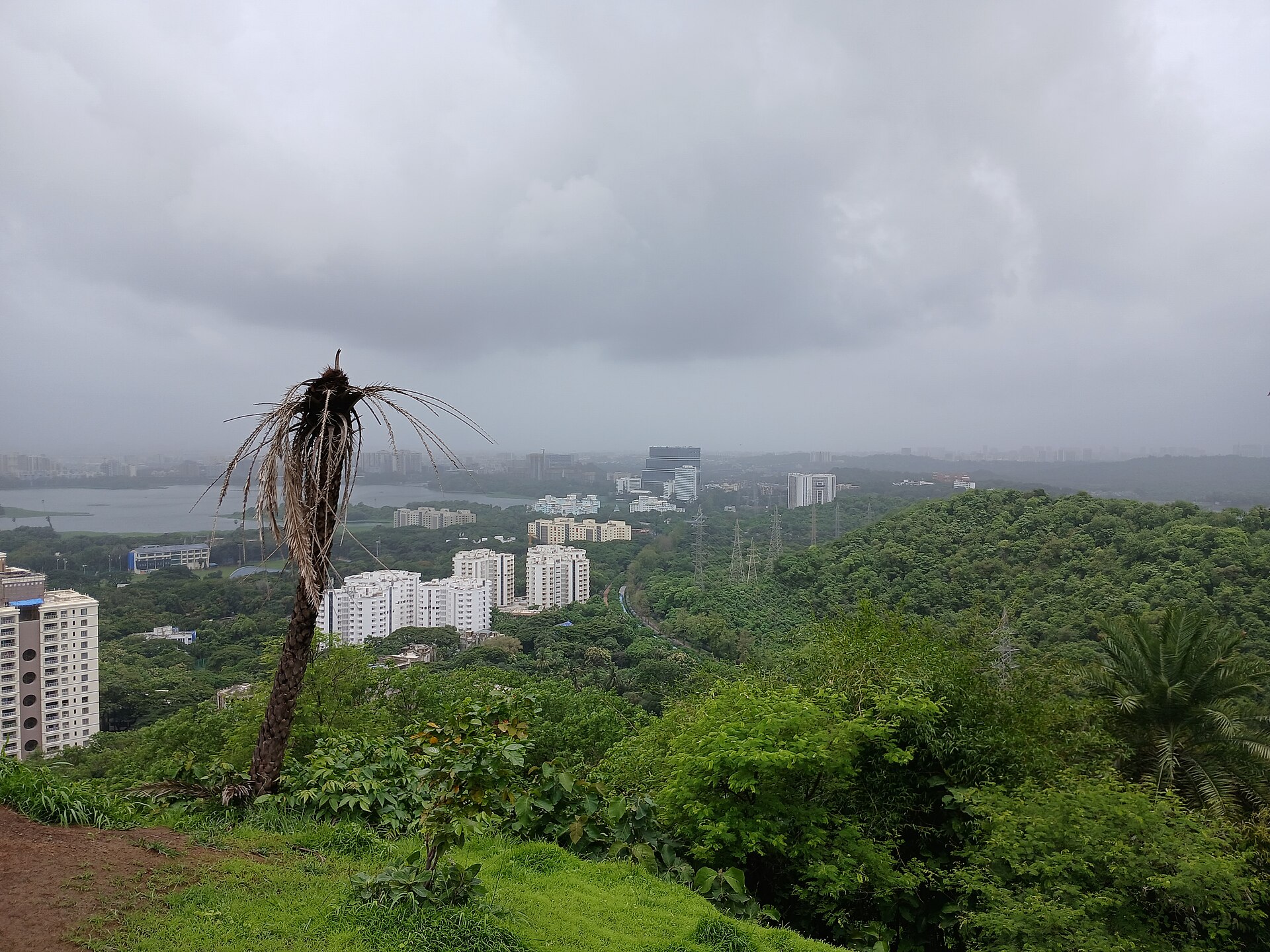
IIT Bombay sits on a 545-acre lakeside campus in Powai, Mumbai — one of Asia's most spectacularly situated technical universities. Founded in 1958 with UNESCO support, it is India's most sought-after engineering institution and among the most selective universities on earth, admitting approximately 1.2% of applicants. For international students, the structured DASA route opens the door to world-class engineering education at a fraction of the cost of comparable institutions in the US, UK, or Australia.
Campus
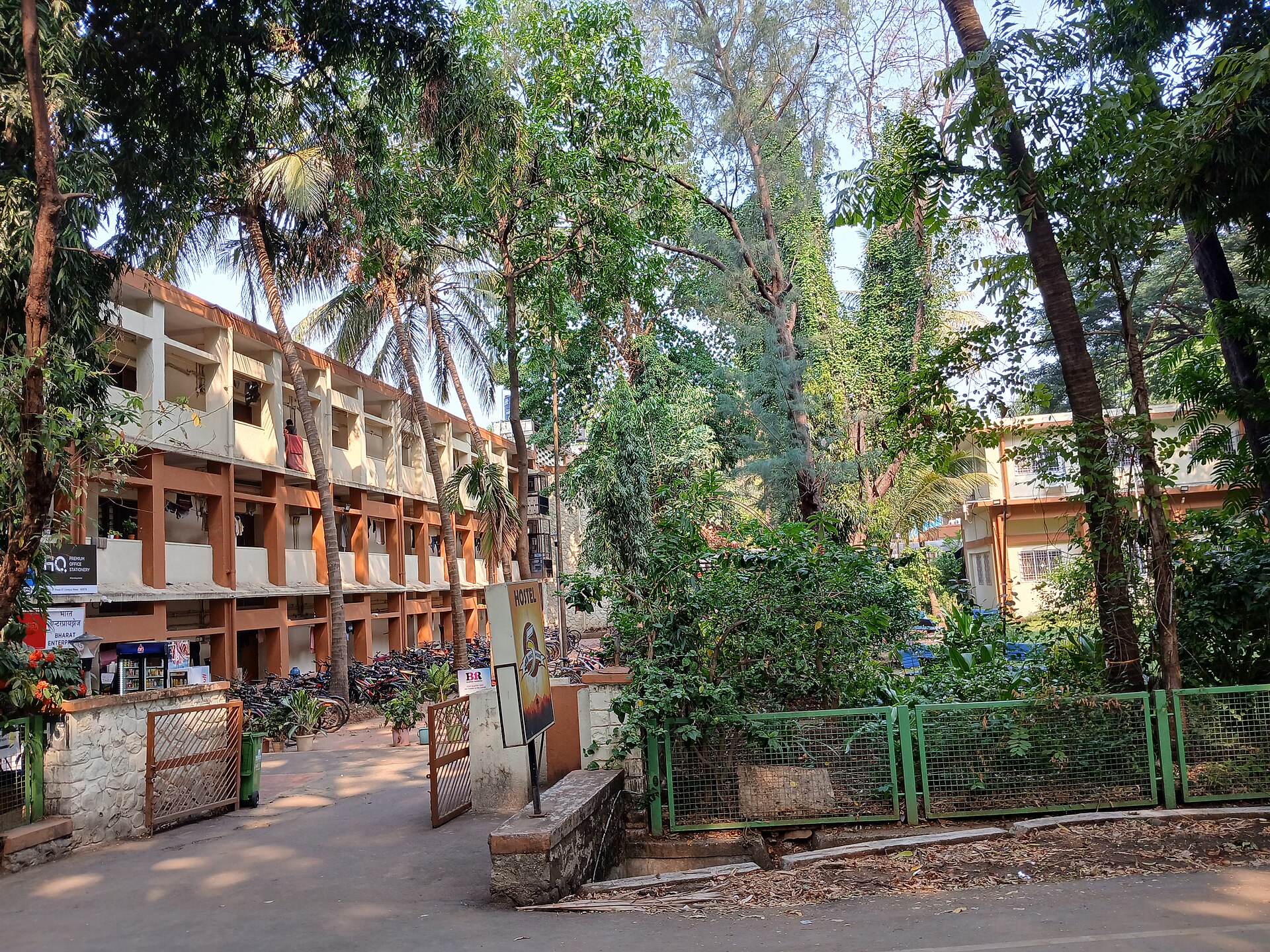
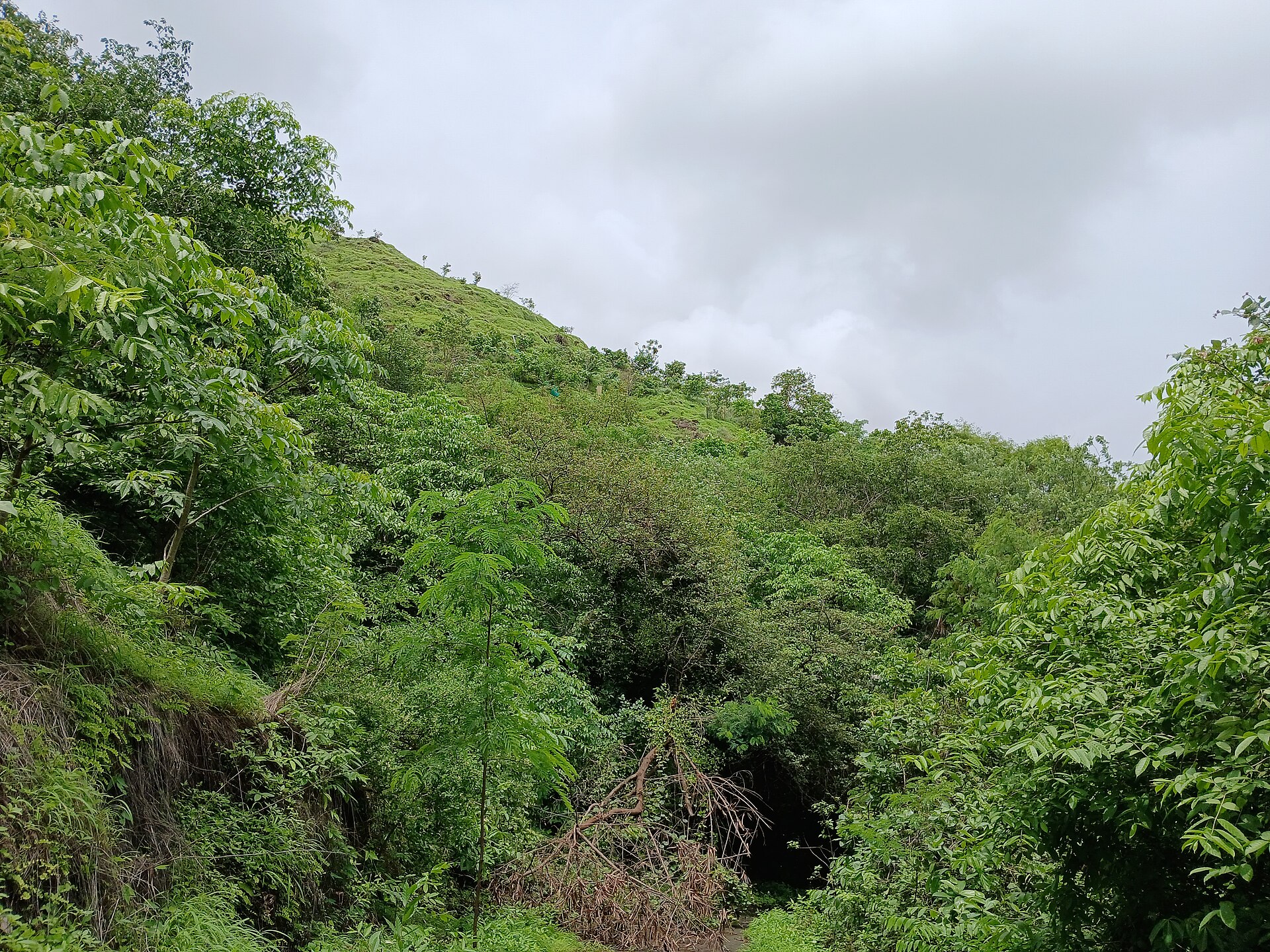
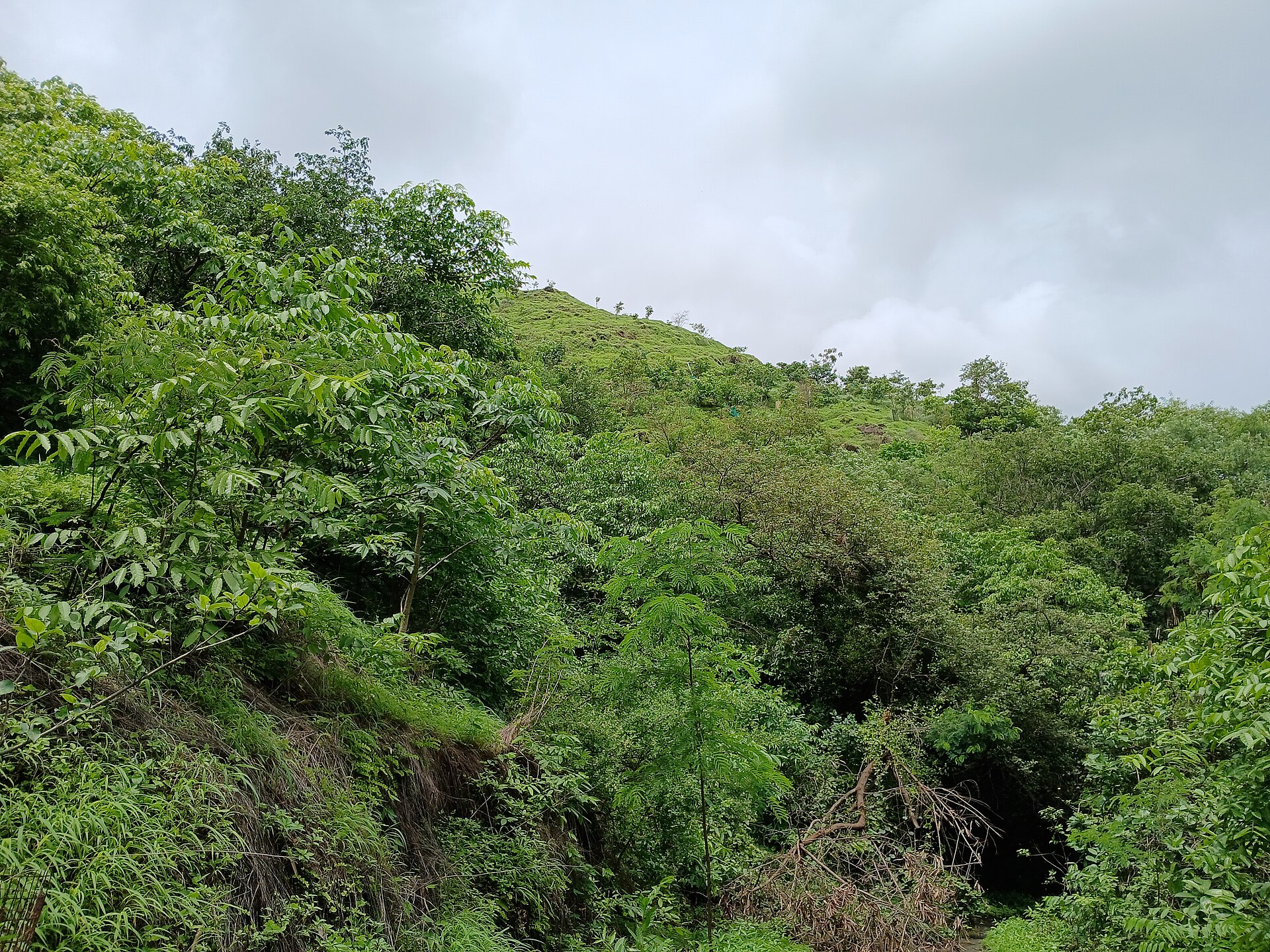
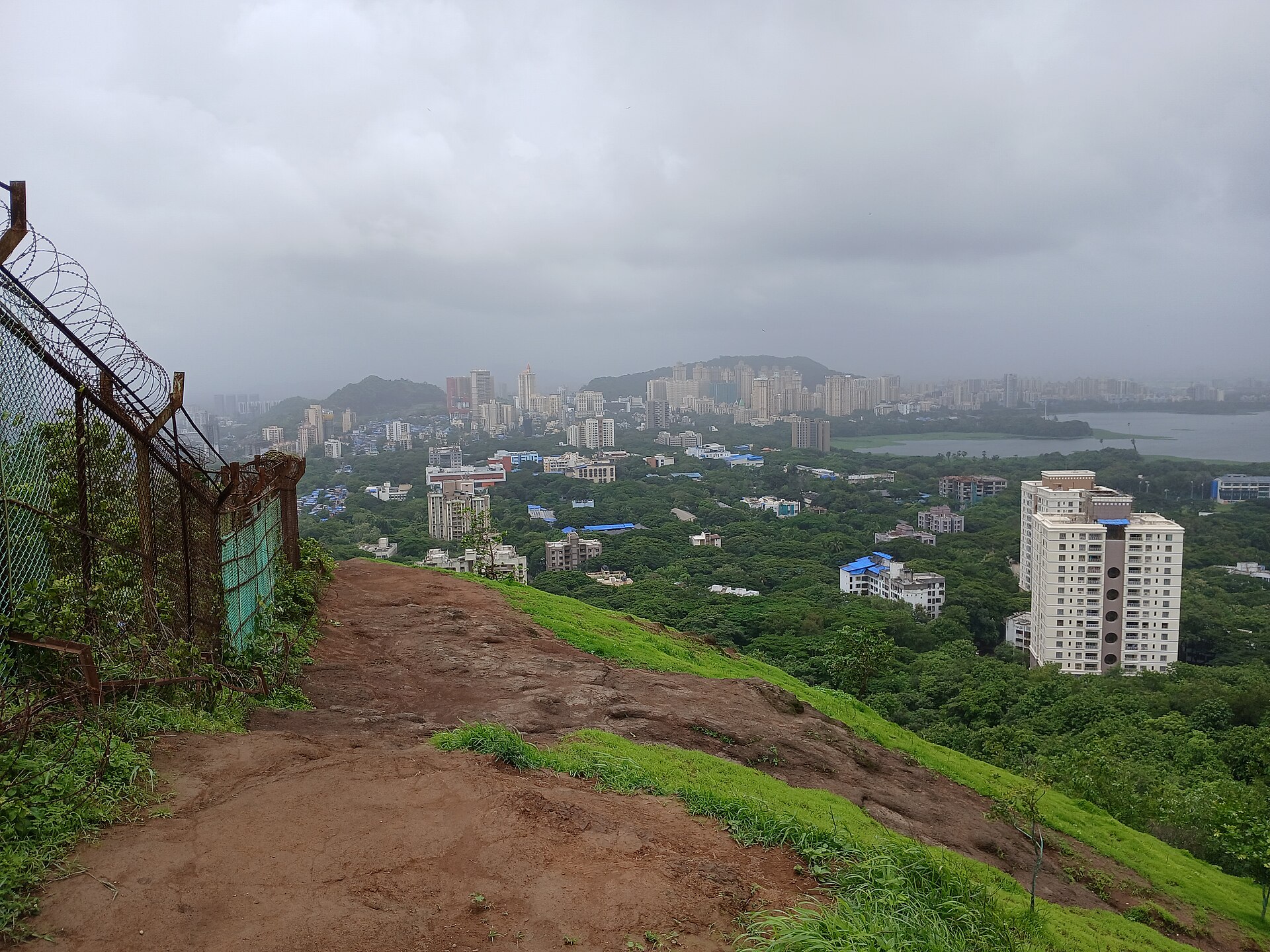
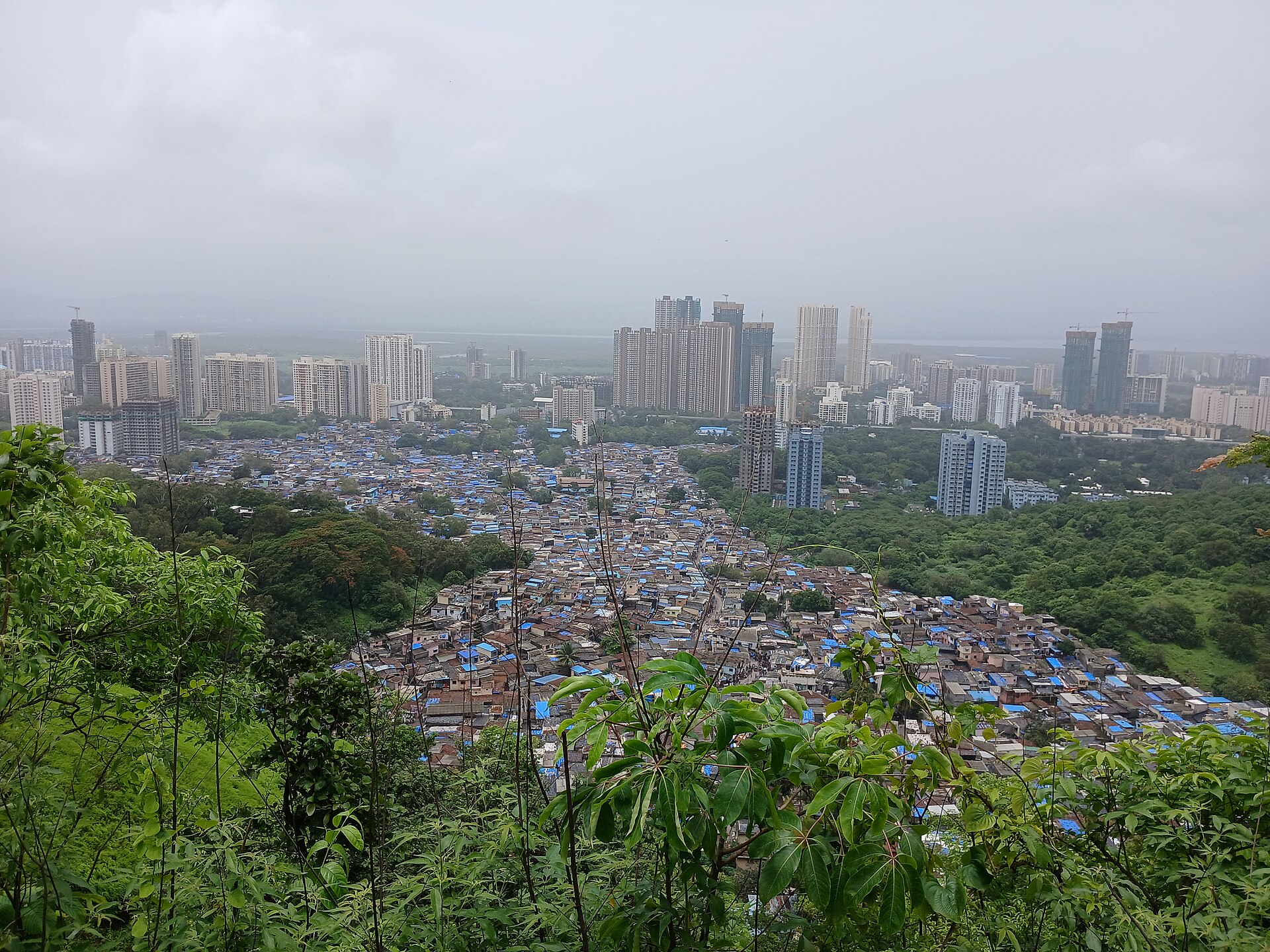
Indian Institute of Technology Bombay — campus in pictures
Real, freely-licensed photographs of the campus (via Wikimedia Commons).
Why IIT Bombay — India's Finest, Asia's Best
IIT Bombay is more than India's top engineering university — it is the institution that has most consistently shaped Indian technology, entrepreneurship, and scientific leadership for over six decades. For international students, it represents an extraordinary convergence of academic rigour, research opportunity, and career outcomes at a cost that no comparable institution can match.
IIT Bombay Acceptance Rate & Admissions Profile
Stats
Profile Stats
Rea Vs Rd
IIT Bombay Admissions Requirements — JEE, DASA & International Qualifications
- Physics, Chemistry, and Mathematics are mandatory in 12th grade
- IB Diploma, A Levels, CBSE, ISC, and most national boards accepted
- For JEE route: typically 75%+ aggregate or top 20 percentile in board
- For DASA: no minimum percentage specified — verify on dasanit.org
- JEE Advanced: primary route for eligible Indian nationals and NRIs
- SAT: primary ranking metric for DASA (international/NRI/OCI) route
- ACT is not used in the DASA process
- IELTS 6.0 / TOEFL 79 minimum for non-native English speakers
- JEE Advanced top 500 ranks: IIT Bombay Computer Science
- JEE Advanced top 2,000 ranks: most IIT Bombay branches
- DASA: competitive SAT scores vary by branch and year
- Computer Science and Electrical Engineering are most competitive
IIT Bombay Application — Routes, Documents & Process
IIT Bombay does not use the Common App, UCAS, or any essay-driven admissions system. Undergraduate admissions are entrance-exam driven, with two primary routes for international students: the JEE Advanced route and the DASA scheme using SAT scores.
IIT Bombay Applications — No Essays, But Strategy Still Matters
Tips
Prompts
What IIT Bombay Admissions Is Looking For
IIT Bombay undergraduate admissions are determined almost entirely by entrance exam performance — there is no holistic, essay-based review of the kind practised at US or UK universities. Understanding exactly what each admissions route weighs, and what is irrelevant, is the foundation of a strong application strategy.
IIT Bombay Cost & Financial Aid for International Students
IIT Bombay is one of the most affordable world-class universities for international students. As a government-supported Institute of National Importance, it receives substantial public funding that keeps tuition dramatically below comparable institutions. Limited scholarship schemes are available through the ICCR (Indian Government) and bilateral agreements.
Cost figures are from IIT Bombay facts data. Individual fee schedules for international students should be verified on the DASA portal and IIT Bombay Academic Office before applying.
Stats
Contribution Tiers
| Note | Range | Percent | Percent Value |
|---|---|---|---|
| Tuition and fees — international/DASA rate | Tuition | ~USD 7,400 | 78 |
| On-campus hostel accommodation (subsidised) | Accommodation | Included / low | 15 |
| Food, transport, books, personal expenses | Living Costs | ~USD 4,500 | 47 |
| All-in annual estimate for international students | Total CoA | ~USD 9,500 | 100 |
Key Dates
Advantages
- No essays, personal statements, or recommendations required
- Clear, objective SAT-score ranking — you know exactly where you stand
- Lower cost of attendance than any comparable programme globally
- Immediate entry to a specific branch that matches your score
- Full residential campus — immersive community from day one
Disadvantages
- JEE Advanced is one of the world's most difficult entrance exams — requires intensive, dedicated preparation
- DASA seat allocation is competitive — Computer Science and Electrical cut-offs are very high
- No holistic review — no way to distinguish yourself beyond the exam score
- Limited financial aid for international undergraduates compared to US need-blind institutions
- Branch change after Year 1 is possible but extremely competitive (typically 9.0+ CGPA required)
IIT Bombay Interview — Who Is Interviewed and What to Expect
IIT Bombay undergraduate admissions (both JEE and DASA routes) require no interview. This is fundamentally different from Oxbridge or US universities where alumni or faculty interviews are common. For undergraduate applicants, the entire evaluation is exam-score and document based. Doctoral and some postgraduate programmes do conduct technical interviews — typically a Skype or video call with a potential supervisor. These are substantive, research-focused conversations, not the conversational character assessments of Harvard alumni interviews.
Meta
Questions
IIT Bombay's Hostels & Residential Life
IIT Bombay is a fully residential campus. All undergraduate students live in one of the institute's 21 hostels, which form the core of social and cultural life. Unlike Harvard's house system (where students are assigned in Year 2), IIT Bombay students are allocated to hostels at admission and remain in the same hostel throughout their degree. Each hostel fields teams in the annual inter-hostel General Championship — encompassing sports, cultural events, and technical competitions — creating intense community loyalty.
Houses
Lottery Steps
- Hostel allocation is made at the time of admission — you do not choose your hostel
- Undergraduate students are typically placed in the same hostel for their entire BTech
- Each hostel has its own culture, council, and traditions — inter-hostel competitions (GC) are a defining feature of campus life
- Campus hostels are subsidised — costs are far lower than equivalent accommodation in Mumbai
- Wildlife on campus is real — leopards, deer, and numerous bird species inhabit the adjacent Sanjay Gandhi National Park
IIT Bombay Departments & Undergraduate Programmes
- {"label":"JEE Advanced rank required","value":"Top ~50"}
- {"label":"Research areas","value":"AI/ML, systems, theory, HCI"}
- {"label":"Industry placement","value":"Google, Microsoft, Uber, startups"}
- {"label":"DASA difficulty","value":"Highest SAT cut-off"}
- {"label":"JEE rank range","value":"~50–300"}
- {"label":"Specialisations","value":"VLSI, communications, power, control"}
- {"label":"Typical placements","value":"Qualcomm, Texas Instruments, Samsung"}
- {"label":"Research strength","value":"Very high — multiple active labs"}
- {"label":"JEE rank range","value":"~300–700"}
- {"label":"Focus areas","value":"Thermal, manufacturing, robotics, design"}
- {"label":"Placements","value":"Tata, L&T, consulting firms"}
- {"label":"Research","value":"CAD/CAM, materials, fluid mechanics"}
- {"label":"JEE rank range","value":"~700–1,500"}
- {"label":"Research strength","value":"Process engineering, catalysis, polymers"}
- {"label":"Placements","value":"Petrochemical, pharma, consulting"}
- {"label":"Graduate study","value":"Common — many proceed to PhD abroad"}
- {"label":"Placements","value":"ISRO, HAL, Boeing, Airbus, DRDO"}
- {"label":"JEE rank range","value":"~500–1,200"}
- {"label":"Research areas","value":"Aerodynamics, propulsion, structures"}
- {"label":"Degree option","value":"BTech + Dual Degree available"}
- {"label":"Typical outcome","value":"PhD at top global universities"}
- {"label":"JEE rank range","value":"~600–1,200"}
- {"label":"Research areas","value":"Condensed matter, photonics, biophysics"}
- {"label":"Flexibility","value":"Dual Degree popular; strong elective breadth"}
Research & Extracurricular Opportunities at IIT Bombay
Career Outcomes & IIT Bombay Alumni Network
IIT Bombay's alumni network spans the senior leadership of India's technology, finance, and public-sector institutions — and is well-represented in global technology firms, investment banks, and research universities. Alumni include Parag Agrawal (former CEO, Twitter), Nandan Nilekani (co-founder, Infosys), K. Sivan (former Chairman, ISRO), and the founders of dozens of technology companies. The IIT Bombay connection, like the Harvard connection, is a lifelong professional advantage.
Stats
Categories
Our IIT Bombay & Indian Admissions Track Record
Faqs
Can a foreign national study at IIT Bombay for undergraduate?+
Yes. Foreign nationals, NRIs, OCIs, and PIOs can apply through the DASA (Direct Admission of Students Abroad) scheme for undergraduate programmes. Applications are made through the centralised DASA portal (dasanit.org) using SAT scores for ranking.
Do I need to sit JEE Advanced as an international applicant?+
Most international applicants are not required to sit JEE Advanced. The DASA route uses SAT scores for ranking instead. NRIs studying in India who meet eligibility requirements may choose to appear in JEE Advanced, but DASA is the more common and accessible path for overseas applicants. Confirm your eligibility category before applying.
Is English the medium of instruction at IIT Bombay?+
Yes — all undergraduate and postgraduate programmes at IIT Bombay are taught entirely in English.
What is the tuition fee for international/DASA students?+
Tuition is approximately USD 7,400 per year, with total cost of attendance around USD 9,500 per year. This is significantly lower than comparable programmes in the US, UK, or Australia. Verify current fee schedules on the official DASA portal and IIT Bombay Academic Office — international fees may differ from domestic subsidised rates.
Is scholarship or financial aid available to international students?+
Limited merit-based scholarships are available through government schemes (ICCR) and bilateral agreements. The Indian Council for Cultural Relations (ICCR) manages government-to-government scholarship schemes for international students at IITs. Availability varies by country and year — contact the International Relations office and check iccr.gov.in for current opportunities.
How early should I start preparing for IIT Bombay if targeting DASA?+
Serious DASA SAT preparation should begin in Grade 11 — or earlier. The DASA process requires SAT scores, 12th-grade documents (IB/A Level/national board), category certificates, and English proficiency results. Allow at least 12 months before the DASA registration window opens to prepare and gather all documentation.
Is IIT Bombay's campus fully residential?+
Yes. IIT Bombay has 21 on-campus hostels and essentially all students live on campus, creating an immersive, highly collaborative environment — especially during Techfest, Mood Indigo, and the inter-hostel General Championship.
Can I transfer branches after the first year?+
Branch change after the first year is possible but extremely competitive. Students must typically achieve a CGPA of 9.0 or above (out of 10) in their first year and meet the cut-off for the target branch. The number of change seats is small. This is possible but should not be counted on as a strategy — enter with a branch you genuinely want.
Book a Free IIT Bombay Admissions Strategy Session
In 60 minutes our IIT Bombay admissions specialists will assess your academic profile, identify your correct eligibility category (JEE or DASA), advise on SAT preparation targets and timelines, help you build a realistic branch preference list, and identify scholarship opportunities you may not know exist.
- No commitment required
- India and IIT admissions specialists
- Personalised DASA and JEE strategy — not generic advice
IIT Bombay Academic Requirements
IIT Bombay Academic Expectations — The Honest Breakdown for International Students
IIT Bombay is one of the world's most academically demanding institutions. The curriculum is deep, the pace is intense, and the peer group is extraordinary. Your classmates will largely be students who ranked in the top 0.1% of JEE Advanced — one of the most competitive examinations ever designed. For DASA international students, matching this peer standard in quantitative and scientific preparation is non-negotiable.
12th Grade & Academic Qualifications
IIT Bombay and School Grades — What the Data Shows
The honest picture: IIT Bombay does not publish a minimum GPA or class rank for admission. Entry is determined by entrance exam performance — JEE Advanced rank (domestic) or SAT score (DASA route). The 12th-grade qualification is an eligibility gate, not a ranking metric.
A perfect IB score or 98% CBSE board result is not sufficient on its own — it must be accompanied by exceptional JEE or SAT performance. The entrance exam, not the school leaving qualification, is the primary selection instrument.
Academic Context
School Performance and Context — How IIT Bombay Reads Your Academic Record
IIT Bombay does not use class rank or holistic review for undergraduate admissions. The admissions system is purely entrance-exam driven — your JEE Advanced rank or SAT score (for DASA) determines everything. Understanding how this differs from US and UK admissions is fundamental to targeting IIT Bombay effectively.
SAT for DASA Route
SAT Scores for IIT Bombay DASA — What You Need
For DASA applicants, SAT scores are the primary ranking instrument. IIT Bombay does not publish official SAT band data for admitted DASA students — cut-off scores are released by the DASA portal after each round of seat allocation.
| Label | Score | Percent |
|---|---|---|
| Target for competitive branches (CS/EE) | 1500+ | 90 |
| Typical range for other engineering branches | 1350–1500 | 70 |
| SAT Math — critical subsection | 750+ | 85 |
ACT and IIT Bombay
ACT vs SAT for IIT Bombay — Understanding the Difference
The ACT is not used in the DASA process for IIT Bombay. DASA uses SAT scores exclusively for ranking. If you are considering IIT Bombay alongside US universities and plan to sit both SAT and ACT, your ACT score will not directly benefit your IIT Bombay application — but your SAT score can help US applications.
Metrics
Comparison Cards
Test Policy
IIT Bombay Test Policy — What 'Test Optional' Actually Means
The classification 'test optional' in the facts file reflects that no single international test is universally required across all pathways to IIT Bombay. In practice, DASA applicants must sit the SAT, and JEE applicants must sit JEE Main and Advanced. Understanding what is actually required for your specific route is critical.
Submit Items
Withhold Items
International Qualifications
IB Diploma and A Levels at IIT Bombay — Eligibility and Preparation
- {"label":"DASA eligibility","value":"Accepted as 12th-grade equivalent — PCM required"}
- {"label":"Minimum IB points","value":"Not officially published — verify on dasanit.org"}
- {"label":"PCM requirement","value":"Physics, Chemistry, Mathematics must be included"}
- {"label":"Curriculum depth vs IIT Bombay","value":"IIT Bombay goes significantly deeper in Maths and Sciences than IB HL"}
- {"label":"DASA eligibility","value":"Accepted — PCM subjects required"}
- {"label":"Subject requirements","value":"A Level Physics, Chemistry, and Mathematics mandatory"}
- {"label":"Recommended for IIT Bombay prep","value":"Further Mathematics A Level strongly advantageous"}
- {"label":"Ranking relevance","value":"Eligibility only — SAT score determines rank"}
AP Courses
AP Courses and IIT Bombay — What They Mean for Preparation and Eligibility
AP courses are not a primary metric for IIT Bombay admissions. DASA uses SAT scores for ranking. However, AP Calculus BC, AP Physics C, AP Chemistry, and AP Computer Science are excellent preparation for IIT Bombay's rigorous first-year curriculum — students who have taken and scored well in these courses are better prepared for the academic intensity they will encounter.
Academic Rigour
Secondary School Rigour — Why It Matters at IIT Bombay Even When It Doesn't Determine Admission
IIT Bombay does not formally evaluate 'rigour of secondary school record' in the way US universities do. The entrance exam (JEE or SAT) is the single decisive academic measure. However, the rigour of your secondary school preparation has a profound indirect effect: students from more rigorous academic environments are better prepared for IIT Bombay's demanding first-year curriculum.
The most rigorous schools produce students who perform best at IIT Bombay — not because rigour is evaluated in admissions, but because it determines survival in the curriculum.
STEM Preparation
Mathematics and Science Preparation — What IIT Bombay Expects
IIT Bombay requires all first-year students — regardless of branch — to complete a common foundation curriculum in Mathematics, Physics, Chemistry, and Engineering Graphics. The level of depth expected from week one is significantly beyond most international school curricula. Understanding what is expected before arrival is critical.
Language Proficiency
English Language Requirements for International IIT Bombay Applicants
IIT Bombay requires English proficiency documentation from all non-native English speakers. The minimum thresholds are IELTS 6.0 or TOEFL iBT 79. Given the intensity of technical communication expected at IIT Bombay — lab reports, presentations, group projects, and thesis writing — meeting the minimum is genuinely the floor, not the target.
The IELTS and TOEFL scores are a documentary requirement for DASA. However, succeeding academically at IIT Bombay requires a significantly higher level of English proficiency than the published minimum — technical communication in seminars, written assignments, and research requires strong academic English. Students who meet the minimum but struggle with English will find the academic demands compounded by a language barrier.
By Branch
Academic Preparation by Branch — What Each Programme Demands
IIT Bombay allocates students to branches at the time of admission based on JEE rank or DASA SAT score — students do not apply to specific branches in the same way as US universities. However, understanding what each branch's curriculum demands helps applicants prepare appropriately and set realistic expectations.
| Signals | Expectation | Concentration |
|---|---|---|
| Competitive programming; strong algorithms background | Highest JEE/SAT scores; top 0.1% nationally | Computer Science & Engineering |
| Strong mathematics; physics depth | Top 0.5% JEE rank; high DASA SAT | Electrical Engineering |
| Physics + maths depth; design aptitude | Top 1–2% JEE rank | Mechanical Engineering |
| Physics + mathematics at A Level/IB HL depth | Strong SAT Math; physics background | Aerospace Engineering |
| Strong chemistry and mathematics | IB HL Chemistry or A Level; solid Maths | Chemical Engineering |
| Physics depth; research orientation | Strong maths and physics; research interest | Engineering Physics |
| Mathematics and materials science interest | Solid PCM foundation | Metallurgical Engineering & Materials Science |
International Education Systems
IIT Bombay and International Education Systems — How Your Curriculum Is Evaluated
Roadmap
Building an Academic Profile for IIT Bombay — What to Do at Each Stage
- Select the most rigorous Mathematics and Science path available in your school system — HL Maths in IB, Additional Mathematics in IGCSE, or equivalent.
- If your school offers Further Mathematics at IGCSE level, take it.
- Begin learning to programme — Python is recommended. Even 30 minutes per week of structured practice builds meaningful skill over two years.
- Identify whether you are targeting the JEE or DASA route — this determines the next two years entirely.
- DASA applicants: begin structured SAT preparation. Focus intensively on SAT Math — aim for 750+ on the first diagnostic.
- JEE applicants: begin JEE coaching in earnest. This typically means 4–6 hours of daily study in Physics, Chemistry, and Mathematics beyond school work.
- Research IIT Bombay's branches — check previous-year DASA cut-off scores on the portal to understand competitive benchmarks for your target branch.
- IB students: choose HL Mathematics (Analysis and Approaches), not Applications and Interpretations — AA maps better to JEE and IIT Bombay's curriculum.
- IB and A Level students: ensure Physics, Chemistry, and Mathematics are included — without PCM, DASA eligibility is at risk.
- DASA applicants: take at least two SAT sittings to maximise score; check whether DASA superscore policy applies in the current year.
- Research ICCR scholarship and bilateral scholarship opportunities — deadlines are often in early Grade 12.
- Begin building the documentation required for DASA: passport, OCI/NRI certificates, predicted grade letters.
- Sit IELTS or TOEFL early — April through June dates fill quickly.
- Submit SAT scores to DASA through College Board's official score-sending service using the correct DASA institution code.
- Register on the DASA portal when it opens (typically March–May) and submit all documentation before the deadline.
- Finalise branch preference list based on your SAT score and previous-year cut-offs — include a realistic range, not only top-choice branches.
- If allocated a seat: pay the fee deposit within the deadline and begin visa and accommodation arrangements.
Common Pitfalls
Academic Mistakes That Cost IIT Bombay Applications — And How to Avoid Them
Real Outcomes
Academic Profiles of Students Tychr Has Supported into IIT Bombay
The following profiles represent the academic backgrounds of students Tychr has helped navigate the IIT Bombay admissions process successfully. They illustrate the range of profiles that work — and what made each application succeed.
Faqs
Do international students need to sit JEE Advanced?+
Not for DASA undergraduate admissions. The JEE Advanced route is available to eligible NRIs in India, but most international applicants use DASA with SAT scores. Confirm your category before applying.
What SAT score is competitive for DASA at IIT Bombay?+
IIT Bombay does not publish SAT cut-off bands officially. Check the DASA portal's previous-year seat allocation records — cut-offs for each branch are published after each round. These are the most reliable indicator for the next cycle.
What if my SAT score is not competitive for my preferred branch?+
DASA seat allocation is based on your SAT score within your eligibility category and branch preference order. A student with a 1350 SAT may receive a seat in Metallurgical Engineering or Civil Engineering, while the same score would not be competitive for Computer Science or Electrical Engineering.
Is there an interview for IIT Bombay admissions?+
For DASA applications: No. The DASA process has no interview stage. Your SAT score and documents are the complete application. Doctoral programme admissions may include a video interview with a potential supervisor.
Does IIT Bombay grant credit for AP exams?+
IIT Bombay does not grant formal advanced standing for AP scores. Students follow the full prescribed first-year curriculum regardless of prior AP performance. However, AP preparation in Calculus, Physics, and Chemistry provides a strong academic foundation for the transition.
Cost & Financial Aid
IIT Bombay May Cost Less Than You Think — Here's the Full Picture.
IIT Bombay is one of the most affordable world-class universities for international students. Tuition of approximately USD 7,400/year — less than a single semester at most US engineering schools — makes it a compelling option for cost-conscious international families who do not want to compromise on academic quality.
Cost Transparency
What IIT Bombay Actually Costs — The Full Annual Figure
As a government-supported Institute of National Importance, IIT Bombay receives substantial public funding that keeps tuition dramatically below comparable private institutions. International students pay higher fees than domestic students (whose subsidised fees are even lower), but the international rate remains extraordinarily competitive globally.
Aid Policy
IIT Bombay Financial Aid — What Is Available and What Is Not
IIT Bombay does not operate a Harvard-style need-blind, full-need financial aid programme for international undergraduates. The primary financial advantage for international students at IIT Bombay is the institution's inherently low tuition — a function of its government funding and public mission. Additional aid is available through government scholarship schemes, bilateral agreements, and (for doctoral students) TA/RA stipends.
Institutional Context
Why IIT Bombay Can Offer World-Class Education at These Costs
Financial Aid Walkthrough
Applying for Funding at IIT Bombay — The Process Step by Step
Financial aid at IIT Bombay is not automatic and not guaranteed for most international undergraduates. The primary funding paths are ICCR government scholarships, bilateral agreements, and (for doctoral students) TA/RA stipends. Here is the step-by-step process.
- Visit iccr.gov.in to check which scholarships are available for your country
- Contact the Indian Embassy in your country for bilateral scholarship information
- Prepare academic transcripts, recommendation letters, and financial documentation
- Submit to ICCR portal or through your country's Indian embassy
- Note: applications must typically be made before or alongside the DASA registration
- {"date":"March–May (indicative)","label":"DASA Registration Window"}
- {"date":"June–July (indicative)","label":"Seat Allocation and Fee Payment"}
International Students Aid
IIT Bombay Financial Aid for International Students — How It Actually Works
The financial aid landscape for international students at IIT Bombay is different from what applicants familiar with US universities may expect. Understanding what is available — and what is not — prevents disappointment and enables realistic financial planning.
Aid by Route
IIT Bombay Financial Aid — What Different Students Actually Pay
Indicative Aid by Student Category
Figures are indicative. Individual scholarship availability varies by country, year, and ICCR allocation. Verify current schemes with ICCR and the IIT Bombay International Relations office before applying.
For most international undergraduate students from high-income countries without bilateral scholarship agreements, the full cost of attendance (~USD 9,500/year) applies. For doctoral students, TA/RA funding typically covers all costs. For students from countries with ICCR bilateral schemes, significant funding may be available — check iccr.gov.in.
| Grant | Income | Contribution |
|---|---|---|
| Full coverage possible | Low-income countries (ICCR bilateral scheme) | ~USD 0 (if scholarship awarded) |
| Partial — ICCR or bilateral | Middle-income countries with bilateral agreements | Varies by scheme |
| Typically none | High-income countries without specific bilateral schemes | ~USD 9,500/year (full sticker) |
| Full stipend + fee waiver | Doctoral (TA/RA route — all income levels) | ~USD 0 fees + monthly stipend |
Table Headers
Scholarship Landscape
IIT Bombay Scholarships — What Exists and Who Qualifies
IIT Bombay offers limited merit-based awards to outstanding enrolled students, and has a small number of funded scholarships available through government and bilateral channels. Unlike Harvard, IIT Bombay does not have a large endowment-funded merit scholarship programme — but several funding mechanisms do exist.
External Funding
External Scholarships for IIT Bombay Students — Additional Funding Sources
In addition to institutional and government scholarships, international students at IIT Bombay may be eligible for external scholarships from foundations, corporates, and bilateral cultural organisations. These supplement the institution's low tuition and can significantly reduce the net cost.
Debt and Funding
IIT Bombay Loan Policy — The Honest Picture
IIT Bombay does not have a formal no-loan policy equivalent to Harvard or Princeton. International undergraduate students are expected to fund their studies through personal resources, family contributions, government scholarships, or bilateral funding schemes. The low tuition structure — approximately USD 9,500/year all-in — means that the total loan burden, if any loans are taken, is far smaller than at Western universities.
On-Campus Employment
Research Assistantships and On-Campus Opportunities at IIT Bombay
IIT Bombay does not operate a formal work-study programme analogous to Harvard's. However, several on-campus opportunities exist that allow students to earn supplementary income or gain funded research experience during their studies.
- Research Assistantship (RA) positions in faculty labs — available to high-performing undergraduates, typically from Year 2
- Teaching Assistantship (TA) positions — available to postgraduate and doctoral students
- Innovation Cell and incubator programmes — with stipends for students working on startup projects
- Society for Innovation and Entrepreneurship (SINE) — entrepreneurial grants and stipends for student ventures
- Student campus services (IT support, library, administrative roles) — available in limited numbers
Benchmarking
IIT Bombay vs Other World-Class Engineering Schools — Financial Comparison
| Policy | School | No Loans | Typical Cost |
|---|---|---|---|
| Public / govt-funded; low intl tuition | IIT Bombay | Not guaranteed | ~USD 9,500/year |
| Need-blind, full-need, no loans | MIT (US) | Yes | ~USD 0 (low-income) – USD 20,000+ |
| Need-blind, full-need, no loans | Harvard (US) | Yes | ~USD 0 (low-income) – USD 20,000+ |
| Need-aware for internationals | Imperial College London | No | ~GBP 37,000/year |
| Limited intl aid | ETH Zurich | N/A | ~CHF 730/semester + living |
| Limited intl scholarship | NUS Singapore | Service bond required | ~SGD 17,000/year with MOE grant |
| Public / govt-funded | IIT Delhi | Not guaranteed | ~USD 7,000–10,000/year |
Cost Analysis
IIT Bombay vs Alternatives — What You Actually Pay
For a middle or upper-income international family that does not qualify for large US need-based grants, IIT Bombay at approximately USD 38,000 for a full four-year BTech represents an extraordinary value proposition — especially when set against the career outcomes the degree delivers.
| Policy | School | Contribution | Four Year Cost |
|---|---|---|---|
| Public; low intl tuition | IIT Bombay | ~USD 9,500/year | ~USD 38,000 |
| Need-blind, full-need (family income ~USD 75K) | MIT | ~USD 0–5,000/year | ~USD 0–20,000 |
| Need-blind, full-need (family income ~USD 75K) | Harvard | ~USD 0–5,000/year | ~USD 0–20,000 |
| Limited intl aid | Imperial College London | ~GBP 37,000/year | ~GBP 148,000 |
| Limited intl scholarship | UC Berkeley (out-of-state) | ~USD 68,000/year | ~USD 272,000 |
| MOE Tuition Grant (service bond) | NUS Singapore | ~SGD 17,000/year | ~SGD 68,000 |
Financial Support
Financial Hardship at IIT Bombay — Options and Escalation Paths
IIT Bombay does not operate a formal financial aid appeals process comparable to Harvard or MIT. The fee structure for international students is published and standardised. However, several alternative escalation paths exist for students facing genuine financial hardship.
Honest note: IIT Bombay's financial hardship support for international students is limited compared to US need-blind institutions. The best financial strategy is to apply for scholarships and bilateral funding before admission, not to rely on post-admission appeals.
How To Appeal
- Contact IIT Bombay's Student Welfare Office — they can advise on any emergency hardship funds available to enrolled students
- Contact the International Relations office — they may be aware of departmental fellowships, emergency grants, or bilateral funding that became available after admission
- Contact ICCR directly if circumstances have changed — some bilateral schemes accept applications from enrolled students facing hardship
When To Appeal
- A significant change in family financial circumstances after seat acceptance (job loss, medical emergency, family crisis)
- Discovery of a scholarship or bilateral scheme not applied for before admission
- Exceptional academic performance that may qualify for a merit award not available at time of admission
- Cases of genuine financial hardship that threaten continuation of studies
Timeline & Planning
Planning for IIT Bombay Costs — What to Do and When
Application & Statement
Applying to IIT Bombay — What to Expect
IIT Bombay does not use a Common App, UCAS, or any essay-driven admissions system. Undergraduate admissions are determined almost entirely by entrance exam performance — JEE Advanced or SAT for DASA — with no personal statement, teacher recommendations, or supplemental essays required. This guide explains how to approach the application, what the DASA documentation process requires, and how to write the research statement required for doctoral applicants.
For doctoral and some postgraduate applicants, a research statement is required. For DASA and JEE-route undergraduates, the 'essay' in the conventional sense does not apply. We focus this tab on what actually matters: the application process, DASA registration strategy, and the research statements required at postgraduate and doctoral levels.
Application System
How IIT Bombay Admissions Actually Work
IIT Bombay operates under India's national technical university admissions system — one of the most rigorous entrance-exam-based systems in the world. There is no holistic admissions review of the kind practised at US or UK universities.
For undergraduates: domestic students apply through JoSAA after clearing JEE Main and JEE Advanced. International and NRI students apply through the DASA (Direct Admission of Students Abroad) portal at dasanit.org. The DASA portal manages the complete process — eligibility verification, document upload, SAT score submission, and seat allocation. The process is purely merit-ranked with no written essays.
Written Components
Where Written Statements Matter
While undergraduate admissions require no essays, doctoral and some postgraduate programmes at IIT Bombay do require written statements. These are research-focused documents, not personal narratives in the US supplemental essay tradition.
Undergraduate Applications
Undergraduate Application — No Essay Required
IIT Bombay's undergraduate admissions process requires no personal essay or statement of purpose. For DASA applicants, the focus is entirely on: (1) meeting eligibility criteria, (2) submitting the correct documentation, (3) maximising your SAT score, and (4) navigating the seat allocation process correctly.
This is fundamentally different from applying to US universities where essays can differentiate equivalent candidates. At IIT Bombay, the number you submit — your SAT total for DASA, or your JEE rank for domestic applicants — is your entire application. There is no room for narrative differentiation. This means preparation must be entirely academic: no extracurricular packaging, no essay coaching. Every hour invested in SAT preparation is more valuable than any other application activity for DASA candidates.
If you are applying to IIT Bombay alongside US or UK universities, you will need both strong exam scores (for IIT Bombay) and strong written statements (for US/UK). These preparation tracks require different skills — plan your time accordingly, and do not compromise SAT preparation for essay writing if IIT Bombay is a genuine priority.
Document Strategy
DASA Documentation — Getting It Right
While there are no essays, the DASA documentation process is detailed and errors are costly. Here is what to prepare and how to approach each requirement.
Branch Selection
Choosing Your Branch Wisely
For DASA and JEE applicants alike, one of the most consequential decisions is branch selection during seat allocation. Unlike US universities where you apply to the university and choose a major later, IIT Bombay allocates you to a specific branch based on your rank. While branch change is possible after the first year, it is highly competitive.
The DASA portal allows applicants to list branches in preference order. Before finalising your preferences, research the previous year's cut-off SAT scores for each branch on the DASA portal. Computer Science and Electrical Engineering are the most competitive branches; Chemical, Metallurgical, Civil, and Engineering Physics typically have lower cut-offs. Be realistic about your likely score range and rank preferences accordingly — a branch you can actually enter is far better than a wishlist that leaves you without a seat.
Students who enter a lower-ranked branch and perform exceptionally well in the first year can apply for branch change — this is competitive but achievable with a high CGPA (typically 9.0+ out of 10). The opportunity exists; plan around your actual score, not around the possibility of branch change.
Common Mistakes
Application Mistakes to Avoid
- Confusing the DASA process with a conventional holistic university application — there are no essays to write, but document errors can disqualify you entirely. Treat the documentation process with the same care you would give an essay.
- Waiting to submit SAT scores — official score reports take time to process. Submit them through College Board using the correct DASA institution code well before any deadline on the portal.
- Setting unrealistic branch preferences — listing only Computer Science when your SAT score is unlikely to meet the cut-off leaves you without any seat. Include a range of branches in your preference list.
- Failing to verify your eligibility category before applying — the NRI/OCI/PIO/Foreign National/CIWG distinctions have different documentation requirements and seat quotas. Misclassification can invalidate your application.
- Not contacting IIT Bombay's International Relations office — even for DASA applicants, the IR office can answer questions about accommodation, orientation, scholarship availability, and pre-arrival requirements.
- Ignoring doctoral fellowship opportunities — if you are interested in a PhD at IIT Bombay, the funded TA/RA route is far more financially sustainable than self-funded study. Research this route thoroughly before applying.
- Assuming the DASA process is identical to a previous year — DASA eligibility rules, cut-off scores, fee structures, and documentation requirements are revised annually. Always refer to the current year's official portal.
- For doctoral applicants: writing a generic research statement — name specific faculty, reference recent publications, and describe a concrete research question. Vague statements are easily identified and rarely succeed.
Application FAQs
Application Process — Frequently Asked Questions
Do I need to write a personal statement or essay for IIT Bombay undergraduate admissions?+
No. IIT Bombay undergraduate admissions — both JEE route and DASA route — require no personal statement, essay, or letter of motivation. The process is entirely exam-score and document based. Every hour of preparation should go into SAT preparation, not essay writing.
What is DASA and who should apply through it?+
DASA (Direct Admission of Students Abroad) is the undergraduate admissions scheme for NRIs (Non-Resident Indians), OCIs (Overseas Citizens of India), PIOs (Persons of Indian Origin), and foreign nationals. Applications are made through the centralised DASA portal at dasanit.org, using SAT scores for ranking within each eligibility category.
Is there any interview as part of the IIT Bombay application for undergraduates?+
No interview is required for undergraduate admissions through JEE or DASA. The process is entirely exam-score and document based. Doctoral programmes may conduct interviews with potential supervisors as part of the selection process.
How do I apply for a PhD at IIT Bombay as an international student?+
International PhD applicants should contact the relevant department and the International Relations office directly. The process typically involves submitting academic transcripts, a research statement, references, and potentially a video interview with a potential supervisor. TA/RA funding is often available for doctoral students — this is the most reliable funding route for international research students.
Can I apply to IIT Bombay if my 12th-grade results are not yet published?+
The DASA process typically allows applicants to submit predicted grades or partial results, with final results required before seat confirmation. However, exact provisions change year to year — verify on the current DASA portal before applying.
What should I include in a research statement for PhD admissions at IIT Bombay?+
A strong PhD research statement should: identify the specific research area and department; name potential supervisors and reference their recent published work; describe a concrete research question or problem you want to address; summarise your prior academic and research background; and explain why IIT Bombay's facilities and faculty make it the right place for your research. Keep it to 1–2 pages and prioritise intellectual clarity over length.
Is there an orientation programme for international students?+
Yes. IIT Bombay conducts an orientation for incoming students before the academic year begins, and the International Relations office provides dedicated support for arriving international students — including visa guidance, hostel allocation, and campus integration. Contact the IR office well before your arrival date.
What happens if I miss the DASA seat acceptance deadline?+
Missing the seat acceptance deadline typically results in the seat being reallocated in the next round. There is no grace period in most years. Monitor the DASA portal actively during the seat allocation period and respond immediately when your seat is offered. Set calendar reminders for all DASA deadlines.
Courses — schools, degrees & intake
17 degrees across 16 groupings.
Department of Aerospace Engineering · 1 degrees
B.Tech. in Aerospace Engineering
Department of Chemical Engineering · 1 degrees
B.Tech. in Chemical Engineering
Department of Civil Engineering · 1 degrees
B.Tech. in Civil Engineering
Department of Computer Science & Engineering · 1 degrees
B.Tech. in Computer Science & Engineering
Department of Electrical Engineering · 2 degrees
B.Tech. in Electrical Engineering
B.Tech. + M.Tech. Dual Degree in Electrical Engineering (Communication and Signal Processing)
Department of Environmental Science and Engineering · 1 degrees
B.Tech. in Environmental Science and Engineering
Department of Energy Science and Engineering · 1 degrees
B.Tech. in Energy Science and Engineering
Department of Industrial Engineering & Operations Research · 1 degrees
B.Tech. in Industrial Engineering & Operations Research
Department of Mechanical Engineering · 1 degrees
B.Tech. in Mechanical Engineering
Department of Metallurgical Engineering & Materials Science · 1 degrees
B.Tech. in Metallurgical Engineering & Materials Science
Department of Physics (Engineering Physics) · 1 degrees
B.Tech. in Engineering Physics
Department of Chemistry · 1 degrees
B.S. in Chemistry
Department of Economics · 1 degrees
B.S. in Economics
Department of Mathematics · 1 degrees
B.S. in Mathematics
Department of Earth Sciences · 1 degrees
B.S. in Applied Geophysics
IDC School of Design · 1 degrees
B.Des. in Design
Want your real chances at Indian Institute of Technology Bombay?
Create a free TYCHR account for your personalised admit-chance, a shortlist you can track, exact entry requirements, and essay + counselling help.