Harbin Institute of Technology
Harbin, China (Mainland) · Urban
Harbin Institute of Technology (HIT) is one of China's nine elite C9 League universities — a powerhouse of engineering, aerospace, and technology education with a century-long legacy of building China's scientific capabilities. For international students who want rigorous STEM training at genuine world-class facilities, access to active national space and defence research, and an affordable pathway into China's booming technology economy, HIT offers an exceptional combination of academic prestige and practical opportunity.
Campus
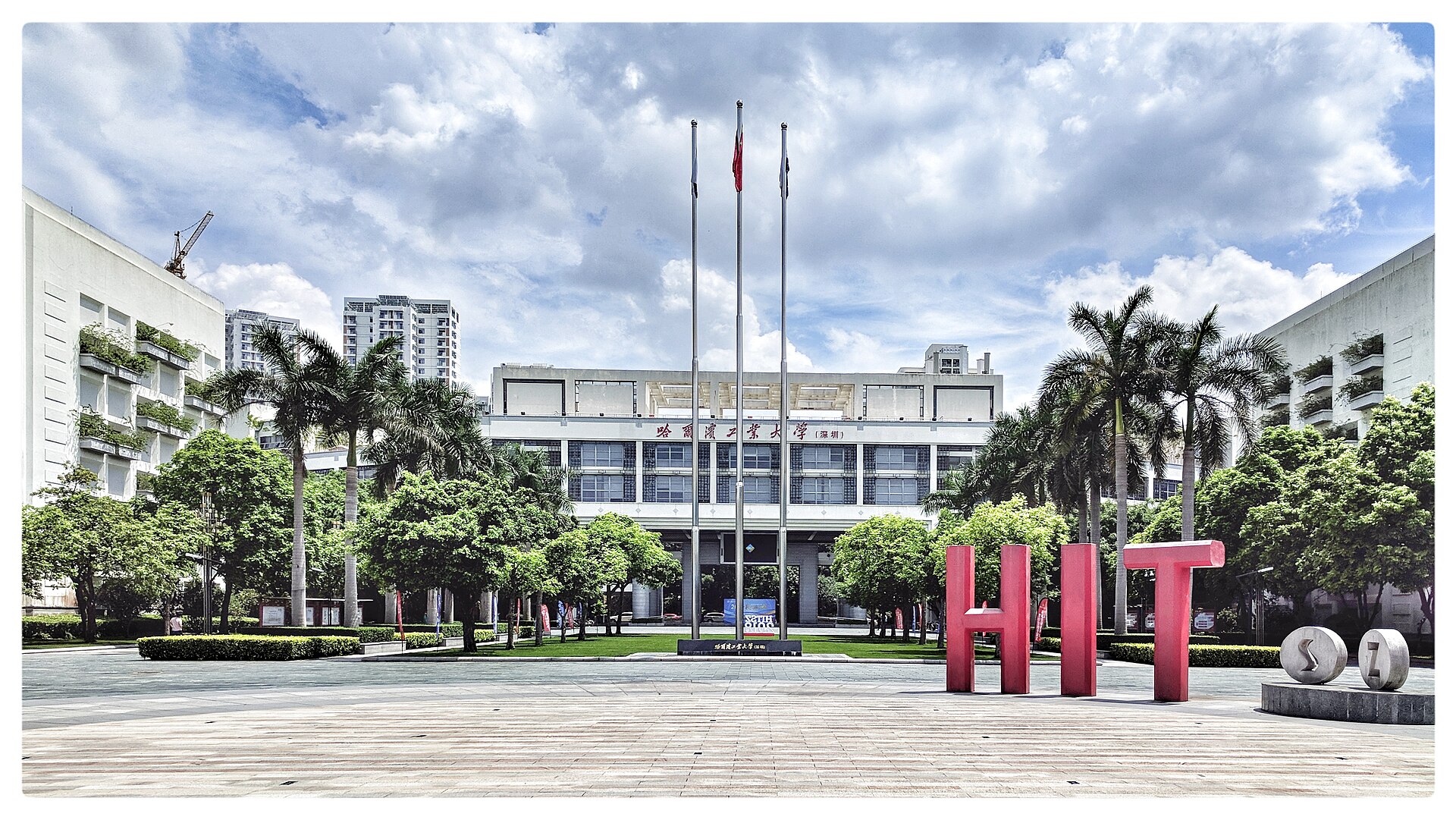
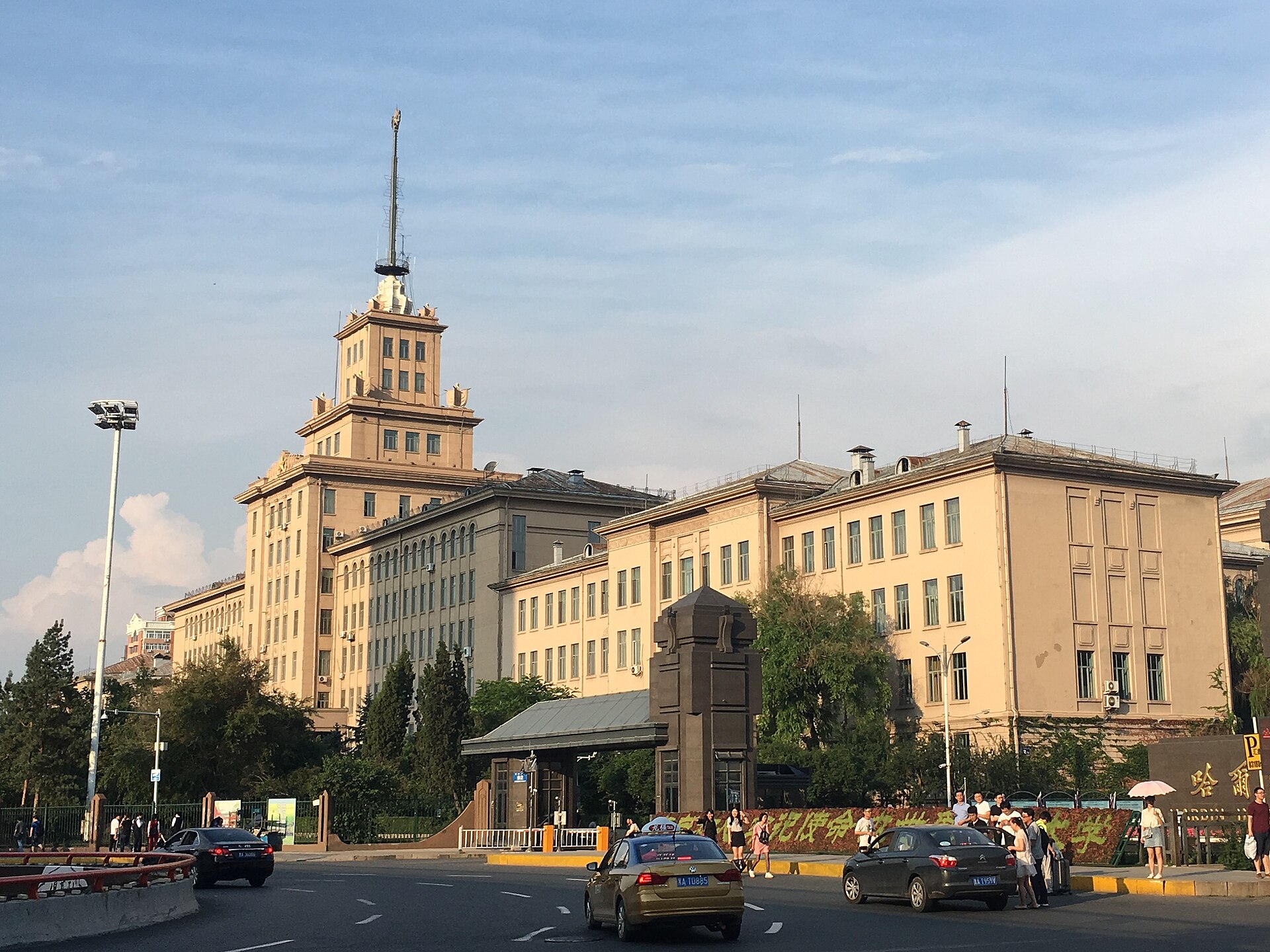
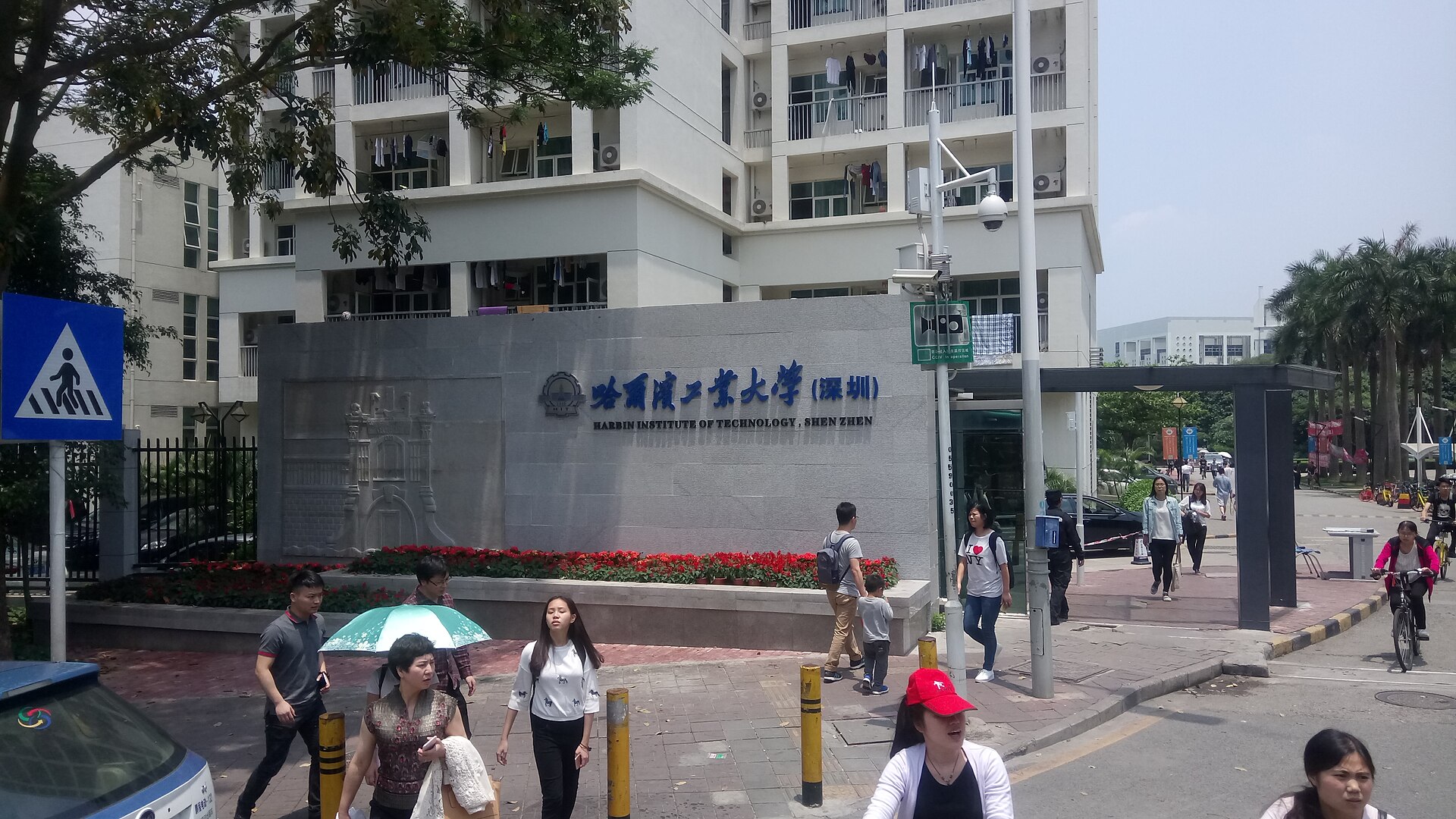
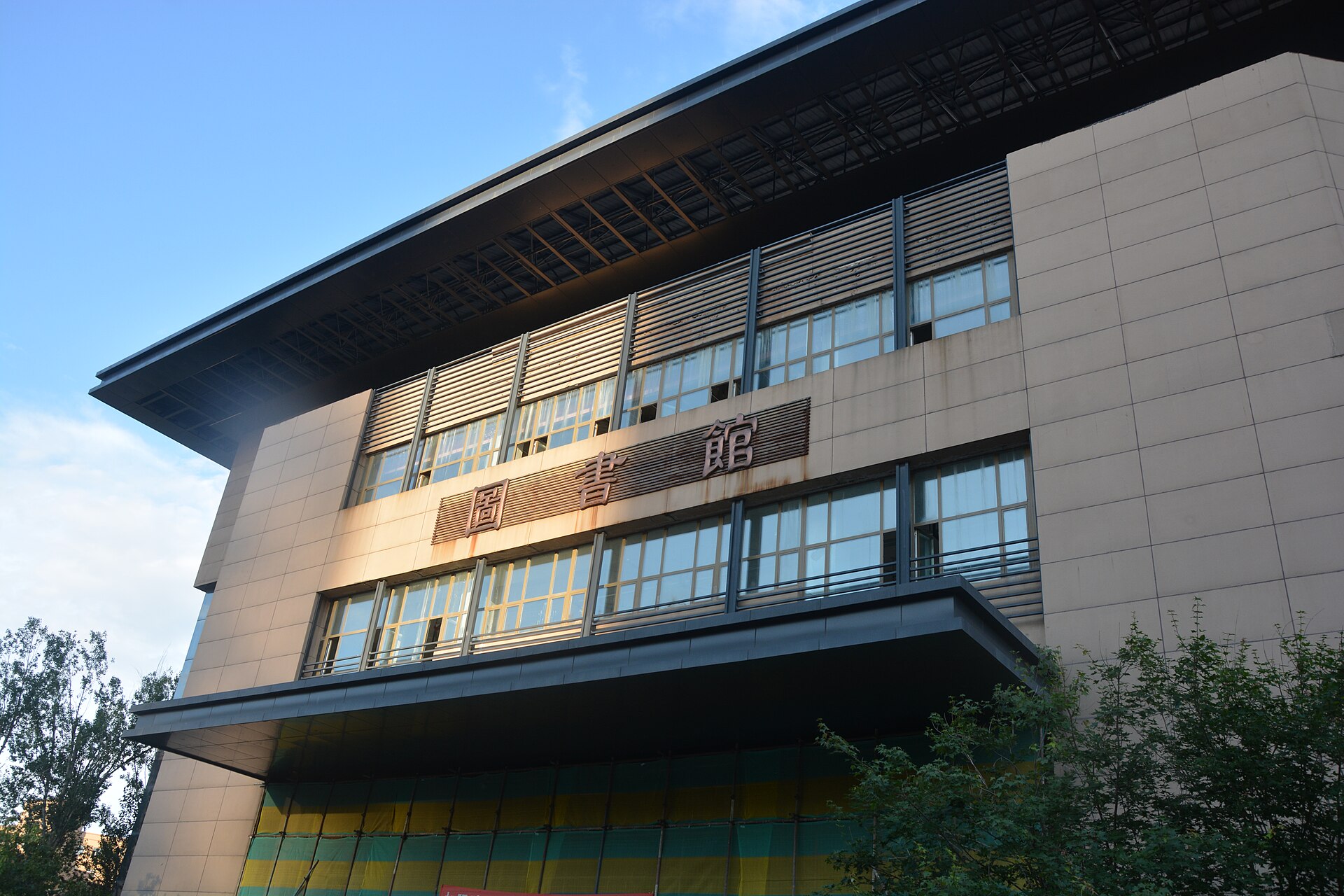
Harbin Institute of Technology — campus in pictures
Real, freely-licensed photographs of the campus (via Wikimedia Commons).

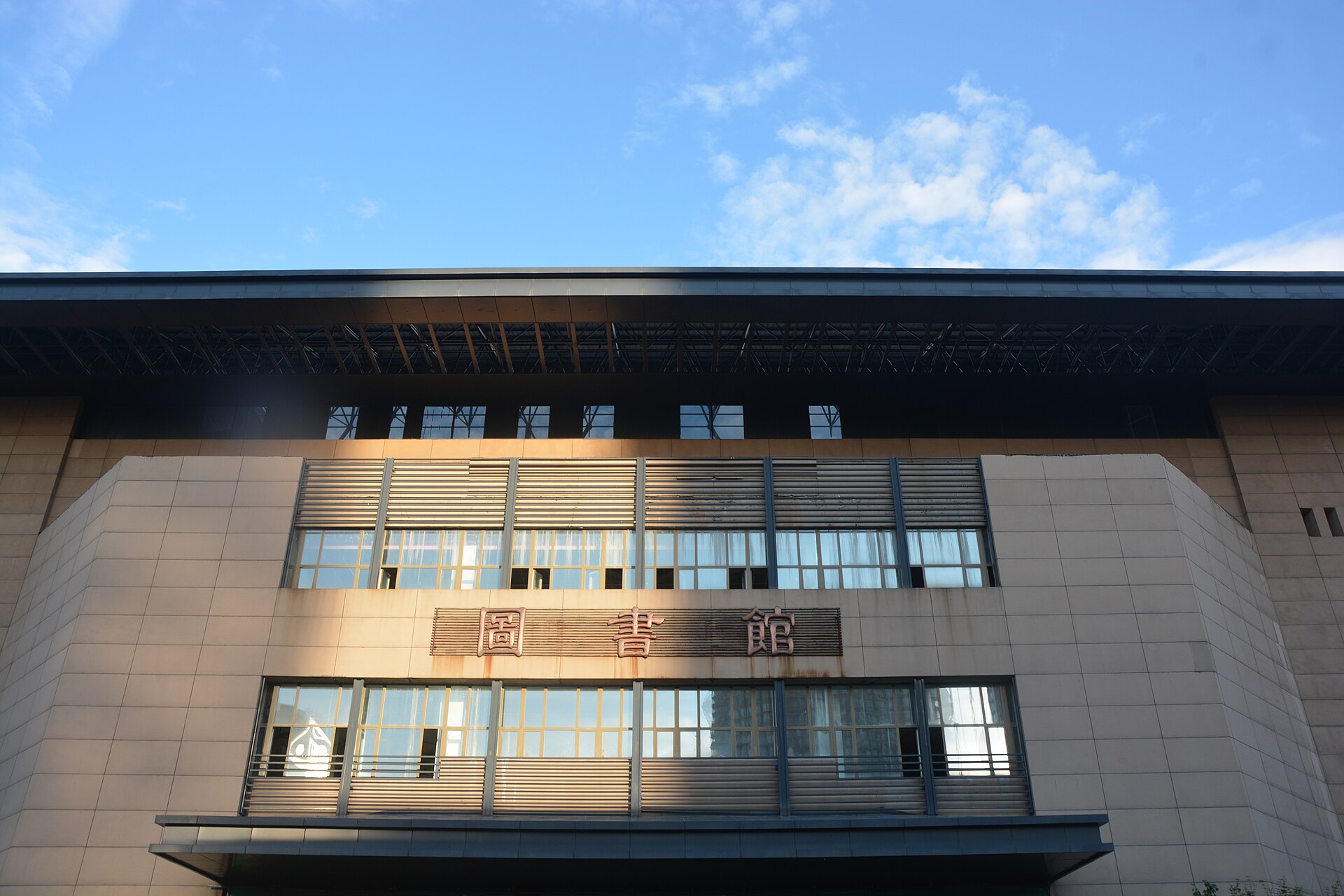
Why Harbin Institute of Technology — C9 League Prestige, Space Research & Affordable Excellence
For ambitious international students targeting science, engineering, and advanced technology, HIT is one of Asia's most compelling university choices. It combines elite academic credentials with unmatched direct links to China's space programme, national research laboratories, and the world's most dynamic technology sector.
HIT Acceptance Rate & International Student Profile
Stats
Profile Stats
Rea Vs Rd
HIT Admissions Requirements — Academics, Language & Qualifications
- Strong grades in Mathematics and Sciences are the primary filter
- IB: 34+ total with HL Mathematics and a relevant science
- A-Level: AAB minimum with A/A* in Maths and Physics for engineering
- National board toppers from India, Korea, Pakistan, and other major systems are well regarded
- IELTS 6.0 Academic minimum for English-taught programmes
- TOEFL iBT 80 minimum for English-taught programmes
- HSK Level 4 required for Chinese-taught programmes
- Native English speakers may be exempt — confirm with admissions
- IB Diploma: 34+ total, with HL Maths (Analysis & Approaches preferred)
- A-Level: AAB or above, A or A* in Mathematics and Physics for engineering
- National board results from all major systems accepted
- Olympiad results in Maths/Physics/Chemistry viewed very positively
HIT Application Components — Study Plan, Transcripts & Documents
HIT uses a direct application system managed through its College of International Education. Applications are submitted online through HIT's international student portal. Below is every component of a complete HIT application — required and recommended — with strategic notes for each.
HIT Application Writing — Study Plan & Supporting Documents
Tips
Prompts
What HIT Admissions Is Looking For
HIT's admissions process for international students is primarily academic — but it is not one-dimensional. Understanding what reviewers in the College of International Education are looking for — and why — is fundamental to a strong application.
HIT Scholarships & Financial Support for International Students
HIT's cost structure is fundamentally different from Western universities. Tuition is exceptionally low by global standards, and the Chinese Government Scholarship (CGS/CSC) — available to eligible international students through competitive selection — can cover tuition, accommodation, living stipend, and health insurance in full. For motivated applicants who plan ahead, studying at HIT can cost less than many much lower-ranked universities abroad.
Scholarship amounts and eligibility are set by the Chinese Government (CGS/CSC) and HIT's own policies, which are updated annually. Confirm current figures and application procedures with HIT's College of International Education and the CSC website (csc.edu.cn).
Stats
Contribution Tiers
| Note | Range | Percent | Percent Value |
|---|---|---|---|
| CGS full award — tuition, accommodation, stipend, health insurance all covered | Full CGS Recipients | 100% | 100 |
| HIT partial scholarship — tuition waiver only | Partial HIT Scholarship | ~50% | 50 |
| Self-funded: pay $3,600/yr tuition + living costs | Self-Funded | 0% | 0 |
Key Dates
Advantages
- Covers tuition, accommodation, stipend, and health insurance — full cost elimination
- Most prestigious scholarship track — strong CV signal
- Deadline is earlier (March–April), so decision comes sooner
- Embassy-nominated track available in most countries
- University-nominated track also available through HIT directly
Disadvantages
- Extremely competitive — academic bar is high
- Requires a separate CSC application alongside the HIT programme application
- Earlier deadline means less time to prepare application materials
- Country quota limits may restrict availability
- Health examination requirement must be completed early
HIT Admissions Interview — Format, Questions & Preparation
Most undergraduate international applicants to HIT are not required to interview — the admissions decision is based on documents. However, some postgraduate programmes, particularly research-focused master's and PhD positions, may require an online interview as part of the selection process. If you are applying for the Chinese Government Scholarship, an interview may also be part of the selection for institutional nomination. Prepare thoroughly — HIT's academic culture is serious, and interviewers expect substantive academic engagement.
Meta
Questions
HIT Campuses & Residential Life
Unlike Harvard's house system, HIT does not assign students to residential colleges with distinct communities. International students are typically housed in designated international student dormitories on their chosen campus. HIT's three campuses — Harbin, Weihai, and Shenzhen — offer meaningfully different environments, and choosing between them is one of the most important decisions a prospective international student makes.
Houses
Lottery Steps
- Choose your campus as part of your programme application — Harbin, Weihai, or Shenzhen
- International students are housed in designated international dormitories on arrival
- Accommodation is self-catered — campus dining halls serve a wide range of Chinese food at subsidised prices
- Harbin campus: largest, most research-intensive, coldest winters, famous Ice and Snow Festival nearby
- Weihai campus: smaller, coastal, good for students who prefer a quieter environment
- Shenzhen campus: urban tech hub, closest to industry, warmest climate, newest facilities
HIT Schools, Faculties & Programmes
- {"label":"National ranking (mechanics)","value":"#1 in China"}
- {"label":"Key research area","value":"Spacecraft & Launch Vehicle"}
- {"label":"Industry link","value":"CASC, AVIC"}
- {"label":"National key laboratories","value":"Multiple"}
- {"label":"Key research area","value":"Robotics & Intelligent Systems"}
- {"label":"Global robotics competition","value":"Top HIT team"}
- {"label":"Programme type","value":"Undergraduate & Postgraduate"}
- {"label":"Industry links","value":"CRRC, Haier, DJI"}
- {"label":"Research areas","value":"AI, NLP, Computer Vision"}
- {"label":"English-taught option","value":"Selected postgraduate programmes"}
- {"label":"Industry links","value":"Huawei, Baidu, Tencent"}
- {"label":"Programme type","value":"Undergraduate & Master's/PhD"}
- {"label":"National key laboratory","value":"Yes"}
- {"label":"Key research area","value":"Aerospace Materials"}
- {"label":"THE subject rank","value":"Top 50 globally"}
- {"label":"Programme type","value":"Undergraduate & Postgraduate"}
- {"label":"Key research area","value":"Control Systems & Power Electronics"}
- {"label":"Programme type","value":"Undergraduate & Postgraduate"}
- {"label":"Industry links","value":"State Grid, CRRC"}
- {"label":"Sub-disciplines","value":"Power, Automation, Control"}
- {"label":"Key research area","value":"Structural Engineering in Cold Climates"}
- {"label":"Harbin context","value":"Cold-region construction expertise"}
- {"label":"Programme type","value":"Undergraduate & Postgraduate"}
- {"label":"Industry links","value":"Major Chinese construction firms"}
Research & Extracurricular Opportunities at HIT
Career Outcomes & HIT Alumni Network
HIT graduates are among the most sought-after in China's technology, aerospace, and manufacturing sectors. The university's close ties to state enterprises, defence contractors, and leading technology companies create direct recruitment pipelines that are hard to match anywhere in Asia.
Stats
Categories
HIT Admissions — What Our Students Say
Faqs
Is HIT a good university for international students?+
Yes — HIT has been actively expanding its English-taught programmes and international student numbers. Students from over 128 countries study at HIT, and the university has a dedicated College of International Education. However, studying in Harbin does require willingness to engage with Chinese language and culture, which most students find enormously rewarding.
What language are most programmes taught in?+
Many undergraduate programmes are taught in Chinese. However, HIT offers a growing number of English-taught postgraduate programmes, particularly at master's and PhD level in science and engineering. Some international undergraduate programmes are available in English. Always confirm the language of instruction for your specific programme before applying.
How does HIT compare to Tsinghua or Peking University?+
Tsinghua and PKU rank above HIT nationally and globally in overall terms, but HIT is widely considered the top university in China specifically for aerospace engineering, astronautics, and robotics. For students targeting those fields, HIT's specialisation and direct industry connections can be more valuable than a marginally higher overall ranking at another institution.
What scholarships are available to international students?+
The main scholarships are: (1) Chinese Government Scholarship (CGS/CSC) — a full scholarship covering tuition, accommodation, stipend, and health insurance, applied for through your country's Chinese embassy or through HIT's institutional nomination; (2) HIT International Students Scholarship — HIT's own merit award; (3) China Link Scholarship Program. CGS applications from most countries close March–April.
Is the 16% acceptance rate for all international applicants?+
The 16% acceptance rate reflects overall international admissions selectivity. It varies by programme — the most competitive engineering programmes (aerospace, robotics) are more selective. The international track is entirely separate from China's domestic gaokao process, which is considerably more competitive.
Can I work part-time while studying at HIT?+
Chinese regulations allow international students on valid student visas to work on-campus part-time. Off-campus work requires a separate permit and is heavily restricted. Do not plan your budget around part-time income — scholarship funding is a much more reliable financial strategy.
Is Harbin expensive to live in?+
No — Harbin is one of China's more affordable major cities. Most students find $400–600/month covers accommodation, food, local transport, and daily expenses comfortably. This is well below the cost of living in Beijing, Shanghai, or Guangzhou.
Can I apply to HIT for both undergraduate and postgraduate programmes?+
Yes. HIT accepts international students at bachelor's, master's, and PhD levels, as well as for non-degree programmes including Chinese language study, exchange programmes, and summer school. Application processes and requirements differ by level — check studyathit.hit.edu.cn for programme-specific details.
Book a Free HIT Admissions Strategy Session
In 60 minutes our HIT admissions specialists will evaluate your academic profile, identify the right scholarship track for your situation, guide your Study Plan strategy, and help you build the strongest possible application for HIT's most competitive programmes.
- No commitment required
- HIT and China admissions specialists
- Personalised strategy — scholarship track + Study Plan guidance
HIT Academic Requirements
HIT Academic Requirements — The Honest Breakdown for International Students
What qualifications, grades, and academic profile do HIT's admitted international students actually have? And how does HIT read IB, A-Level, AP, and national board results from around the world?
Grades & Academic Credentials
HIT and Academic Grades — What the Data Shows
HIT does not publish a minimum GPA in the Western sense. International applicants are evaluated on their own secondary school qualifications — IB Diploma totals, A-Level grades, national board percentages, or equivalent. For engineering and science programmes, performance in Mathematics and relevant sciences is the most critical component of the academic profile.
For HIT's most competitive programmes — aerospace, robotics, advanced materials — a very strong academic record in Mathematics and Physics is essentially non-negotiable. These programmes are sought after by some of China's brightest domestic students (via the gaokao), and the international bar reflects that calibre.
Academic Context
How HIT Reads International Academic Records
HIT evaluates every international application with reference to the applicant's specific educational system and the schools they attended. The College of International Education has experience with dozens of different secondary qualification systems and applies a contextualised reading of each.
SAT Testing
SAT Scores at HIT — When They Matter and When They Don't
HIT does not publish SAT score requirements and does not formally require SAT scores for admission. This section explains when and how SAT scores are relevant to an HIT application.
| Label | Score | Percent |
|---|---|---|
| Formal requirement | None | 0 |
| Recommended if submitting | 1400+ overall | 75 |
| SAT Maths — most relevant section | 700+ recommended | 80 |
ACT Testing
ACT Scores at HIT — Context and Strategy
The ACT is not a required or commonly submitted test for HIT applications. Most HIT applicants from outside North America will not sit the ACT.
Metrics
Comparison Cards
Testing Strategy
HIT Test-Optional Policy — The Strategic Decision for International Applicants
HIT lists standardised testing as optional for international applicants. Understanding what this actually means for different types of applicants — and when not submitting is the right strategy — is important.
Submit Items
Withhold Items
International Qualifications
IB, A-Levels & International Qualifications at HIT — Specific Benchmarks
- {"label":"Competitive range","value":"34+ total points"}
- {"label":"HL expectations","value":"5+ in HL Mathematics (Analysis & Approaches preferred) and relevant HL Science"}
- {"label":"Subject rigour","value":"HL Mathematics, HL Physics/Chemistry depending on programme; HL Computer Science for CS applicants"}
- {"label":"Extended Essay","value":"In a STEM subject preferred for science/engineering applicants; demonstrates research capability"}
- {"label":"Competitive range","value":"AAB – A*A*A"}
- {"label":"Subject expectations","value":"Mathematics at A or A* for engineering; Physics at A or A* for aerospace, mechanical, electrical"}
- {"label":"Further Mathematics","value":"A significant positive signal for mathematics and theoretical physics programmes"}
- {"label":"AS results","value":"Reviewed alongside predicted grades; strong AS performance strengthens your profile"}
Advanced Placement
AP Courses and HIT — What Matters and What Doesn't
Advanced Placement (AP) courses and scores are not a primary admissions criterion at HIT. The university does not publish AP score requirements. However, for North American curriculum students applying to HIT, AP performance provides useful context.
Academic Rigour
Secondary School Rigour — HIT's Most Important Academic Factor
HIT — like all elite research universities — values the rigour of the secondary school record above surface-level grades. Taking the hardest available courses in your school system, particularly in Mathematics and the relevant sciences for your programme, is more important than optimising for the highest possible grades in easier subjects.
Taking the most challenging courses available at your specific school in Mathematics and the sciences most relevant to your intended programme.
Subject Preparation
Subject Preparation — What HIT's Programmes Expect
HIT's engineering and science curricula are among the most demanding in Asia. The first year at HIT involves intensive courses in advanced mathematics, physics, and engineering fundamentals that assume a high level of secondary school preparation. Arriving underprepared is the most common academic difficulty international students face.
Language Proficiency
English Language Requirements for International HIT Applicants
English language requirements at HIT apply to students enrolling in English-taught programmes. For Chinese-taught programmes, Chinese language proficiency (HSK) is required instead. The minimum scores below come from HIT's official published requirements.
IELTS 6.0 and TOEFL 80 are minimum thresholds — meeting the minimum is not the same as being well-prepared for an English-medium academic environment. Students who struggle with English academic reading and writing will find HIT's coursework challenging, particularly in technical fields where the English vocabulary of your discipline is dense and specific. Aim to be comfortable reading and writing technical English before arriving.
HIT requires applicants to identify their programme at application. Unlike Harvard, admission is to a specific programme or school — not to the university broadly. The academic profile expected varies significantly by programme, with engineering programmes being the most demanding in Mathematics and Physics.
Rows
| Signals | Expectation | Concentration |
|---|---|---|
| Olympiad results; strong HL/A-Level Physics; flight simulation projects | HL Maths AA + HL Physics; A-Level Maths A* + Physics A | Aerospace Engineering |
| Robotics competitions; mechanical design projects; strong Physics | HL Maths + Physics; competitive Maths background | Mechanical/Robotics Engineering |
| Olympiad Maths/Informatics; coding projects; USACO or national equivalent | HL Maths + CS background; strong programming foundation | Computer Science |
| Chemistry olympiad; lab research experience; strong sciences | HL Chemistry + Maths; A-Level Chemistry A* | Materials Science |
| Electronics projects; circuit design; control systems interest | HL Maths + Physics; strong quantitative foundation | Electrical Engineering |
| Civil/structural project interest; strong Maths; spatial reasoning | HL/A-Level Maths; Physics recommended | Civil Engineering |
Curriculum Evaluation
How HIT Evaluates Different International Curricula
HIT's admissions staff evaluate international qualifications by mapping them to China's own academic standards and by comparing applicants from similar backgrounds to each other. Understanding how this process works helps you present your qualifications most effectively.
Profile Building Timeline
Building Your Academic Profile for HIT — Year by Year
Getting into HIT's most competitive programmes requires a multi-year approach. The application itself is the final step — the academic and extracurricular profile that supports it is built over Years 9 to 12.
Common Academic Pitfalls
Academic Application Mistakes to Avoid at HIT
Most HIT application rejections or weak applications have the same underlying causes. Recognising and avoiding these pitfalls is the first step to a competitive application.
- Applying to a Chinese-taught programme without verifying your HSK level — HIT will not waive language requirements under any circumstances
- Submitting uncertified or untranslated transcripts — all documents must be formally notarised, and this is an immediate disqualification issue
- Underestimating the importance of Mathematics in your secondary record — a weak mathematical foundation is the clearest red flag for any engineering or science programme at HIT
- Writing a generic Study Plan that could apply to any Chinese university — specificity about HIT's research environment, programmes, and faculty is essential
- Missing the CGS scholarship deadline — this typically closes in March/April through your country's Chinese embassy, which is weeks or months earlier than most students expect
- Applying without confirming whether your programme is English-taught or Chinese-taught — the language of instruction determines which language requirements apply
- For postgraduate applicants: submitting without contacting a prospective supervisor first — this is standard practice in Chinese academia and significantly improves chances
- Treating HIT as a backup safety option — the admissions team notices low-effort applications, and HIT is a genuinely selective, world-class institution
Admitted Student Profiles
What Competitive HIT International Applicants Look Like
What does a competitive HIT international applicant actually look like? The profiles below are illustrative composites based on typical admitted student characteristics across HIT's major engineering programmes. All numbers are drawn from the facts file or commonly reported ranges.
ACADEMIC FAQs
Academic Requirements — Frequently Asked Questions
Does HIT require a minimum GPA?+
HIT does not publish a minimum GPA in the Western sense. The university evaluates applicants on their own secondary school qualification system. For engineering programmes, strong performance in Mathematics and Physics is the most important academic criterion.
Is the IB score of 34 a hard minimum?+
The 34+ range is a competitive benchmark based on typical admitted student profiles, not a published hard minimum. For the most competitive engineering programmes, admitted students often score higher. Subject profile matters as much as total score — HL Mathematics and relevant HL Sciences are evaluated closely.
Are SAT or ACT scores required?+
No. SAT and ACT scores are optional at HIT. The university evaluates international applicants primarily on their secondary school qualifications. Submit a strong SAT score if it helps contextualise your academic ability, but do not sit the test solely for HIT.
How much does Chinese language proficiency matter?+
For English-taught programmes, Chinese is not formally required for admission. However, for Chinese-taught programmes, HSK Level 4 is required. Even for English-taught students, basic Mandarin significantly improves daily life in Harbin. Free Chinese language courses are available on campus for international students.
Are research olympiad results important for HIT applications?+
Yes — significantly so. Olympiad results in Mathematics, Physics, Chemistry, or Computer Science at national or international level are viewed very positively at HIT. They demonstrate exactly the kind of STEM depth and intellectual ambition that HIT's research-intensive environment rewards.
Can I apply to HIT if my school does not offer IB or A-Levels?+
Yes. HIT accepts national board qualifications from dozens of countries. If your school does not offer IB or A-Levels, submit your national board results with any additional evidence that contextualises your academic level (olympiad results, SAT scores, school profile). Contact the College of International Education if you are unsure how your qualification will be evaluated.
COST & AID
Cost of Attending HIT Affordable Excellence with Real Scholarship Opportunities
For an elite C9 League university ranked in the global top 150, HIT's cost of attendance is remarkably low by international standards. Annual tuition for international students is approximately $3,600, and with Harbin's moderate cost of living, the total annual cost is around $7,000. The Chinese Government Scholarship can bring this to zero.
HIT's financial model is fundamentally different from Western universities. There is no endowment-based aid system and no need-blind financial review. Instead, costs are low by design — a function of China's national policy of making elite education accessible — and competitive scholarships, primarily the Chinese Government Scholarship (CGS), can cover everything for successful applicants.
ANNUAL COSTS
HIT Annual Cost of Attendance — Estimated Breakdown
The figures below are annual estimates based on HIT's published data for international students. All figures are in USD (converted from CNY at approximate rates) and represent indicative values. Confirm exact fees with HIT's College of International Education for your specific programme and academic year.
Harbin is one of China's more affordable major cities. Students typically find that the $6,000 cost-of-living estimate is achievable or even generous depending on lifestyle choices. On-campus dining at subsidised rates can bring food costs well below typical estimates.
| Component | Annual Usd | Notes |
|---|---|---|
| Tuition (International Students) | $3,600 | Per year; may vary slightly by programme |
| On-Campus Accommodation | Included in CoL estimate | International dormitory; rates vary by room type |
| Cost of Living (Harbin) | $6,000 | Housing, food, transport, personal expenses |
| Total Cost of Attendance | ~$7,000 | Estimated all-in annual cost |
| Application Fee | $80 | One-time, at application |
FINANCIAL AID
Financial Aid Overview for HIT International Students
HIT does not operate a Western-style need-based financial aid system. Instead, international students access support through competitive merit scholarships — primarily the Chinese Government Scholarship (CGS/CSC) and HIT's own institutional awards.
The fundamental difference from Western university aid: HIT's tuition is low by design (approximately $3,600/year), so the starting point is already far more affordable than comparable institutions in the US, UK, or Australia. The CGS scholarship — available to competitive applicants from most countries — eliminates this cost entirely and provides a living stipend on top. Even without a scholarship, the self-funded annual cost of approximately $7,000 all-in is accessible to many international families.
AFFORDABILITY COMMITMENT
HIT's Commitment to Affordable International Education
China's national policy on international higher education is built on accessibility — not just for Chinese students, but for students from developing countries and strategic partner nations globally.
HIT's low tuition reflects a deliberate policy: China invests in attracting international talent by keeping costs well below those of Western competitors. This is reinforced by the Chinese Government Scholarship programme, which China's Ministry of Education funds specifically to bring high-achieving students from around the world to institutions like HIT. For students from countries where $7,000/year USD is still a significant sum, the CGS is not just a nice-to-have — it is the mechanism that makes HIT genuinely accessible.
HOW TO APPLY
How to Apply for Scholarships at HIT
Applying for financial support at HIT requires navigating two parallel processes: the Chinese Government Scholarship (CGS) application and HIT's own institutional scholarship application. Both should be pursued simultaneously.
AID FOR INTERNATIONALS
Financial Support Specifically for International Students
International students at HIT access financial support through mechanisms specifically designed for them — distinct from any domestic Chinese student support system.
The Chinese Government Scholarship is specifically designed for international students and is the primary mechanism through which China's government subsidises international higher education. It is not open to Chinese citizens. A full award covers: tuition fees in full; on-campus accommodation (standard dormitory room); monthly living stipend (amount varies by level — undergraduate stipends are set by the Ministry of Education and updated periodically; verify current figures at csc.edu.cn); and comprehensive health insurance. For successful CGS recipients, the net cost of attending HIT is effectively zero.
AID STATISTICS
Average Financial Aid — What We Know
HIT does not publish average aid statistics in the format common at Western universities (average grant, percentage of students receiving aid, etc.). The information below reflects what is known and what can be reasonably described.
The percentage of international students who receive some form of scholarship at HIT is not publicly disclosed in a standardised form. What is known: CGS awards are competitive and country-quota-limited, meaning not all applicants receive them. HIT's own institutional scholarship has a separate pool. Many self-funded students attend without any scholarship support — HIT's low tuition makes this financially viable in a way that would not be true at Western institutions. For financial planning purposes, do not assume you will receive a scholarship — but pursue both CGS tracks and the HIT institutional scholarship with full effort.
If affordability is the deciding factor in your ability to attend HIT, focus energy on securing the CGS. The investment in a strong application (excellent transcripts, a compelling Study Plan, strong recommendations) has a direct financial return if it results in a full scholarship.
SCHOLARSHIPS
Merit & Scholarship Opportunities at HIT
All significant financial support at HIT comes through merit-based scholarship programmes — not need-based aid assessments. The main opportunities are described below.
EXTERNAL SCHOLARSHIPS
External Scholarship Sources for HIT Applicants
Beyond HIT's own scholarships and the CGS, international students may be eligible for external funding sources from their home countries or third-party organisations.
LOAN POLICY
Student Loans at HIT
HIT does not have a loan programme for international students equivalent to what US or UK universities provide through government-backed student loan systems.
China does not have a centralised international student loan system comparable to the US Federal Student Aid system or UK Student Finance. International students cannot access Chinese government student loans. HIT itself does not provide institutional loan products to international students. Financing options for international students at HIT are therefore: family savings, home country loans or government scholarships, or the CGS/HIT scholarship awards. The low annual cost of attendance ($7,000 all-in) relative to comparable Western universities means that many families who could not afford a Western university can finance HIT directly.
Some home country banks or government agencies offer education loans that can be used for study abroad, including at Chinese universities. If you need to finance your HIT education through a loan, explore these options in your home country before assuming they do not exist.
WORK & STUDY
Work Opportunities for International Students at HIT
Chinese regulations allow international students to work on-campus part-time, but off-campus work is heavily restricted and requires a separate permit.
International students on a valid X1 student visa in China can engage in on-campus part-time work — this typically includes research assistant positions, teaching assistant roles in language departments, and campus service jobs. The earnings from these positions are modest and should not be factored into your core financial plan. Off-campus work requires a separate work permit from local immigration authorities and is not routinely granted to student visa holders. Do not plan your HIT budget around part-time income. The scholarship route is a far more reliable and effective financial strategy.
Research assistant (RA) positions within HIT laboratories can provide a small stipend and, more importantly, valuable research experience that strengthens postgraduate school applications. For academically strong undergraduates, pursuing an RA position in Year 2–4 is worth doing for the experience even if the financial contribution is modest.
COST COMPARISON
HIT vs. Comparable Universities — Cost Reality Check
Understanding HIT's cost in context — compared to broadly comparable universities in other countries — reveals its distinctive value proposition.
All figures for other institutions are approximate ranges based on commonly reported costs and may not reflect the most current fees. The comparison is intended to provide order-of-magnitude context only — confirm all figures on official university websites.
| University | Annual Tuition | Total Co A | Scholarship |
|---|---|---|---|
| Harbin Institute of Technology (HIT) | ~$3,600 | ~$7,000 | CGS (full coverage available) |
| Typical US Top-50 Engineering University | $30,000–$60,000 | $55,000–$85,000 | Limited for internationals; merit aid selective |
| Typical UK Top-20 Engineering University | $25,000–$40,000 | $38,000–$55,000 | Merit scholarships available; limited need-based |
| Singapore National University (NUS) | $15,000–$25,000 | $25,000–$35,000 | MOE tuition grant (with service bond) available |
TRUE COST
The True Cost of an HIT Education
The headline tuition figure tells only part of the story. Understanding the full financial picture — including opportunity costs, scholarship probabilities, and the value of the degree on the job market — gives a more complete picture.
At approximately $7,000/year all-in (tuition plus living costs in Harbin), a four-year bachelor's degree at HIT costs approximately $28,000 at the self-funded rate — less than one year of tuition at many Western private universities. For students who receive a full CGS scholarship, the net cost is effectively zero. This makes HIT one of the most extraordinary value propositions in global higher education: a globally ranked research university with direct links to China's technology and space sectors, at a cost accessible to students who could not contemplate the price of a comparable Western institution.
AID APPEALS
Appealing or Requesting Additional Aid at HIT
HIT does not have a formal financial aid appeal process equivalent to what Western universities offer. However, there are practical steps available to students facing financial difficulty.
If your financial circumstances change after receiving an admission offer, contact HIT's College of International Education directly and explain your situation. While HIT cannot guarantee additional support, the admissions office may be able to advise on: alternative scholarship tracks you have not yet pursued, emergency hardship funds (where these exist), or deferred enrolment if you need more time to secure funding. For students who did not receive a CGS award on first application, reapplying in a subsequent cycle is an option — CGS awards can be received in any year of study, not just at entry.
The most effective financial appeal strategy is a proactive one: ensure your initial scholarship application is as strong as possible, contact both embassy and university nomination tracks, and research all country-specific programmes before assuming no funding is available.
FINANCIAL PLANNING
Financial Planning for HIT — A Practical Timeline
Effective financial planning for HIT requires starting significantly earlier than most students expect — particularly if pursuing the Chinese Government Scholarship.
APPLICATION & STATEMENT
Applying to HIT No US-Style Essays — But Your Study Plan Is Critical
Harbin Institute of Technology does not use the US Common Application, UCAS, or a formal essay-based admissions system. International students apply directly through HIT's online international admissions portal. The central written component is a Study Plan (学习计划) — a structured document explaining your academic background, your reasons for choosing HIT and your specific programme, your academic and research goals, and your future plans.
China's university admissions system is fundamentally different from the US or UK model. There are no supplemental essays, no coalition application, no 650-word personal narratives about formative experiences. Instead, HIT evaluates you primarily on your academic credentials — and your Study Plan is the primary place where your voice, your goals, and your fit with HIT come through. Getting this document right matters significantly.
APPLICATION SYSTEM
How International Students Apply to HIT
HIT uses a direct application system managed through its College of International Education. Applications are submitted online through HIT's international student application portal. Unlike the US or UK, where students often apply through centralised platforms, HIT applications are university-specific and direct.
You submit your academic documents, language proficiency proof, and supporting materials — including your Study Plan — directly to HIT. There are no shared essay platforms, no third-party admissions intermediaries, and no Common App or UCAS equivalent. The College of International Education reviews your complete application file and makes an admissions decision. For the Chinese Government Scholarship track, a parallel application through the CSC system (campuschina.org) is also required.
STUDY PLAN
The Study Plan — What to Write
The Study Plan (sometimes called a Personal Statement or Research Proposal for postgraduate applicants) is the most important piece of writing in your HIT application. There is no official verbatim prompt — HIT gives applicants latitude to present themselves, within a well-understood structure.
STUDY PLAN STRATEGY
Writing a Compelling HIT Study Plan
The Study Plan is your primary opportunity to show HIT that you are a serious, prepared candidate with a genuine connection to the university and programme — not just a qualified applicant who could be going anywhere.
The most common mistake international students make with the HIT Study Plan is writing a generic document that could apply to any Chinese university — or worse, any university globally. HIT admissions staff read hundreds of these. A Study Plan that demonstrates specific knowledge of HIT's research environment, programme structure, and faculty research areas immediately stands out. Start with research: browse the English pages of the school or faculty you are applying to (en.hit.edu.cn), identify 1–2 faculty members whose research resonates with you, and reference them specifically in your Study Plan. This signals that you have done your homework and are applying with genuine intent.
SUPPORTING DOCUMENTS
Supporting Materials — Making Every Document Count
While the Study Plan is the main written component, your supporting documents are read equally carefully and should be prepared with the same rigour.
WHAT TO EMPHASISE
What to Emphasise in Your HIT Application
Given HIT's identity as a research-intensive engineering university with a national mission in aerospace and advanced technology, certain themes in your application resonate particularly strongly with HIT's admissions evaluators.
HIT values ambition, intellectual seriousness, and a clear sense of academic and professional direction. The Study Plan should reflect a student who knows why they are choosing HIT specifically — not just 'China' in general. If applying to aerospace, mechanics, robotics, or materials science, explicitly connect your interest to HIT's specific strengths. If you are applying from a country that has a growing relationship with China in science or technology, that context can be relevant background that distinguishes your application.
- Genuine passion for your specific engineering or science discipline — go beyond surface-level interest to show knowledge of the field
- Specific knowledge of HIT's research environment — name laboratories, faculty members, or research achievements relevant to your field and programme
- Clear career or research goals that connect logically to an HIT education and to the opportunities available in China's technology sector
- Academic achievements in mathematics and sciences — olympiad results, high-level coursework, research experience
- Awareness of and interest in China's role in global science and technology — this is not flattery, it reflects realistic self-awareness about where you are studying and why
PITFALLS TO AVOID
Common Application Mistakes for HIT
- Writing a generic Study Plan that names no specific HIT programmes, faculty members, laboratories, or research achievements
- Adopting a US-style personal narrative essay format — HIT expects a structured, professional Study Plan, not a creative personal story
- Submitting uncertified, untranslated, or poor-quality copies of documents — this is an immediate grounds for rejection
- Missing the CGS scholarship deadline, which closes significantly earlier than the programme application deadline
- For postgraduate applicants: not contacting a prospective supervisor before applying — this is standard practice in Chinese academia and significantly improves chances
- Overemphasising extracurricular activities at the expense of academic achievements — HIT reads your academic record first and foremost
- Applying to a Chinese-taught programme without the required HSK level and expecting HIT to make an exception
- Treating HIT as a fallback option without demonstrating genuine enthusiasm for the university — admissions staff recognise low-engagement applications
- Submitting a Research Proposal (for postgraduate applicants) that is too generic or does not align with any specific faculty member's current work
APPLICATION FAQs
Application & Study Plan — Frequently Asked Questions
Does HIT require a personal statement in the US or UK sense?+
No. HIT uses a Study Plan rather than a narrative personal statement. The Study Plan is a structured professional document covering your academic background, reasons for choosing HIT and your programme, your academic and career goals, and your future plans. It is closer to a professional motivation letter than a US-style personal essay.
How long should the Study Plan be?+
Typically 1–2 pages (approximately 500–800 words) for undergraduate applicants. Postgraduate applicants will additionally need a Research Proposal, which can be 2–4 pages. There is no single strict requirement published by HIT — confirm the expected format with the College of International Education before submitting.
Should I write the Study Plan in English or Chinese?+
Write in the language in which you can communicate most clearly and professionally. For English-taught programme applicants, English is appropriate and expected. If your Mandarin is genuinely strong (HSK 5 or 6 level), writing in Chinese can signal your language ability positively. Avoid writing in a language you are not fully fluent in — clarity and professionalism matter more than the choice of language.
Can I contact HIT faculty before applying?+
For postgraduate applicants, yes — and it is strongly encouraged. Reaching out to a prospective supervisor whose research aligns with your interests before applying is standard practice in Chinese academia. It significantly increases your chances, as supervisors often have informal input on admissions for their research groups. For undergraduate applicants, this is less important.
Is there an interview as part of the HIT admissions process?+
HIT does not routinely require interviews for undergraduate international applicants — the admissions decision is based on documents. However, interviews may be requested for some postgraduate programmes or scholarship tracks. If an interview is required, it is typically conducted online. Prepare to discuss your Study Plan, academic background, and research interests in depth.
What application portal does HIT use?+
HIT manages international applications through its own online portal (accessible via studyathit.hit.edu.cn). This is entirely separate from any US, UK, or Australian centralised application system. You apply directly to HIT through this portal. For the CGS scholarship, a parallel application through campuschina.org (the CSC system) is also required.
Is the application process different for the CGS scholarship track?+
Yes. The CGS process runs through the CSC (China Scholarship Council) system, which is separate from HIT's own programme application portal. You will typically complete a CSC application online AND a direct application to HIT. The two processes run in parallel, with the CGS application closing earlier (March–April vs. May–June for the self-funded track). Follow instructions from both your country's Chinese embassy and HIT's scholarship office carefully.
Are there programme-specific application differences at HIT?+
Yes. Some of HIT's most competitive programmes — particularly in aerospace engineering, advanced materials, and research-focused master's and PhD tracks — may have additional requirements such as a mathematics assessment, a more detailed research proposal, or a supervisor matching process. Always check the specific requirements for your programme through the College of International Education or on studyathit.hit.edu.cn.
Courses — schools, degrees & intake
62 degrees across 17 groupings.
School of Astronautics · 1 degrees
Automation
School of Electronics and Information Engineering · 4 degrees
Communication Engineering
Electronic Information Engineering
Information Countermeasure Technology
Intelligence Science and Technology
School of Electrical Engineering and Automation · 2 degrees
Electrical Engineering and Automation
Energy Internet Engineering
School of Mathematics · 1 degrees
Statistics
Faculty of Computing · 4 degrees
Computer Science and Technology
Artificial Intelligence
Information Security
Software Engineering
School of Mechatronics Engineering · 5 degrees
Mechanical Design Manufacturing and Automation
Flight Vehicle Manufacturing Engineering
Robot Engineering
Intelligent Manufacturing Engineering
Bionic Science and Engineering
School of Materials Science and Engineering · 5 degrees
Materials Science and Engineering
Material Forming and Controlling Engineering
Welding Technology and Engineering
Photoelectric Information Materials and Devices
Electrical Encapsulation Technology
School of Energy Science and Engineering · 4 degrees
Energy and Power Engineering
Aircraft Power Engineering
Nuclear Engineering and Technology
Energy Storage Science and Engineering
School of Instrumentation Science and Engineering · 3 degrees
Precise Instrument
Intelligent Perception Engineering
Measurement and Testing Technology
School of Civil Engineering · 3 degrees
Civil Engineering
City Underground Space Engineering
Intelligent Construction
School of Transportation Science and Engineering · 3 degrees
Road Bridge and River Crossing Engineering
Traffic Engineering
Intelligent Transportation
School of Chemistry and Chemical Engineering · 3 degrees
Chemical Engineering and Technology
Polymer Materials and Engineering
Applied Chemistry
School of Environment · 4 degrees
Environmental Engineering
Environmental Science
Water Supply and Sewerage Engineering
City Water System Engineering
Faculty of Life Science and Medicine · 4 degrees
Biological Technology
Biological Engineering
Bioinformatics
Intelligent Medical Engineering
Faculty of Humanities and Social Sciences · 5 degrees
Sociology
Russian Language and Literature
Law
International Organizations and Global Governance
Chinese Language and Literature
School of Architecture and Design · 5 degrees
Architecture
Digital Media Art
Product Design
Building Environment and Energy Application Engineering
Urban and Rural Planning
School of Management · 6 degrees
Information Management and Information System
Big Data Management and Application
Computational Finance
Digital Economy
Business Management
Accounting
Want your real chances at Harbin Institute of Technology?
Create a free TYCHR account for your personalised admit-chance, a shortlist you can track, exact entry requirements, and essay + counselling help.