Freie Universität Berlin
Berlin, Germany · Urban
BERLIN · GERMANY · FOUNDED 1948
Freie Universität Berlin Admissions Guide for International Students
Freie Universität Berlin is one of Germany's most internationally oriented research universities — a founding member of the German Universities Excellence Initiative and part of the prestigious German U15 group. With zero tuition fees, a student body from over 130 countries, and deep strengths in political science, humanities, life sciences, and area studies, FU Berlin offers ambitious international students a world-class education in one of Europe's most culturally vibrant cities. This guide walks you through every step of the German application process.
Campus
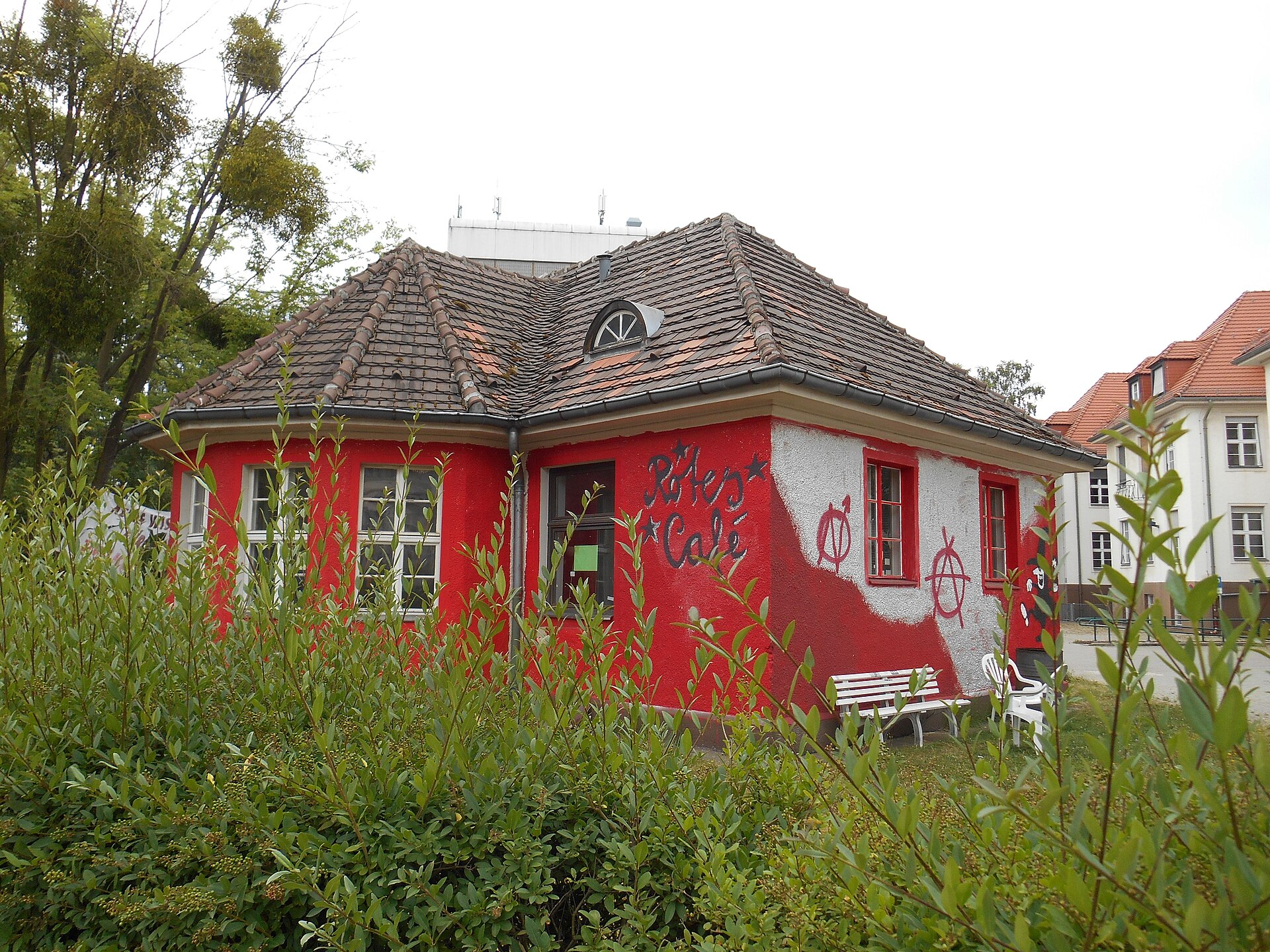
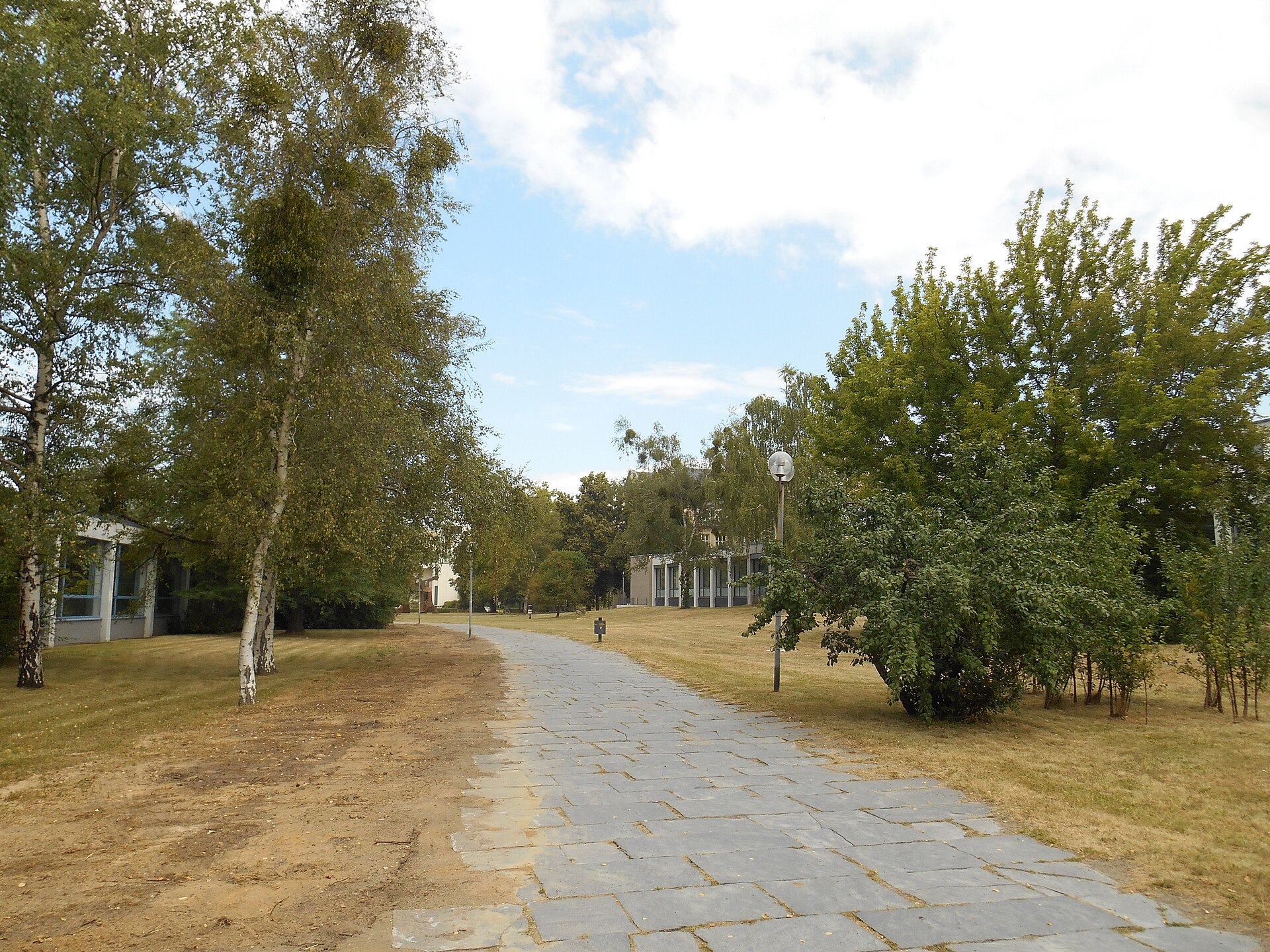
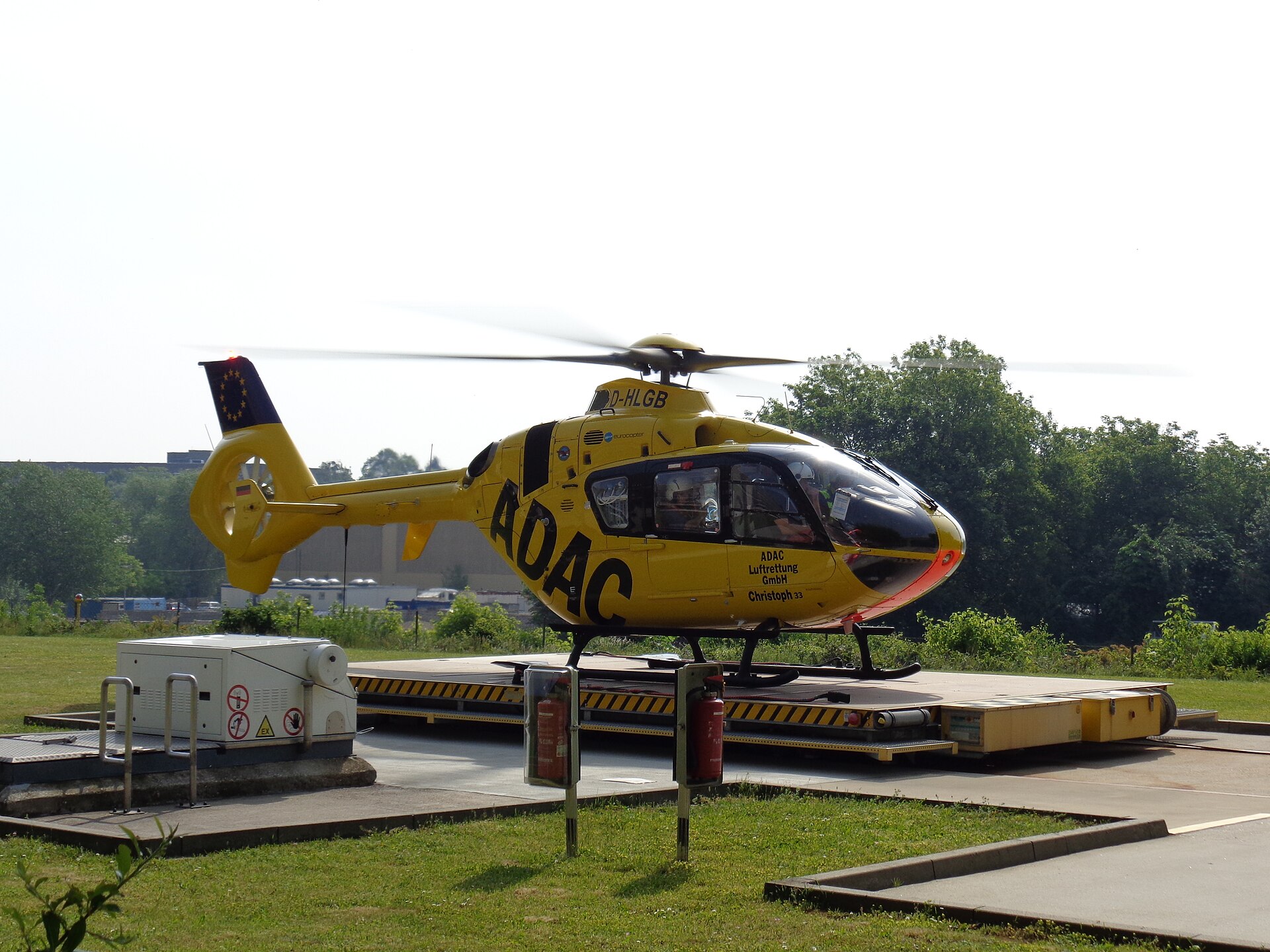
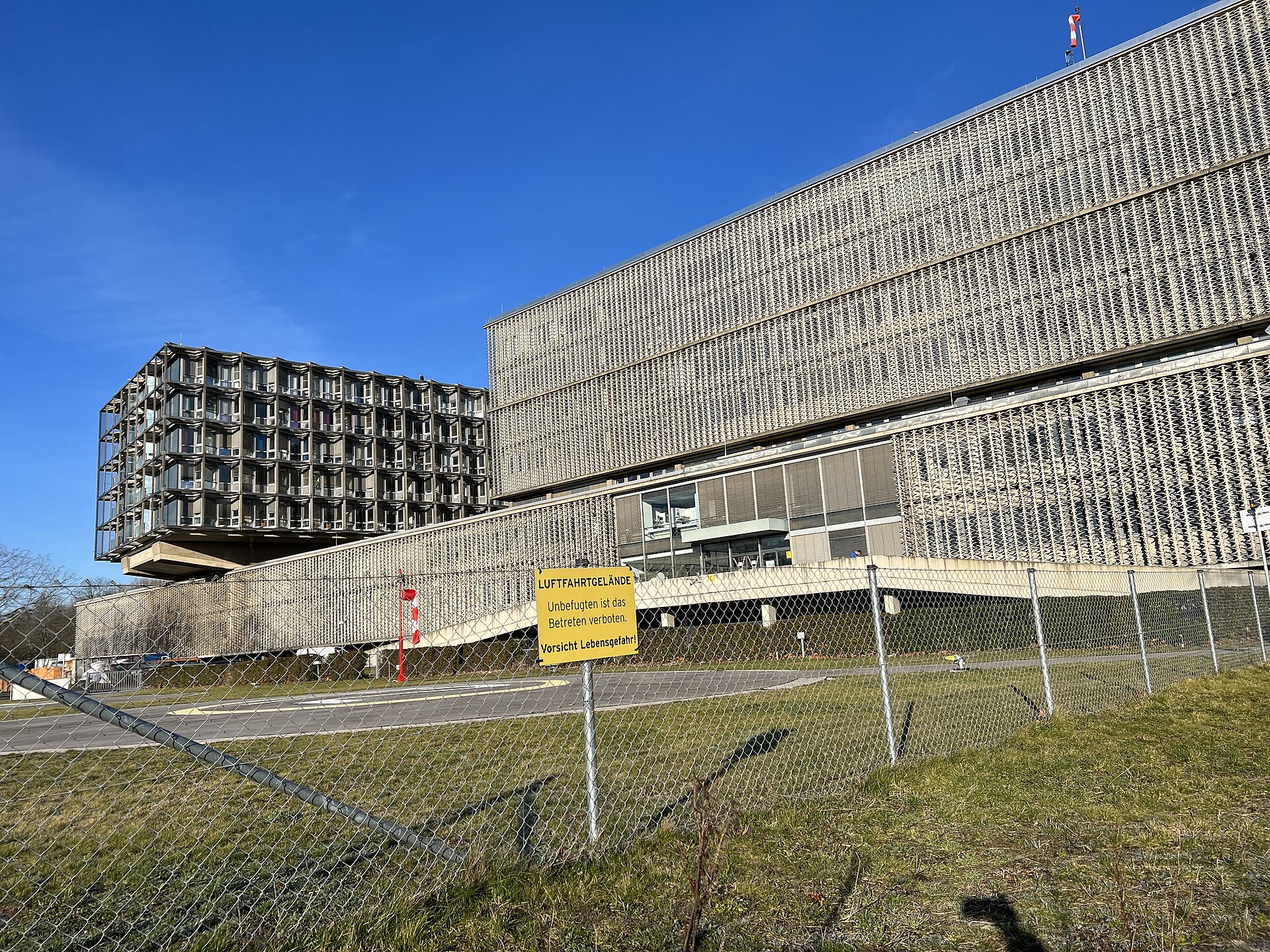
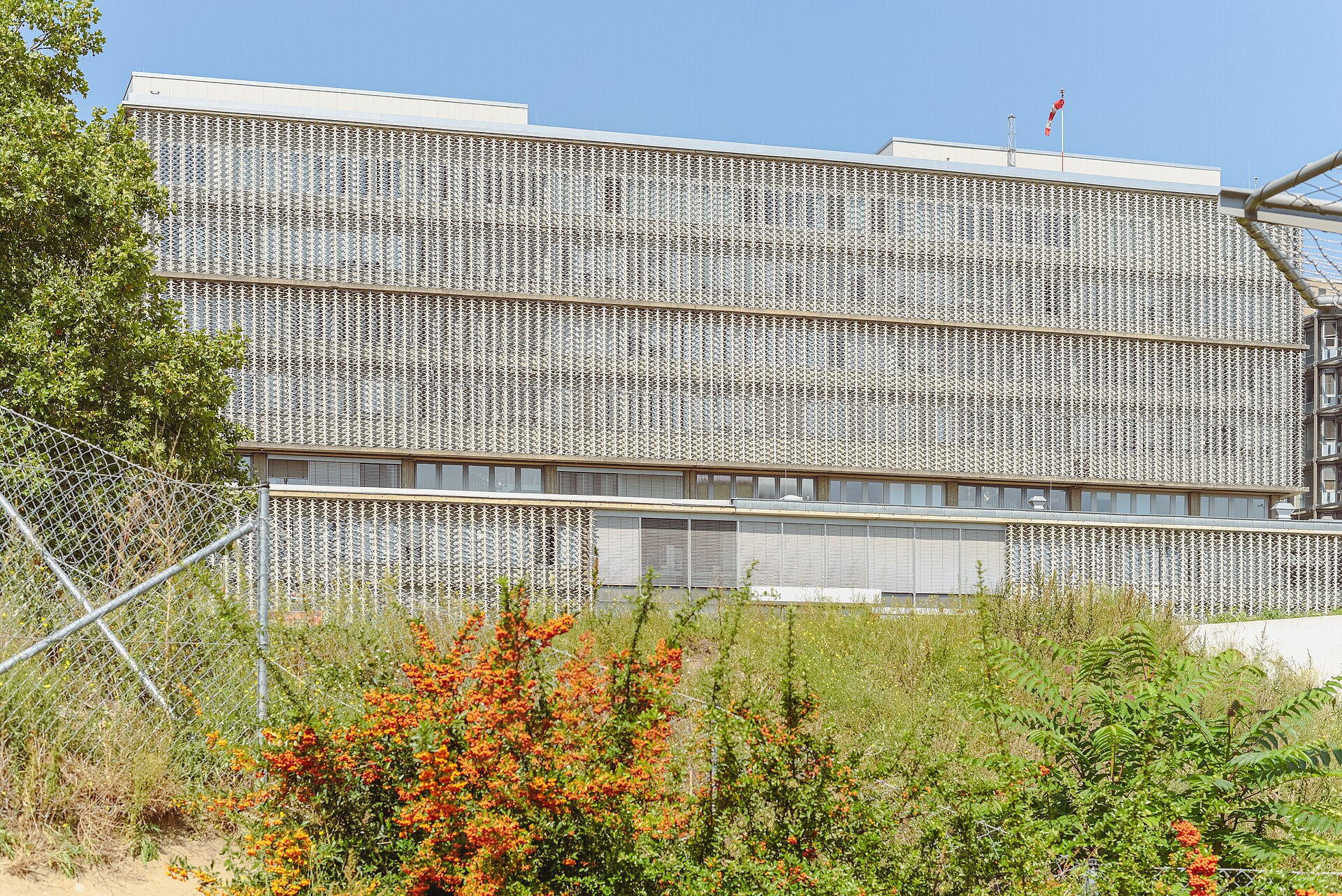
Freie Universität Berlin — campus in pictures
Real, freely-licensed photographs of the campus (via Wikimedia Commons).

Why Freie Universität Berlin — Excellence, Openness & Berlin
Founded in 1948 as a beacon of academic freedom during the Cold War, Freie Universität Berlin has grown into a globally ranked research powerhouse with a distinctly international outlook. For international students, it combines elite research credentials with Germany's famously low-cost education model and Berlin's unmatched cultural energy.
FU Berlin Acceptance Rate & Class Profile
Stats
Profile Stats
Rea Vs Rd
FU Berlin Admissions Requirements — Grades, Qualifications & Language
- IB Diploma: 32+ points indicative minimum
- A-Levels: ABB–AAA depending on programme
- Other qualifications assessed via anabin database
- Some qualifications require a Studienkolleg preparatory year
- English programmes: IELTS 6.5 or TOEFL iBT 80
- German programmes: DSH-2 or TestDaF 4x4
- Native speakers and English-medium graduates may be exempt
- Certificates must be submitted with your application
- IB Diploma: fully recognised as Abitur equivalent
- A-Levels: recognised with at least 3 subjects
- Check anabin.kmk.org for your specific qualification
- Some countries' graduates need a Statement of Comparability
FU Berlin Application — Direct Portal, Documents & Process
FU Berlin does not use UCAS, Common App, or any centralised application portal. Applications are submitted directly through FU Berlin's own online system. Requirements vary by programme — always read the specific programme's admissions page in full.
The FU Berlin Motivation Letter — Writing the German Application Statement
FU Berlin does not use US-style supplemental essays or UK personal statements. For restricted-admission programmes, a Motivationsschreiben (motivation letter) is the central written component. Understanding the German academic writing tradition — formal, evidence-driven, programme-specific — is key to a strong application.
Prompts
Tips
What FU Berlin Admissions Officers Are Looking For
Freie Universität Berlin's admissions philosophy differs fundamentally from US or UK holistic review. Undergraduate admissions are primarily grade-based — your academic record is the deciding factor. For postgraduate programmes with restricted admission, a richer evaluation takes place, but academic fit and preparation remain central.
Funding Your Studies at FU Berlin — Scholarships & Aid
FU Berlin does not operate a large-scale institutional financial aid programme. However, Germany's public university model — with zero tuition fees — fundamentally changes the financial picture. The main funding sources for international students are external: the DAAD, the Deutschlandstipendium, and Germany's political foundation scholarships.
Scholarship amounts and availability change annually. Always verify current terms on the official DAAD and FU Berlin websites before applying.
Stats
Contribution Tiers
| Range | Percent | Percent Value | Note |
|---|---|---|---|
| DAAD Scholarships | Primary route | 80 | Funded by German government; covers living costs + travel for selected recipients |
| Deutschlandstipendium | €300/month | 60 | Merit-based; open to enrolled FU Berlin students; apply through FU Berlin portal |
| Political Foundation Scholarships | Generous | 50 | Heinrich Böll, Friedrich Ebert, Konrad Adenauer, Rosa Luxemburg — open to international students |
| Erasmus+ Mobility Grants | Varies | 30 | For students already enrolled at an EU partner university |
| Part-Time Work | 120 days/yr | 40 | Non-EU students may work 120 full days per year under German student visa rules |
Key Dates
Advantages
- The main and largest intake for international students
- Most programmes (especially bachelor's) only admit in October
- Full orientation and welcome programmes for new international students
- Maximum course availability across all departments
- More time between application and start to arrange visa and housing
Disadvantages
- Significantly fewer programmes available — not all departments offer April start
- Smaller incoming cohort means less new-student infrastructure
- Some German-taught programmes do not admit in Summer Semester
- Non-EU visa and housing arrangements are tighter with January deadline
- If you miss the Winter Semester deadline, you may wait a full year
Interviews at FU Berlin — What to Expect
Most FU Berlin undergraduate programmes do not conduct interviews as part of the admissions process. Selection is grade-based. However, some postgraduate programmes with restricted admission — and all doctoral supervisors — do include a selection interview or written aptitude test. If your programme requires one, it is typically conducted online for international applicants.
Meta
Questions
Student Housing & Campus Life at FU Berlin
FU Berlin does not have a residential college system like Oxford or Yale. Student accommodation is provided by the Studierendenwerk Berlin, which manages a network of affordable dormitories (Wohnheime) across the city. Housing is not guaranteed — demand consistently exceeds supply, and early application is essential.
Lottery Steps
- Apply to the Studierendenwerk Berlin immediately upon receiving your admission letter
- Online application via the Studierendenwerk portal — places are allocated on a waiting list basis
- Monthly rents in Studierendenwerk dormitories are typically €250–€400, well below Berlin's private market rates
- Many students rent privately in Berlin's competitive but relatively affordable rental market
- Berlin's share accommodation (WG — Wohngemeinschaft) culture is well-developed; international students commonly find flatmates via platforms like WG-Gesucht
Houses
FU Berlin Departments & Programmes
- {"label":"Flagship programmes","value":"Political Science, IR, Sociology"}
- {"label":"Language of instruction","value":"German (UG); English options at PG"}
- {"label":"Notable programme","value":"North American Studies (English)"}
- {"label":"Research cluster","value":"Potsdam-Berlin geopolitics network"}
- {"label":"Connected hospital","value":"Charité — Europe's largest university hospital"}
- {"label":"Research strength","value":"Neuroscience, structural biology, ecology"}
- {"label":"Flagship English PG","value":"Cognitive Neuroscience MSc"}
- {"label":"Alliance partner","value":"Berlin University Alliance"}
- {"label":"Flagship English PG","value":"Global History MA (joint with Humboldt)"}
- {"label":"Research institute","value":"Friedrich Meinecke Institute"}
- {"label":"Special strength","value":"Contemporary European and Holocaust history"}
- {"label":"Language","value":"German (UG); English (Global History MA)"}
- {"label":"Selectivity","value":"Extremely competitive NC"}
- {"label":"Language","value":"German only"}
- {"label":"Duration","value":"5.5 years"}
- {"label":"Placement type","value":"National allocation process (Hochschulstart)"}
- {"label":"English programme","value":"Bioinformatics MSc; Data Science MSc"}
- {"label":"Industry connection","value":"Berlin tech and startup ecosystem"}
- {"label":"Research area","value":"AI, computational biology, discrete mathematics"}
- {"label":"Alliance access","value":"TU Berlin & HU Berlin collaboration"}
- {"label":"Degree","value":"Staatsexamen (7 years)"}
- {"label":"Language","value":"German only — C2 level essential"}
- {"label":"Selectivity","value":"NC — competitive grade cutoff"}
- {"label":"Focus area","value":"German and EU law"}
Research & Extracurricular Opportunities at FU Berlin
Career Outcomes & FU Berlin Graduate Prospects
FU Berlin graduates benefit from a 90% employment rate and an average starting salary of approximately $48,000 — reflecting strong demand for FU Berlin alumni in German, European, and international labour markets. The university's reputation in political science, international relations, and area studies feeds directly into careers in diplomacy, international organisations, NGOs, journalism, and public policy.
Stats
Categories
Our FU Berlin Admissions Track Record & Student Success Stories
FREQUENTLY ASKED
FAQs — International Students at FU Berlin
Do I need to speak German to study at Freie Universität Berlin?+
Not necessarily. FU Berlin offers a substantial range of English-taught programmes at both bachelor's and master's level — including Data Science, Bioinformatics, Cognitive Neuroscience, Global History, and North American Studies. However, the majority of programmes are taught in German, and living in Berlin comfortably requires at least intermediate German. Enrol in a language course early.
Is there an application fee?+
Yes. The application fee is $75 USD (or equivalent). This is significantly lower than most UK or US university application fees.
What IB score do I need?+
The indicative IB band for FU Berlin is 32 points. Competitive programmes with numerus clausus (NC) may require higher. Your IB diploma is fully recognised as equivalent to the German Abitur.
Does FU Berlin offer scholarships to international students?+
FU Berlin does not offer large-scale university scholarships for international undergraduates. The primary scholarship route is the DAAD (German Academic Exchange Service), which funds international students at German universities. The national Deutschlandstipendium (€300/month) is available to students enrolled at FU Berlin. Many political foundations (Heinrich Böll Stiftung, Friedrich Ebert Stiftung, Rosa Luxemburg Stiftung, Konrad Adenauer Stiftung) also fund international students studying in Germany.
What is the semester contribution, and what does it include?+
German public universities charge no tuition fees. Instead, students pay a semester contribution (Semesterbeitrag) each semester, which covers administrative costs and — importantly — a semester-long unlimited public transport ticket for Berlin and Brandenburg. The exact amount should be confirmed on the FU Berlin website as it changes periodically.
Can I apply from outside Germany without a visa?+
You can apply online from anywhere. If admitted, you will need to obtain a German student visa before arrival if you are from a non-EU/EEA country. The visa process requires a letter of admission from FU Berlin and proof of financial means (typically a blocked account / Sperrkonto). Start the visa application well in advance — processing times vary by country.
Is housing guaranteed?+
No. FU Berlin does not guarantee student accommodation. The Studierendenwerk Berlin manages affordable dormitories, but demand exceeds availability. Apply immediately upon receiving your admission letter. Many students rent privately in the Berlin market.
Can I work during my studies in Germany?+
Non-EU/EEA students on a German student visa are permitted to work up to 120 full days or 240 half days per year. This provides meaningful earning potential in a city with a growing job market, though Germany's minimum wage applies.
Book a Free FU Berlin Admissions Strategy Session
In 60 minutes our admissions specialists will evaluate your academic profile, check your qualification's recognition status (anabin), assess your language test readiness, identify your strongest programme fit at FU Berlin, and develop a timeline for your application.
- No commitment required
- Germany-specialist advisors
- Personalised timeline — not generic advice
FU Berlin Academic Requirements
FU Berlin Academic Requirements — The Honest Breakdown for International Students
What grades, qualifications, and academic profile do admitted students at Freie Universität Berlin actually have? And what does grade-based NC admissions mean for students from IB, A-Level, and other international curricula?
Grades & NC
FU Berlin and Grades — How the NC System Works
FU Berlin does not use a GPA in the US sense. Admissions are based on the German Notendurchschnitt — your grade point average on the German 1.0–4.0 scale (1.0 = best). For international students, your IB, A-Level, or other qualification is converted to this scale before being compared to the NC cutoff.
For unrestricted (zulassungsfrei) programmes, any qualification assessed as equivalent to the German Abitur qualifies you for admission. For restricted programmes, every percentage point of your converted grade matters.
German Academic System
How FU Berlin Reads Your International Qualification
Germany has a well-developed system for assessing international qualifications. FU Berlin uses the anabin database maintained by the Standing Conference of the Ministers of Education (KMK) to determine whether your qualification is recognised and what German grade equivalent it maps to.
SAT at FU Berlin
SAT Scores at FU Berlin — Not Required, But Context Matters
FU Berlin does not require or use SAT scores in its admissions process. Germany's university admissions system is grade-based; US-style standardised tests play no role in the selection process.
| Label | Score | Percent |
|---|---|---|
| SAT requirement | None | 0 |
| ACT requirement | None | 0 |
ACT at FU Berlin
ACT Scores at FU Berlin — Not Applicable
FU Berlin does not require ACT scores. The German university admissions system does not use US standardised tests of any kind as part of its selection process.
Metrics
Comparison Cards
Language Test Strategy
Language Tests at FU Berlin — Required, Not Optional
Unlike US universities with test-optional policies, language proficiency tests at FU Berlin are mandatory requirements for all international applicants — not optional considerations. The relevant test depends on your programme's language of instruction.
Submit Items
Withhold Items
IB & A-Level
IB Diploma and A-Levels at FU Berlin — Specific Benchmarks
- {"label":"Status","value":"Fully recognised as equivalent to German Abitur"}
- {"label":"Indicative minimum","value":"32 points overall"}
- {"label":"NC competitive programmes","value":"Higher scores required — check previous semester's NC cutoff"}
- {"label":"HL subjects","value":"Relevant HL subjects (e.g. Biology HL for Life Sciences) carry weight"}
- {"label":"Status","value":"Recognised — at least three A-Level subjects required"}
- {"label":"Typical range","value":"ABB to AAA depending on programme"}
- {"label":"Subject requirement","value":"Relevant subjects for intended programme"}
- {"label":"GCSE/IGCSE","value":"Supporting evidence — reviewed alongside A-Levels"}
- {"label":"Assessment tool","value":"anabin database (anabin.kmk.org)"}
- {"label":"H+ rating","value":"Direct recognition — apply normally"}
- {"label":"H- rating","value":"May require Studienkolleg or additional documentation"}
- {"label":"ENIC-NARIC","value":"Statement of Comparability available for unlisted qualifications"}
AP & Advanced Coursework
AP Courses at FU Berlin — How Advanced Coursework is Evaluated
FU Berlin does not evaluate AP scores as part of a separate admissions criterion the way US universities do. AP scores may contribute to or accompany your academic credential, but they are not a standalone admissions factor in the German system.
NC System & Rigour
The Numerus Clausus System — FU Berlin's Most Important Admissions Factor
For restricted-admission programmes at FU Berlin, the Numerus Clausus (NC) is the single most important admissions factor. Understanding how the NC works is fundamental to a realistic FU Berlin application strategy.
The NC is not a fixed minimum — it is the grade of the last person admitted in the previous semester. It moves each cycle based on the applicant pool.
Subject Preparation
Subject-Specific Preparation — What FU Berlin Programmes Expect
FU Berlin spans a wide range of disciplines with very different preparation requirements. Unlike a US liberal arts college, the German university system expects you to arrive with a clear subject focus and relevant prior preparation.
Language Requirements
English and German Language Requirements for International FU Berlin Applicants
Language requirements at FU Berlin depend entirely on the language of instruction for your chosen programme. English-taught programmes require verified English proficiency. German-taught programmes require verified German proficiency. Both are hard requirements with no exceptions.
There is no equivalent of Harvard's implicit 'the essays are your English test'. At FU Berlin, language proficiency must be formally certified. A late or missing language certificate means a disqualified application — even if your English or German is genuinely excellent. Sit the required test well ahead of the deadline.
By Programme
Academic Requirements by Programme — What Different Fields Expect
Germany's university system does not formally admit by concentration at the undergraduate level — you apply to a specific programme and faculty. The requirements below reflect the typical academic profile expected for competitive admission to each field at FU Berlin.
| Concentration | Expectation | Signals |
|---|---|---|
| Political Science (German-taught) | Strong grades; German DSH-2 or TestDaF 4x4 | NC programme; check current semester cutoff |
| International Relations / North American Studies | Strong grades; IELTS 6.5+ | English-taught MA options available |
| Biology / Biochemistry | Biology HL + Chemistry HL (IB) or A-Level equivalents | NC programme; strong science background essential |
| Computer Science / Data Science | Mathematics HL or A-Level Maths; programming background | English MSc programmes available; growing department |
| Cognitive Neuroscience (MSc) | Prior degree in Psychology, Neuroscience, or Biology; IELTS 6.5+ | English-taught; full selection process including motivation letter |
| Law (Staatsexamen) | Strong NC grade; German C2 proficiency | German only; 7-year programme; German legal system specific |
| Veterinary Medicine | Extremely competitive NC; Biology + Chemistry essential | Nationally allocated; German-taught; 5.5 years |
| Global History (MA) | Prior degree in History or related; IELTS 6.5+ | Joint with Humboldt University; English-taught; strong writing expected |
International Systems
How FU Berlin Evaluates International Education Systems
Grade 9 to Enrolment
Building Your Academic Profile for FU Berlin — What to Do at Each Stage
- Focus on strong grades across all subjects — your final qualification result is what matters, and it is built from Year 9 onwards.
- If you plan to apply to a German-taught programme, begin German language study now. You will need DSH-2 or TestDaF 4x4 — approximately B2/C1 level — by the application deadline.
- Identify your likely programme area and begin researching FU Berlin's specific NC data for that field.
- Research the NC (numerus clausus) values for your target programme at FU Berlin. NC data from recent semesters is published on the FU Berlin website.
- Use the anabin grade converter to estimate what your current academic performance will convert to on the German scale.
- IB subject and level selection: HL choices should reflect genuine strengths relevant to your intended programme, not grade optimisation.
- Begin IELTS or TOEFL preparation if applying to English-taught programmes.
- For postgraduate-bound students: develop subject depth through research projects, olympiads, or academic competitions that strengthen the motivation letter.
- For undergraduate applicants: focus entirely on maximising your final qualification grade — this is the most direct lever you have over admissions outcomes.
- Continue German language preparation if relevant — allow time for a resit if needed.
- Sit IELTS, TOEFL, DSH, or TestDaF early enough in Grade 12 to allow for a resit before the application deadline.
- Begin gathering academic certificates and arranging certified translations for any documents not in German or English.
- Research the Studierendenwerk Berlin housing application process and the German blocked account (Sperrkonto) requirements for your student visa.
- Submit your application via the FU Berlin online portal before the deadline (non-EU: ~31 May for Winter Semester; EU: ~15 July).
- Write and finalise your motivation letter for restricted-admission programmes.
- Upon receiving your admission letter, immediately apply to the Studierendenwerk Berlin for housing and begin your student visa application.
Common Pitfalls
Academic Mistakes That Cost FU Berlin Applications — And How to Avoid Them
Real Outcomes
What Academic Profiles Tychr's FU Berlin-Admitted Students Had
The following profiles represent students Tychr has helped gain admission to FU Berlin and similar German universities. They illustrate the range of academic preparation that works, and what made each application successful.
Faqs
What IB score do I need for FU Berlin?+
The indicative minimum is 32 IB points. For competitive NC programmes (Law, Veterinary Medicine, popular science programmes), the effective cutoff may be higher depending on the applicant pool for that semester. Always check the NC data from the previous semester for your specific programme.
Does FU Berlin prefer any particular qualification?+
No. FU Berlin recognises a wide range of international qualifications. The IB Diploma and A-Levels are both well understood and fully recognised. What matters is how your converted grade compares to the NC cutoff — not which qualification you hold.
Can I apply to German-taught programmes with A-Levels?+
Yes, if you have the required German language certificate (DSH-2 or TestDaF 4x4). Your A-Levels must be assessed as equivalent to the German Abitur through the anabin database. The academic and language requirements are the same for A-Level and IB applicants.
Is an interview required?+
Not for most undergraduate programmes — selection is grade-based. Some postgraduate programmes with restricted admission (Zulassungsbeschränkung) include an interview or aptitude test as part of their selection process. Check your specific programme's admissions page.
Can I apply without a language certificate if I am a native English speaker?+
Possibly — FU Berlin may waive the IELTS/TOEFL requirement if your entire prior education was conducted in English, verified by an official letter from your school or university. Confirm this with the specific programme's admissions office before relying on an exemption.
Cost & Financial Aid
FU Berlin May Cost Your Family Far Less Than You Think — Here's the Full Picture.
Germany's public university model means zero tuition fees at Freie Universität Berlin. The total annual cost of attendance — dominated by living costs in Berlin — is approximately $14,000. Here is the full breakdown and every funding route available to international students.
Cost Transparency
What FU Berlin Actually Costs — The Full Annual Figure
FU Berlin's zero-tuition model is not a scholarship or a reduction — it is the standard German public university policy. No German public university charges tuition fees. The ~$14,000 annual cost of attendance is almost entirely living costs. This makes FU Berlin one of the most financially accessible globally ranked universities on earth.
German Education Model
Germany's Public University Model — What 'No Tuition' Really Means
Unlike the UK or Australia, where international students pay significantly higher fees than domestic students, Germany does not distinguish between domestic and international students for tuition purposes. The zero-tuition policy applies universally — a Nigerian student and a German student at FU Berlin pay the same amount in tuition: nothing.
Germany's Educational Mission
Why Germany Does This — The Philosophy Behind Free University Education
Funding Application Process
Applying for Scholarships at FU Berlin — The Process Step by Step
Because FU Berlin has no institutional financial aid programme for international students, funding applications go to external bodies — primarily the DAAD and the Deutschlandstipendium. Here is the process for each major route.
- Use the DAAD Scholarship Database: daad.de/en/
- Filter by your nationality, degree level (bachelor's / master's / doctoral), and subject area
- Note each programme's deadline — DAAD deadlines are typically 12–18 months before the intended study start
- Create a DAAD portal account
- Prepare: academic certificates, language certificates, CV, statement of purpose, letters of recommendation
- Submit well before the deadline — late applications are not accepted
- Monitor FU Berlin's Deutschlandstipendium page for the current application cycle
- Prepare: academic CV, brief motivational statement, grade transcripts
- Applications go through FU Berlin's internal portal
- Heinrich Böll Stiftung (Green/ecological values): boell.de
- Friedrich Ebert Stiftung (Social democratic values): fes.de
- Konrad Adenauer Stiftung (Christian democratic values): kas.de
- Rosa Luxemburg Stiftung (Left/socialist values): rosalux.de
- Allow 6–12 months from application to funding start
- Required amount: approximately €11,208/year (verify current Ausländerbehörde requirement)
- This is YOUR money — it is released to you monthly once you are in Germany
- Providers: Fintiba, Deutsche Bank, Coracle — compare fees and processing times
- Allow 2–4 weeks for account setup
International Students
Financial Aid for International Students at FU Berlin — How It Works
FU Berlin does not operate a university-run financial aid programme comparable to US need-based aid. The good news is that because tuition is zero, the financial need is fundamentally different — you need to fund living costs, not tuition. This is a much lower bar than at tuition-charging universities.
Funding Amounts
What Scholarships and Funding Actually Look Like at FU Berlin
External Funding Sources — Amounts and Scope
DAAD rates are adjusted annually. Verify current rates on daad.de. Political foundation rates align approximately with DAAD rates. Earnings from work are separate from scholarships.
The combination of zero tuition and scholarship funding makes FU Berlin genuinely free for DAAD scholarship recipients. Even without a scholarship, the ~$14,000 annual cost is among the lowest of any world-ranked research university.
| Income | Grant | Contribution |
|---|---|---|
| DAAD Study Scholarship | €861/month + travel allowance (2024 rate) | Covers living costs; apply through DAAD |
| Deutschlandstipendium | €300/month | Merit-based; apply through FU Berlin |
| Political Foundation Scholarships | €861/month + research support (varies) | Competitive; values alignment required |
| Erasmus+ Mobility Grant | €200–€600/month (varies by home country) | For students from EU partner universities |
| Part-time work (120 days/yr) | €400–€800/month estimate at Berlin minimum wage rates | Within student visa work entitlement |
| Doctoral research position | ~€1,200–€1,800/month (part-time TV-L E13 contract) | Salary, not scholarship; for doctoral candidates |
Table Headers
Merit vs Need
Scholarships at FU Berlin — Merit-Based, Not Need-Based
Unlike US universities with need-based financial aid, scholarships available to international students at FU Berlin are primarily merit-based — awarded on the basis of academic achievement, civic engagement, and research potential rather than financial need.
External Funding
External Scholarships for FU Berlin Students
The primary external funding sources for international students at FU Berlin are German government and foundation bodies — not university-specific scholarships. Always check the latest terms and deadlines on each organisation's official website.
Debt & Loans
Student Loans at FU Berlin — The German Model
Because tuition fees are zero, there is no tuition loan burden at FU Berlin. Students do not take out loans to cover university fees. Living costs may be self-funded, scholarship-funded, or — for EU citizens — partially supported by the German student finance system (BAföG). Non-EU international students are not eligible for BAföG.
Working in Germany
Working While Studying at FU Berlin — Rules and Reality
Non-EU/EEA students on a German student visa are legally permitted to work up to 120 full days or 240 half days per year. This is a meaningful financial supplement in a city with an active job market. EU/EEA students may work without restriction.
- On-campus research assistant (Hilfswissenschaftler / HiWi) roles — common in sciences and social sciences
- Library and administrative roles at FU Berlin and other Berlin universities
- Tech and startup internships — Berlin's growing tech sector actively recruits students
- Tutoring and language teaching
- Hospitality, retail, and service sector roles — Berlin's minimum wage applies
- Freelance work in creative industries (design, writing, music) — possible but requires tax registration
Benchmarking
FU Berlin vs Other Top Universities — Financial Aid Comparison
| School | Policy | No Loans | Typical Cost |
|---|---|---|---|
| Freie Universität Berlin | Zero tuition — public university | No tuition debt | ~$14,000/yr |
| Humboldt University Berlin | Zero tuition — public university | No tuition debt | ~$14,000/yr |
| University of Edinburgh (UK) | £26,500/yr international tuition | No (tuition loans available) | ~$42,000/yr |
| University College London (UK) | £21,000–£38,000/yr international tuition | No | ~$50,000/yr |
| University of Amsterdam (NL) | €12,000–€20,000/yr for non-EU | No | ~$25,000–$35,000/yr |
| University of Melbourne (AU) | AUD$40,000–$50,000/yr international | No | ~$45,000–$55,000/yr |
| New York University (US) | $60,000/yr tuition | Limited grants available | ~$85,000/yr |
Cost Analysis
FU Berlin vs Alternatives — What You Actually Pay
The true cost gap between FU Berlin and UK/US alternatives of equivalent academic ranking is not a matter of degrees — it is often a factor of 4–6×. A student choosing FU Berlin over UCL or Edinburgh saves approximately $120,000–$150,000 over a 3–4 year programme. This saving is not dependent on scholarships — it is structural.
| School | Policy | Contribution | Four Year Cost |
|---|---|---|---|
| Freie Universität Berlin | Zero tuition; ~$14,000/yr living | ~$14,000/yr | ~$42,000–$56,000 (3–4 years) |
| Humboldt University Berlin | Zero tuition; ~$14,000/yr living | ~$14,000/yr | ~$42,000–$56,000 |
| University of Amsterdam | €12,000–€20,000 tuition + living | ~$25,000–$35,000/yr | ~$75,000–$105,000 |
| University of Edinburgh | ~£26,500 tuition + living | ~$42,000–$48,000/yr | ~$168,000–$192,000 |
| UCL (London) | ~£30,000 tuition + London living | ~$55,000/yr | ~$220,000 |
| US Public University (out-of-state) | $30,000 tuition + living | ~$55,000–$65,000/yr | ~$220,000–$260,000 |
Funding Appeals
Appealing Scholarship Decisions — When and How
Unlike US universities with a centralised financial aid office, funding appeals at FU Berlin target the specific scholarship body — DAAD, the Deutschlandstipendium committee, or a political foundation. Each has its own process.
The honest note: scholarship appeals succeed most often when there is new, concrete information or a genuine changed circumstance — not simply disagreement with the original assessment. If your application was genuinely competitive but unsuccessful, the most effective strategy is to apply again in the next cycle with a strengthened profile.
When To Appeal
- Your circumstances have materially changed since the original application (illness, family crisis, change in financial situation)
- You believe your application contained errors or missing documentation that affected the outcome
- You have received significantly stronger scholarship offers from other bodies that suggest your profile was undervalued
- Your academic results have improved significantly since the initial application
How To Appeal
- Contact the scholarship body's administration directly — DAAD, the relevant political foundation, or FU Berlin's Stipendienbüro for the Deutschlandstipendium
- Provide documentation of the changed circumstances or corrected information
- Write a concise, professional appeal letter — similar in tone to the original motivation letter
- Allow 4–8 weeks for a response
Timeline & Planning
Planning Your FU Berlin Finances — What to Do and When
APPLICATION & STATEMENT
Applying to Freie Universität Berlin — The Motivation Letter & Application Process
Freie Universität Berlin uses a direct application system — not UCAS, Common App, or any centralised portal. There are no US-style supplemental essays. For unrestricted programmes, the application is primarily grade-based. For restricted-admission (NC) programmes, a motivation letter (Motivationsschreiben) is often required. This tab explains how the German application and statement process works, and how to make yours count.
GERMAN APPLICATION SYSTEM
How the FU Berlin Application Works
For programmes with restricted admission (Zulassungsbeschränkung), FU Berlin may use a multi-criteria selection process. This can include your grade, a motivation letter, relevant work or research experience, and sometimes a selection interview or written test. The programme-specific admissions page always specifies exactly what is required — always read it in full.
Germany's university admissions system is fundamentally different from the US or UK. Most applicants are assessed on grades alone — a ranking is produced and places are allocated from highest to lowest grade until capacity is filled. For international applicants, your school grades (IB total, A-Level results, or equivalent) are converted to the German Notendurchschnitt (GPA equivalent on a 1.0–4.0 scale, where 1.0 is highest).
THE MOTIVATION LETTER
Understanding the Motivation Letter (Motivationsschreiben)
For restricted-admission programmes at FU Berlin — particularly at Master's level — the motivation letter is the central written component of your application. Unlike US supplemental essays, there are typically no specific prompts. You are expected to write a coherent, professional letter explaining your motivation, background, and fit for the programme. The typical length is 1–2 pages.
There are no standardised essay prompts at FU Berlin as there are in the US system. The motivation letter is self-structured. The guidance below reflects typical expectations — verify the exact requirements on each programme's specific admissions page before applying.
WRITING STRATEGY
How to Write a Strong Motivation Letter for FU Berlin
Structure your letter in three clear parts: (1) your motivation for this specific programme and why FU Berlin, (2) your relevant academic and professional background and how it prepares you for the programme, and (3) your future goals and how this degree serves them. Write in the first person, in clear and precise language. Proofread carefully — German academic culture values precision and correctness.
The German motivation letter is a professional academic document, not a personal essay. The tone should be formal, clear, and evidence-driven. Unlike the US personal statement — which may incorporate personal narrative, anecdote, and emotional depth — the German Motivationsschreiben is fundamentally about academic and professional fit. Think of it as a cover letter for an academic position, not a college application essay.
If the programme is offered in German, your motivation letter is typically expected in German. For English-taught programmes, write in English unless instructed otherwise. Having a native speaker review the letter in the appropriate language is strongly recommended.
OTHER DOCUMENTS
Supporting Application Documents
FINDING YOUR ANGLE
Framing Your Application Narrative
Start by reading the programme description, the module list, and (if publicly available) the research profiles of the department's faculty. Identify two or three specific features of the programme — a unique module, a research area, an interdisciplinary approach — and connect them explicitly to your background and goals. This specificity is the difference between a letter that gets lost in a pile and one that gets noticed.
The most effective FU Berlin motivation letters are not lists of achievements — they are coherent arguments. The reader is asking: does this applicant know what this programme offers, do they have the preparation to succeed, and is there a clear reason they should be here rather than at a different university?
AVOID THESE ERRORS
Common Application Mistakes at FU Berlin
- Writing a generic motivation letter — letters that could apply to any university or programme are immediately recognisable and rarely successful.
- Confusing the German system with UCAS or Common App — there are no personal statements or supplemental essays in the US/UK sense; write a professional motivation letter instead.
- Missing the language certificate deadline — your IELTS, TOEFL, DSH, or TestDaF result must be submitted by the application deadline; late submissions invalidate applications.
- Submitting documents without certified translations — all non-German, non-English documents must be officially translated.
- Not reading the specific programme's requirements — requirements vary by programme; assume nothing and check every programme's individual admissions page.
- Failing to establish qualification equivalency — if your secondary or prior qualification is from a country not on Germany's H+ equivalency list, you may need additional steps before applying.
- Writing the motivation letter in the wrong language — for German-taught programmes, the letter is typically expected in German; for English-taught programmes, in English.
- Starting too late — German application processes can be slower than US or UK ones due to credential verification steps; begin at least 6 months before the deadline if you are applying as a non-EU/EEA student.
APPLICATION FAQs
Application & Statement FAQs
Does FU Berlin use a centralised application system like UCAS or Common App?+
No. Applications are submitted directly through FU Berlin's own online portal. There is no centralised national portal for international students in Germany equivalent to UCAS or Common App.
Do I need to write essays to apply to FU Berlin?+
Not always. Unrestricted programmes require no essay or motivation letter — only your academic documents and language certificate. For restricted-admission (NC) programmes and most postgraduate programmes, a motivation letter is required. The essay tab in this guide refers specifically to that motivation letter.
How long should my motivation letter be?+
Typically 500–1,000 words (one to two pages). Some programmes specify an exact length — follow any stated limits precisely. Avoid padding; German academic culture values brevity and precision.
Should I write my motivation letter in German or English?+
This depends on the language of instruction for your programme. English-taught programmes expect letters in English; German-taught programmes expect letters in German. If in doubt, contact the programme coordinator directly.
Is there an interview as part of the application?+
For most programmes, no. Some postgraduate programmes with a full selection process do include an interview or written aptitude test. Check your specific programme's admissions page. Interviews, if held, are typically conducted online for international applicants.
Can I apply to multiple programmes simultaneously?+
Yes, you can apply to multiple programmes through the FU Berlin portal. Each application is assessed independently. Be aware that each restricted programme requires a tailored motivation letter — do not submit a generic letter across multiple programmes.
What if my academic background does not perfectly match the programme?+
Use the motivation letter to address gaps proactively and honestly. Explain what you have done to address any missing background — self-study, relevant work experience, additional courses — and make the strongest case for why your overall profile still makes you a good fit. Transparency is valued; unexplained gaps are not.
Can I apply for a German student visa before receiving my admission letter?+
No. The German student visa application requires an official admission letter (Zulassungsbescheid) from FU Berlin. You cannot begin the formal visa application before receiving it. This is why applying well before the deadline is important — you need time between admission and the visa appointment.
Courses — schools, degrees & intake
58 degrees across 12 groupings.
Department of Biology, Chemistry, and Pharmacy · 4 degrees
Biochemistry (B.Sc.)
Biology (B.Sc.)
Chemistry (B.Sc.)
Pharmacy (Staatsexamen)
Department of Earth Sciences · 3 degrees
Geographical Sciences (B.Sc.)
Geological Sciences (B.Sc.)
Meteorology (B.Sc.)
Department of Education and Psychology · 3 degrees
Psychology (B.Sc.)
Educational Science (B.A.)
Teacher Training – Elementary Education (B.A.)
Department of History and Cultural Studies · 9 degrees
Chinese Studies / East Asian Studies (B.A.)
Japanese Studies / East Asian Studies (B.A.)
Korean Studies / East Asian Studies (B.A.)
History and Cultures of the Middle East (B.A.)
Jewish Studies (B.A.)
Studies in Ancient Civilisations (B.A.)
History (Combi-Bachelor Major, B.A.)
Social and Cultural Anthropology (Combi-Bachelor Major, B.A.)
Art History (Combi-Bachelor Major, B.A.)
Department of Law · 1 degrees
Law – First Legal Examination (Staatsexamen)
Department of Mathematics and Computer Science · 4 degrees
Computer Science (B.Sc.)
Mathematics (B.Sc.)
Bioinformatics (B.Sc.)
Digital Media and Technology (B.Sc.)
Department of Philosophy and Humanities · 20 degrees
French Studies (B.A.)
Italian Studies (B.A.)
German and French Literature and Cultural Studies (B.A.)
Philosophy (Combi-Bachelor Major, B.A.)
Comparative Literature (Combi-Bachelor Major, B.A.)
Film Studies (Combi-Bachelor Major, B.A.)
Theater Studies (Combi-Bachelor Major, B.A.)
Media and Communication Studies (Combi-Bachelor Major, B.A.)
English Language and Literature (Combi-Bachelor Major, B.A.)
German Language and Literature (Combi-Bachelor Major, B.A.)
Spanish Language and Literature with Latin American Studies (Combi-Bachelor Major, B.A.)
French Language and Literature (Combi-Bachelor Major, B.A.)
Italian Language and Literature (Combi-Bachelor Major, B.A.)
Greek Language and Literature (Combi-Bachelor Major, B.A.)
Latin Language and Literature (Combi-Bachelor Major, B.A.)
Modern Greek Studies (Combi-Bachelor Major, B.A.)
Language and Literature of Turkey (Combi-Bachelor Major, B.A.)
Dutch Philology (Combi-Bachelor Major, B.A.)
Language & Society (Combi-Bachelor Major, B.A.)
Chinese Language and Society (Combi-Bachelor Major, B.A.)
Department of Physics · 1 degrees
Physics (B.Sc.)
Department of Political and Social Sciences · 4 degrees
Political Science (B.A.)
North American Studies (B.A.)
Applied North American Studies (Combi-Bachelor Major, B.A.)
Political Science (Combi-Bachelor Major, B.A.)
School of Business and Economics · 2 degrees
Business Administration (B.Sc.)
Economics (B.Sc.)
School of Veterinary Medicine · 2 degrees
Veterinary Medicine (Staatsexamen)
Equine Sciences (B.Sc.)
Charité – Universitätsmedizin Berlin (affiliated) · 5 degrees
Medicine (Staatsexamen)
Dentistry (Staatsexamen)
Health Sciences (B.Sc.)
Nursing Care (B.Sc.)
Applied Midwifery Science (B.Sc.)
Want your real chances at Freie Universität Berlin?
Create a free TYCHR account for your personalised admit-chance, a shortlist you can track, exact entry requirements, and essay + counselling help.