East China Normal University
Shanghai, China (Mainland) · Urban
SHANGHAI · PROJECT 985 · DOUBLE FIRST-CLASS
East China Normal University Admissions Guide for International Students
Founded in 1951 and anchored in the heart of Shanghai, East China Normal University (ECNU) is one of China's most distinguished comprehensive research universities. Backed by both China's Ministry of Education and the Shanghai municipal government, ECNU holds membership in the elite Project 985 and Double First-Class initiative — China's highest tier of higher education recognition.
For international students who want access to world-class research in a genuinely cosmopolitan Chinese city, ECNU offers an extraordinary combination of academic prestige, affordable costs, and deep engagement with China's culture and economy. Its particular strengths in education, psychology, geography, statistics, and data science have earned global recognition — with 17 disciplines ranking in the world's top 1% by ESI citation impact.
Campus
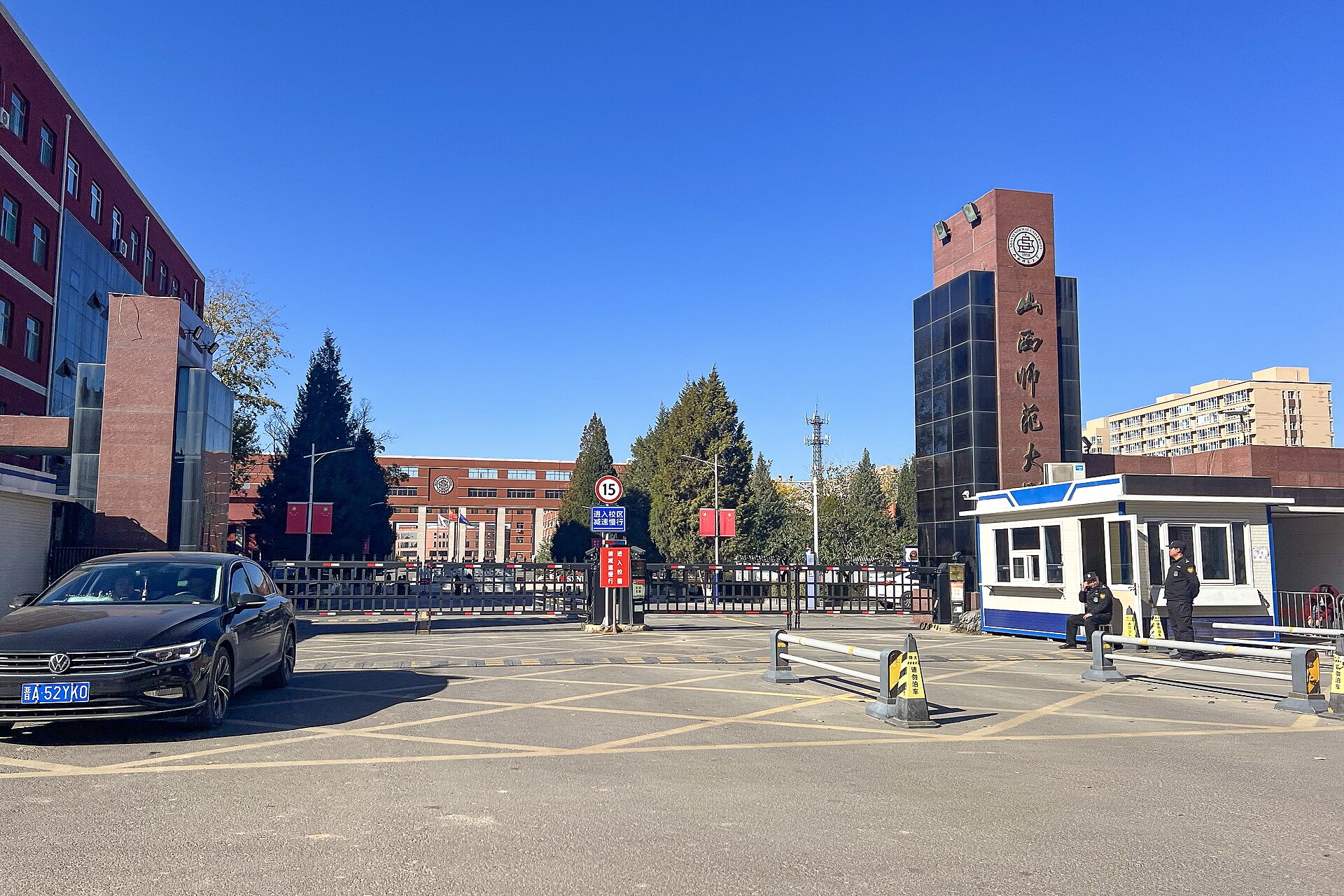
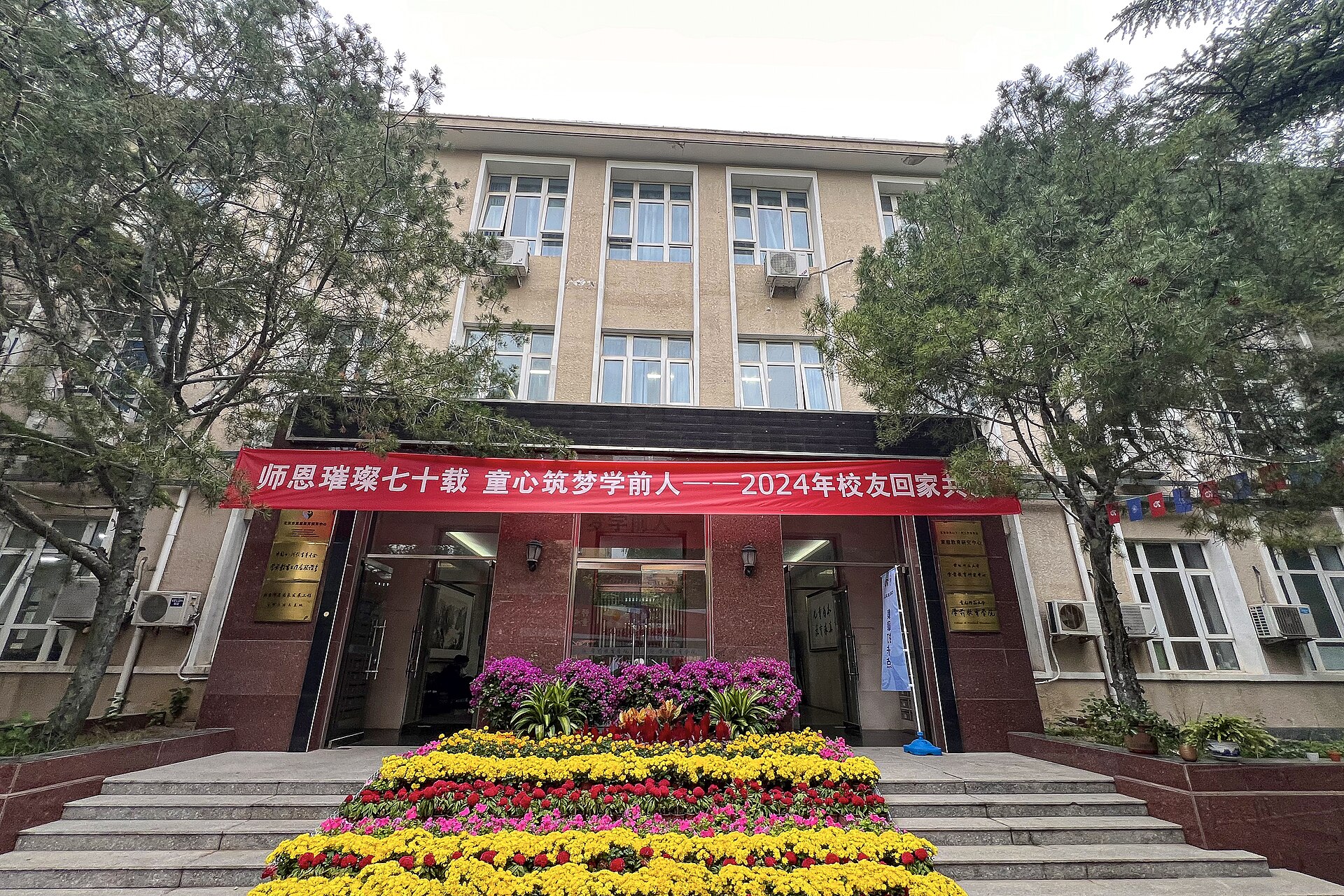
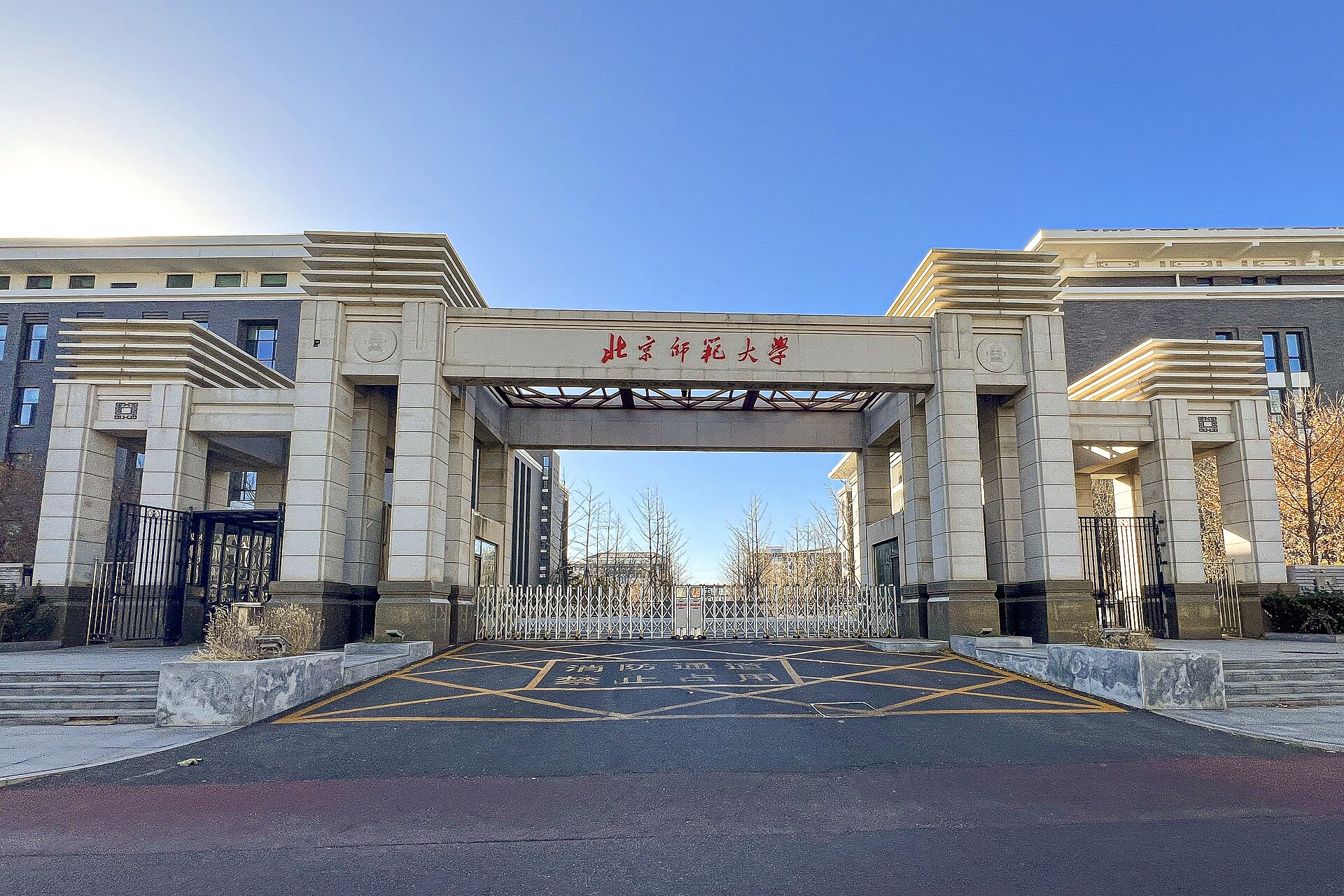
East China Normal University — campus in pictures
Real, freely-licensed photographs of the campus (via Wikimedia Commons).



Why ECNU — Global Prestige, Research & Shanghai Advantage
East China Normal University is more than a gateway to China — it is a research powerhouse embedded in Asia's most dynamic financial and cultural metropolis. Here is why ambitious international students choose ECNU.
ECNU Acceptance Rate & International Applicant Profile
Stats
Profile Stats
Rea Vs Rd
ECNU Admissions Requirements — Academics, English & Profile
- Minimum 3.0 GPA or equivalent for standard programmes
- IB candidates should target 32 points or above
- A-Level applicants typically need BBB or above in three subjects
- Course rigour and subject-programme alignment both matter
- IELTS Academic: minimum 6.0 overall
- TOEFL iBT: minimum 80
- Native English speakers may apply for a waiver
- Chinese-taught programmes require HSK 4 or above instead
- IB Diploma: 32+ points for standard entry; 35+ for competitive programmes
- A-Levels: BBB or above in three subjects aligned to chosen programme
- CBSE, French Baccalaureate, national leaving certificates accepted
- Contact ECNU's international office for specific equivalency guidance
ECNU Application Components — Direct Portal, Statement & Documents
ECNU uses a direct online application system through its dedicated international student portal at lxsapply.ecnu.edu.cn. Unlike US universities, there is no Common App — you apply directly to ECNU's Office of International Education. Below is every component of a complete ECNU application.
ECNU Personal Statement — Writing Your Study Plan
ECNU does not use the Common App, UCAS, or essay prompts in the US sense. Your most important written component is the Personal Statement or Study Plan: a focused academic document covering your background, your reasons for choosing ECNU, and your goals.
Prompts
Tips
What ECNU Admissions Officers Are Looking For
ECNU's admissions process for international students is principally academic — your grades, the rigour of your prior study, and alignment between your academic interests and your chosen programme carry the most weight. The personal statement allows you to add qualitative distinction.
ECNU Financial Aid & Scholarships for International Students
ECNU does not offer need-blind financial aid in the US sense, but it administers several major scholarship programmes that effectively cover tuition, accommodation, and living costs for eligible international students. On average, approximately 25% of international students receive some form of scholarship support.
Scholarship amounts and eligibility criteria change annually. Verify current award values and deadlines at lxs.ecnu.edu.cn/en/scholarship/list.htm before applying.
Key Dates
Advantages
- Largest intake — widest choice of programmes and sections
- Most scholarship opportunities open for autumn entry
- Chinese Government Scholarship only available for autumn intake
- ECNU Scholarship and Shanghai Government Scholarship also autumn-focused
- Full academic year from September — better for course sequencing
Disadvantages
- Scholarship deadlines (March) are weeks before the general admissions deadline
- Higher competition — more applicants targeting September start
- Documents and translations must be ready early in the calendar year
- Spring intake has fewer programme options
- Missing the scholarship window means self-funding for the year
ECNU Interview — When It Applies & How to Prepare
ECNU's undergraduate admissions process is primarily document-based — most international applicants are reviewed on their transcripts, personal statement, language scores, and supporting documents without a formal interview. However, interviews do apply in specific circumstances.
Meta
Questions
ECNU's Campuses & Residential Life
ECNU operates across two distinct campuses in Shanghai, each with its own residential facilities, academic atmosphere, and urban setting. Most international undergraduate students are housed in dedicated international dormitories on campus.
Lottery Steps
- International students are housed in dedicated international student dormitories — separate from Chinese student housing but on the same campus
- Priority housing is provided to all incoming international students in their first year
- Room types: single and double rooms with air conditioning, ensuite or shared bathroom, internet access, and 24-hour security
- Minhang Campus: primary undergraduate campus, spacious and modern, 16 km south of downtown Shanghai
- Putuo Campus (Zhongshan North Road): smaller historic campus in Puxi, closer to downtown — typically hosts some graduate programmes and specific departments
- Monthly dormitory costs are modest and below Shanghai's private rental market
Houses
ECNU Schools, Faculties & Undergraduate Programmes
- {"label":"ESI ranking","value":"Top 1% globally"}
- {"label":"Language of instruction","value":"Primarily Chinese (some English tracks)"}
- {"label":"Research strength","value":"Educational technology, policy, cognition"}
- {"label":"Programme types","value":"UG, MA, PhD"}
- {"label":"ESI ranking","value":"Top 1% globally"}
- {"label":"Language of instruction","value":"Chinese; some English-medium courses"}
- {"label":"Research strength","value":"Cognitive neuroscience, clinical psychology"}
- {"label":"NYU Shanghai link","value":"Joint courses available"}
- {"label":"ESI ranking","value":"Top 1% globally"}
- {"label":"Notable strength","value":"GIS, remote sensing, coastal geography"}
- {"label":"Location advantage","value":"Yangtze Delta research access"}
- {"label":"Programme types","value":"UG, MA, PhD"}
- {"label":"Programme strength","value":"Statistical theory, applied statistics, finance statistics"}
- {"label":"Language of instruction","value":"Chinese"}
- {"label":"Graduate outcomes","value":"Quantitative finance, data science, academia"}
- {"label":"Programme types","value":"UG, MA, PhD"}
- {"label":"Entry competition","value":"High — strongest academic profiles"}
- {"label":"Language of instruction","value":"Chinese; select English-medium tracks"}
- {"label":"Graduate employers","value":"Huawei, Alibaba, Tencent, startups"}
- {"label":"Programme types","value":"UG, MA"}
- {"label":"ESI ranking","value":"Top 1% globally"}
- {"label":"Research focus","value":"Pure mathematics, mathematical physics, applied maths"}
- {"label":"Language of instruction","value":"Chinese"}
- {"label":"Programme types","value":"UG, MA, PhD"}
Research & Extracurricular Opportunities at ECNU
Career Outcomes & ECNU Alumni Network
ECNU graduates benefit from their Shanghai location and the university's strong institutional reputation across East Asia. With an employment rate of 92% and growing international alumni networks in education, technology, finance, and public policy, an ECNU degree carries real weight in Asian and global job markets.
Stats
Categories
Our ECNU Admissions Track Record & Student Success Stories
Faqs
Does ECNU offer programmes taught entirely in English?+
Yes. ECNU offers a range of English-taught credit courses, non-degree programmes, and some full degree tracks. However, many undergraduate degree programmes are taught in Chinese. Always verify the language of instruction for your specific programme on lxs.ecnu.edu.cn before applying.
Do I need to know Chinese to apply?+
Not necessarily. English-taught programmes require IELTS 6.0 or TOEFL 80 but no prior Chinese. Chinese-taught programmes require HSK 4 or above. ECNU also offers Chinese language foundation tracks if you want to build proficiency before entering a Chinese-medium degree.
What is ECNU's global reputation?+
ECNU ranks #280 in the QS World University Rankings and #550 in the Times Higher Education rankings. It holds China's highest-tier designations: Project 985 and Double First-Class, and 17 of its disciplines rank in the global top 1% by ESI citation impact.
How does ECNU compare to other Shanghai universities?+
Shanghai is home to several globally ranked universities including Fudan, Tongji, and Shanghai Jiao Tong. ECNU is particularly distinguished in education, psychology, geography, and statistics. Its co-founding of NYU Shanghai signals a unique international orientation among Chinese comprehensive universities.
Is it safe for international students to live in Shanghai?+
Shanghai consistently ranks among China's safest cities and is well set up for international residents. Public transport is excellent, healthcare is accessible, and English is widely spoken in the city centre and international communities.
Can I work while studying at ECNU?+
International students on a Chinese student visa (X1/X2) have limited work rights. Part-time on-campus opportunities exist in some cases, but you should check current regulations with the university's international office before taking any paid work.
What is the application fee?+
The application fee for international students is approximately USD 60, paid at the time of online portal submission.
Does ECNU offer scholarships to international students?+
Yes. ECNU administers the Chinese Government Scholarship (CSC), Shanghai Municipal Government Scholarship, and its own ECNU Scholarship. These can cover tuition, accommodation, and a monthly living stipend. Apply separately through the scholarship application process — deadlines often precede the general admissions deadline.
Book a Free ECNU Admissions Strategy Session
In 60 minutes our ECNU and China admissions specialists will evaluate your academic profile, identify your scholarship eligibility, help you develop your personal statement and study plan strategy, and determine the optimal intake timing for your application.
- No commitment required
- China and ECNU specialists with insider knowledge
- Personalised strategy — not generic advice
- Scholarship application support included
ECNU Academic Requirements
ECNU Academic Requirements, The Honest Breakdown for International Students
What GPA, language scores, and academic profile do competitive ECNU applicants have? And what does ECNU's holistic review mean for students from IB, A-Level, CBSE, and other international curricula?
GPA & Academic Record
ECNU and GPA, What the Data Shows
ECNU publishes a minimum GPA of 3.0 on a 4.0 scale for international undergraduate applicants. In practice, competitive programmes in software engineering, data science, mathematics, and selective science tracks attract applicants with significantly stronger academic records.
A 3.0 GPA meets the minimum — it does not guarantee admission to competitive programmes. The personal statement and subject alignment add important context to a borderline academic profile.
Academic Context
School Context and Curriculum Rigour, How ECNU Reads Academic Performance
ECNU evaluates academic performance in the context of the school system and curriculum the applicant came from. A student from a strong IB school in Singapore is read differently from one at a national curriculum school in West Africa — ECNU's international office has experience assessing qualifications from across the world.
Standardised Testing
SAT Scores at ECNU, Not Required
ECNU does not use SAT scores in its international admissions process. Unlike US universities, Chinese universities do not request or evaluate SAT results as a standard admissions component.
| Label | Score | Percent |
|---|---|---|
| SAT required? | No | 0 |
| Optional submission accepted? | Not typically evaluated | 0 |
| What to submit instead | IELTS 6.0 / TOEFL 80 | 60 |
Standardised Testing
ACT Scores at ECNU, Not Required
ECNU does not require or evaluate ACT scores. For Chinese university applications, ACT results have no formal role in the process. The equivalent standardised measurement ECNU uses is English language proficiency through IELTS or TOEFL.
Metrics
Comparison Cards
Testing Strategy
ECNU Test Policy, What Is and Is Not Required
ECNU operates a test-optional policy in the sense that no Western standardised tests (SAT, ACT, GRE, GMAT) are required for admission. The only mandatory standardised test is the English proficiency requirement for English-taught programmes.
Submit Items
Withhold Items
Curricula
A-Levels, IB & International Qualifications at ECNU, Specific Benchmarks
- {"label":"Competitive range","value":"32+ points overall"}
- {"label":"Selective programme range","value":"35+ points for data science, software engineering, science tracks"}
- {"label":"HL subject relevance","value":"HL subjects should align with intended programme — HL Maths for quantitative fields, HL Sciences for science programmes"}
- {"label":"Extended Essay","value":"Strong EE grade in a relevant subject signals research potential — valued for graduate track applicants"}
- {"label":"Competitive range","value":"BBB or above in three subjects"}
- {"label":"Strong competitive range","value":"ABB or above for selective programmes"}
- {"label":"Subject relevance","value":"Mathematics and a relevant science for STEM programmes; humanities subjects for education, history, Chinese literature programmes"}
- {"label":"AS results","value":"Reviewed alongside predicted A-Level grades where available"}
- {"label":"Indian CBSE / ISC","value":"75–85%+ in relevant subjects; competitive programmes expect higher"}
- {"label":"US High School Diploma","value":"Unweighted GPA 3.0+; AP course performance taken into account"}
- {"label":"French Baccalaureate","value":"Bac with mention Bien or above; subject alignment required"}
- {"label":"National leaving certificates","value":"Contact ECNU's international admissions office for specific equivalency"}
AP Courses
AP Courses at ECNU, How US-Curriculum Students Are Evaluated
ECNU does not require or specifically evaluate Advanced Placement (AP) scores in the way US universities do. However, AP performance is a useful academic signal for students applying from a US high school curriculum — it demonstrates academic rigour and subject-level achievement beyond the standard diploma.
Academic Rigour
Rigour of Your Secondary School Record, What ECNU Values
While ECNU does not use the exact language of 'rigour of secondary school record' as a published criterion (as US universities do), the underlying concept applies. Reviewers look for students who challenged themselves academically — not those who optimised for the easiest path to a high grade.
Taking the most challenging subjects available at your school in the areas most relevant to your intended programme — and excelling in them.
Subject Preparation
Subject Preparation by Faculty, What ECNU Expects
Different ECNU faculties have different academic preparation priorities. Here is what you should focus on depending on your intended area of study at ECNU.
Language Proficiency
English Language Requirements for International ECNU Applicants
ECNU publishes clear English proficiency minimums for its English-taught programmes. Unlike US universities where language proficiency is partially assessed through application essays, ECNU has a formal threshold requirement.
Meeting the minimum (IELTS 6.0 or TOEFL 80) gets you past the threshold. Scoring IELTS 6.5–7.0 or TOEFL 88–100 makes your language proficiency a positive signal rather than a baseline check. For competitive programmes, higher language scores can help distinguish your application.
By Programme
Academic Requirements by Programme, What Different Tracks Expect
ECNU formally considers programme alignment in its admissions review. The academic profile should be coherent with the student's stated programme of interest and the relevant faculty's requirements.
| Concentration | Expectation | Signals |
|---|---|---|
| Mathematics | HL Maths AA / A-Level Maths + Further Maths | Strong quantitative background; competition mathematics experience advantageous |
| Statistics | HL Maths AA or A-Level Maths; statistics background | Data analysis projects; AP Statistics or equivalent |
| Software Engineering | HL Maths + CS background; GPA 3.5+ | Programming experience (Python/Java); competitive coding projects |
| Data Science | HL Maths + quantitative science; GPA 3.5+ | Statistical/analytical projects; programming familiarity |
| Education | Strong social science or humanities background | Teaching experience; educational research interest; HSK 4+ for Chinese-taught track |
| Psychology | Social science / biology background; GPA 3.0+ | Research methods exposure; relevant volunteering or clinical context |
| Geography / Environmental Science | Geography or science subjects at advanced level | GIS interest; fieldwork experience; environmental project work |
| Chinese Literature / History | HSK 5+ (Chinese-taught); strong humanities background | Chinese language study; cultural interest demonstrated in personal statement |
International Systems
ECNU and International Education Systems, How Your Curriculum Is Evaluated
Roadmap
Building an Academic Profile for ECNU, What to Do at Each Stage
- Select IGCSE, GCSE, or MYP subjects that leave options open for IB or A-Level choices aligned with your intended ECNU programme.
- Decide early whether you are targeting English-taught or Chinese-taught programmes — and begin Chinese language study (HSK preparation) if targeting the latter.
- Explore ECNU's programme offerings and research strengths to identify your target faculty.
- Choose IB HL subjects or A-Level subjects that align with your ECNU programme requirements.
- Do not optimise for highest total grade at the expense of subject relevance.
- Begin IELTS or TOEFL preparation. Aim for scores above the minimum — IELTS 6.5+ or TOEFL 88+ is a stronger target.
- Research the Chinese Government Scholarship and ECNU's institutional scholarships — understand eligibility criteria early.
- Pursue activities that reflect genuine intellectual engagement with your intended field.
- Sit IELTS or TOEFL — secure a score above the minimum before the end of Year 12.
- Draft your Personal Statement / Study Plan. Seek feedback from Tychr advisors experienced in Chinese university applications.
- Gather transcripts, passport copy, and financial documents for the application portal.
- Identify and apply for the Chinese Government Scholarship (CSC) — deadline typically March for autumn intake.
- Prepare a separate scholarship application if targeting the Shanghai Government Scholarship or ECNU Scholarship.
- Note that scholarship applications close significantly earlier than general admissions — treat them as a separate deadline.
- Submit through lxsapply.ecnu.edu.cn. Open for autumn intake from January.
- Upload all required documents: transcripts, personal statement, IELTS/TOEFL, passport, financial proof, recommendation letters (where required).
- General admissions deadline for autumn intake: approximately April–May. Verify the current cycle date on lxs.ecnu.edu.cn.
Common Pitfalls
Academic Mistakes That Cost ECNU Applications, And How to Avoid Them
Real Outcomes
What Academic Profiles Tychr's ECNU-Admitted Students Had
The following profiles represent the academic backgrounds of students Tychr has helped gain admission to ECNU or comparable Chinese Project 985 institutions. They illustrate the range of academic preparation that works — and what made each compelling.
Faqs
Is a 3.0 GPA enough for ECNU?+
3.0 meets the minimum for standard programmes. For competitive programmes in software engineering, data science, and mathematics, the typical admitted profile is significantly above 3.0. Your personal statement, subject alignment, and language score also matter.
What IB score do I need for ECNU?+
The competitive range is 32 or above overall. For selective STEM programmes, 35+ is more typical. HL subject relevance to your programme matters as much as total score.
Can I apply without an IELTS or TOEFL score?+
Not for English-taught programmes. IELTS 6.0 or TOEFL 80 is a hard requirement for English-medium degree applications. Native English speakers or students from English-medium institutions may request a waiver — contact ECNU's international office to confirm eligibility.
Is HSK required if I apply to an English-taught programme?+
No. HSK is required for Chinese-taught programmes only. English-taught programme applicants need IELTS or TOEFL, not HSK. Some students choose to demonstrate Chinese language ability as additional context even for English-medium applications.
Does ECNU accept students who were not top of their class?+
Yes. ECNU sets a minimum GPA of 3.0 and evaluates applications in context. A strong personal statement, relevant subject background, and good language scores can support a profile that is not top-of-class — particularly for standard programmes where competition is less intense.
Cost & Financial Aid
Studying at ECNU May Cost Far Less Than You Expect. Here's the Full Picture.
At approximately USD 4,000 per year in tuition for international undergraduates, East China Normal University offers Project 985-quality education at a fraction of comparable institutions in the US, UK, or Australia. Multiple scholarship programmes — including China's flagship full scholarship — can reduce costs to near zero for eligible students.
Cost Transparency
What ECNU Actually Costs, The Full Annual Figure
Costs cited are derived from the facts file and ECNU's published information. Graduate programme tuition may differ. Chinese-taught programmes may have different fee structures. Verify current fees at lxs.ecnu.edu.cn.
ECNU's tuition at ~USD 4,000/year is approximately 7–15% of what comparable elite universities cost in the US, UK, or Australia. Even at full sticker price, ECNU's cost of attendance is among the most affordable for a globally ranked research university anywhere in the world.
Scholarship Programmes
ECNU Financial Aid for International Students, How It Works
Approximately 25% of ECNU's international students receive some form of scholarship support. The largest and most prestigious pathway is the Chinese Government Scholarship (CSC), which is a full scholarship. ECNU's own institutional scholarship and the Shanghai Government Scholarship provide partial to full coverage for additional eligible students.
Institutional Access
Why ECNU Can Offer This Value, Government Investment and Mission
Scholarship Application Walkthrough
Applying for ECNU Scholarships, The Process Step by Step
Scholarship applications at ECNU are not automatic — they require separate applications with their own deadlines and documentation requirements. Here is the complete step-by-step process.
- Visit lxs.ecnu.edu.cn/en/scholarship/list.htm
- Check eligibility criteria for each scholarship (nationality, programme level, academic requirements)
- Note the different deadlines — CSC typically closes in March, others may differ
- Academic transcripts (certified English/Chinese copies)
- Language proficiency certificate (IELTS/TOEFL)
- Personal statement / study plan
- Passport copy
- Scholarship application form (downloaded from ECNU or CSC portal)
- Physical examination form (CSC requirement)
- Two academic recommendation letters
- Type A: through your country's education authority or Chinese embassy — typically higher competition
- Type B: through ECNU directly — apply via lxsapply.ecnu.edu.cn with ECNU as your nominated institution
- Check whether your country has a bilateral agreement with China that opens the Type A channel
- {"date":"~March","label":"Chinese Government Scholarship (CSC)"}
- {"date":"~April–May","label":"ECNU Scholarship & Shanghai Government Scholarship"}
- Scholarship application and programme application are separate processes
- Do not assume submitting one covers the other
- Keep copies of all submitted documents
Global Admissions Aid
ECNU Scholarships for International Students, How the System Works
ECNU's scholarship landscape for international students is principally competitive and merit-based, quite different from the US need-blind model. Here is what international students need to understand.
Scholarship Coverage Overview
What ECNU Scholarships Actually Cover, Award Tiers
ECNU Scholarship Award Tiers (Approximate)
Scholarship amounts and structures change annually. Verify current award values and eligibility at lxs.ecnu.edu.cn/en/scholarship/list.htm before applying.
The Chinese Government Scholarship is the most comprehensive award — covering effectively all university costs. Even without a scholarship, ECNU's total cost of attendance at ~USD 12,200/year is among the lowest for a globally ranked research university.
| Income | Grant | Contribution |
|---|---|---|
| Full CSC Scholarship | Tuition + Dormitory + Insurance + Stipend | ~RMB 0 |
| Shanghai Government Scholarship (Full) | Tuition + Accommodation allowance | Living costs only |
| ECNU Scholarship (Full) | Full tuition + accommodation | Living costs only |
| ECNU Scholarship (Partial) | 50–100% tuition waiver | Accommodation + living costs |
| Excellent Freshmen Scholarship | Partial tuition for Year 1 | Accommodation + living + remaining tuition |
| Self-Funded | None | ~$12,200/year total |
Table Headers
Qualification Criteria
ECNU Scholarships, What Exists and Who Qualifies
ECNU's scholarship landscape is primarily merit-based. Awards are given to students with strong academic records, research potential, and programme alignment — not primarily on financial need.
External Funding
External Scholarships, Additional Funding for ECNU Students
Beyond ECNU-administered and Chinese government scholarships, several external organisations award funding to international students studying at Chinese universities. These are worth researching alongside ECNU's own scholarship process.
No Debt Study
ECNU's Grant-Only Scholarship Structure, No Student Loans
ECNU scholarships — whether from the Chinese government, Shanghai government, or ECNU itself — are grants. You do not repay them. There is no loan component in ECNU's scholarship structure, which distinguishes it from many Western university 'financial aid packages' that include loan expectations.
On-Campus Work
Working During Your Studies at ECNU, What to Expect
Unlike US universities where a formal work-study component is built into financial aid packages, ECNU does not have a structured work-study programme. However, limited paid opportunities exist for international students who wish to work during their studies.
- Chinese language tutoring or conversation partner programmes
- International student peer mentor or buddy programme roles
- Research assistant positions in faculty labs (available for strong academic students)
- Student union and international association leadership roles (some stipends available)
- ECNU cultural festival and international events support
Benchmarking
ECNU vs. Alternatives, Financial Aid & Cost Comparison
| School | Policy | No Loans | Typical Cost |
|---|---|---|---|
| ECNU (Project 985, Shanghai) | Merit-based grants (CSC/ECNU/Shanghai) | Yes (grants only) | ~$0–$12,200/yr |
| Fudan University (Project 985) | CSC + institutional scholarships | Yes (grants only) | ~$0–$8,000/yr |
| Shanghai Jiao Tong (Project 985) | CSC + institutional scholarships | Yes (grants only) | ~$0–$8,000/yr |
| National University of Singapore | MOE Tuition Grant (service bond) + merit scholarships | Mostly grants | ~$10,000–$20,000/yr |
| UK Russell Group (London) | Limited international aid; mostly self-funded | N/A | ~$30,000–$40,000/yr |
| US Top University (need-aware for intl) | Limited need-based aid; mostly self-funded | Often includes loans | ~$55,000–$80,000/yr |
| Australian Group of Eight | Limited international scholarships | N/A | ~$25,000–$40,000/yr |
Cost Analysis
ECNU vs. Alternatives, What You Actually Pay
Even at full sticker price (~USD 12,200/year), ECNU costs less than one year's tuition at most Western universities. With the Chinese Government Scholarship, a Project 985 education at ECNU can genuinely cost nothing — the most affordable pathway to a globally ranked research university available to international students.
| School | Policy | Contribution | Four Year Cost |
|---|---|---|---|
| ECNU (with full CSC scholarship) | Tuition + housing covered; stipend provided | ~$0 tuition & housing | ~$0–$5,000 (personal expenses) |
| ECNU (self-funded) | No scholarship | ~$12,200/year | ~$48,800 |
| US Public University (out-of-state) | Limited international aid | ~$30,000–$40,000/year | ~$120,000–$160,000 |
| UK Russell Group | Mostly self-funded for internationals | ~$30,000–$40,000/year | ~$120,000–$160,000 |
| Australian Group of Eight | Limited international scholarships | ~$25,000–$35,000/year | ~$100,000–$140,000 |
Scholarship Appeals
Scholarship Enquiries and Appeals at ECNU, When and How
ECNU's scholarship awards are determined by review committees following each application cycle. If you believe your application was not fully considered, or if your circumstances have changed, there is a process for enquiry and appeal.
Scholarship appeals at Chinese universities are less formalised than at US universities. Most outcomes are final after the review committee decision. The most effective strategy is to submit the strongest possible application in the first cycle rather than relying on an appeal process.
When To Appeal
- Your application was complete but you received no scholarship award and your academic profile is clearly above the typical threshold
- Your financial circumstances have changed significantly since applying — relevant for some ECNU institutional scholarship criteria
- You received an ECNU Scholarship offer but believe a higher tier is warranted based on your academic achievements
- Documentation submitted at application time contained an error that may have affected the review
How To Appeal
- Contact ECNU's Office of International Education (lxs@ecnu.edu.cn) in writing, explaining the grounds for your enquiry
- Provide any updated or corrected documentation supporting your appeal
- For CSC scholarship enquiries, contact the China Scholarship Council directly or through your country's education authority
Timeline & Planning
Planning for ECNU Costs, What to Do and When
Application & Personal Statement
Applying to ECNU — Your Personal Statement, Study Plan & Application Strategy
East China Normal University is a Chinese university with a direct international admissions process — not a US-style Common App or UK UCAS system. There are no supplemental essays with creative prompts. Your most important written component is the Personal Statement or Study Plan: a focused academic document that tells ECNU who you are as a learner, why you have chosen this university and programme, and what you intend to achieve.
A complete guide to ECNU's written application requirements, what the personal statement should contain, how ECNU evaluates written work, and the specific strategies that produce statements admissions reviewers find compelling.
If you are used to the US or UK application essay tradition, think of the ECNU personal statement as a hybrid: more direct than a US personal essay, more personal than a formal research proposal. Getting it right is the key qualitative differentiator in a competitive ECNU application.
Requirement Overview
ECNU Written Application Requirements, The Full Picture
Unlike US universities with multiple supplemental essay prompts and strict word limits, ECNU's statement has no set prompt and no published word limit. For graduate and PhD applicants, a separate Research Proposal is also required. The absence of rigid prompts places full responsibility on the applicant to structure a coherent, purposeful document.
ECNU's international admissions process uses a direct online portal at lxsapply.ecnu.edu.cn. The written component of the application is principally the Personal Statement (also called the Study Plan) — an open-format document covering academic background, motivation, goals, and career direction.
Required Items
Optional Items
What to Write
What Your Personal Statement Should Cover
ECNU does not publish specific essay prompts in the way that US universities do. The personal statement is an open-form document. Based on official guidance from the ECNU Office of International Education, your statement should address the following themes.
Statement Strategy
Writing a Strong Personal Statement for ECNU
A strong ECNU personal statement is typically 600–1,000 words, structured in clear paragraphs, written in formal English (or formal Chinese for Chinese-taught programmes), and focused entirely on your academic identity and programme-specific motivation. The opening paragraph should state clearly who you are and what you are applying for. The body should build a logical argument for why ECNU is the right place for your goals. The closing paragraph should articulate your intended contribution — to the programme, to research, or to the broader field.
ECNU's personal statement sits between a US personal essay and a formal academic cover letter. Here's what it needs to accomplish.
The single most common mistake international applicants make — especially those also applying to US or UK universities — is submitting a personal statement designed for those systems. A UCAS personal statement is too academic and impersonal in the wrong direction; a Common App essay is too narrative and introspective. ECNU's reviewers want clarity, purpose, and academic seriousness.
If you are applying to both ECNU and US/UK universities simultaneously, you will need two versions of your written statement — one adapted for ECNU's direct, academic format and one for the narrative essay conventions of UCAS or Common App. Do not simply submit one for the other.
Looking For List
- A clear, direct opening that states who you are and what you are applying for
- Specific knowledge of ECNU's strengths in your field — not generic praise
- Logical argument for why ECNU and Shanghai are the right setting for your academic goals
- Academic seriousness — formal register, well-structured paragraphs, purposeful sentences
- A closing that articulates your intended contribution after graduation
Tired Of List
- Generic 'I have always been fascinated by China' openings without substance
- Narrative stories designed for US personal essays — inappropriate register for ECNU
- Restatement of grades and activities already visible in your transcript and application form
- Vague statements about future goals without connecting them to ECNU specifically
- References to ECNU's 'prestigious ranking' as the primary motivation for applying
Graduate Applicants
Research Proposal (Graduate & PhD)
If you are applying for an MA or PhD programme, ECNU requires a Research Proposal in addition to your personal statement. This is a more formal academic document that functions as a pitch to a potential supervisor.
Choosing Your Angle
How to Frame Your Personal Statement for ECNU
Many applicants feel freedom from structured prompts makes the ECNU statement easier to write. The opposite is true — without a prompt to anchor your response, you must impose your own structure with discipline and clarity. The absence of a prompt is an invitation to be precise, not to be broad.
Because ECNU does not impose specific prompts, your choice of angle and structure is entirely your own. The strongest personal statements tend to follow a simple but effective logic: a clear opening that identifies you and your goal; a middle section that demonstrates genuine knowledge of ECNU's specific strengths; and a confident close that connects your academic journey to a purposeful future.
Cards
Caution Topics
- Generic China inspiration statements without specific academic content
- Overlong autobiographical narratives more suited to a US personal essay
- Vague research interests not connected to any ECNU faculty or research group
- Excessive focus on ECNU's rankings rather than its specific academic strengths
Pitfalls
Common Application Mistakes at ECNU
- Submitting a US Common App personal essay without adapting it — the narrative, reflective style is misaligned with ECNU's academic document expectations.
- Writing a generic statement about 'loving China' or 'being inspired by Chinese culture' without connecting it to specific academic goals or ECNU's research strengths.
- Failing to name the specific programme or faculty you are applying to — ECNU has multiple departments; be precise about what you are applying for.
- Exceeding a sensible length significantly — aim for 600–1,000 words unless ECNU specifies otherwise. Longer does not signal more commitment.
- Applying to a Chinese-taught programme without demonstrating HSK proficiency in your application — this is a red flag reviewers will immediately notice.
- Submitting a research proposal for a graduate programme that reads like an undergraduate essay — use academic register, cite relevant literature, and demonstrate familiarity with the field.
- Missing the scholarship application window by treating it as part of general admissions — scholarships often close weeks earlier.
- Submitting uncertified document translations — ECNU requires certified translations for all documents not in English or Chinese.
- Not contacting a potential PhD supervisor before applying — supervisor fit is critical at Chinese universities and a prior positive contact significantly strengthens PhD applications.
Application FAQs
Application & Statement FAQs
Does ECNU use Common App or UCAS?+
No. ECNU uses its own international student application portal at lxsapply.ecnu.edu.cn. There is no Common App or UCAS involvement.
Is there a specific word limit for the personal statement?+
ECNU does not publish a strict word limit for the personal statement. A practical target is 600–1,000 words. Graduate research proposals may be longer — check the specific programme guidance or contact the department.
Can I write my personal statement in Chinese?+
For Chinese-taught programmes, a Chinese-language statement is appropriate and expected. For English-taught programmes, write in English. If you are applying to a Chinese-taught programme and your Chinese is strong, demonstrating it in your statement is an advantage — not a risk.
Do I need to contact a potential supervisor before applying for a PhD?+
It is highly advisable to contact a potential PhD supervisor at ECNU before submitting your application. Chinese universities place significant weight on supervisor fit. A brief, professional email to a faculty member whose research aligns with your proposal can significantly strengthen your application — and some departments will not consider PhD applicants without a faculty agreement in place.
How important is the personal statement compared to grades?+
For undergraduate admissions, grades are the primary factor — the personal statement contextualises and adds qualitative colour. For graduate and PhD admissions, the research proposal and personal statement carry considerably more weight, especially in research-intensive departments.
Can I apply to multiple programmes at ECNU simultaneously?+
Check with ECNU's international admissions office — the portal may allow you to indicate a first and second-choice programme. Your personal statement should be tailored to your primary programme choice, but a brief mention of a second-choice is acceptable.
Is there an interview process?+
Undergraduate admissions are typically document-based — no formal interview required. Some graduate and PhD programmes at ECNU require an interview, particularly in research-intensive departments. Check with your chosen department and be prepared to discuss your research interests and study plan if contacted.
Can I reuse my UCAS personal statement for ECNU?+
Not without significant adaptation. A UCAS personal statement is written for UK universities and their expectations. ECNU expects an academic document with direct programme motivation, specific knowledge of ECNU's research strengths, and a clear career direction — different in register and structure from a UCAS statement. Tychr advisors can help you adapt or create the right document for each system.
Courses — schools, degrees & intake
76 degrees across 26 groupings.
Faculty of Education · 5 degrees
Pre-Primary Education
Primary Education
Educational Technology
Mathematics Education (English-taught)
Special Education
School of Psychology and Cognitive Science · 2 degrees
Psychology
Applied Psychology
College of Physical Education and Health · 2 degrees
Physical Education
Sports Training
School of Geographic Sciences · 4 degrees
Geography
Geographic Information Science
Natural Geography and Resources and Environment
Human Geography and Urban-Rural Planning
School of Urban and Regional Sciences · 1 degrees
Urban and Rural Planning
School of Ecology and Environmental Sciences · 3 degrees
Environmental Science
Ecology
Environmental Engineering
Department of Chinese Language and Literature · 2 degrees
Chinese Language and Literature
Comparative Literature and World Literature (English-taught)
Department of History · 2 degrees
History
World History
Department of Philosophy · 2 degrees
Philosophy
Chinese Philosophy (English-taught)
School of Foreign Languages · 4 degrees
English Language and Literature
Japanese Language and Literature
French Language and Literature
German Language and Literature
School of Communication · 3 degrees
Journalism
Advertising
Radio and Television Studies
School of International Chinese Studies · 1 degrees
Teaching Chinese as a Foreign Language
School of Mathematical Sciences · 2 degrees
Mathematics and Applied Mathematics
Information and Computing Science
School of Physics and Electronic Science · 4 degrees
Physics
Applied Physics
Electronic Information Science and Technology
Microelectronics Science and Engineering
School of Chemistry and Molecular Engineering · 2 degrees
Chemistry
Applied Chemistry
School of Life Sciences · 2 degrees
Biological Sciences
Biotechnology
Faculty of Economics and Management · 14 degrees
Economics
Finance
Public Administration
Human Resource Management
Business Administration
Accounting
Information Management and Information Systems
Tourism Management
Statistics
Insurance
Financial Engineering
Global BBA — Single Degree (English-taught)
Global BBA — Double Degree with emlyon (English-taught)
International Business (English-taught)
School of Computer Science and Technology · 2 degrees
Computer Science and Technology
Software Engineering
School of Data Science and Engineering · 2 degrees
Data Science and Big Data Technology
Artificial Intelligence
School of Communication and Electronic Engineering · 2 degrees
Communication Engineering
Electronic Information Engineering
School of Politics and International Relations · 3 degrees
Political Science and Administration
International Politics
Political Science, Political Theory and International Relations (English-taught)
School of Social Development · 3 degrees
Sociology
Social Work
Anthropology (English-taught)
Law School · 1 degrees
Law
School of Music · 3 degrees
Music Performance
Music Education
Musicology
College of Fine Arts · 2 degrees
Fine Arts
Sculpture
School of Design · 3 degrees
Environmental Design (English-taught)
Visual Communication Design (English-taught)
Design (English-taught)
Want your real chances at East China Normal University?
Create a free TYCHR account for your personalised admit-chance, a shortlist you can track, exact entry requirements, and essay + counselling help.