Beijing Institute of Technology
Beijing, China (Mainland) · Urban
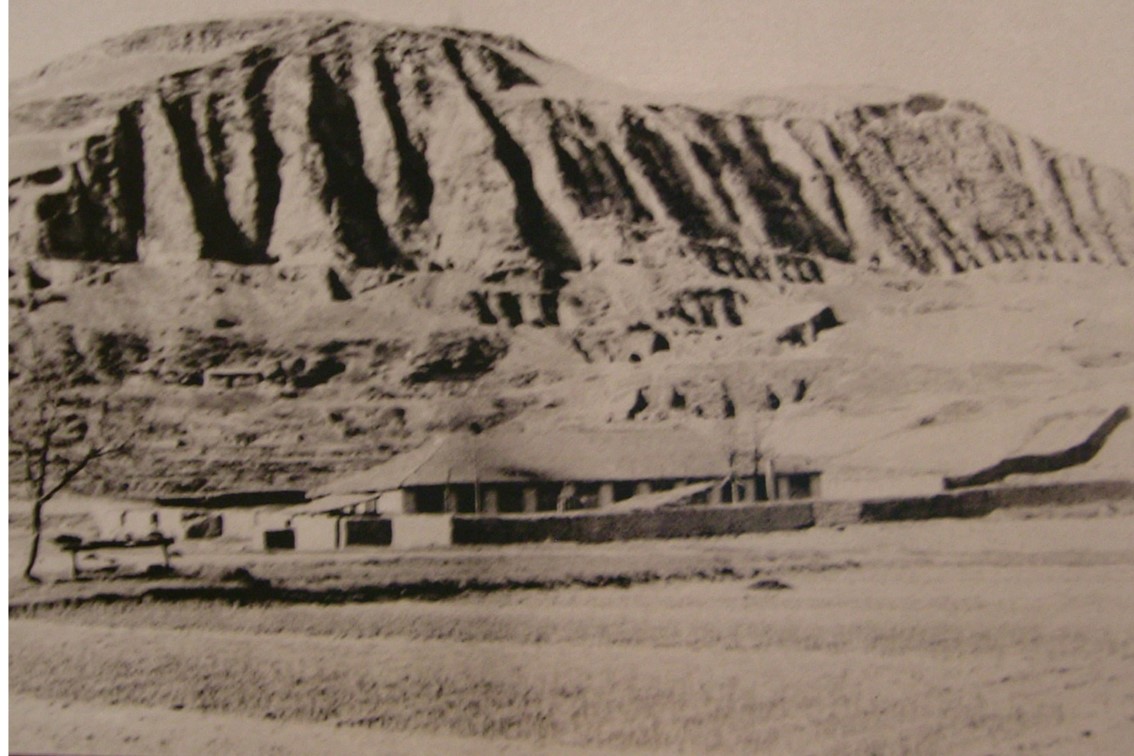
Founded in Yan'an in 1940 and forged through China's technological modernisation, Beijing Institute of Technology (BIT) is one of China's elite Project 985 and Double First-Class universities. Ranked #22 nationally and QS #330 globally, BIT is the country's premier institution for defence-related engineering, intelligent unmanned systems, vehicle engineering, and optoelectronics — disciplines where its research depth is internationally recognised. For ambitious international students seeking a rigorous, industry-connected STEM education at an exceptionally affordable price point, BIT represents one of Asia's most compelling university choices.
Campus
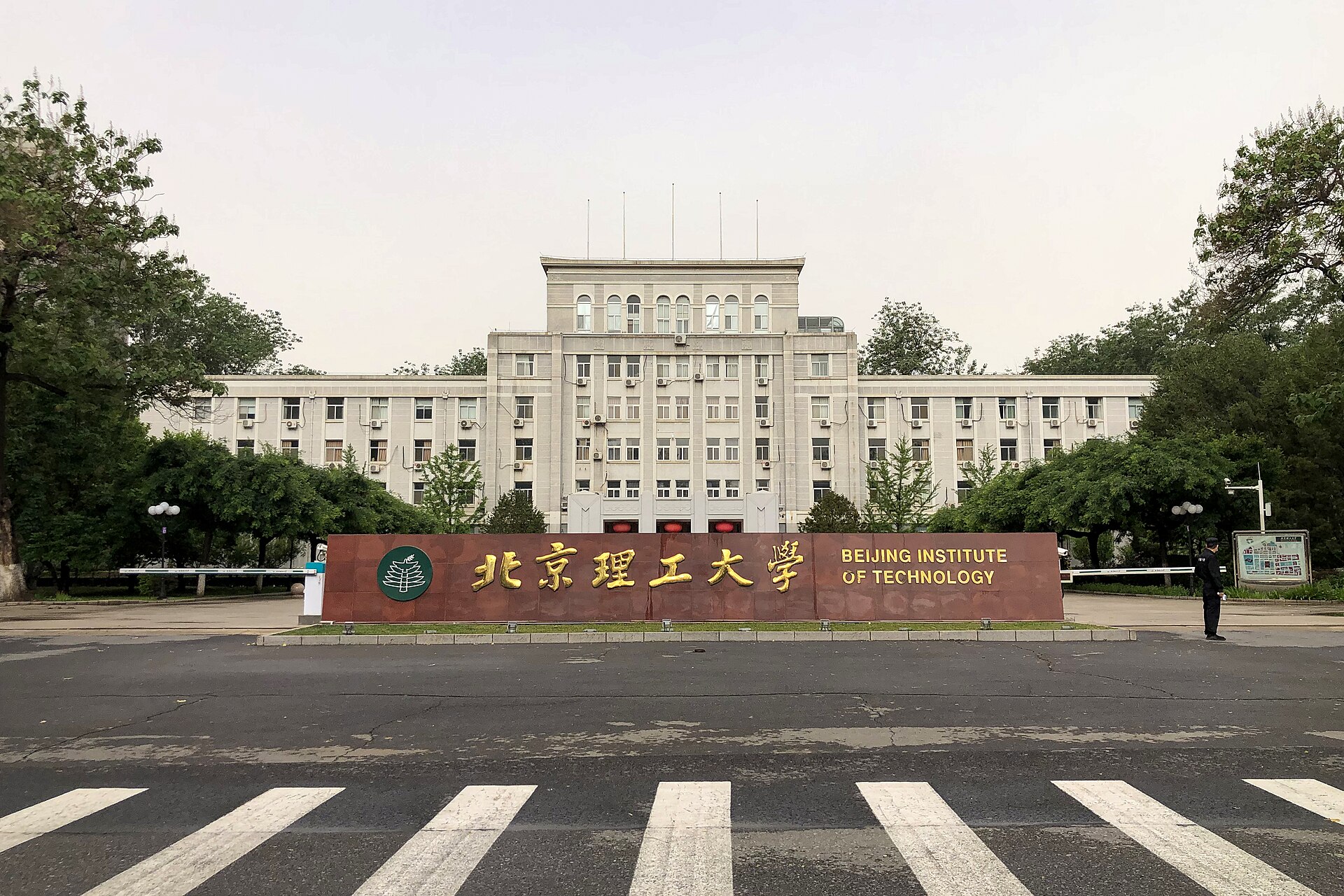
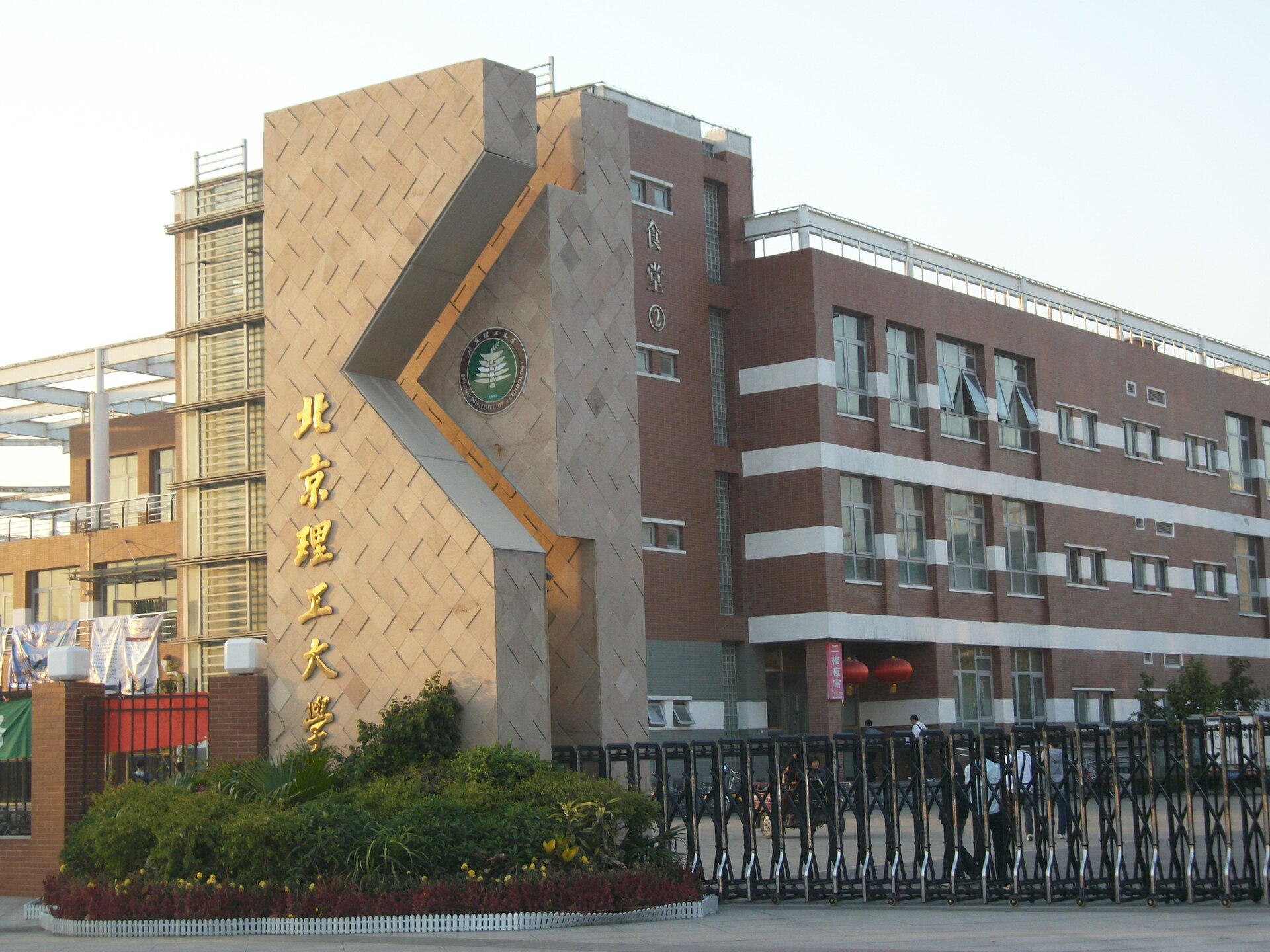
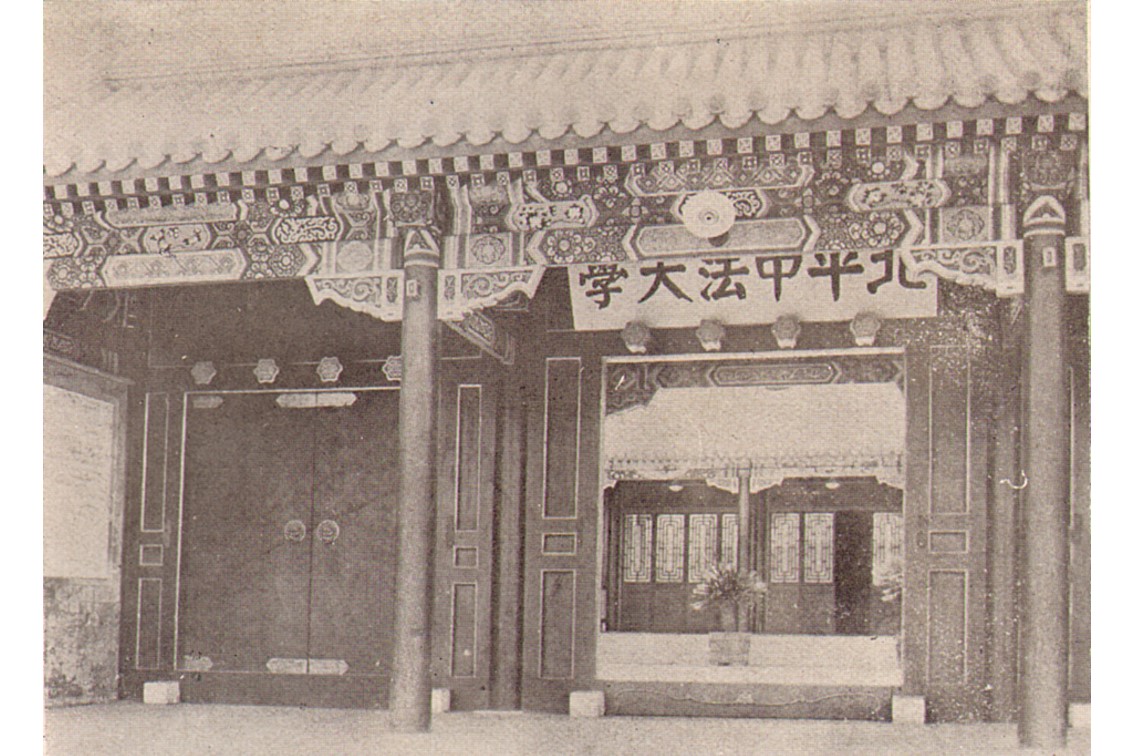
Beijing Institute of Technology — campus in pictures
Real, freely-licensed photographs of the campus (via Wikimedia Commons).
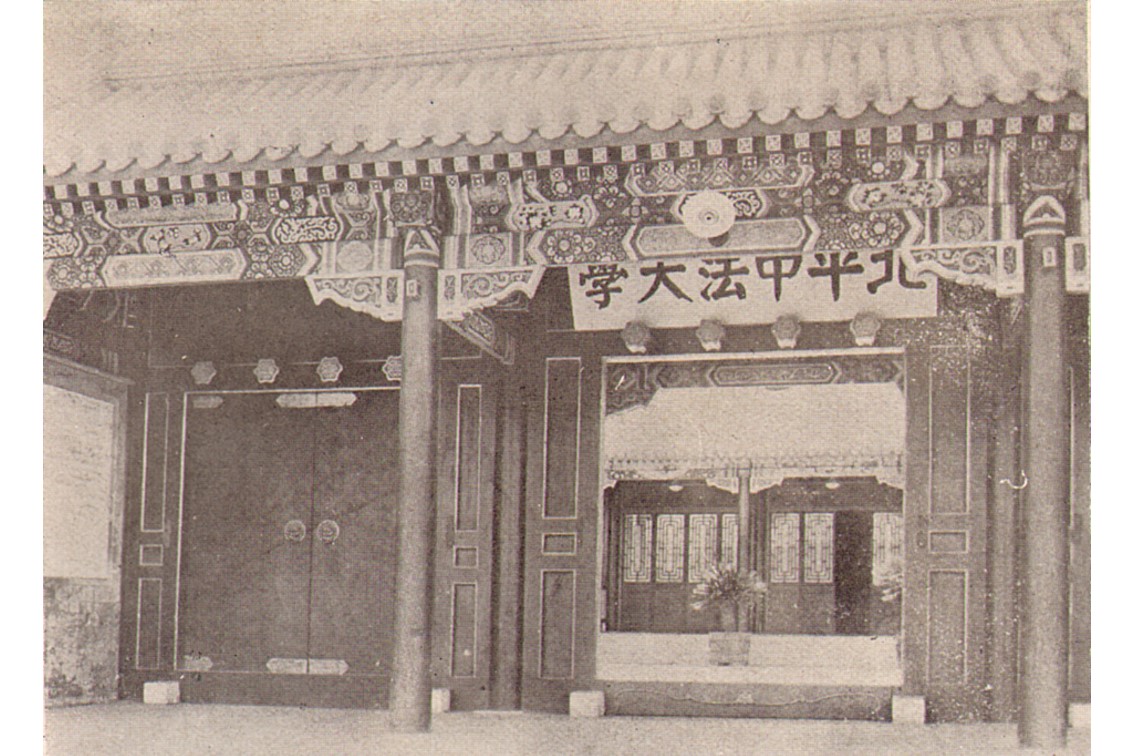
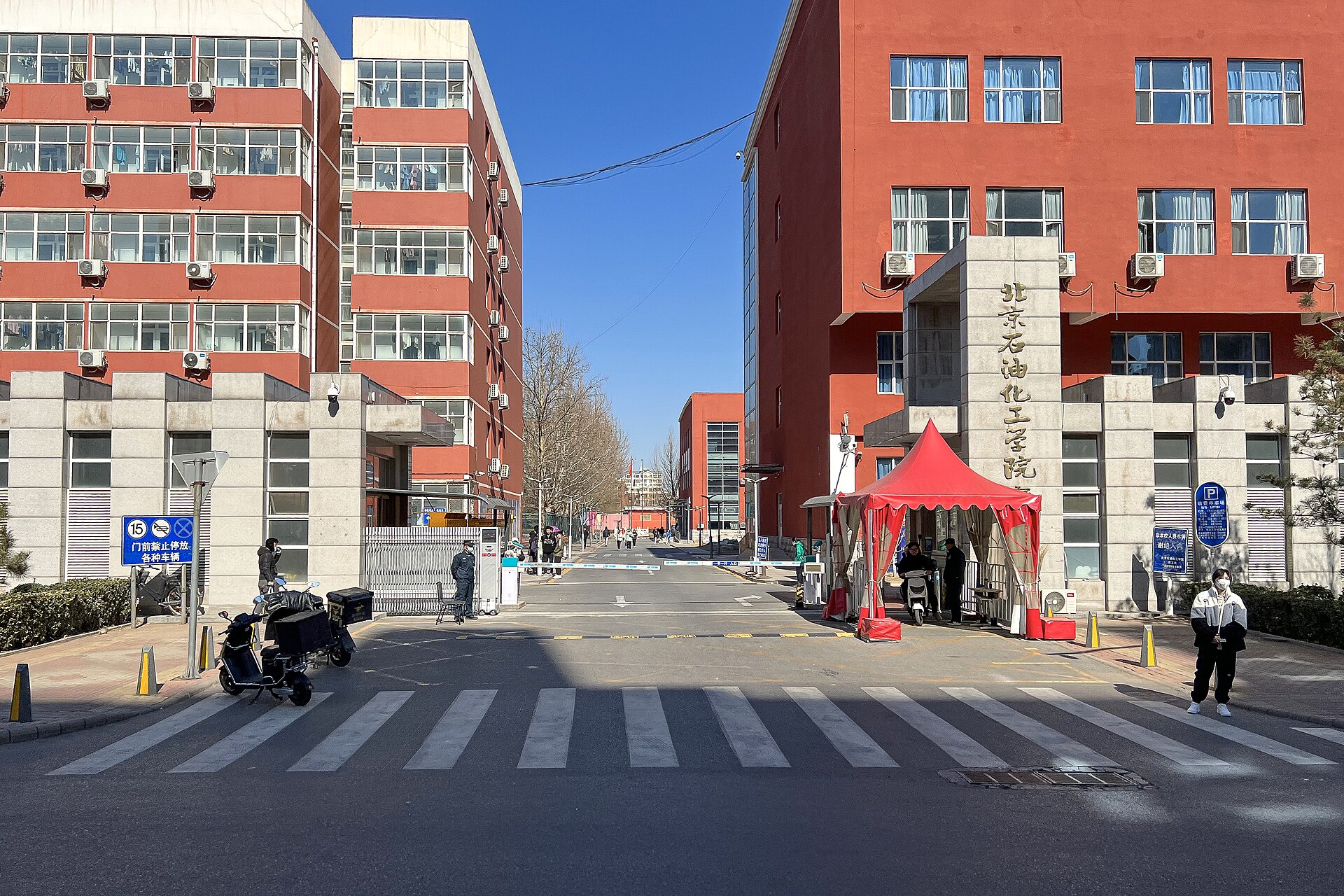
Why BIT — China's Defence-Tech Powerhouse in Beijing
BIT sits at the intersection of frontier engineering research and China's booming technology economy. Its campuses in Zhongguancun and Liangxiang place students inside the country's densest concentration of high-tech industry, venture capital, and government research institutes — and its Project 985 status means unmatched national funding for research and facilities.
BIT Acceptance Rate & International Applicant Profile
Stats
Profile Stats
Rea Vs Rd
BIT Admissions Requirements — Academics, Language & Profile
- Minimum GPA of 3.0/4.0 or equivalent
- Strong performance in Maths, Physics, and Chemistry
- Course rigour matters — take the hardest STEM options available
- IB score of 32+ recommended; 34+ for competitive programmes
- IELTS minimum 6.0 overall (English-taught programmes)
- TOEFL iBT minimum 80 (English-taught programmes)
- HSK 5 (210+) for Chinese-taught programmes
- No language waiver for applicants below threshold
- IB: 32+ total; HL Maths and HL Science strongly preferred
- A-Levels: AAB+ including Mathematics and one science
- National boards: strong performance in quantitative subjects
- Direct-entry track — no Chinese Gaokao required for international students
BIT Application Components — Direct Portal, Documents & Statement
BIT handles all international applications through its own International Student Application System. Below is every component of a complete BIT application — required and recommended — with strategic notes for each.
BIT Personal Statement — Writing a Compelling Study Plan
Prompts
Tips
What BIT Admissions Officers Are Looking For
BIT's international admissions team evaluates applications primarily on academic preparation and programme fit. Understanding what each component of the evaluation signals — and how to demonstrate each quality — is the foundation of a strong BIT application strategy.
BIT Financial Aid & Scholarships for International Students
BIT's scholarship landscape is genuinely strong by global comparison. Approximately 30% of international students receive some form of financial support — and the two main scholarship routes can cover tuition, accommodation, and living costs entirely. BIT is one of the most scholarship-accessible elite research universities in Asia.
Scholarship amounts are subject to change annually. Verify current CSC stipend rates and BIT scholarship categories on the official BIT OIS website and through your home country's CSC authority before applying.
Stats
Contribution Tiers
| Range | Percent | Percent Value | Note |
|---|---|---|---|
| CSC Full Scholarship | 100% | 100 | Tuition + accommodation + stipend — zero out-of-pocket |
| BIT Institutional Scholarship (full) | 75% | 75 | Typically covers tuition and partial accommodation |
| BIT Merit Award (partial) | 40% | 40 | Partial tuition waiver — self-fund remainder |
| Self-Funded (no scholarship) | 0% | 0 | ~$11,600 USD/year total cost of attendance |
Advantages
- CSC scholarship window (March–April) offers the most generous funding available
- Earlier applicants have full document review time — reducing risk of administrative errors
- Postgraduate applicants who contact supervisors early have significantly higher acceptance rates
- Applying before May avoids the late-cycle rush when support staff are busiest
- Spring intake (limited programmes) requires October–November application
Disadvantages
- CSC deadlines vary by country — missing your home country's window means waiting a year
- Not all programmes offer spring intake — autumn September entry is the standard
- Scholarship competition is highest among early applicants who have strongest profiles
- BIT does not guarantee accommodation for late applicants — submit early to secure dormitory allocation
Key Dates
BIT Interview Policy — Format & Expectations
For most undergraduate international applicants to BIT, a formal admissions interview is not a standard part of the process. Admission decisions at the undergraduate level are made on the basis of your written application file — transcripts, language certificates, personal statement, and supporting documents. There is no alumni interview network equivalent to what US Ivy League schools offer.
Meta
Questions
BIT Residential Life & Campus Housing
BIT does not operate a college house system like Oxford or Harvard. Instead, international students are housed in dedicated international student dormitories across BIT's main campuses. The residential experience centres on BIT's two primary campuses in Beijing — Zhongguancun in Haidian District and the larger Liangxiang campus in Fangshan District.
Houses
Lottery Steps
- All admitted international students are eligible for on-campus dormitory accommodation
- Accommodation requests are submitted through the BIT OIS portal after receiving your Letter of Admission
- Room types (double or single) are allocated based on availability and application timing — apply early
- On-campus accommodation costs are included in BIT's overall Cost of Attendance estimate
- CSC scholarship holders typically have accommodation covered as part of their award
BIT Schools & Academic Programmes
- {"label":"Flagship programme","value":"Vehicle Engineering"}
- {"label":"Key research area","value":"Intelligent NEV systems"}
- {"label":"Industry links","value":"BAIC, BYD, NIO, SAIC"}
- {"label":"Double First-Class discipline","value":"Yes"}
- {"label":"Flagship programme","value":"Aerospace Engineering"}
- {"label":"Key research area","value":"Guidance & control systems"}
- {"label":"Industry links","value":"AVIC, CASC, CASIC"}
- {"label":"National key laboratory","value":"Yes"}
- {"label":"Key programmes","value":"CS, Artificial Intelligence"}
- {"label":"Key research area","value":"Intelligent unmanned systems"}
- {"label":"Industry links","value":"Baidu, DJI, Horizon Robotics"}
- {"label":"National key discipline","value":"Yes"}
- {"label":"Key programme","value":"Automation"}
- {"label":"Key research area","value":"Unmanned intelligent systems"}
- {"label":"State Key Lab","value":"Yes"}
- {"label":"National rank (discipline)","value":"Top 5"}
- {"label":"Key programme","value":"Optoelectronics Science & Eng."}
- {"label":"Key research area","value":"Laser & photonic systems"}
- {"label":"State Key Lab","value":"Yes"}
- {"label":"National rank (discipline)","value":"Top 3"}
- {"label":"Key programme","value":"Management Science & Engineering"}
- {"label":"Key focus","value":"Technology & innovation management"}
- {"label":"Industry links","value":"State-owned enterprises, tech firms"}
- {"label":"Postgraduate availability","value":"MBA (Chinese-taught)"}
Research & Extracurricular Opportunities at BIT
Career Outcomes & BIT Alumni Network
BIT's graduate employment outcomes are strong even by Chinese 985 standards. The university's specialisation in defence technology, intelligent systems, aerospace, and advanced materials means graduates are actively recruited by China's largest state enterprises, emerging tech unicorns, and government research institutes.
Stats
Categories
TYCHR's BIT Admissions Track Record & Student Success Stories
Faqs
Does BIT offer degree programmes taught in English?+
Yes. BIT offers undergraduate and postgraduate programmes in English, particularly in engineering and technology disciplines. However, many of BIT's flagship programmes — especially at the undergraduate level — are taught in Chinese. Confirm the language of instruction for your specific programme on the BIT OIS website before applying.
Do I need to know Chinese to study at BIT?+
It depends on your programme. English-taught tracks do not require Chinese proficiency for academic study, though learning basic Mandarin will greatly enhance daily life in Beijing. For Chinese-taught programmes, HSK Level 5 (score 210+) is a firm requirement. Students without HSK 5 can first complete BIT's one-year Chinese language preparatory programme.
Is BIT a Project 985 university?+
Yes. BIT is one of China's original 39 Project 985 universities and a member of the Double First-Class (世界一流大学) initiative — the highest tier of Chinese university recognition. This status carries significant weight with employers and for scholarship eligibility.
What scholarships are available for international students at BIT?+
Two main scholarships are available: the Chinese Government Scholarship (CSC), applied for through your home country's CSC authority or directly via BIT's nomination process; and BIT's own institutional scholarships, applied for through the BIT admissions portal. Both can cover tuition, accommodation, and a living stipend for eligible students.
What is BIT's QS ranking?+
BIT is ranked #330 globally in the QS World University Rankings and #400 in the Times Higher Education World University Rankings, with a national rank of #22 in China. Its subject rankings in Engineering and Technology disciplines are considerably higher.
How do I apply to BIT as an international student?+
All international applications are submitted online through BIT's official portal at apply.isc.bit.edu.cn. You register an account, complete your profile, upload required documents (transcripts, passport, language certificates, physical examination form), and submit. The Office of International Students at isc.bit.edu.cn is the primary contact for queries.
Can I contact a potential supervisor before applying for a postgraduate programme?+
Yes — and it is strongly encouraged. For master's and PhD programmes, reaching out directly to a faculty member in your target department before submitting your formal application significantly improves your chances, particularly for research-based degrees. Faculty profiles are available on BIT's department websites.
What is Beijing like for international students?+
Beijing is one of the world's most dynamic capital cities. While the initial adjustment can be demanding — particularly around language and cultural differences — the city offers outstanding infrastructure, safety, cuisine, arts and culture, and career opportunities. BIT's Haidian and Liangxiang campuses put you in the heart of China's university and technology belt.
Book a Free BIT Admissions Strategy Session
In 60 minutes our BIT admissions specialists will evaluate your academic profile, identify your strongest programme match at BIT, build your CSC and BIT scholarship strategy, craft your personal statement or study plan, and determine the right application timeline for your cycle.
- No commitment required
- BIT and Chinese university specialists
- Personalised strategy — including CSC scholarship guidance
BIT Academic Requirements
BIT Academic Expectations — The Honest Breakdown for International Students
What GPA, international qualifications, and academic profile do BIT's admitted students actually need? And what does studying engineering at one of China's top-22 universities actually demand from your secondary education?
GPA & Academic Record
BIT and GPA — What the Minimum Really Means
BIT publishes a minimum GPA of 3.0/4.0 for international applicants. In practice, competitive applicants — particularly those applying for engineering programmes or scholarships — will want to present stronger academic records, with particular depth in mathematics and sciences.
A 3.0 GPA is the floor, not the target. For scholarship applicants, aim for 3.5+ with consistent strength in your most relevant STEM subjects. For standard admission, a 3.0+ with strong mathematics and science grades is a realistic and competitive profile for many BIT programmes.
Academic Context
How BIT Reads International Academic Records and School Systems
BIT's international admissions office is experienced in evaluating academic performance across widely different school systems — IB, A-Levels, national boards from India, Germany, France, Russia, Nigeria, and many more. Understanding how your specific system is read is important for framing your application correctly.
Standardised Testing
SAT Scores at BIT — What Role They Play
BIT operates a test-optional policy for international applicants. SAT scores are not required and are not a primary evaluation criterion. However, for students coming from US-curriculum backgrounds (AP system), or students who have sat the SAT and scored strongly, submitting scores can provide additional academic context.
| Label | Score | Percent |
|---|---|---|
| BIT test policy | Optional | 50 |
| SAT Math — useful if 700+ | 700+ | 70 |
| SAT Total — submit if above | 1350+ | 67 |
Standardised Testing
ACT Scores at BIT — Context and Strategy
Like the SAT, the ACT is not required for BIT admission and is not a central evaluation criterion. For students who have taken the ACT as part of a broader US university application strategy, here is how to think about whether to include it in your BIT application.
Metrics
Comparison Cards
Testing Strategy
BIT's Test-Optional Policy — What It Means in Practice
BIT is test-optional for international students. This means SAT, ACT, and similar standardised tests are not required and not formally part of the evaluation for most programmes. Understanding what this actually means — and when test scores can still help — is important for BIT applicants.
Submit Items
Withhold Items
Curricula
IB and A-Levels at BIT — Specific Benchmarks
- {"label":"Minimum total score","value":"32 points"}
- {"label":"Recommended for competitive programmes","value":"34+ points"}
- {"label":"HL subject preference","value":"HL Mathematics (AA or AI) and HL Physics or Chemistry"}
- {"label":"EE and TOK","value":"Evaluated as evidence of research capability and academic rigour"}
- {"label":"Minimum grades","value":"AAB including Mathematics and one science"}
- {"label":"Competitive target","value":"AAA or above for selective engineering programmes"}
- {"label":"Subject combination","value":"Mathematics (Further Maths advantageous) + Physics or Chemistry required for engineering"}
- {"label":"AS results","value":"Reviewed alongside predicted A-Level grades — strong AS performance supports your overall academic case"}
Advanced Placement & Equivalent Qualifications
AP Courses, SAT II & Equivalent Advanced Study at BIT
AP courses are not a standard feature of most international school curricula outside the Americas. For students in AP-based school systems applying to BIT alongside US universities, here is how AP performance factors into BIT's evaluation.
Academic Rigour
Rigour of Secondary School Record — BIT's Most Important Academic Signal
BIT's admissions process, while less formal in its holistic review than US Ivy League schools, weights the rigour and depth of your secondary school STEM preparation heavily. Taking the hardest courses available in mathematics and sciences — not just achieving top grades in easier options — is the core academic signal the admissions team is looking for.
Take the most challenging mathematics and science courses available at your school. BIT is a research-intensive STEM university — it values applicants who have already pushed their academic limits before arriving.
STEM Preparation
Mathematics and Science Preparation — What BIT Expects
BIT's undergraduate engineering programmes are technically demanding from day one. First-year curricula assume comfort with calculus, mechanics, and linear algebra at a level that international students from strong secondary mathematics backgrounds will recognise. Here is the preparation standard across BIT's main disciplines.
Language Proficiency
English Language Requirements for International BIT Applicants
For English-taught programmes at BIT, you must demonstrate English proficiency through an accepted test. The minimum thresholds below are firm — applications without a qualifying language certificate will not progress, regardless of academic strength.
IELTS 6.0 and TOEFL 80 are the floor, not the target. For students applying to BIT's most competitive English-taught programmes or for scholarship consideration, aiming for IELTS 6.5 or TOEFL 85+ will strengthen your overall application file and give you comfortable margin above the minimum.
By Programme
Academic Requirements by BIT Programme — What Different Paths Expect
BIT admits international students to specific programmes, not to a general college. The academic profile should be coherent with the specific programme chosen — a strong mathematics and science background is expected for all engineering and technology programmes.
| Concentration | Expectation | Signals |
|---|---|---|
| Mechanical Engineering | HL Maths + HL Physics (IB) or Maths A-Level + Physics A-Level | Mechanics projects; engineering competition results |
| Vehicle Engineering | HL Maths + HL Physics; strong mechanics preparation | Automotive interest; NEV projects; competition vehicles |
| Aerospace Engineering | HL Maths AA + HL Physics (IB); A-Level Maths + Physics | Aerodynamics interest; physics olympiad; aviation projects |
| Computer Science / AI | HL Maths + CS background; programming experience | Coding projects; competitive programming; AI/ML applications |
| Automation & Robotics | HL Maths + Physics or CS; programming foundation | Robotics competitions; Arduino/Raspberry Pi projects |
| Optoelectronics | HL Maths + HL Physics; strong optics interest | Physics research; photonics projects; optics lab work |
| Materials Science | HL Chemistry + HL Physics or Maths | Materials lab experience; chemistry competition results |
| Chemical Engineering | HL Chemistry + HL Maths (IB); Chemistry + Maths A-Level | Chemistry olympiad; lab research experience |
| Management Science | Strong overall GPA; some quantitative background | Business competition; quantitative analysis projects |
International Curriculum Assessment
BIT and International Education Systems — How Your Curriculum Is Evaluated
Roadmap
Building an Academic Profile for BIT — What to Do at Each Stage
- Select IGCSE/MYP subjects that leave the widest possible options for HL Maths and HL Sciences in the IB, or Mathematics + Physics/Chemistry at A-Level.
- Begin Mandarin study if you are considering a Chinese-taught programme — HSK 5 requires 2–3 years of consistent preparation starting now.
- Explore engineering and mathematics competitions — BIT values evidence of sustained technical curiosity beyond the standard curriculum.
- Commit to HL Maths (Analysis & Approaches preferred) and HL Physics or Chemistry for IB; Further Mathematics if offered for A-Levels.
- Join robotics, coding, or engineering clubs and pursue tangible projects — not just activities, but outcomes you can describe specifically.
- Begin exploring BIT's research schools and faculty online; identify departments and labs relevant to your interests at postgraduate level.
- Begin IELTS or TOEFL preparation — target IELTS 6.5 or TOEFL 85 for comfortable margin above BIT's minimum.
- Sit your IELTS or TOEFL — securing your language certificate in this year avoids time pressure in the application year.
- Research the CSC scholarship process in your home country — identify your country's CSC contact point and the application deadline (typically March–April).
- For postgraduate applicants: identify potential supervisors at BIT whose research aligns with your interests and initiate email contact.
- Deepen any coding, engineering, or research project experience that will distinguish your personal statement.
- Submit CSC scholarship application in March–April through your home country's CSC authority.
- Register on apply.isc.bit.edu.cn and gather all required documents: notarised transcripts, language certificate, passport copy, physical examination form, recommendation letters.
- Submit your BIT direct application and scholarship application in parallel — do not wait for CSC results before applying through BIT's own portal.
- Write a specific, BIT-focused personal statement or study plan that names BIT's actual research labs, schools, and faculty relevant to your application.
- Upon receiving your Letter of Admission, apply for a Chinese student visa (X1 or X2) through your local Chinese Embassy or Consulate.
- Complete the physical examination at a designated clinic in your country.
- Register with BIT's OIS on arrival for dormitory check-in, residence permit application, and orientation week.
Common Pitfalls
Academic Mistakes That Weaken BIT Applications — And How to Avoid Them
Real Outcomes
What Academic Profiles TYCHR's BIT-Admitted Students Had
The following profiles represent the academic backgrounds of students TYCHR has helped gain BIT admission or scholarships. They illustrate the range of academic preparation that succeeds — and what made each application compelling.
Faqs
Is a 3.0 GPA enough for BIT?+
3.0/4.0 is the published minimum and may be sufficient for standard programme admission. For scholarship consideration and competitive engineering programmes, 3.5+ with consistent strength in STEM subjects is a stronger target. The quality of your mathematics and science grades matters more than your overall GPA.
What IB score do I need for BIT?+
A score of 32+ is the recommended benchmark based on BIT's own published data. For competitive programmes and scholarship applicants, 34+ is advisable. Subject selection matters equally — HL Maths and HL Sciences are strongly preferred for engineering programmes regardless of your total score.
Does BIT prefer SAT or ACT?+
Neither. BIT does not require either test and does not prefer one over the other. If submitting either as supplementary evidence, a strong Math/quantitative score is the most relevant dimension for engineering applications.
Can I apply to BIT without test scores?+
Yes. BIT is test-optional and the vast majority of international applicants do not submit SAT or ACT scores. Your secondary school transcript, language proficiency certificate, and personal statement are the core application documents.
How does BIT evaluate students from countries without IB or A-Levels?+
BIT accepts national qualifications from over 100 countries. Applicants from India (CBSE/ISC), Germany (Abitur), France (Baccalauréat), Russia, Nigeria, and elsewhere are evaluated on the strength of their national qualification performance in relevant STEM subjects. Contact the BIT OIS for specific guidance on your qualification.
Financial Aid & Scholarships
BIT May Cost Far Less Than You Think — Here's the Full Picture.
With annual tuition of just $4,000 USD and a total cost of attendance of ~$11,600 USD — combined with the full Chinese Government Scholarship (CSC) that covers everything — studying at a top-22 Chinese research university is financially accessible in a way that few comparable institutions globally can offer.
Cost Transparency
What BIT Actually Costs — The Full Annual Figure
BIT's tuition of ~$4,000 USD/year is a fraction of what comparable research universities in the US, UK, or Australia charge. Even at full self-funded cost, a four-year undergraduate degree at BIT costs approximately what a single year costs at a mid-ranked US private university. The Chinese Government (CSC) scholarship can reduce this to zero.
Scholarship Overview
BIT's Scholarship System — What It Means for International Students
Both the CSC scholarship and BIT's institutional scholarships are open to international students from any country. Approximately 30% of BIT international students receive some form of financial support. Scholarship competition is merit-based — academic excellence and programme fit are the primary criteria.
Institutional Context
Why BIT Costs What It Does — Government Funding and the Mission
Financial Aid Walkthrough
Applying for BIT Scholarships — The Process Step by Step
BIT's scholarship support is not automatic — it requires parallel application through both BIT's own portal and (for the CSC) your home country's designated authority. Here is the complete step-by-step process.
- Visit the CSC official website: csc.edu.cn
- Identify your country's designated CSC nomination authority
- Confirm the deadline — typically March–April for September entry
- Register at apply.isc.bit.edu.cn
- Indicate CSC scholarship interest and/or BIT scholarship application
- Gather all required documents in advance
- {"label":"CSC Scholarship","date":"March–April (varies by country)"}
- {"label":"BIT Institutional Scholarship","date":"April–May"}
- {"label":"Regular Admission","date":"May–June"}
INTERNATIONAL STUDENT FUNDING
BIT Financial Support for International Students — How It Works
BIT's financial support for international students is primarily merit-based rather than need-based. Here is a clear explanation of how the system works and what international students from different backgrounds can realistically expect.
SCHOLARSHIP COVERAGE
What BIT and CSC Financial Support Actually Looks Like
BIT Aid Coverage by Scholarship Type (Indicative)
Figures are approximate and indicative. CSC stipend amounts and BIT scholarship values change annually — verify current amounts with the BIT OIS and your home country's CSC authority before finalising your financial plan.
For CSC full scholarship recipients, BIT is essentially free. For self-funded students, the ~$11,600 USD total annual cost is already among the lowest of any QS top-500 research university in Asia. The CSC application is worth pursuing by every eligible international applicant — the funding is generous and the competition, while real, is meaningful.
| Income | Grant | Contribution |
|---|---|---|
| CSC Full Scholarship (Type A) | Tuition + Accommodation + Stipend | ~$0 USD |
| BIT Full Institutional Scholarship | Full Tuition (+ partial accommodation in some cases) | ~$3,500–7,000 USD (living costs) |
| BIT Partial Scholarship (50%) | 50% Tuition Waiver | ~$5,800–9,000 USD |
| No Scholarship (Self-funded) | None | ~$11,600 USD |
| Provincial / Municipal Scholarship (supplemental) | Partial (varies by award) | Reduced by award amount |
Table Headers
SCHOLARSHIP CRITERIA
BIT Scholarships — Merit-Based, Not Need-Based
Unlike leading US universities such as Harvard, Princeton, or MIT which offer need-blind, income-based financial aid, BIT's international student support operates on a merit basis. Understanding this distinction is important for planning your funding strategy.
EXTERNAL FUNDING
External Scholarships for BIT Students — Additional Funding Sources
Beyond CSC and BIT's institutional scholarships, a range of external scholarship programmes are available to students attending Chinese universities like BIT. Some of these can supplement your BIT award; others are standalone awards for students at Chinese universities.
STUDENT DEBT
Loans and Student Debt at BIT — The Honest Picture
BIT does not offer student loans as part of its financial aid system for international students. There is no institutional loan programme, no deferred tuition arrangement, and no equivalent of the US federal student loan system. For international students at BIT, the financial model is simple: you either pay tuition directly, receive a scholarship that covers it, or do not attend.
STUDENT EMPLOYMENT
Working While Studying at BIT — What International Students Need to Know
International students on Chinese student visas face strict restrictions on paid employment in China. Off-campus work is generally not permitted under Chinese immigration regulations for student visa holders. On-campus employment opportunities exist in limited forms but should not be relied upon as a primary income source.
- Research assistant positions in faculty labs (paid through research grants; available to postgraduate students and some undergraduates)
- Chinese language tutoring for international students or English tutoring for Chinese students (informal arrangement on campus)
- International student orientation and buddy programme roles (typically volunteer or modest stipend)
- Student organisation leadership roles (volunteer-based)
BENCHMARKING
BIT vs. Other Study Destinations — Financial Aid and Cost Comparison
| School | Policy | No Loans | Typical Cost |
|---|---|---|---|
| BIT (CSC Full Scholarship) | Merit-based, full scholarship | N/A | ~$0 |
| BIT (Self-funded) | No need-based aid | N/A | ~$11,600/year |
| Tsinghua / Peking University | Merit-based scholarship (CSC) | N/A | ~$0–$15,000/year |
| NUS Singapore | MOE Tuition Grant (service bond required) | Some | ~$10,000–$20,000/year |
| University of Manchester (UK) | Limited international bursaries | Yes | ~$30,000–$35,000/year |
| University of Melbourne (Australia) | Limited international scholarships | Yes | ~$28,000–$40,000/year |
| US State University (out-of-state) | Very limited international aid | Yes | ~$35,000–$55,000/year |
COST ANALYSIS
BIT vs. Alternatives — What You Actually Pay Over Four Years
A self-funded four-year undergraduate degree at BIT costs roughly $46,400 USD total — approximately what a single year costs at a mid-ranked US private university, and less than one year at many UK or Australian universities. The combination of low tuition and Beijing's manageable cost of living makes BIT one of the most financially compelling elite research universities in the world for international students.
| School | Policy | Contribution | Four Year Cost |
|---|---|---|---|
| BIT (CSC Scholarship) | Full scholarship — tuition + housing + stipend | ~$0/year | ~$0 |
| BIT (Self-funded) | No financial aid; low-cost government university | ~$11,600/year | ~$46,400 |
| Tsinghua / PKU (Self-funded) | Similar public university cost structure | ~$12,000–$16,000/year | ~$48,000–$64,000 |
| NUS Singapore (no MOE grant) | Higher international tuition | ~$20,000–$25,000/year | ~$80,000–$100,000 |
| University of Manchester | Standard international tuition | ~$30,000–$35,000/year | ~$120,000–$140,000 |
| US Mid-Rank Private University | Limited international aid | ~$55,000–$75,000/year | ~$220,000–$300,000 |
SCHOLARSHIP APPEALS
Appealing a BIT Scholarship Decision — When and How
BIT's scholarship decisions are based on the application materials submitted through the portal. If you believe your application was not fully evaluated — due to a documentation error, missing materials, or a change in your academic results after submission — there is a process for raising this with the BIT OIS.
Scholarship appeal success rates at BIT are modest. Appeals are most meaningful when based on a genuine documentation error or a significant improvement in your academic results (such as receiving your IB or A-Level final results after an application submitted on predicted grades). Appeals based solely on disagreement with the committee's assessment of a submitted application are unlikely to succeed.
When To Appeal
- A required document was missing or incorrectly uploaded and your application was not fully reviewed
- Your final examination results (IB, A-Level, national board) are significantly stronger than the predicted grades submitted with your initial application
- A material change in your academic or personal circumstances occurred after submission
- You received a scholarship at a comparable university that BIT may wish to remain competitive with
How To Appeal
- Contact BIT's Office of International Students (isc.bit.edu.cn) directly and in writing
- Clearly describe the basis of your appeal and what specific information or evidence has changed
- Attach updated documentation (new transcripts, final results, or other supporting materials)
- Allow 2–4 weeks for a response from BIT's scholarship committee
TIMELINE & PLANNING
Planning for BIT Costs — What to Do and When
APPLICATION & STATEMENT
Applying to BIT What You Write and Why It Matters
Beijing Institute of Technology does not use the US Common App, UCAS, or any supplemental essay system. International students apply directly through BIT's online portal. However, writing — particularly your personal statement or study plan — remains a meaningful part of the application, especially for scholarship consideration and postgraduate research programmes. This guide explains the application process and how to present yourself compellingly.
The BIT Application System
BIT uses a direct admissions model: all international applications are submitted through BIT's own International Student Application System (apply.isc.bit.edu.cn). There are no third-party platforms, no Common App personal essays, and no supplemental short-answer questions in the US university sense.
The written component of your BIT application consists primarily of a Personal Statement or Study Plan — a free-form document you write and upload as part of your application file. This is especially important at the postgraduate level and for scholarship applications. At the undergraduate level, the emphasis is primarily academic (transcripts and language certificates), but a strong personal statement can still distinguish your application in a competitive pool. For Chinese-taught programmes, your personal statement may be written in either English or Chinese. If you write in Chinese, ensure it reflects genuine proficiency — a statement full of translation errors will raise concerns about your HSK Level and academic readiness.
What to Address in Your Personal Statement / Study Plan
BIT does not publish a fixed prompt or word limit for personal statements in the way US universities do. The guidance below reflects what BIT and similar Chinese universities expect and what scholarship committees look for. Write honestly and specifically — generic statements are immediately apparent and reduce your impact.
Writing Your Personal Statement: Practical Guidance
The BIT personal statement is a relatively open-format document — which is both an opportunity and a common pitfall. Without a word limit or specific prompt, many applicants default to a chronological autobiography that tells admissions officers nothing they cannot already read in the transcript. A strong BIT personal statement does three things: it explains the intellectual journey that brought you to this field and this university; it demonstrates specific knowledge of what BIT offers that drew you here; and it shows the reader what kind of researcher or engineer you will be. Quantity matters less than specificity. A focused 500-word statement that mentions BIT's State Key Laboratory of Explosion Science and Technology by name — and explains why your materials science background makes you excited to work there — will outperform a 1,500-word generic essay every time. For scholarship applicants, an additional consideration: CSC and BIT merit scholarships are competed for by applicants from across the world. Your statement needs to convey not just competence but genuine distinction. What have you done that most applicants have not? A research internship, a published project, a national competition result, or a particularly unusual intellectual background will carry weight where grade points cannot differentiate.
Key Written Elements to Prepare
Choosing What to Write About
The best personal statements and study plans for BIT share a common characteristic: they are unmistakably about a real person, not a constructed ideal candidate. If you have been building autonomous vehicle models since you were fifteen, write about that. If your interest in optoelectronics grew from a physics project on fibre-optic communications, describe it in technical detail. If you want to study AI at BIT because you see the intersection of autonomous systems and defence technology as the most strategically important field of the next decade, say so directly. Avoid: writing about how much you love learning (everyone says this), vague claims about wanting to 'contribute to society', or essays that could apply to any engineering university. BIT's admissions readers see hundreds of applications — the ones that get remembered, and funded, are the ones with a specific voice and a specific vision.
Application Pitfalls to Avoid
- Submitting a generic personal statement that does not mention BIT specifically — 'I want to study engineering at a leading university' is not a BIT personal statement.
- Applying for a Chinese-taught programme without HSK 5 certification — no statement can compensate for failing to meet the language threshold.
- Missing the CSC scholarship deadline by treating it as part of the main admissions cycle — CSC deadlines are typically months before BIT's general admissions deadline.
- Not contacting a potential supervisor before submitting a PhD application — in the Chinese postgraduate system, having a supervisor who knows you significantly increases admission probability.
- Submitting untranslated or non-notarised documents — all non-Chinese/English documents require certified translation and may require notarisation.
- Writing your personal statement or study plan in a language you are not truly fluent in — a statement with obvious machine-translation errors in Chinese will raise doubts about your HSK claims.
- Treating BIT like a US liberal arts college application — this is a research-intensive STEM university with a technically-weighted, grades-first evaluation. Your academic record is primary; your statement amplifies it.
Application & Statement FAQs
Does BIT require essays in the same way as US universities?+
No. BIT does not use the Common App, Coalition App, or any system with structured supplemental essay prompts. The written component is a Personal Statement or Study Plan that you write freely and upload through BIT's own online portal. The format is open — which gives you flexibility, but also requires you to structure the document well on your own.
How long should my personal statement be?+
BIT does not publish a fixed word or page limit. For undergraduate applications, one to two pages (500–800 words) is generally appropriate. For postgraduate study plans, two to three pages of substantive research-focused writing is more appropriate. Quality and specificity matter more than length.
Can I write my statement in English even for a Chinese-taught programme?+
Generally yes — BIT accepts statements in English or Chinese. However, if you are applying to a Chinese-taught programme, a thoughtful Chinese-language statement can reinforce your claimed language proficiency. Only write in Chinese if you are genuinely confident — a poorly written Chinese statement will undermine your application, not strengthen it.
Do I need to contact a supervisor before applying for a PhD at BIT?+
It is strongly advisable. In China's postgraduate research system, PhD admissions are much more closely tied to individual faculty supervision than in many Western systems. Reaching out directly to a BIT professor whose research aligns with your interests — by email, referencing their work specifically — and securing their informal agreement to supervise you is a significant advantage in the application process.
What is the difference between the BIT scholarship statement and the CSC scholarship application?+
They are separate processes with different audiences. The BIT scholarship application is part of your direct BIT admissions file, reviewed by BIT's scholarship committee. The CSC application is submitted through your home country's CSC channel and is reviewed by a separate government-level committee. You should typically complete both in parallel — and tailor each statement to its specific audience and criteria.
Is an interview required as part of BIT's international admissions?+
For most undergraduate direct-entry programmes, a formal interview is not standard. For postgraduate admissions, especially research-based programmes, an informal interview or video call with your potential supervisor is common and should be expected. Some limited-enrolment or selective programmes may include an interview — confirm with the OIS for your specific programme.
Can my TYCHR counsellor help me prepare my BIT study plan?+
Yes. TYCHR counsellors experienced in Chinese university admissions can help you structure your study plan or personal statement, identify the right research groups at BIT to mention, and ensure your application file is complete and correctly formatted. Getting expert guidance on the BIT application — including CSC scholarship strategy — is one of the most effective investments you can make in your outcome.
Courses — schools, degrees & intake
44 degrees across 20 groupings.
School of Aerospace Engineering · 6 degrees
Flight Vehicle Design and Engineering
Aerospace Transportation and Control
Flight Vehicle Propulsion Engineering
Weapon System and Launching Engineering
Exploration Guidance and Control
Engineering Mechanics
School of Mechatronical Engineering · 1 degrees
Intelligent Mechatronical Engineering
School of Mechanical Engineering · 4 degrees
Mechanical Engineering
Vehicle Engineering
Industrial Engineering
Energy and Power Engineering
School of Information and Electronics · 3 degrees
Electronic Information Engineering
Communication Engineering
Electronic Science and Technology
School of Optics and Photonics · 2 degrees
Optoelectronic Information Science and Engineering
Measurement and Control Technology and Instruments
School of Automation · 1 degrees
Automation
School of Computer Science and Technology · 3 degrees
Computer Science and Technology
Software Engineering
Data Science and Big Data Technology
School of Cyberspace Science and Technology · 1 degrees
Cyberspace Security
School of Artificial Intelligence · 1 degrees
Artificial Intelligence
School of Integrated Circuits and Electronics · 1 degrees
Microelectronics Science and Engineering
School of Materials Science and Engineering · 1 degrees
Materials Science and Engineering
School of Chemistry and Chemical Engineering · 3 degrees
Applied Chemistry
Chemical Engineering and Technology
Pharmaceutical Engineering
School of Life Science · 2 degrees
Biotechnology
Biomedical Engineering
School of Mathematics and Statistics · 2 degrees
Mathematics and Applied Mathematics
Statistics
School of Physics · 1 degrees
Applied Physics
School of Management and Economics · 3 degrees
Business Administration
Accounting
International Economics and Trade
School of Law · 1 degrees
Law
School of Humanities and Social Sciences · 1 degrees
Social Work
School of Foreign Languages · 3 degrees
English (Language and Literature)
Japanese (Language and Literature)
Spanish (Language and Literature)
School of Design and Arts · 4 degrees
Industrial Design
Product Design
Visual Communication Design
Environmental Design
Want your real chances at Beijing Institute of Technology?
Create a free TYCHR account for your personalised admit-chance, a shortlist you can track, exact entry requirements, and essay + counselling help.