← All universities

Alma Mater Studiorum - University of Bologna

Bologna, Italy · Urban

Coimbra GroupUna EuropaPublicResearch
Acceptance
73.0%
QS World
#133
Tuition/yr
$4,400
Students
90,000
Founded
1088

The world's oldest university, founded in 1088, offers internationally ambitious students a rare combination: an unmatched academic heritage, genuinely affordable European tuition, and a vibrant student city that has defined university culture for nearly a millennium. Getting in requires understanding how Bologna's direct-application system actually works — and what the university genuinely values.

University of Bologna Admissions Guide for

Campus

Alma Mater Studiorum - University of Bologna — campus in pictures

Real, freely-licensed photographs of the campus (via Wikimedia Commons).
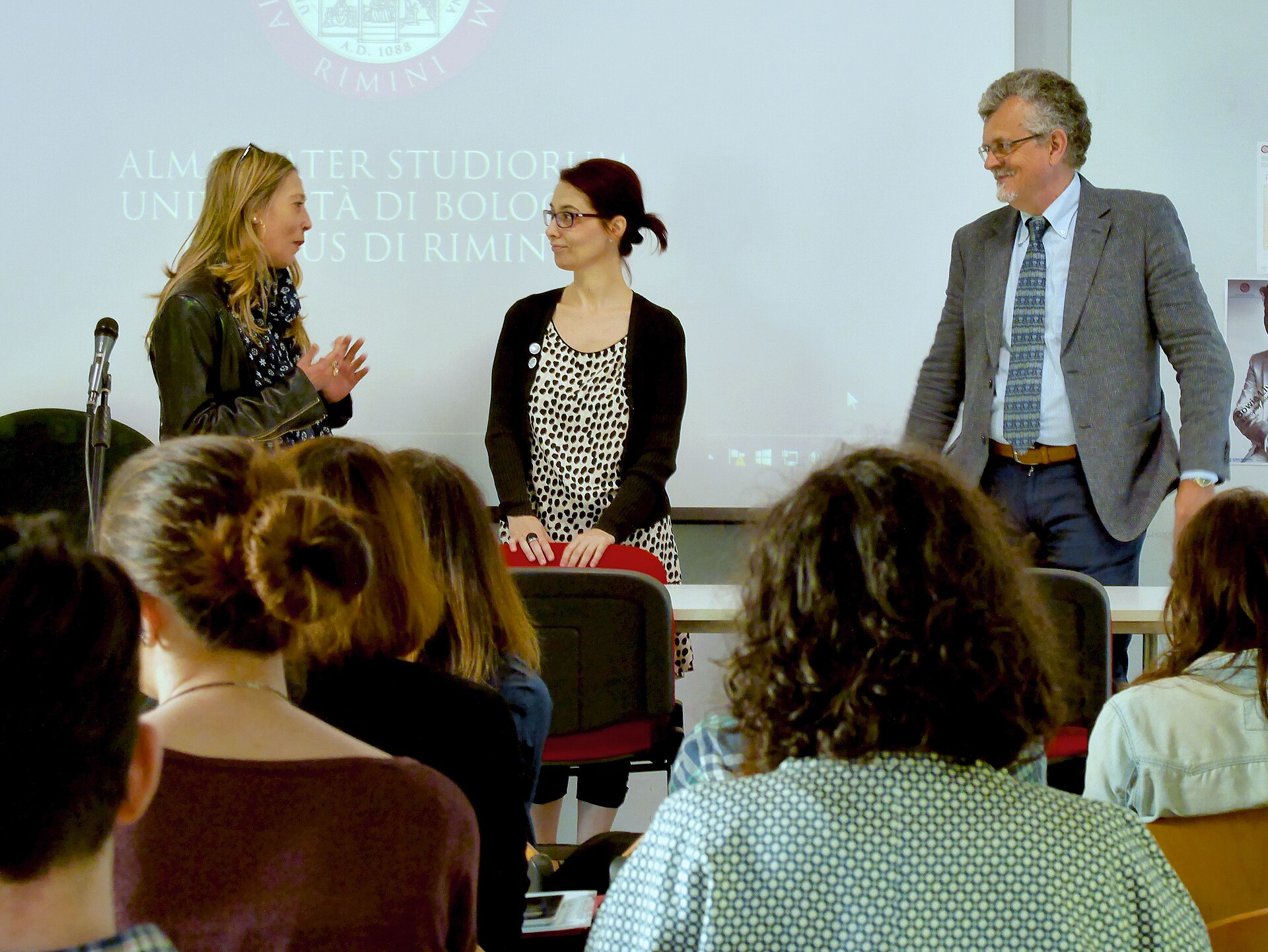
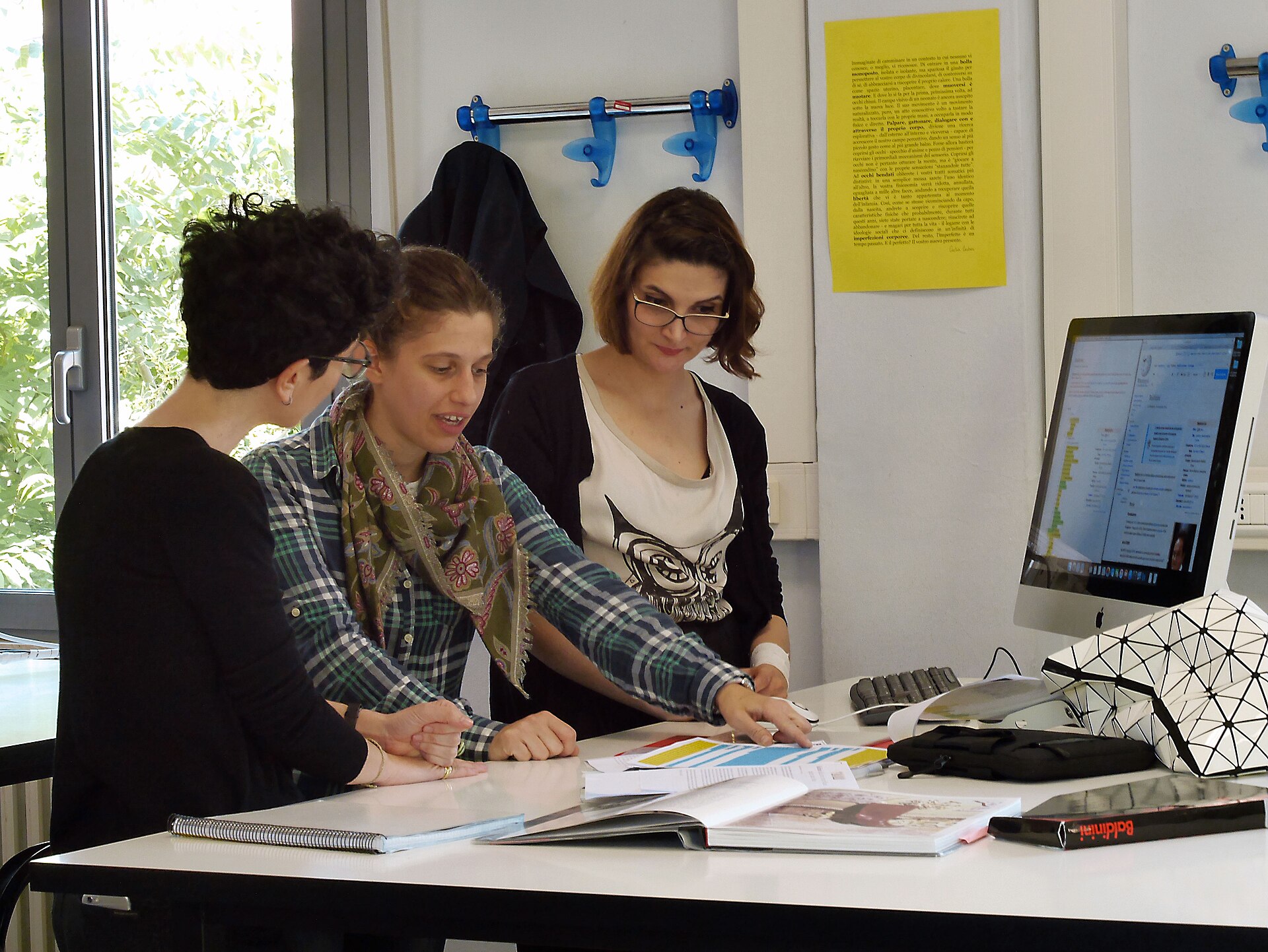
La Moda digitale al Campus di Rimini 3
La Moda digitale al Campus di Rimini 3Leandro Palanghi · CC BY-SA 4.0 · via Wikimedia Commons
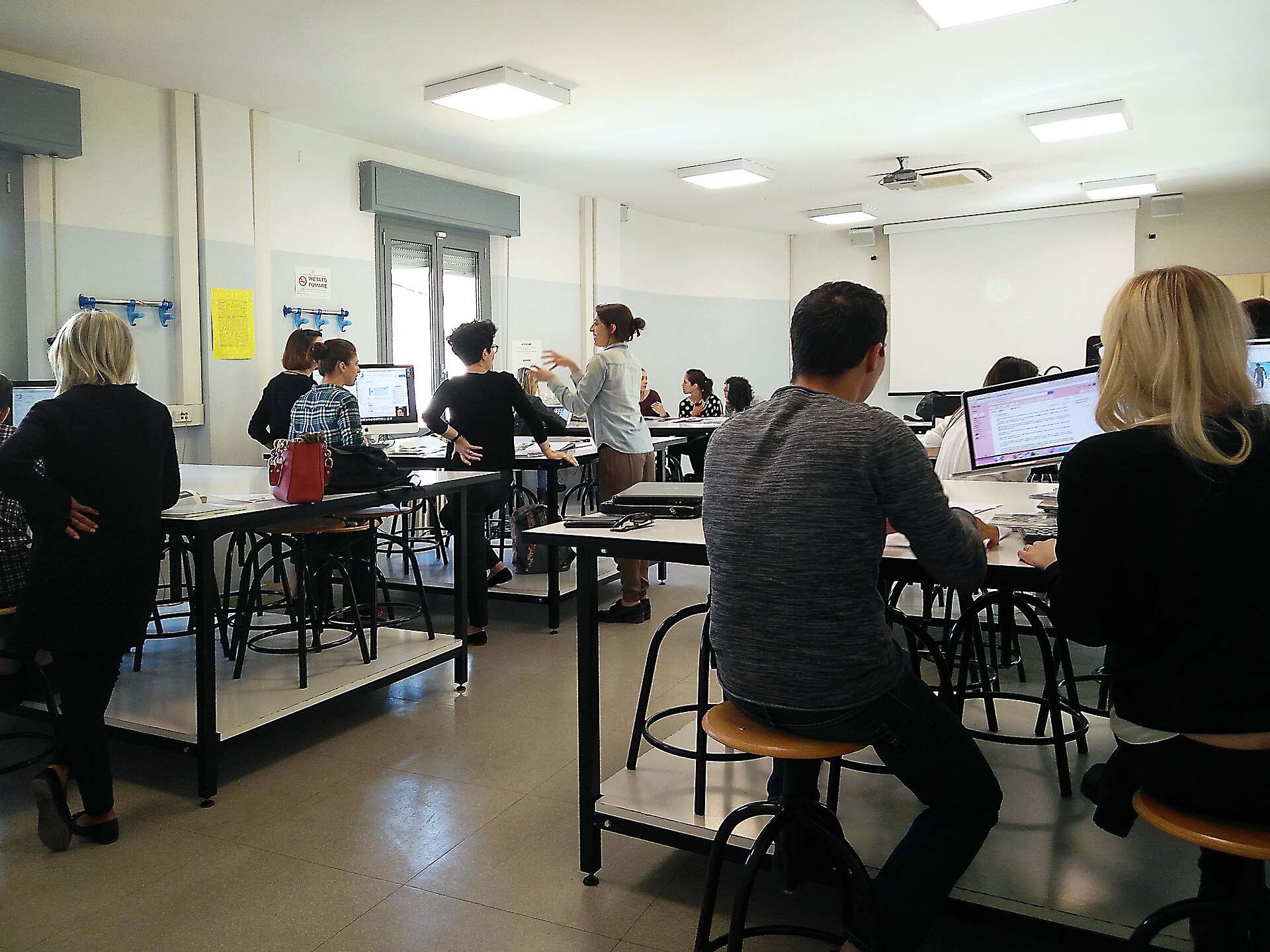
La Moda digitale al Campus di Rimini 2
La Moda digitale al Campus di Rimini 2Leandro Palanghi · CC BY-SA 4.0 · via Wikimedia Commons
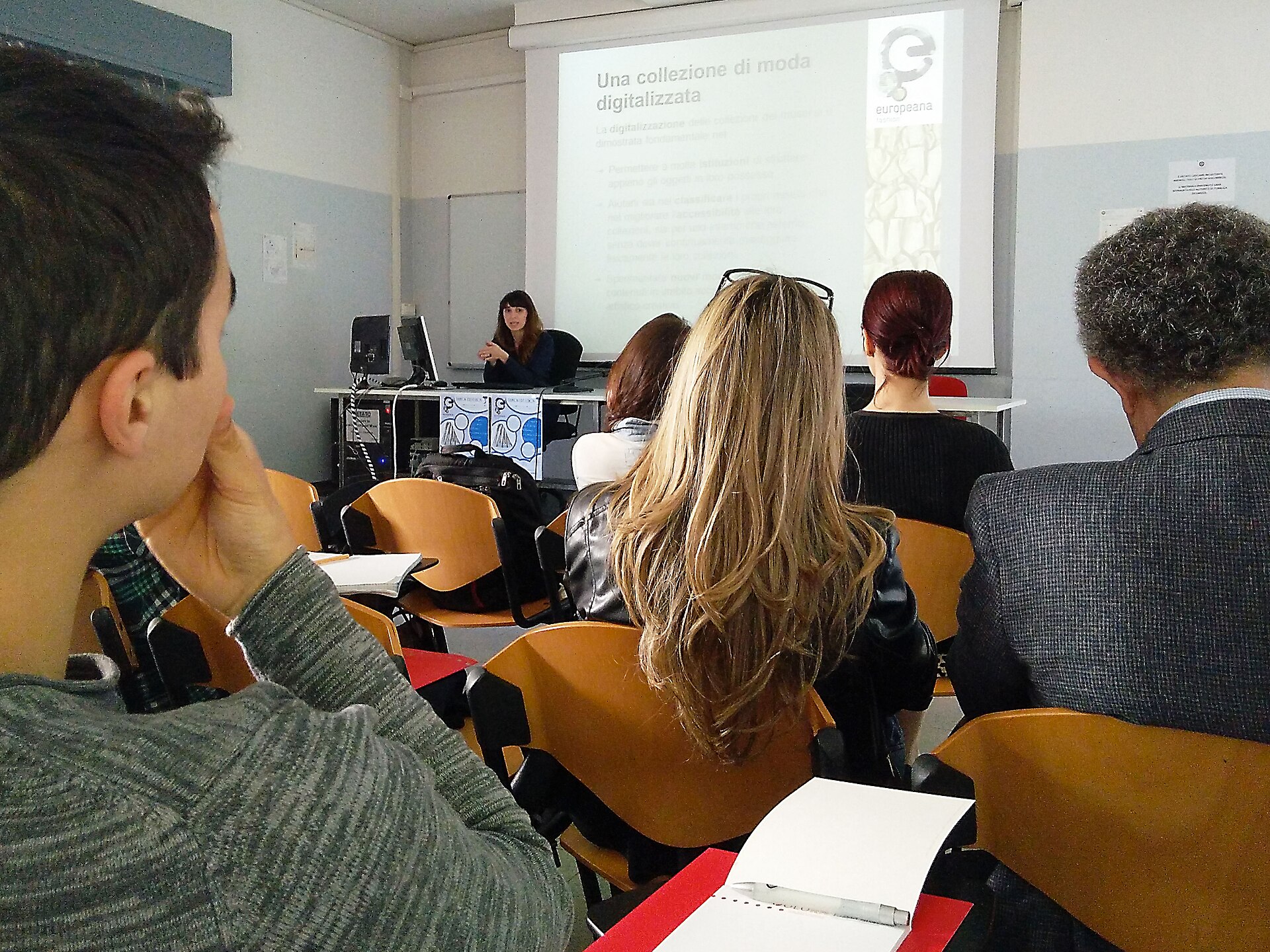
La Moda digitale al Campus di Rimini 1
La Moda digitale al Campus di Rimini 1Leandro Palanghi · CC BY-SA 4.0 · via Wikimedia Commons
La Moda digitale al Campus di Rimini 4
La Moda digitale al Campus di Rimini 4Leandro Palanghi · CC BY-SA 4.0 · via Wikimedia Commons
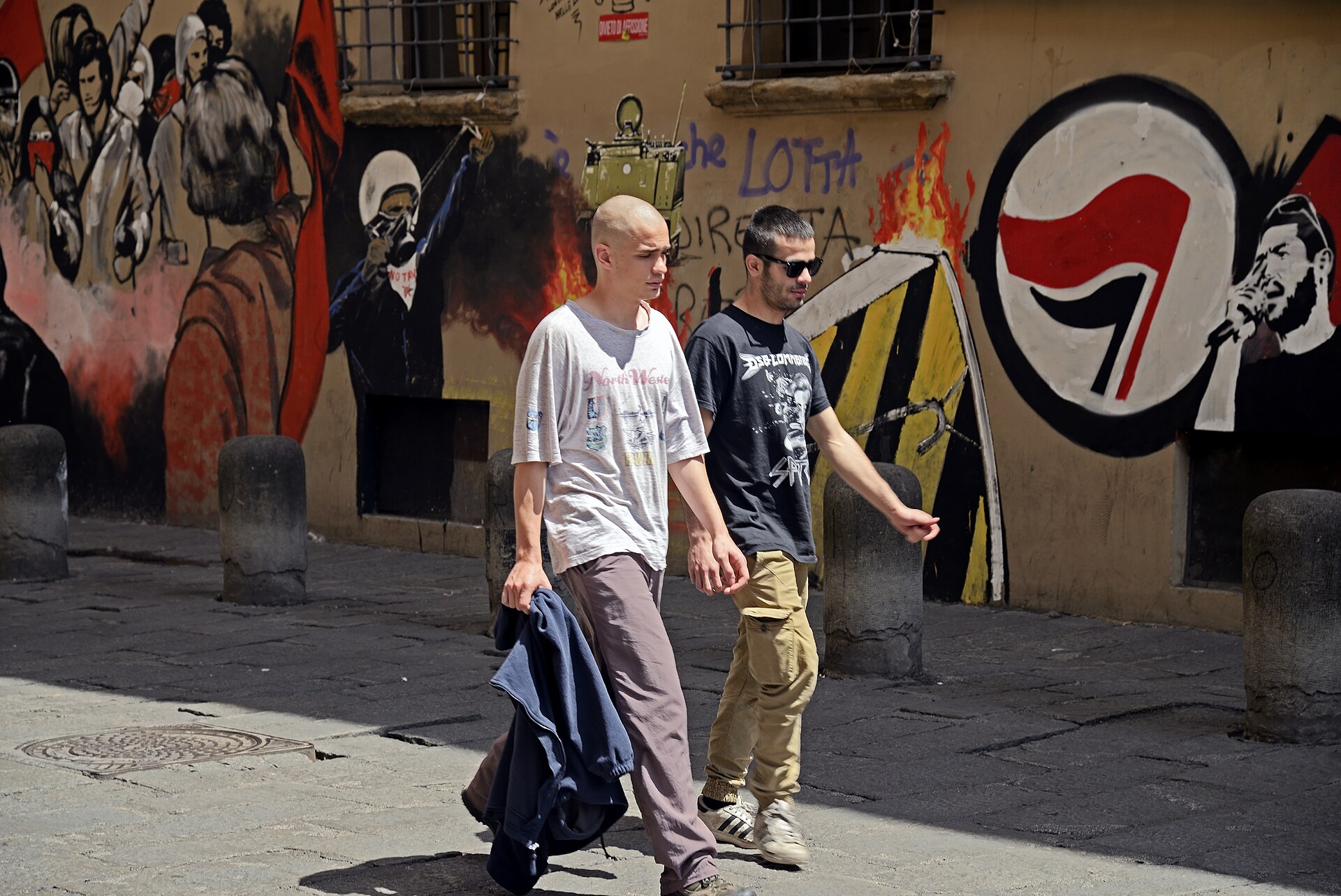
Students on the background of graffiti. Bologna University, Italy
Students on the background of graffiti. Bologna University, ItalyВвласенко · CC BY-SA 3.0 · via Wikimedia Commons
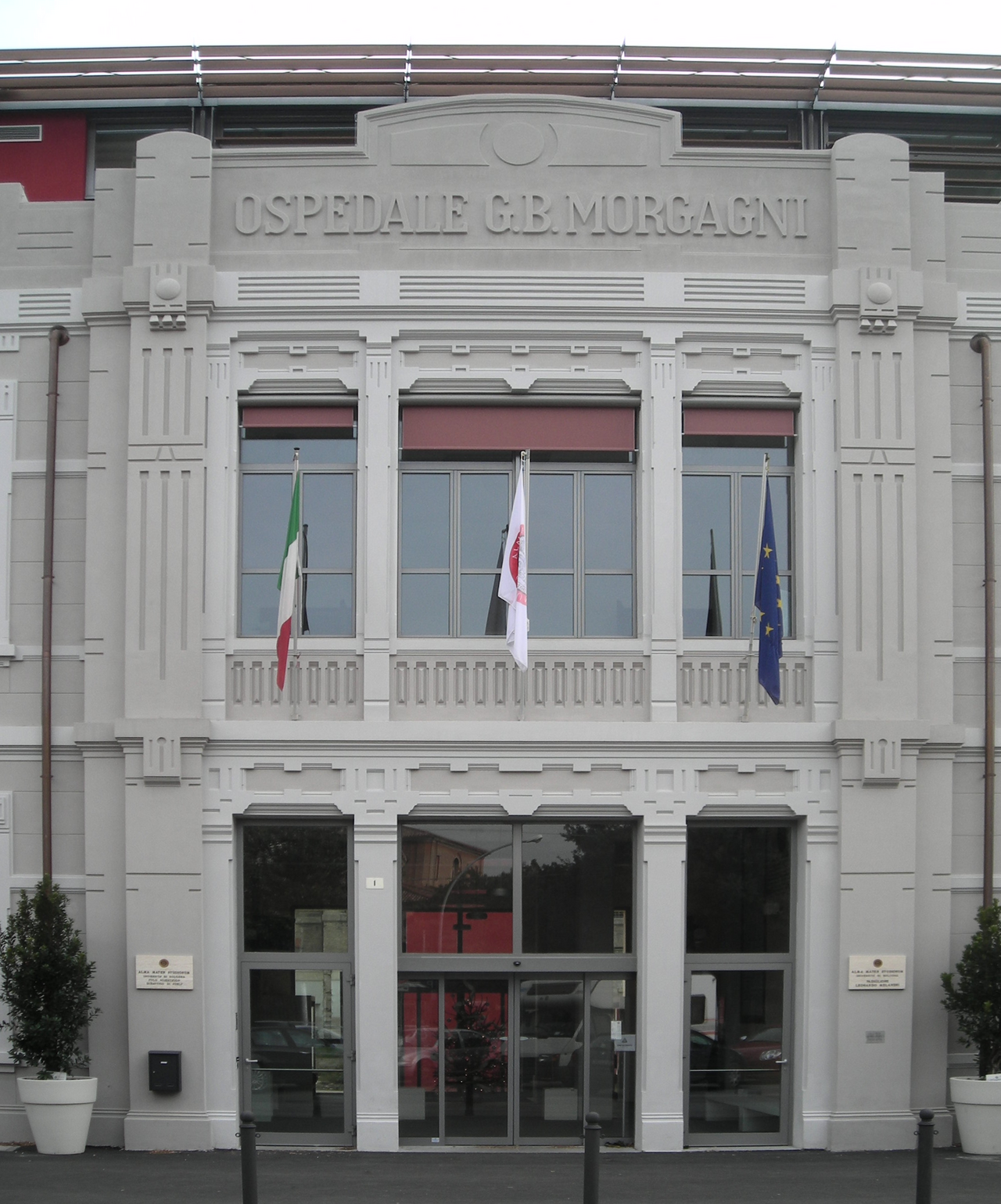
Ingresso del campus universitario di Forlì (Italia) ricavato dall'ex Ospedale Morgagni
Ingresso del campus universitario di Forlì (Italia) ricavato dall'ex Ospedale MorgagniLepido · CC BY-SA 3.0 · via Wikimedia Commons

Why Bologna — History, Prestige & European Advantage

Founded in 1088 and recognised as the world's oldest university in continuous operation, the University of Bologna is far more than a historical curiosity. It is a living research institution — ranked #133 globally by QS — with 90,000 students, 11 schools, five campuses across Emilia-Romagna, and a rapidly expanding portfolio of English-taught programmes. For international students seeking European prestige without US-level tuition costs, Bologna is one of the most compelling choices on the continent.

01The World's Oldest University
#1 in Italy by national ranking. Founded 1088 — predating Oxford by a century. A Bologna degree carries institutional credibility recognised in every country on earth.
02Global Research Standing
QS World Rank #133 and THE #167. Member of the prestigious Coimbra Group and Una Europa alliance — peer institutions include Oxford, Heidelberg, and Leiden.
03Affordable Excellence
Annual tuition from approximately $4,400 USD — a fraction of comparable Anglo-American universities. Income-based fee structures mean the lowest-income students often pay as little as €157/year.
04Five-Campus Region
Main campus in Bologna, plus satellite campuses in Cesena, Forlì, Ravenna, and Rimini. Each city offers distinct academic character while sharing the Alma Mater degree.
05English-Taught Programmes
84 international degree courses, of which 68 are taught entirely in English — across Engineering, Economics, Law, Political Science, and the Humanities.
06The Coimbra Connection
Bologna anchors the Coimbra Group of leading European research universities. Alumni gain access to networks spanning every major European academic and professional community.

University of Bologna Acceptance Rate & Admitted Student Profile

Bologna's 73% overall acceptance rate reflects its role as a large Italian public university — most qualified applicants gain a place. However, high-demand programmes such as Medicine (IMAT), certain Engineering tracks, and competitive English-taught master's degrees have significantly more selective entry. Admission to these programmes is regulated by numerus clausus (capped enrolment) and admission tests. International students should verify the entry status of their chosen programme specifically before assuming they will be admitted.

Stats

90,000
Student Population
9%
International Students
#1
National Rank (Italy)

Profile Stats

#133
QS World Ranking
30+
IB Minimum Band
80%
Employment Rate (graduates)
9%
International Students
Overall acceptance rate — Bologna is selectively open
Typical Admitted International Student Profile

Rea Vs Rd

Rea Label: Limited-Enrolment Programmes
Rea Value: Selective
Rd Label: Open-Enrolment Programmes
Rd Value: High Acceptance

University of Bologna Admissions Requirements — Grades, Tests & Language

Secondary Qualifications
Value: 12+ Years Schooling
A secondary school diploma awarded after at least 12 years of full-time schooling is the baseline requirement for undergraduate programmes. IB Diploma, A-Levels, US High School Diploma, and most national equivalents are accepted.
  • IB Diploma minimum: 30 points (per facts file)
  • A-Level or equivalent: competitive offers vary by programme
  • Minimum GPA equivalent: 3.0 (per facts file)
  • Transcripts must be officially translated into Italian or English
Admission Tests
Value: TOLC / IMAT / SAT
Many programmes require the TOLC (CISIA Online Test), an Italian knowledge-assessment test available in Bologna and at international test centres. Medicine programmes require the IMAT (International Medical Admissions Test). Some English-taught programmes accept SAT as an alternative.
  • TOLC: used by most Italian undergraduate programmes
  • IMAT: compulsory for Medicine & Surgery (English stream)
  • SAT: accepted as alternative aptitude test in some programmes
  • Not all programmes require an entrance test — verify per programme
Language Proficiency
Value: IELTS 6.5+ / TOEFL 87+
English-taught programmes require IELTS 6.5 or TOEFL iBT 87 (or Duolingo 110). Italian-taught programmes require Italian B2 proficiency, evidenced by a CELI/CILS certificate or the university's own Italian test.
  • IELTS minimum: 6.5 (per facts file)
  • TOEFL iBT minimum: 87 (per facts file)
  • Duolingo English Test minimum: 110 (per facts file)
  • Italian-taught programmes: B2 Italian required for non-EU applicants
https://globalscholarships.com/university-of-bologna-admissions-process-and-tips/

University of Bologna Application Components — Direct Application, Documents & Tests

Bologna does not use the Common Application, Coalition App, or UCAS. International students apply directly through the university's Studenti Online platform, with non-EU students required to pre-enrol via the Italian government's Universitaly portal. Every component listed below is managed through these two systems.

01RequiredUniversitaly Pre-Enrolment (non-EU students)
Non-EU international students must pre-enrol through the Universitaly portal (universitaly.it) to receive a pre-enrolment certificate required for the study visa application. This step precedes the final application.
02RequiredStudenti Online Application
The Bologna-specific online platform where all applications are submitted. Create an account, select your programme, and upload all required documents. The platform handles both undergraduate and postgraduate applications.
03RequiredAcademic Transcripts & Diplomas
Official transcripts from all secondary (and, for master's, undergraduate) institutions attended. Documents must be officially translated into Italian or English and legalised (apostille or equivalent) in your home country.
04RequiredEnglish Language Certificate
For English-taught programmes: IELTS (6.5+), TOEFL iBT (87+), or Duolingo (110+). Some programmes have higher individual thresholds — verify on your chosen programme's page.
05Varies by programmeAdmission Test (TOLC / IMAT / SAT)
Many programmes require the TOLC knowledge test. Medicine (English stream) requires the IMAT. Some English-taught programmes accept SAT scores. Check your programme's admission notice for exact requirements.
06Required for master's (many programmes)Motivation Letter / Statement of Purpose
Required for most master's (second-cycle) programmes and some bachelor's. Should explain academic background, motivation for the specific programme, and professional or academic objectives. Typically 500–800 words.
07Required for master'sCV / Curriculum Vitae
Academic and professional CV required for master's applications. Include academic achievements, research experience, relevant work or internship experience, and language skills.
https://globalscholarships.com/university-of-bologna-admissions-process-and-tips/

University of Bologna — The Motivation Letter & Written Application

Prompts

Motivation Letter (Master's Programmes)
Explain your academic background, why you have chosen this specific master's programme, how it aligns with your professional or academic goals, and what you will contribute to the programme. Typically 500–800 words.
Statement of Academic Purpose (Research-Oriented Programmes)
For PhD and some specialist master's tracks: outline your research interests, prior academic work relevant to your proposed field, and how Bologna's faculty or research groups align with your objectives.
CV / Curriculum Vitae
A concise academic CV covering your degree(s), relevant coursework, research or professional experience, language skills, and publications or presentations if applicable.

Tips

Be specific about the programme, not the university
Bologna evaluates motivation letters to determine whether an applicant genuinely understands the programme they have applied to — its curriculum, methodology, and academic focus. Generic statements about Bologna's prestige are less effective than specific references to courses, faculty, or research areas.
Connect your academic background to the programme's requirements
Reviewers check whether your prior academic record prepares you for the specific programme. Make that connection explicit: name the relevant courses, projects, or experiences that directly build on the programme's content.
State your goals clearly and concisely
The motivation letter is not an autobiography. It is a professional document. State clearly what you intend to do after the programme and how this programme specifically equips you for that goal.
Proofread for language precision
For English-taught programmes, the quality of your written English in the motivation letter is itself evidence of language proficiency. Poor grammar or unclear expression undermines both the letter and the language certificate.
The most common Bologna application mistake. Submitting a generic motivation letter that could have been written for any Italian university — instead of one that demonstrates you specifically chose this programme at Bologna.
Writing Strategy — What Works for Bologna

What Bologna Admissions Evaluates

Bologna's evaluation process differs from holistic US-style admissions. The university assesses candidates primarily on academic merit, qualification compatibility, and English language proficiency. For selective programmes, admission test scores are the primary differentiator. For open-enrolment programmes, meeting minimum qualifications is usually sufficient. Understanding which model applies to your chosen programme is the first strategic decision.

01Academic Record Compatibility
The core question is whether your prior qualification meets the programme's defined prerequisites. Grade thresholds, required subject areas, and number of years of study are evaluated against Bologna's official requirements for your specific programme.
02Admission Test Performance (where applicable)
For numerus clausus programmes, the TOLC, IMAT, or equivalent test score determines ranking and admission. Strong performance substantially increases the probability of selection for competitive programmes.
03English Language Proficiency
For English-taught programmes, a valid IELTS, TOEFL, or Duolingo certificate meeting the programme's threshold is a non-negotiable gate. Applications without valid language proof are not considered.
04Motivation and Academic Fit (master's programmes)
For second-cycle (master's) programmes, the quality of the motivation letter and the coherence of the academic CV matter significantly. Reviewers assess whether the applicant's background genuinely prepares them for the programme and whether their stated goals are realistic and aligned.
05Prior Degree Quality (master's applicants)
For master's admission, the quality, content, and grades of the prior undergraduate degree are carefully evaluated against the receiving programme's academic expectations. A degree in an adjacent field is often acceptable if the overlap is sufficient and clearly explained.
06Document Completeness and Accuracy
Bologna processes large volumes of international applications. Incomplete, unverified, or incorrectly formatted documents are a common reason for delayed or rejected applications — entirely separate from academic qualification. Submit everything correctly the first time.

University of Bologna Financial Aid & Scholarships

The University of Bologna's public funding model means tuition fees are substantially lower than UK or US equivalents — and income-based fee structures mean many students pay far less than the headline rate. Two main scholarship programmes support international students: the ER.GO regional grants and the International Talents @ Unibo programme for master's students.

Tuition figures are approximate. Exact fees depend on ISEE bracket, programme, and campus. Verify current fee scales at unibo.it.

~$4,400
Annual tuition (approximate)
~€157/yr
Minimum tuition for lowest-income students
€6,500/yr
International Talents grant amount
30
International Talents grants available (per year)
Low Tuition + Income-Based Fees: The Bologna Model. Unlike UK or US universities where tuition is fixed and high, Bologna calculates fees on the ISEE (Italian equivalent family income indicator). Students from lower-income families can pay as little as €157/year. Most international students pay within the €900–€2,954 annual range — meaning four years at Bologna can cost less than one semester at many Anglo-American universities.
https://www.unibo.it/en/study/study-grants-and-subsidies

Key Dates

Intake 1 Opens
Date: Feb–Mar
Intake 1 Closes
Date: Late Mar–Apr
Intake 2 Closes
Date: Apr–May
Intake 3 / Final Deadline
Date: May–Jun

Advantages

  • Maximum time to secure student accommodation (scarce in Bologna)
  • More time for Italian study visa processing
  • Better position for ER.GO housing grant applications
  • Earlier scholarship decisions for International Talents programme
  • Longer window to gather legalised documents (can take months)

Disadvantages

  • Housing availability in Bologna decreases later in the cycle
  • Less time for visa processing (particularly for non-EU students)
  • Some scholarship deadlines fall within Intake 1/2 windows
  • Late applications require faster document preparation
Application Intakes. Bologna does not use US-style Early Decision or Restrictive Early Action. Instead, most English-taught programmes offer two or three application intake windows per year, with rolling evaluation after each intake closes. Earlier intakes are strategically advantageous for housing, visa processing, and scholarship applications.
TYCHR's Bologna Intake Recommendation. Apply in the first intake window wherever possible. Bologna's strong student housing demand, combined with Italian visa processing timelines for non-EU students, means early applications translate directly to better outcomes — regardless of whether the programme itself is competitive or open-enrolment.
University of Bologna — Italian Intake Rounds vs Rolling Admission
Typical Intake Dates (verify per programme)
https://globalscholarships.com/university-of-bologna-admissions-process-and-tips/

University of Bologna — Interviews & Admission Assessments

The University of Bologna does not conduct interviews for most undergraduate or master's programmes. Admission decisions for open-enrolment programmes are based entirely on document review: academic qualifications, language certificates, and for master's programmes, the motivation letter and CV. For limited-enrolment programmes, admission tests (TOLC, IMAT) substitute for interviews as the primary selection mechanism. A small number of doctoral and specialist programmes may include an oral examination or research proposal presentation — these are specified in the individual programme's call for applications.

Meta

No — most programmes
Interview Required
Admission test (TOLC / IMAT)
Selection Method (limited programmes)
May require oral examination
Doctoral Programmes
Document review + motivation letter
Master's Selection

Questions

Is there an entrance exam for my programme?
Tip: Check the official programme page (corsi.unibo.it) for the specific admission notice. Requirements vary significantly between programmes and between Italian-taught and English-taught tracks.
Does the TOLC test replace an interview?
Tip: For numerus clausus programmes, yes — TOLC or IMAT score determines admission rank. Prepare for the test with the same seriousness you would prepare for an interview at a more holistic institution.
What does a PhD oral examination involve?
Tip: Bologna PhD oral exams typically assess your research proposal, academic background, and methodological knowledge. They are conducted in Italian or English depending on the doctorate programme.

University of Bologna — Residential Life Across Five Campuses

The University of Bologna does not operate a residential college or 'house' system in the Oxford or Harvard sense. Instead, student accommodation is provided through ER.GO — the Emilia-Romagna Regional Agency for the Right to Education — which manages subsidised student residences across all five campuses. Merit and income-based criteria determine eligibility for subsidised places.

Lottery Steps

  • Apply to ER.GO early: subsidised residence applications open in June–July each year for the following academic year
  • ER.GO residences require both merit (academic performance) and income (ISEE) criteria to qualify for subsidised rates
  • Students who do not qualify for ER.GO residences can use Vetrina Alloggi — a verified private accommodation marketplace managed jointly by the university and ER.GO
  • SAIS (Student Accommodation and Information Service) supports non-EU students specifically with housing documentation required for residence permit applications
  • Bologna city centre is highly walkable; areas near Via Zamboni (the main university street), Santo Stefano, and Indipendenza are popular student neighbourhoods

Houses

Bologna
Tag: Main Campus
The primary campus and city — home to the iconic porticoed streets, the historic university district around Via Zamboni, and the largest concentration of schools and departments.
Cesena
Tag: Engineering Hub
Strong focus on engineering and science programmes. Smaller, quieter city environment approximately 90 minutes from Bologna by train.
Forlì
Tag: Political & Social Sciences
Campus specialising in political science, international studies, and economics. Close-knit student community with a strong international flavour.
Ravenna
Tag: Cultural Heritage
UNESCO World Heritage city; campus focuses on cultural heritage conservation, archaeology, and humanities. Unique academic environment in a historic setting.
Rimini
Tag: Economics & Tourism
Adriatic coast campus with strong economics, tourism management, and food science programmes. Beach city atmosphere with a smaller, tightly knit student body.

University of Bologna — Schools, Faculties & Programmes

School of Economics, Management and Statistics
Label: Economics, Business & Data
Bologna's flagship business and economics school, offering programmes in Economics, Management, Finance, Statistics, and Actuarial Science. Several programmes taught entirely in English.
  • {"label":"English-taught programmes available","value":"Multiple"}
  • {"label":"Key programme areas","value":"Economics, Finance, Management"}
  • {"label":"Campus","value":"Bologna + Rimini"}
  • {"label":"Admissions","value":"TOLC-E for most undergrad"}
School of Engineering and Architecture
Label: Engineering, Architecture & Design
One of Italy's leading engineering schools, spanning Civil, Mechanical, Electronic, Chemical, Computer, and Biomedical Engineering. Architecture is historically influential — Bologna has shaped Italian architectural practice for centuries.
  • {"label":"Engineering specialisations","value":"8+"}
  • {"label":"English-taught master's available","value":"Yes"}
  • {"label":"Campus","value":"Bologna + Cesena"}
  • {"label":"Admissions","value":"TOLC-I for most undergrad"}
School of Law
Label: Law & Legal Studies
Bologna invented the systematic study of law in the Western world — the Corpus Juris Civilis was rediscovered and taught here in the 11th century. Today the law faculty remains among Italy's most prestigious, with a growing English-taught offer.
  • {"label":"Historical founding claim","value":"1088 — world's first law school"}
  • {"label":"Main qualification","value":"Laurea Magistrale in Law (5yr)"}
  • {"label":"English programme","value":"European and Transnational Law"}
  • {"label":"Campus","value":"Bologna"}
School of Medicine and Surgery
Label: Medicine, Pharmacy & Health Sciences
A leading Italian medical faculty with an English-language Medicine & Surgery programme. Admission via IMAT (International Medical Admissions Test). Pharmacy, Nursing, and health science programmes are also available.
  • {"label":"English medicine programme","value":"Medicine & Surgery (6yr)"}
  • {"label":"Admission test","value":"IMAT"}
  • {"label":"Enrolment","value":"Numerus clausus — limited places"}
  • {"label":"Campus","value":"Bologna"}
School of Political Science
Label: Political Science, International Relations & Social Sciences
Forlì campus is the hub for Political Science, International Relations, and Global Studies — with multiple English-taught programmes that attract a strongly international student body.
  • {"label":"English-taught programmes","value":"International Relations, Global Studies"}
  • {"label":"Campus","value":"Bologna + Forlì"}
  • {"label":"Admissions","value":"Document review + TOLC-SU"}
  • {"label":"Student profile","value":"Strongly international"}
School of Arts, Humanities and Cultural Heritage
Label: Humanities, Languages & Cultural Heritage
Covers Literature, History, Philosophy, Linguistics, Modern Languages, and Cultural Heritage Conservation. Ravenna campus specialises in Heritage and Archaeological Science in a UNESCO World Heritage setting.
  • {"label":"Heritage science campus","value":"Ravenna (UNESCO city)"}
  • {"label":"Language programmes","value":"Modern Languages, Translation (Forlì)"}
  • {"label":"Admissions","value":"TOLC-SU for most programmes"}
  • {"label":"English master's","value":"Several available"}

Research & Student Life at the University of Bologna

Interdepartmental Research Centres
Category: Research Infrastructure
Bologna maintains dozens of interdepartmental research centres spanning biotechnology, astrophysics, environmental science, cultural heritage, and international studies. Postgraduate students and advanced undergraduates can engage directly with faculty-led research groups.
European Research Partnerships
Category: Coimbra Group & Una Europa
As a founding member of both the Coimbra Group and the Una Europa alliance, Bologna offers students structured research collaboration and exchange with Oxford, Edinburgh, Heidelberg, KU Leuven, and six other leading European universities.
Student Career Centre (AlmaLaurea)
Category: Career & Internship Support
Bologna co-founded AlmaLaurea — Italy's national graduate employment and research database. The career centre coordinates curricular internships, postgraduate internships, and connections with major Italian and European employers.
La Soffitta & Student Associations
Category: Student Culture
Bologna's student theatre and performance venue, La Soffitta, exemplifies the university's cultural offer. Over 70 active student associations cover sport, debate, arts, international exchange, and social entrepreneurship.
Scroll to explore Bologna's research opportunities and vibrant student life.

Career Outcomes & Bologna Graduate Network

Bologna graduates enter a pan-European professional world with a degree recognised across the EU and beyond. The AlmaLaurea graduate employment survey — the largest in Italy — consistently tracks Bologna graduates at above-average employment rates for the Italian higher education sector.

Stats

80%
Graduate employment rate within 1 year
$30,000
Average starting salary (USD equivalent)
90,000
Student population
9%
International student share

Categories

European Policy & International Organisations
Bologna's Political Science, International Relations, and Law graduates are disproportionately represented in European Union institutions, the UN system, and international NGOs. The Forlì campus's international focus is a direct pipeline into this sector.
Italian & European Business
Bologna's Economics and Management graduates enter major Italian corporates (Barilla, Lamborghini, Ducati — all based in Emilia-Romagna), as well as European financial institutions and management consulting firms.
Medicine, Engineering & Research
Bologna's IMAT medicine programme produces graduates who practice across Europe under the EU's mutual recognition of professional qualifications. Engineering and research graduates are absorbed by Italy's advanced manufacturing sector and European tech companies.

TYCHR Student Success Stories — Bologna & European University Admissions

Priya S.
Country: India
Program: Bologna — International Relations (Forlì)
Class Year: Class of 2024
Academic Profile: IB 36 · IELTS 7.5
TYCHR helped me understand that Bologna's Forlì campus for International Relations was a genuinely different programme from the Bologna main campus — more internationally focused, smaller class sizes, and with strong English-taught content. The motivation letter coaching made the difference: I knew exactly what to say about the curriculum and why it fit my goals.
Lorenzo M.
Country: Brazil
Program: Bologna — Engineering (Cesena)
Class Year: Class of 2025
Academic Profile: IB 32 · TOEFL 92
I had no idea how the TOLC test worked or that I needed to register for it separately months before the application deadline. TYCHR's preparation programme got me through it — and the European tuition cost means I am graduating essentially debt-free compared to what US engineering would have cost.
Aisha K.
Country: Nigeria
Program: Bologna — Medicine & Surgery (IMAT track)
Class Year: Class of 2026
Academic Profile: A-Levels AAB · IELTS 7.0
The IMAT is a genuinely difficult test and completely unlike anything I had encountered before. TYCHR built my preparation plan six months out. Knowing exactly what Bologna's IMAT-intake Medicine programme looked like — clinically and academically — helped me write a personal statement that reflected real knowledge, not just ambition.

Faqs

Is the University of Bologna taught in English or Italian?+

Both. Bologna offers 84 international degree courses, of which 68 are taught entirely in English. These span Engineering, Economics, Law, Political Science, and more. Italian-taught programmes require B2 Italian proficiency. Always verify your specific programme's language of instruction on corsi.unibo.it.

Do I need the TOLC test to apply?+

It depends on the programme. Many undergraduate programmes require the TOLC knowledge test; Medicine (English stream) requires the IMAT. Some programmes are open-enrolment with no entrance test. Check the specific admission notice for your chosen programme. Do not assume — requirements vary significantly.

What is the application process for non-EU international students?+

Non-EU students must first pre-enrol through the Italian government's Universitaly portal (universitaly.it), then complete the full application on Bologna's Studenti Online platform. The Universitaly pre-enrolment generates a certificate required for the Italian study visa application. Start this process early — document legalisation, translation, and visa processing take time.

How much does it really cost to study at Bologna?+

Annual tuition is approximately $4,400 USD equivalent, with fees calculated on the Italian ISEE income-based scale. Students from lower-income families can pay as little as €157/year. The cost of living in Bologna adds approximately $12,000 USD per year, giving a total cost of attendance of approximately $17,000 USD — far lower than comparable UK or US universities.

Are there scholarships for international students?+

Yes. The primary programme is International Talents @ Unibo — 30 scholarships of €6,500/year plus full tuition waiver for master's students, awarded on GRE scores and ISEE financial need (income €16,000–€35,000 or equivalent). ER.GO also offers regional grants and subsidised housing to qualifying students. Applications for International Talents typically close in late May each year.

Does Bologna require an interview?+

No — the vast majority of programmes do not involve interviews. Selection is based on academic documents, language certificates, and (for limited-enrolment programmes) admission test scores. Some doctoral programmes may require an oral examination or research proposal presentation.

Can I transfer credits from another university?+

Yes — Bologna participates in the European Credit Transfer and Accumulation System (ECTS), which facilitates credit recognition across European universities. Non-European qualifications are evaluated individually by the relevant programme committee. Contact the specific programme's admissions office for guidance on credit recognition.

Is Bologna recognised internationally for employment purposes?+

Yes. Bologna's degrees are recognised across the EU under the European Qualifications Framework and the Bologna Process (whose namesake the university is). In medicine and law, EU mutual recognition of professional qualifications applies. Outside Europe, recognition depends on the destination country's bilateral agreements with Italy and the university.

Book a Free University of Bologna Admissions Strategy Session

In 60 minutes our European university admissions specialists will evaluate your academic profile against Bologna's entry requirements, identify whether you qualify for the International Talents scholarship, guide you through the TOLC or IMAT preparation roadmap, and map out your application timeline — including the Universitaly pre-enrolment steps that most international students miss.

  • No commitment required
  • European university specialists — not generic advisors
  • Personalised strategy for Bologna's direct-application system
Getting into Bologna is not about prestige performance — it is about understanding a system that rewards preparation, not presentation.

Bologna Academic Requirements

University of Bologna Academic Requirements — The Honest Breakdown for International Students

What qualifications, test scores, and academic preparation does Bologna actually expect? And how does Italy's income-based admissions model affect international applicants from IB, A-Level, and other international curricula?

30
IB Minimum Band
Per facts file — varies by programme
3.0
Minimum GPA Equivalent
Per facts file
6.5
IELTS Minimum (English programmes)
Per facts file
87
TOEFL Minimum
Per facts file
73%
Acceptance Rate
Overall — programme-specific varies
#133
QS World Rank
2025

GPA & Academic Grades

GPA and Grade Requirements at Bologna — What the Numbers Mean

Bologna does not publish a single GPA threshold. The minimum stated in Bologna's facts is a GPA equivalent of 3.0 (on the US 4.0 scale). In practice, entry requirements are expressed through your home-country grading system, and the minimum varies significantly by programme.

Meeting the minimum IB 30 or GPA 3.0 threshold gets you considered. For competitive English-taught programmes, stronger academic records meaningfully improve admission prospects, particularly for limited-enrolment tracks.

3.0
Minimum GPA equivalent (per facts file)
30 points
IB Diploma minimum (per facts file)
What this means for international students. Bologna maps international qualifications to Italian grade scales for admission purposes. An IB score of 30 is the baseline for qualification, but competitive English-taught programmes frequently admit students with higher scores. A-Level students are typically expected to meet specific grade thresholds per programme. The university's admissions office publishes explicit requirements in the programme's annual admission notice — consult this rather than relying on general figures.
Grade trajectory and progression. For master's applications, the overall average grade in the prior undergraduate degree is evaluated. A strong upward trajectory — improving performance across three or four years — reads positively. Admissions committees at the programme level understand that academic maturation is real and consider grade progression alongside final averages.

Academic Context

How Bologna Evaluates International Qualifications

Bologna uses a formal process called 'dichiarazione di valore' (Declaration of Value) — a document issued by Italian diplomatic missions confirming the equivalence and authenticity of foreign academic qualifications. This is required for non-EU applicants and is a key part of the application rather than an afterthought.

The Declaration of Value (Dichiarazione di Valore)
For non-EU applicants, academic qualifications must be accompanied by a Declaration of Value — a legal document issued by the Italian Embassy or Consulate in your home country confirming the equivalence of your diploma. Processing times vary by country; start this 3–6 months before your application deadline.
Italian Grade Scale Mapping
Bologna maps international grades to the Italian voto scale (0–30 for undergraduate exams; 66–110 for final degrees). This mapping is programme-specific and calibrated by the admissions committee rather than a universal conversion chart. If your qualification is from a well-established system (IB, A-Level, Indian boards, US high school), the mapping is routine.
For students at less well-known international schools. Bologna's admissions office has processes for evaluating qualifications from non-standard school systems. If your school is not widely known to Italian institutions, request a detailed school profile or transcript explanation letter from your school counsellor. TYCHR can advise on how to present qualifications from less common educational contexts.

Standardised Testing — SAT

SAT at Bologna — When It Applies and What Score Helps

The SAT is not a standard requirement for the University of Bologna. Bologna is a European public university that evaluates admission primarily through national/international school qualifications and (where applicable) the TOLC or IMAT tests. However, some English-taught programmes accept SAT scores as an alternative aptitude assessment or to satisfy certain admissions requirements.

LabelScorePercent
SAT required for general admissionNo0
SAT accepted as alternative aptitude proof (some programmes)Yes50
SAT useful as supplementary signal (competitive programmes)Yes40
SAT strategy for Bologna applicants. If you have taken the SAT and scored competitively (1300+), it is worth including in your application dossier for English-taught programmes that allow it — particularly for master's programmes evaluating overall academic calibre. However, if the programme specifies TOLC or IMAT, the SAT does not substitute for these tests. Do not forgo TOLC preparation in favour of SAT preparation unless the programme explicitly accepts SAT.
Why SAT scores add value for some international applicants. For applicants from educational systems that are less familiar to Italian admissions committees — particularly students from Latin America, Africa, or Central Asia — a strong SAT score provides an internationally benchmarked academic signal that complements local qualifications. Bologna's admissions staff are experienced readers of diverse international credentials, but a recognisable supplementary assessment can only help.

Standardised Testing — ACT

ACT at Bologna — Not a Standard Requirement

The ACT is not used or required by the University of Bologna. Bologna does not appear on the ACT's list of international university partners, and the test is not referenced in Bologna's admissions documentation. For international students applying to Bologna, standardised testing focus should be directed at the TOLC (for most programmes) or IMAT (for Medicine).

Metrics

ACT required or accepted
Score: No

Comparison Cards

TOLC (CISIA Online Test)
Used by most Bologna undergraduate programmes. Assesses logical reasoning, mathematics, and subject-specific knowledge depending on programme area. Available at international TOLC testing centres worldwide.
IMAT (International Medical Admissions Test)
Compulsory for the English-language Medicine & Surgery programme. Administered by Cambridge Assessment Admissions Testing. Tests critical thinking, scientific knowledge, and problem-solving. Highly competitive — preparation is essential.
No test required (open-enrolment programmes)
Many Bologna programmes — particularly at master's level — are open-enrolment and require no admission test beyond language proficiency. Check your specific programme's admission notice.
TOLC preparation strategy. The TOLC is distinct from any standardised test you may have encountered. It assesses content knowledge and reasoning within the context of Italian higher education. International test preparation resources for the TOLC exist (CISIA provides official materials) but are less extensive than for SAT or ACT. TYCHR's European admissions advisors can direct you to the most effective preparation resources.
TYCHR's recommendation. Invest test preparation time in the test that actually governs admission to your chosen programme. For most Bologna programmes, this means TOLC or IMAT — not SAT or ACT.

Testing Strategy

Bologna's Admission Test Policy — What's Required, What's Optional

Bologna does not have a single test-optional or test-required policy. The testing requirement depends entirely on the specific programme. This makes the first step in any Bologna application strategy clear: determine your programme's exact admission requirements before making any other decision.

Submit Items

Medicine & Surgery (English): IMAT is compulsory — no exceptions.
Engineering programmes: TOLC-I is typically required.
Economics programmes: TOLC-E is typically required.
Science programmes: TOLC-S is typically required.

Withhold Items

Most master's (second-cycle) degree programmes — selection is document-based.
Some humanities and social science bachelor's programmes — verify on the official programme admission notice.
Three categories of Bologna programmes. Category 1: Numerus clausus programmes (Medicine, Dentistry, some Engineering) — require IMAT or TOLC, and a score rank determines admission. Category 2: TOLC-assessed open-enrolment programmes — require TOLC for enrolment, but all applicants who pass are admitted. Category 3: Document-based programmes (most master's and some bachelor's) — no admission test; evaluation is based on transcripts, language certificate, and motivation letter.
The key misconception for international students. Many international students assume Bologna is 'just grades-based' and do not prepare for TOLC or IMAT until very late. These tests have material-specific content requirements and limited test dates. Late preparation is a common and preventable reason for failed admission to Bologna's most competitive programmes.

IB & A-Level

IB Diploma and A-Levels at Bologna — Specific Benchmarks

IB Diploma
  • {"label":"Minimum points (per facts file)","value":"30"}
  • {"label":"Competitive range (English-taught master's)","value":"33–40 typically"}
  • {"label":"HL expectations","value":"Programme-specific; science HLs for medicine/engineering"}
  • {"label":"Bologna Process alignment","value":"IB fully recognised across Italian universities"}
Note: The IB minimum of 30 points is the general qualification threshold. Competitive programmes will expect higher. For Medicine (IMAT track), the IB provides the qualification to sit the IMAT — your score in the IMAT itself then determines admission. For most master's programmes, an IB of 33+ with strong HL grades relevant to the programme is competitive.
A-Levels (Cambridge/Edexcel/OCR)
  • {"label":"Typical requirement","value":"3 A-Levels at Grade C or above minimum; BBC–AAA for competitive programmes"}
  • {"label":"Recognition","value":"Fully recognised across Italian universities via Bologna Process"}
  • {"label":"Subject relevance","value":"A-Level subject choice should align with programme prerequisites"}
  • {"label":"AS Levels","value":"Can supplement A-Level profile if relevant subjects are shown"}
Note: A-Level applicants should verify minimum grade requirements per programme on corsi.unibo.it. Competitive English-taught programmes may specify minimum grades in relevant subjects (e.g. Mathematics for Engineering, Biology/Chemistry for Medicine).

AP Courses & International Equivalents

AP Courses at Bologna — How They Are Evaluated

The University of Bologna is an Italian public university and does not specifically require or feature AP (Advanced Placement) courses in its admissions criteria. For students from the US curriculum who have taken AP courses, these are relevant as part of the overall academic record but do not substitute for the TOLC or IMAT tests where required.

AP as part of the US high school record
US-curriculum applicants submitting AP results are evaluated on their full high school transcript. Strong AP performance (scores of 4 or 5 in relevant subjects) strengthens the academic picture and may be considered favourably alongside the overall GPA.
AP does not replace TOLC or IMAT
For programmes that require admission tests, AP scores do not substitute. Bologna-based admissions committees evaluate TOLC or IMAT scores for entry into numerus clausus programmes — AP performance is a background signal, not an admissions test equivalent.
AP Credit at Bologna
Bologna does not automatically award academic credit for AP courses in the way US universities do for other students' AP scores. Credit recognition for prior learning is handled on a case-by-case basis by the receiving programme committee.
For students applying from international schools that offer a US curriculum and AP courses, focus preparation time on TOLC or IMAT (if required for your programme) rather than seeking additional AP courses specifically for Bologna's benefit.
Students from IB, A-Level, Indian boards, French Baccalauréat, or other non-US curricula are evaluated on their own qualification system's merits. Bologna's admissions staff are experienced with all major international curricula — follow your natural curriculum rather than adding AP courses artificially.

Academic Rigour

Secondary School Rigour — What Bologna Considers

Bologna's admissions process evaluates whether your secondary qualification prepares you for the academic demands of the chosen programme. The key question is coherence: does your prior study match the knowledge base the programme expects? A student applying to Engineering should have strong mathematics and science at the secondary level. A Law applicant should have strong analytical writing and humanities.

Coherence between your secondary school record, your language certificate, and your chosen programme is more important than raw grade points.

What rigour means in the Italian context. Italian secondary education (liceo) is structured around rigorous discipline-specific tracks: liceo scientifico for science/maths, liceo classico for humanities. Bologna evaluates international qualifications against this model. An international student who has pursued a similarly coherent academic track — science-focused IB with HL Maths and sciences, or humanities-focused A-Levels — demonstrates the equivalent preparation.
The contextual element. Bologna's admissions committees understand that not all international schools offer the same range of courses. A student who has taken the most challenging courses available in their school context is evaluated accordingly. The school report and transcript provide context for admissions staff.
What Bologna is looking for. Clear alignment between secondary study and the intended programme, sufficient mathematical and scientific preparation for technical programmes, demonstrated language ability consistent with the language of instruction, and evidence that the student can handle the pace of Italian higher education — which is typically lecture-intensive with major summative examinations.

Subject Preparation

Subject Preparation — What Bologna's Programmes Expect

Bologna's diverse programme portfolio means academic expectations vary enormously by field. The expectations below reflect the minimum preparation for competitive performance in each area — not merely the minimum for admission.

Engineering & Computer Science
Strong secondary-level mathematics is essential — calculus, linear algebra, and logic. IB Maths: Analysis & Approaches HL or A-Level Mathematics (and preferably Further Mathematics) are the target preparation. Physics knowledge is expected for mechanical, civil, and electronic engineering.
Economics & Management
Quantitative foundation matters increasingly. IB Economics HL + Maths HL, or A-Level Economics + Mathematics, are the appropriate preparation for Bologna's economics and management programmes. Familiarity with microeconomic and macroeconomic concepts is assumed from day one.
Medicine & Health Sciences
IMAT preparation is the dominant requirement. The IMAT tests Biology, Chemistry, Physics, Mathematics, and Logical Reasoning at UK A-Level equivalent. Beyond IMAT, strong Biology and Chemistry at HL IB or A-Level is expected as the scientific foundation for the six-year programme.
Law
No specific technical prerequisites. Bologna's Law programmes reward strong reading comprehension, analytical writing, and logical argumentation. A humanities-focused secondary record — History, English, Philosophy, or Languages — is ideal preparation.
Political Science & International Relations
History, Geography, and Social Sciences at secondary level are the natural preparation. Strong written English is particularly important for English-taught International Relations programmes. Some familiarity with current global affairs is expected.

Language Proficiency

English Language Requirements for International Bologna Applicants

For English-taught programmes at the University of Bologna, language proficiency is a non-negotiable requirement — not a formality. The stated minimums from the university's facts file are IELTS 6.5, TOEFL iBT 87, and Duolingo 110. Individual programmes may set higher thresholds.

Your motivation letter and CV are also assessed partly as evidence of English writing competence for English-taught master's programmes. A strong IELTS or TOEFL score combined with a clearly written, well-structured motivation letter demonstrates English proficiency in two independent ways.

Test: IELTS
Score: 6.5 minimum
Test: TOEFL iBT
Score: 87 minimum
Test: Duolingo English Test
Score: 110 minimum
Practical guidance. Always verify the English requirement on your specific programme's admission page at corsi.unibo.it — programme-level minimums sometimes exceed the university-wide floor. Students whose secondary education was conducted entirely in English (IB at an English-medium school, UK A-Levels, US high school) may qualify for exemption from the language requirement — check with the programme office directly.

By Programme Area

Academic Requirements by Programme — What Different Tracks Expect

Bologna does not admit students to a general degree — you apply to a specific programme from the start. Requirements vary significantly between programmes. The table below summarises typical expectations; always verify on the official programme admission notice.

ConcentrationExpectationSignals
Medicine & Surgery (IMAT track)IB 30+ / A-Levels CCC+; IMAT requiredStrong Biology & Chemistry; IMAT score rank
Engineering (various)IB 30+ with Maths HL / A-Level Maths; TOLC-I requiredMathematical ability; problem-solving
Computer ScienceIB 30+ with Maths / A-Level Maths; TOLC-ILogical reasoning; programming interest
Economics & ManagementIB 30+ / A-Level BBC+; TOLC-E requiredQuantitative aptitude; economics knowledge
LawIB 30+ / A-Level CCC+; TOLC-SU for someAnalytical writing; critical reasoning
International Relations (Forlì)IB 30+ / A-Level CCC+; document reviewMotivation letter quality; language skills
Political ScienceIB 30+ / equivalent; document reviewWritten analysis; current affairs awareness
Humanities & Cultural HeritageIB 30+ / equivalent; TOLC-SU for someHumanities record; language skills

International Systems

How Bologna Evaluates International Education Systems

IB Diploma
Fully recognised and well understood. Bologna's admissions staff are familiar with the IB structure — HL/SL distinction, Extended Essay, and TOK. The IB is particularly well-suited to Bologna's English-taught programmes, which attract many IB graduates annually.
A-Levels (Cambridge & Edexcel)
Fully recognised. A-Levels are the primary UK qualification and are well understood by Italian universities through the European Qualifications Framework. Predicted grades and reference letters are part of the standard evaluation.
Indian Boards (CBSE / ISC)
Accepted and evaluated. Indian board qualifications require a Declaration of Value issued by the Italian Embassy in India or the Italian Consulate in the applicant's region. Processing can take several months — begin early. JEE/NEET performance may be noted as supplementary evidence of aptitude.
US High School (AP / IB)
Accepted — evaluated as a 12-year secondary qualification. US-curriculum students should ensure their high school diploma, official transcript, and any AP or IB results are included. A Declaration of Value is required for non-EU applicants.
French Baccalauréat & European Equivalents
Fully recognised under the European Qualifications Framework. EU applicants do not require a Declaration of Value; instead, standard apostilled and translated documents are sufficient. The Bac général is well-understood and maps cleanly to Italian admissions expectations.

Roadmap

Building an Academic Profile for Bologna — What to Do at Each Stage

Year 10–11 (Age 15–16)Choose your academic track deliberately
Year: Year 10–11 (Age 15–16)
  • Decide whether you are targeting a science/engineering, economics, law/humanities, or medicine programme — this should guide subject choices.
  • For IB students: HL subject selection should align with the programme's subject prerequisites. For medicine, HL Biology and HL Chemistry are near-essential.
  • Begin basic Italian if considering Italian-taught programmes — B2 Italian takes 2–3 years of sustained study.
  • Research which programmes at Bologna are limited-enrolment (numerus clausus) versus open-enrolment.
Year 12 (Age 16–17)Understand the Italian application system
Year: Year 12 (Age 16–17)
  • Identify whether your chosen programme requires TOLC or IMAT — and when the test windows are.
  • For IMAT applicants: begin structured preparation at least 12 months before the September test date.
  • For TOLC applicants: TOLC test dates are more frequent — begin preparation 6 months out.
  • Contact the Italian diplomatic mission in your country about Declaration of Value requirements and timelines.
Year 13 (Age 17–18) — Application YearExecute the application systematically
Year: Year 13 (Age 17–18) — Application Year
  • Start the Universitaly pre-enrolment process in January–February for September intake.
  • Complete TOLC or IMAT registration and sit the test well before the programme deadline.
  • Obtain language certificates (IELTS/TOEFL) and ensure they will be valid on the application date.
  • For master's applicants: draft and refine the motivation letter early — the 500–800-word letter is the primary qualitative element of the application.
Post-AcceptanceSecure housing and visa early
Year: Post-Acceptance
  • Apply to ER.GO for subsidised accommodation immediately after receiving acceptance — places are limited.
  • Apply for the Italian Type D (student) visa with full documentation including accommodation proof.
  • Register with the local authorities (questura) within 8 days of arriving in Italy.
  • Enrol in an Italian language course if coming to an English-taught programme — daily life in Bologna is predominantly Italian-speaking.

Common Pitfalls

Academic Mistakes That Derail Bologna Applications — And How to Avoid Them

Not checking the programme-specific admission notice
Bologna's requirements are programme-specific, not university-wide. Assuming that general admission standards apply to your specific programme is the most common error. Always verify on corsi.unibo.it/[your programme] before making any preparation decisions.
Starting IMAT preparation too late
The IMAT (for Medicine) is one of the most demanding admissions tests in European university admissions. It requires 6–12 months of structured preparation. Students who begin 4–6 weeks before the test consistently underperform. The IMAT is the primary selection tool for the most competitive programme Bologna offers — treat it accordingly.
Underestimating document legalisation timelines
For non-EU applicants, Declaration of Value processing, apostille certification, and official translation of documents can take 3–6 months. Applications that are rejected for incomplete documentation represent a failure of planning, not academic ability. Start document preparation as early as possible.
Ignoring Italian language requirements for Italian-taught programmes
Italian B2 proficiency is mandatory for Italian-taught programmes. B2 takes approximately 2–3 years of consistent study. Students who attempt to acquire B2 in 6 months for an application deadline typically fail the language test or struggle academically once enrolled.
Writing a generic motivation letter
For master's applications, Bologna's programme committees read hundreds of motivation letters. A generic letter that could apply to any institution or any programme is immediately recognisable and ineffective. Letters that demonstrate specific knowledge of the programme's curriculum, faculty, and research areas are consistently stronger.

Real Outcomes

What Academic Profiles TYCHR's Bologna-Admitted Students Had

The following profiles illustrate the range of academic backgrounds that succeed at Bologna — and what made each application compelling within the university's document-based and test-based evaluation system.

Profile 1 — Medicine (IMAT Track)
Stats: IB 34 · HL Biology 6, HL Chemistry 6 · IMAT 37/60
Strong science IB profile with focused IMAT preparation over 9 months. IMAT score ranked in the top 40% of international applicants, securing a place in the English-language Medicine programme.
Takeaway: The IB 34 was solid but not exceptional by global standards — the IMAT score was the determining factor. Early, structured IMAT preparation was the single most important strategic decision.
Profile 2 — International Relations, Forlì
Stats: A-Levels ABB (History, English, French) · IELTS 7.5
Open-enrolment English-taught programme. The A-Level profile qualified the student academically; the motivation letter — which specifically referenced the Forlì campus's focus areas and named relevant faculty research — was what secured the offer over other applicants.
Takeaway: For document-based programmes, the quality of the motivation letter is as important as the academic record. A coherent, programme-specific letter is the differentiator.
Profile 3 — Master's in Data Science & Engineering (Cesena)
Stats: BSc Computer Science (Second Class Upper, UK) · TOEFL 95 · TOLC-I passed
Prior engineering degree provided the academic qualification. TOLC preparation over 3 months was essential — the TOLC tests knowledge in specific mathematical and scientific areas that required targeted review despite the applicant's prior degree.
Takeaway: Prior degree qualification opens the door; TOLC preparation determines the outcome for technical master's programmes. Do not assume a relevant undergraduate degree makes TOLC preparation unnecessary.

Faqs

Does Bologna require the TOLC from all international applicants?+

No — TOLC is required for many undergraduate programmes but not all. Some programmes (particularly at master's level and some open-enrolment bachelor's programmes) admit on document review alone. Check the specific programme's annual admission notice at corsi.unibo.it.

I have an IB of 32 — can I get into Bologna?+

IB 32 exceeds Bologna's minimum of 30. For most programmes, including many English-taught ones, IB 32 is a competitive qualification. For the most selective programmes (Medicine via IMAT, certain competitive engineering tracks), your IB score qualifies you to apply, but the IMAT or TOLC score determines admission rank.

Can I apply to Bologna if I haven't taken IELTS or TOEFL yet?+

For English-taught programmes, a valid language certificate is required at the time of application. You can sit IELTS or TOEFL before the application deadline and submit the certificate when available. Plan to sit the test at least 6–8 weeks before your target application deadline to allow time for results.

Is Bologna's degree recognised in my country?+

Bologna's degrees are recognised within all EU/EEA countries through the European Qualifications Framework and the Bologna Process. Recognition outside Europe depends on bilateral agreements between Italy and your home country. Medicine and Law degrees benefit from EU professional qualification mutual recognition within Europe.

What GPA do I need for a Bologna master's programme?+

The facts-file minimum is a 3.0 GPA equivalent. In practice, English-taught master's programmes frequently attract applicants with stronger academic records. The overall grade average in your prior degree is a key evaluation criterion — a 3.0 qualifies you, but higher grades (3.5+) strengthen the application for competitive programmes.

Financial Aid & Cost at Bologna

University of Bologna May Cost Less Than You Think — Here's the Full Picture.

As an Italian public university, Bologna's fees are substantially lower than Anglo-American peers, and income-based fee structures mean many students pay far below the headline rate. Here's exactly what Bologna costs, how the Italian fee system works, and what scholarships are available to international students.

Income-Based Fees
Fees calculated on ISEE family income — not a fixed sticker price
Low-Cost Excellence
QS #133 globally at a fraction of UK/US tuition

Cost Transparency

What Bologna Actually Costs — The Full Annual Figure

Bologna's total annual cost — tuition plus living — is approximately $17,000 USD. Compare this to $60,000–$90,000/year at leading UK or US universities. For equally ranked academic outcomes, Bologna delivers exceptional value. The city of Bologna, while Italy's most expensive student city, remains far more affordable than London, New York, or Boston.

Tuition fees (income-based; approximate)
Cost: ~$4,400
Accommodation (ER.GO subsidised or private)
Cost: ~$6,000–$8,000
Food and daily living
Cost: ~$3,000–$4,000
Books and study materials
Cost: ~$500–$800
Health insurance (non-EU students)
Cost: ~$300–$500
Transport (city + occasional travel)
Cost: ~$600–$1,000
Personal and miscellaneous
Cost: ~$1,000–$1,500
Total (approximate annual)
Cost: ~$17,000
Approximate Annual Cost of Attendance. $17,000
For lowest-income qualifying students. ~€157/yr tuition
University of Bologna Cost of Attendance (Approximate Annual, USD)
USD equivalent; Bologna's combined study-and-living cost per year.
Italian income-based fee system can reduce tuition to near-zero for qualifying families.

Tuition Structure

Bologna's Income-Based Fee System — What It Means for International Students

Non-Italian students submit an ISEEU (the international equivalent), which calculates family income and assets using documentation from the home country, converted to euros. The calculation requires official income documentation, bank statements, and property valuations from your home country, translated and certified.

Bologna vs UK/US University Fees. A student at Bologna whose family ISEE falls in the mid-range bracket pays approximately €1,000–€2,000/year in tuition — compared to £30,000–£40,000/year at a comparable UK university or $60,000+/year at a US peer. Even at the maximum Bologna fee band, the cost differential is dramatic. Bologna's 'high tuition' is lower than most European peers' 'low tuition'.
After admission: how to establish your ISEE bracket. After receiving an admission offer, international students must submit ISEEU documentation to a CAF (tax assistance centre) or directly to the university. This process establishes your fee bracket. Submit ISEE documentation promptly after admission — late submission may temporarily assign you to the maximum fee band until the ISEE assessment is complete.
Bologna calculates student fees using the ISEE (Indicatore della Situazione Economica Equivalente) — a standardised measure of household income and assets. Students from lower-income families pay significantly less than those from higher-income families. The minimum fee for students with the lowest ISEE scores is approximately €157/year.
How ISEE works for international students

Institutional Mission

Why Bologna's Fees Are Low — The Italian Public University Model

Italian Public Funding Model
Subtitle: Government-Subsidised Fees
Italian public universities receive significant state funding, which subsidises tuition to levels far below market rate. The ISEE system then allocates remaining costs progressively — lower-income students pay proportionally less, ensuring access regardless of family means.
European Higher Education Area
Subtitle: Bologna Process & ECTS
Bologna is literally the founder of the European higher education framework that bears its name. The European Credit Transfer and Accumulation System (ECTS), now used by thousands of universities, was developed in this tradition of open access and mutual recognition.
Years of uninterrupted public education since 1088. The University of Bologna has operated as a civic institution for nearly a millennium. Italy's public university system is funded by a combination of government allocation and student fees — the philosophy is that higher education is a public good, not a commodity.
"The University of Bologna has always been a place where knowledge belongs to those who seek it, regardless of their origin or wealth."
University of Bologna institutional mission

Financial Aid Application

Applying for Bologna Scholarships and Fee Reductions — Step by Step

Financial support at Bologna comes through two main channels: income-based fee reductions (via ISEE) and formal scholarship programmes (ER.GO and International Talents). Both require proactive applications — they are not automatic.

01Establish Your ISEE Score
Prepare ISEEU documentation — proof of all household income, bank accounts, and assets in your home country — and submit to a CAF or the university. This determines your fee bracket.
  • Income documentation from home country (tax returns or equivalent)
  • Bank statements for all family accounts
  • Property valuations if applicable
  • Official translations and apostille certification
02Apply for ER.GO Study Grant
ER.GO offers income-and-merit-based study grants covering tuition plus a living stipend for qualifying students. Applications typically open in August–September for the academic year.
  • Check ER.GO website (er-go.it) for the annual call
  • Merit requirements: enrolled students with satisfactory academic progress
  • Income threshold: ISEE below defined ceiling (published annually)
  • Grants include housing grant and meal card in addition to tuition support
03Apply for International Talents @ Unibo (Master's Students)
30 scholarships of €6,500/year plus tuition waiver for master's students. Applications close in late May each year. GRE test score is required.
  • {"date":"Late May","label":"International Talents Application Deadline"}
  • {"date":"July","label":"Results Published"}
04Submit Financial Aid Applications Early
Both ER.GO and International Talents deadlines typically fall before or during the summer. Missing scholarship deadlines is a common and avoidable error — calendar all financial aid dates at the start of your application year.
05Verify Fee Bracket After Enrolment
After enrolment, confirm your assigned fee bracket reflects your submitted ISEE. If the initial assignment is at the maximum band due to late ISEE submission, appeal immediately with documentation.
https://www.unibo.it/en/study/study-grants-and-subsidies

Aid for International Students

Financial Aid at Bologna for International Students — How It Works

Bologna's financial support structure for international students differs fundamentally from UK or US models. There is no 'need-blind admissions' policy, no endowment-funded full scholarships for most students, and no US-style CSS Profile. Instead, two complementary systems provide support: the ISEE-based fee reduction (available to all students regardless of nationality) and the International Talents scholarship programme (targeted at master's students).

ISEE-based fees: income-proportional for all students
All students — Italian or international — have their tuition calculated based on ISEE. Non-EU international students submit an ISEEU. The lower your verified family income, the lower your tuition fee — to a minimum of approximately €157/year for the lowest income bracket.
International Talents @ Unibo: targeted master's support
30 scholarships annually. €6,500/year for two years plus full tuition waiver. For master's students under 30 with family ISEE between €16,000–€35,000 (or international equivalent) who sit the GRE test. This is the primary merit-and-need scholarship for international graduate students.
ER.GO grants: regional income-based support
The Emilia-Romagna regional agency ER.GO offers study grants, subsidised housing, meal cards, and emergency assistance to students meeting income and merit thresholds. International students are eligible if they meet the Italian ISEE requirements.
Italian government scholarships (MAECI grants)
The Italian Ministry of Foreign Affairs (MAECI) funds government scholarships for international students from certain countries to study at Italian universities, including Bologna. These are administered through Italian embassies in the applicant's home country. Availability and amounts vary by country.
https://www.unibo.it/en/study/study-grants-and-subsidies

Fee Brackets

What Bologna Tuition Actually Costs — ISEE Brackets (Approximate)

Bologna Annual Tuition by Family ISEE Income (Approximate Figures)

Figures are approximate and based on Bologna's publicly documented ISEE-based fee structure. Individual amounts depend on ISEE score, programme, and academic year. Verify current fee tables on unibo.it/en/study/enrolment-and-admission/tuition-fees.

Even at the maximum fee band, Bologna's annual tuition (~€2,954) is dramatically lower than tuition at UK, US, or Australian peer universities. For middle-income families, the ISEE system reduces fees to the €700–€1,500 range — making Bologna genuinely affordable without requiring institutional scholarship support.

IncomeGrantContribution
Under €13,000Minimum band~€157
€13,000–€20,000Low band~€400–€700
€20,000–€35,000Mid band~€700–€1,500
€35,000–€55,000Upper-mid band~€1,500–€2,500
Above €55,000Maximum band~€2,500–€2,954
The ISEE system calculates both income and assets (property, savings, business interests) to determine each family's economic position. International students submit equivalent documentation through the ISEEU process.

Table Headers

Income: ISEE Family Income (Annual)
Grant: Tuition Bracket (Approx)
Contribution: Indicative Annual Tuition (EUR)

Scholarships

Bologna Scholarships — What Exists and Who Qualifies

The University of Bologna does not offer broad merit scholarships open to all students. Financial support is primarily need-based through the ISEE system and ER.GO. The main named scholarship — International Talents @ Unibo — combines GRE merit with ISEE need criteria.

International Talents @ Unibo
30 annual scholarships of €6,500/year plus full tuition waiver for two years. For master's students under 30 with ISEE €16,000–€35,000 (or equivalent). GRE test score required. This is Bologna's primary merit-and-need scholarship for international graduate students.
ER.GO Study Grants
Income-based grants from the Emilia-Romagna regional agency. Includes living stipend, meal card, and subsidised housing for students meeting income and academic merit thresholds. Available to international students who establish ISEE through the ISEEU process.
ER.GO Housing Grants
Subsidised accommodation in ER.GO-managed student residences. A separate but related application from the study grant. Both are income and merit-based. Apply as early as possible — housing grant applications typically open in summer.
MAECI Government Scholarships
Italian Ministry of Foreign Affairs (MAECI) funds bilateral government scholarships for citizens of certain countries. Administered via Italian diplomatic missions in the home country. Particularly relevant for students from countries with Italian bilateral cultural agreements.
https://www.unibo.it/en/study/study-grants-and-subsidies

External Funding

External Scholarships for Bologna Students — Additional Funding Sources

Beyond Bologna's own programmes, international students can pursue scholarships from their home governments, European funding bodies, and international foundations. These sources can supplement or replace Bologna's internal aid for students who do not qualify for ISEE-based reductions.

Erasmus+ Programme
EU funding for European students studying abroad within the network — also benefits international students in Erasmus partner institutions. Check Bologna's Erasmus partnerships at unibo.it/en/study/study-abroad.
Home Country Government Scholarships
Many governments fund citizens to study abroad at ranked institutions. India (ICCR), UAE (ADEK), China (CSC), Nigeria (various), Kenya (various) all operate bilateral scholarship programmes. Research the scholarships available through your home country's ministry of education.
Coimbra Group Exchange Scholarships
Bologna's membership in the Coimbra Group opens exchange and scholarship opportunities with peer institutions including Oxford, Heidelberg, and Leiden. Check eligibility after enrolment.
Una Europa Scholarships & Awards
As a founding member of the Una Europa alliance, Bologna students can access joint research programmes, summer schools, and competitive grants across the alliance's eight universities.
If an external scholarship is awarded alongside Bologna's institutional support, the interaction between the two must be discussed with Bologna's financial aid office. In some cases, an external award reduces the ISEE-based tuition discount rather than adding to it.
TYCHR's scholarship matching service identifies external scholarship opportunities by student nationality, programme, and financial profile. This is included in TYCHR's full Bologna admissions programme.

Loans & Student Debt

Student Loans at Bologna — The Italian and European Approach

Unlike the UK and US, Italy does not operate a nationalised student loan system equivalent to UK student finance or US federal loans. The primary mechanism for making university affordable is the ISEE-based tuition reduction, not loan financing.

No standard Italian student loan system
Italy does not have a universally available government-backed student loan equivalent to UK student finance or US federal Stafford loans. Some Italian banks offer private student loans (prestiti universitari), but these are not standard components of Bologna's financial aid offer.
Why the low-tuition model replaces loans
Bologna's income-based tuition system is specifically designed to remove the need for significant student debt. A student paying €157–€1,500/year in tuition does not require a £30,000/year loan — the low tuition is the access mechanism.
International students and loan financing
International students ineligible for Italian government support and from families that exceed ISEE income thresholds pay the maximum Bologna fee band (approximately €2,954/year). Even at this level, the total four-year tuition cost (approximately €12,000) is manageable relative to UK or US equivalents and typically does not require loan financing.
Part-time work and 150-hour collaboration grants
Bologna's '150 Ore' (150-hour) collaboration grant programme allows qualifying students to work part-time for the university (in libraries, administrative roles, technical support) in exchange for financial contribution to their studies. This is the closest Bologna equivalent to US work-study programmes.

Student Employment

Working While Studying at Bologna — 150-Hour Grants and Part-Time Work

Bologna's '150 Ore' programme assigns qualifying students up to 150 hours of paid work per academic year within the university. This is not a work-study grant in the US sense — it is a collaboration agreement where students provide services to the university and receive financial compensation.

  • Library assistance and cataloguing support
  • Administrative office assistance across departments
  • Laboratory support roles in science and engineering departments
  • Student information desk (including international student support)
  • IT and technical support roles
  • Cultural event organisation and support
150-hour positions are assigned through a competitive selection process within the university. Priority is given to students meeting income criteria (ISEE-based). Compensation is typically equivalent to hourly rates in the €10–€15 range. Work is scheduled to be compatible with full-time study.
150 hours per academic year equates to approximately 3–4 hours per week of work. The financial contribution is modest — typically €1,500–€2,000/year — but meaningful at Bologna's low tuition levels. The experience also provides meaningful institutional contact and professional development.
Participation in 150-hour grants is optional and competitive. International students who establish ISEE eligibility are equally eligible to apply for these positions as domestic students.

Benchmarking

Bologna vs. UK and US University Costs — A True Comparison

SchoolPolicyNo LoansTypical Cost
University of Bologna (EU citizen)ISEE-based; income progressiveNot applicable€157–€2,954/yr
University of Bologna (non-EU student)ISEE-based; same formulaNot applicable~$1,500–$4,400/yr
University of Manchester (#34 QS)Fixed tuition; limited aid for intlUK loans (domestic only)~£25,000–£29,000/yr
University of Amsterdam (#67 QS)EU/non-EU split; moderate feesDutch system (domestic)~€12,000–€16,000/yr (non-EU)
University of Melbourne (#33 QS)Fixed intl tuition; limited aidAustralia HELP (domestic)~AUD 40,000–55,000/yr
Georgetown University (#228 QS)Need-aware for intl; limited aidFederal loans (US domestic)~$60,000+/yr (full price)
For families seeking European-level academic quality at radically lower cost, Bologna is one of the most financially efficient pathways in global higher education. The comparison below illustrates the cost differential at similar global ranking levels.
Unlike US universities with Early Decision financial aid constraints, Bologna has no binding early commitment mechanism. Students can compare costs freely and choose without penalty.

Cost Analysis

The Real Annual Cost at Bologna vs. Alternatives

A family earning €45,000/year would pay approximately €1,500–€2,000/year in tuition at Bologna — plus approximately €12,000/year living costs — for a total of ~$17,000 USD/year. The same family at a UK Russell Group university would pay £25,000–£30,000/year in tuition alone. Bologna's total cost is lower than the tuition-only cost at most English-speaking peer universities.

SchoolPolicyContributionFour Year Cost
Bologna (mid-income ISEE)ISEE €45k bracket~€1,500/yr tuition~$68,000 total (tuition+living)
Bologna (lowest ISEE bracket)ISEE under €13k~€157/yr tuition~$50,000 total (mostly living costs)
UCL London (~QS #9)Fixed £29,000/yr intl tuition~£29,000/yr tuition only~$200,000+ total
University of Toronto (~QS #25)Fixed intl fees; limited aid~CAD 50,000/yr~$180,000+ total
University of Sydney (~QS #18)Fixed intl tuition~AUD 47,000/yr~$160,000+ total
Illustrative Comparison: Middle-Income International Family (Annual Income ~€45,000 equivalent)

Fee Appeals

Appealing Your Bologna Fee Bracket — When and How

Bologna's income-based tuition calculation is based on the ISEE/ISEEU submitted. If the initial fee assessment is incorrect — due to documentation errors, missing information, or a change in family circumstances — there is a defined process to request reassessment.

Appeals are most successful when based on genuine changed circumstances or documentation errors. If the initial ISEE accurately reflects your family's situation, an appeal is unlikely to change the bracket.

When To Appeal

  • Your ISEE documentation was submitted late, placing you in the maximum fee band by default
  • Your family financial circumstances changed significantly after the initial ISEE assessment
  • The ISEEU calculation contains an error or omission
  • You experienced a family emergency (job loss, medical costs) that changes your economic position

How To Appeal

  • Contact Bologna's tuition fee office (Ufficio Contribuzione Studentesca) directly
  • Submit updated ISEEU documentation with supporting evidence of changed circumstances
  • Provide translations and apostille for all new financial documents
  • Request the reassessment in writing with a clear explanation of the grounds
Bologna's fee office reviews appeals individually. Decisions are typically communicated within 4–6 weeks. Appeals based on clear documentation errors or genuine changed circumstances are generally resolved in the applicant's favour when evidence is complete.

Timeline & Planning

Planning for Bologna Costs — What to Do and When

Research cost of attendance and ISEE process
Timeframe: 18 months before start
Use Bologna's net price information on unibo.it to estimate your likely fee bracket based on family income. Research the ISEEU document requirements for your home country and identify which Italian diplomatic mission will process your Declaration of Value.
Begin ISEE/ISEEU document collection
Timeframe: 12 months before start
Collect income documentation (tax returns, bank statements, property valuations) from your home country. Arrange official translations and apostille certification — this process can take 3–6 months. The sooner you have complete ISEE documentation, the sooner your fee bracket is confirmed.
Apply for International Talents scholarship (master's applicants)
Timeframe: January–May (Year of application)
International Talents @ Unibo applications typically open in January and close in late May. Sit the GRE test before the deadline if you are eligible (under 30, ISEE €16,000–€35,000). This is the highest-value scholarship available to international master's students at Bologna.
Apply for ER.GO housing and study grants
Timeframe: August–September (after acceptance)
ER.GO grant applications typically open in August–September for the academic year starting in October. Apply immediately after accepting your Bologna offer. Housing grant competition is intense — late applications are less likely to secure subsidised accommodation.
Annual ISEE renewal
Timeframe: Ongoing (after enrolment)
ISEE-based fee brackets are recalculated annually. Resubmit updated ISEEU documentation each year by the university's stated deadline. Fee brackets do not carry forward automatically — late ISEE submission results in maximum-band assignment until the assessment is complete.

Bologna Application & Written Materials

The University of Bologna Application — Motivation Letters, Statements & What They Evaluate

Bologna does not use the Common Application, UCAS, or supplemental essays. The primary written element is the motivation letter — required for most master's programmes and some bachelor's. Here's what Bologna's admissions committees look for, and how to write the document that wins your place.

Application System Overview

Bologna's Application — No Common App, No Supplements: Here's What You Actually Submit

The University of Bologna uses its own direct application platform (Studenti Online), with non-EU students pre-enrolling through the Italian government's Universitaly portal. There are no Common App personal statements, no supplemental essays in the US sense, and no UCAS personal statement. The written elements you will prepare are: a motivation letter (for master's and some bachelor's programmes), a CV, and in some cases a research proposal or portfolio (for doctoral and specialist programmes).

Required Items

Required (most master's; some bachelor's)Motivation Letter / Lettera di Motivazione
Word Count: 500–800 words
Explains why you have chosen this specific programme, how your academic background prepares you, and what you intend to do after graduating. The most important qualitative document in your Bologna application.
Required (master's and doctoral)Curriculum Vitae (CV)
Word Count: 1–2 pages
Academic and professional background in structured format. Includes degrees, relevant coursework, research experience, internships, publications (if any), and languages.

Optional Items

Doctoral and specialist programmesResearch Proposal
Required for PhD applications and some specialist master's tracks. 1,000–2,000 words outlining the proposed research question, methodology, and how it fits within Bologna's existing research areas.
Art, Design, Architecture programmesPortfolio
Some programmes in architecture, design, and fine arts require a portfolio of creative work. Check the specific programme's admission notice for format and submission requirements.
https://globalscholarships.com/university-of-bologna-admissions-process-and-tips/

Written Requirements

What Bologna's Written Materials Ask For — And How to Approach Each

REQUIRED · 500–800 WORDSMotivation Letter — Master's Programmes
Official Text: Programmes typically request a motivation letter explaining: your academic background and how it prepares you for this programme; your reasons for choosing this specific programme and the University of Bologna; your professional or academic objectives after graduation.
Strategic Guide: The strongest motivation letters are specific and programme-aware. Name the programme's actual courses, methodological approach, or faculty research areas that attract you. Generic statements ('I have always been passionate about international relations') are the weakest possible openings. Start with what you have already done academically and draw a clear line to what this programme offers and where you intend to go afterwards.
Source: https://globalscholarships.com/university-of-bologna-admissions-process-and-tips/
REQUIRED · 1–2 PAGESCurriculum Vitae
Official Text: A structured academic and professional CV covering education history, relevant work or research experience, language proficiency, and any publications, conference presentations, or awards.
Strategic Guide: Use a clean, European CV format (not a US résumé format). Include a concise personal profile at the top. List education in reverse chronological order. Emphasise research experience, relevant internships, and academic achievements. Language skills are particularly important — list all languages with proficiency levels (CEFR scale is standard in Europe).
REQUIRED FOR DOCTORAL PROGRAMMESResearch Proposal — PhD and Specialist Master's
Official Text: A written proposal describing your intended research topic, its academic context, your proposed methodology, and its relevance to existing research within the receiving department or research group.
Strategic Guide: Research proposals are evaluated by faculty in the relevant department, not a general admissions committee. Before writing, study the published research of the faculty members whose groups you might join. Cite their work where relevant. Show that you understand the existing conversation in the field and that your proposal makes a genuine contribution to it.
REQUIRED FOR CREATIVE PROGRAMMESPortfolio — Architecture, Arts and Design Programmes
Official Text: A collection of creative work demonstrating technical skill, conceptual development, and creative identity. Specific requirements (number of pieces, format, file size) are published on each programme's admission notice.
Strategic Guide: Present work that shows range and depth — technical execution in some pieces, conceptual development in others. Include process work (sketches, drafts, iterations) alongside finished outcomes where the programme explicitly welcomes it. Curate quality over quantity — 12 strong pieces outperform 25 weak ones.

The Core Written Document

The Motivation Letter — Bologna's Most Important Written Requirement

For master's applicants in particular, the motivation letter is the primary document by which Bologna's programme committees differentiate between academically qualified candidates. All applicants who make it to the evaluation stage typically meet the academic and language requirements — the motivation letter is what separates admitted from rejected.

The motivation letter has no prescribed prompt — it is an open brief. This gives you freedom but removes the guardrails. The discipline of the letter comes from the reader's question: 'Why should we admit this person over the other qualified candidates we received?' Answer that question directly, with evidence, in 500–800 words.

Looking For List

  • Specific knowledge of the programme — its curriculum, research orientation, or faculty
  • A clear, logical connection between your prior academic record and this programme's content
  • Articulate professional or academic goals that the programme credibly enables
  • Evidence that you understand what studying in Italy involves — including language, culture, and professional context
  • Precise, clear English (or Italian if applying to Italian-taught programmes) — language quality is assessed

Tired Of List

  • Generic opening statements about passion for the subject without specific grounding
  • Motivation letters that could have been submitted to any university for any programme
  • Repetition of what is already in the CV — the letter should add, not duplicate
  • Overlong introductions that don't reach the programme-specific content until the second page
  • Poor English in a letter for an English-taught programme — this directly contradicts the language certificate

Application Strategy

How to Approach Each Element of the Bologna Application

Core DocumentMotivation Letter Strategy
Official Text: Structure: (1) Academic background and what it has prepared you for; (2) Why this specific programme at Bologna; (3) What you will do after graduating and why this programme enables it.
Strategic Guide: Three-part structure, executed precisely. Each section should have at least one specific, concrete reference — a named course, a prior research project, a specific career objective. Avoid abstract language. Be concrete. The committee is evaluating whether you understand what you are applying to.
Qualifying DocumentCV Strategy
Official Text: Education, experience, languages, and relevant achievements in structured format.
Strategic Guide: The CV is a qualifying document — it establishes your credentials. The motivation letter is the persuasive document — it argues your case. Treat them as complementary: the CV presents the facts; the letter interprets their significance for this programme. Do not repeat CV content verbatim in the motivation letter.
Research FitResearch Proposal Strategy (Doctoral Applications)
Official Text: Proposed research topic, methodology, and fit with departmental research.
Strategic Guide: Before writing, identify 2–3 Bologna faculty members whose published research intersects with your proposed topic. Read their recent publications. Reference this work in your proposal — show you are joining a conversation, not starting one from scratch. This is the most important signal of genuine research readiness.

Topic & Content Selection

Choosing What to Write — The Central Decision in Your Motivation Letter

Unlike the US Common App, where students choose from seven open prompts, Bologna's motivation letter has one implicit question: 'Why you, for this programme, now?' Every topic and content decision should serve this question.

Criteria

Academic Specificity
The most important criterion. Your motivation letter should reference specific aspects of the programme — its methodological approach, named modules, faculty research, or distinctive features. If you cannot name something specific about the programme you are applying to, you have not researched it adequately.
Logical Progression
The letter should read as a logical argument: your prior academic experience prepared you in these ways; this programme builds directly on those foundations; these specific post-degree goals are what you are working toward. The committee should be able to follow the thread without effort.
Honest Ambition
State realistic but ambitious objectives. A motivation letter that claims implausibly grand outcomes ('I will become the Secretary-General of the UN') reads as performative. One that states specific, credible professional or academic goals aligned with the programme reads as genuine.

Caution Topics

  • Opening with generic statements about Italy, Bologna's history, or the prestige of the oldest university (reads as flattery, not genuine motivation)
  • Motivations that focus on lifestyle (the food, the culture, the city) rather than academic and professional reasons
  • Overly personal autobiographical content not connected to academic goals
  • Objectives that do not logically require the specific programme applied to
TYCHR's Bologna Motivation Letter Framework. TYCHR advisors begin with a structured 60-minute brainstorming session focused specifically on the Bologna programme the student is targeting — its curriculum, faculty research, and career pathways. Only then do we start drafting. Students who write the letter before understanding the programme produce generic text; those who research first produce specific, compelling letters.

Common Pitfalls

Motivation Letter and Application Mistakes That Cost Bologna Admissions

  • Writing a letter that could apply to any institution — no specific references to the programme, its curriculum, or Bologna's distinctive approach
  • Submitting a letter in poor English for an English-taught programme — the language certificate and the letter together demonstrate proficiency; a weak letter undermines the certificate
  • Repeating CV content verbatim — the letter should interpret your experience for this programme, not list it again
  • Failing to state clear post-graduation goals — Bologna committees want to know that the programme serves a credible purpose in your trajectory
  • Missing the programme-specific deadline because of confusion between the general Bologna application cycle and the specific programme's intake dates
  • Submitting documents without apostille or official translation — incomplete documentation is a procedural rejection, not a reflection of academic merit
  • Using a motivation letter template downloaded from the internet — committee readers recognise template language immediately
  • Applying to an Italian-taught programme without verifiable B2 Italian proficiency — this wastes the application fee and the admission committee's time

Essay FAQs

Bologna Application & Motivation Letter — Frequently Asked Questions

Does the University of Bologna require a personal statement or essays like US universities?+

No. Bologna does not use the Common Application, UCAS, or any equivalent system with standardised essay prompts. The primary written document is the motivation letter (for most master's programmes and some bachelor's programmes), which is a programme-specific professional statement — not a personal narrative essay in the US sense.

How long should my motivation letter be?+

Typically 500–800 words. Some programmes specify a word or character limit — if so, adhere to it precisely. A well-crafted 600-word letter is almost always more effective than a rambling 1,200-word one. The committee reads many letters; concise, specific, and well-structured is always preferred.

Can I use the same motivation letter for multiple Bologna programmes?+

Technically yes, but strategically no. A letter written specifically for one programme will almost always outperform a generic letter adapted for multiple. If you are applying to more than one Bologna programme, write separate, programme-specific letters for each. The investment is worthwhile.

Is the motivation letter required for undergraduate (bachelor's) programmes?+

Not always. Many bachelor's programmes at Bologna admit on the basis of qualifications and TOLC/IMAT scores without a written statement. Some English-taught bachelor's programmes do require a motivation letter. Check the specific programme's admission notice on corsi.unibo.it.

Should I write my motivation letter in English or Italian?+

For English-taught programmes: write in English. For Italian-taught programmes: write in Italian (which also demonstrates the language proficiency required for the programme). If a programme is bilingual or the instructions are unclear, contact the programme office directly to confirm.

Do I need a motivation letter for a PhD application at Bologna?+

For doctoral programmes, a research proposal is typically required (rather than a motivation letter in the master's sense). The research proposal outlines your proposed topic, methodology, and fit with the department's research. Some programmes also request a brief personal statement alongside the research proposal — check the specific doctoral call for applications.

What makes a motivation letter stand out to Bologna's admissions committees?+

Specificity and coherence. Letters that reference the programme's actual curriculum or faculty research, draw a logical connection from the applicant's prior study to the programme's content, and state credible post-degree goals consistently outperform generic letters. The committee is asking: does this person understand what they are applying to, and does their background prepare them for it?

Can TYCHR help me write my motivation letter for Bologna?+

Yes — TYCHR's European university admissions advisors provide structured support for Bologna motivation letters, from the initial programme-specific research through to draft review and final polish. Book a free strategy session to discuss your specific programme and application timeline.

Courses — schools, degrees & intake

90 degrees across 15 groupings.

Agricultural and Food Sciences · 8 degrees

Agri-food Economics and Markets

BachelorsEntry IB 30 or national secondary diploma (min 12 years); open access with TOLC-I assessment

Agricultural Technology

BachelorsEntry IB 30 or national secondary diploma (min 12 years); open access with TOLC-I assessment

Animal Production

BachelorsEntry IB 30 or national secondary diploma (min 12 years); open access with TOLC-I assessment

Food Technology

BachelorsEntry IB 30 or national secondary diploma (min 12 years); open access with TOLC-I assessment

Land and Agro-Forestry Technologies

BachelorsEntry IB 30 or national secondary diploma (min 12 years); open access with TOLC-I assessment

Sciences and Culture of Gastronomy

BachelorsEntry IB 30 or national secondary diploma (min 12 years); open access with TOLC-I assessment

Sciences and Technologies for Green and Landscape

BachelorsEntry IB 30 or national secondary diploma (min 12 years); open access (no entrance test)

Viticulture and Enology

BachelorsEntry IB 30 or national secondary diploma (min 12 years); open access with TOLC-I assessment

Economics and Management · 6 degrees

Business and Economics

BachelorsEntry IB 30 or national secondary diploma (min 12 years); SAT used for competitive selection (250 places); English proficiency requiredDeadline 2026-05-04

Economics and Finance

BachelorsEntry IB 30 or national secondary diploma (min 12 years); restricted access with TOLC-E; English proficiency required

Economics of Tourism and Cities

BachelorsEntry IB 30 or national secondary diploma (min 12 years); restricted access with TOLC-E; English proficiency required

Economics, Markets and Institutions

BachelorsEntry IB 30 or national secondary diploma (min 12 years); restricted access with TOLC-E

Economics, Politics and Social Sciences

BachelorsEntry IB 30 or national secondary diploma (min 12 years); restricted access with TOLC-E; English proficiency required

International Development and Cooperation

BachelorsEntry IB 30 or national secondary diploma (min 12 years); open access with TOLC-E

Education · 3 degrees

Educational Sciences for Early Childhood Services

BachelorsEntry IB 30 or national secondary diploma (min 12 years); restricted access with TOLC-SU

Education Sciences in Social, Cultural and Community Contexts

BachelorsEntry IB 30 or national secondary diploma (min 12 years); open access with TOLC-SU

Education Sciences in Social, Cultural and Community Contexts (Bologna)

BachelorsEntry IB 30 or national secondary diploma (min 12 years); open access with TOLC-SU

Engineering and Architecture · 25 degrees

Aerospace Engineering

BachelorsEntry IB 30 or national secondary diploma (min 12 years); restricted access with TOLC-I

Architecture-Engineering

BachelorsEntry IB 30 or national secondary diploma (min 12 years); restricted access at national level via local exam

Architecture (Single Cycle)

Integrated MastersEntry IB 30 or national secondary diploma (min 12 years); restricted access at national level via local exam

Automation Engineering

BachelorsEntry IB 30 or national secondary diploma (min 12 years); restricted access with TOLC-I

Biomedical Engineering

BachelorsEntry IB 30 or national secondary diploma (min 12 years); restricted access with TOLC-I

Building Construction Engineering

BachelorsEntry IB 30 or national secondary diploma (min 12 years); restricted access; English proficiency required

Chemical and Biochemical Engineering

BachelorsEntry IB 30 or national secondary diploma (min 12 years); open access with TOLC-I

Civil Engineering

BachelorsEntry IB 30 or national secondary diploma (min 12 years); open access with TOLC-I

Computer Engineering

BachelorsEntry IB 30 or national secondary diploma (min 12 years); restricted access with TOLC-I

Computer Science

BachelorsEntry IB 30 or national secondary diploma (min 12 years); restricted access with TOLC-I

Computer Science and Engineering

BachelorsEntry IB 30 or national secondary diploma (min 12 years); restricted access with TOLC-I

Computer Systems Technologies

BachelorsEntry IB 30 or national secondary diploma (min 12 years); restricted access

Electrical Energy Engineering

BachelorsEntry IB 30 or national secondary diploma (min 12 years); open access with TOLC-I

Electronics and Telecommunications Engineering

BachelorsEntry IB 30 or national secondary diploma (min 12 years); restricted access with TOLC-I

Electronics Engineering

BachelorsEntry IB 30 or national secondary diploma (min 12 years); open access with TOLC-I

Energy Engineering

BachelorsEntry IB 30 or national secondary diploma (min 12 years); open access with TOLC-I

Engineering Management

BachelorsEntry IB 30 or national secondary diploma (min 12 years); restricted access with TOLC-I

Environmental Engineering

BachelorsEntry IB 30 or national secondary diploma (min 12 years); open access with TOLC-I

Industrial Design

BachelorsEntry IB 30 or national secondary diploma (min 12 years); restricted access with TOLC-I

Information Science for Management

BachelorsEntry IB 30 or national secondary diploma (min 12 years); restricted access with TOLC-I

Mechanical Engineering (Bologna)

BachelorsEntry IB 30 or national secondary diploma (min 12 years); restricted access with TOLC-I

Mechanical Engineering (Forlì)

BachelorsEntry IB 30 or national secondary diploma (min 12 years); restricted access with TOLC-I

Mechatronics

BachelorsEntry IB 30 or national secondary diploma (min 12 years); restricted access

Polymeric Composite

BachelorsEntry IB 30 or national secondary diploma (min 12 years); restricted access

Techniques and Management for Construction and Land

BachelorsEntry IB 30 or national secondary diploma (min 12 years); restricted access

Humanities · 4 degrees

Anthropology, Religions, Oriental Civilizations

BachelorsEntry IB 30 or national secondary diploma (min 12 years); open access with TOLC-SU

Cultural Heritage

BachelorsEntry IB 30 or national secondary diploma (min 12 years); open access with TOLC-SU

History

BachelorsEntry IB 30 or national secondary diploma (min 12 years); open access with TOLC-SU

Philosophy

BachelorsEntry IB 30 or national secondary diploma (min 12 years); open access with TOLC-SU

Languages, Literatures, Interpreting and Translation · 3 degrees

Foreign Languages and Literature

BachelorsEntry IB 30 or national secondary diploma (min 12 years); restricted access with TOLC-SU

Languages, Markets and Cultures of Asia and Mediterranean Africa

BachelorsEntry IB 30 or national secondary diploma (min 12 years); restricted access

Languages and Technologies for Intercultural Communication

BachelorsEntry IB 30 or national secondary diploma (min 12 years); restricted access

Law · 4 degrees

Employment and Business Relations Consultant

BachelorsEntry IB 30 or national secondary diploma (min 12 years); open access with TOLC-SU

Legal Consultant in Business and Public Administration

BachelorsEntry IB 30 or national secondary diploma (min 12 years); open access with TOLC-SU

Law (Bologna)

Integrated MastersEntry IB 30 or national secondary diploma (min 12 years); open access with TOLC-SU

Law (Ravenna)

Integrated MastersEntry IB 30 or national secondary diploma (min 12 years); open access with TOLC-SU

Medicine and Allied Health Sciences · 11 degrees

Biomedical Laboratory Techniques

BachelorsEntry IB 30 or national secondary diploma (min 12 years); restricted access via local exam

Dietistic

BachelorsEntry IB 30 or national secondary diploma (min 12 years); restricted access via local exam

Environment and Workplace Prevention Techniques

BachelorsEntry IB 30 or national secondary diploma (min 12 years); restricted access via local exam

Imaging and Radiotherapy Techniques

BachelorsEntry IB 30 or national secondary diploma (min 12 years); restricted access via local exam

Medicine and Surgery (English)

Integrated MastersEntry IB 30 or national secondary diploma (min 12 years); restricted access nationally; IMAT or equivalent entrance exam; IELTS 6.5 or TOEFL 87

Medicine and Surgery (Italian, Bologna)

Integrated MastersEntry IB 30 or national secondary diploma (min 12 years); national restricted access via TOLC-MED

Medicine and Surgery (Italian, Forlì)

Integrated MastersEntry IB 30 or national secondary diploma (min 12 years); national restricted access via TOLC-MED

Midwifery

BachelorsEntry IB 30 or national secondary diploma (min 12 years); restricted access via local exam

Nursing (Bologna)

BachelorsEntry IB 30 or national secondary diploma (min 12 years); restricted access via local exam

Nursing (Faenza)

BachelorsEntry IB 30 or national secondary diploma (min 12 years); restricted access via local exam

Nursing (Rimini)

BachelorsEntry IB 30 or national secondary diploma (min 12 years); restricted access via local exam

Pharmacy and Biotechnology · 6 degrees

Biotechnology

BachelorsEntry IB 30 or national secondary diploma (min 12 years); restricted access with TOLC-I

Genomics

BachelorsEntry IB 30 or national secondary diploma (min 12 years); restricted access; English proficiency required

Herbal and Toxicological Sciences

BachelorsEntry IB 30 or national secondary diploma (min 12 years); open access with TOLC-F

Pharmaceutical Chemistry and Technology

Integrated MastersEntry IB 30 or national secondary diploma (min 12 years); restricted access with TOLC-F

Pharmacy (Bologna)

Integrated MastersEntry IB 30 or national secondary diploma (min 12 years); restricted access with TOLC-F

Pharmacy (Rimini)

Integrated MastersEntry IB 30 or national secondary diploma (min 12 years); restricted access with CEnT-S; English proficiency required

Political Sciences · 4 degrees

European Studies

BachelorsEntry IB 30 or national secondary diploma (min 12 years); open access; English proficiency required

International Relations and Diplomatic Affairs

BachelorsEntry IB 30 or national secondary diploma (min 12 years); restricted access with TOLC-E

International Studies

BachelorsEntry IB 30 or national secondary diploma (min 12 years); restricted access with TOLC-E (180 places); English proficiency required

Political, Social and International Sciences

BachelorsEntry IB 30 or national secondary diploma (min 12 years); restricted access with TOLC-E

Psychology · 1 degrees

Psychological Sciences and Techniques

BachelorsEntry IB 30 or national secondary diploma (min 12 years); restricted access with TOLC-PSI

Sciences · 10 degrees

Astronomy

BachelorsEntry IB 30 or national secondary diploma (min 12 years); restricted access with TOLC-I

Biological Sciences

BachelorsEntry IB 30 or national secondary diploma (min 12 years); restricted access with TOLC-I

Biology of Human and Environmental Health

BachelorsEntry IB 30 or national secondary diploma (min 12 years); restricted access; English proficiency required

Chemistry and Materials Chemistry

BachelorsEntry IB 30 or national secondary diploma (min 12 years); restricted access with TOLC-I

Environmental Sciences

BachelorsEntry IB 30 or national secondary diploma (min 12 years); open access with TOLC-I

Geological Sciences

BachelorsEntry IB 30 or national secondary diploma (min 12 years); open access

Materials Science

BachelorsEntry IB 30 or national secondary diploma (min 12 years); open access with TOLC-I

Mathematics

BachelorsEntry IB 30 or national secondary diploma (min 12 years); restricted access with TOLC-I

Natural Sciences

BachelorsEntry IB 30 or national secondary diploma (min 12 years); restricted access with TOLC-I

Physics

BachelorsEntry IB 30 or national secondary diploma (min 12 years); restricted access with TOLC-I

Sociology · 2 degrees

Social Work

BachelorsEntry IB 30 or national secondary diploma (min 12 years); restricted access with TOLC-SU

Sociology

BachelorsEntry IB 30 or national secondary diploma (min 12 years); open access

Sport Sciences · 1 degrees

Exercise and Sport Sciences

BachelorsEntry IB 30 or national secondary diploma (min 12 years); restricted access with TOLC-F

Statistics · 2 degrees

Statistical Sciences

BachelorsEntry IB 30 or national secondary diploma (min 12 years); restricted access with TOLC-E; English proficiency required

Statistics, Finance and Insurance

BachelorsEntry IB 30 or national secondary diploma (min 12 years); restricted access with TOLC-E

Want your real chances at Alma Mater Studiorum - University of Bologna?

Create a free TYCHR account for your personalised admit-chance, a shortlist you can track, exact entry requirements, and essay + counselling help.